Blog Archives

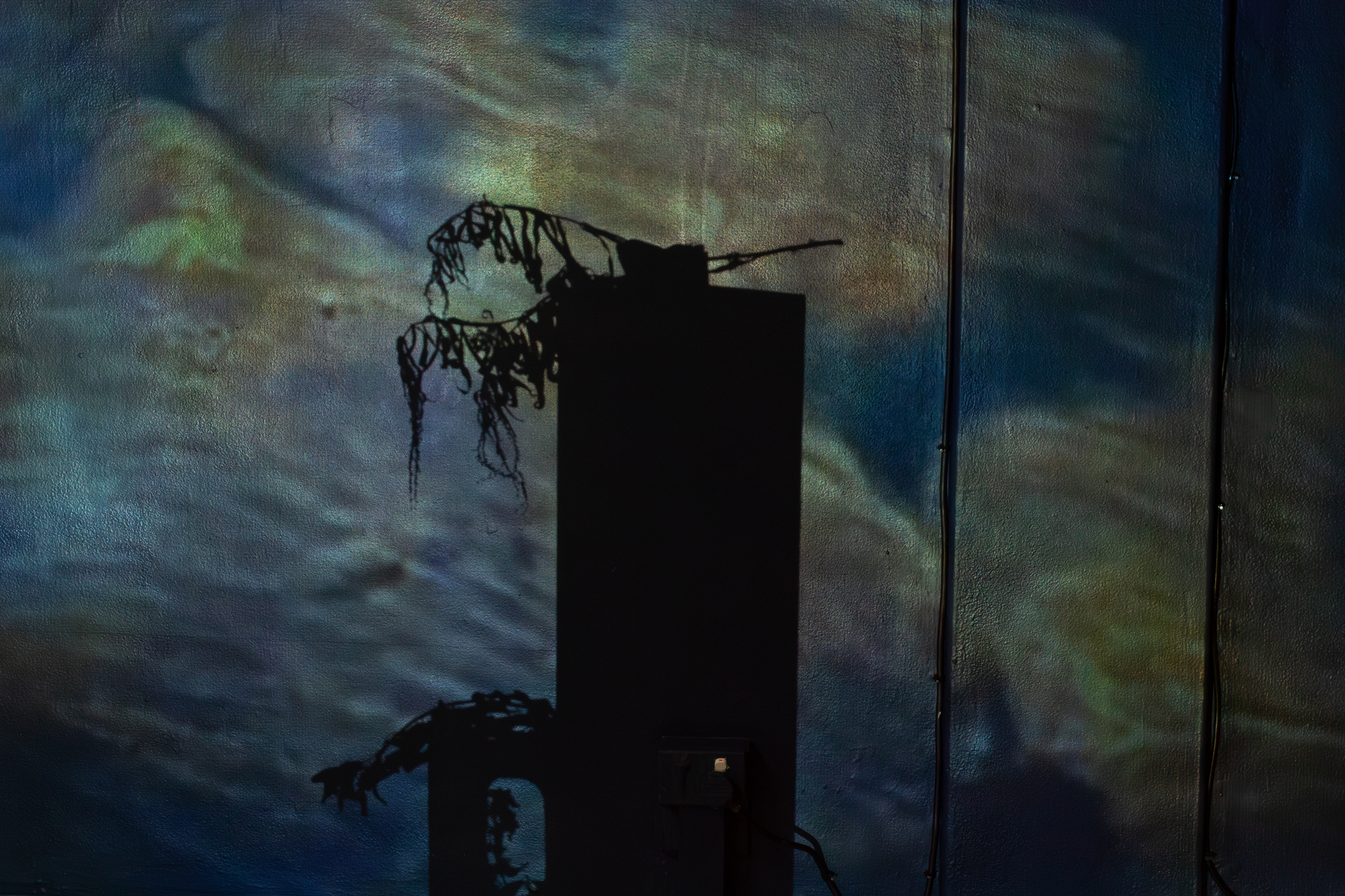
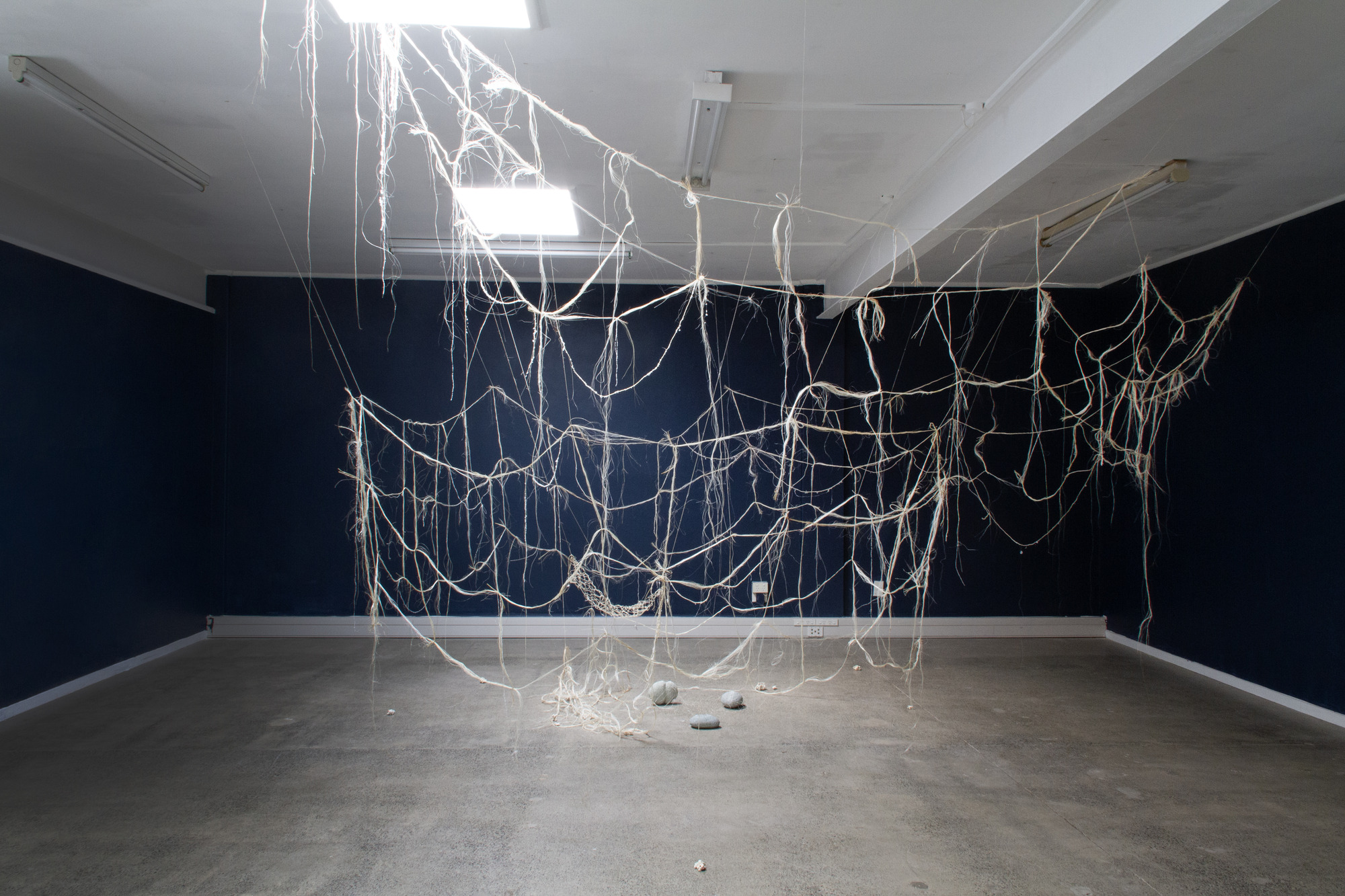
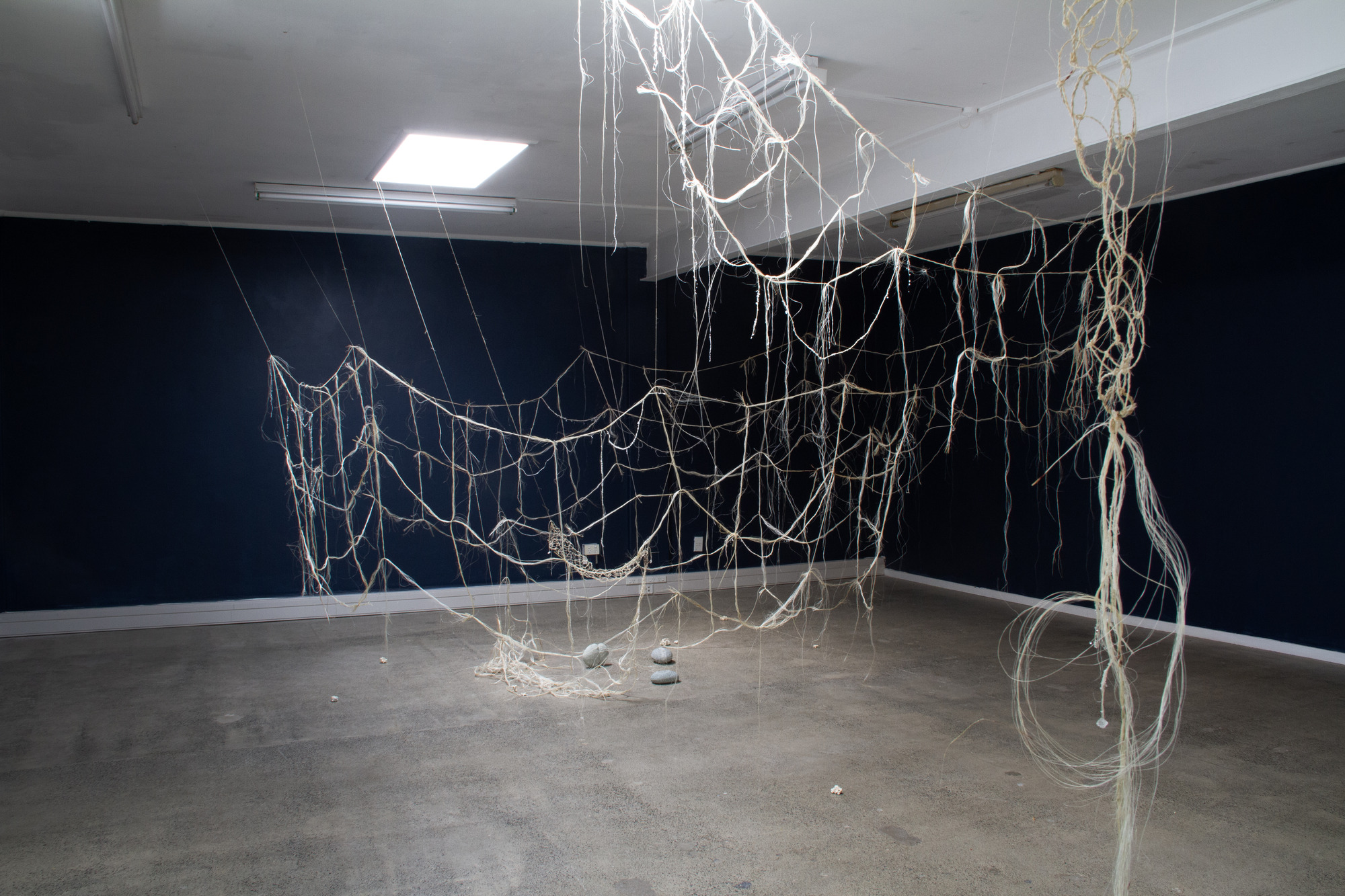
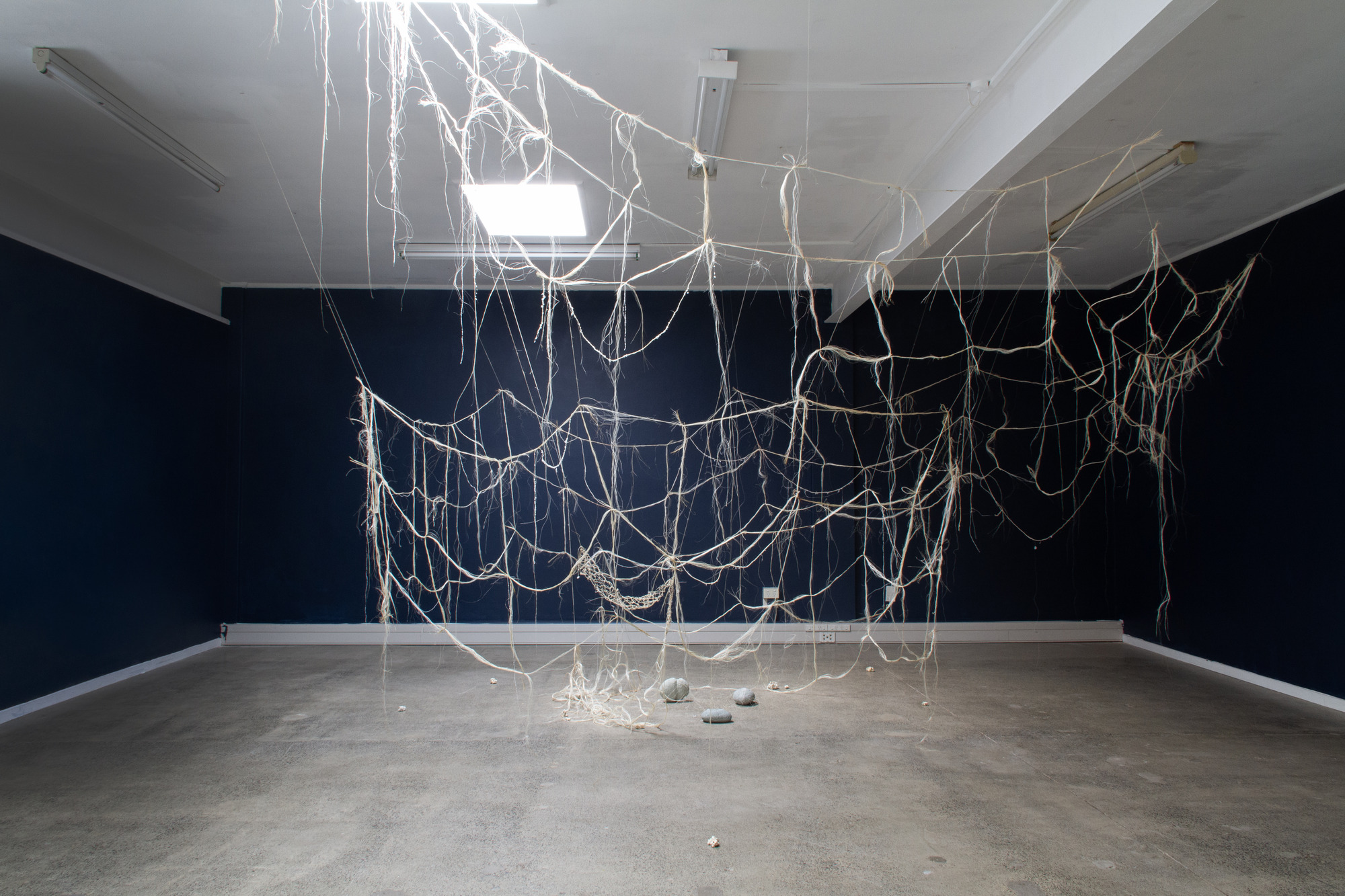
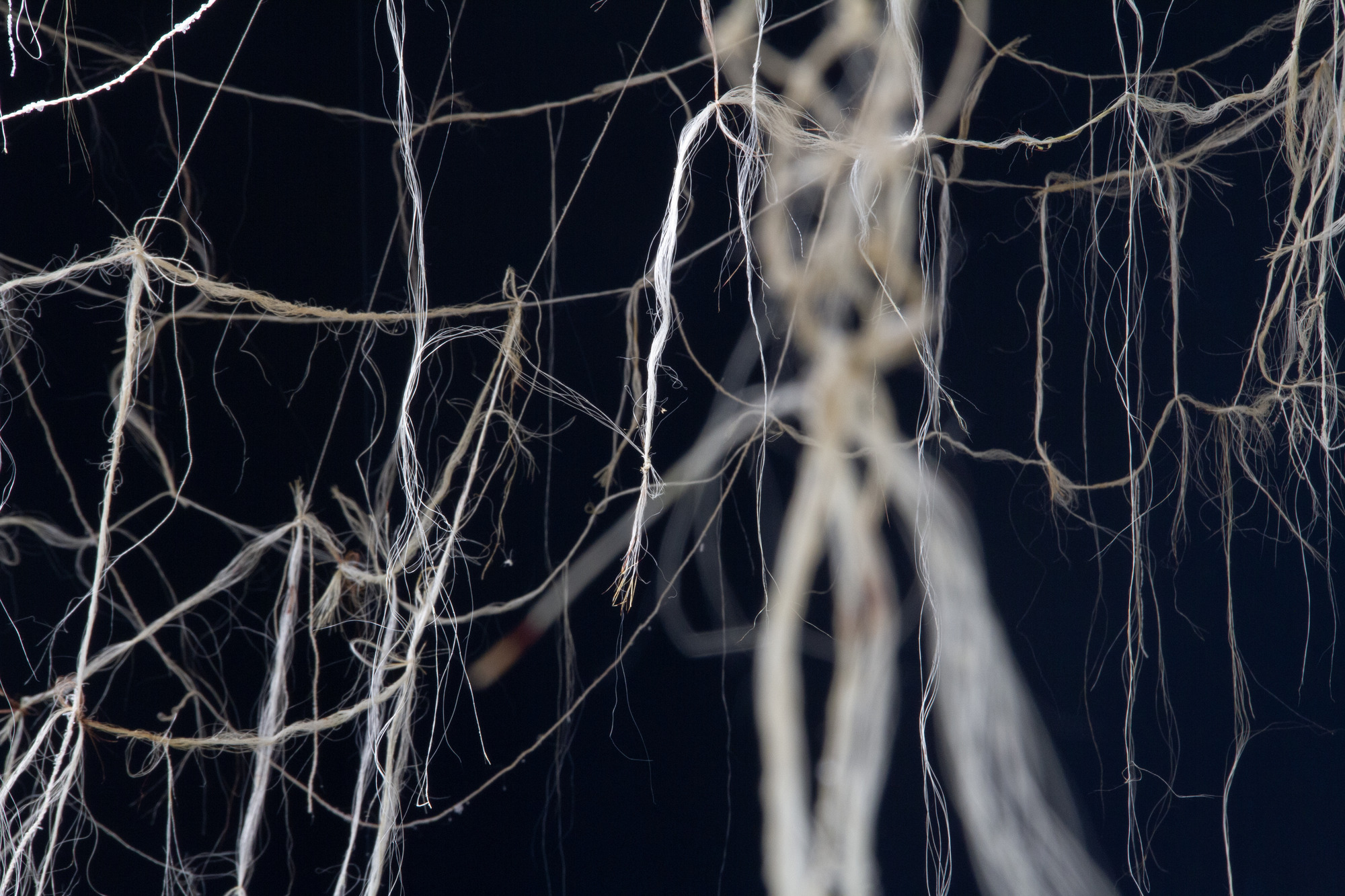
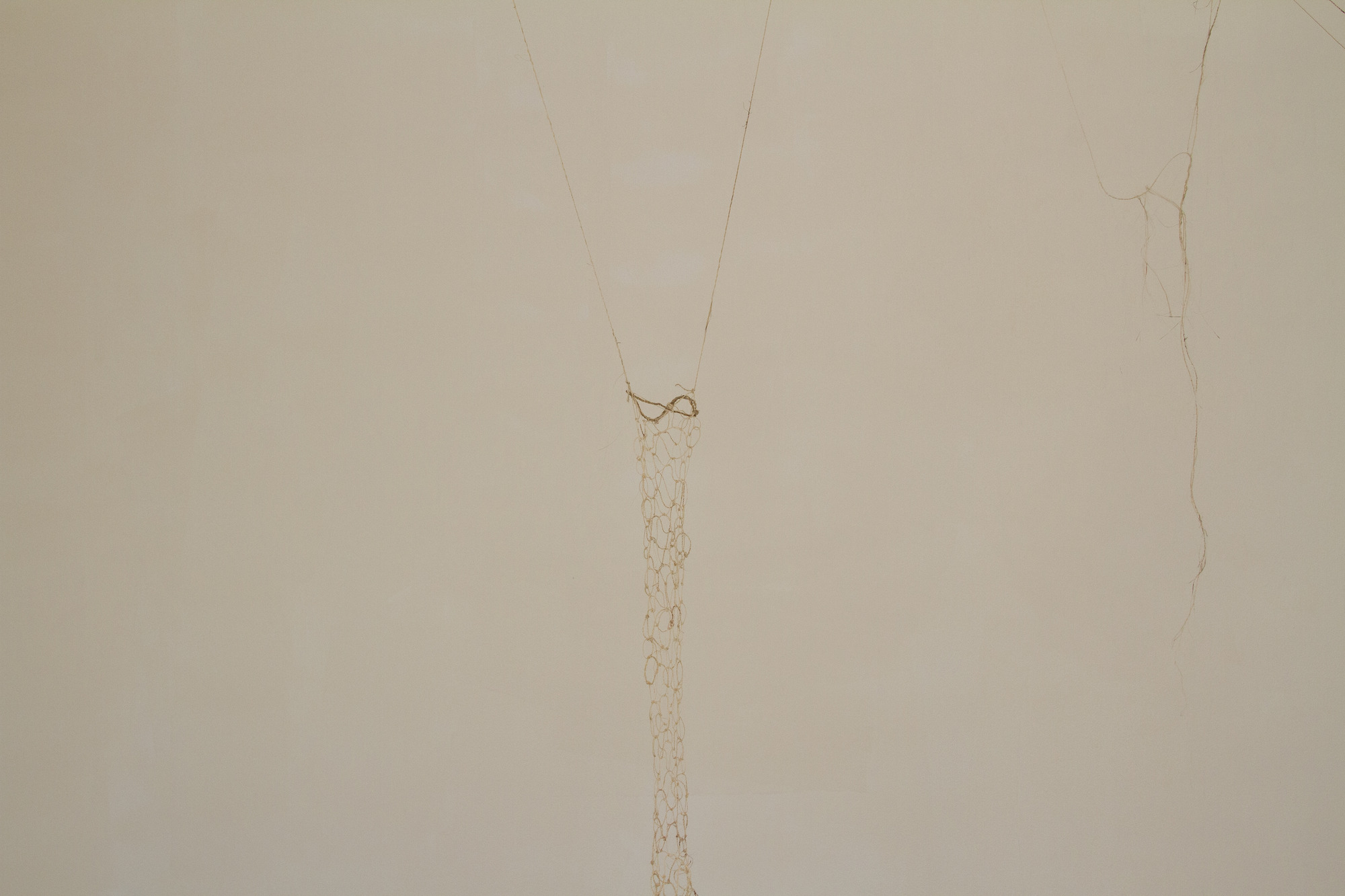
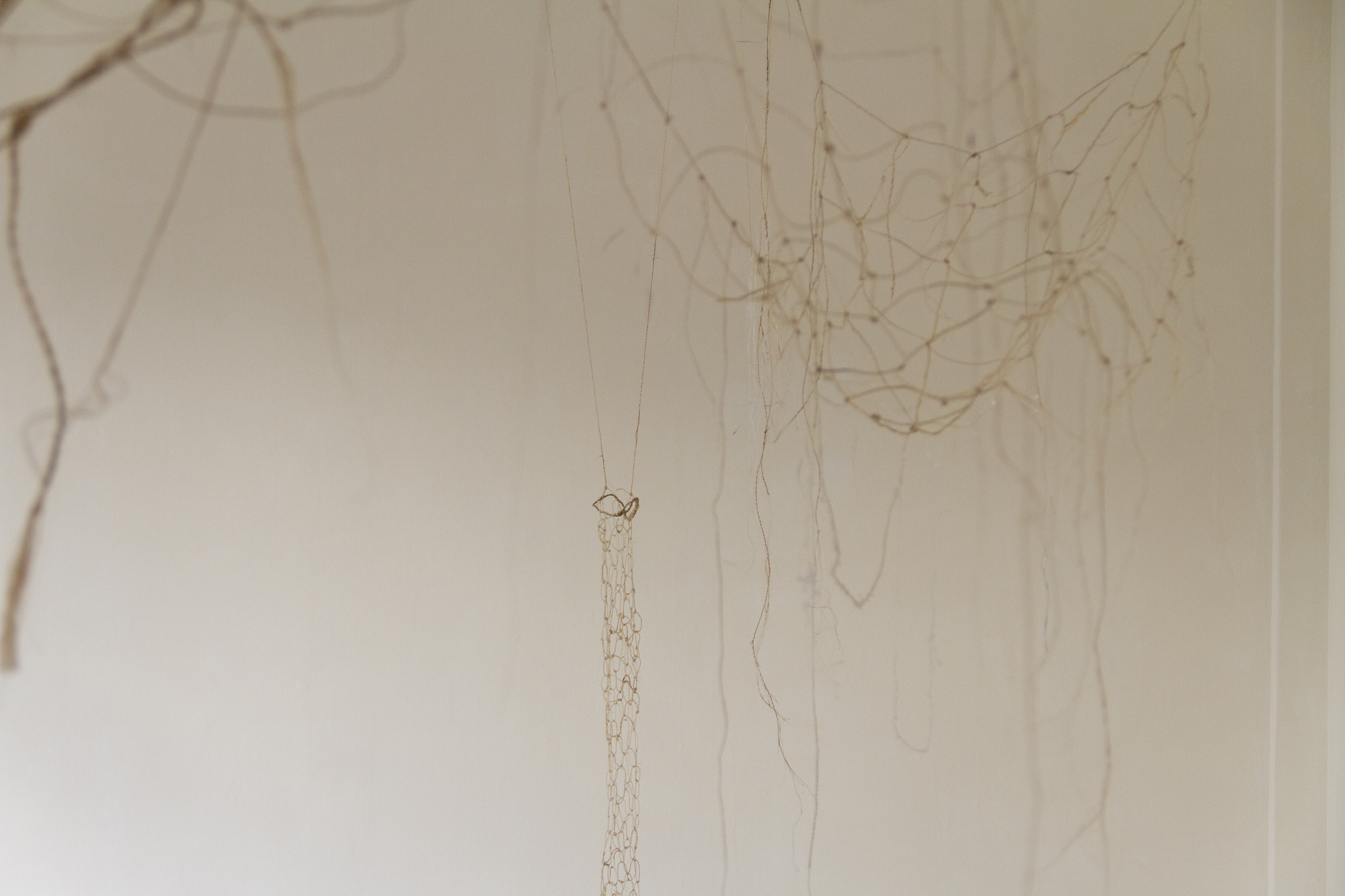
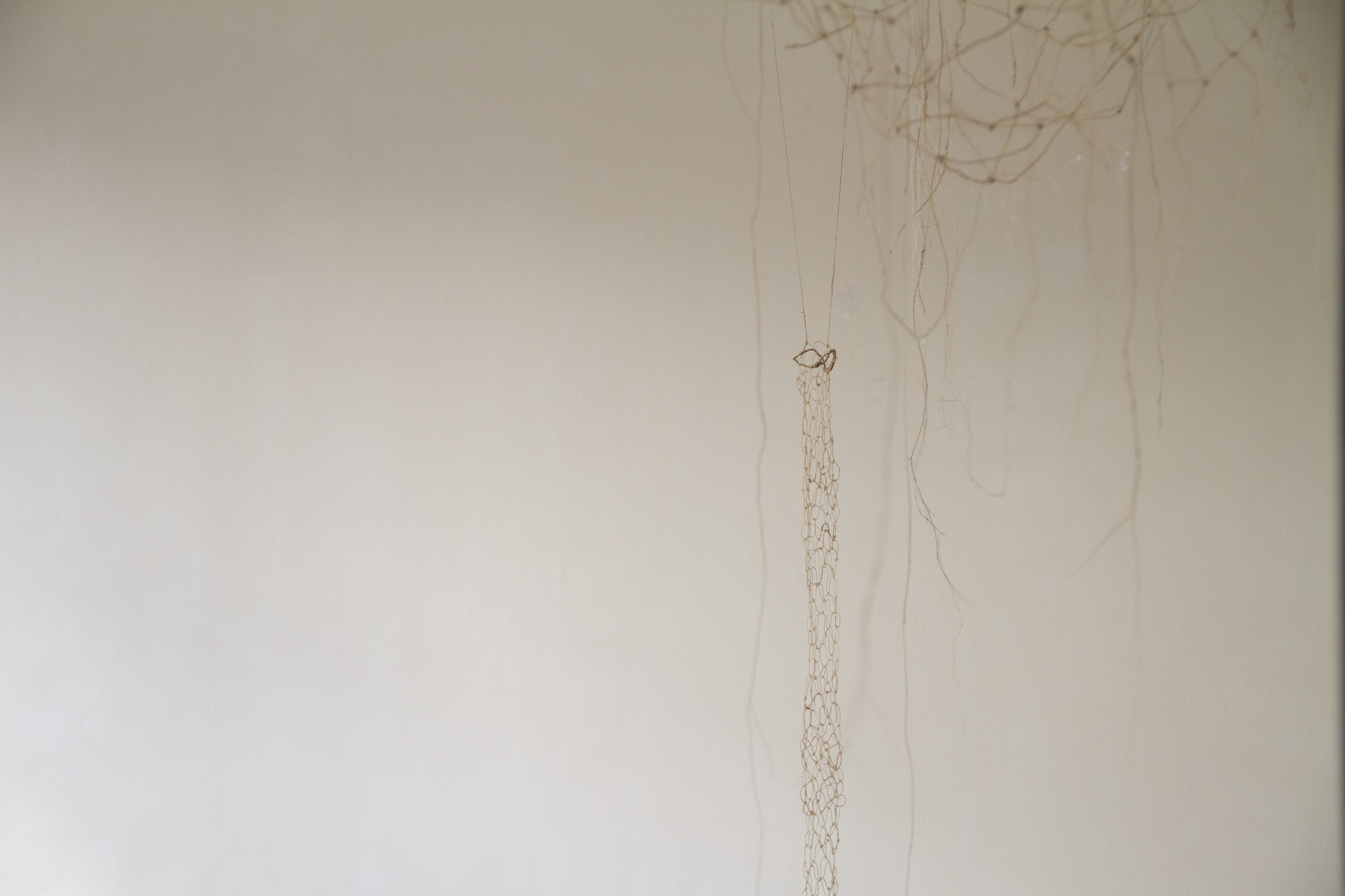
Kalpana Pandaram and Lisa Crowley : aao, batt karo (come, talk to me) the aperture of the moon

Kalpana Pandaram and Lisa Crowley
aao, batt karo (come, talk to me)
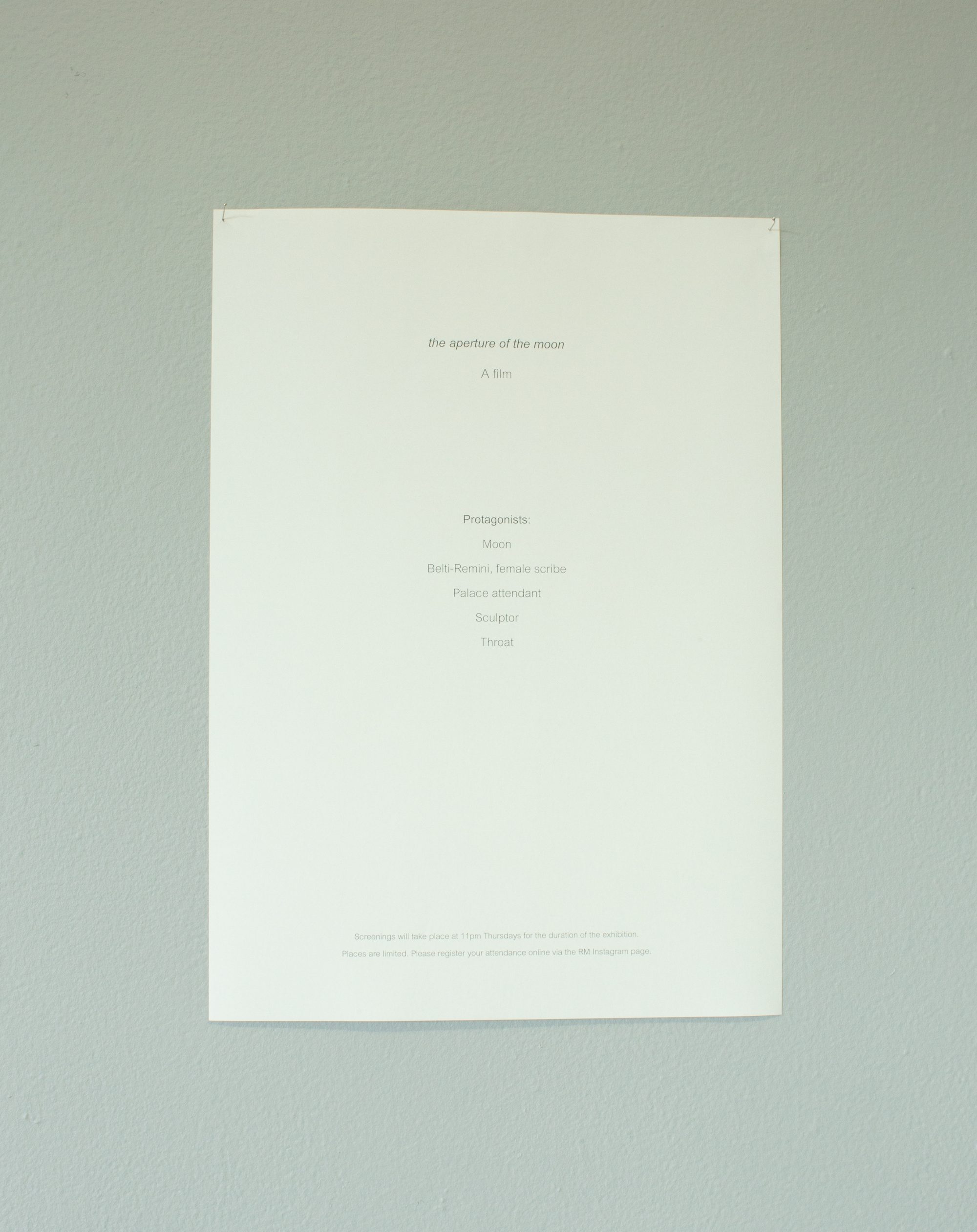
the aperture of the moon

16 July – 23 August 2025

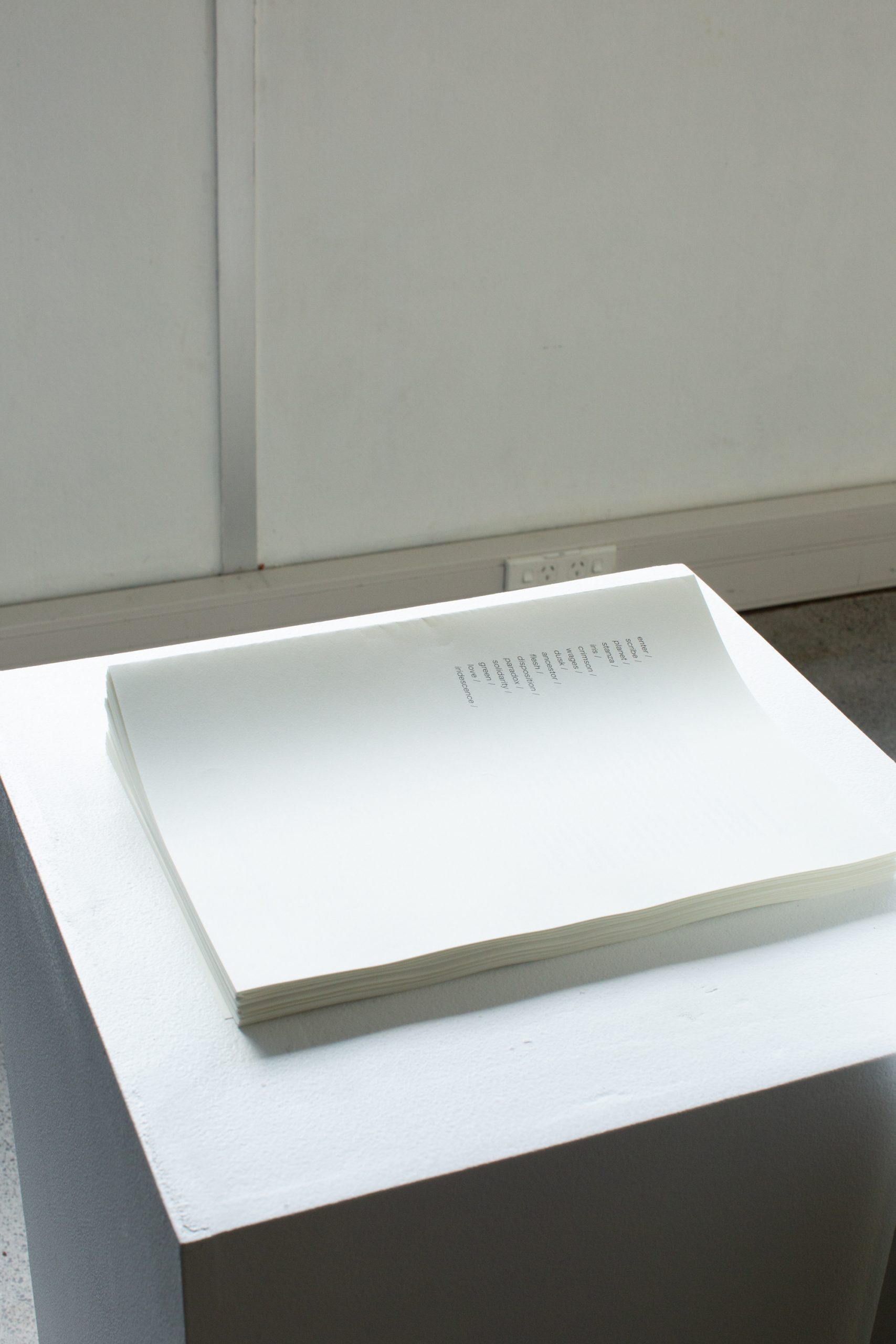
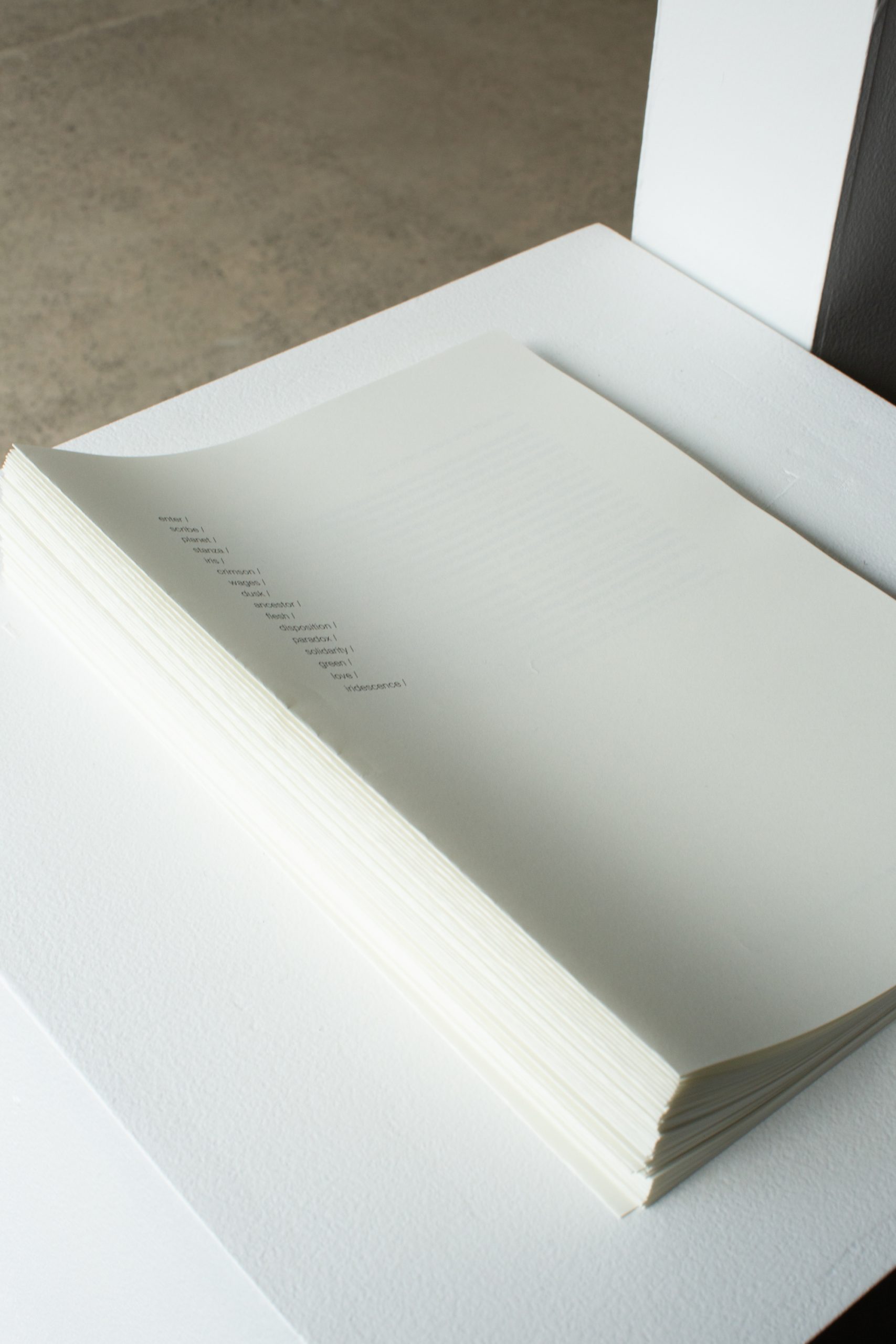
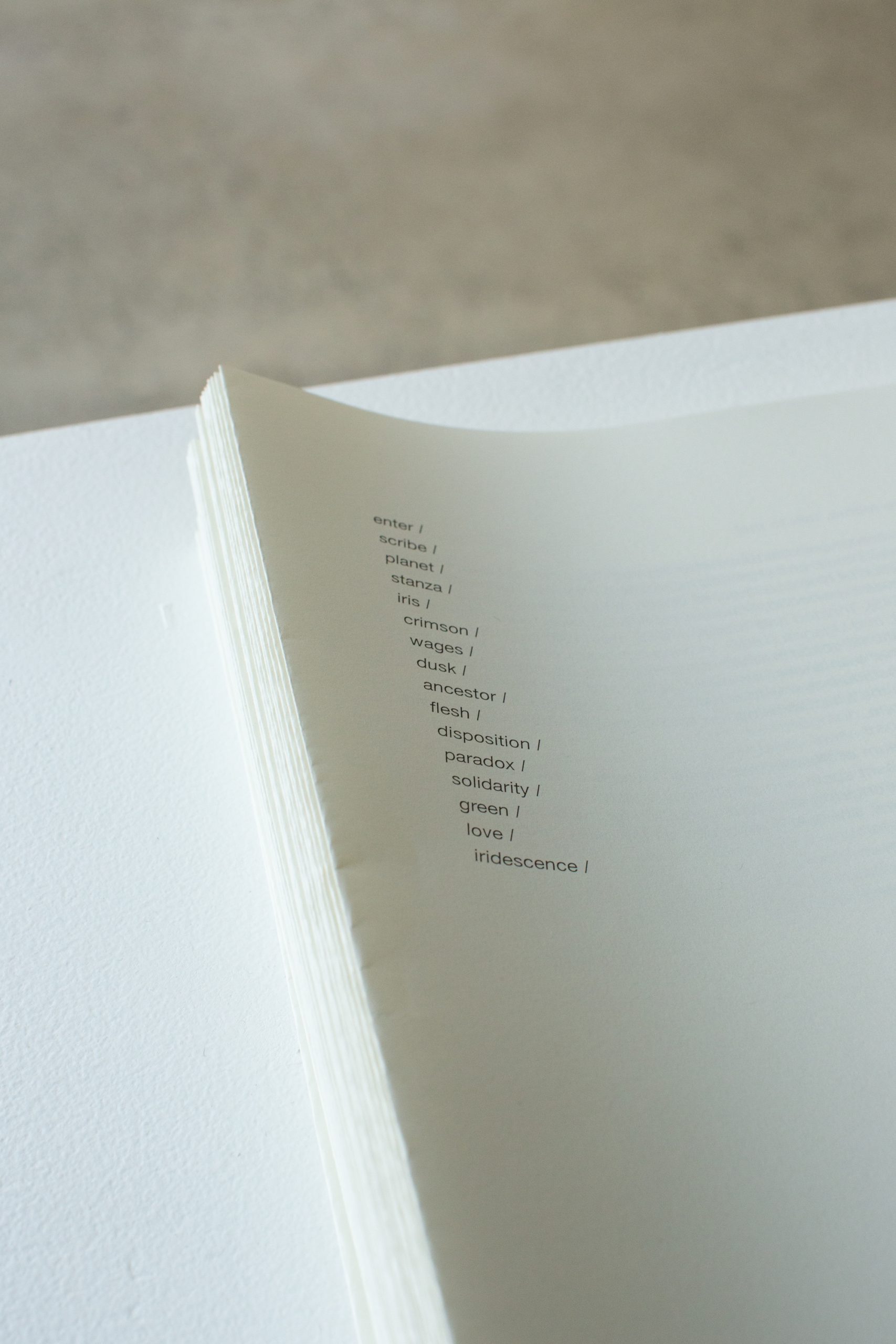
enter /
scribe /
planet /
stanza /
iris /
crimson /
wages /
dusk /
ancestor /
flesh /
disposition /
paradox /
solidarity /
green /
love /
iridescence /

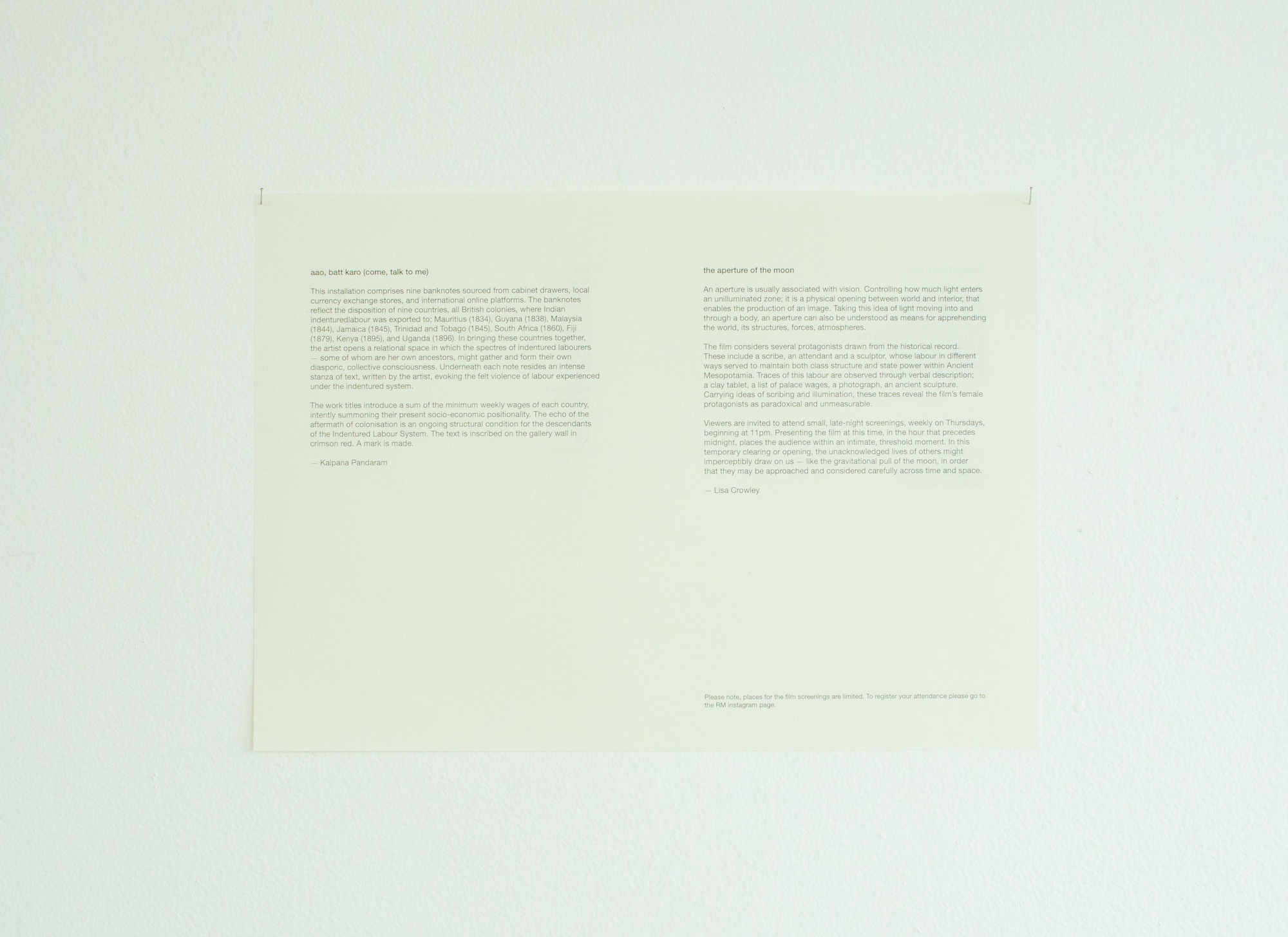
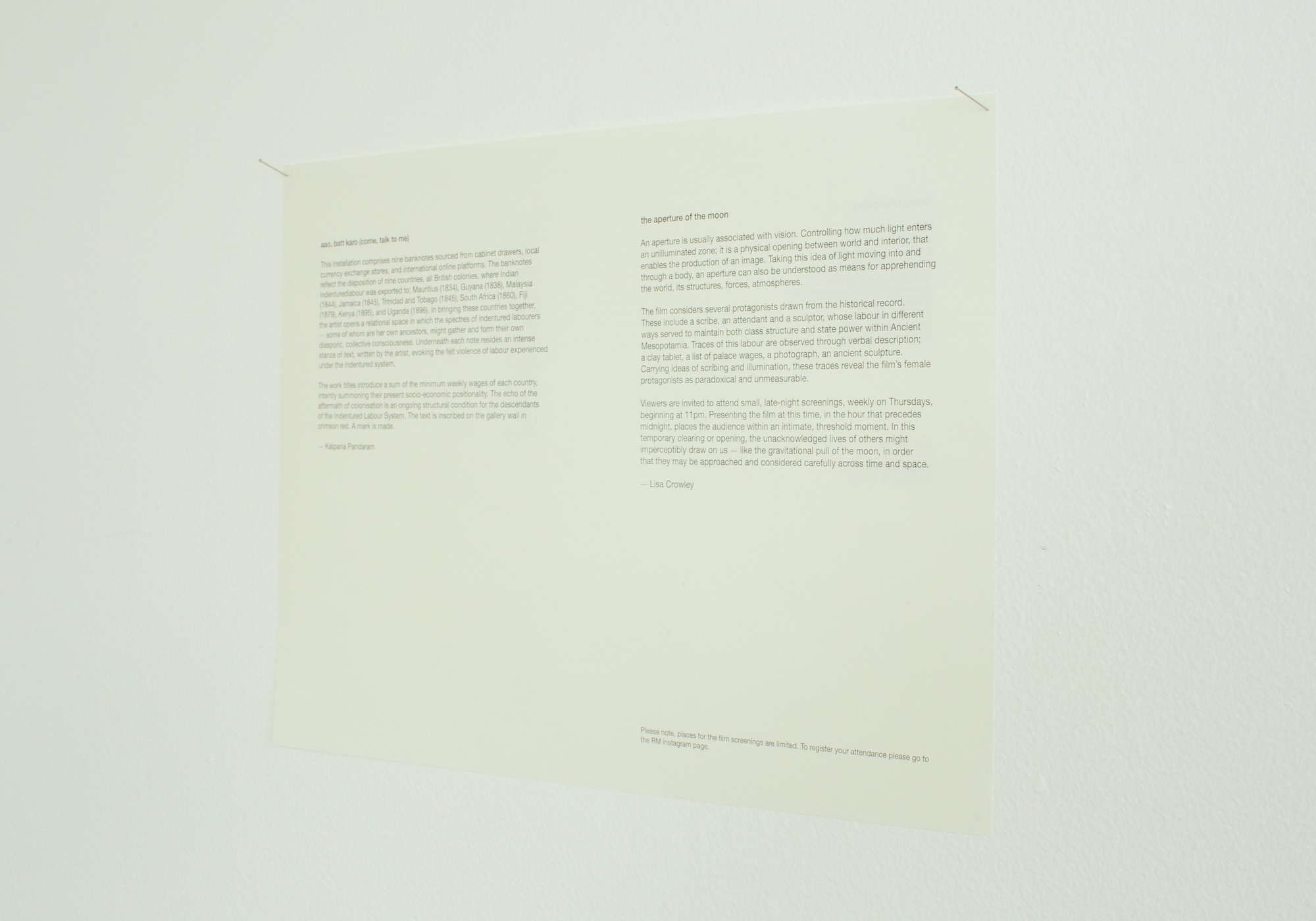
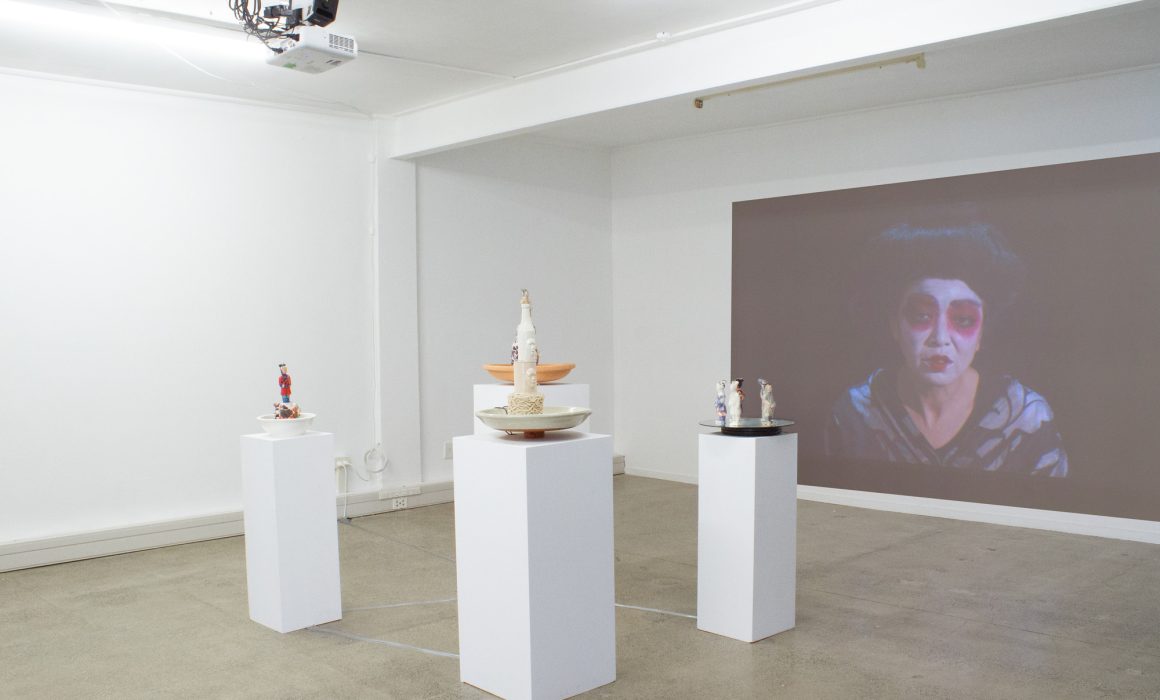
aao, batt karo (come, talk to me)
Kalpana Pandaram

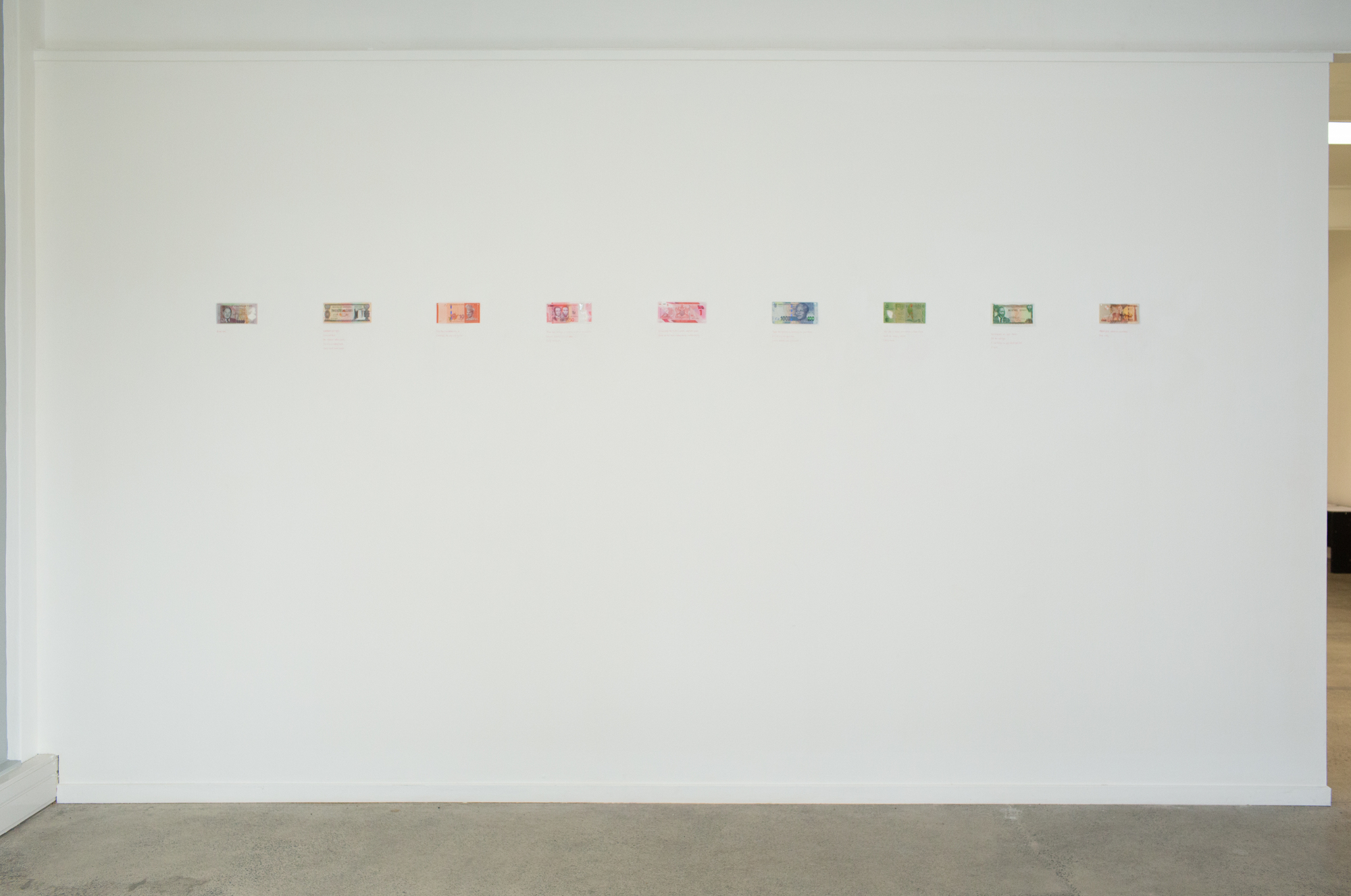
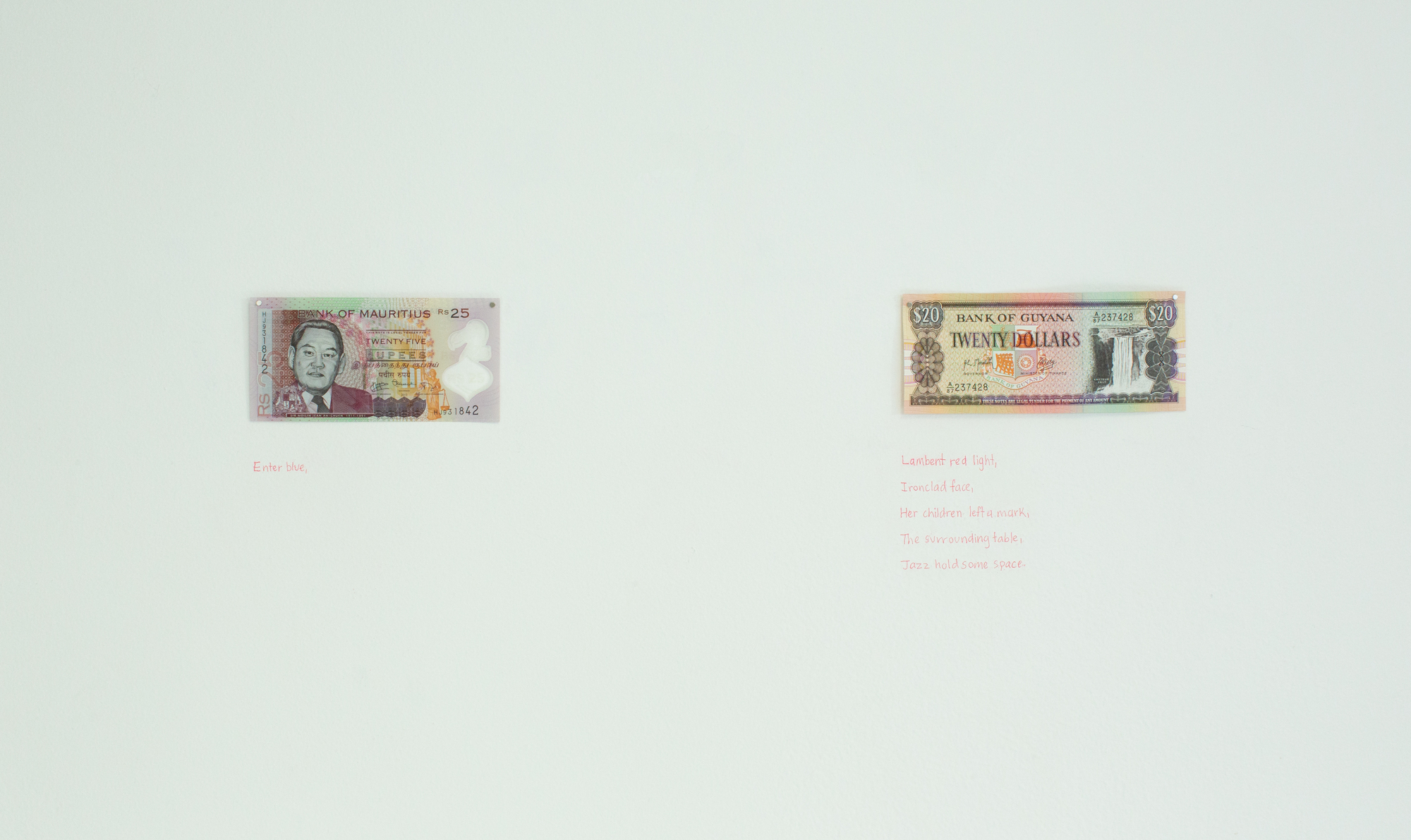
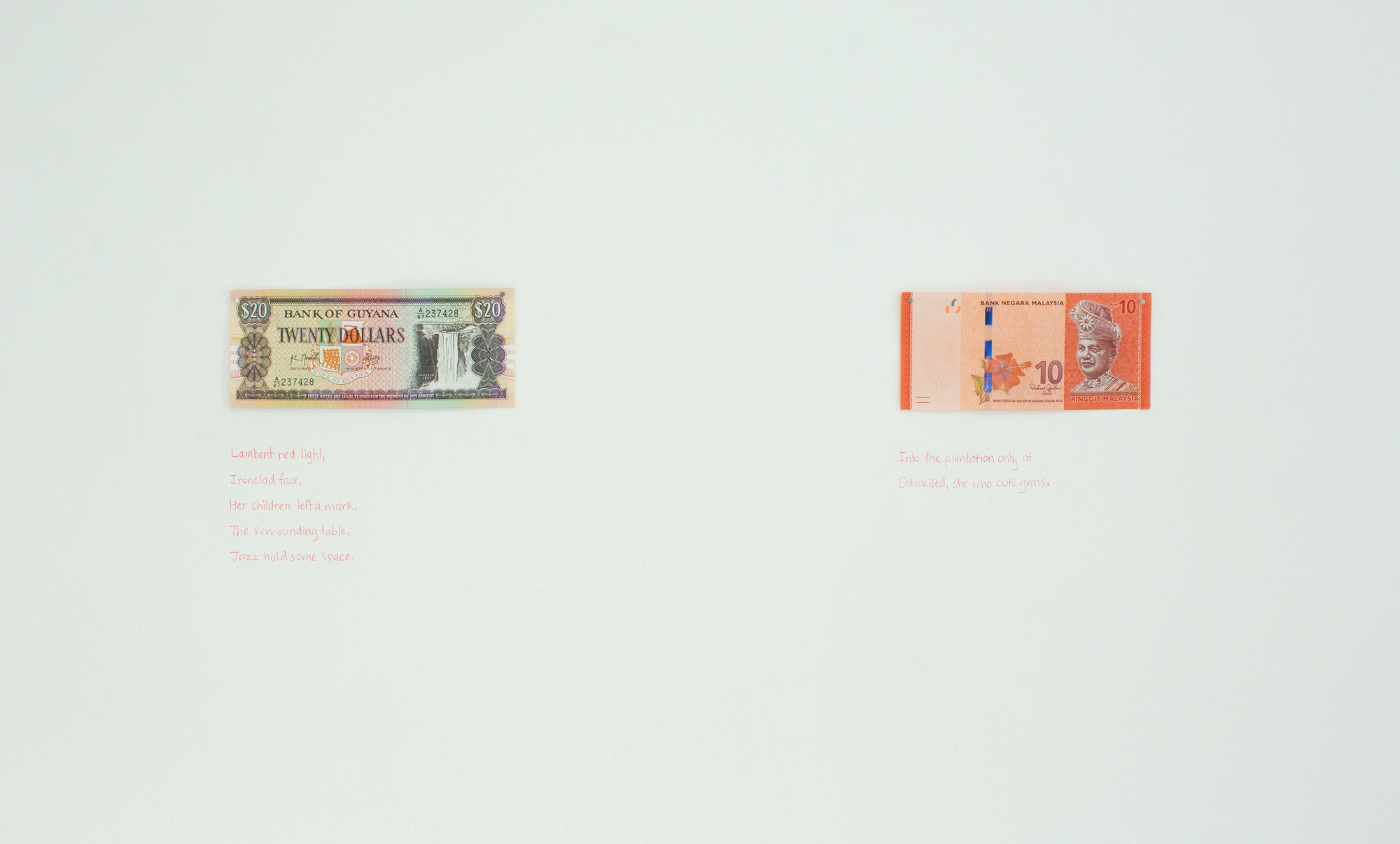
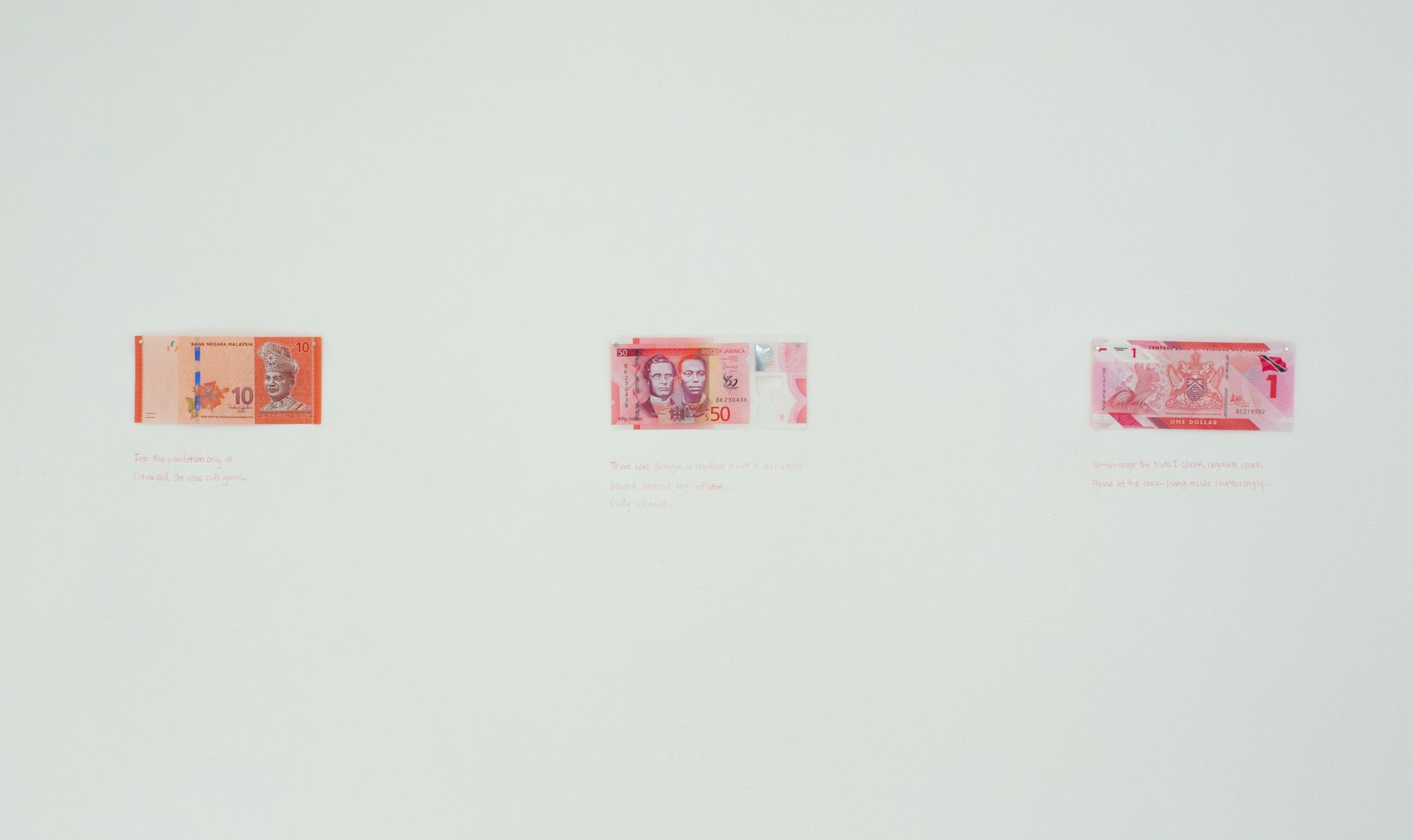
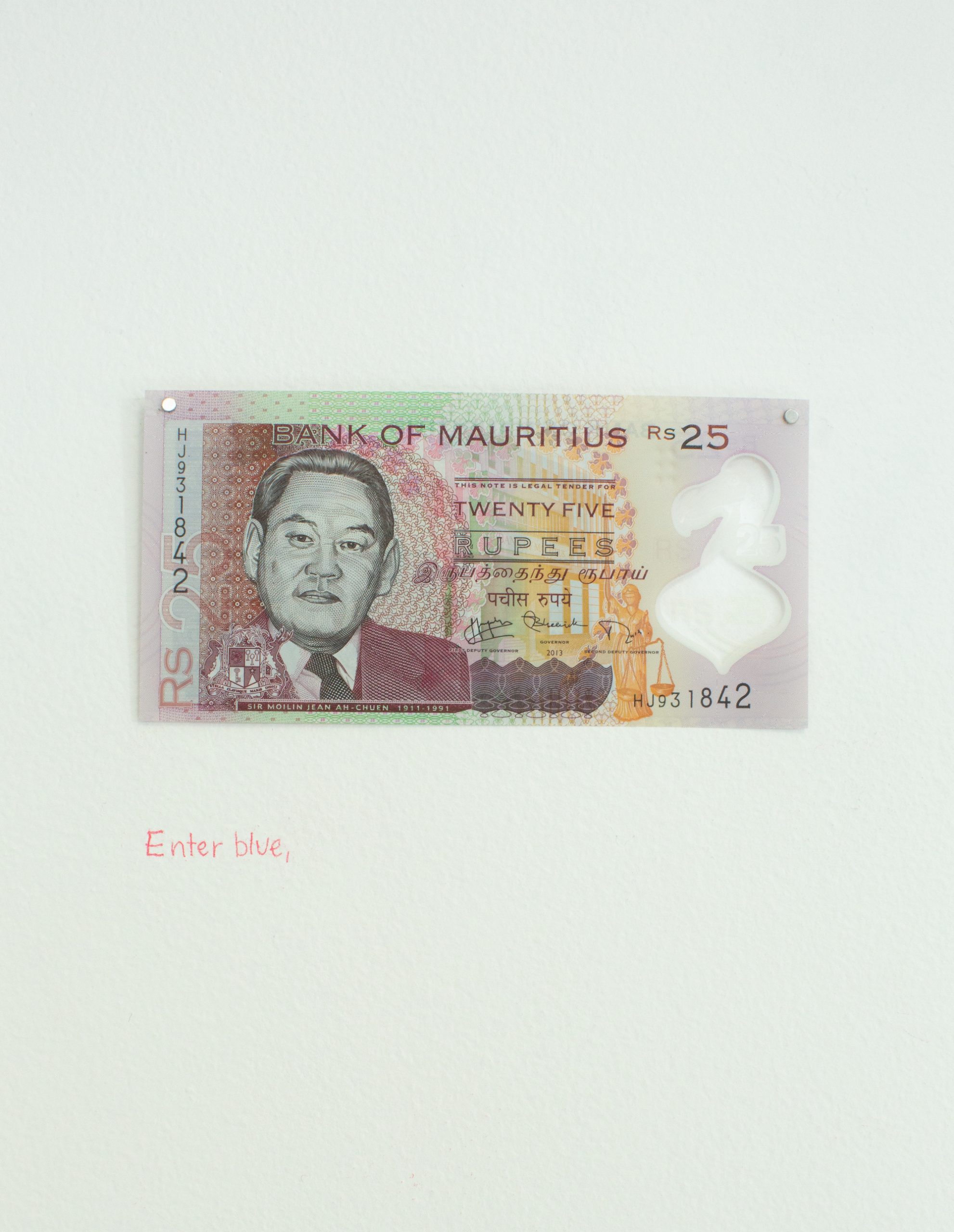
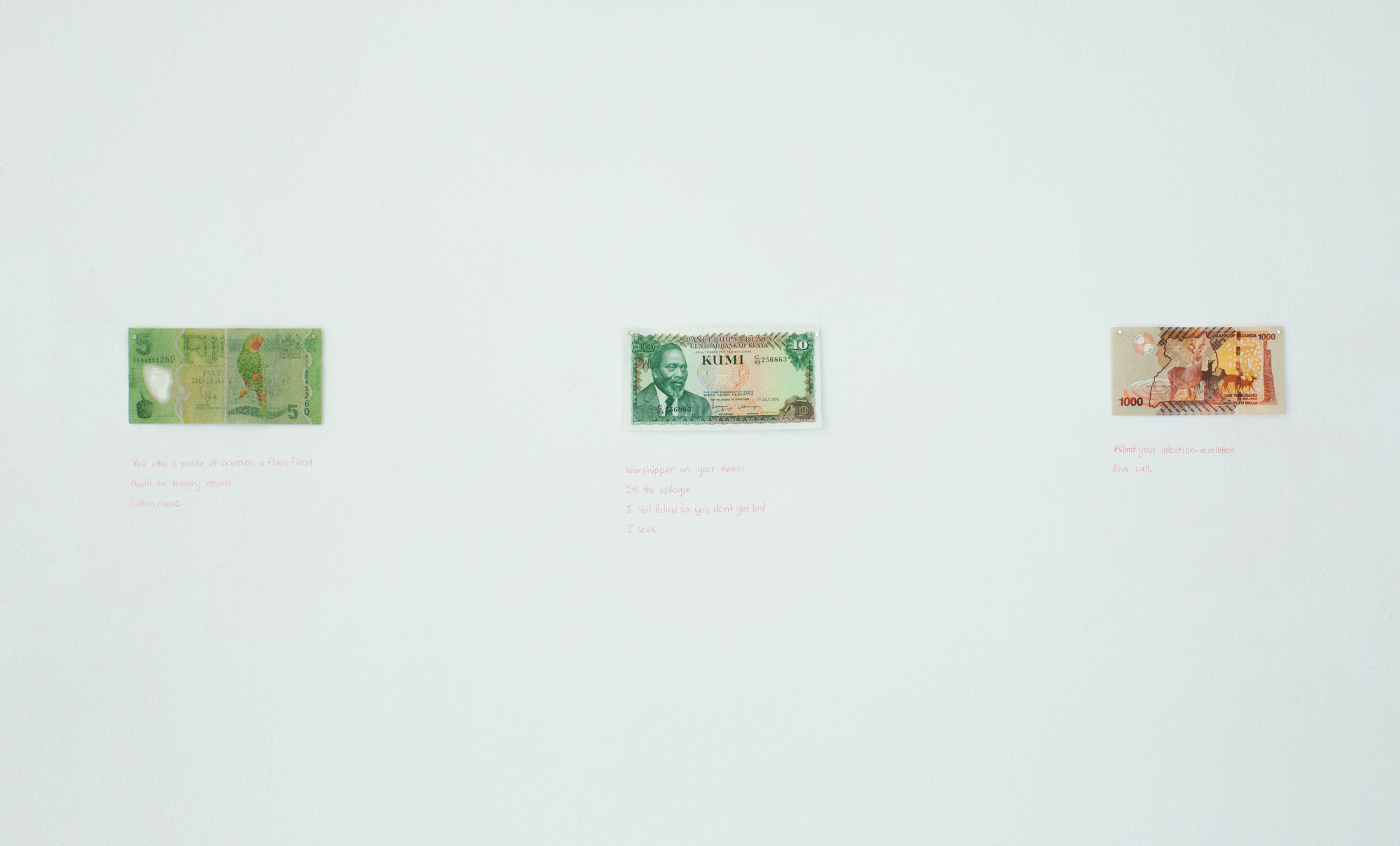
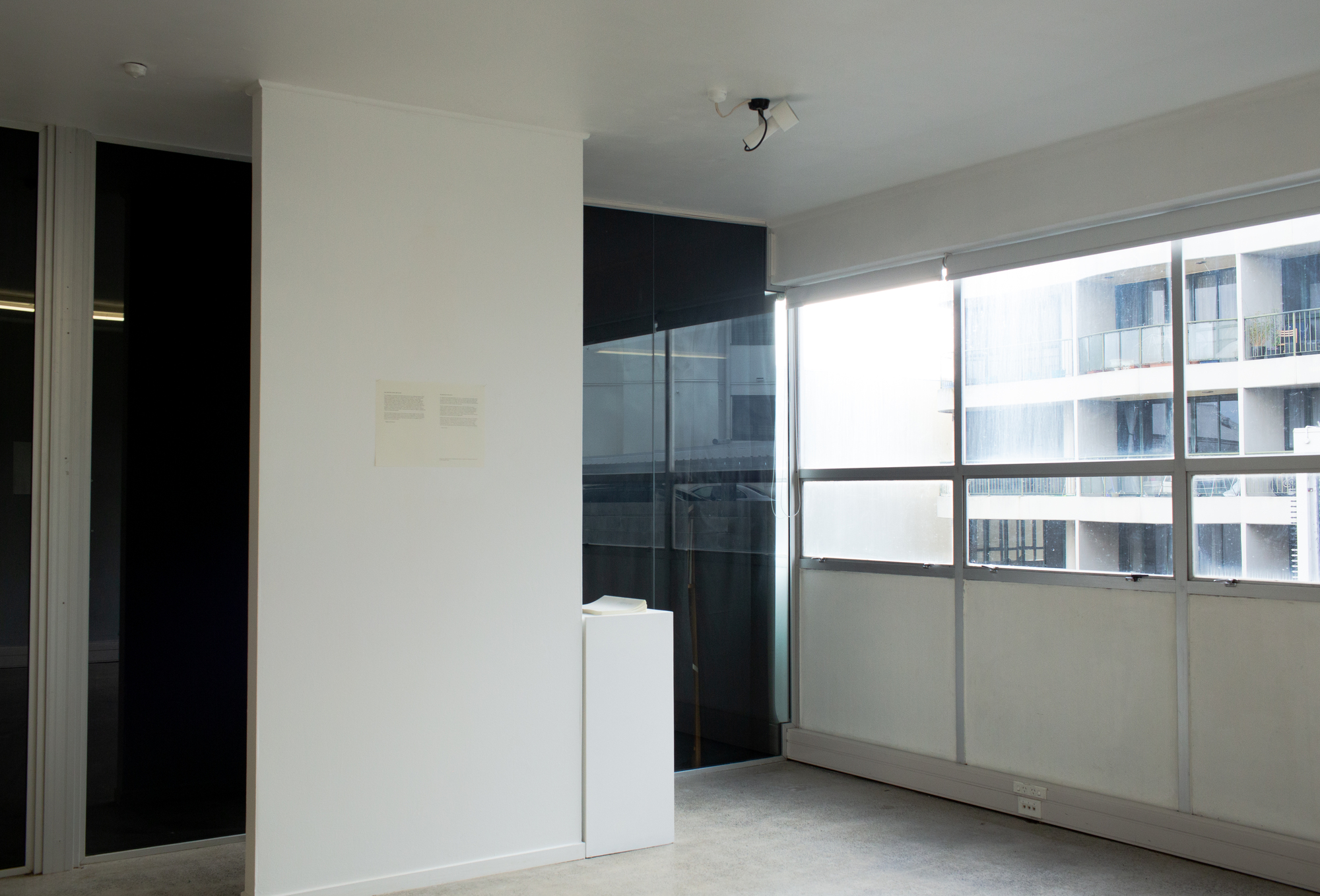
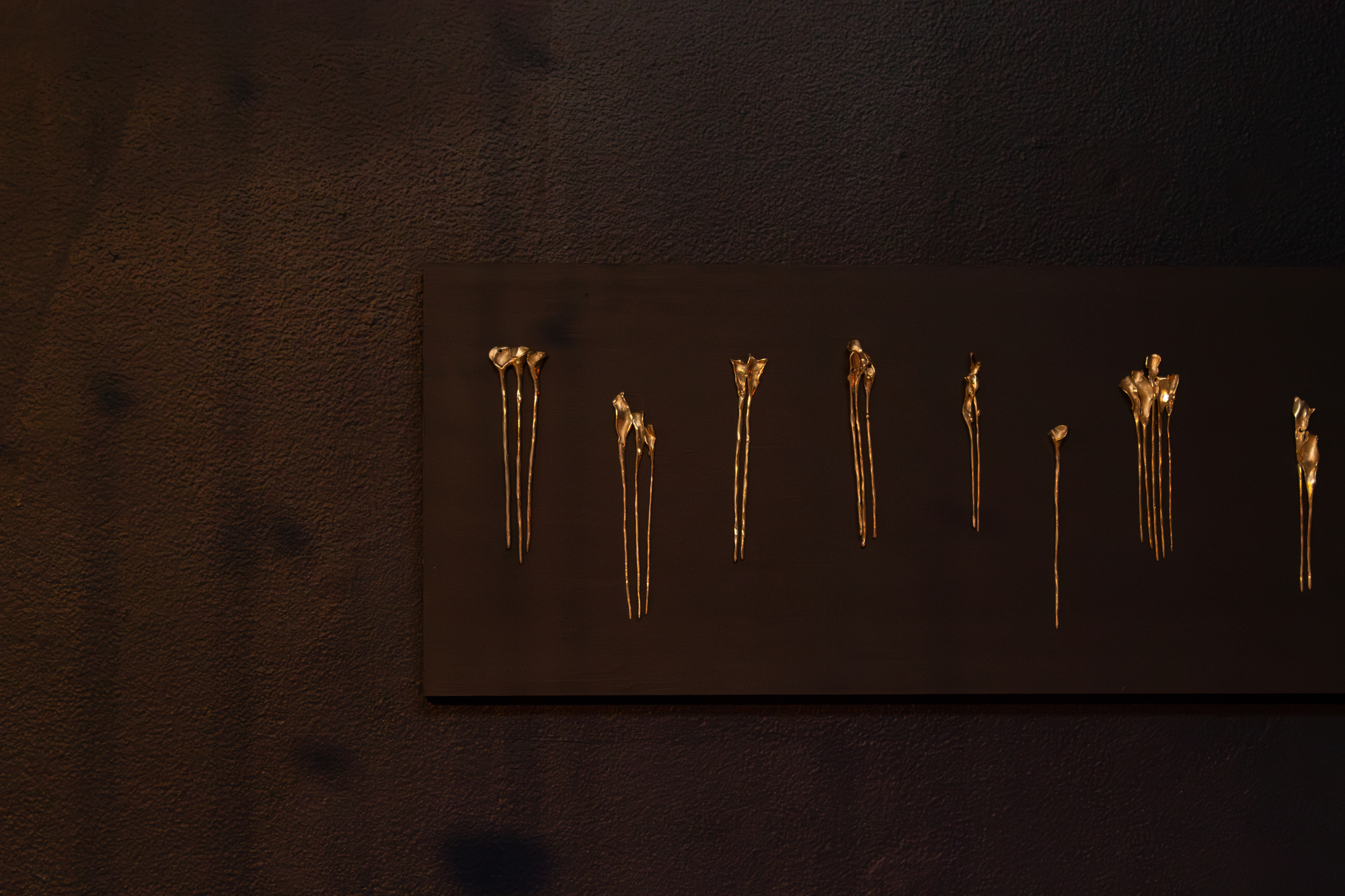
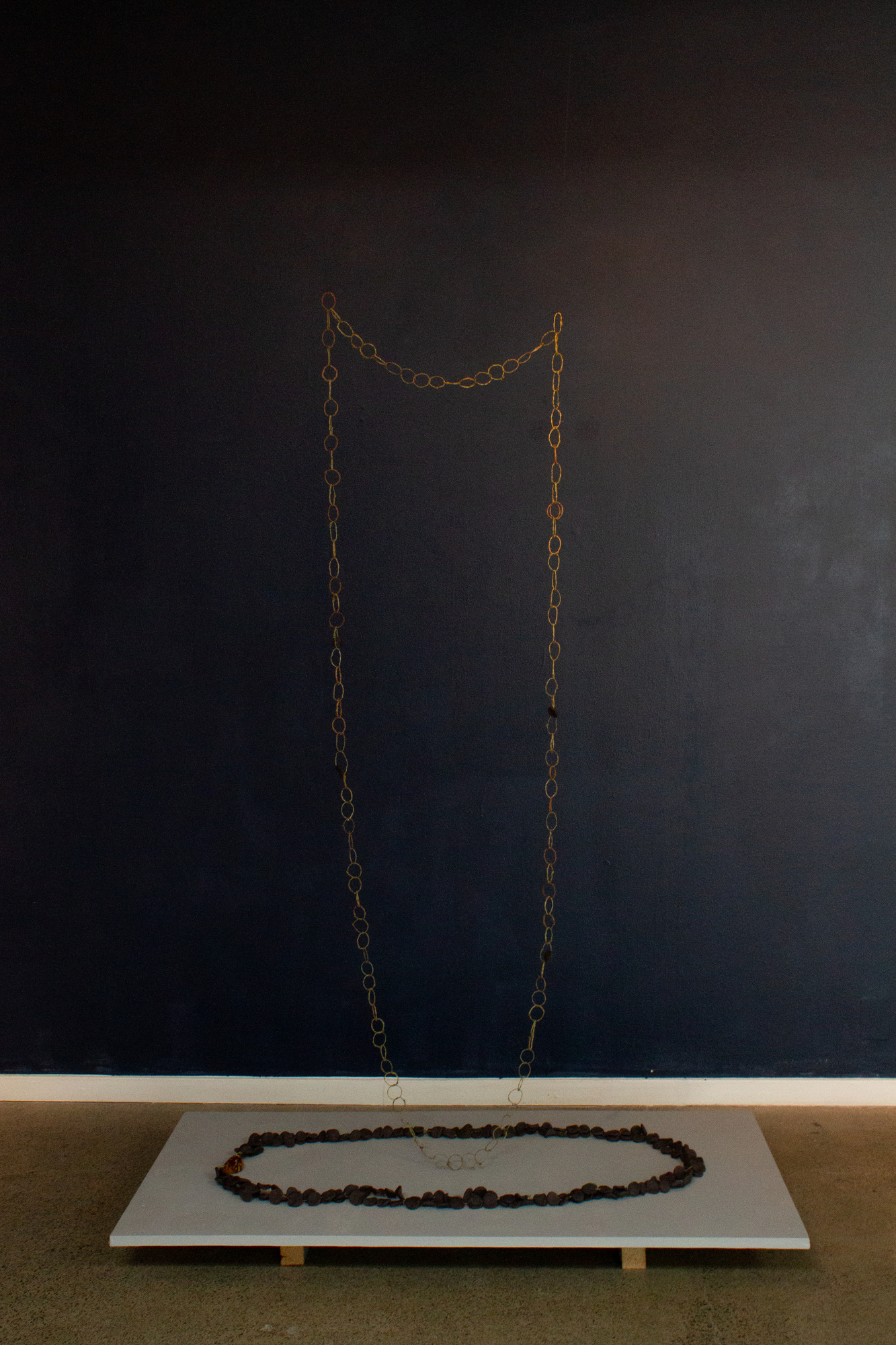
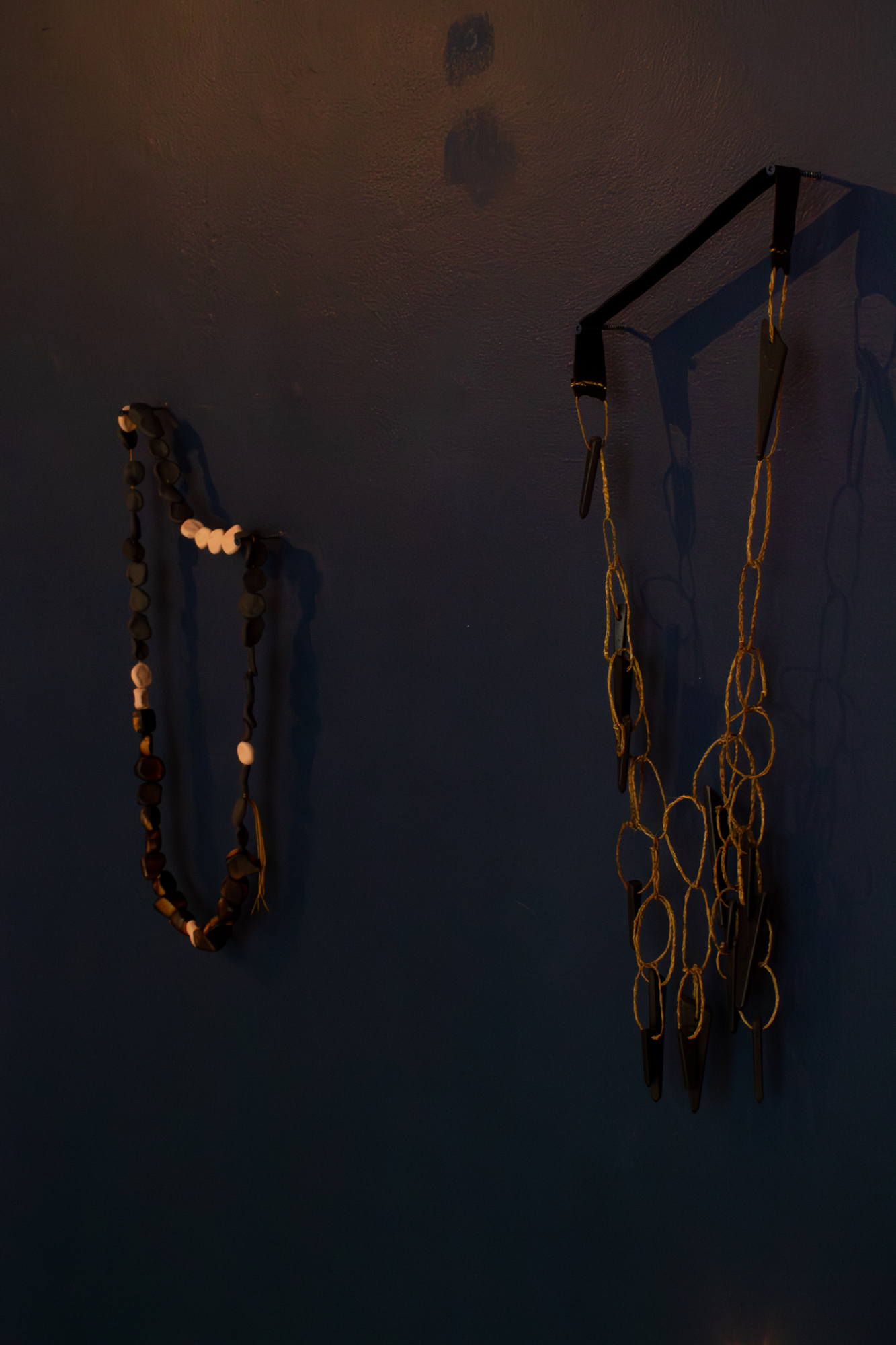
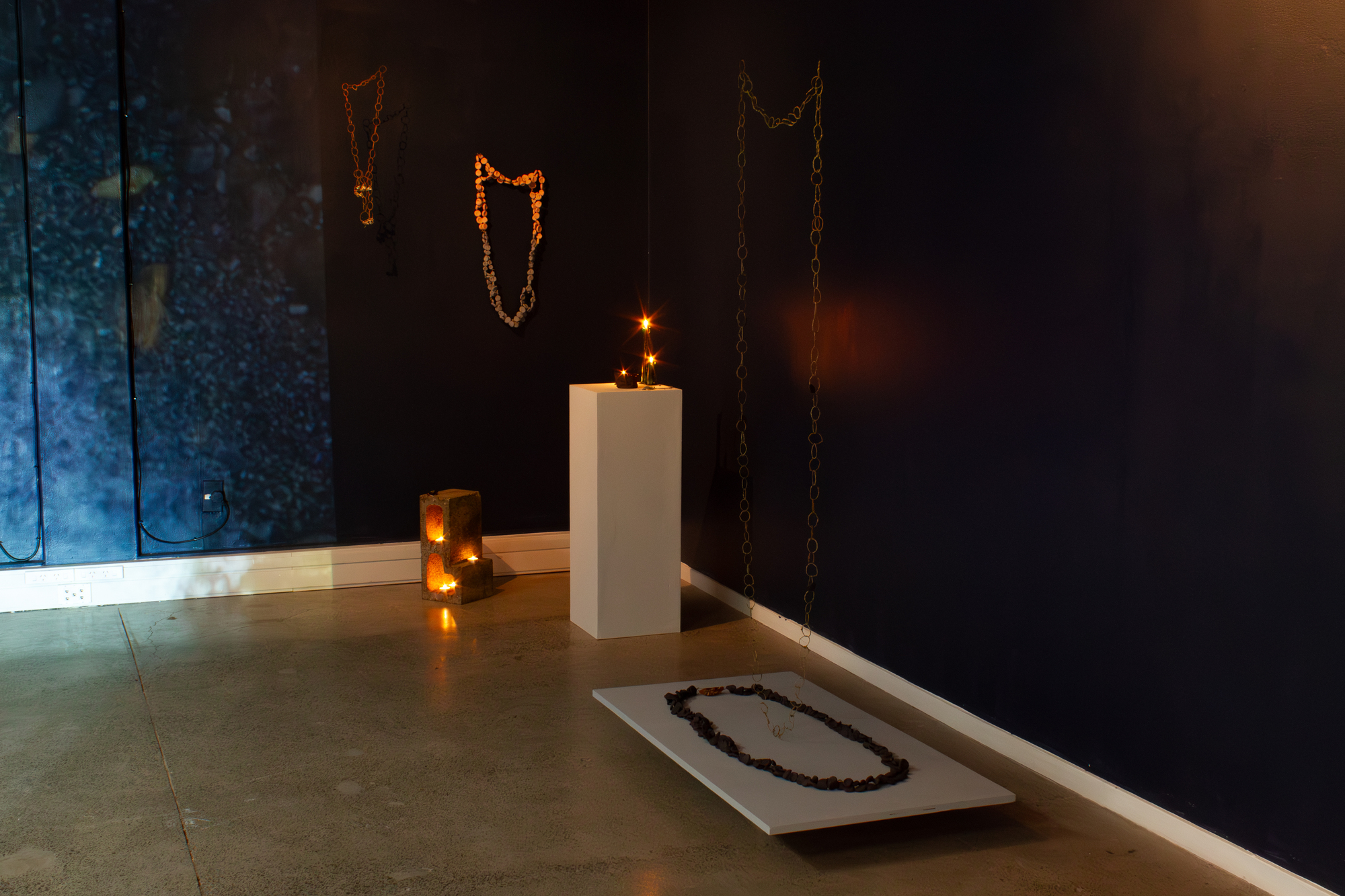
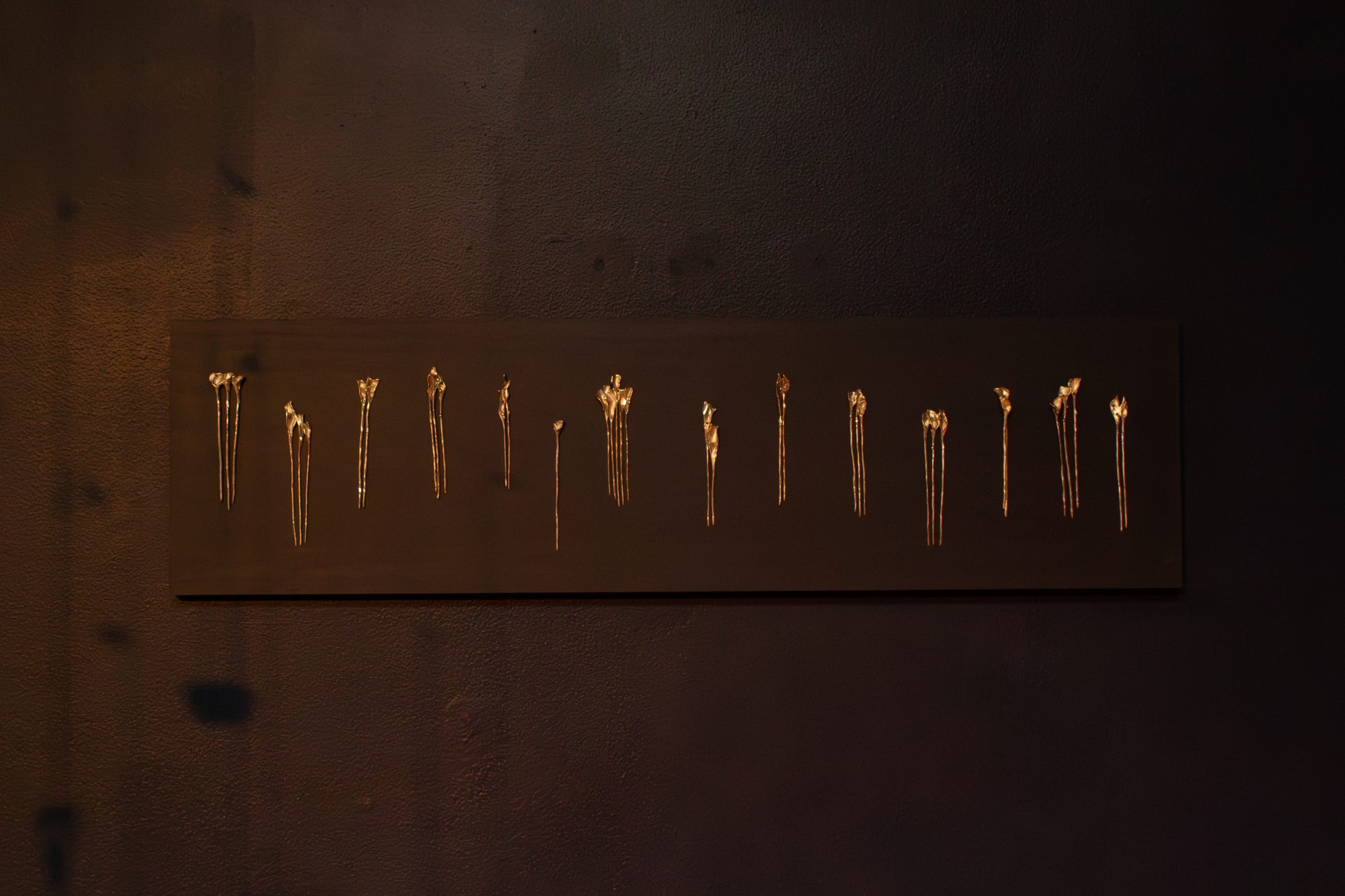
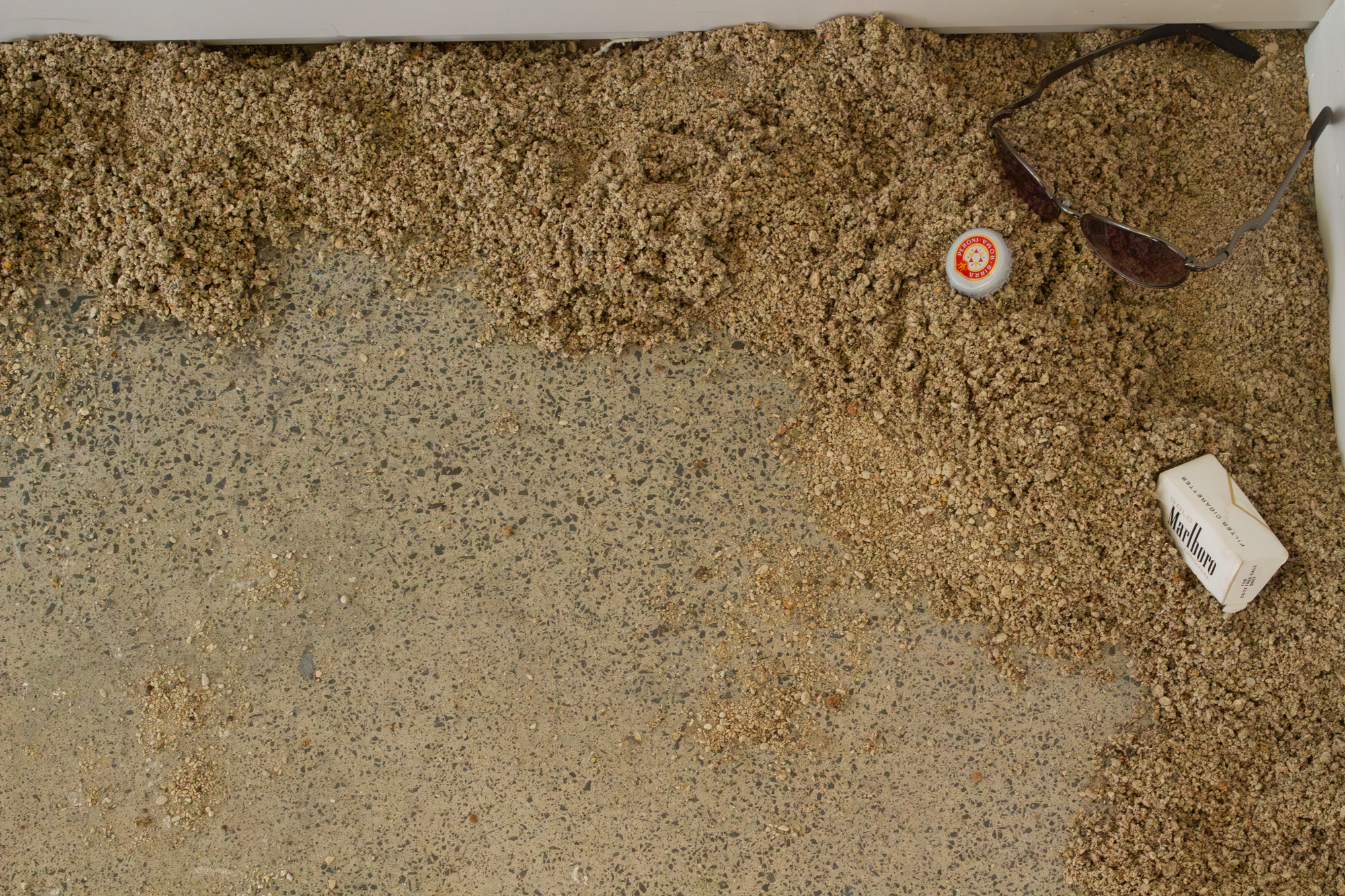
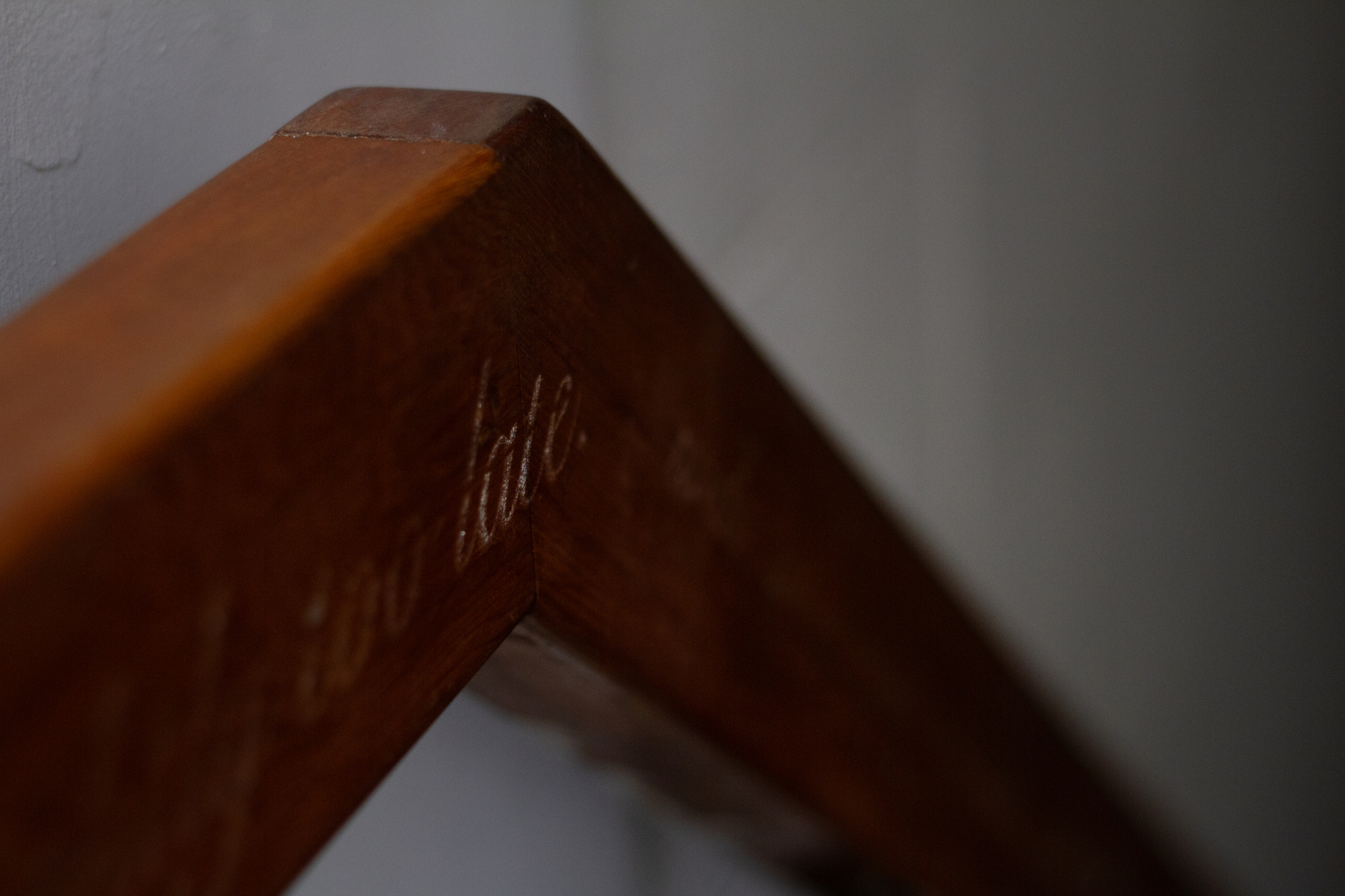
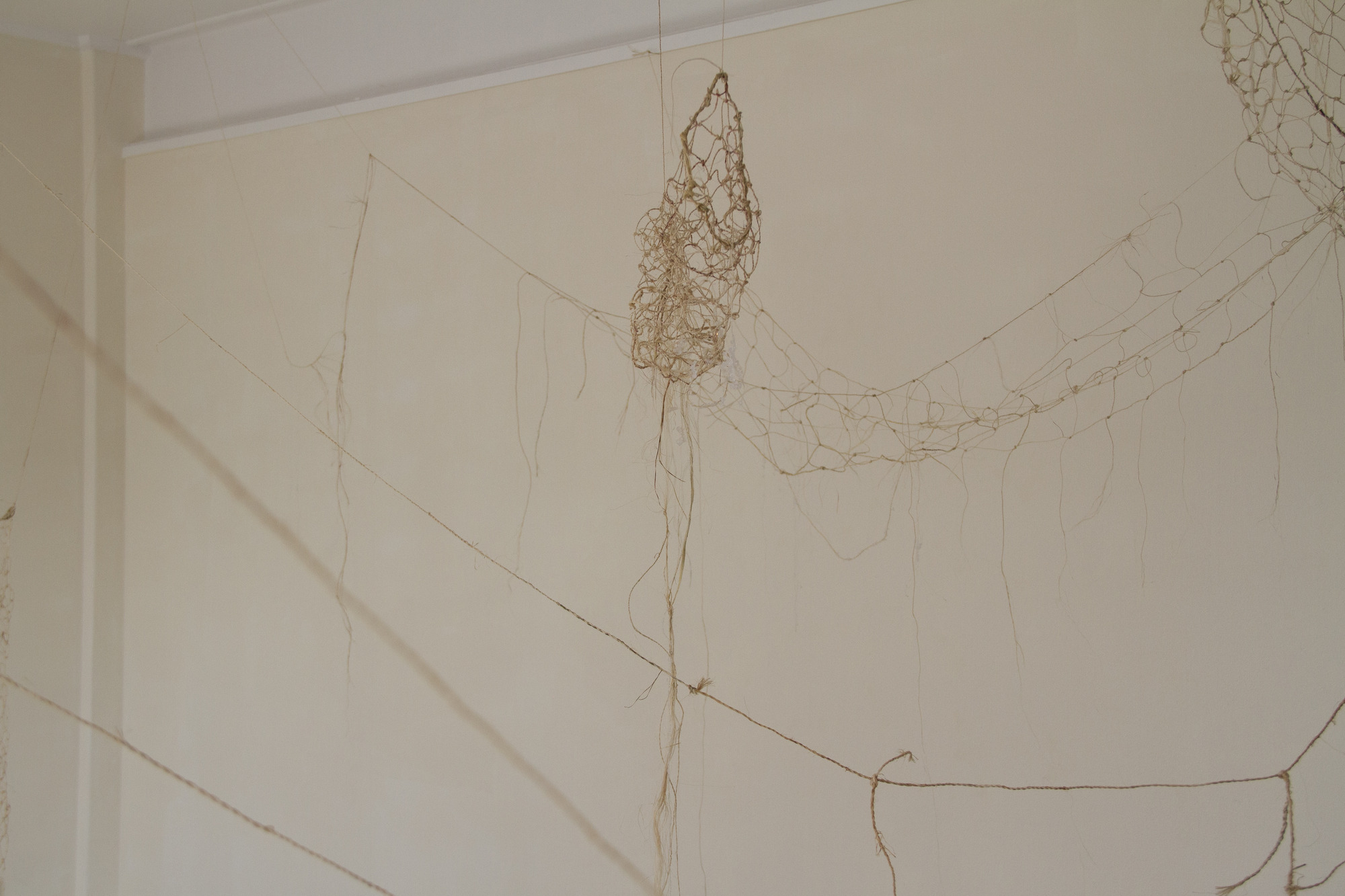
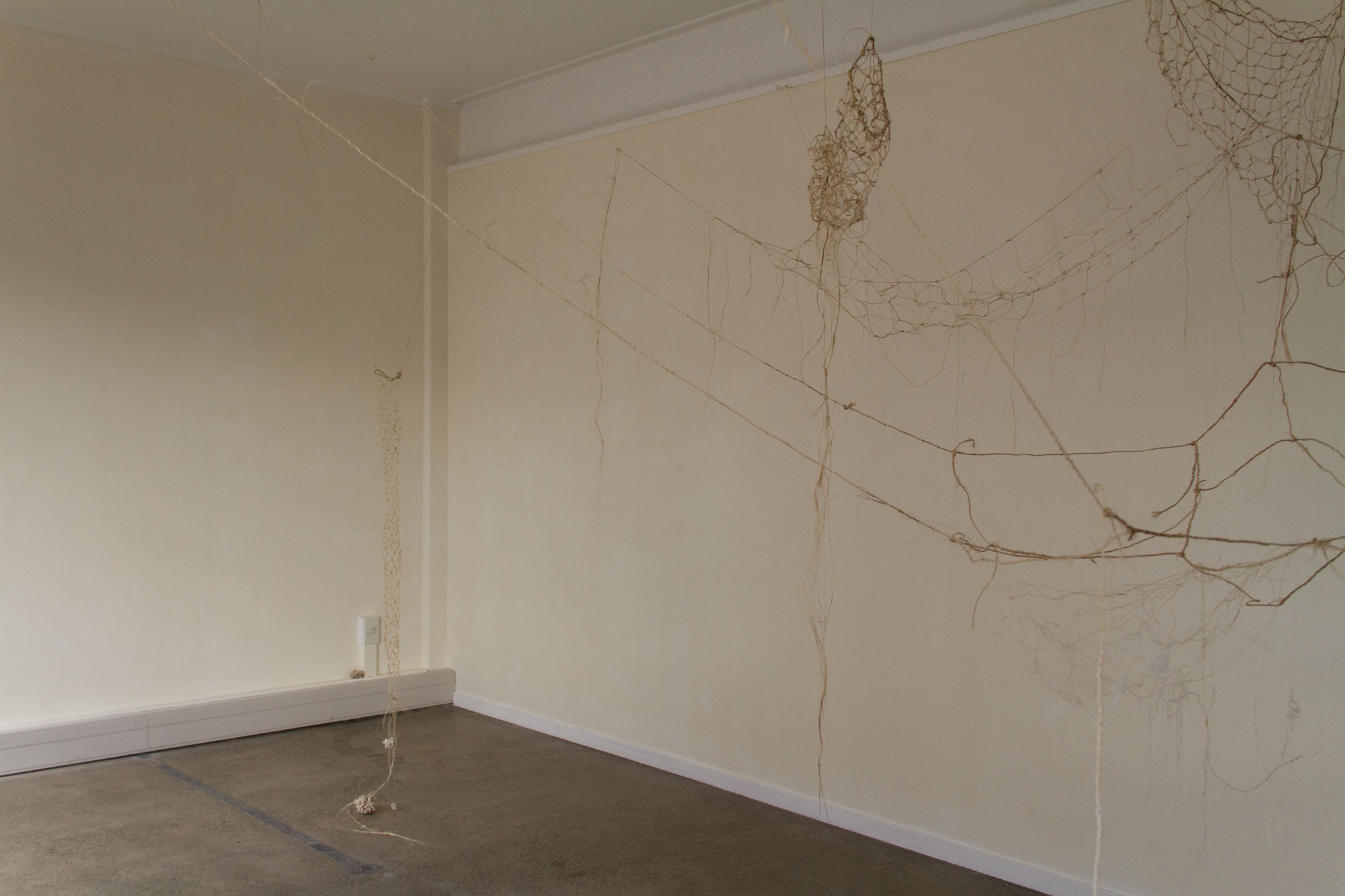
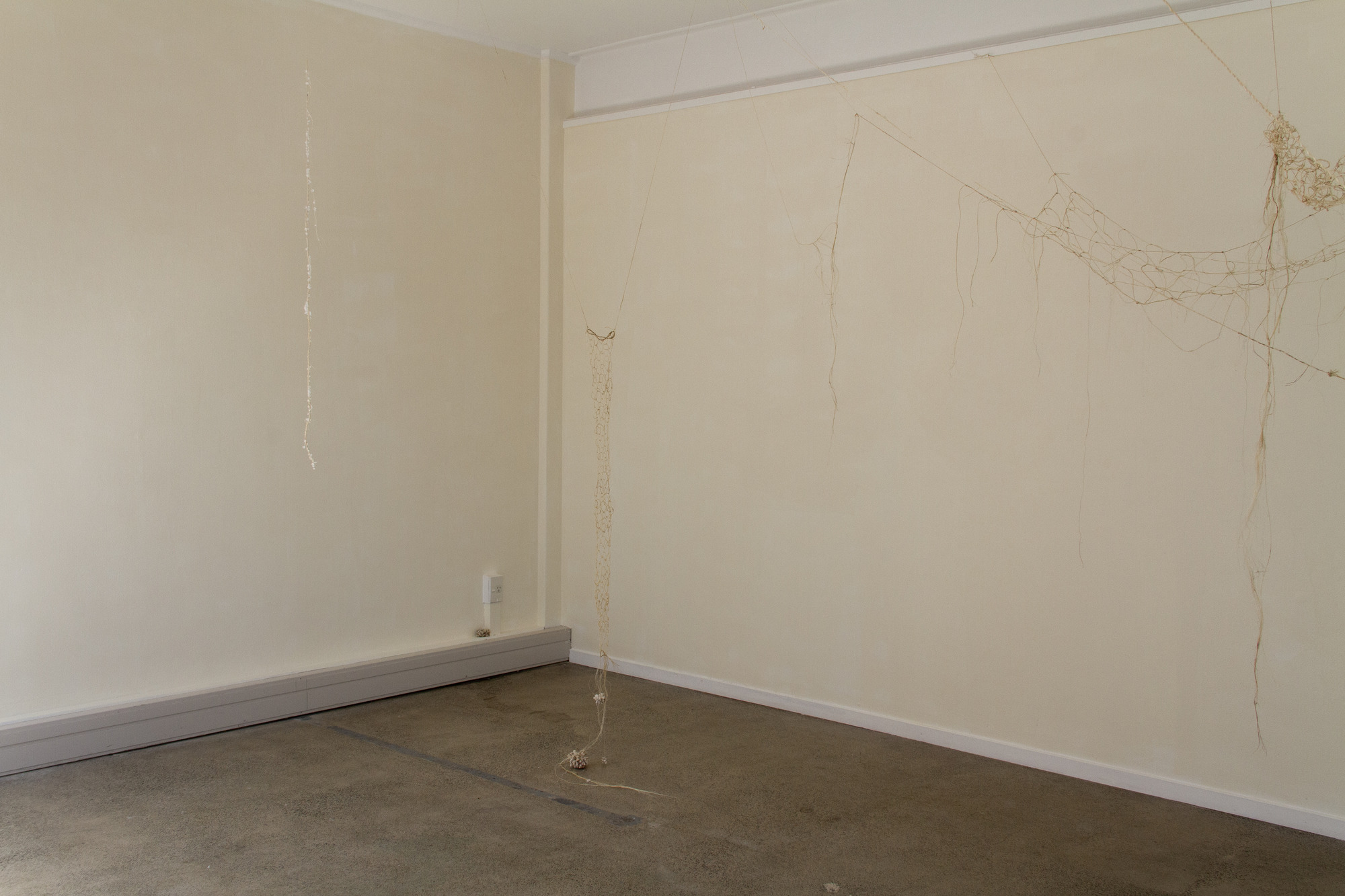
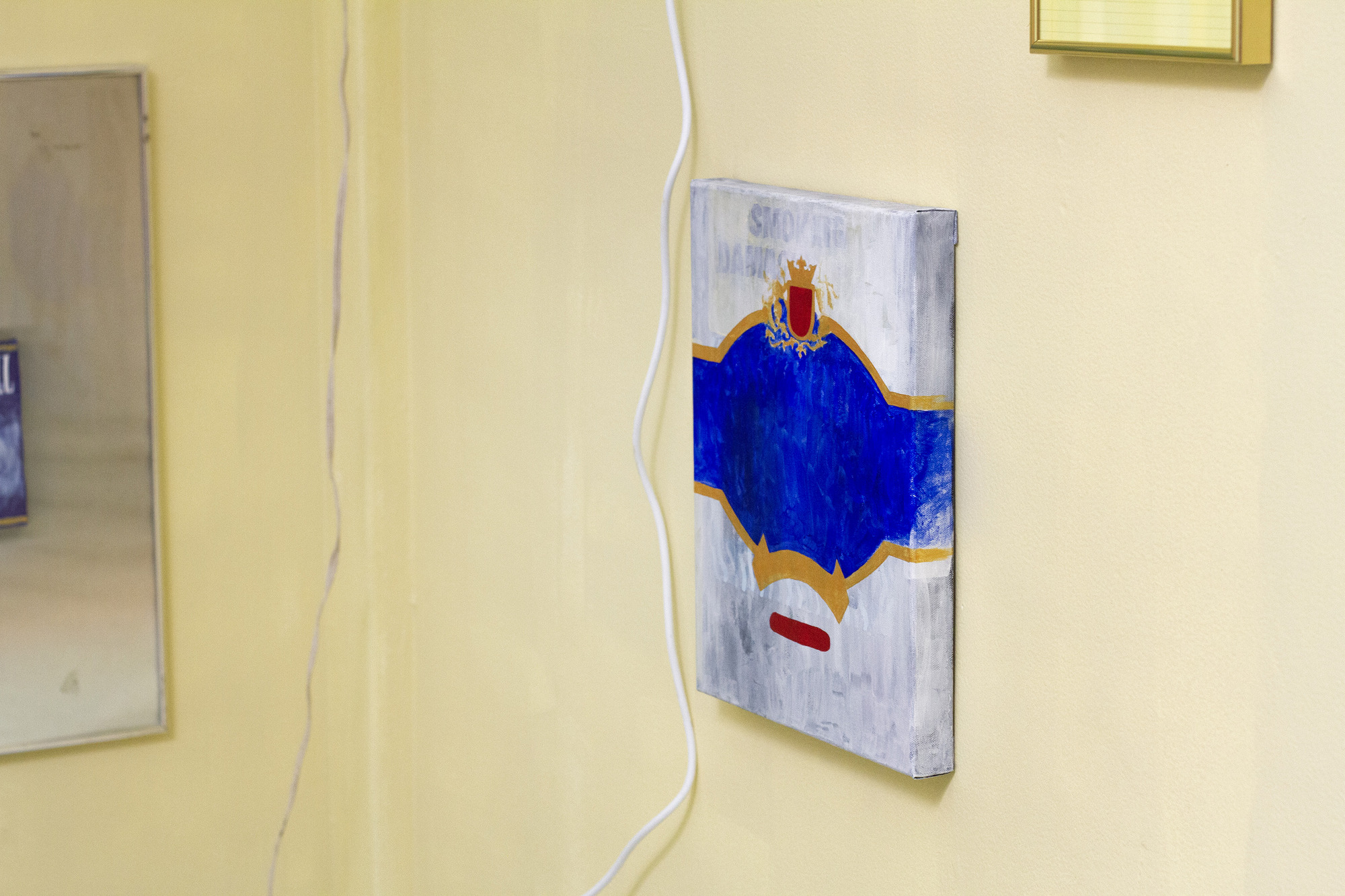
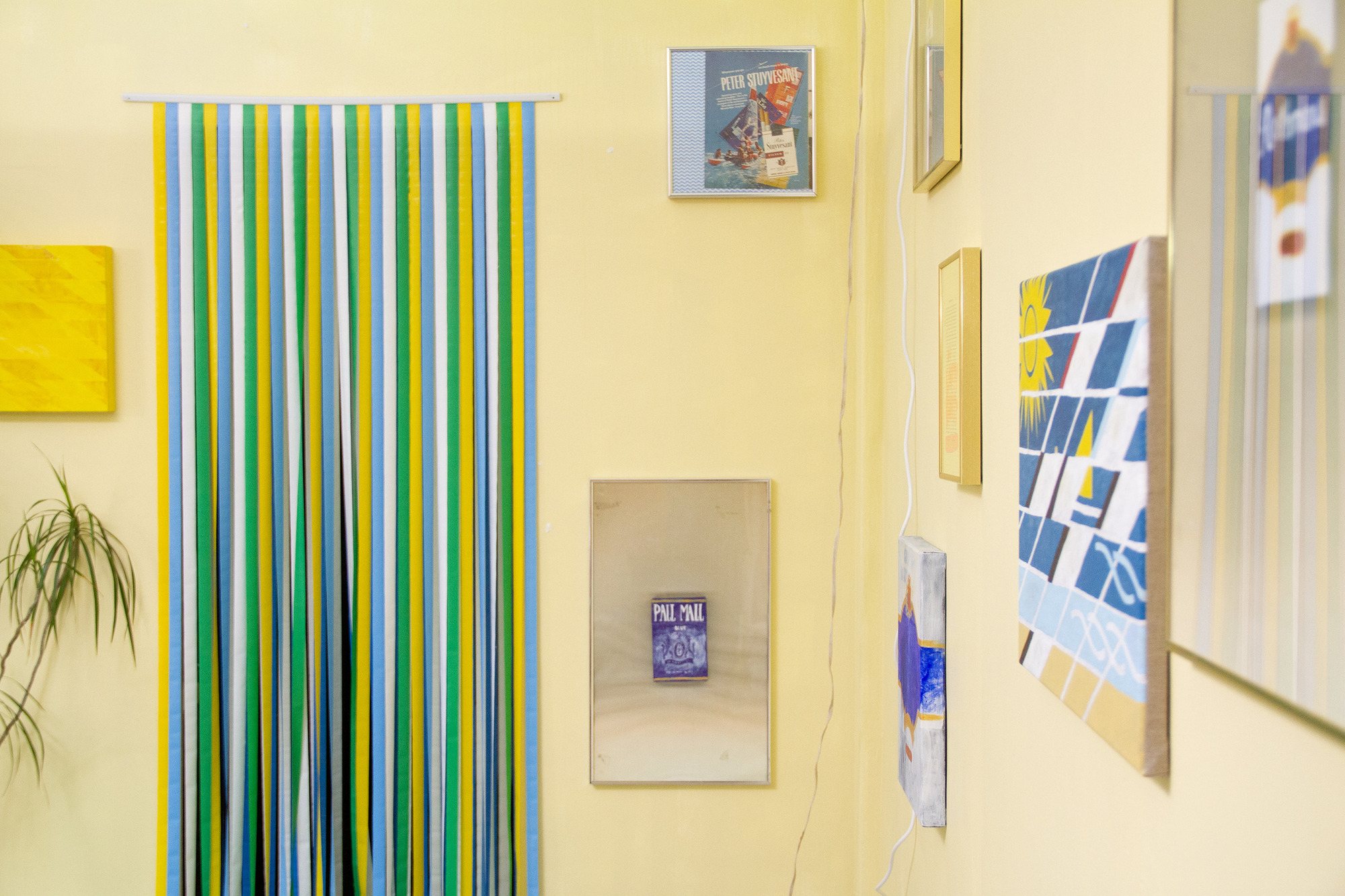
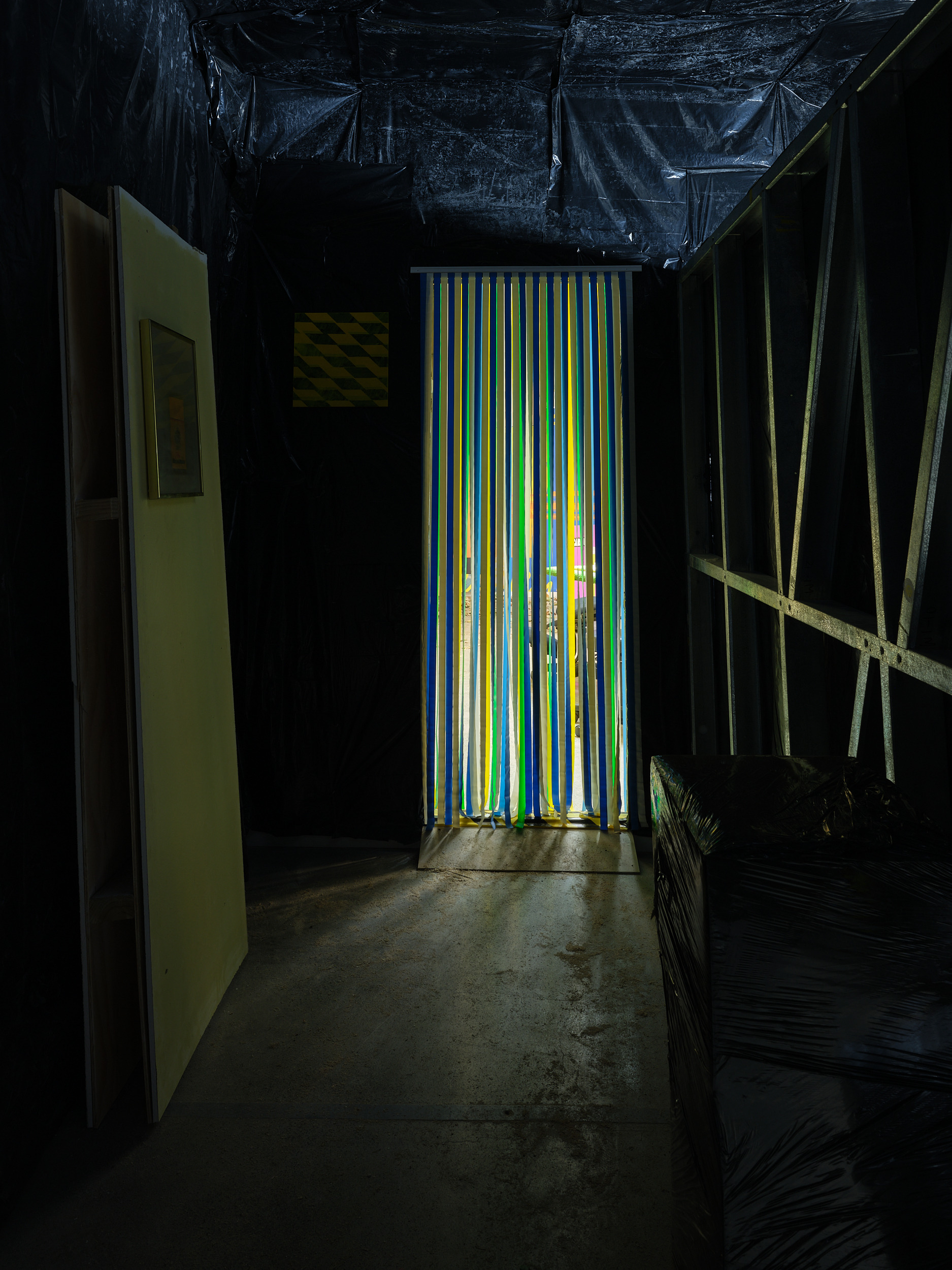
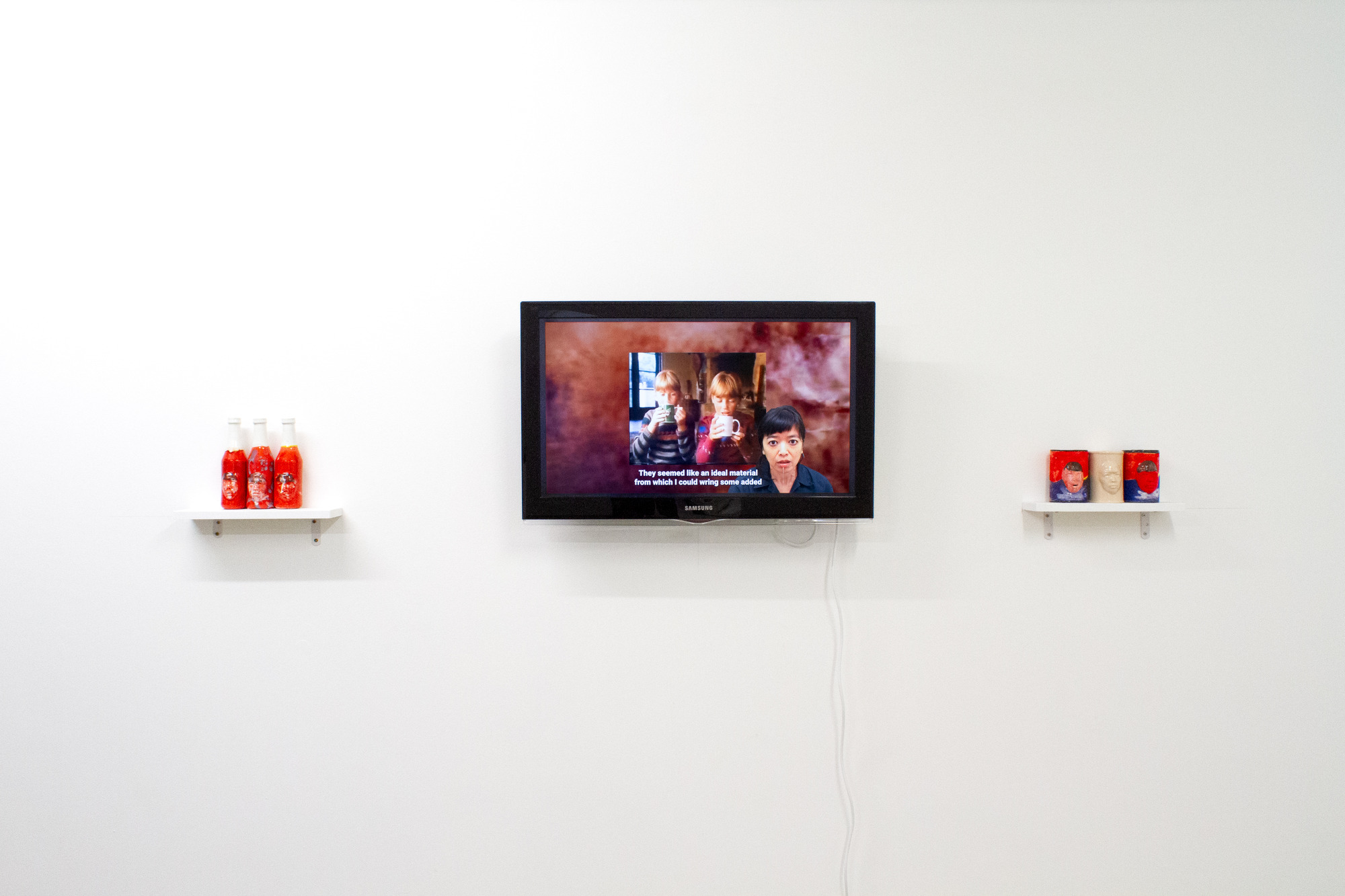
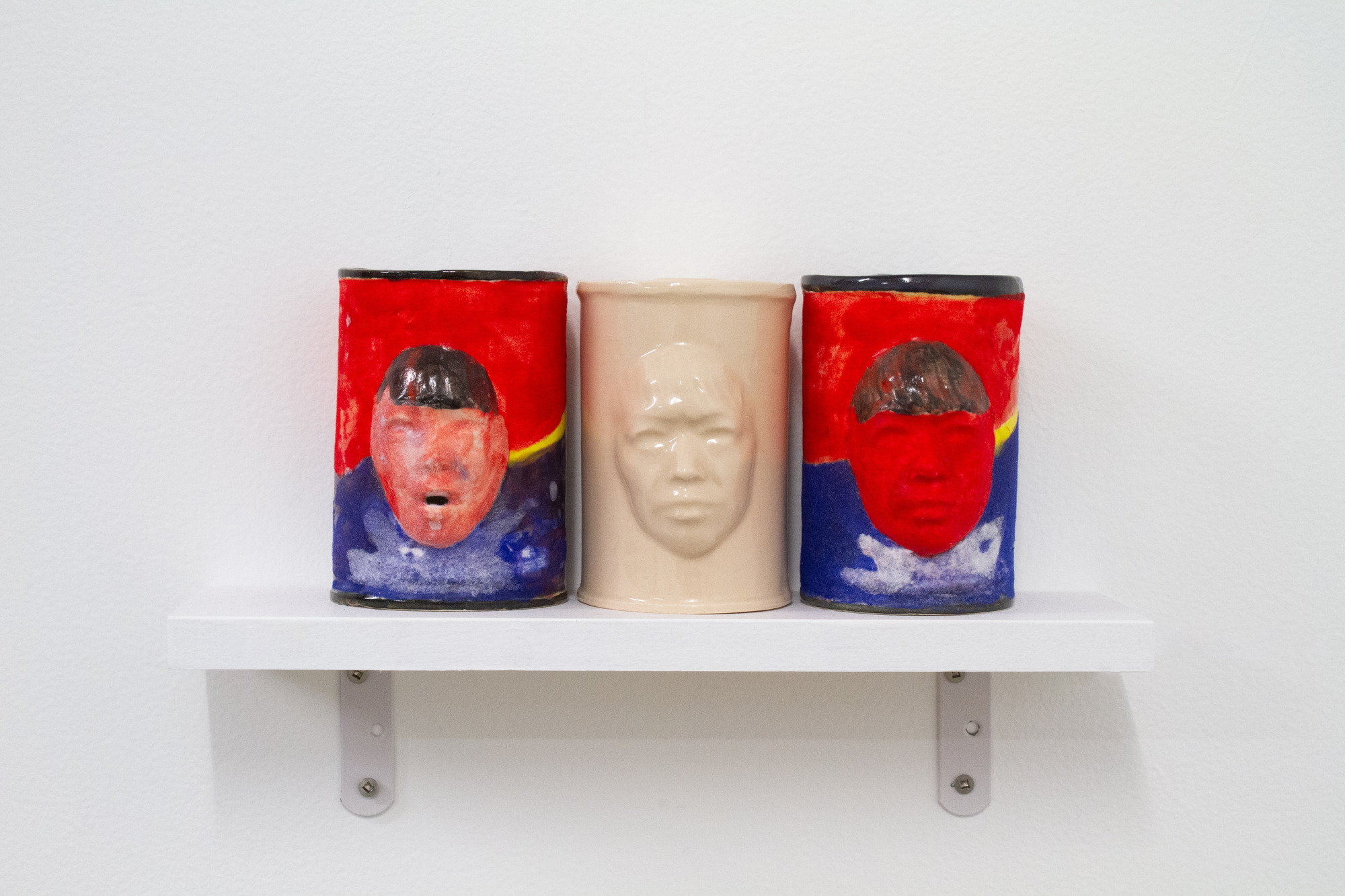
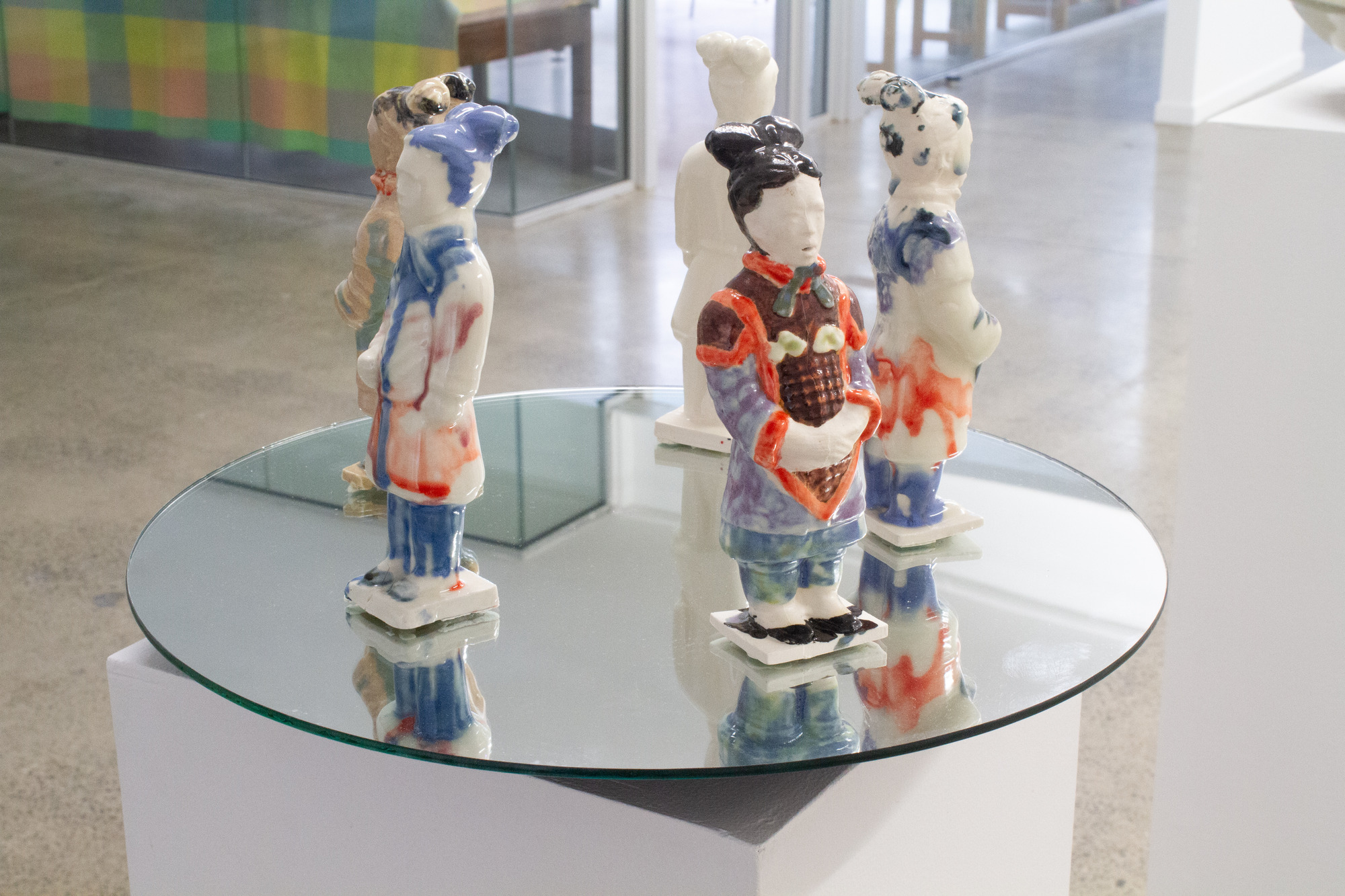
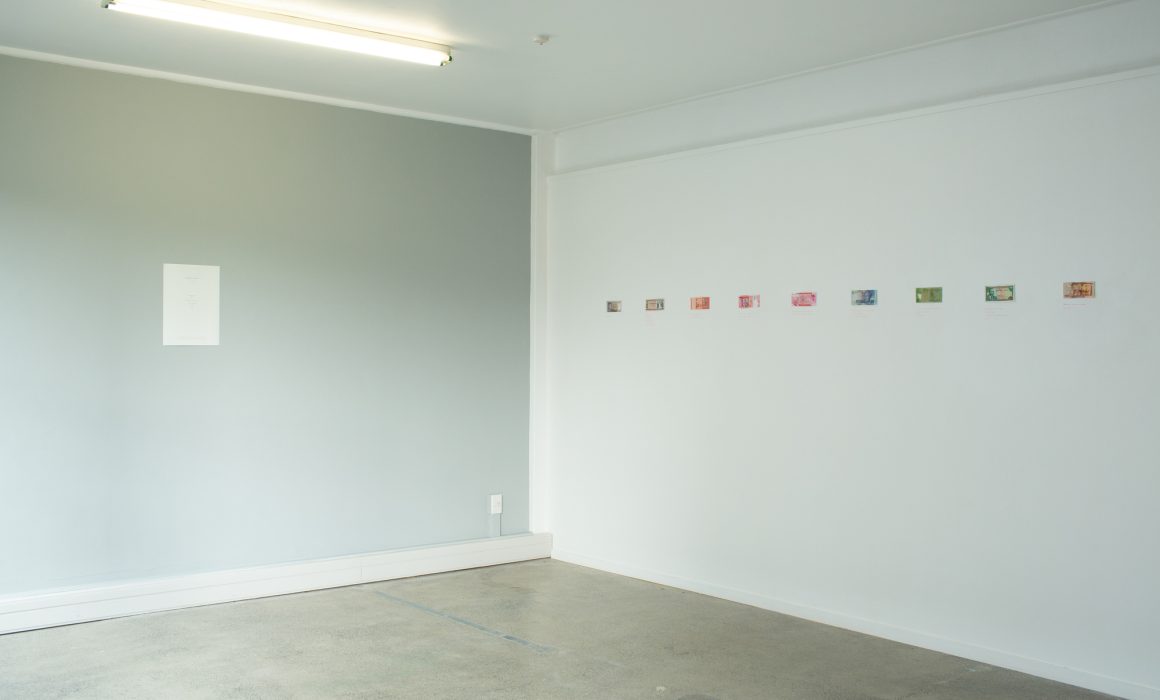
This installation comprises nine banknotes sourced from cabinet drawers, local
currency exchange stores, and international online platforms. The banknotes
reflect the disposition of nine countries, all British colonies, where Indian
indentured labour was exported to; Mauritius (1834), Guyana (1838), Malaysia
(1844), Jamaica (1845), Trinidad and Tobago (1845), South Africa (1860), Fiji
(1879), Kenya (1895), and Uganda (1896). In bringing these countries together,
the artist opens a relational space in which the spectres of indentured labourers
— some of whom are her own ancestors, might gather and form their own
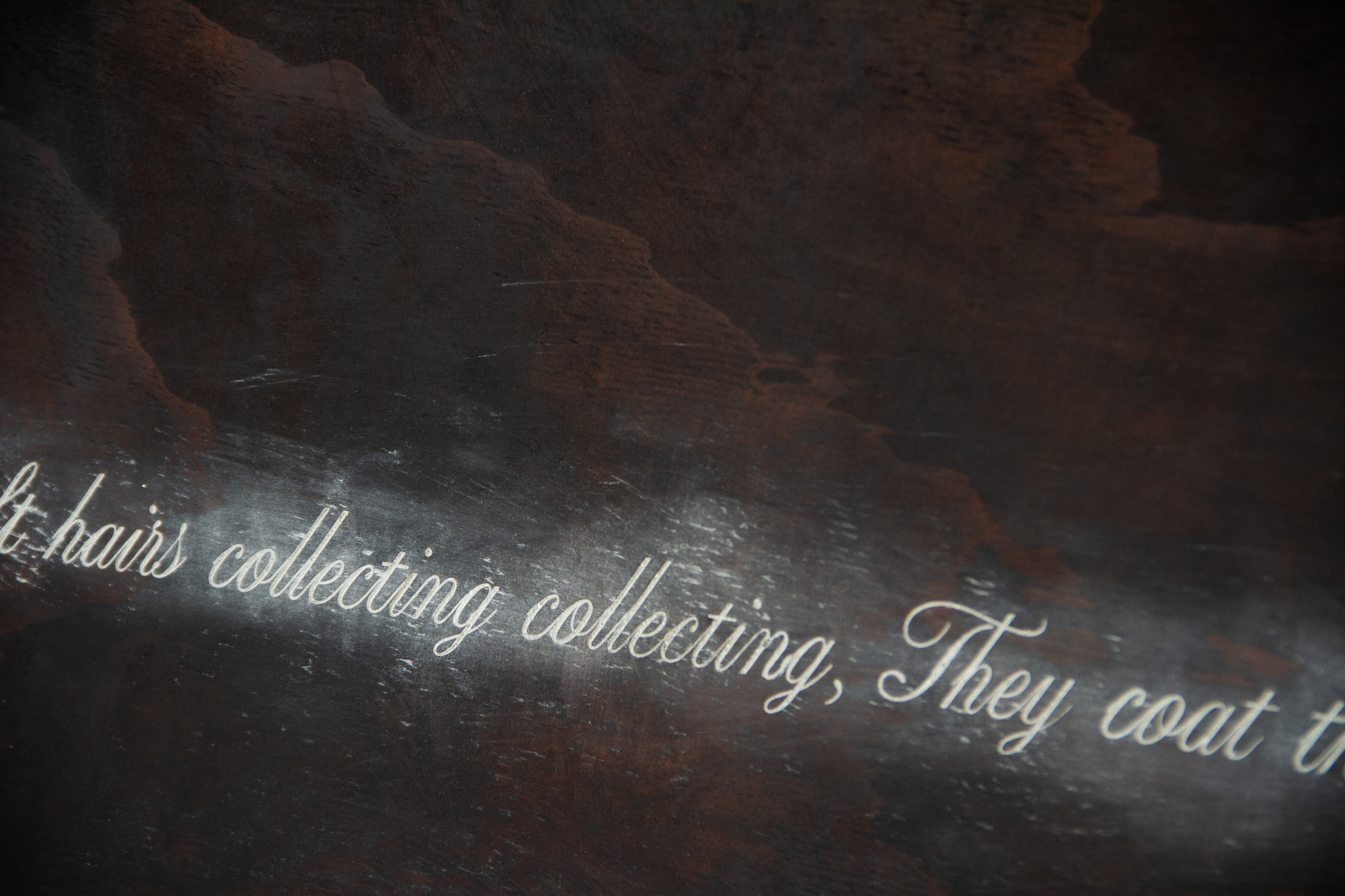
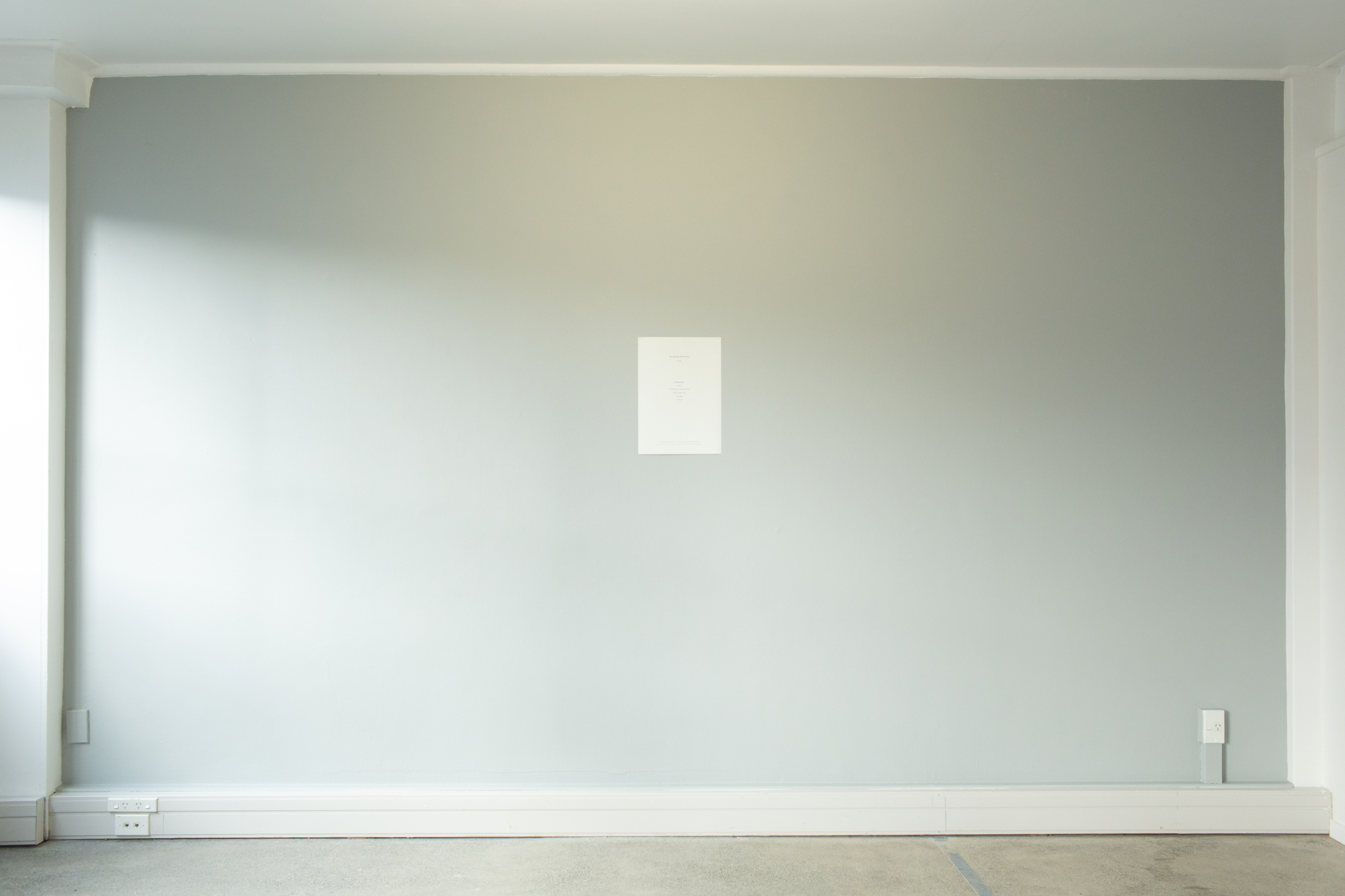
diasporic, collective consciousness. Underneath each note resides an intense
stanza of text, written by the artist, evoking the felt violence of labour experienced
under the indentured system.

The work titles introduce a sum of the minimum weekly wages of each country,
intently summoning their present socio-economic positionality. The echo of the
aftermath of colonisation is an ongoing structural condition for the descendants
of the Indentured Labour System. The text is inscribed on the gallery wall in
crimson red. A mark is made.

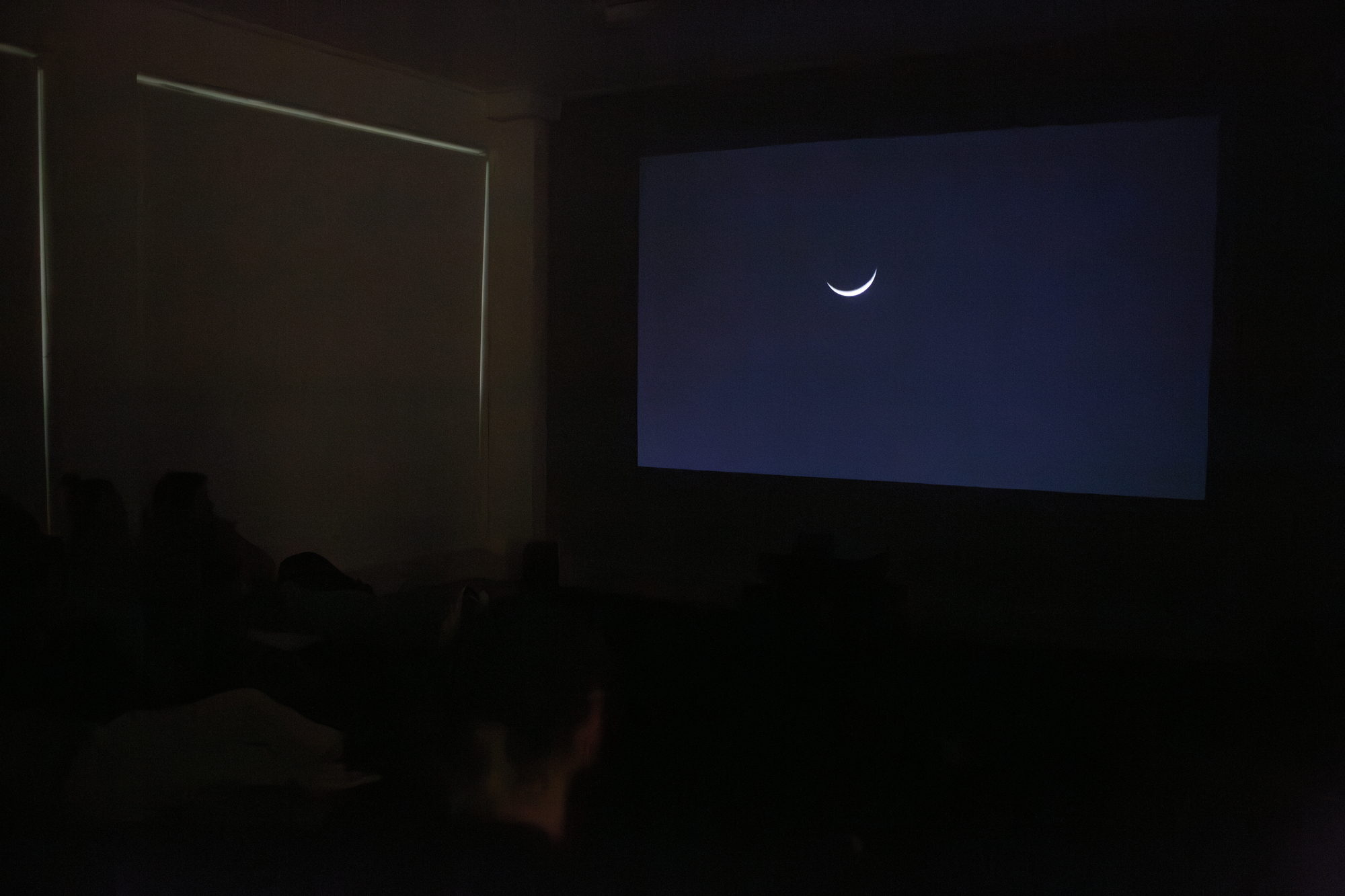
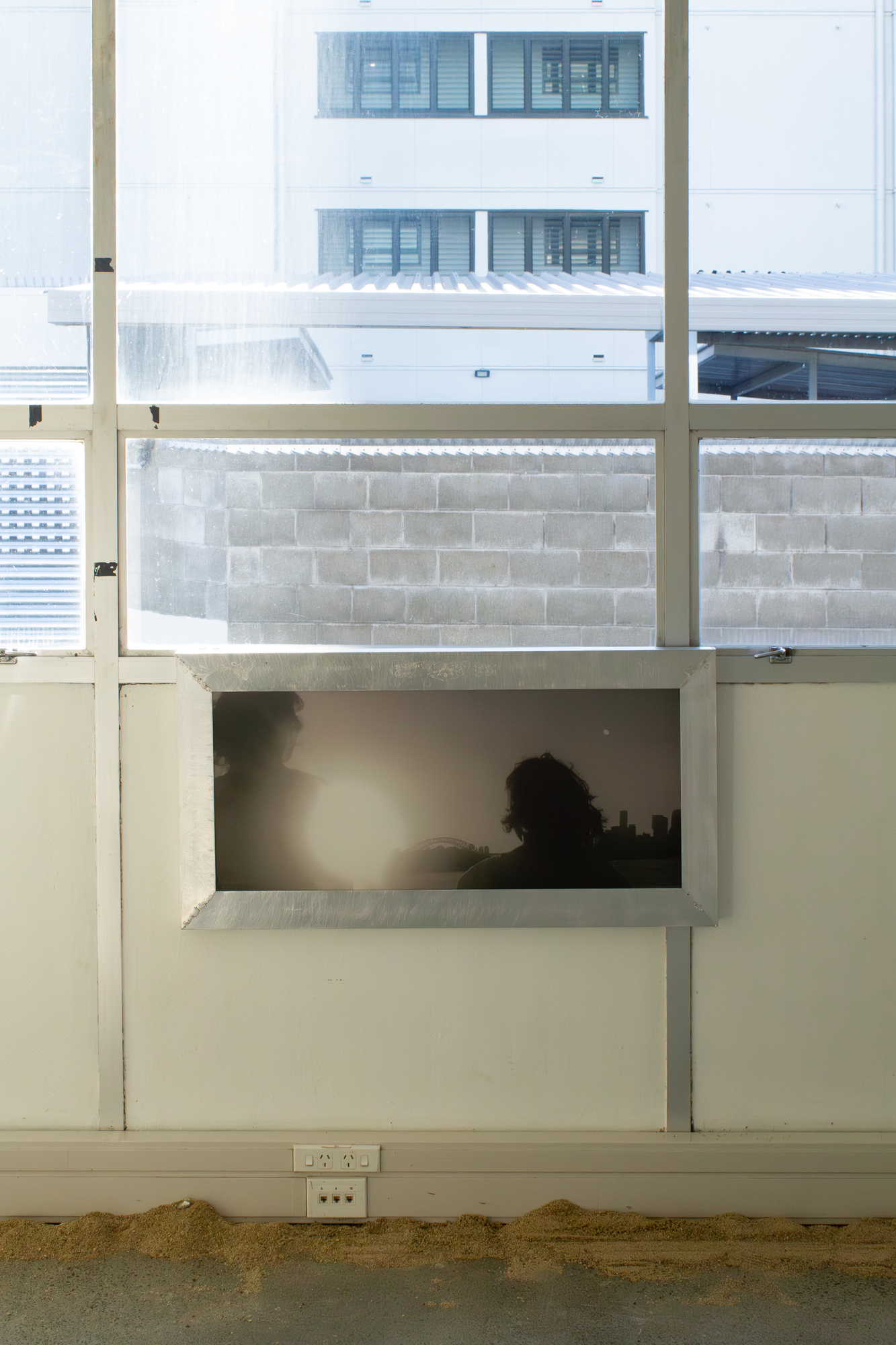
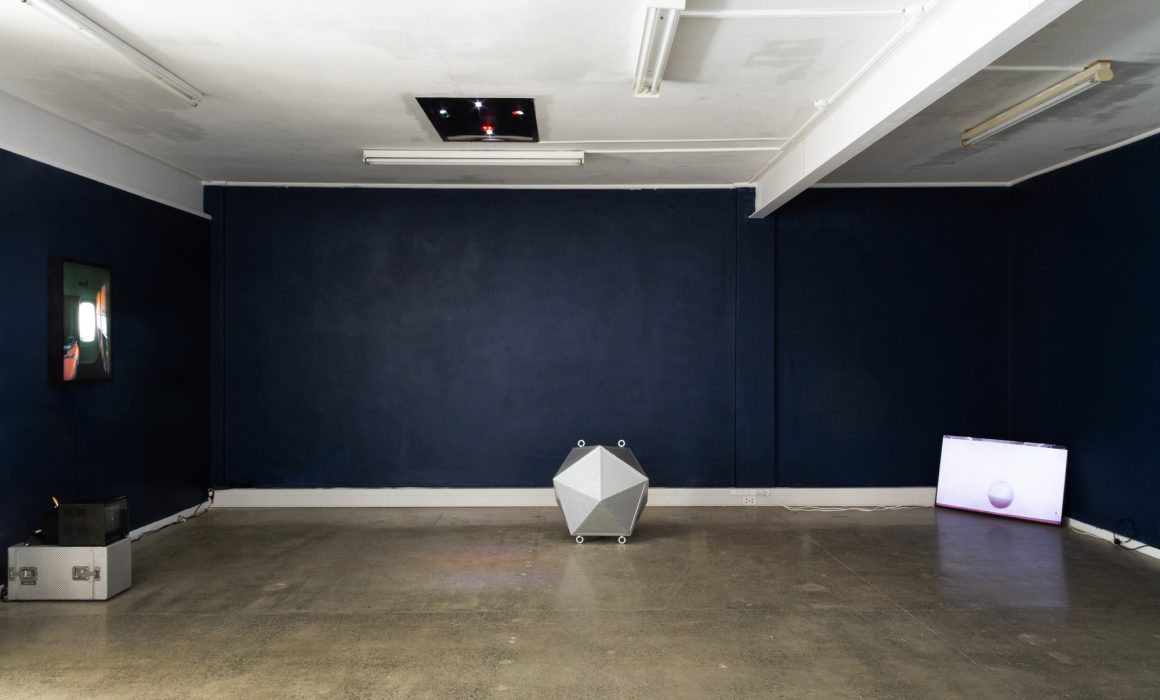
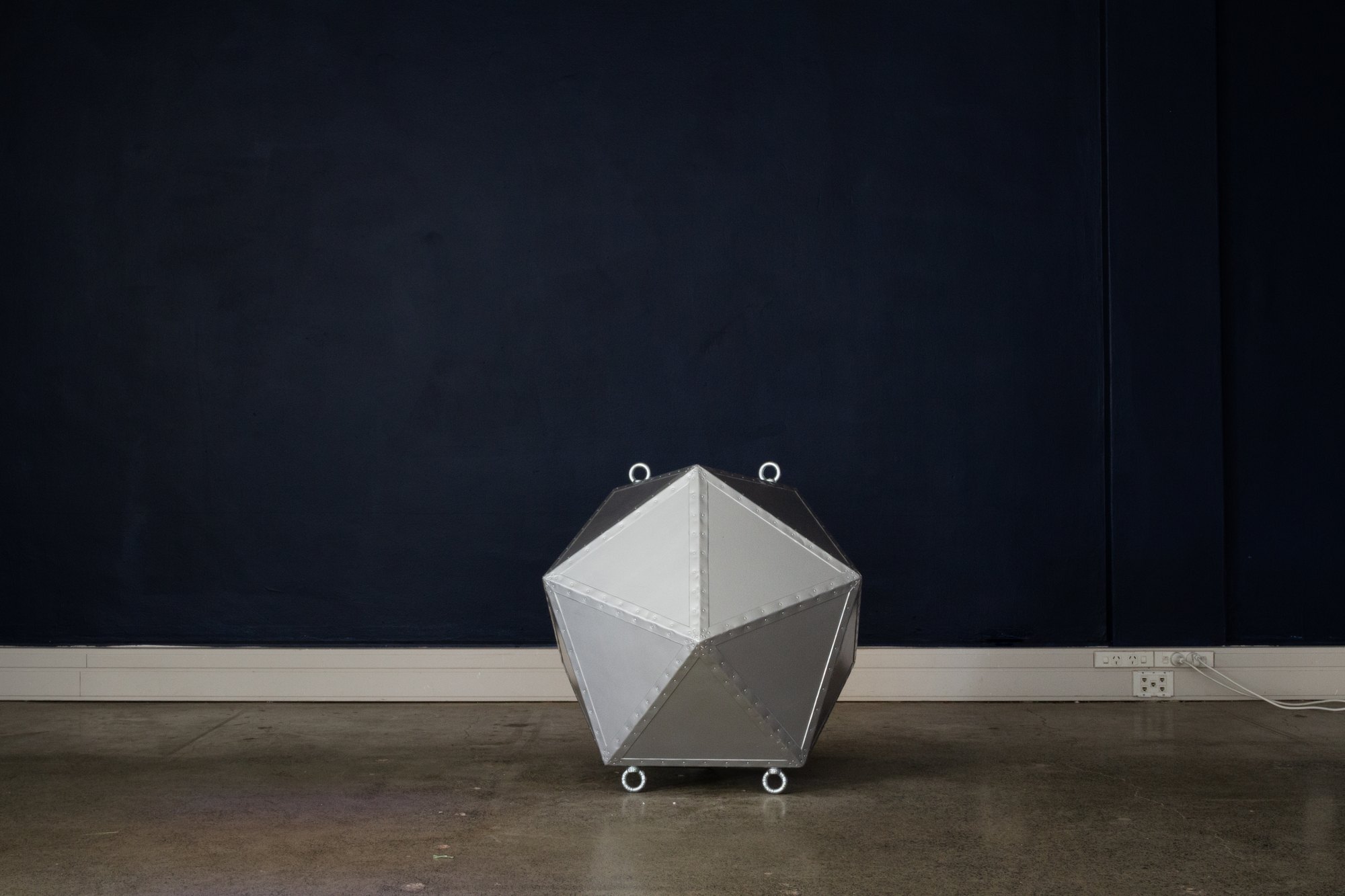
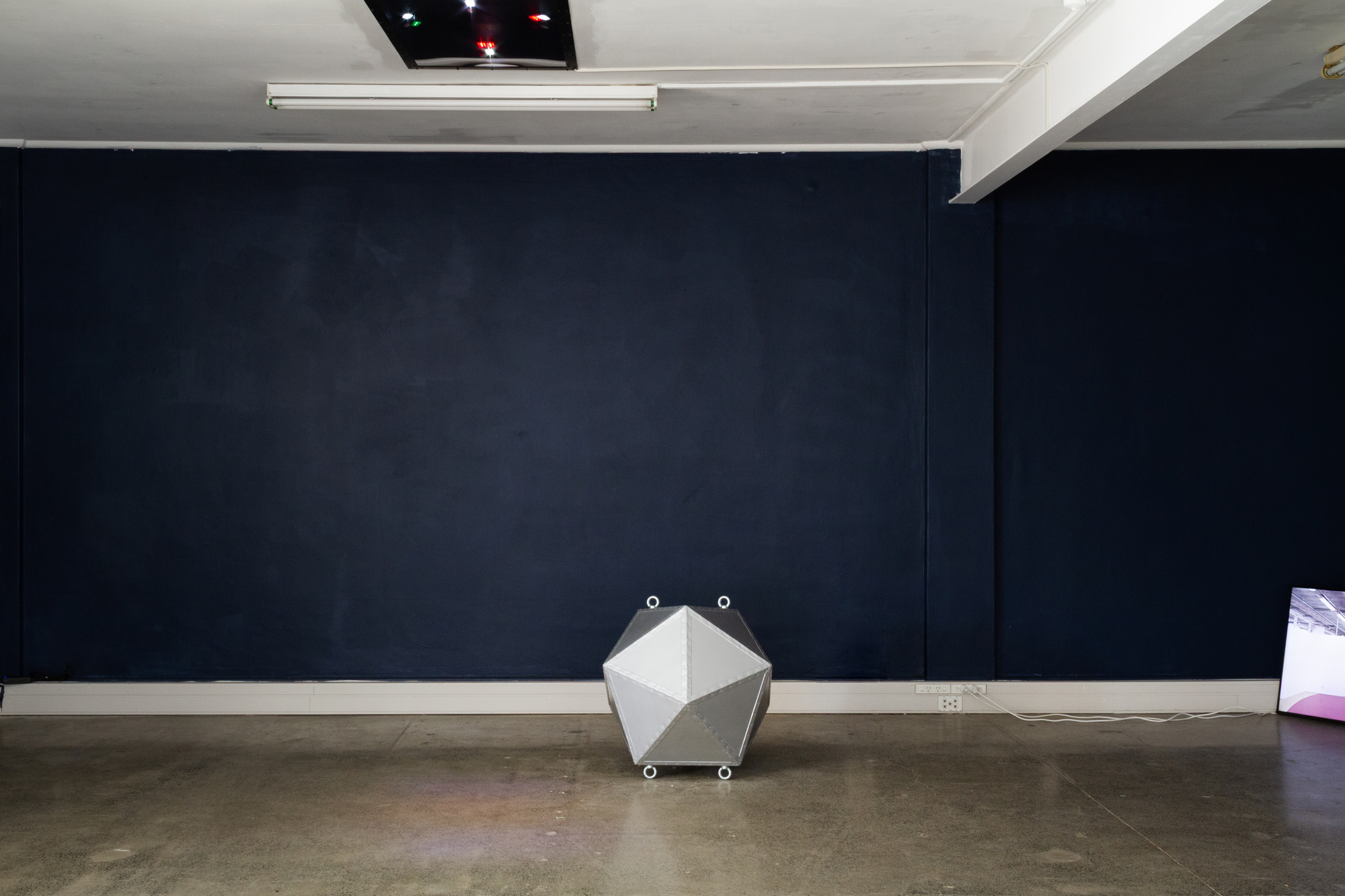
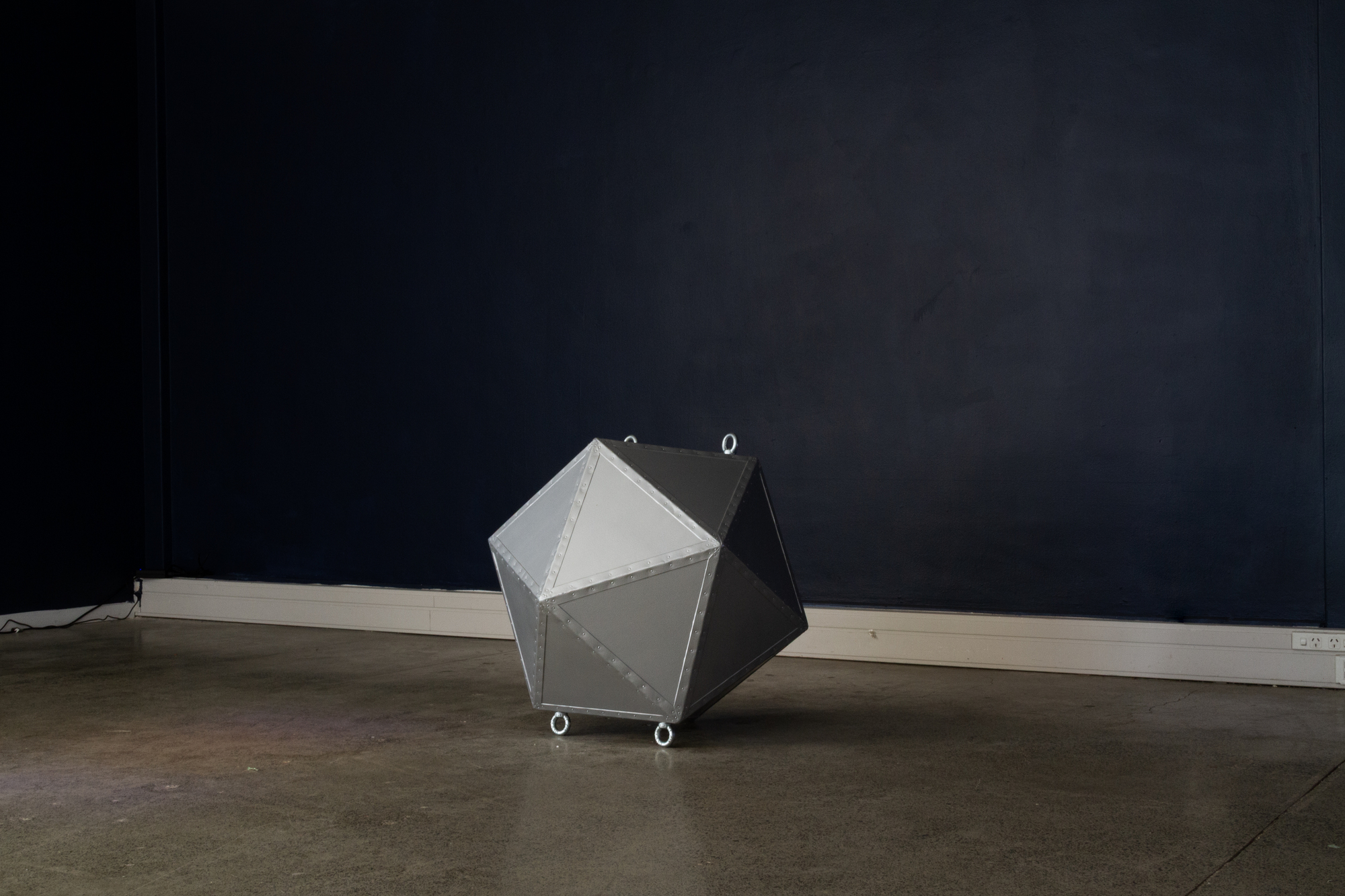
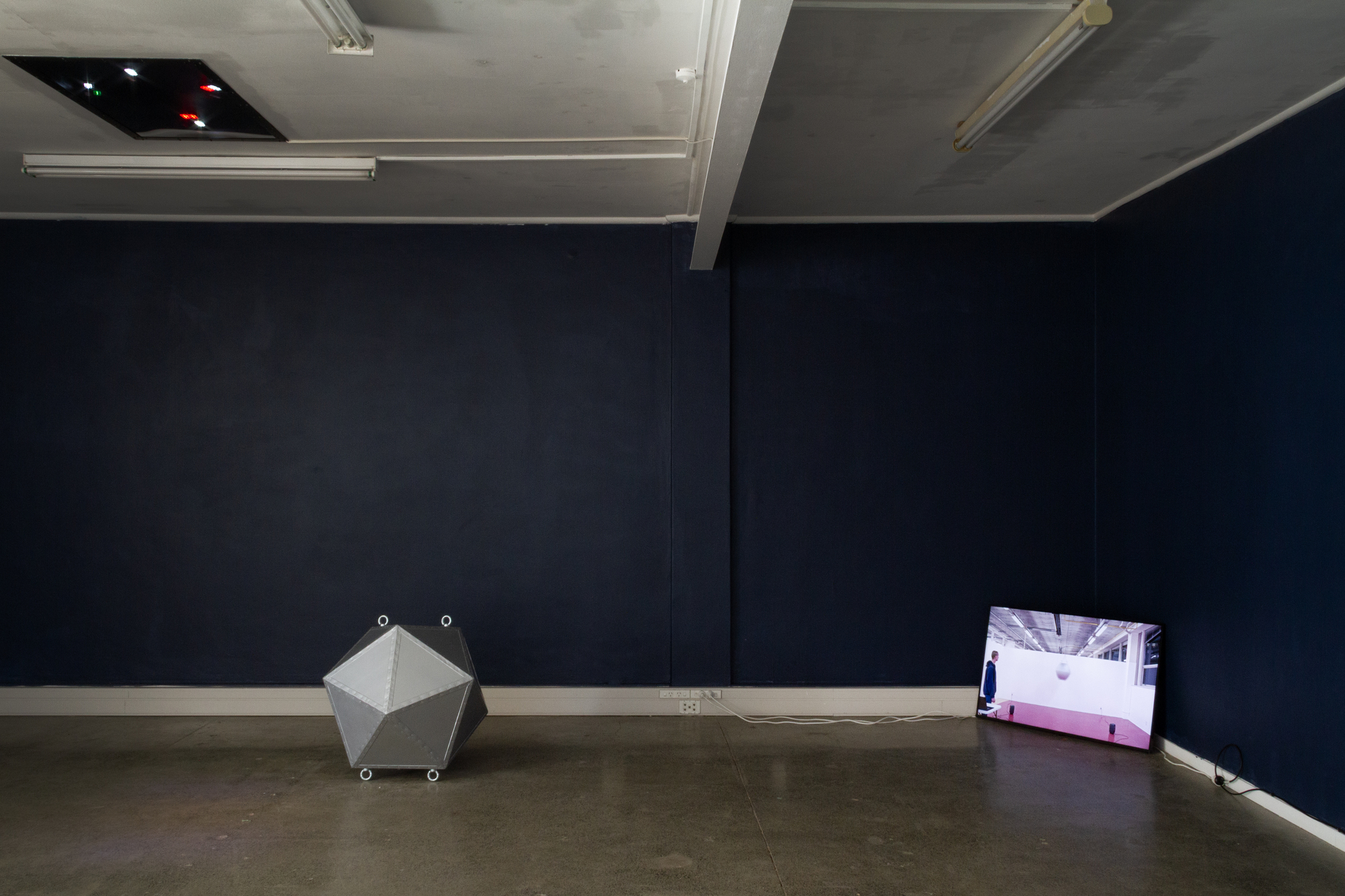
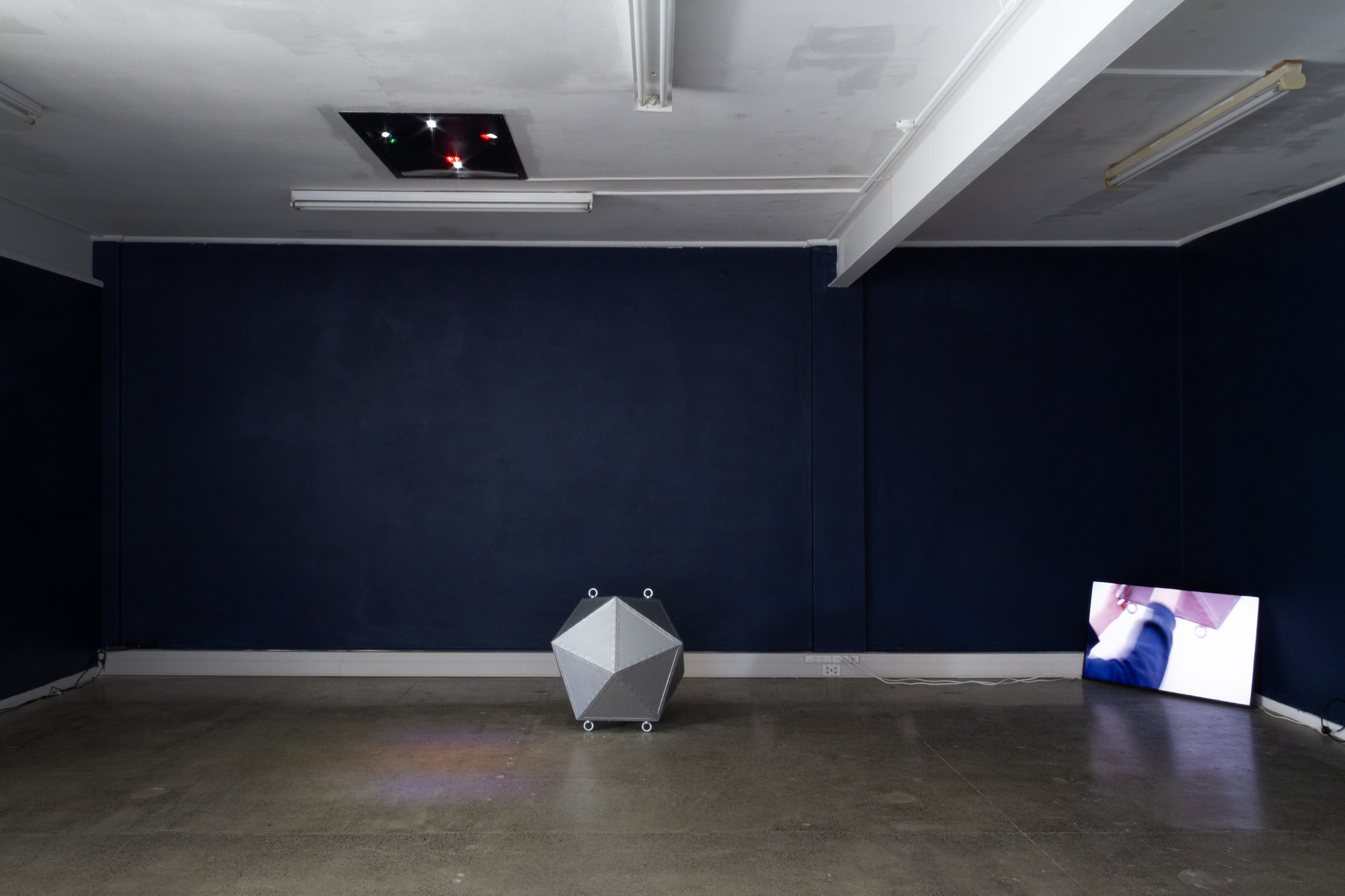
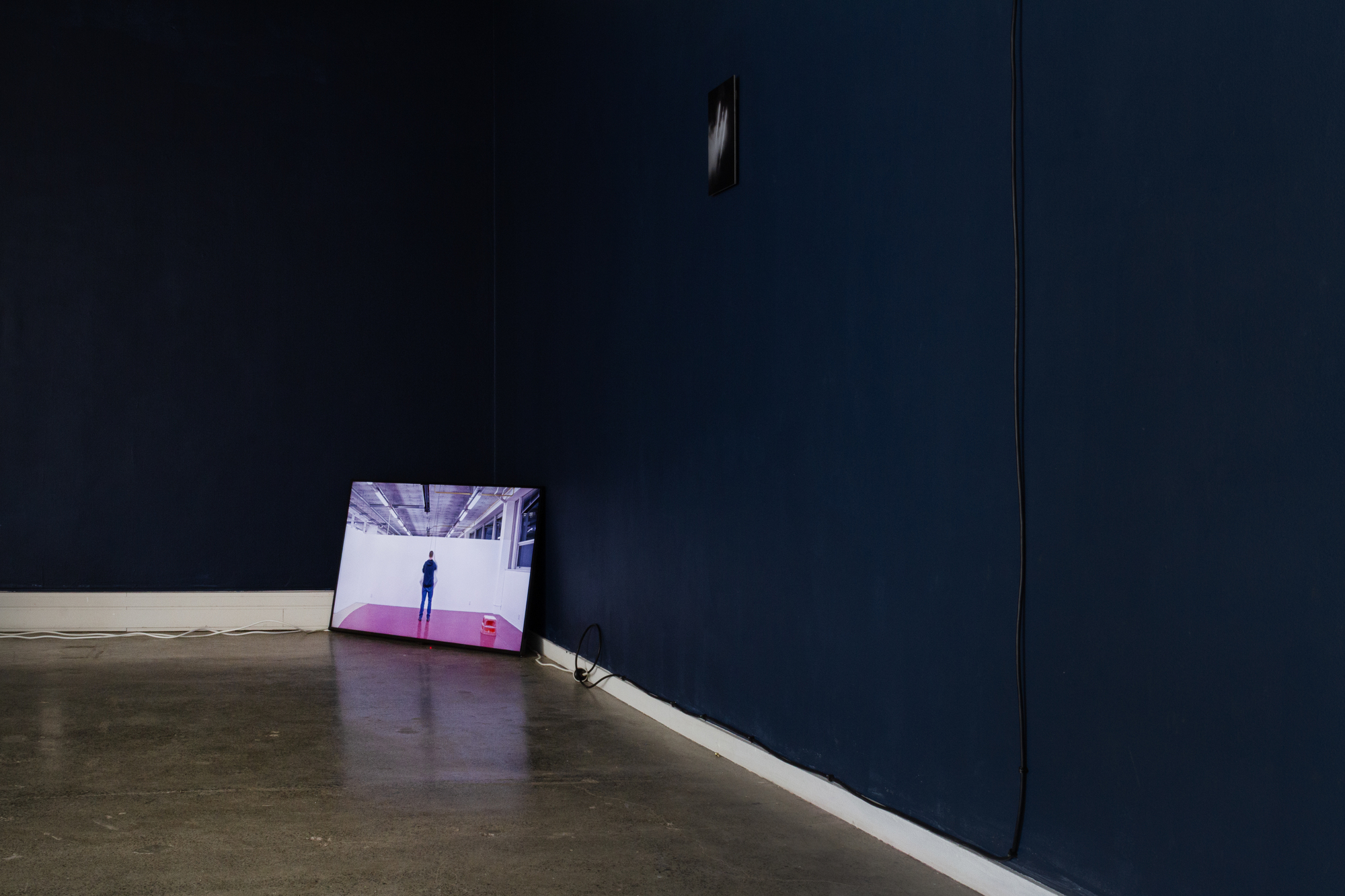
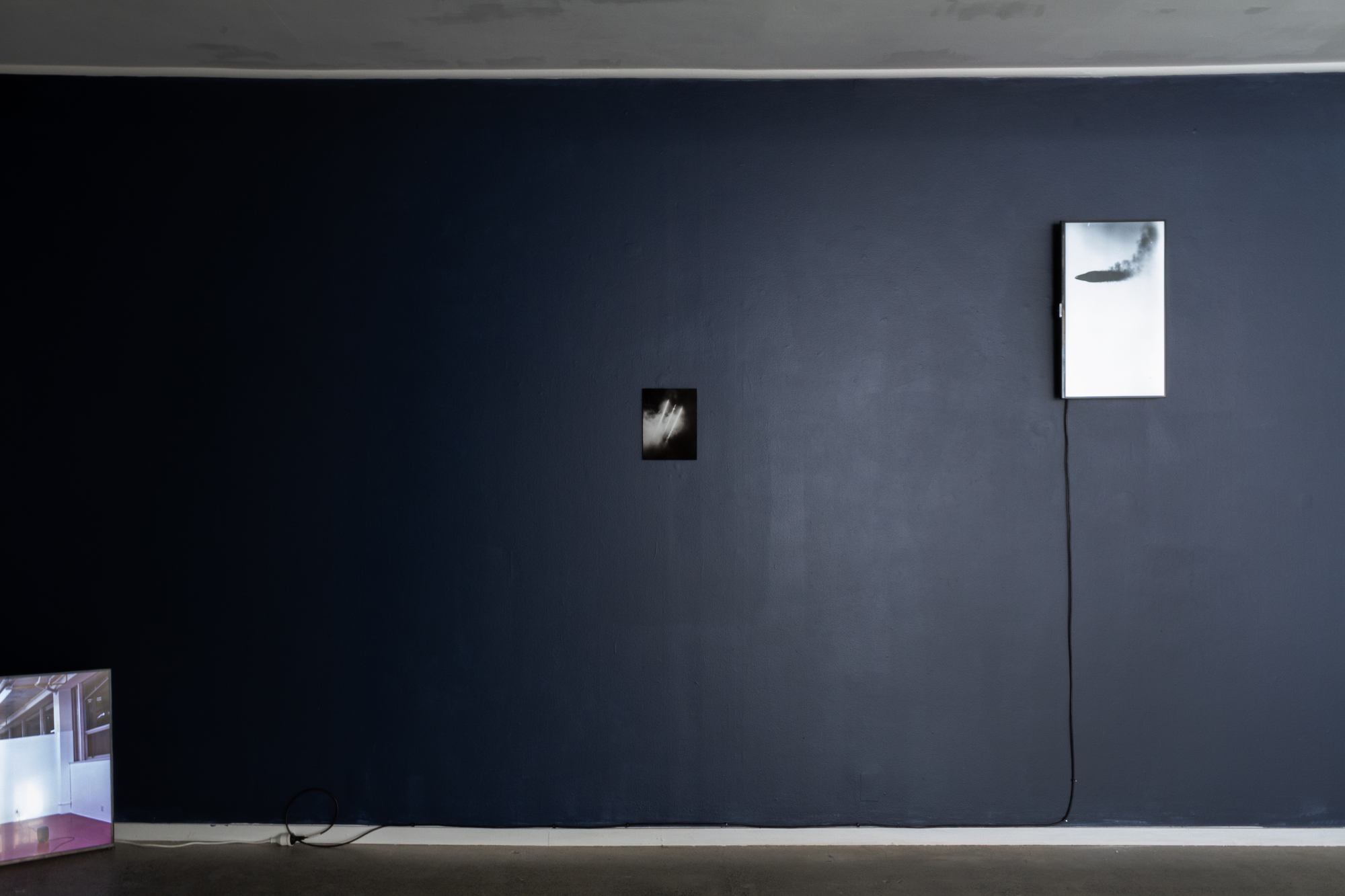
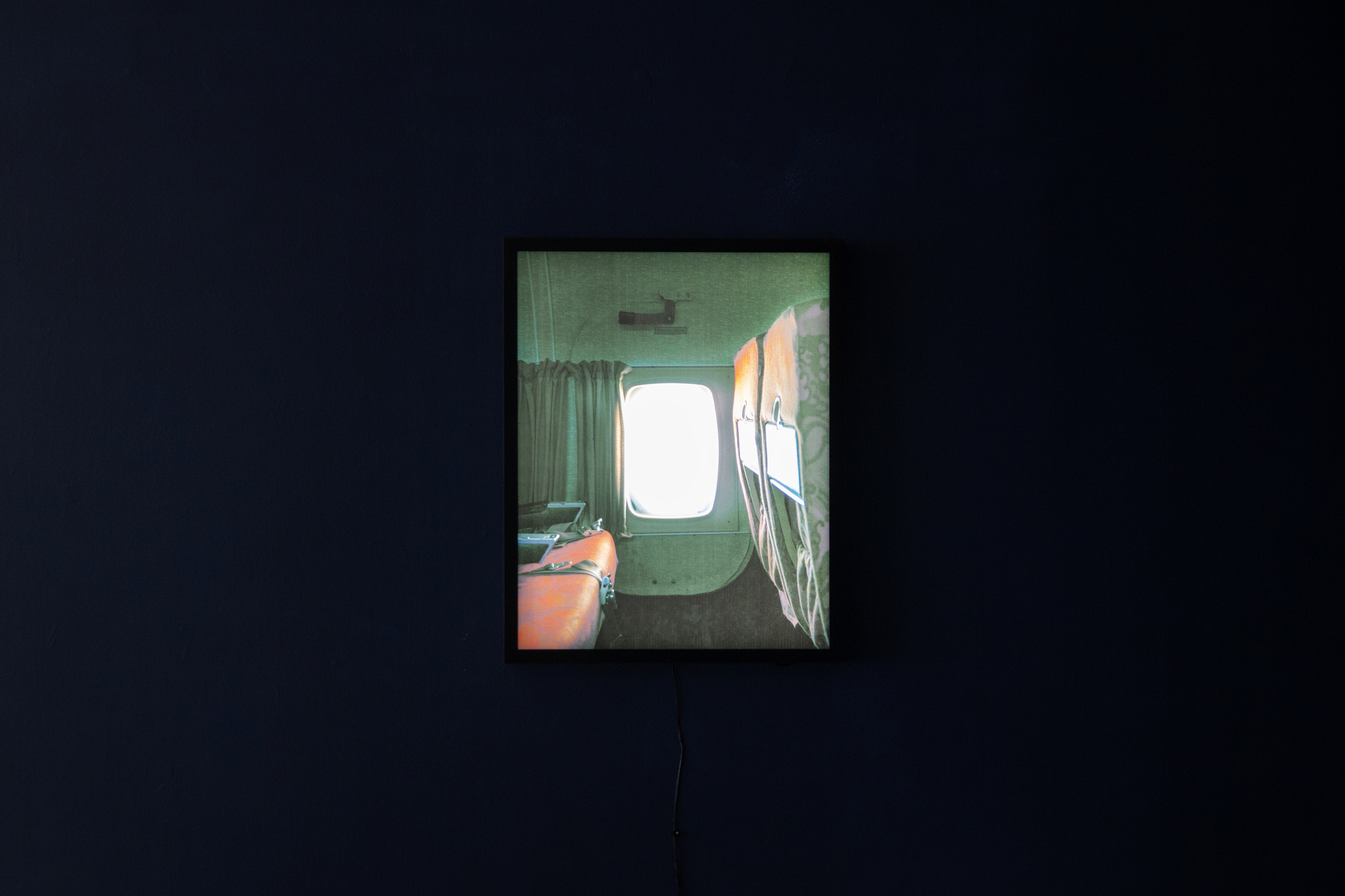
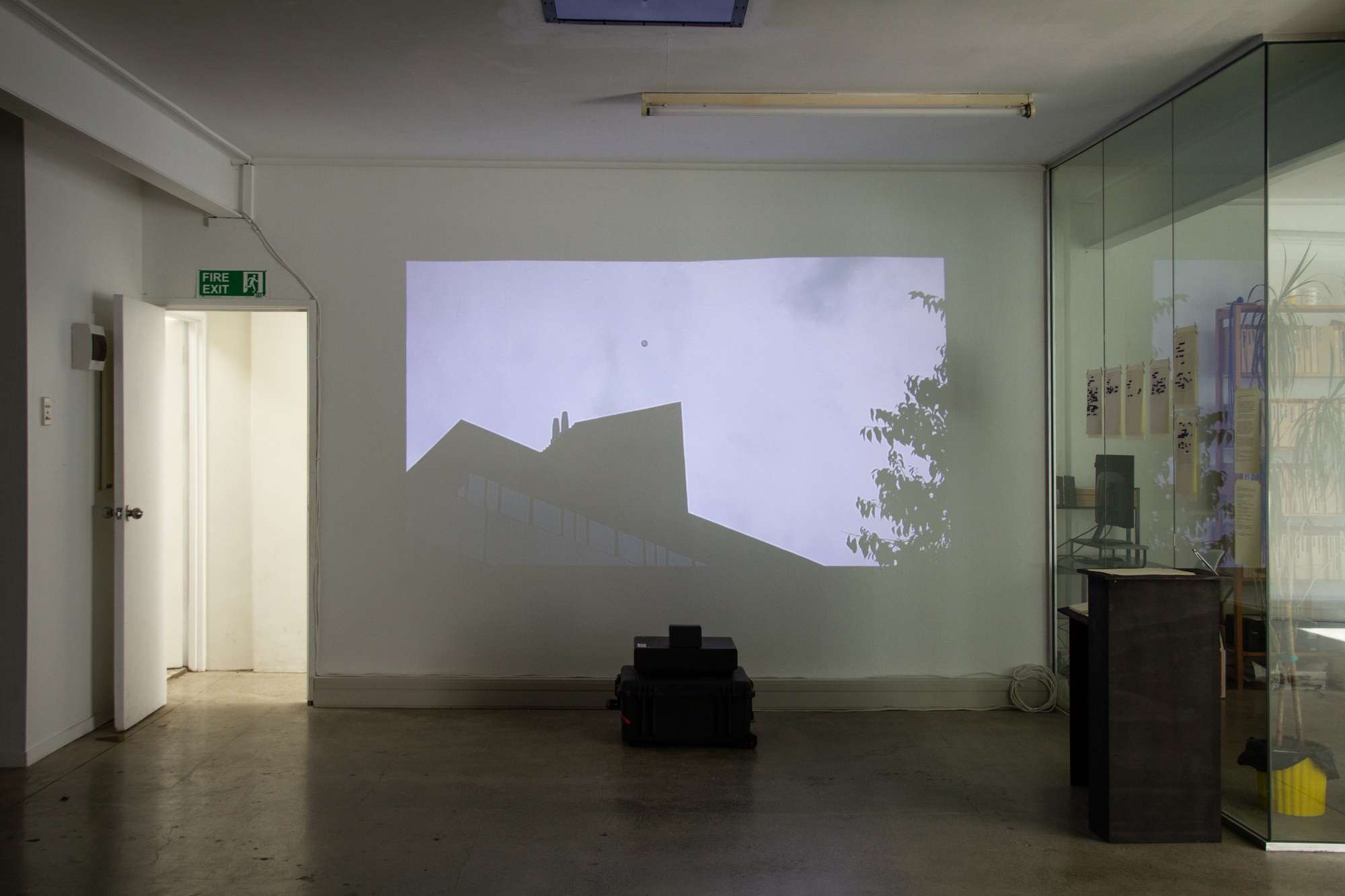
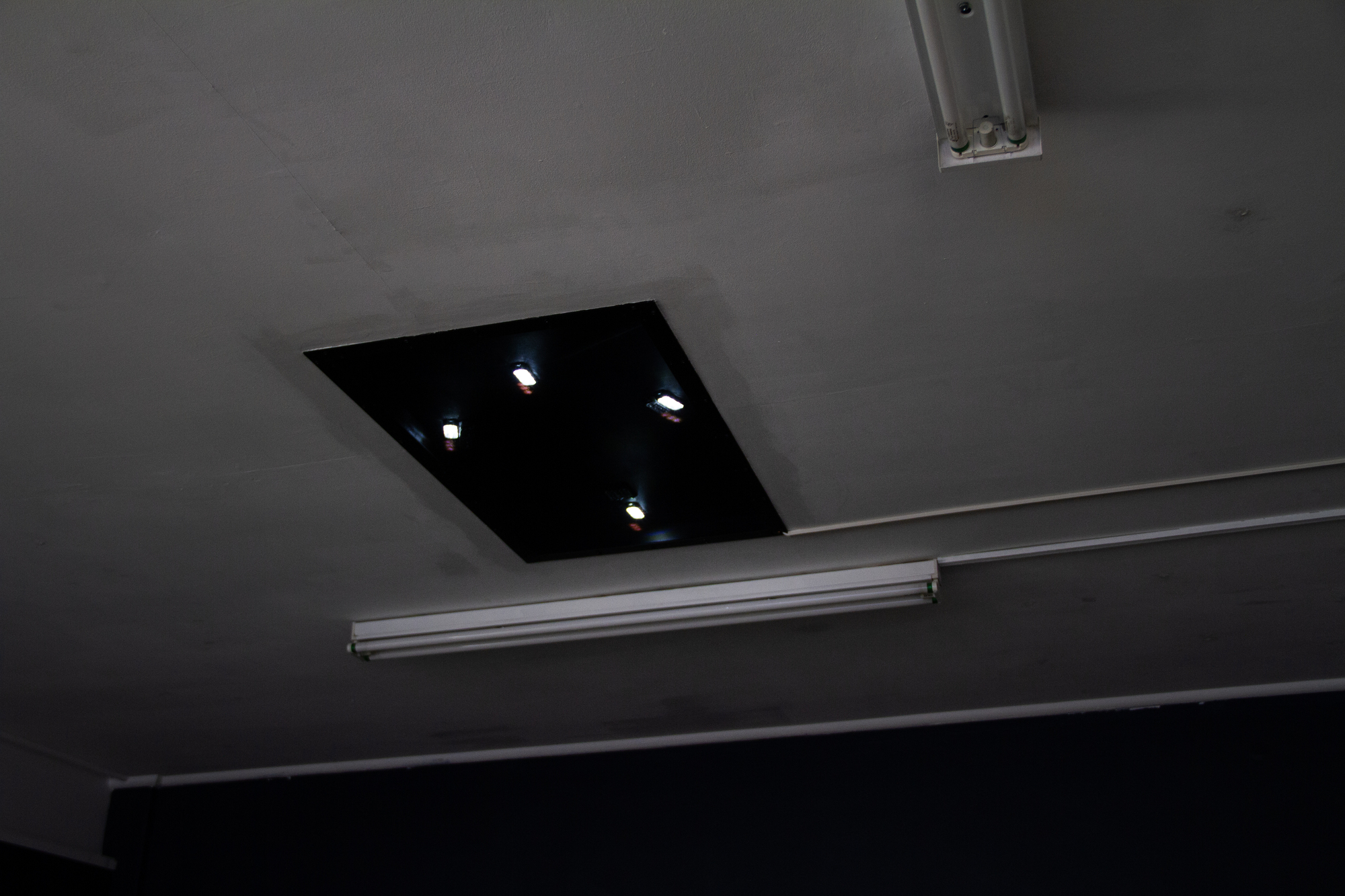
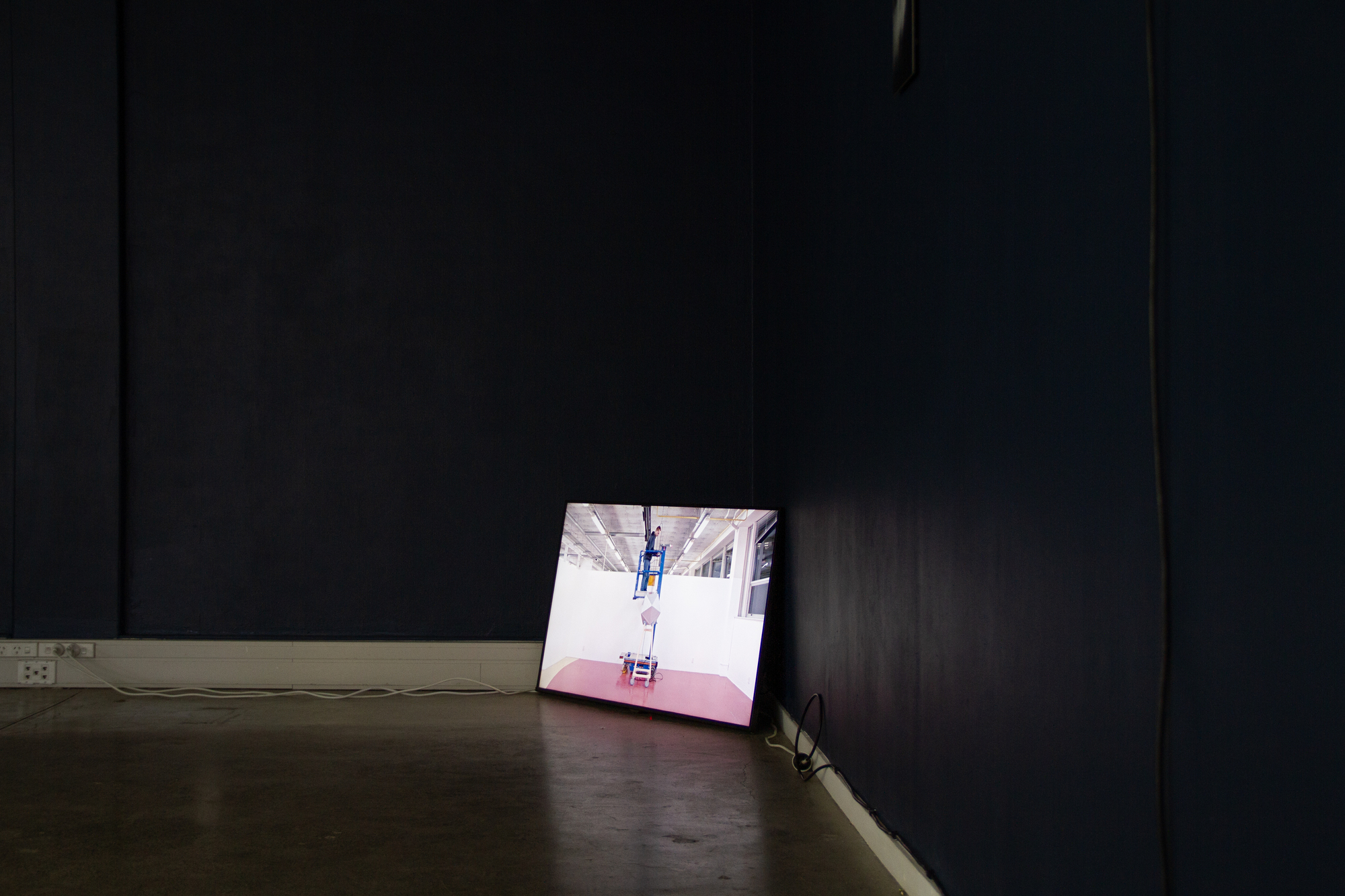
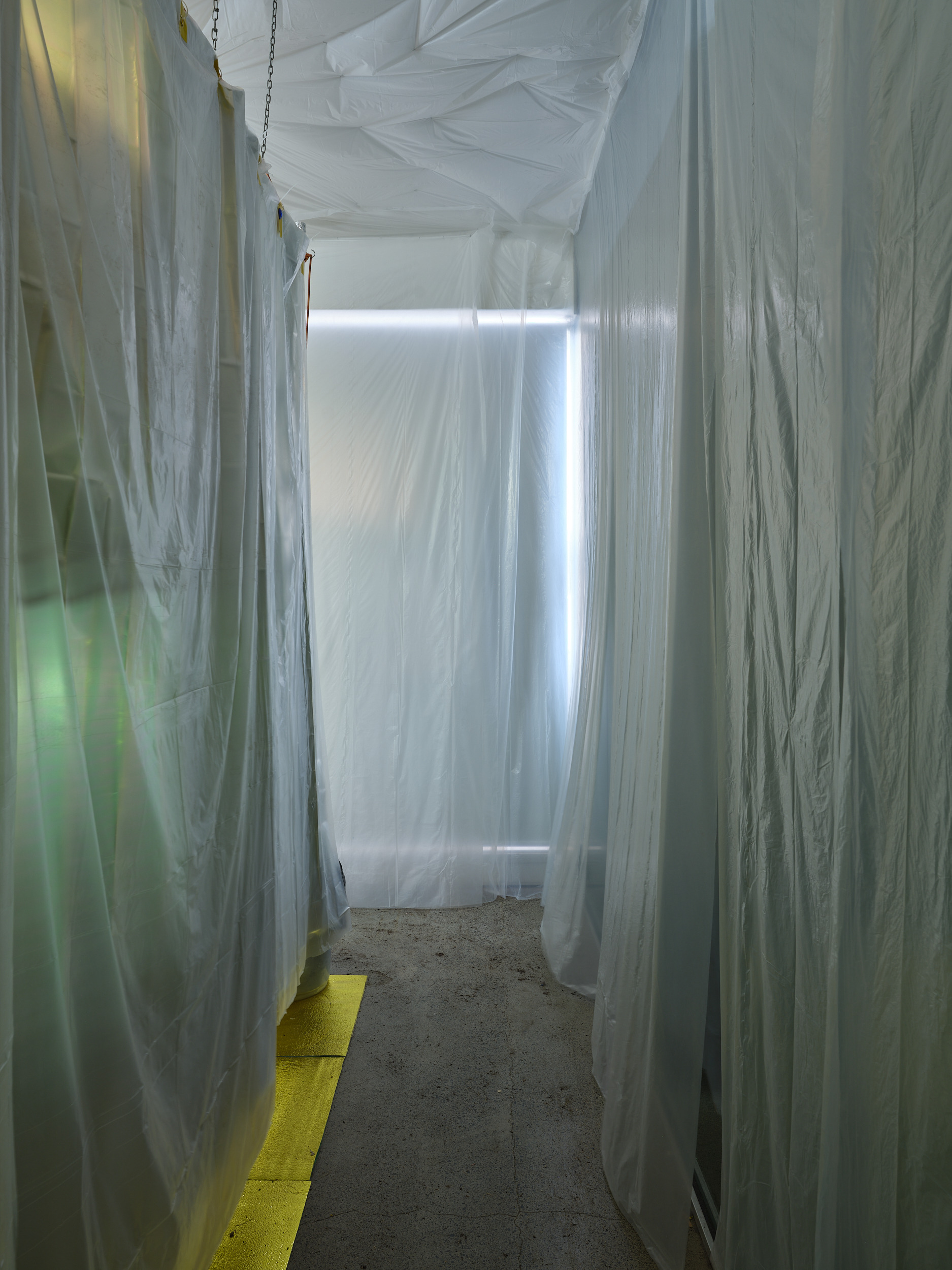
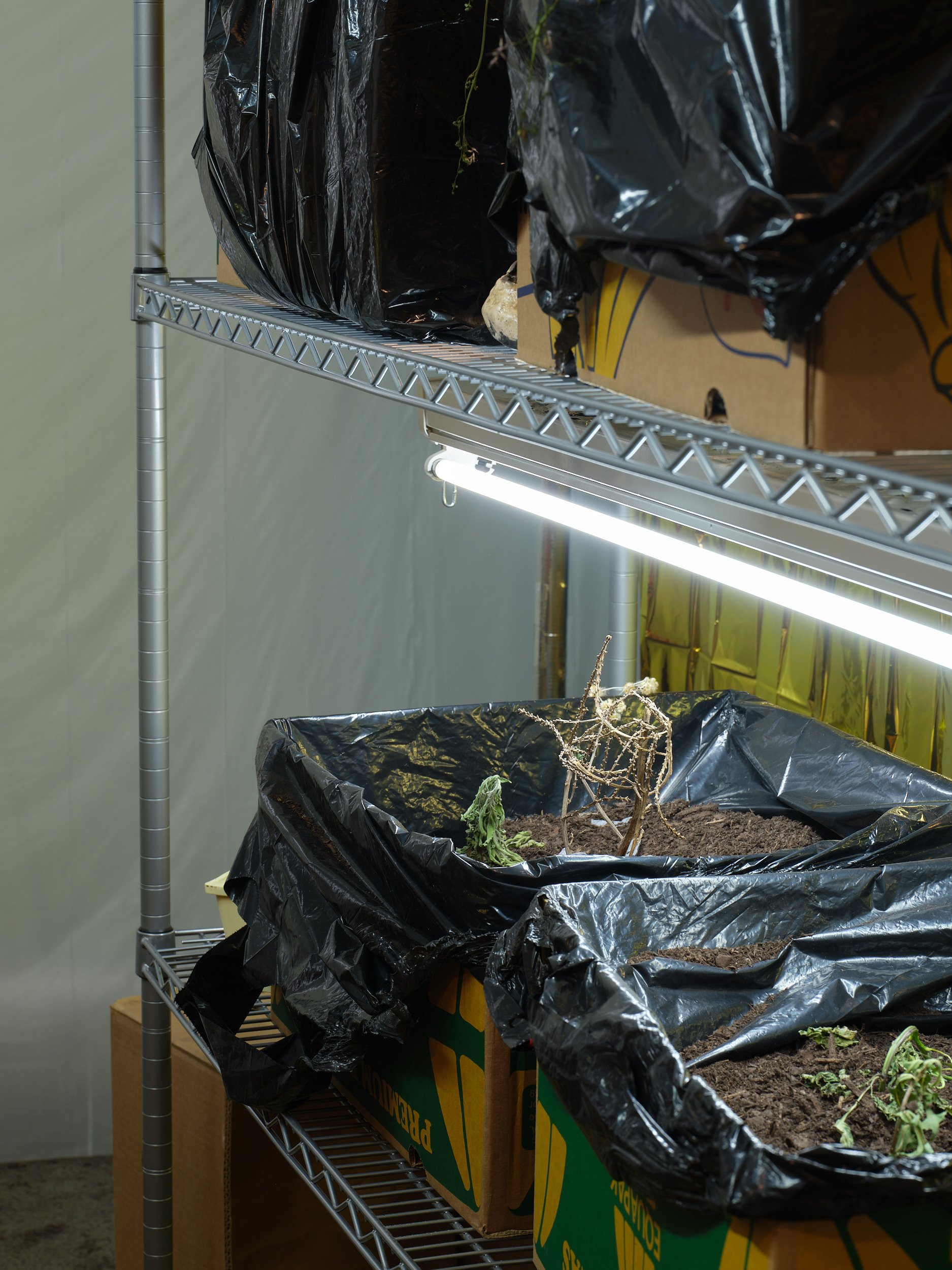
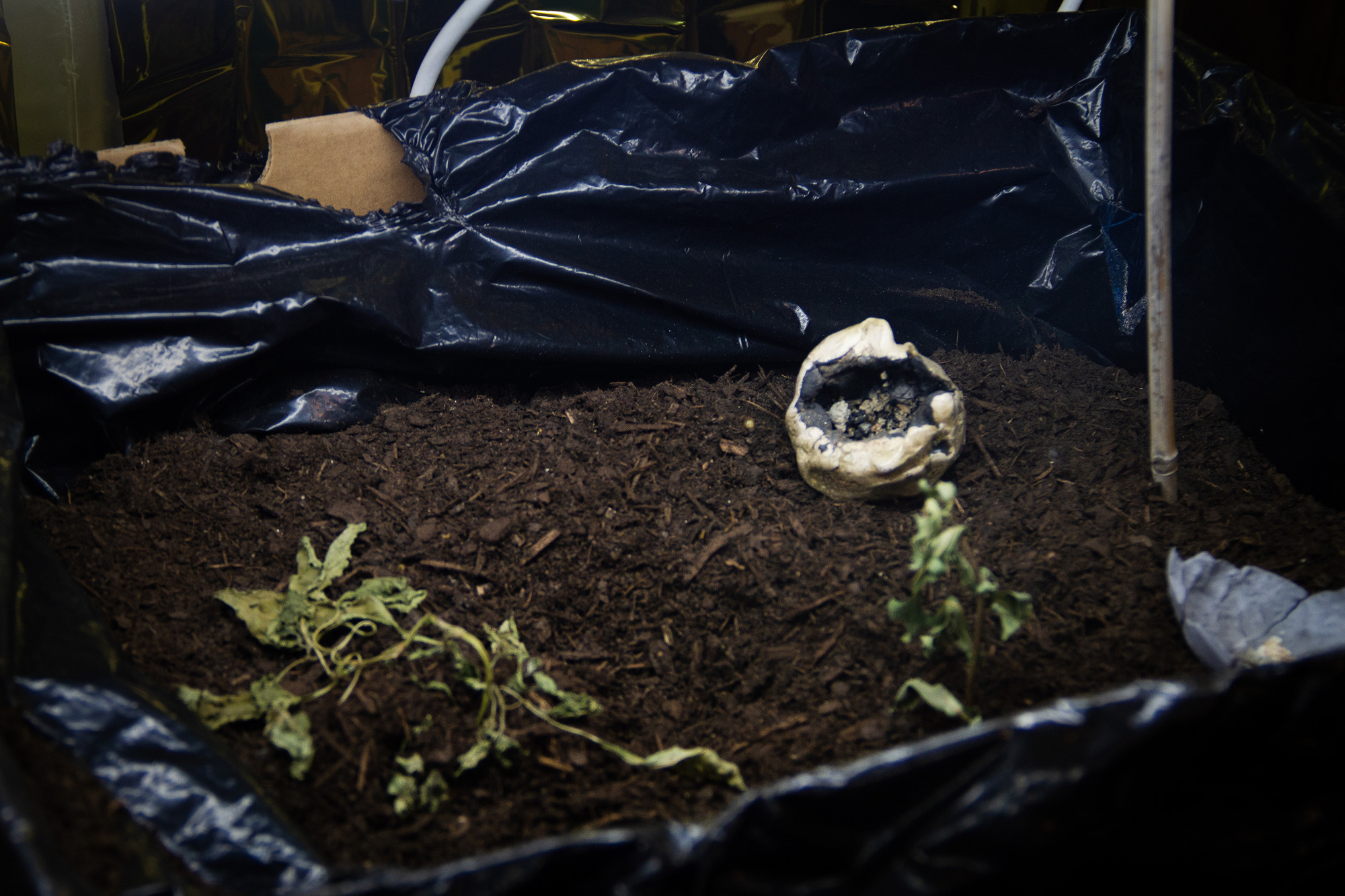
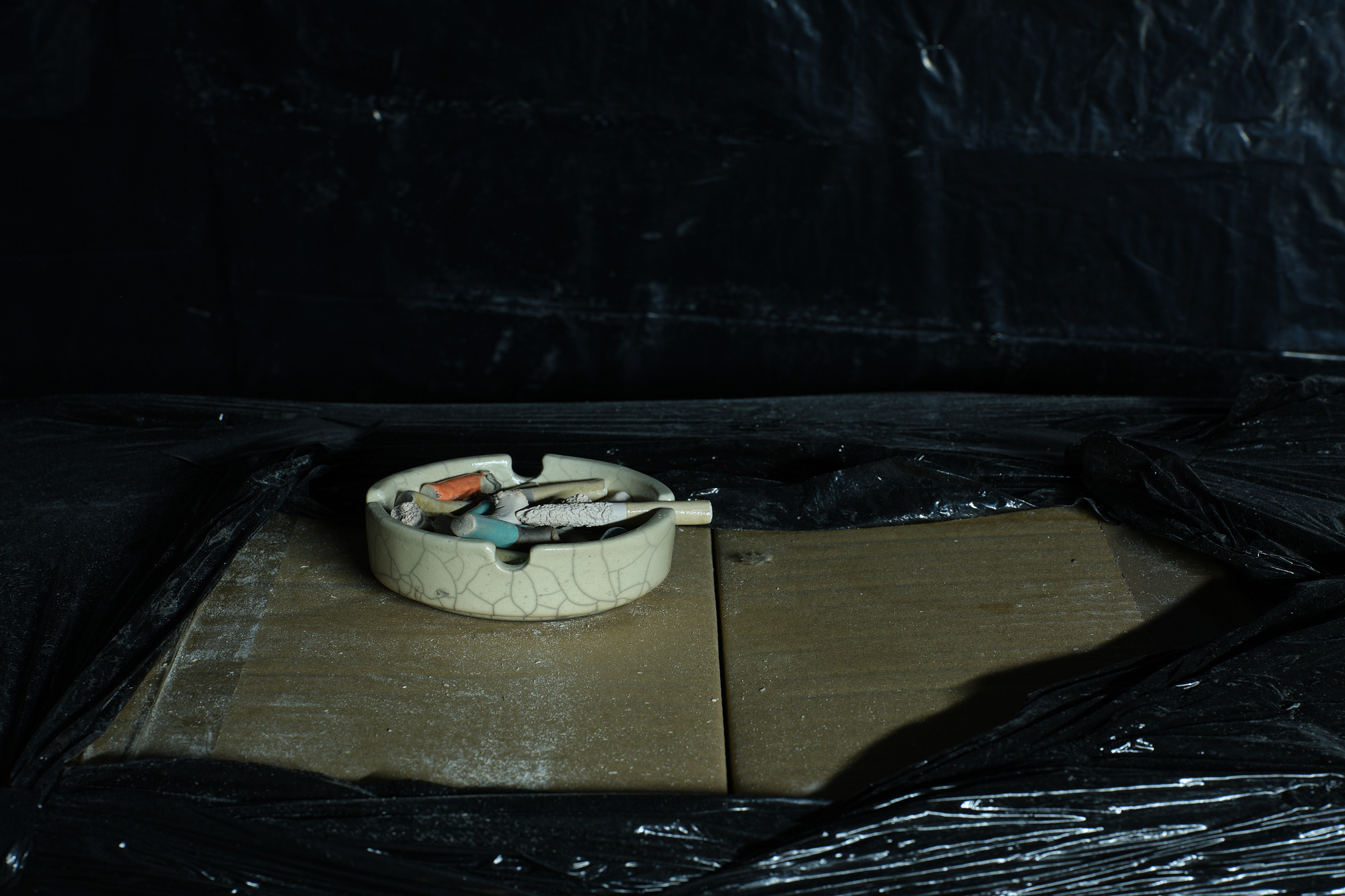
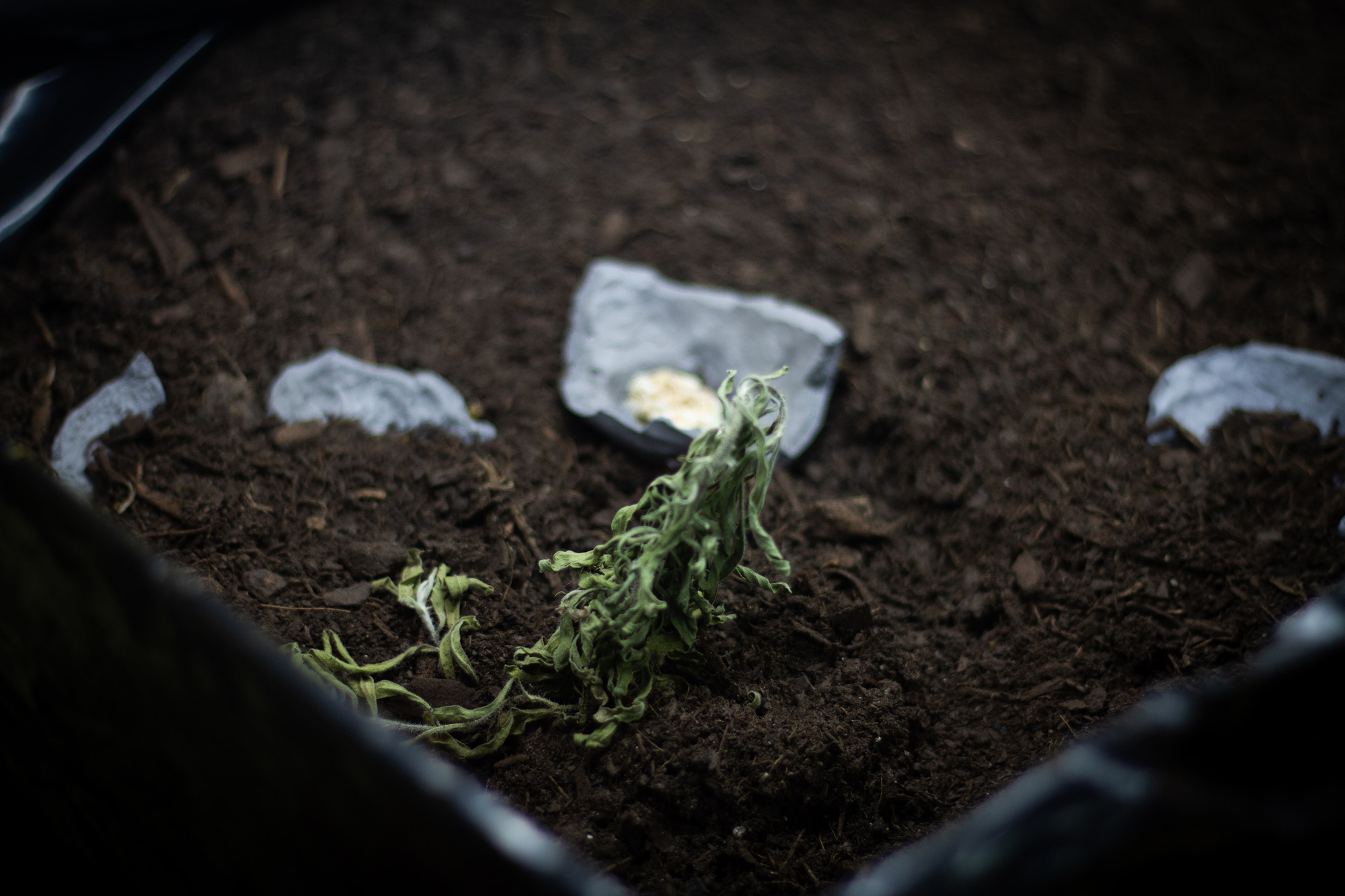
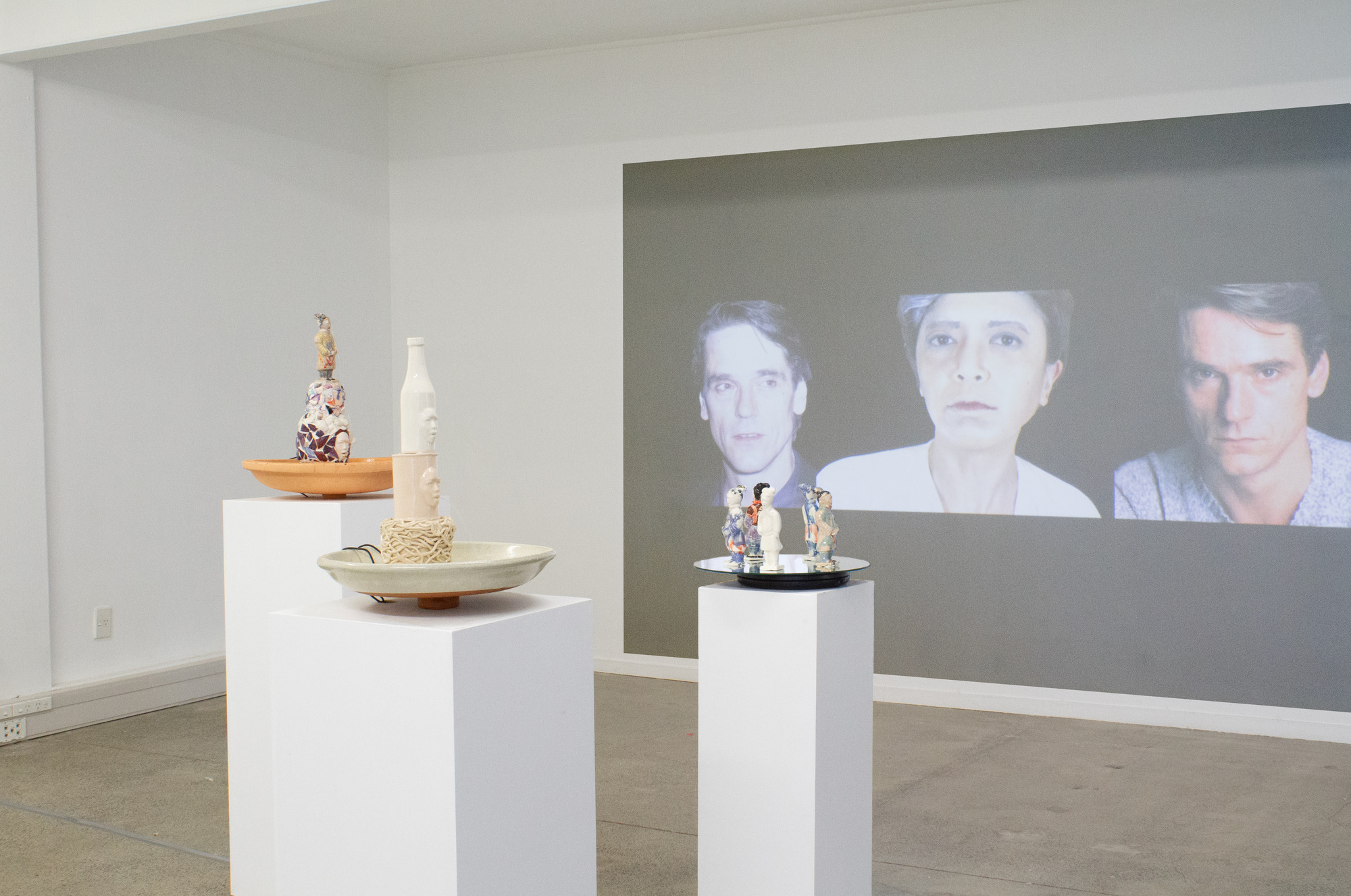
the aperture of the moon
Lisa Crowley

An aperture is usually associated with vision. Controlling how much light enters
an unilluminated zone; it is a physical opening between world and interior, that
enables the production of an image. Taking this idea of light moving into and
through a body, an aperture can also be understood as means for apprehending
the world, its structures, forces, atmospheres.

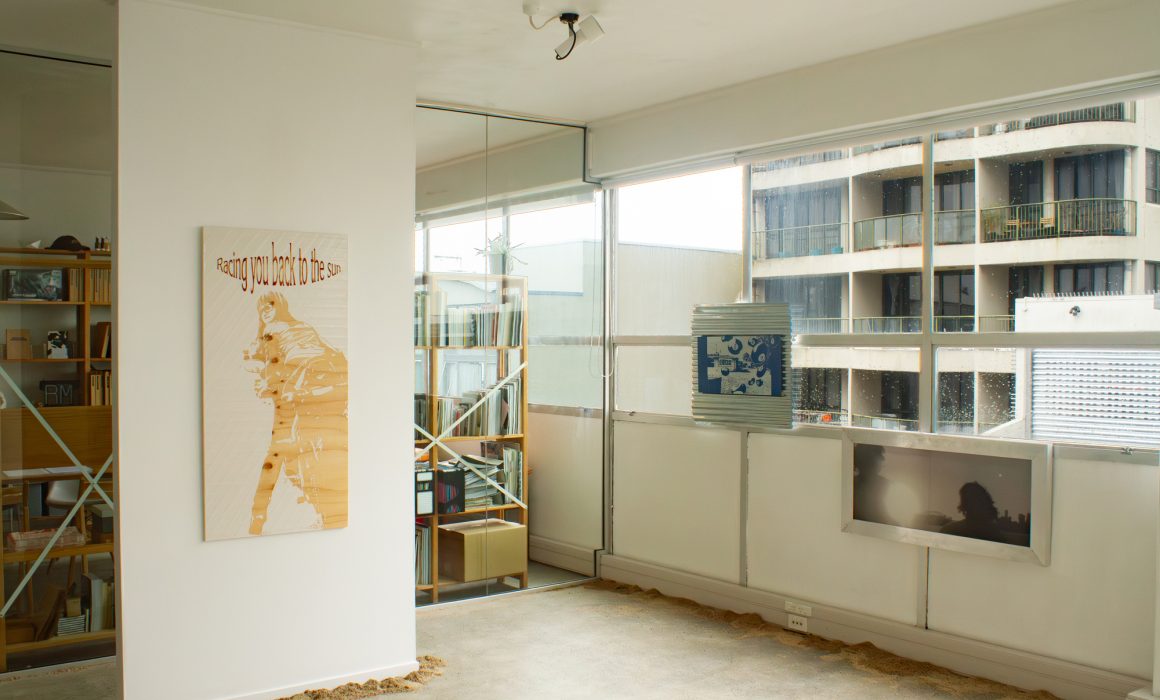
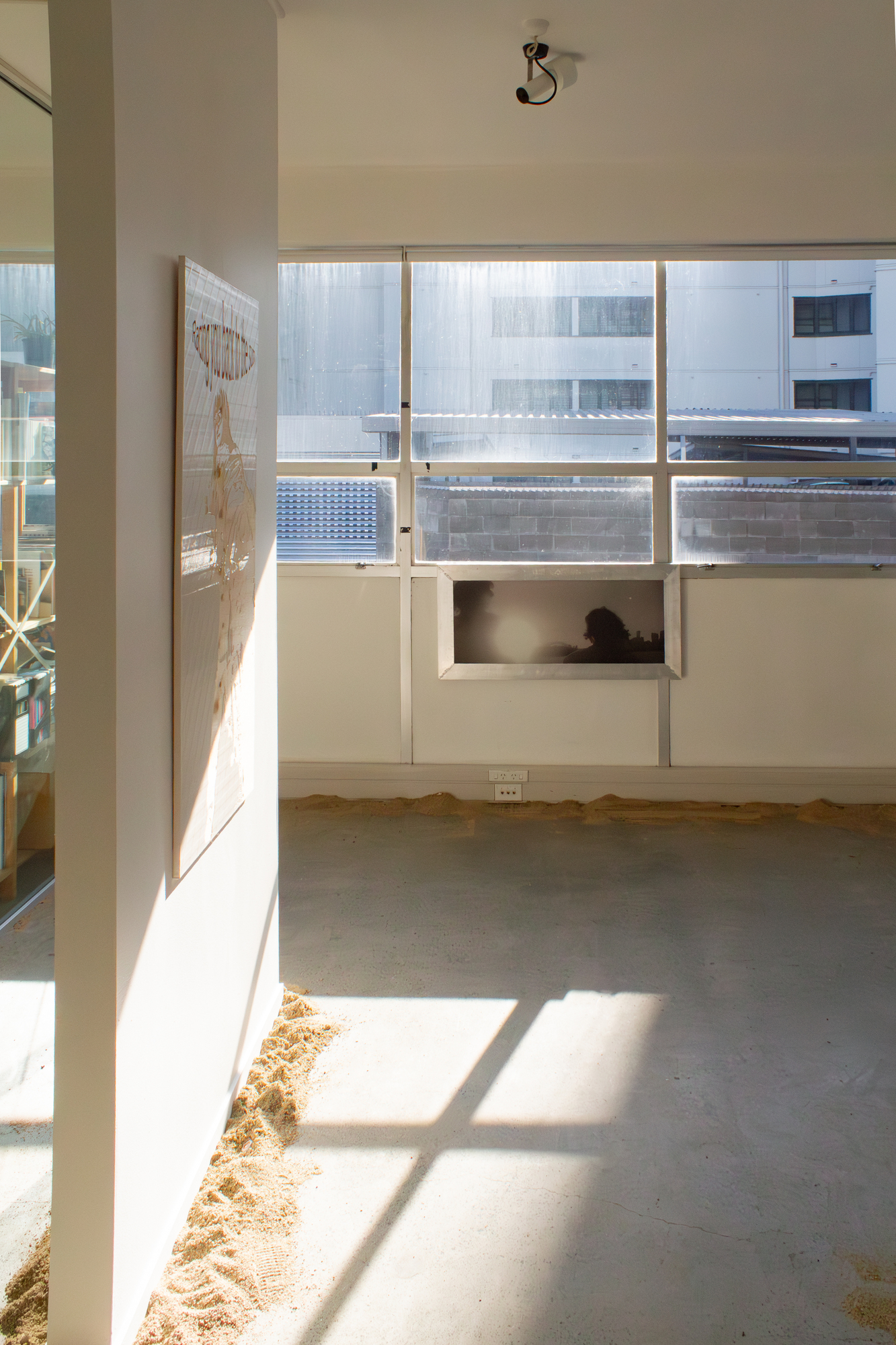
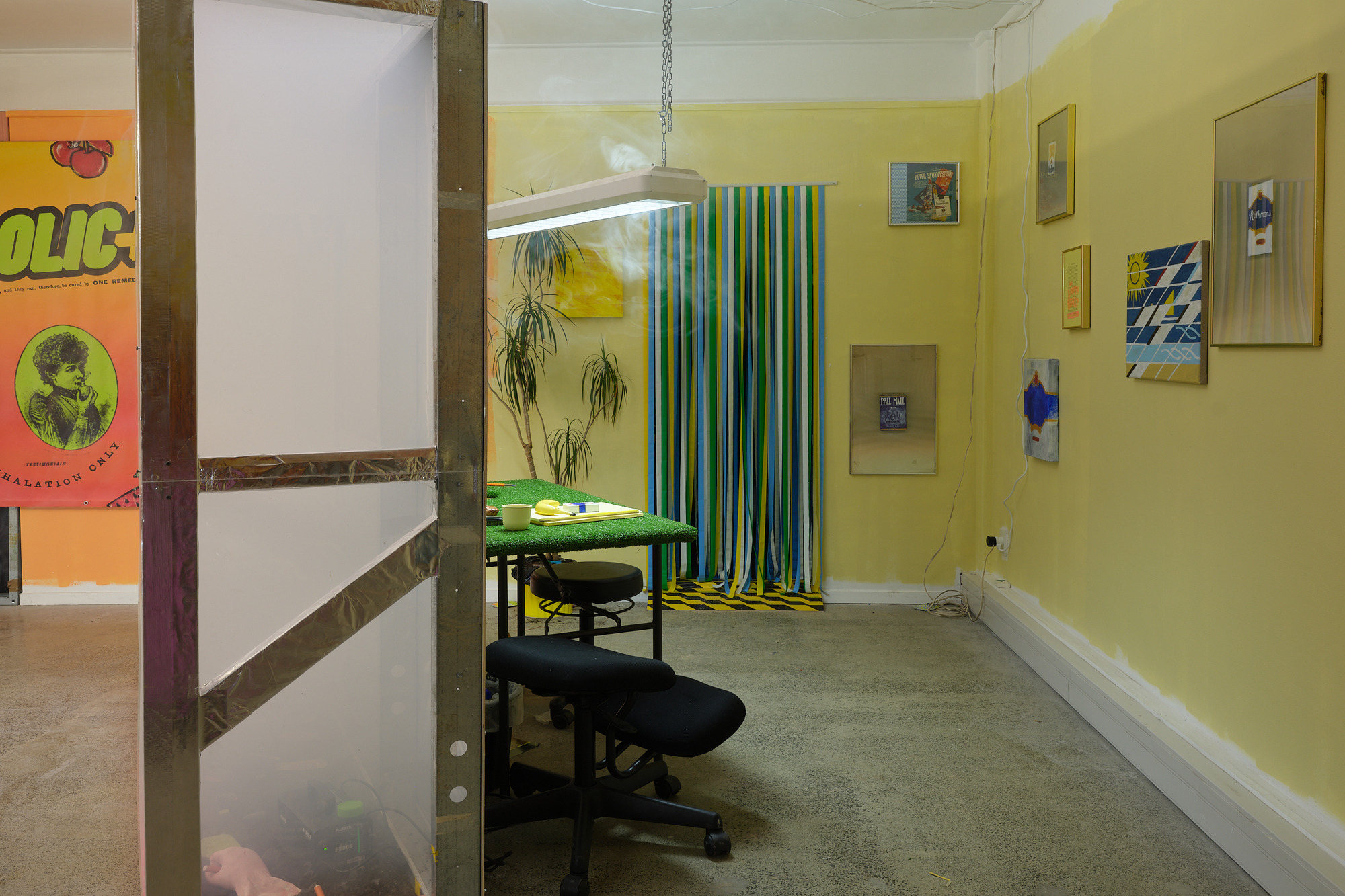
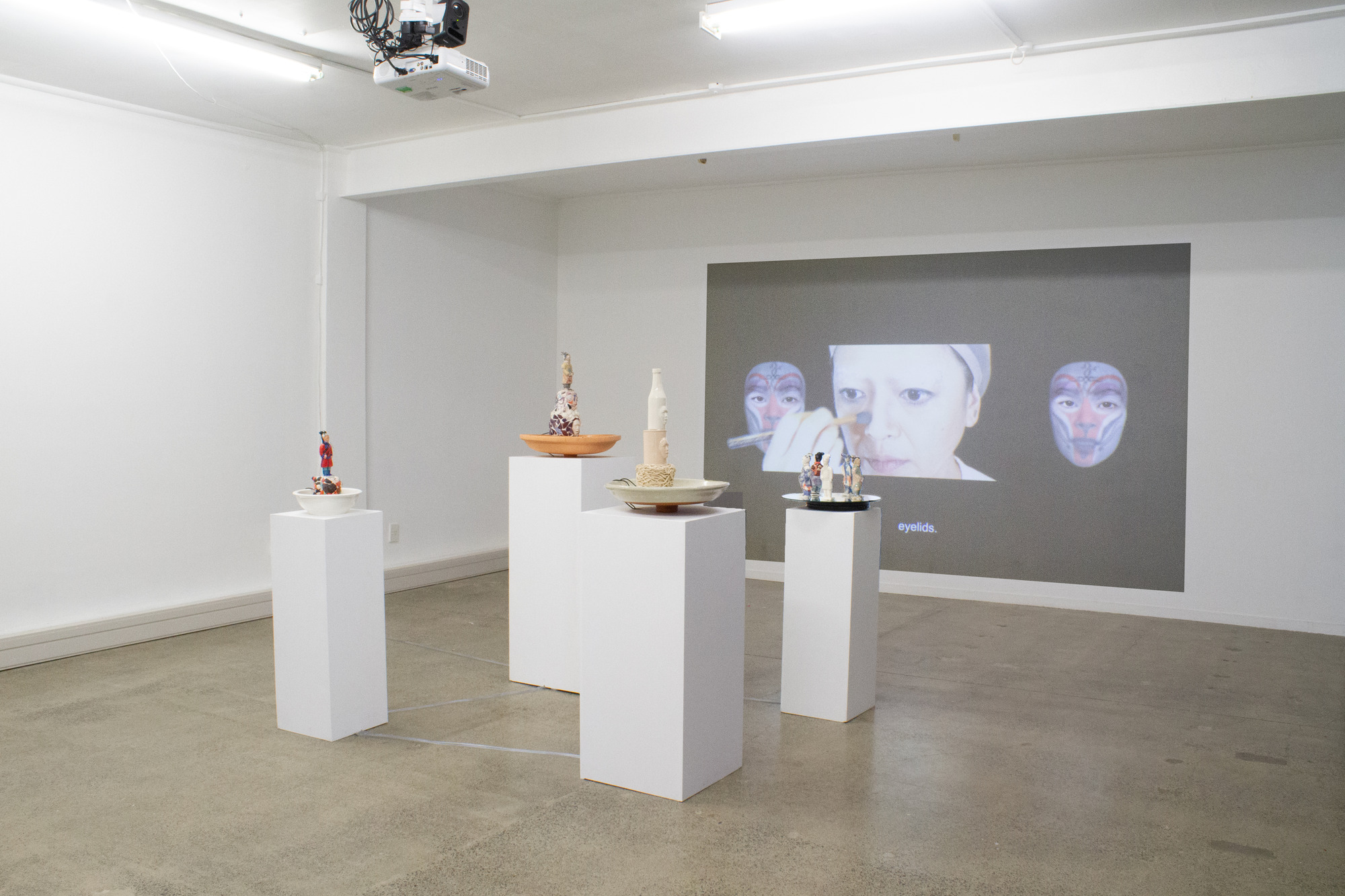
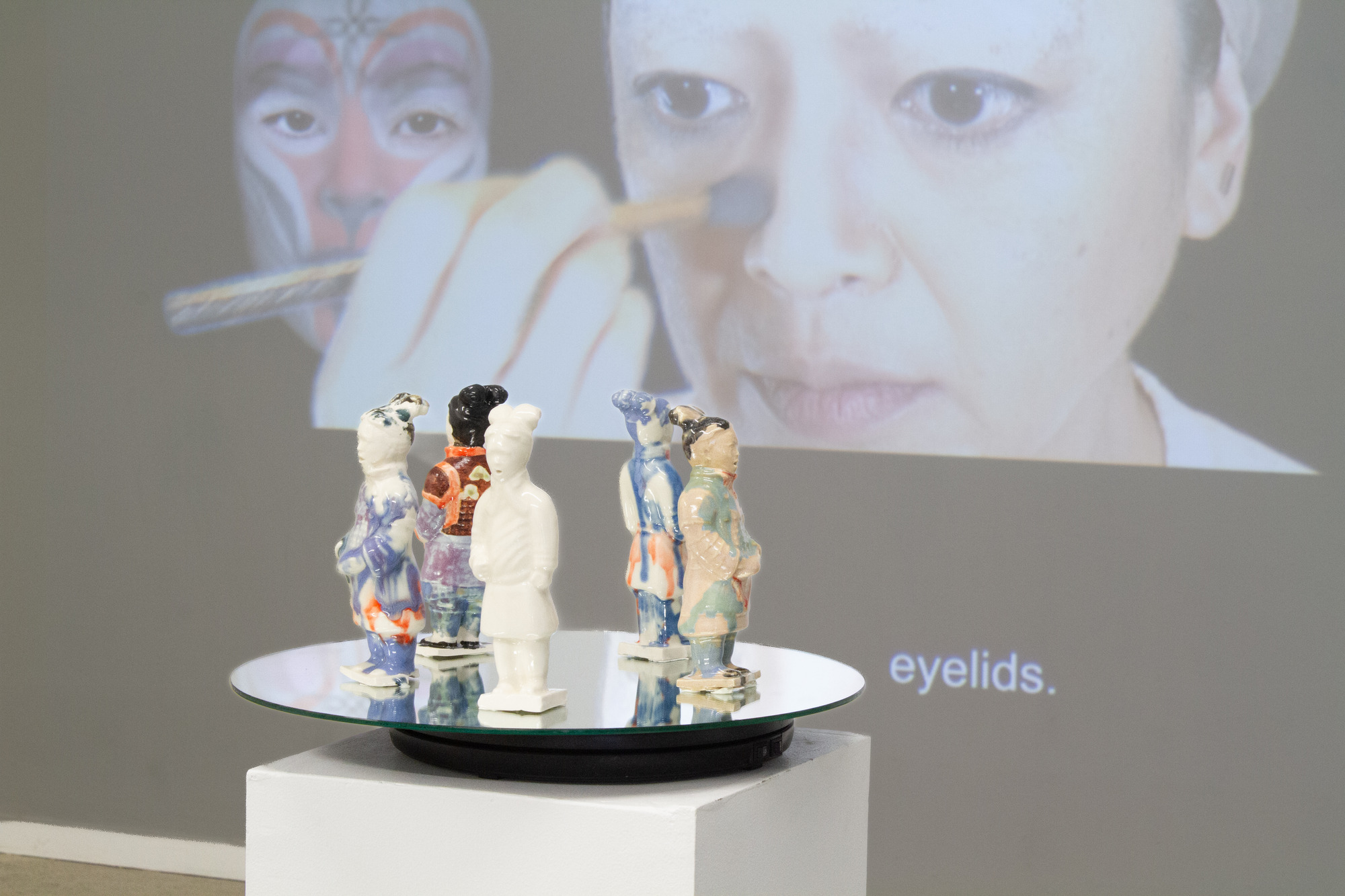
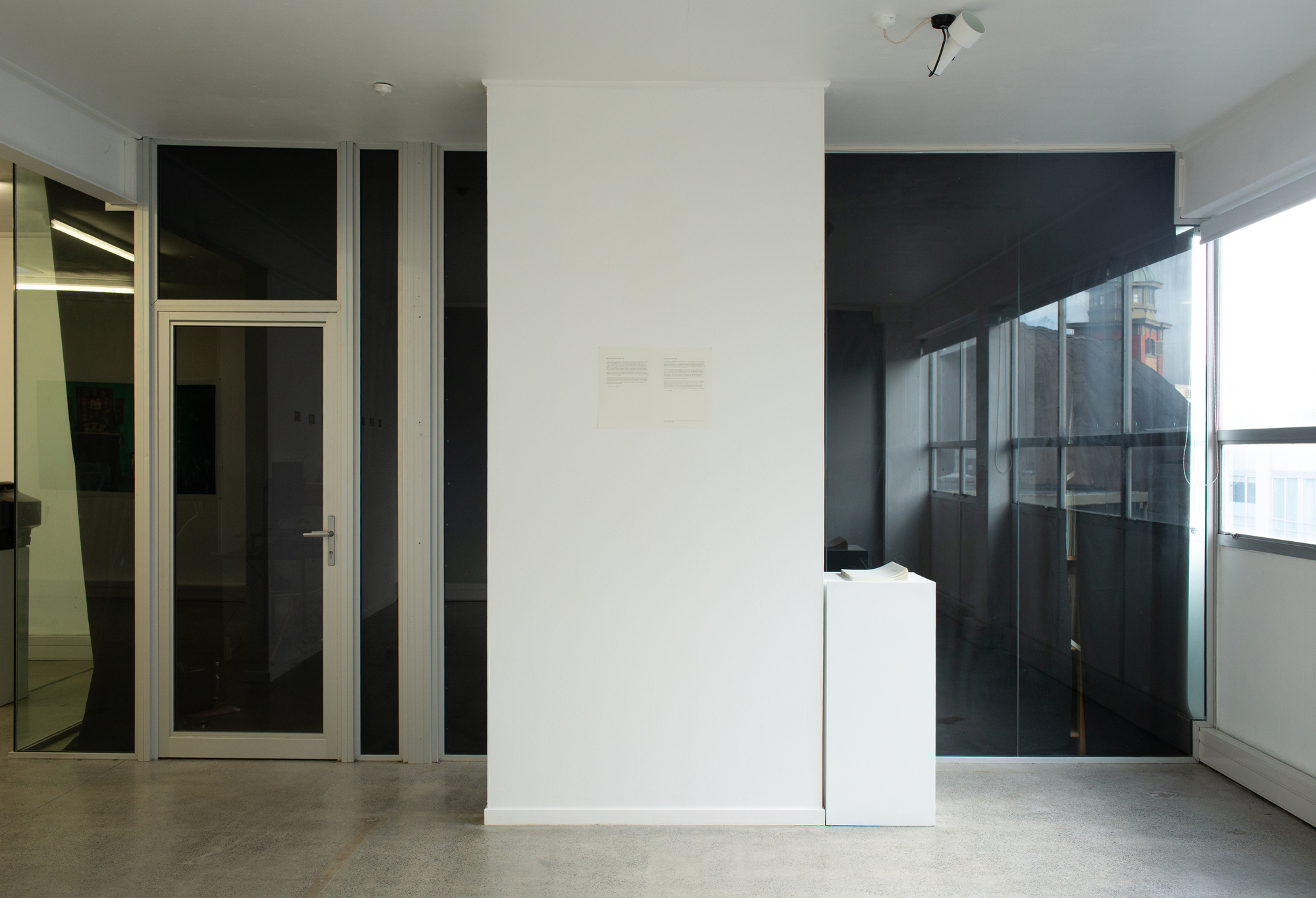
The film considers several protagonists drawn from the historical record.
These include a scribe, an attendant and a sculptor, whose labour in different
ways served to maintain both class structure and state power within Ancient
Mesopotamia. Traces of this labour are observed through verbal description;
a clay tablet, a list of palace wages, a photograph, an ancient sculpture.
Carrying ideas of scribing and illumination, these traces reveal the film’s female
protagonists as paradoxical and unmeasurable.

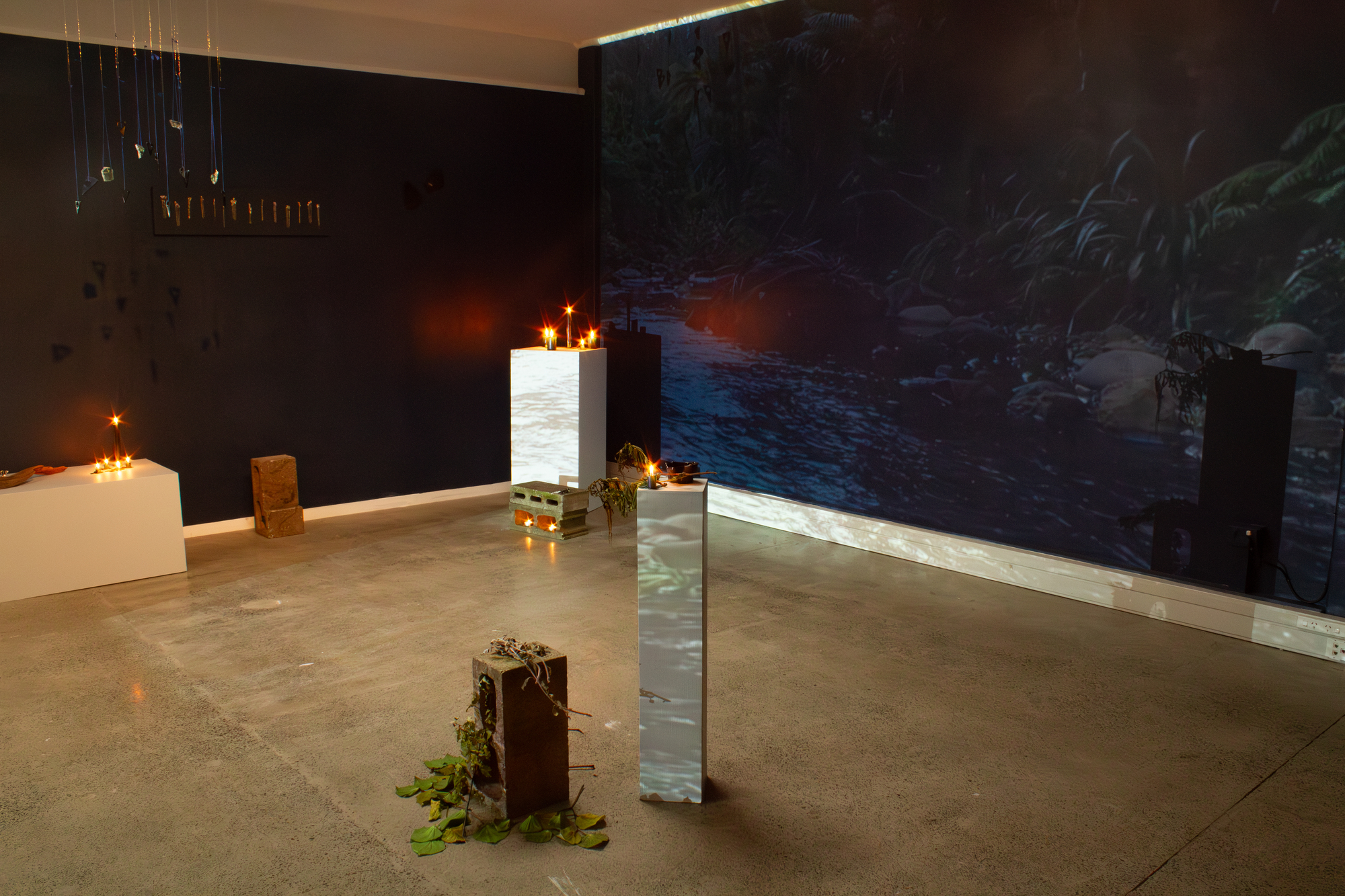
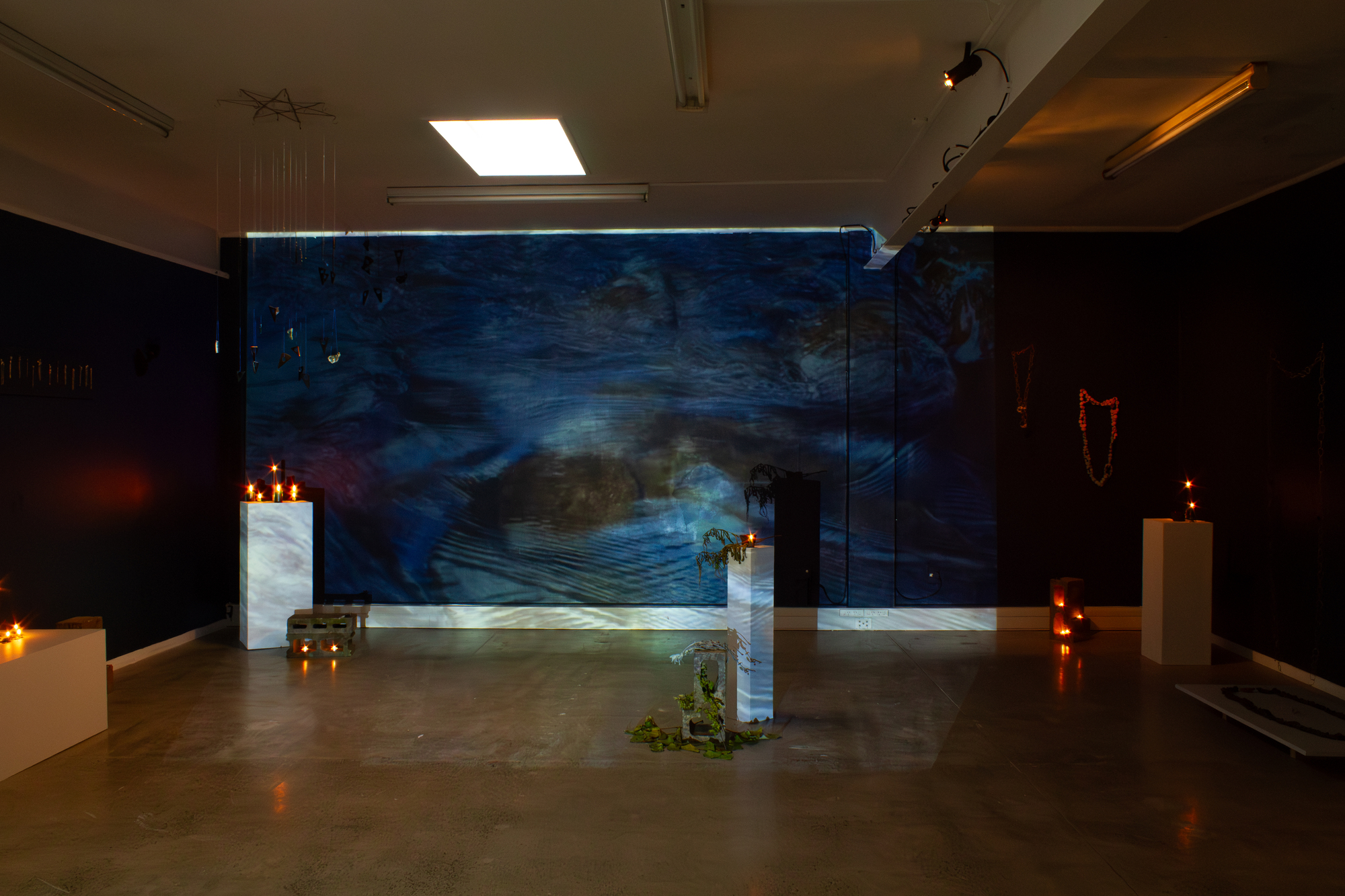
Viewers were invited to attend small, late-night screenings, weekly on Thursdays,
beginning at 11pm. Presenting the film at this time, in the hour that precedes
midnight, places the audience within an intimate, threshold moment. In this
temporary clearing or opening, the unacknowledged lives of others might
imperceptibly draw on us — like the gravitational pull of the moon, in order
that they may be approached and considered carefully across time and space.
Images by Antje Barke
Tūī Diprose : Rituals

Tūī Diprose
Rituals

28 May – 5 July 2025

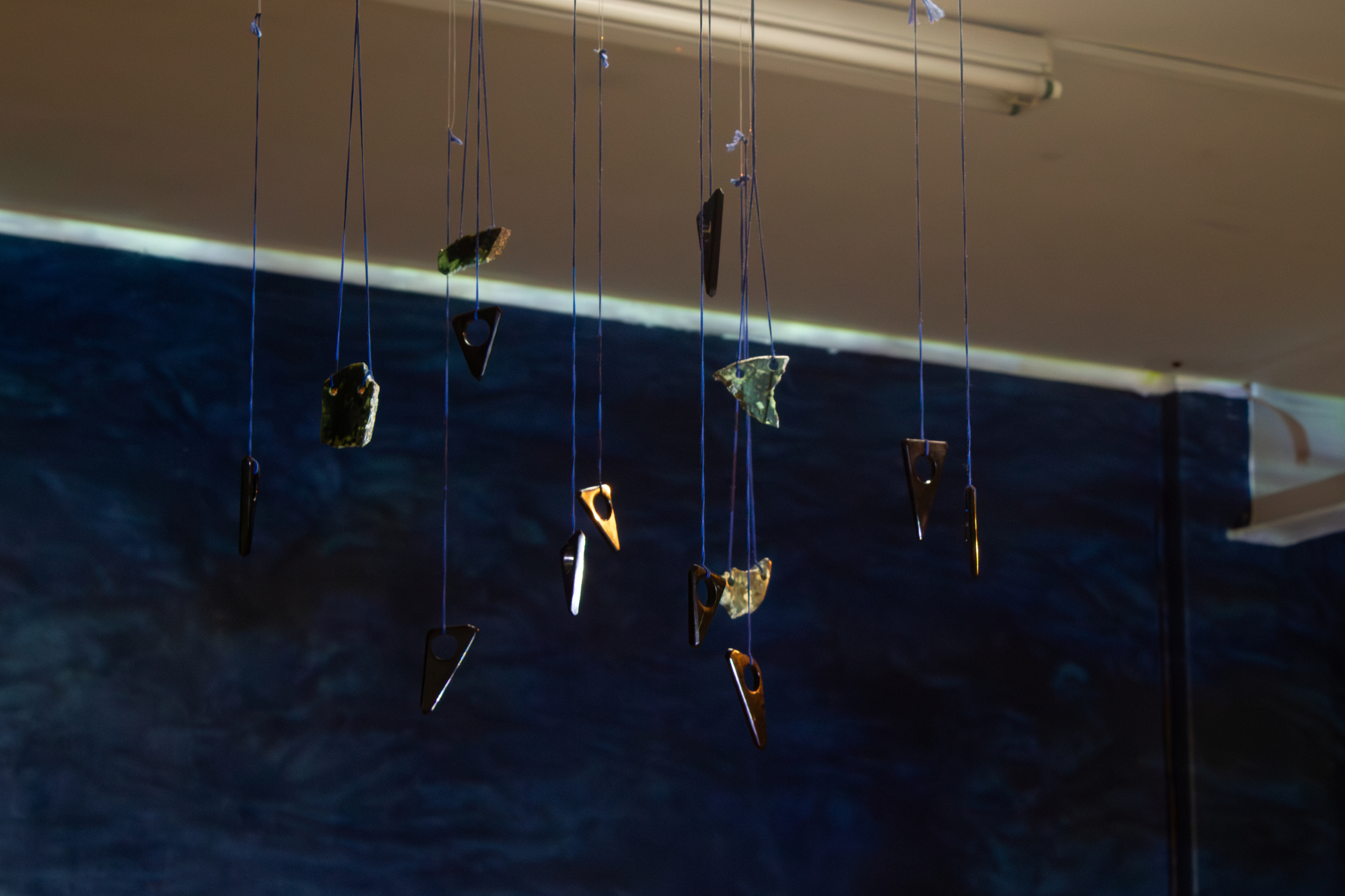
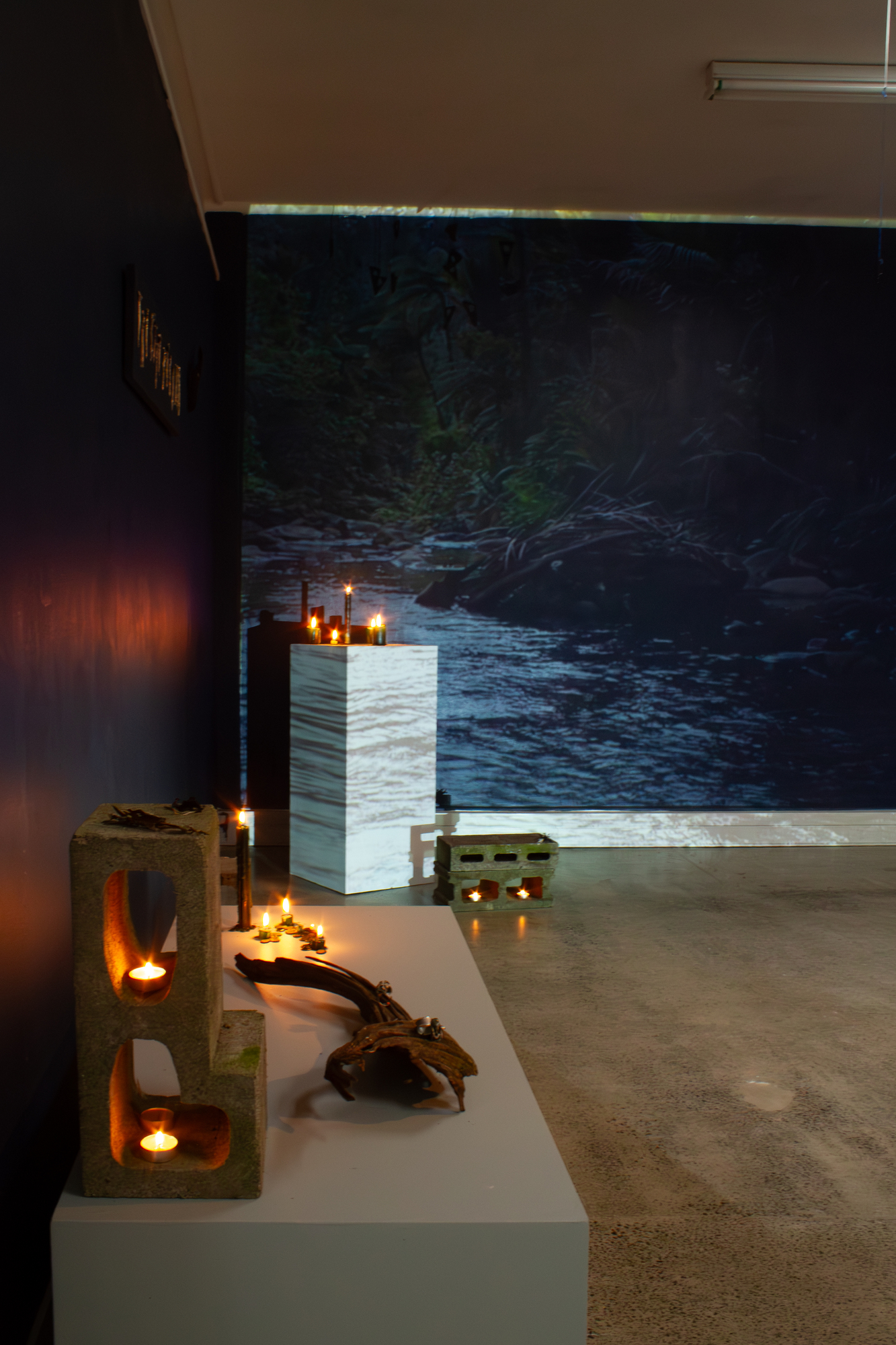
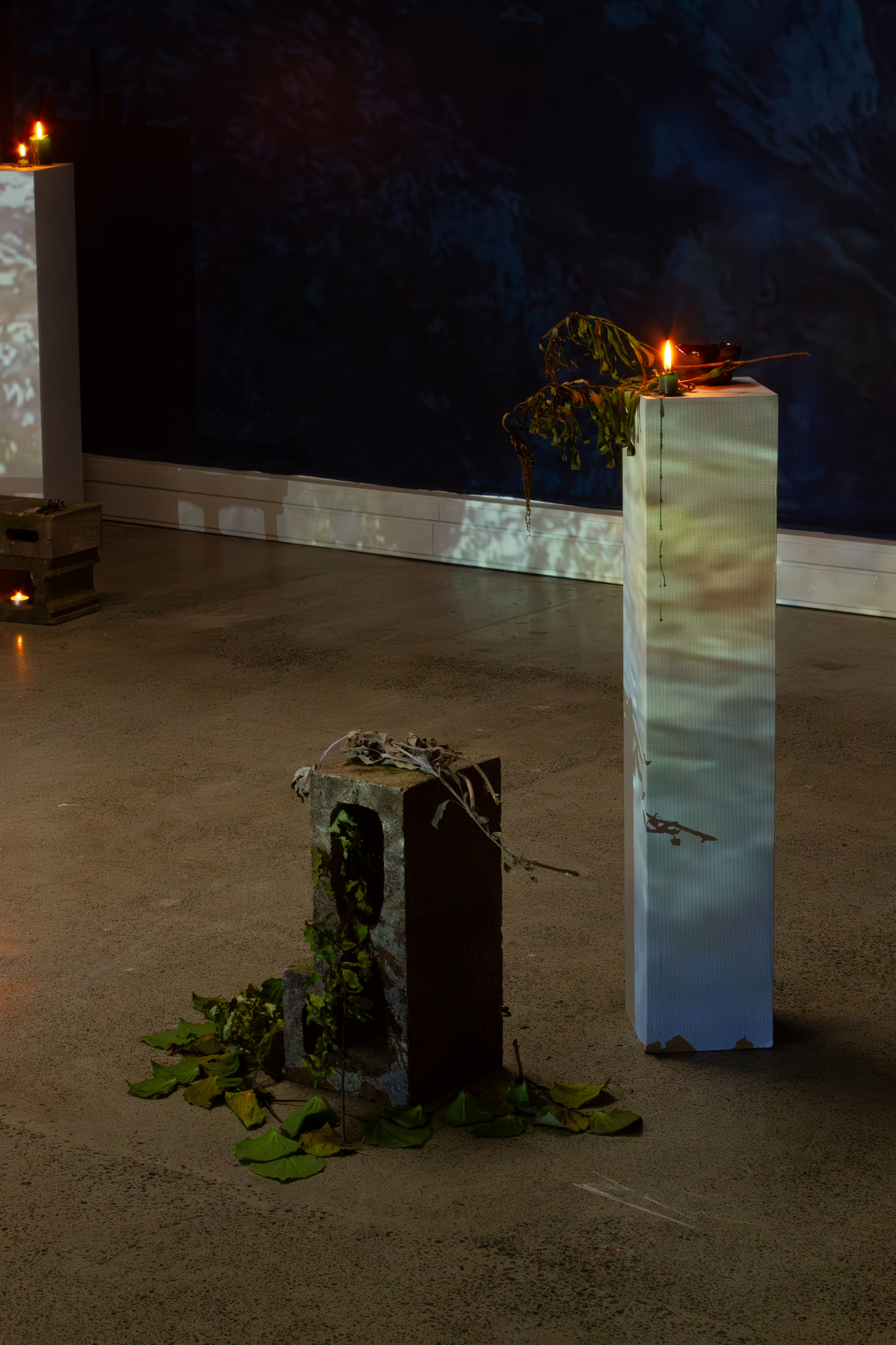
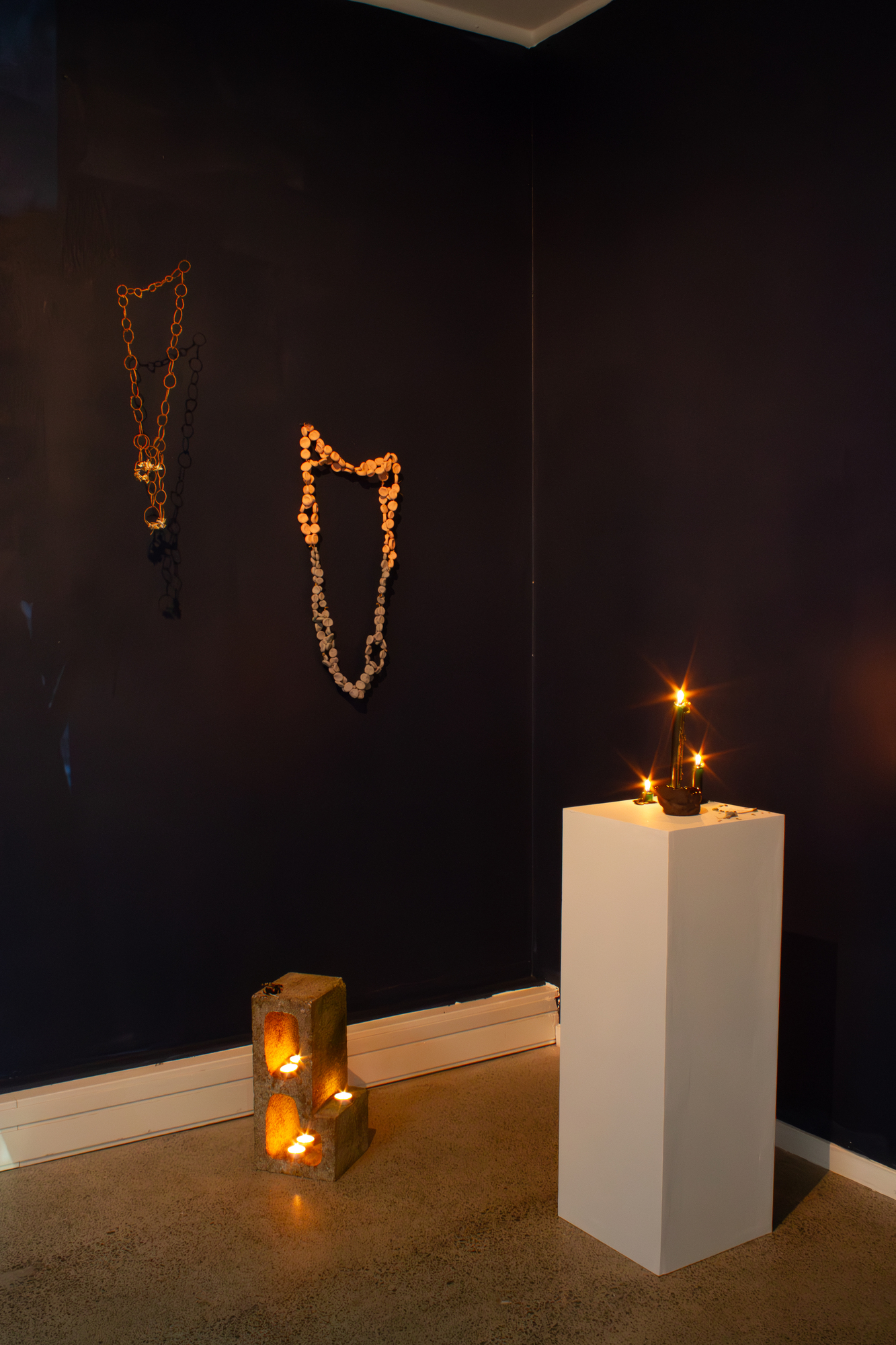
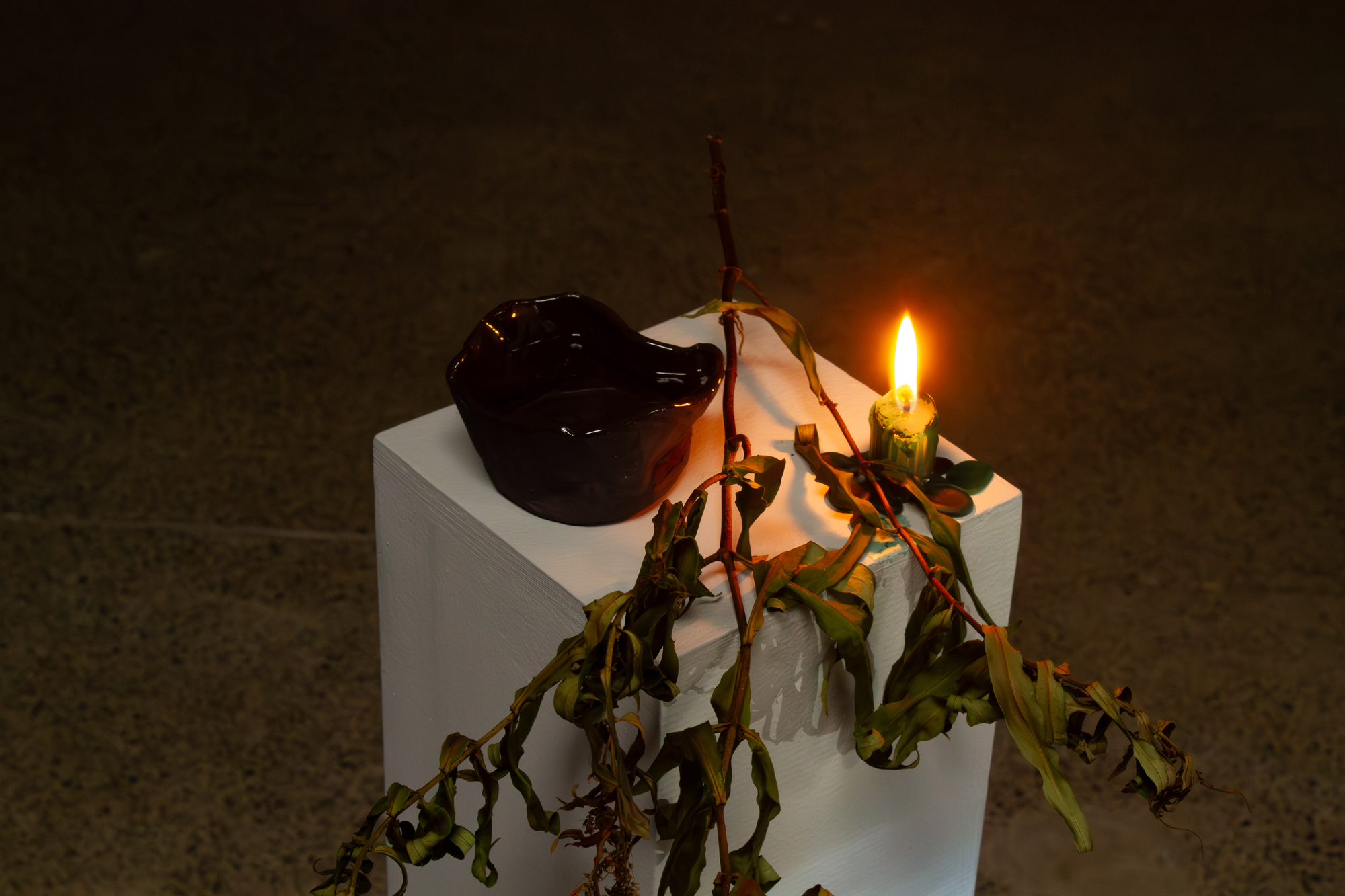
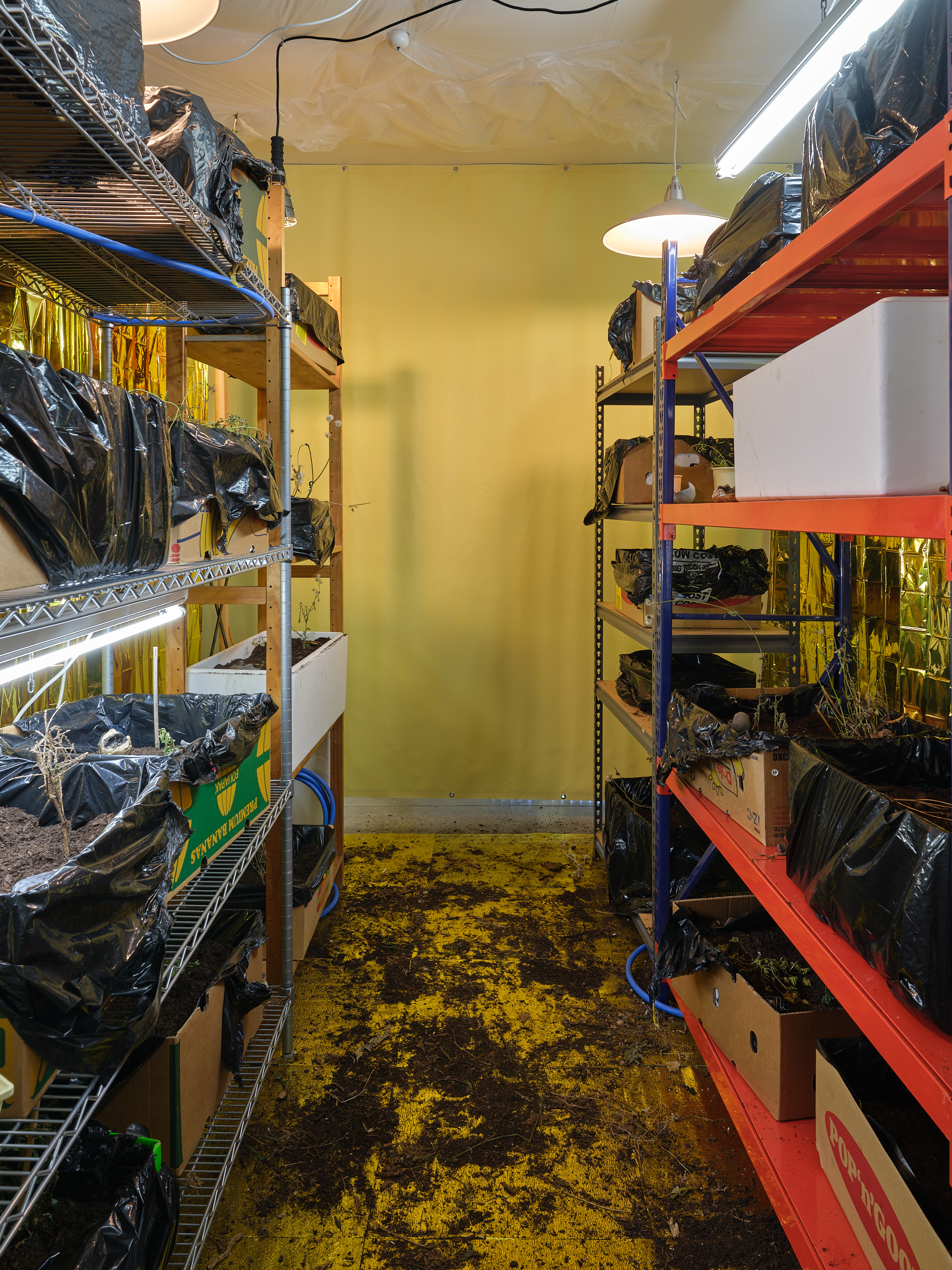
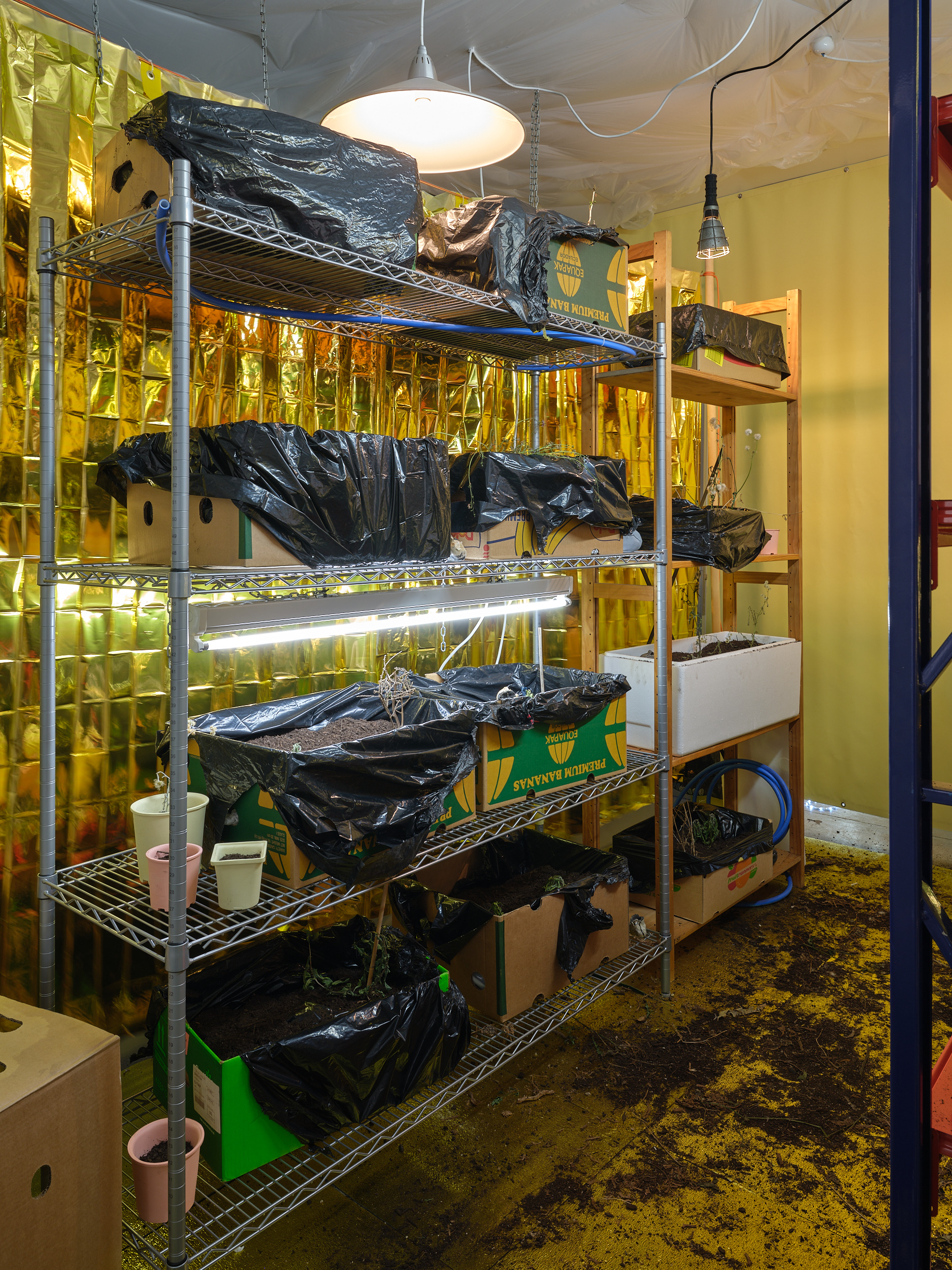
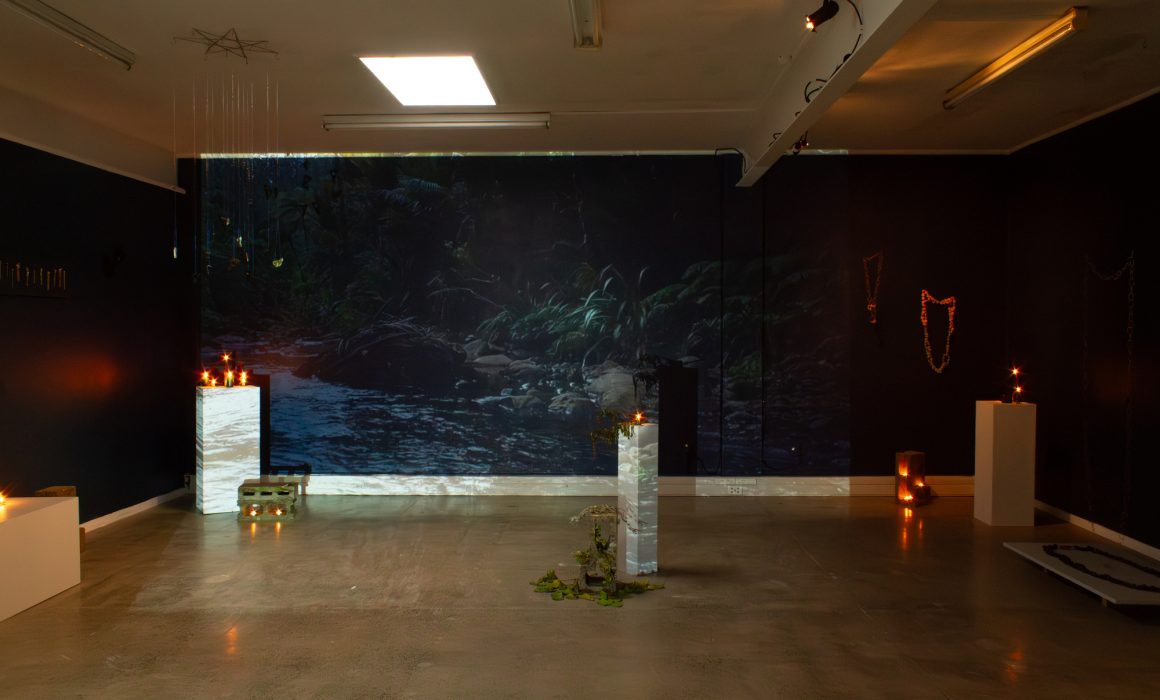
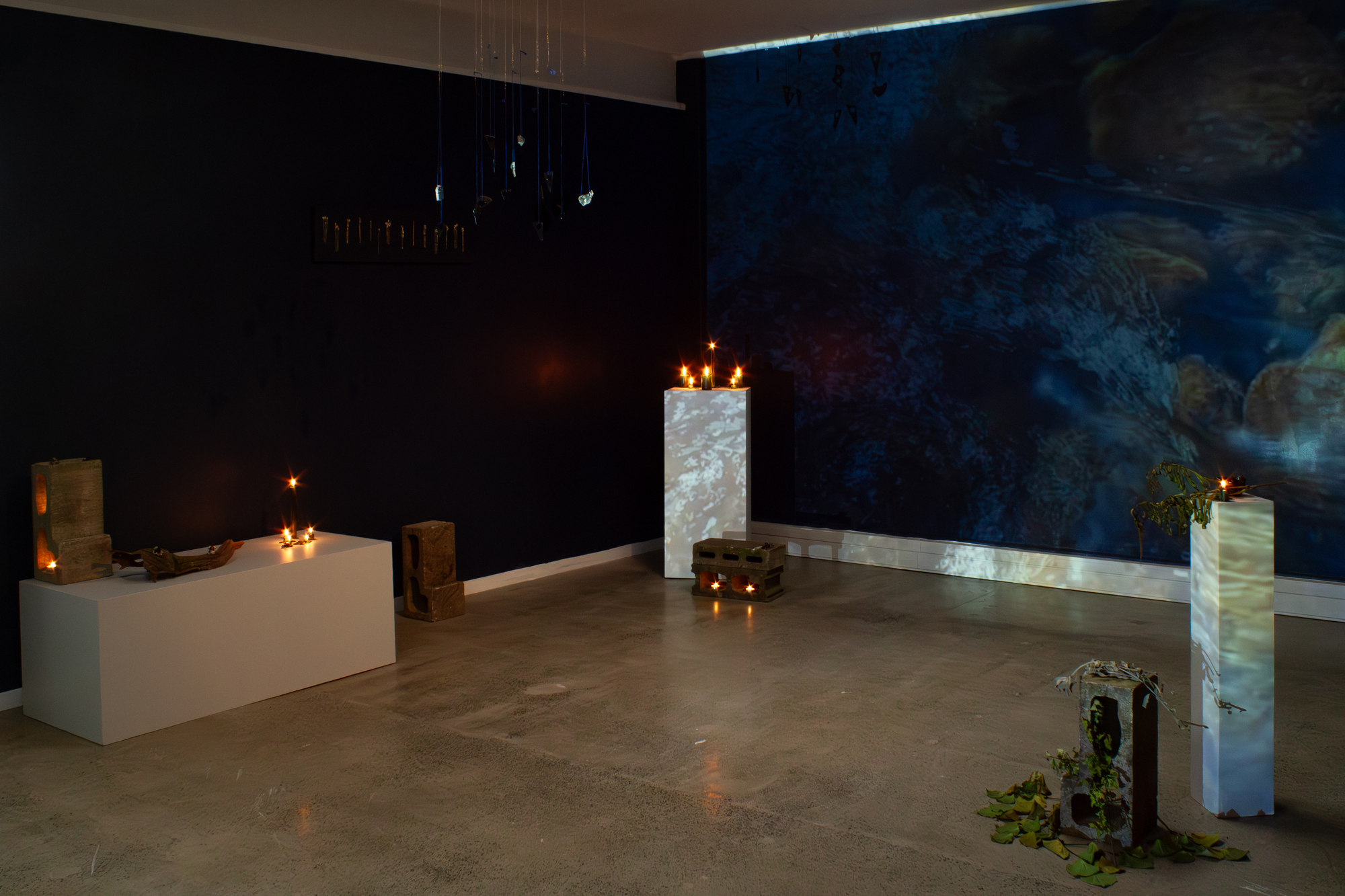
The river is relentless, timeless, ancient. A spirit unto itself. The river comes to us in dreams, meditations, it moves through timelines and dimensions. The river is both earthly and divine.

The river contains secrets, treasures, messages and signs. Read the omens, listen, feel, remember your origins. We are of this earth, and far beyond.

Find your rhythm, be as the river. Snakes slither over rocks, carving out their serpentine path, setting themselves into the land.

Tūī Diprose creates within ritual, allowing intuitive rivers to call through realms beyond this reality. Bridging worlds both physical and metaphysical; the spirit world alive and anchored through material form.

Images by Antje Barke
Raisa Mclean : Heatwave

Raisa Mclean
Heatwave

28 May – 5 July 2025

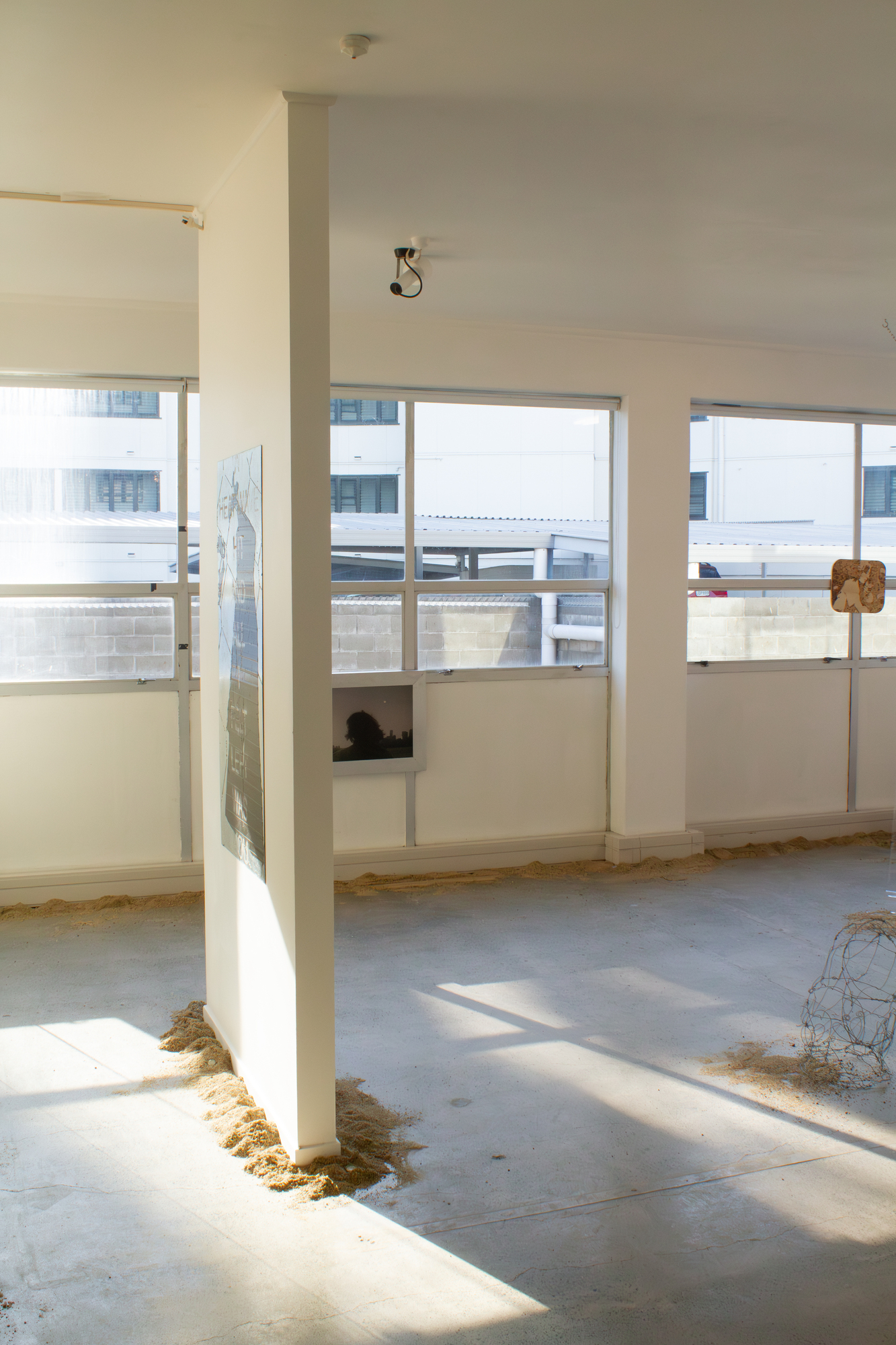
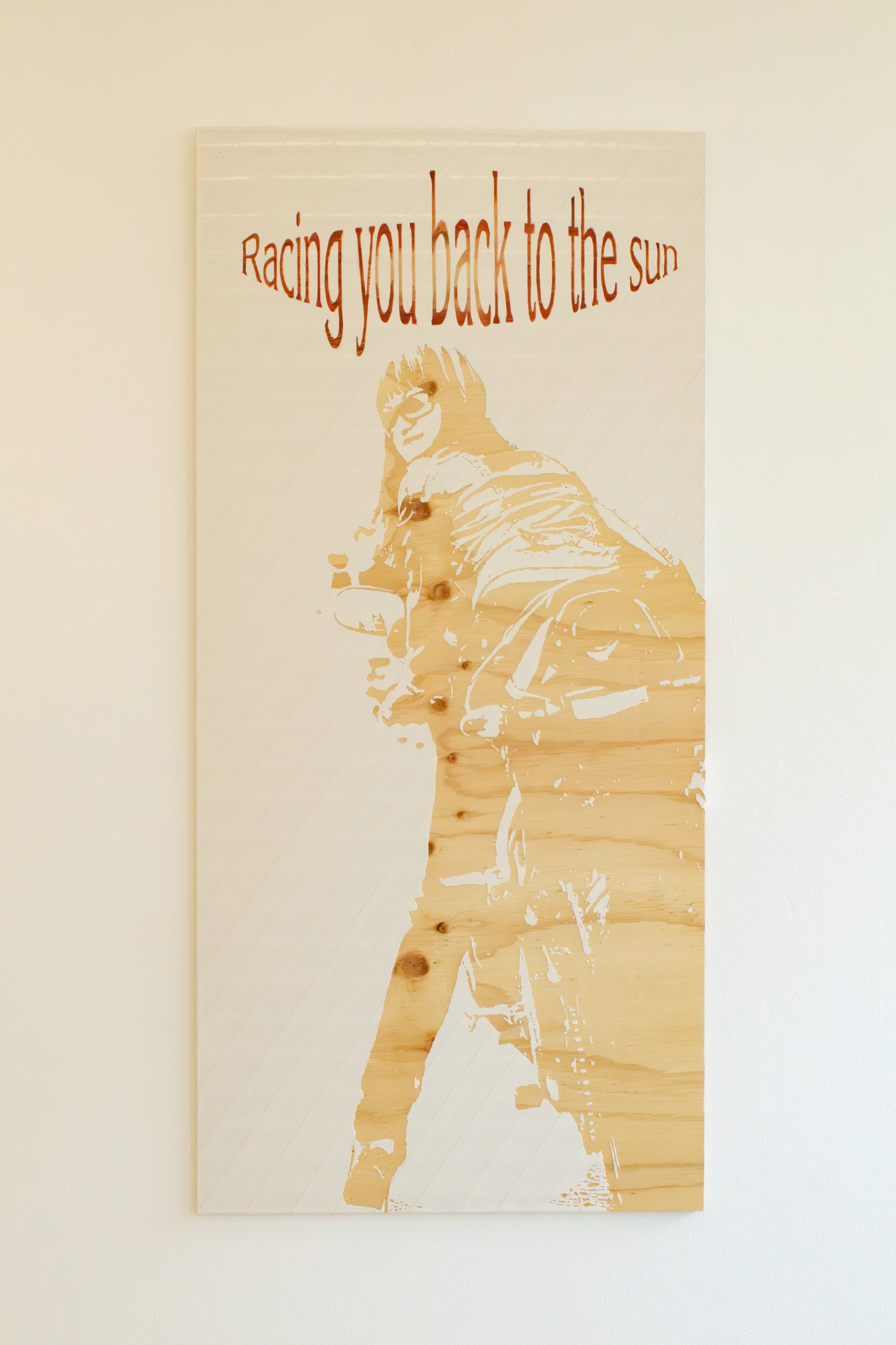
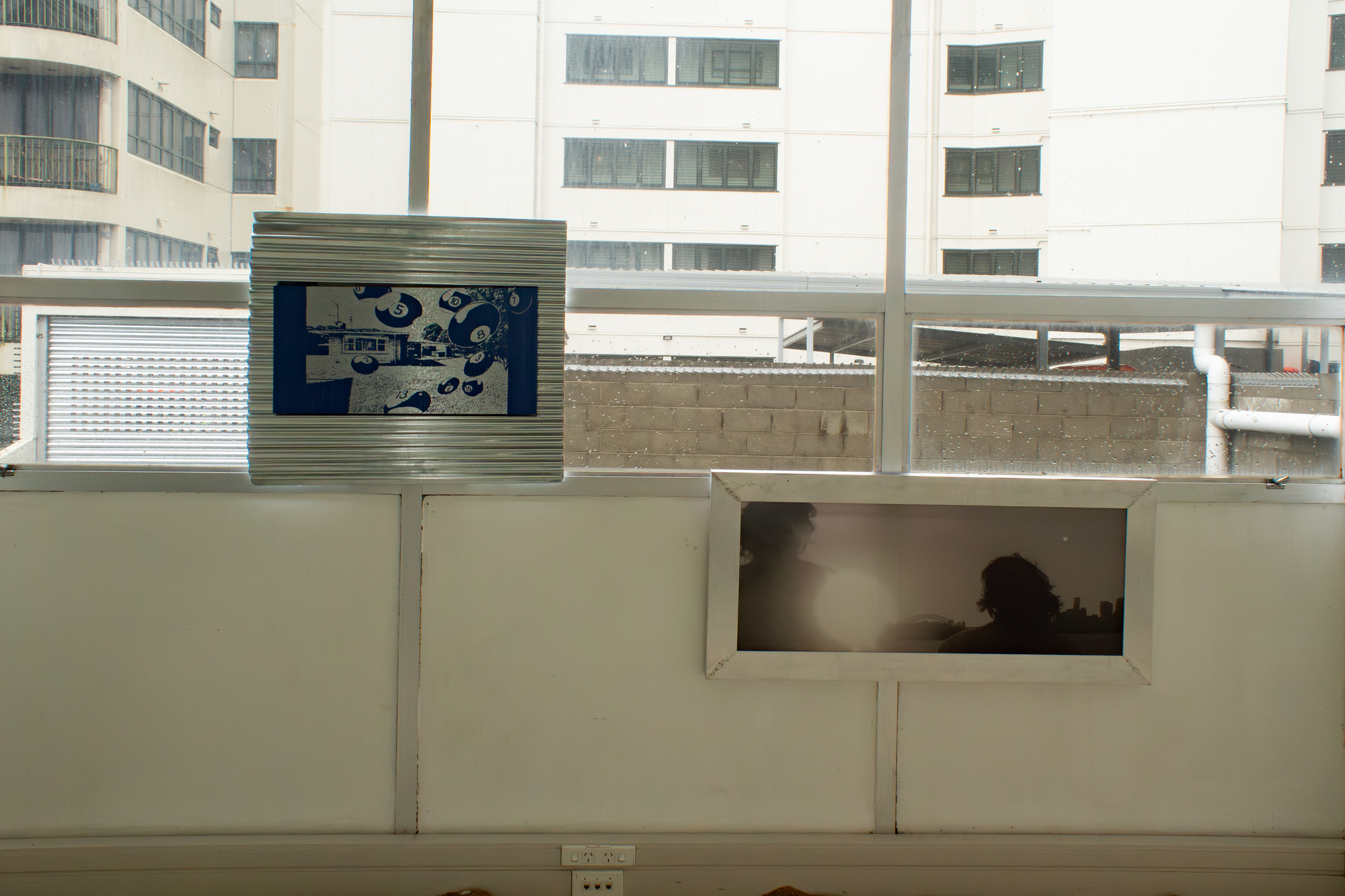
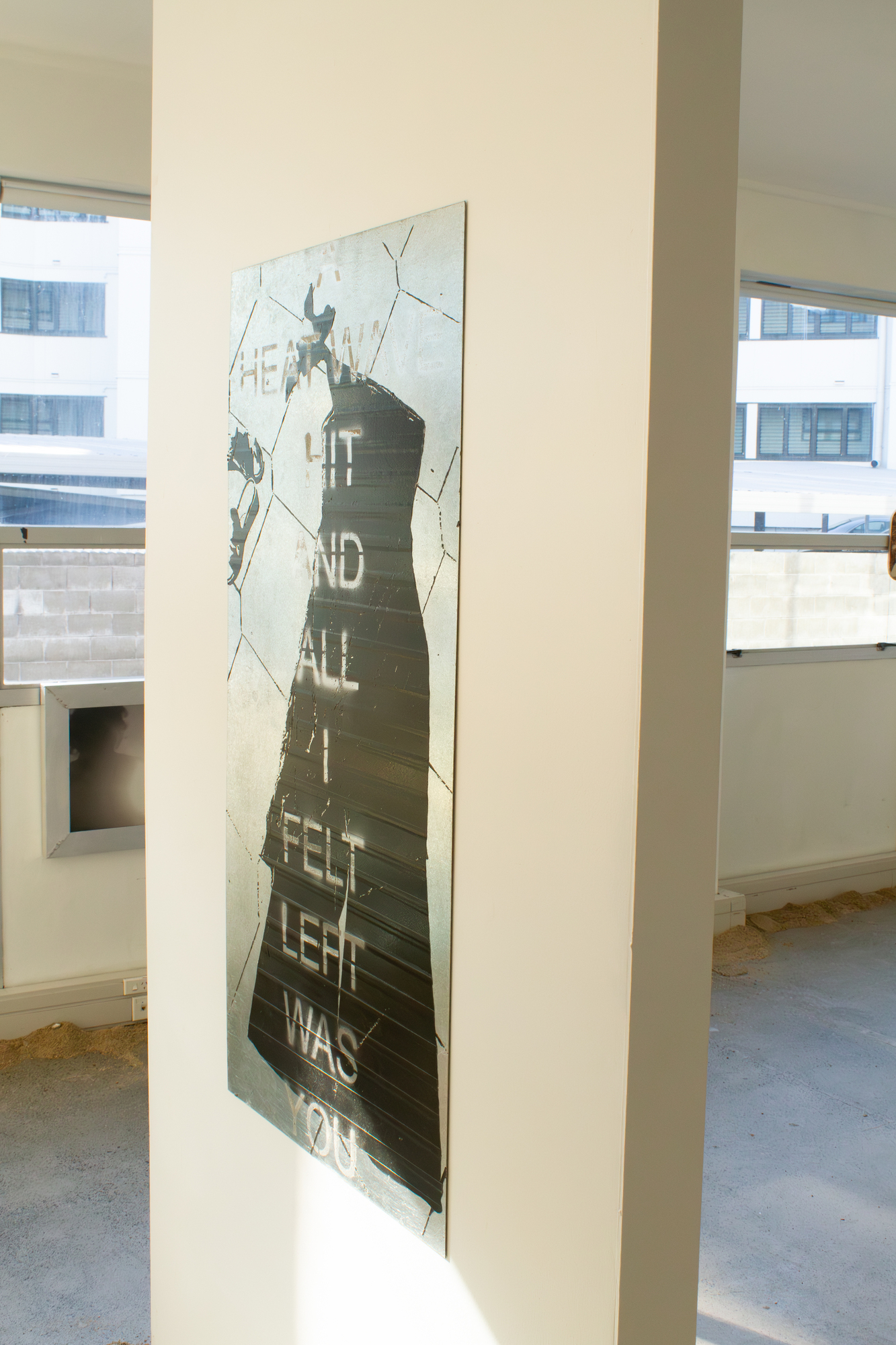
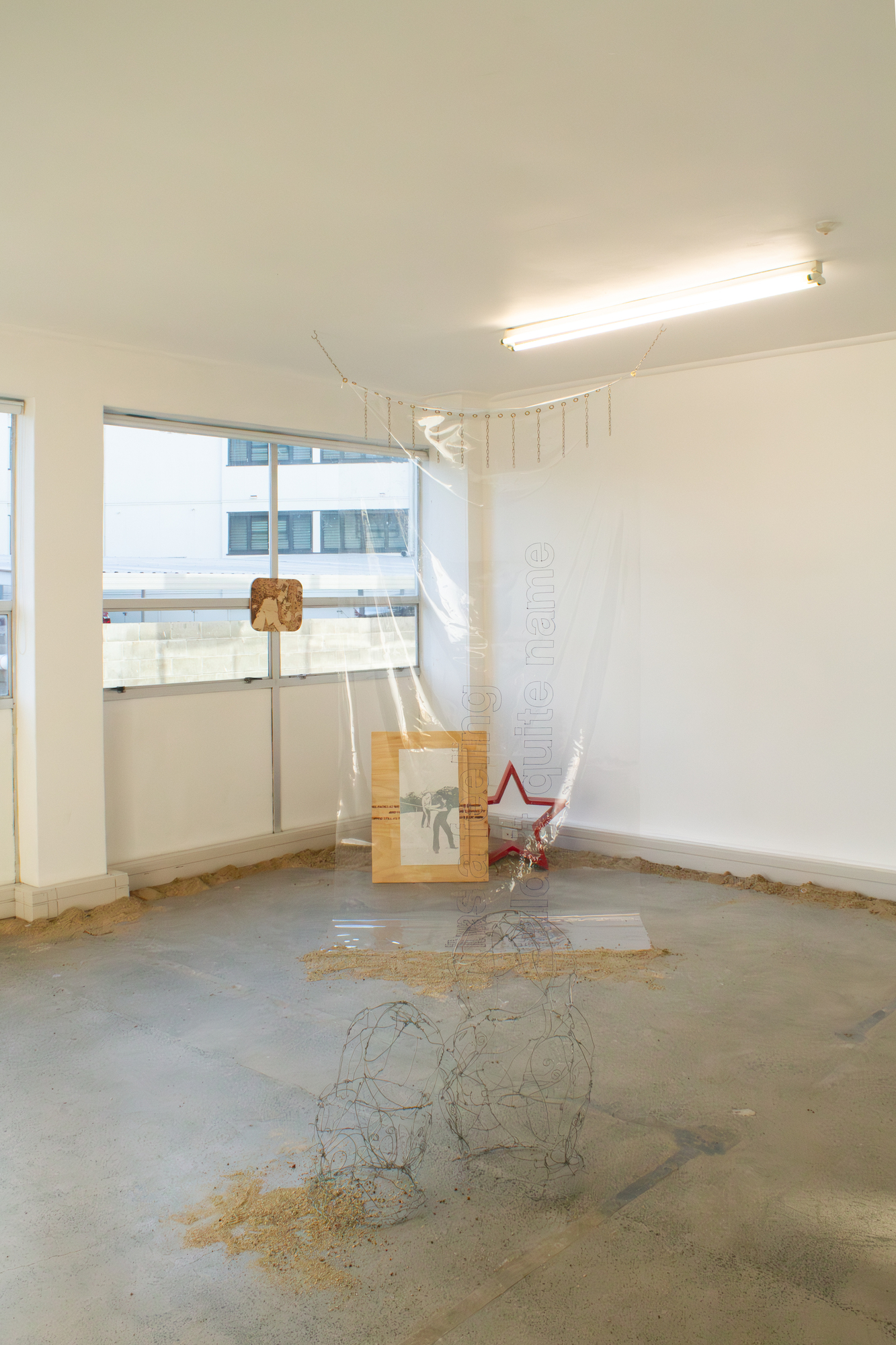
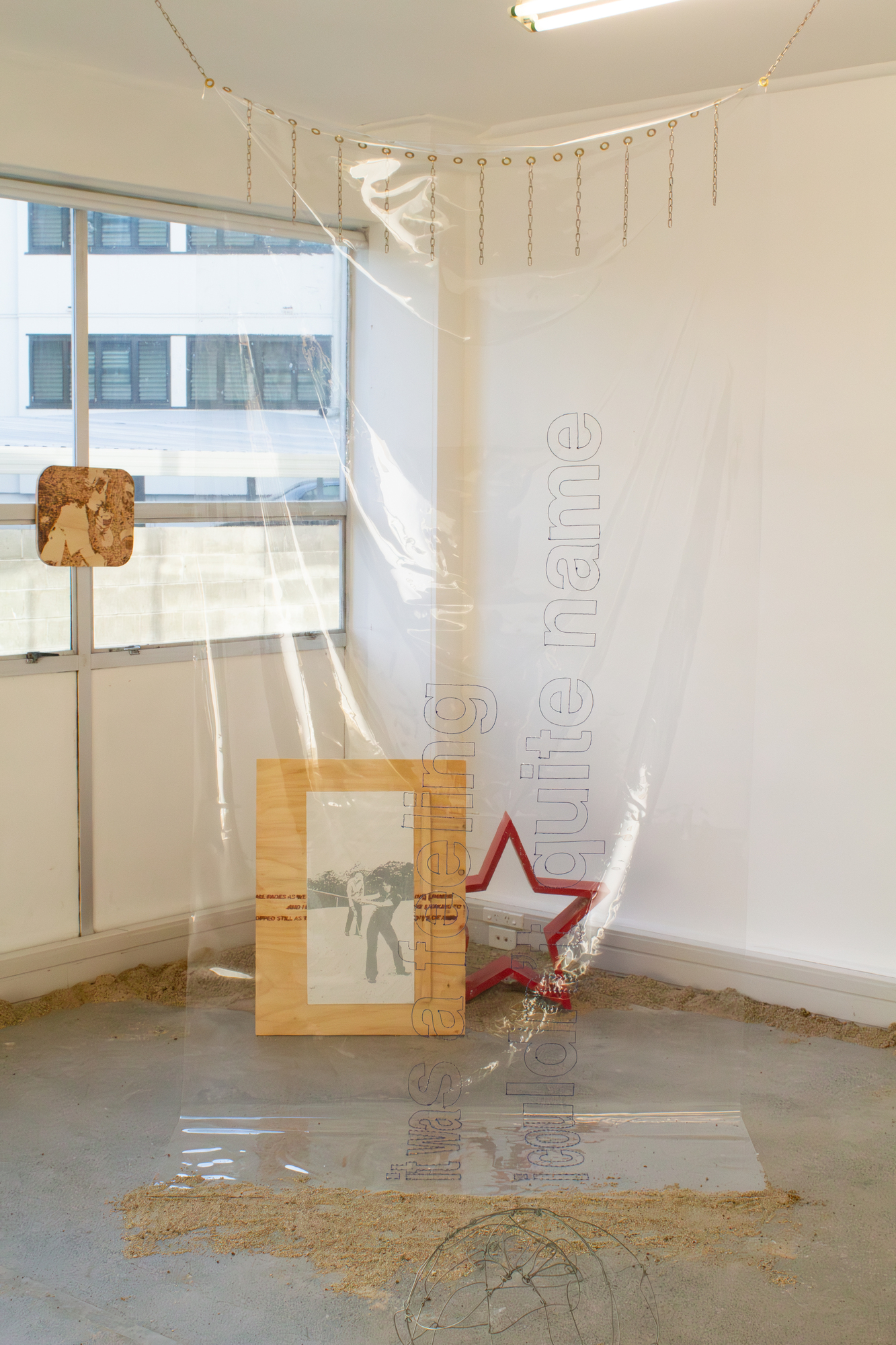
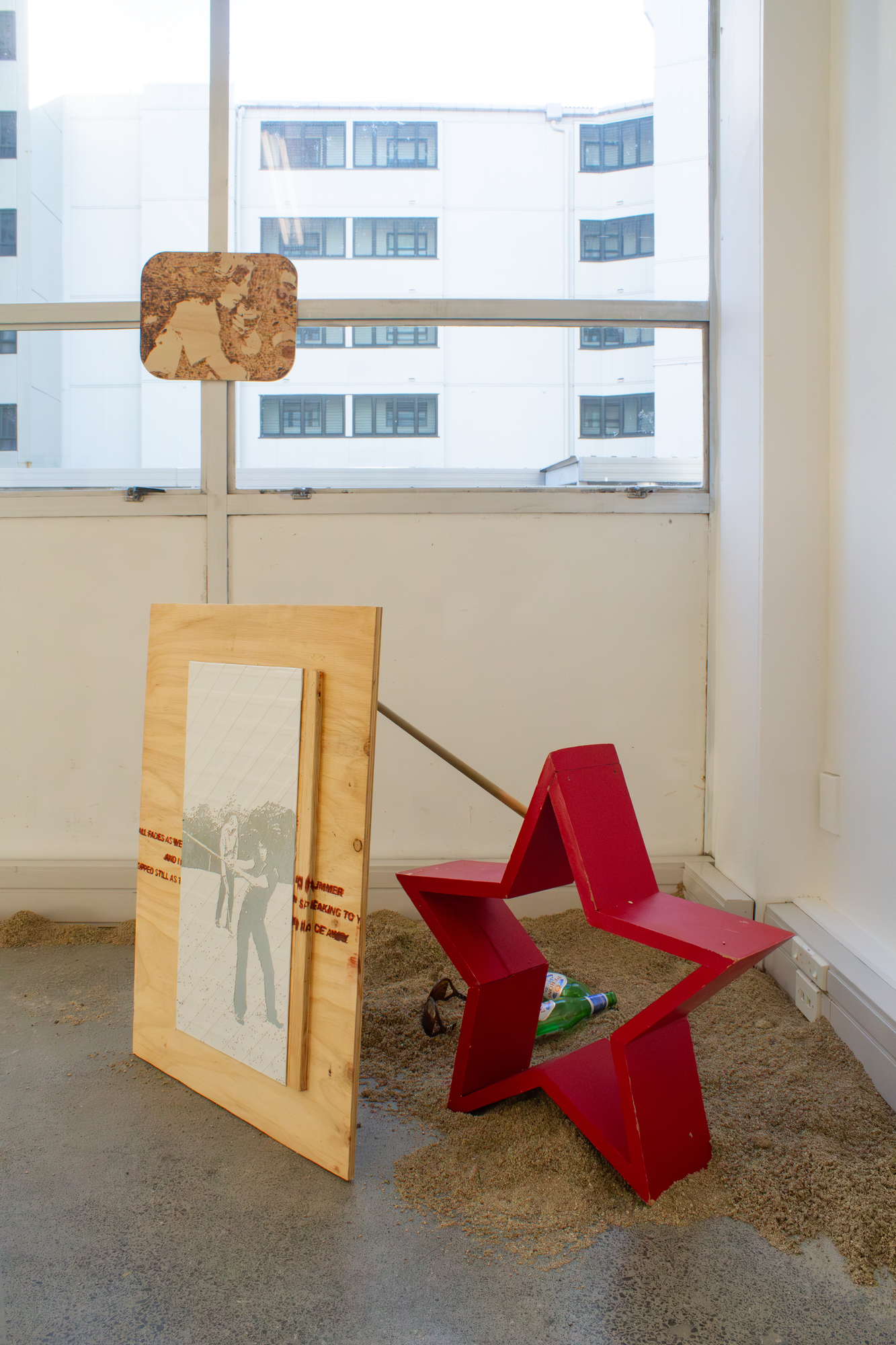
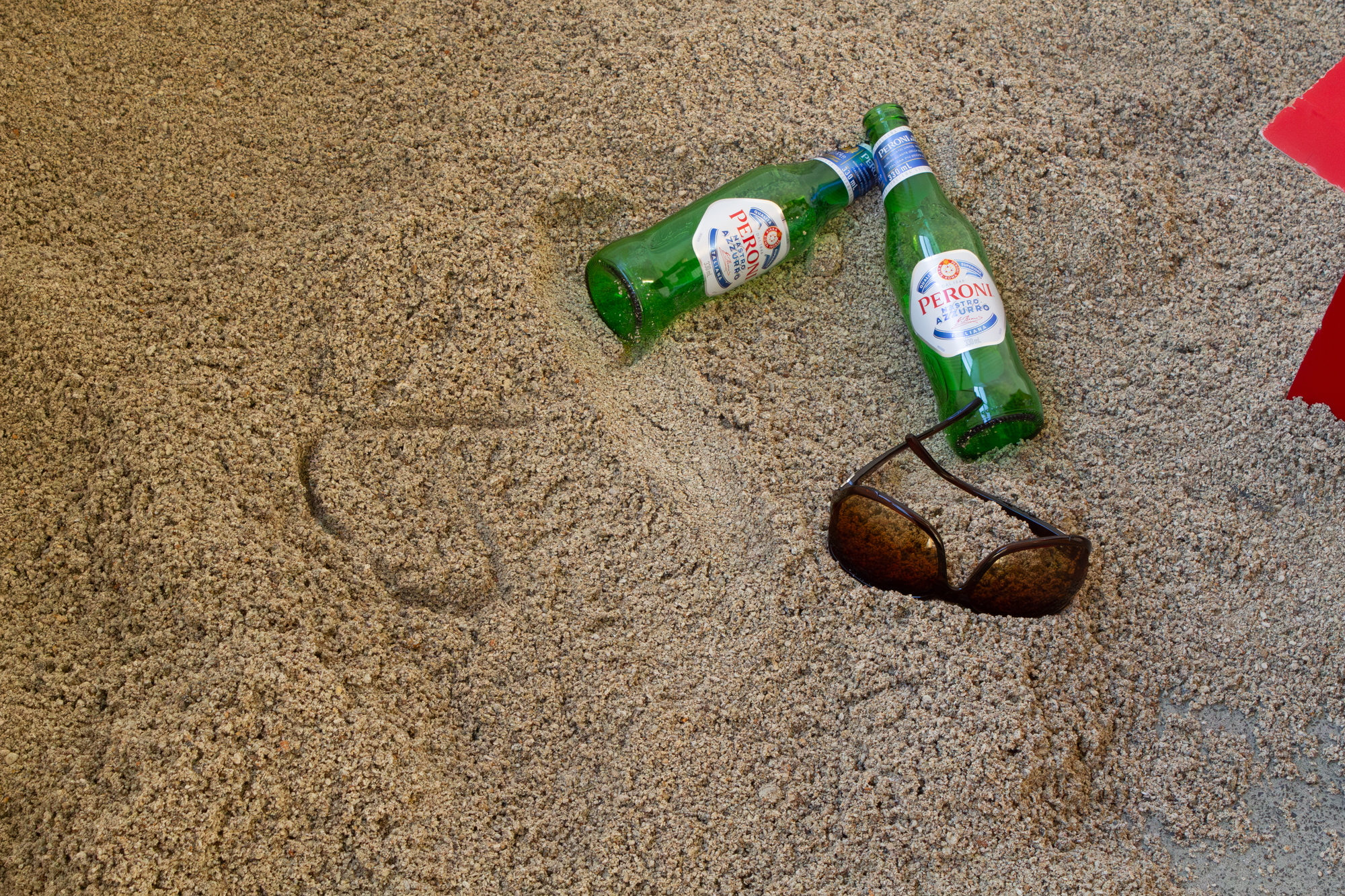
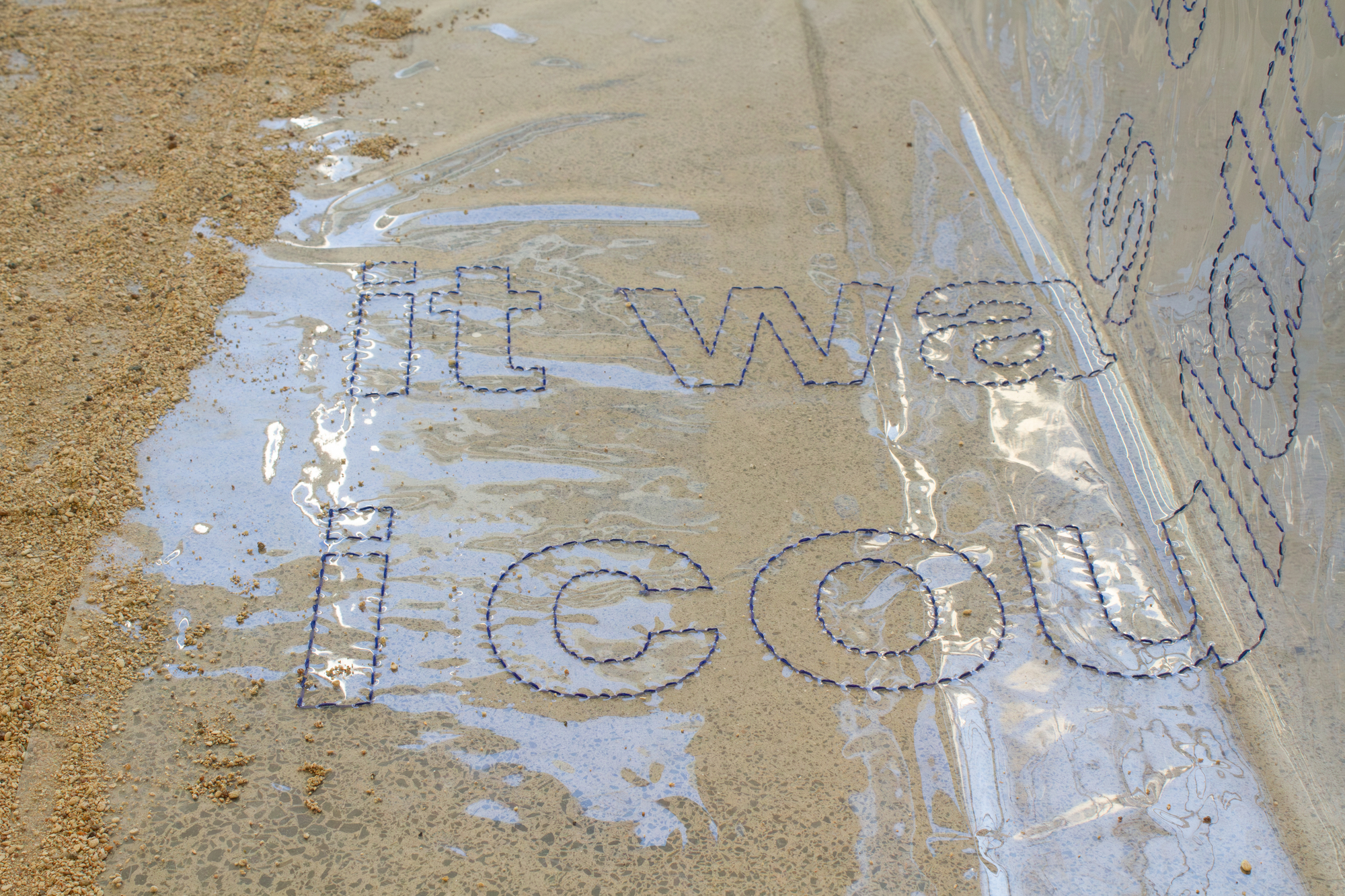
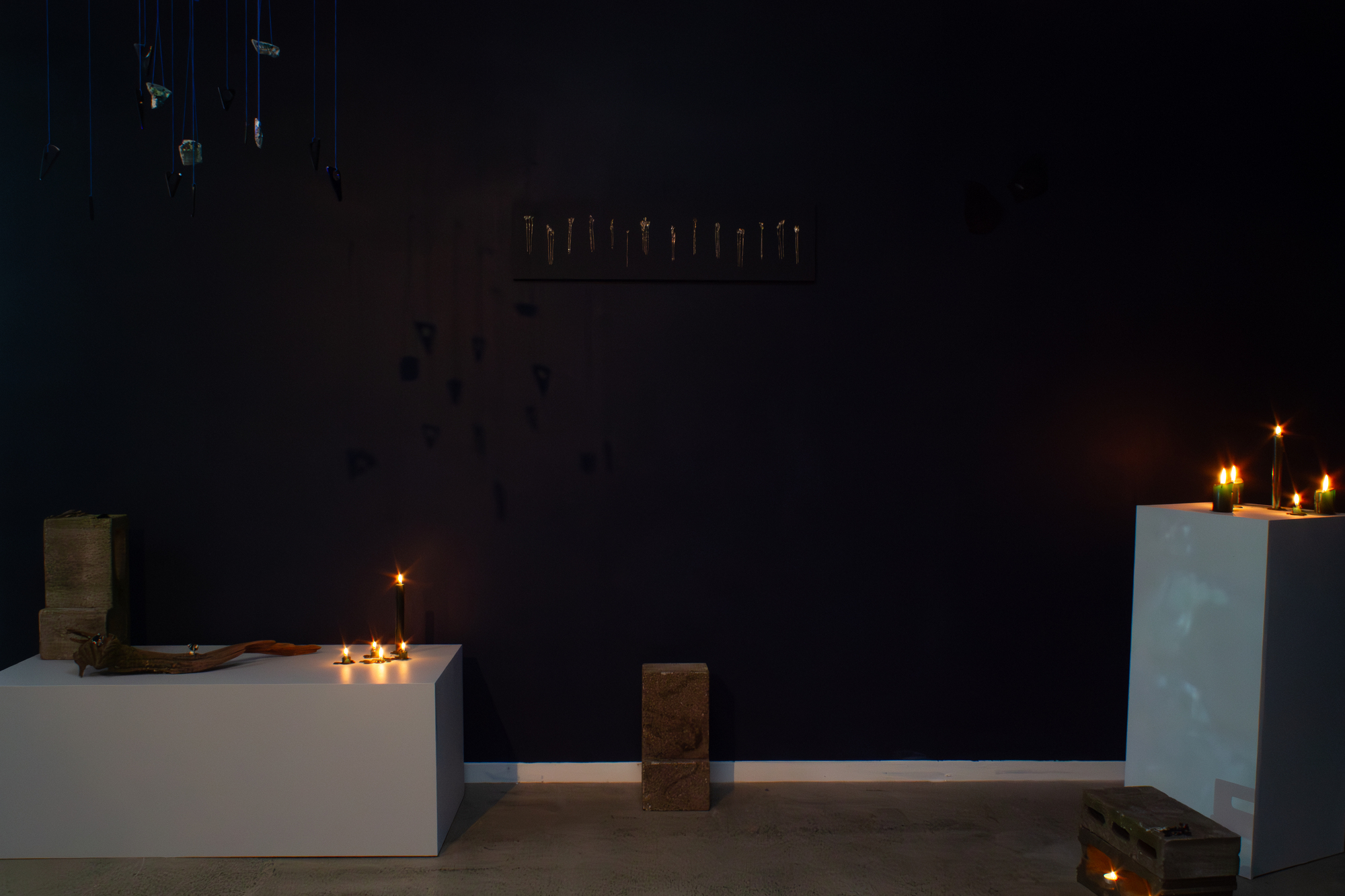
Summer’s sting is sharp when the sun dips out of our reach. It falls through me like sand in a sieve. In the sticky heat of January, I tried to gather it, holding it lightly with my fingers splayed. Wavering on a tightrope, I spilled the itchy grains over everything. We cried and cried as I tried to sweep them up, gathering pieces until all the trees dried up and turned red. Before it could be caught, summertime drifted off and we never spoke again. My room was so hot that night, it was a feeling I couldn’t quite name.

The ephemerality of summer is inadvertently spoken about year after year. We yearn for its arrival, then question whether it lived up to the last. It’s reflected on, mourned, and then yearned for until the season rolls around again, each iteration replacing the years prior.

I think there’s no better way to depict temporariness than through a body of works set in the summer. Looking to hauntology and other Derridean ideas of deconstruction as a conceptual framework for artmaking, I often feel things start to disappear as soon as they’re made solid – as though giving form to memory also begins its erosion.

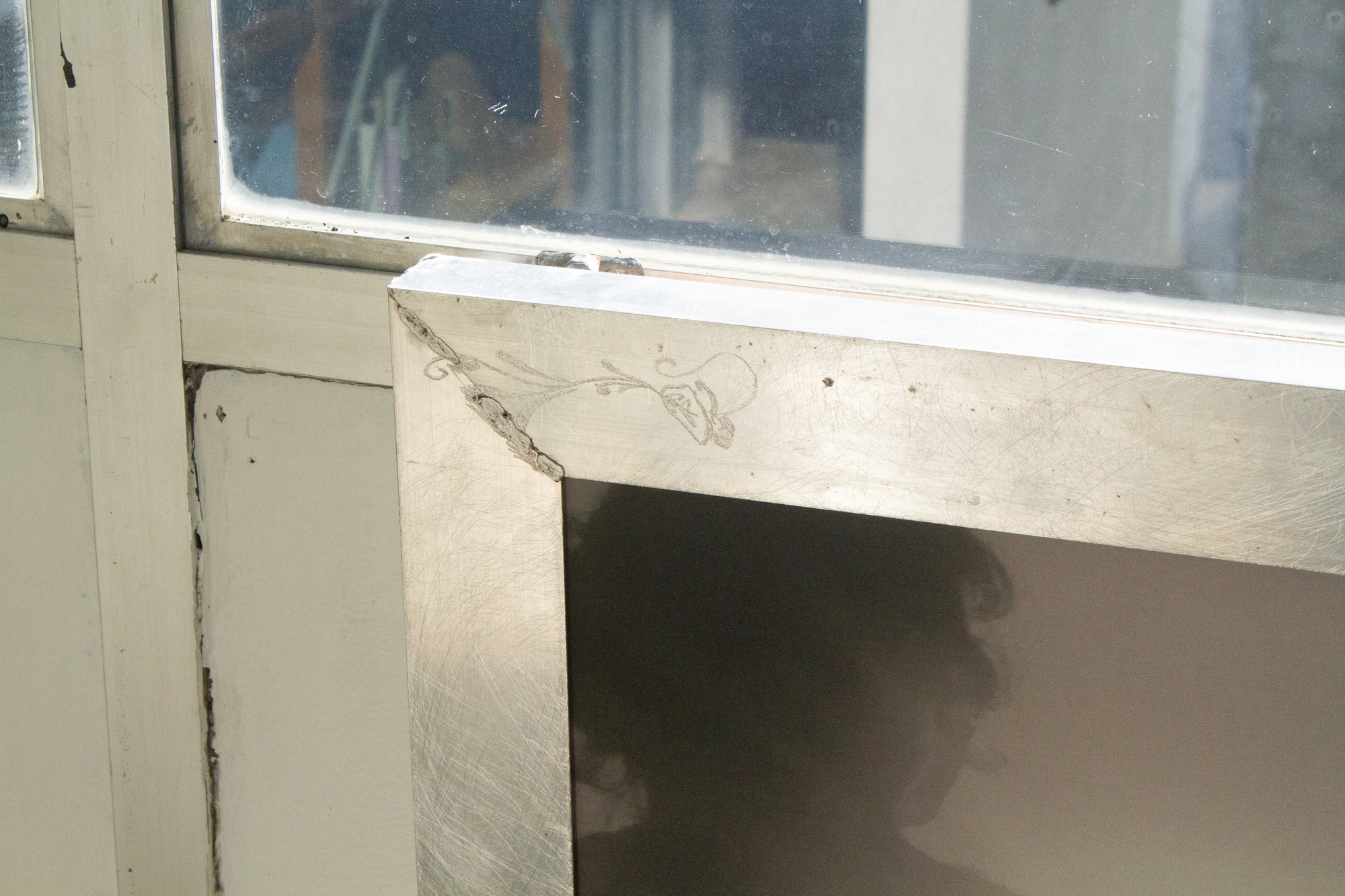
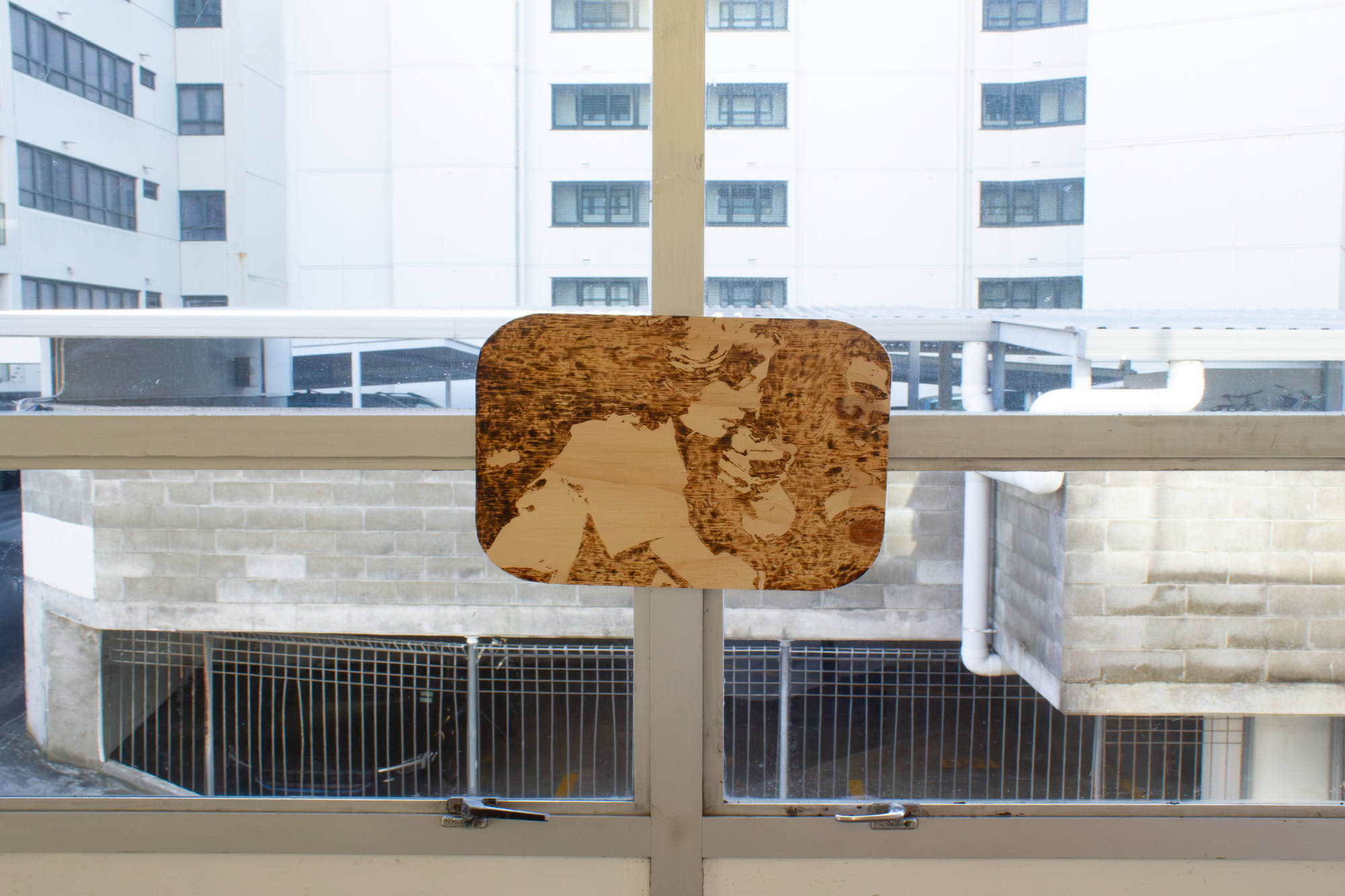
Both solid and spectral, this collection of works offers a lament of the contradiction of memory. Heatwave presents figures and scenes of season’s past – some collaged into each other, further obfuscating any chance at clear narrative recollection. They are the product of many years, across many summers, each haunted by the last.

Images by Antje Barke
Caryline Boreham and Oleg Polounine : Close Encounters

Caryline Boreham and Oleg Polounine
Close Encounters

9 April – 17 May 2025

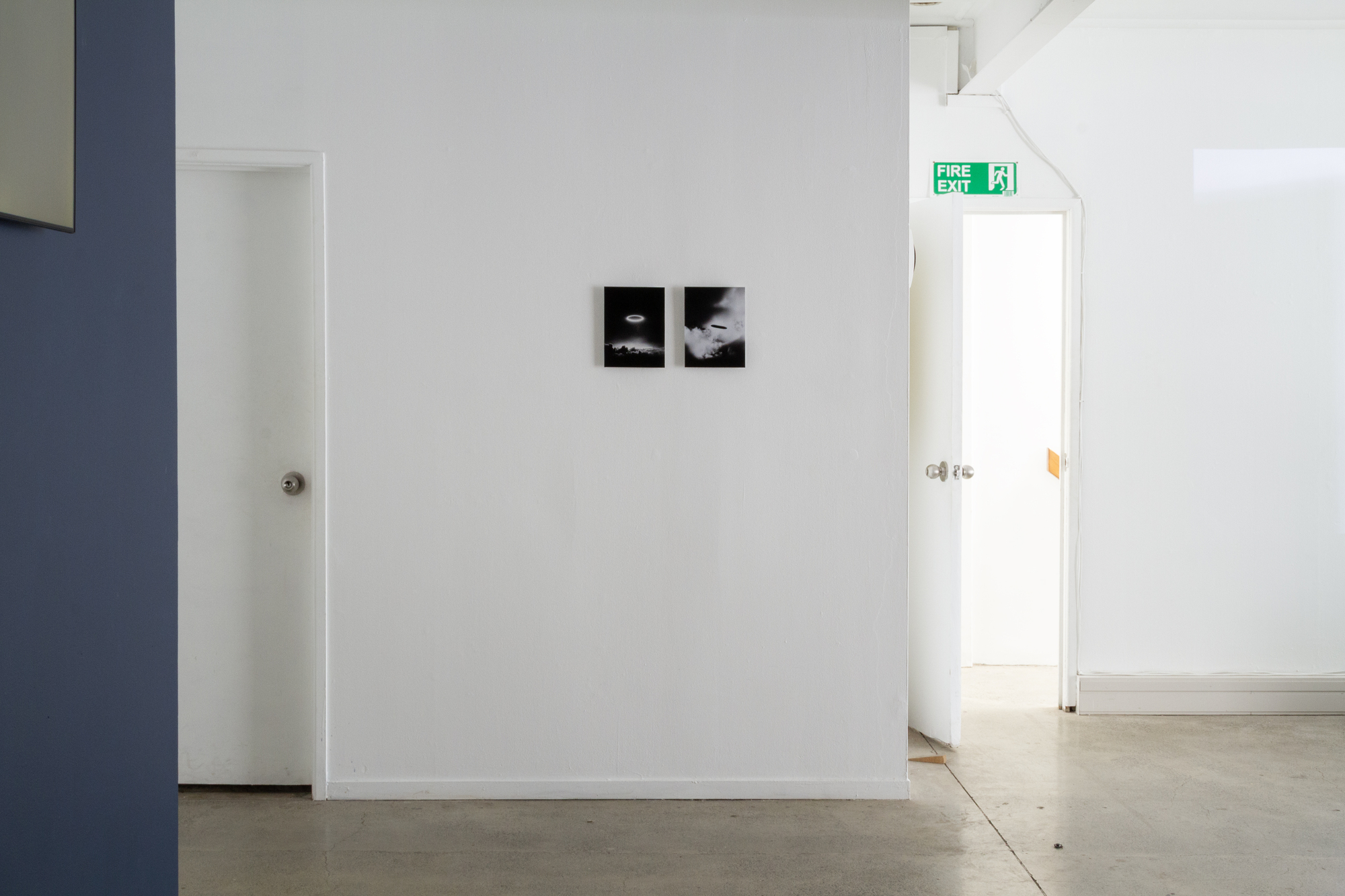
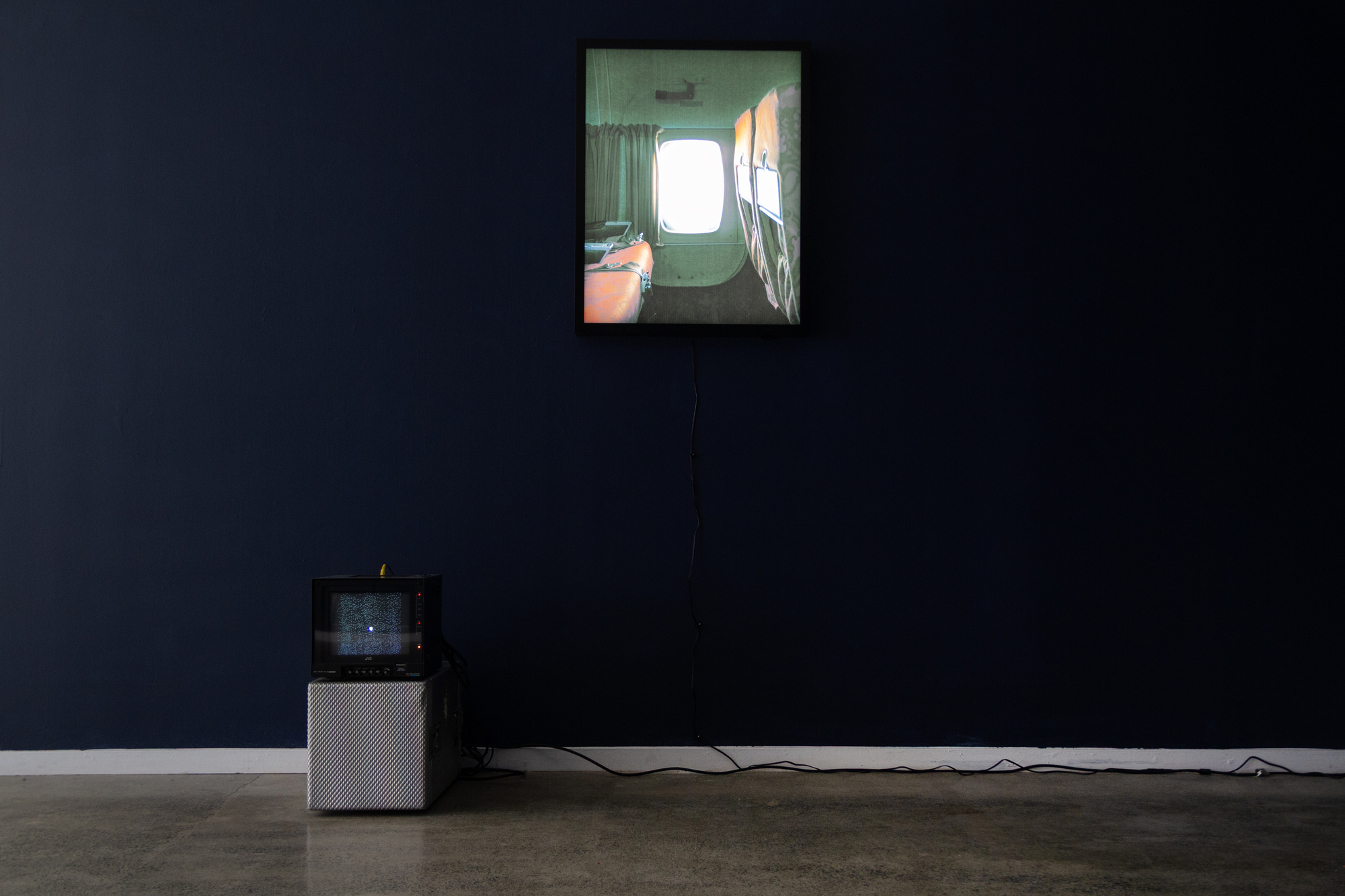
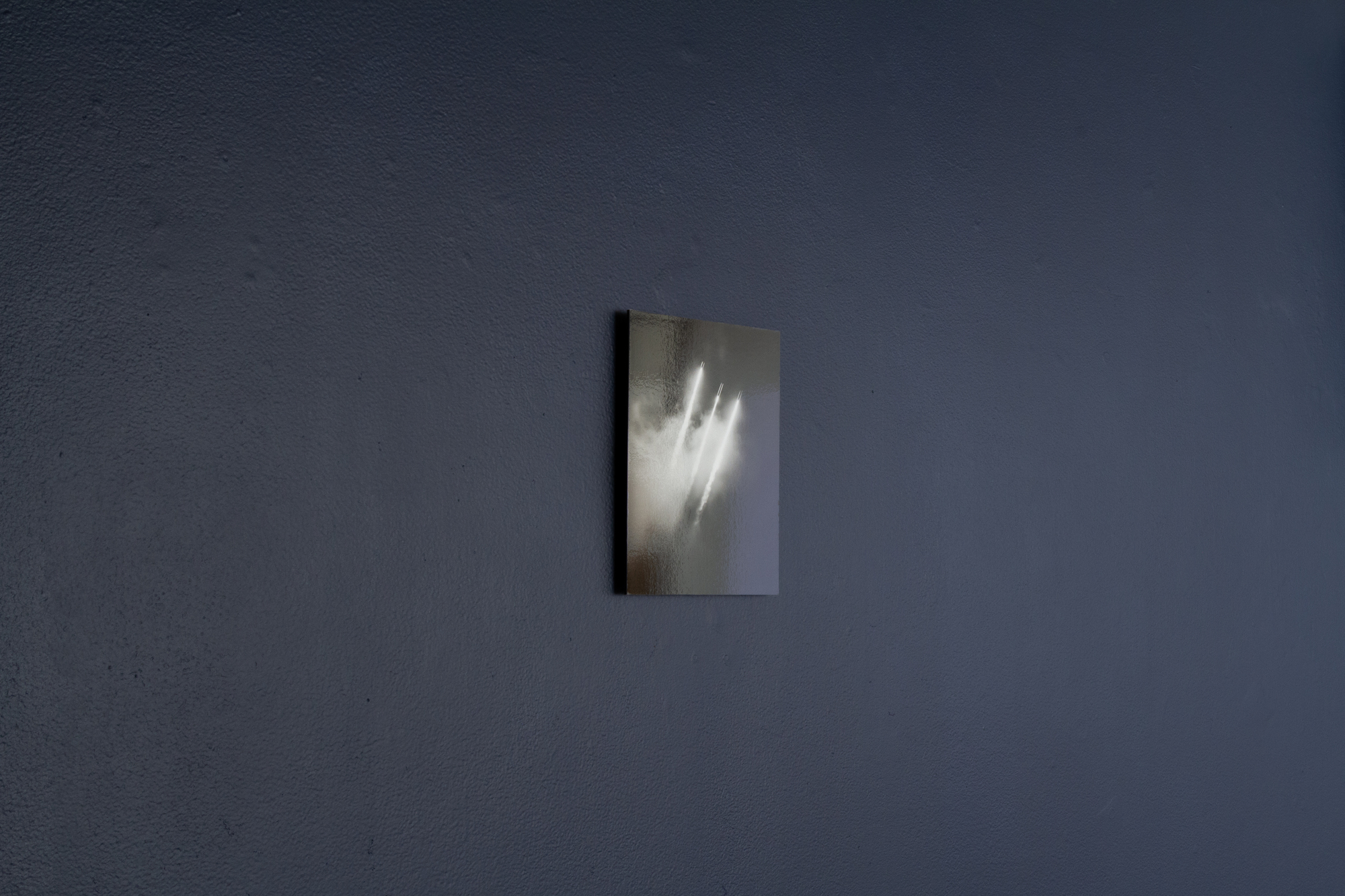
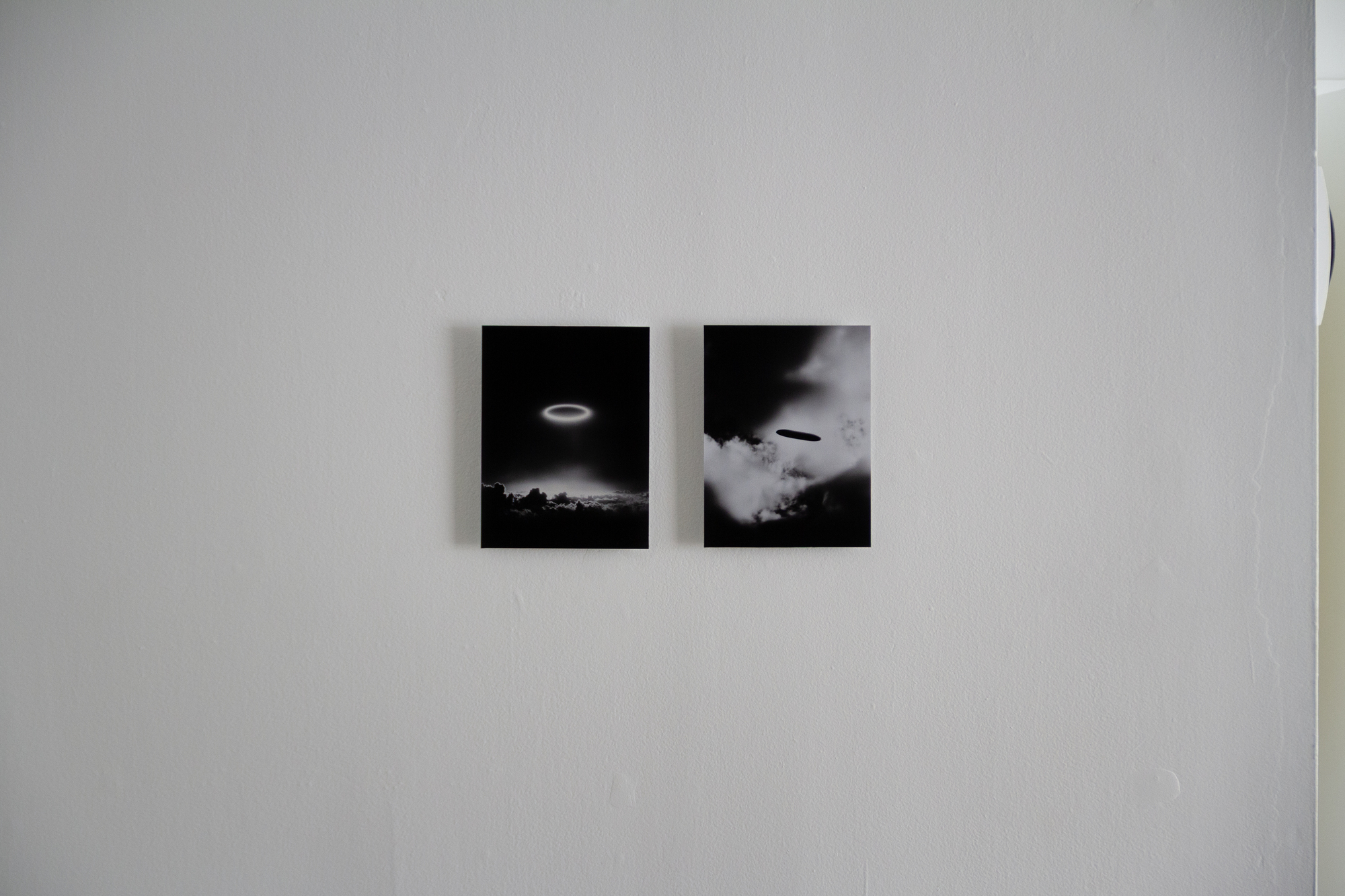
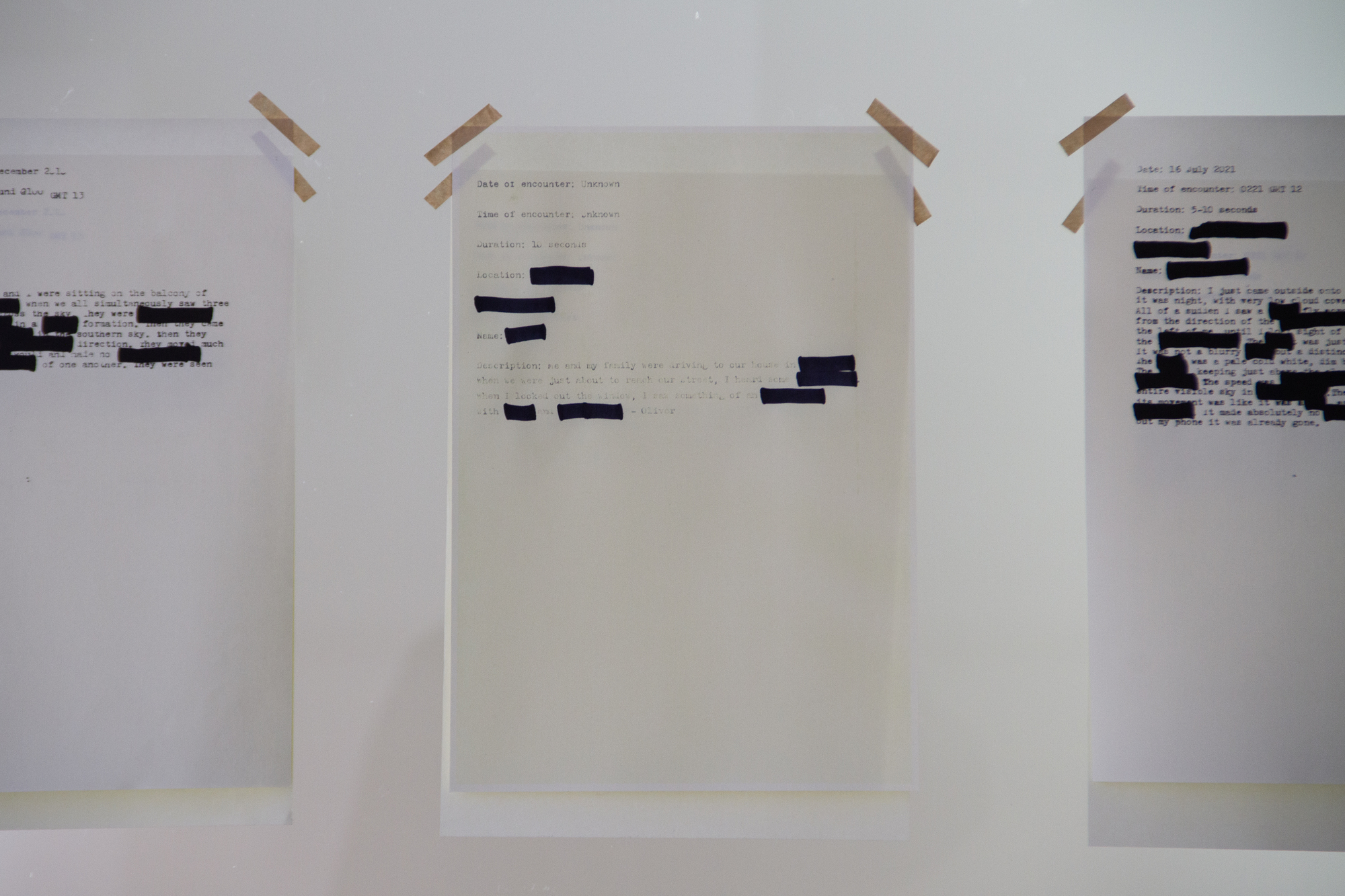
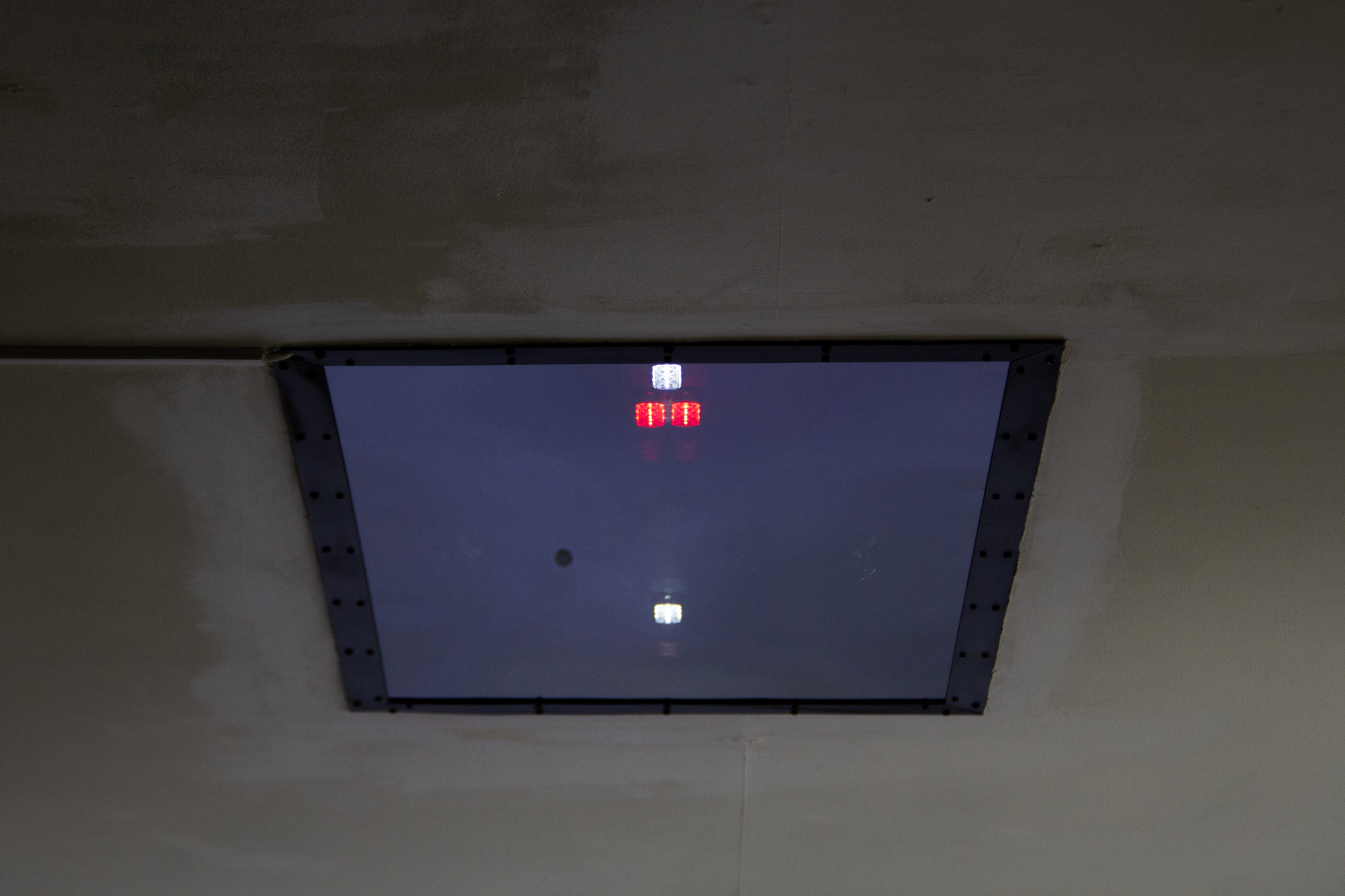
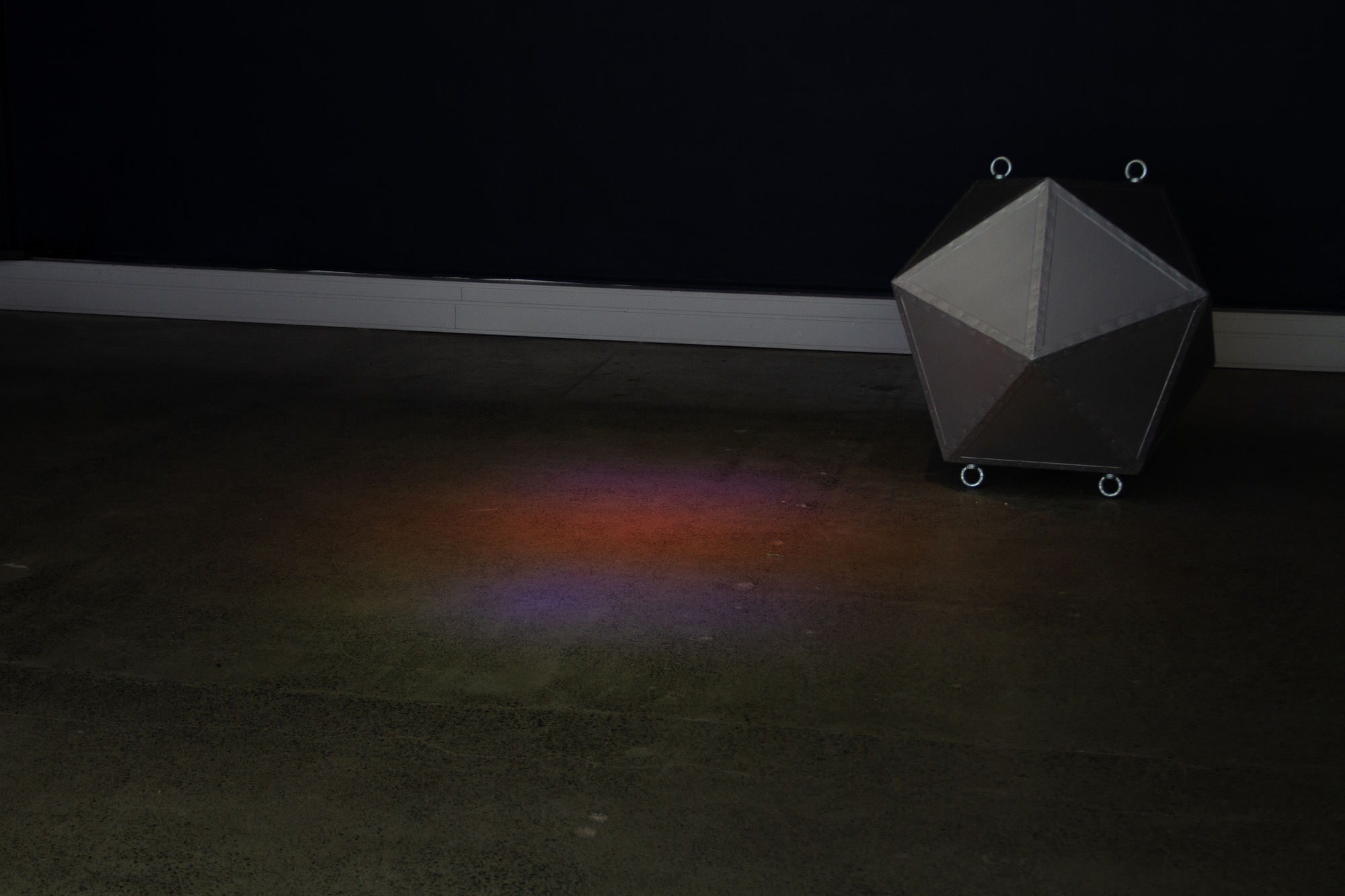
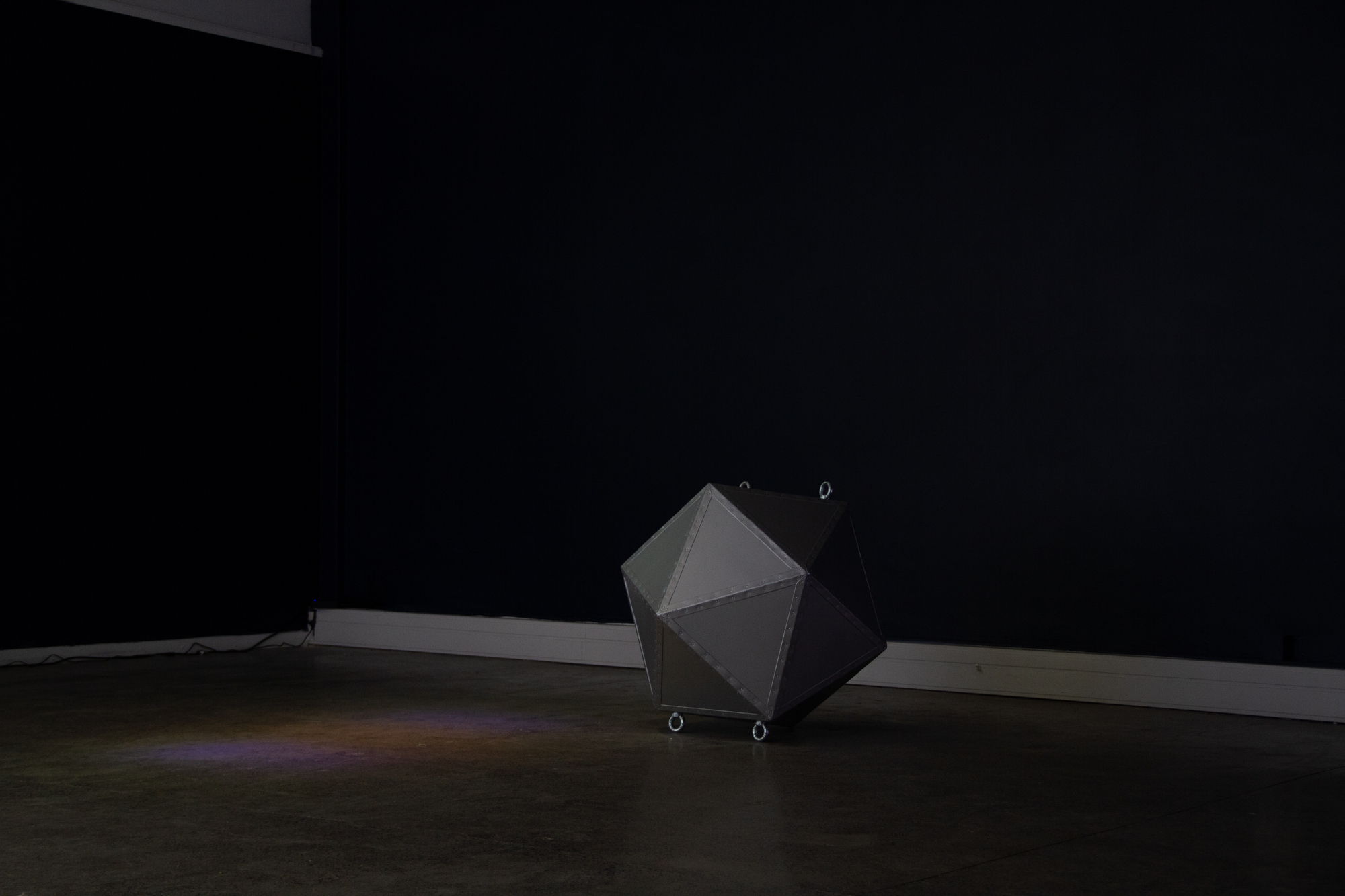
Recognising a shared interest in each other’s art practice has led to the development of this exhibition which explores the UFO phenomenon.

UFO sightings are often fleeting and poorly recorded, at the same time, a UFO is visually mesmerising and ontologically shocking. Oleg Polounine’s practice has always been about what you see and how you perceive and in this show he sets up visual experiments as a means of attaining better understanding of the subject matter.

Since ‘the great airship flap’ in 1909, reported sightings of flying objects in New Zealand have been constant. Caryline Boreham has worked with Defence Force and other UFO archival records from Aotearoa since 2016, using the accounts, visual descriptions and correspondence as a foundation for her photographic and moving image works. In working with these artefacts, Boreham plays with a space between the event and its recounting, where the actual UFO sighting becomes secondary to the conviction of its truth.

Images by Ardit Hoxha

Mia Foulds : Threadbare

Mia Foulds
Threadbare

9 April – 17 May 2025

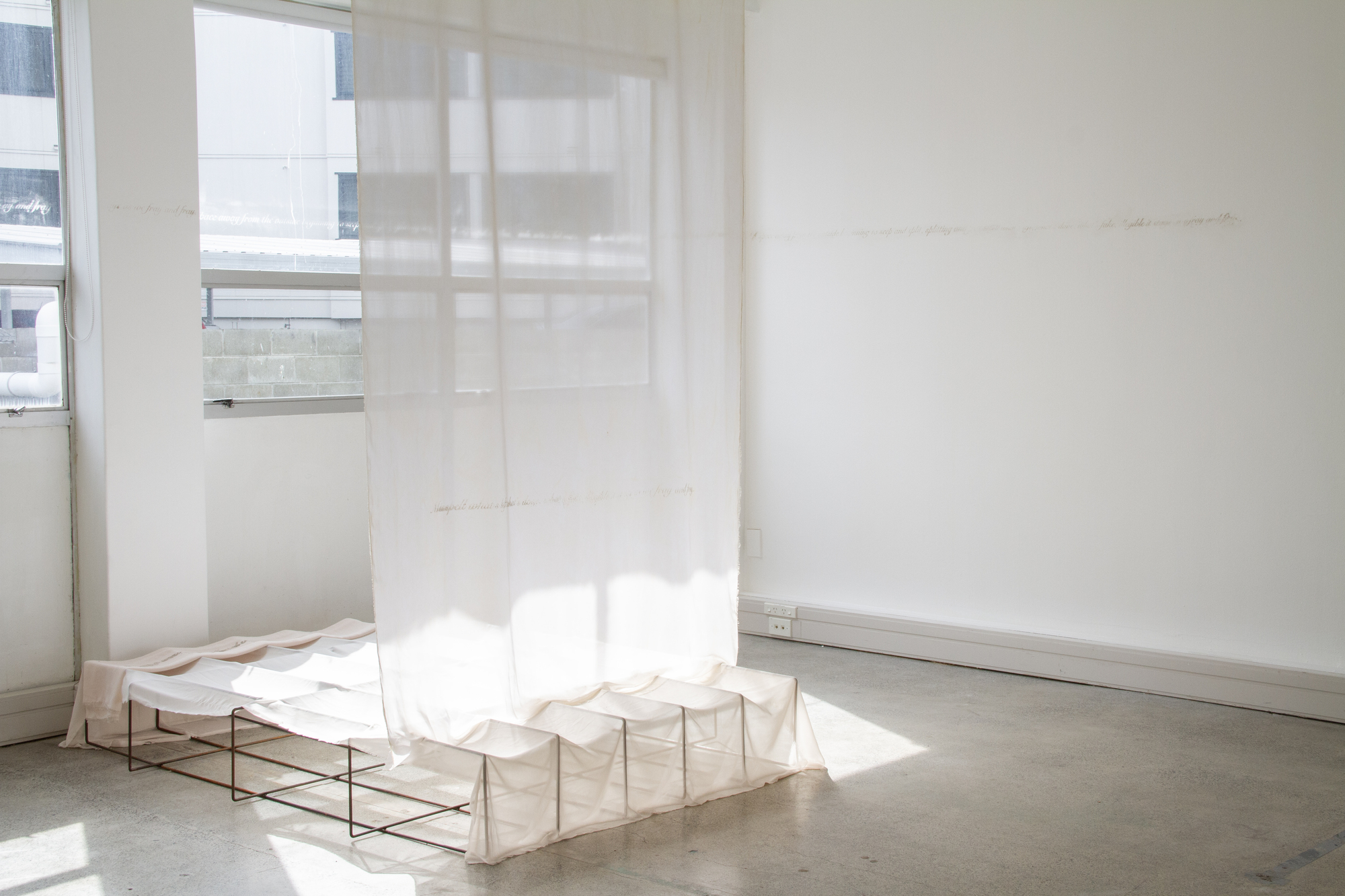
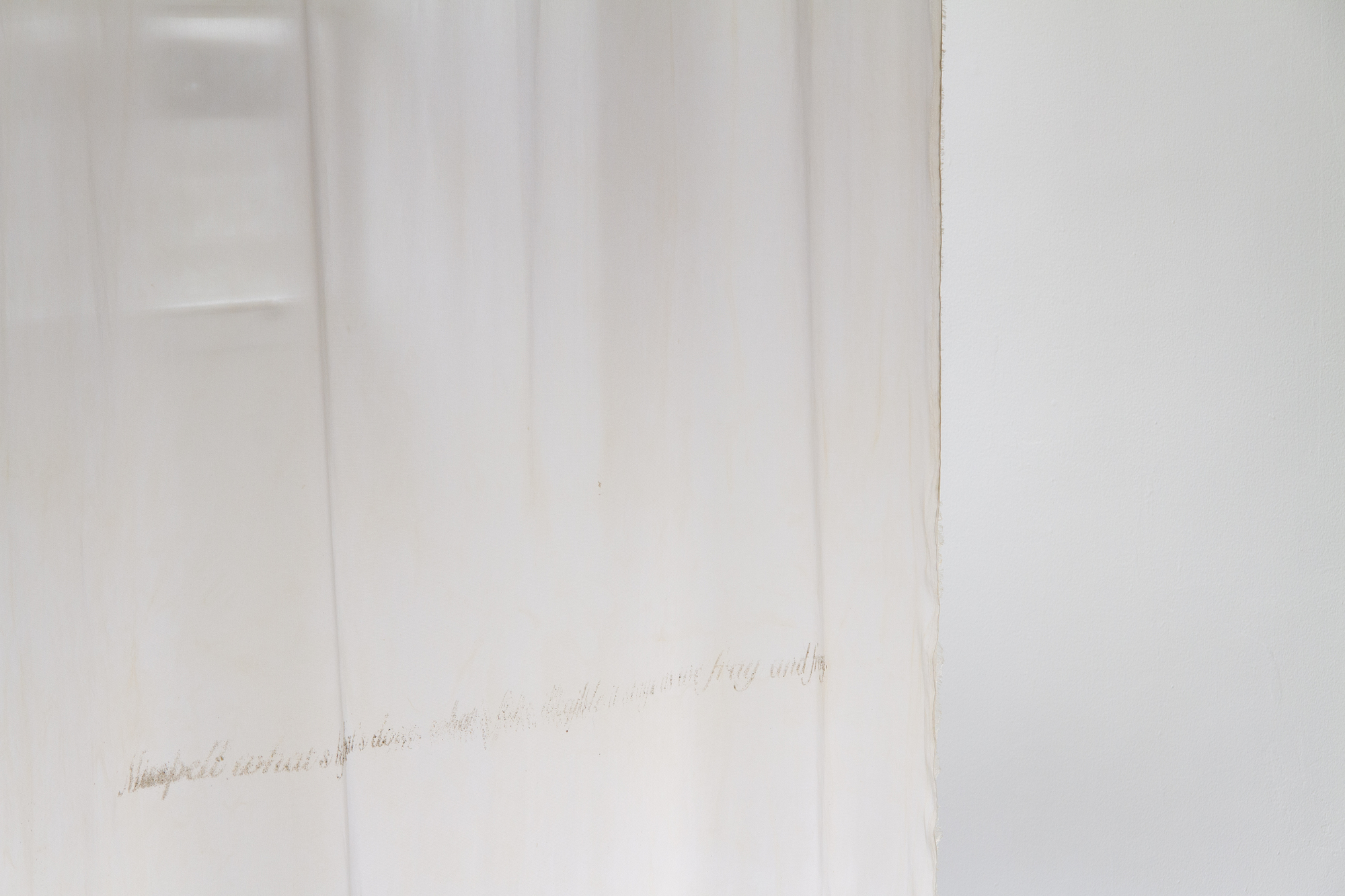
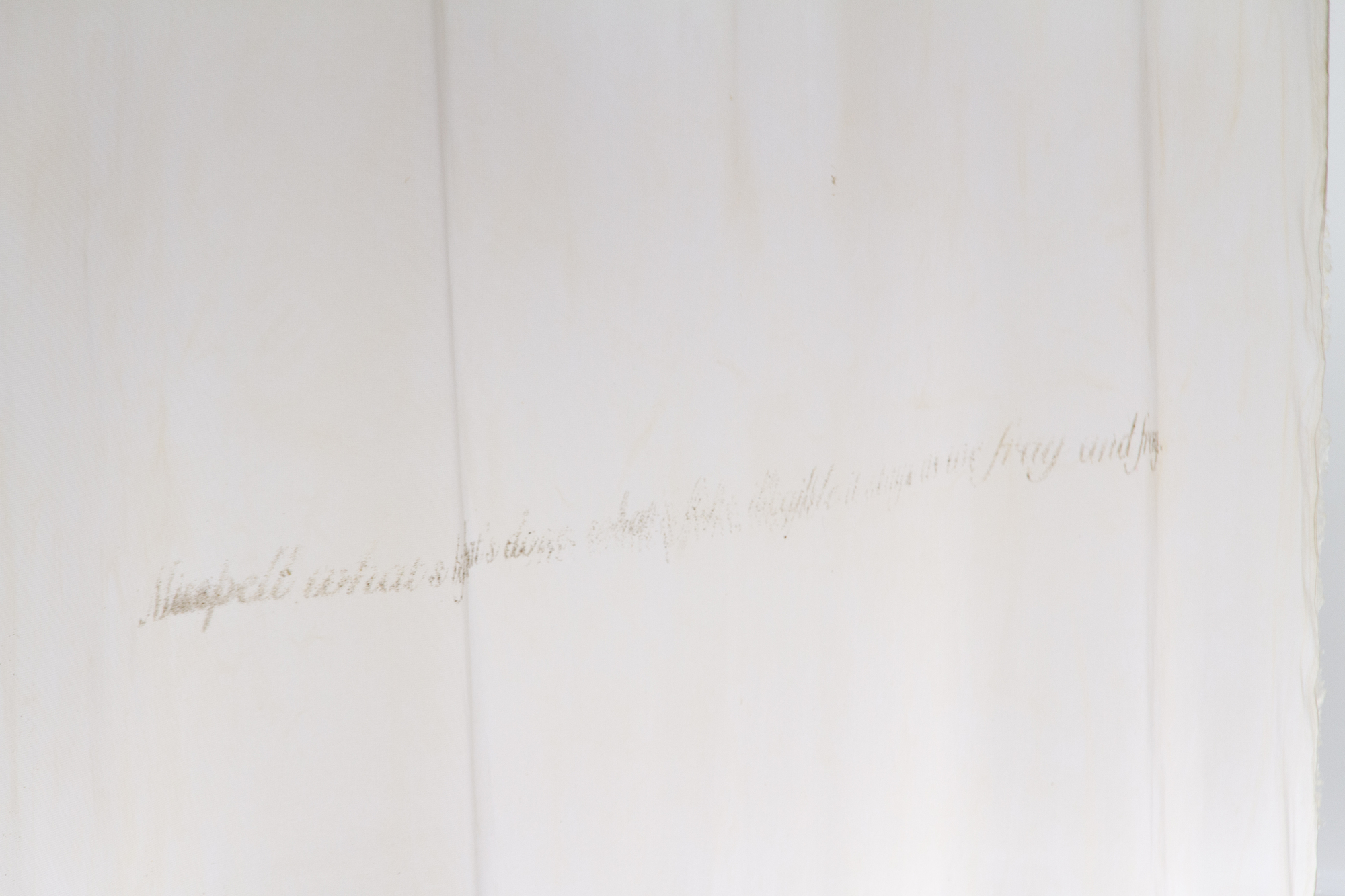
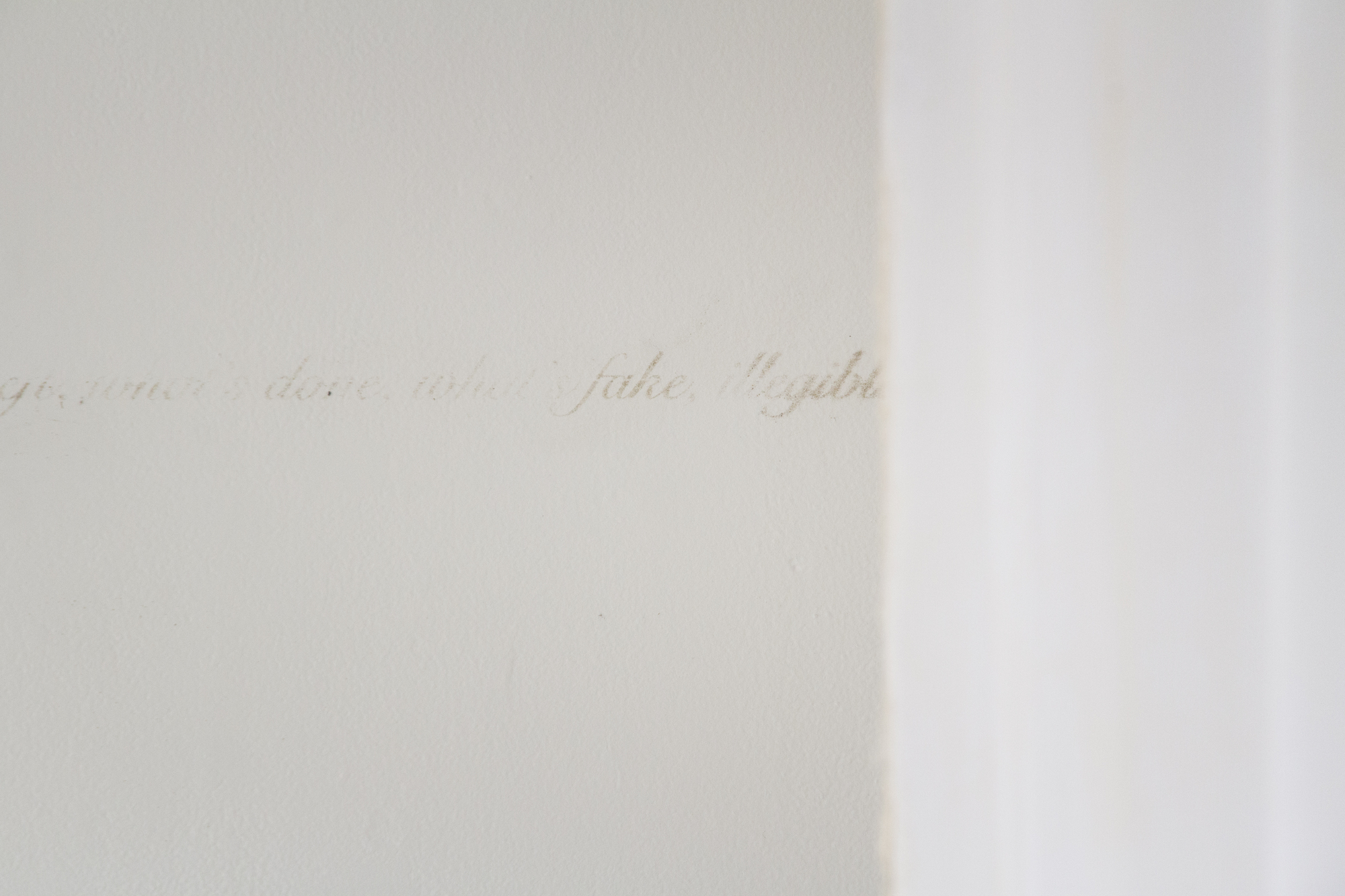
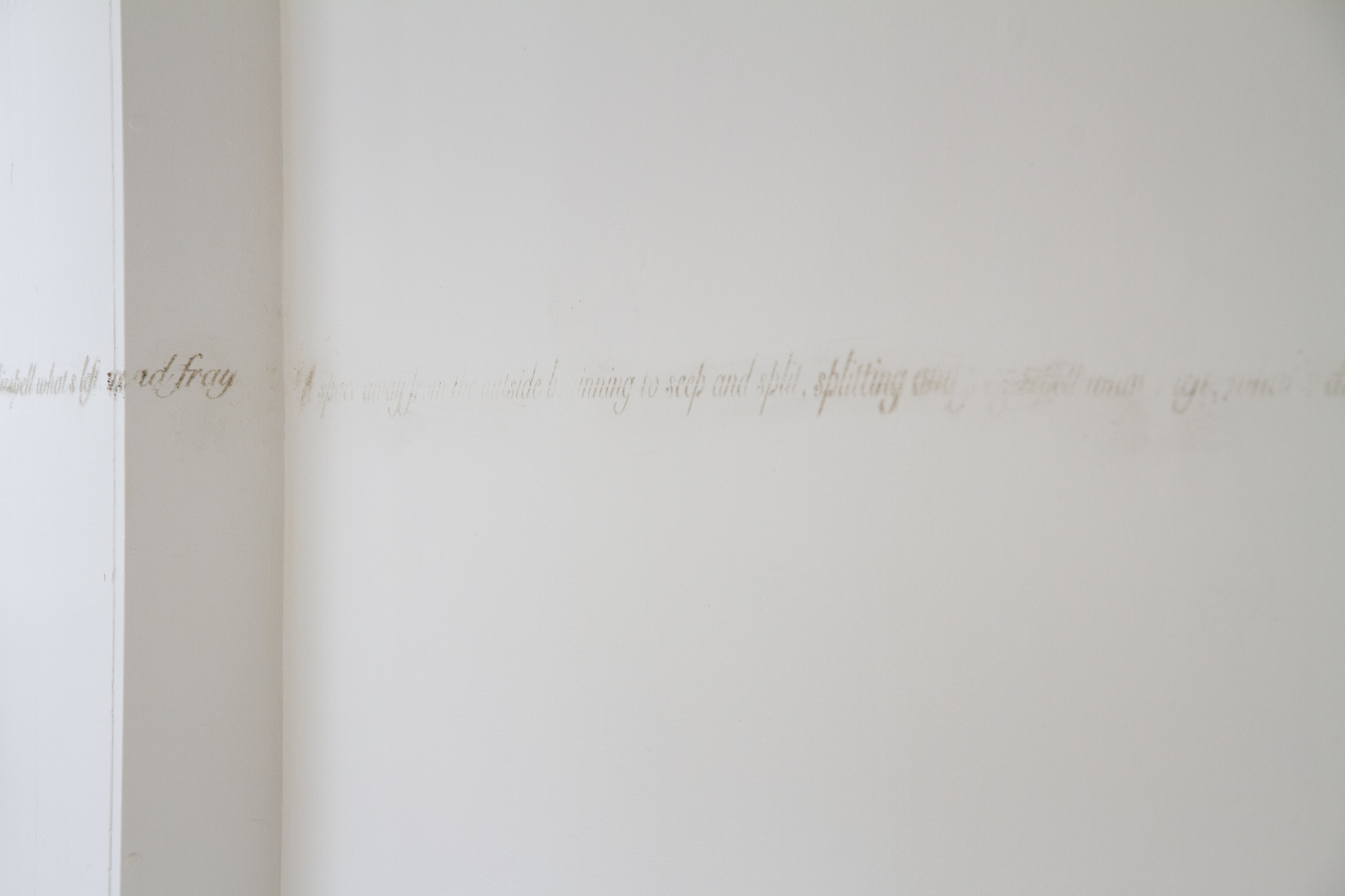
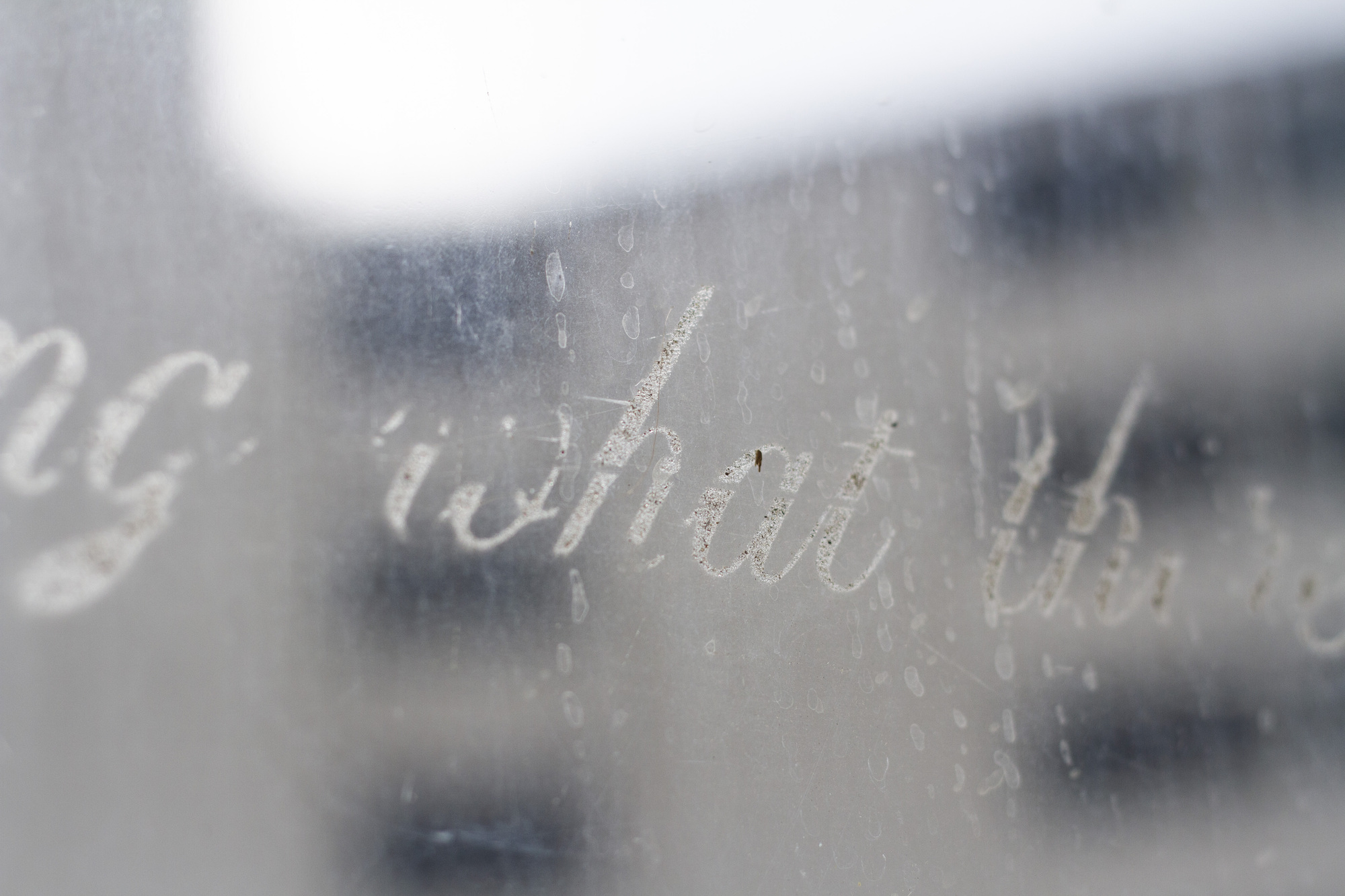
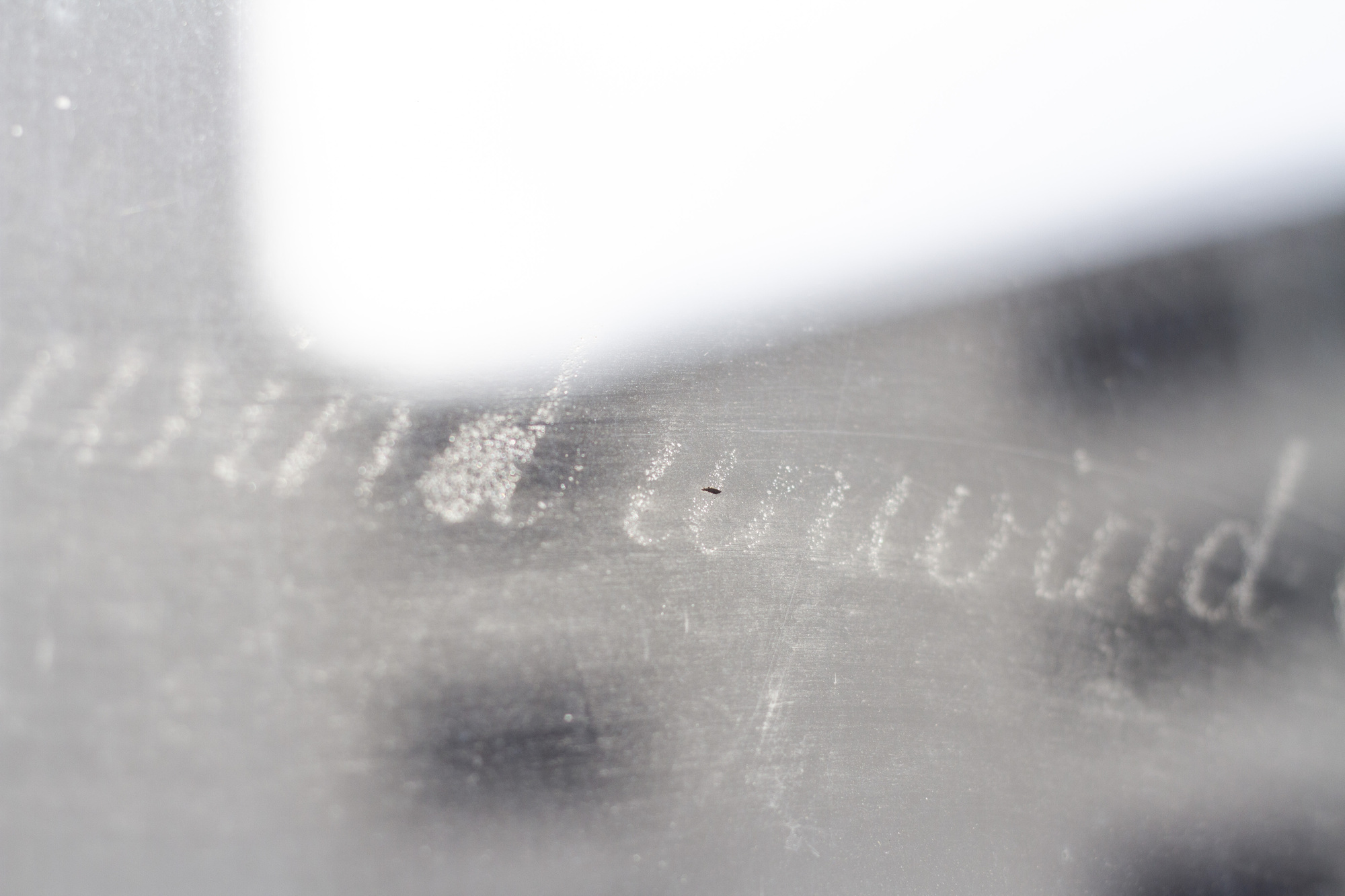
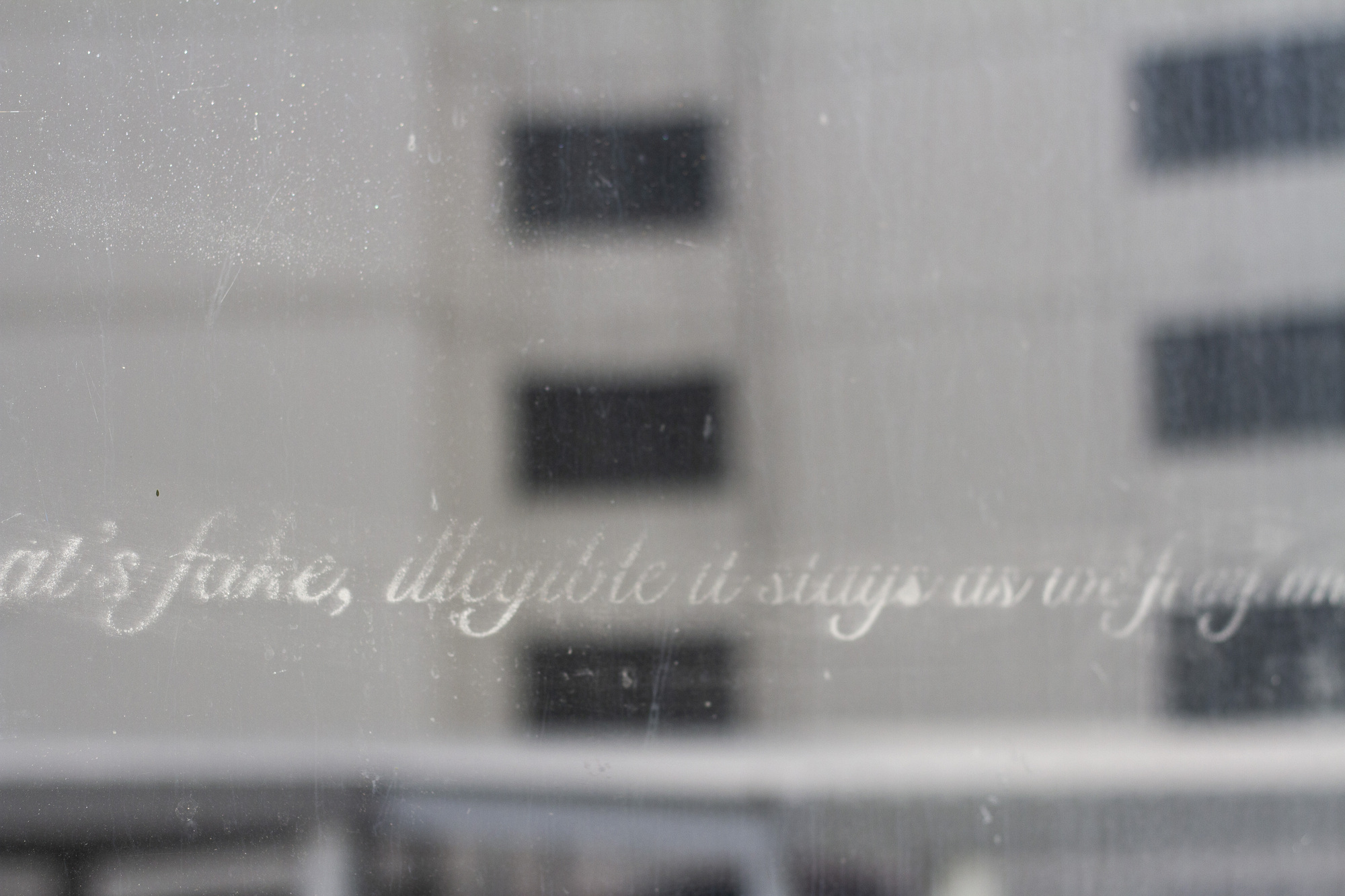
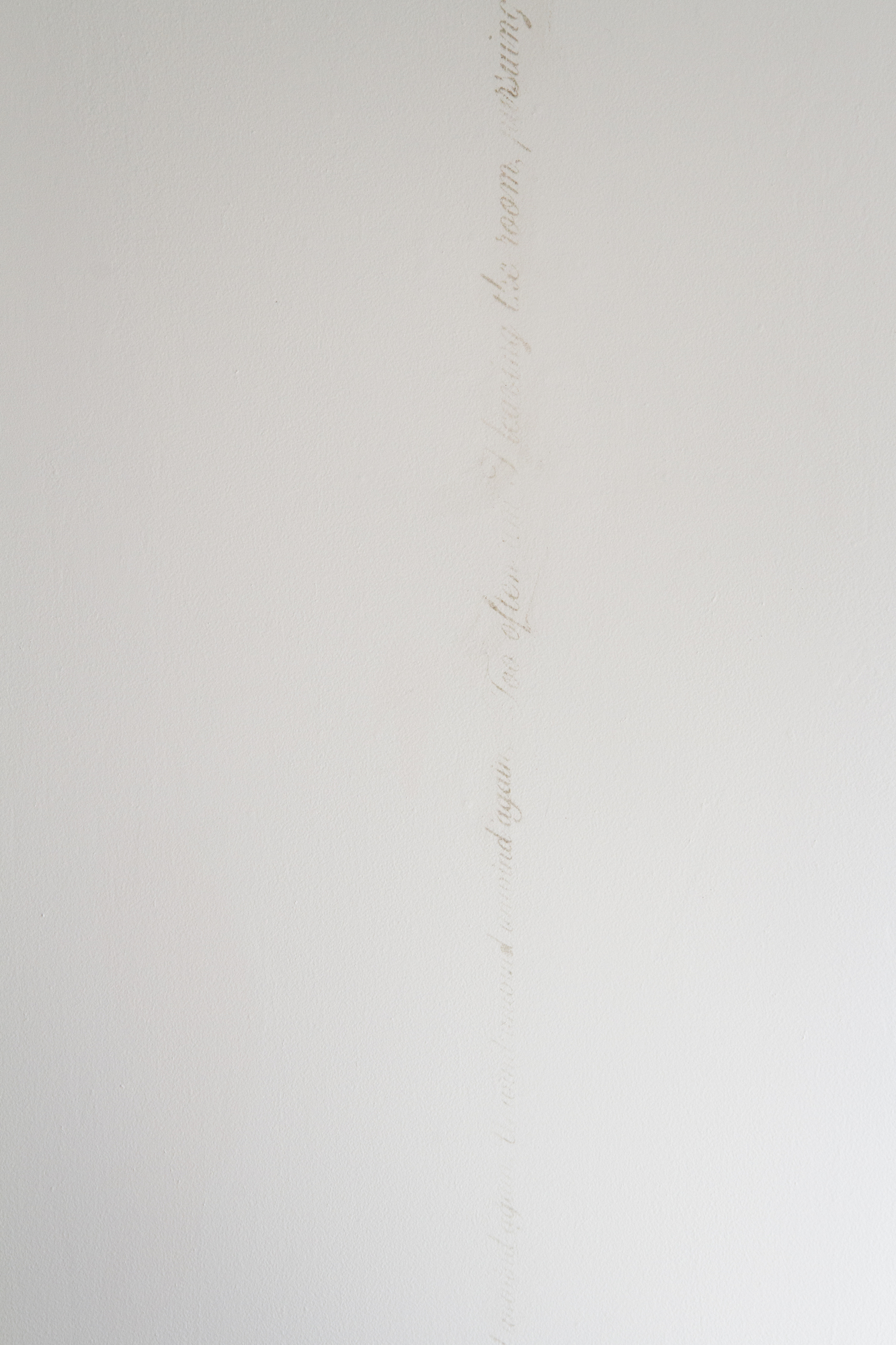
Constantly and unknowingly we leave ourselves behind and leave our frayed edges to
constantly unwind.
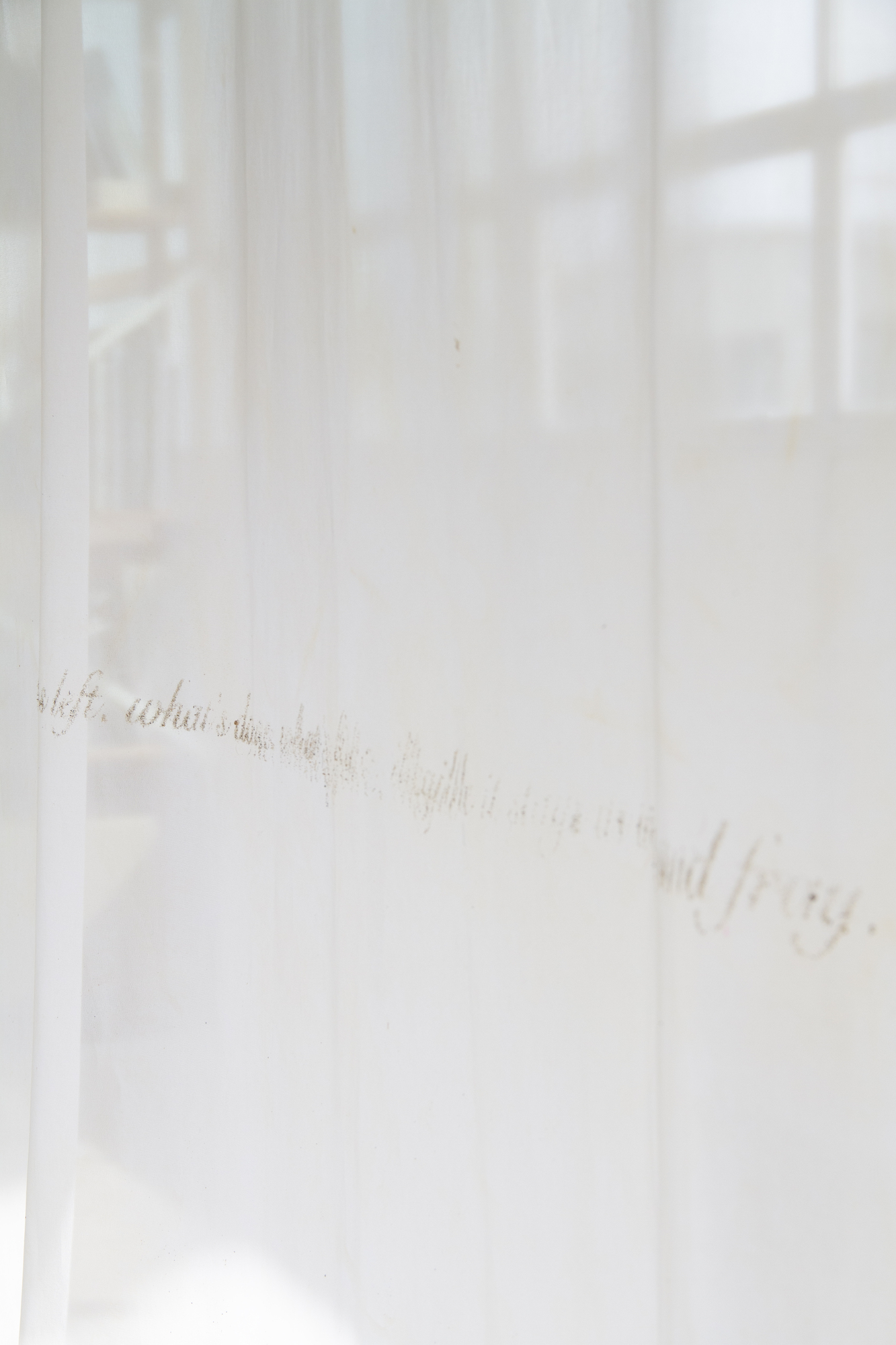
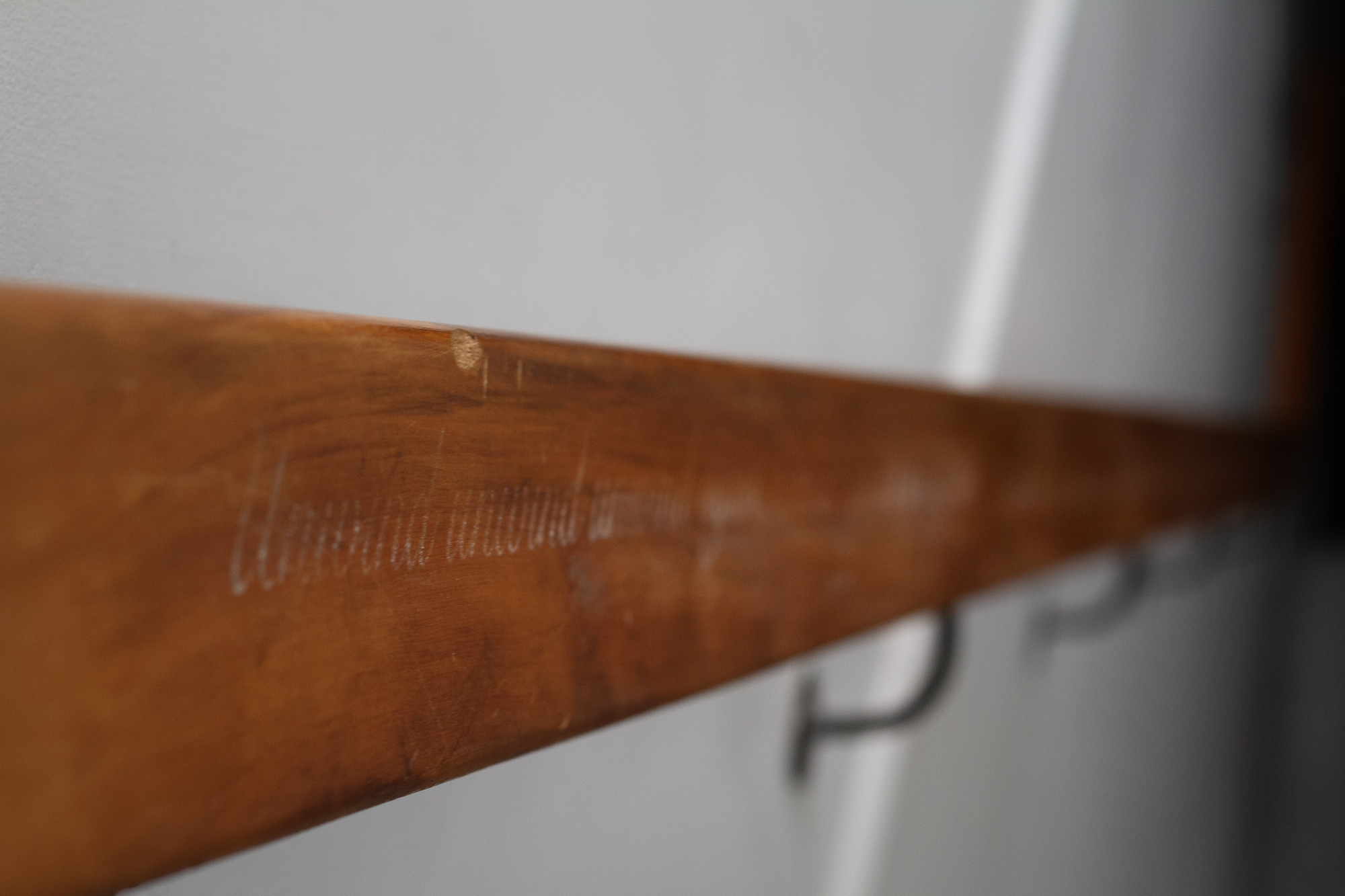
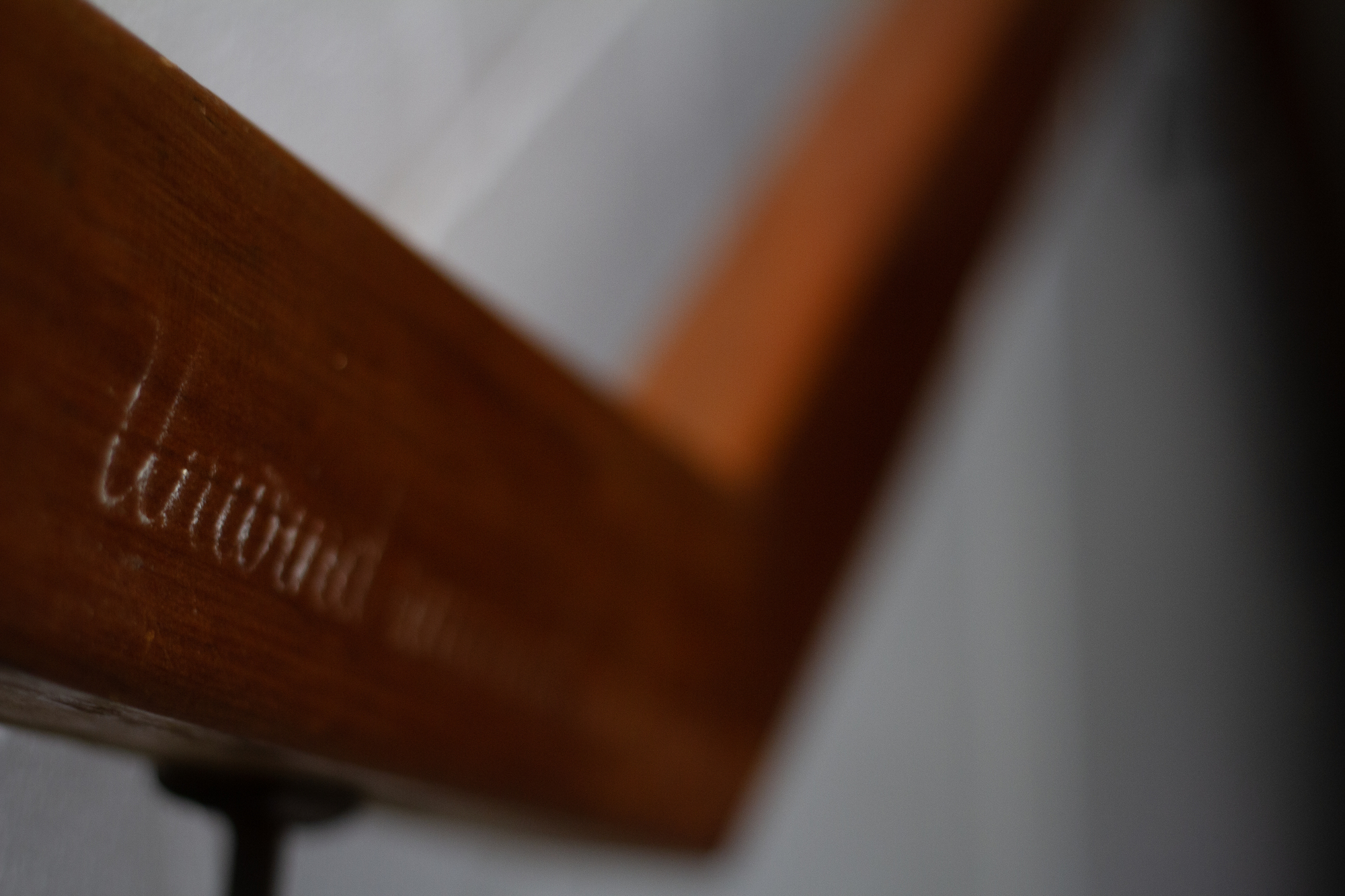
Unwind unwind unwind again,
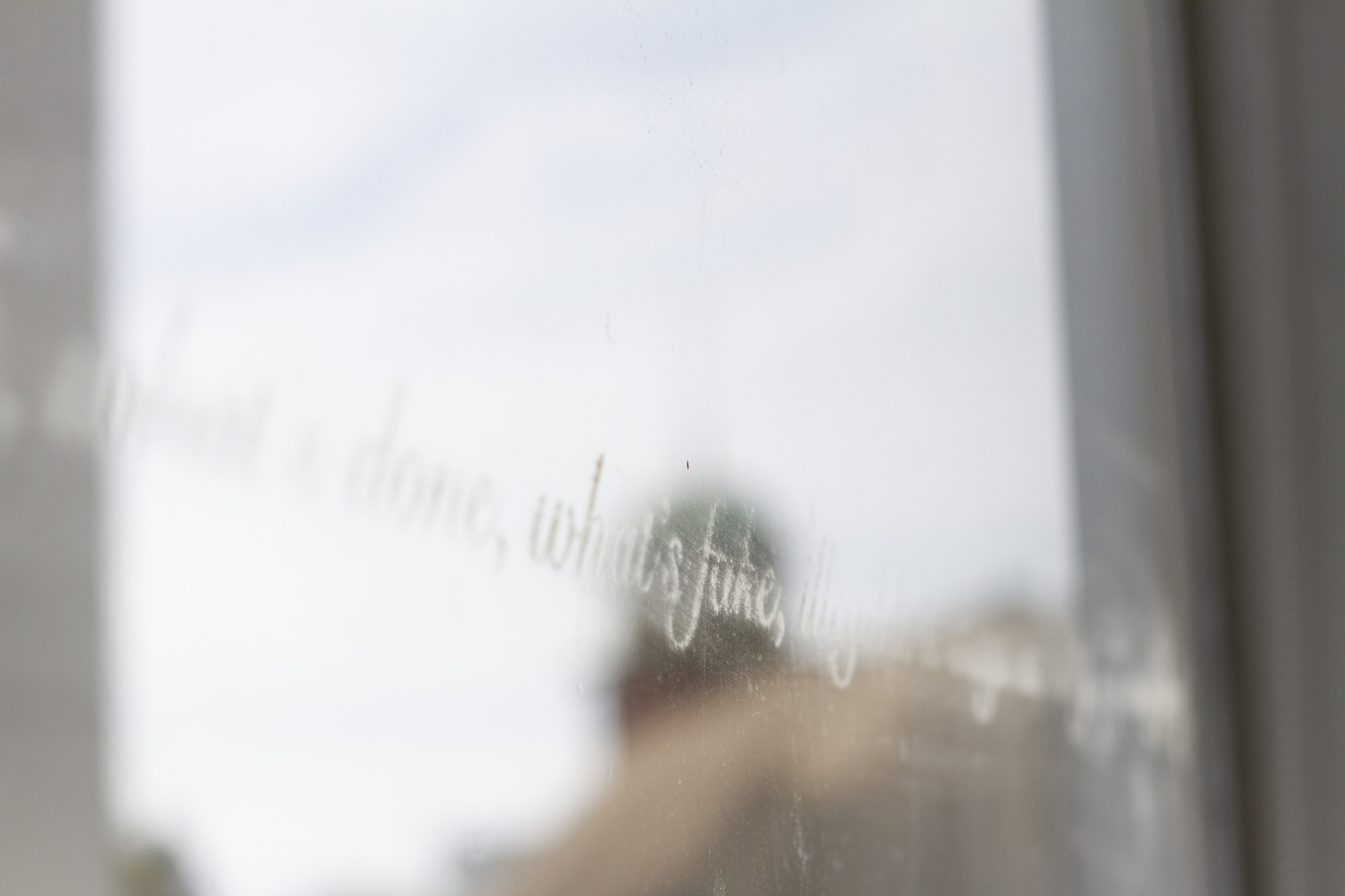
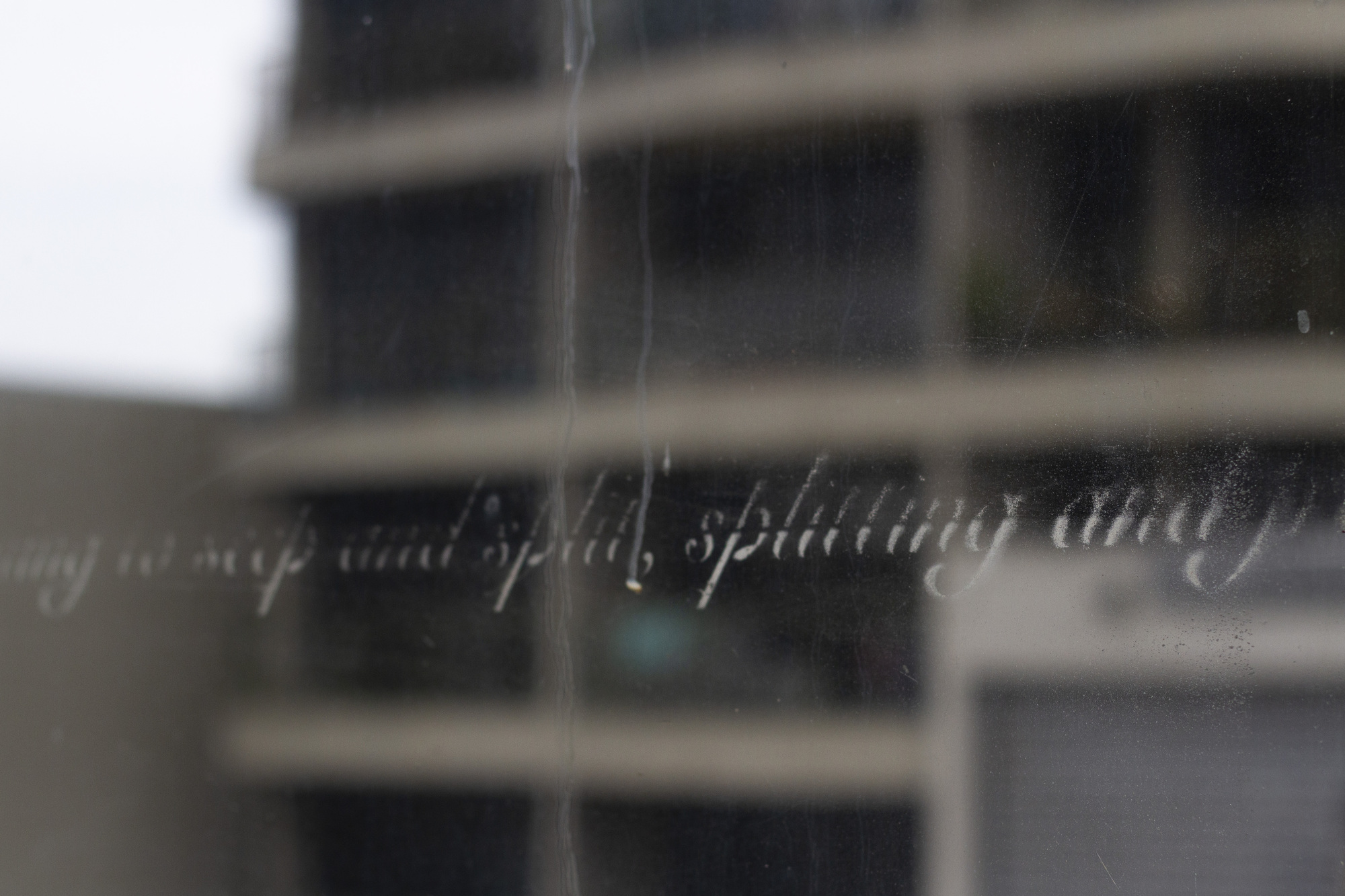
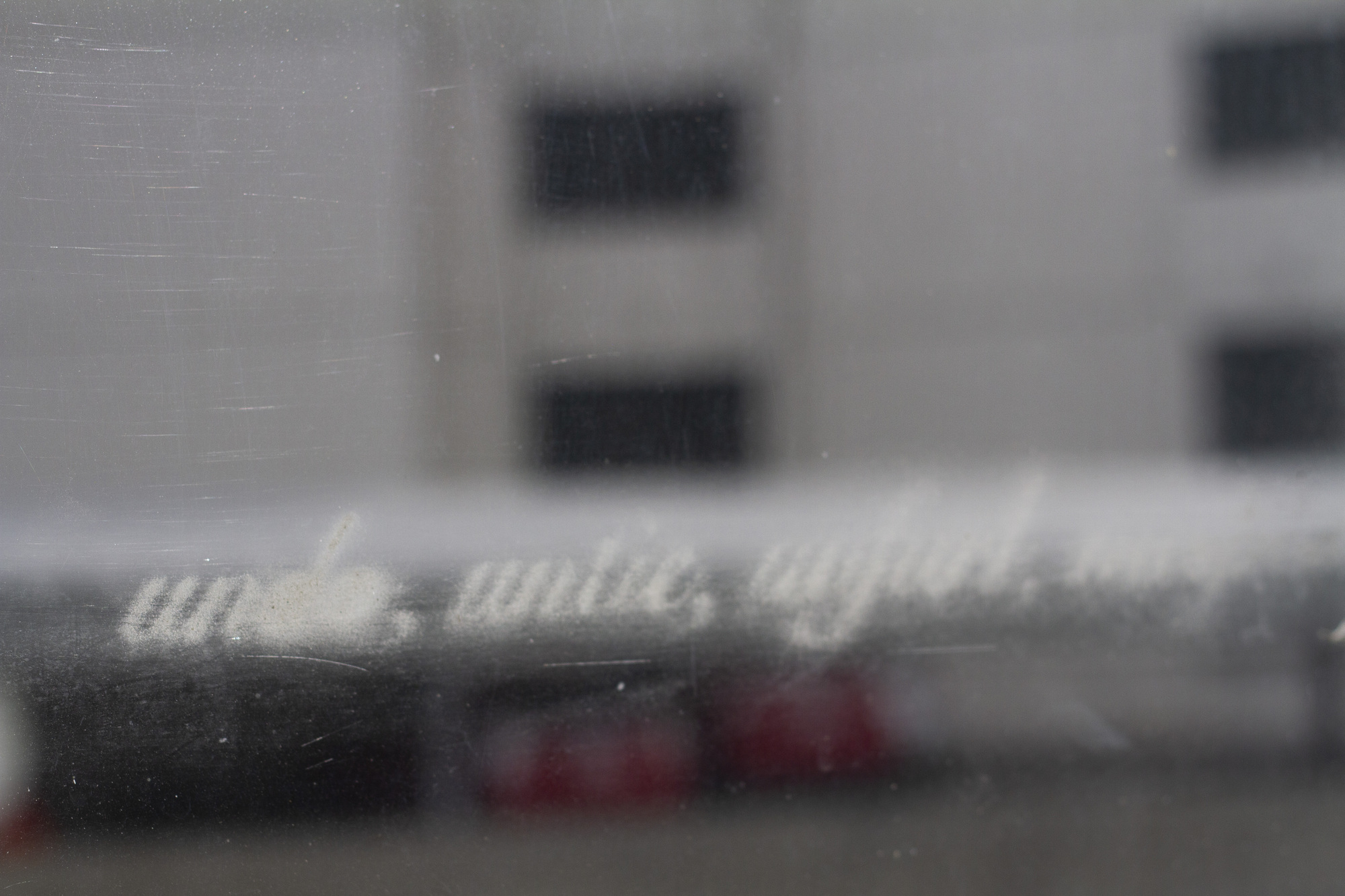
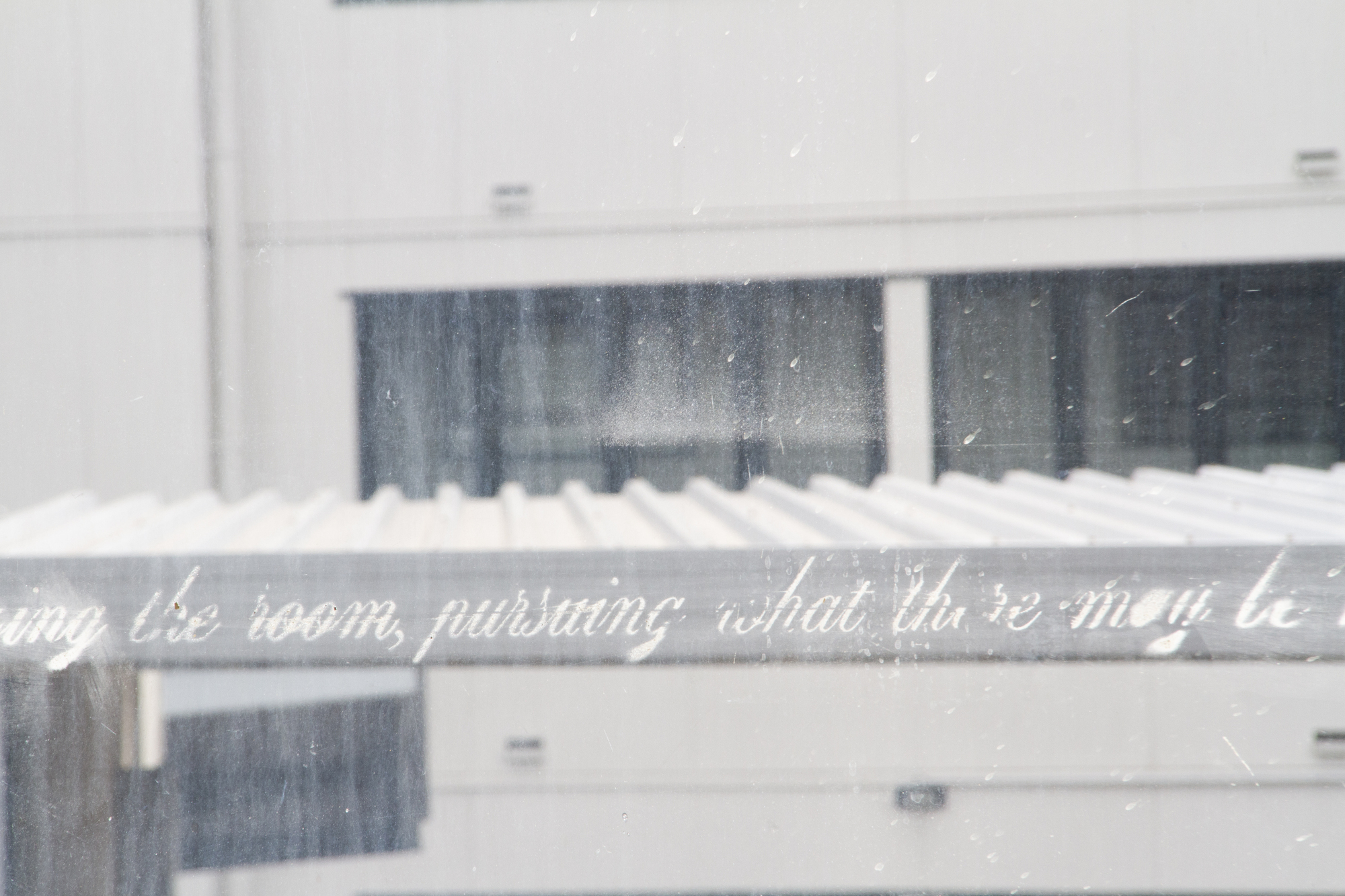
undo, untie, unfurl, misplace.
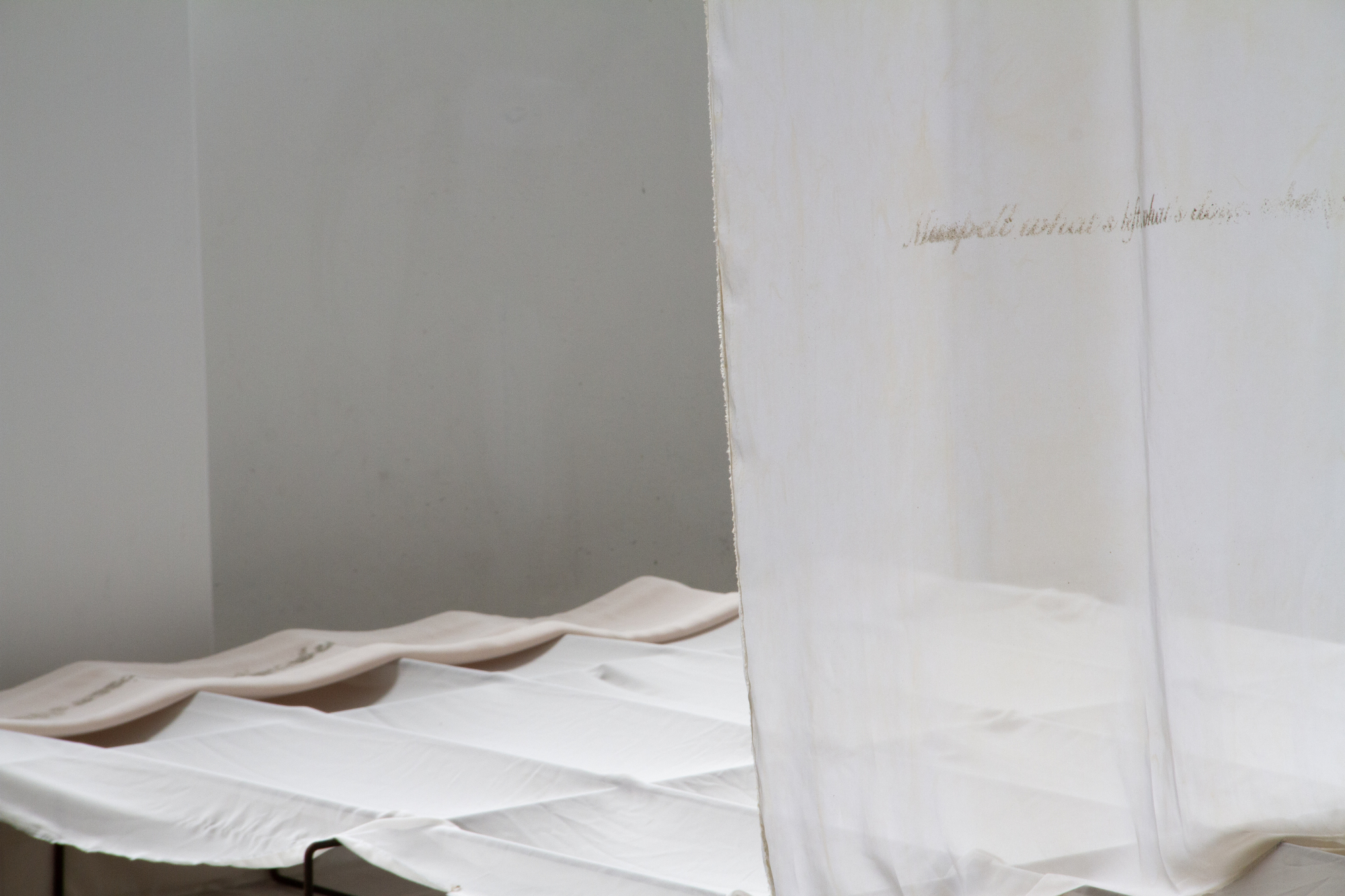
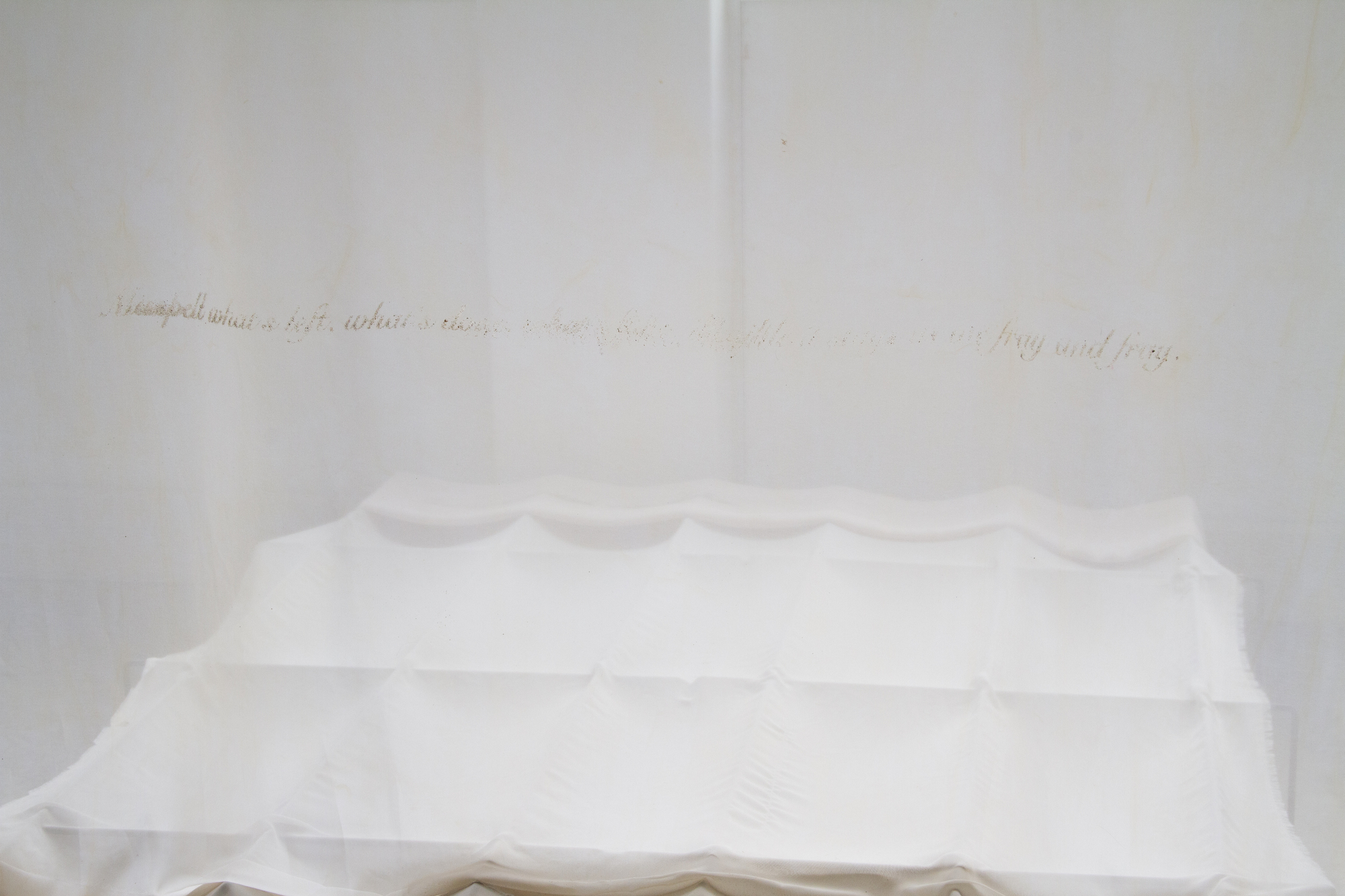
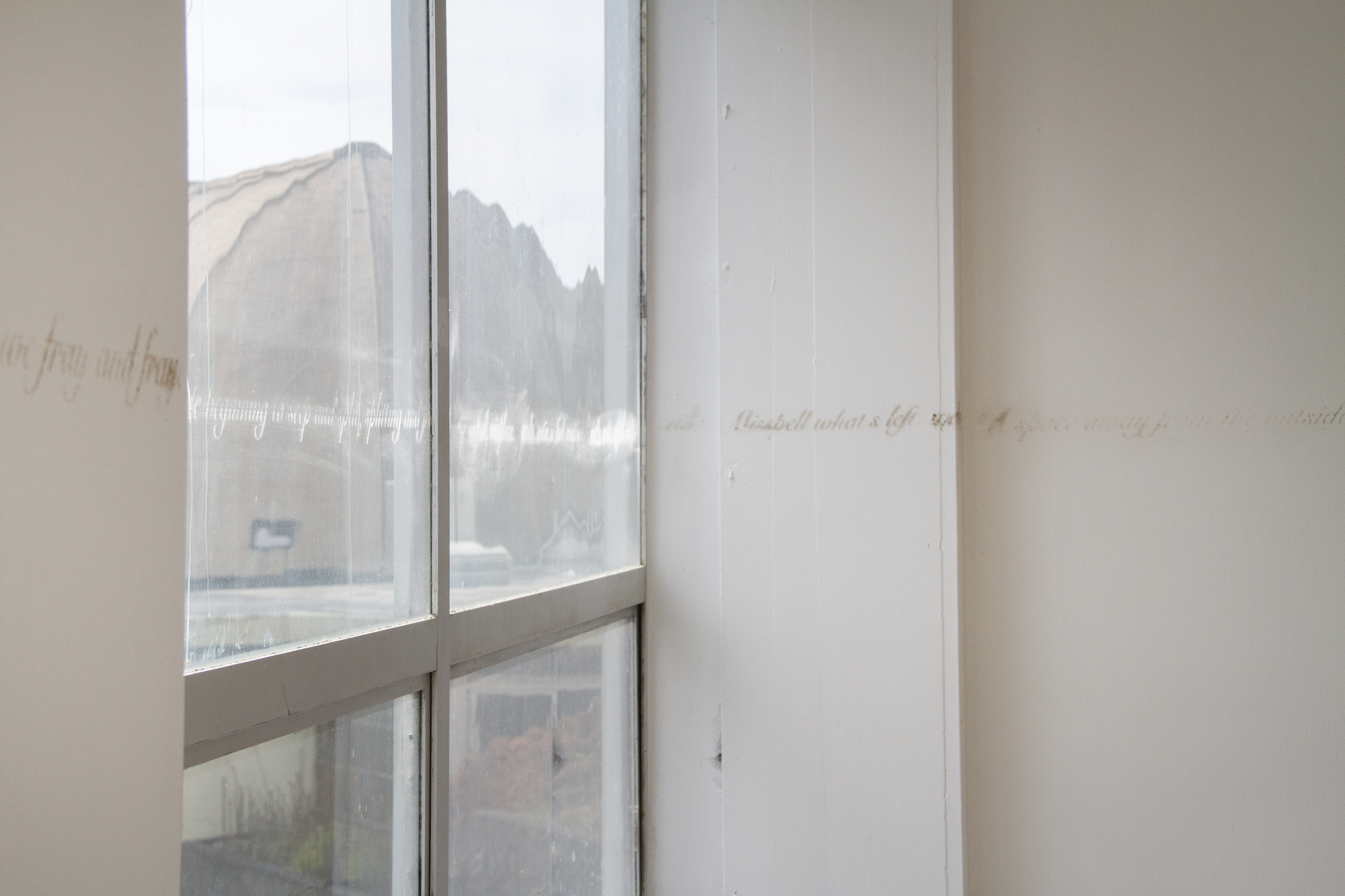
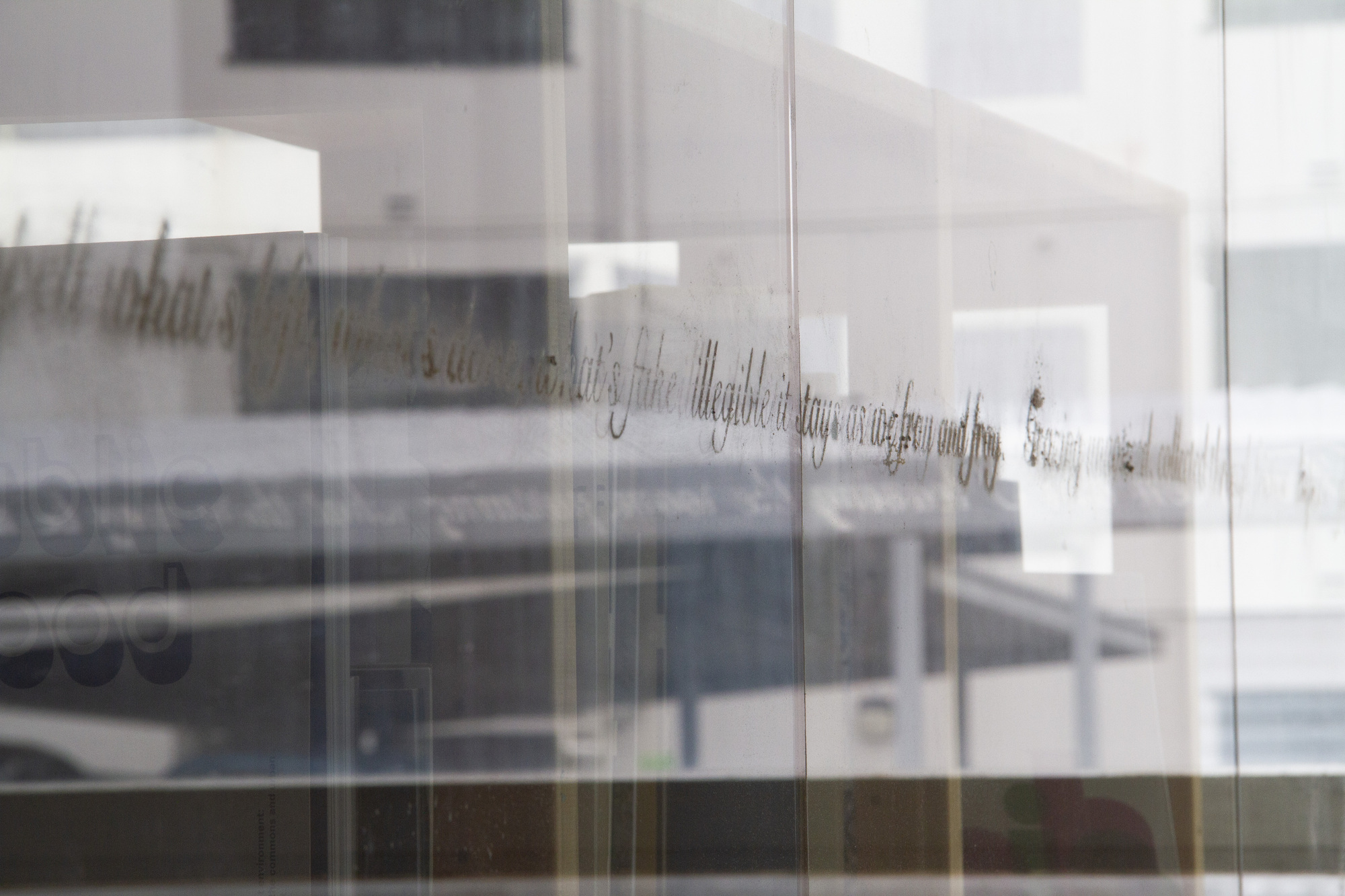
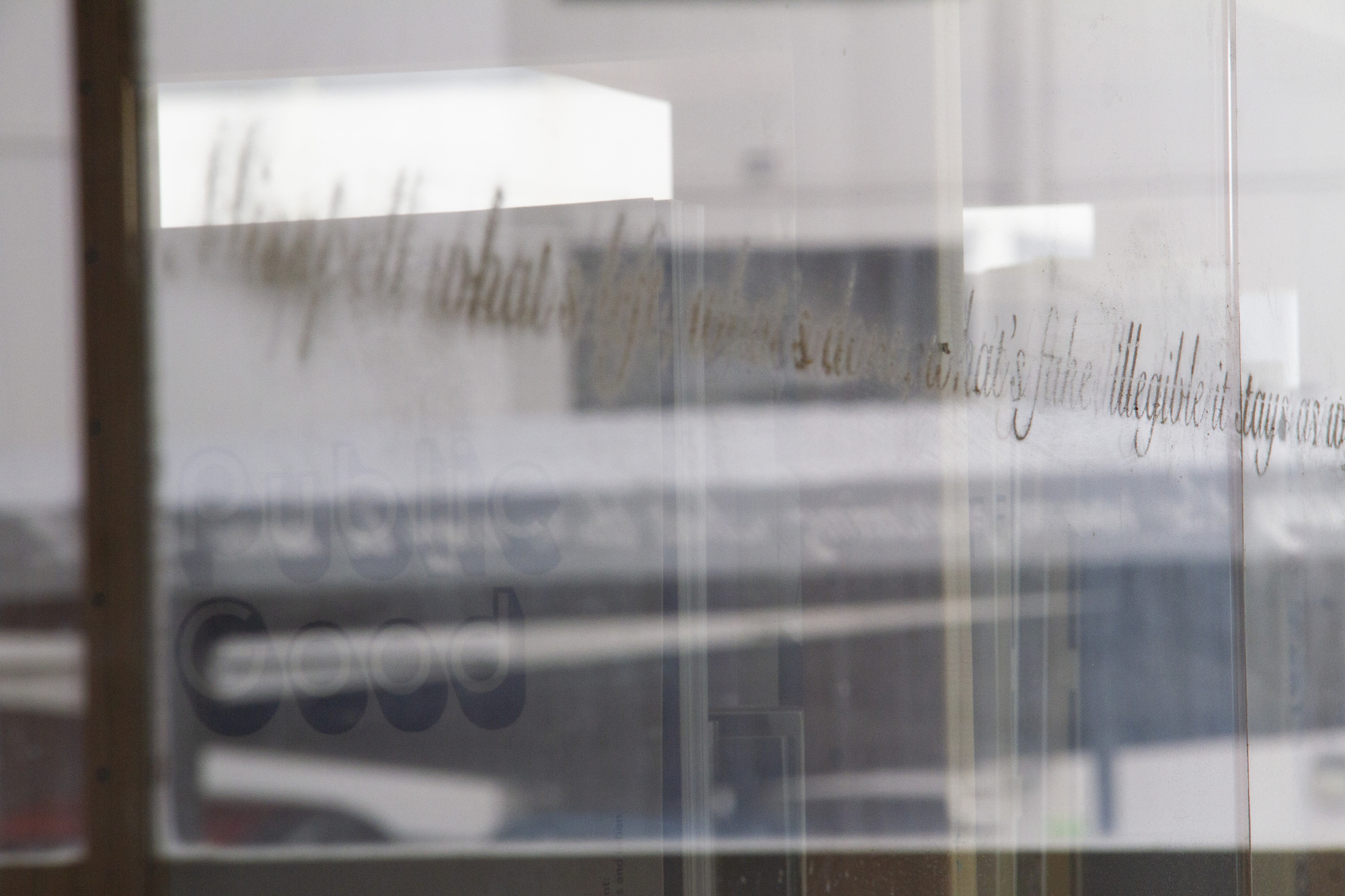
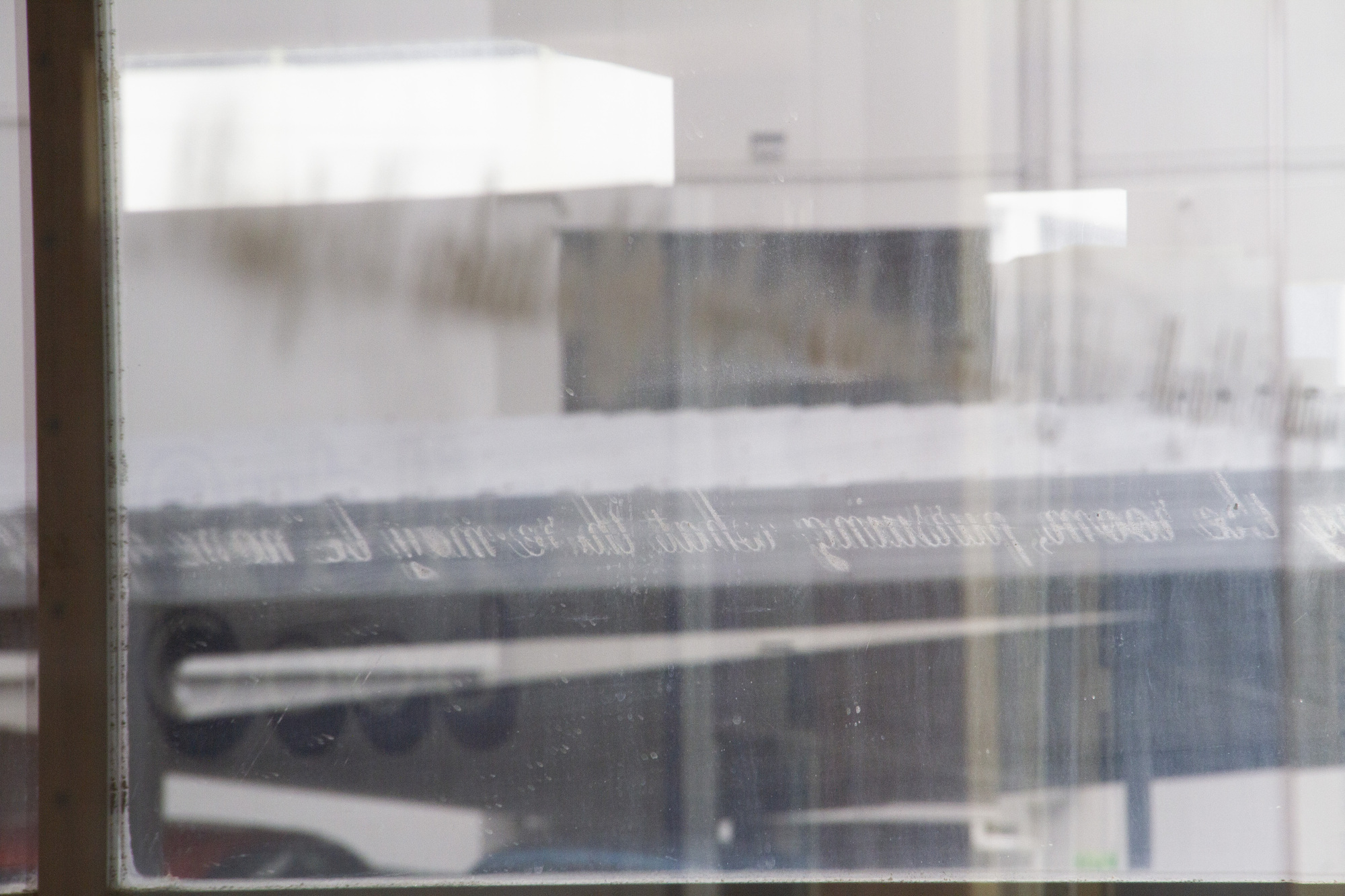
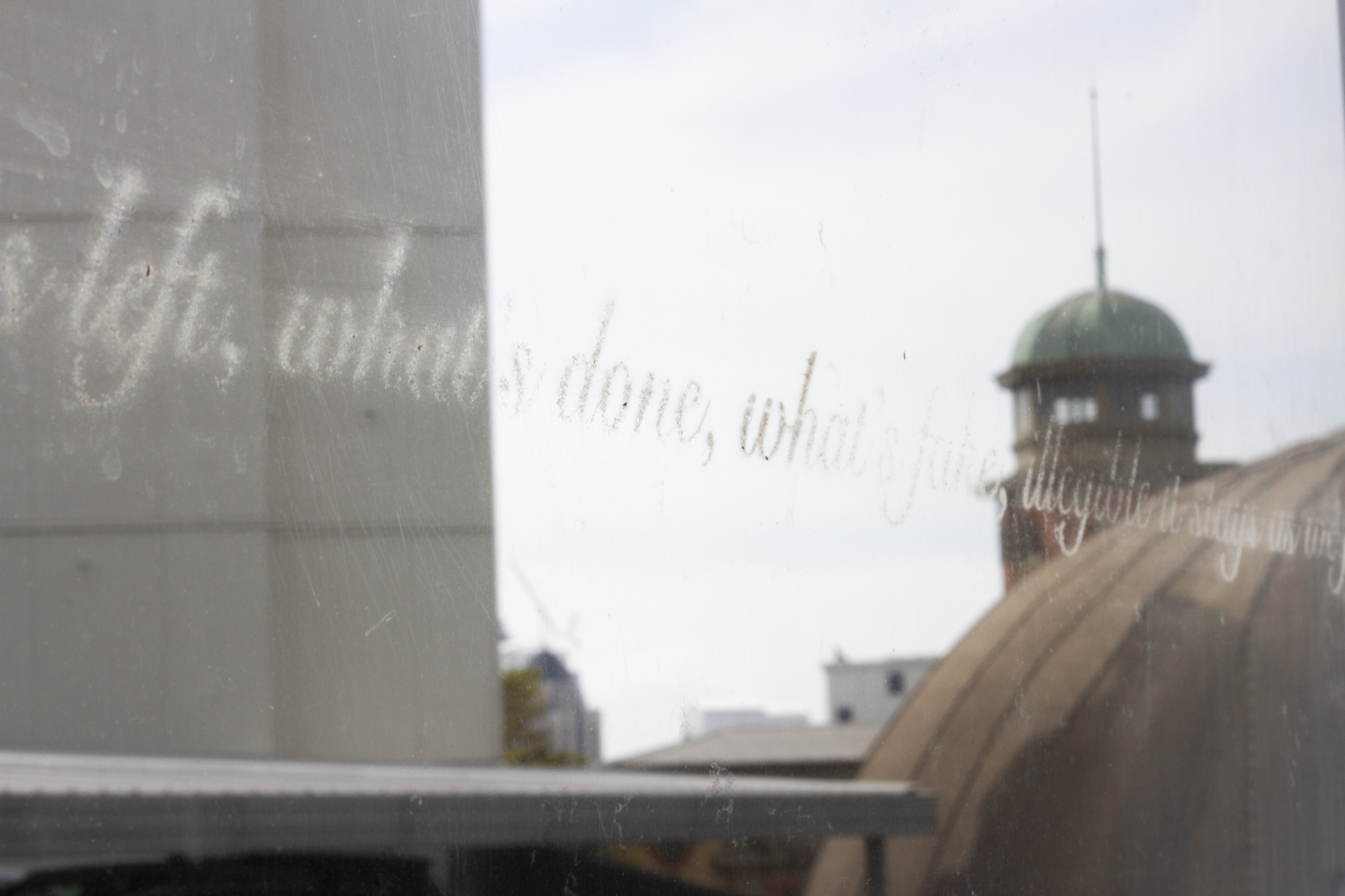
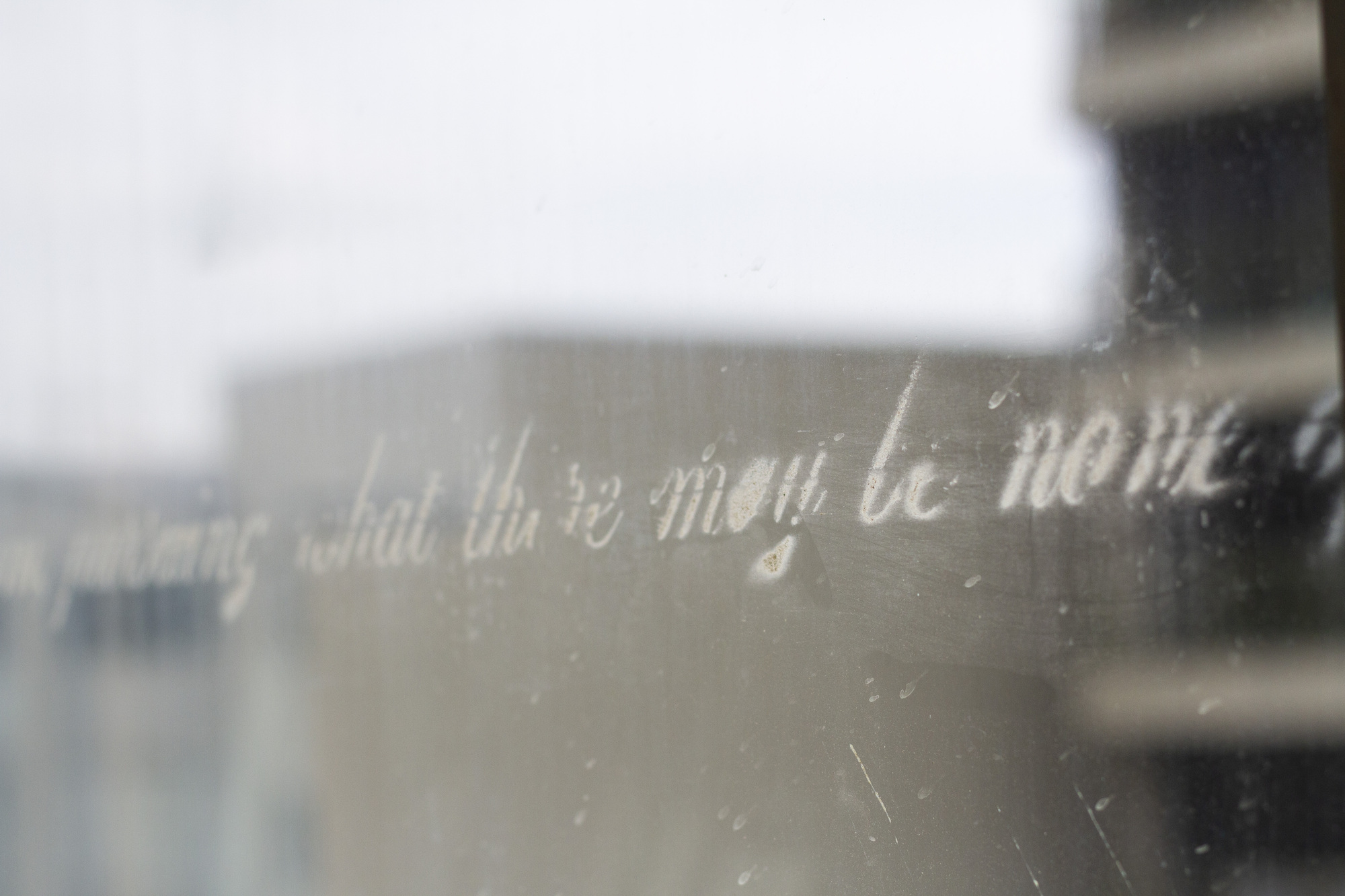
Misspell what’s left, what’s done, what’s fake, illegible it stays as we fray and fray.

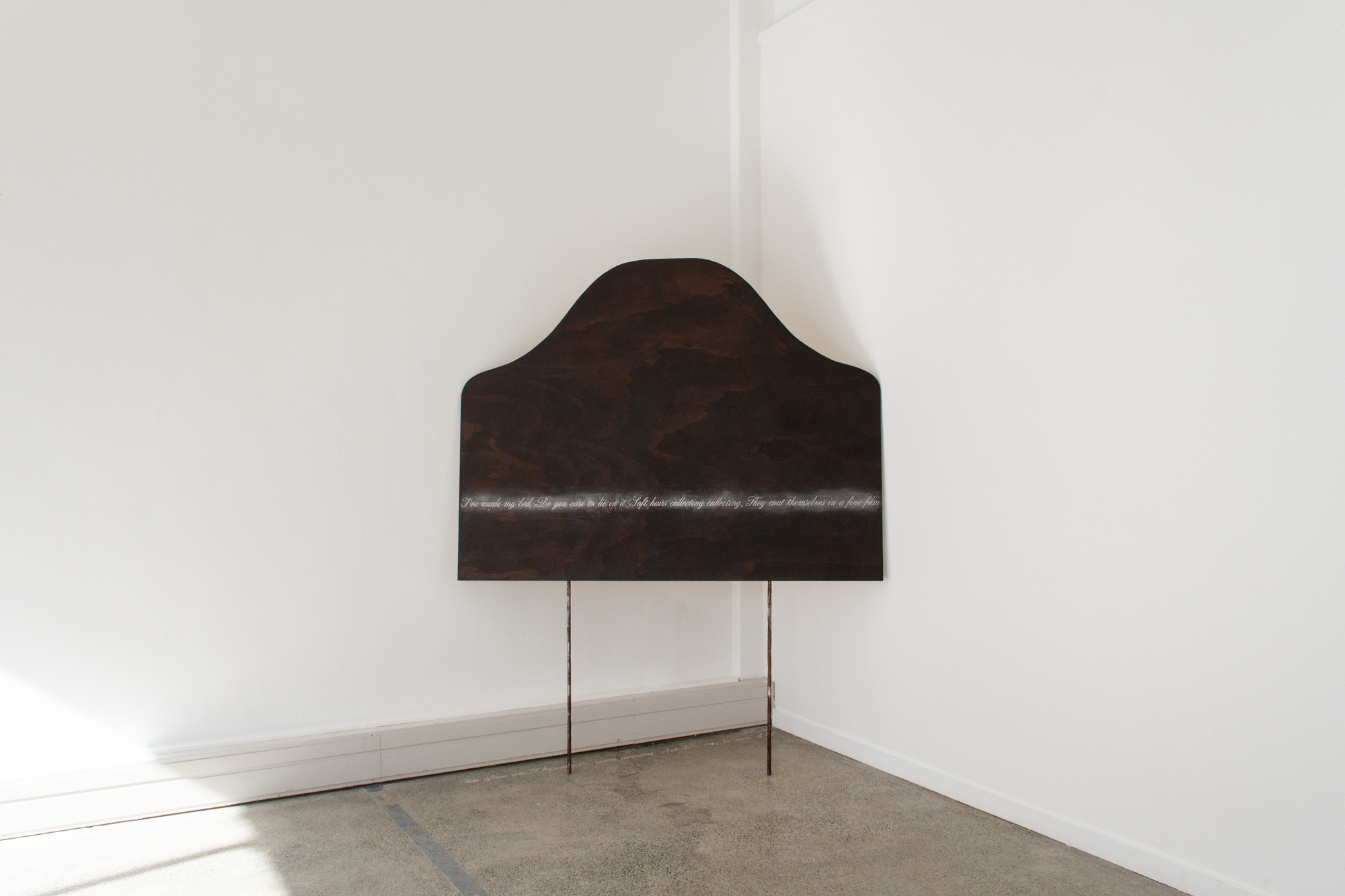
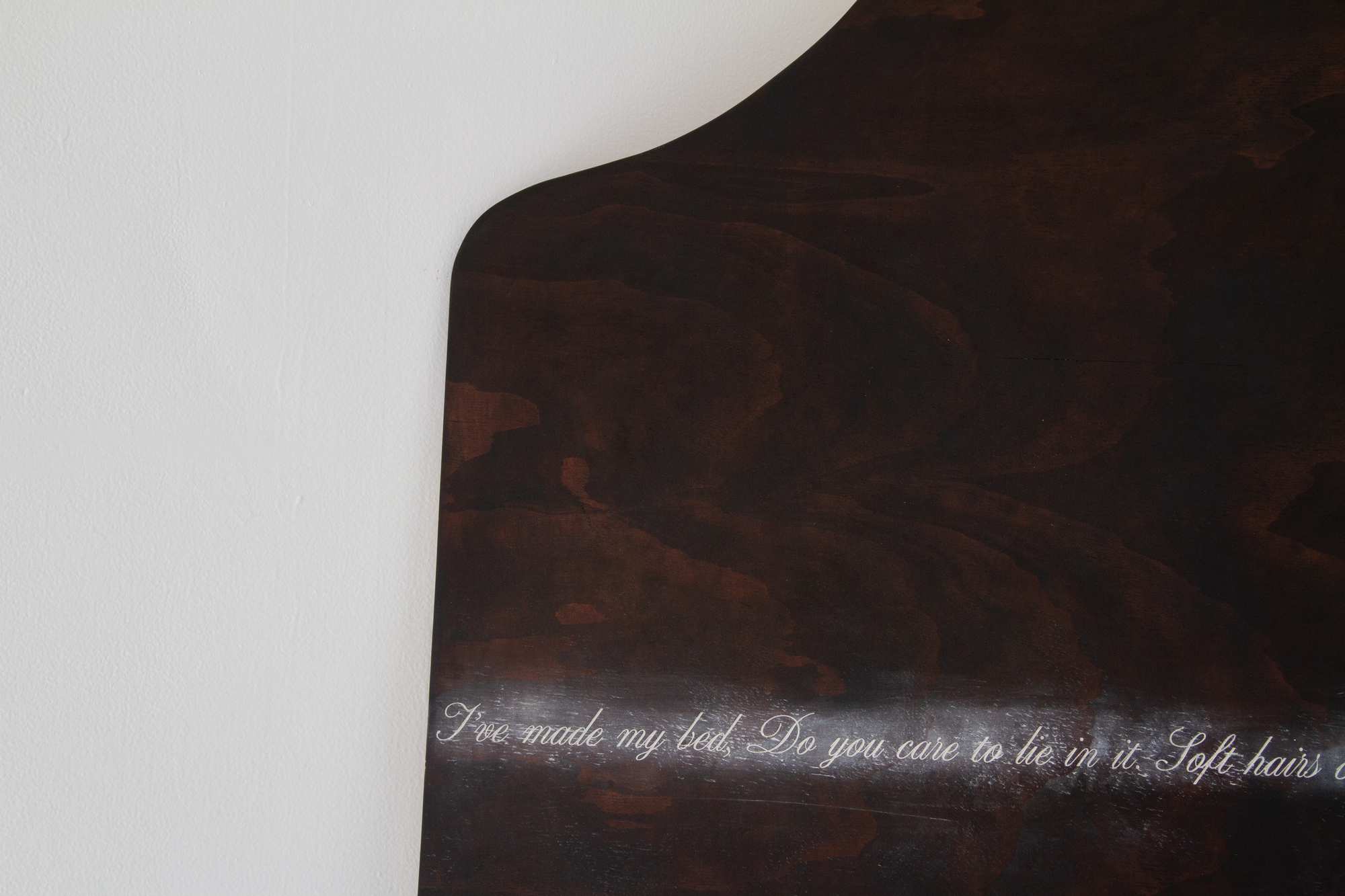
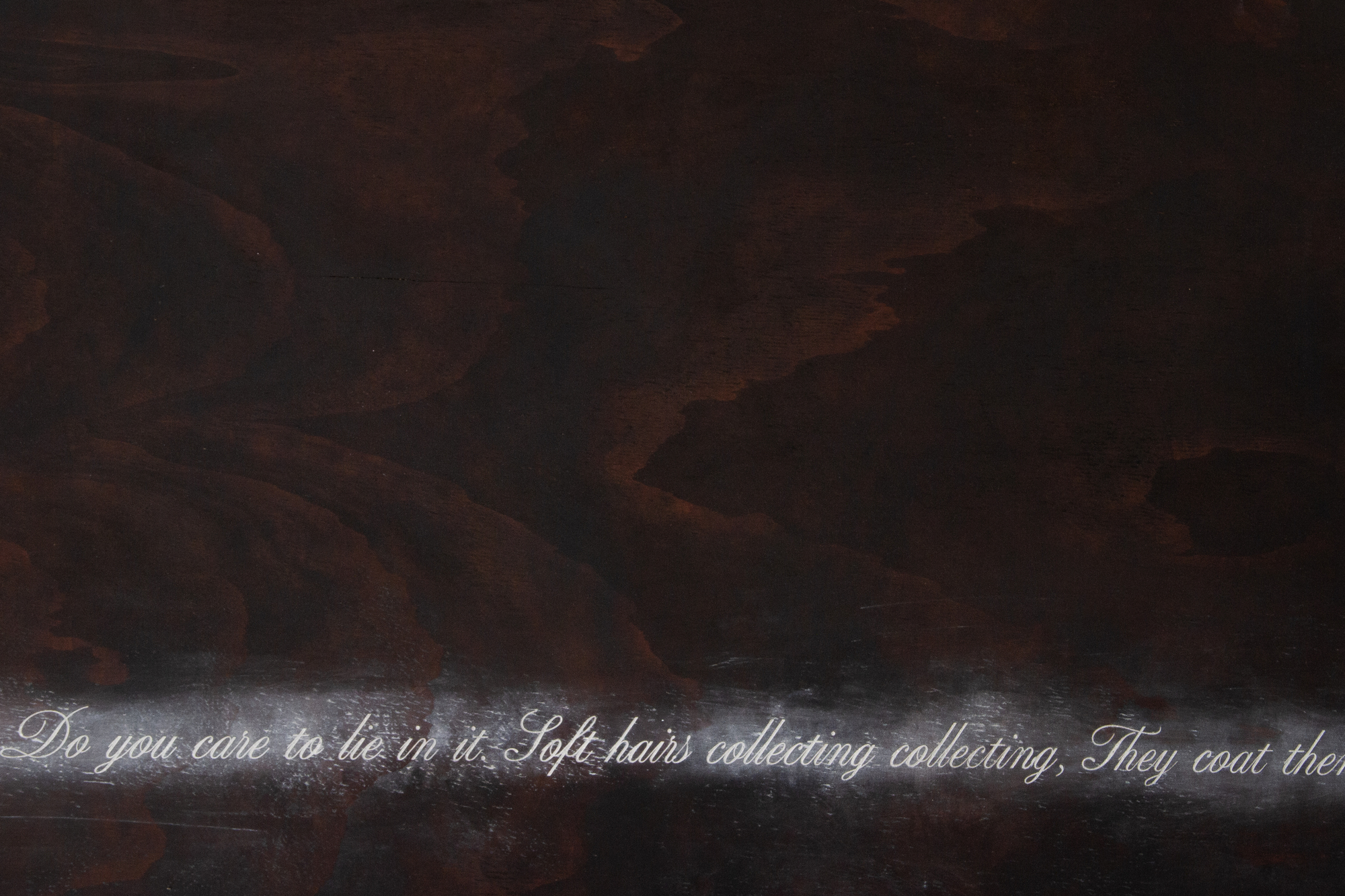
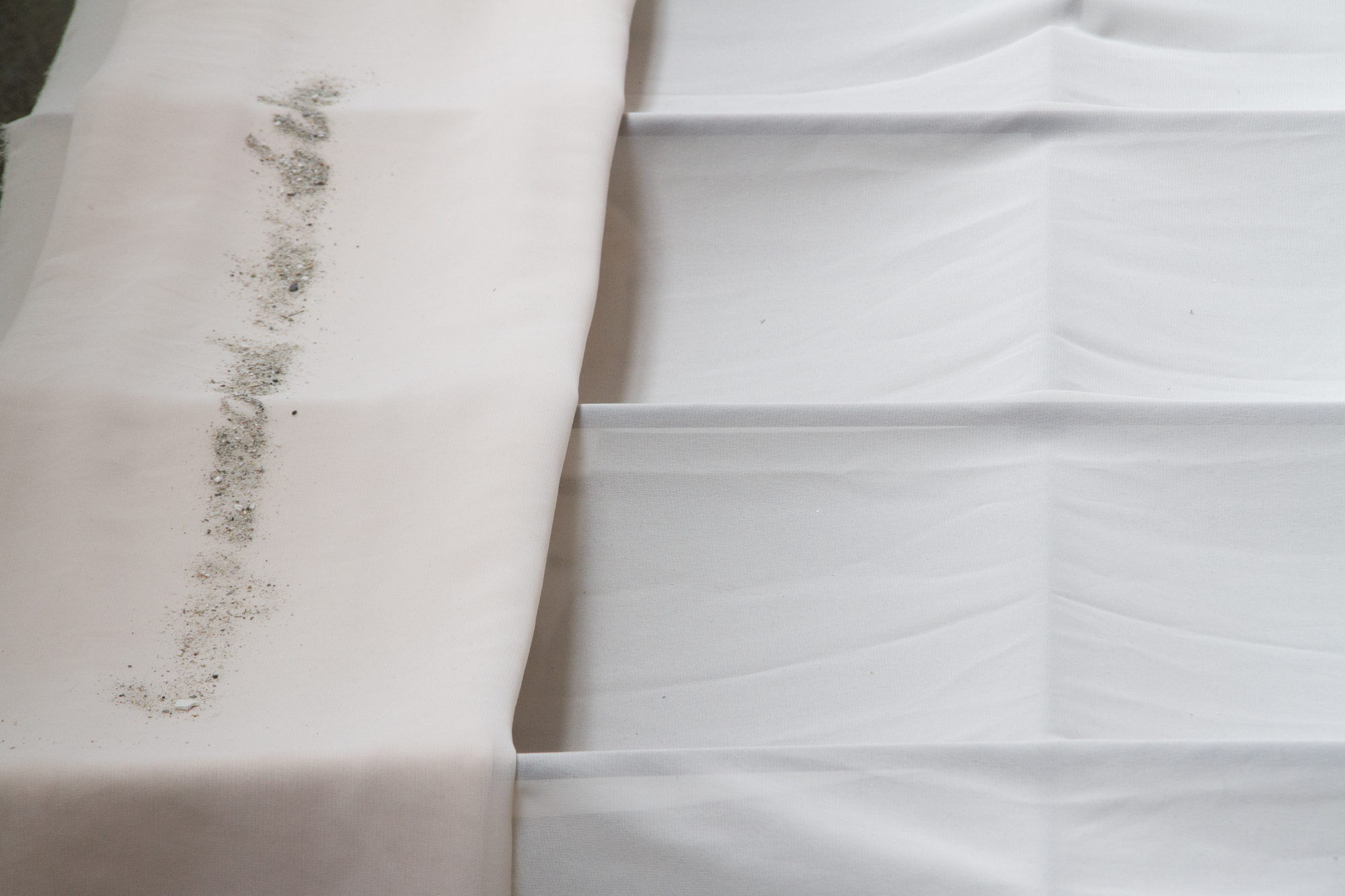
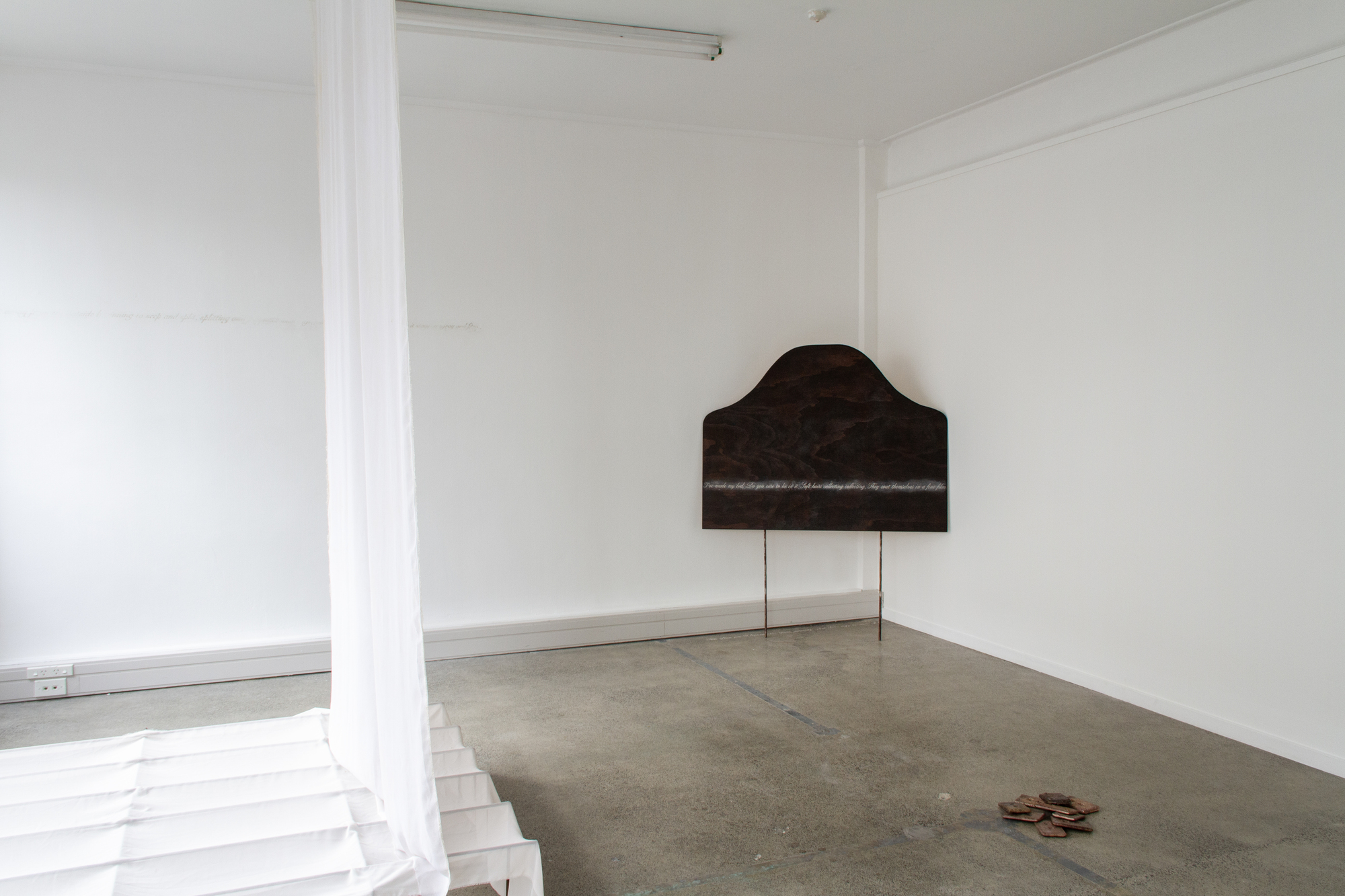
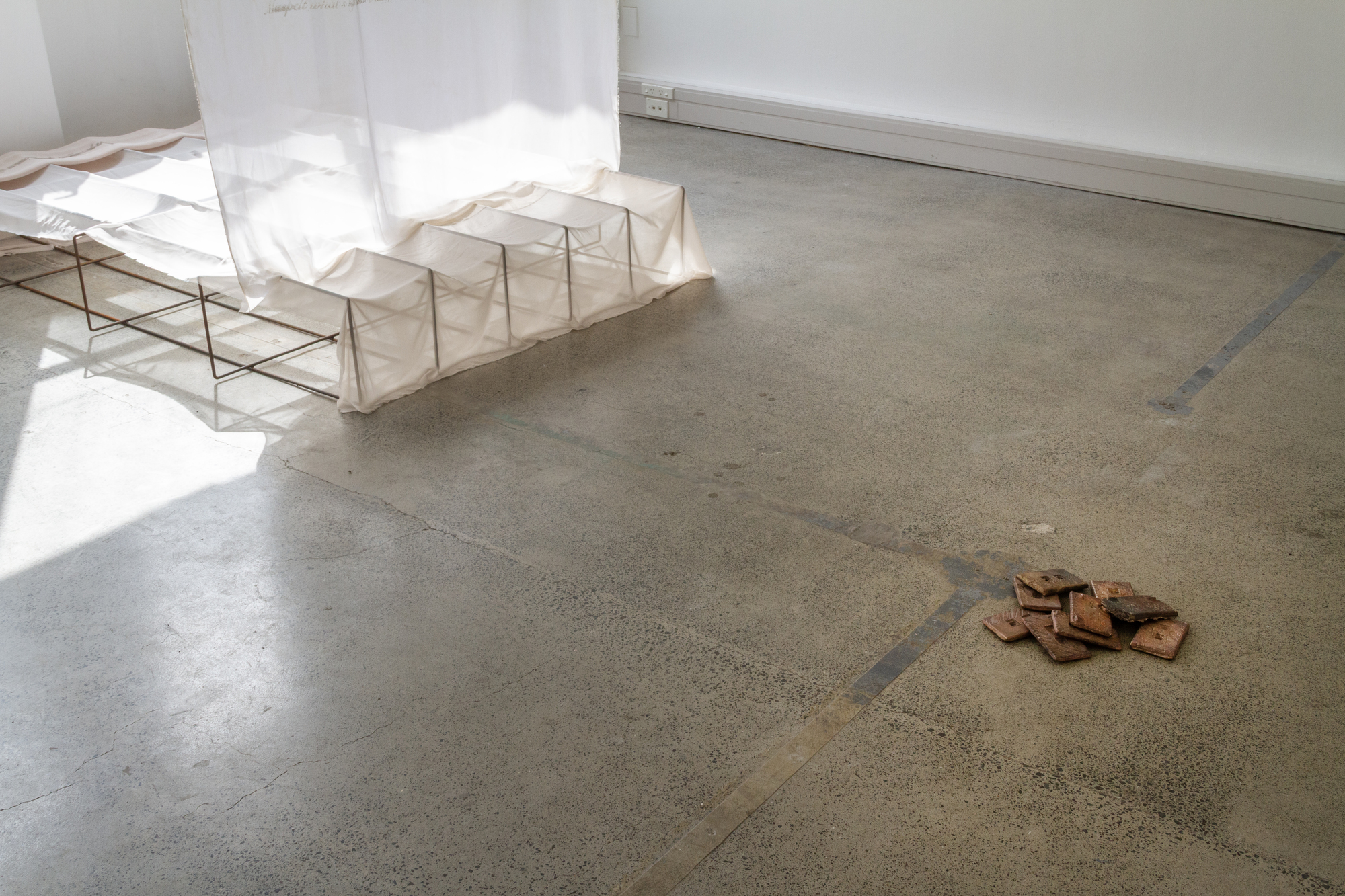
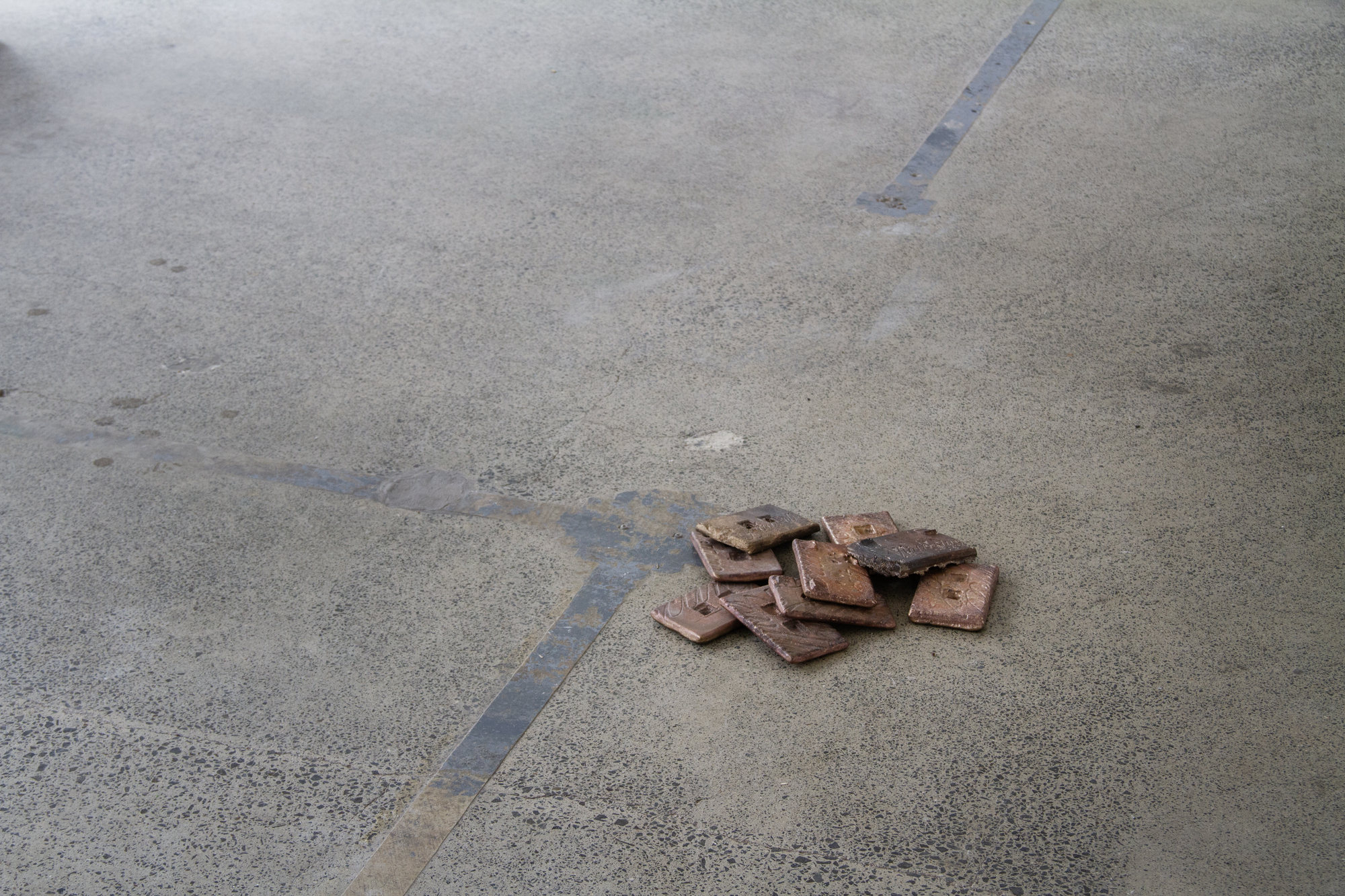
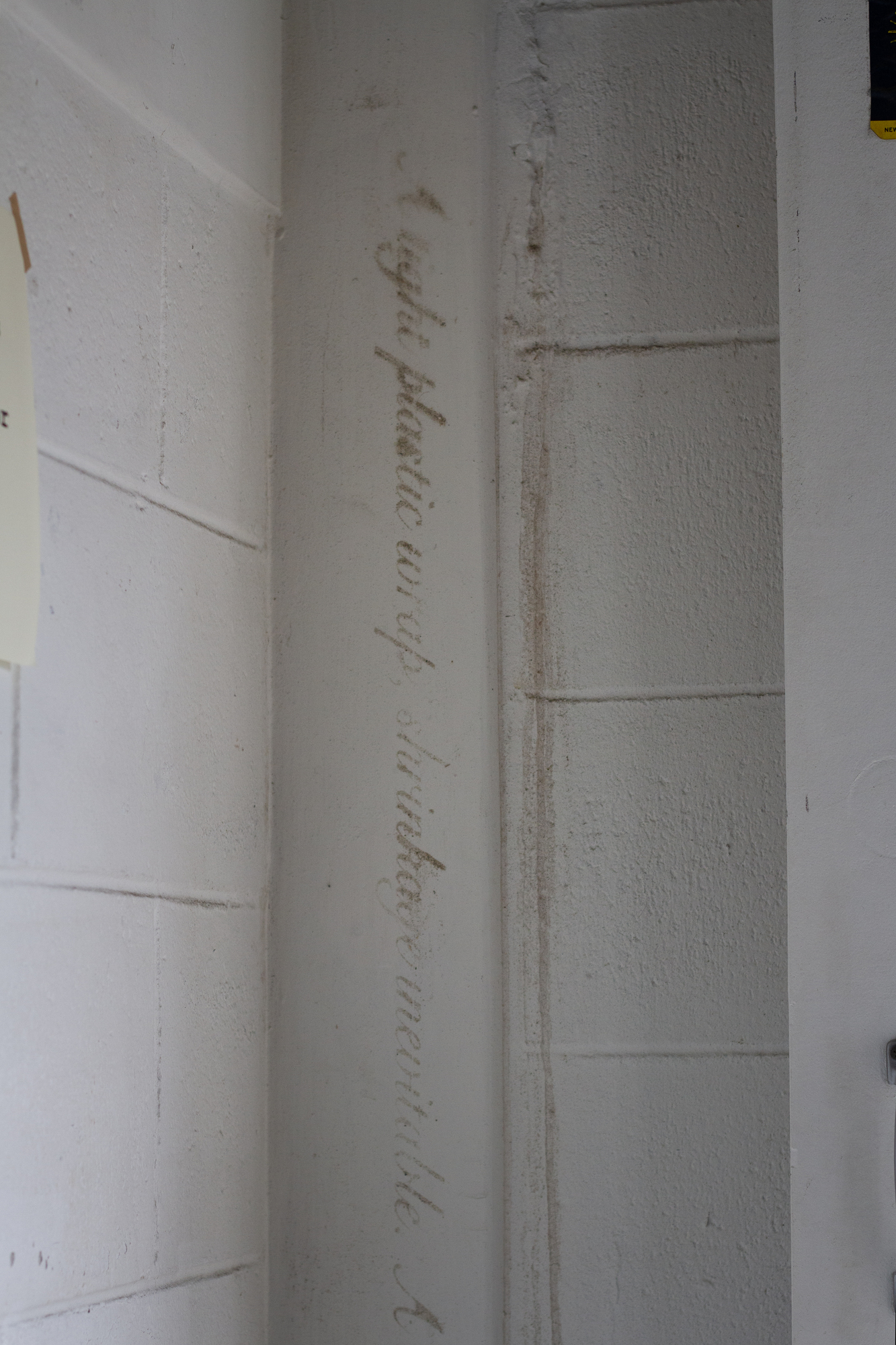
Threadbare centers the motif of the bed as a site of abjection. Hosting a poetic practice that describes elements sitting on the fringe of the abject; cast-offs, dust and small debris from personal and public spaces of living and working. The gathered cast-offs take with them the remnants of human connection and movement through the space of their collection. Joining the accumulation of past recorded life also resting upon our skin. I’ve made my bed, do you care to lie in it.

Not quite a visceral disgust, hovering between subject and object. The act of noticing, crucial. They are the skin cells caught under our nails, the unrecognised hair attached to the hem of trousers and the sweat residue our palms constantly deposit. Disgust grown through volume, the orchestrated cast-off’s fall and rest on murmurings of their natural habitats. Omnipresent, although only registering slight distaste when worn on our skin, adorned on our clothes and tangled within our sheets. Stemming from the bed, the most comfortable space, constantly disturbed and constantly relocated.

The collected cast-offs live within a collection box, occasionally borrowed to form the poetry adorning the walls and floor, then once again returned to the collection box. Holding with them the trace of the latest space installed and the memory of the text’s formation. The text leaks from readability, slightly illegible it is overlaid, removed and left to be noticed.

To consume, to devour, to stuff and to gulp.
layers peeled back and poked.
A soft beneath we let pour out and overflow,
down our pant legs and soaking our socks
holes in the fabric as pores to absorb,
Wary of staining and satin touch.

Images by Ardit Hoxha

Tutu Fingers : Star Booty

Tutu Fingers
Star Booty

20 February – 29 March 2025

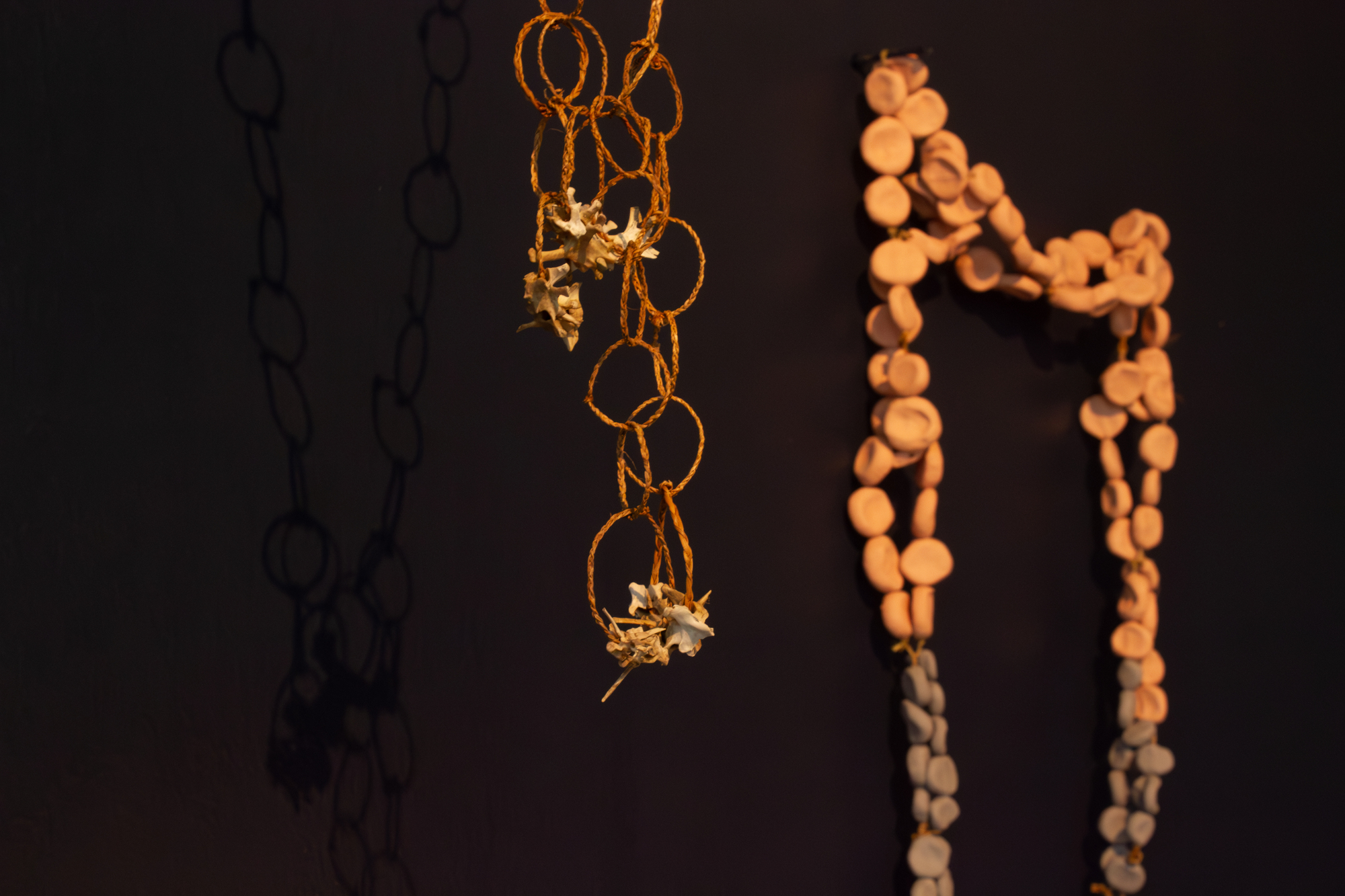
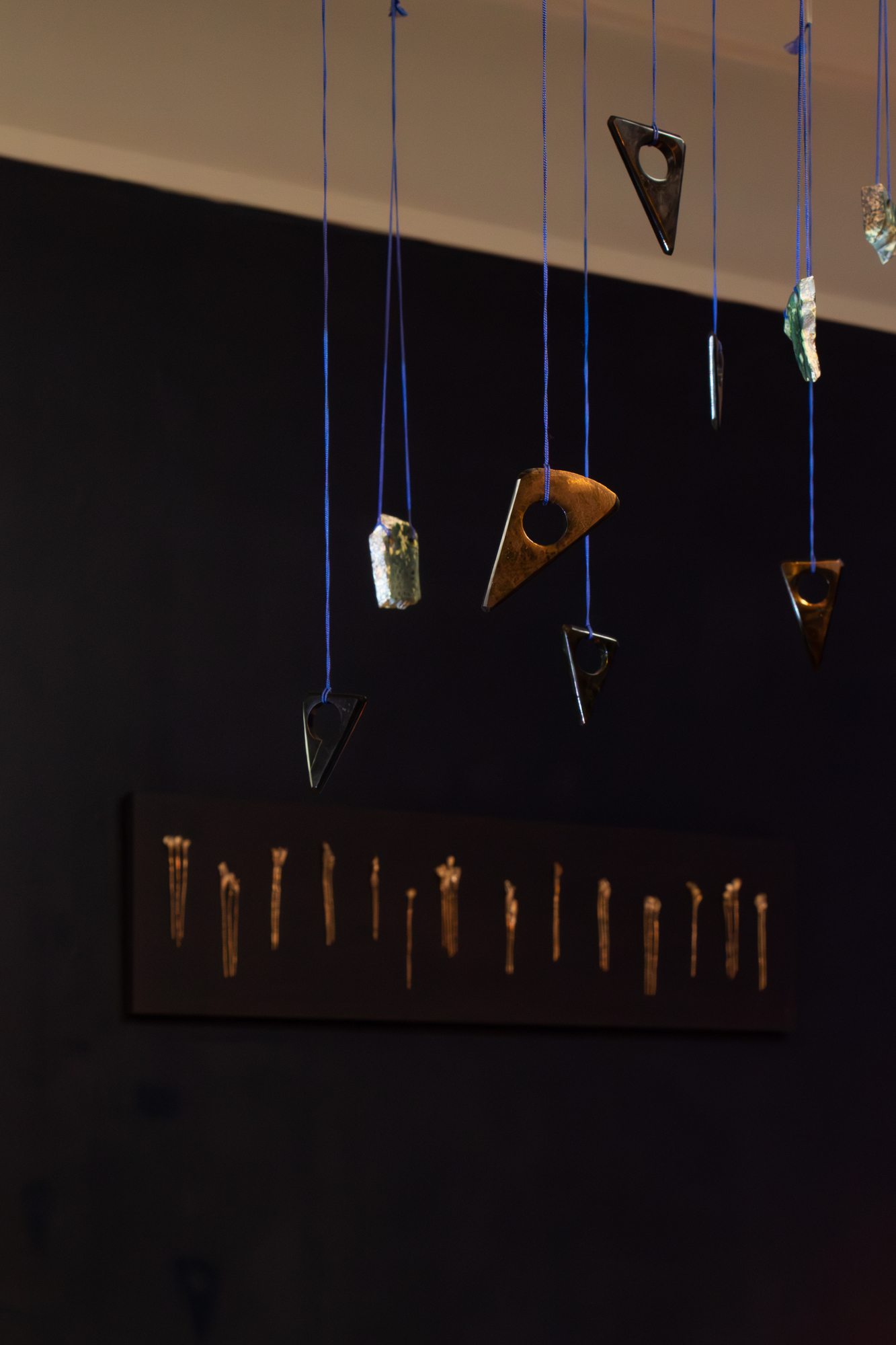
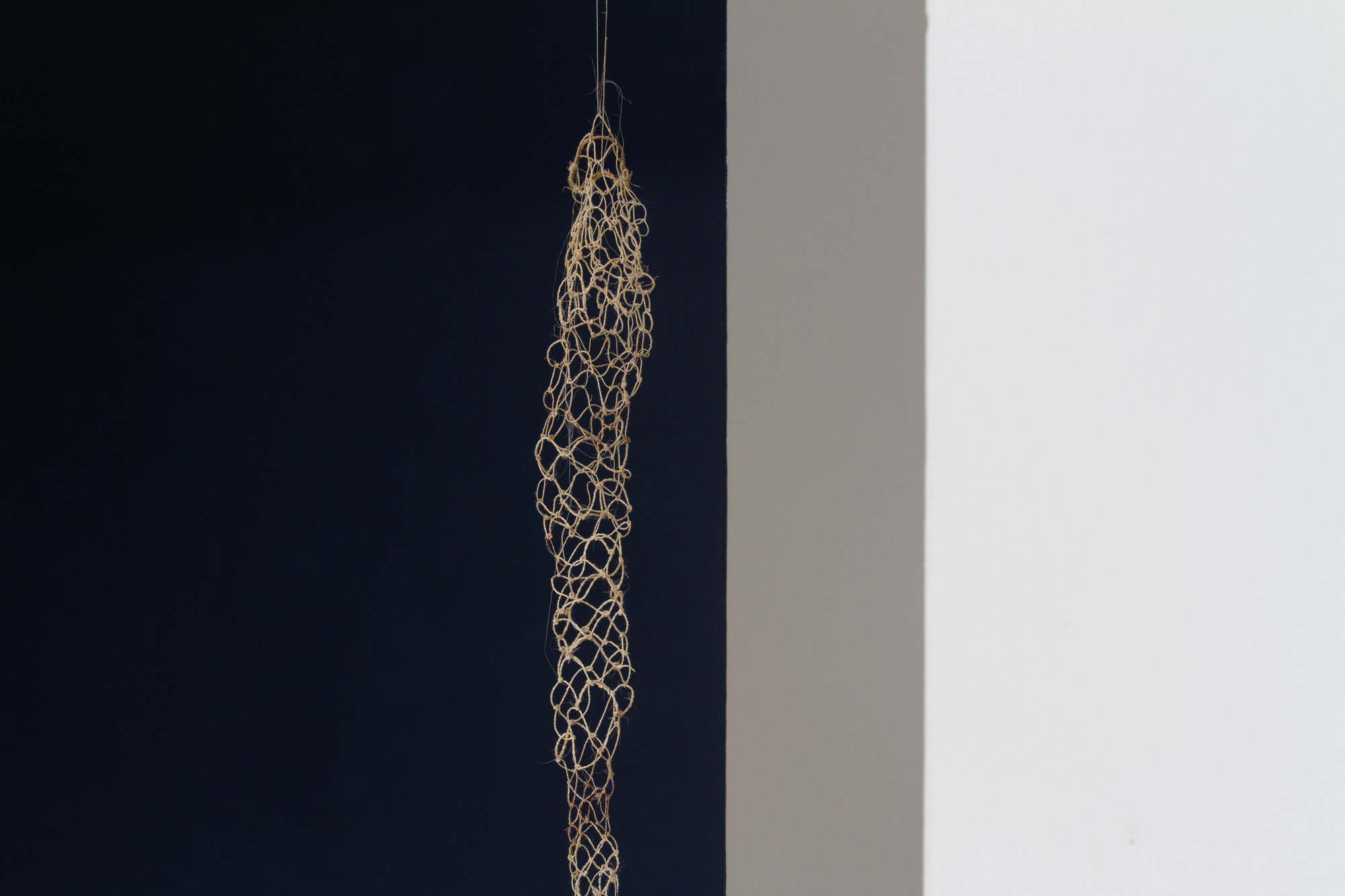
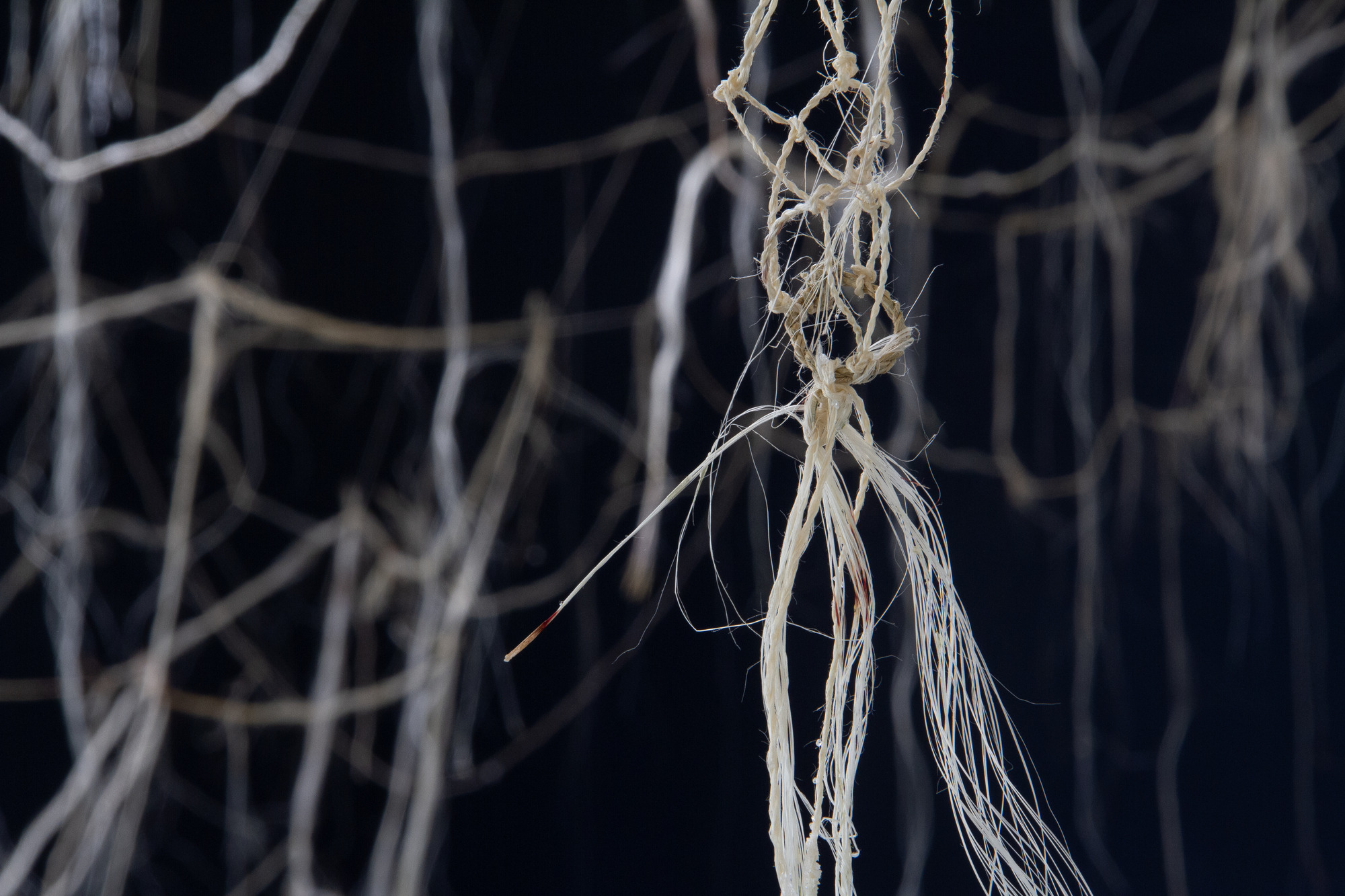
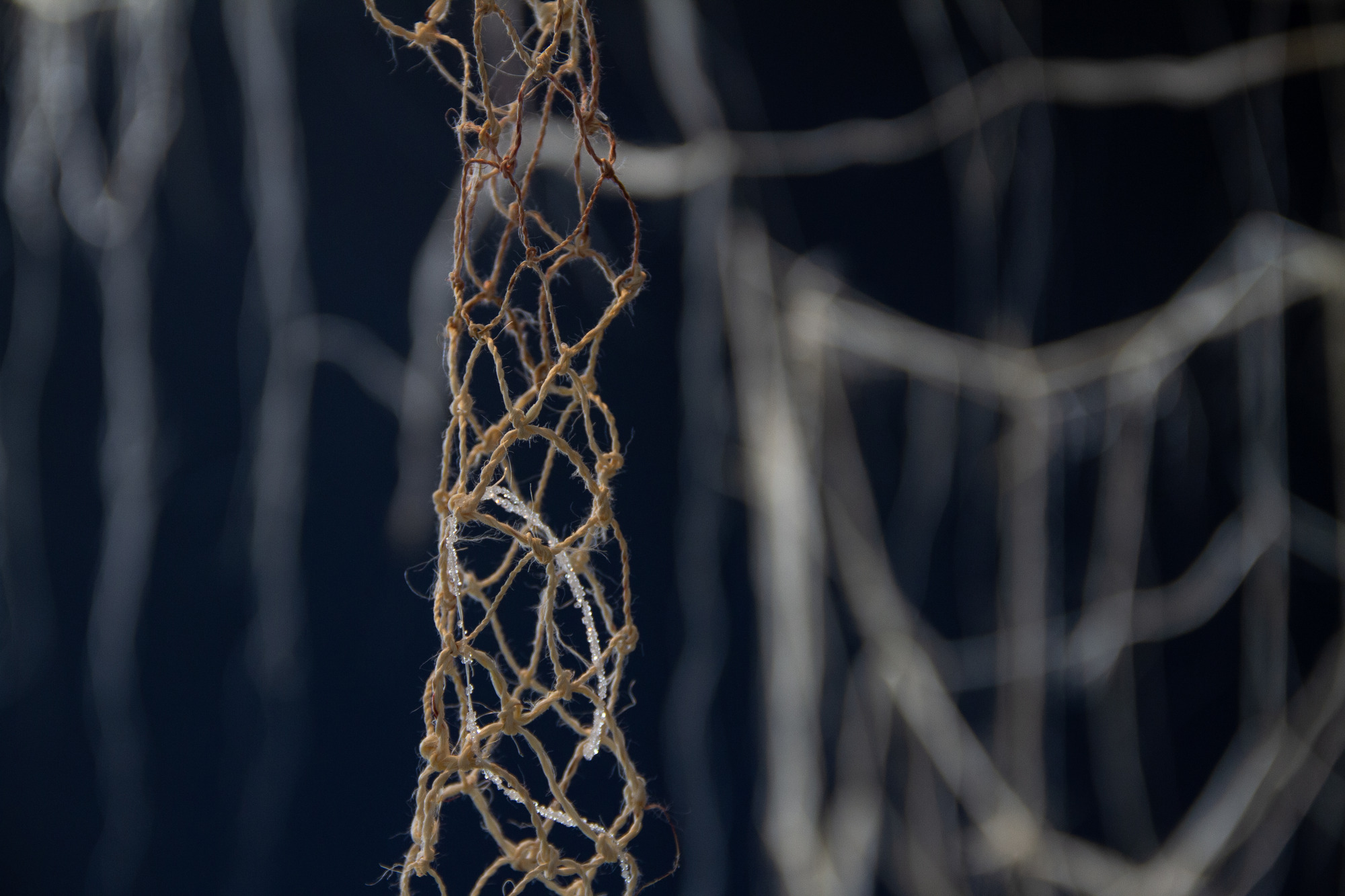
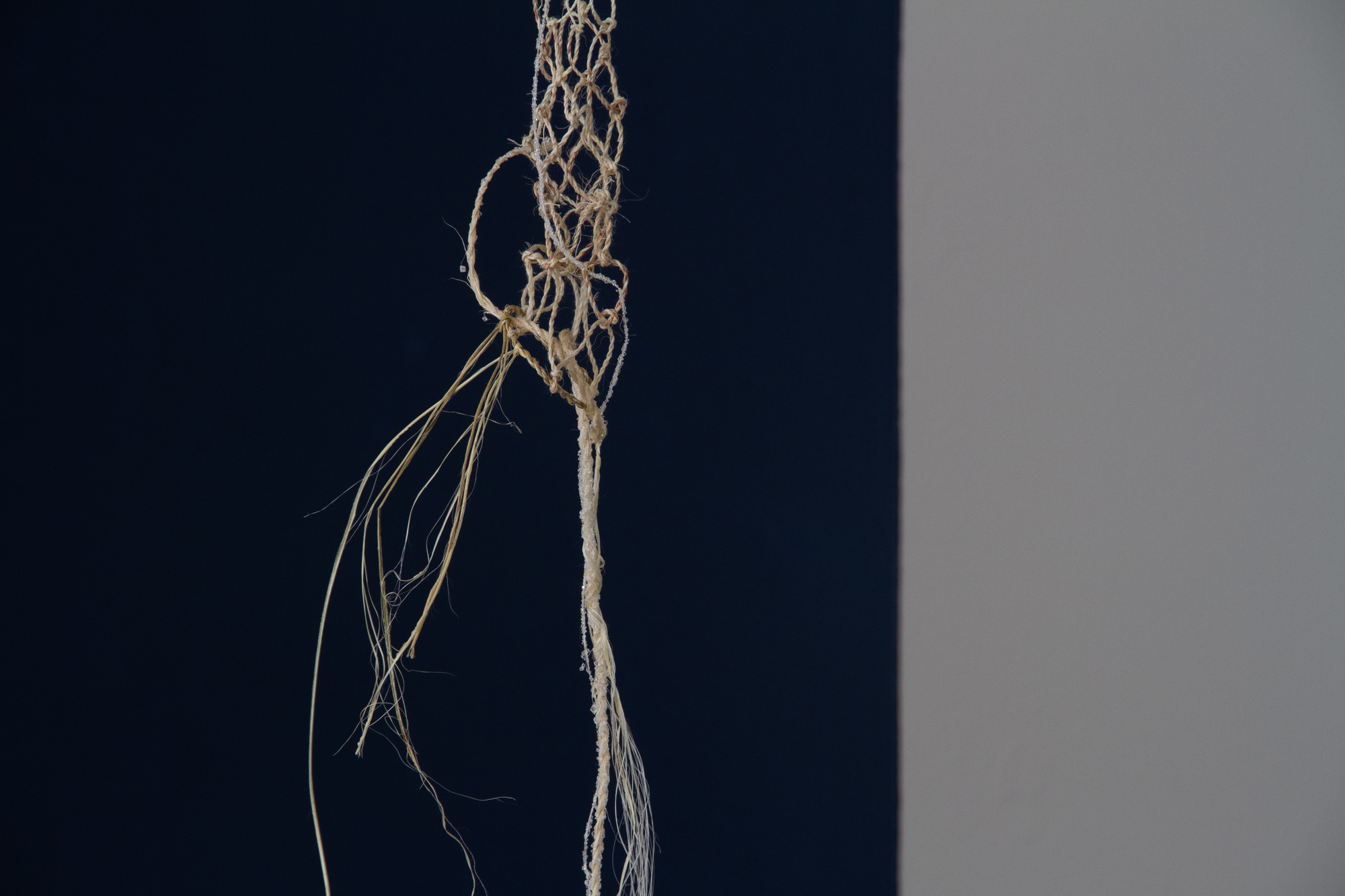
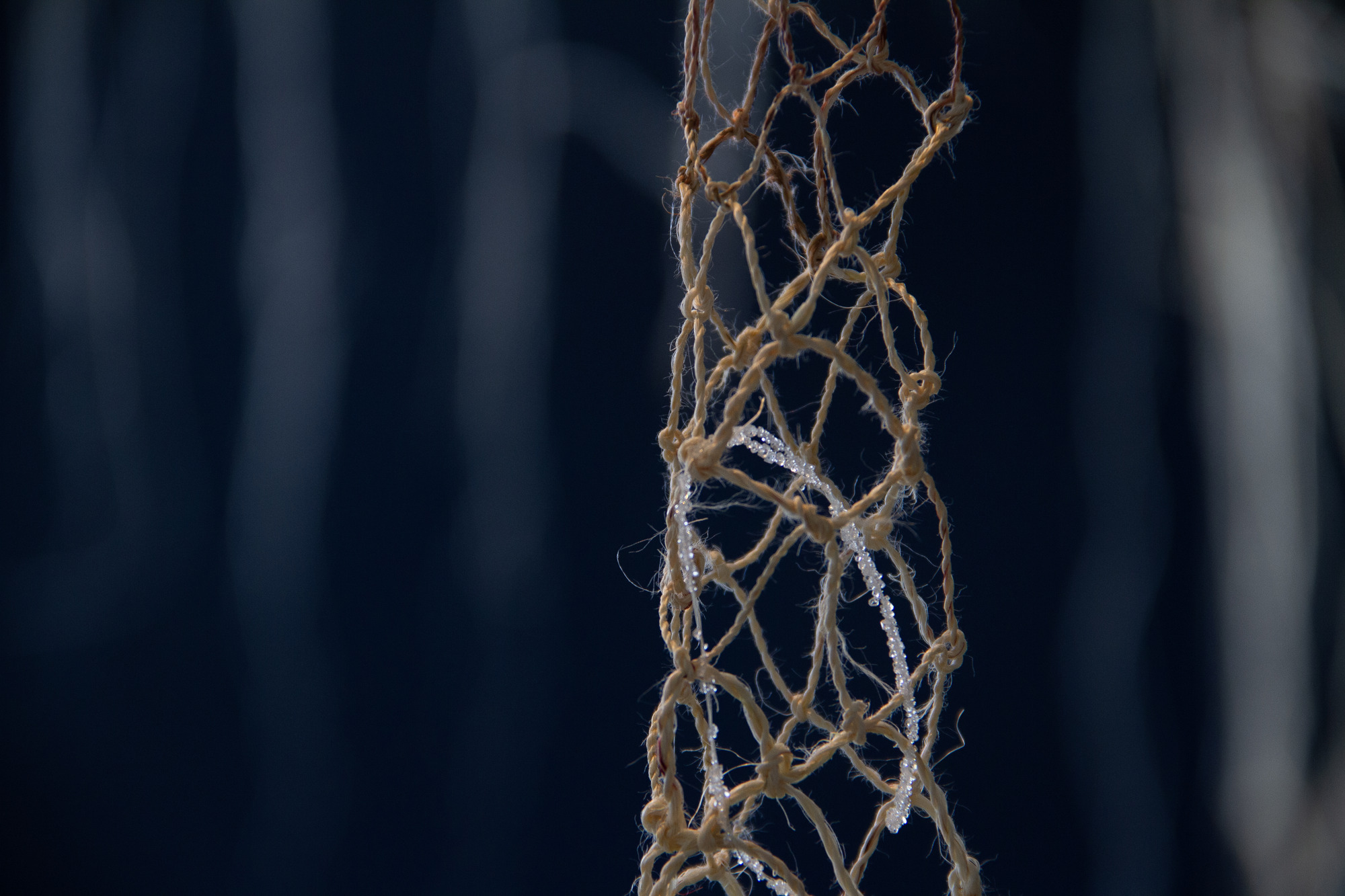
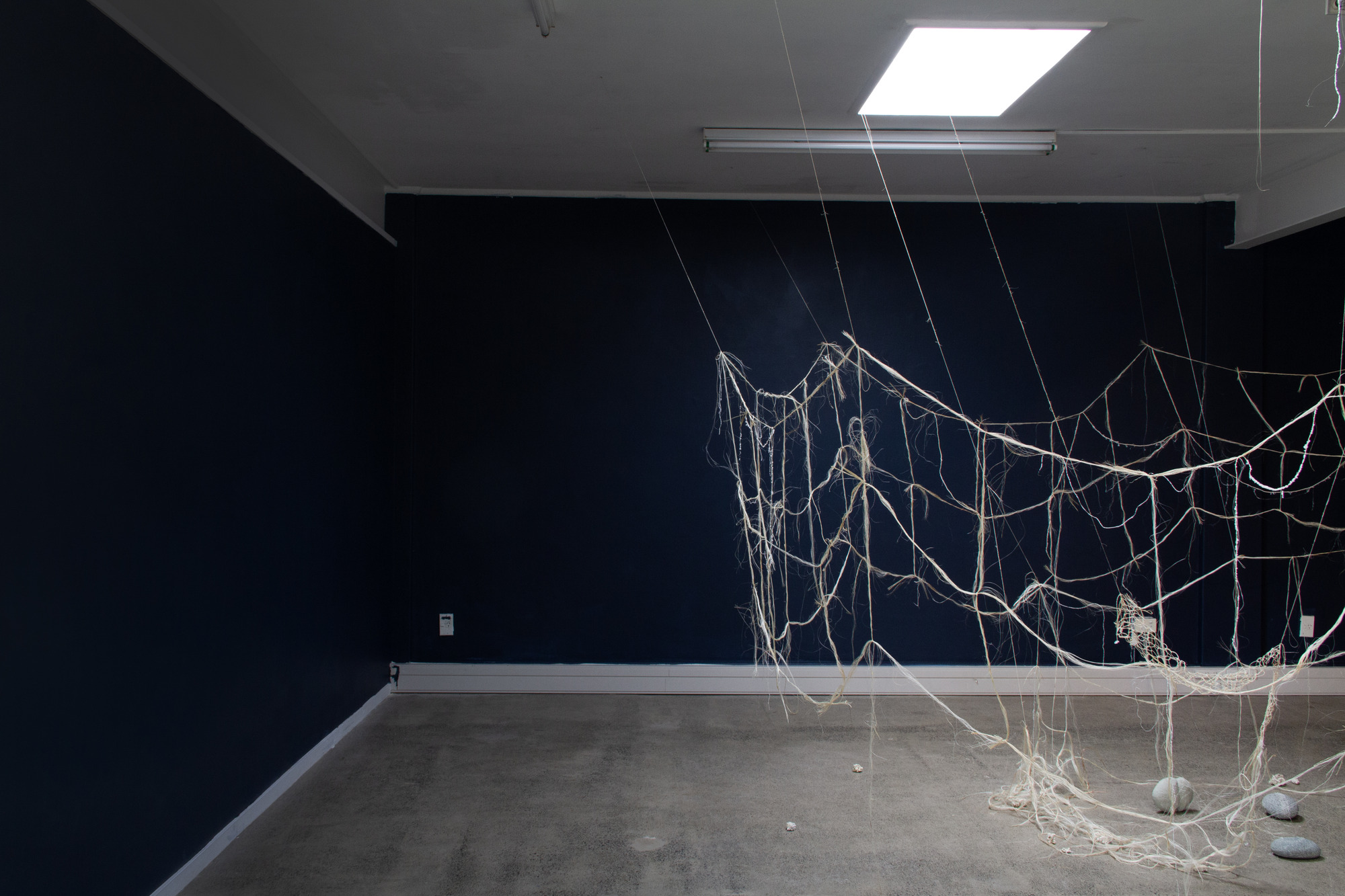
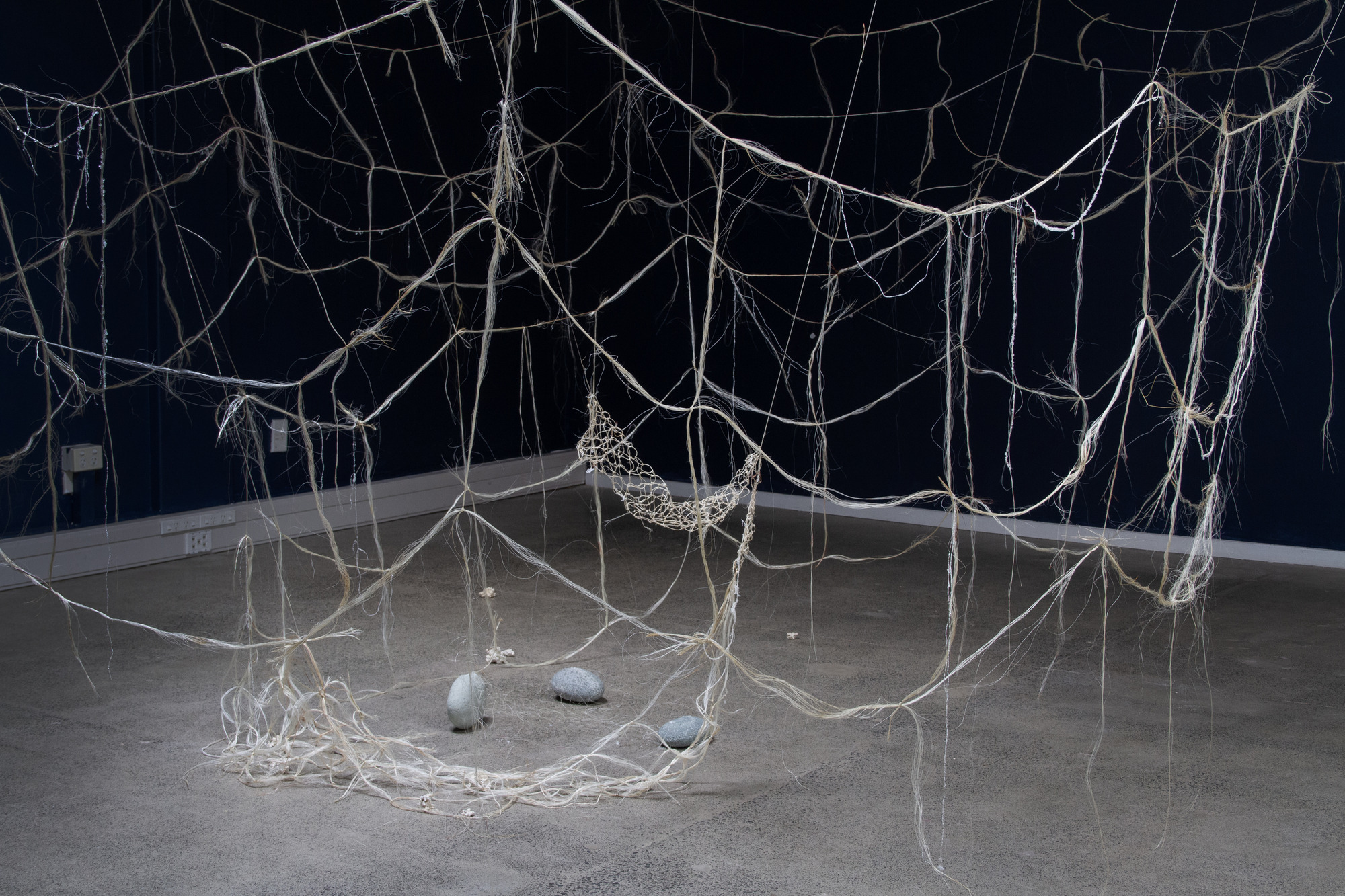
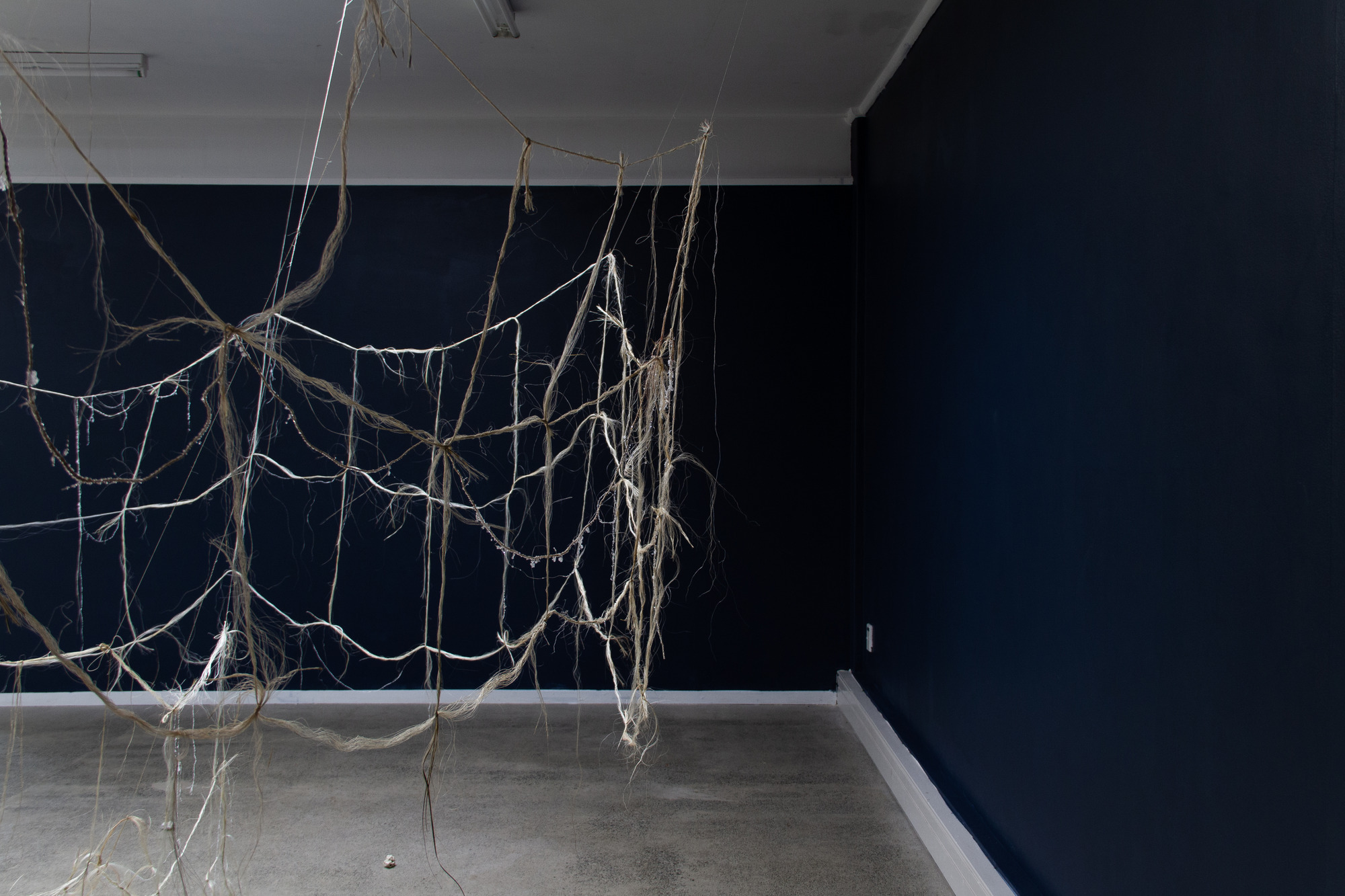
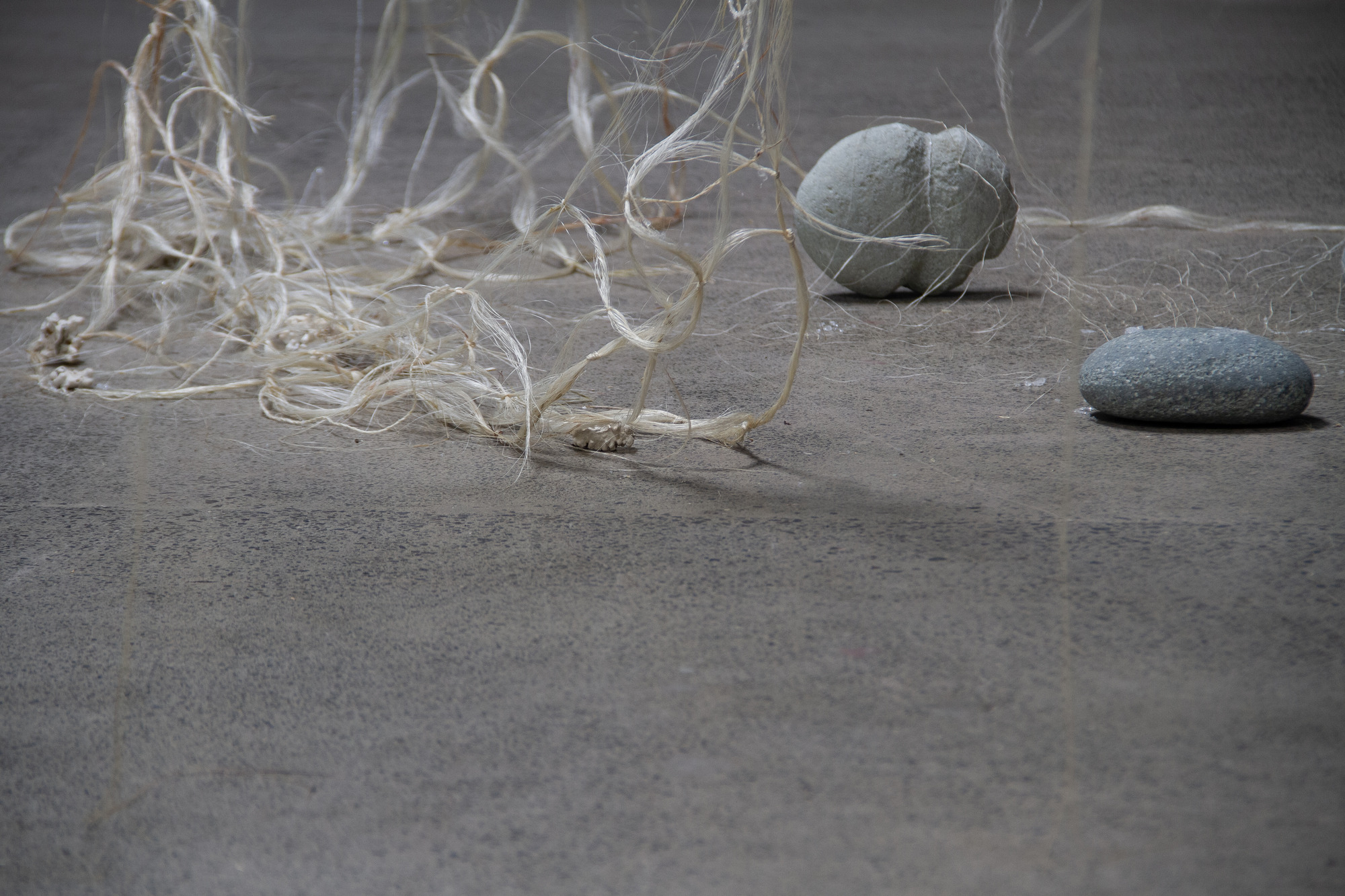
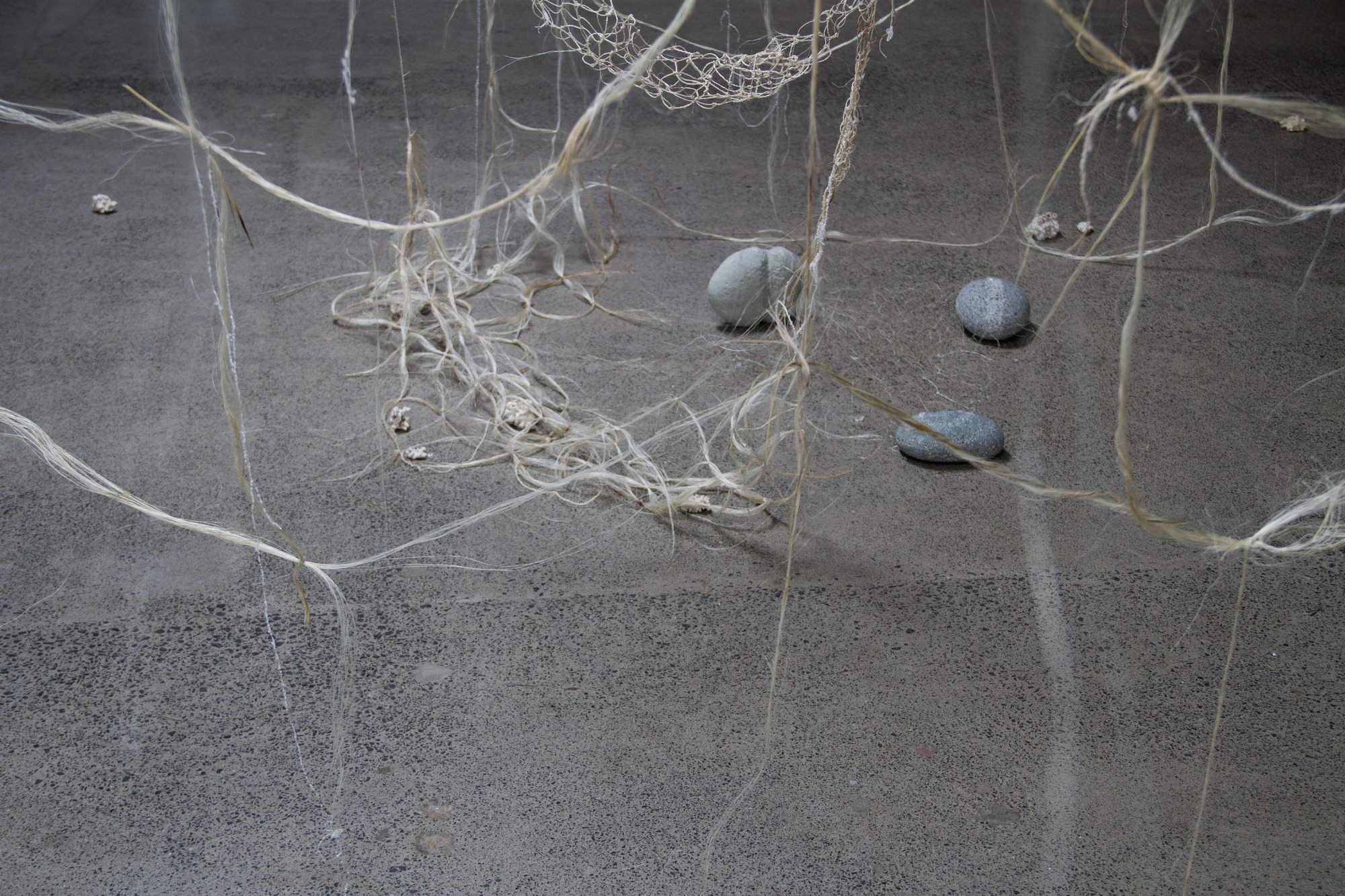
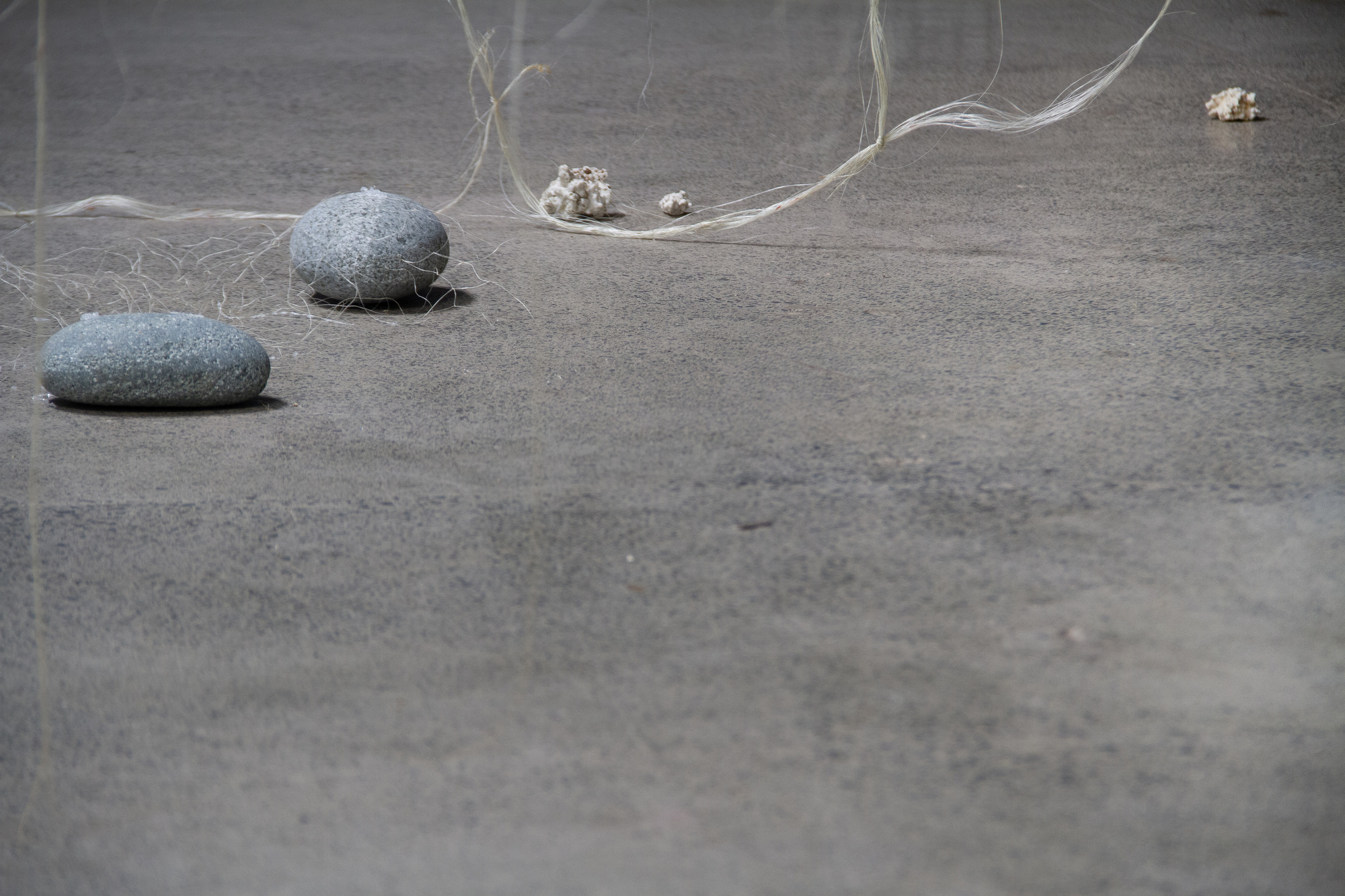
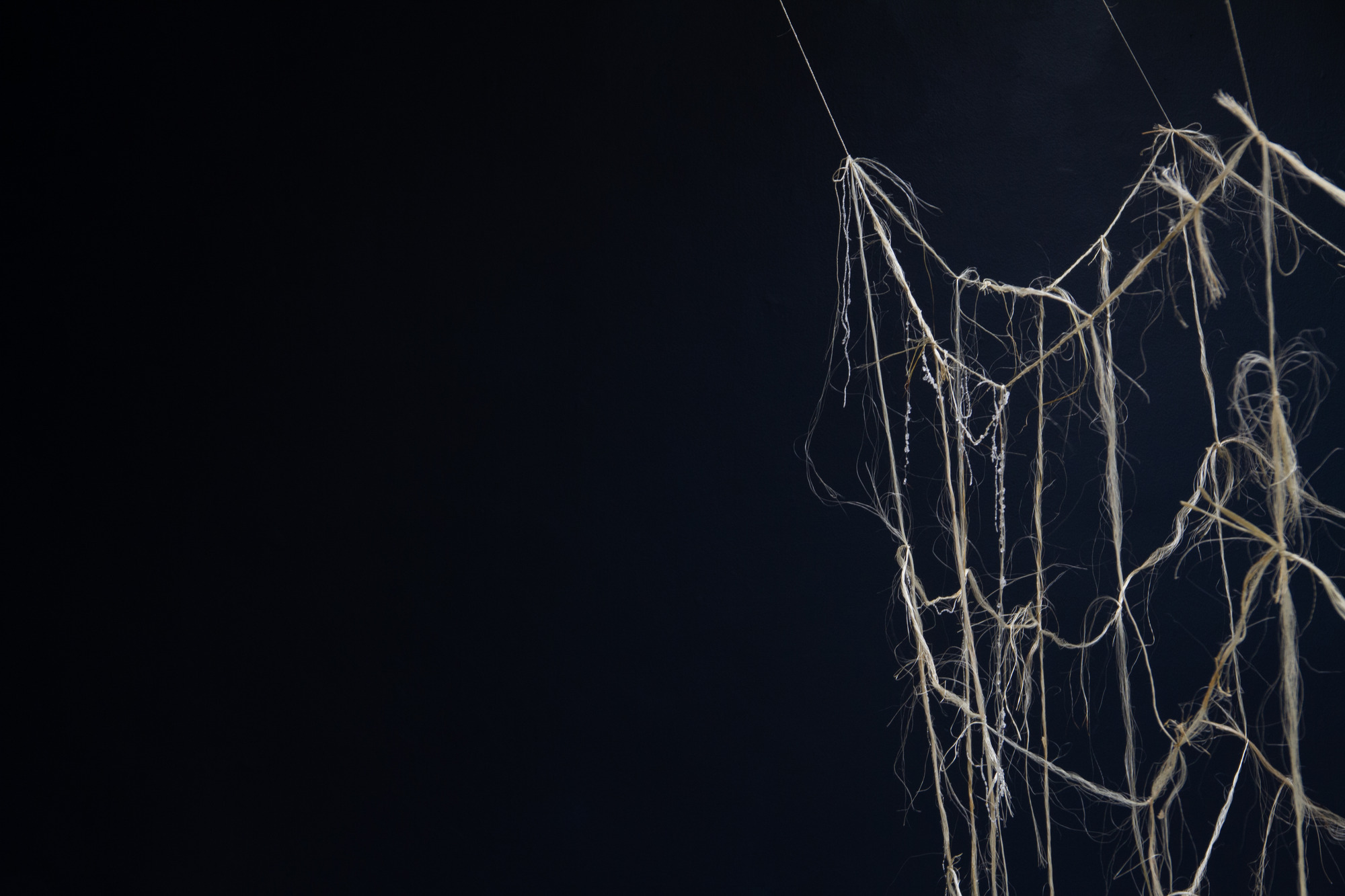
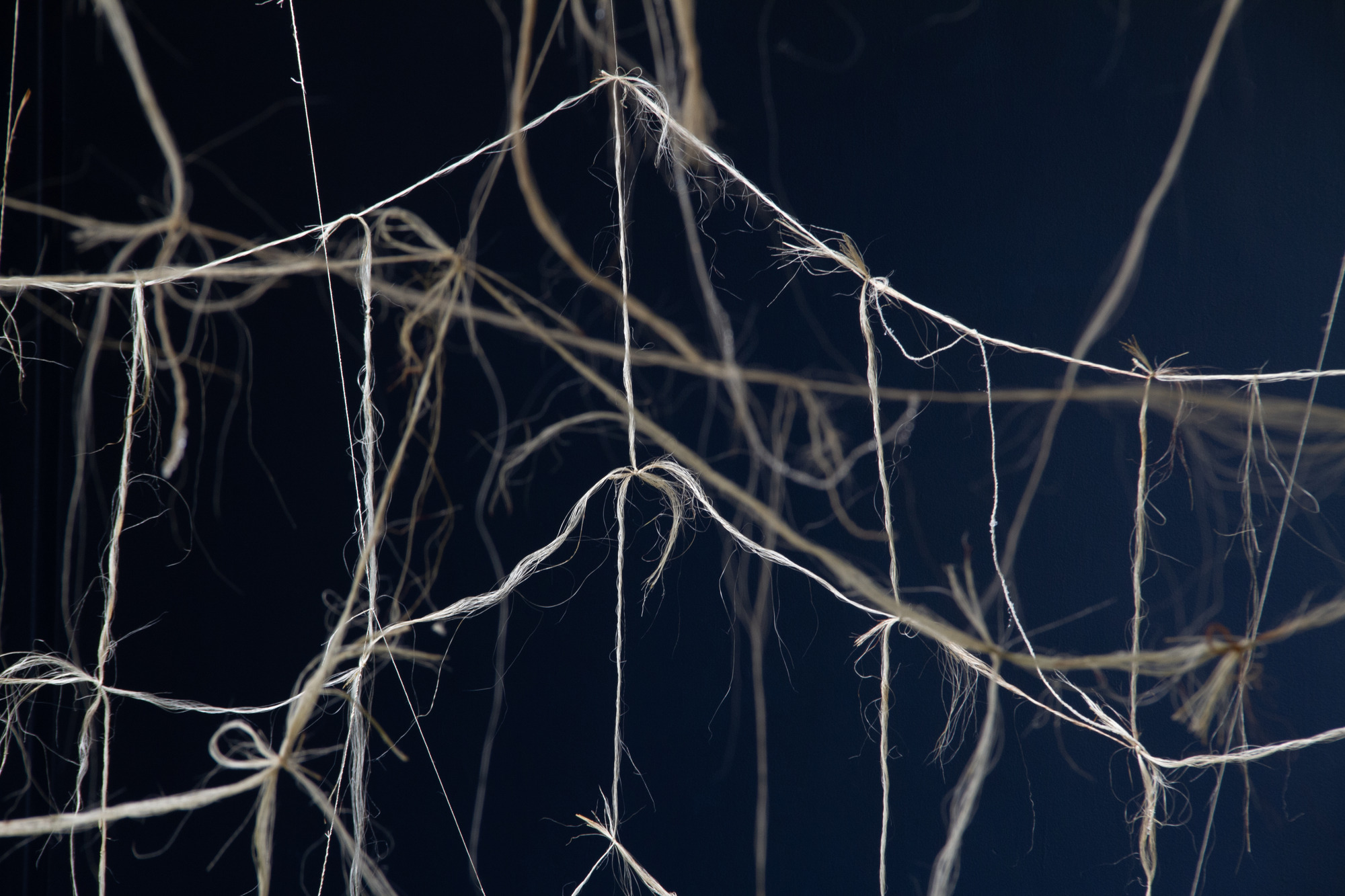
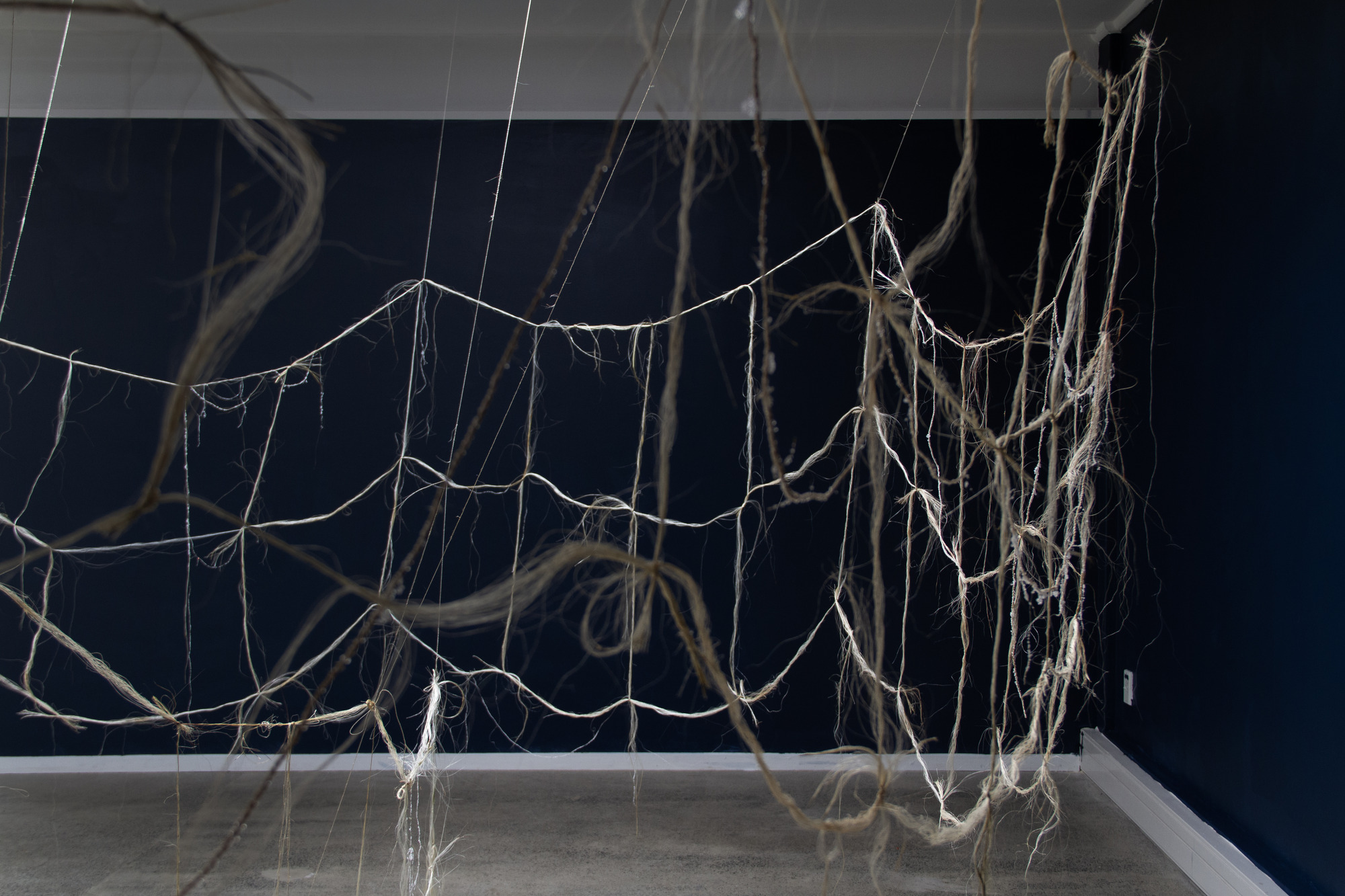
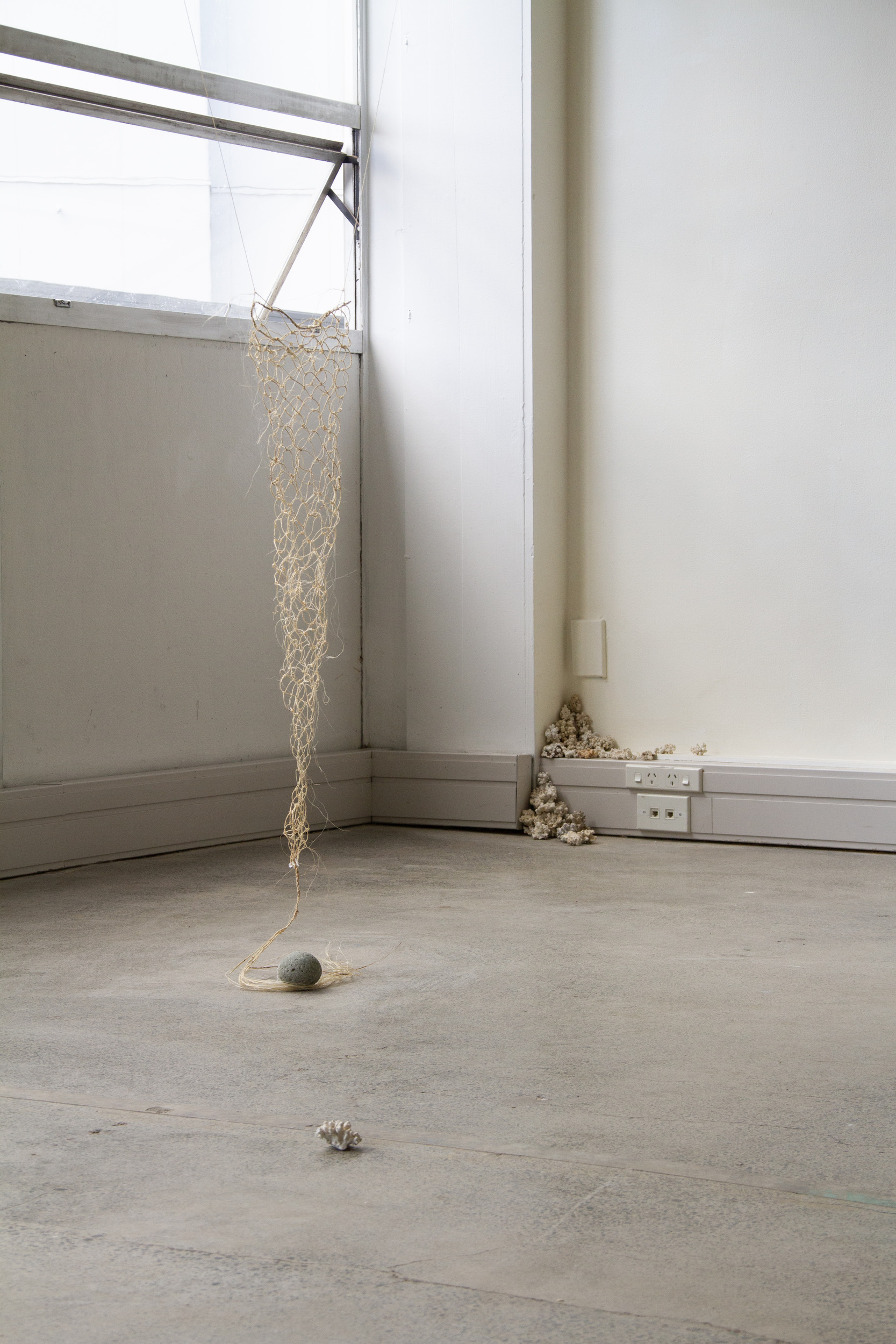
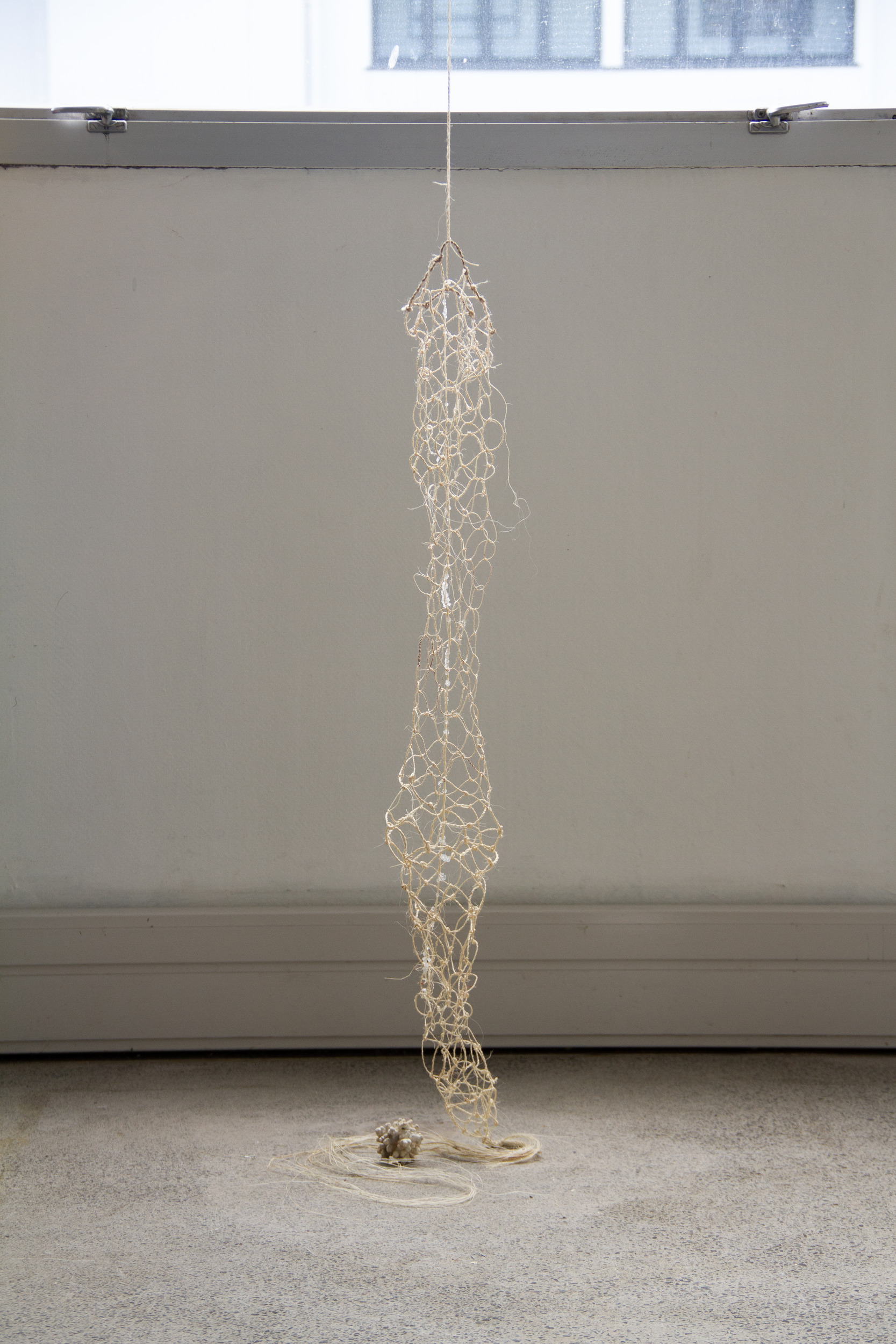
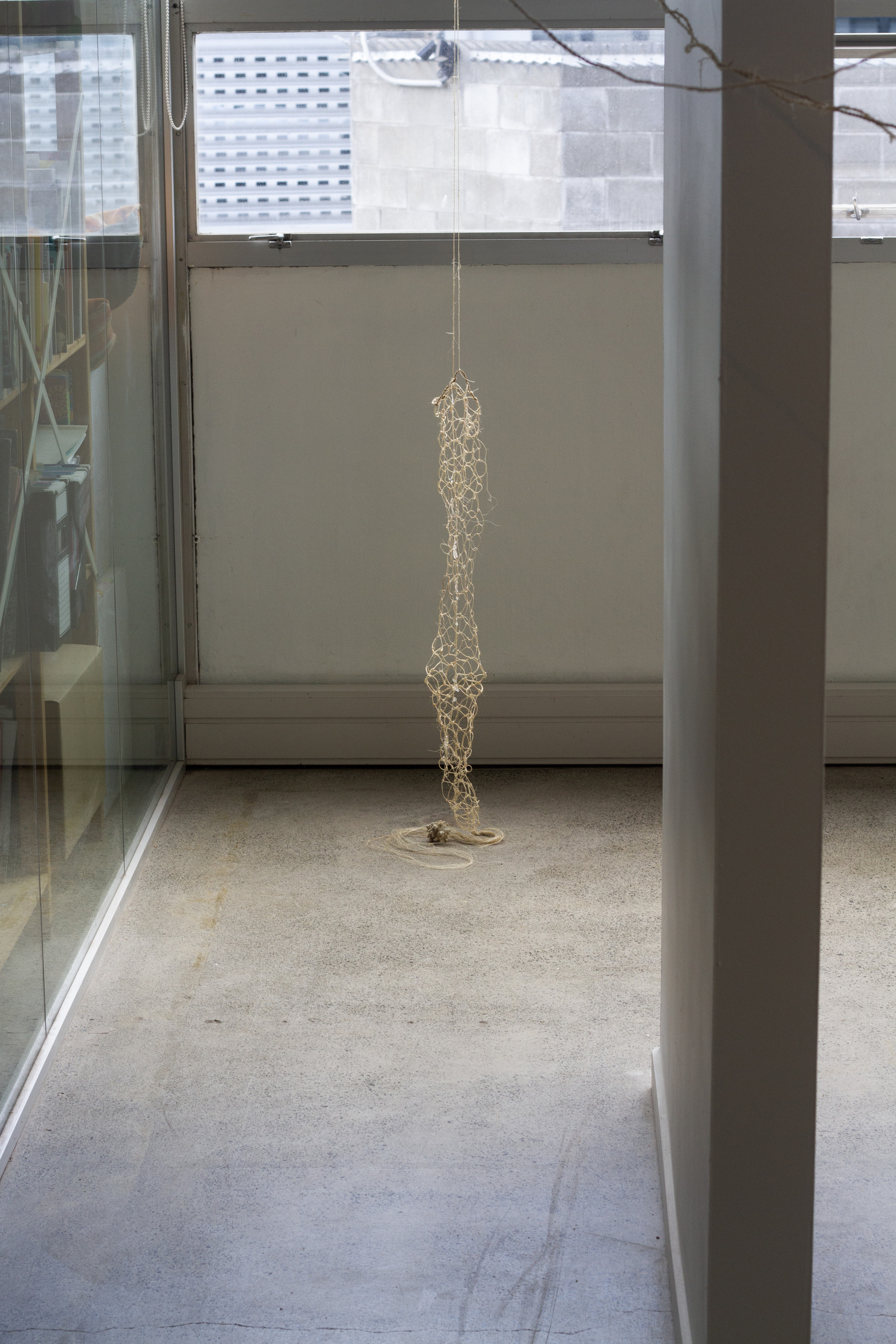
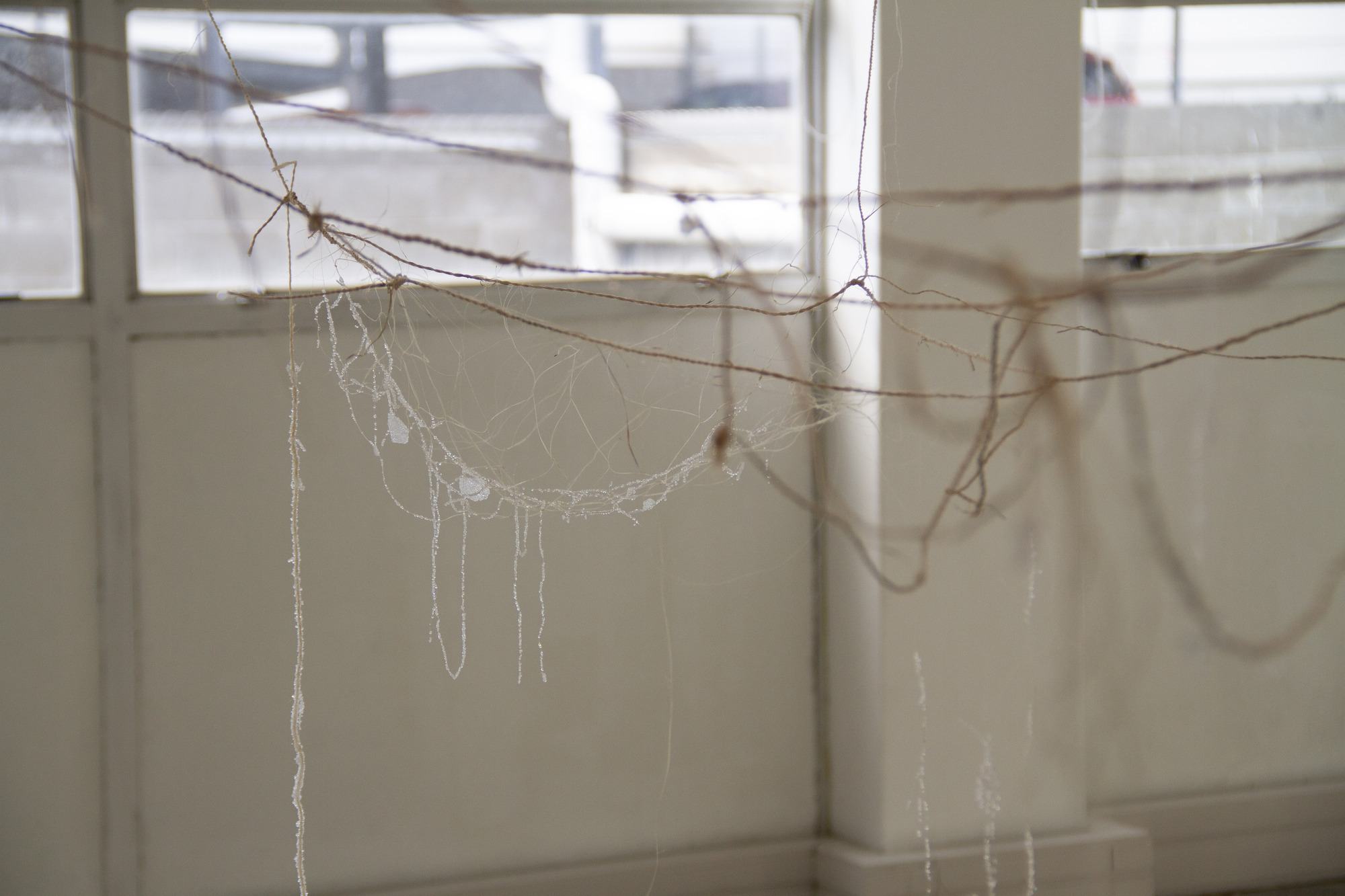
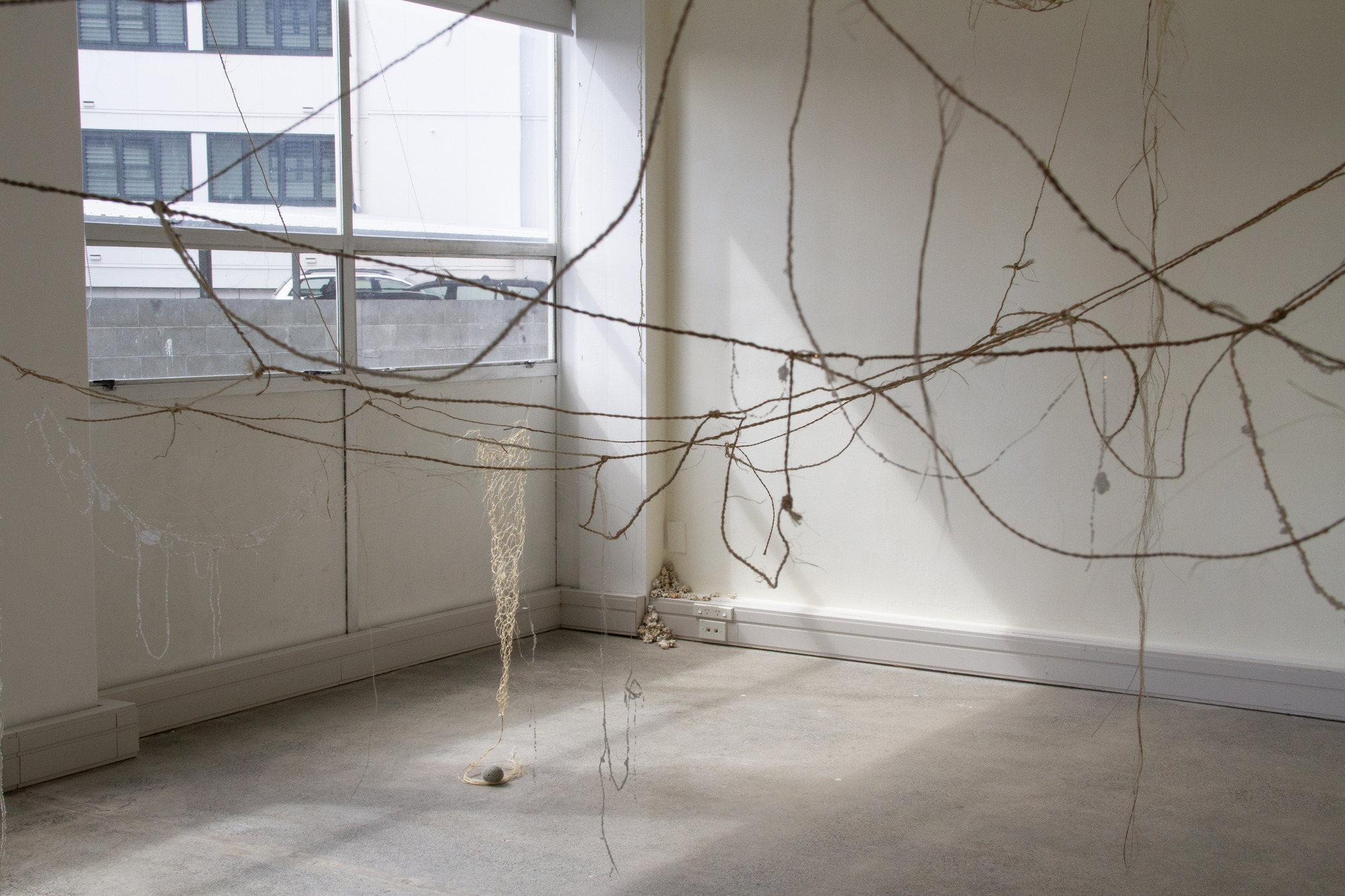
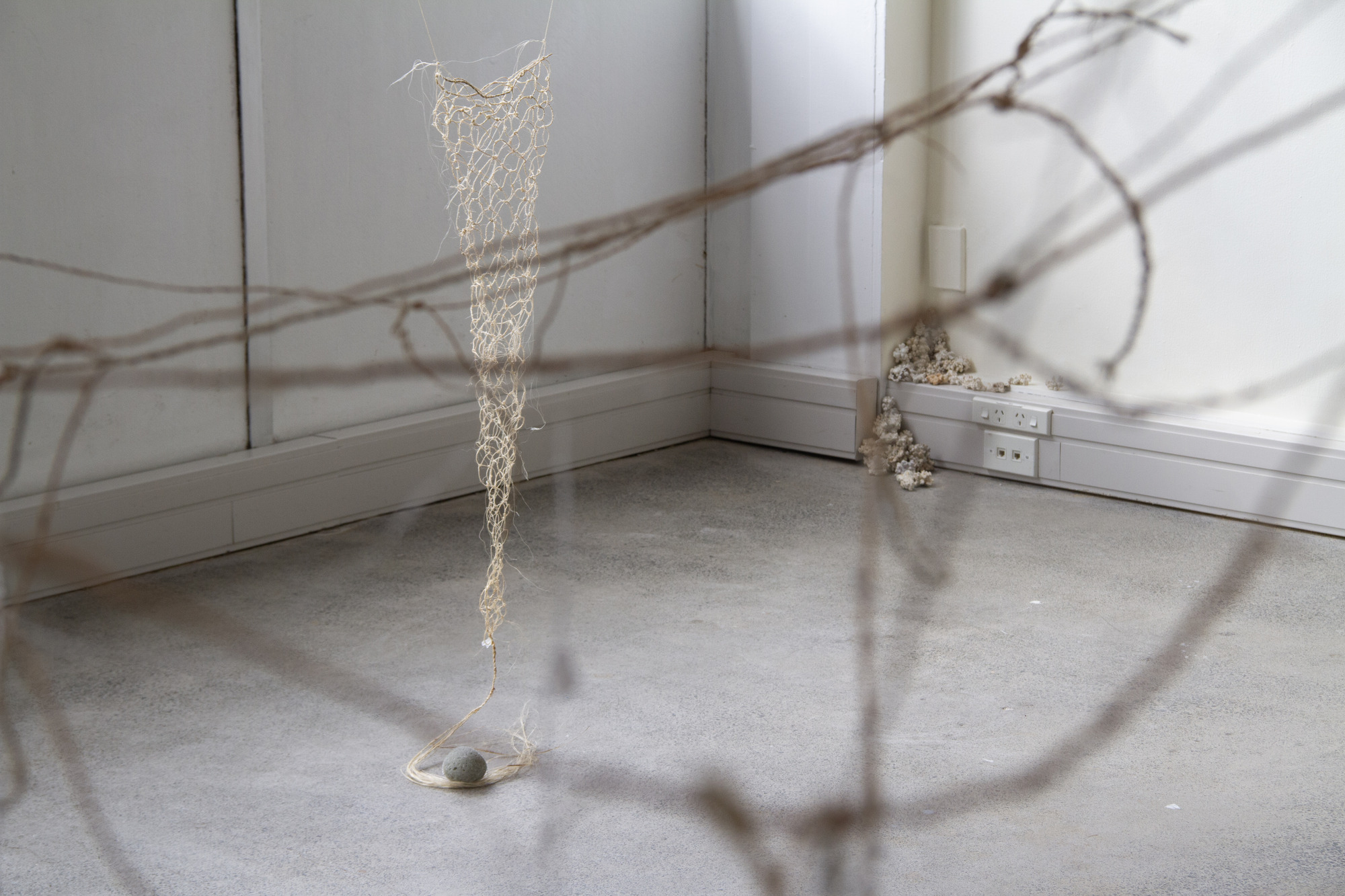
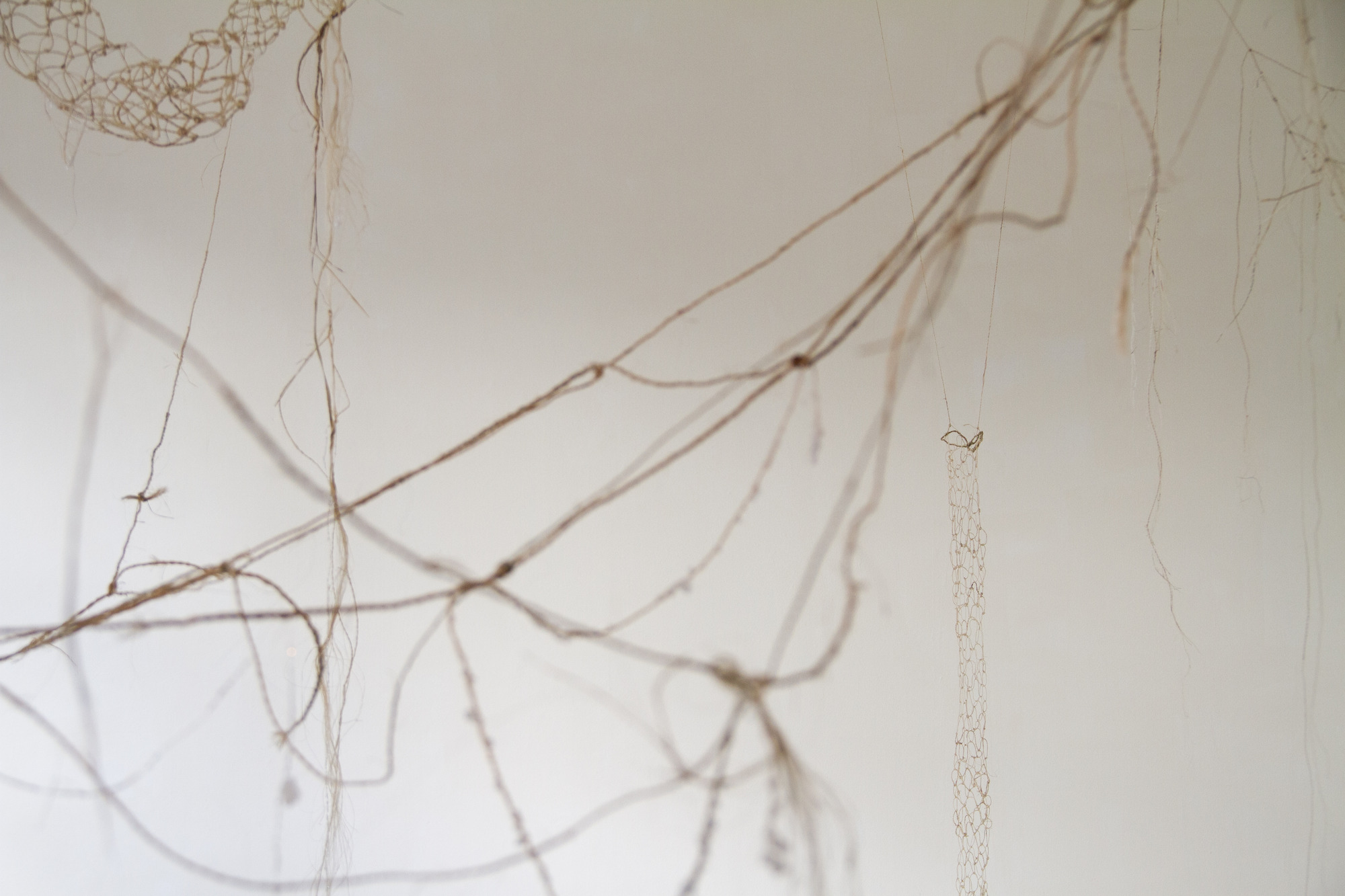
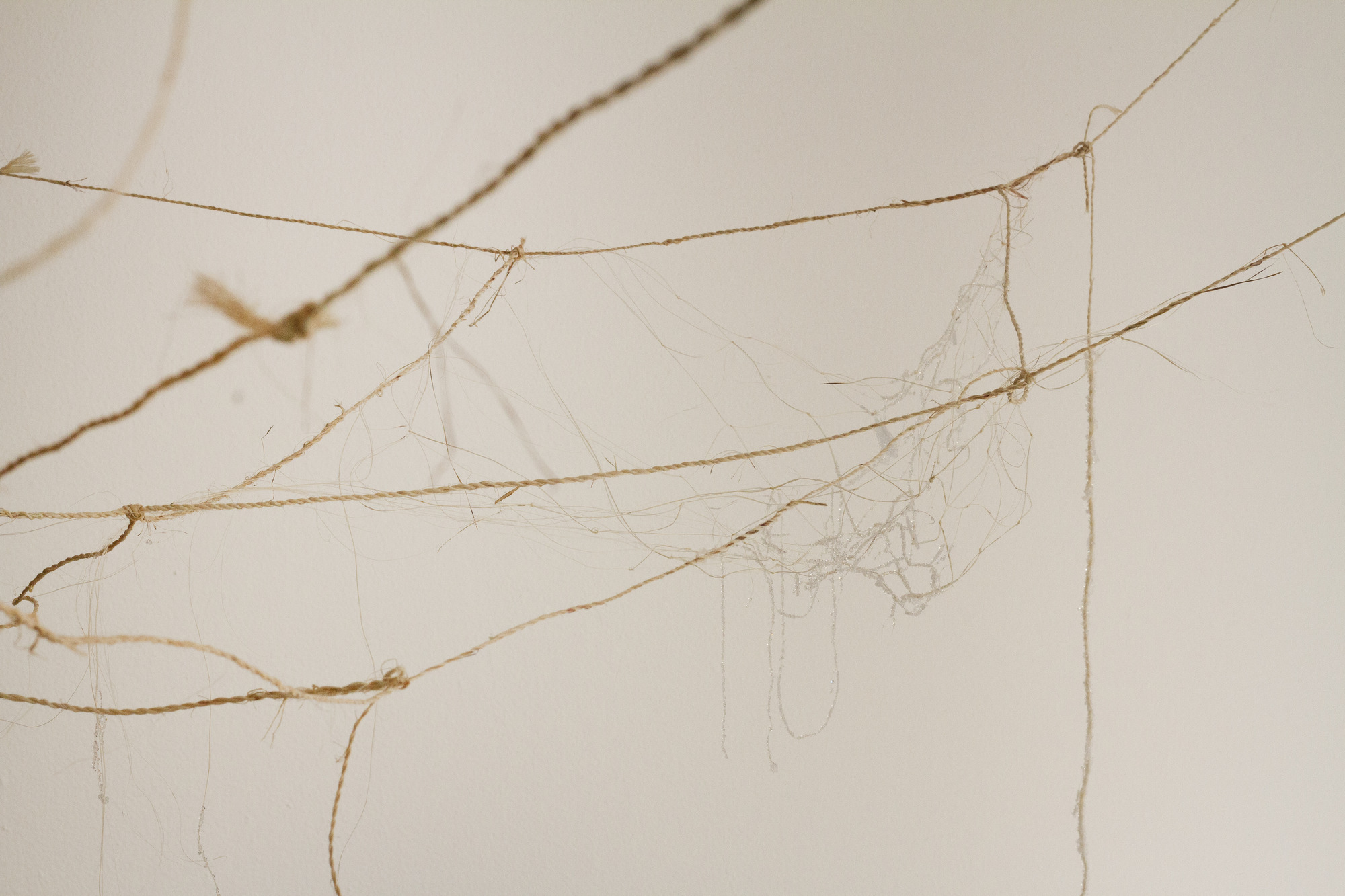
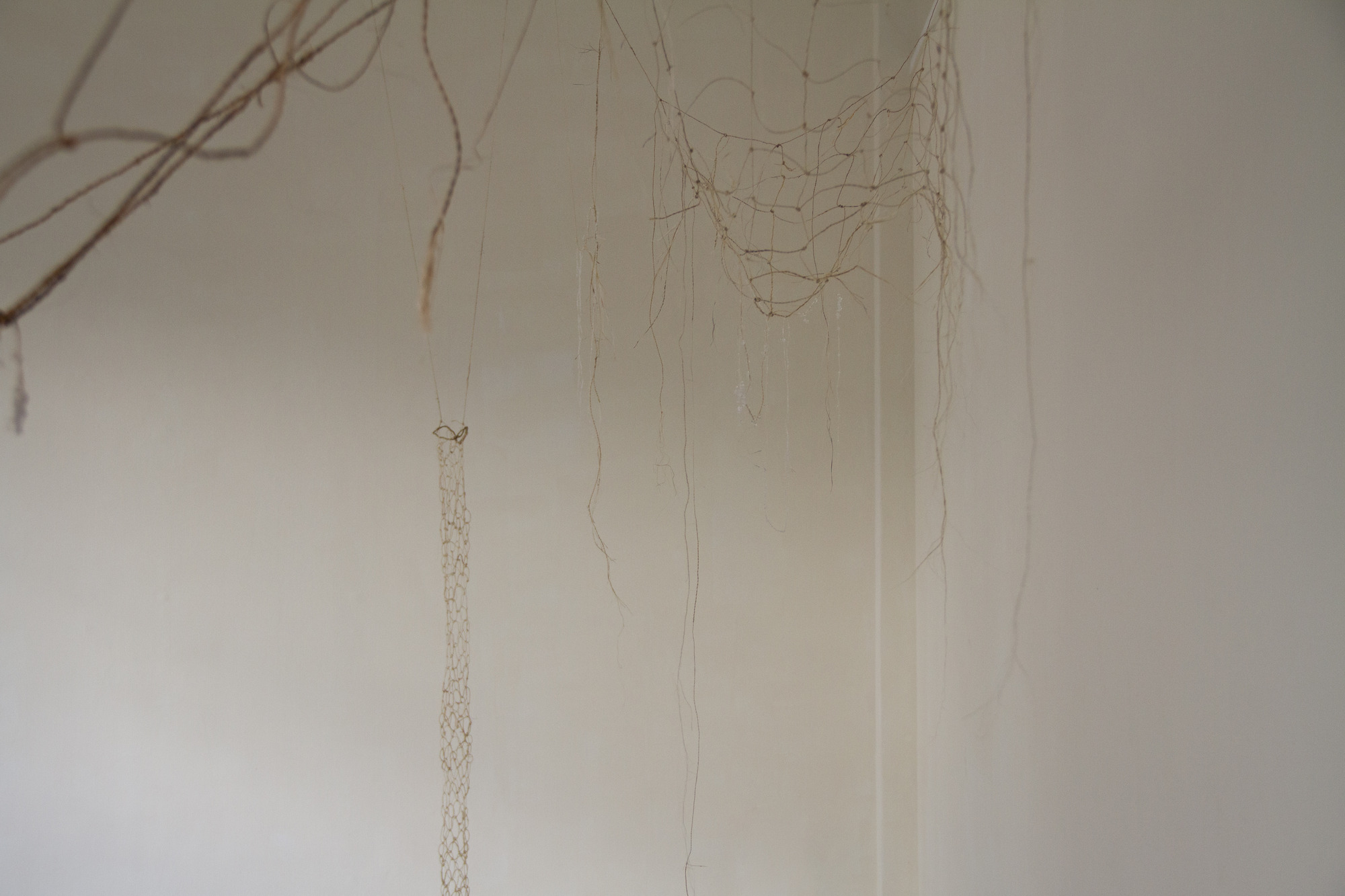
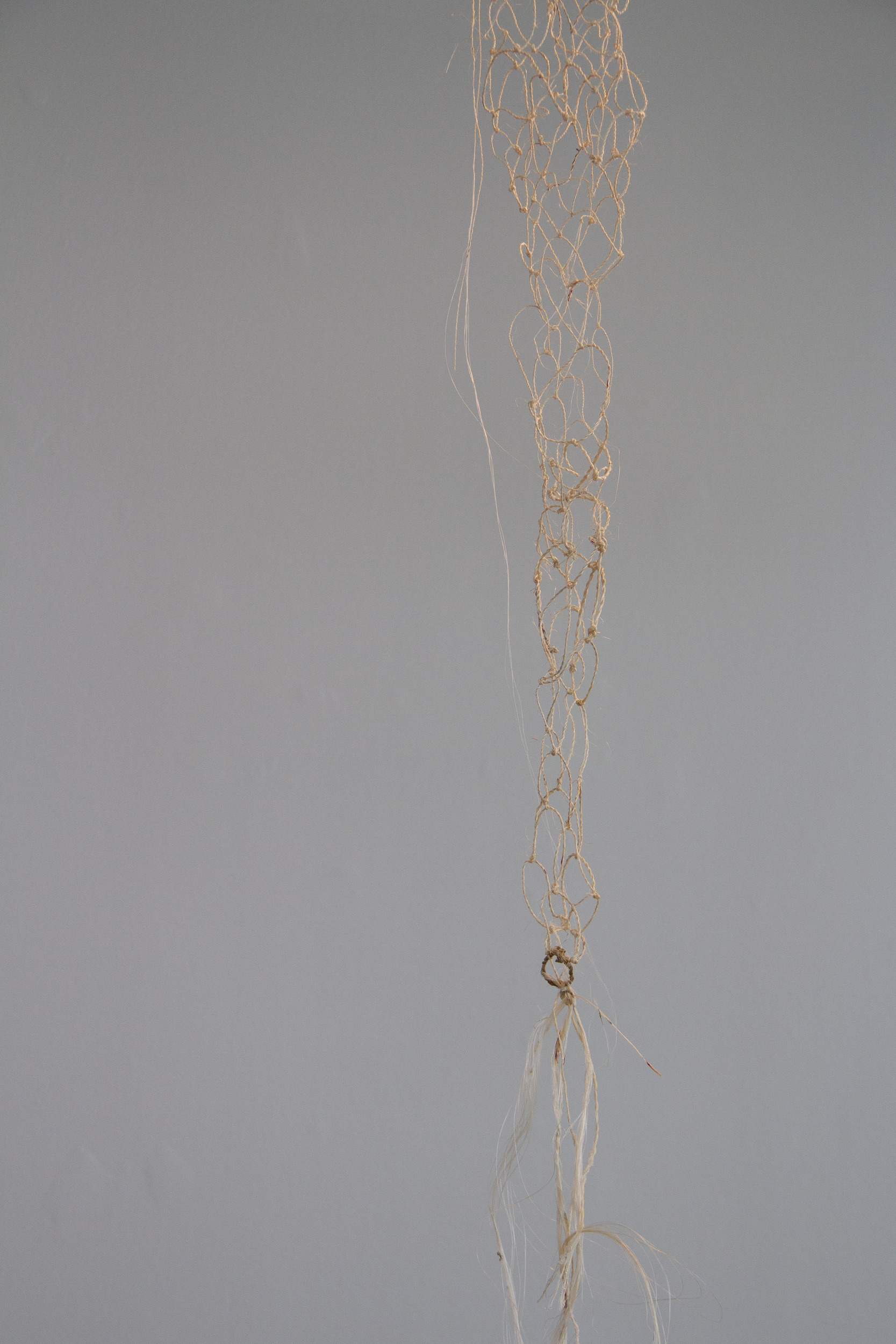
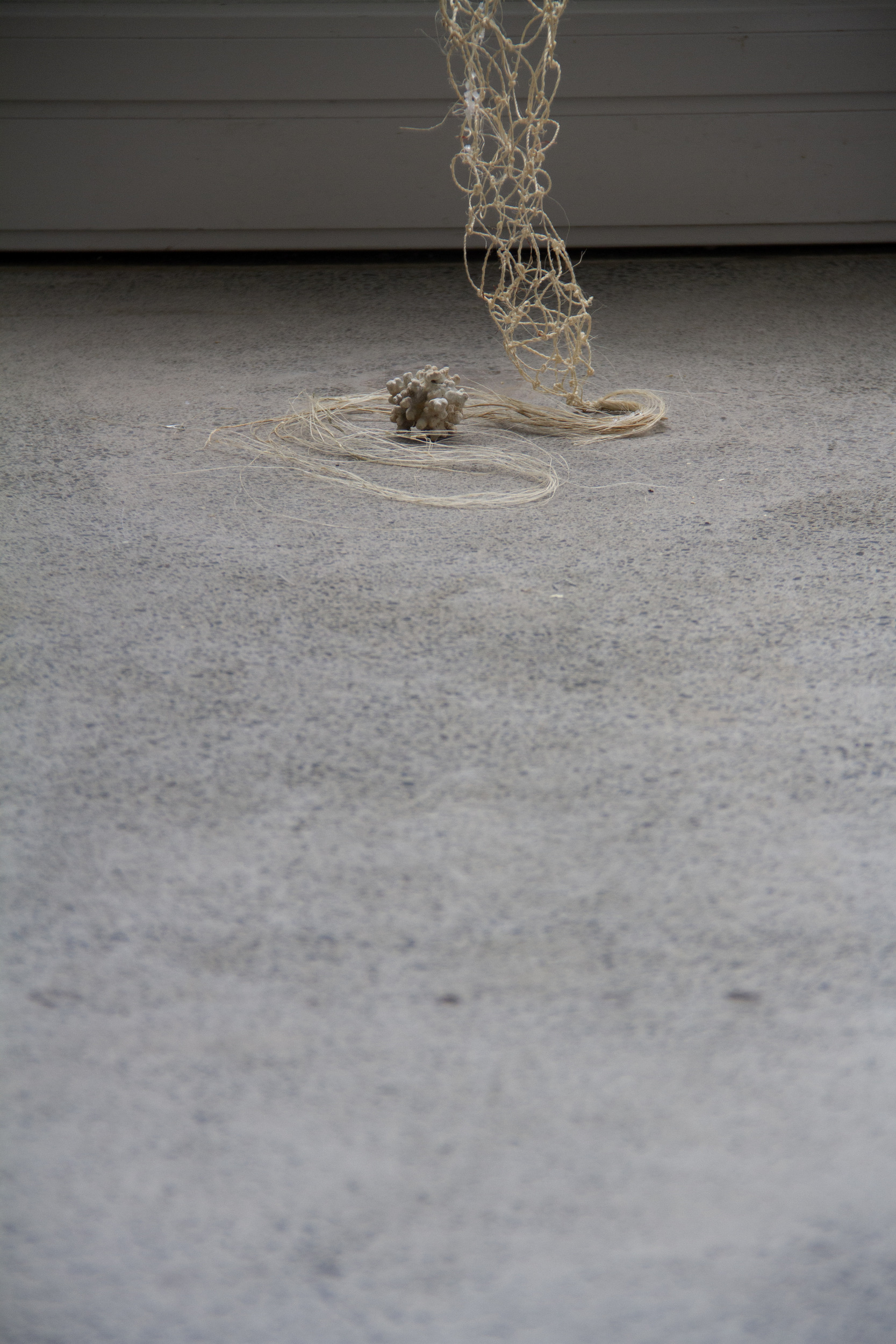
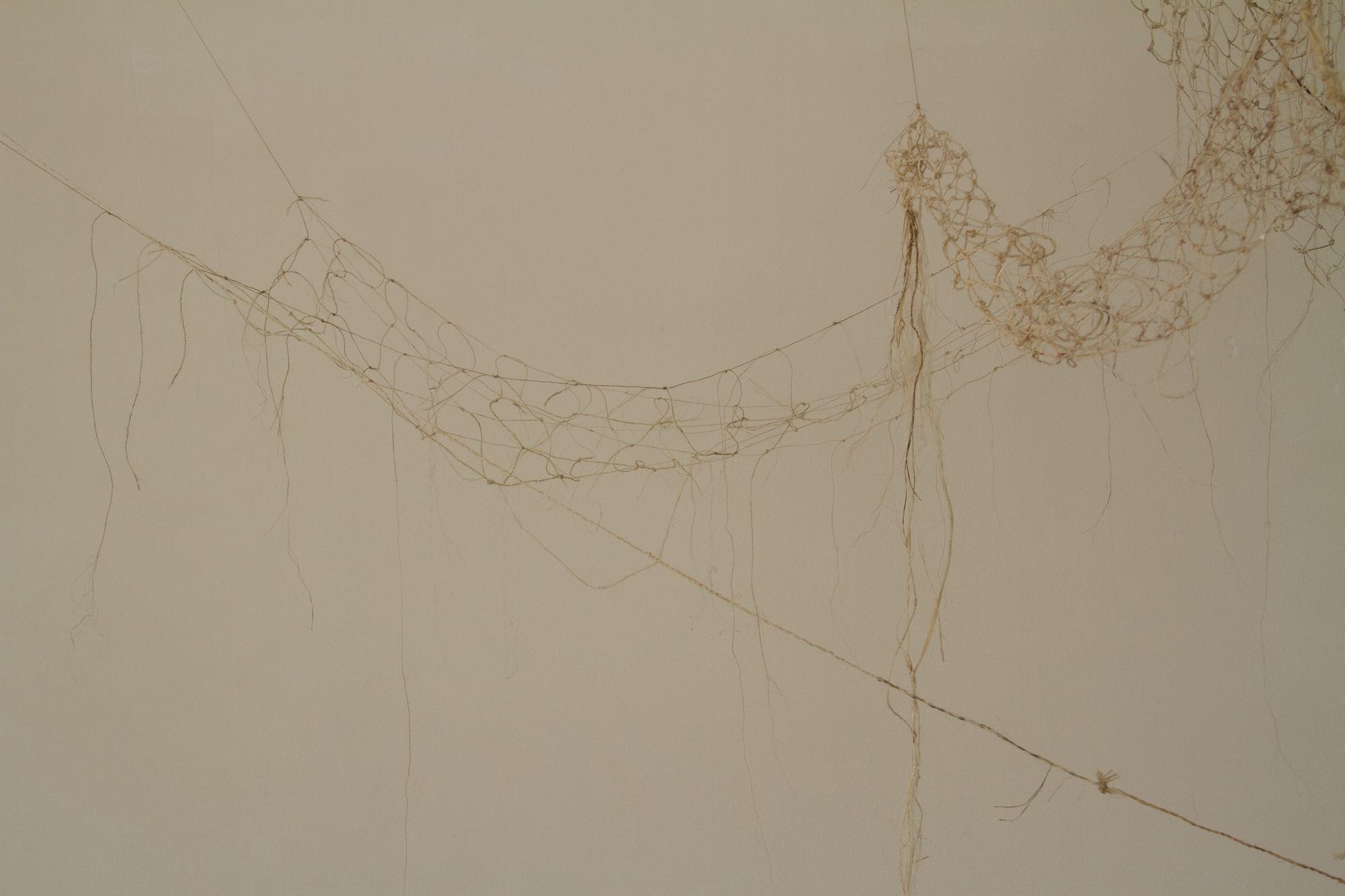
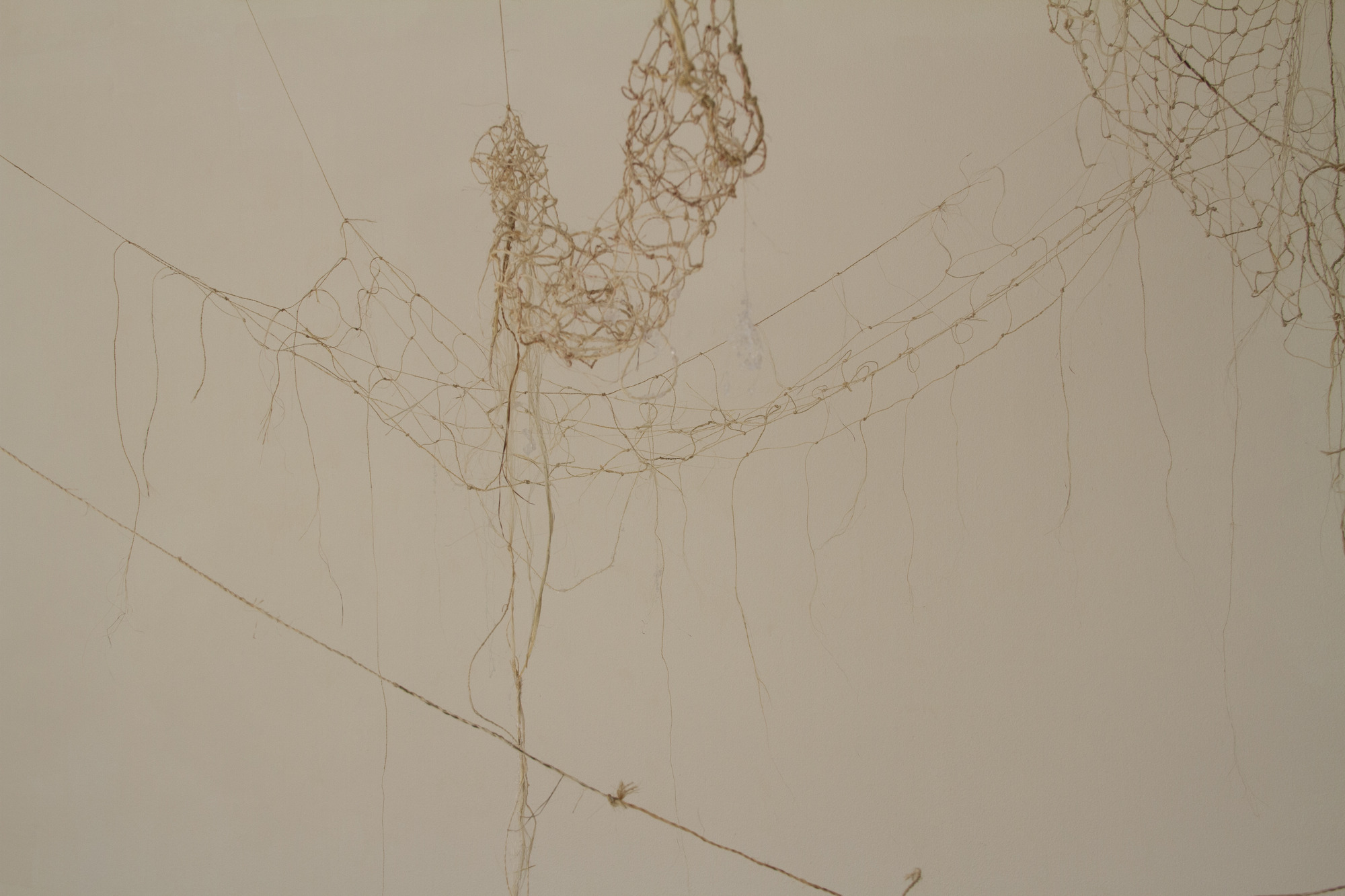
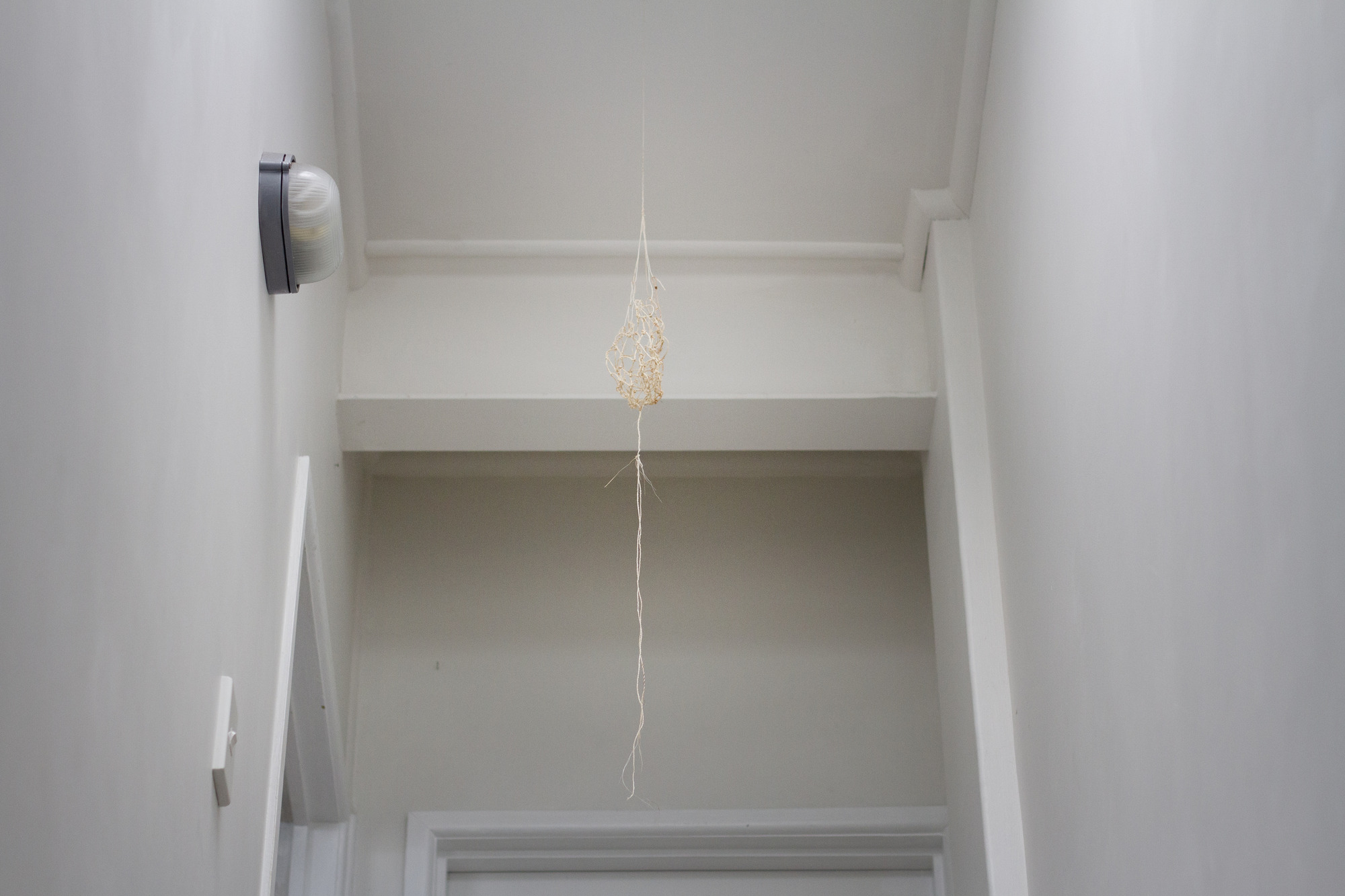
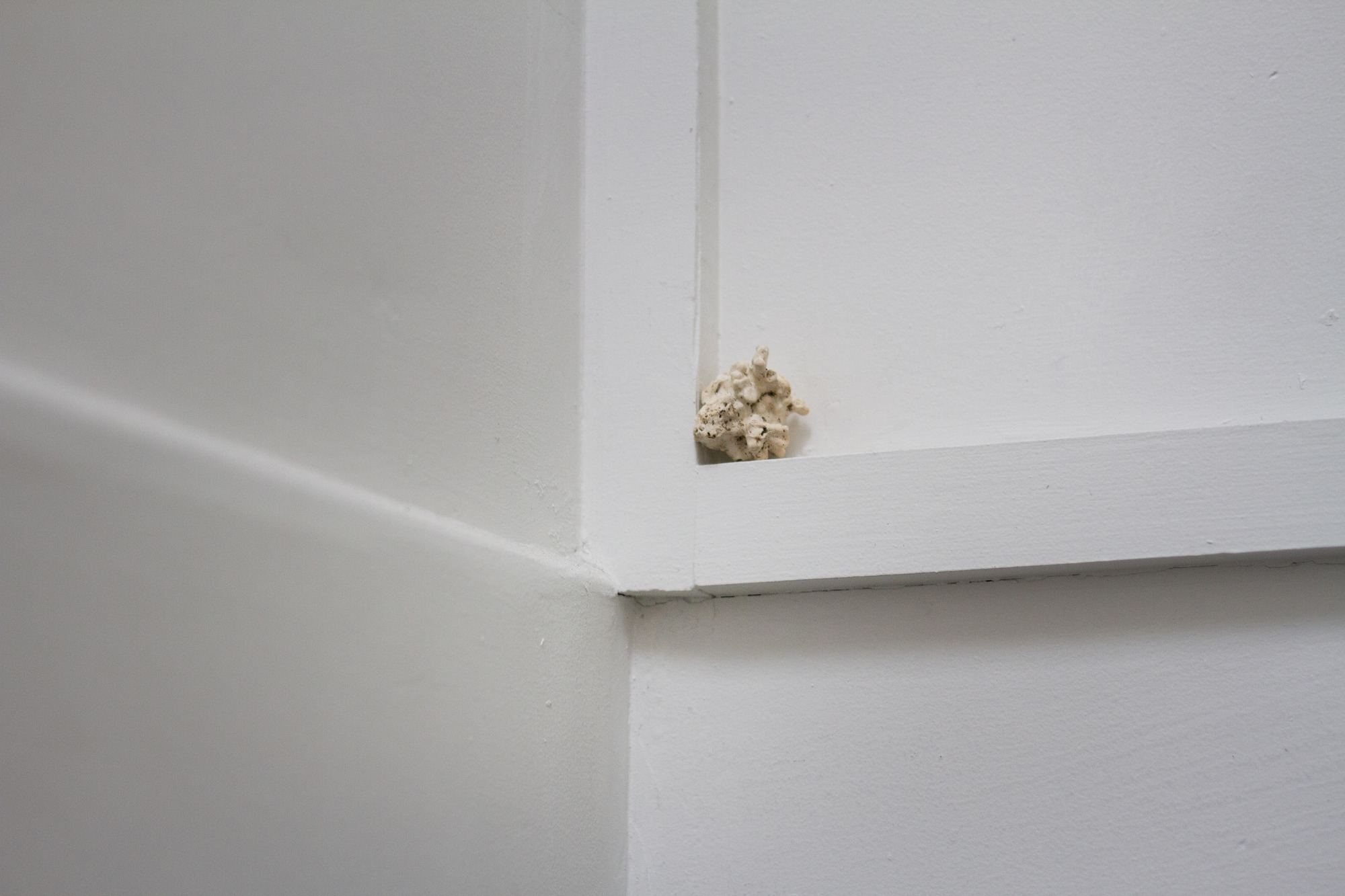
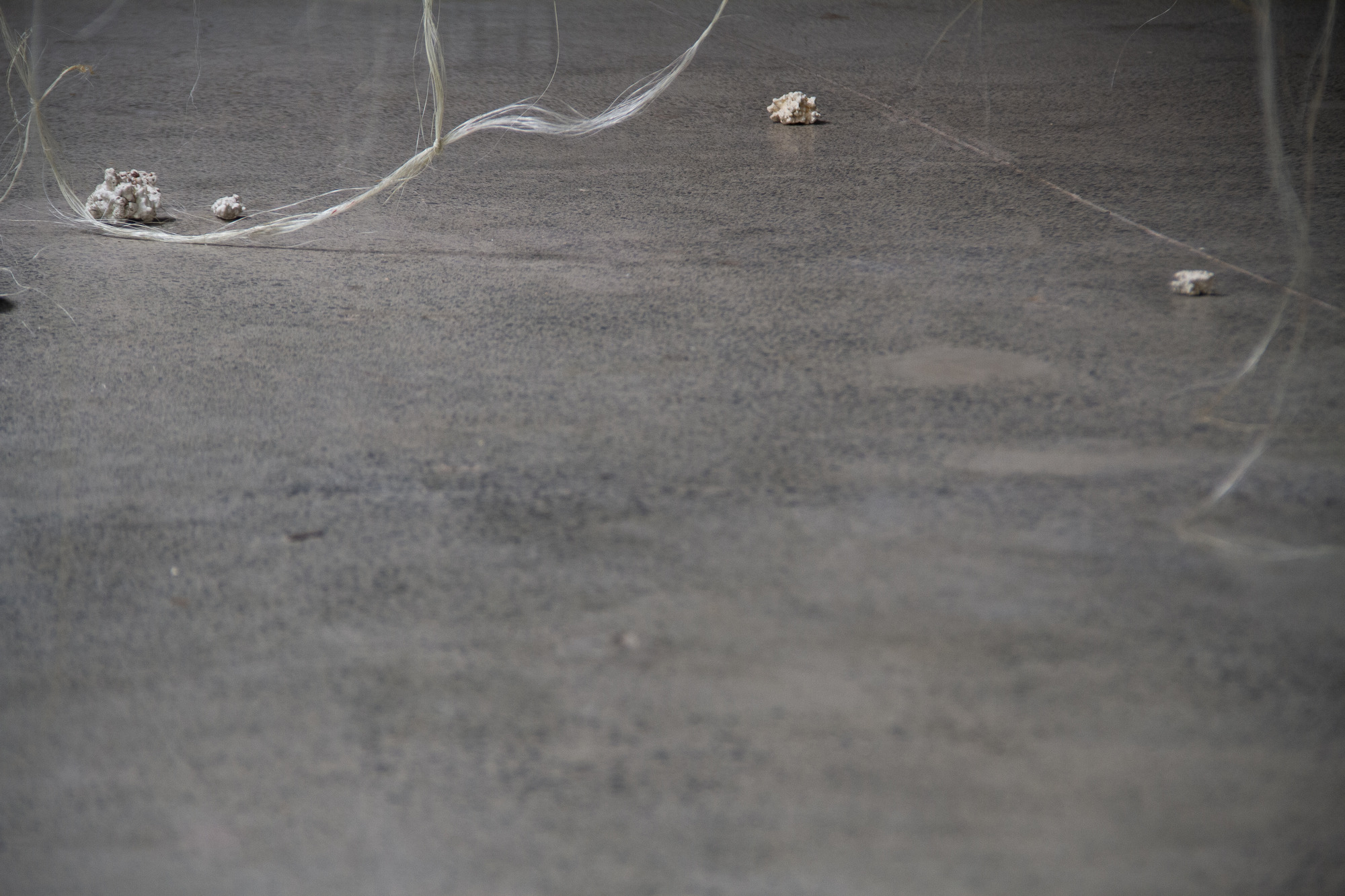
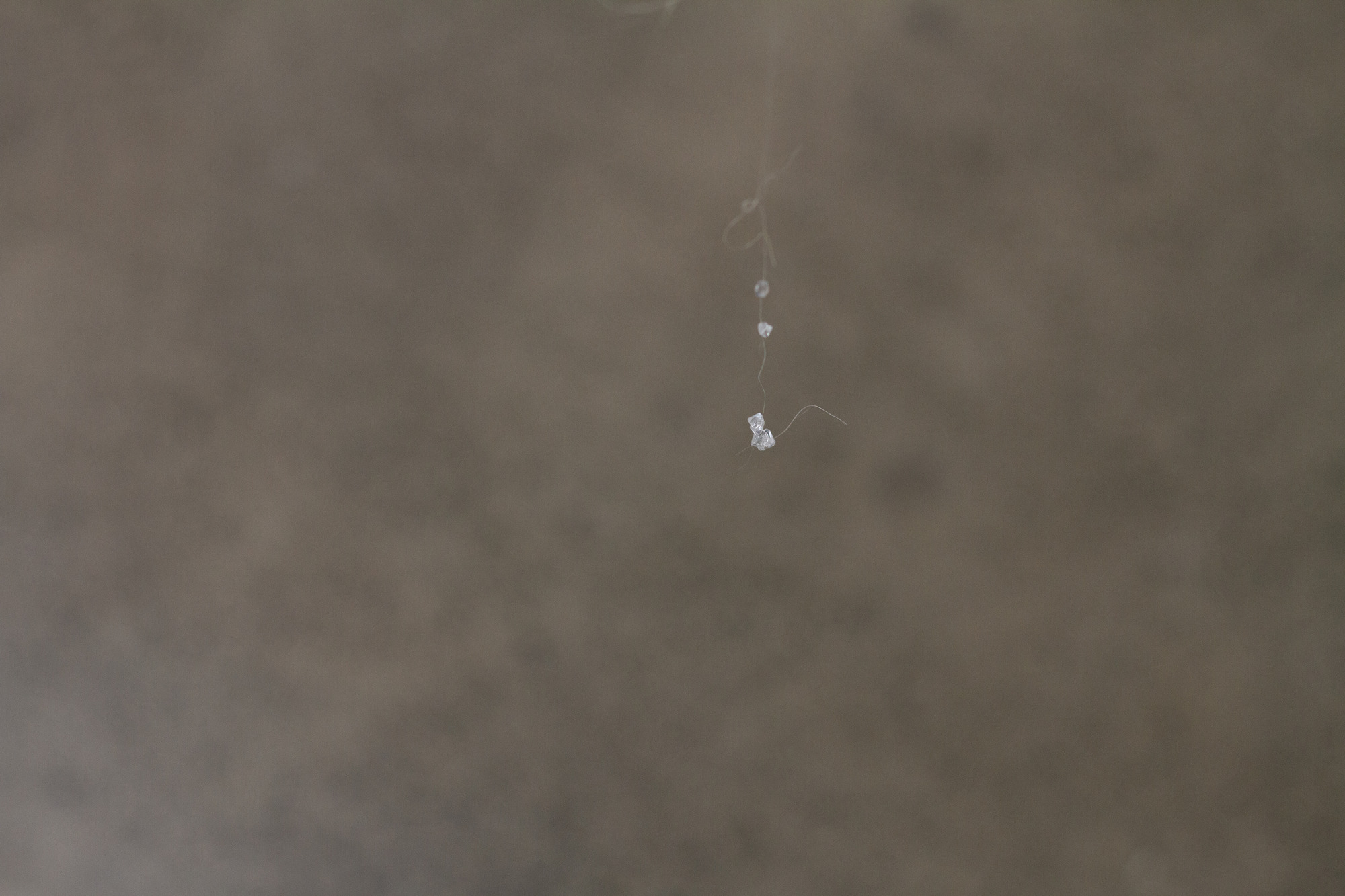
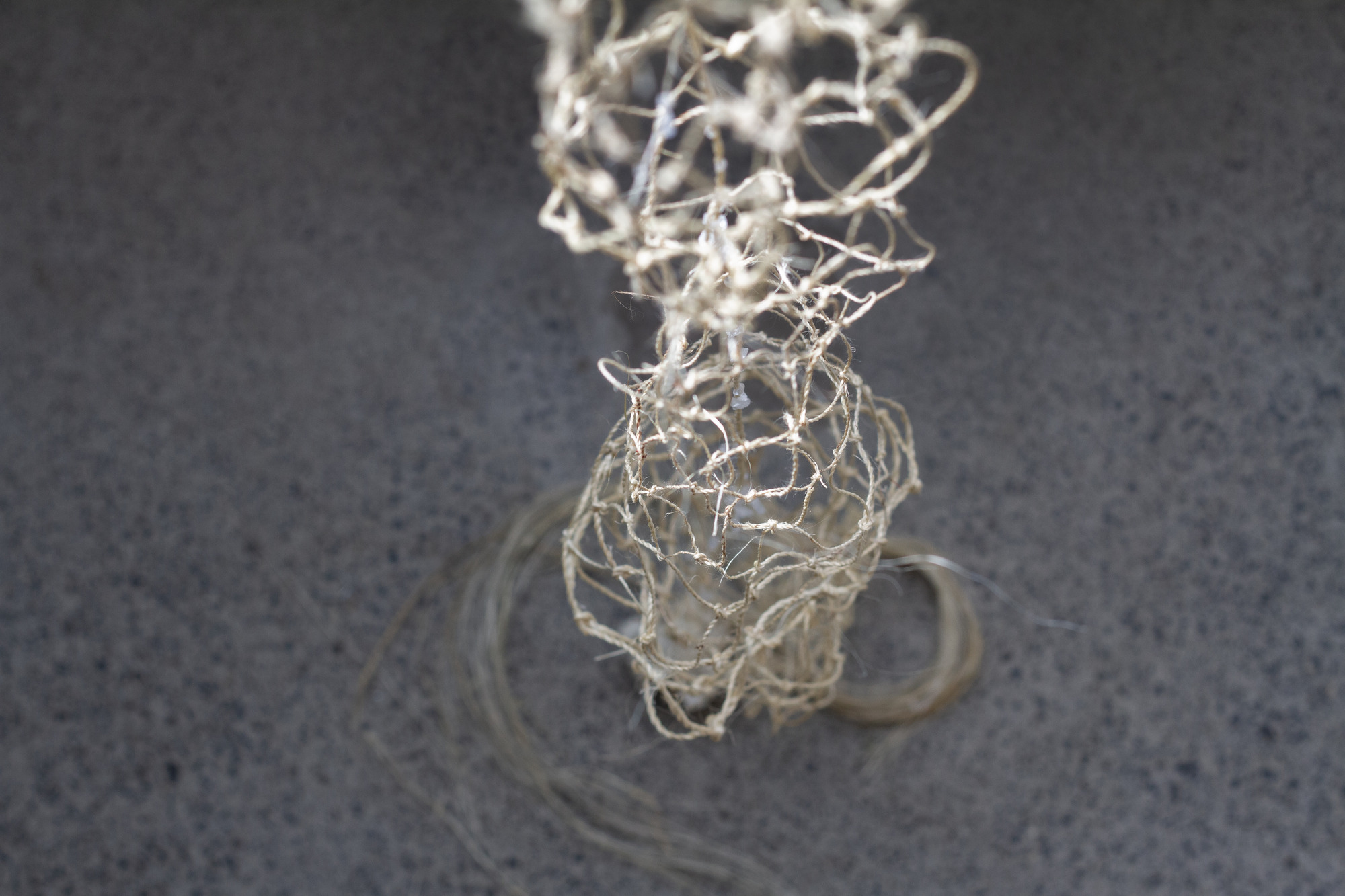
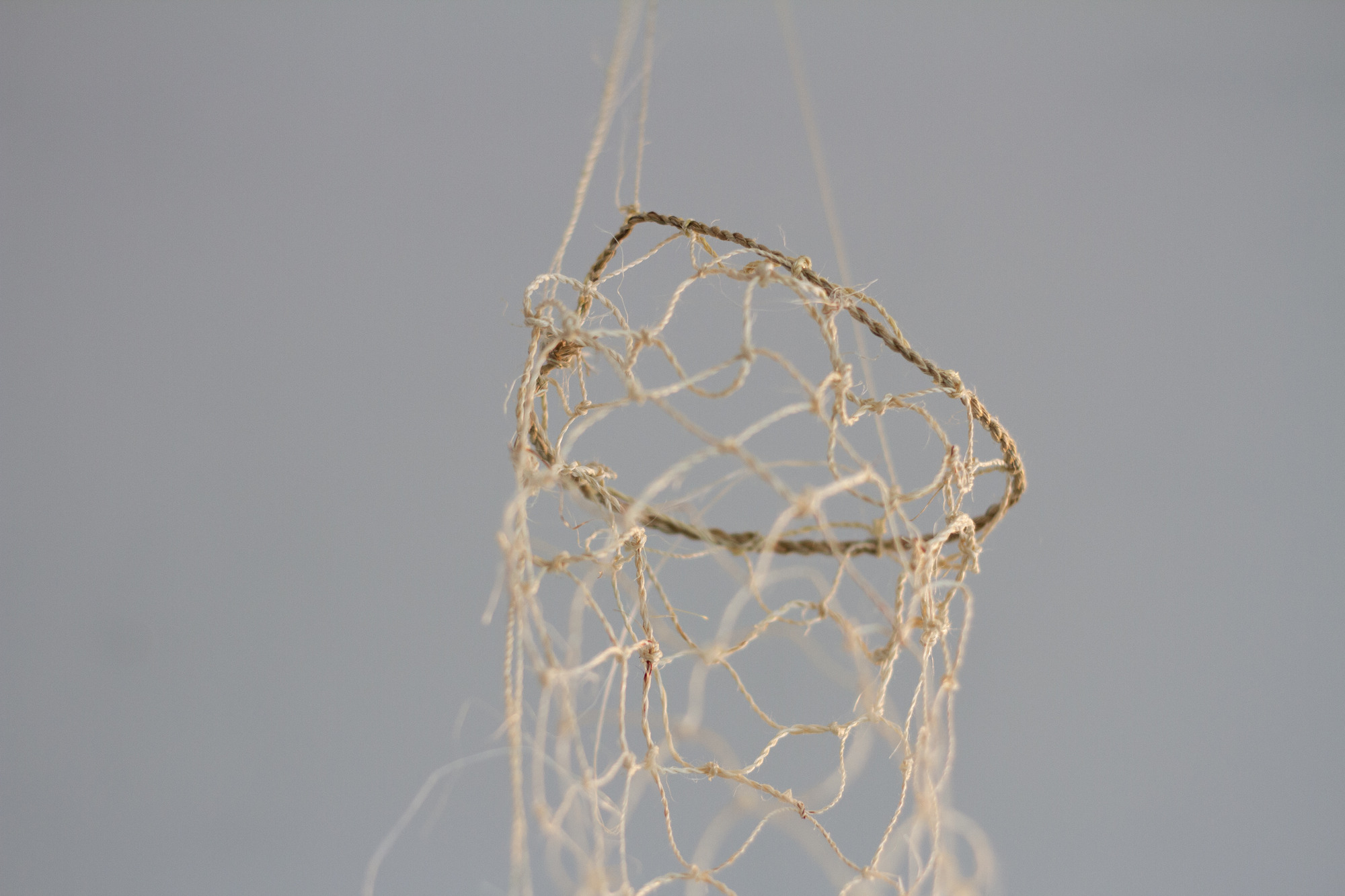
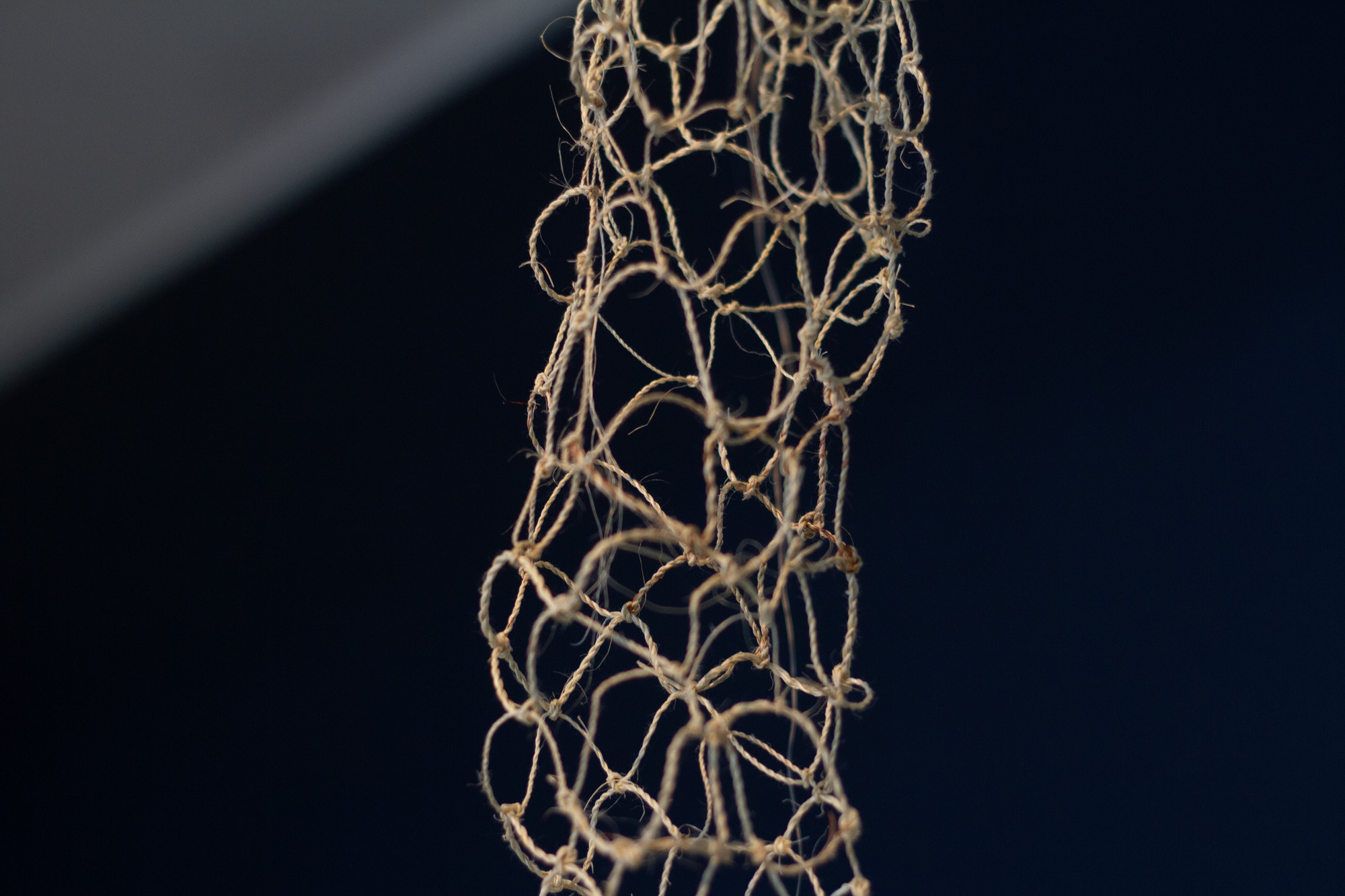
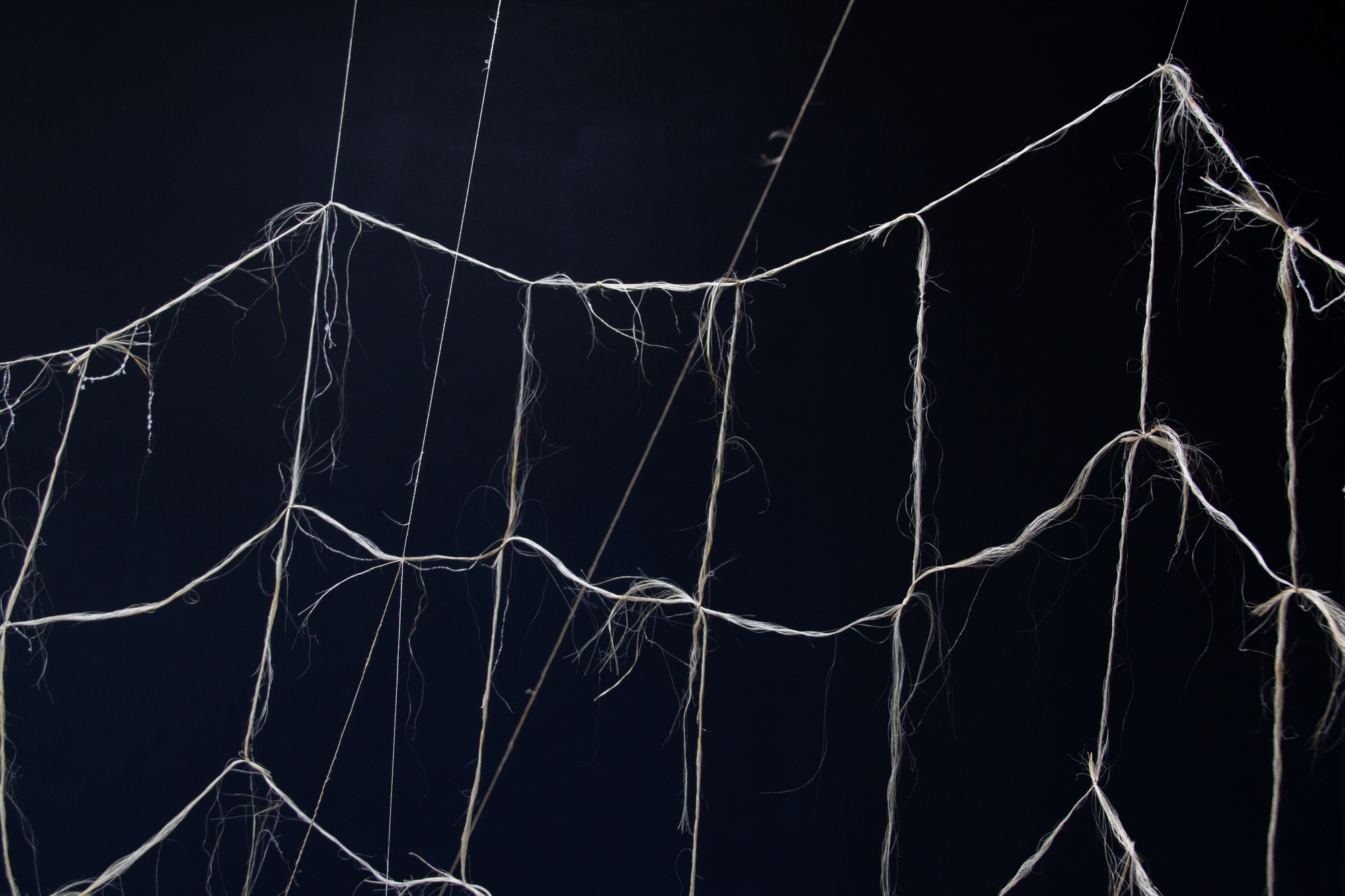
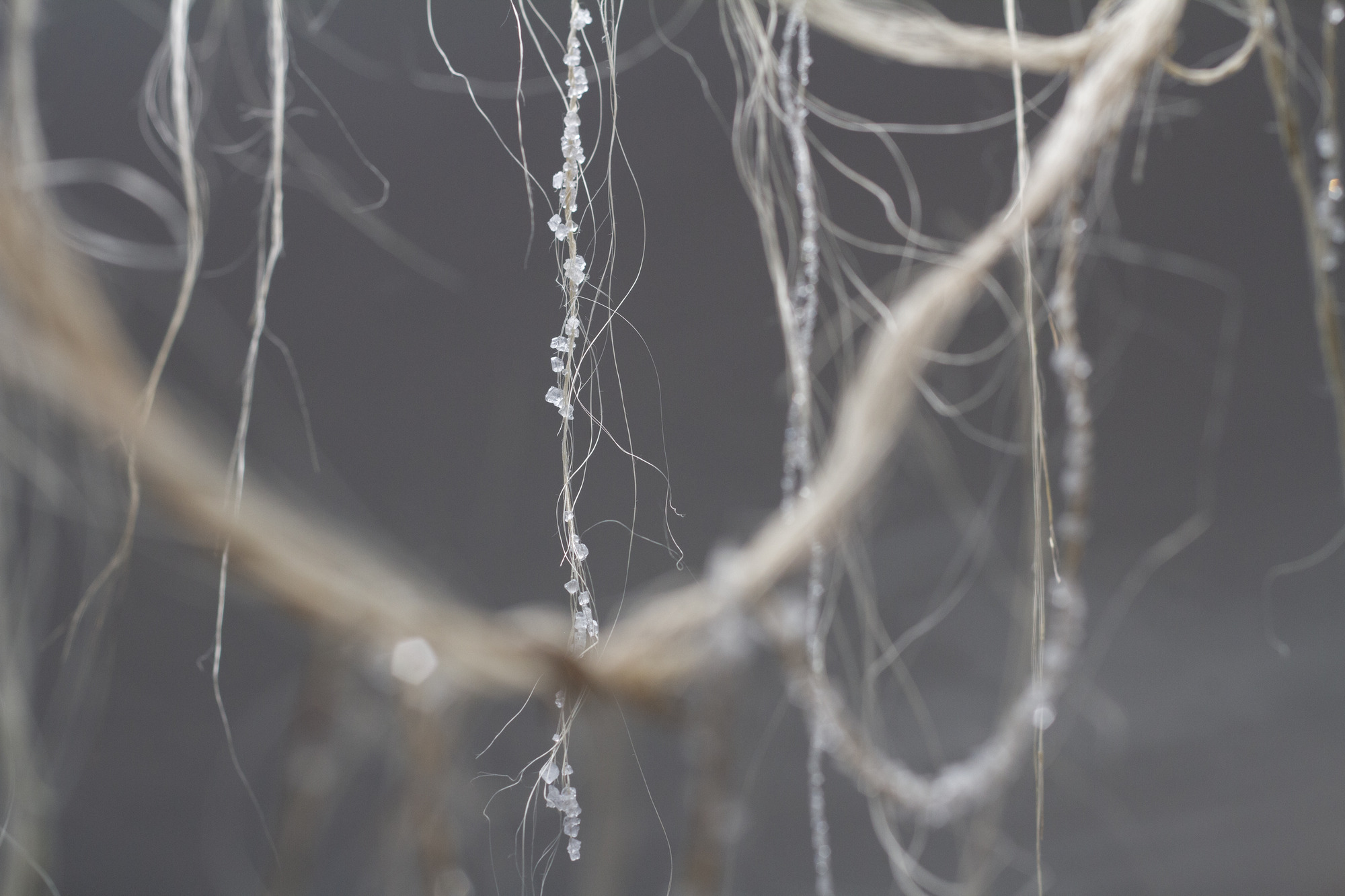
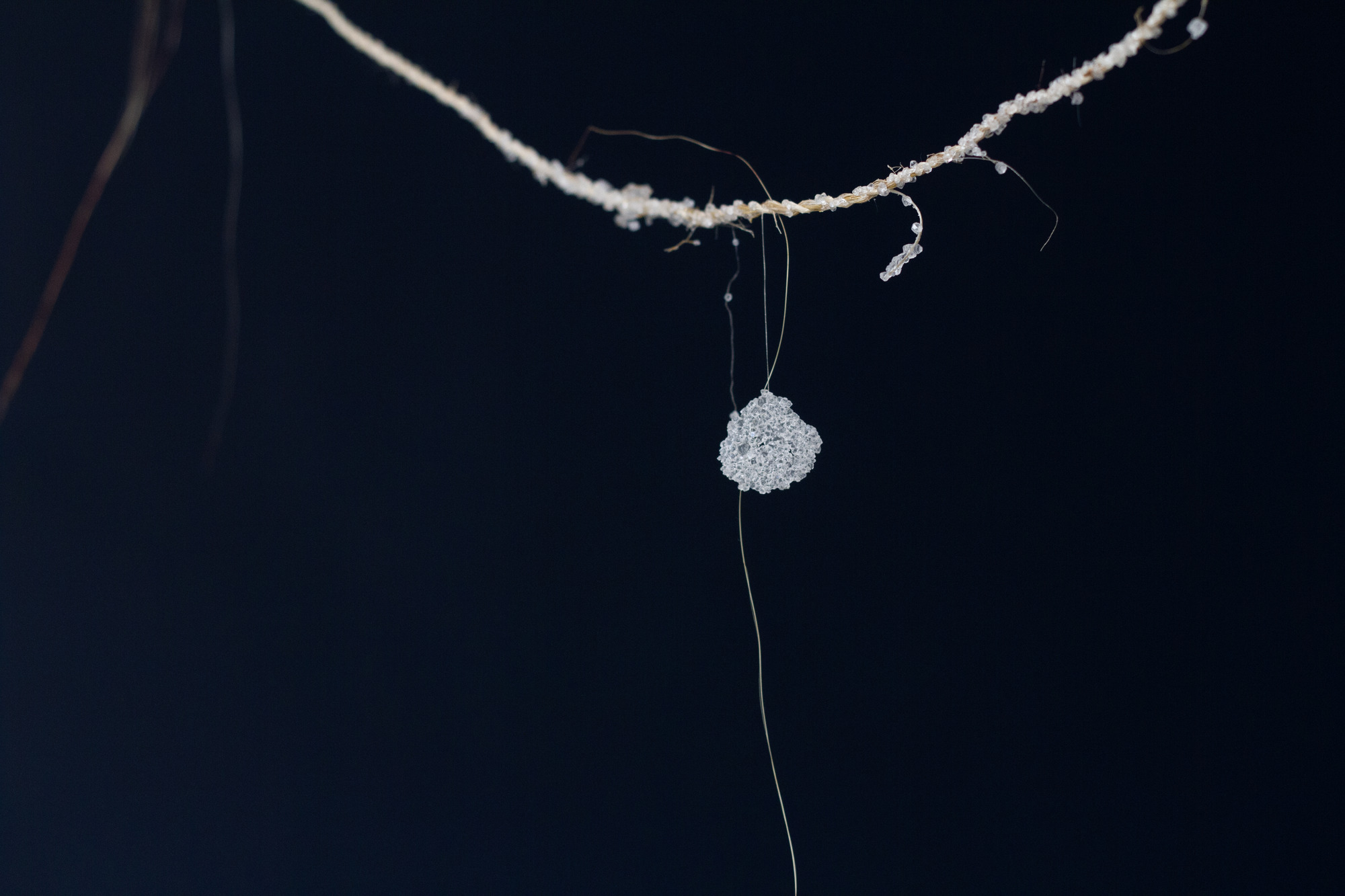
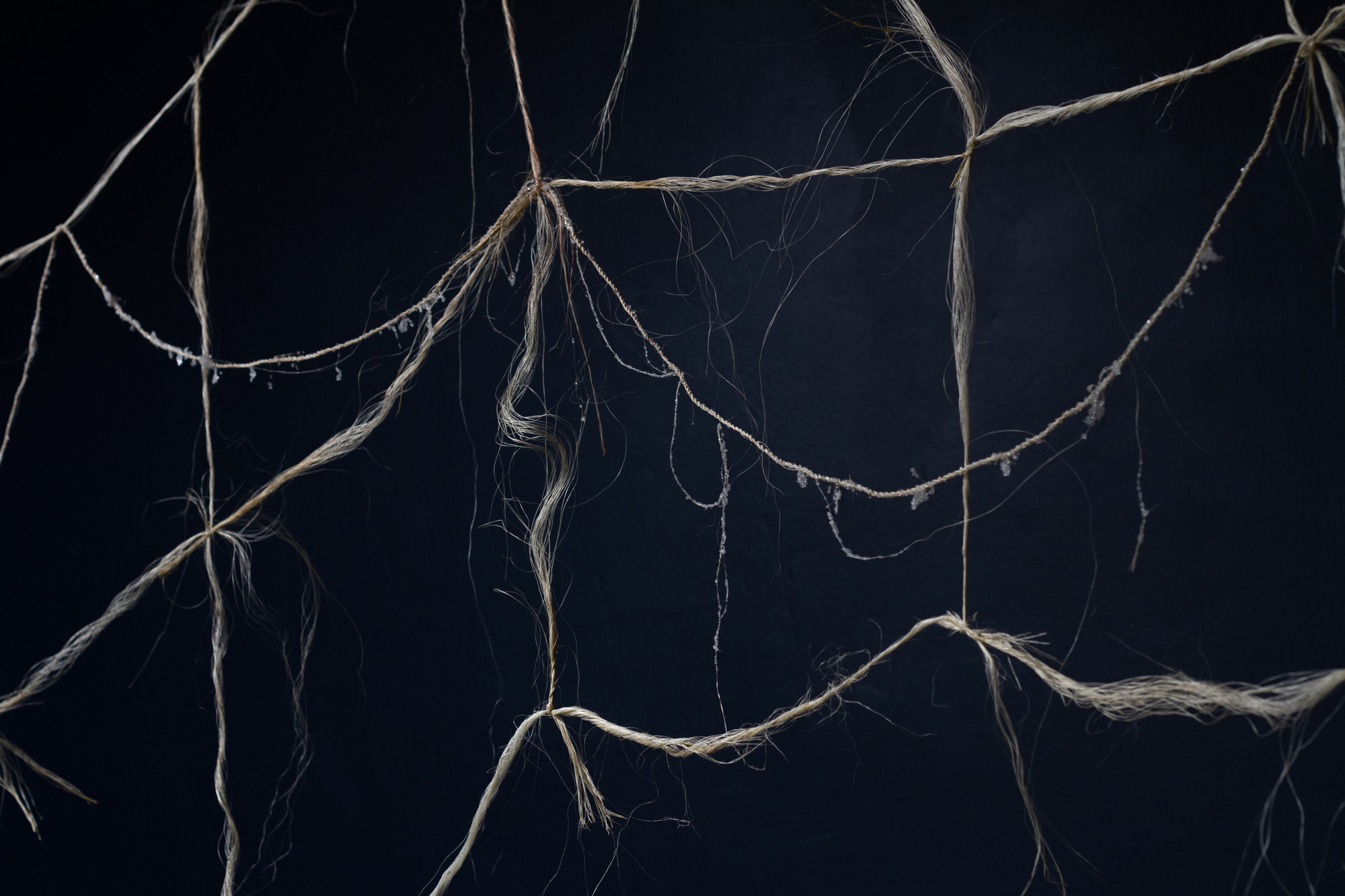
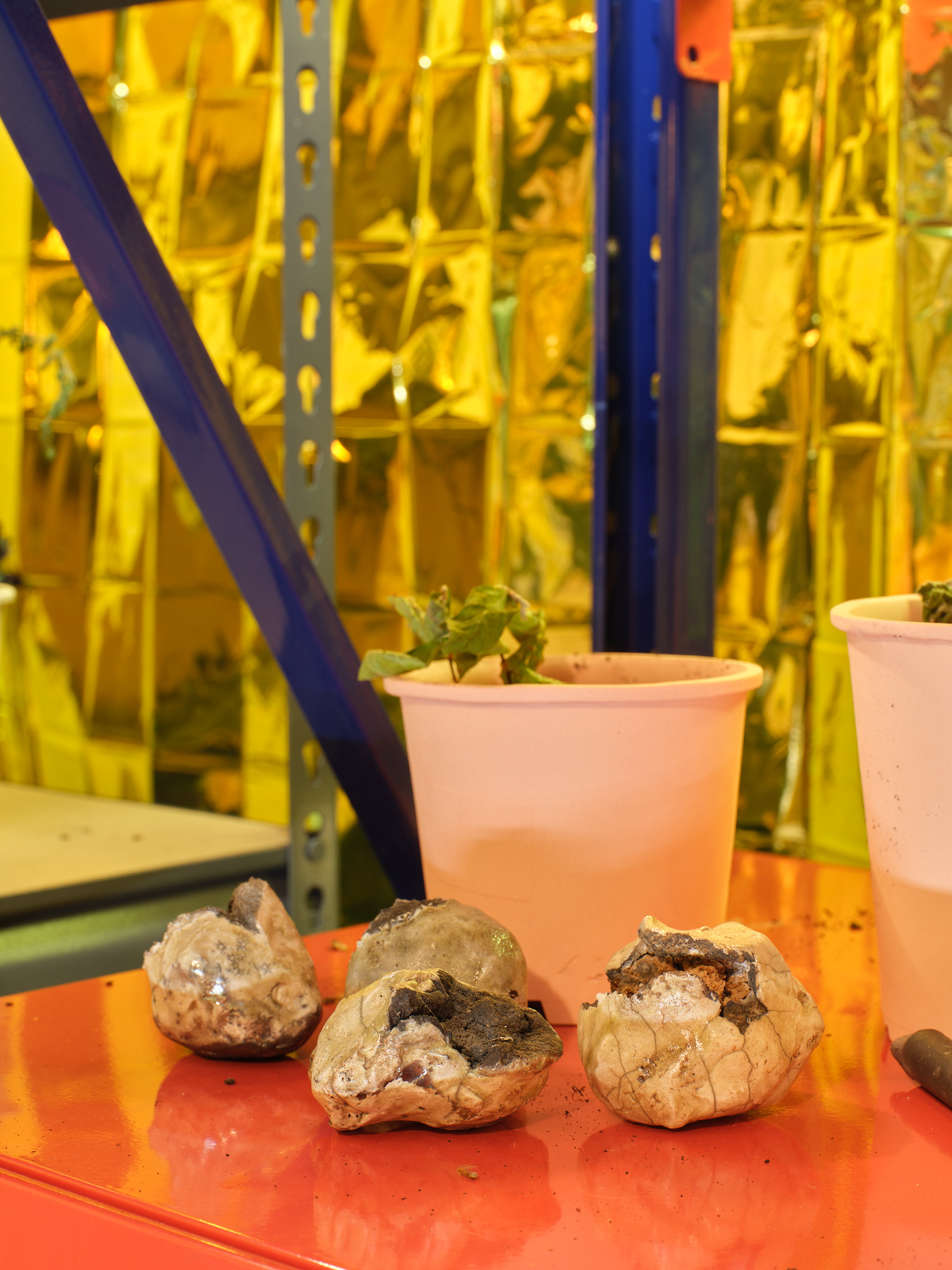
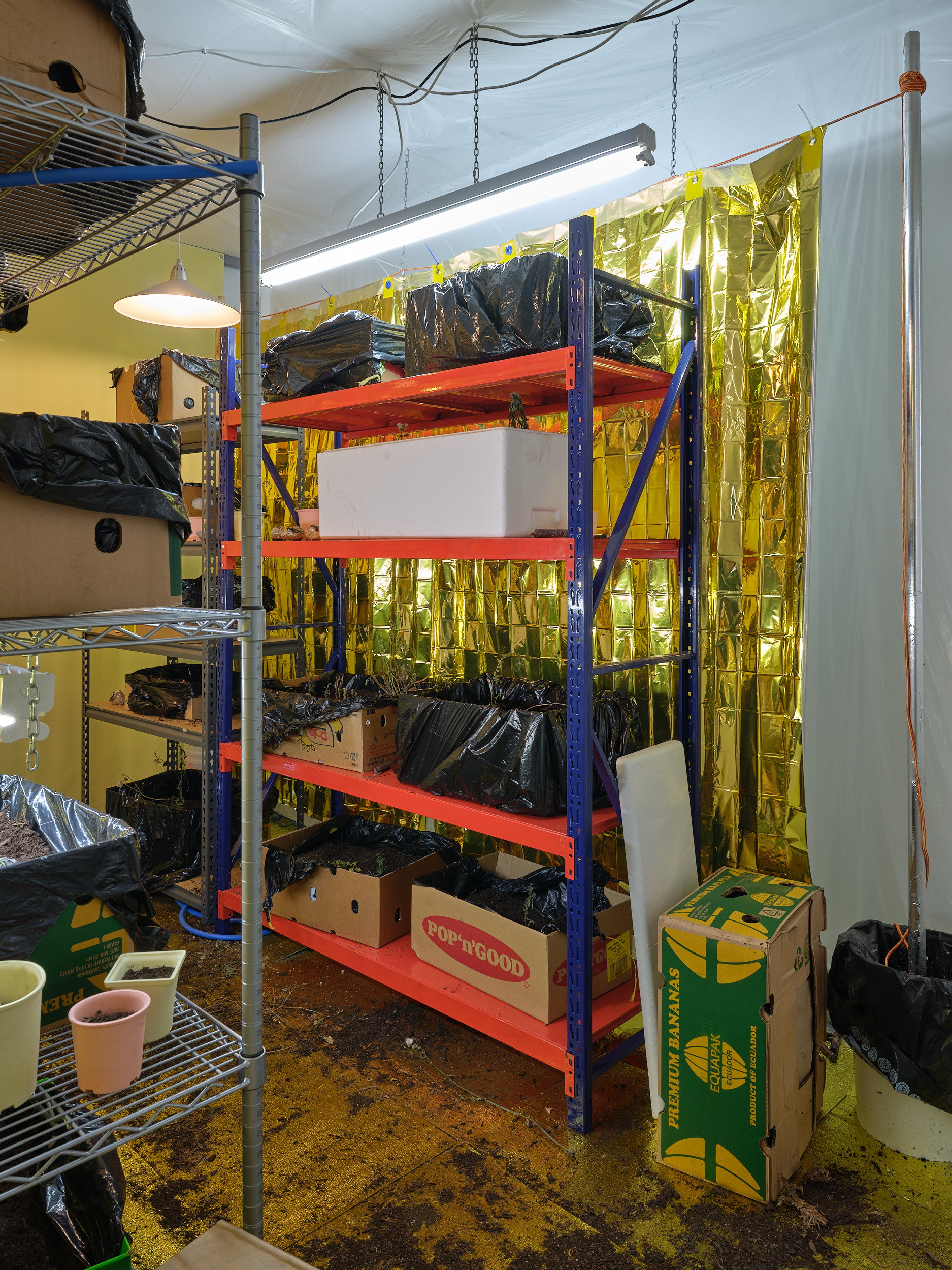
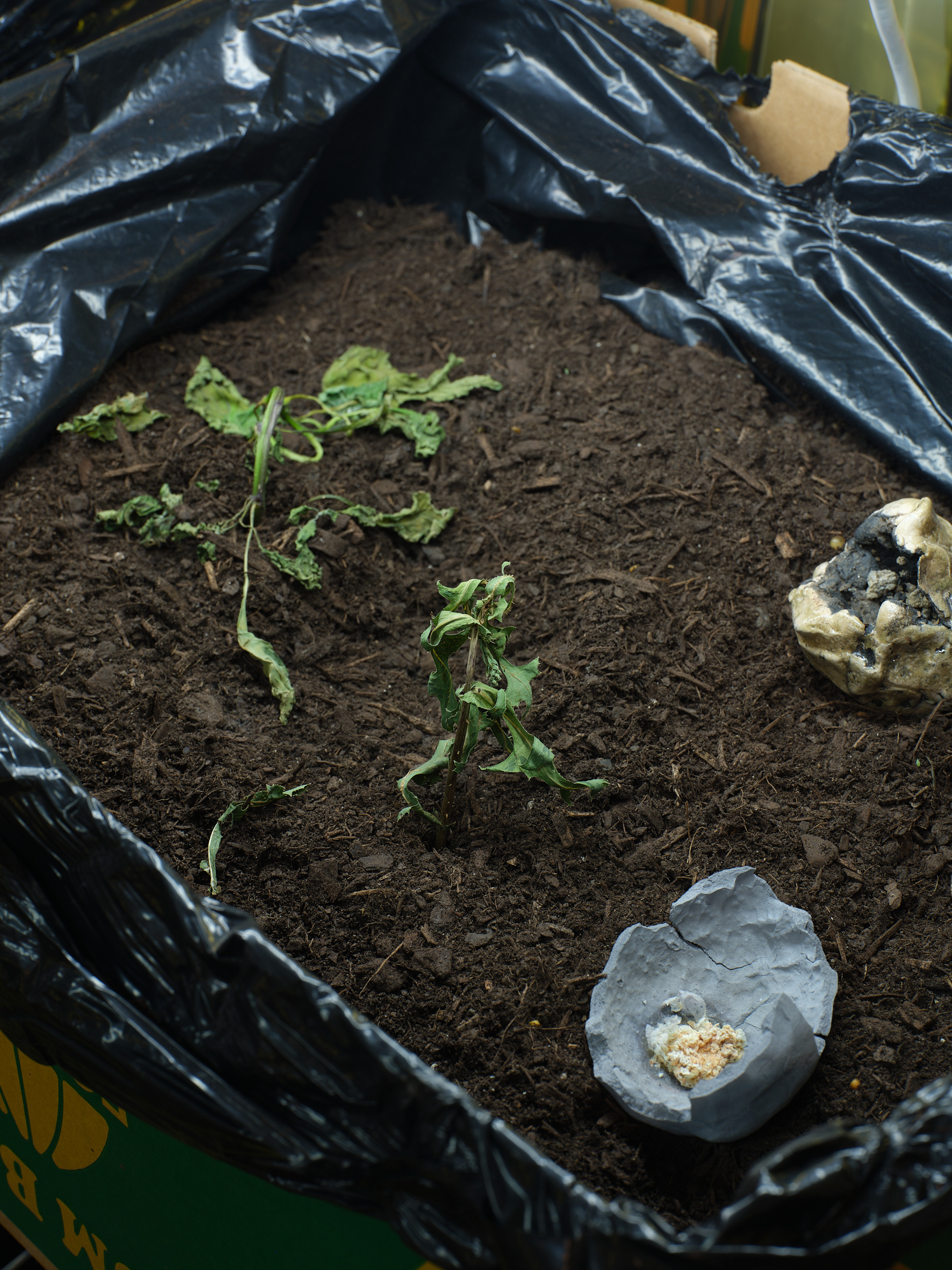
Star Booty inquires into the elemental forces defined within Māori cosmology, where stars and celestial materials are explored through whatu, muka and kōwhatu, which are intricately connected through woven patterns revealing whakapapa whetu (cosmological genealogy). Star Booty is a working collation of Mahi toi exploring physical and metaphysical relationships that bridge the stars to our current physical beings through a lineage of Matauranga Maori that was woven through the stars of Ikaroa and beyond.

Tutu Fingers often work alongside Kōreo Tuku Iho from their respective kaumatua and Purakau Atua, divulging and connecting the physical to the remembrance of our tipuna. We affiliate this mahi to Hine te iwa iwa, atua of childbirth, weaving and moon cycles. With celestial energy settled within our bodies and channelled through our fingers, we materialise this through our hands.

‘Galaxies are embedded in your body, those are your connection beyond, only a few have the mana for its markings, my moko’. – Kuia, Taha Moke Te Kaute a tohunga Matakite in conversation with Arapeta on raperape patterns and celestial creation.

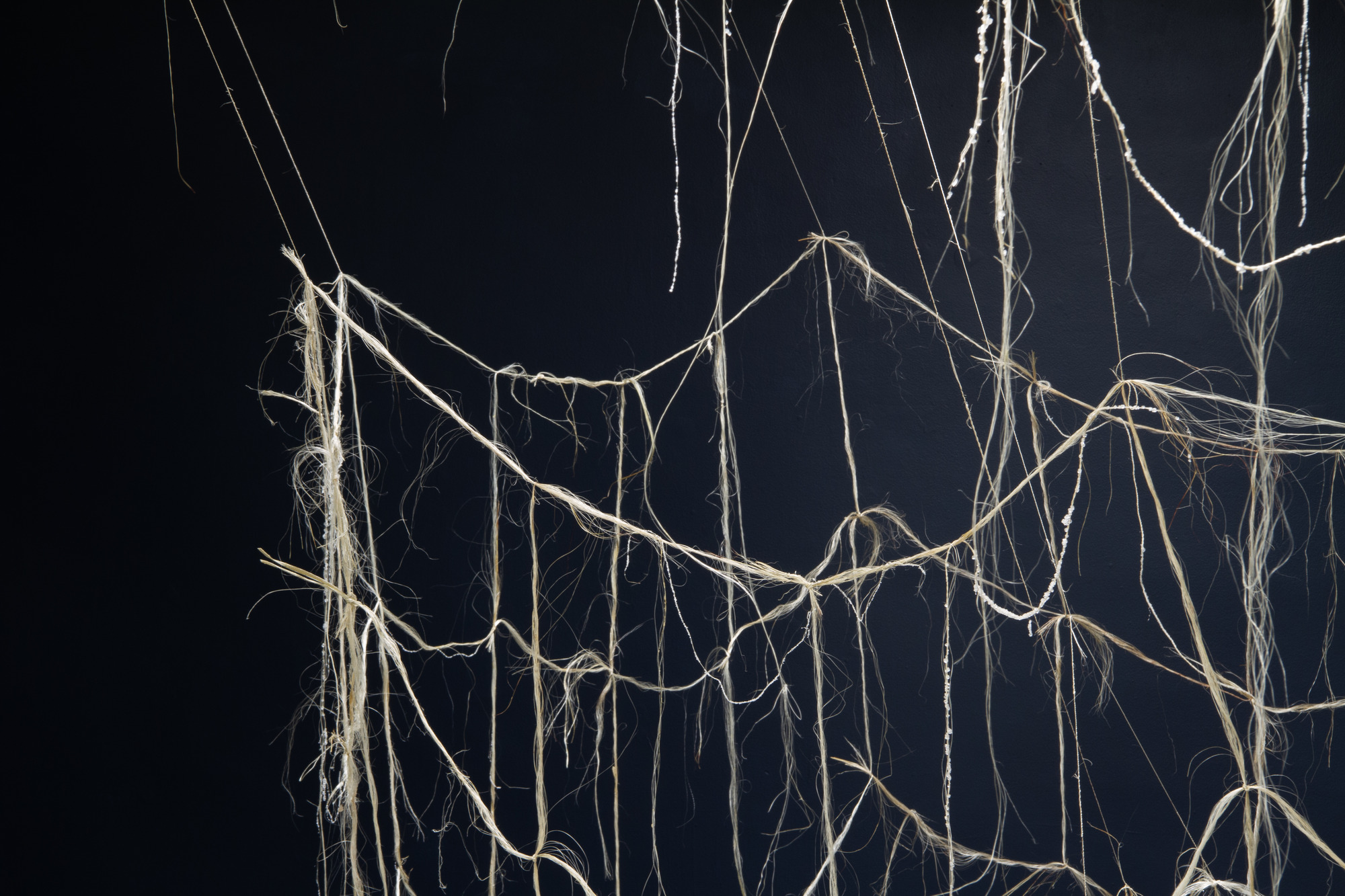
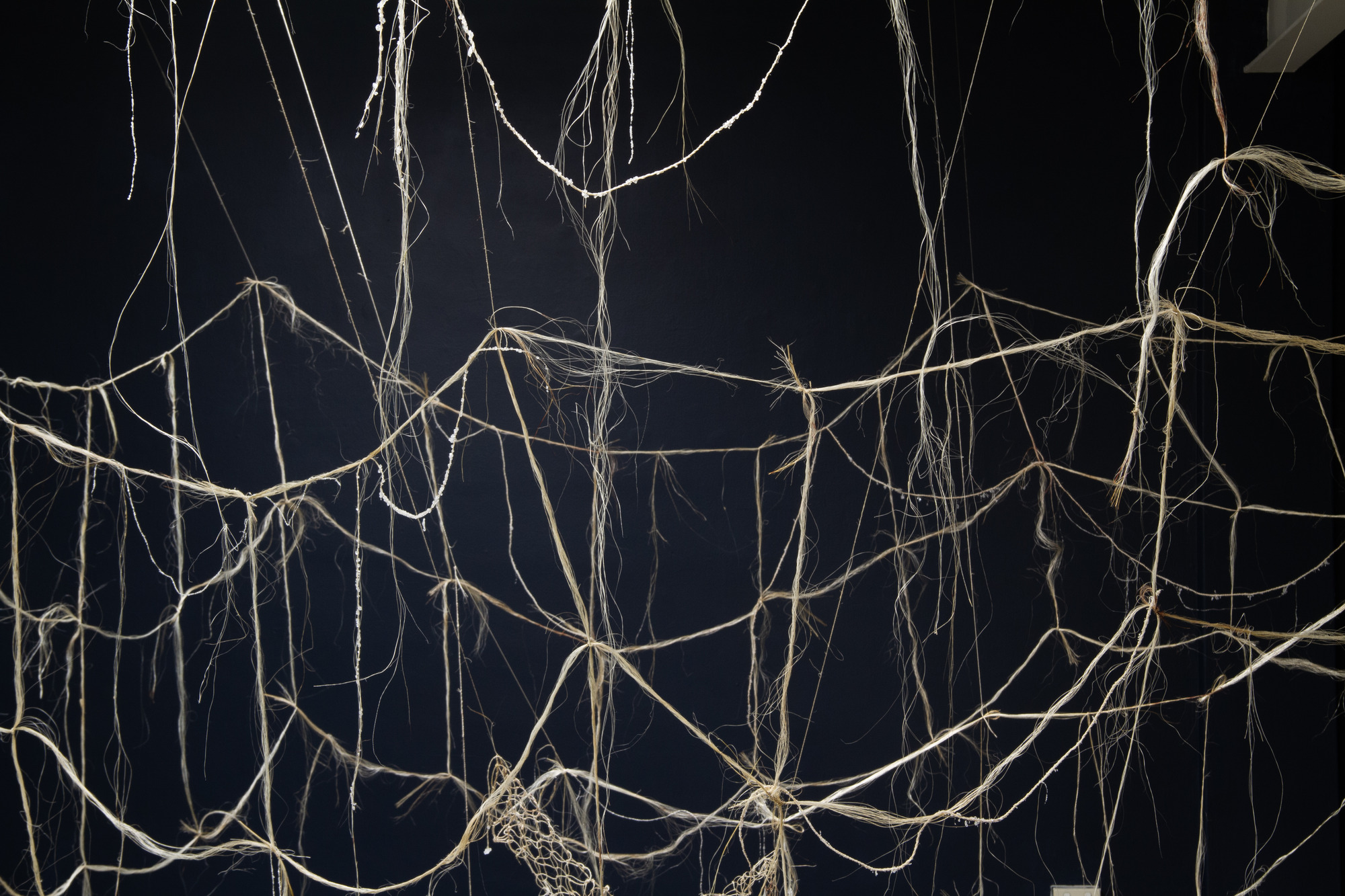
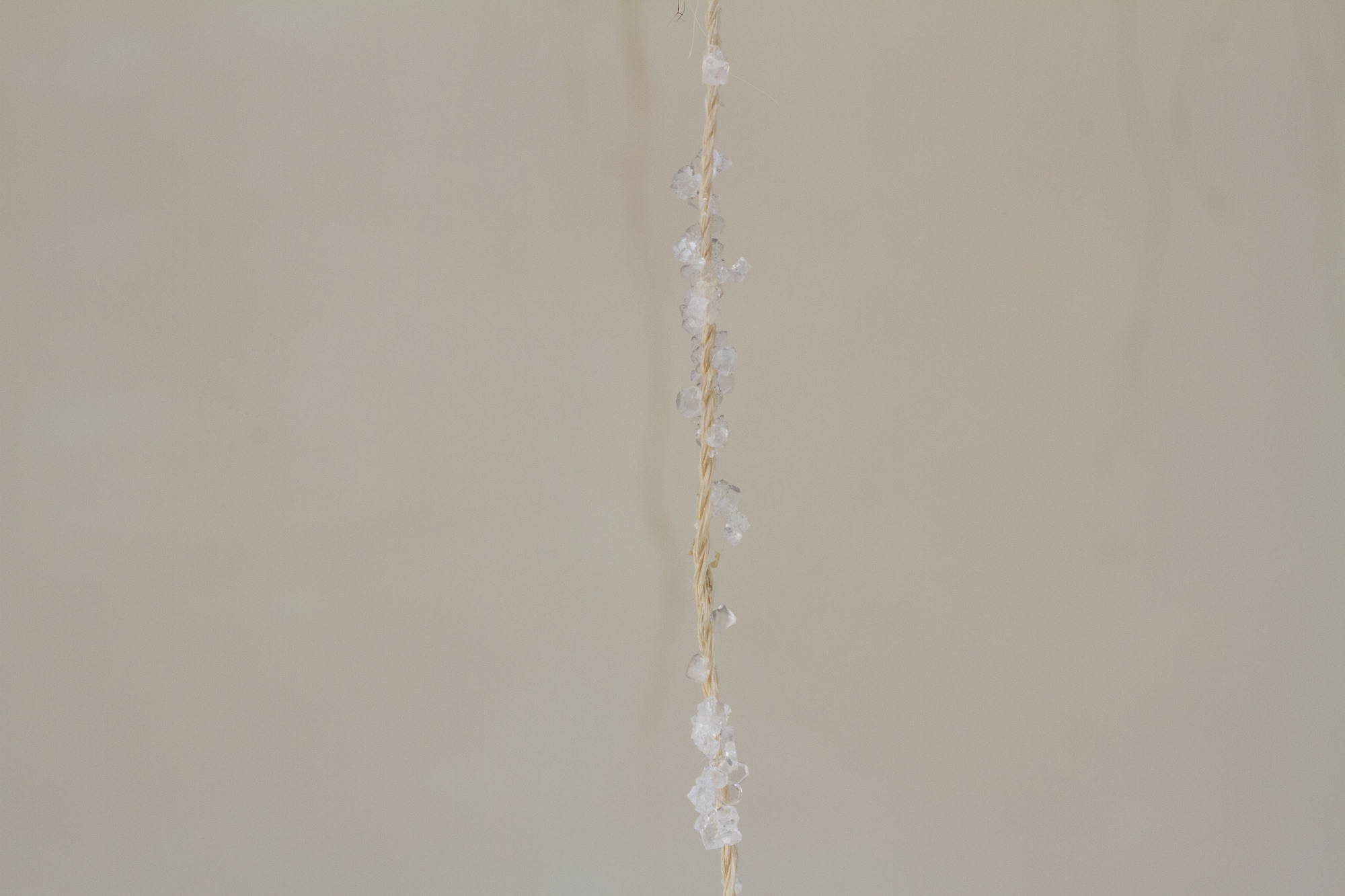
The materials chosen for this installation connect ancient Maori-Moana-nui-a-Kiwa traditions with contemporary practices, encapsulating the historical and cosmological narratives embedded in kōwhatu and stars. We show alignment to contemporary praxis by modes of aho (genealogy and illumination) and modern crystal formulation, utilising alum – this modernity paired with traditional methods of whatu and stone work aims to pull the viewer into an understanding of whakapapa whetu through both a motif of Atuatanga¹ and remembrance to wayfinding.

Whāia te mātauranga hei oranga mō koutou 
Seek after learning for the sake of your wellbeing

There is a vast knowledge hidden within the stars, we know through socially activated Matauranga Maori to look to Matariki for action of hauora, Nga whetu iwa symbolic of new growth, grievance, kai, of aroha. We recognise through this time of Matariki, a glimpse of the connected tension between Rangi and Papa, the stars and ourselves. This arisal of connection, the ties between ngā ao and those between beings are keenly propositioned through our Mahi Whatu. Kūpenga bear a state of kotahitanga within them, the oneness that weaves universality i te ao, exploring the seen, unseen as we know it and through the ambiguity of borders activate newfound or hidden knowledge previously beyond reach.

A glimpse beyond the barriers of Te Ao Marama, Tutu Fingers guides the viewers into Tuarangi ā Te Pō (Gallery R) through spatial weaving, Wawata Whetu, illuminating a state of ‘dreaming linked to celestial creation’ (Kuia, Taha Moke Te Kaute) from which stardust is clustered, transformed and crystalised into tangible matter.

Traversing to Mārama ā Iwaiwa (Gallery M) viewers are guided through wā into Uhoturamarama, circulating Ngaa Uho, portals from where aho (light, divinity and life) is funneled into the realm of Rangi and Papa.

¹Byron Rangiwai. (2022). Towards an Understanding of IO through Atuatanga. Sage Journals, Vol18 issue 4, 529-537. https://doi.org/10.1177/11771801221117288

Images by Ardit Hoxha

Mark Schroder : VAPOUR TRAILS

Mark Schroder
VAPOUR TRAILS

16 January – 8 February 2025

Derivative Art Investments
in association with RM Gallery and Project Space

presents 

Mark Schroder’s VAPOUR TRAILS

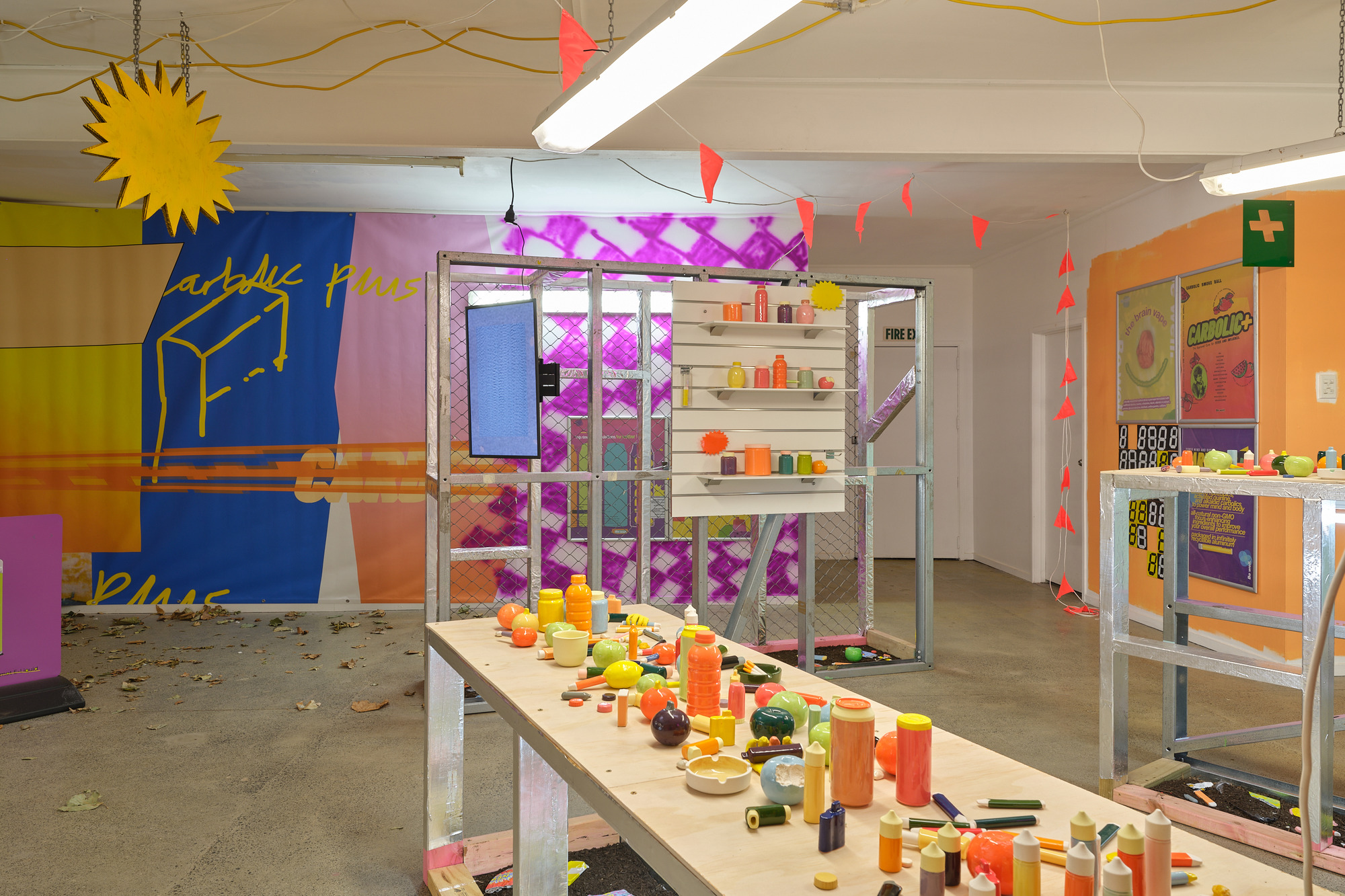
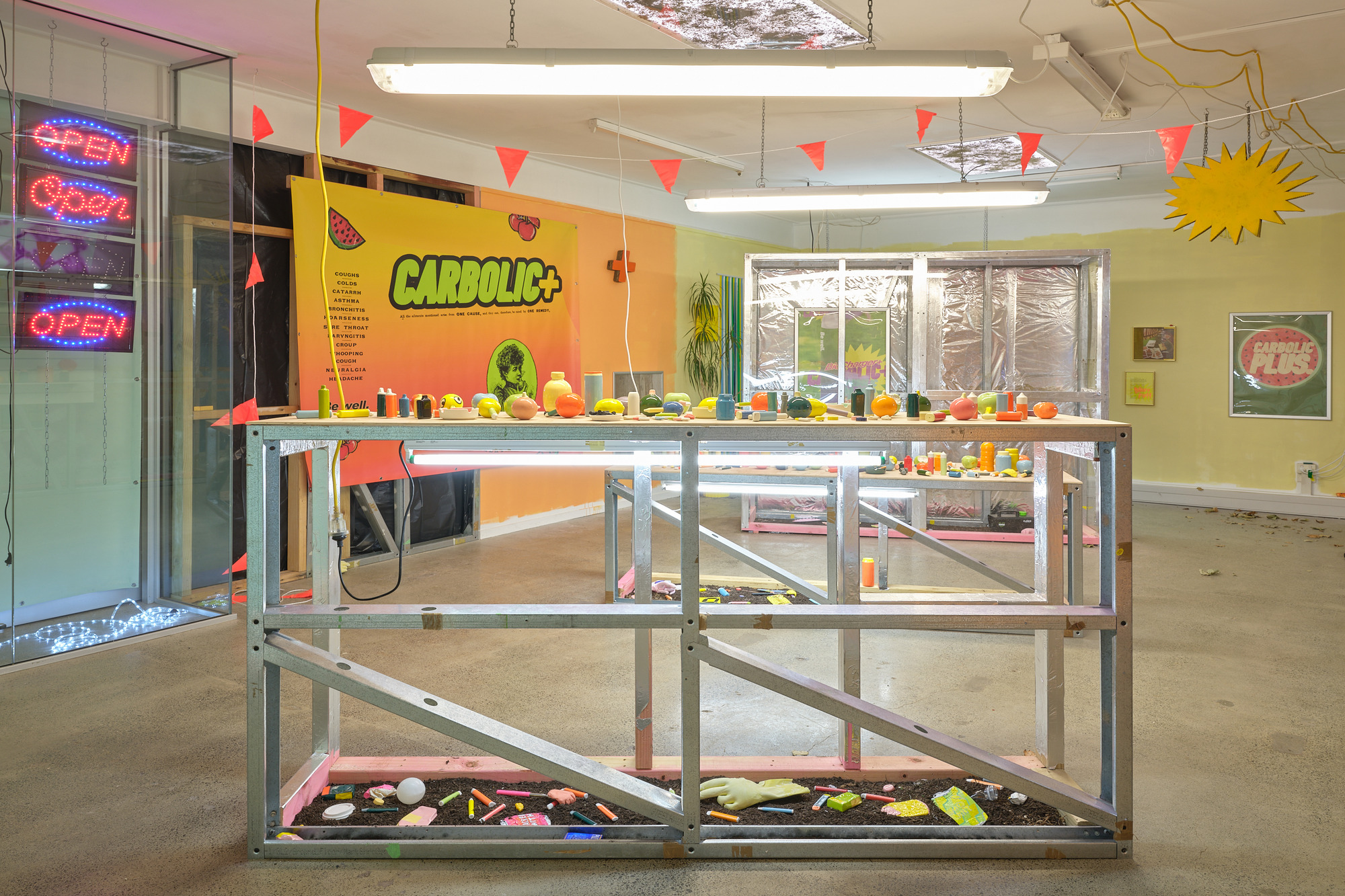
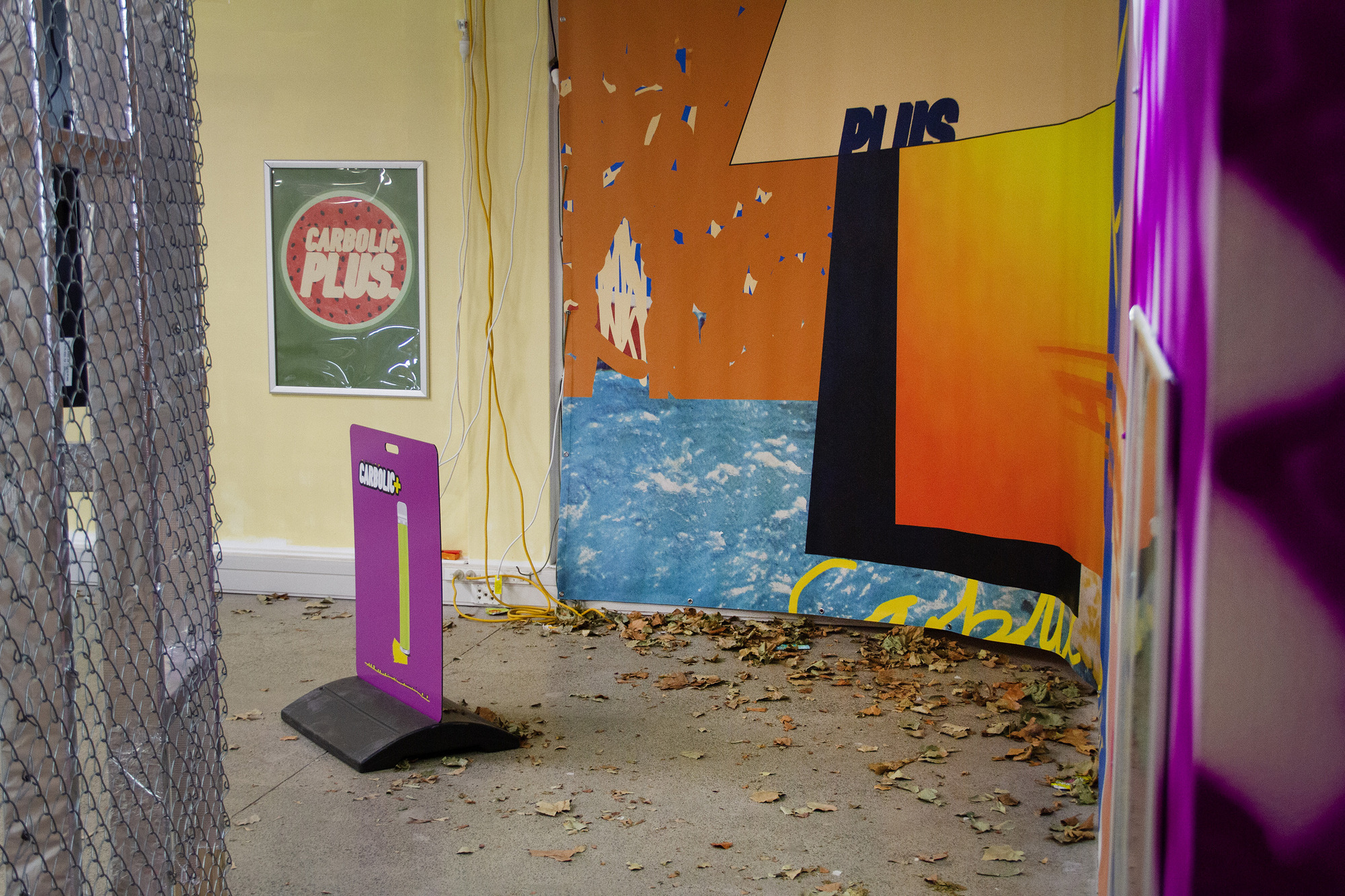
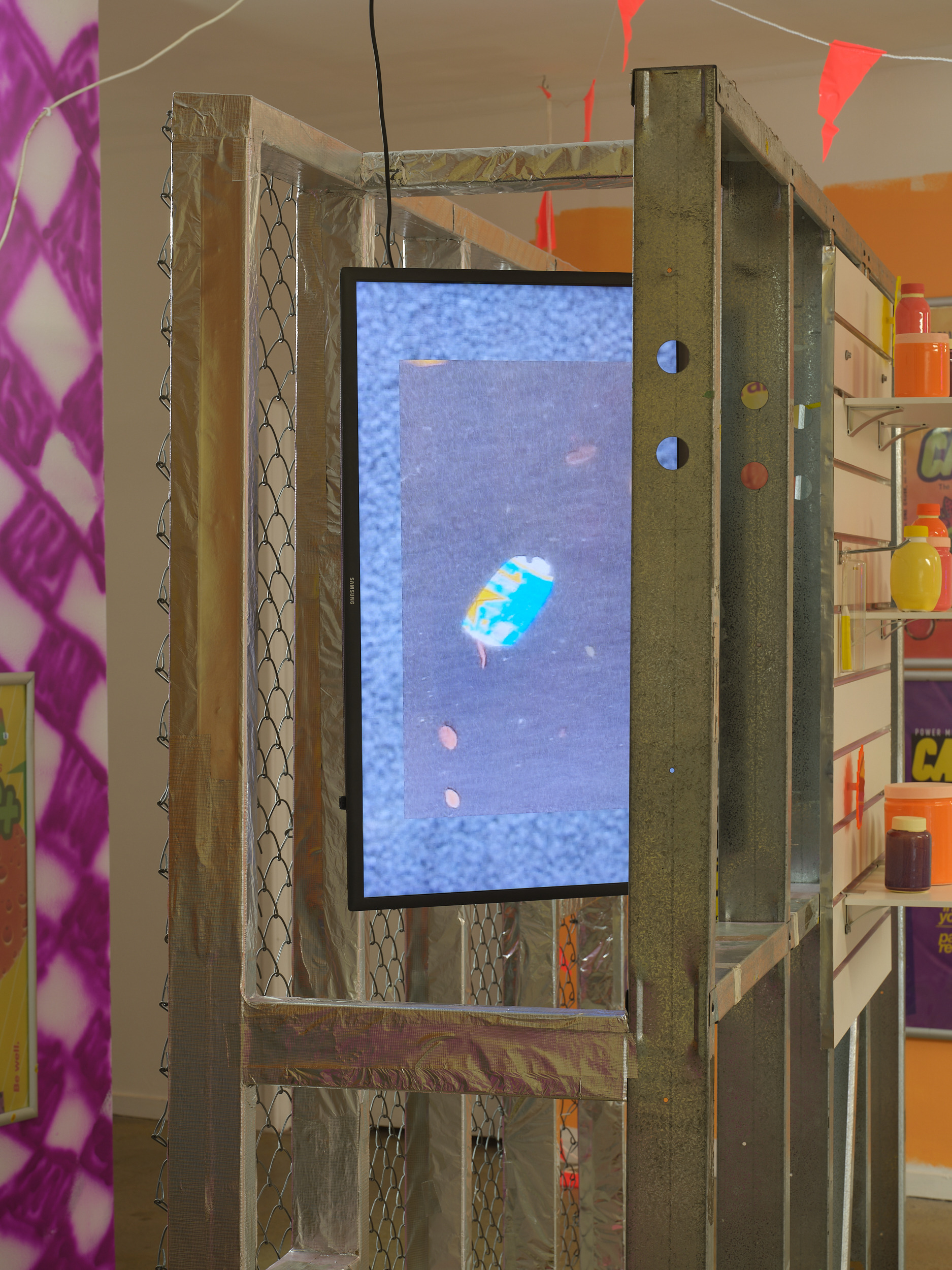
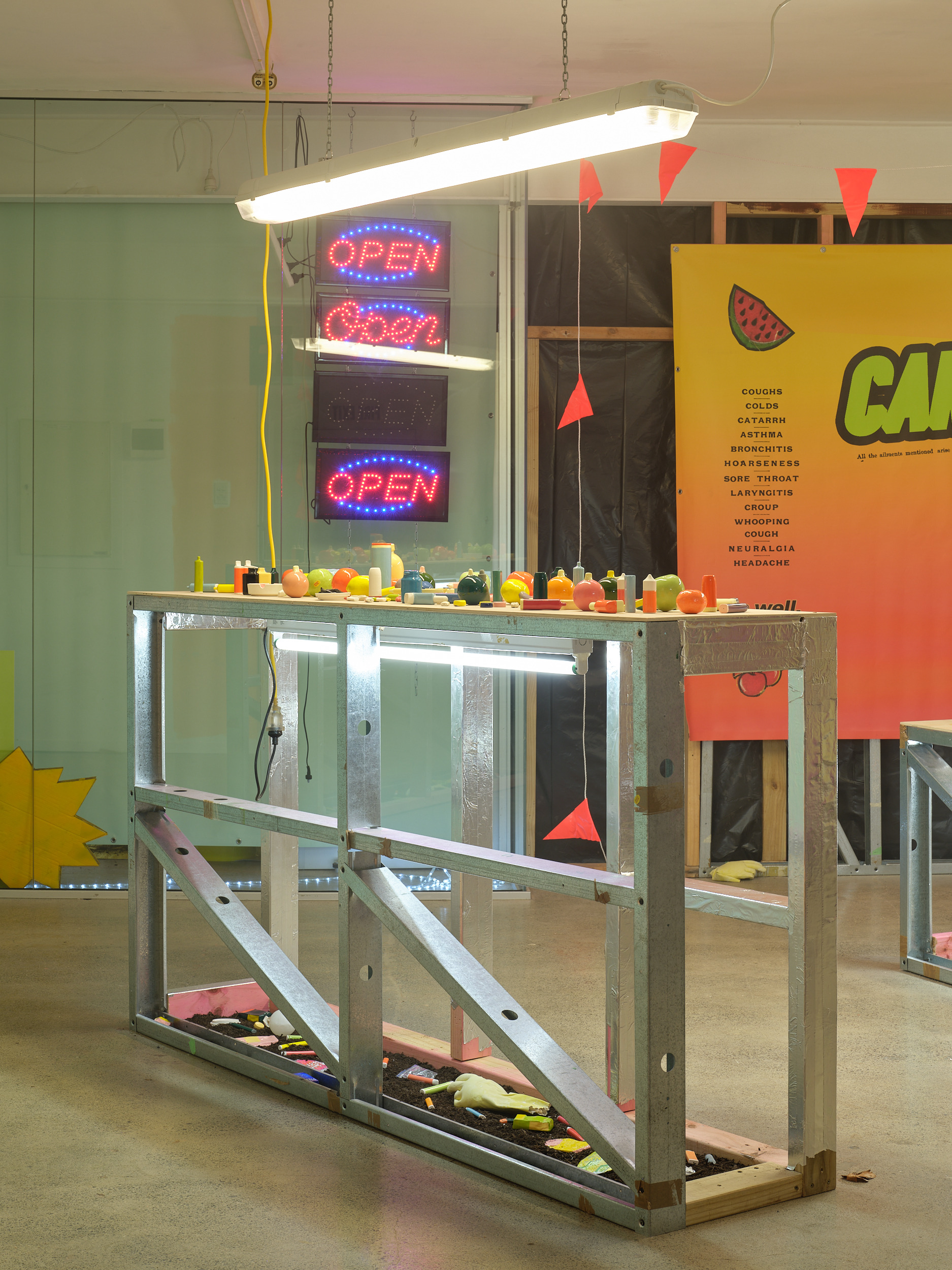
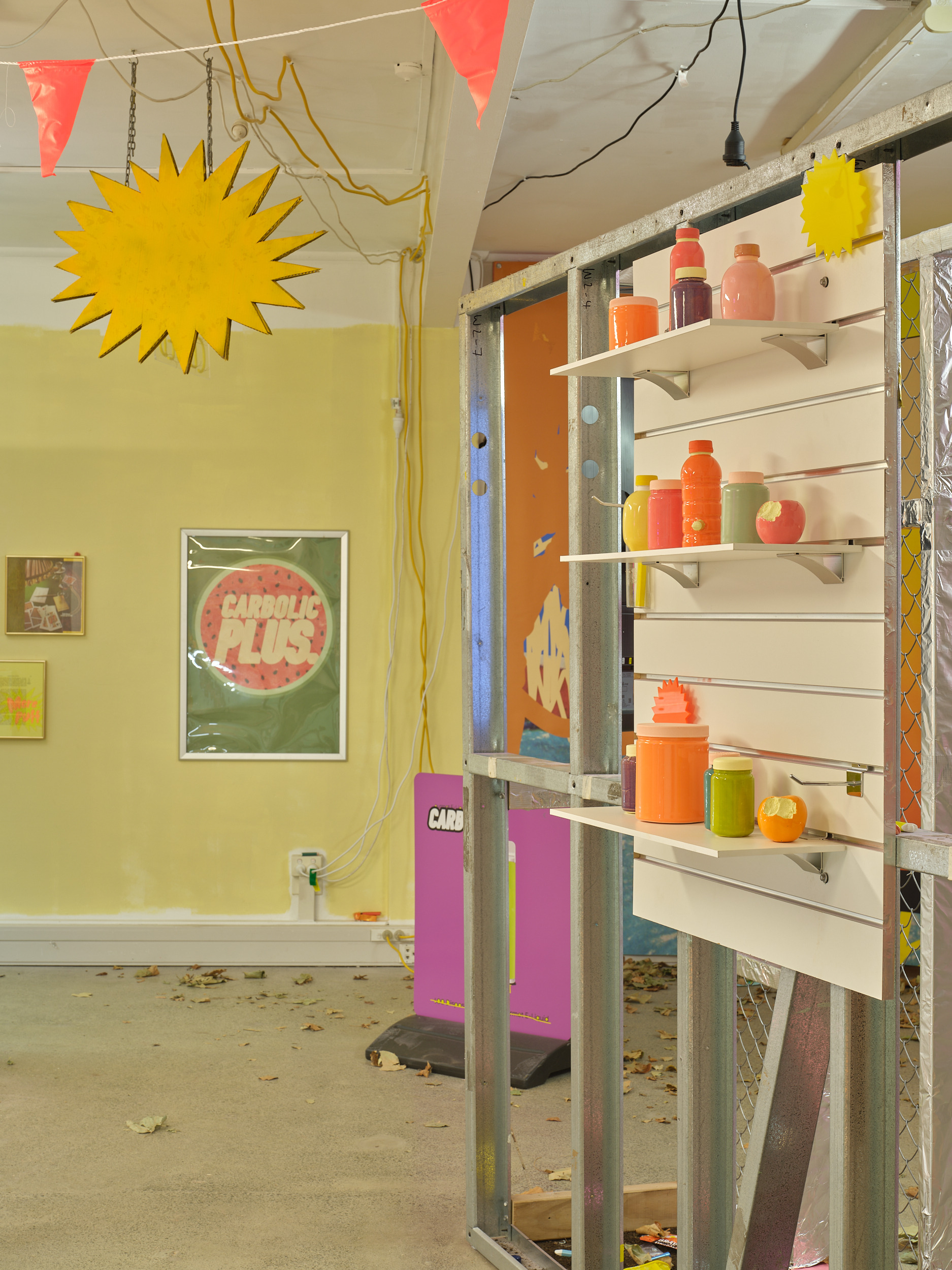
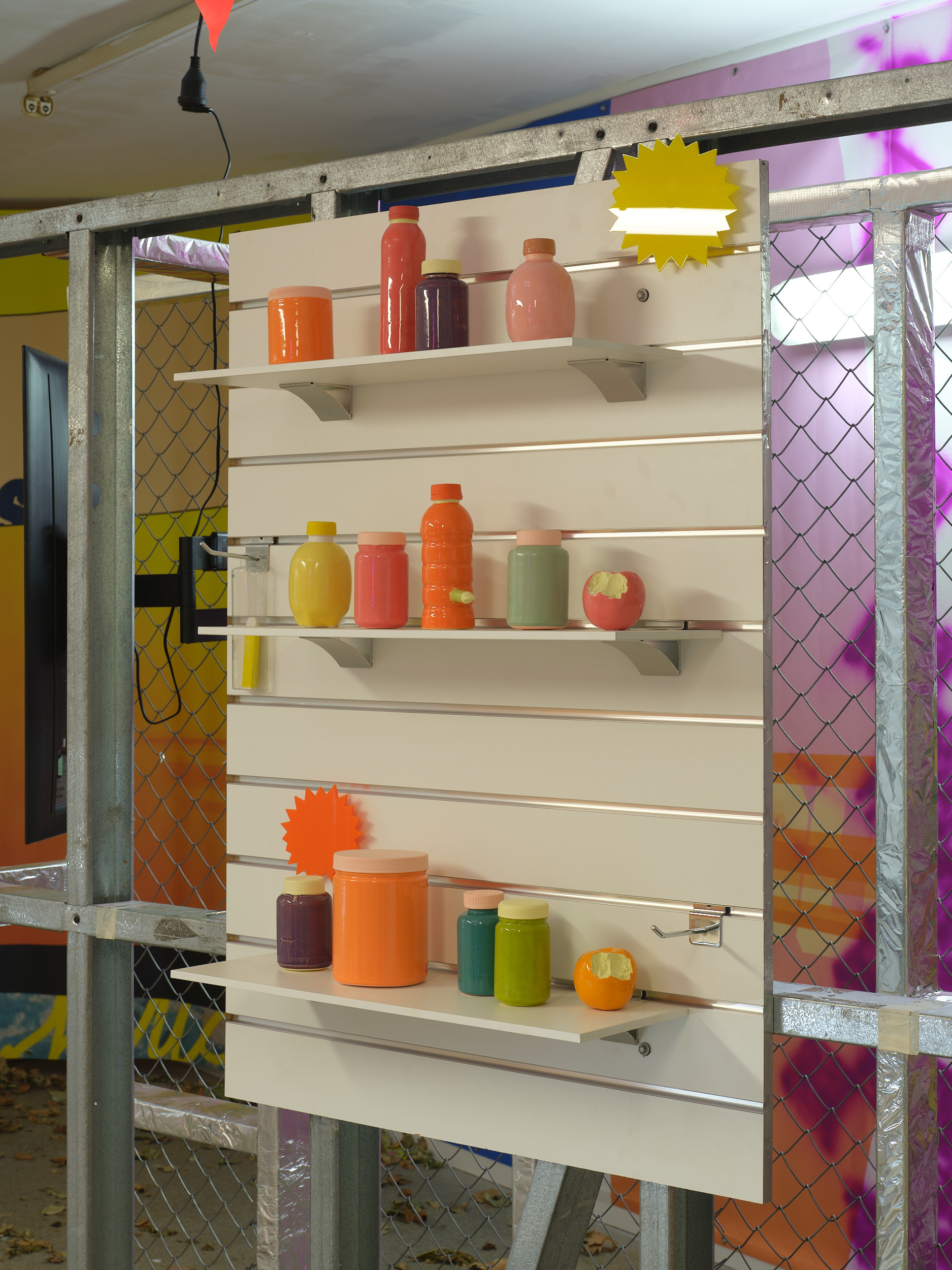
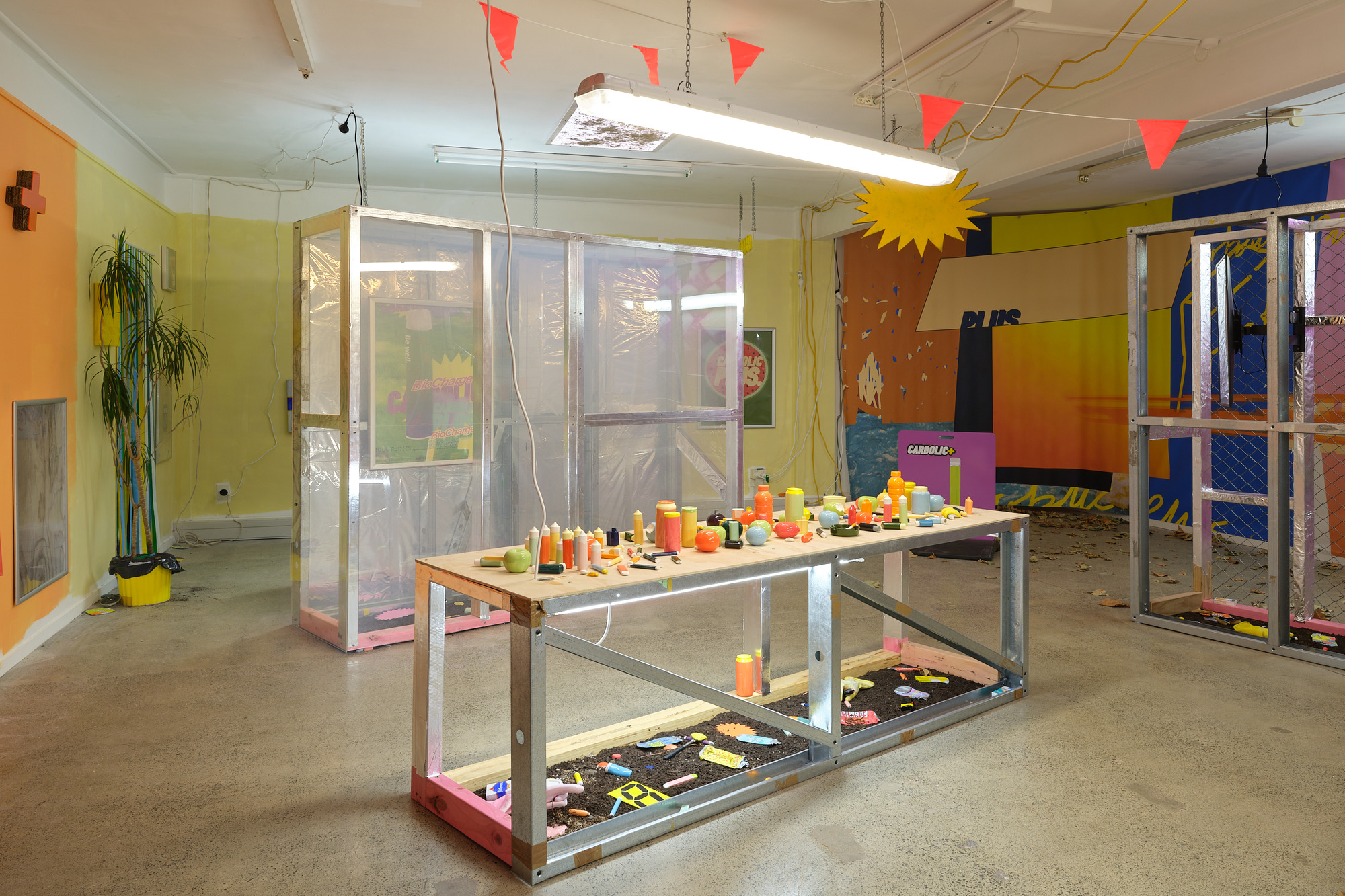
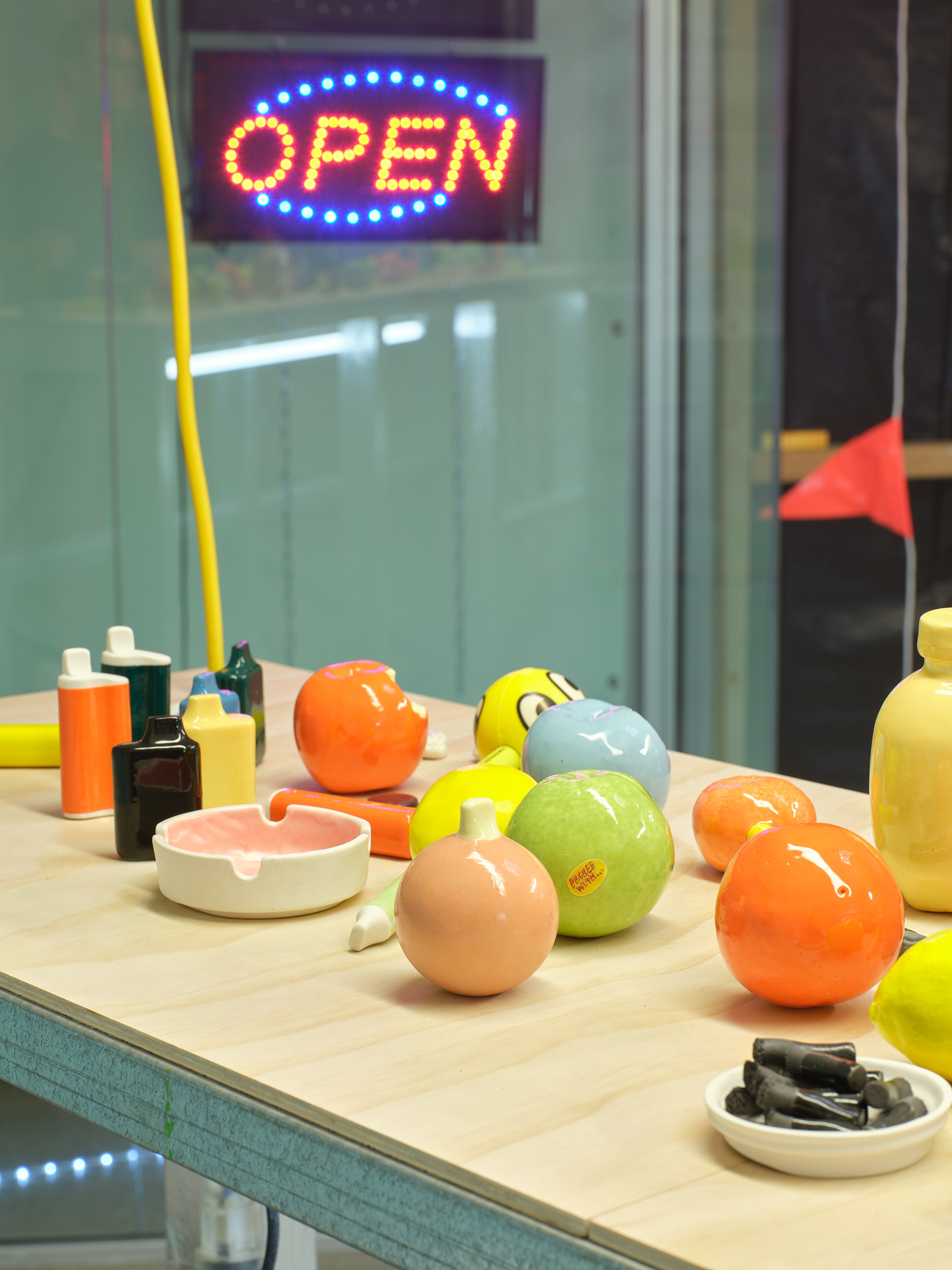
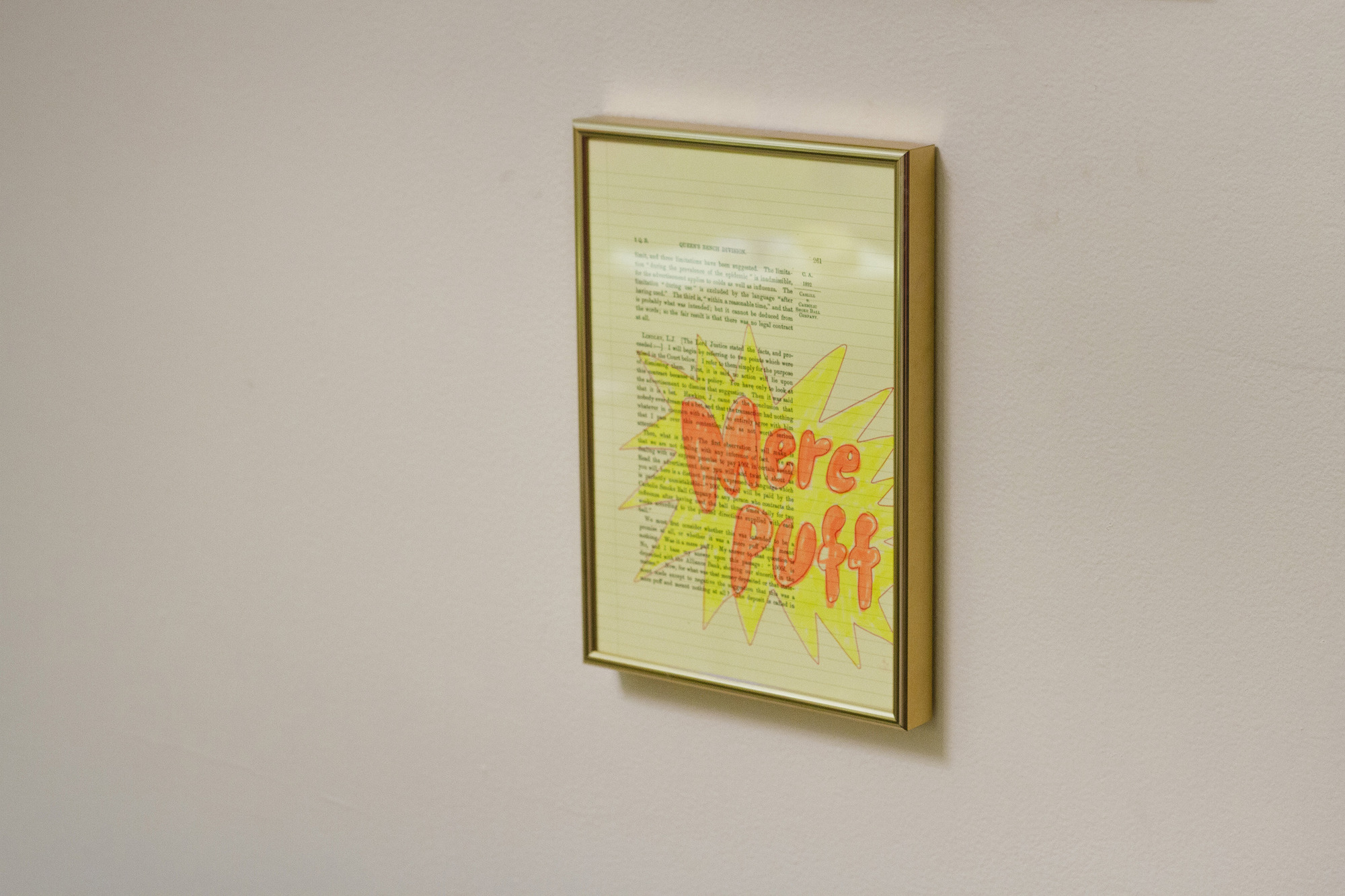
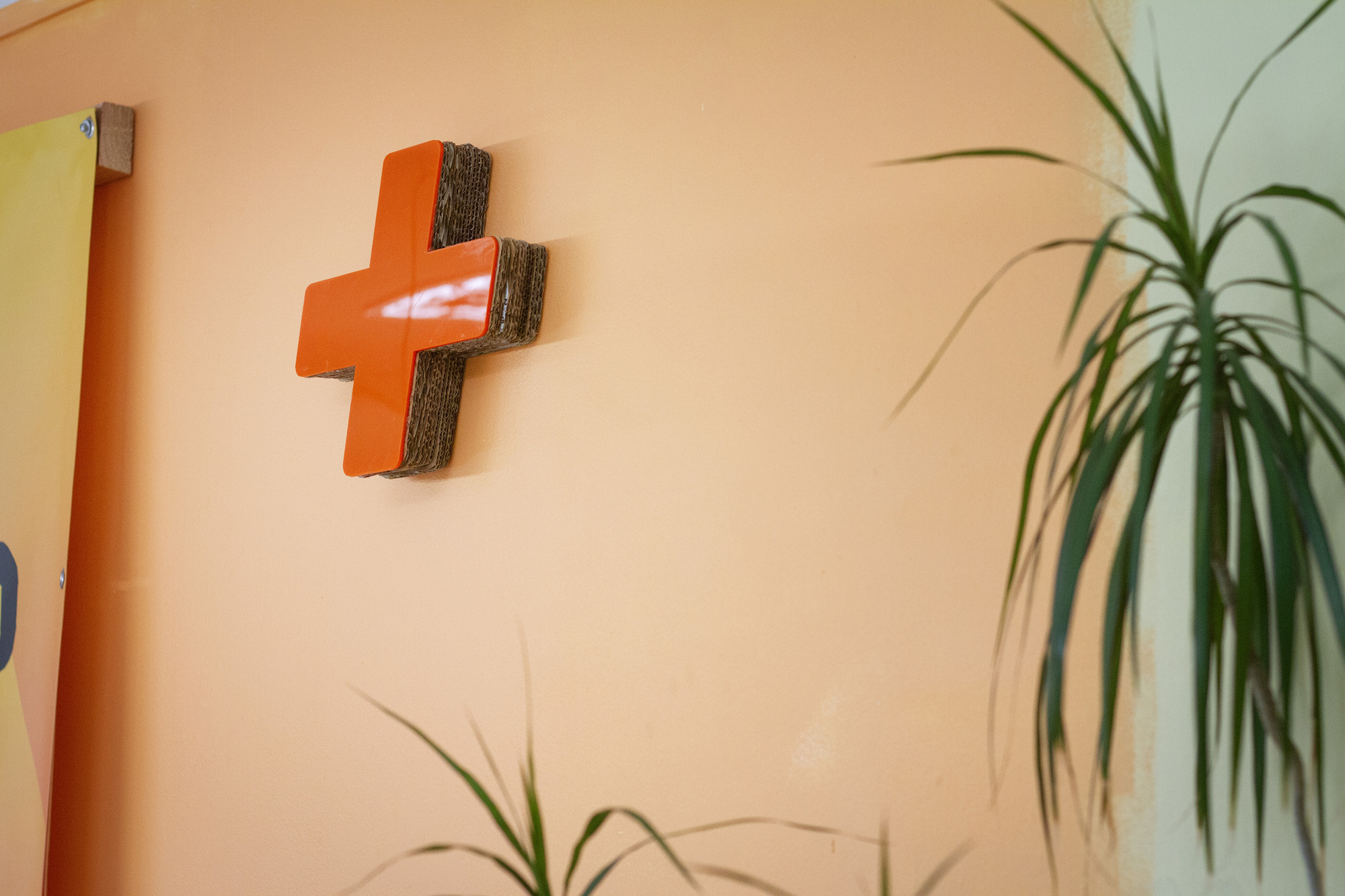
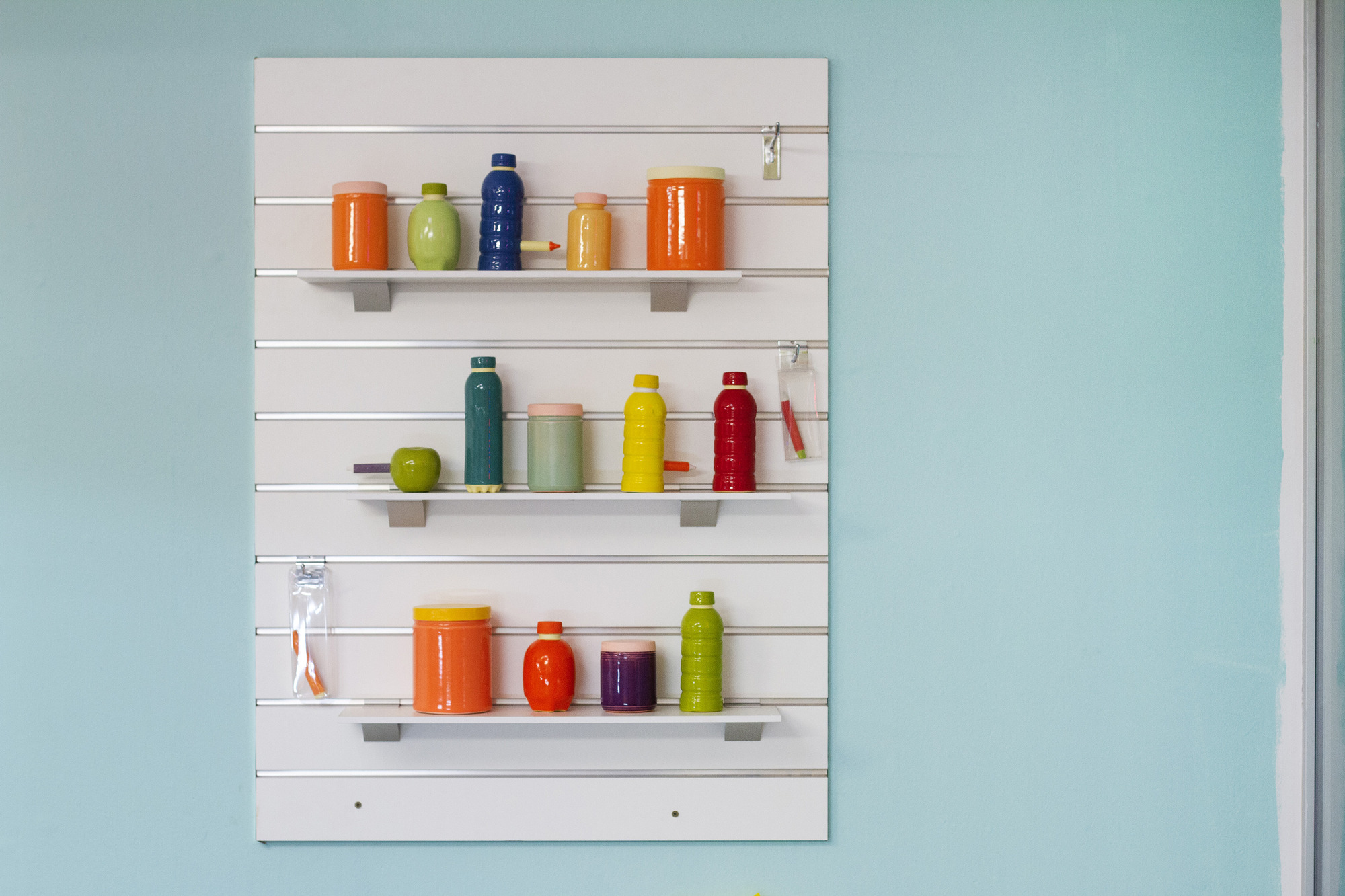
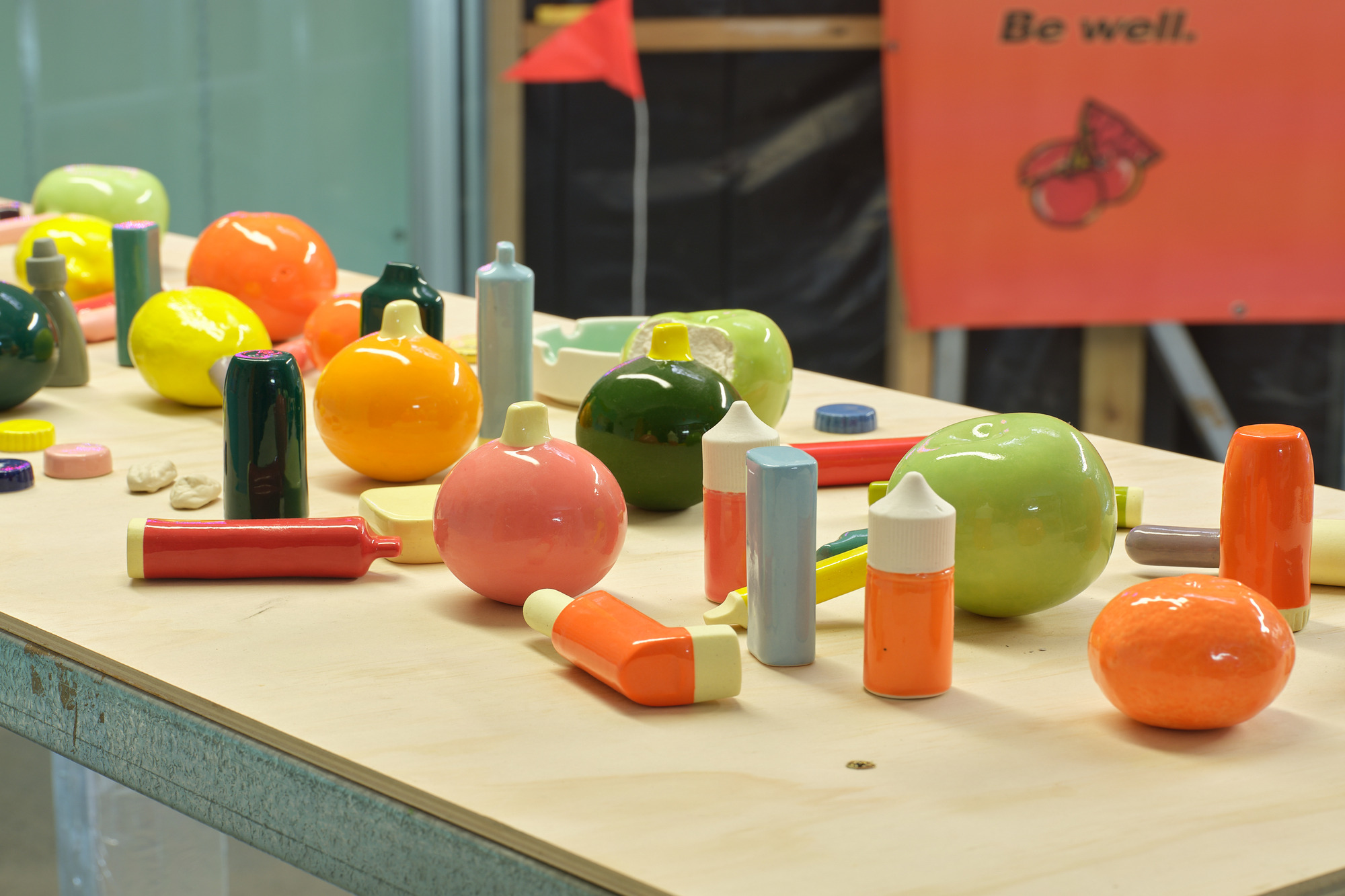
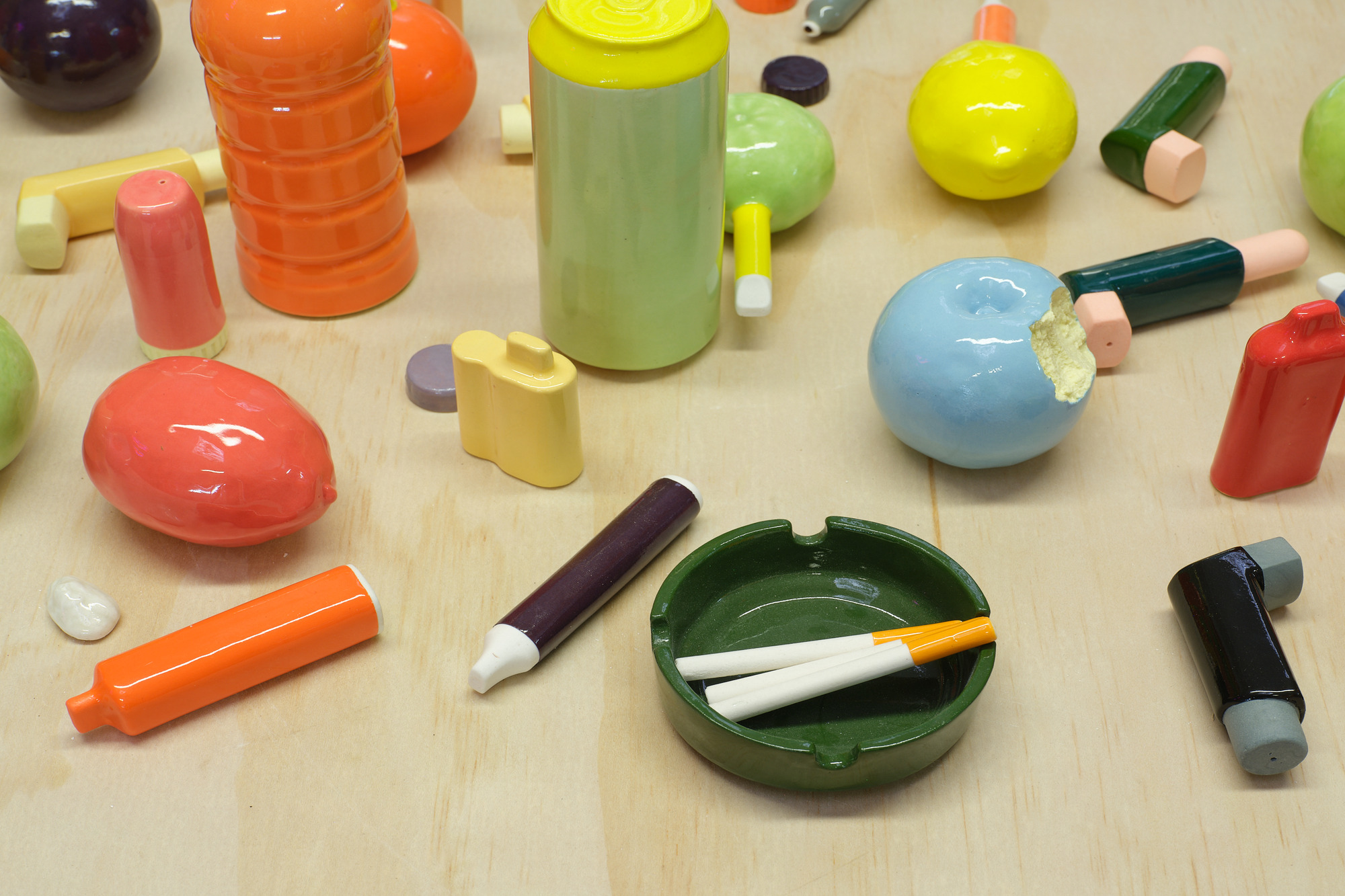
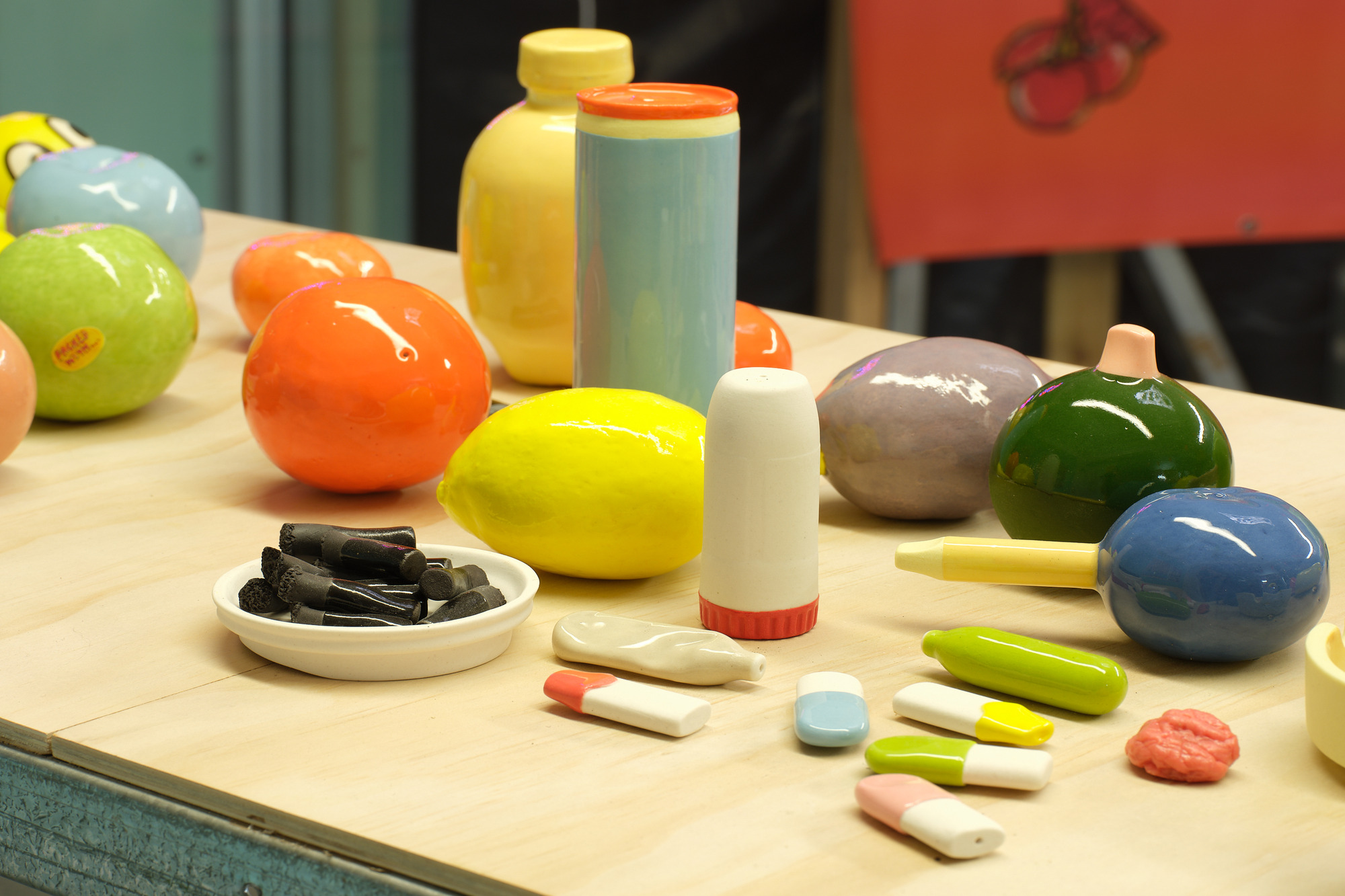
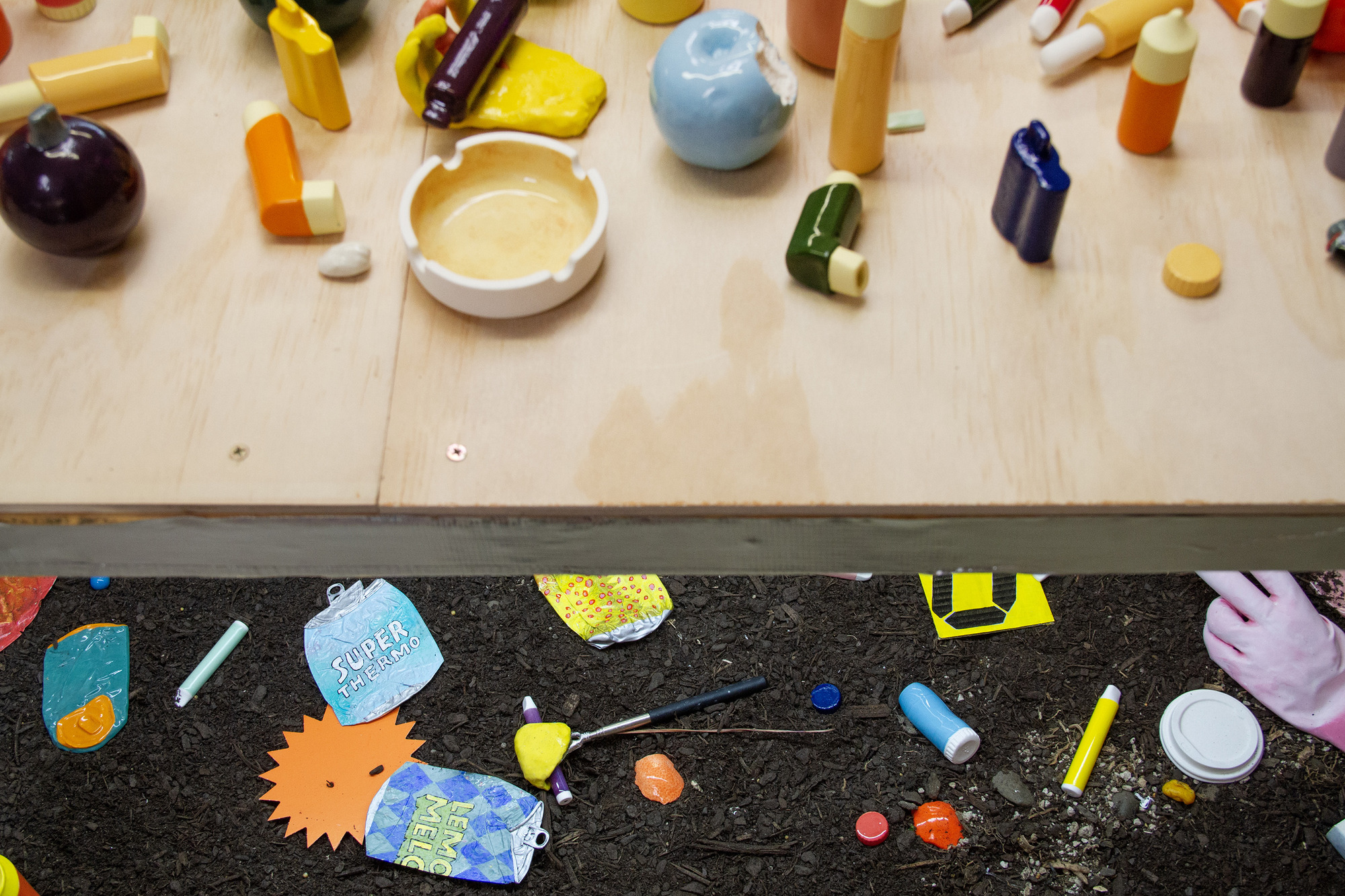
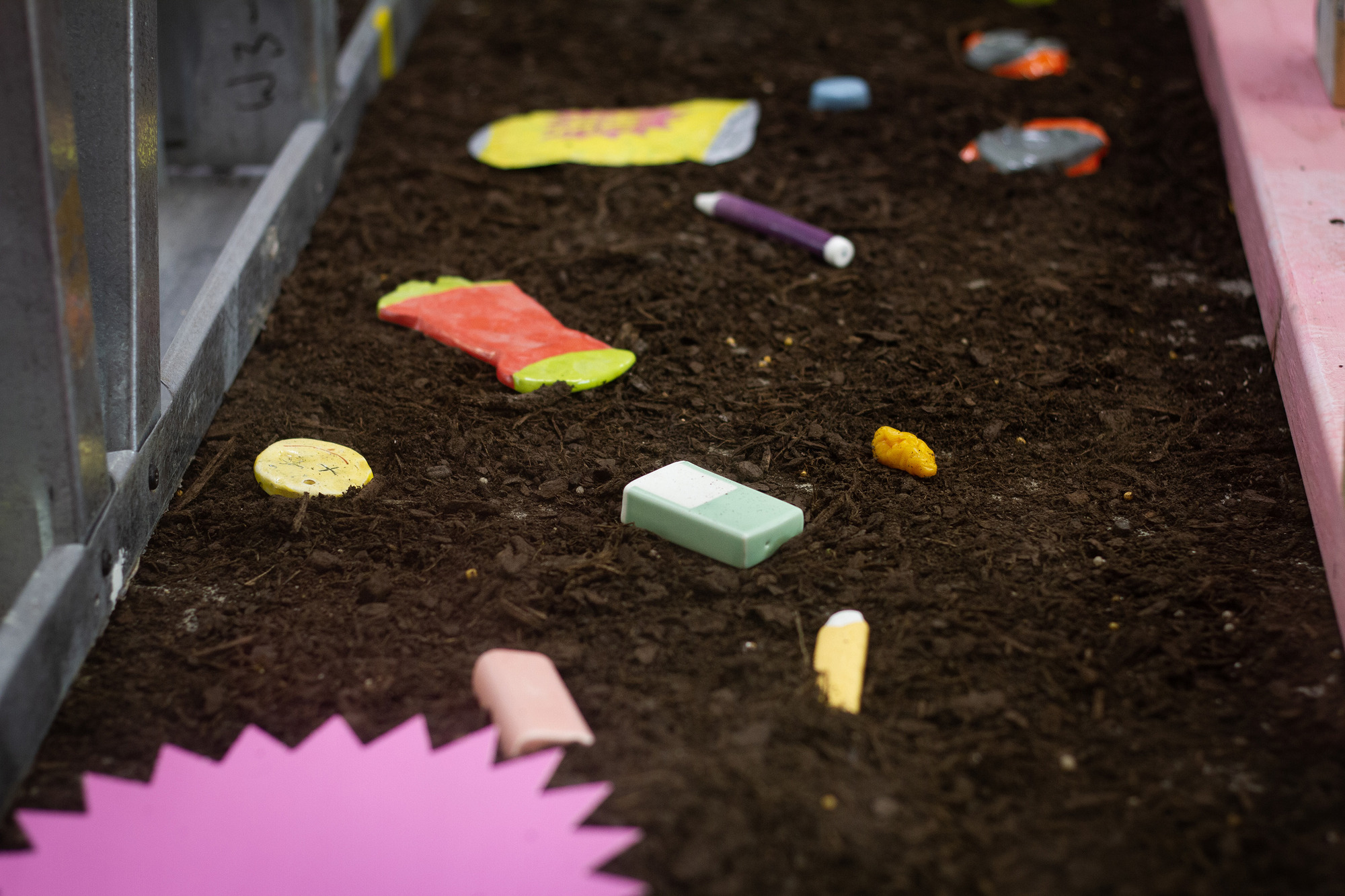
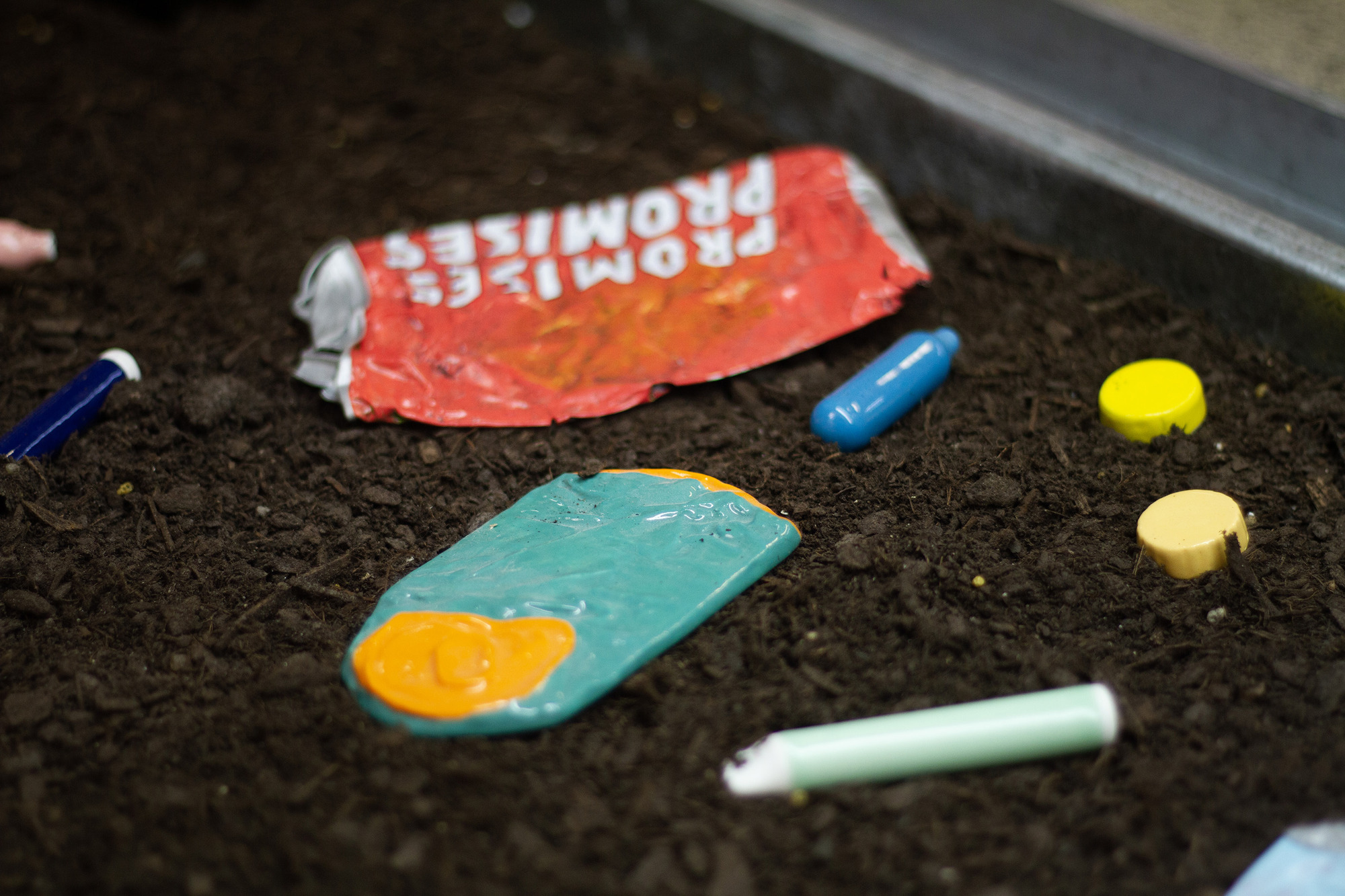
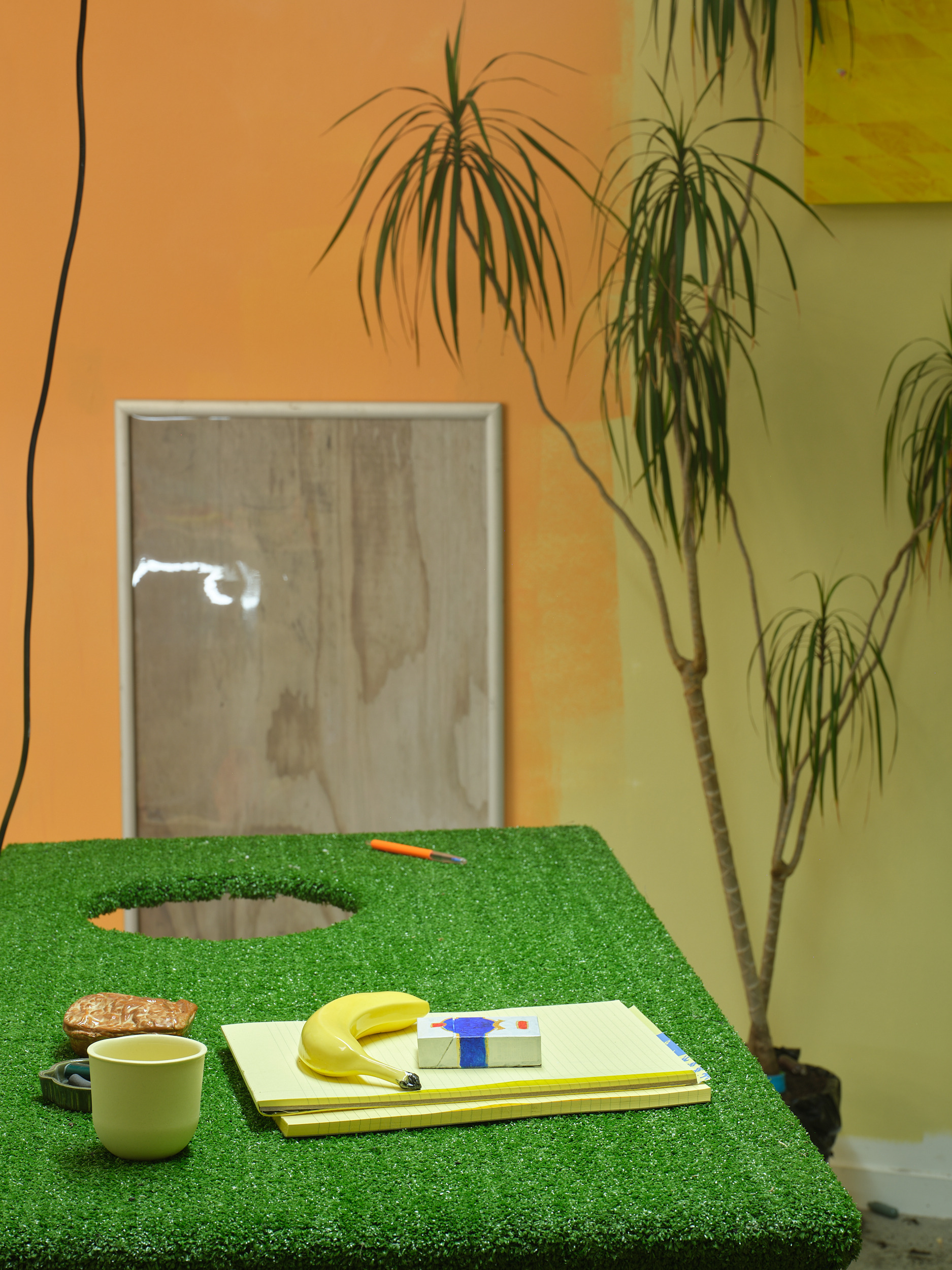
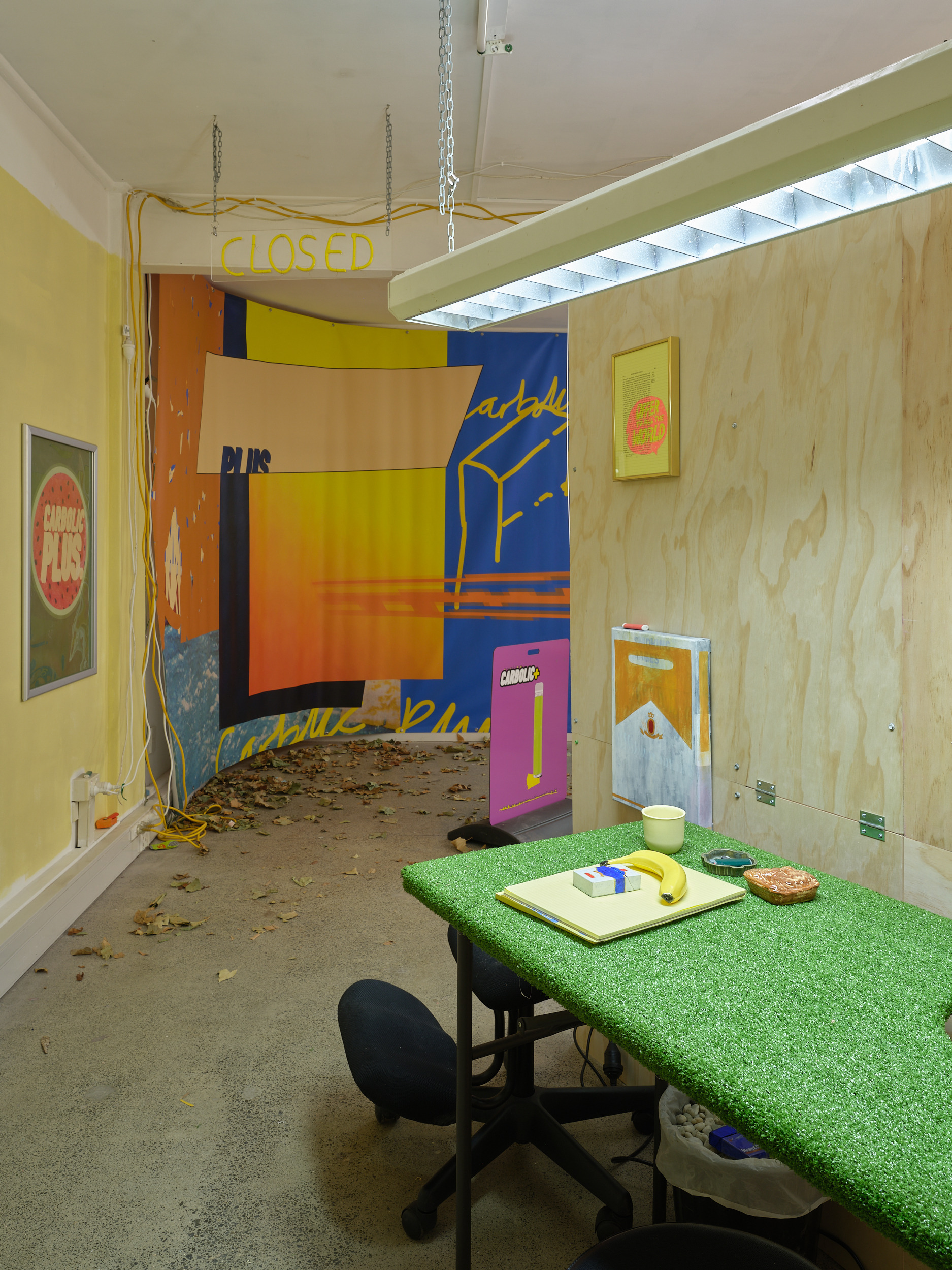
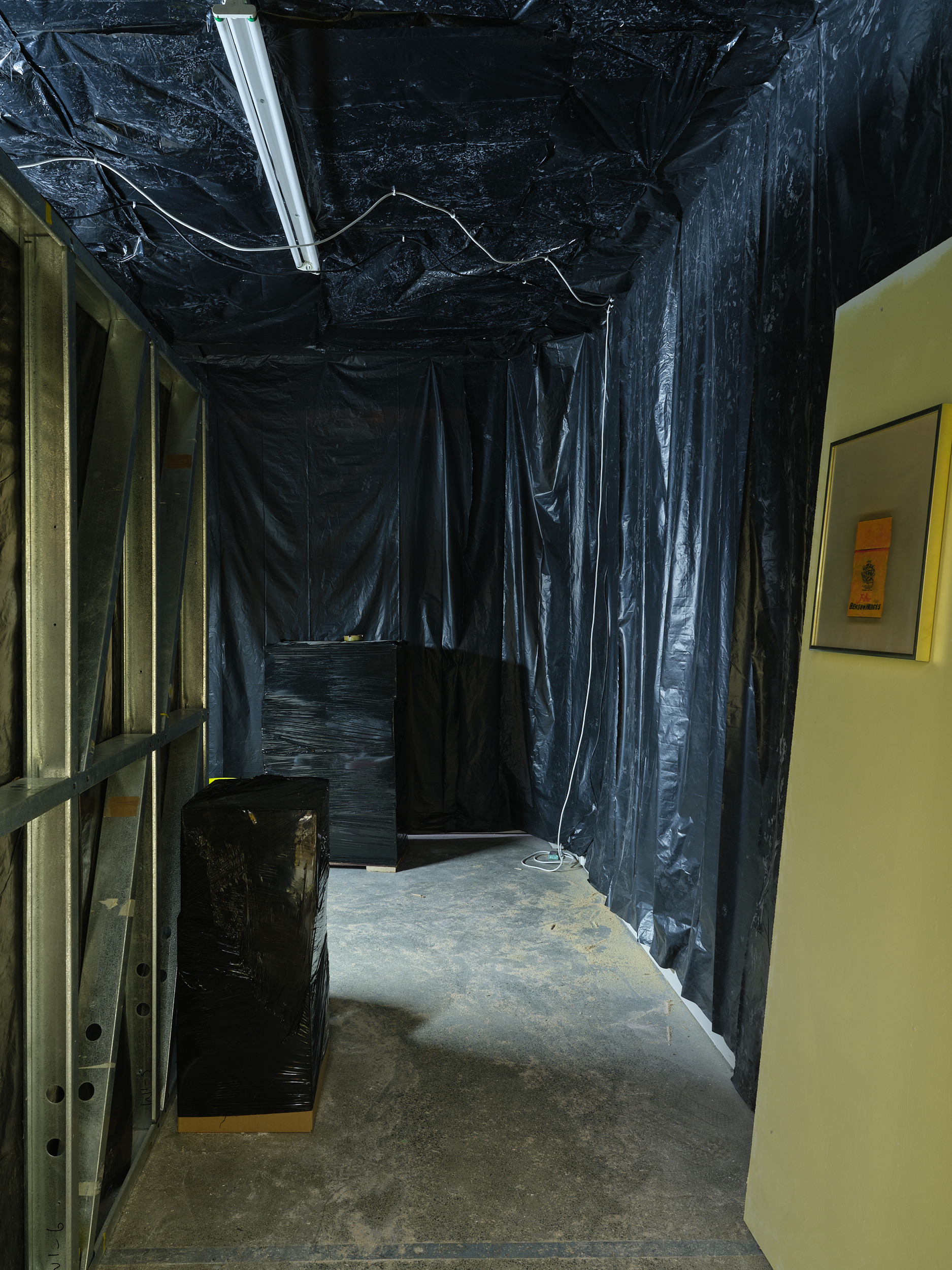
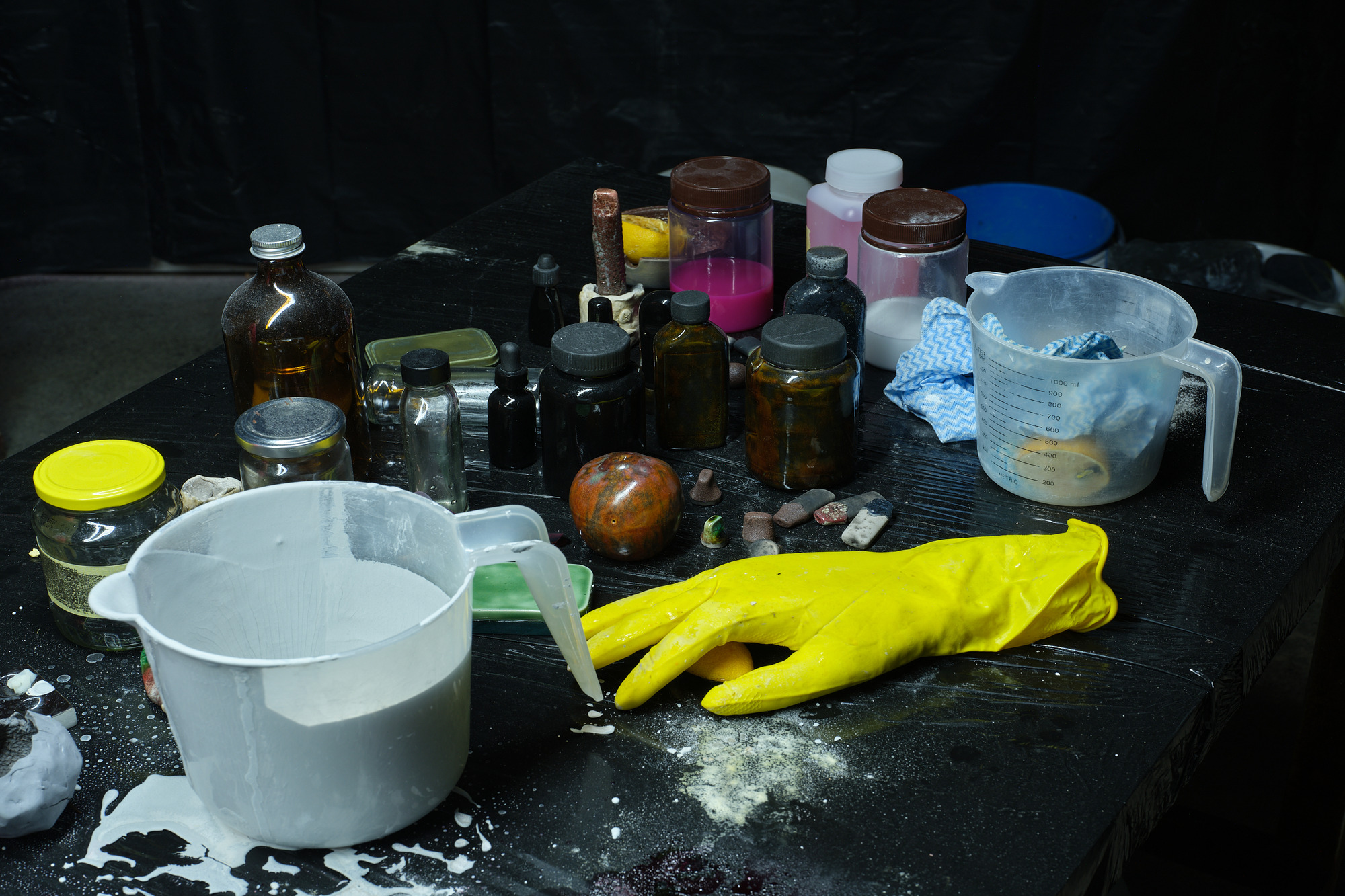
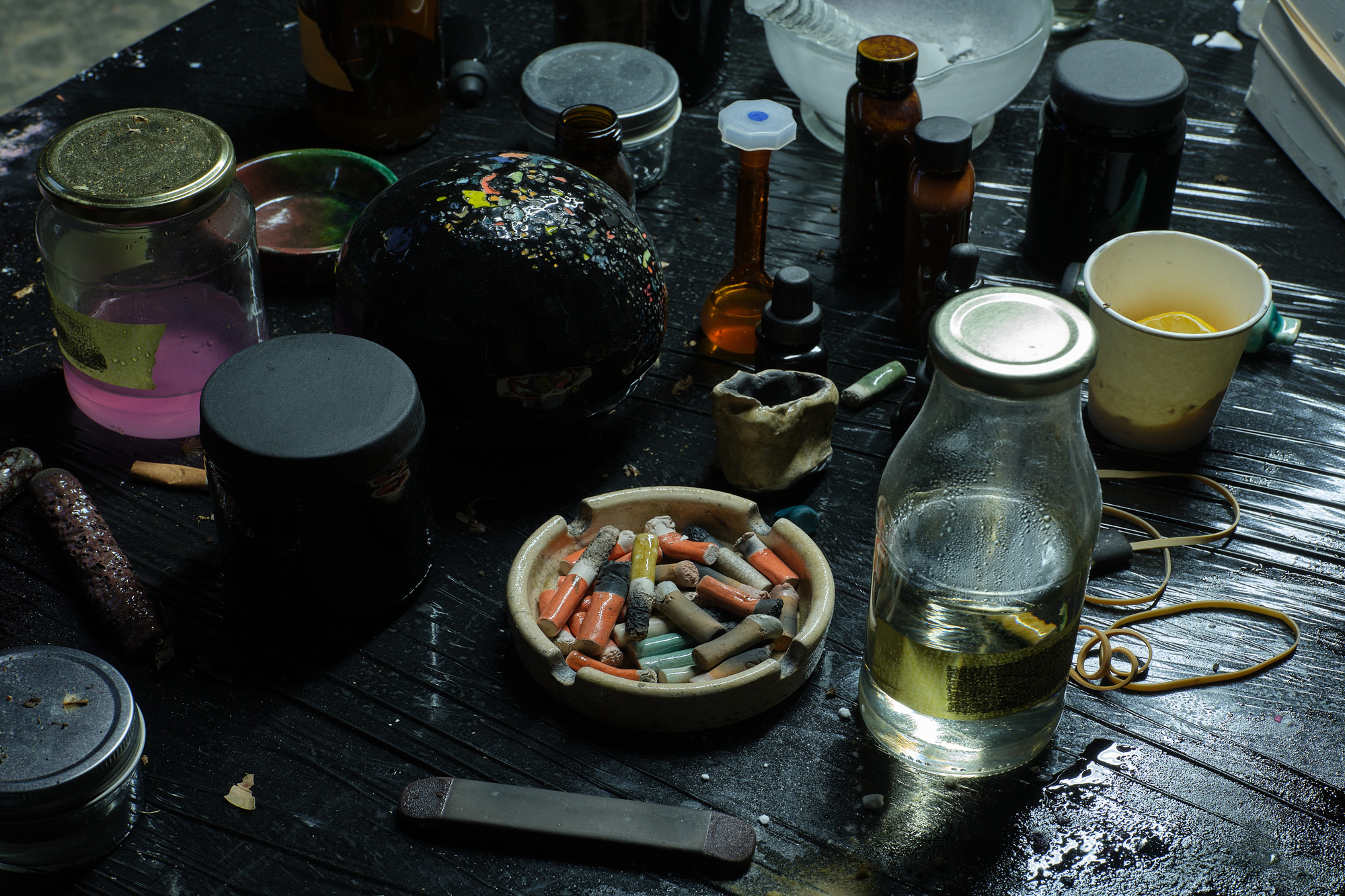
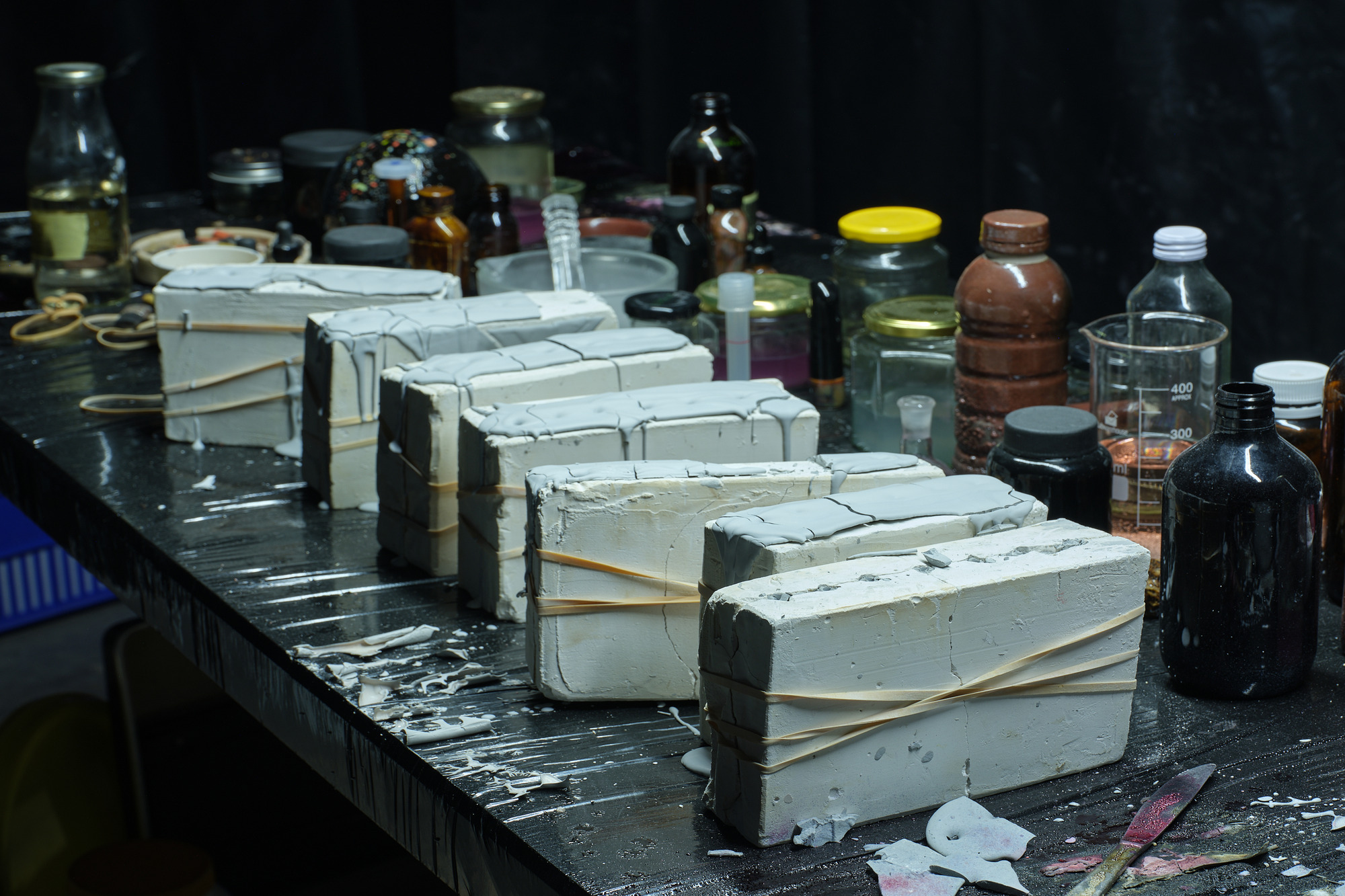
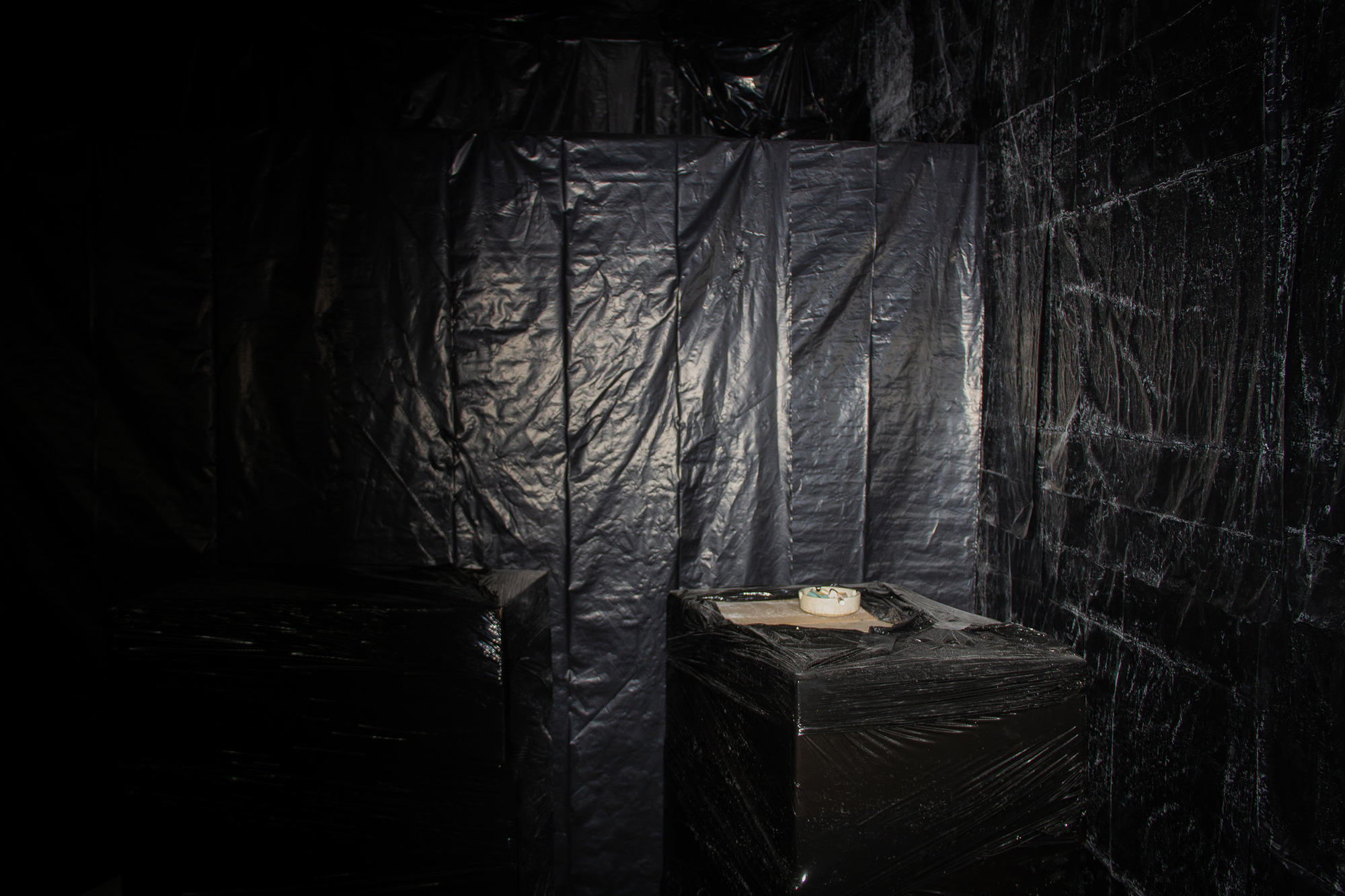
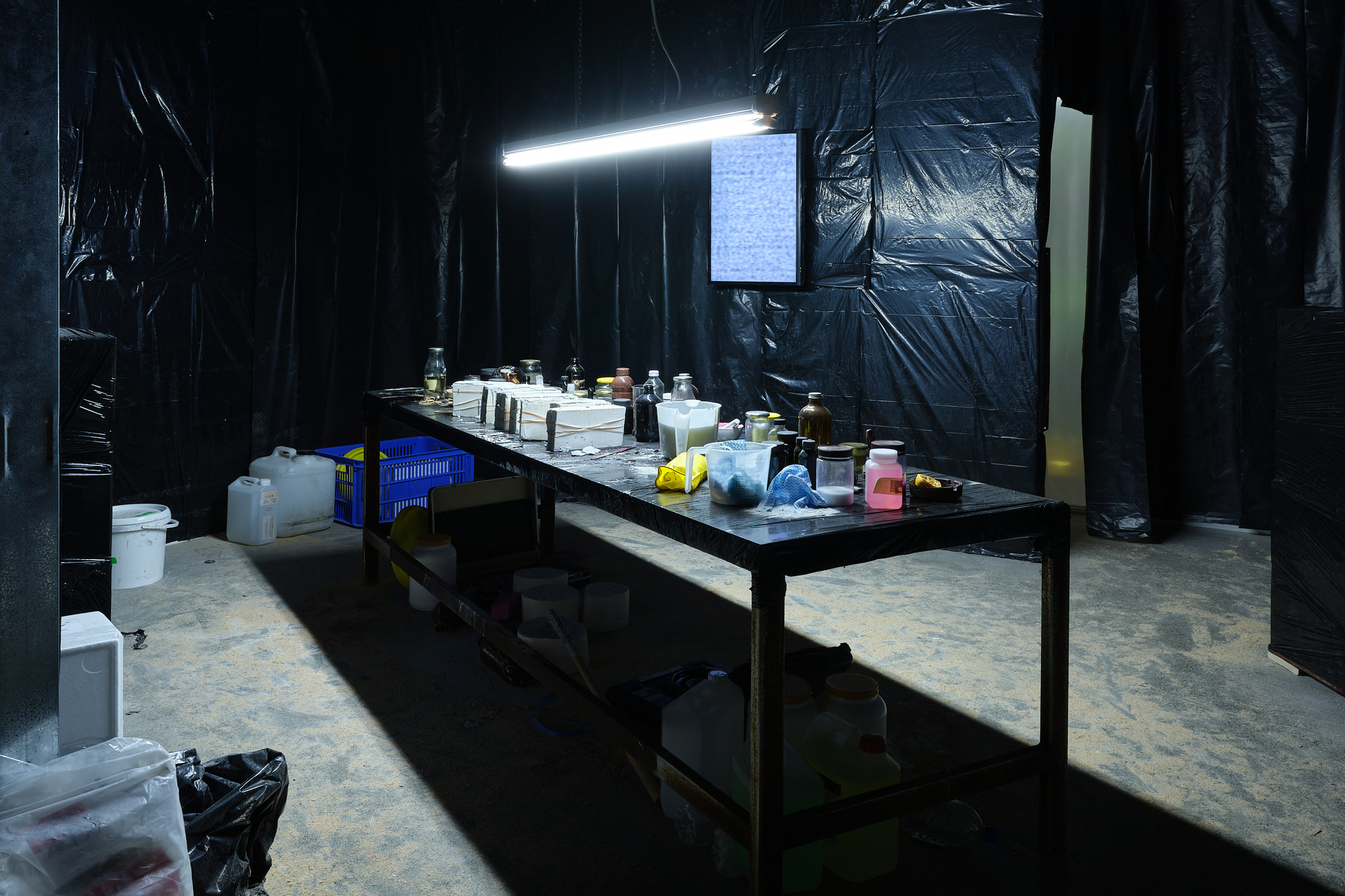
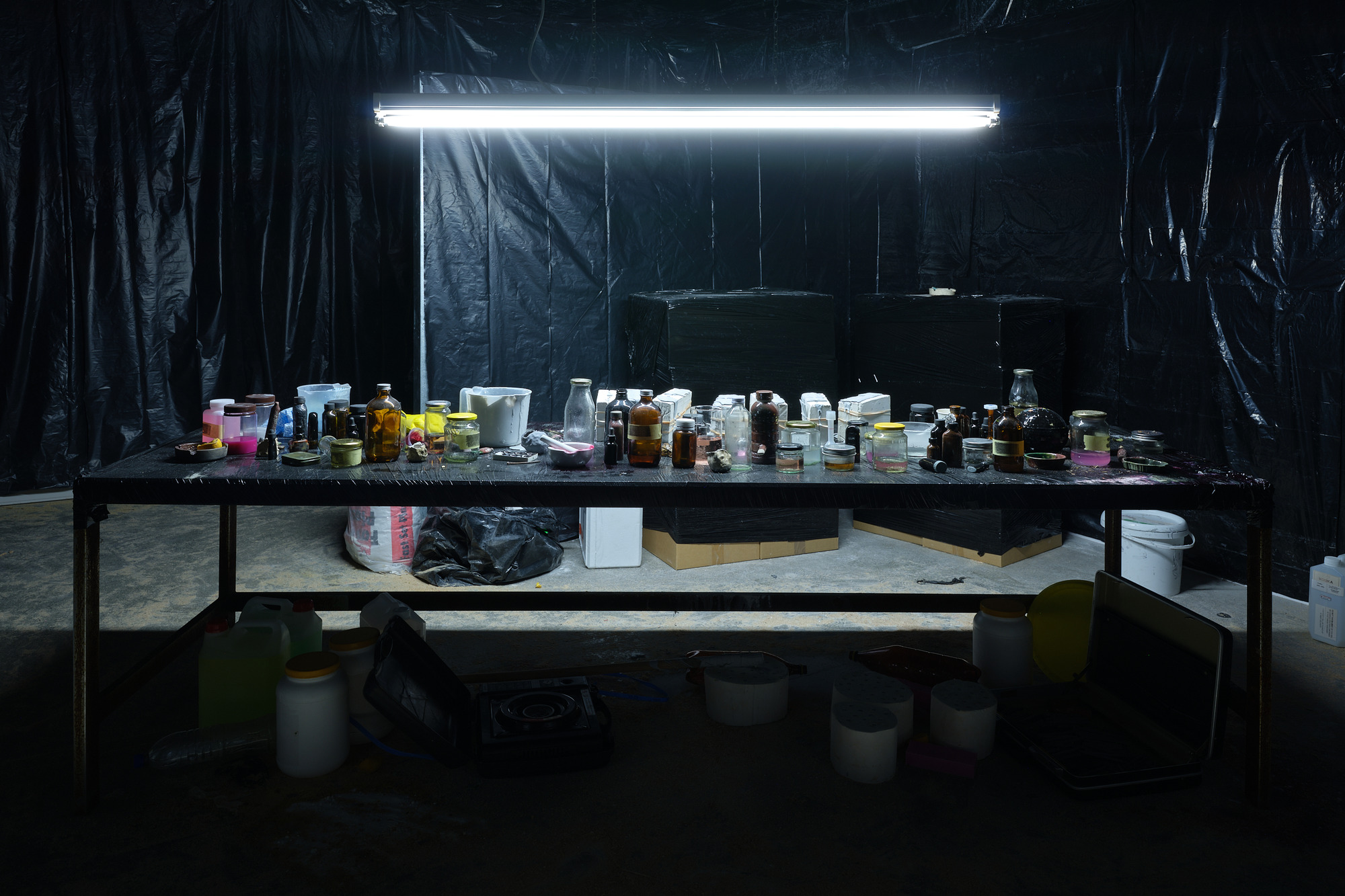
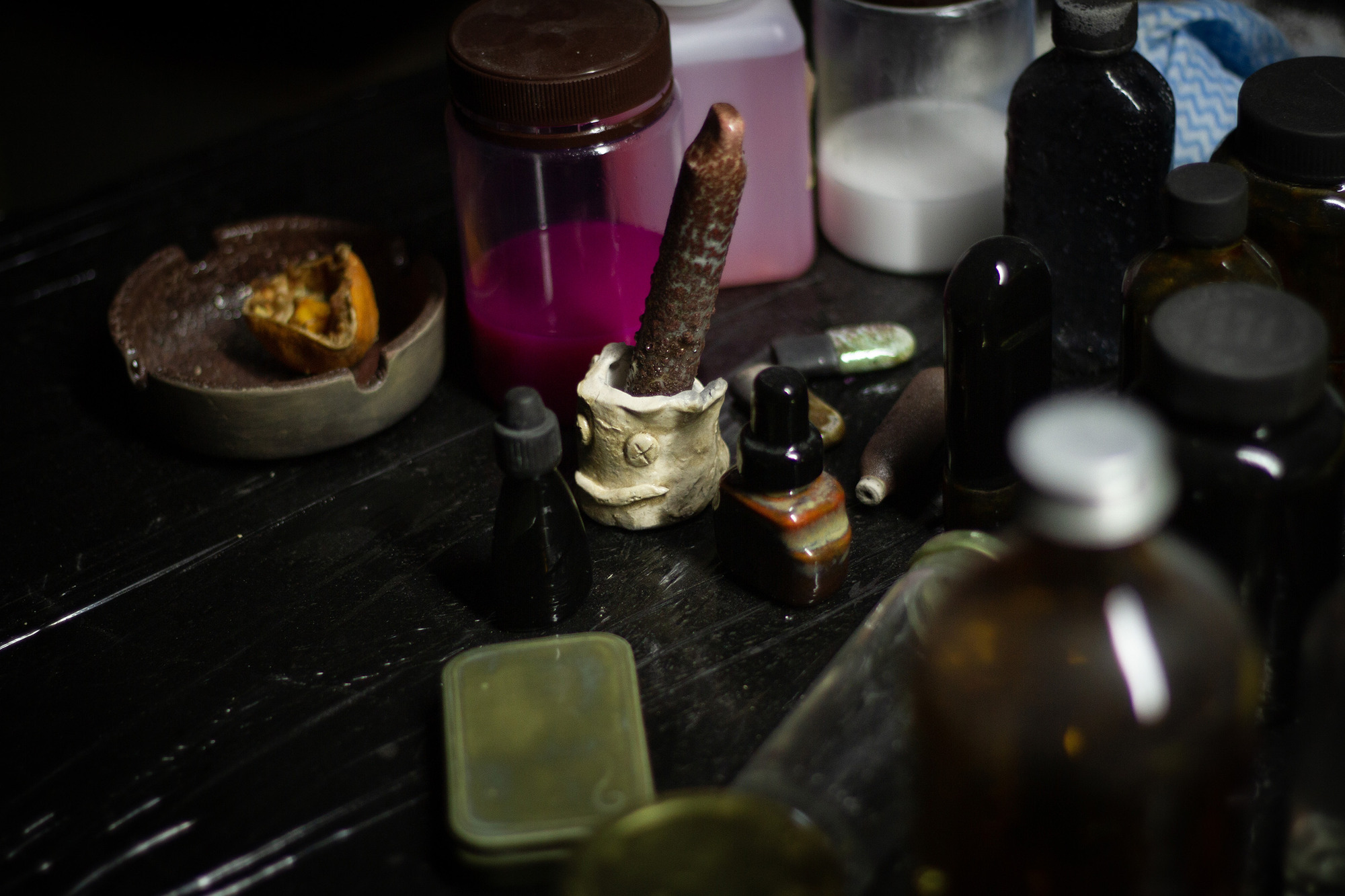
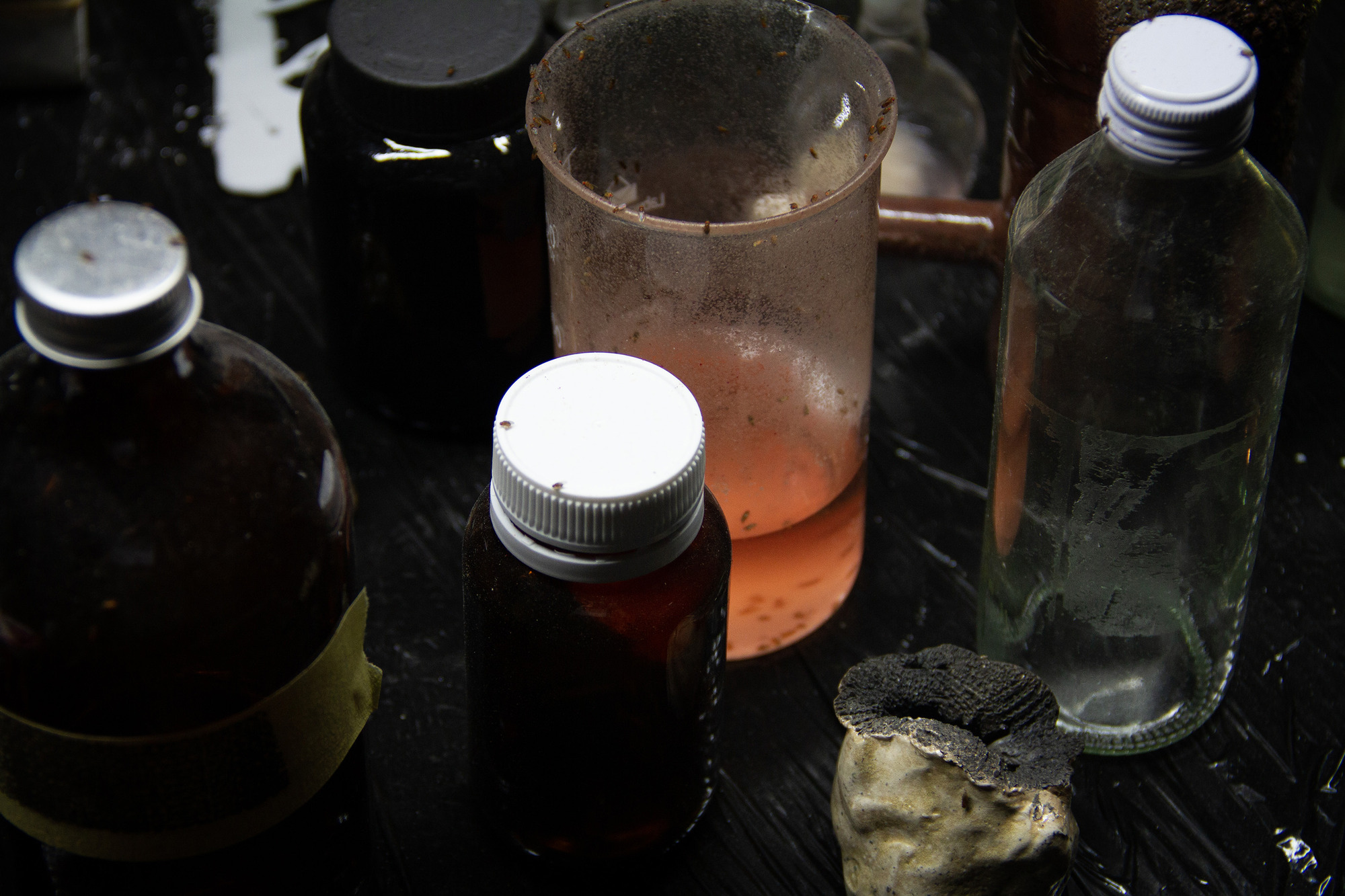
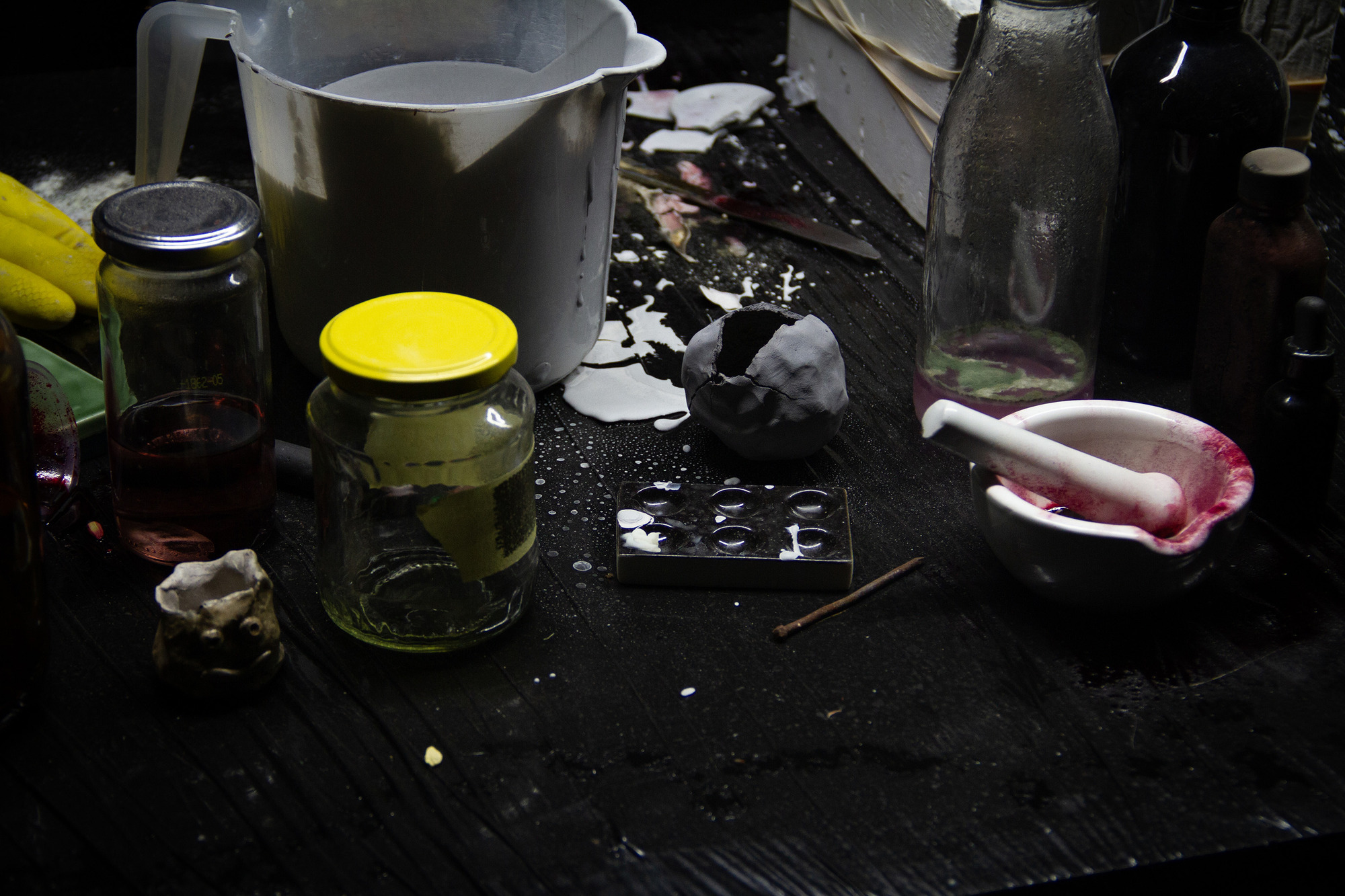
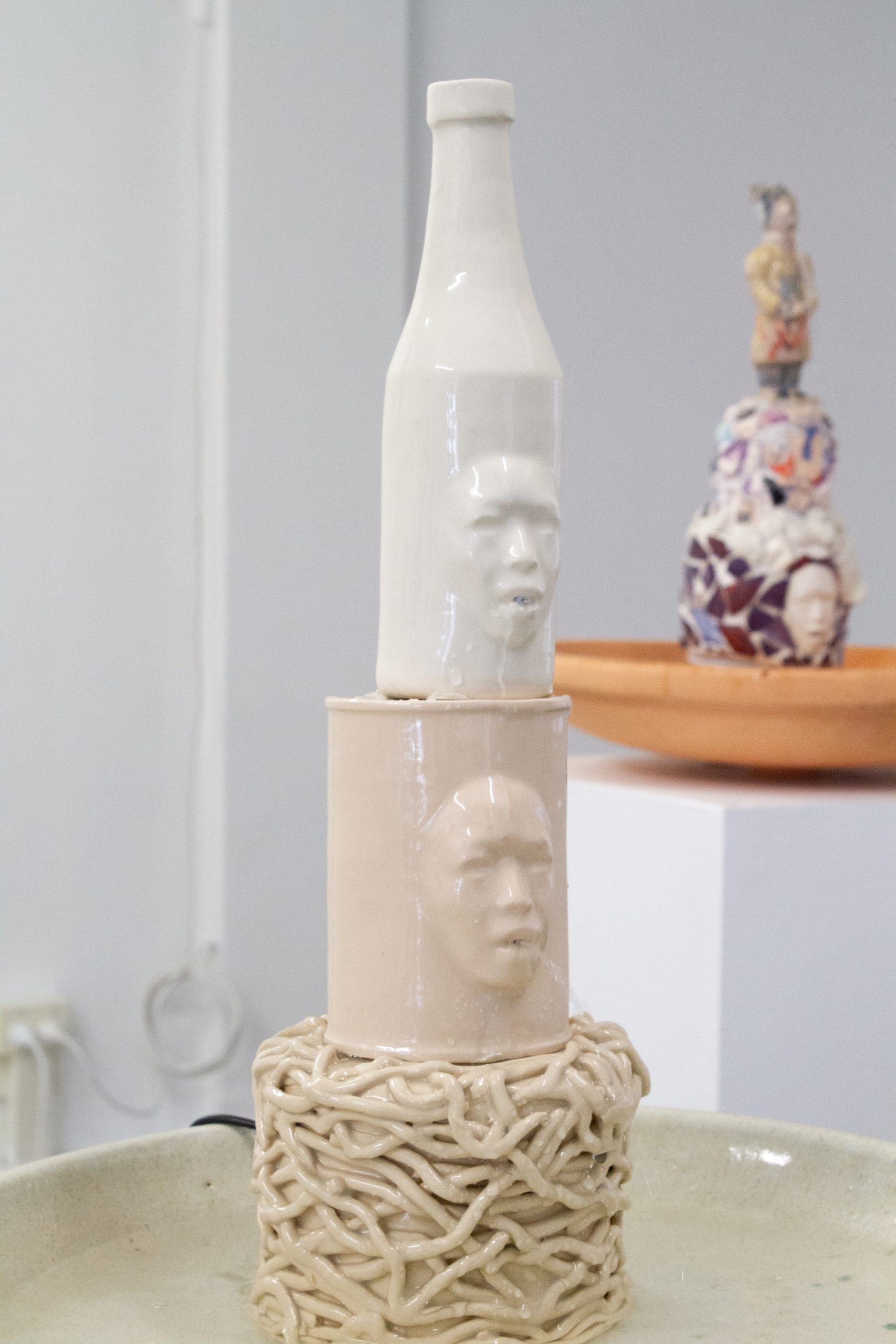
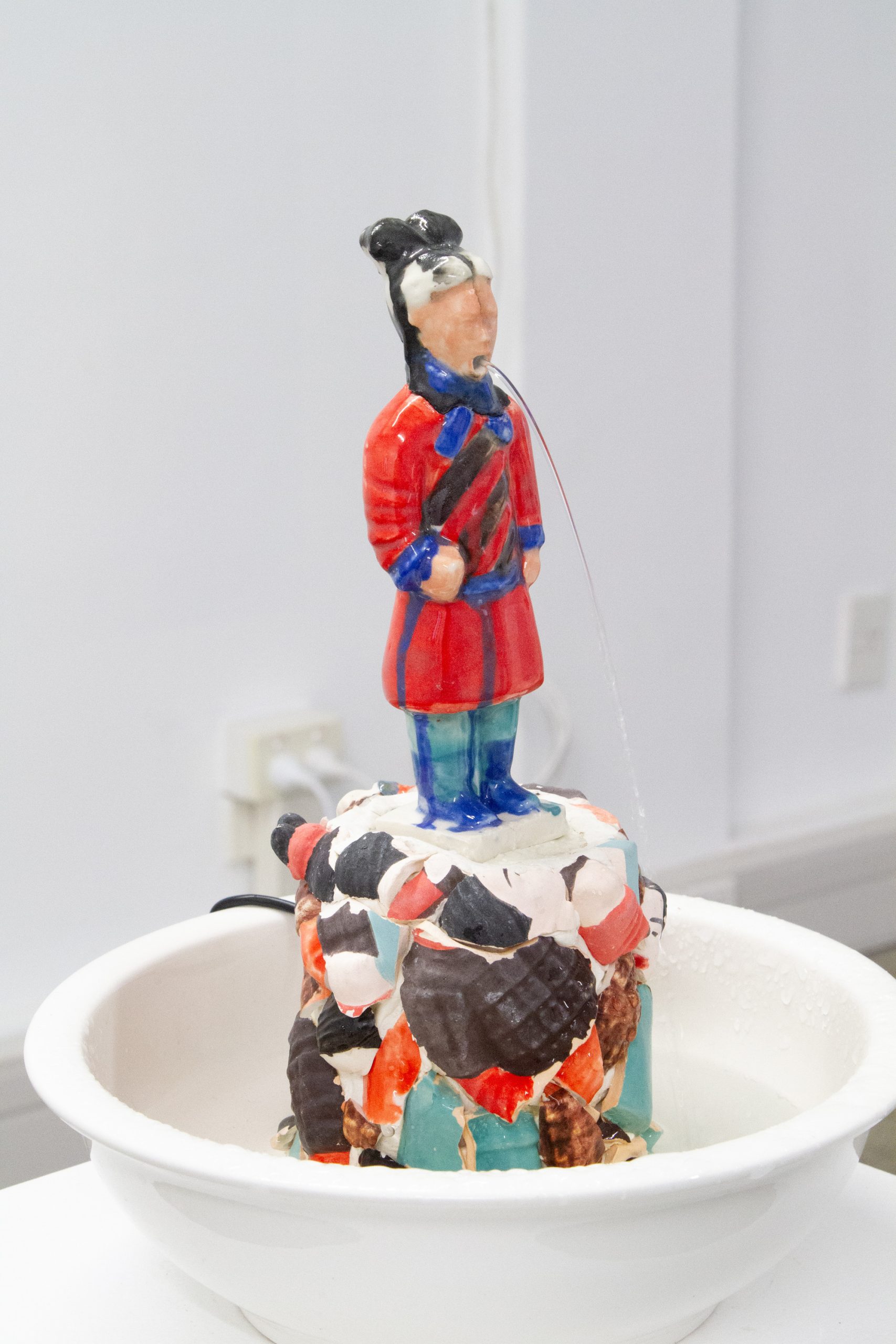
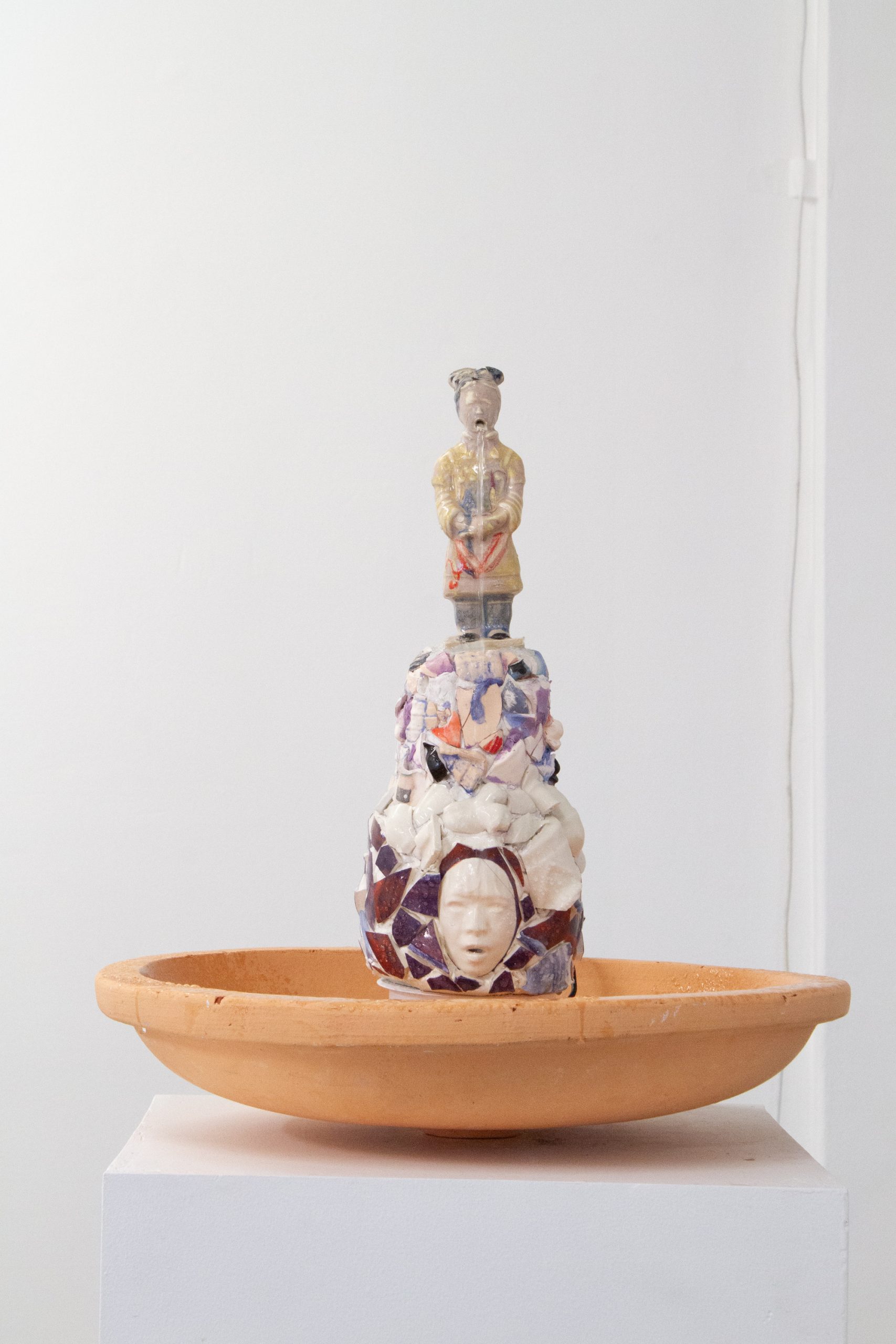
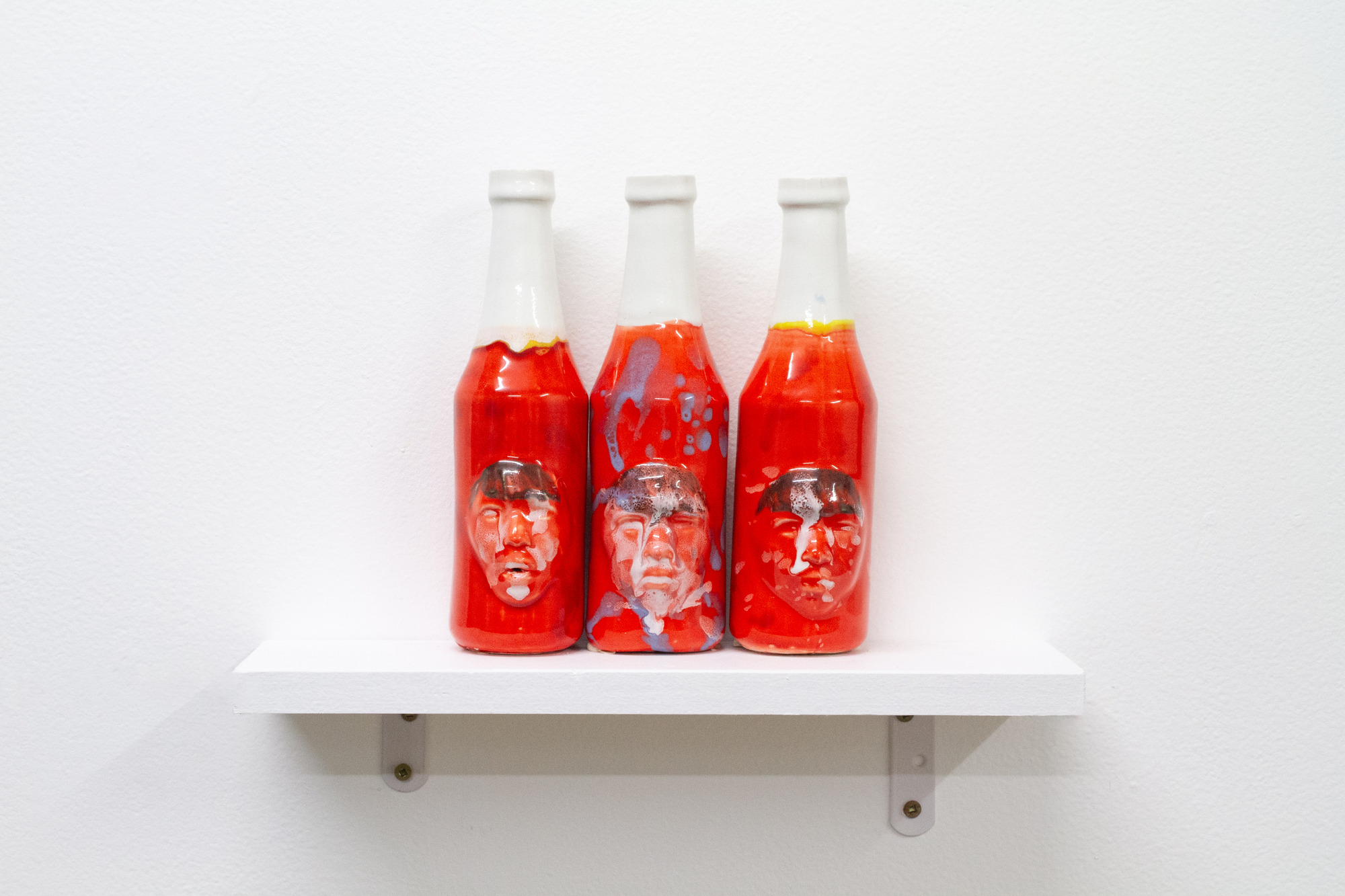
An emporium of disenlightenment and various exhibits, particulars, and testimonials. A regulatory delight. An omnishambles of potions and powders. The lingering scent of perspiration and ointment. Derivative ceramic items abound alongside bad paintings and some badly painted things. Loads of new content. For a limited time only.

Keywords: trade-offs, grey areas, medicinal, competing priorities, quackery, green tape, wishing well, on the hoof, rinse and repeat.

(Use your inhaler.)

Be mindful. Beware. Be well.

Images by Sam Hartnett & Ardit Hoxha

Li-Ming Hu : Deliciously Authentic

Li-Ming Hu
Deliciously Authentic

6 November – 30 November 2024

When I was showing art in NZ before I went to grad school, the word race was never mentioned, nor foregrounded in my art. In the US, it was dropped in my first class crit and kept buzzing around ready to bite me in the ass if I fucked up. In the many open call/residency and grant applications that followed, it seemed increasingly expedient to drop the terms ‘Asian’, ‘diaspora’ and’ ‘subjectivity’ in the make believe projects for those applications. As often happens, the make-believe leaks into the actual, and here are some of the results.

When I was showing art in NZ, I never mentioned my 3-year stint on Shortland Street or the one series I spent as a Power Ranger. While my teachers were quick to make links with my ‘background’ I was slower on the uptake, worried perhaps, that this association with the murky world of B-grade entertainment might tarnish any art world credibility I might develop. In the US however, people thought this was REALLY COOL and perhaps the most interesting thing about me. No surprise then, that I turned to this experience with scripts, set and cameras as ‘a useful methodology with which to explore ideas and practices of performance while being in dialogue with a history of performance art that has often taken pains to distance itself from the theater and ideas of the spectacle that the entertainment industry embodies’¹.

¹From an application essay for a program for which I was not accepted.

Images by Antje Barke
Eiko Olykan : Models

Eiko Olykan
Models

6 November – 30 November 2024

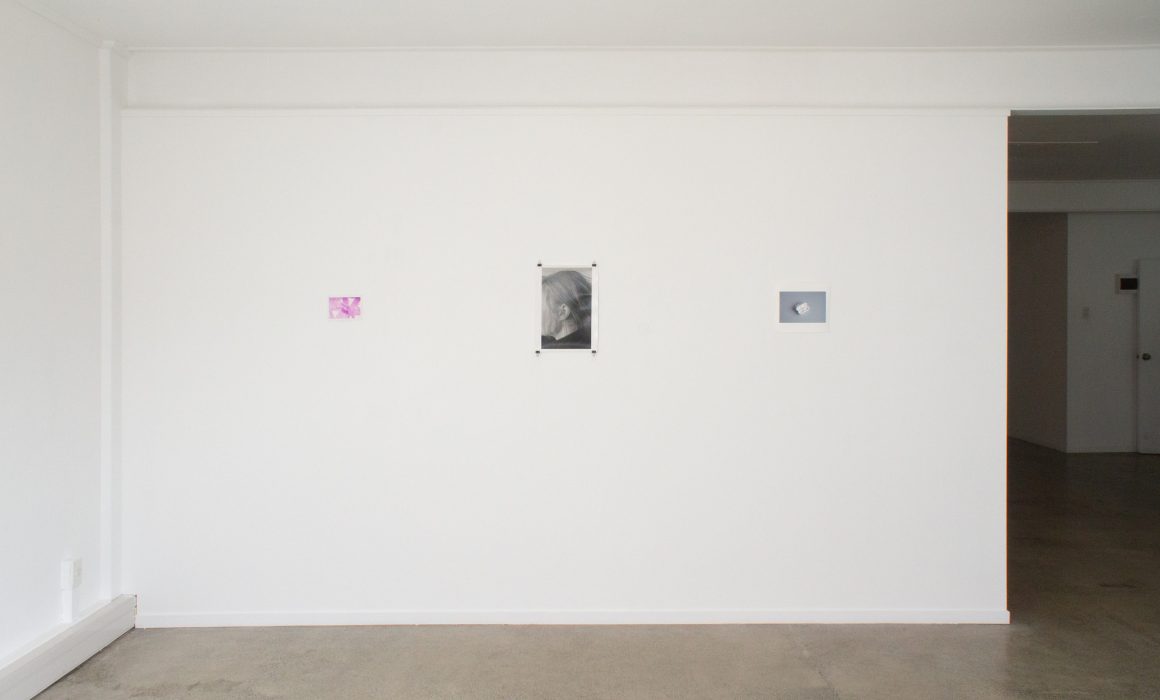
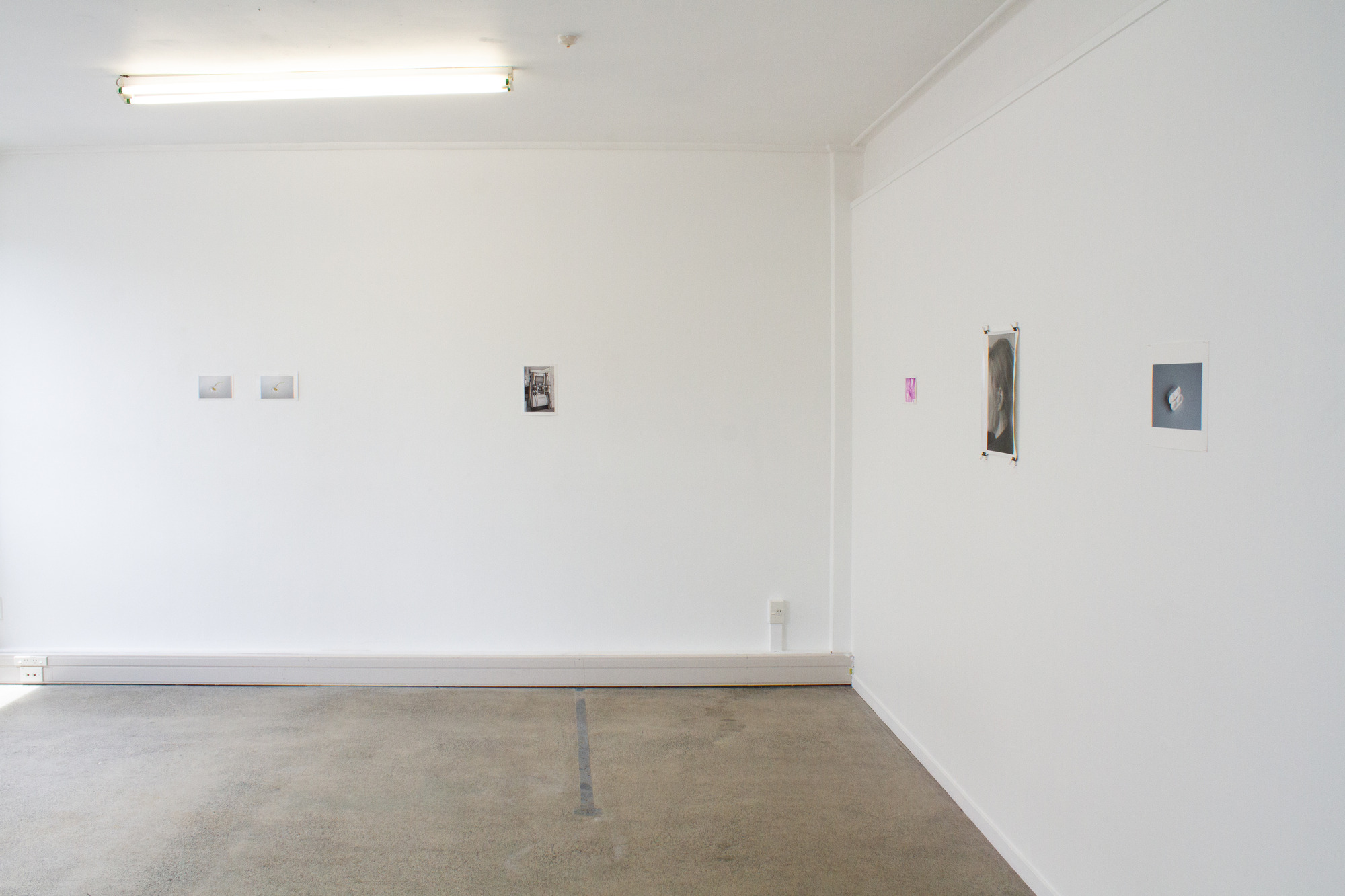
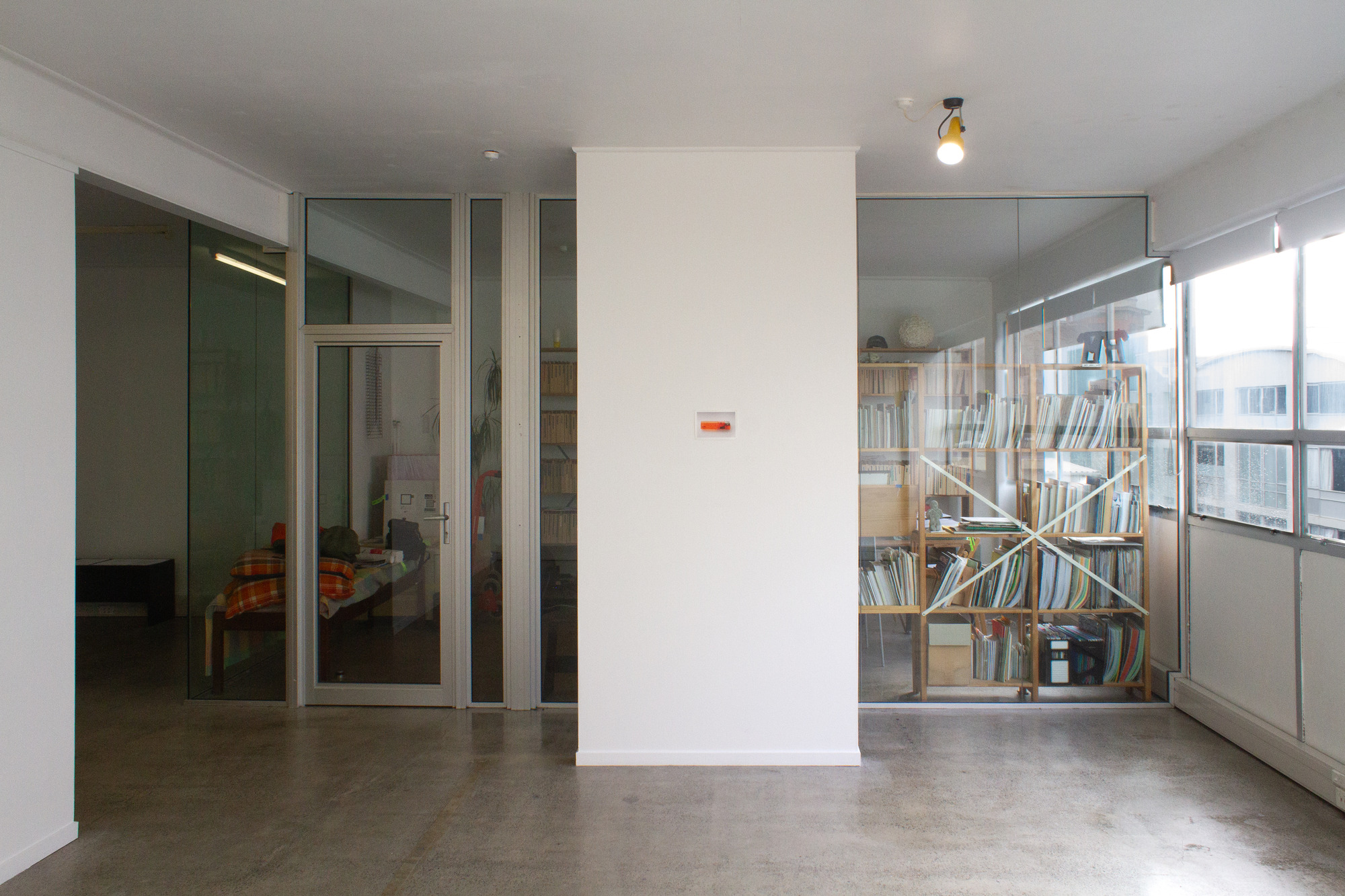
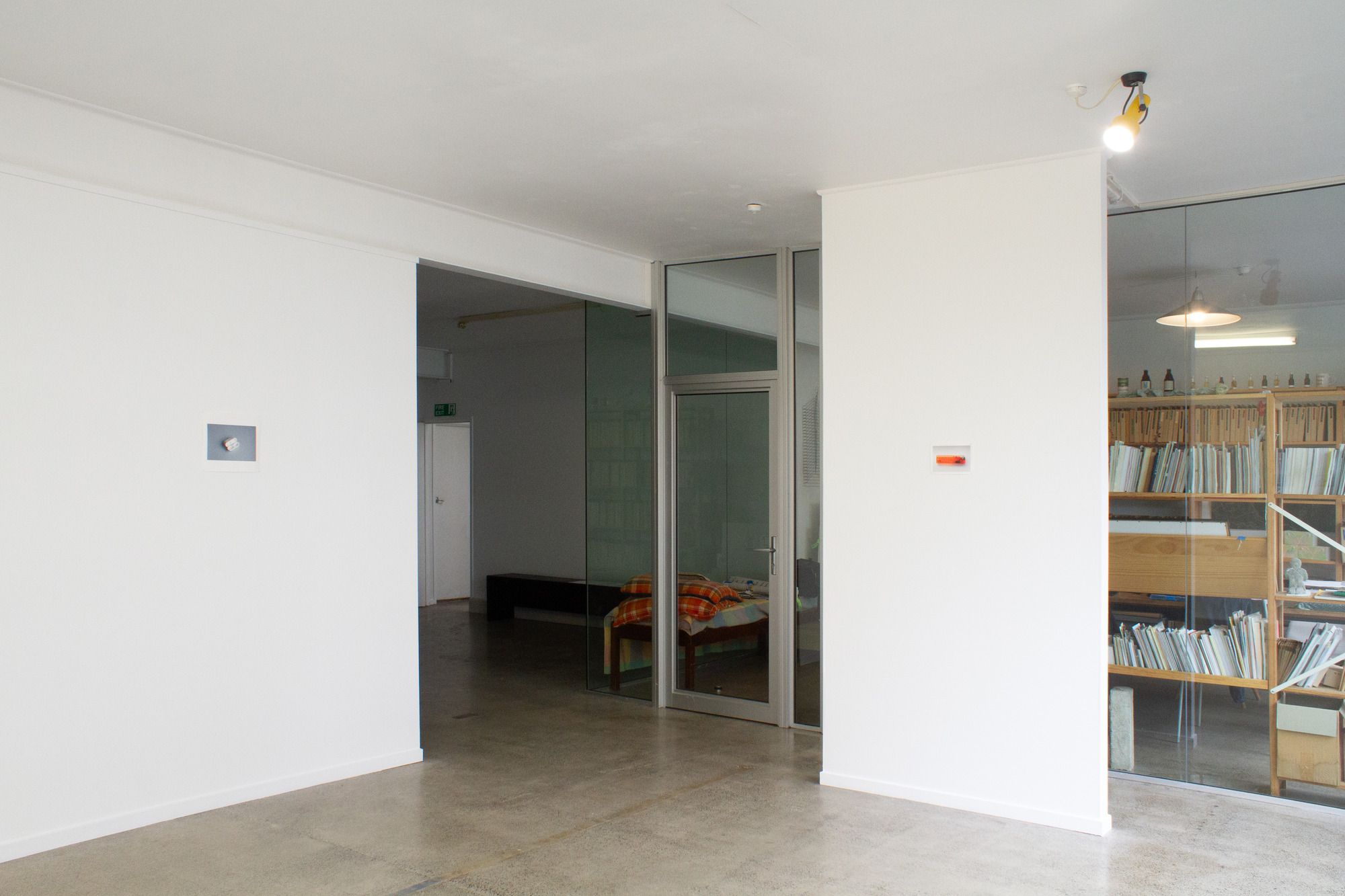
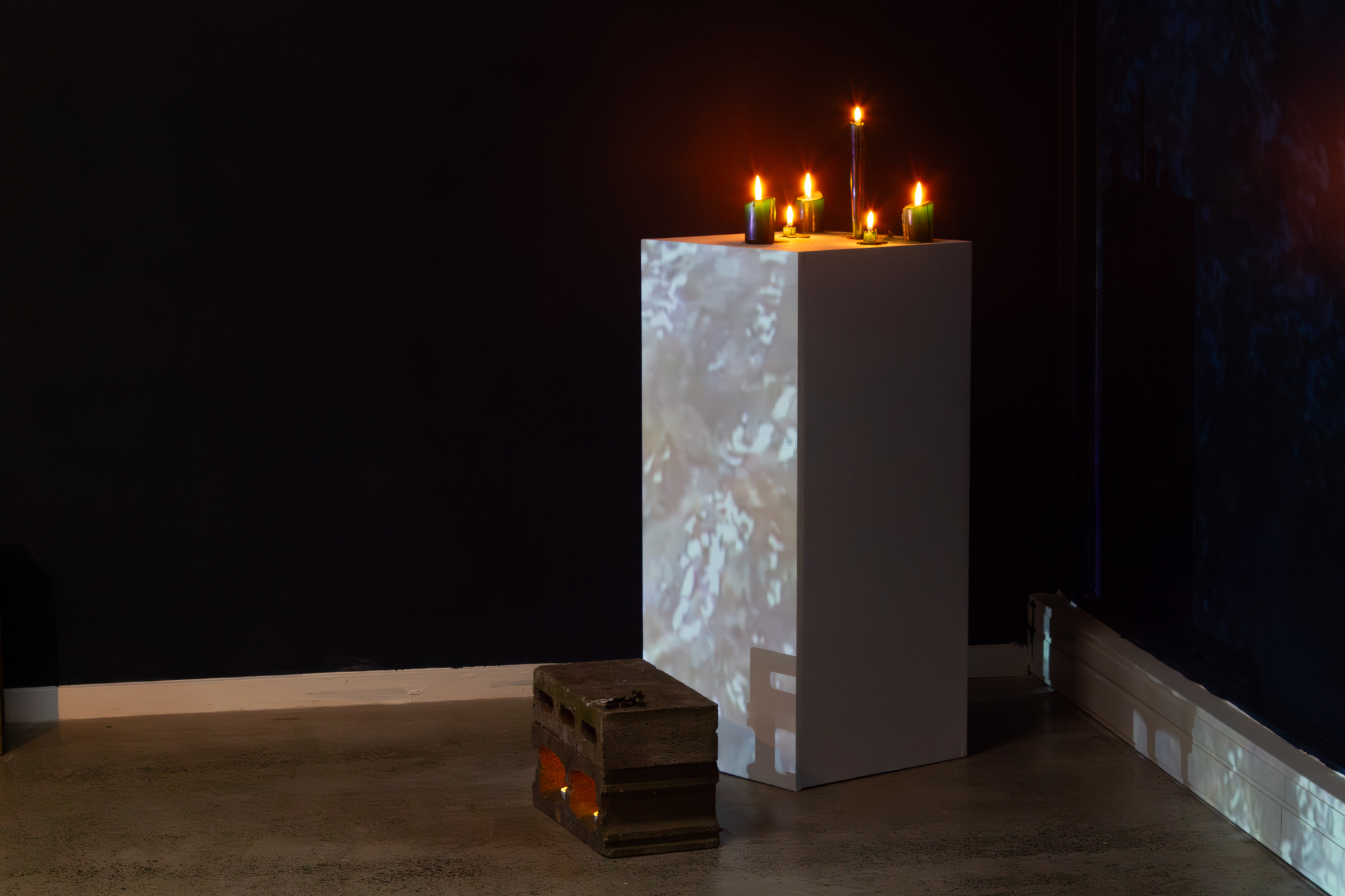
Models is Olykan’s first solo presentation since completing his Bachelor’s Degree in Fine
Arts at Elam.

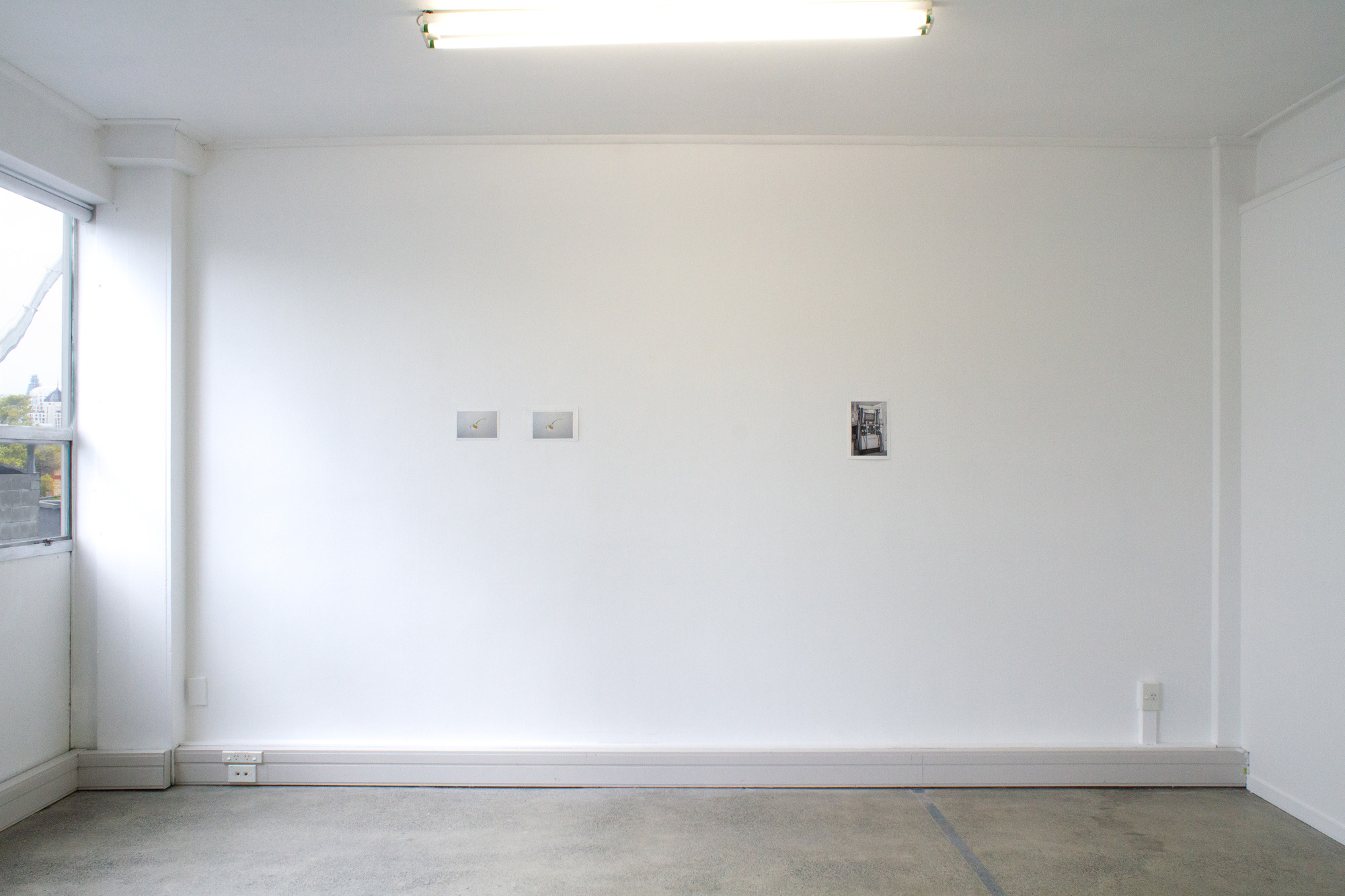
Clockwise from left:

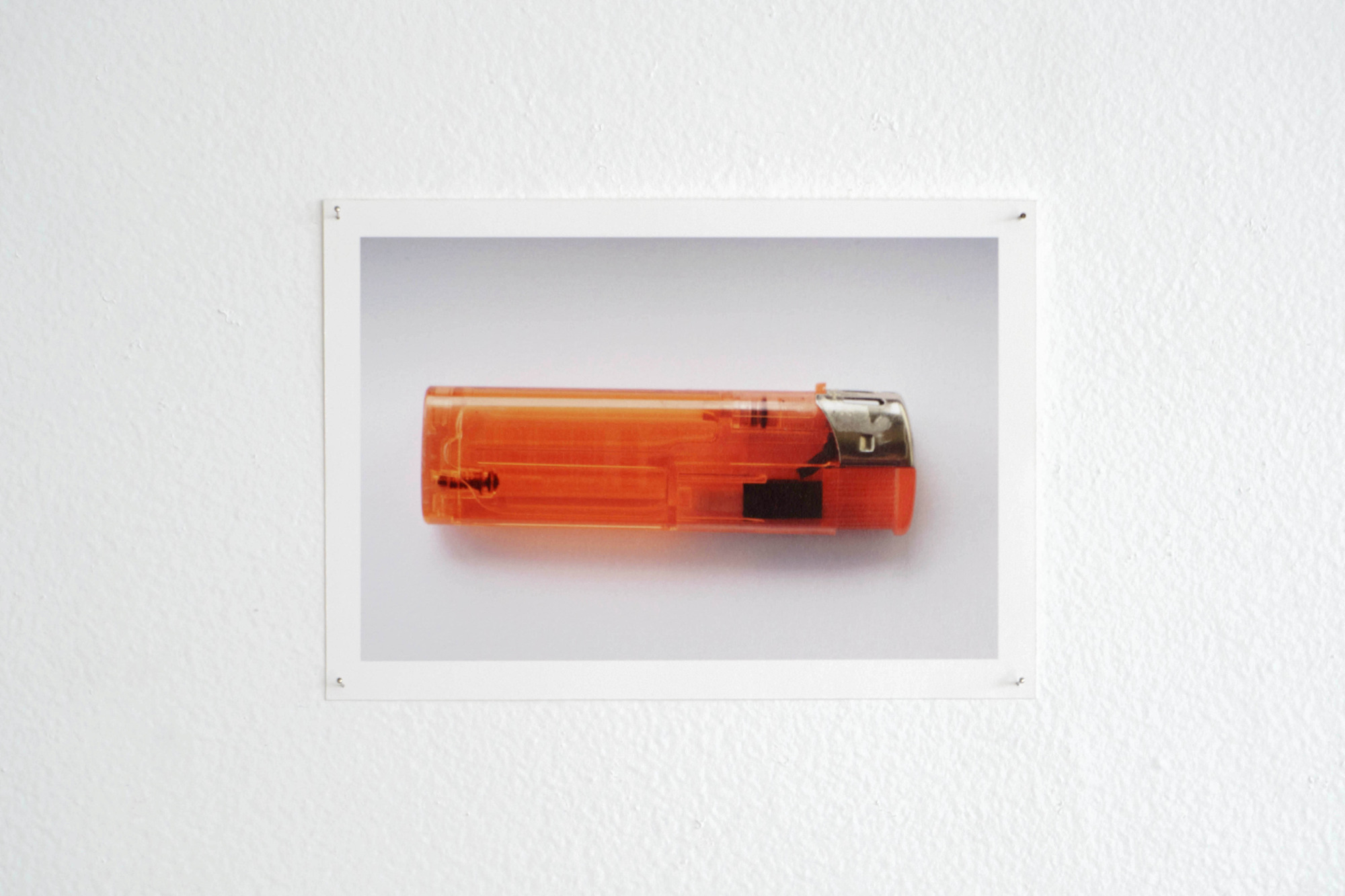
Lighter, 2024
Inkjet on paper from mixed spectrum infrared/visual digital photograph.
133 x 189mm.

Daisies (one with headstrike), 2024
Inkjet on paper from colour digital photograph.
Dimensions variable.

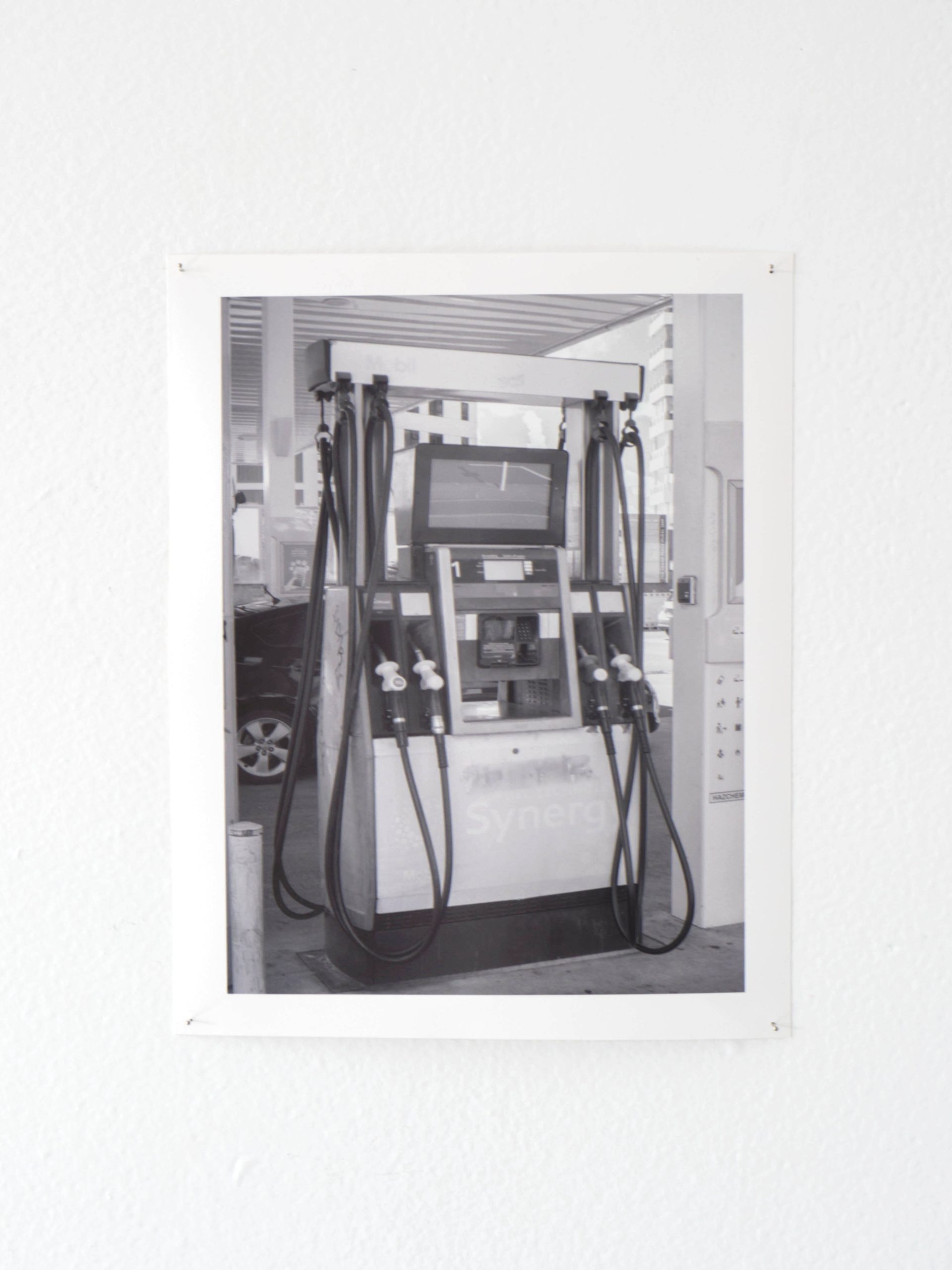
Untitled, 2024
Inkjet on paper from infrared digital photograph.
258 x 183 mm.

Untitled, 2024
Inkjet on paper from infrared digital photograph.
121 x 165 mm.

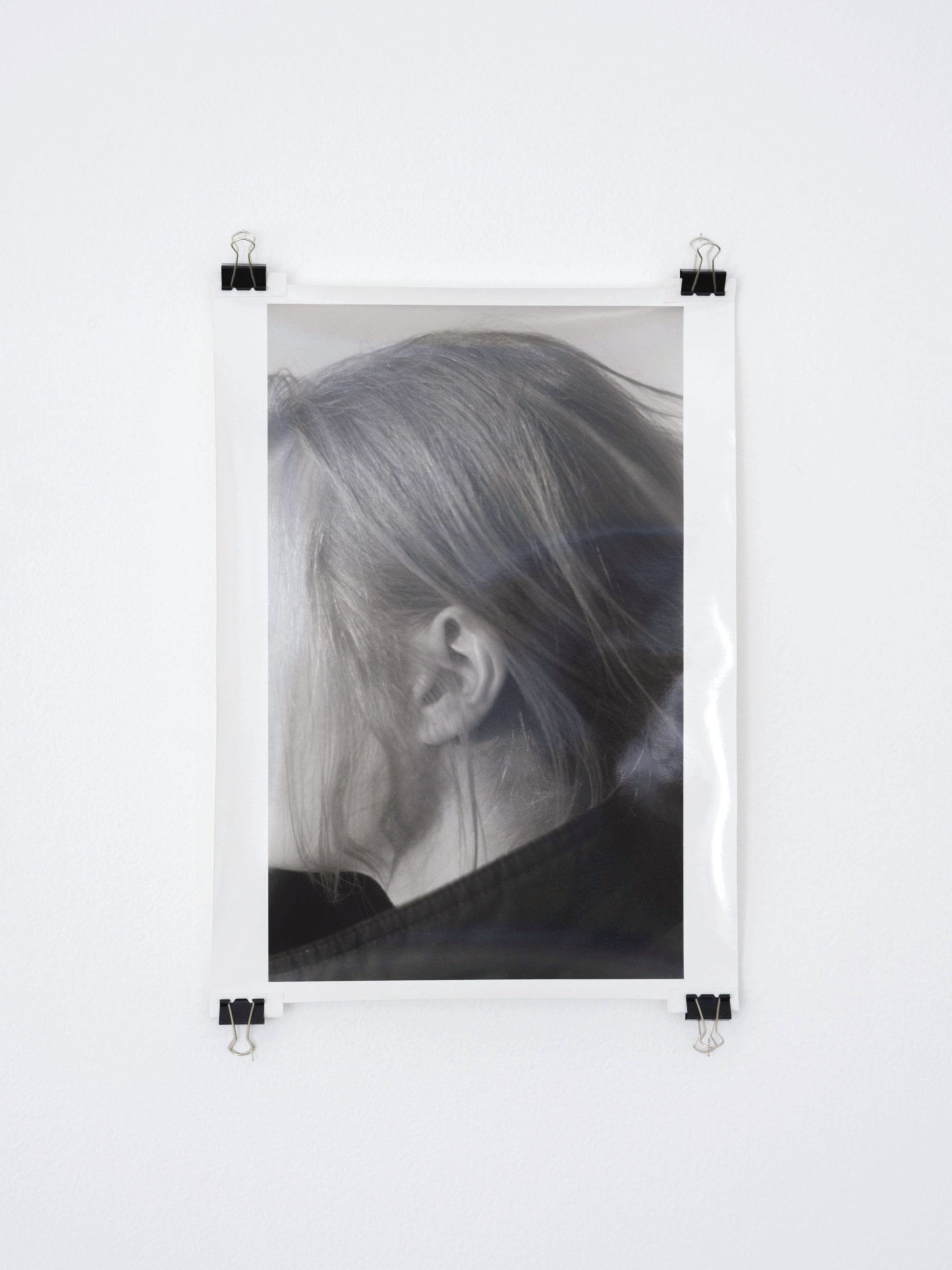
Ear model, 2024
Silver gelatin print.
404 x 299 mm.

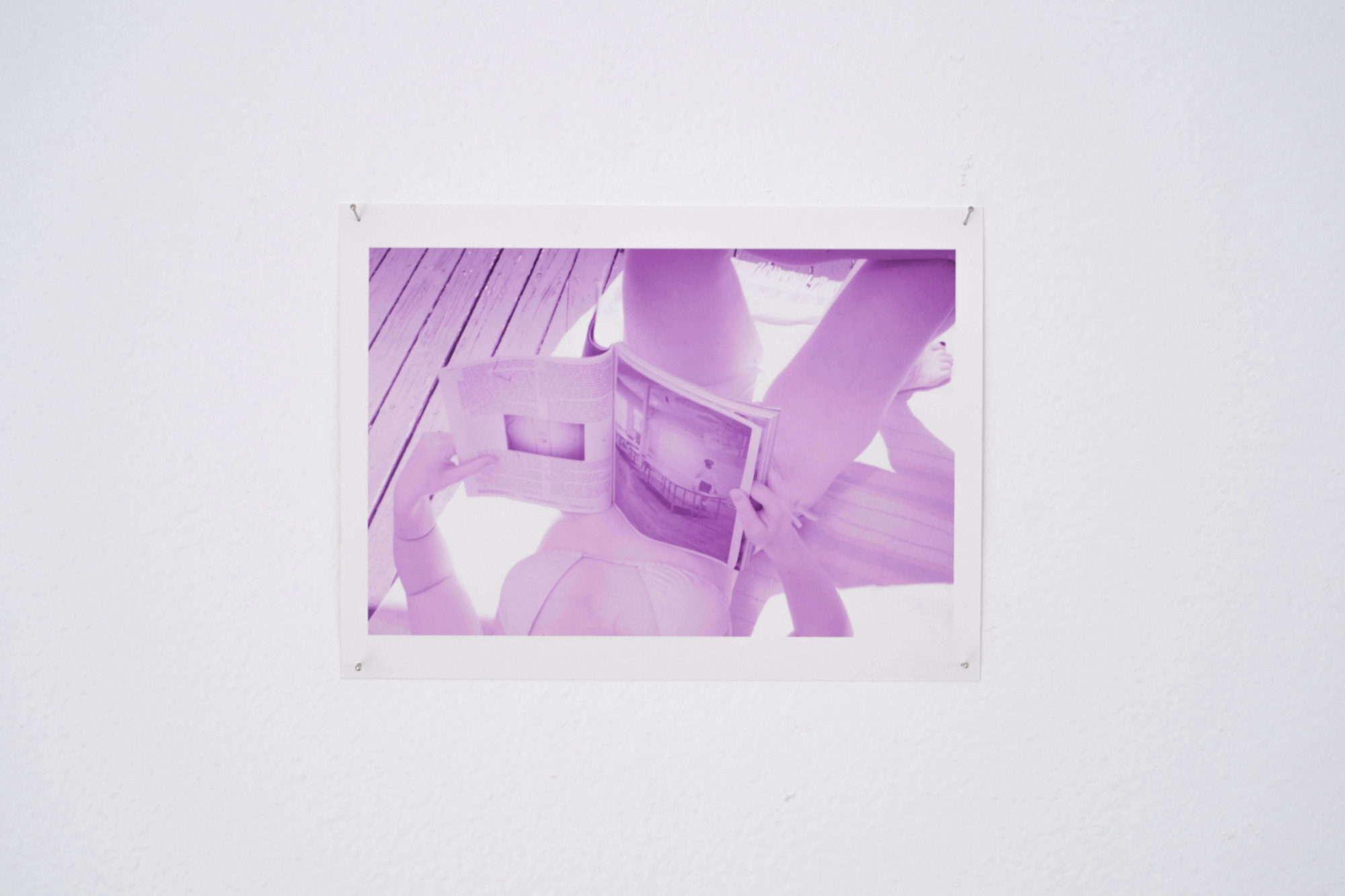
Untitled, 2023
Inkjet on paper from colour digital photograph.
239 x 262 mm.

Images by Eiko Olykan & Antje Barke
Frances Libeau : My cruel enemy grazes on my pain and feeds herself

Frances Libeau
My cruel enemy grazes on my pain and feeds herself

2 October – 26 October 2024

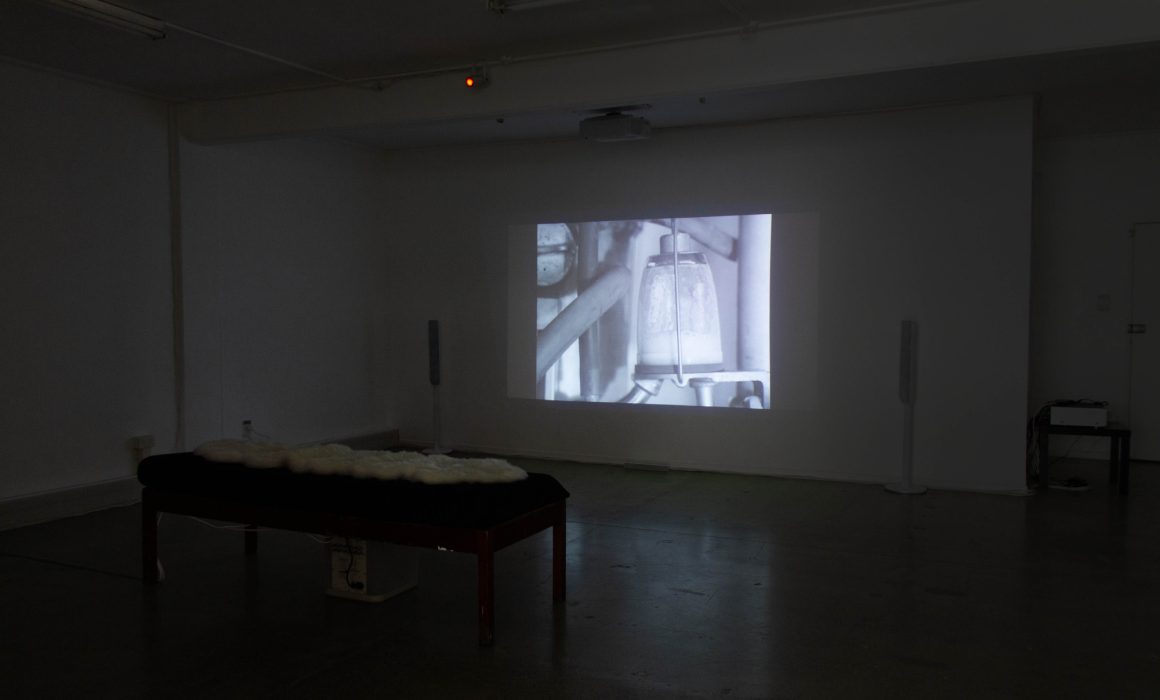
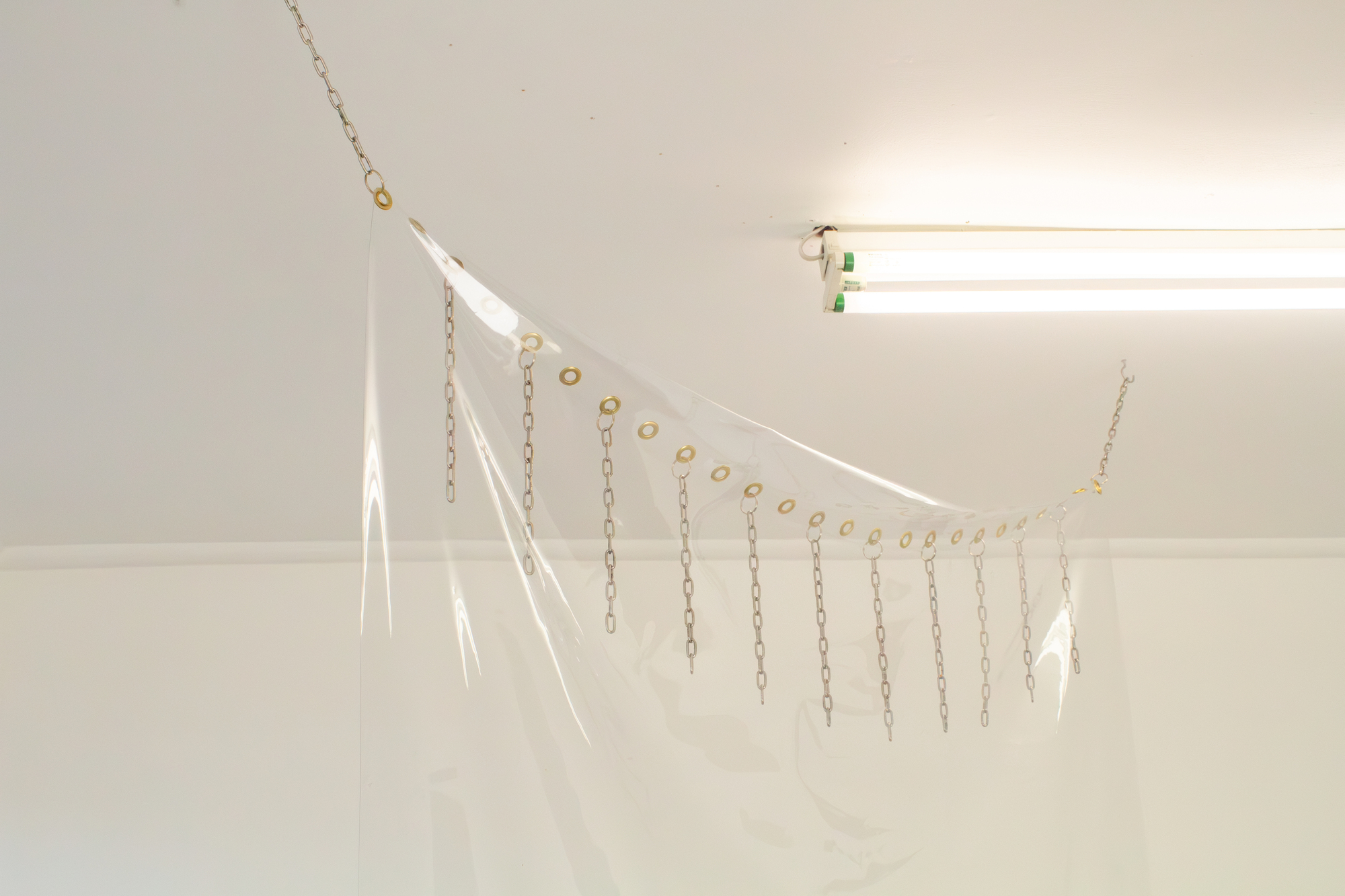
My cruel enemy grazes on my pain and feeds herself is a multimedia inquiry into biopolitical relations that course through Aotearoa’s agricultural history and one of its knowledge-producing organs: the archive. Bringing a scavenger methodology, Libeau submits various media to remediatory processes that seek to highlight and upset normative notions of animacy and reproductive flow. Notably featured are film and audio from the National Film Unit (documenting agricultural processes in the early/mid twentieth century) along with other, “minor” sculptural materials. Archival offcuts and debris are read (as Ann Laura Stoler implores) against the grain, while possibilities for their fragmented refiguration are conceived from the angled view/s of the inverse/queer body.
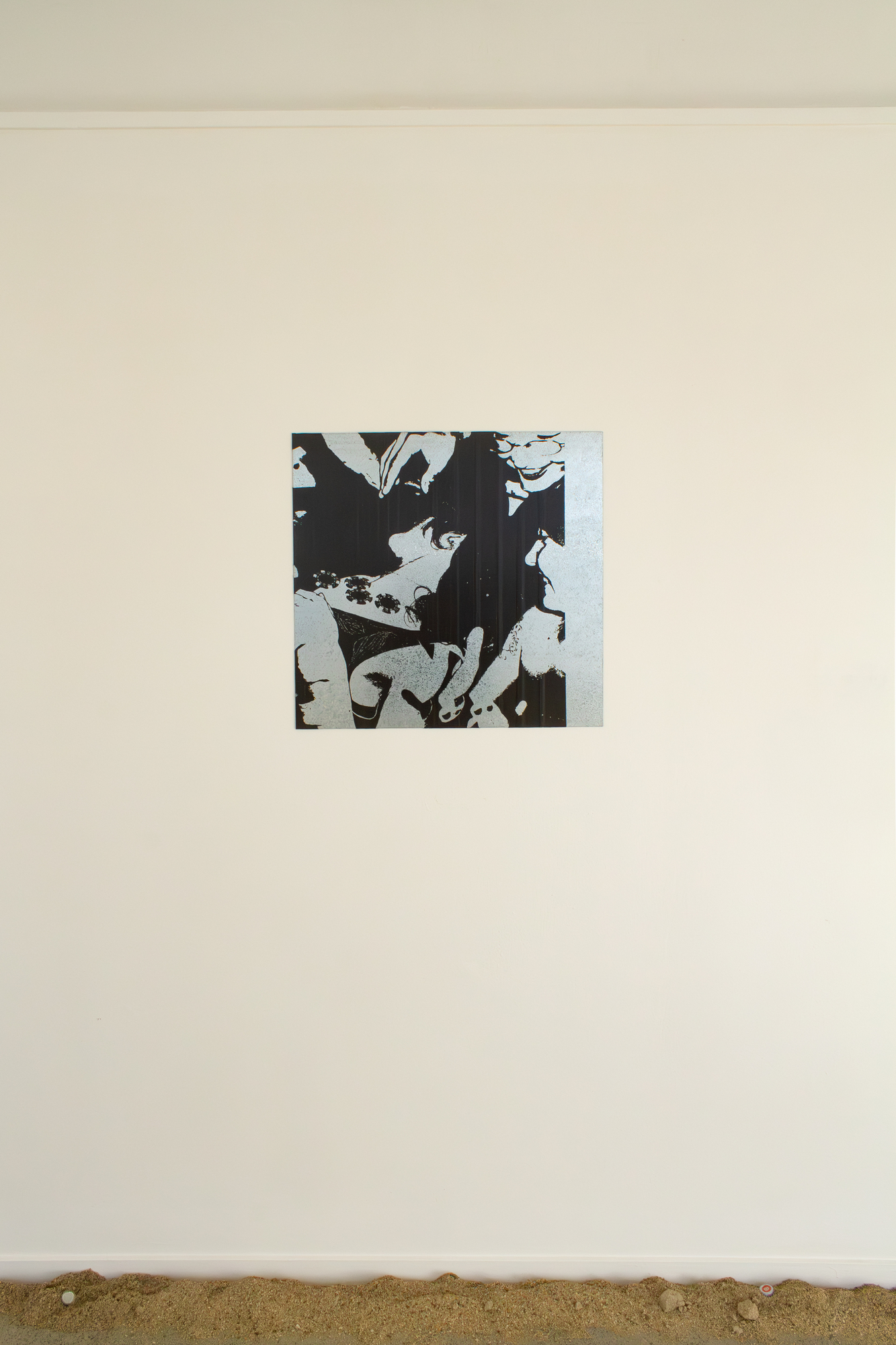
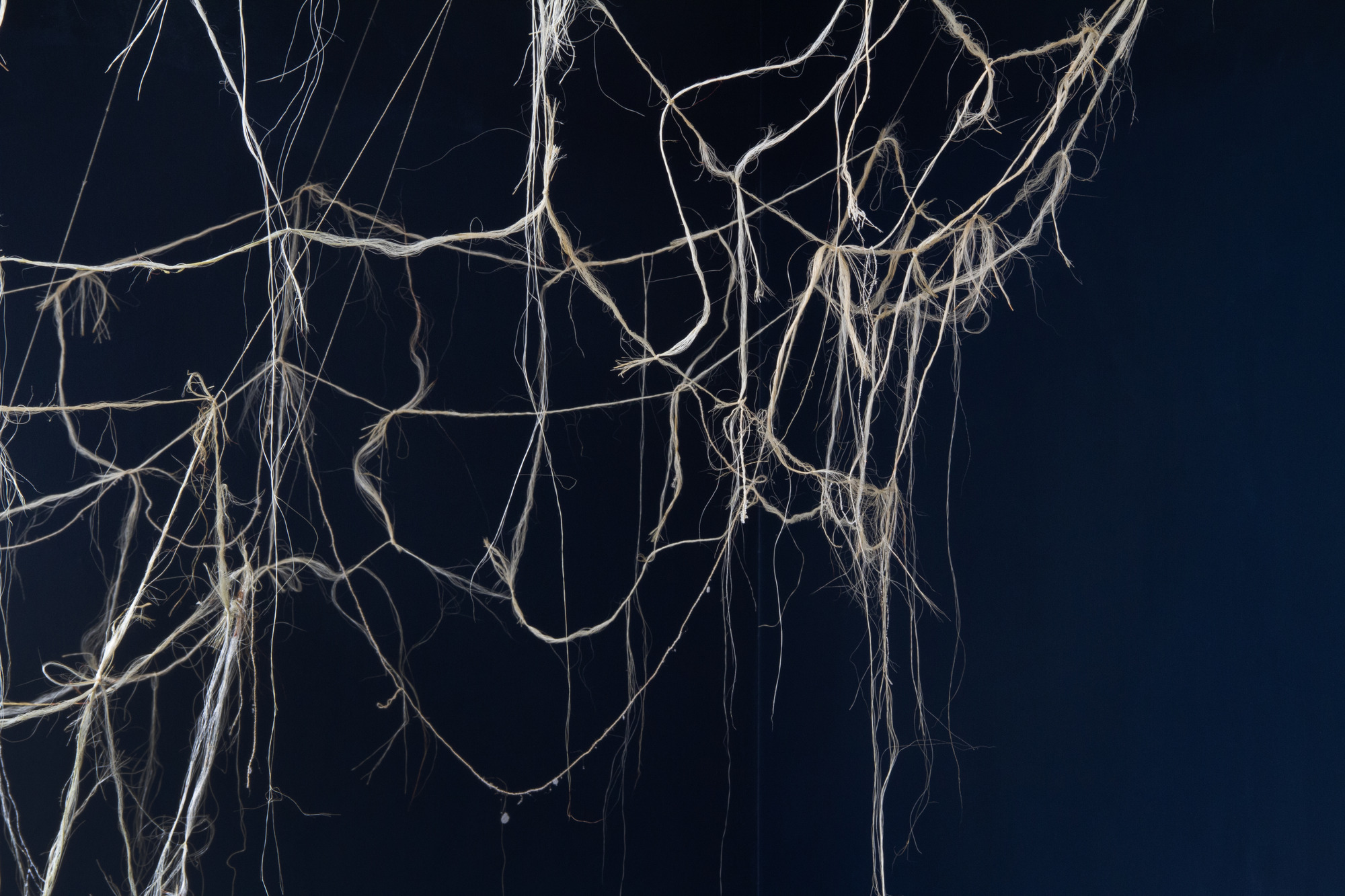
Technical errors, material decay and ephemeral detritus (the sound of the projector whirring; an unexpected VHS soap opera taped over by an officially-archived item) yoked to found sound and image lend a hauntological cast to the audiovisual registers. This is amplified by an idiosyncratic disjunct between the aural and ocular, calling to Michel Chion’s en creux (phantom sound; translating directly as ‘in the gap’).

The voice of Alessandro Moreschi, the last known castrato singer (and the only to ever be recorded) — captured on wax cylinder in 1902 singing with the Sistine Chapel choir — cuts through mid-frequency sonic snow of the phonograph with a bitterly mournful madrigal lamenting a vampiric relationship. Through multimedia interferences, My cruel enemy grazes on my pain and feeds herself probes at notions of capture, reproduction and biopolitical inscription, as well as possible gestures towards refuge and intimacy.

Frances Libeau is an artist and writer from Tāmaki Makaurau. Their sonic compositions, sound designs, and writing feature across diverse platforms of music, art, film and theatre, often exploring material and semantic possibilities of queering sonic compositional and archival practices. They have previously collaborated on works with Sriwhana Spong, Owen Connors, Selina Ershadi and George Watson. My cruel enemy grazes on my pain and feeds herself is their first solo exhibition.

My cruel enemy grazes on my pain and feeds herself features excerpts from Come With Us (dir. Garth Maxwell & Simon Marler, 1981) courtesy of the filmmakers and supplied by Ngā Taonga Sound & Vision. La cruda mia nemica (Giovanni Pierluigi da Palestrina, 1586), performed by Alessandro Moreschi with the Cantori della Cappella Sistina (Sistine Chapel Choir) in 1904, is now in the public domain. All other visual material and most sonic material is drawn from Te Rua Mahara o te Kāwanatanga Archives New Zealand open access collection, and adapted under a Creative Commons Attribution 2.0 Generic License. For a full list of featured items, contact the artist at franceslibeau.net.

This work was made with the support of Creative New Zealand and the Karekare House Artists’ Residency. Installed with thanks to Sam Longmore and the Audio Foundation.

This work contains images and sounds of hunting and animal processing.

Images by Ardit Hoxha

RM Gallery and Project Space
Hours
Thursday and Friday 1pm - 5pm
Saturday 12pm - 4pm

Samoa House Lane
Auckland Central 1010

We are located in the centre of Auckland, off of Karangahape Road, on Samoa House Lane, just off of Beresford Street -- look out for the incredible fale of Samoa House and you're nearly there. We are 2 minutes walk from Artspace and Michael Lett.

The RM Archive Project

Help us identify what is in our Archive! We have digitised many slides in our archive and invite participation to identify them. Please click here to access the collection.
https://www.rm.org.nz/thearchiverm

Our Boxed Archive
Since 2009 RM has been building an archive of material related to our exhibition and event programme. An index to the collection is available here.
https://www.rm.org.nz/thearchiverm/artist-boxes-index/

Safe Space Alliance

RM is a member of Safe Space Alliance

A safe space is a space where the LGBTQI+ community can freely express themselves without fear. It is a space that does not tolerate violence, bullying, or hate speech towards the LGBTQI+ community.

A safe space does not guarantee 100% safety, rather, it’s a space that has your back if an incident (violence, bullying, or hate speech) were to occur.

Click here to find out more about Safe Space Alliance

Subscribe to the RM mailing list