Blog Archives

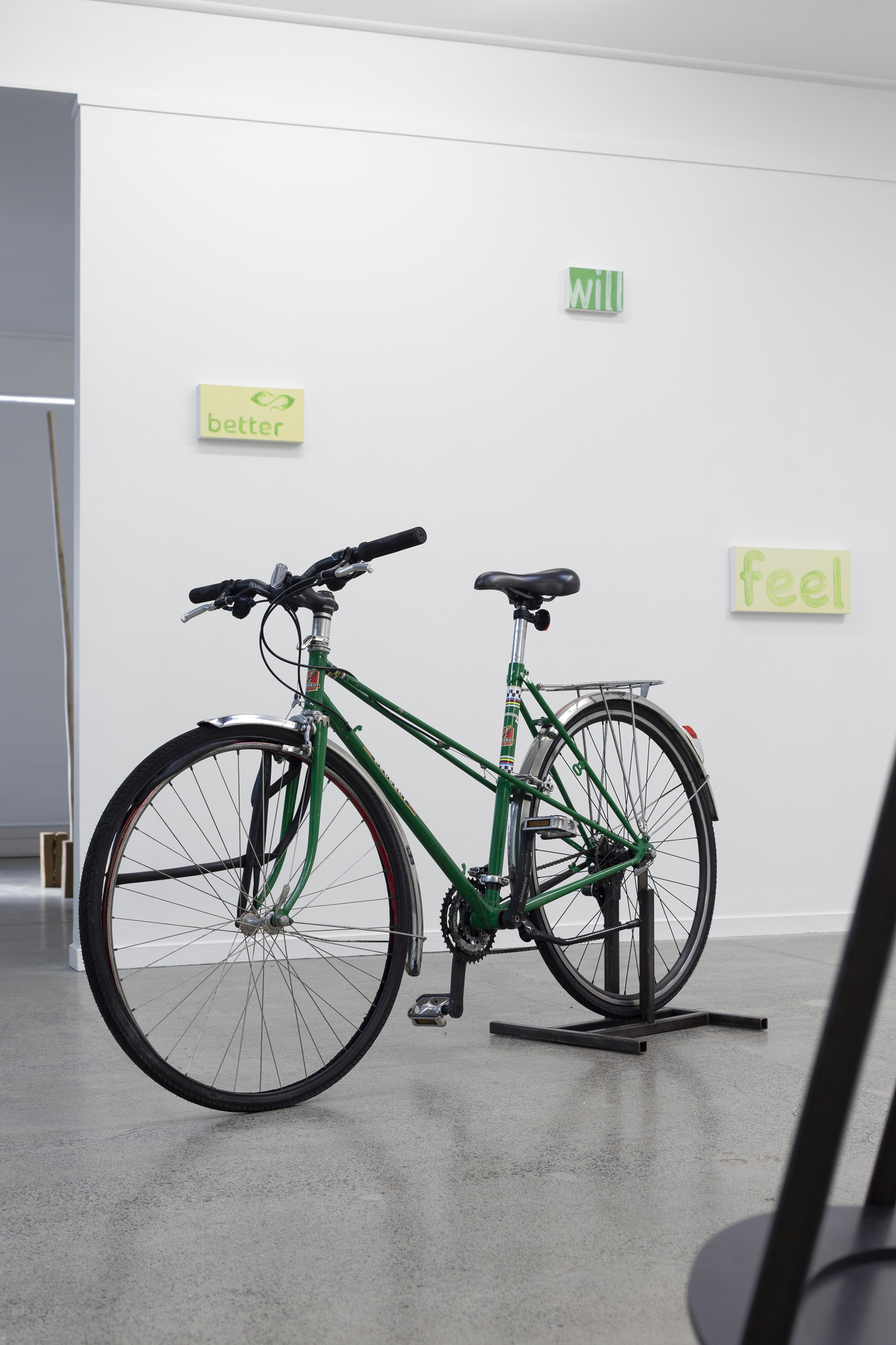
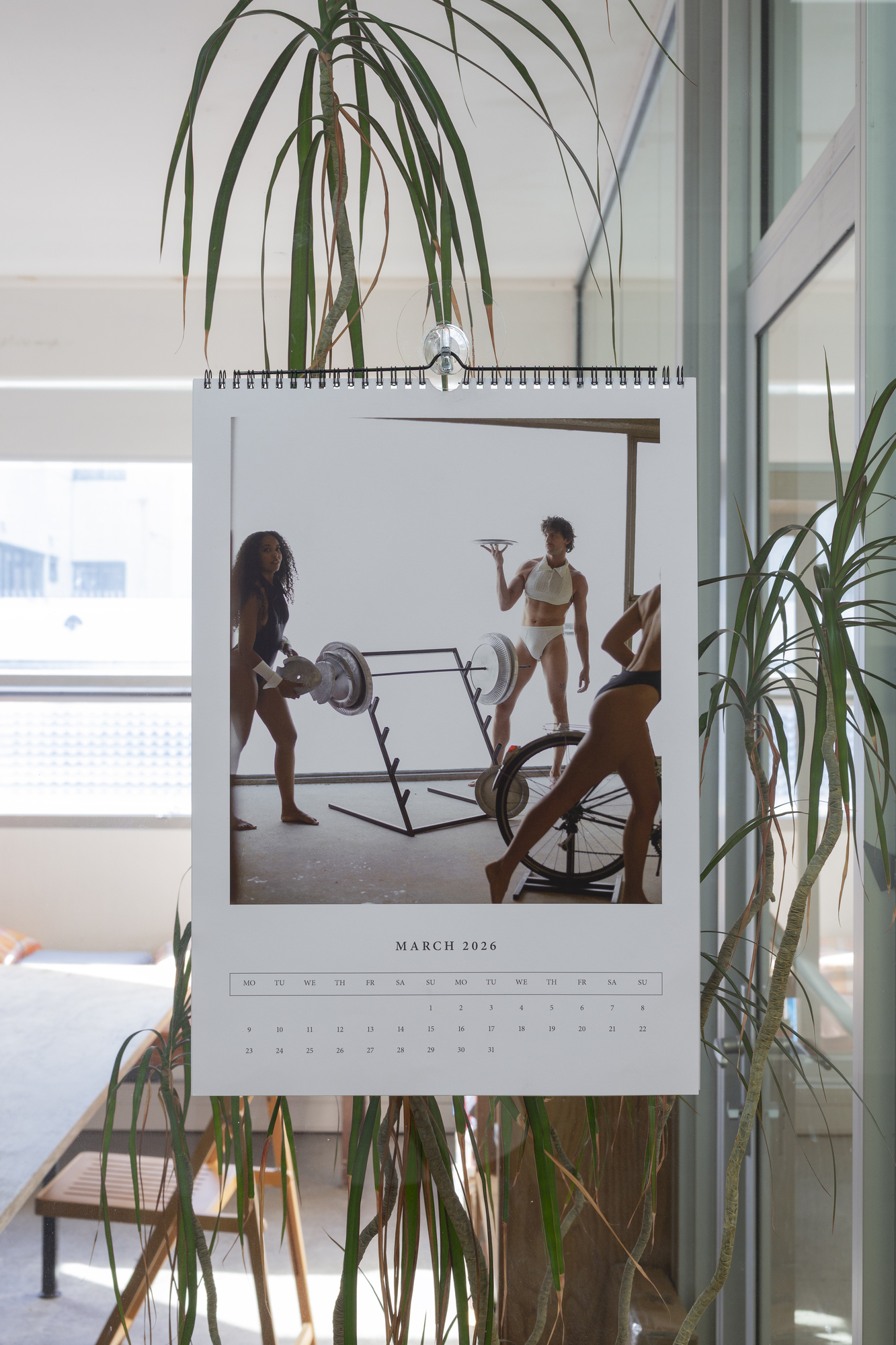
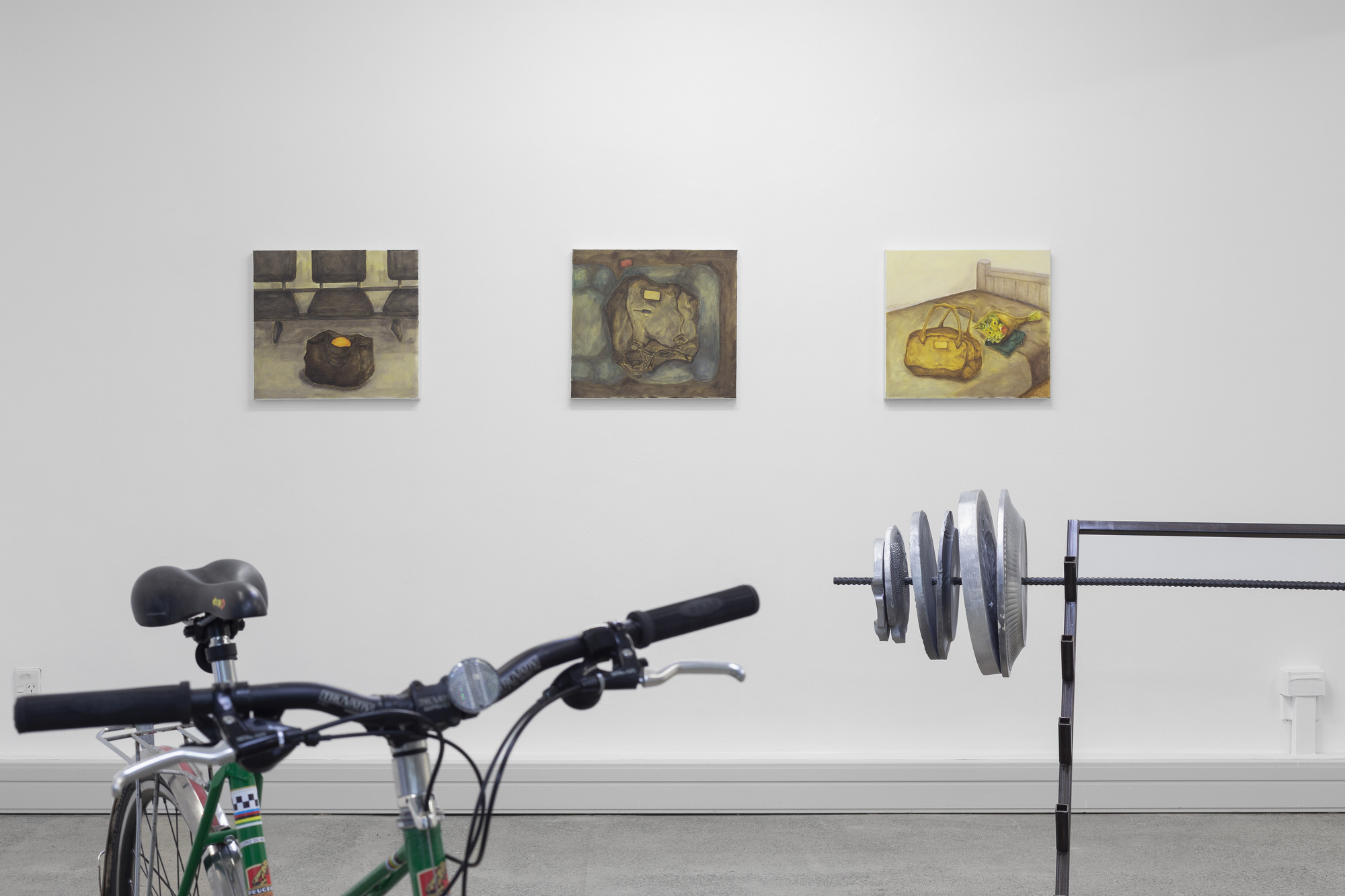
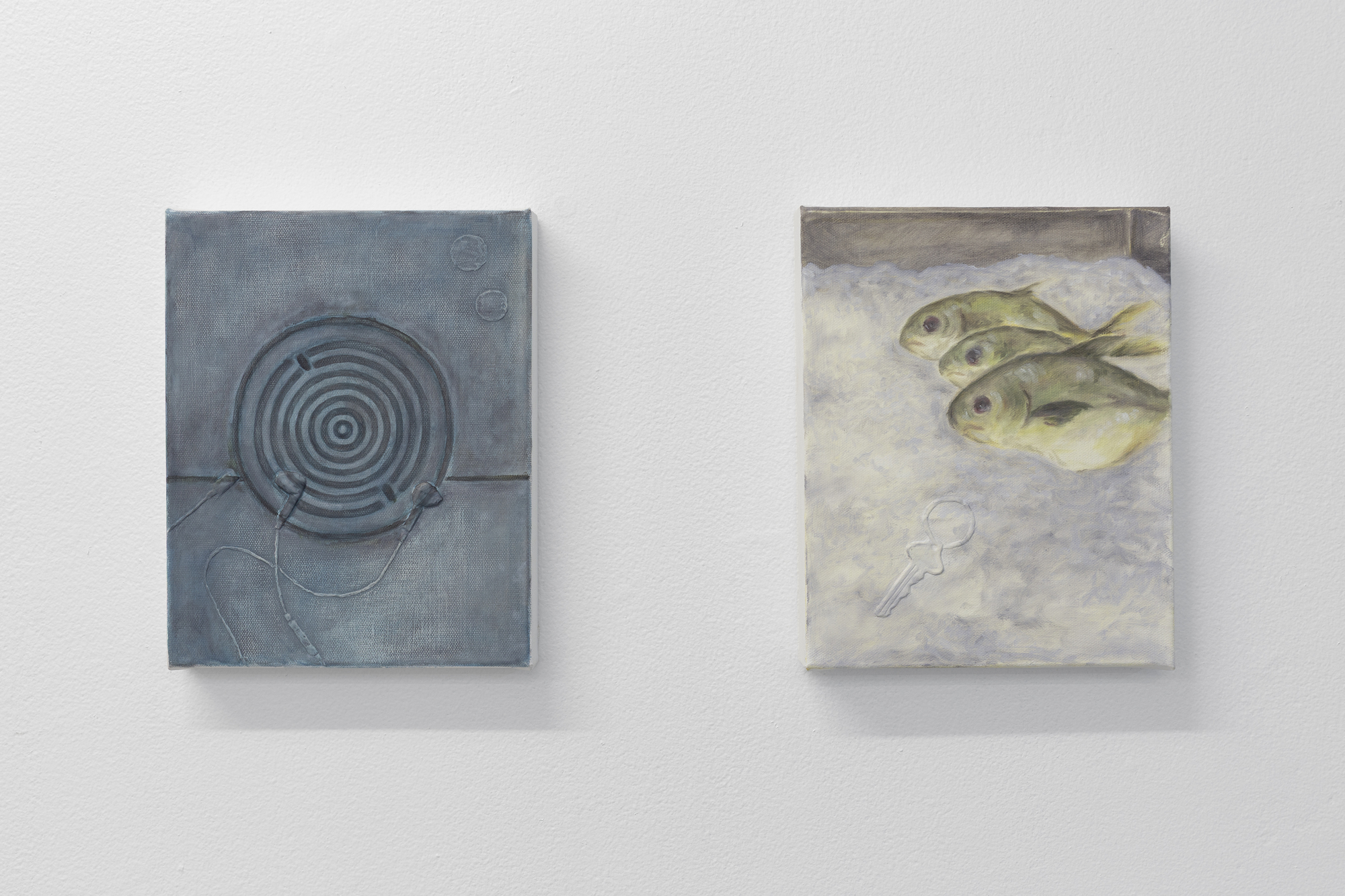
Aria McInnes, Keani Rewha, Rita Takeuchi : GRWM

Aria McInnes, Keani Rewha, Rita Takeuchi
GRWM

4 March – 11 April 2026

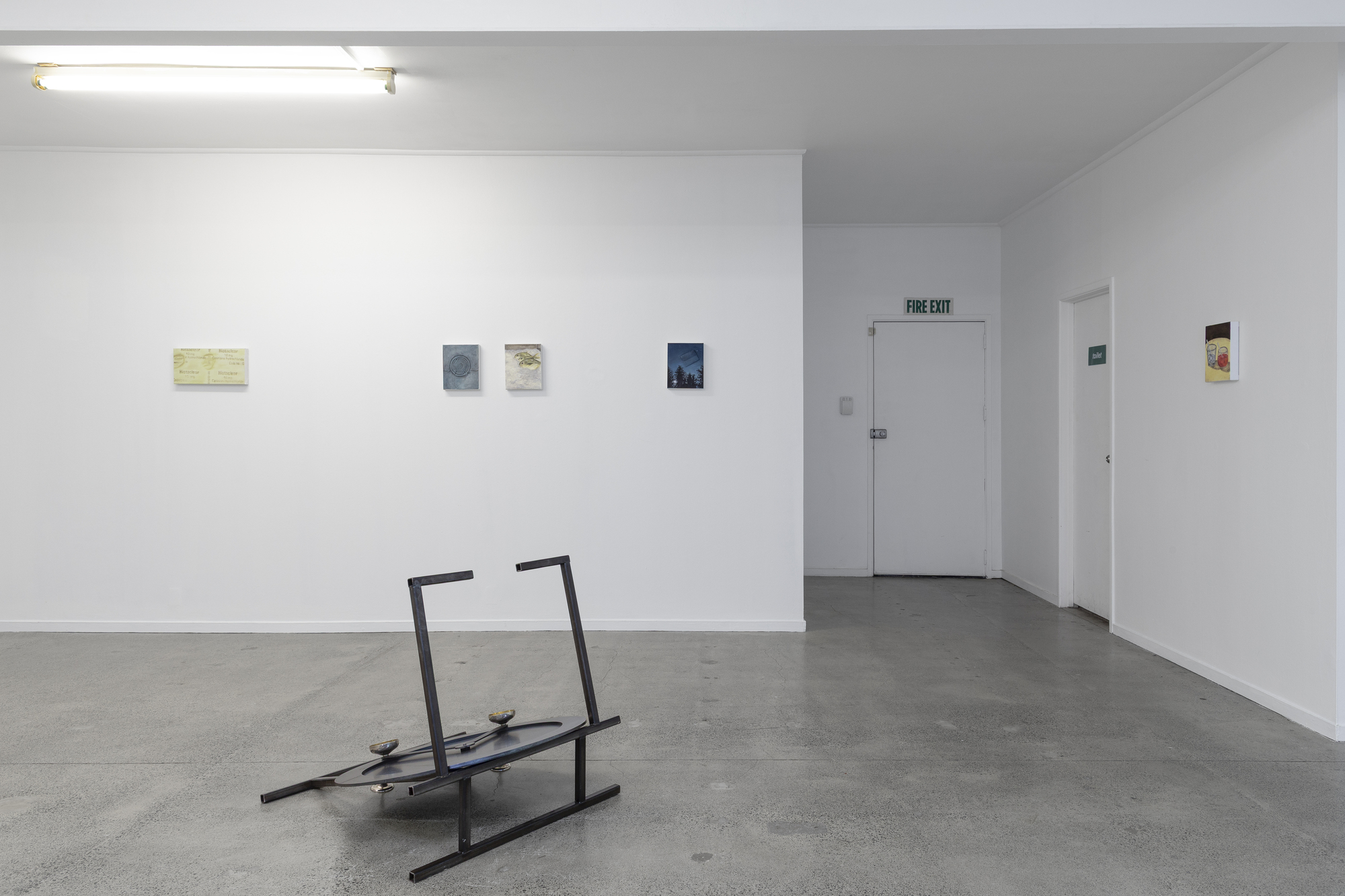
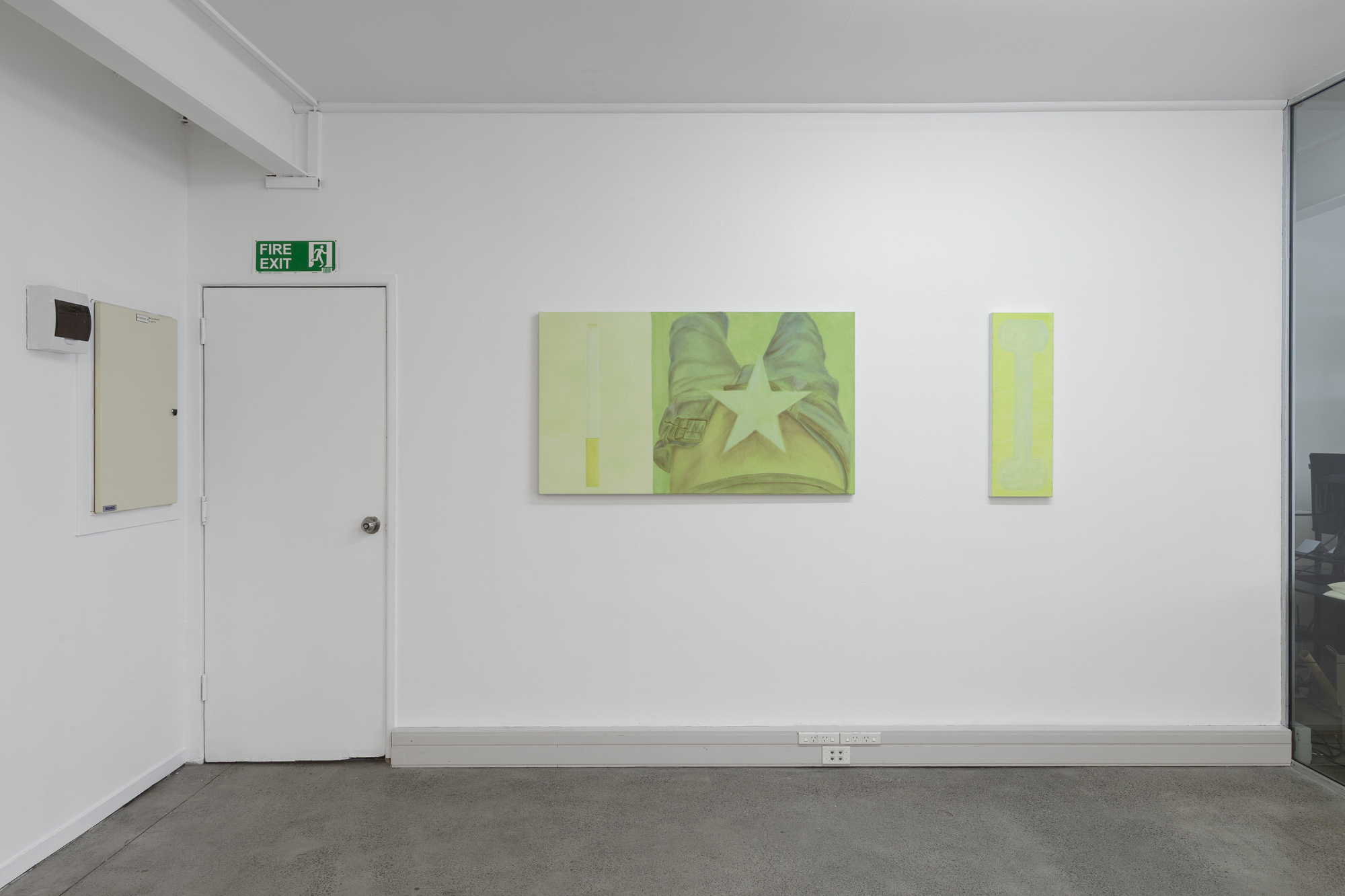
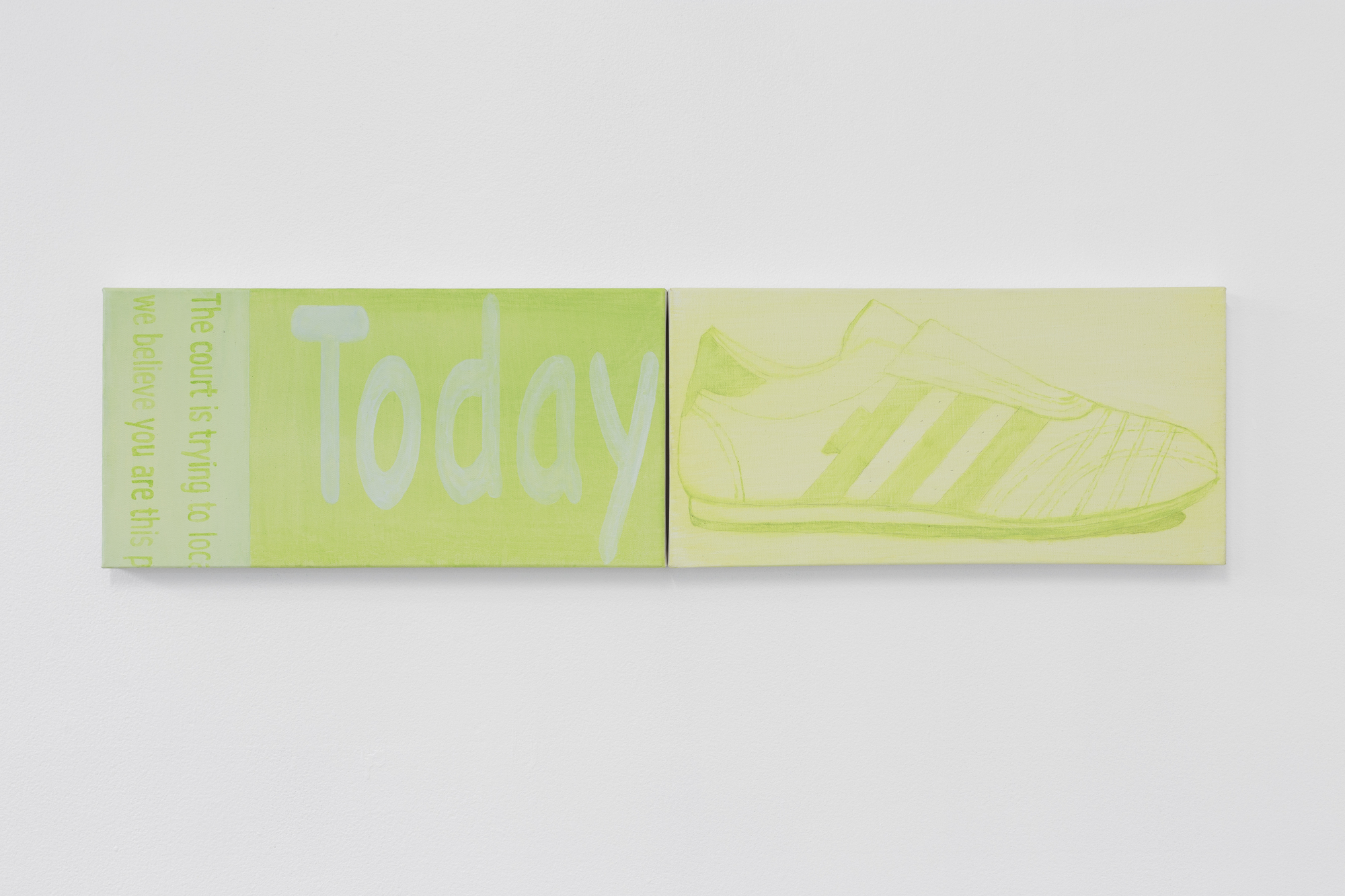
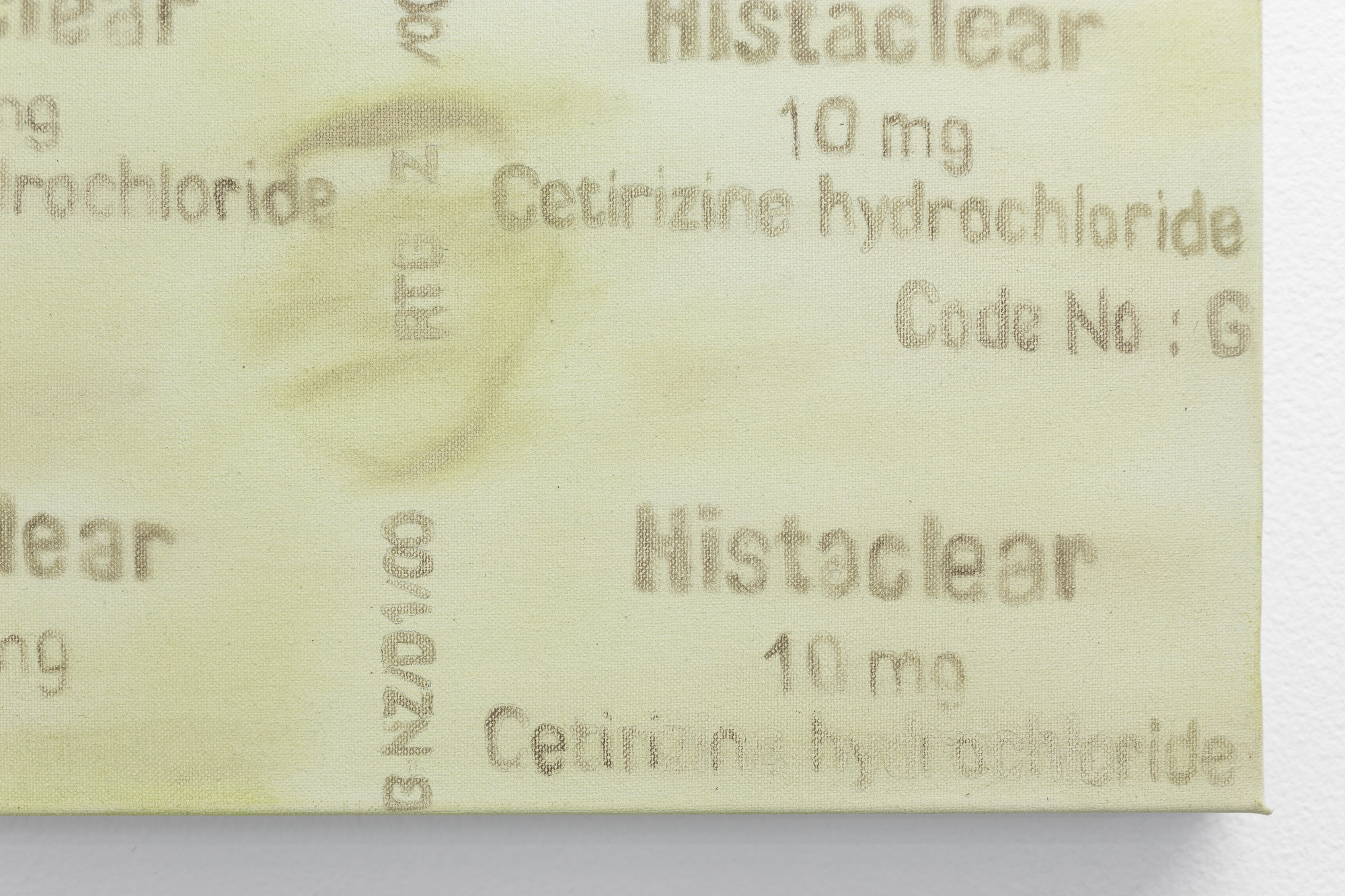
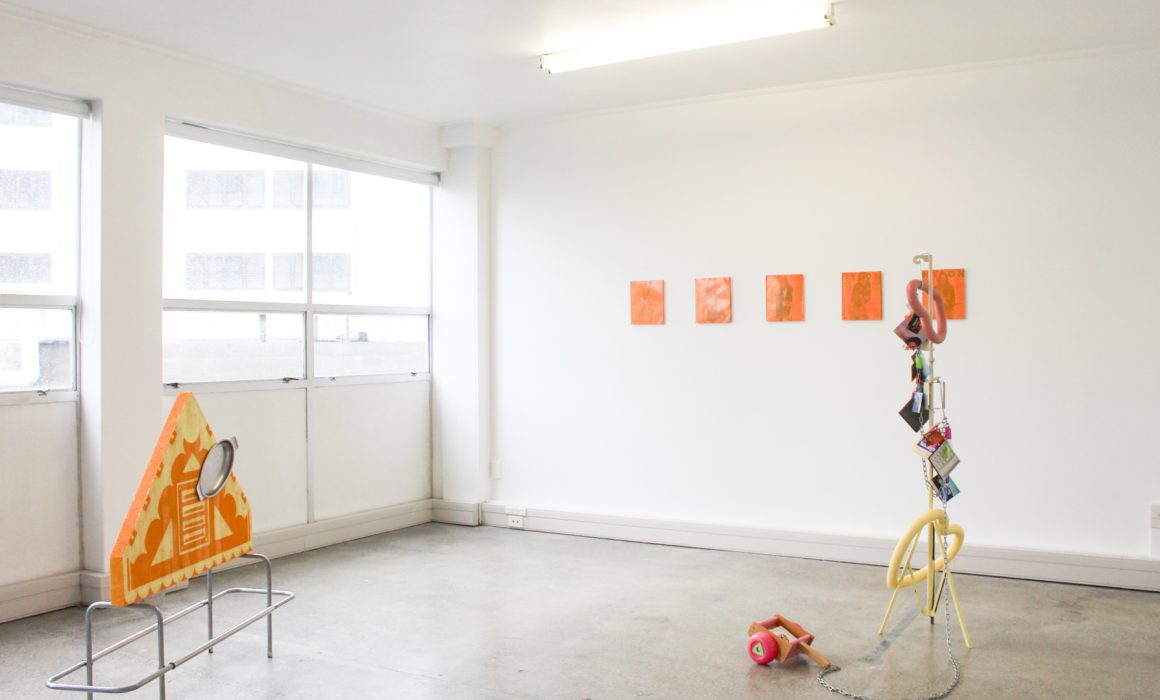
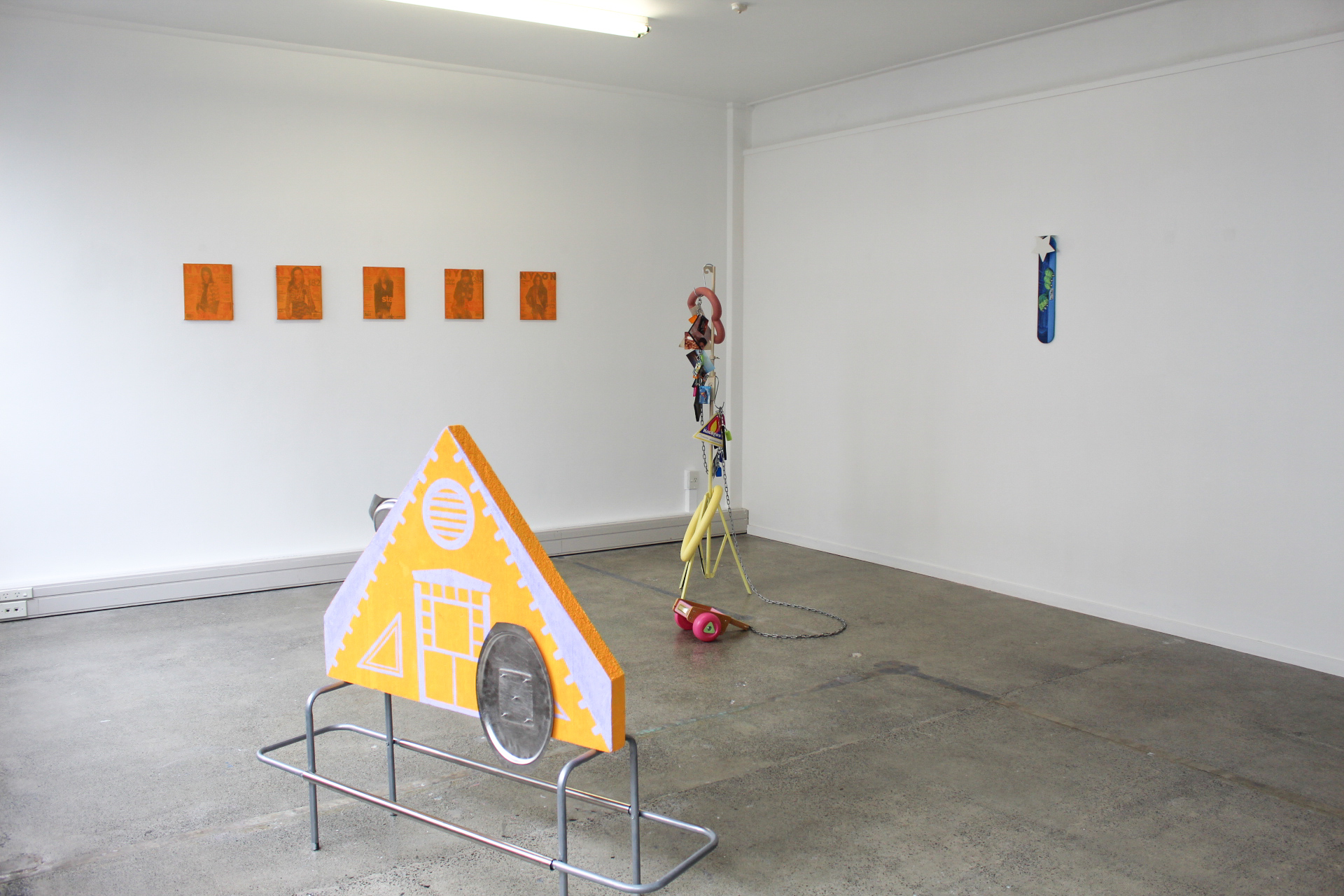
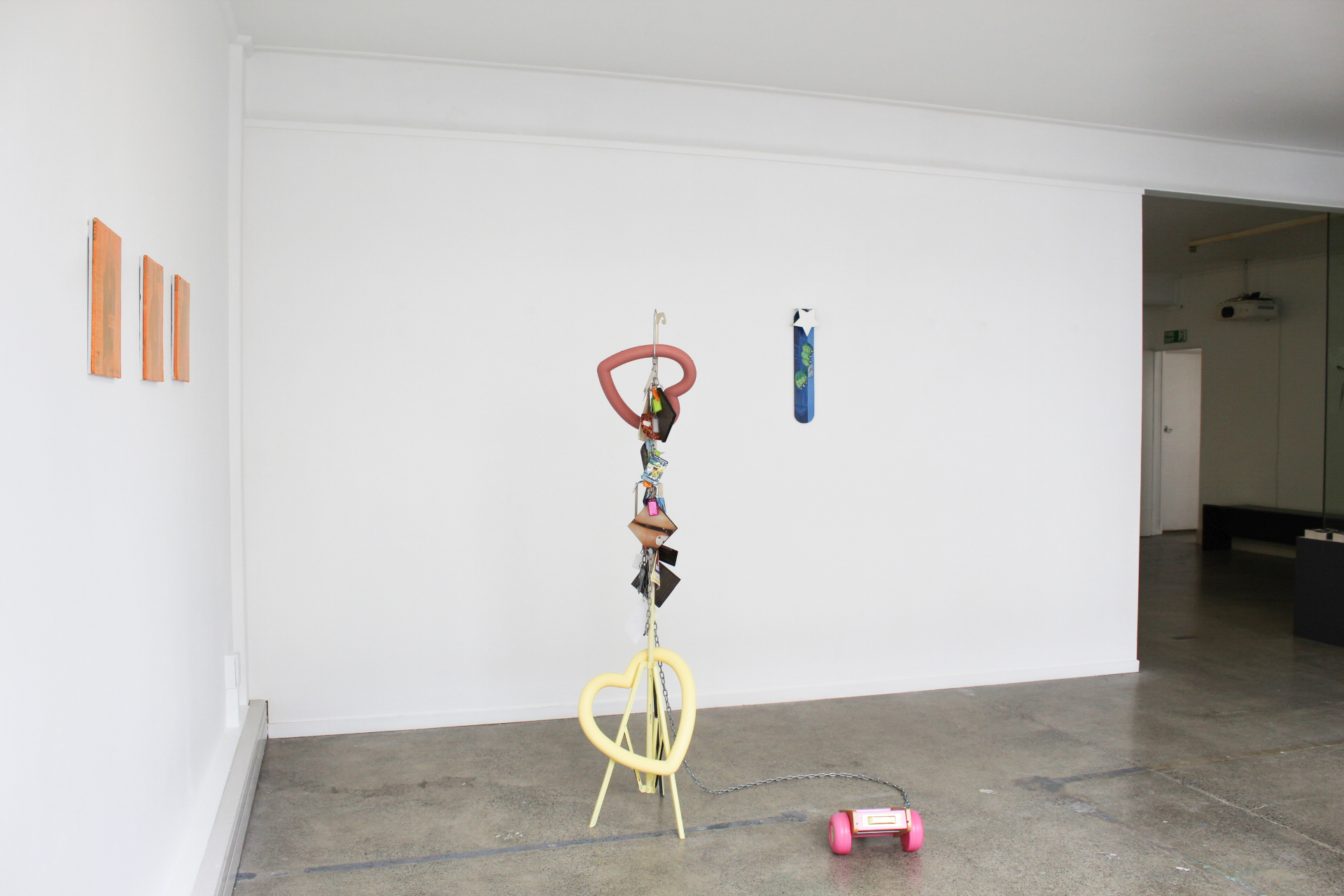
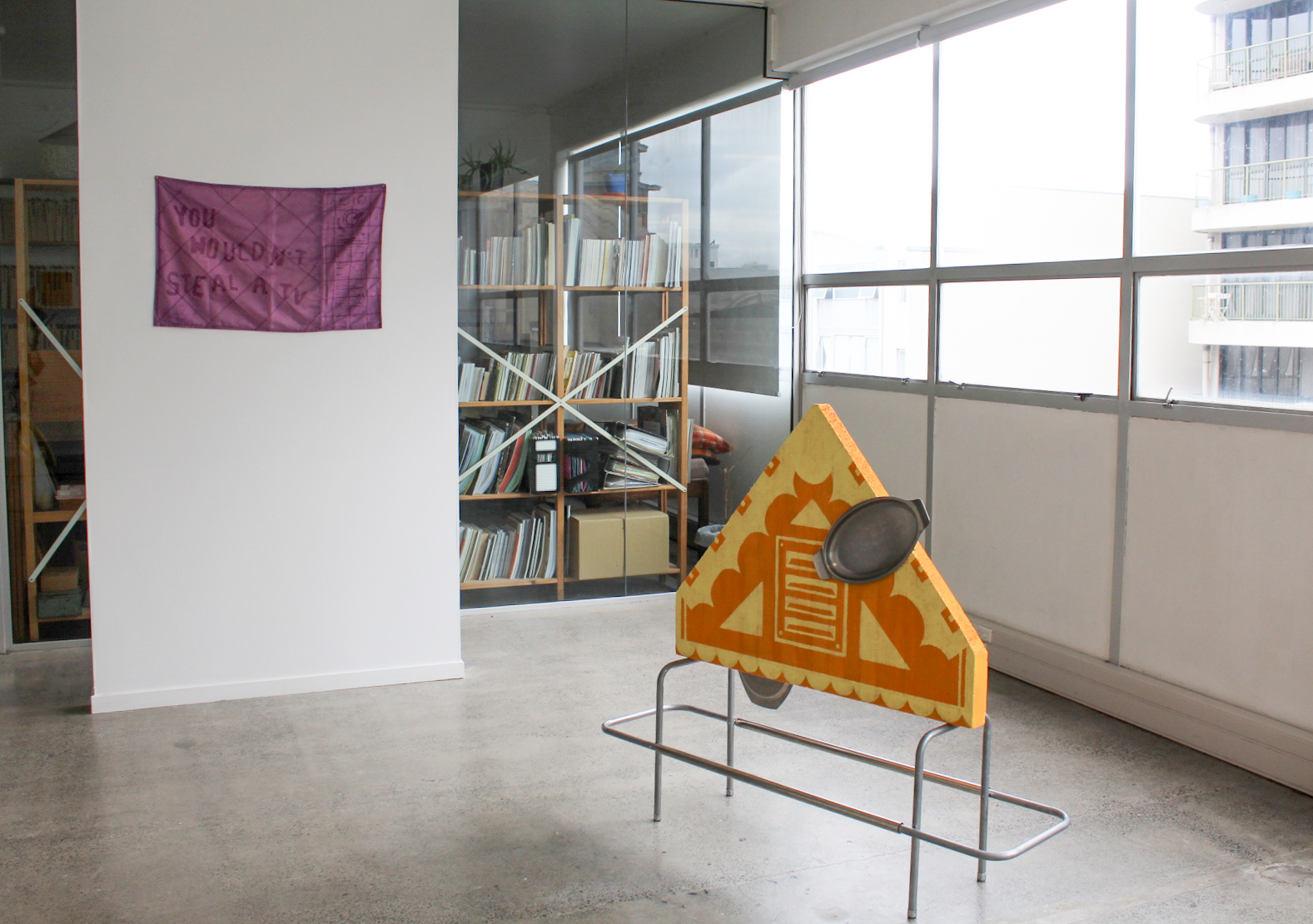
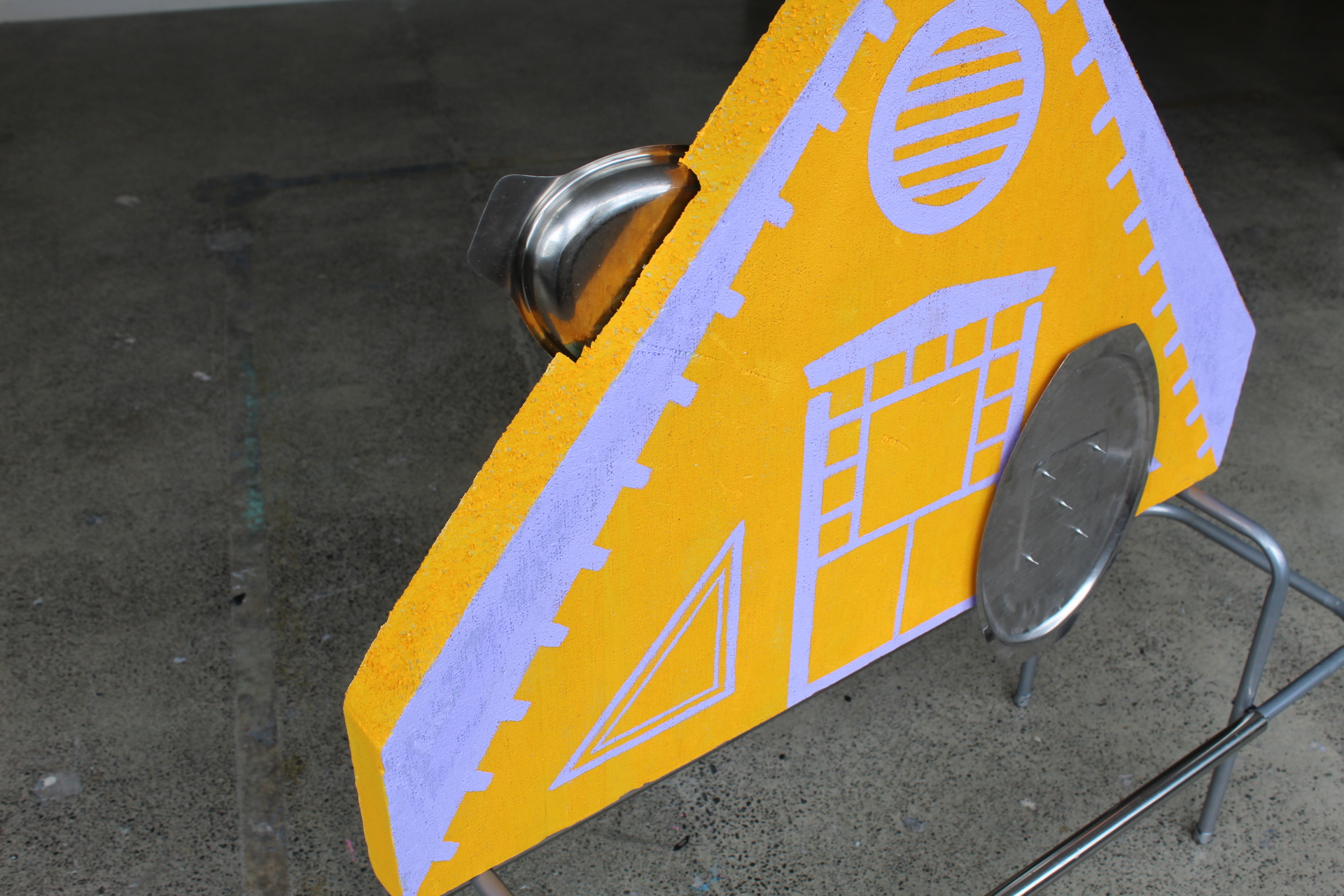
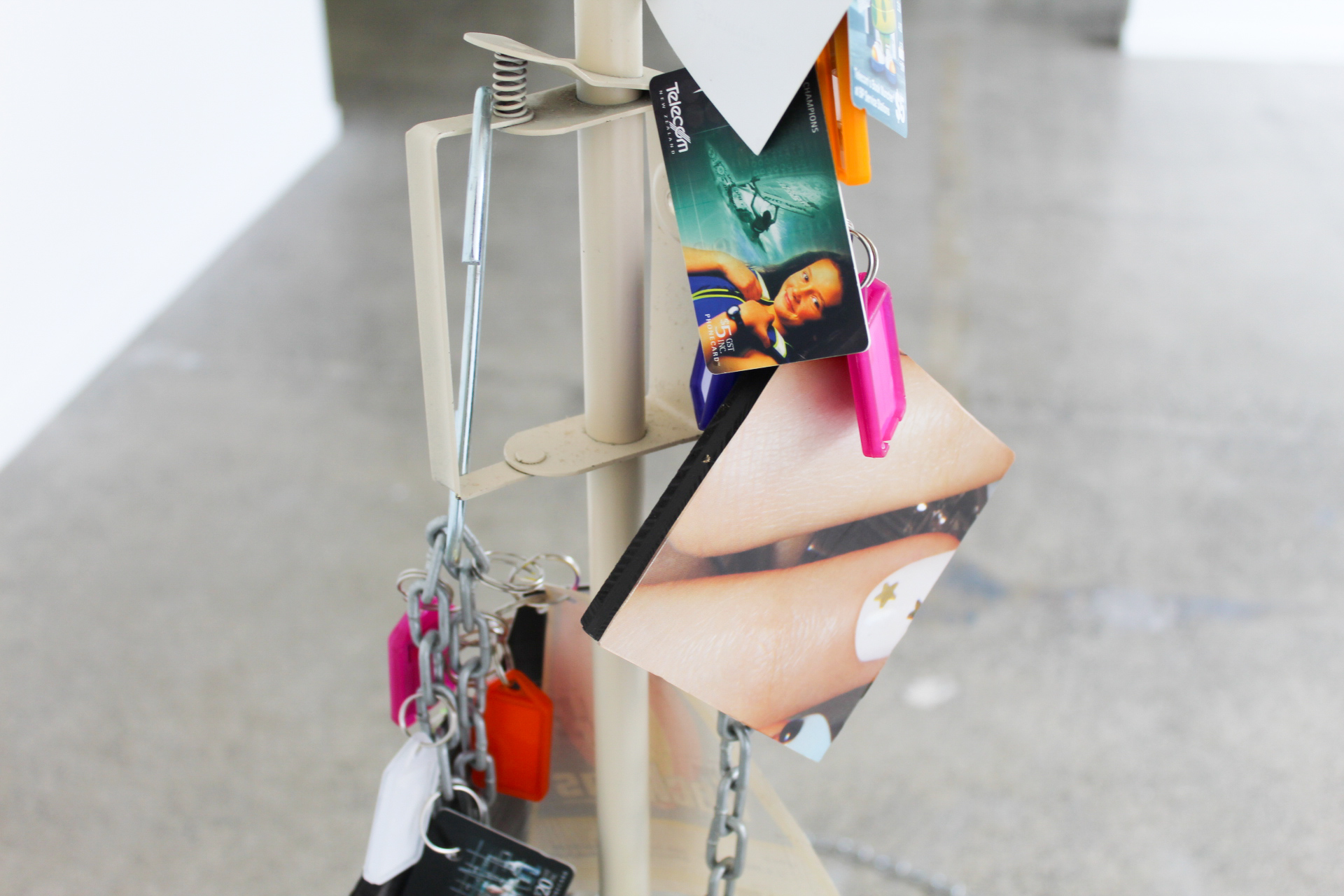
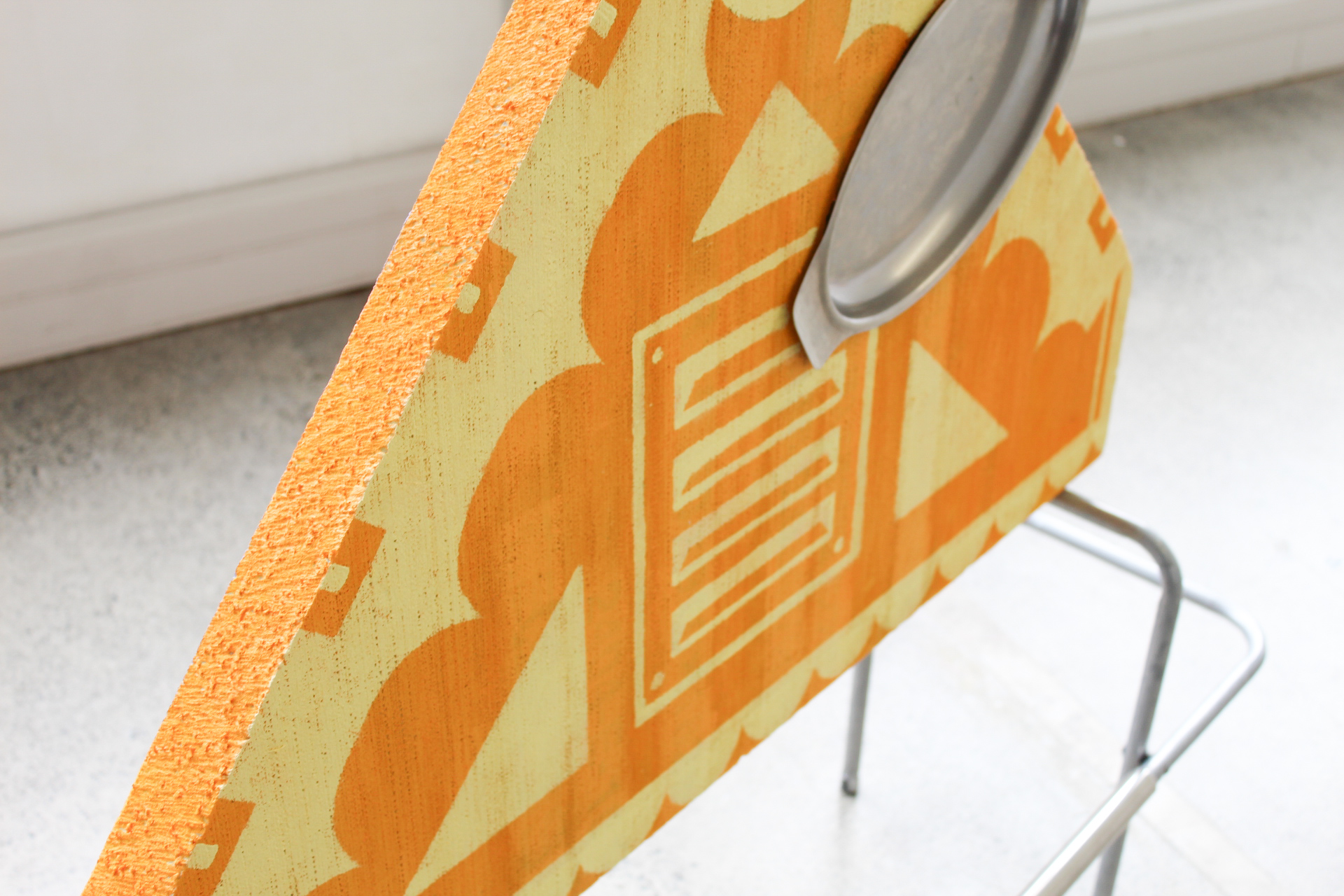
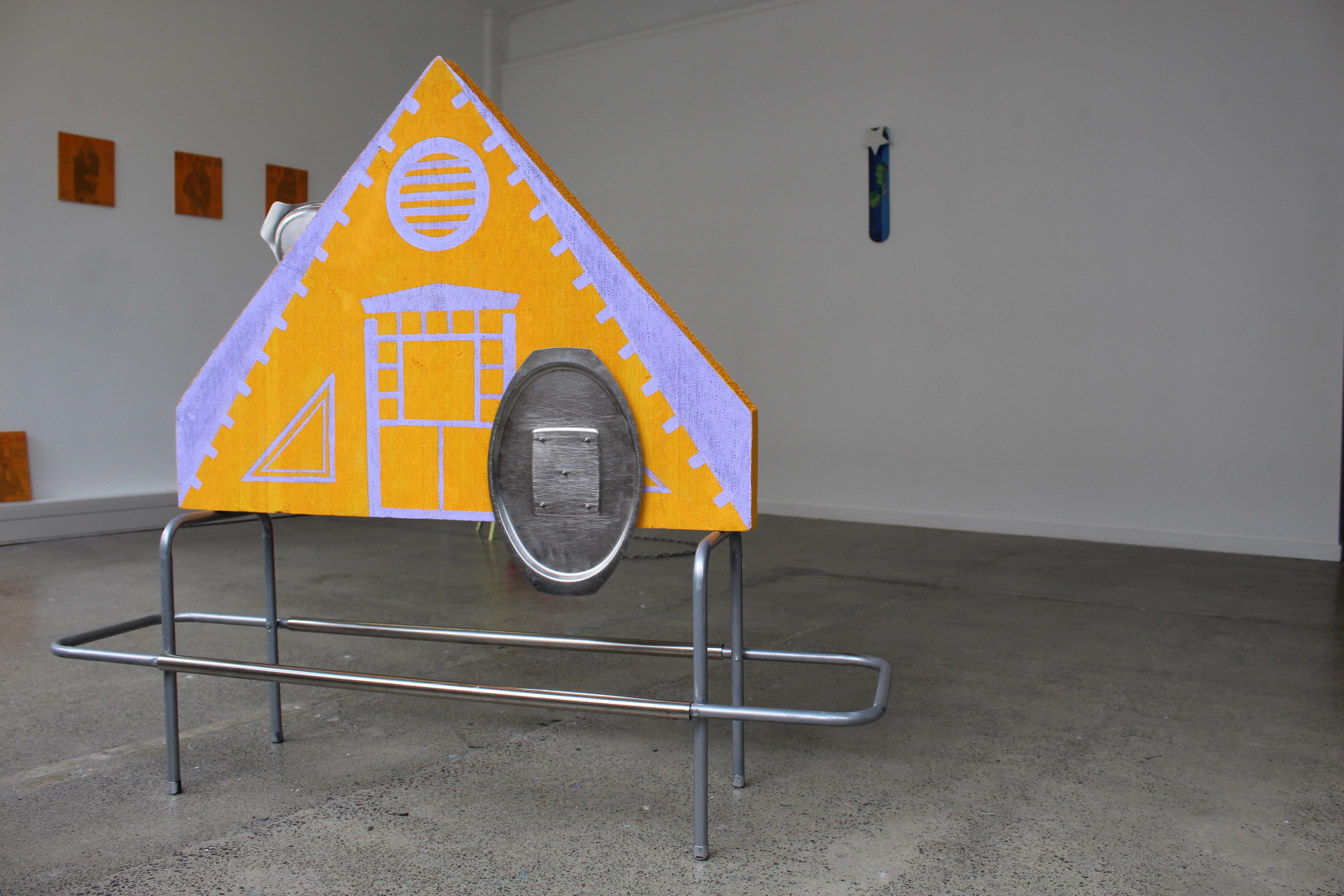
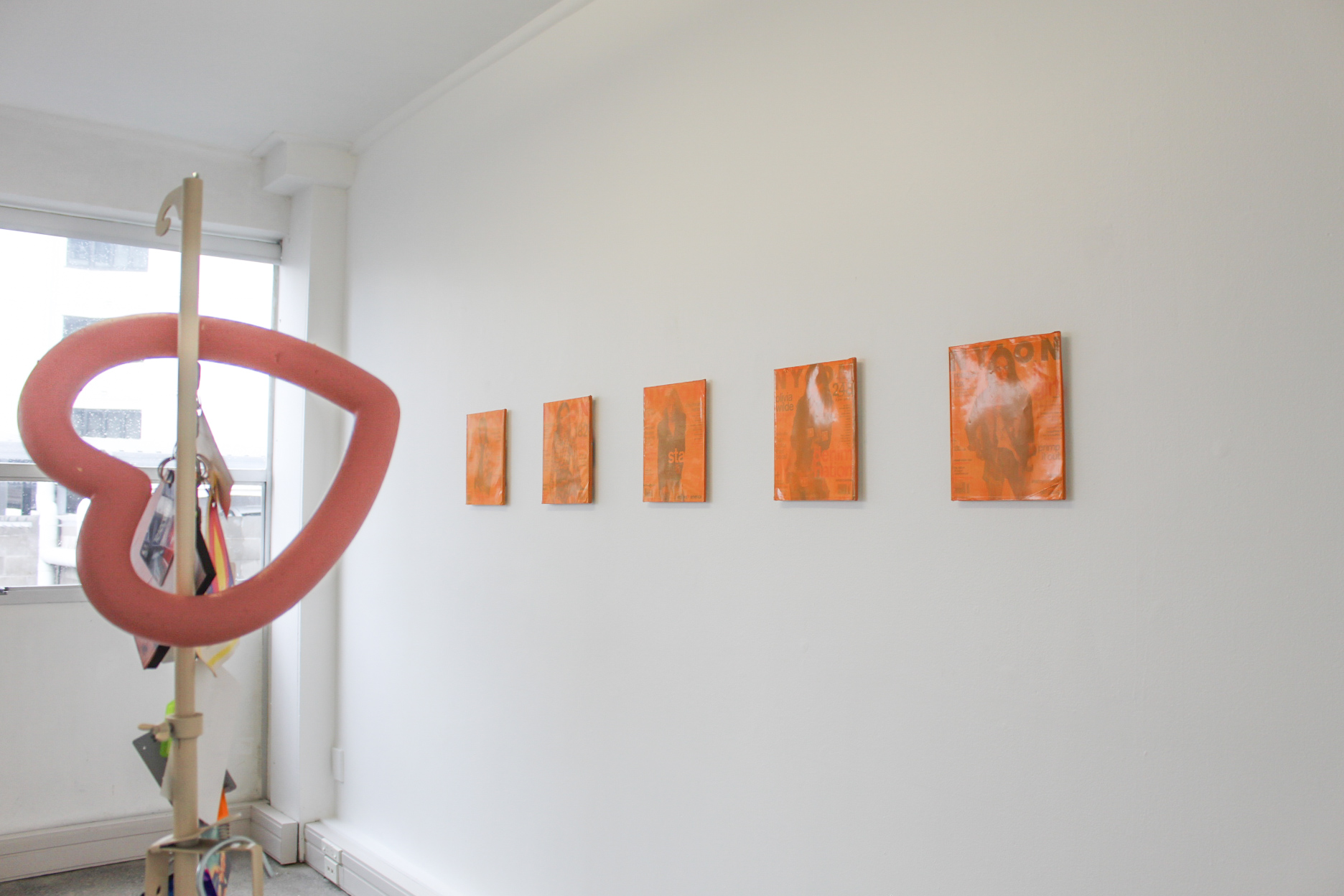
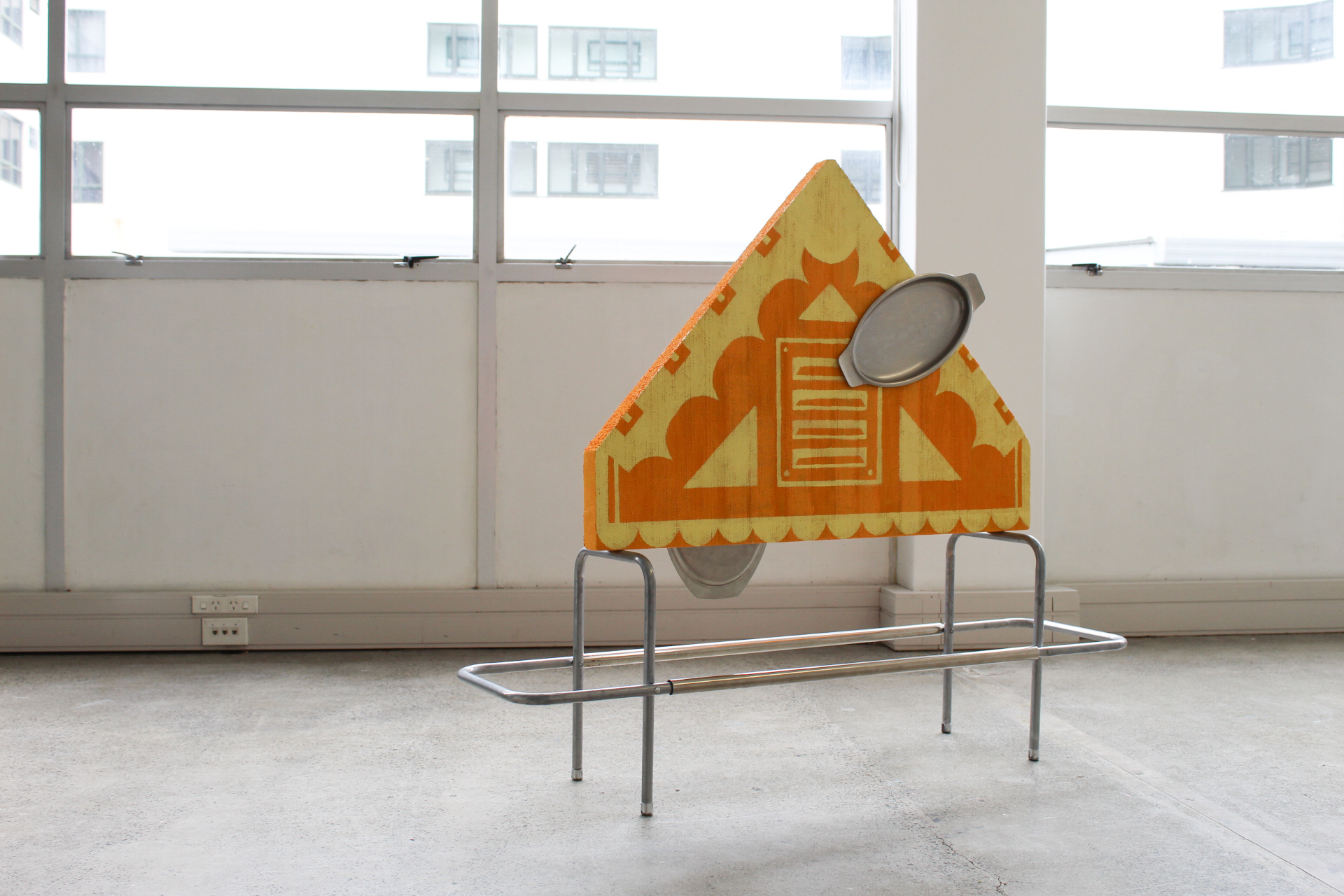
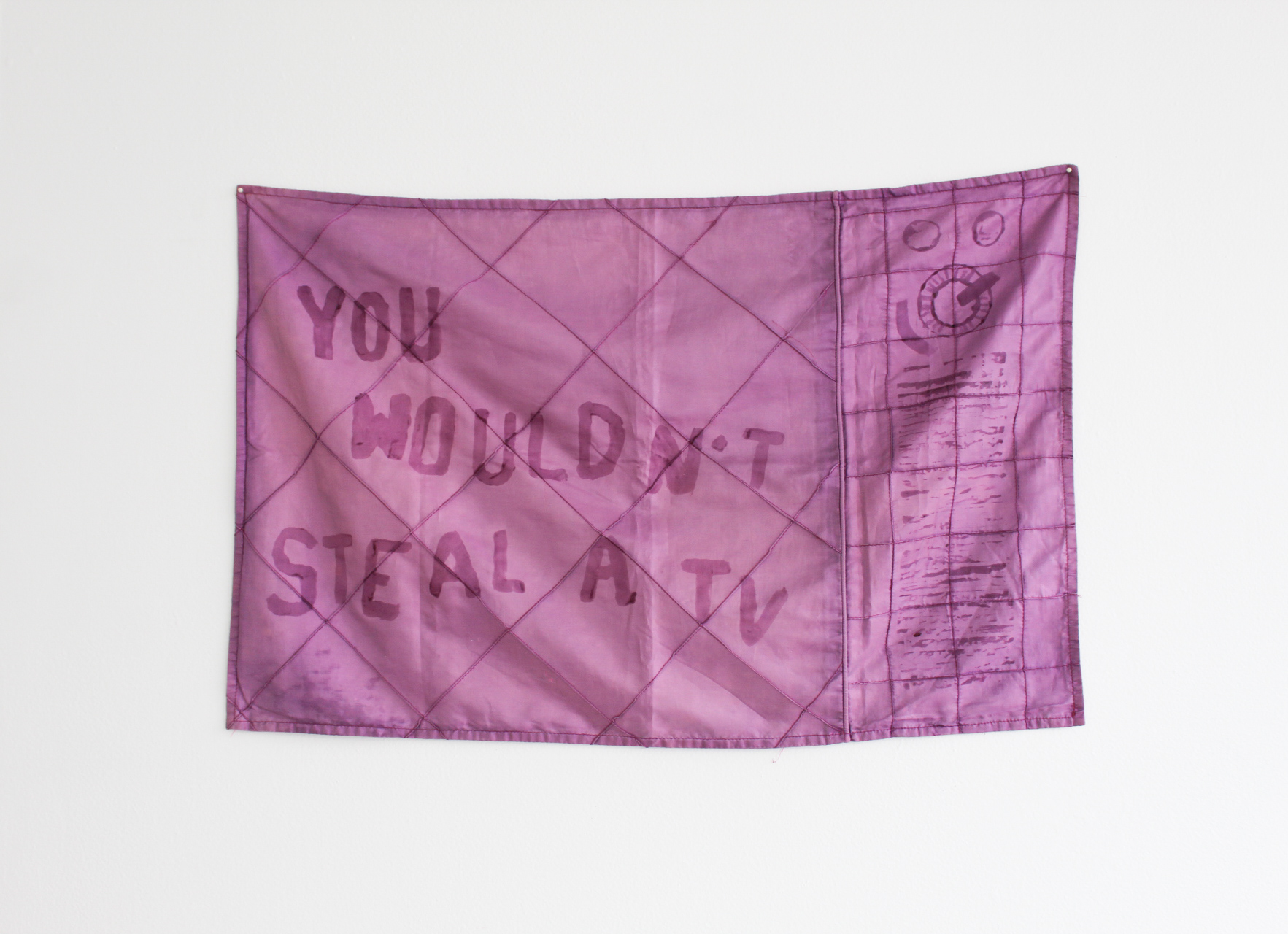
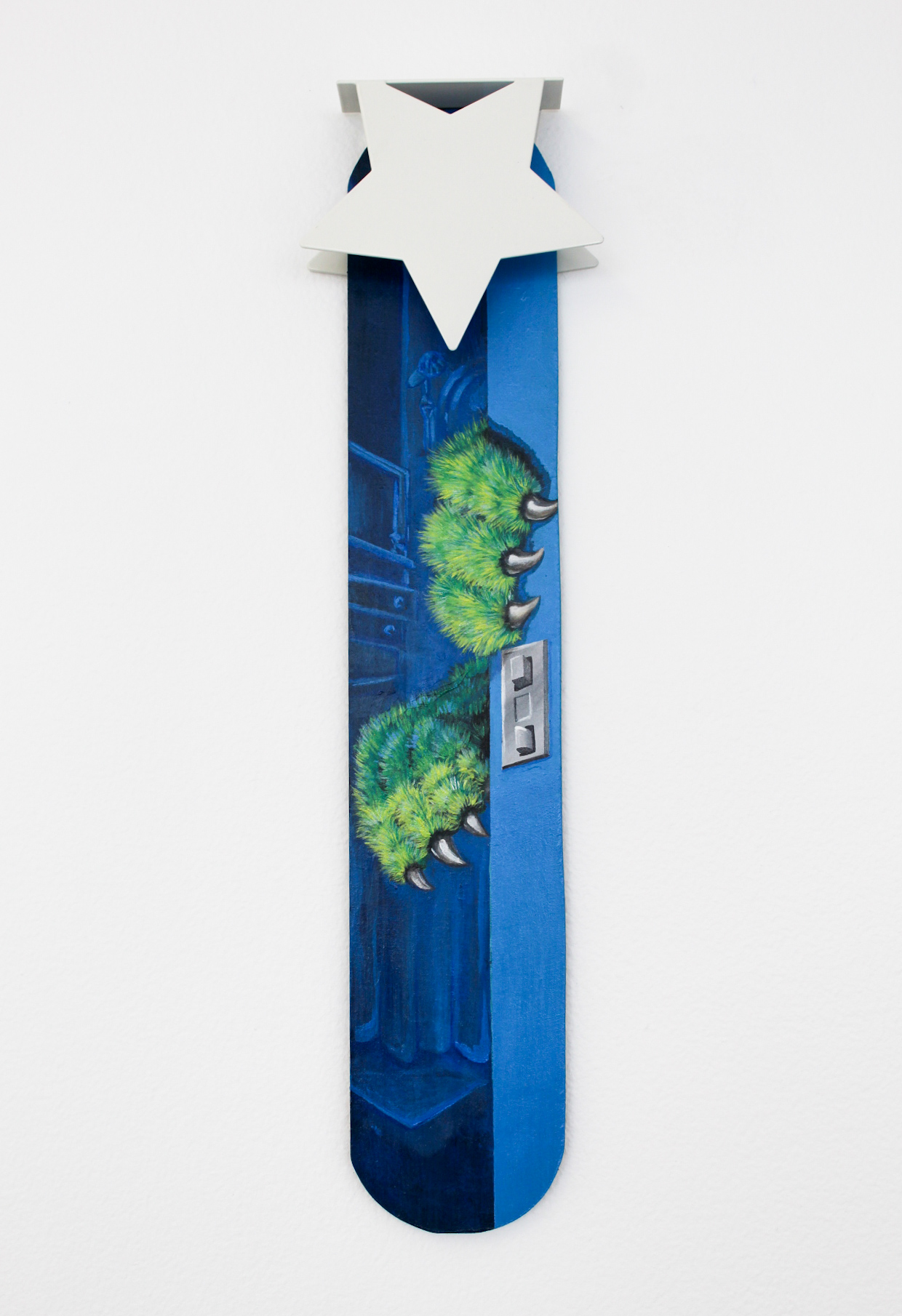
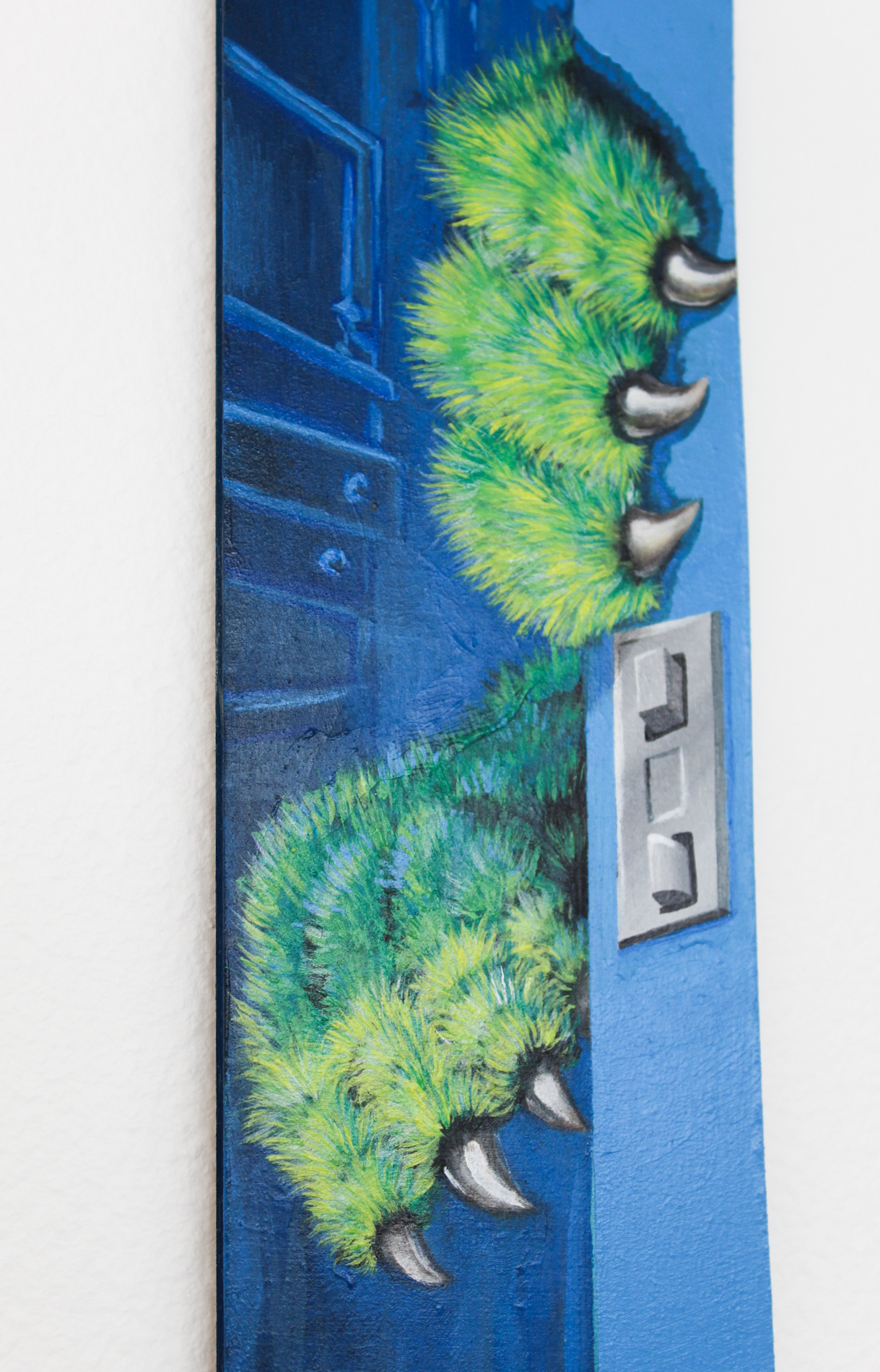
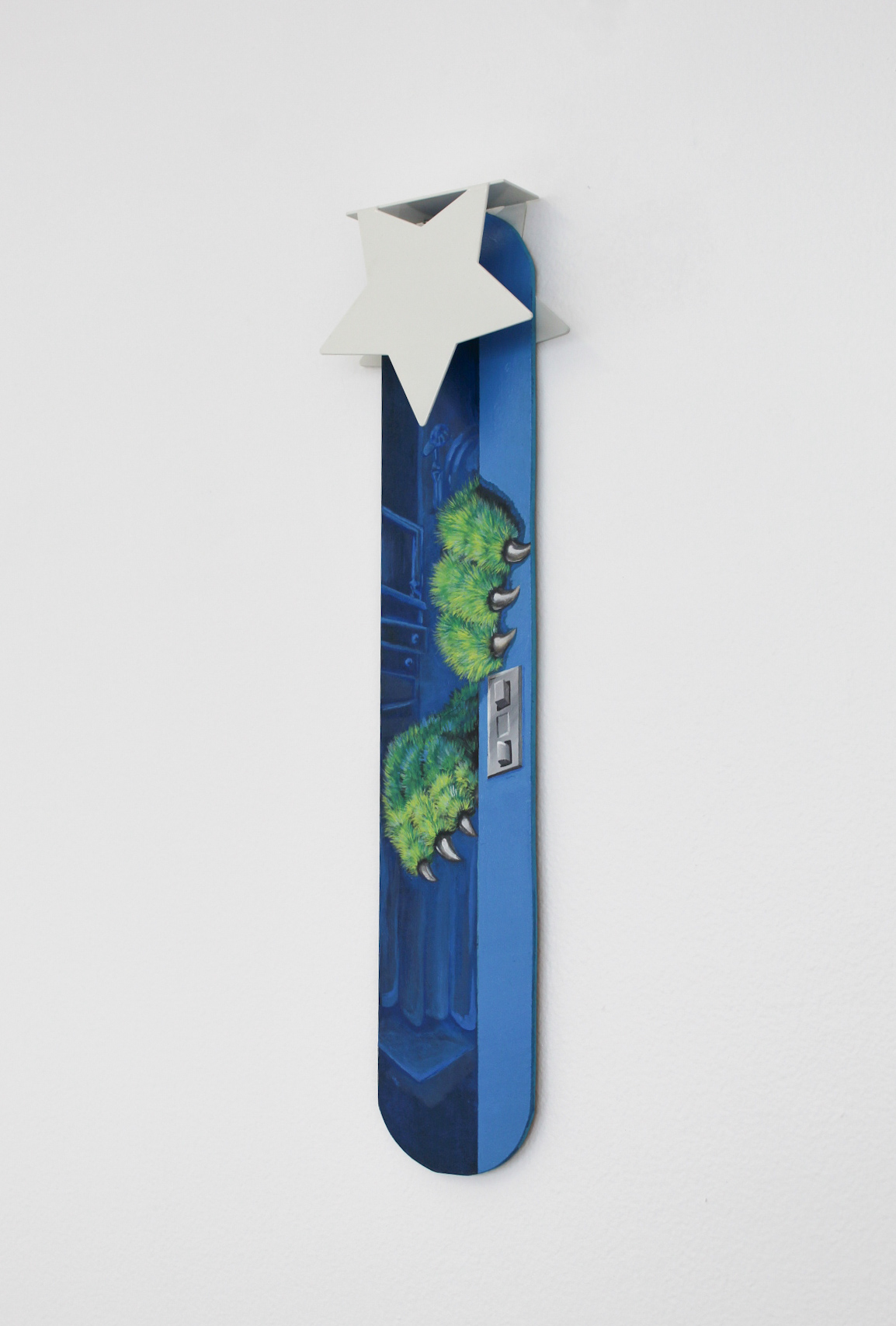
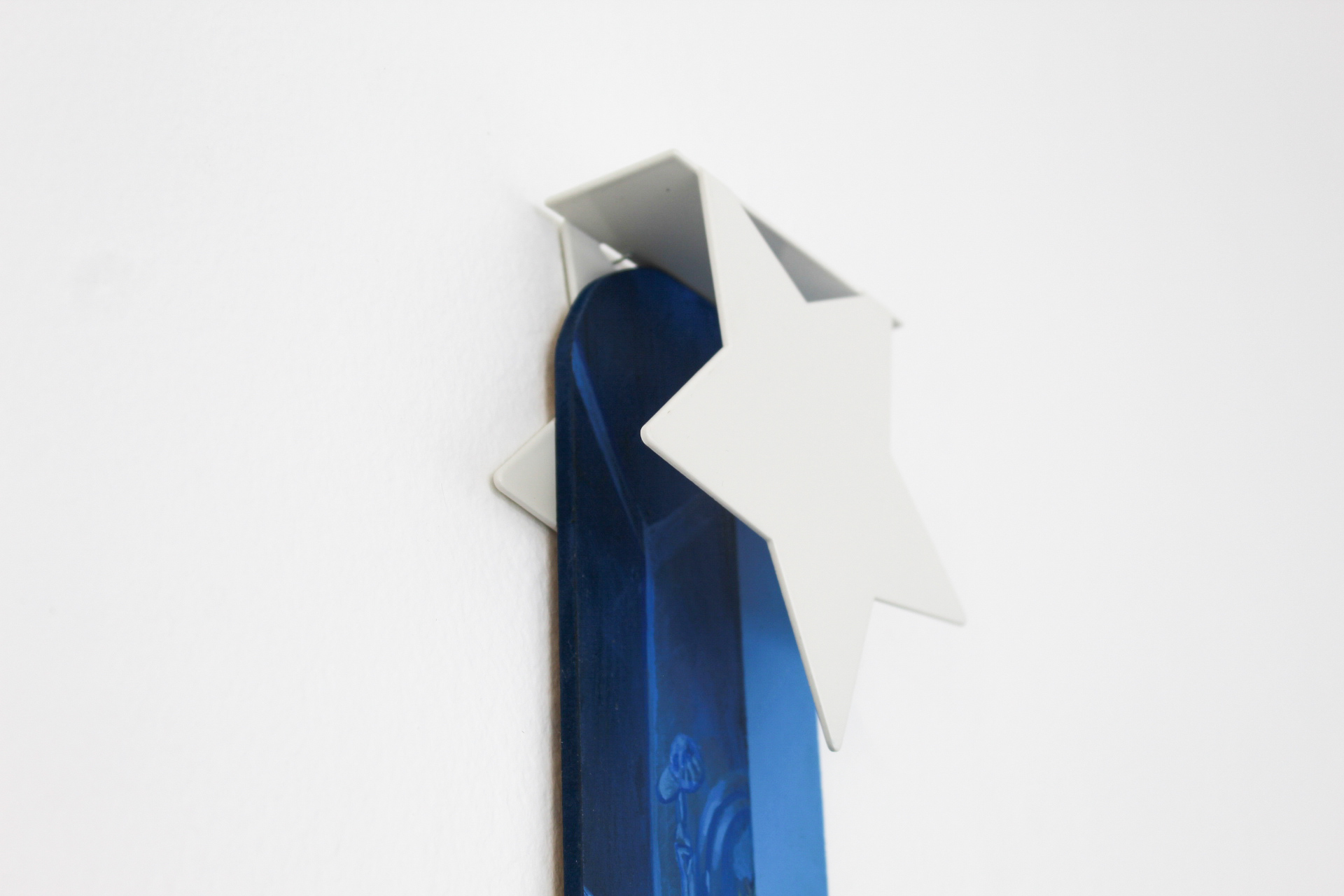
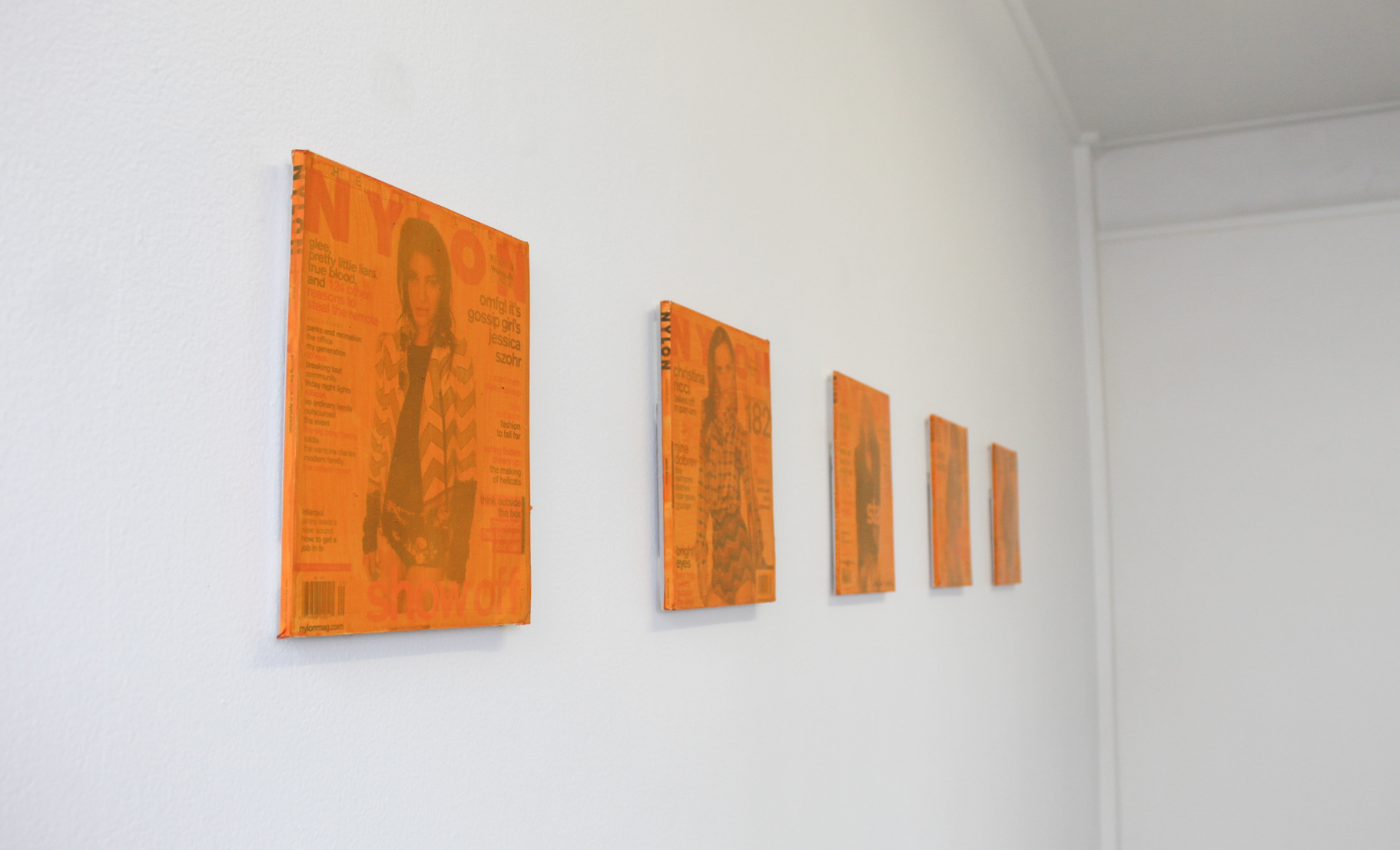
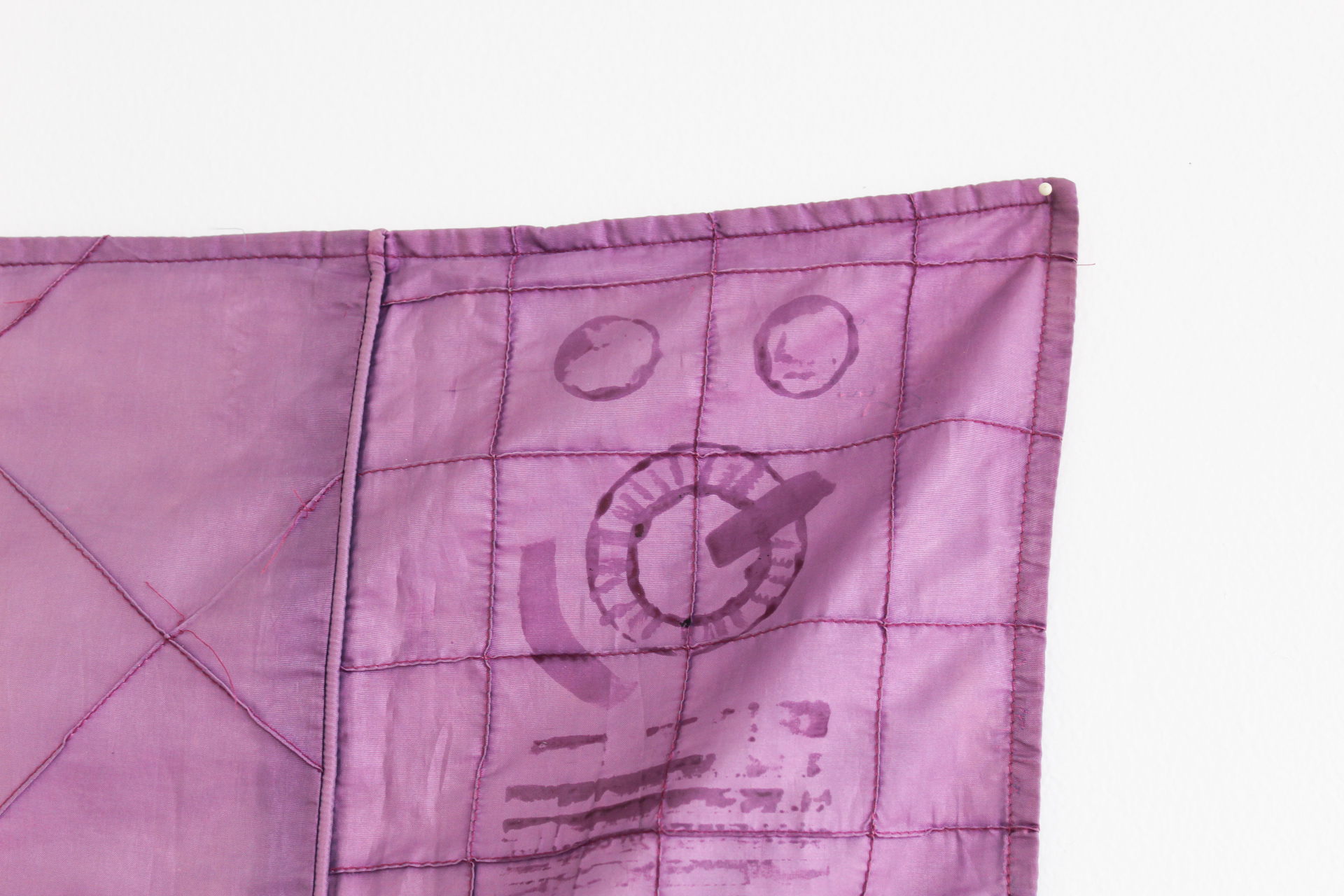
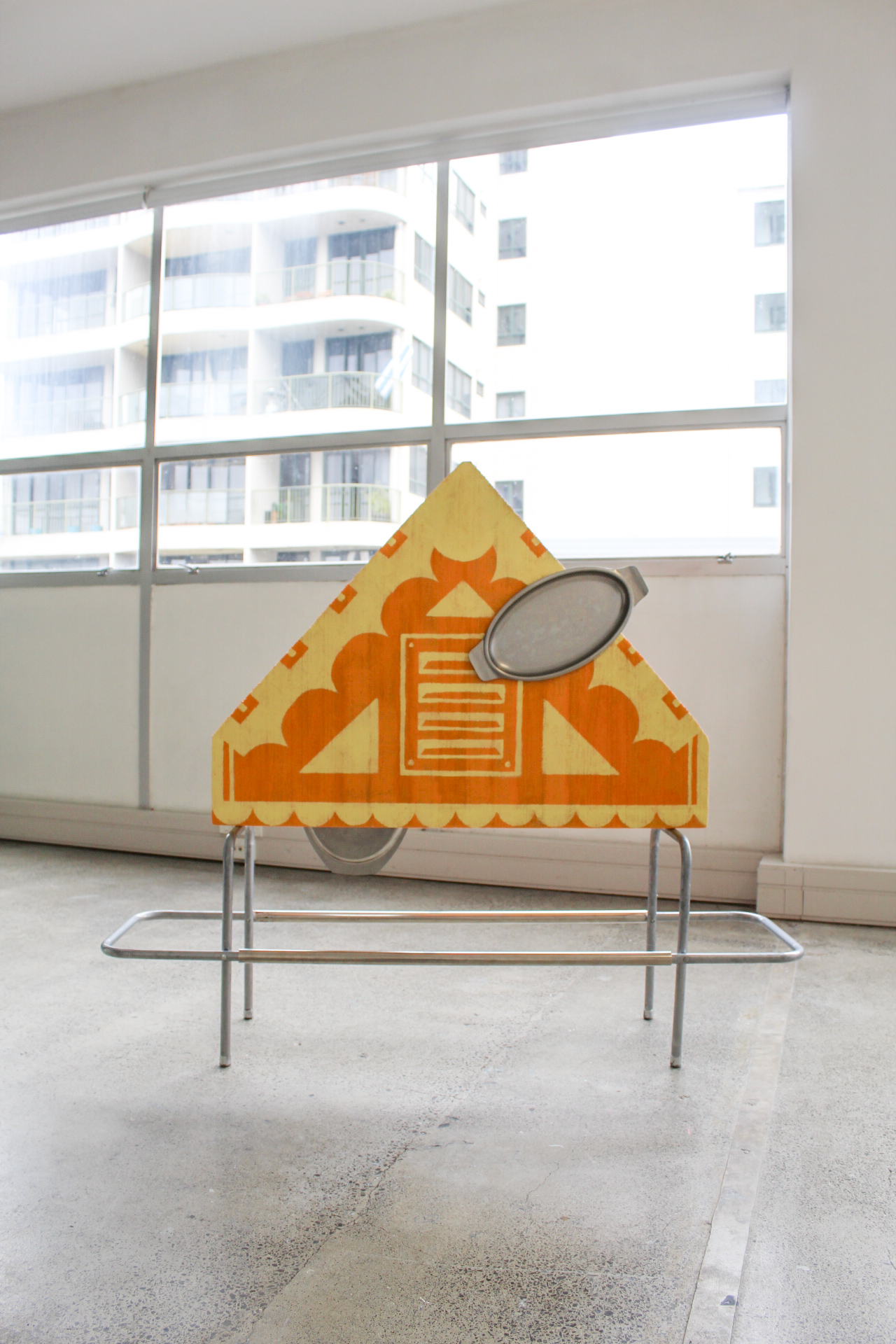
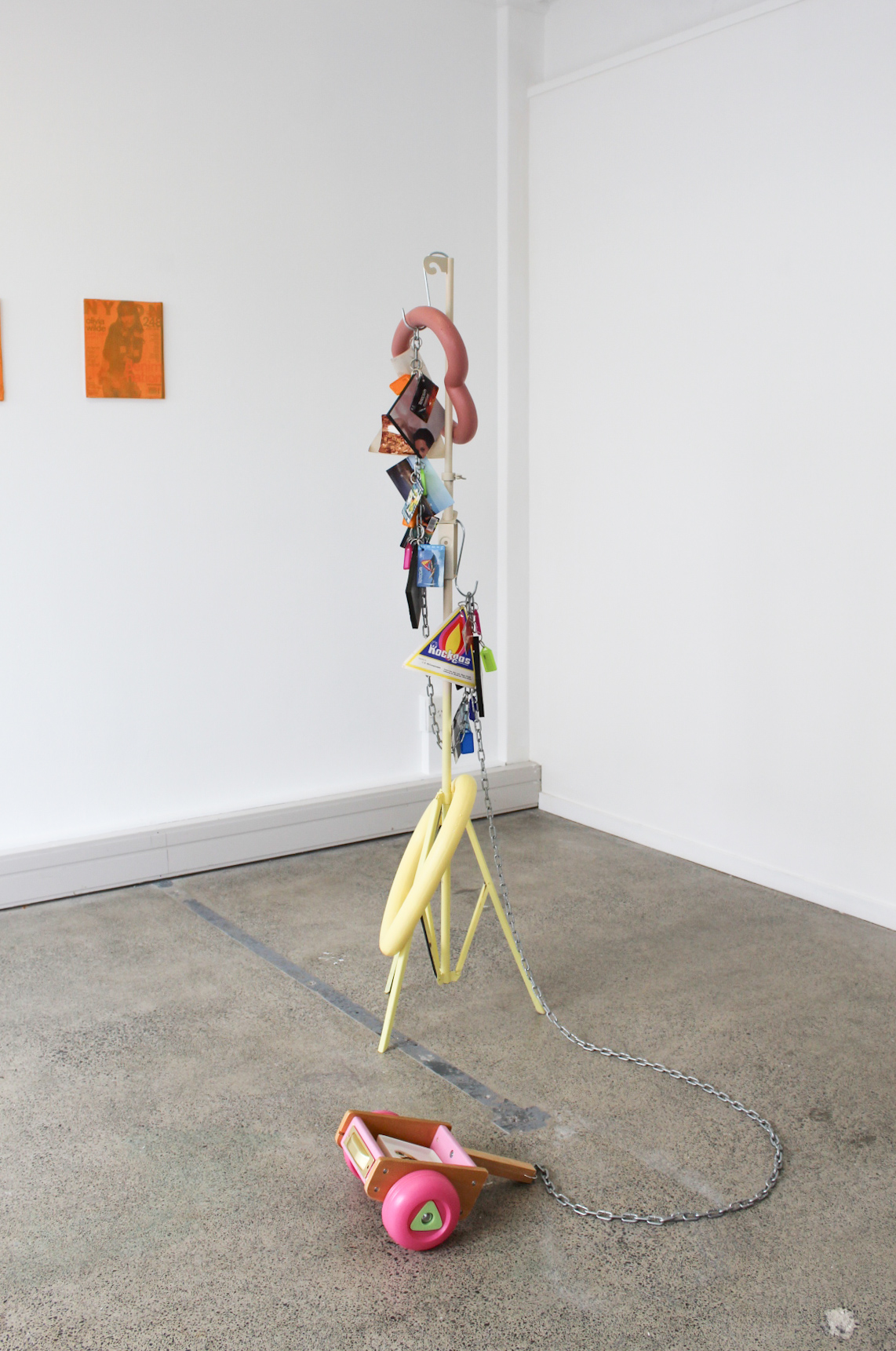
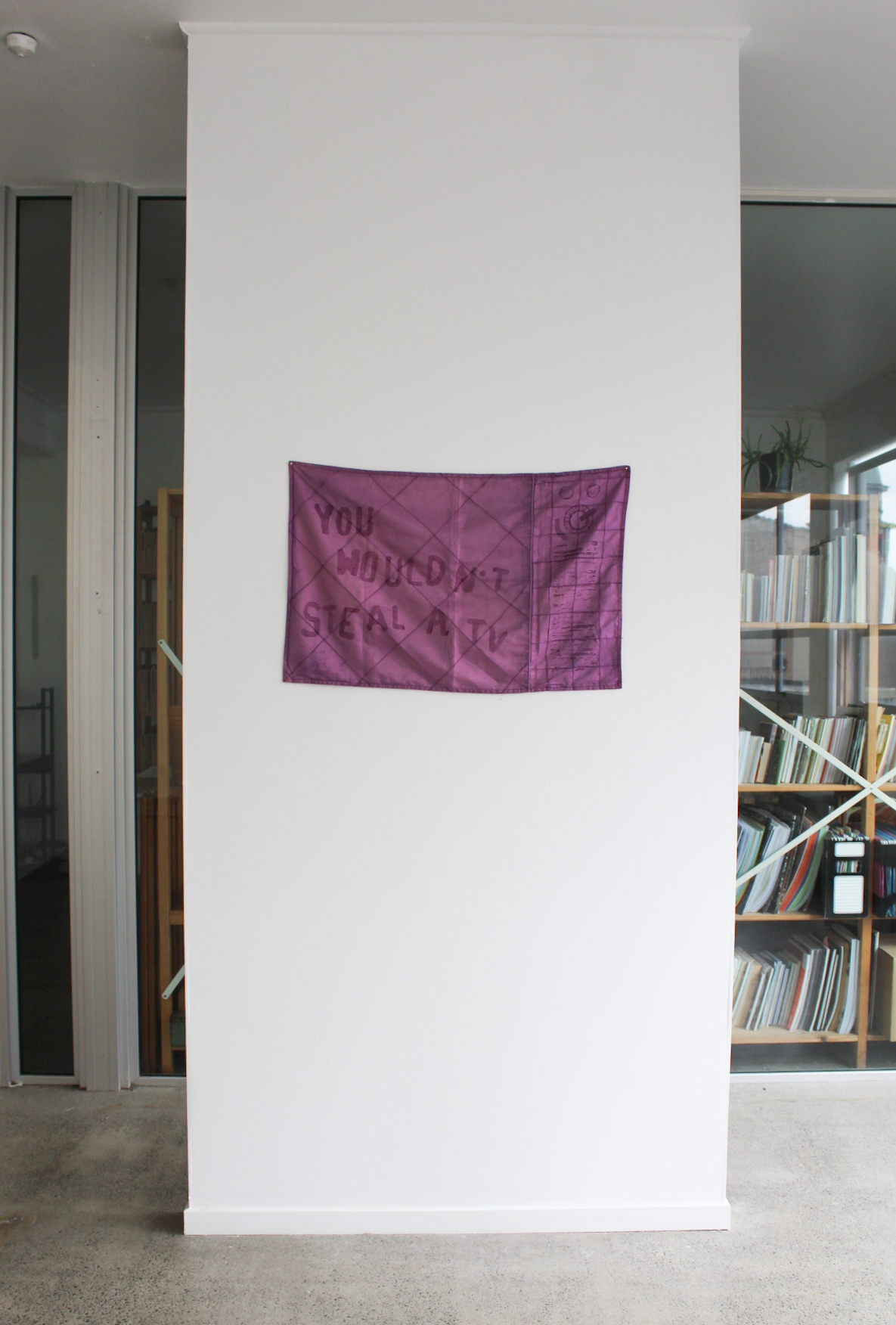
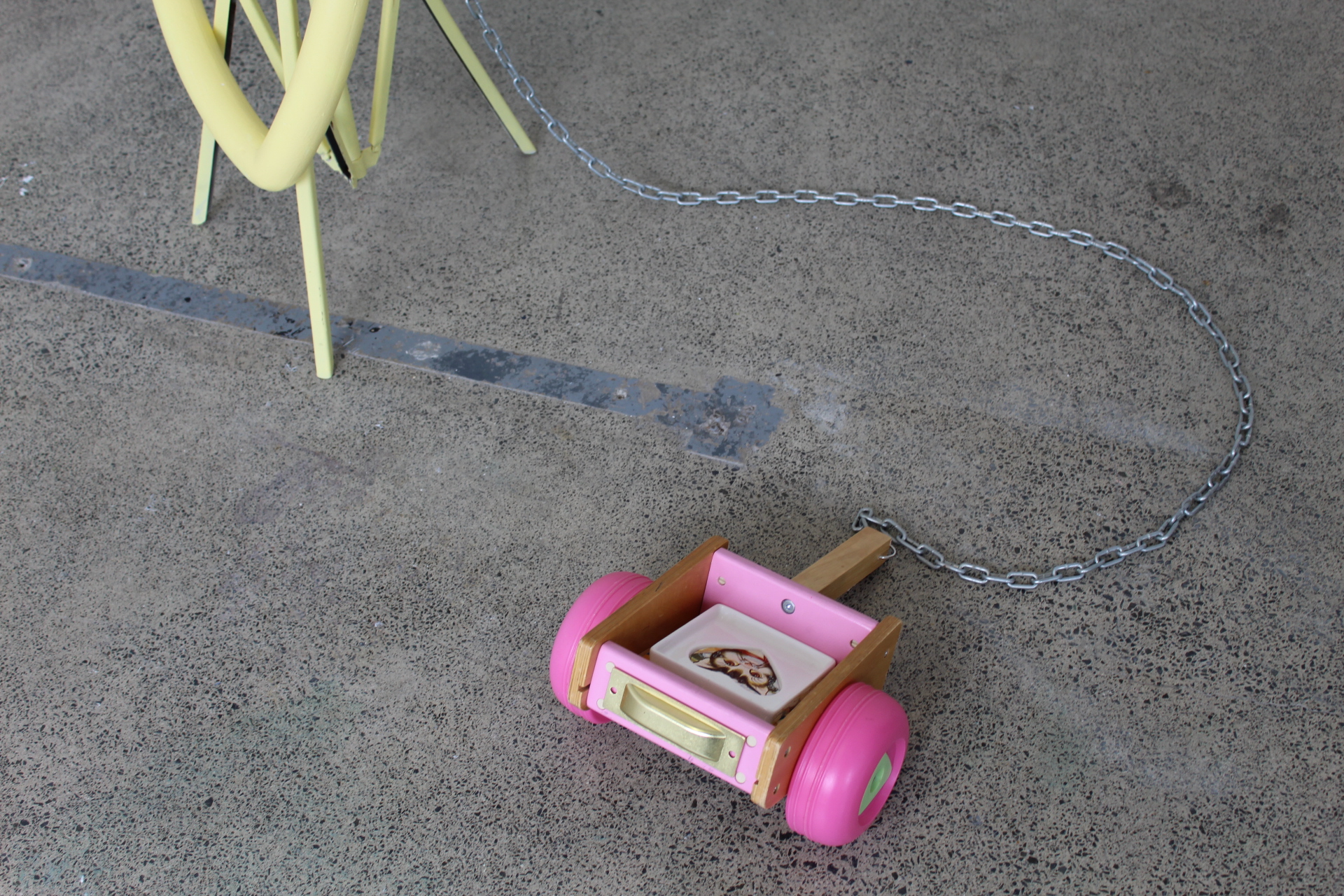
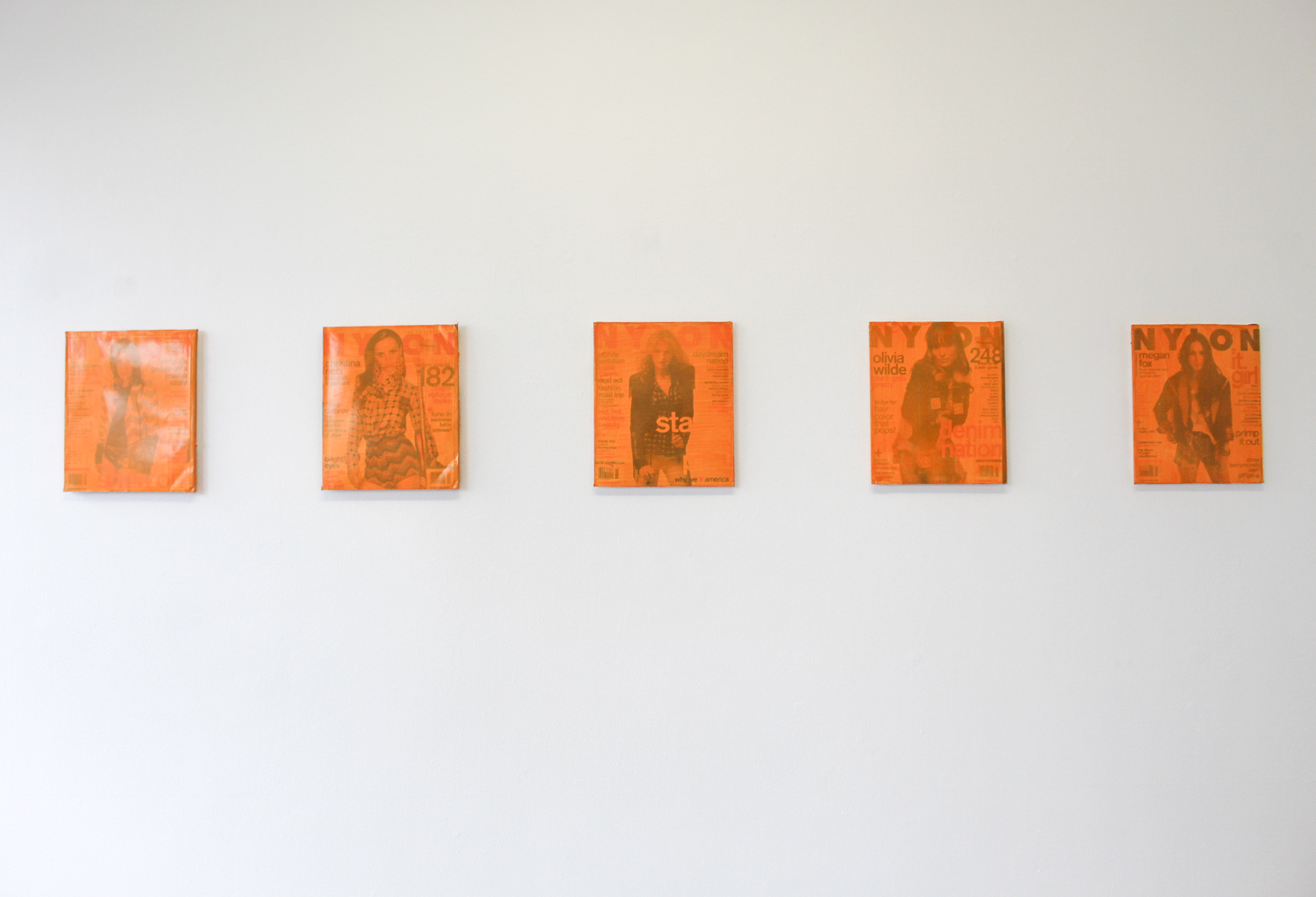
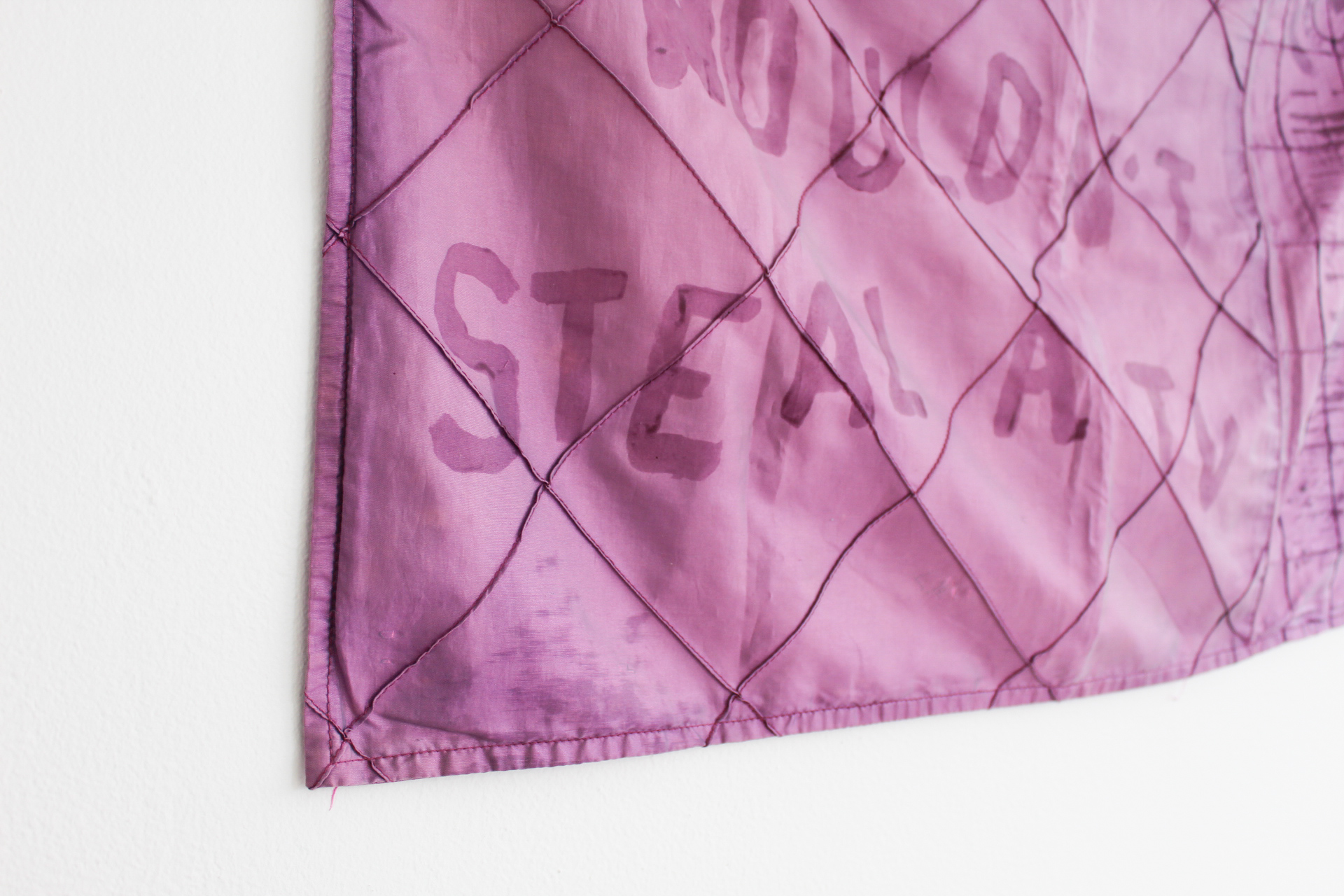
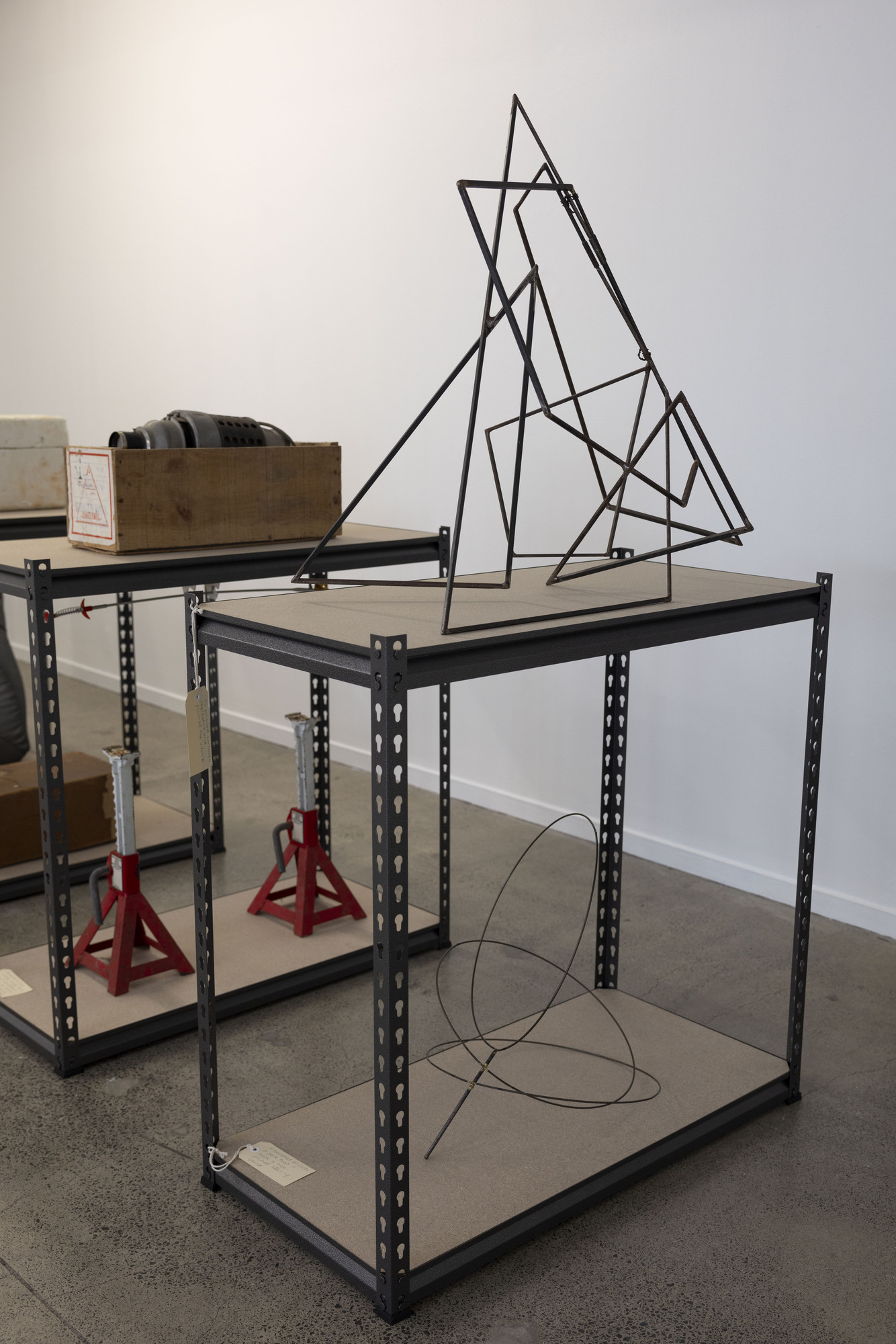
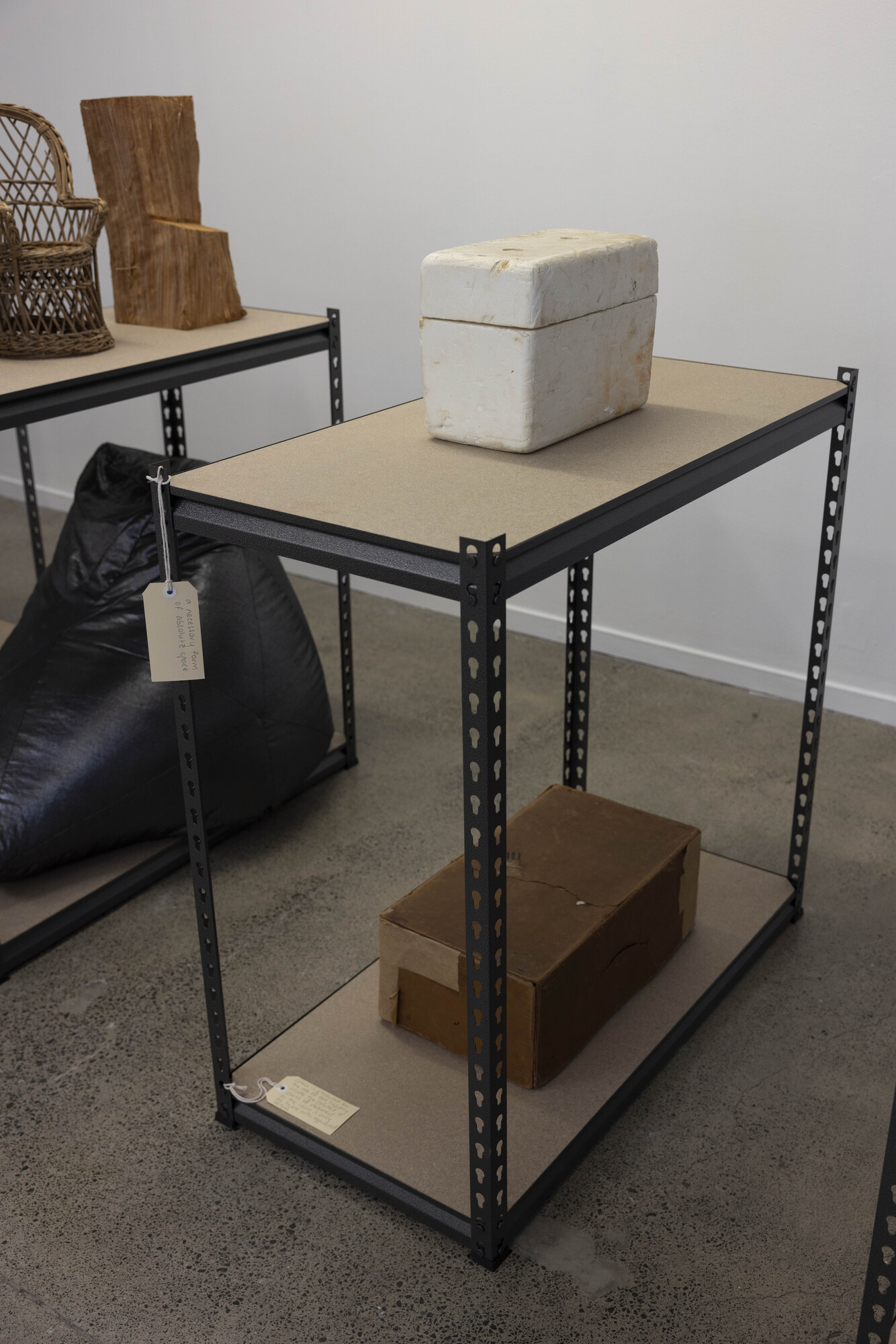
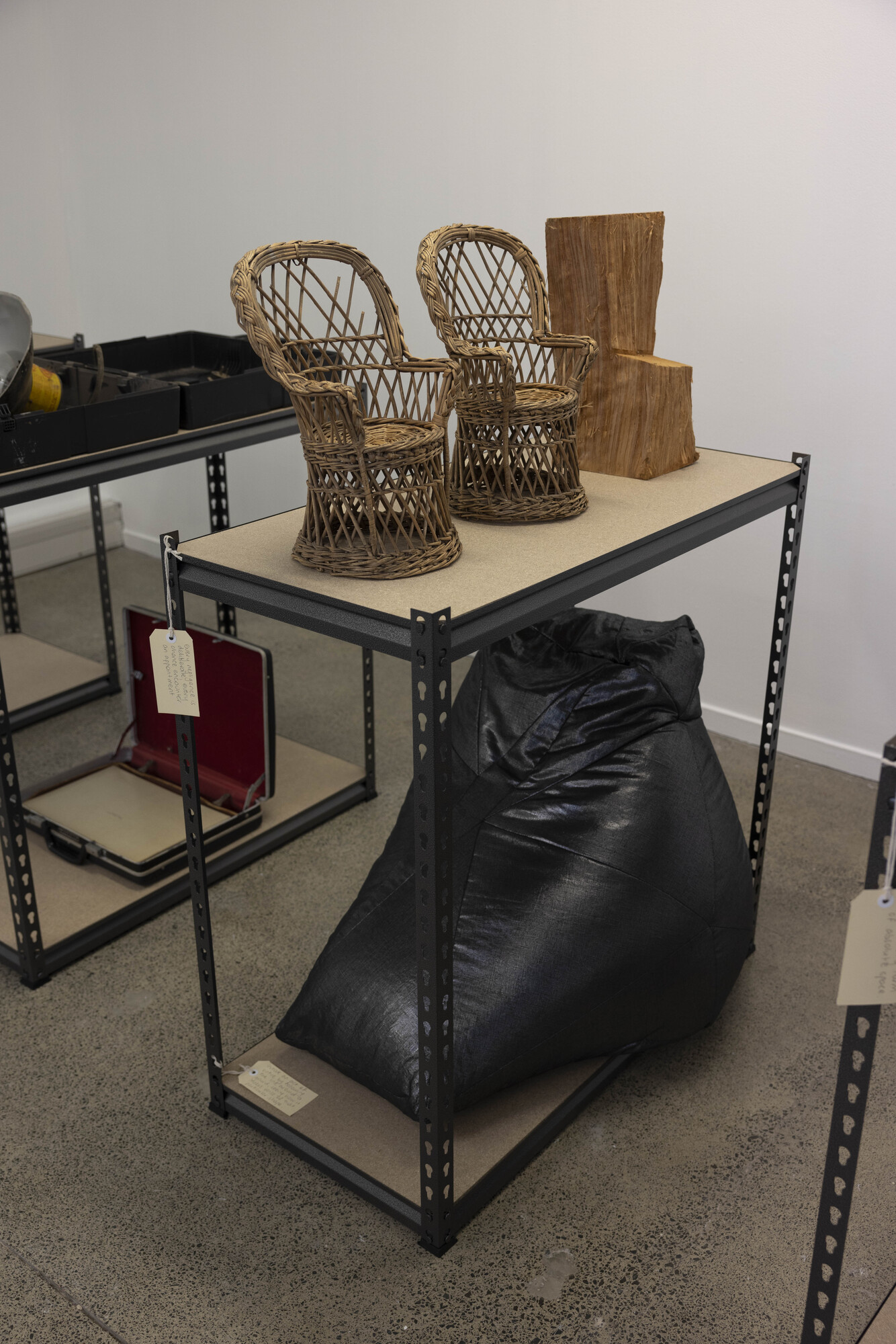
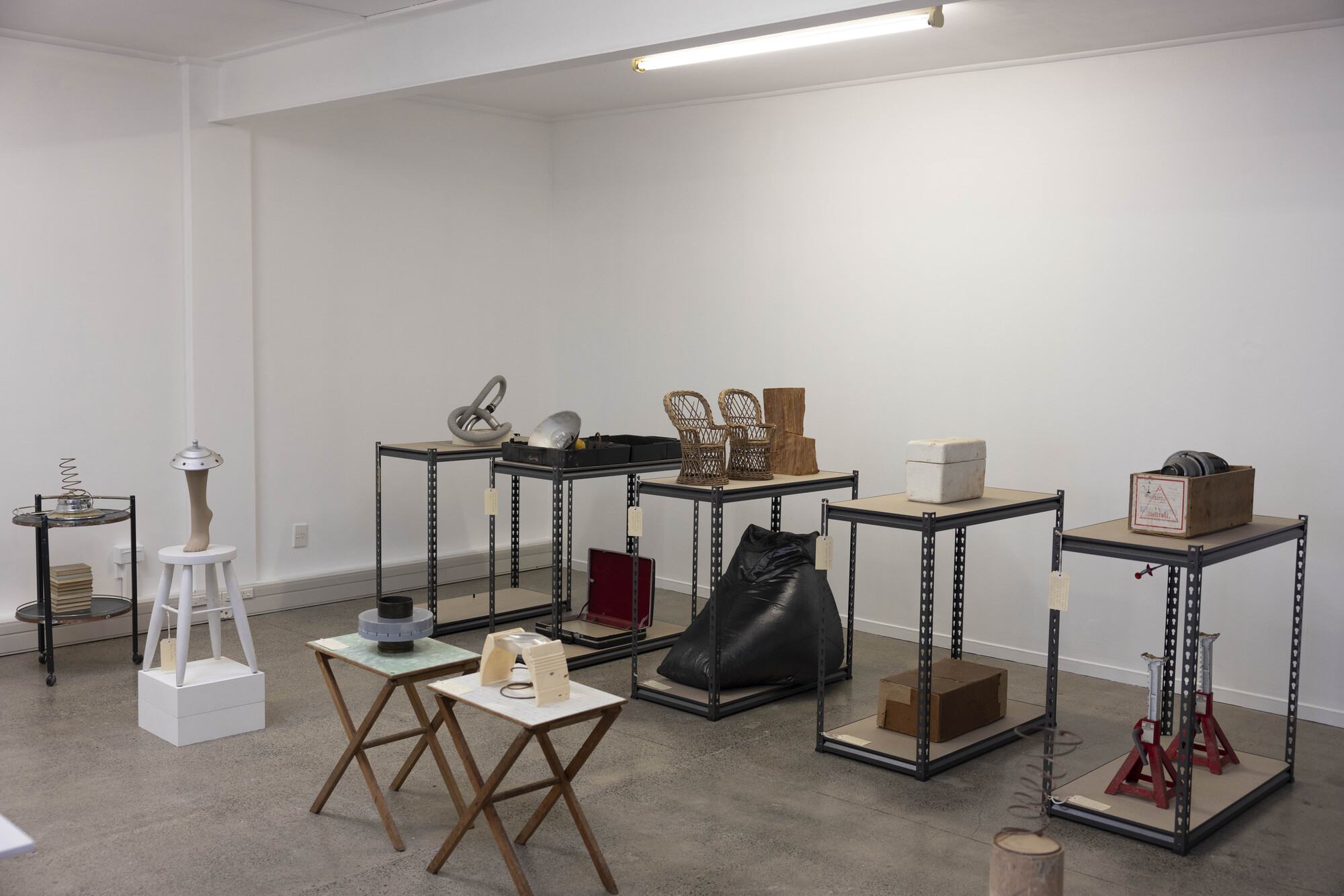
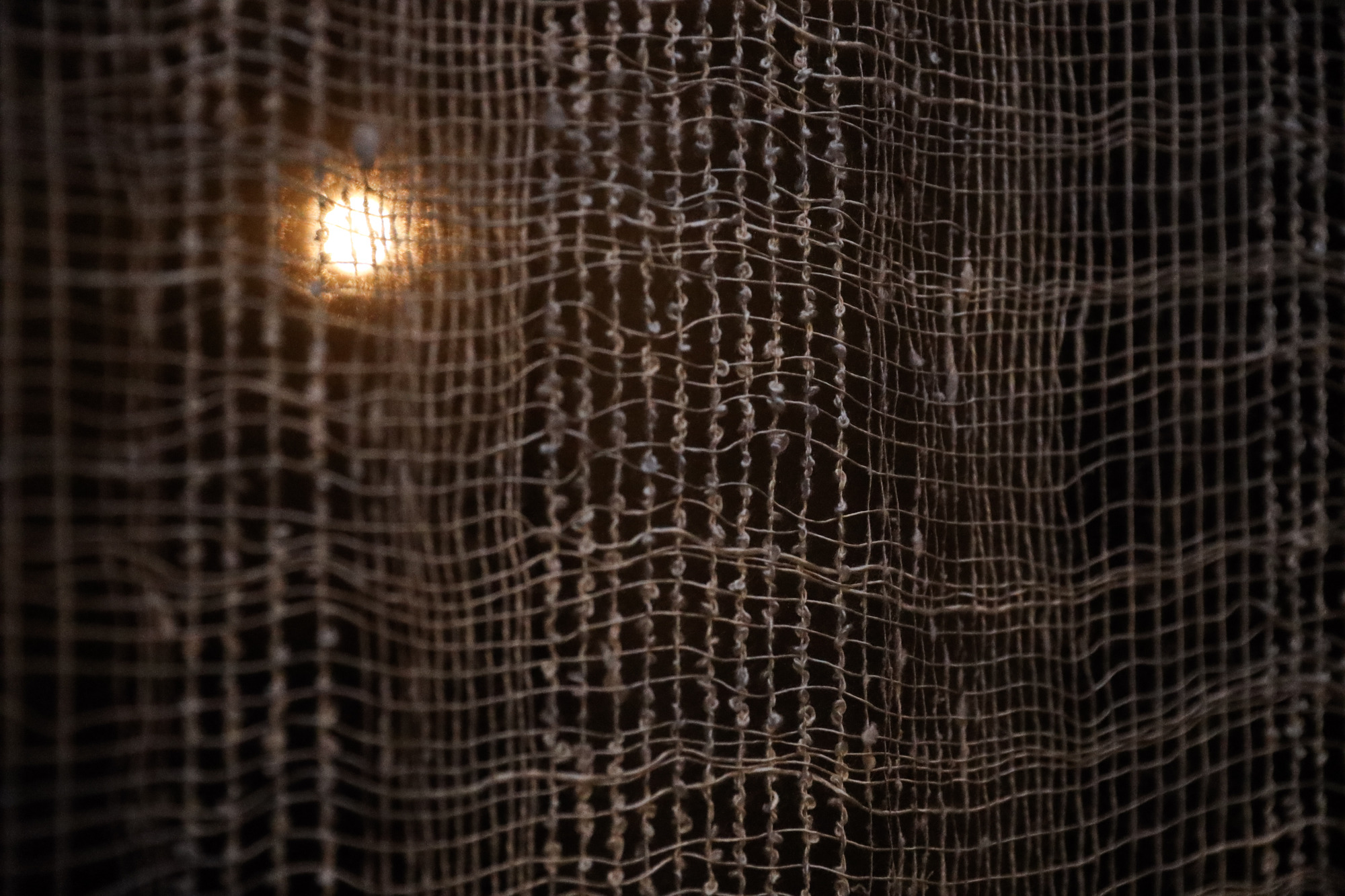
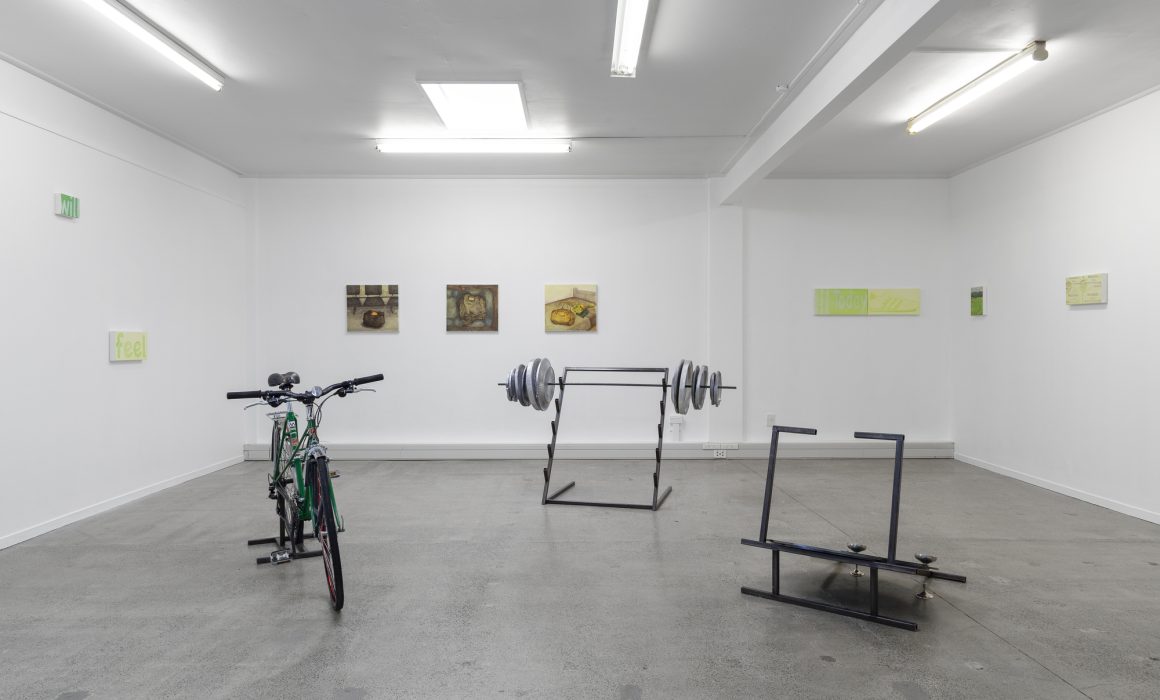
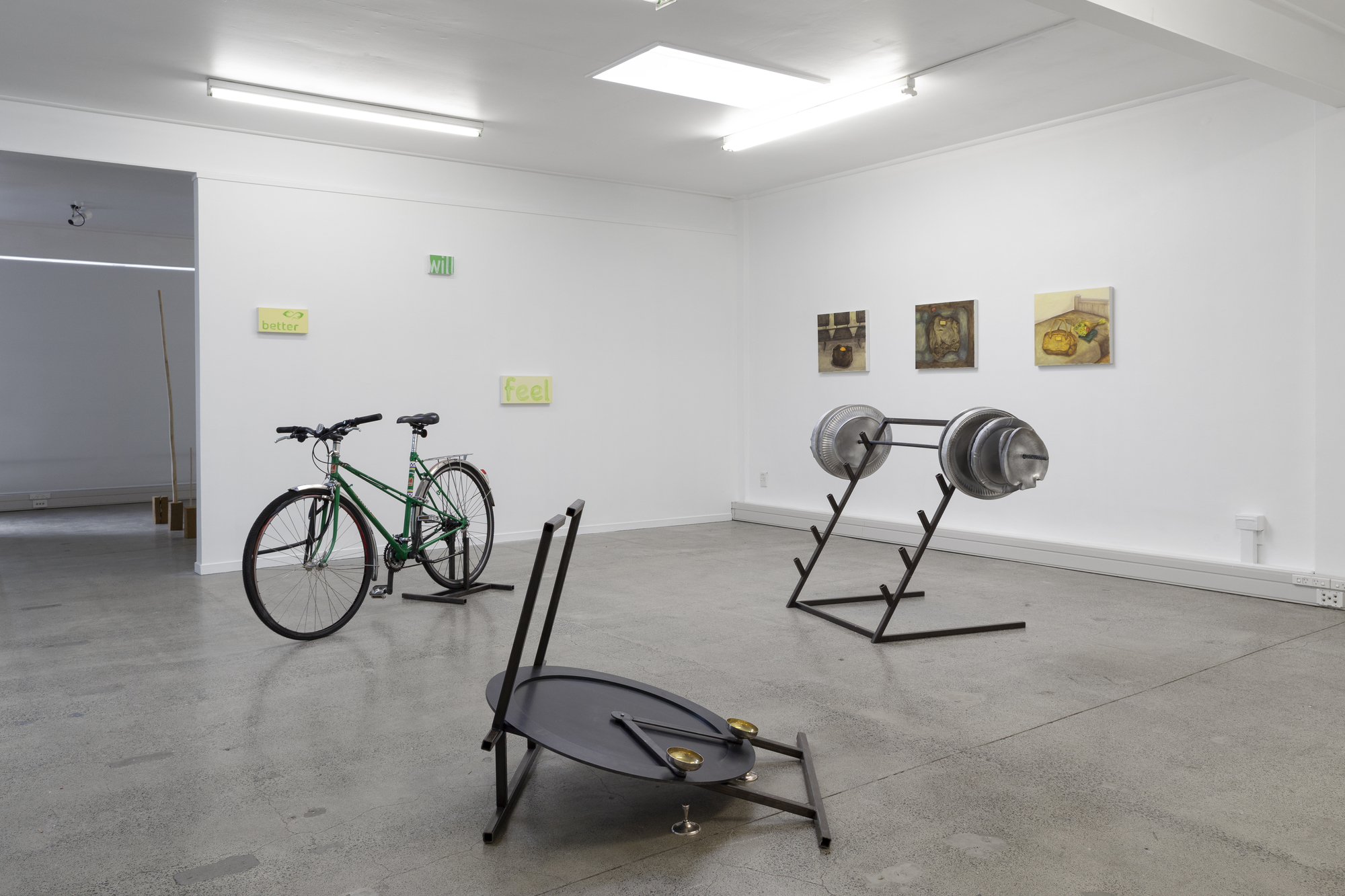
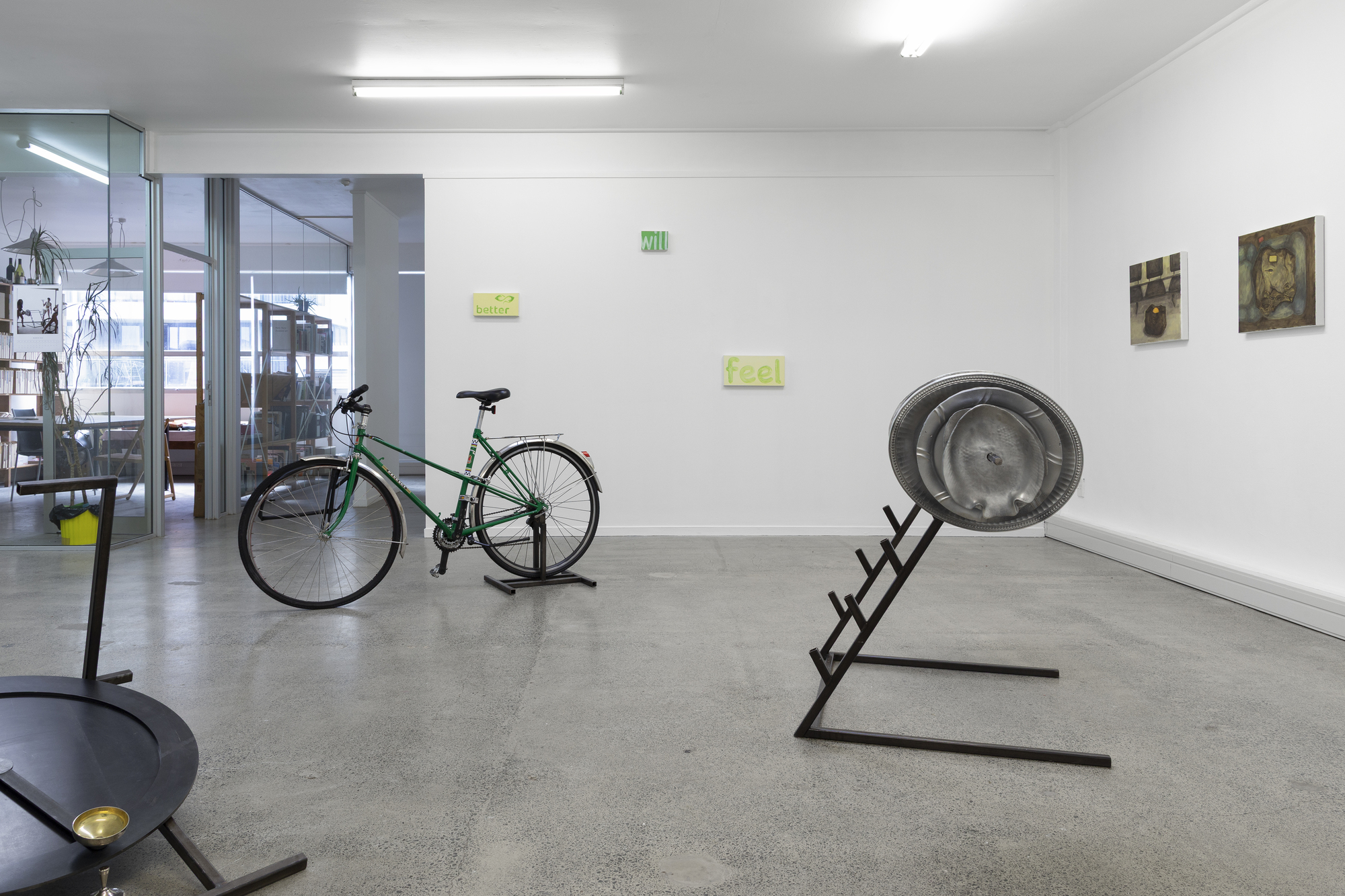
GRWM brings together the practices of Aria McInnes, Keani Rewha, and Rita Takeuchi, drawing from the online video genre “Get Ready With Me,” where personal, everyday rituals are performed for a public audience. Through painting and installation, the exhibition translates the reflections that arise from analysing contemporary online behaviour and its influence on how we navigate daily life. The works consider how contemporary identity is shaped by cycles of performance, reinvention, and the commercialisation of the personal.

Converging three distinct practices, GRWM examines how authenticity is constructed, staged, and circulated. It navigates the increasingly blurred boundary between private and public spheres, where acts of preparation become content and vulnerability becomes an aesthetic strategy. By translating digital rituals into material and physical space, the artists recontextualise online behaviour, inviting viewers to reflect on how the self is continuously assembled, performed, packaged, and consumed.
Images by Cheska Brown

Jude Stevens : Goldies Grove

Jude Stevens
Goldies Grove

4 March – 11 April 2026

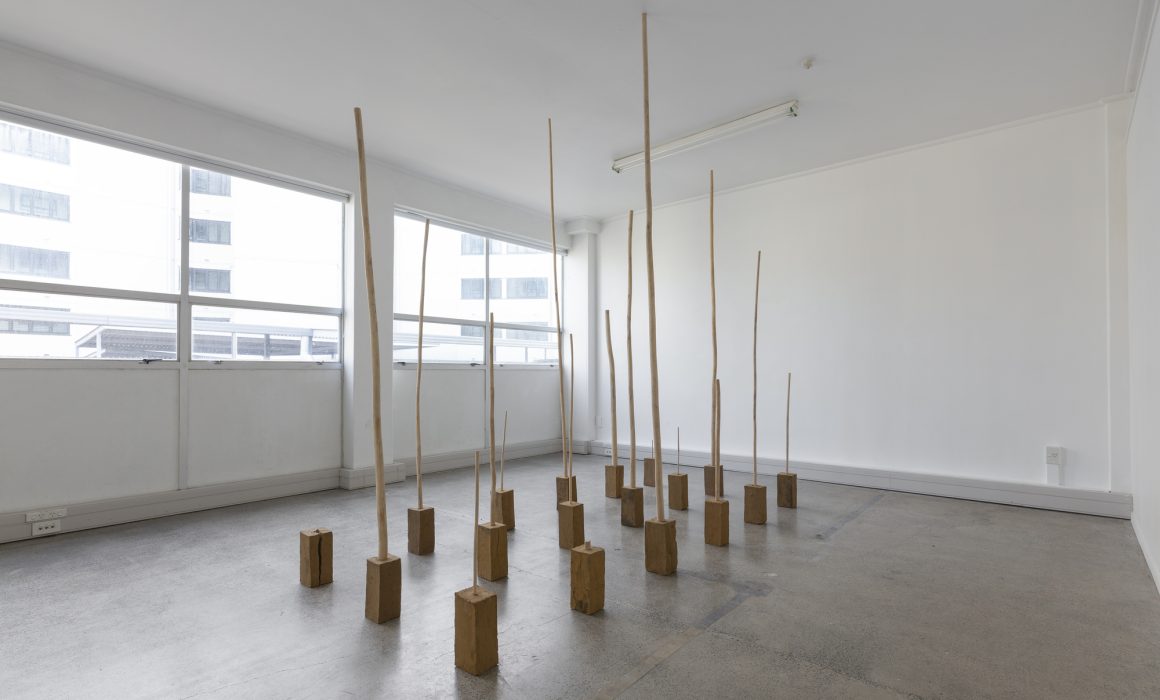
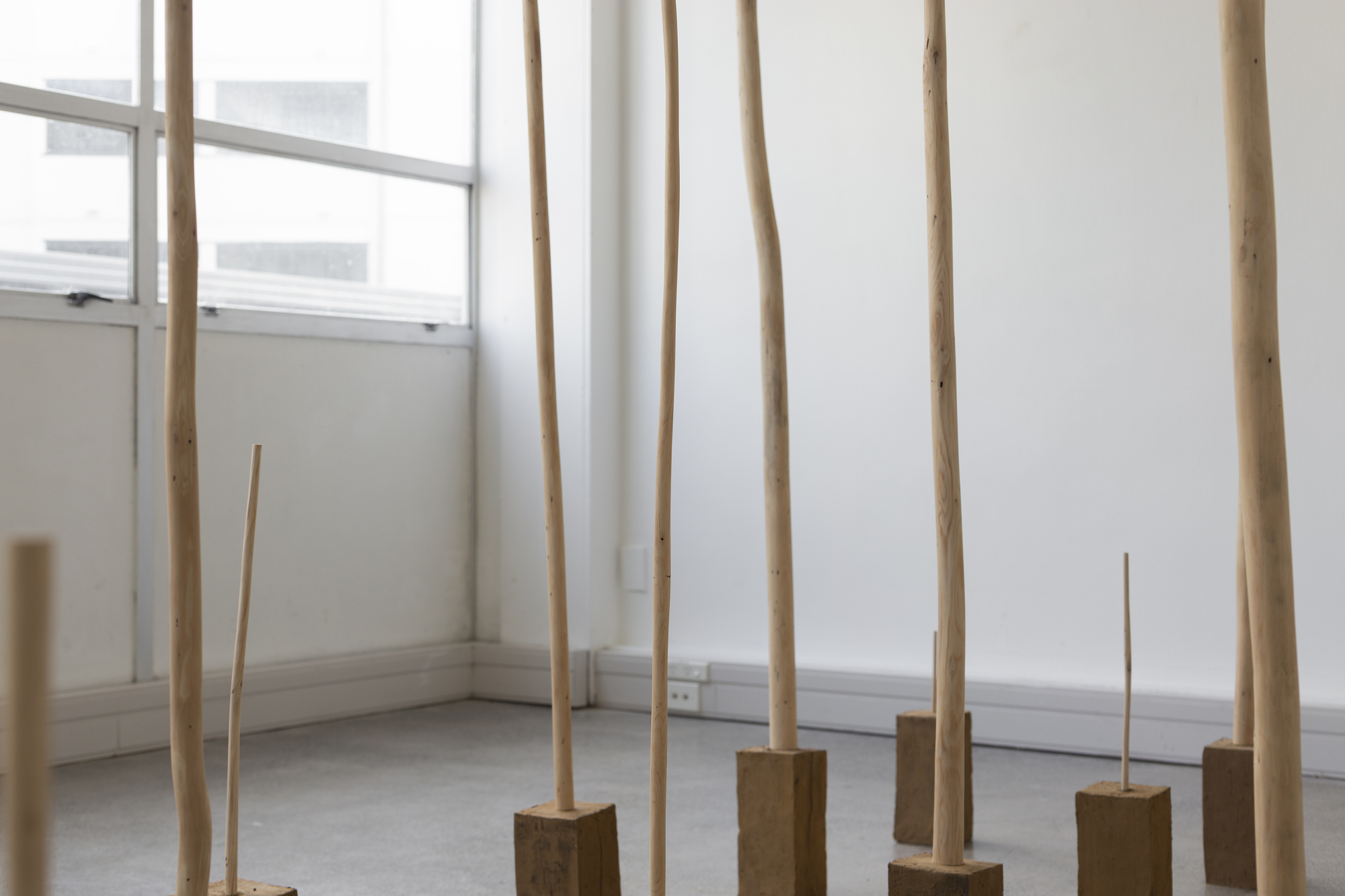
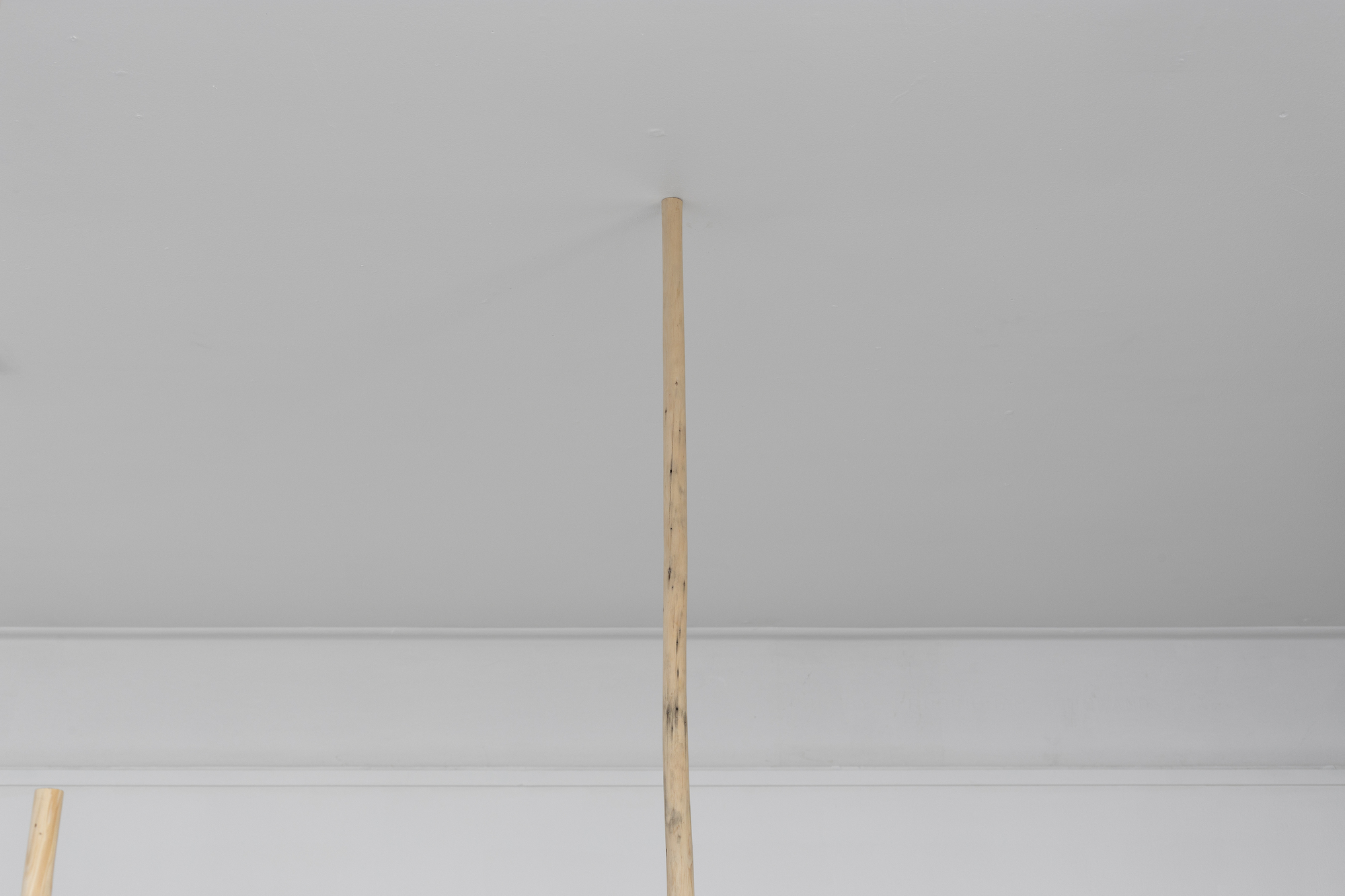
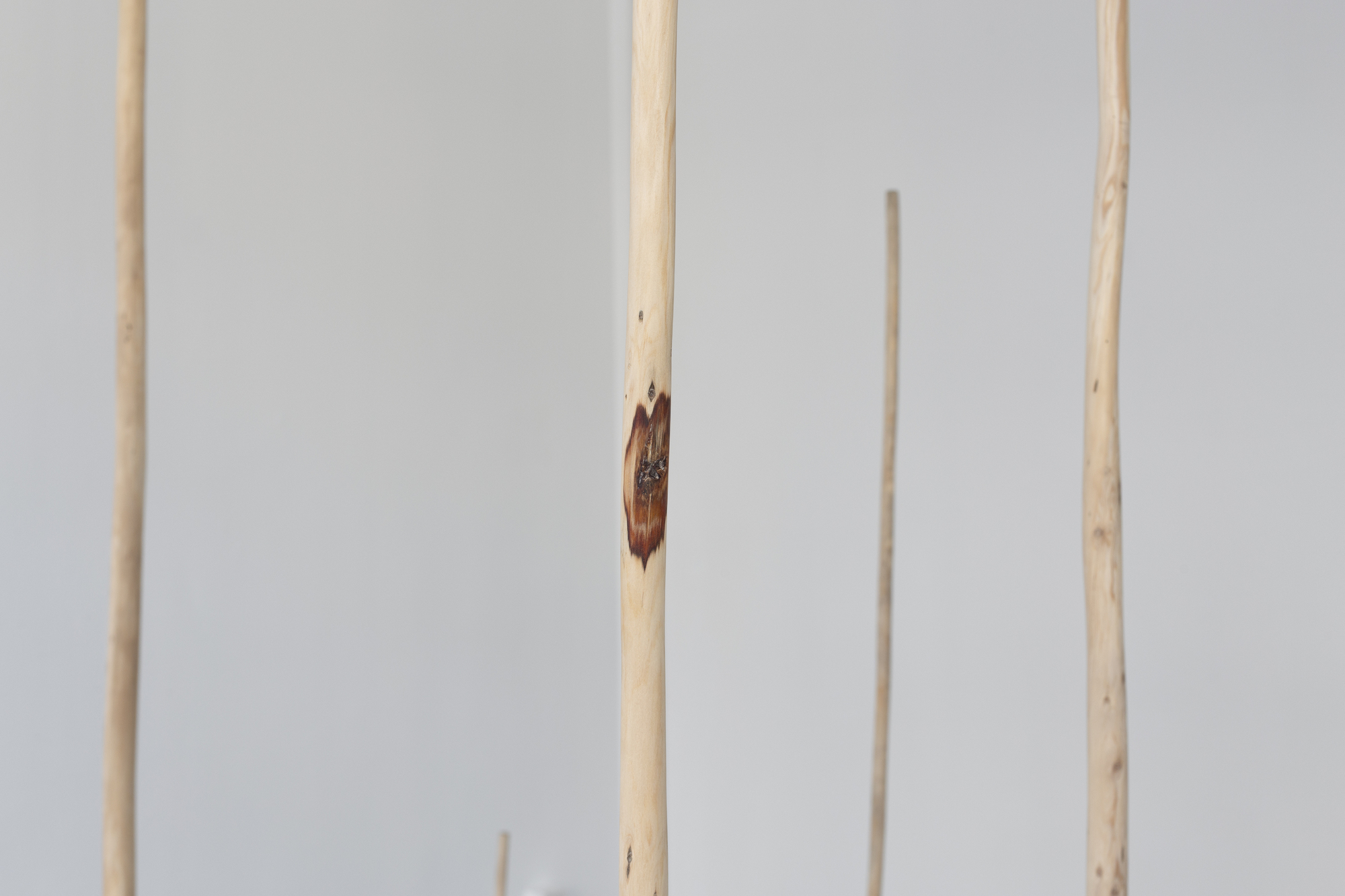
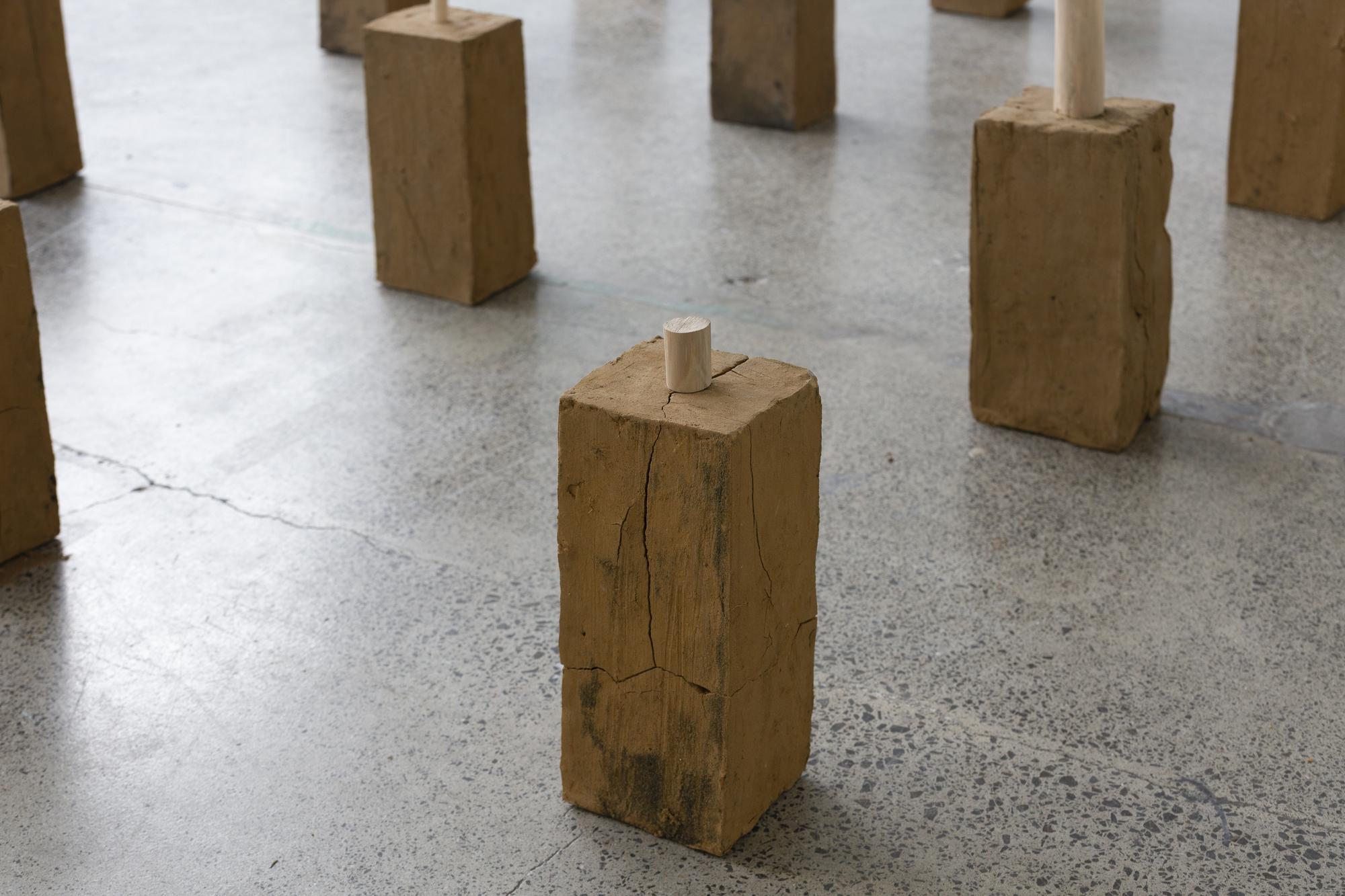
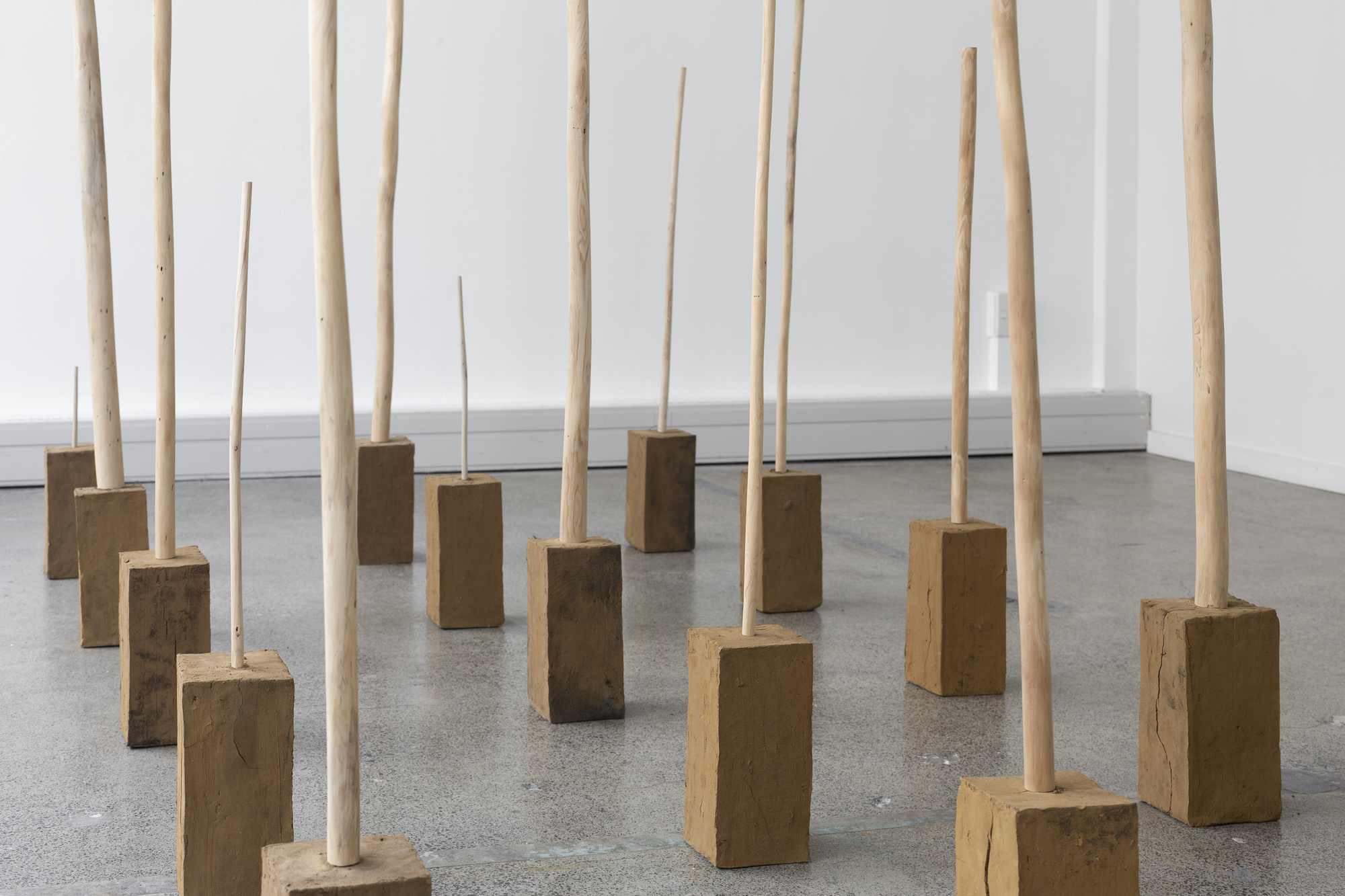
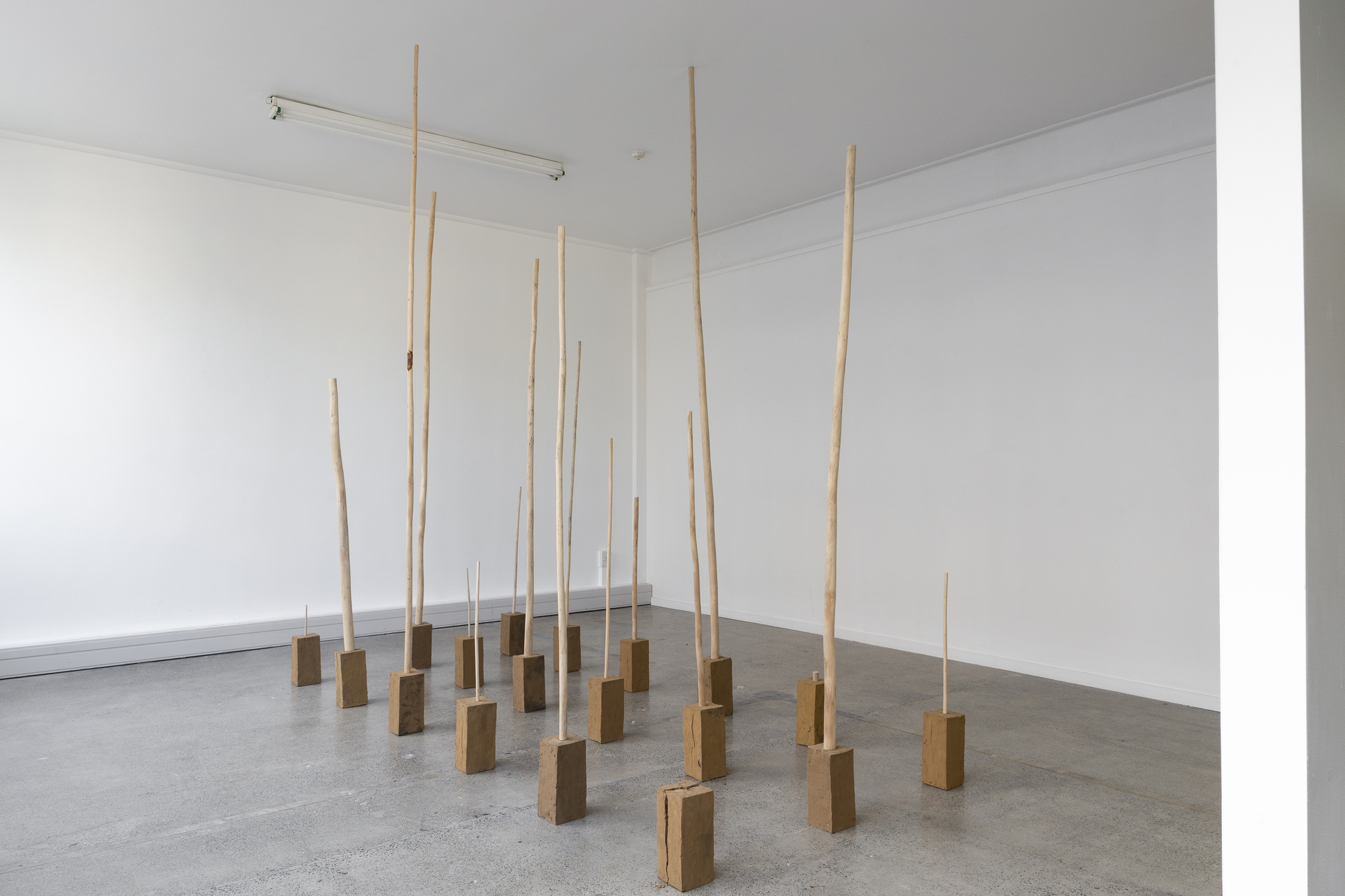
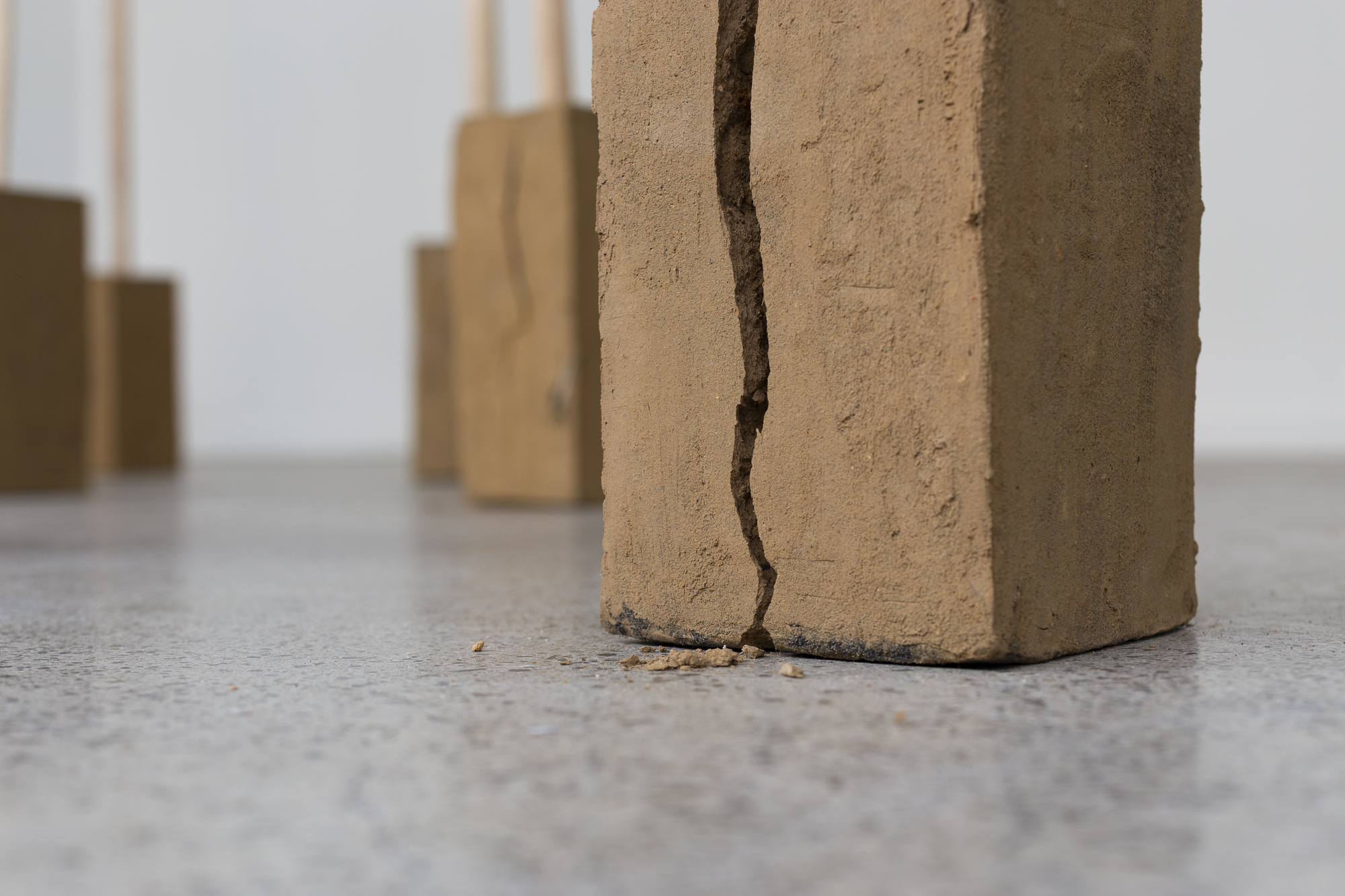
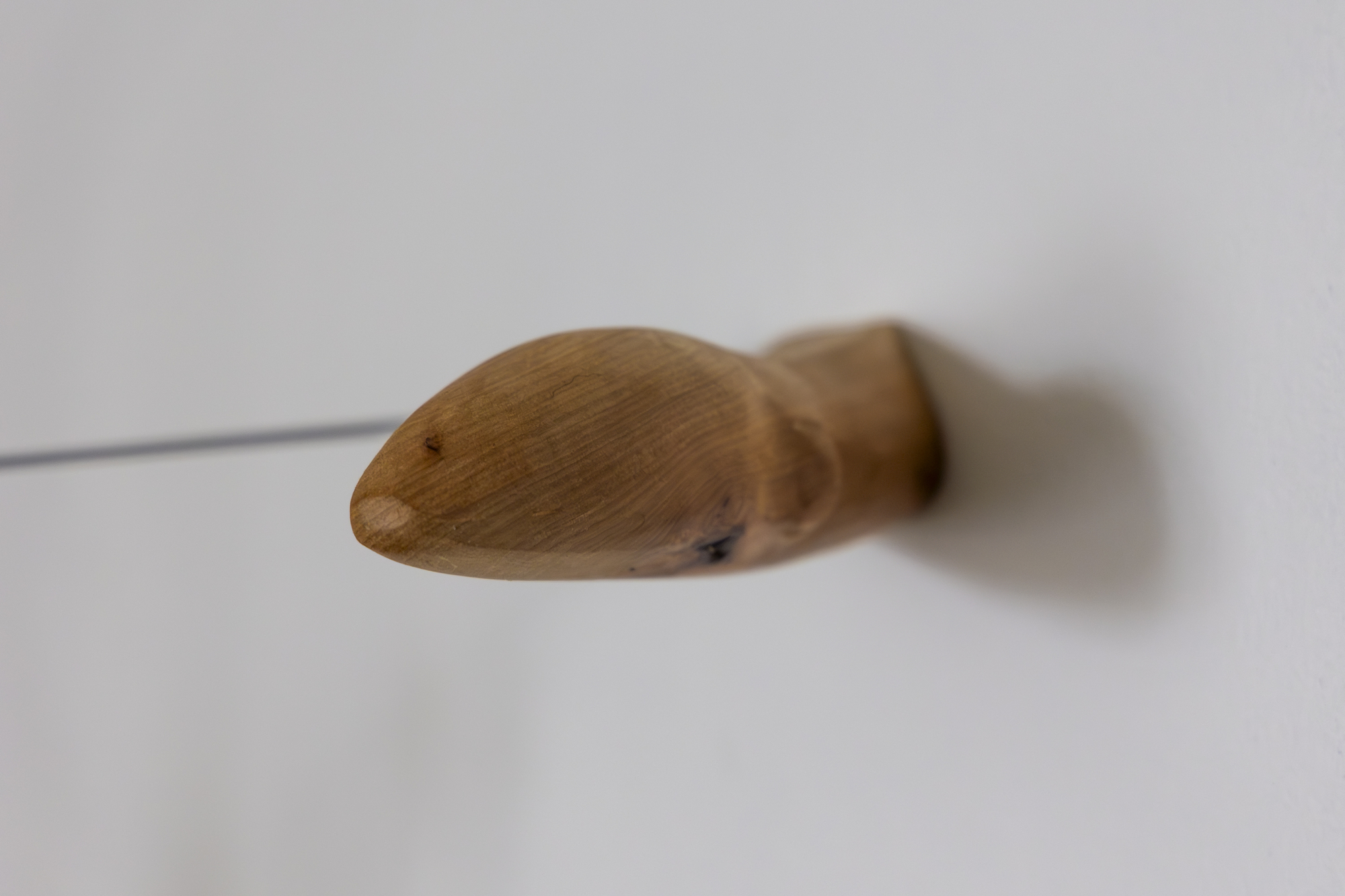
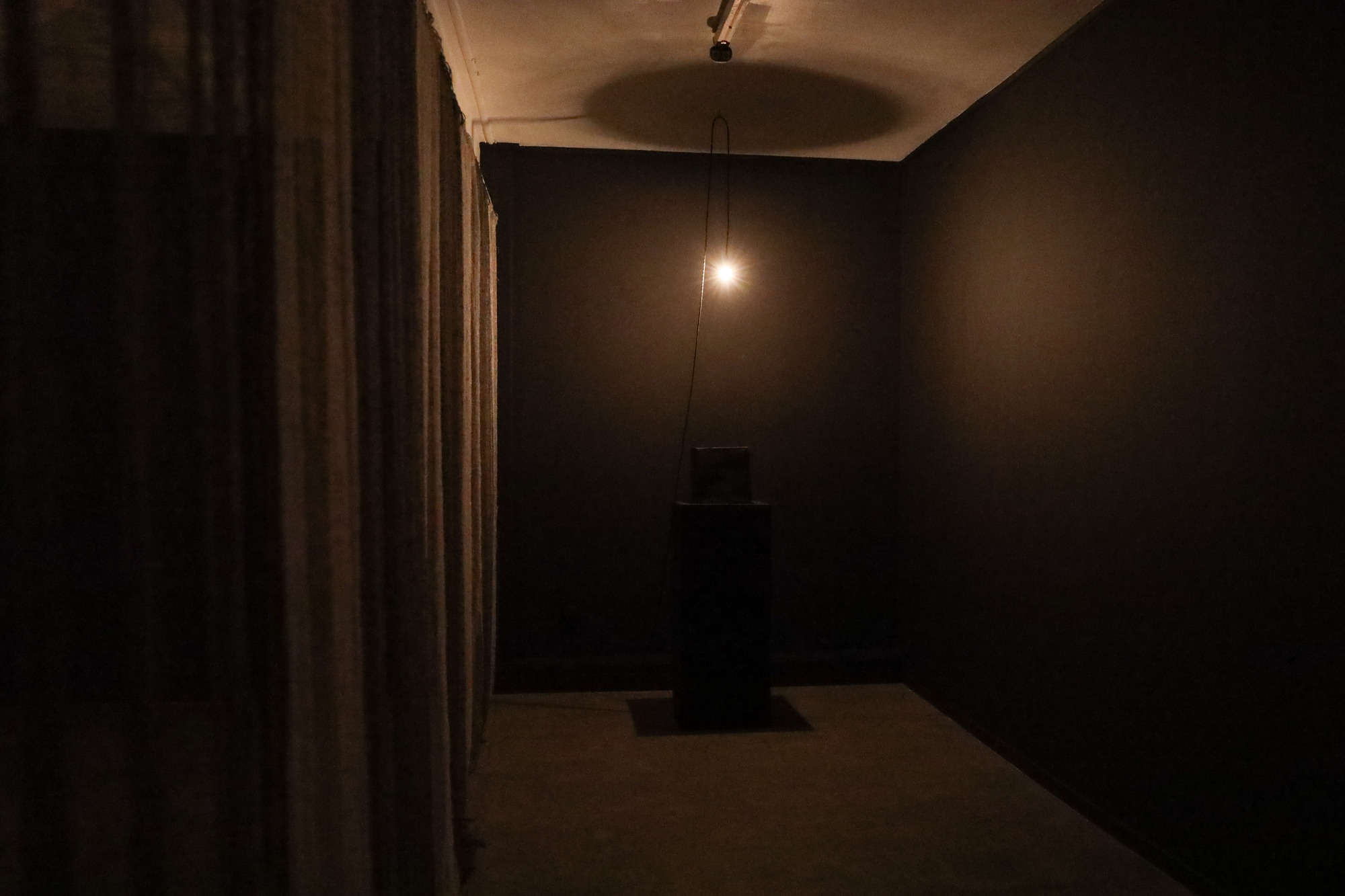
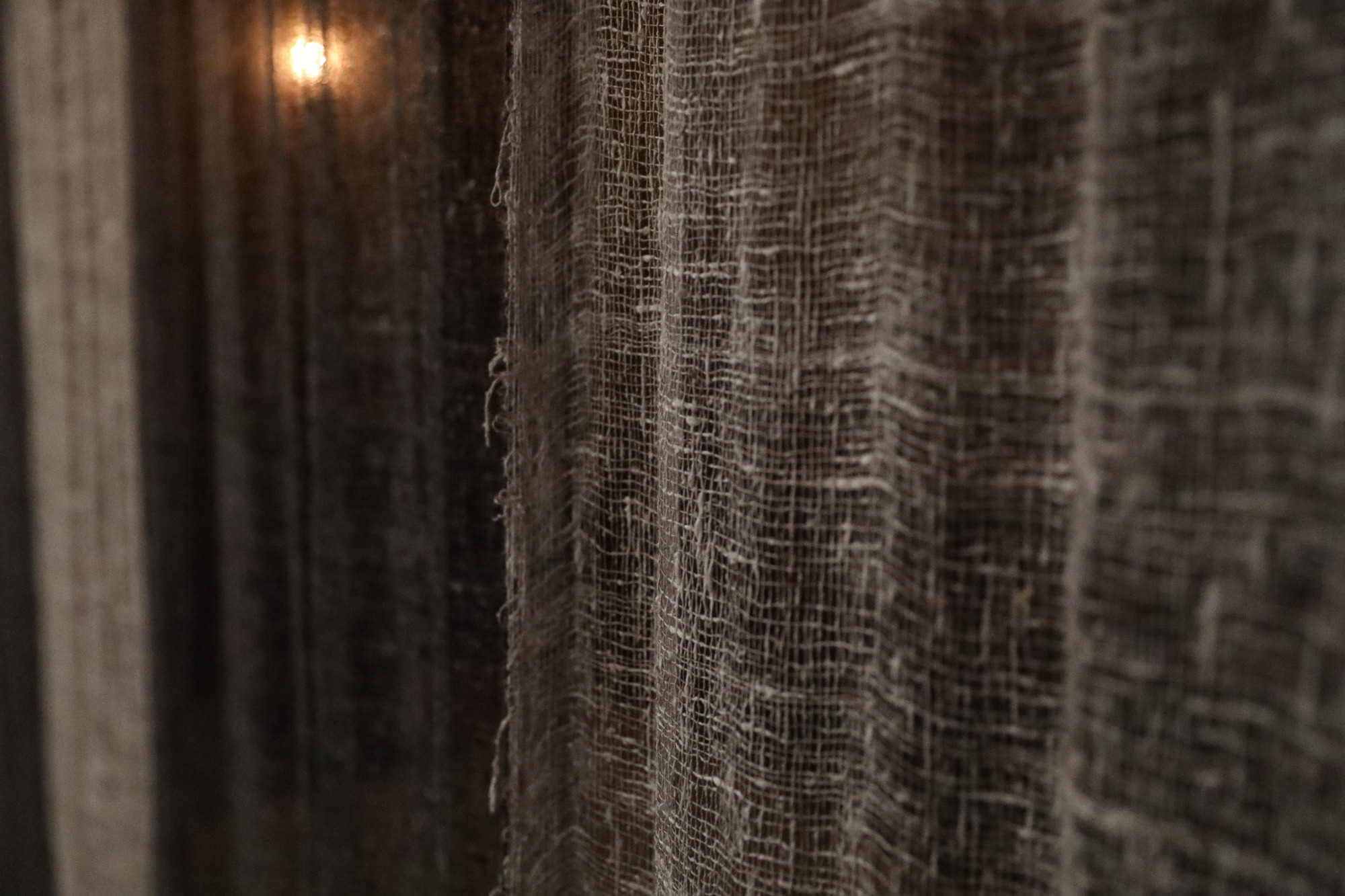
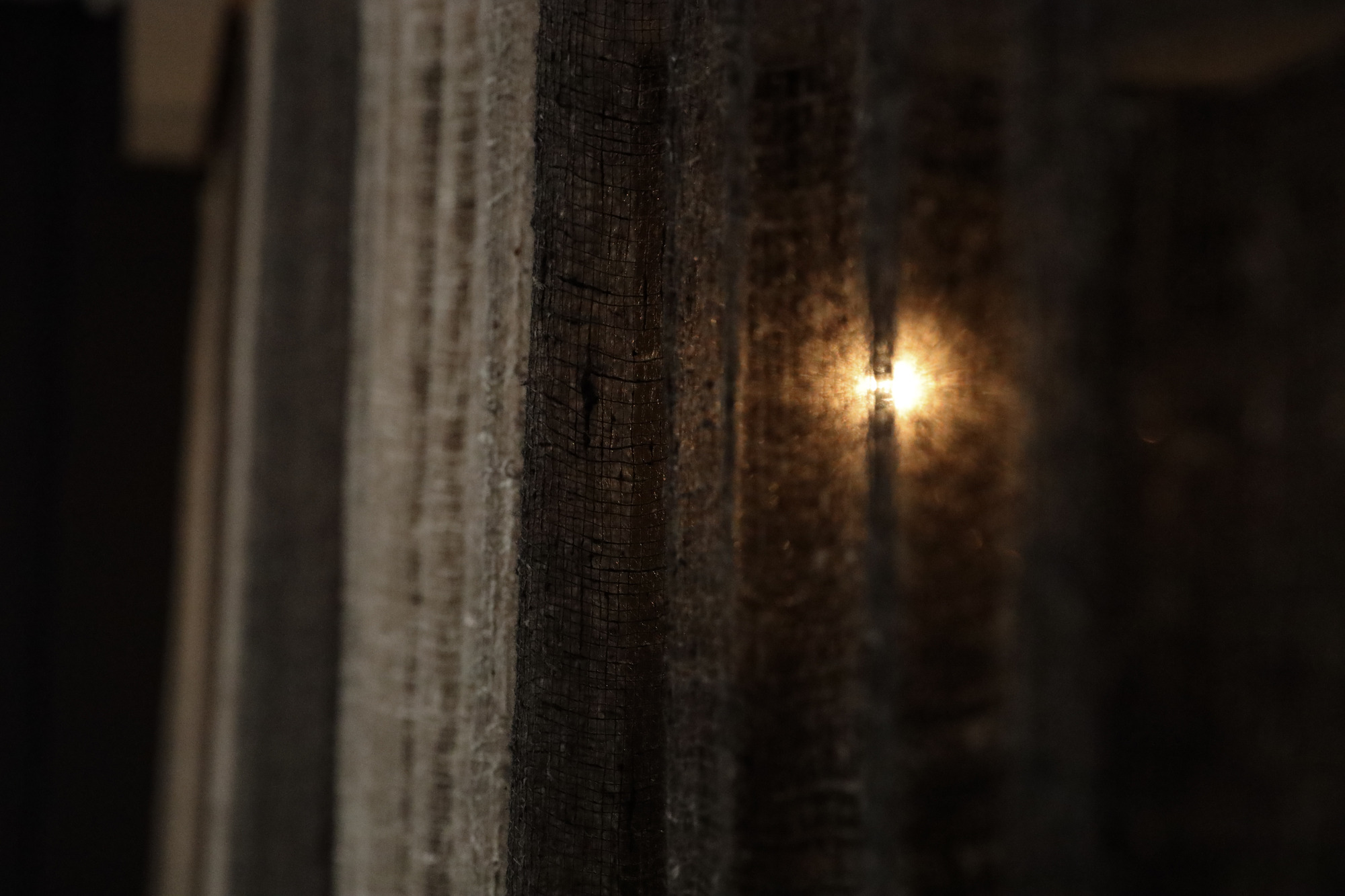
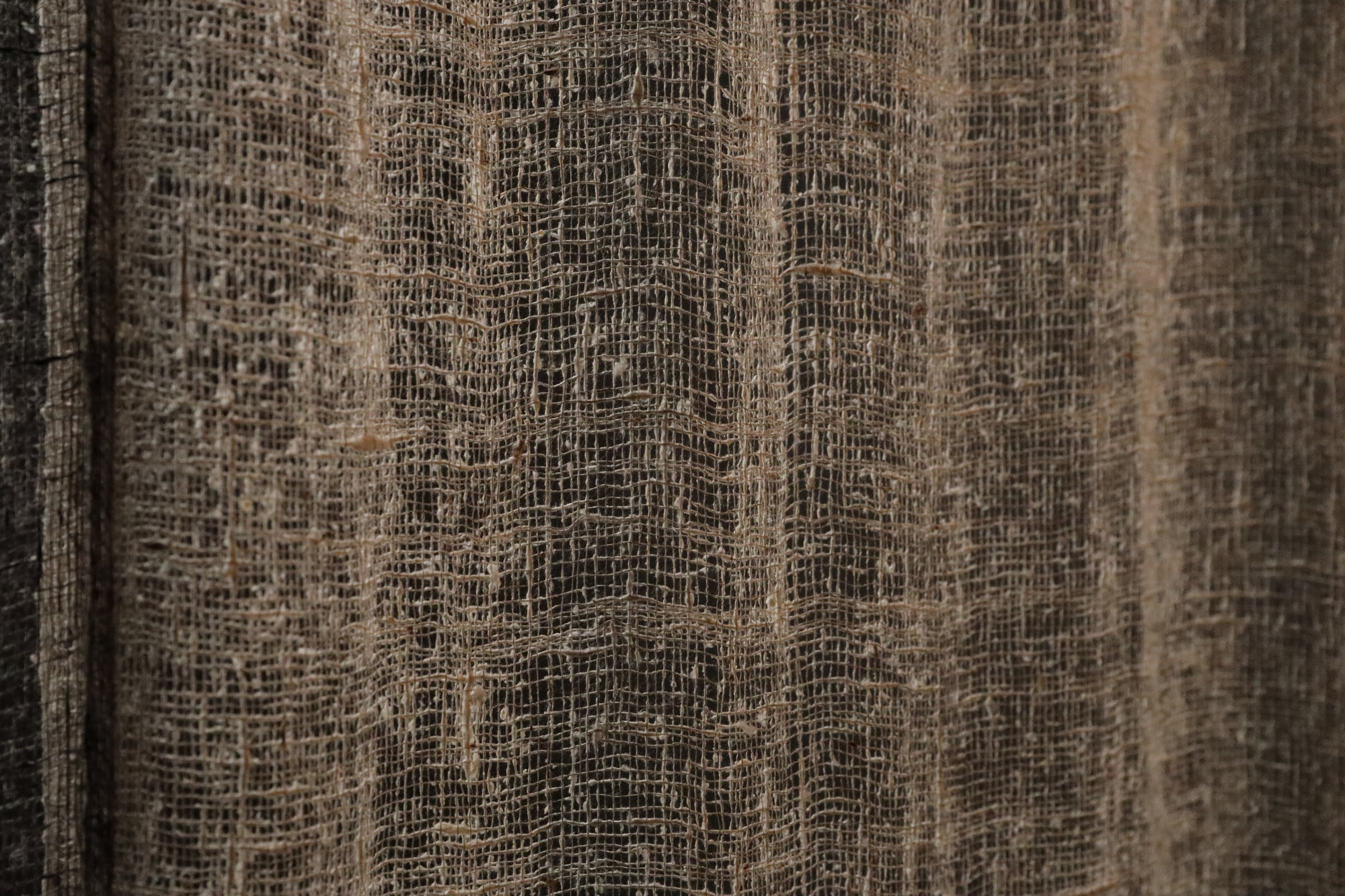
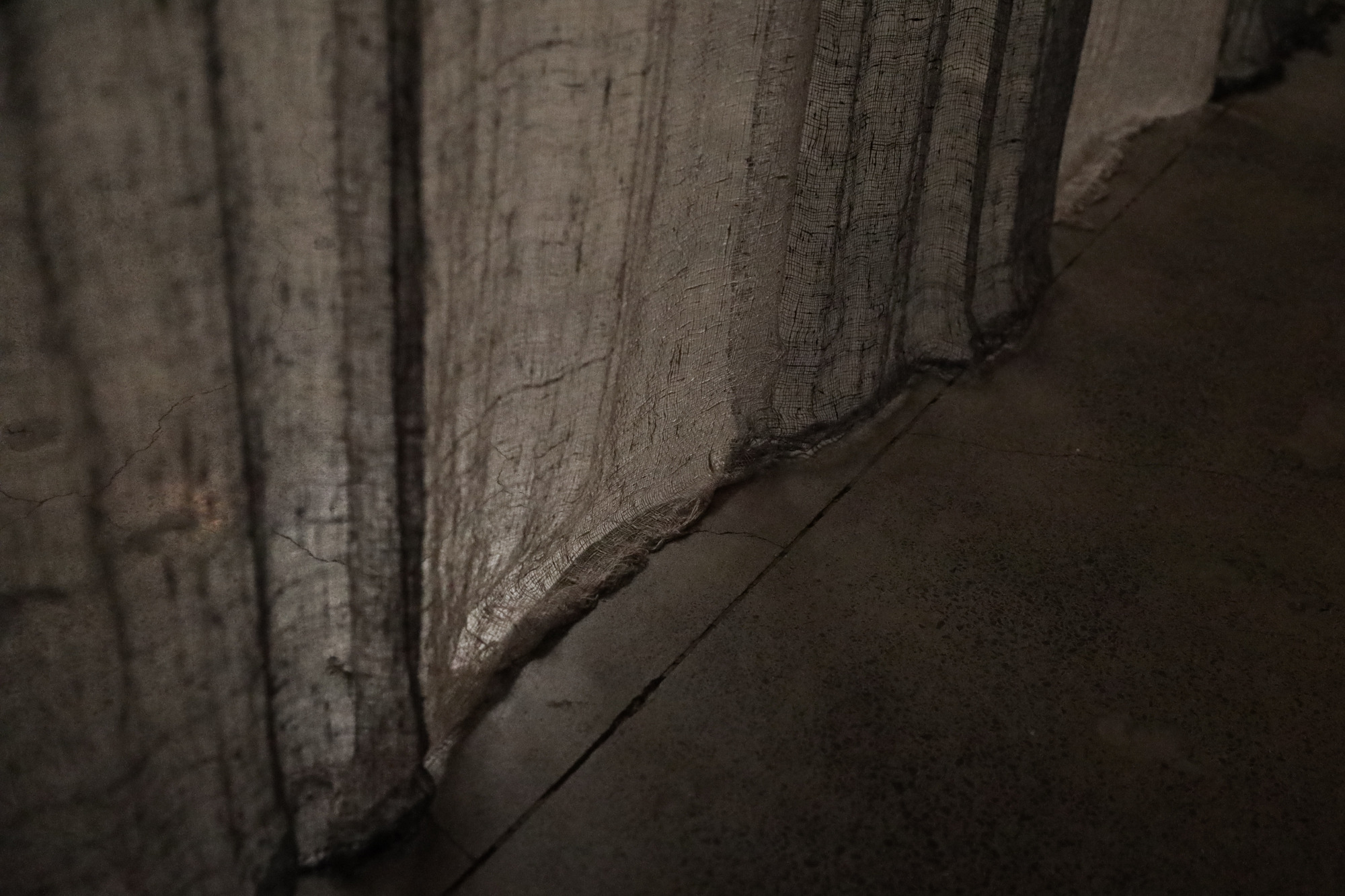
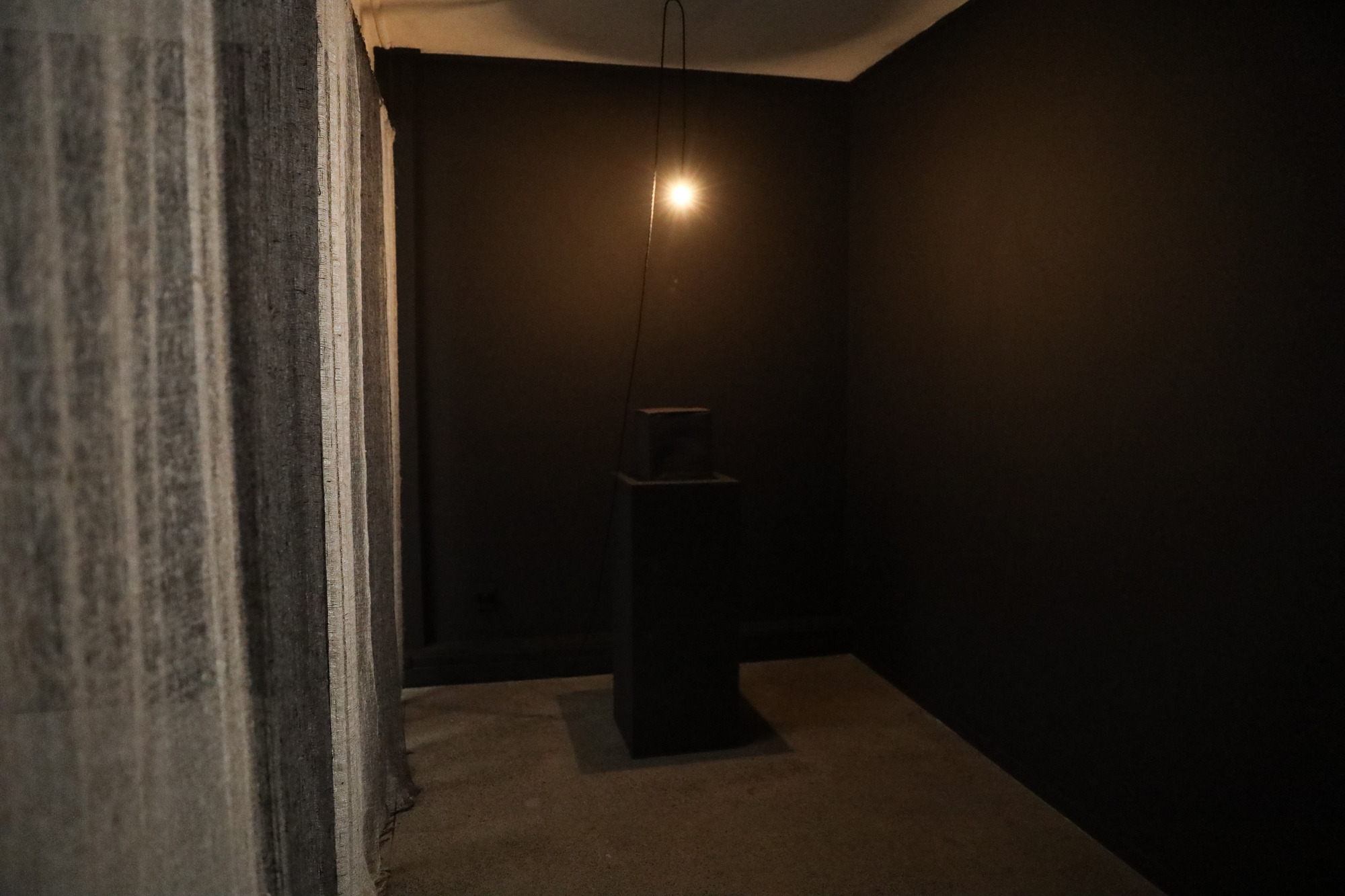
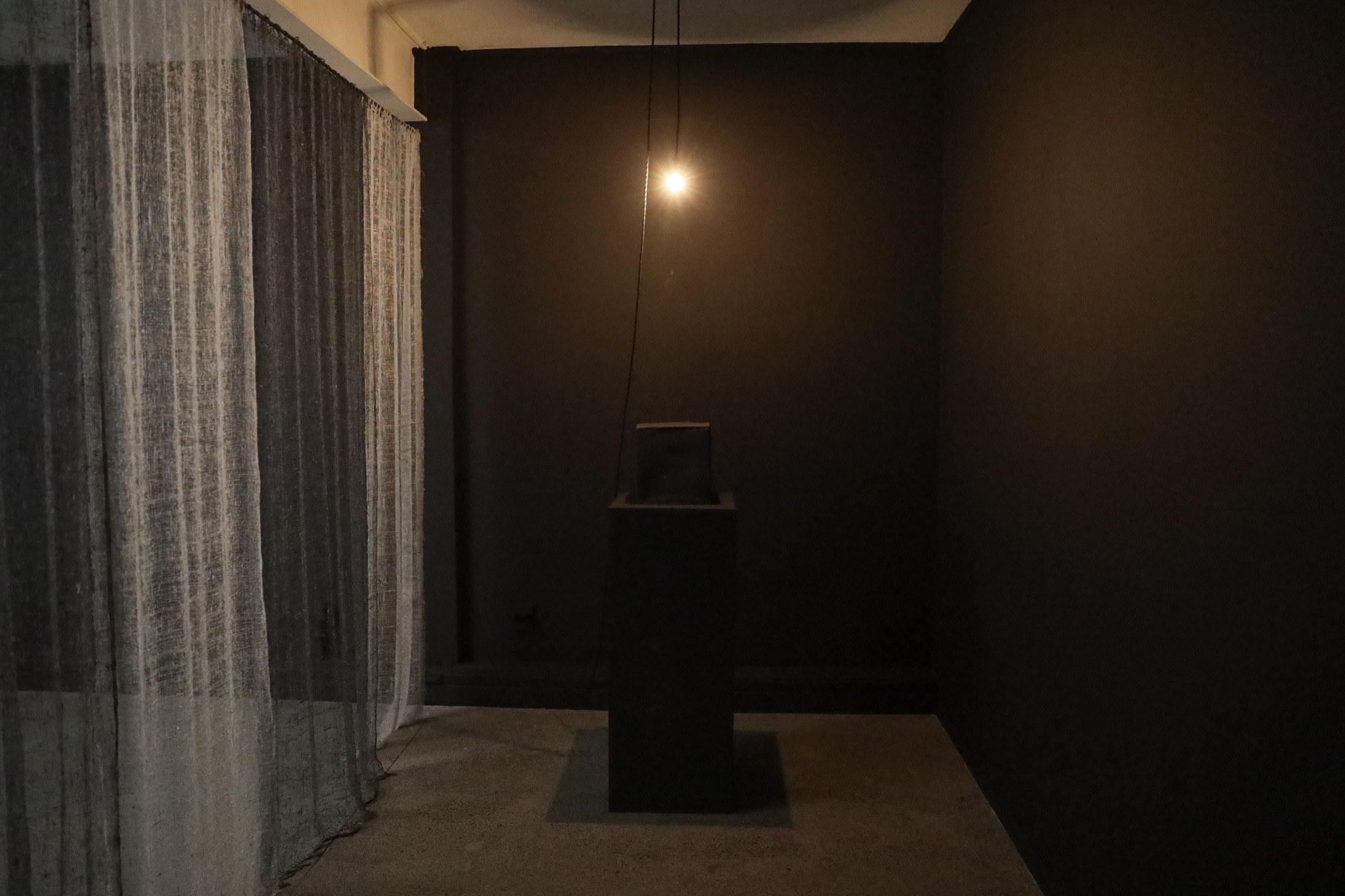
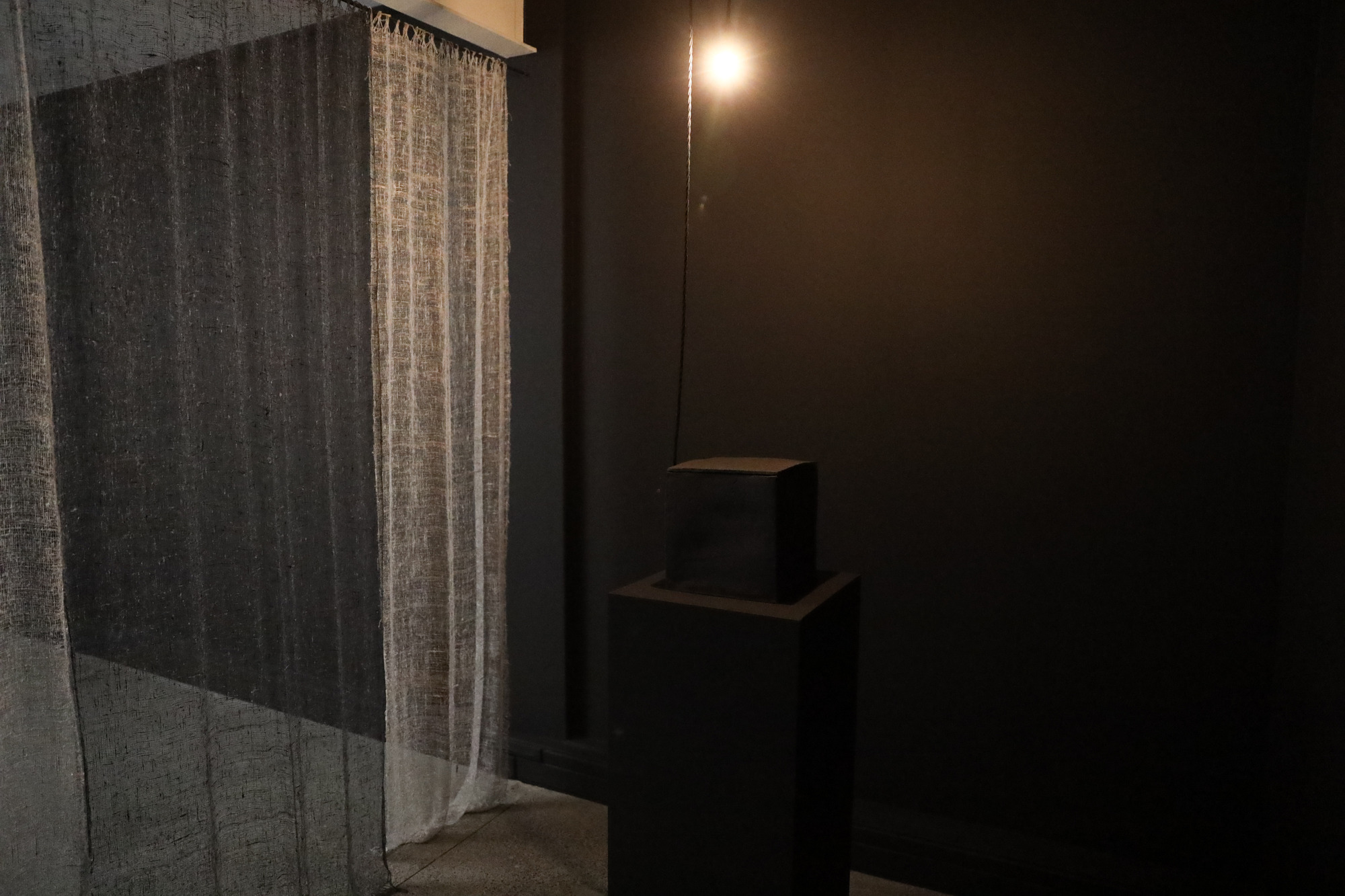
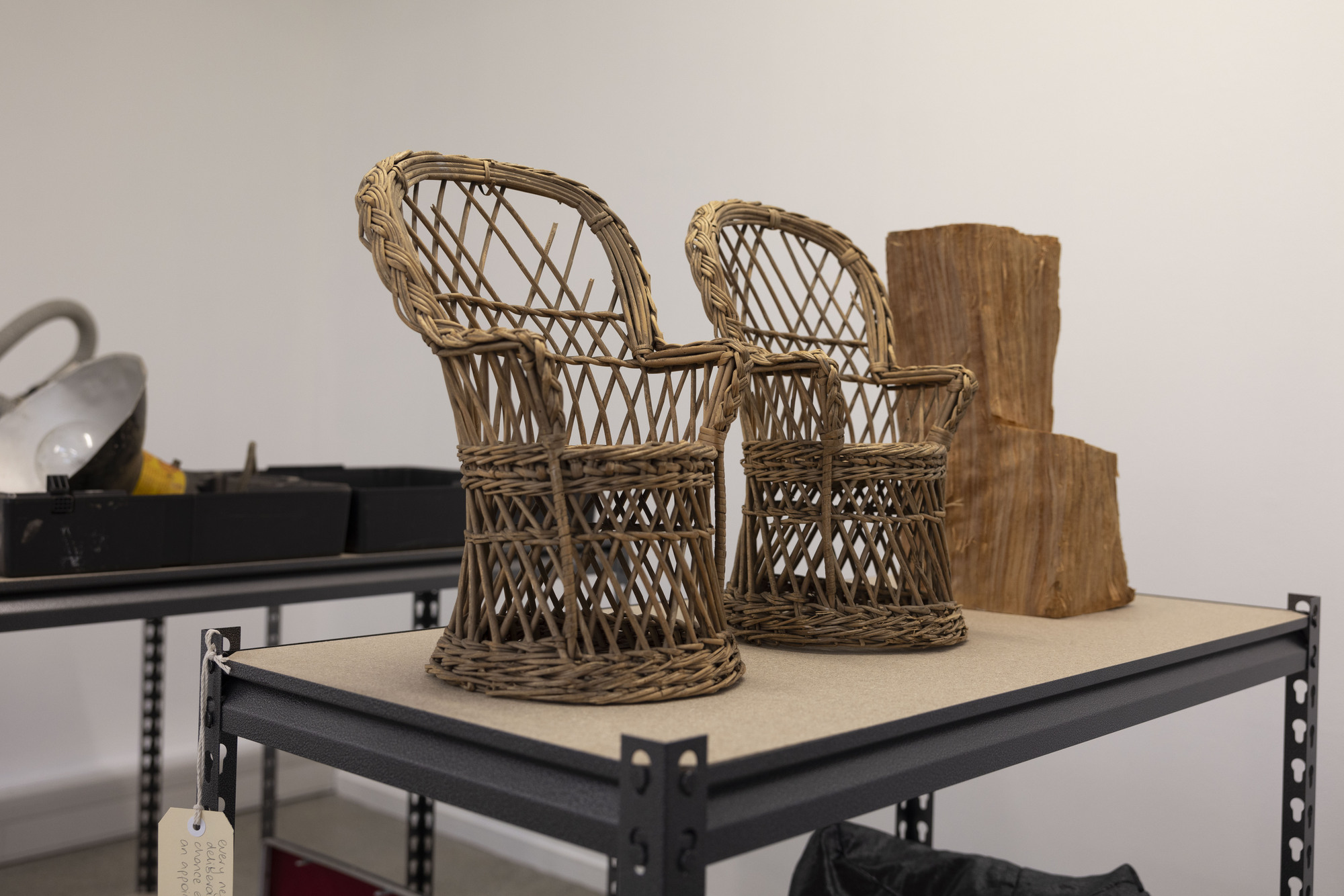
Goldies Grove reflects on the colonial implications of Goldies Bush, with its history of mass kauri deforestation and the ongoing effects of the soil-borne pathogen, kauri dieback. The installation is made from found uku and fallen kauri. These treasured raw materials were collected and processed on the land Jude Stevens grew up on, located in Muriwai, bordering Goldies Bush. Acknowledging Te Kawerau ā Maki, the tangata whenua of Goldies Bush and Auckland’s west coast, the materials of this installation will return to the land.

Images by Cheska Brown

Tia Barrett : Pātaka Wā

Tia Barrett
Pātaka Wā

14 January – 21 February 2026

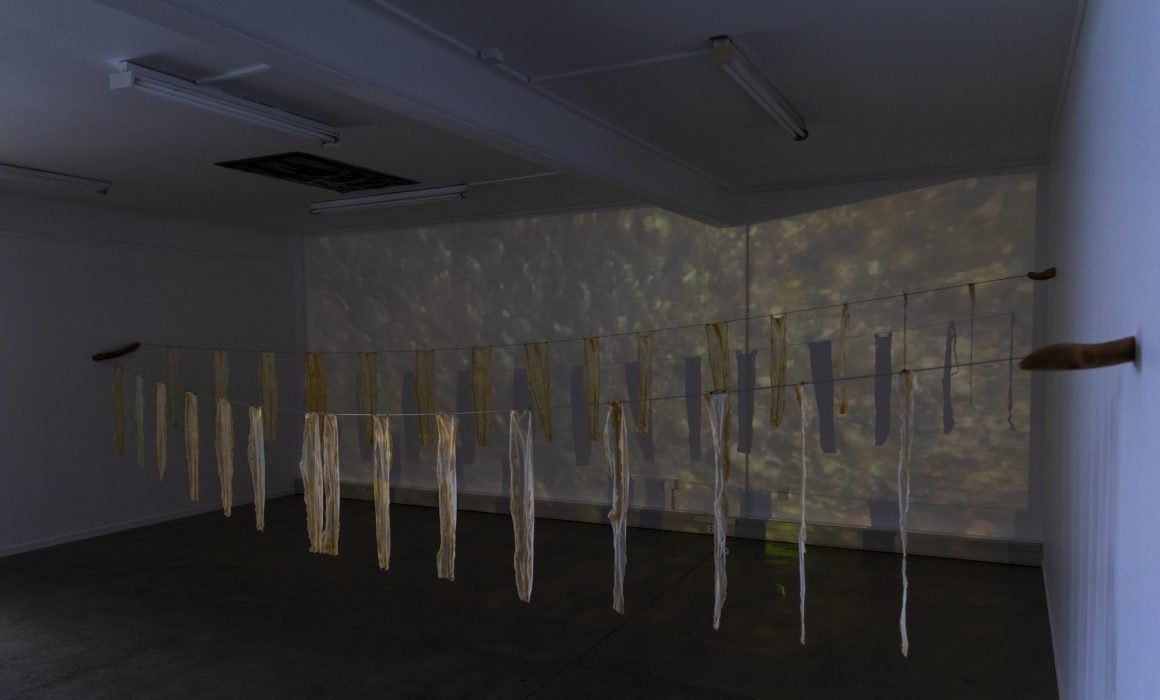
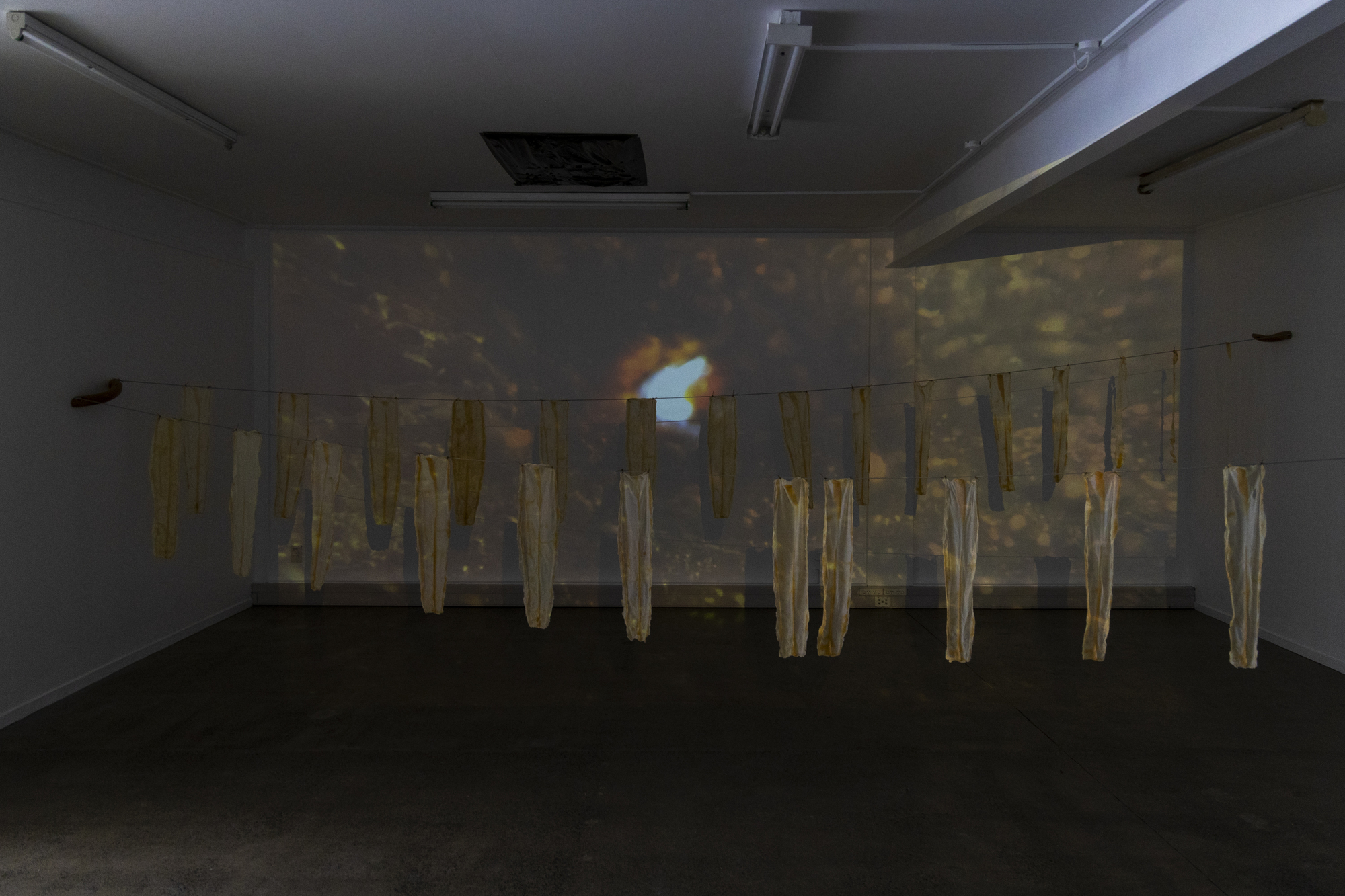
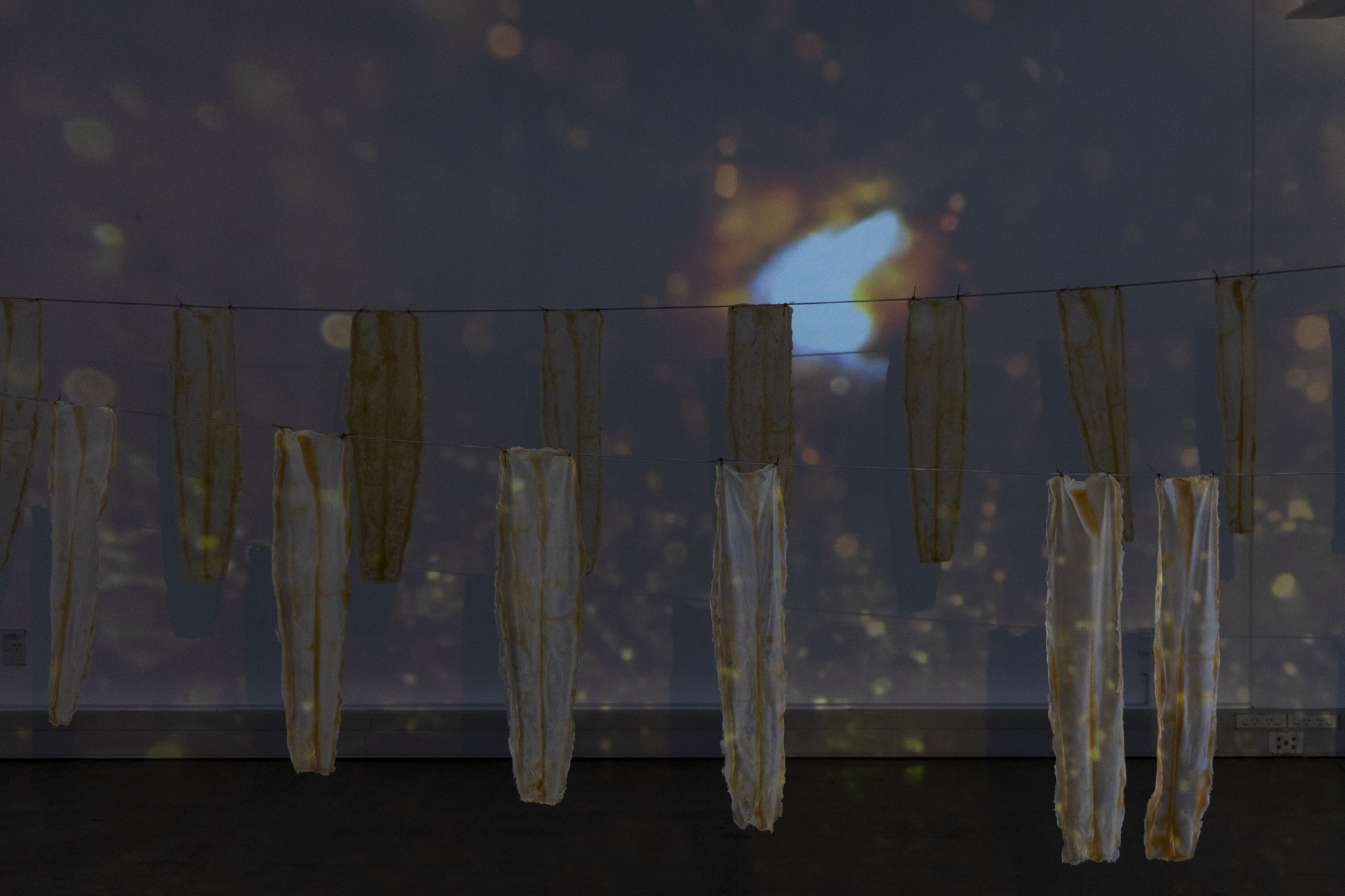
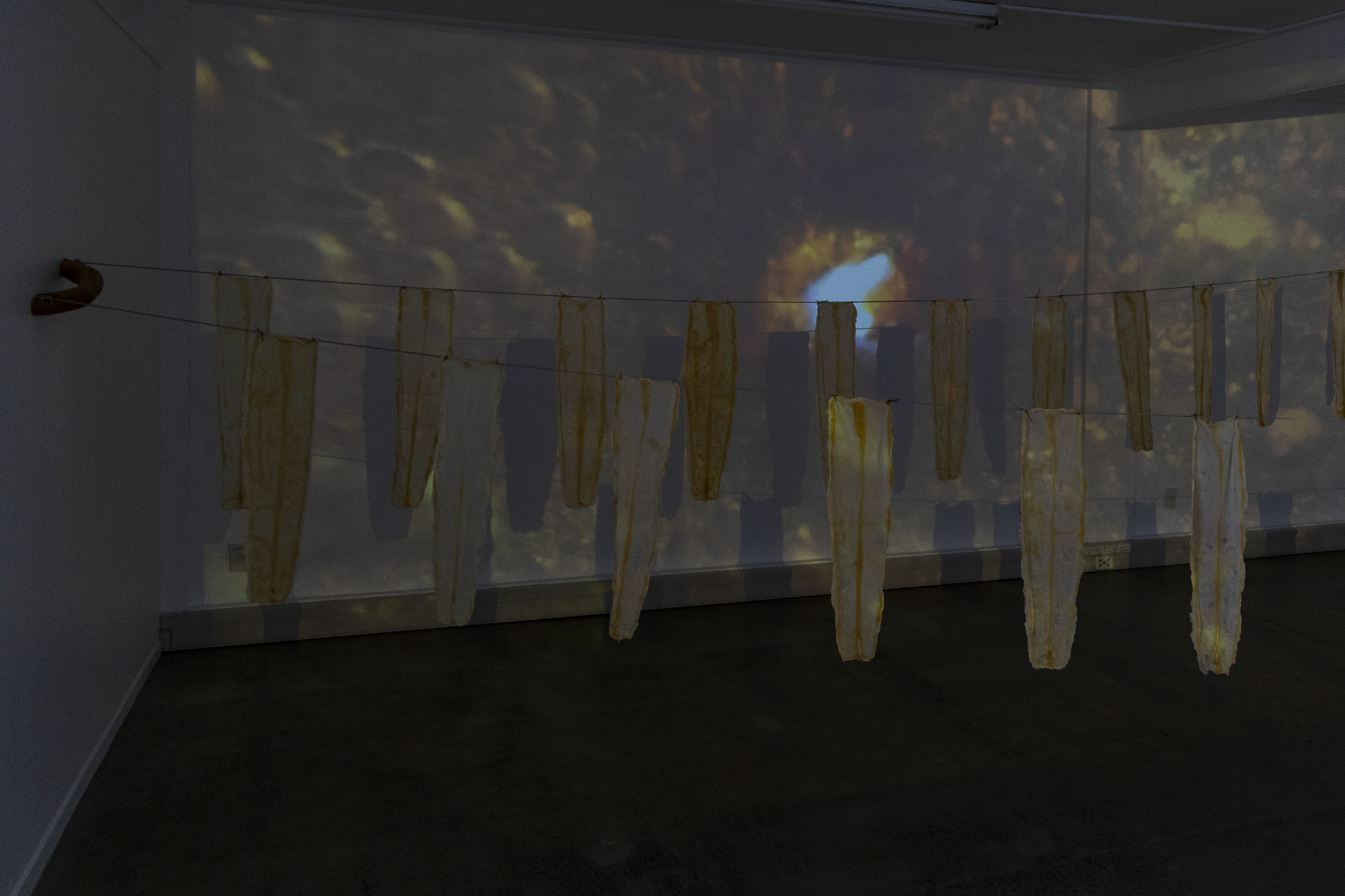
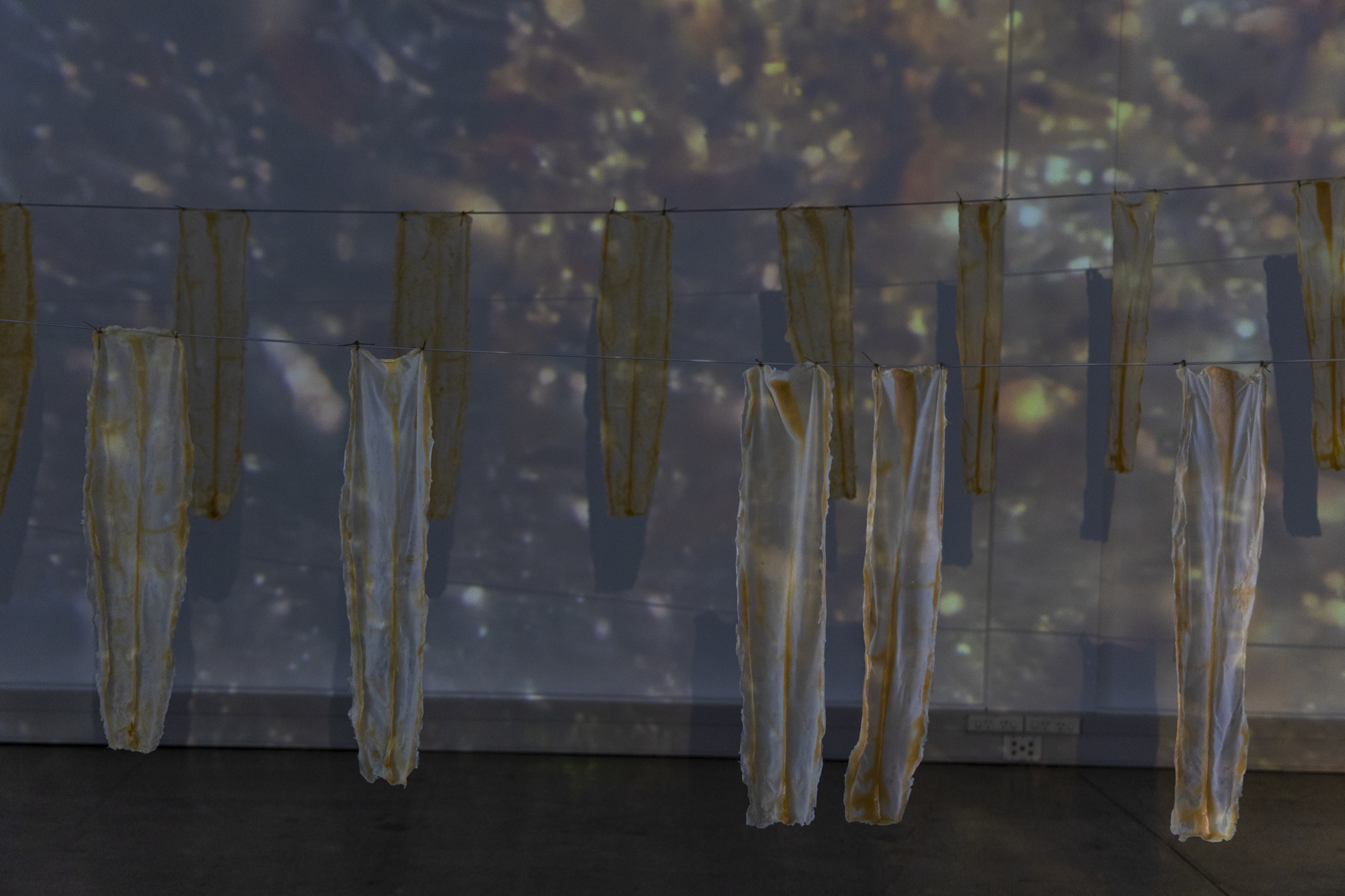
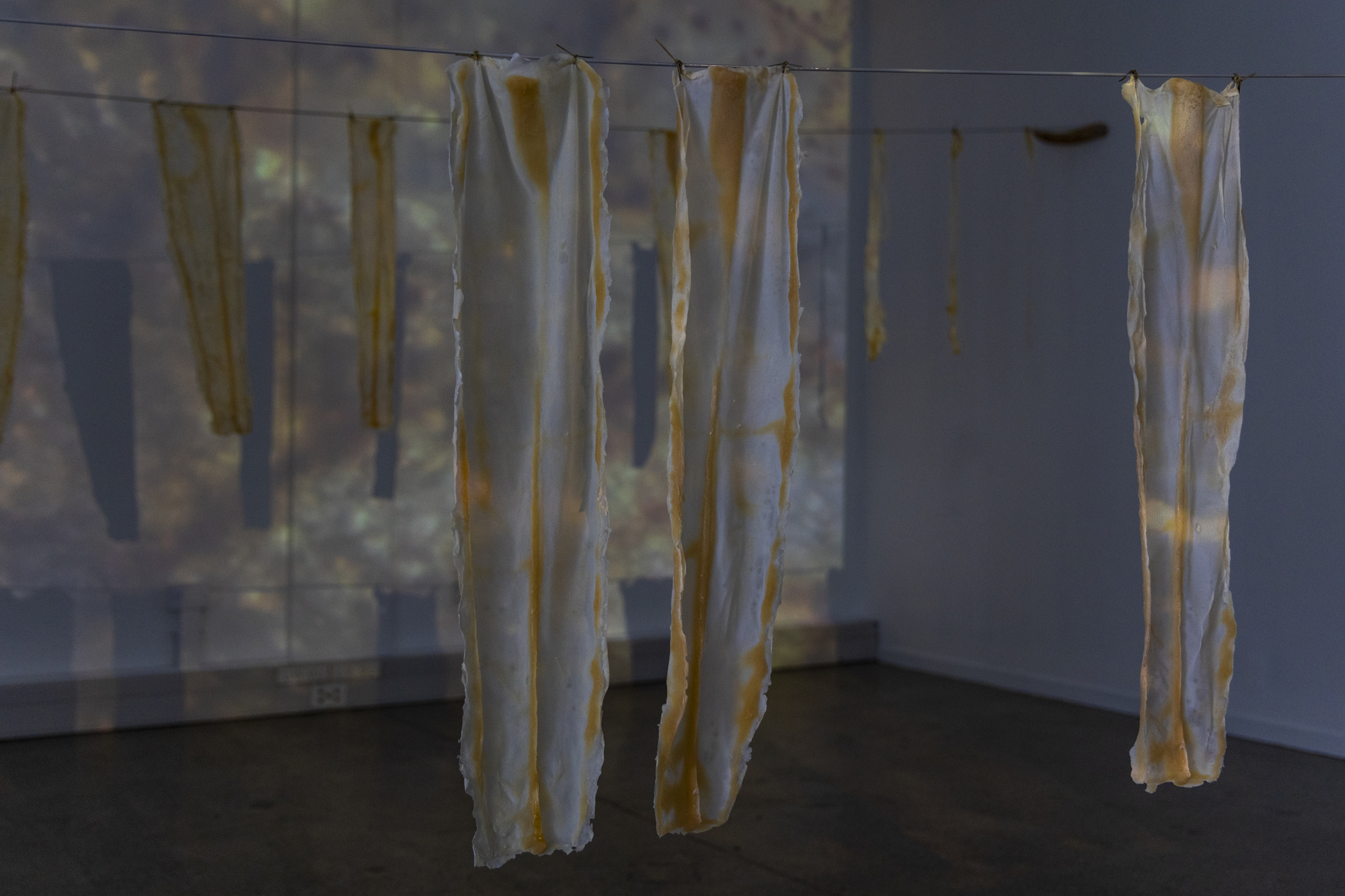
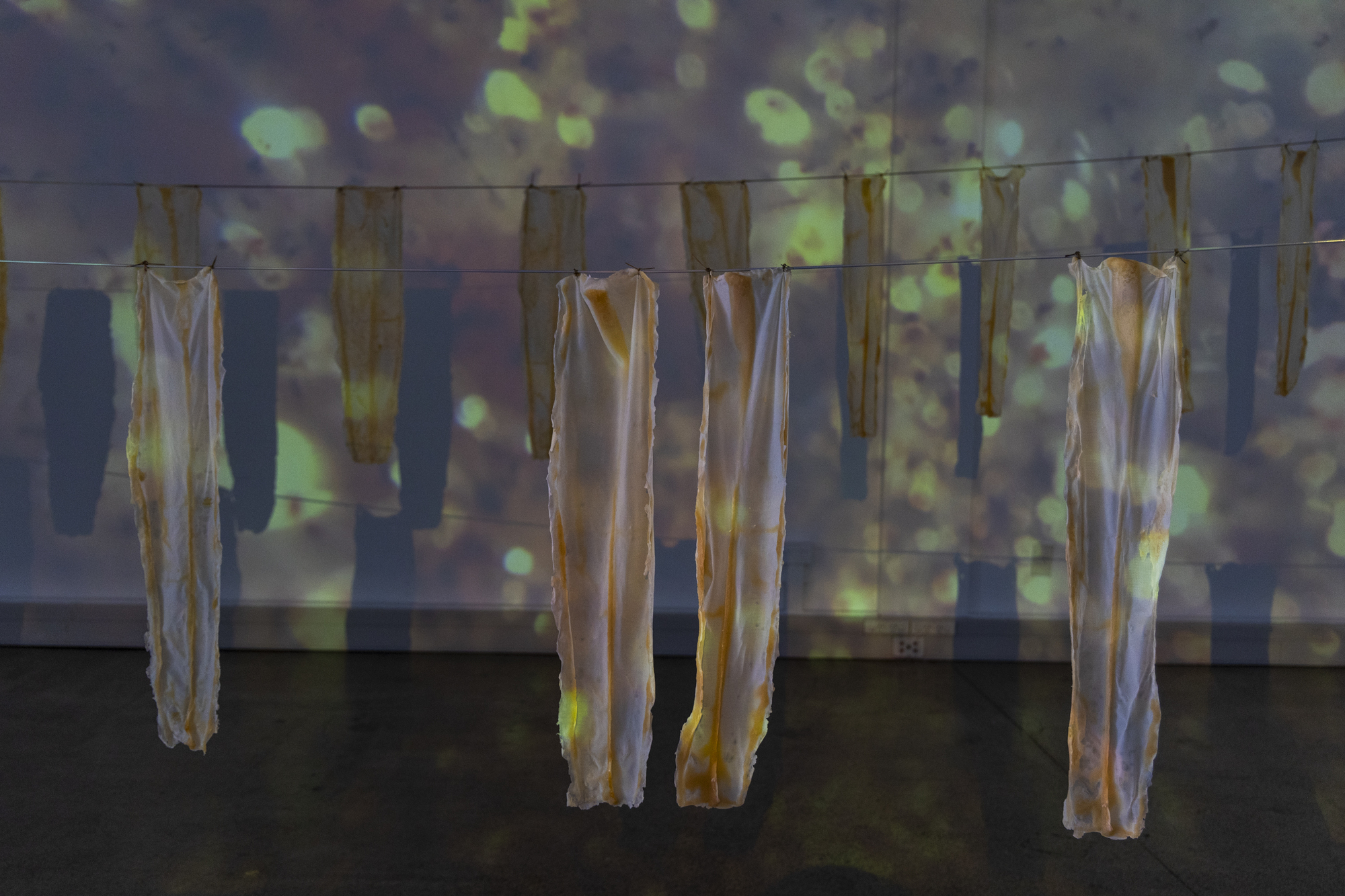
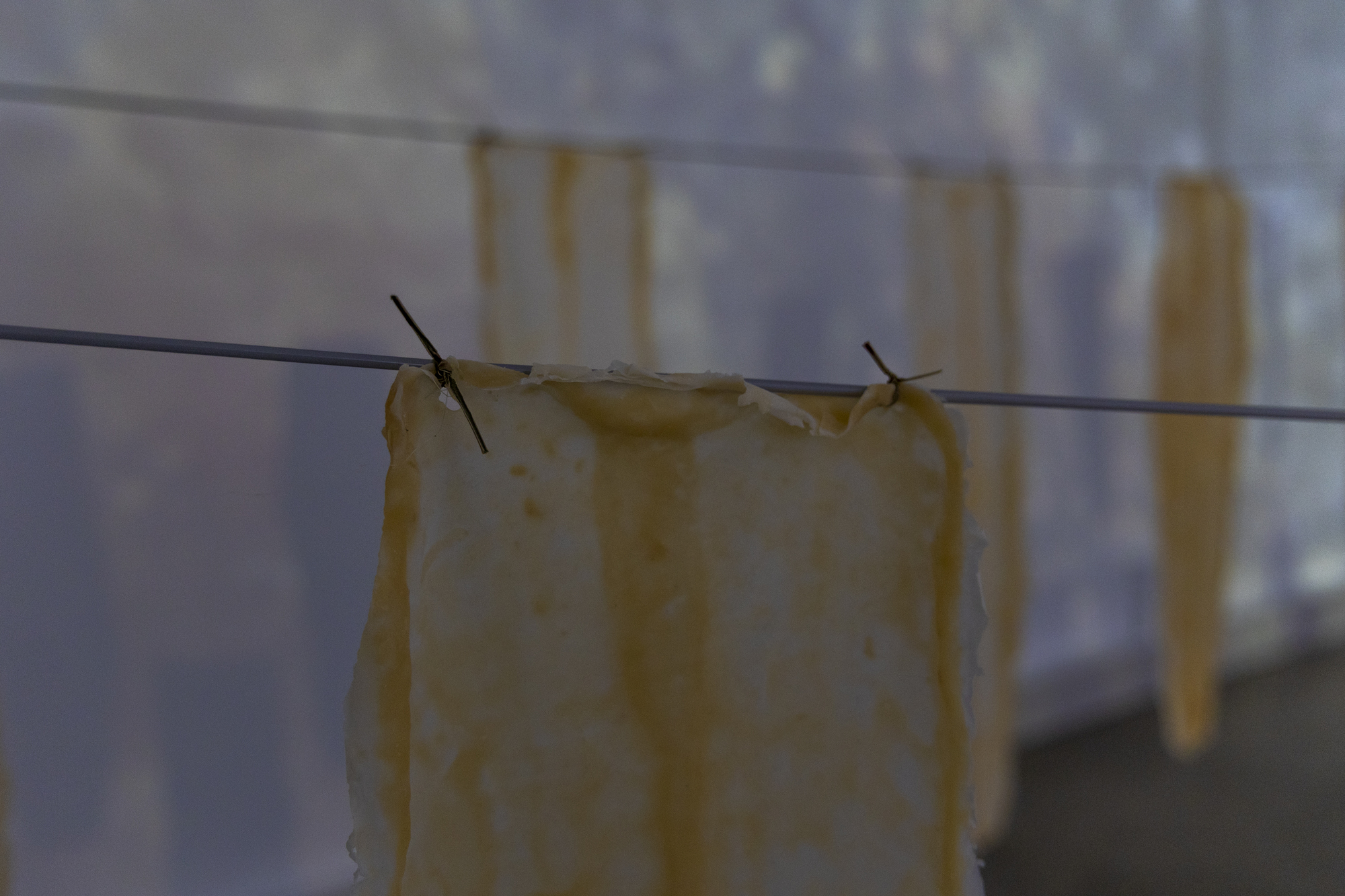
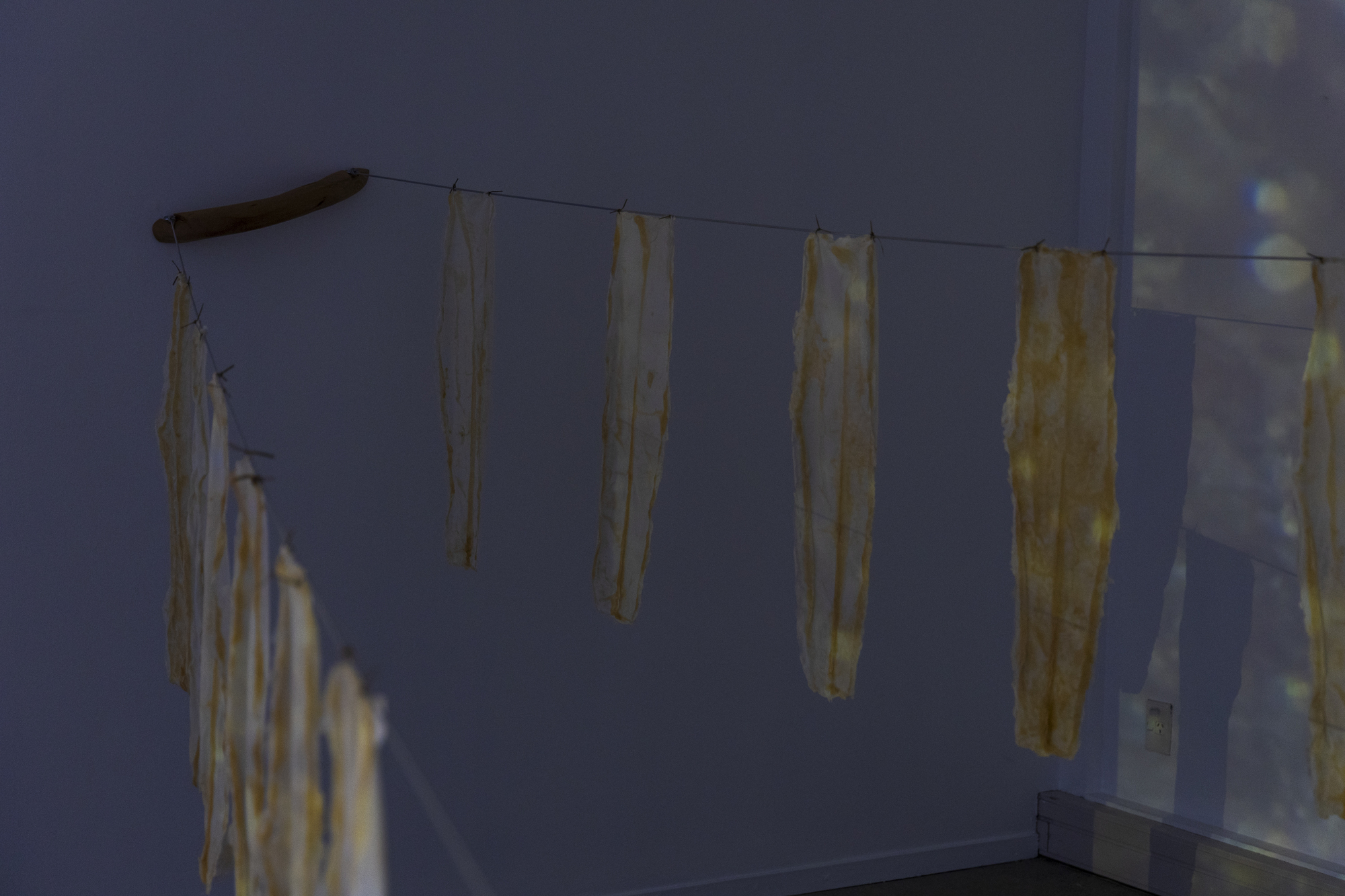
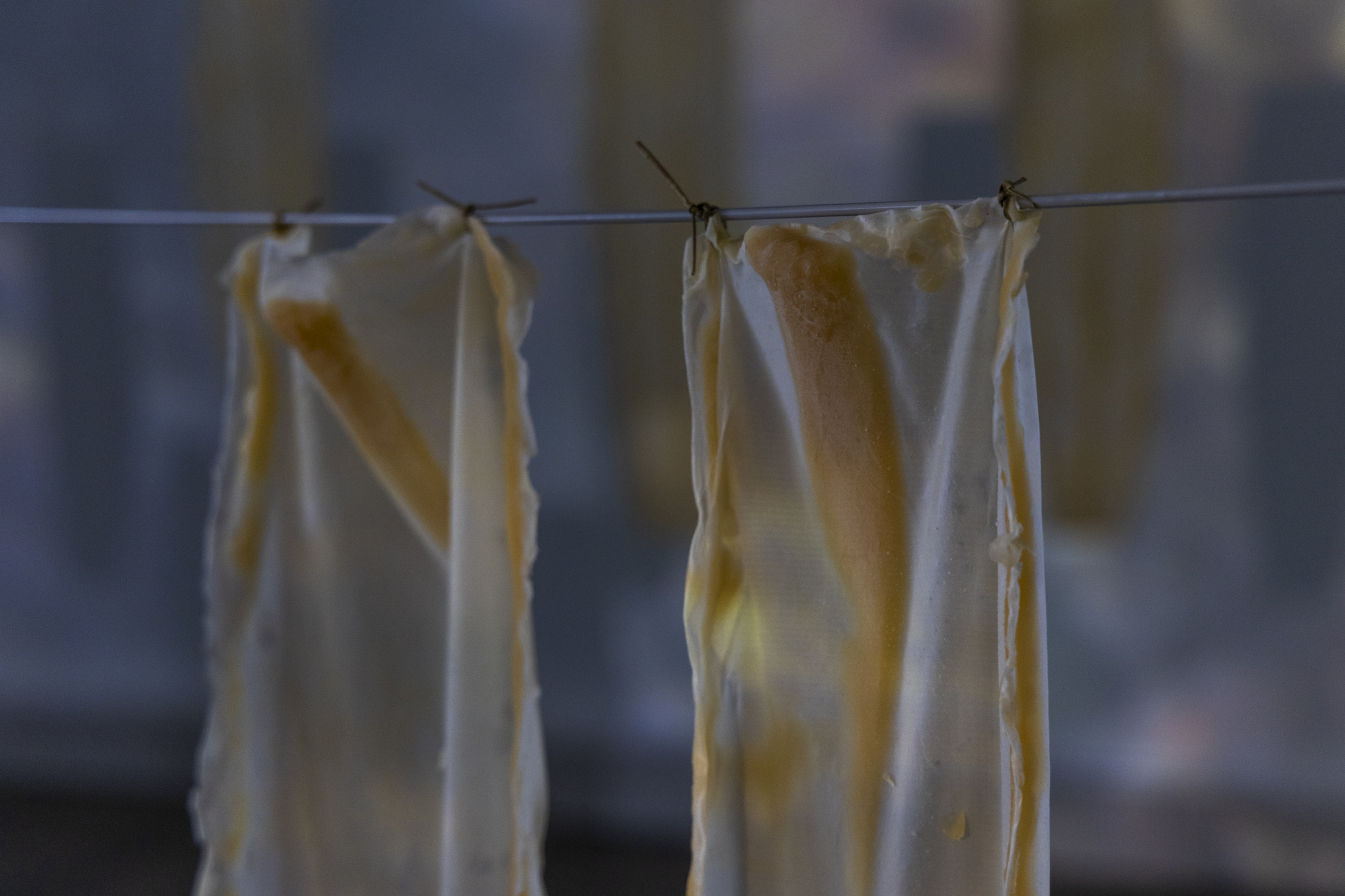
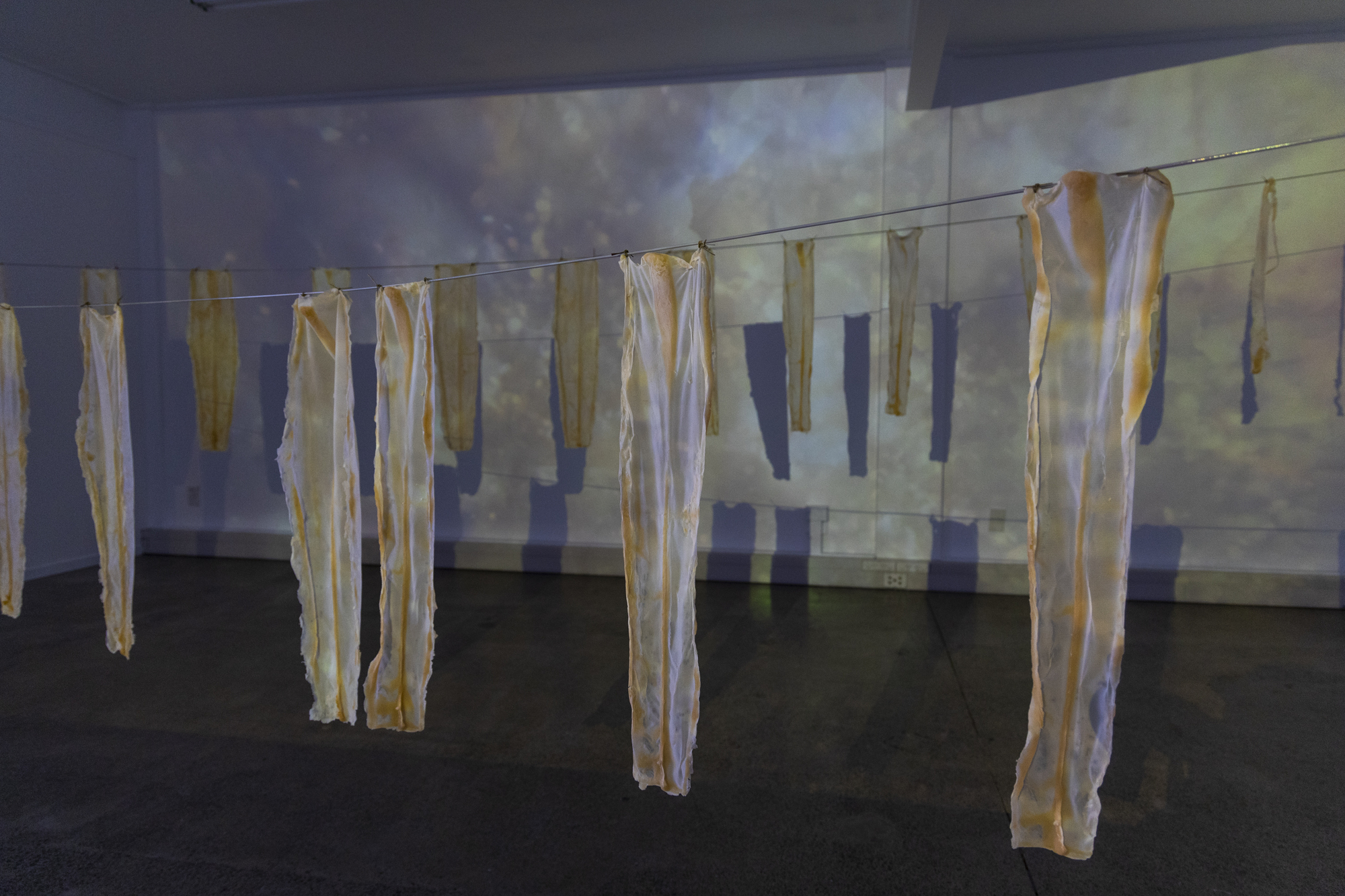
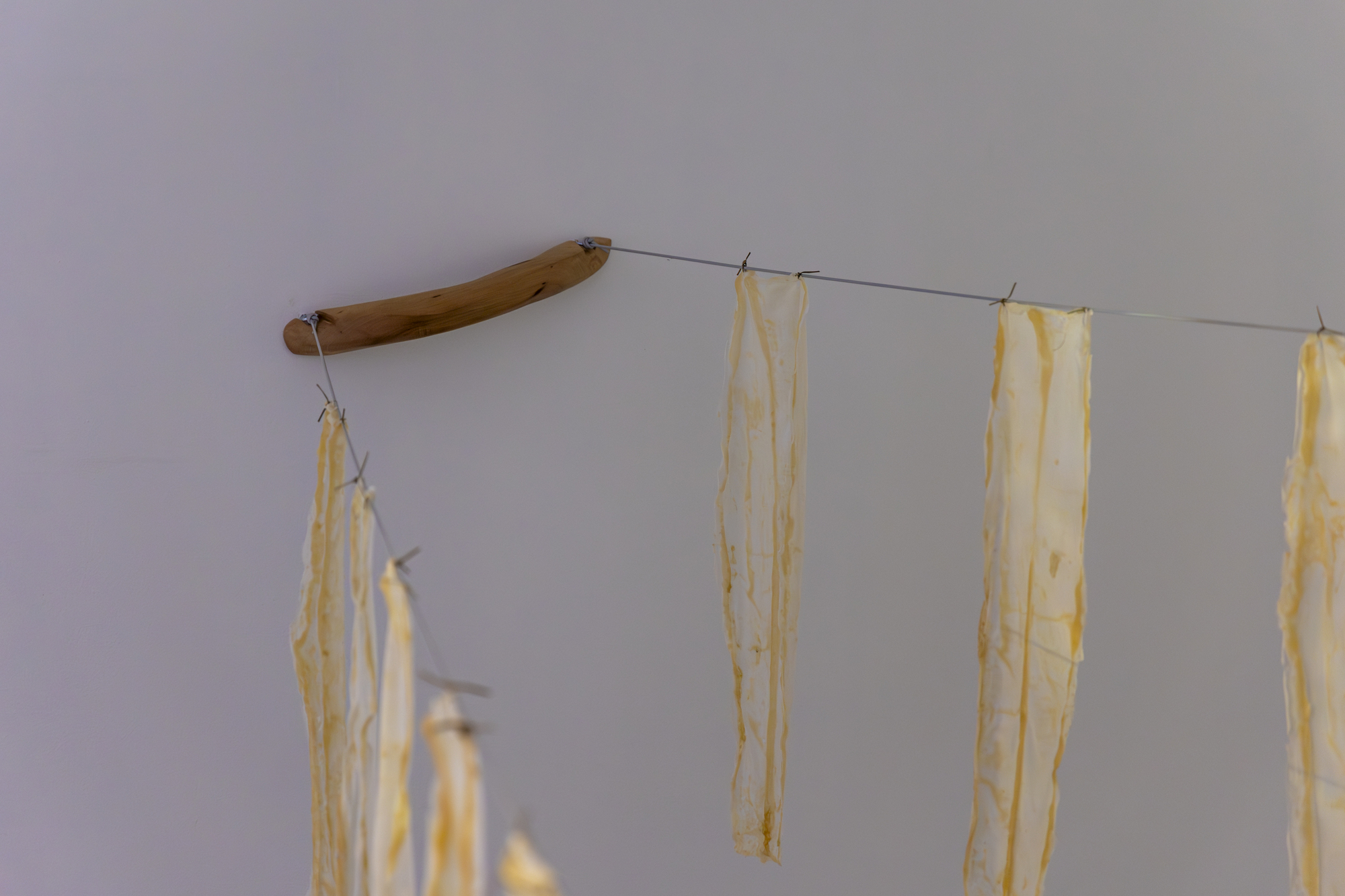
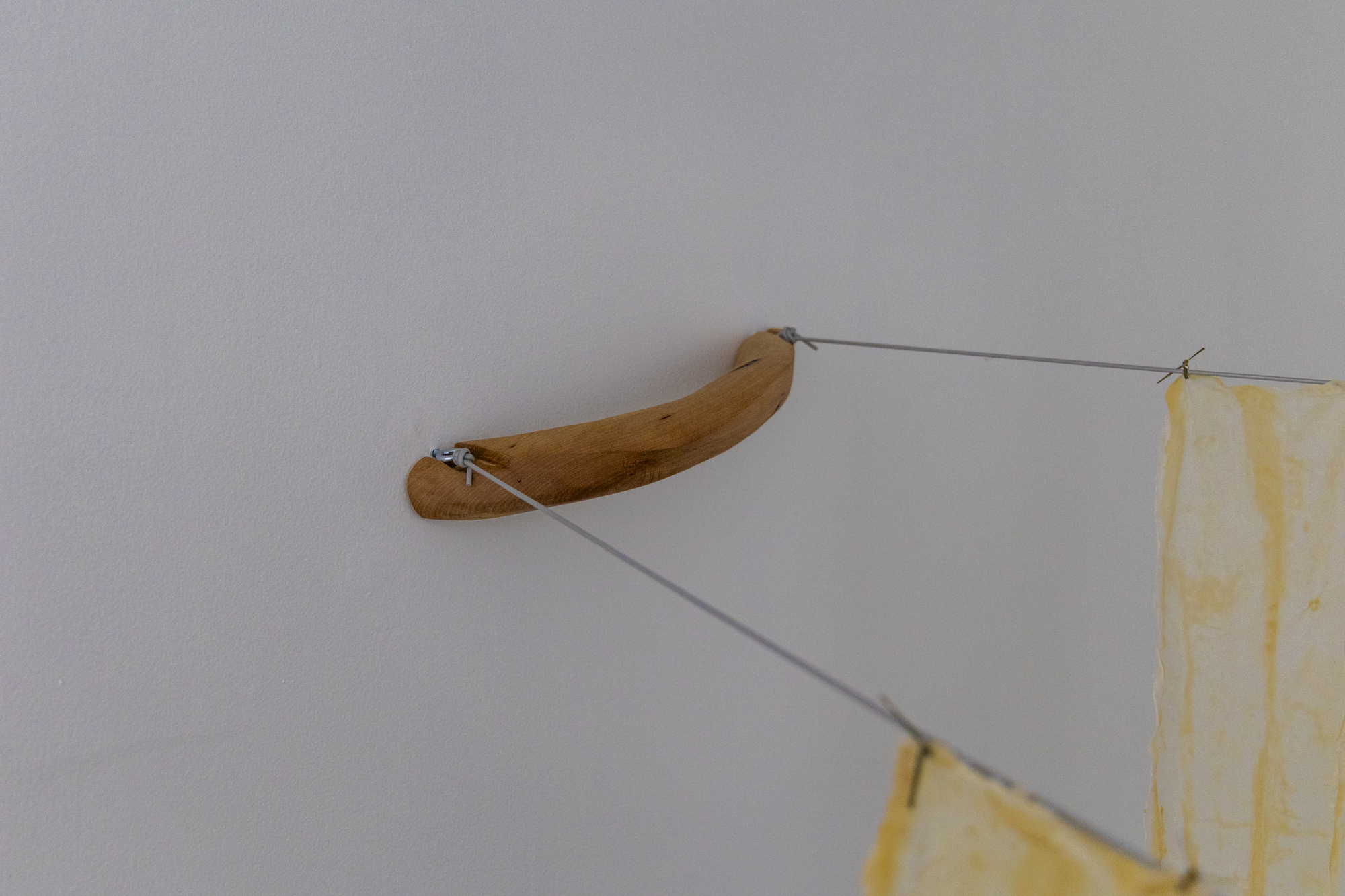
Pātaka Wā centres on the lifecycle of tuna by bringing a consciousness to the biology of time. Static latex tuna skins embody time in this installation by locking it in, tying it up, and hanging it on a line, represented through 30 lunar phases and speaking to the tension between decay and the transformation of flesh. As human skin wrinkles and thins with age, tuna skin changes colour and tone, as reflected in the maramataka.

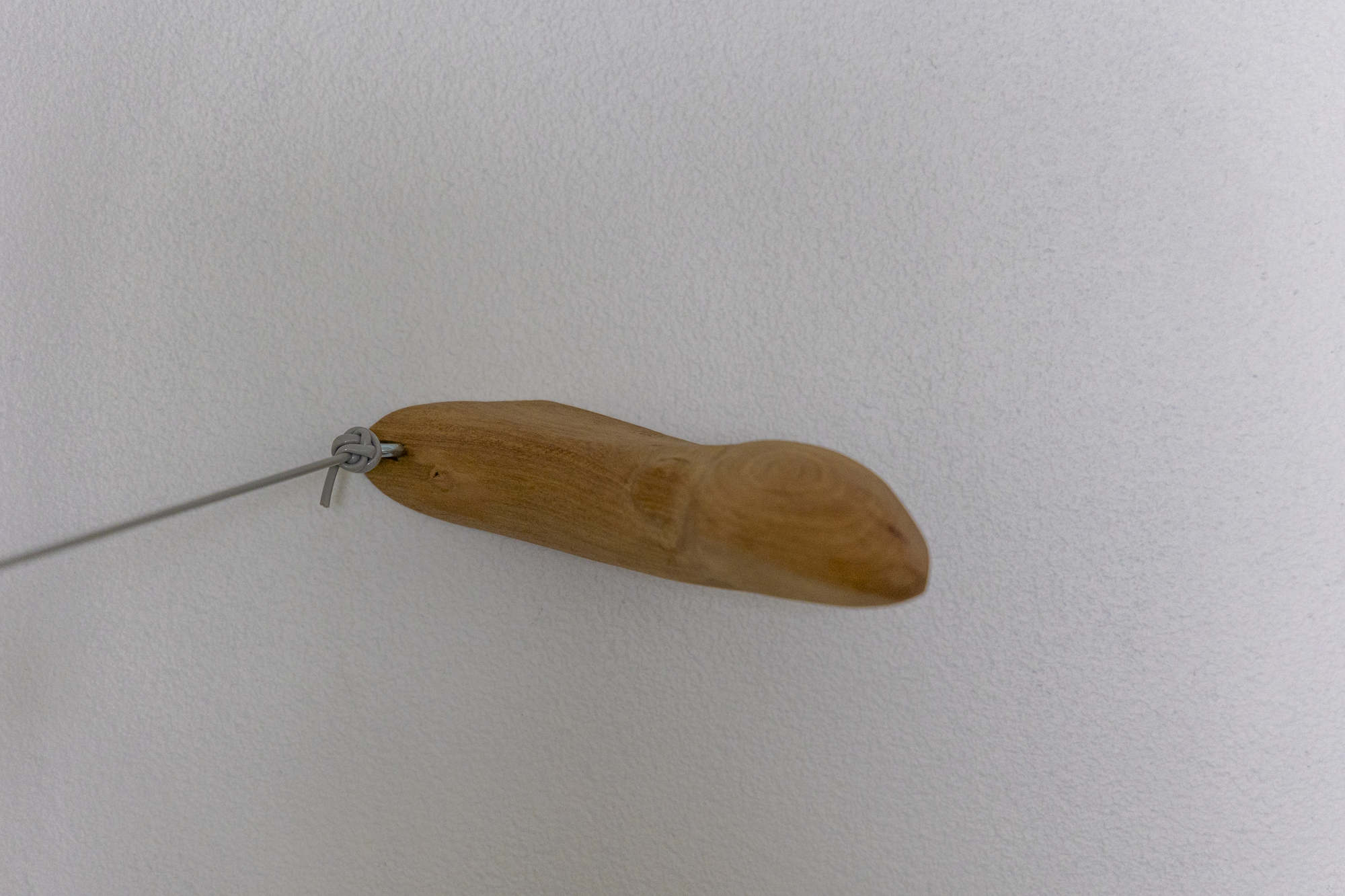
In contrast, the moving image becomes the pulse of the installation; it is the animating breath. Flowing water and drifting air bubbles are making mauri present within the space. The clotheslines become the spines of the installation, temporal lines that reach across the site, intersecting with the movements of tuna as they emerge and disappear through the wall.

These tuna, who seamlessly break through the walls of the gallery, challenge fixed notions within Māori temporal ontology, revealing approaches to dynamic interdependence. Tuna are a juxtaposition to what it is to be ‘fixed’. Their fluid nature prompts the loosening of fixed ideas and systems. Yet, structured with freedom, they embody an inner knowing of when to migrate and return home.

Pātaka Wā is part of an ongoing research project exploring the elusive life cycle of tuna in relation to human connection and time-based art practice. Inviting the viewer into this repository of time to reflect on whakapapa, kaitiakitanga and ngā taiao, the work seeks to honour the mauri of tuna and the waters they inhabit.

The artist gratefully acknowledges and thanks Ngā Pae o Te Māramatanga for providing the Whakaaweawe Impact and Transformation Grant, which supports the exhibition and ongoing research of this work.

Glossary
Pātaka Wā: Time Repository 
Tuna: Eel 
Maramataka: Māori Lunar Calendar
Mauri: Life Force
Whakapapa: Genealogy 
Kaitiakitanga: Guardianship, protection, and stewardship
Ngā taiao: Environments

Images by Anton Maurer

Video by Zak McNeil
Elise McDermott : Pop Sediment

Elise McDermott
Pop Sediment

14 January – 21 February 2026

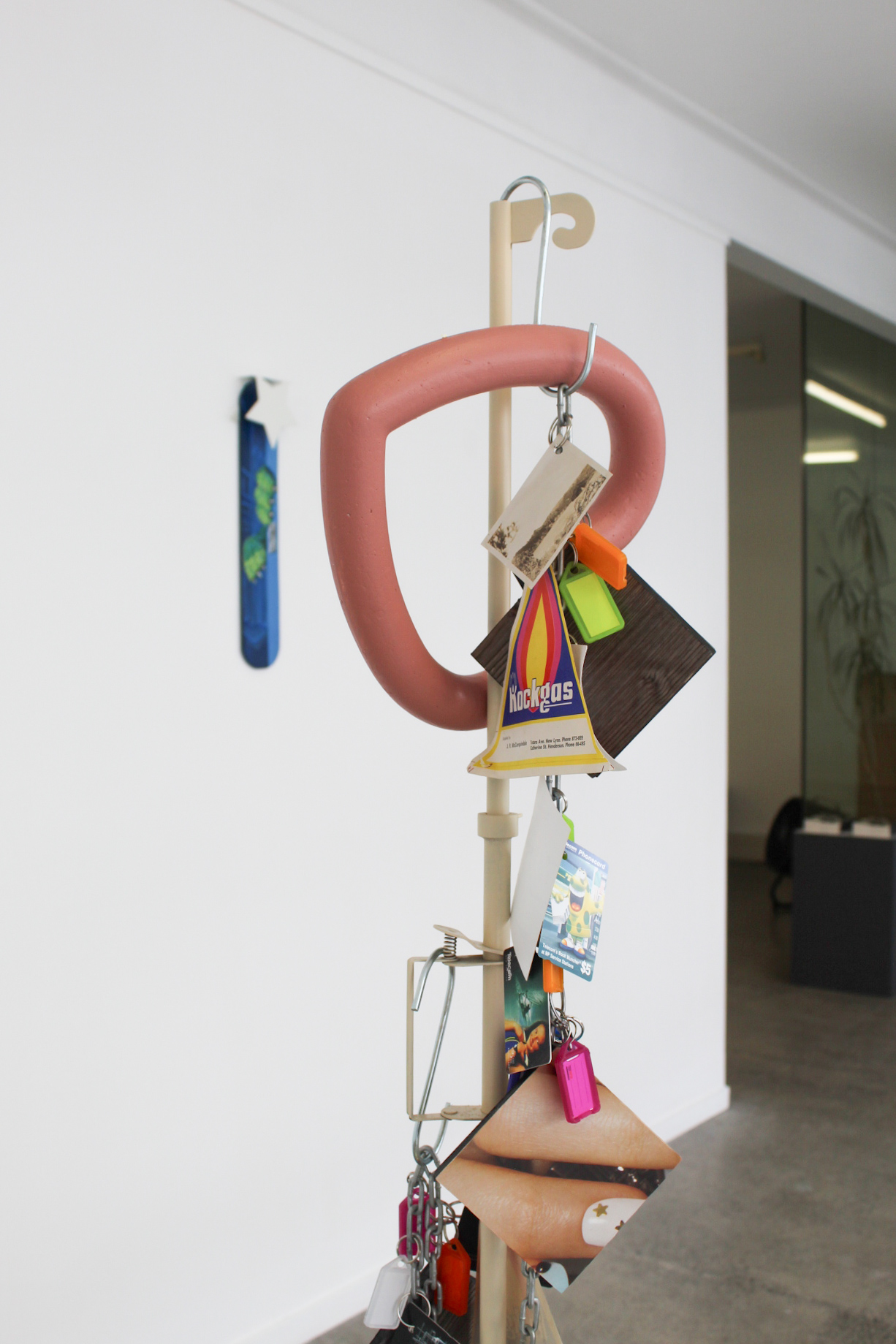
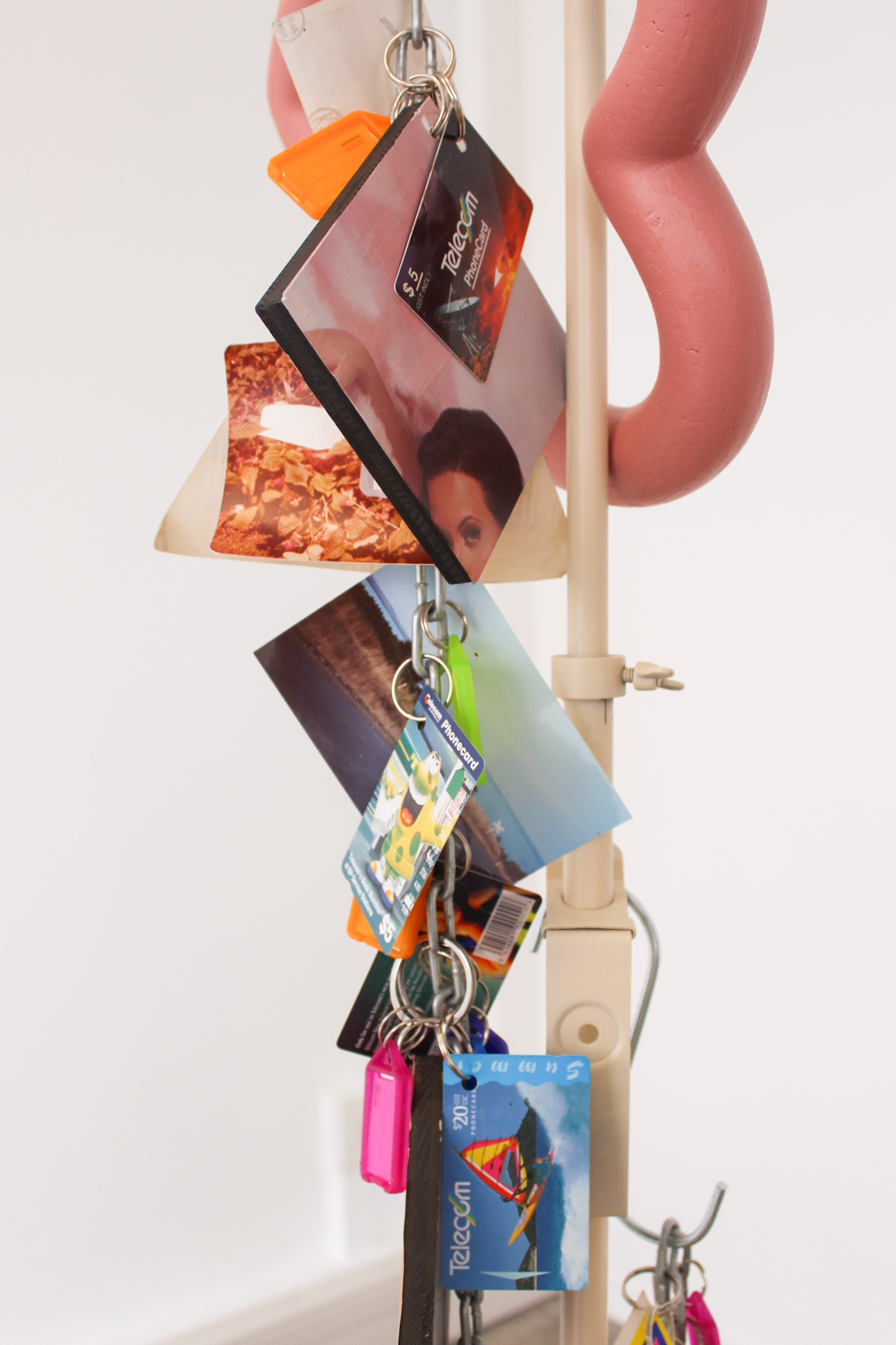
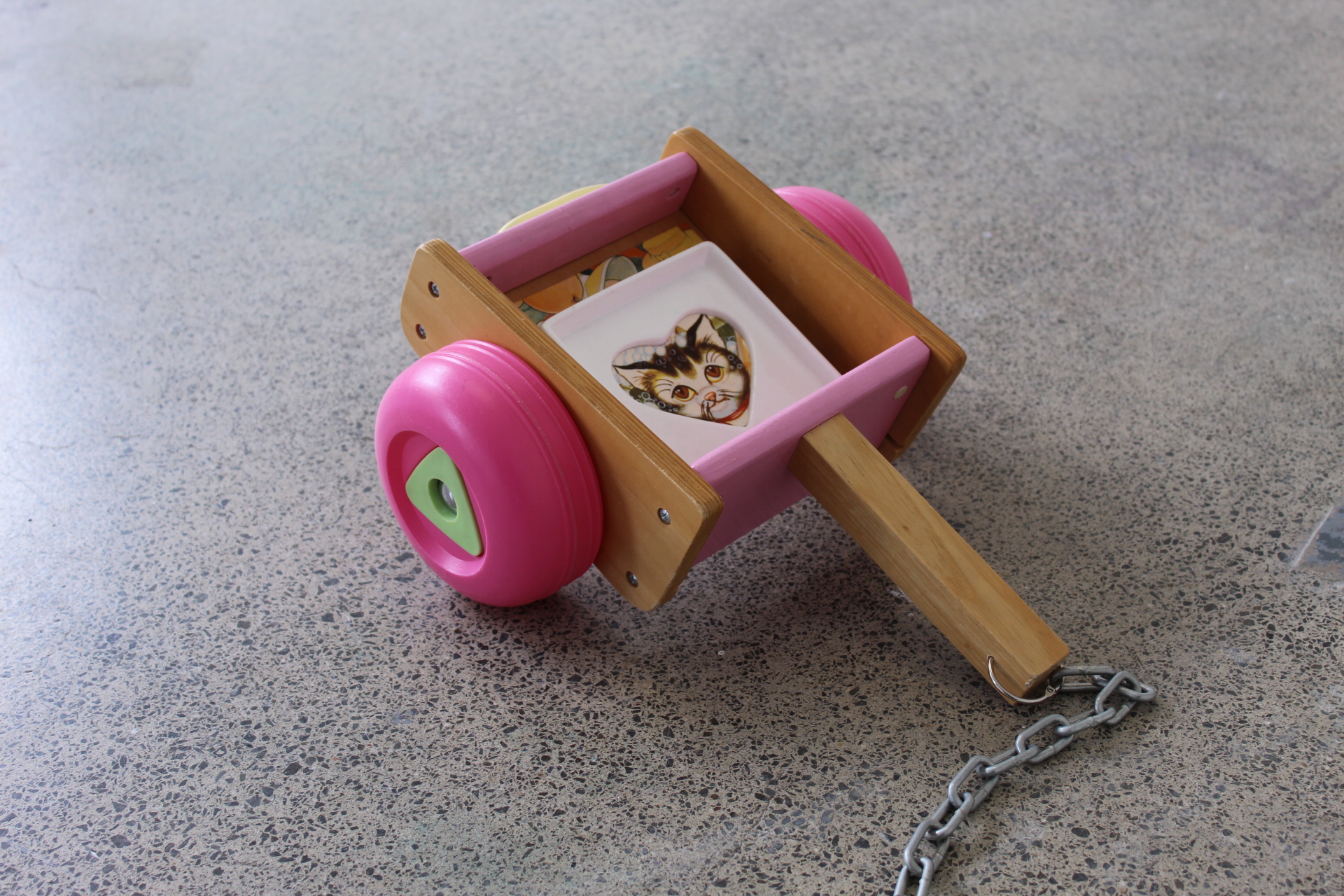
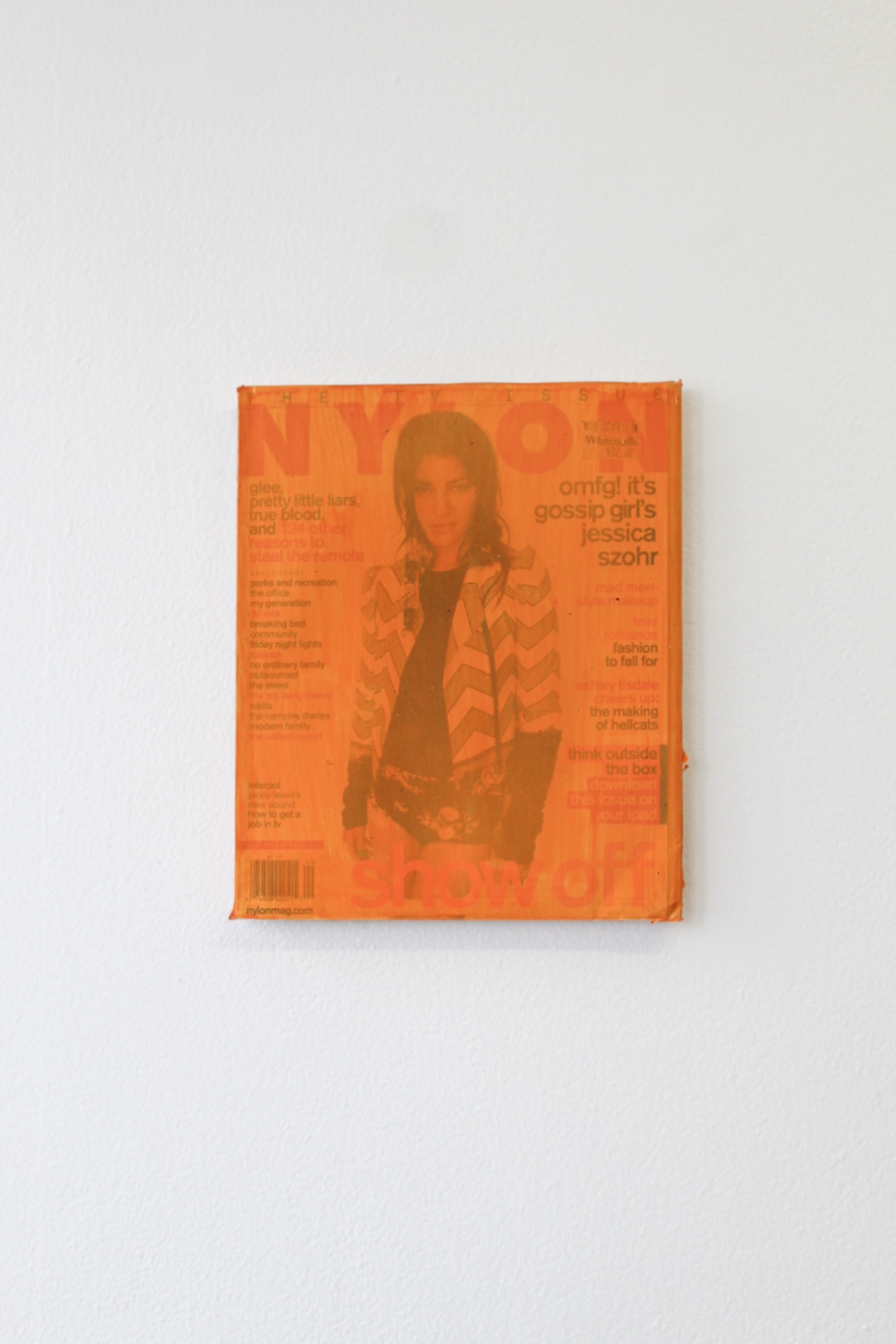
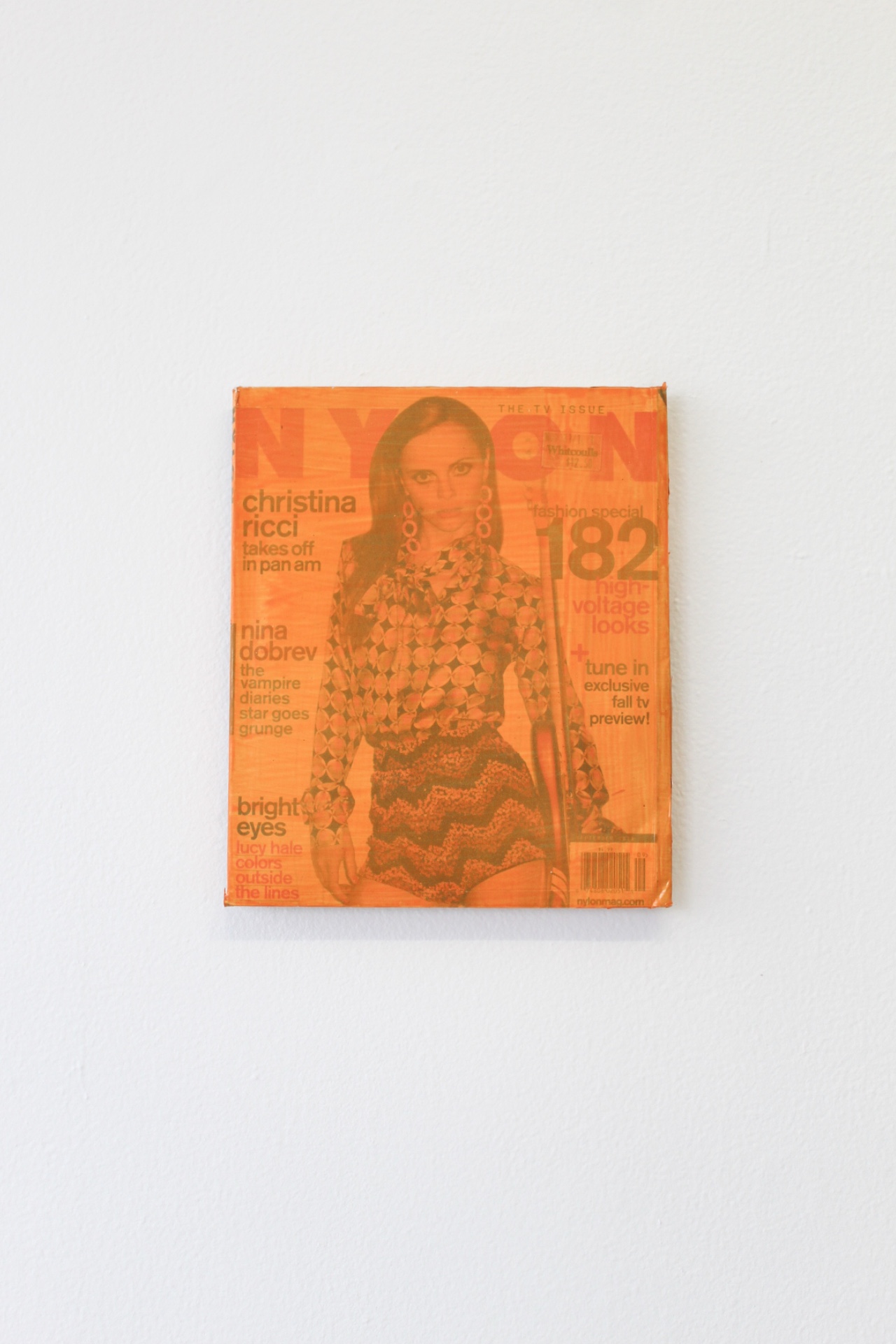
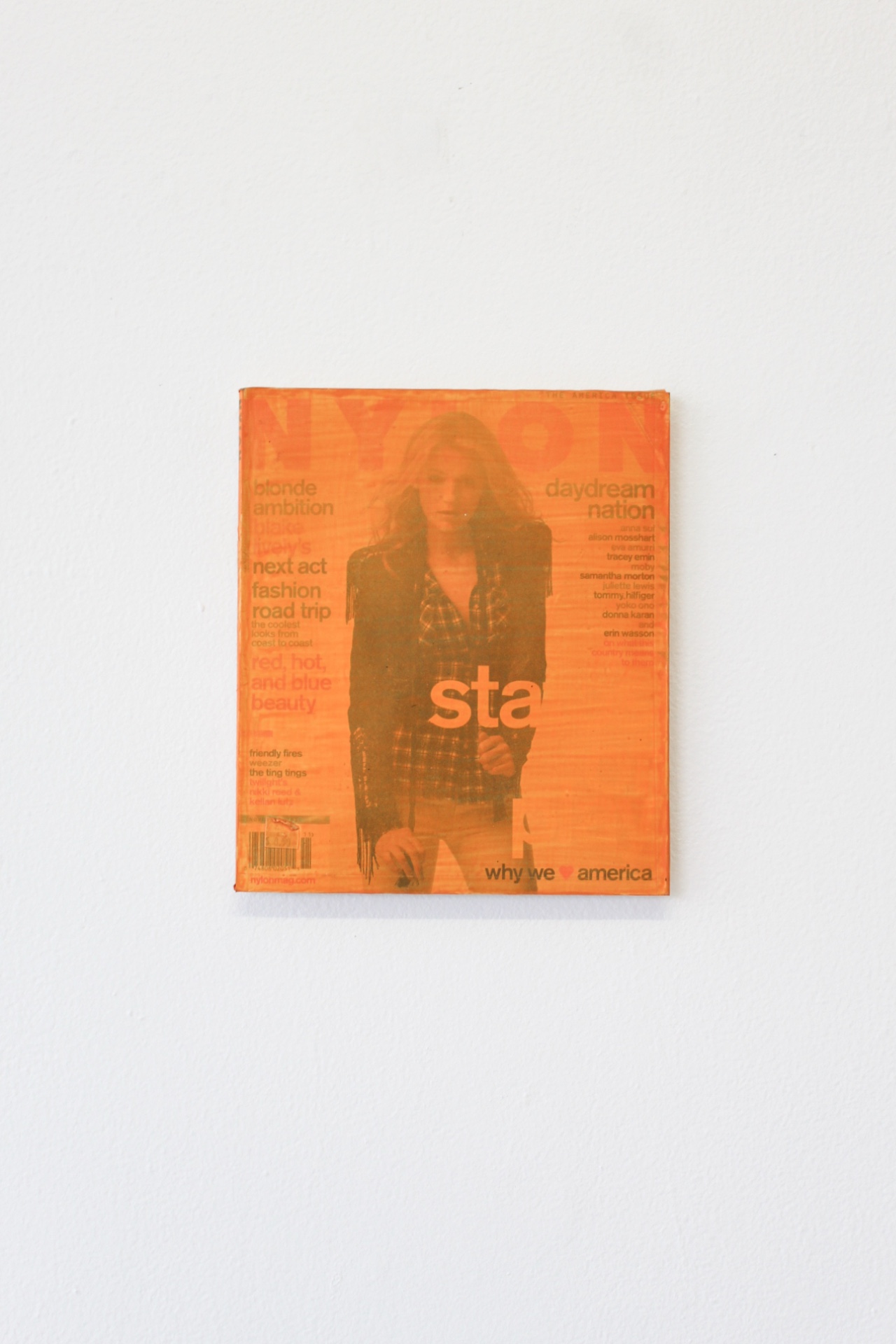
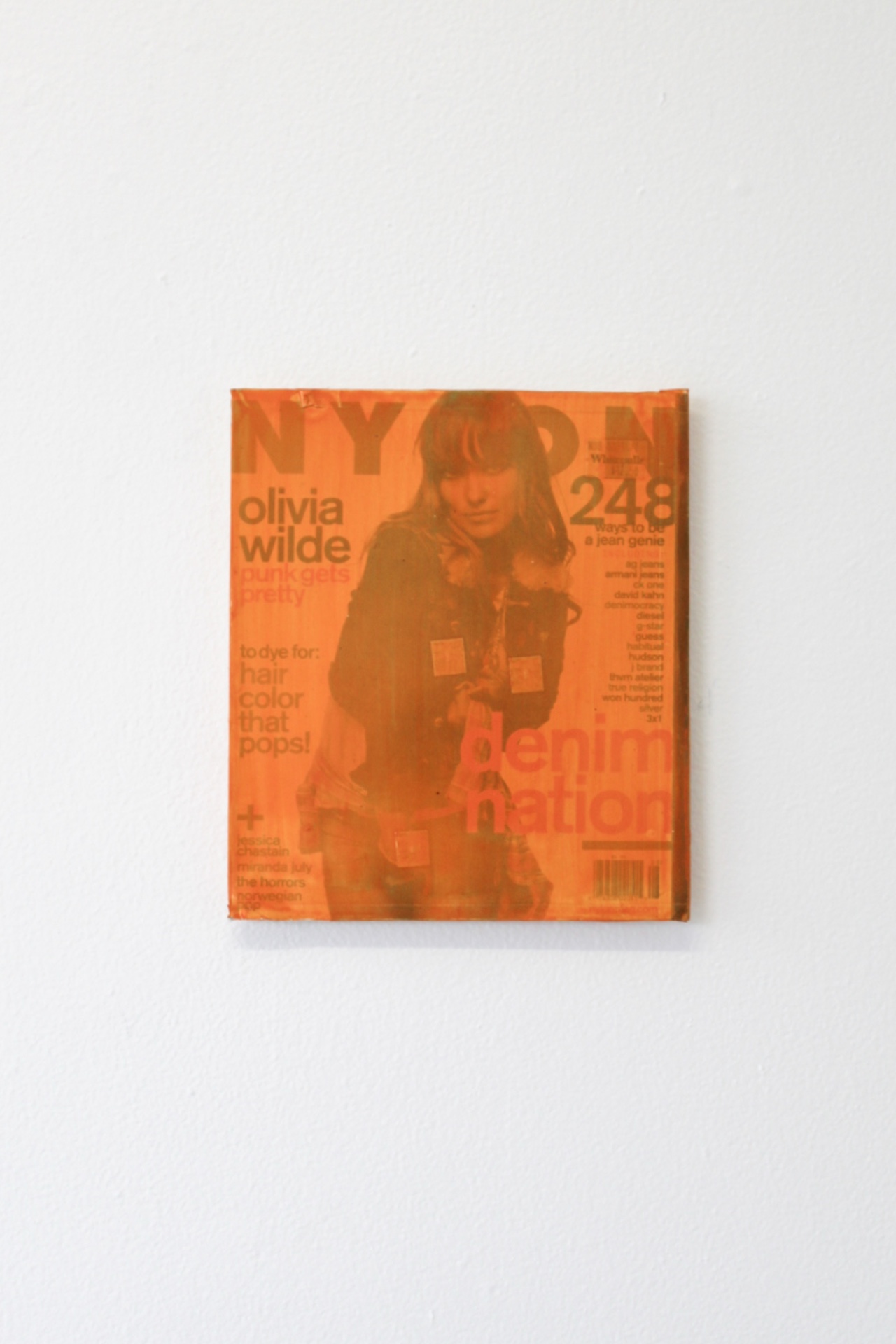
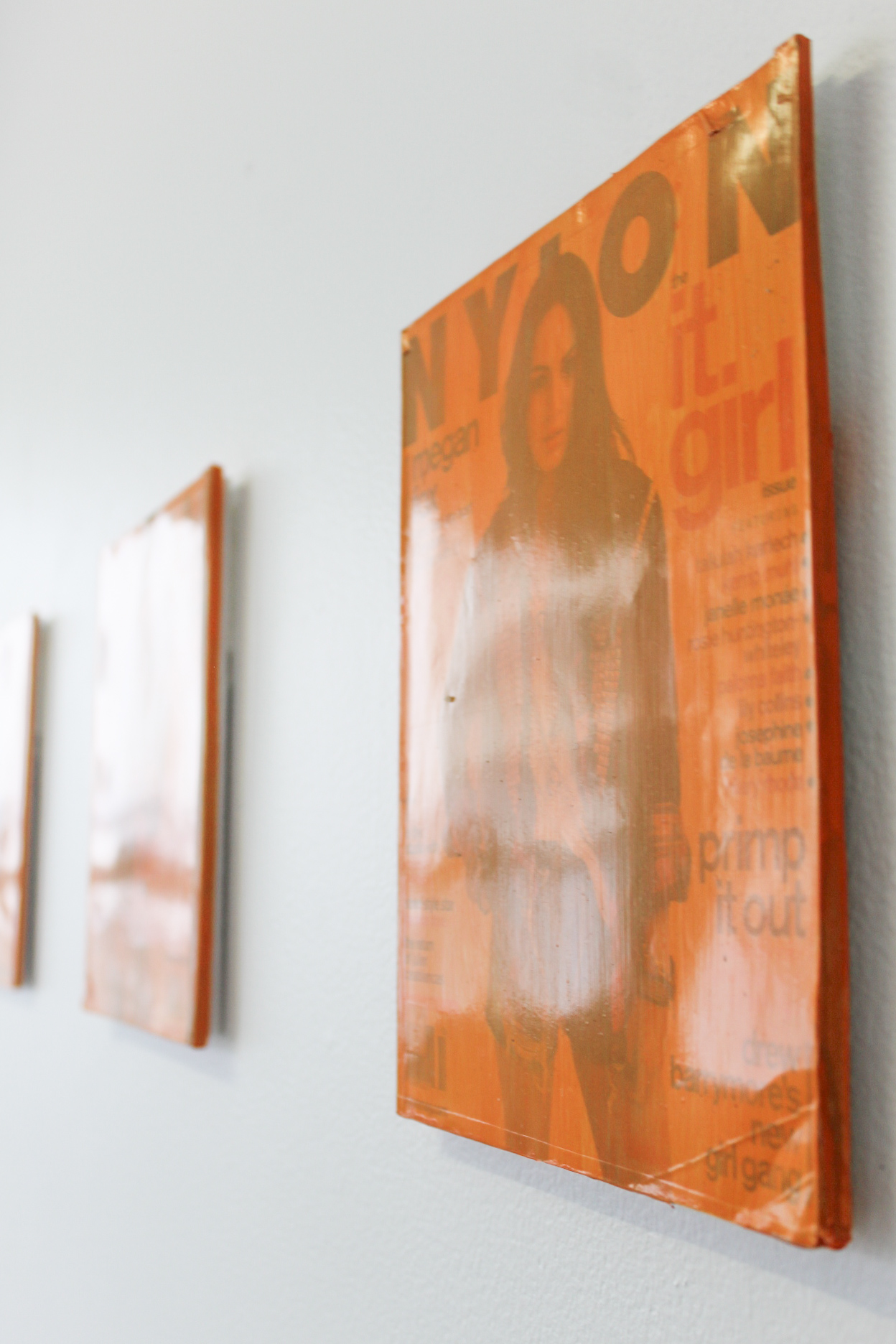
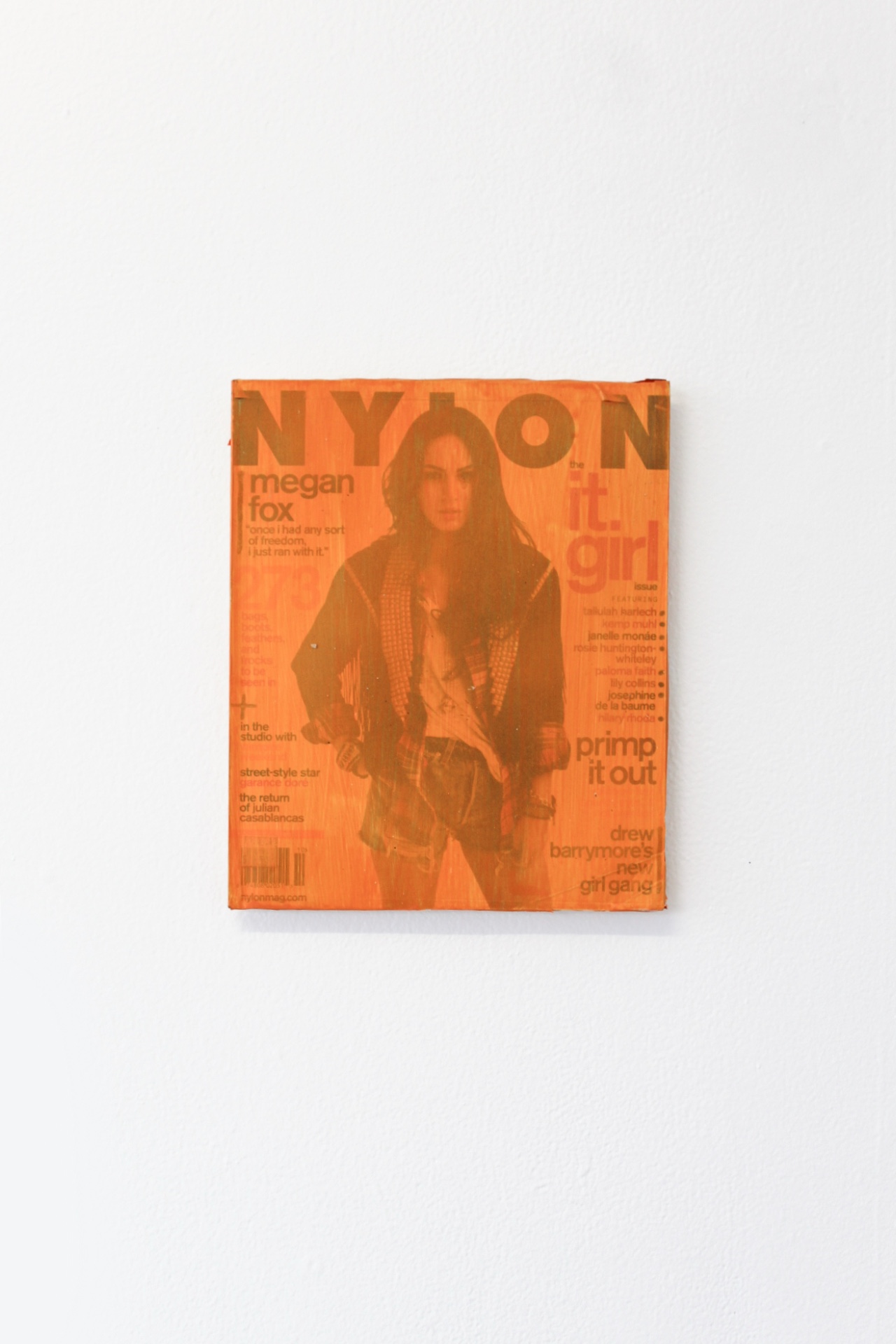
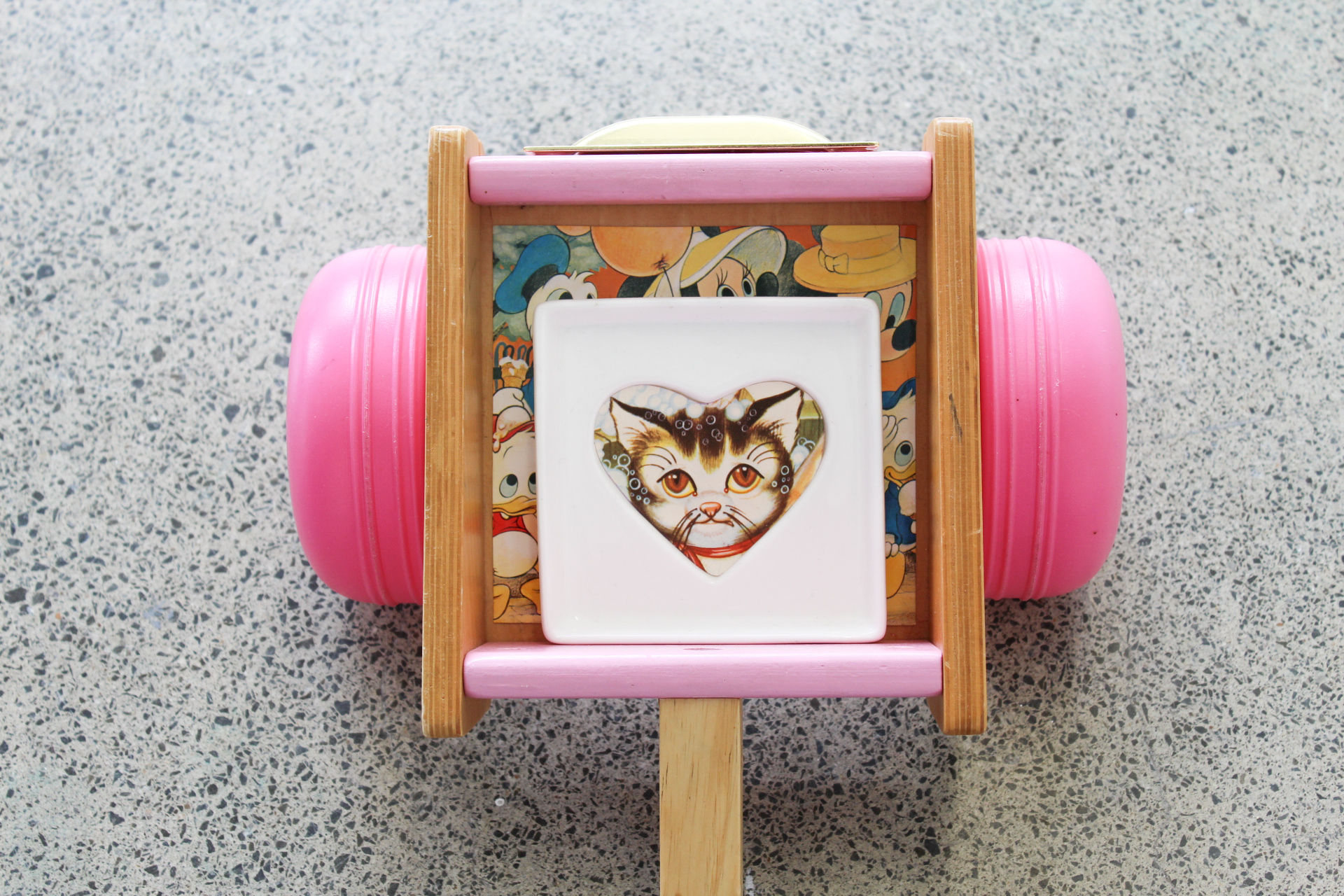
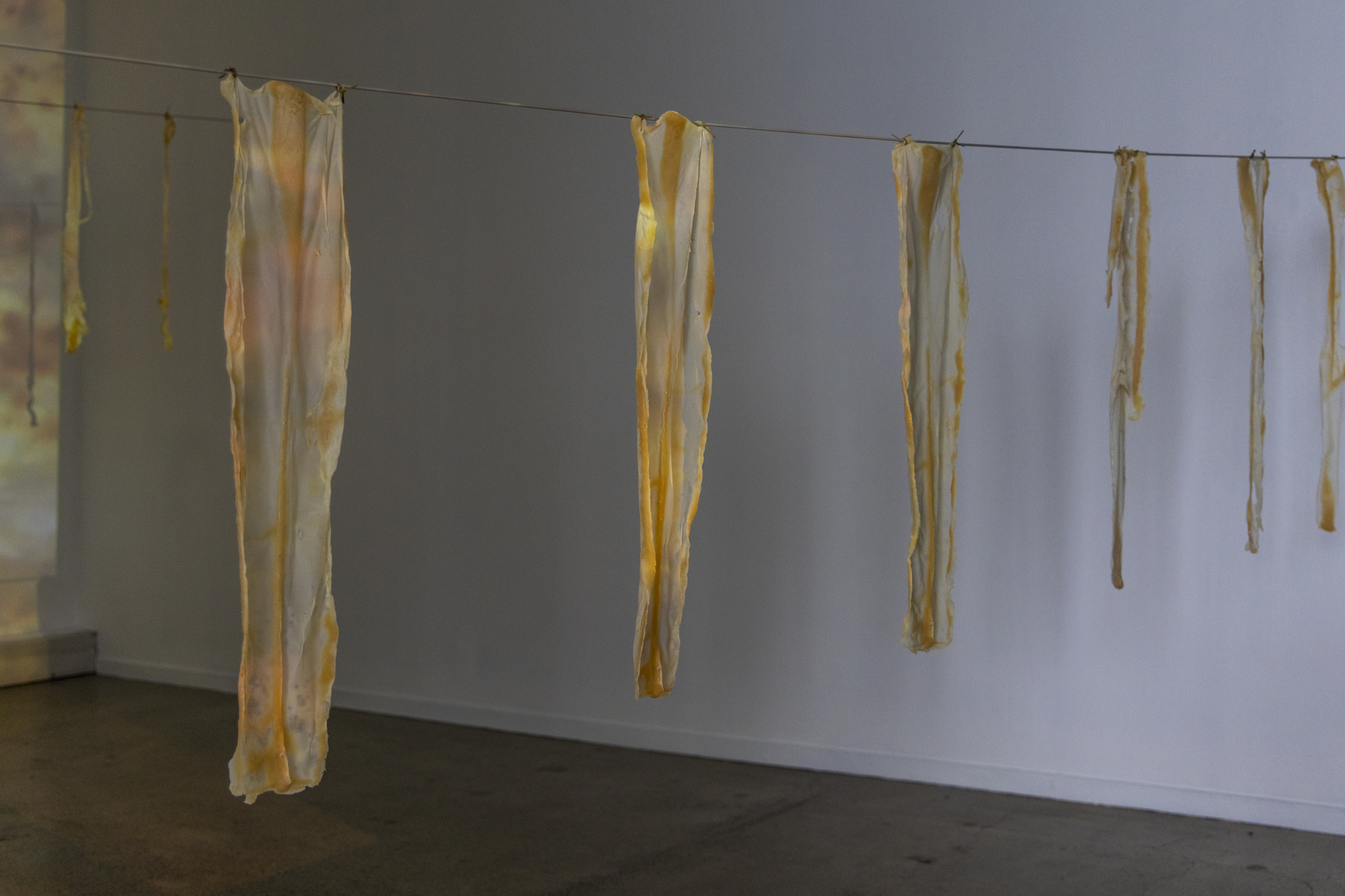
A kicked-up corner rug splattered with spots of acetone and nail polish. Piles of paper-cutting glossy teen mags and bowls of leftover spaghetti forks. Ticket stubs and polaroids and a full laundry basket, sticky and saturated, these abysmal bedroom plains are chunky and stocked of beaded necklaces, porcelain figurines and dog-eared novels. A pop-fanatic in a fantastical realm of party bliss and blues.

Like sediment, this collection of found parts and assemblages accumulate meaning and value through complex layers. Reminiscent of teenage and adolescent interiors, media and pop-culture materials converge and saturate, emerging as fragments of an expanded material language. Photographs, magazines and pieces of clothing carry signifiers of memories, experiences and desires. By deconstructing, de-functioning and recontextualising these theatrical forms, a strata of fictional identity and affect grows densely with fragile and fleeting attachment. Where material and memory intersect, curated arrangements of items provide structure to unexplainable and inconsistent narratives. While traces of use and degradation builds an archive of adolescence, one that is dramatic and sentimental; a temporal intersection of past and future.

Here, sentimentality operates as a suggestion. Collected and curated objects are assumably sentimental, unconfirmed in function, origin or classification. A domestic detritus as a narrative offers plausible values, forming as props with communicative agents that leave meaning unstable and unresolved. Meaning is built indirectly in the post-encounter, where comparison and relation is interrogated and understanding is created through shared experiences without being anchored to autobiography.

Nostalgia is increasingly packaged, aestheticised, and sold back to us. On a broader societal level, nostalgia has become a shared cultural condition. In contemporary life, it is consistently circulated through algorithms, trend revivals and economies, encouraging consumption and materially constructed moments. The youth bedroom mirrors this condition and reflects on how collective memory is assembled from fragments of second-hand images and inherited aesthetics.

Images by Elise McDermott

Video by Zak McNeil
Tess Walker Elliott : Prelude

Tess Walker Elliott
Prelude

22 October – 29 November 2025

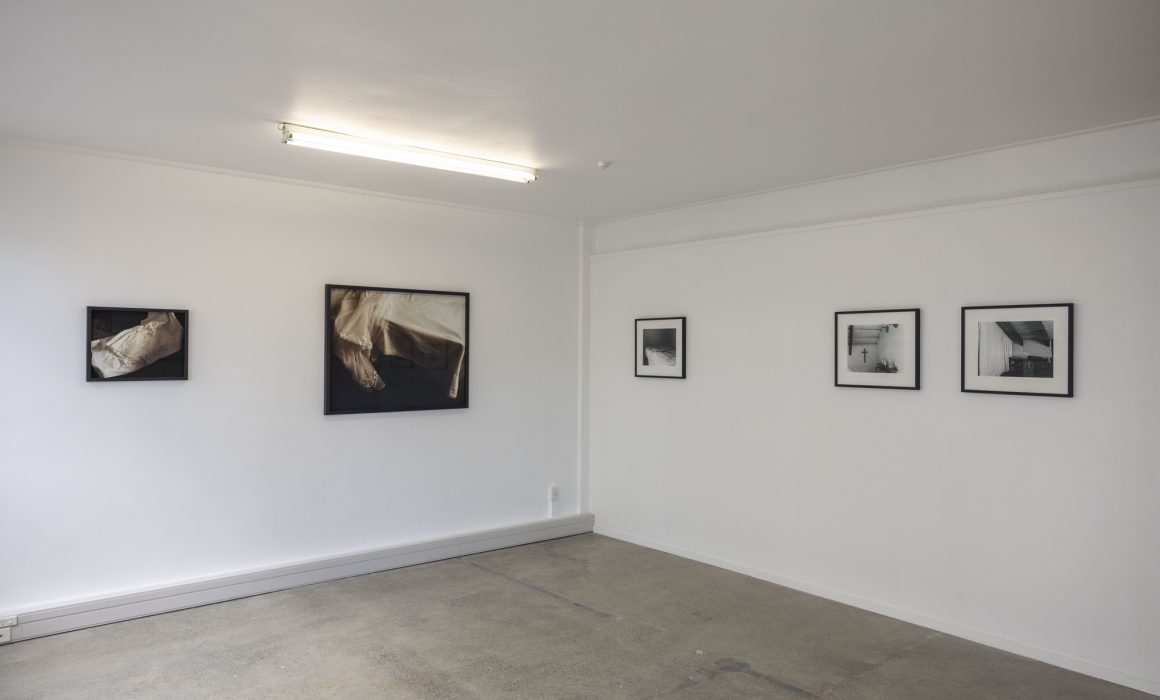
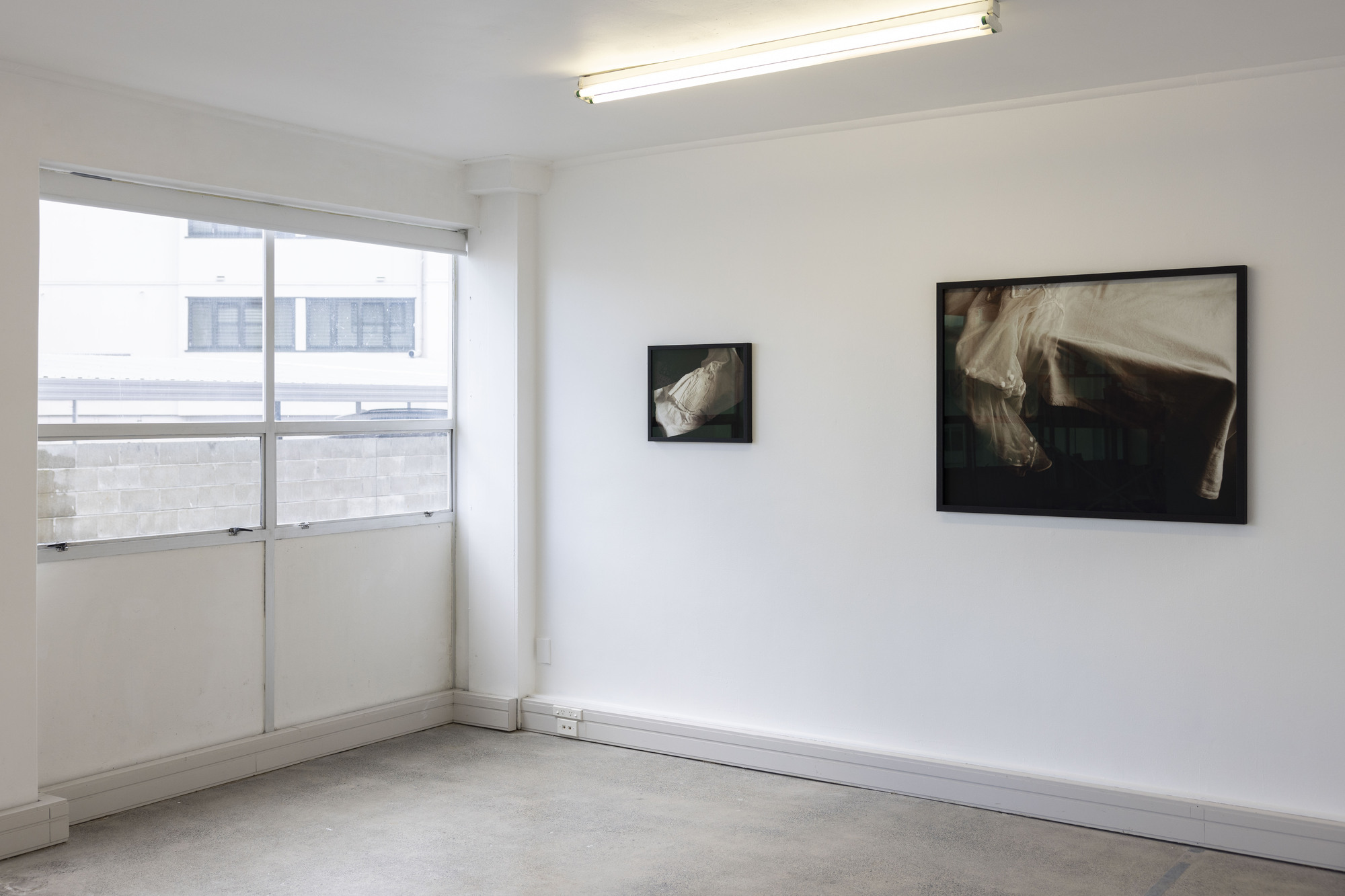
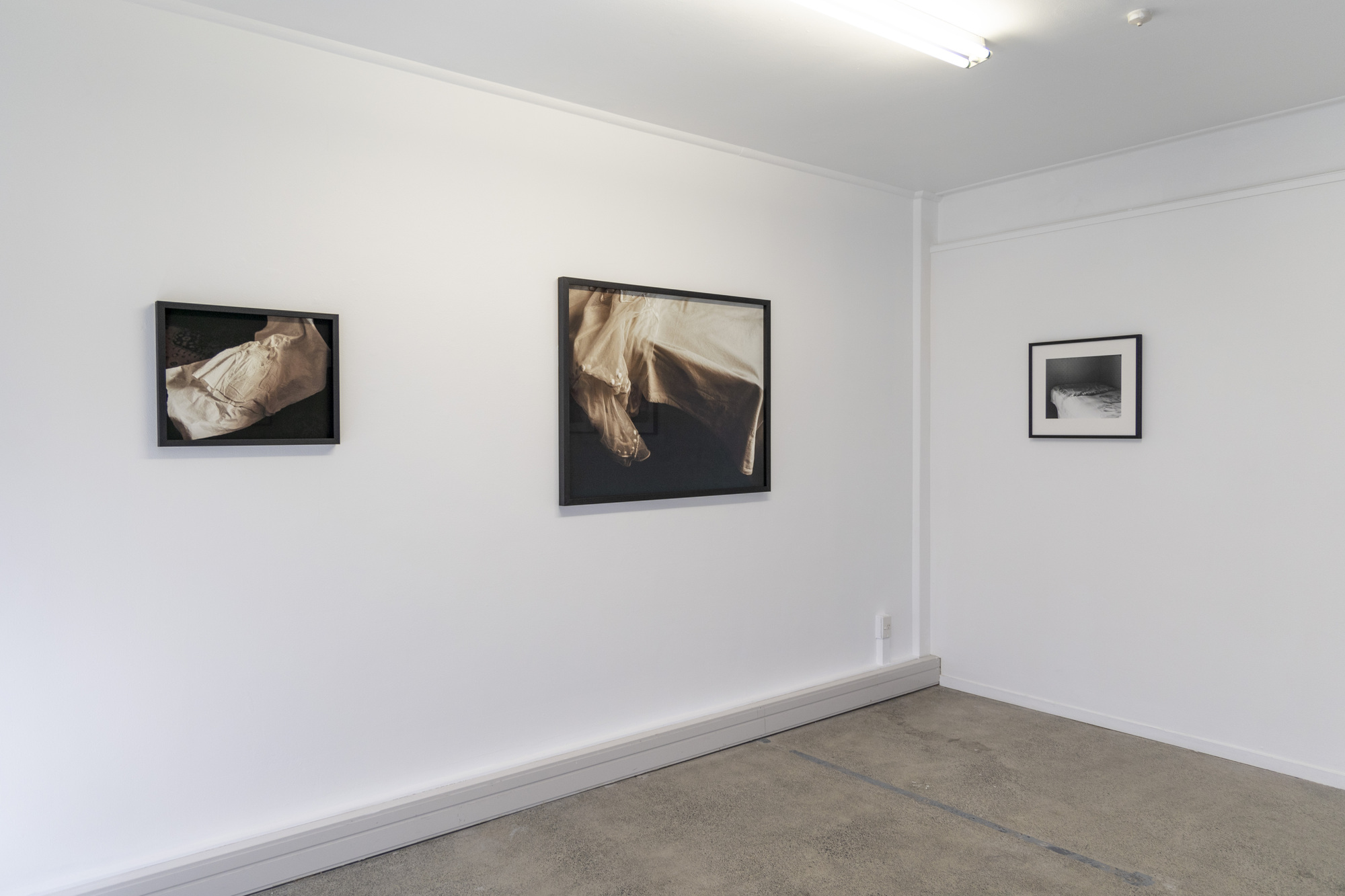
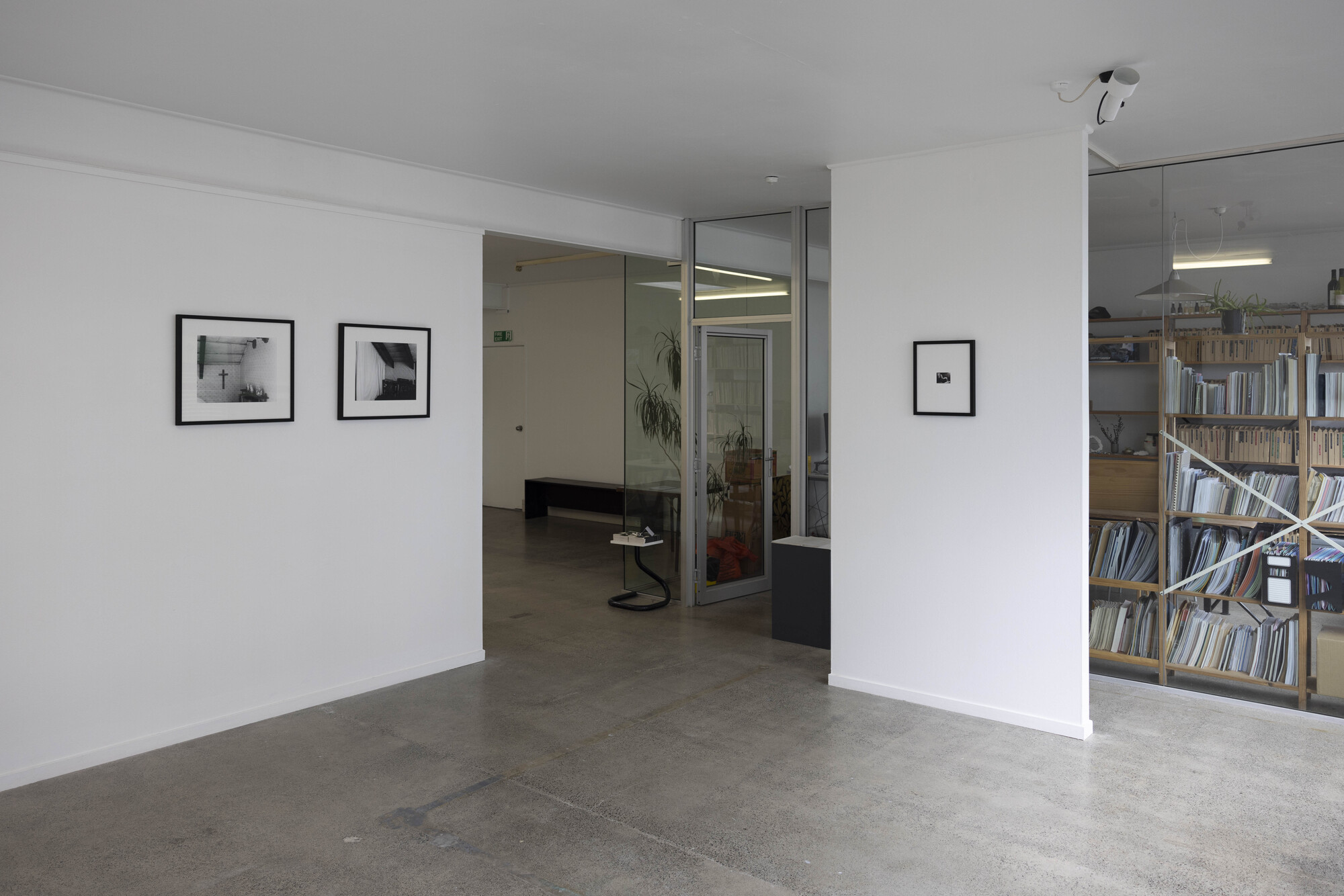
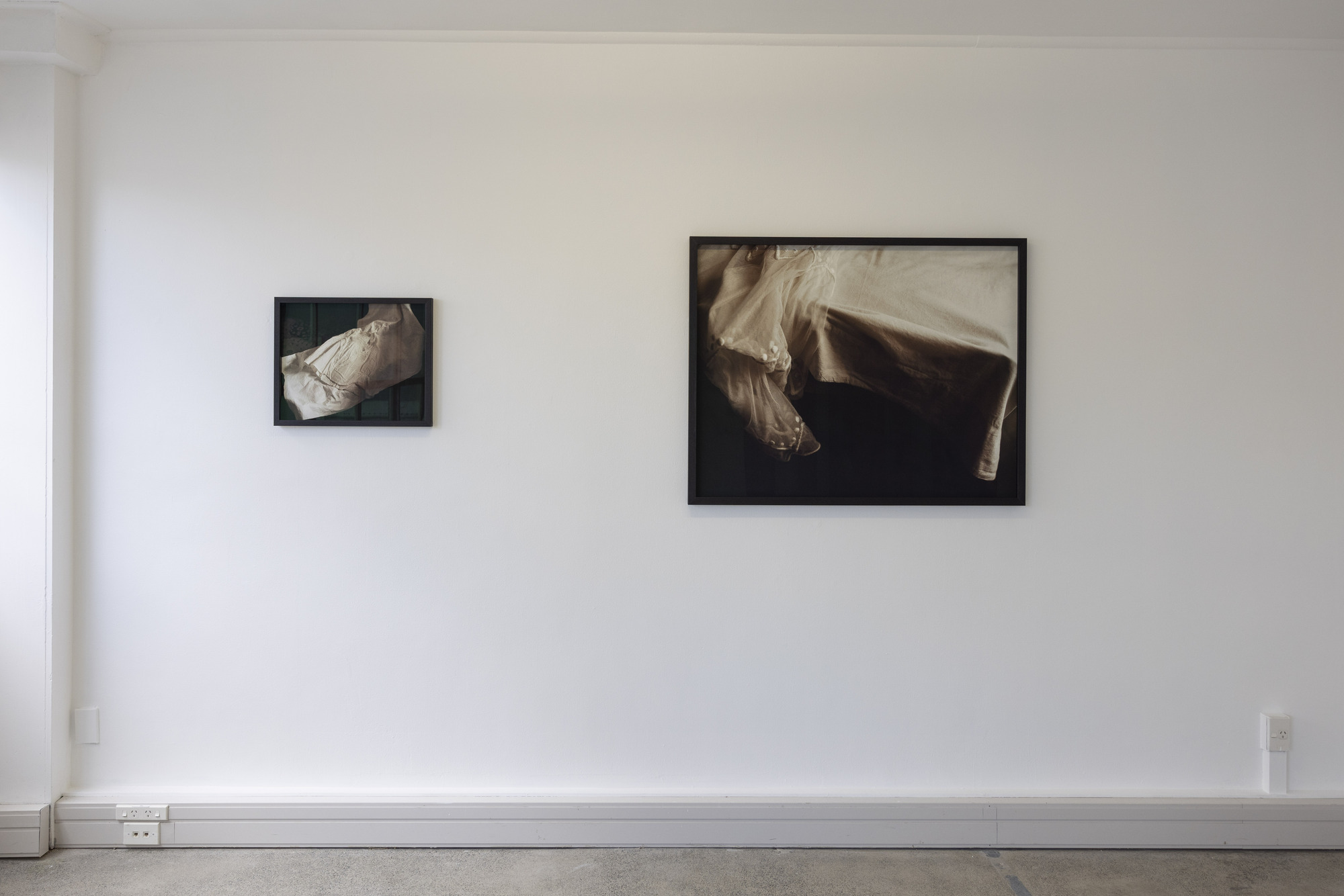
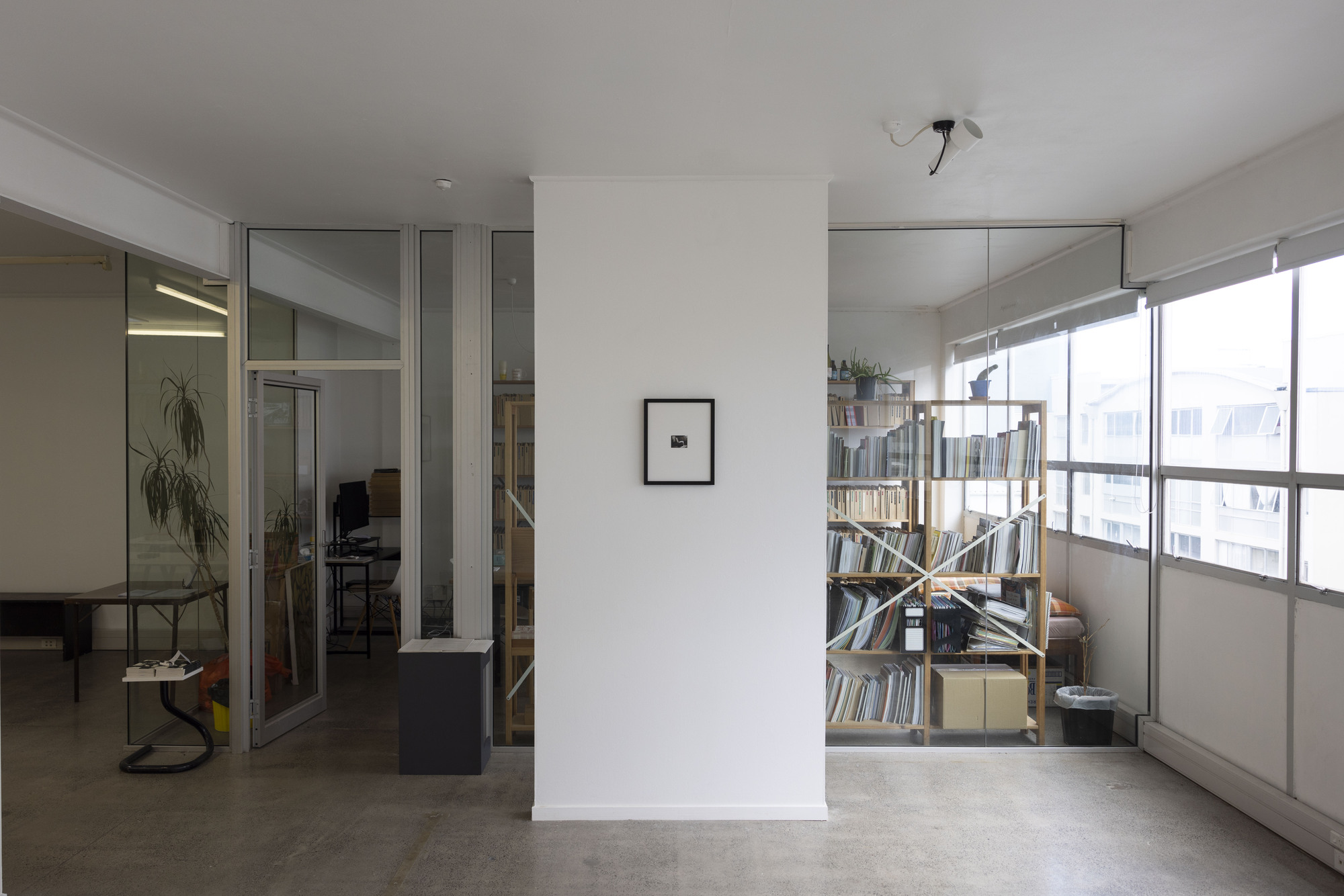
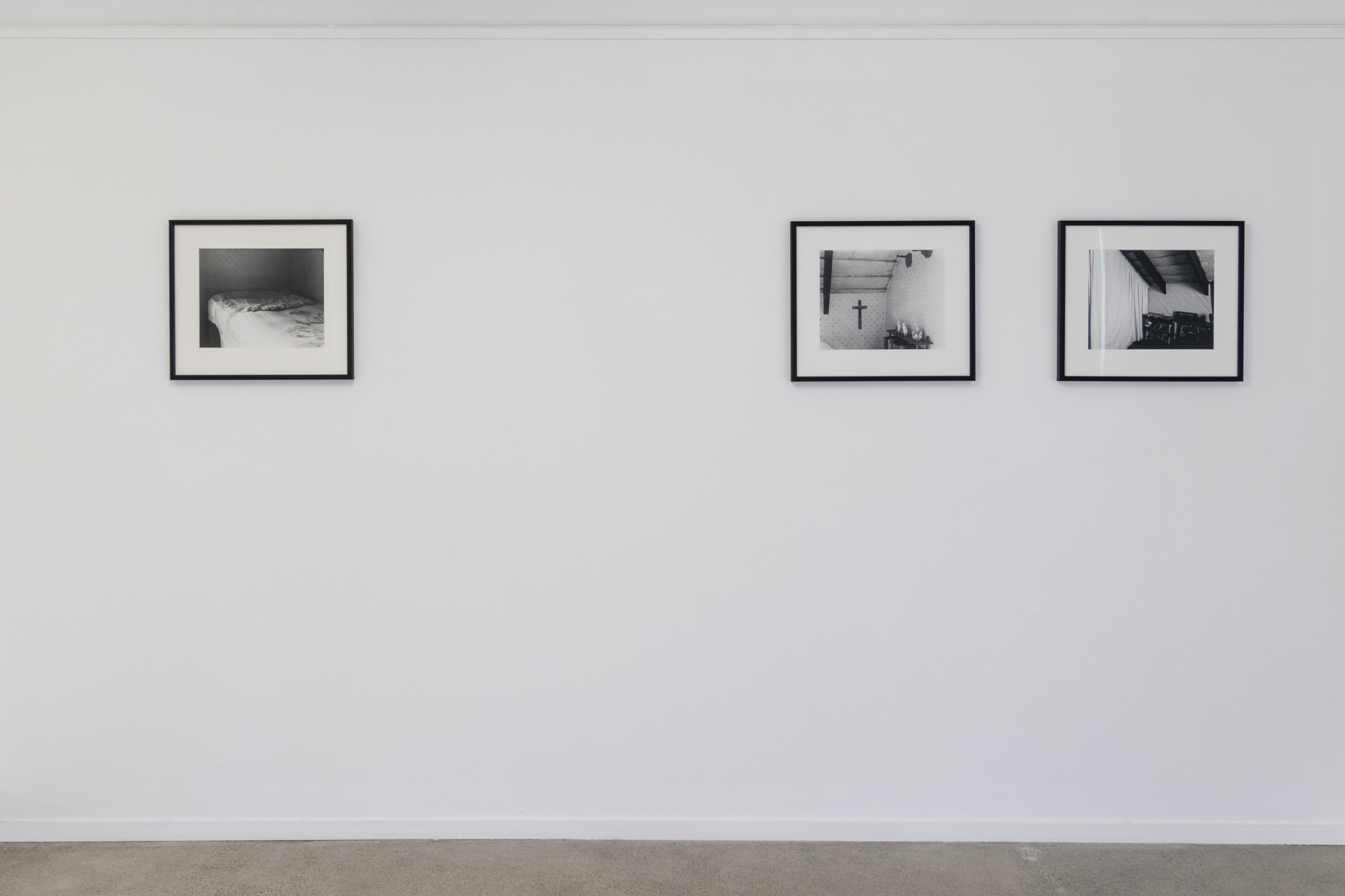
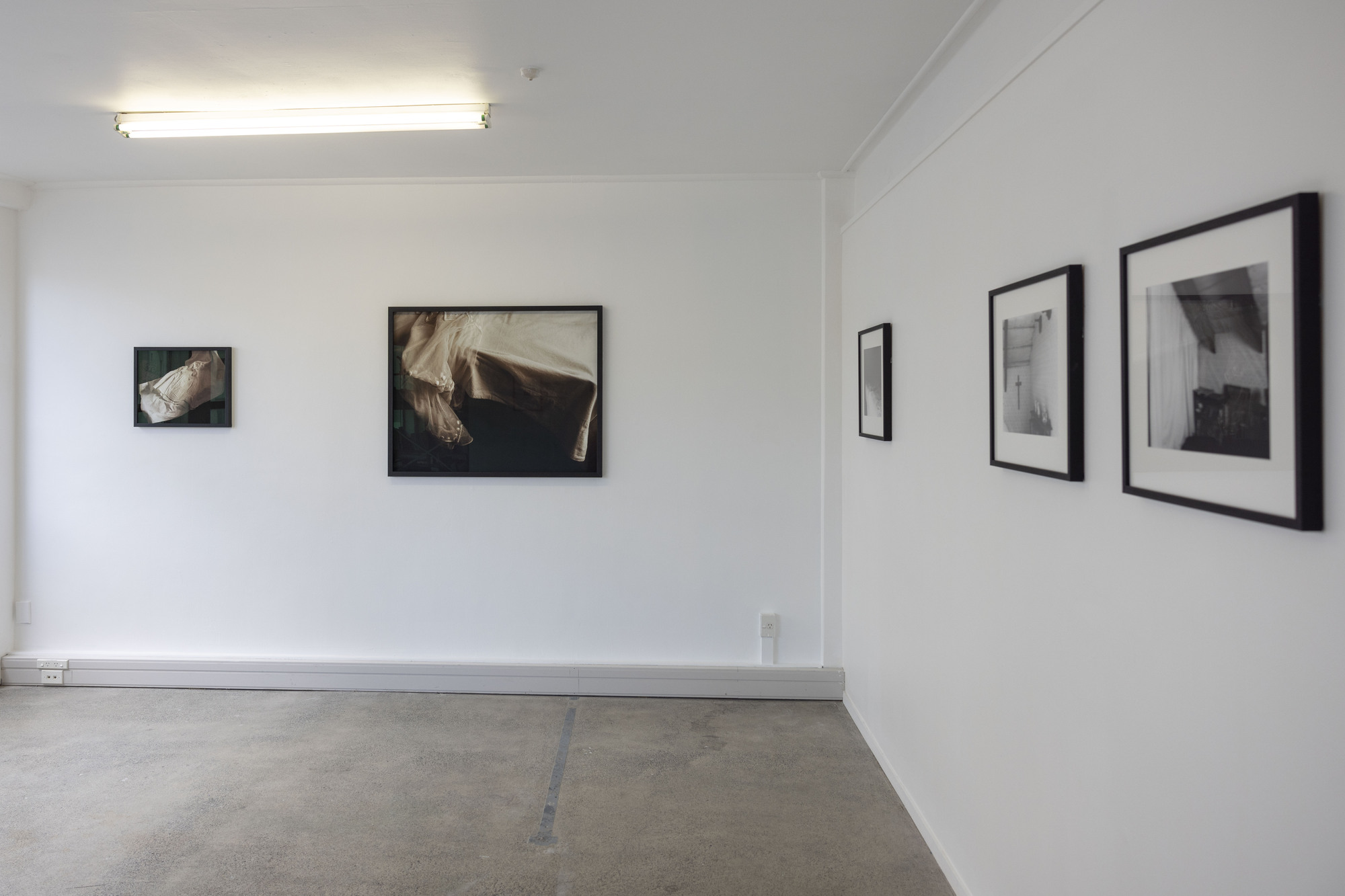
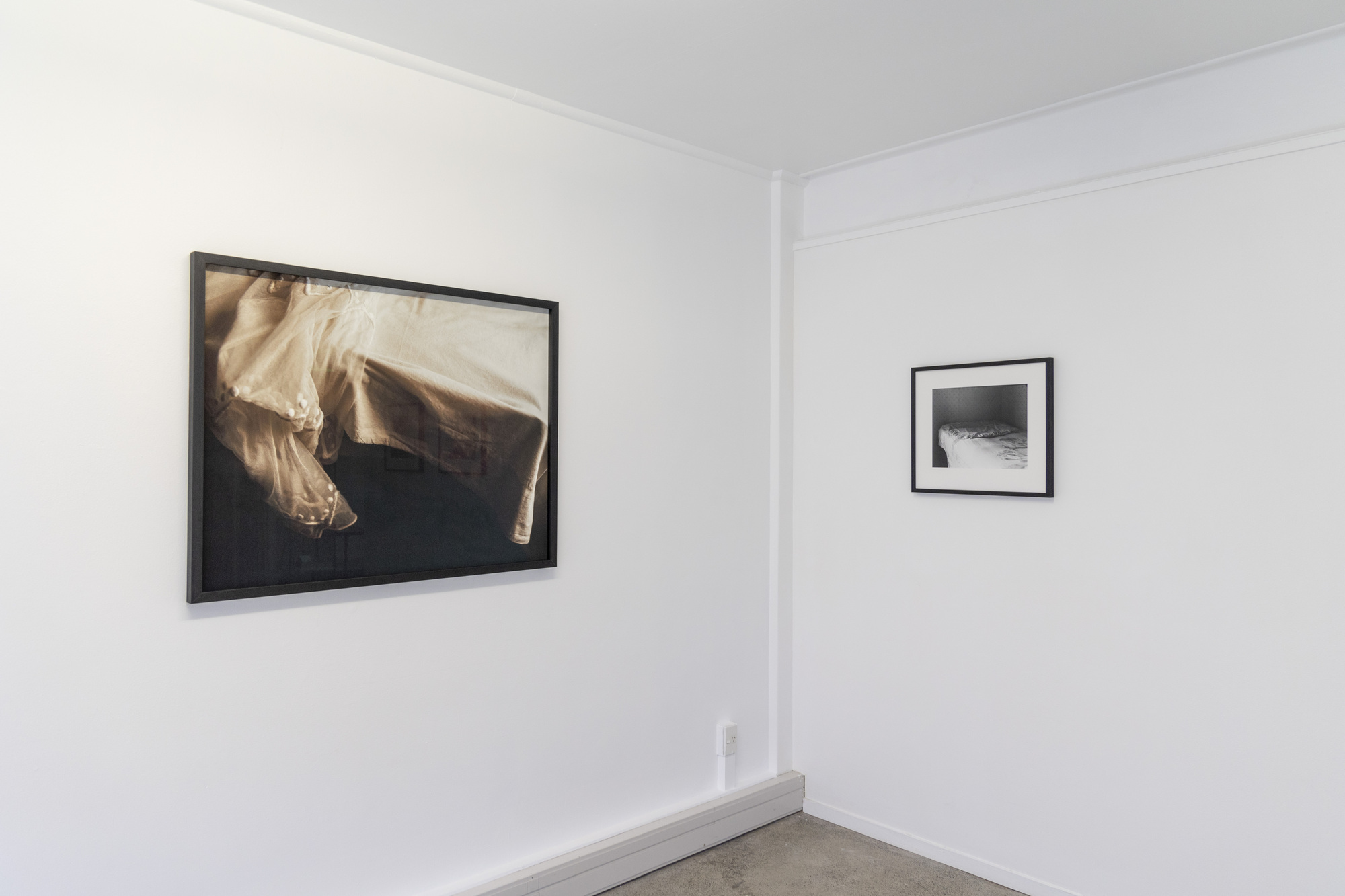
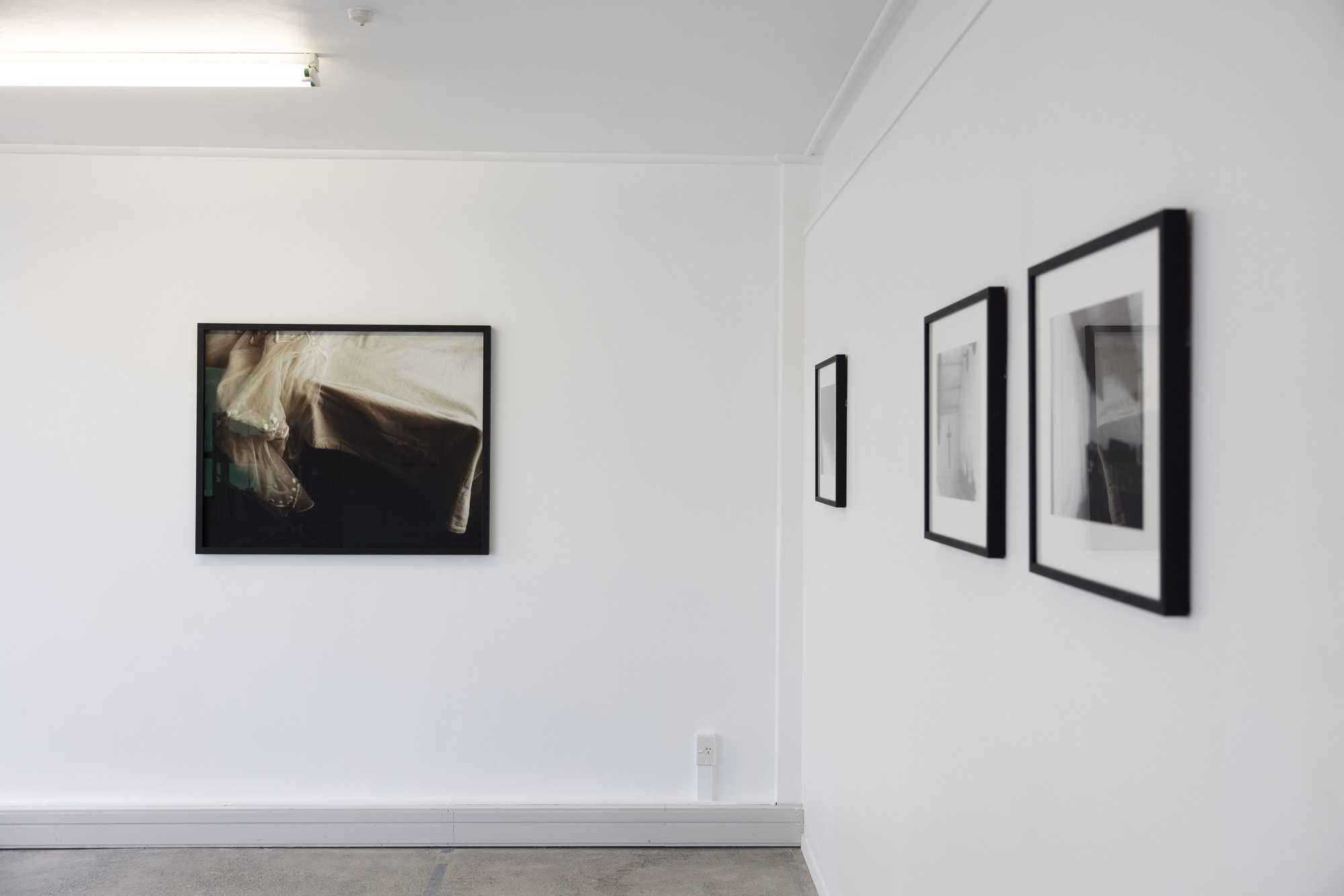
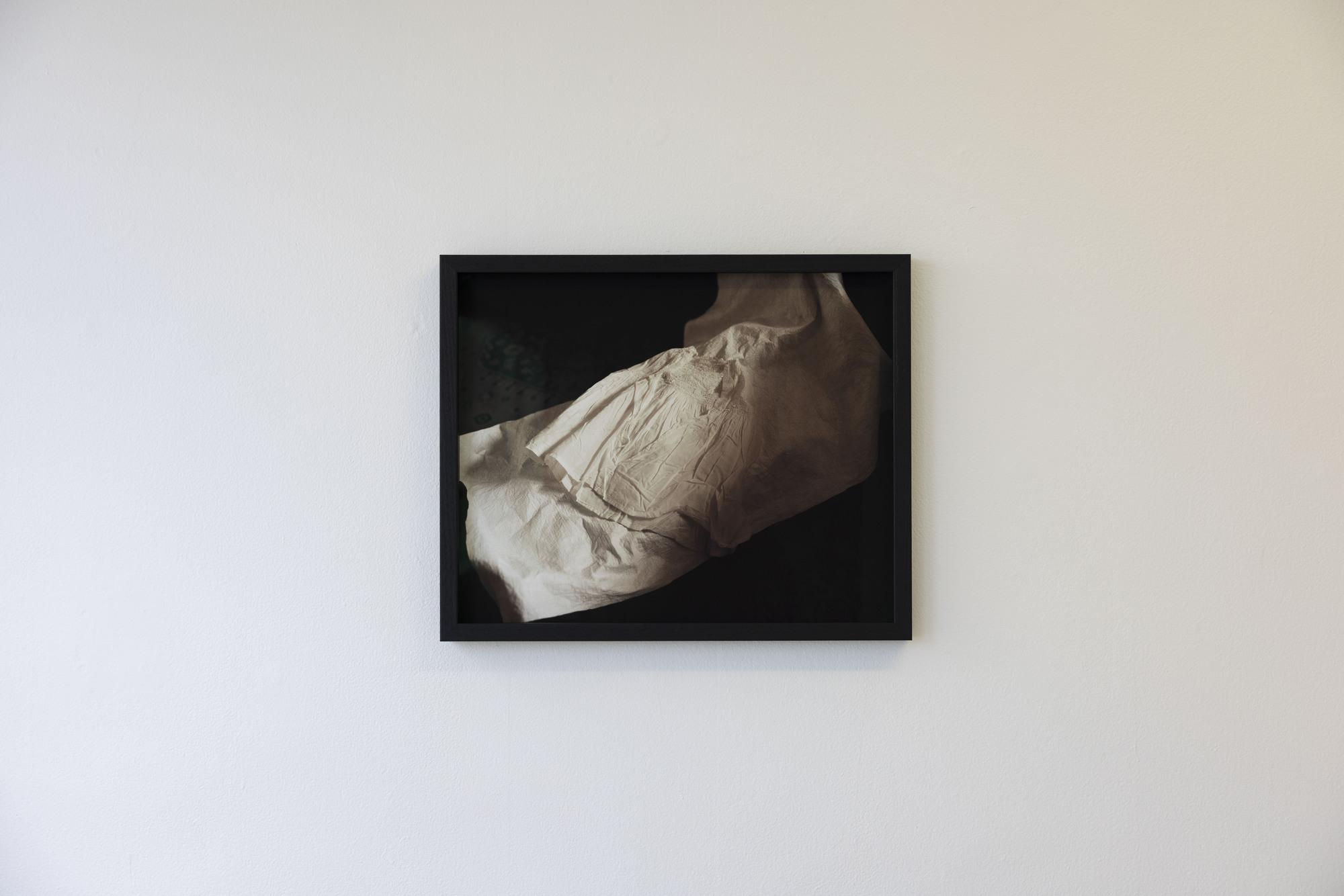
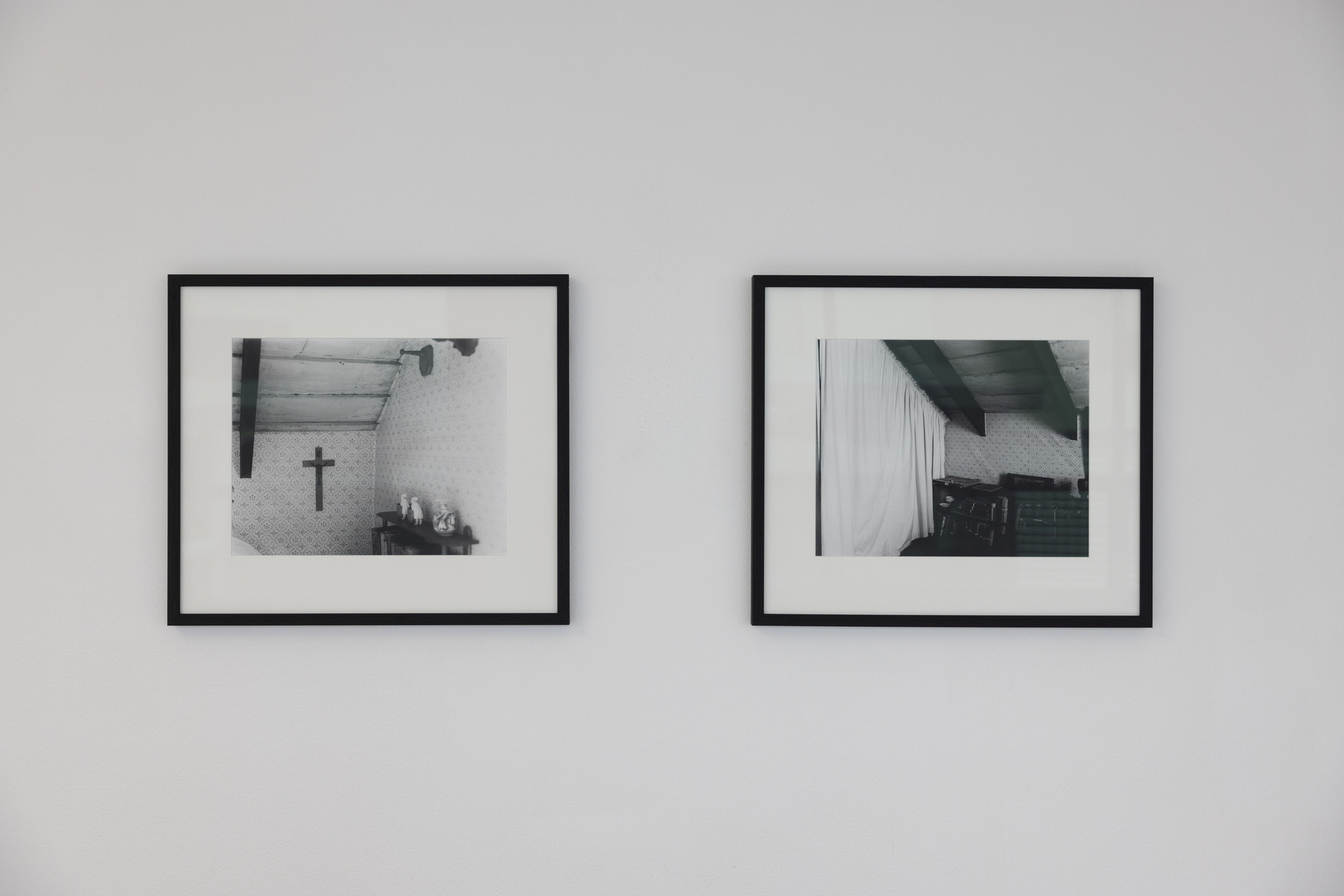
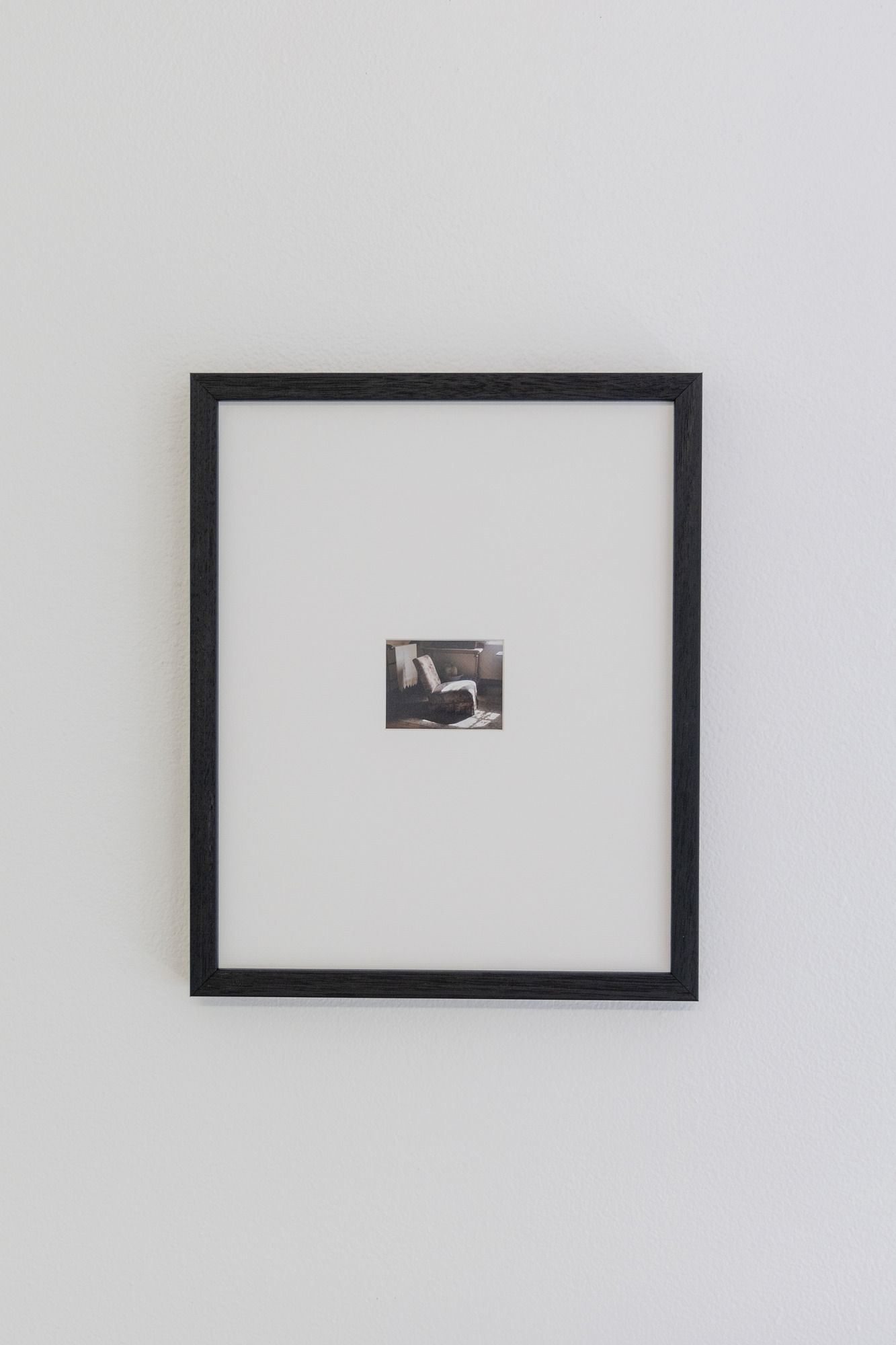
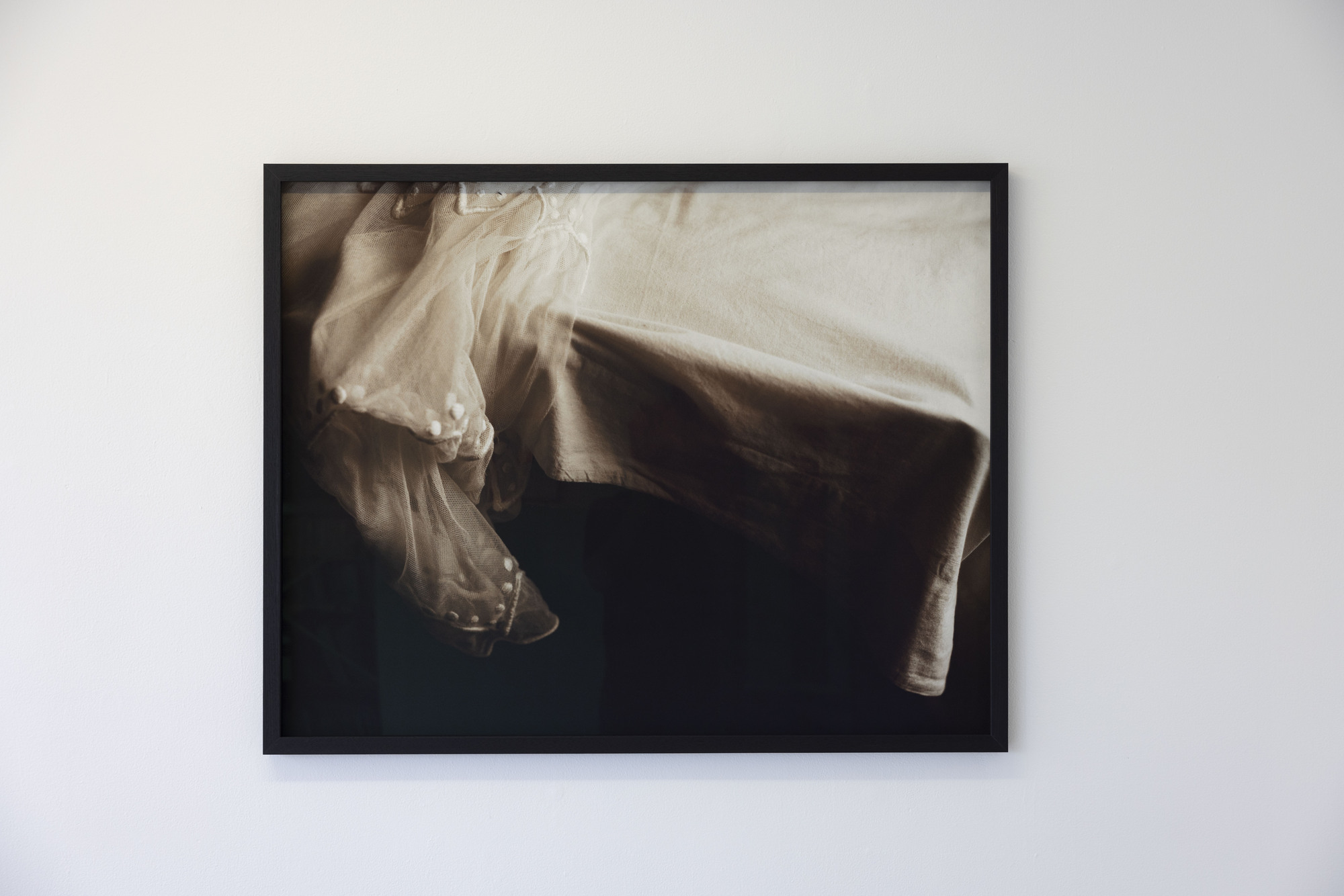
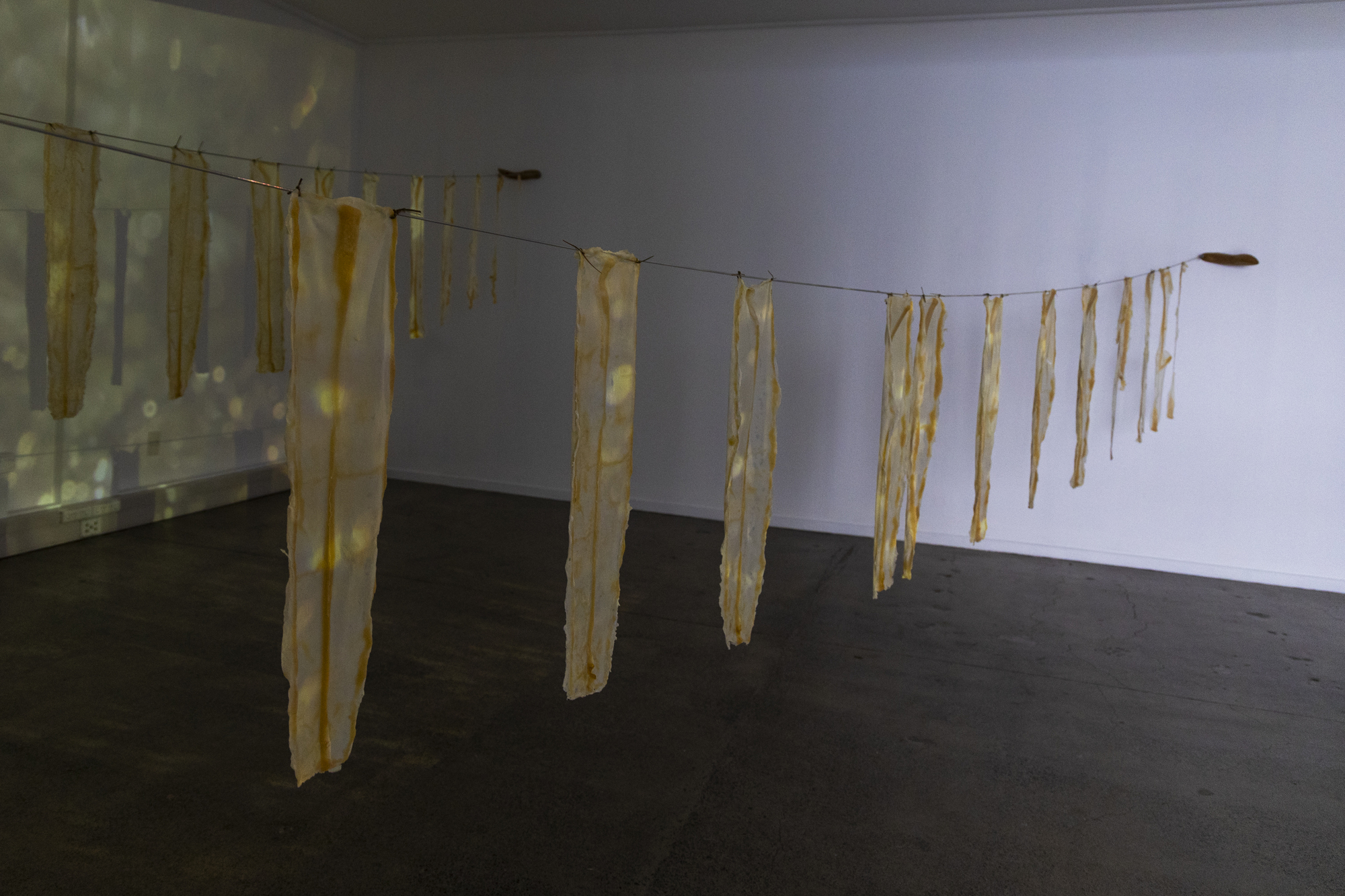
Prelude documents imagined projections of a settler woman’s life informed by the site and archives of Ewelme cottage in Pānera (Parnell) and the short stories of Katherine Mansfield.

In Mansfield’s Prelude, the mother, Linda, is frightened by the objects and furnishings around her ‘THEY were not deceived. THEY knew how frightened she was; THEY saw how she turned her head away as she passed the mirror.’

Haunted by the coming alive of these colonial objects, Linda sensed that ‘THEY wanted something from her and she knew that if she gave herself up and was quiet, more than quiet, silent, motionless, something would really happen’. These uprooted objects are not only a reminder of her own separation from and consequent longing for her homeland but represent the illusory belief in New Zealand as a new utopian home and her role within it – ‘watching for something to happen that just did not happen’.

Aware of this inbetweenness, the objects’ haunting reflects Linda’s own unsettled disillusionment. Her motionlessness and her silence emblematic of the general settler women’s complicity in the colonial project.

These photographs taken at Ewelme are concerned with the ‘home-maker’ who is both non-self-governing and culpable, who dutifully fills a land which has been surveyed, carved and hollowed with homes, objects and children. Prelude is an attempt at a kind of anamnesis – a recollection of a supposed previous existence – in the search for descent.

With thanks to Heritage New Zealand Pouhere Taonga.

Images by Anton Maurer

Bronte Heron, Finn Chadwick, Marilyn Jones : Stack Rat

Bronte Heron, Finn Chadwick, Marilyn Jones
Stack Rat

22 October – 29 November 2025

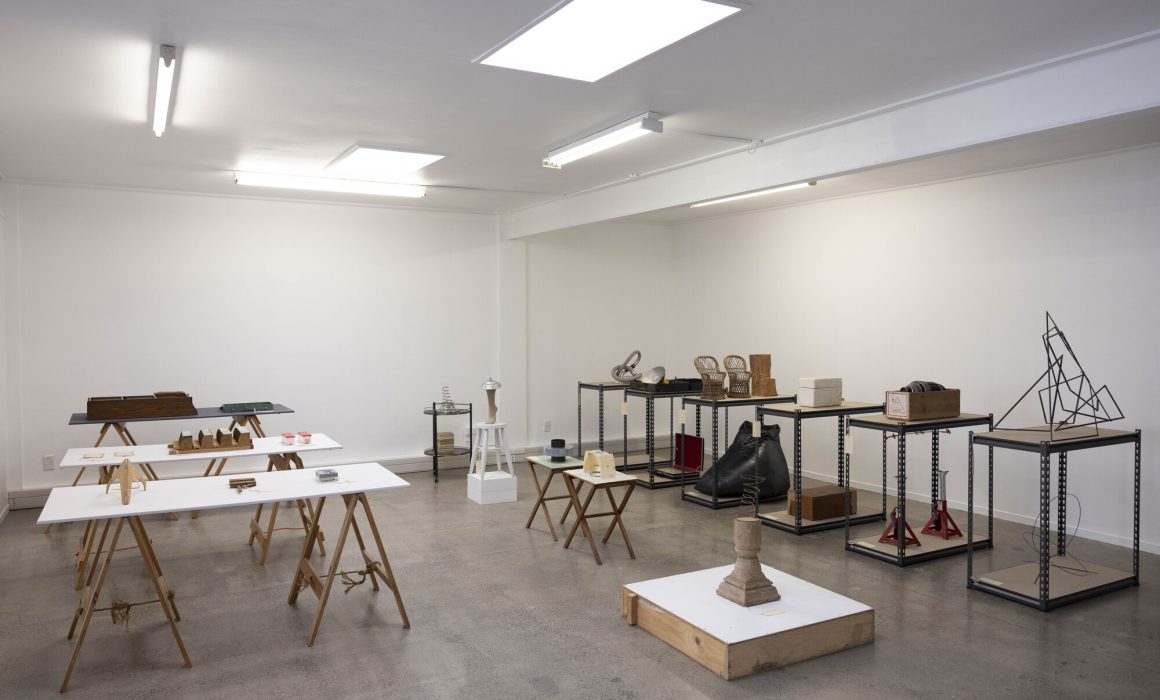
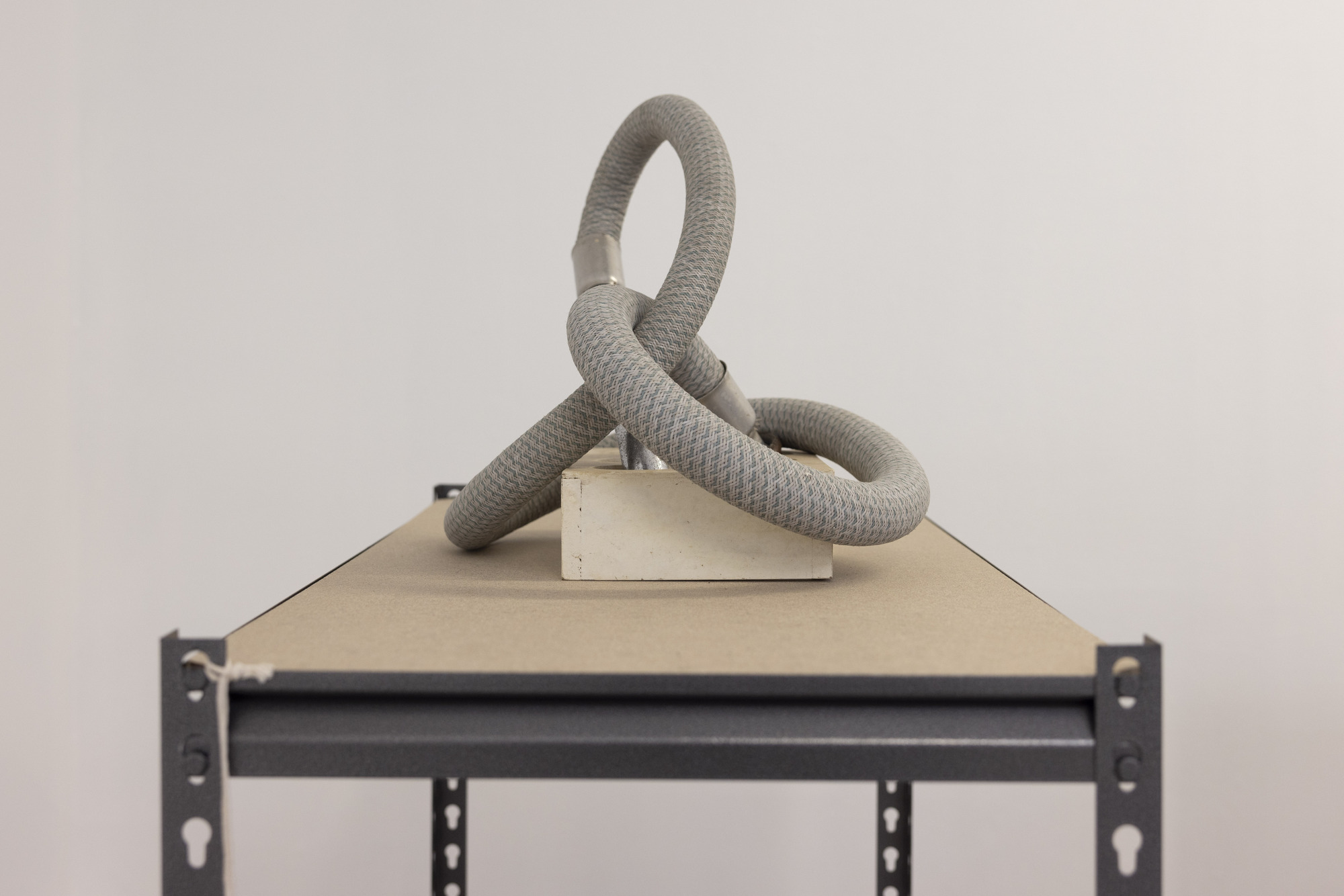
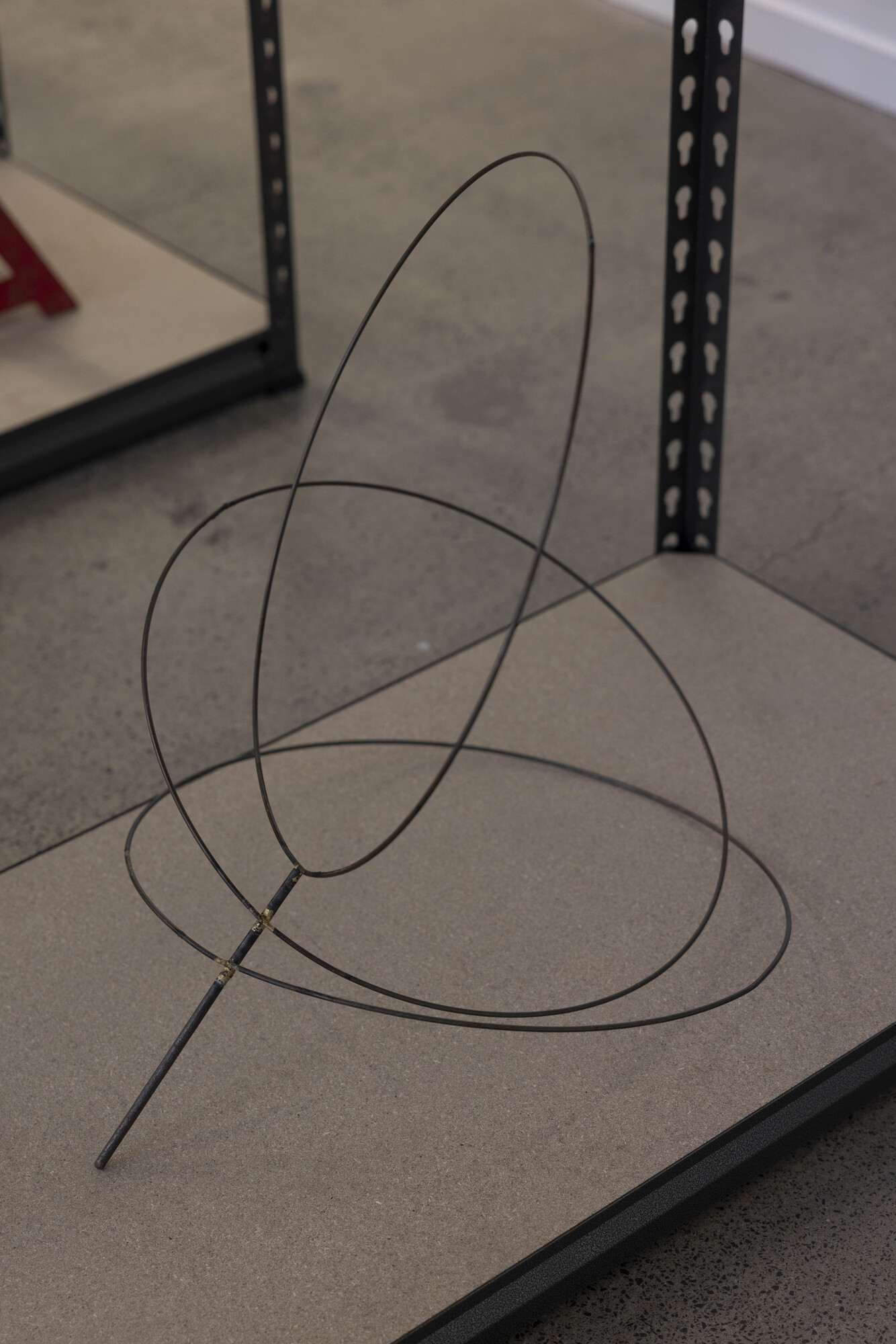
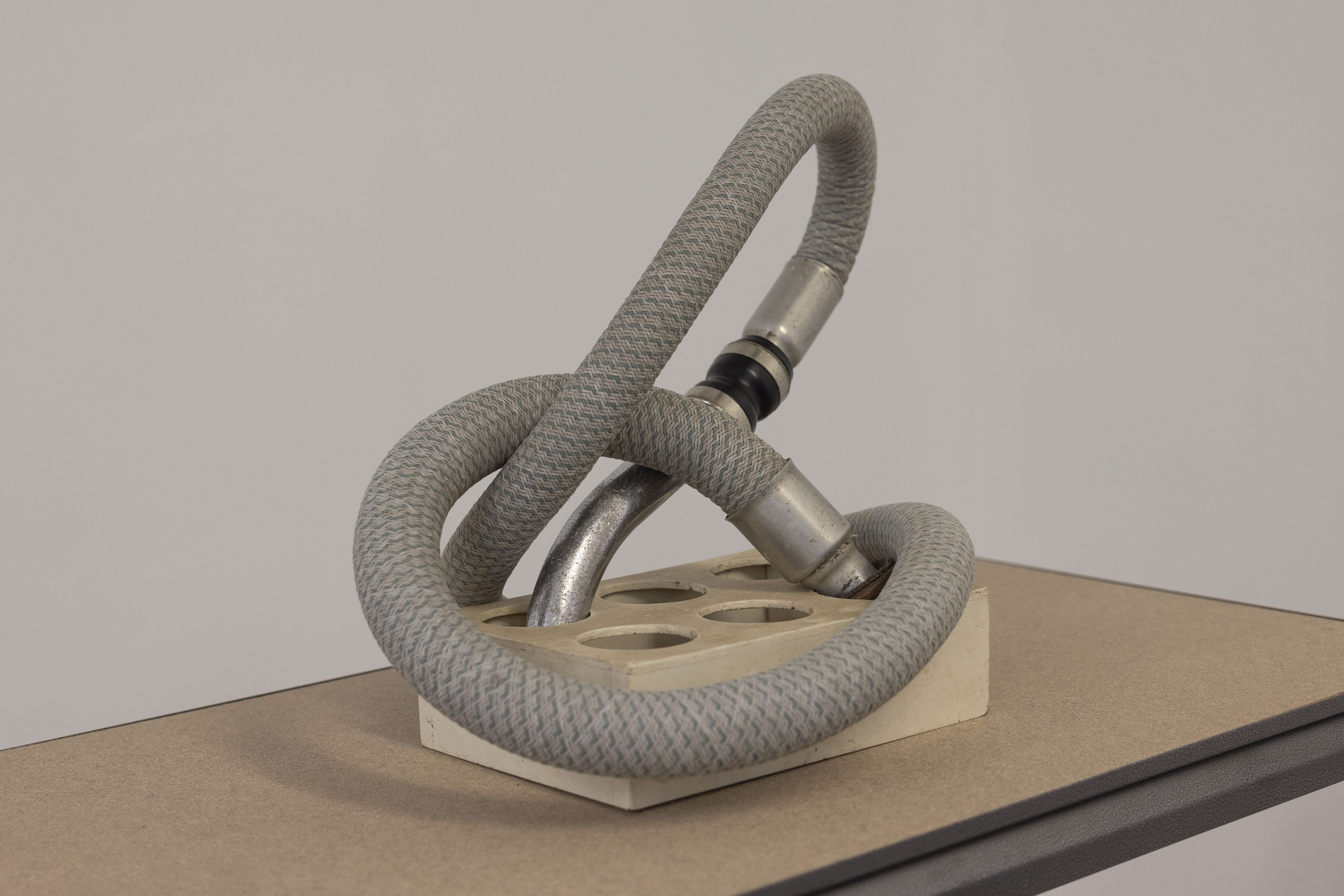
There is a hotel somewhere in France built around a double helix staircase. Constructed in the centre of the building, it is designed for the hotel staff to be able to carry out their duties discreetly. Two doors on each floor allow access to one of two staircases that twirl around each other like strands of DNA. 

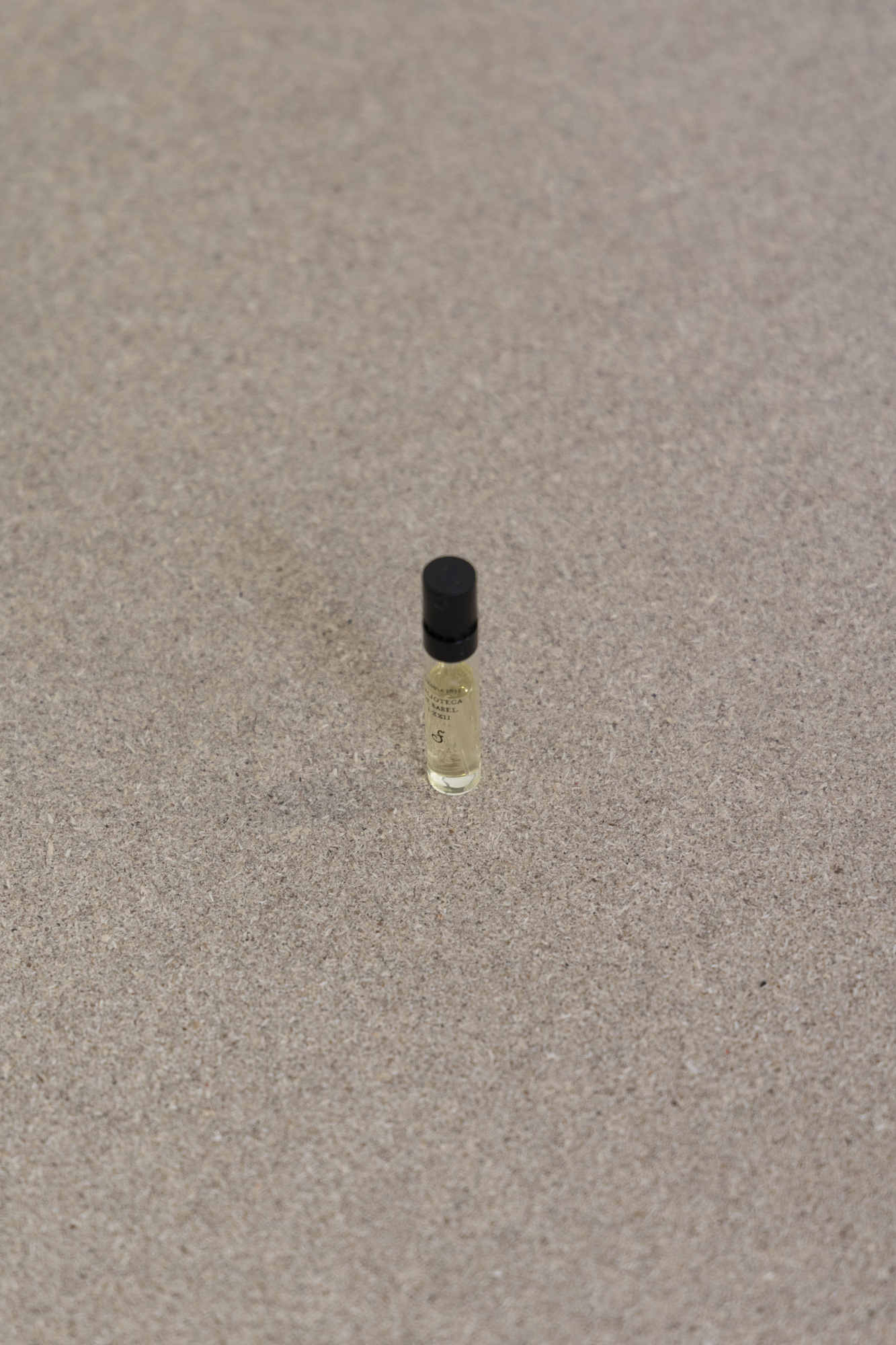
A staircase like this also exists at the centre of Jorge Luis Borges’ seminal short story, The Library of Babel, in the form of the spine of a book. The circular book this strange staircase is wrapped around can be described as the core of the Library, a conceit used by Borges to visualise a universe. The humble librarian exists within and because of the Library, a complex system of information organised idiosyncratically. In other words, the librarian’s world is conceived of as an archive.

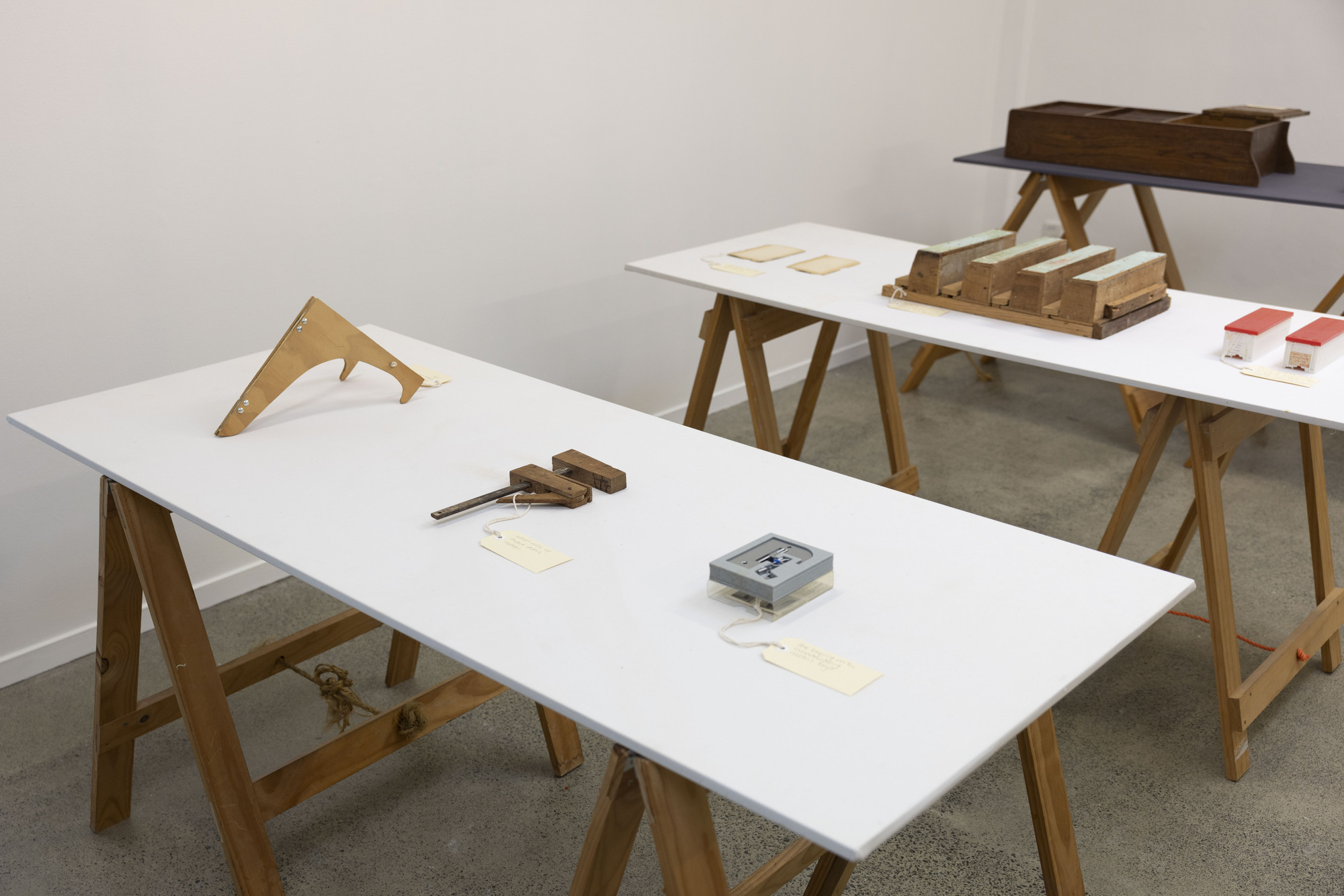
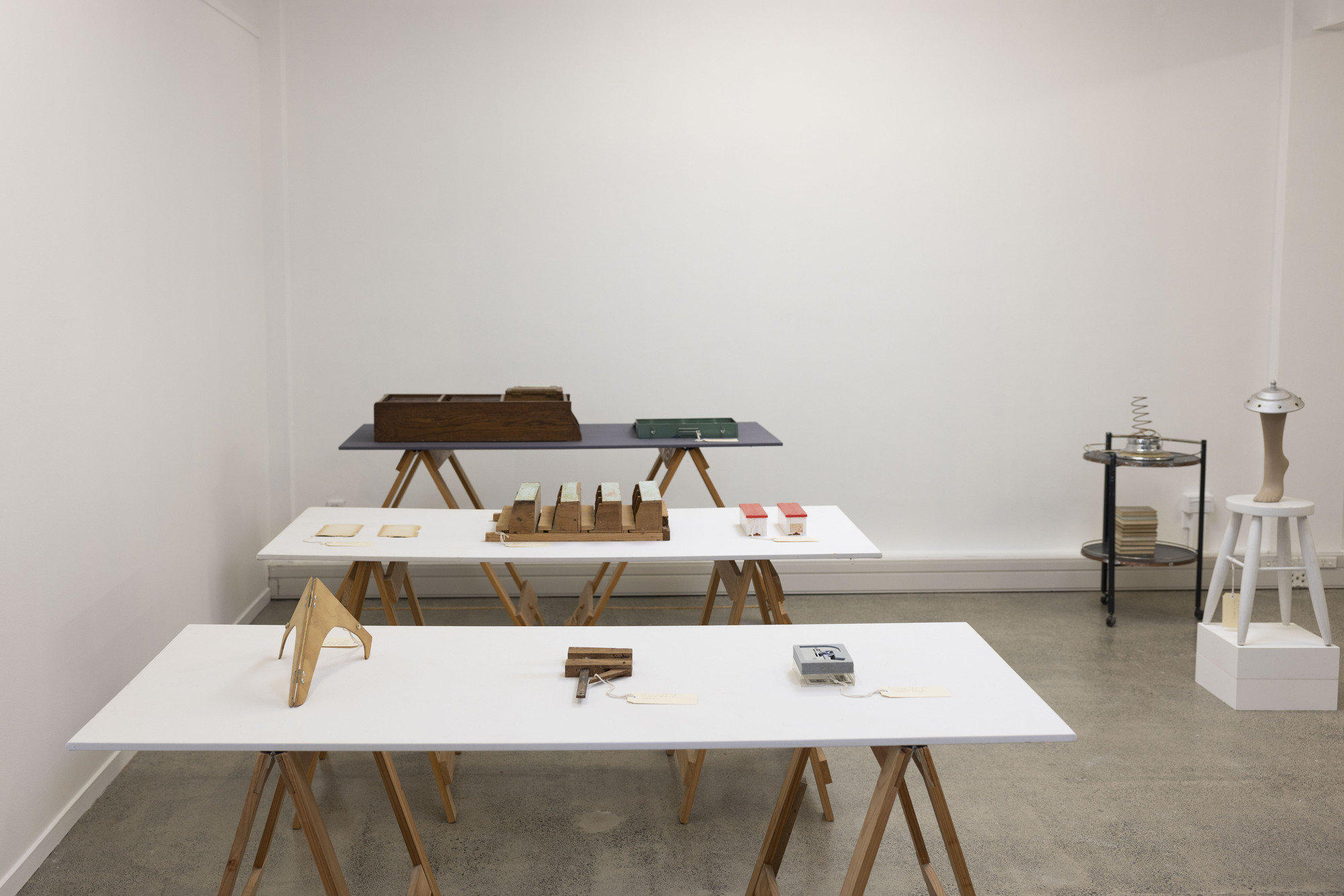
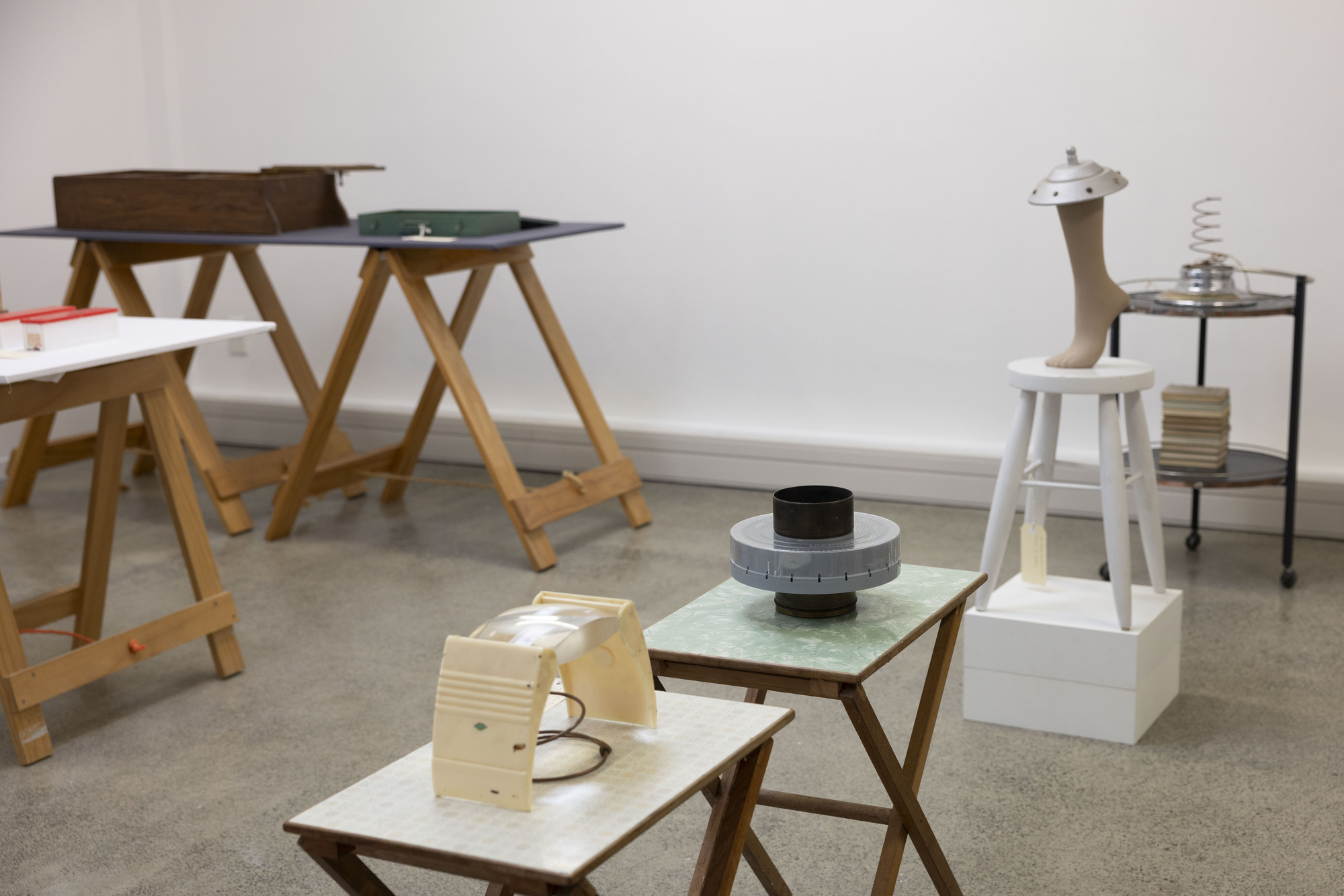
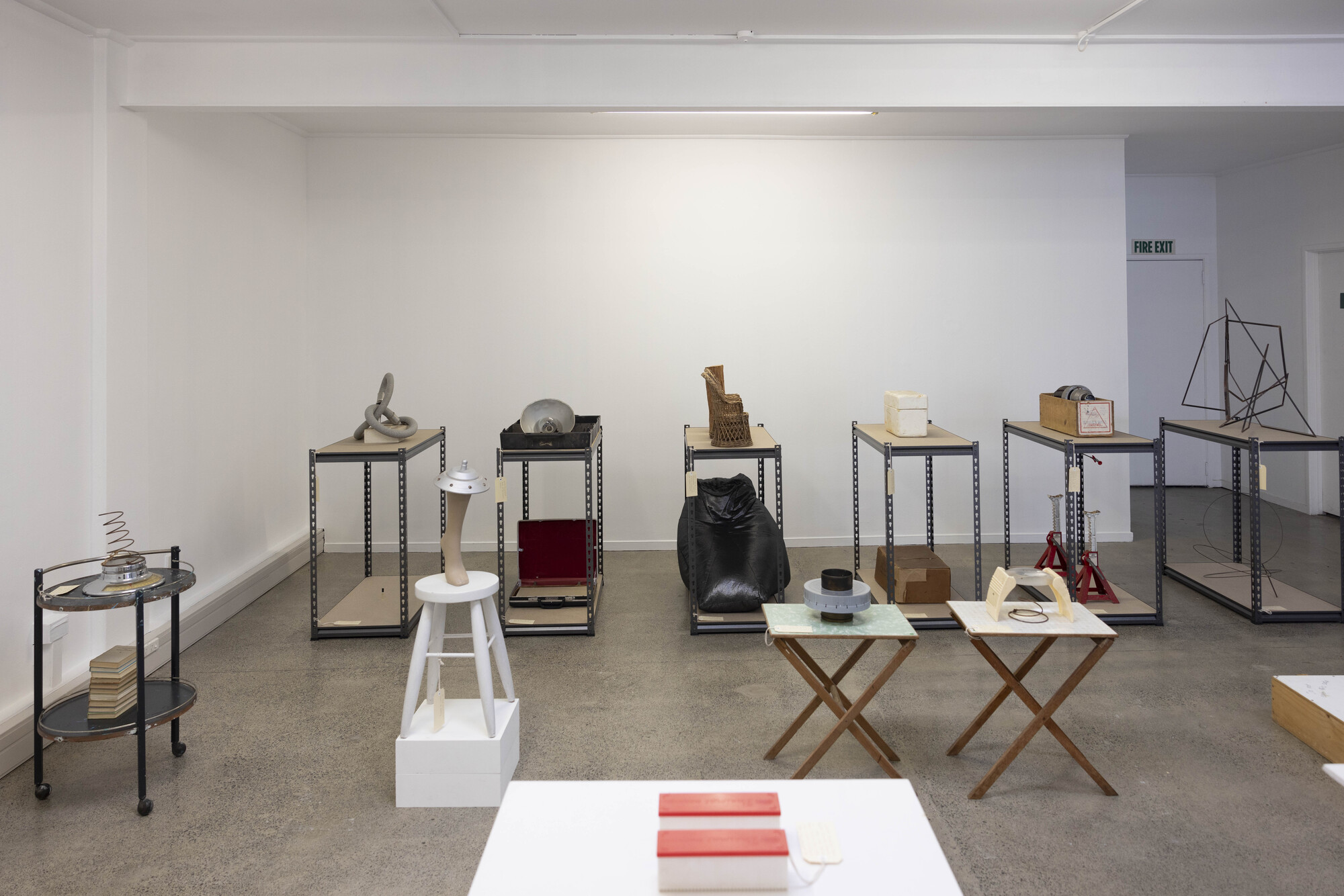
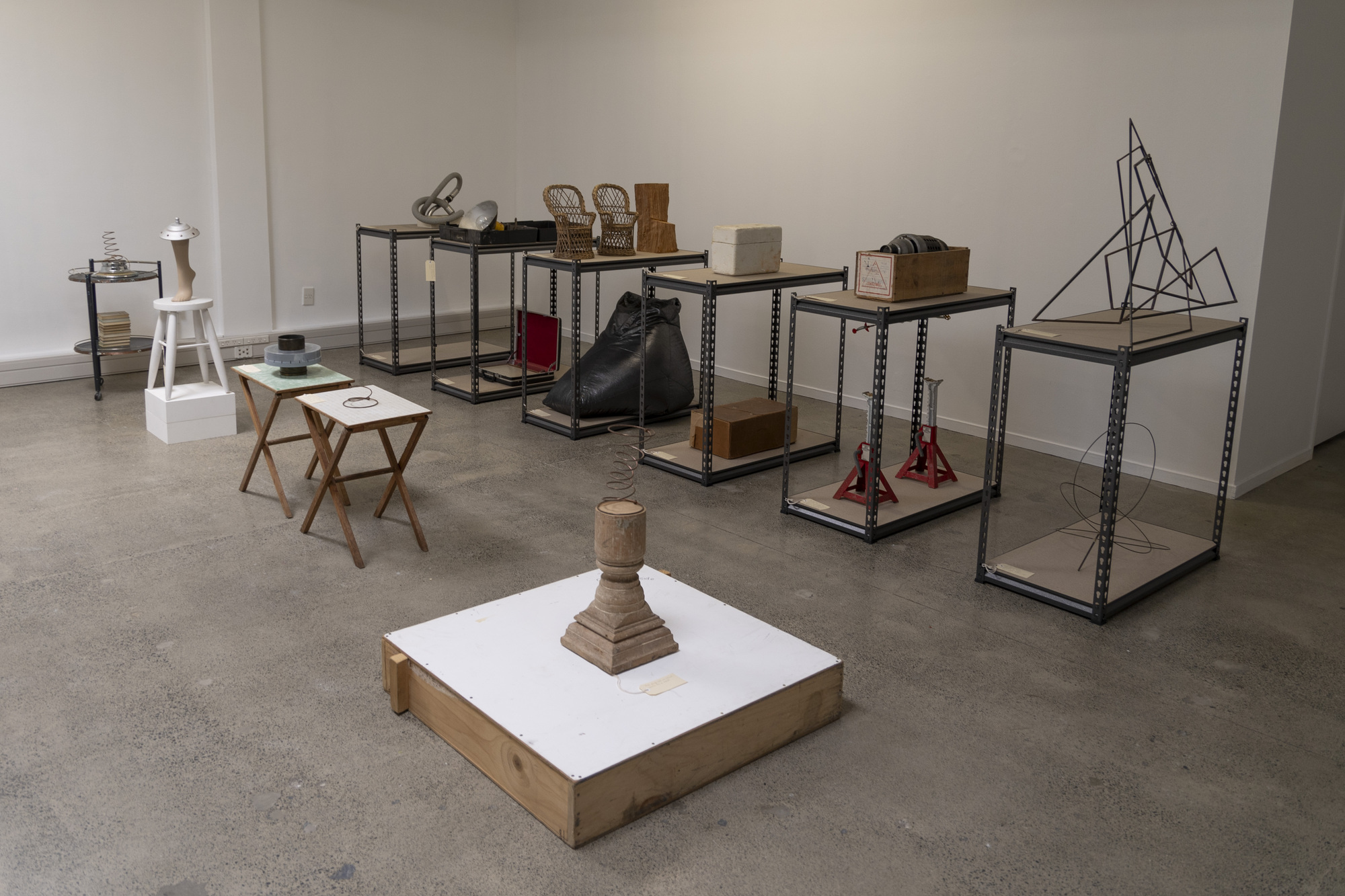
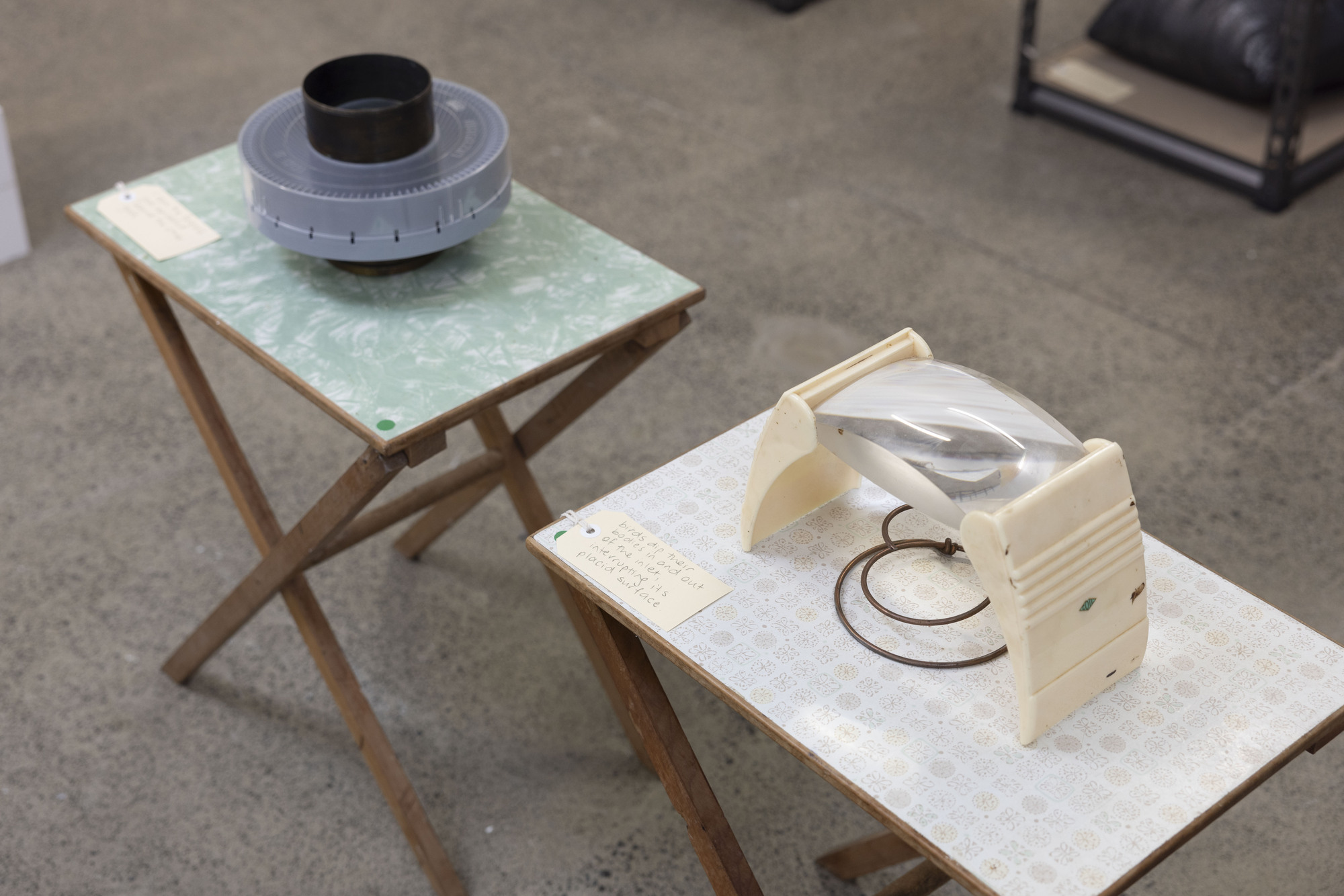
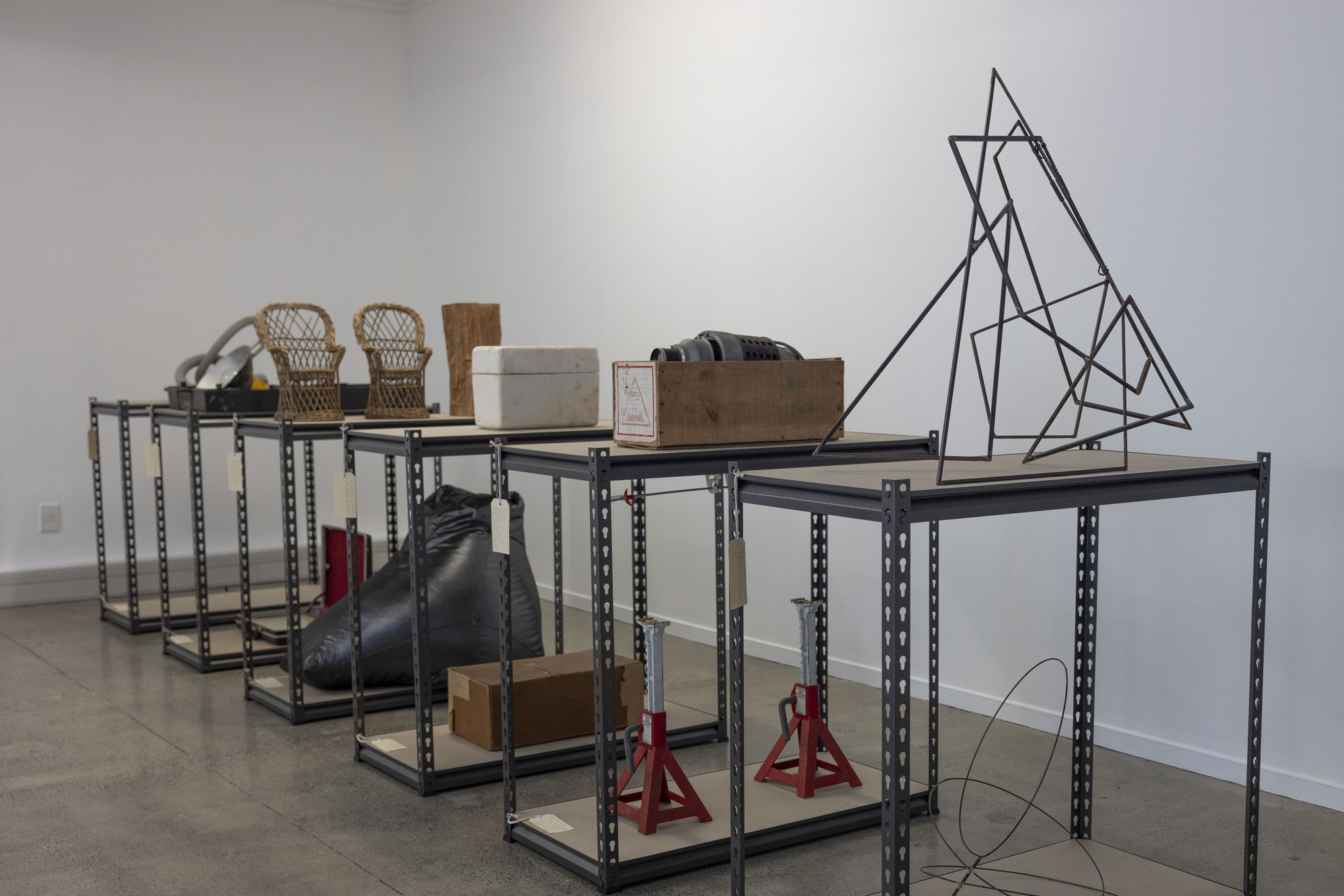
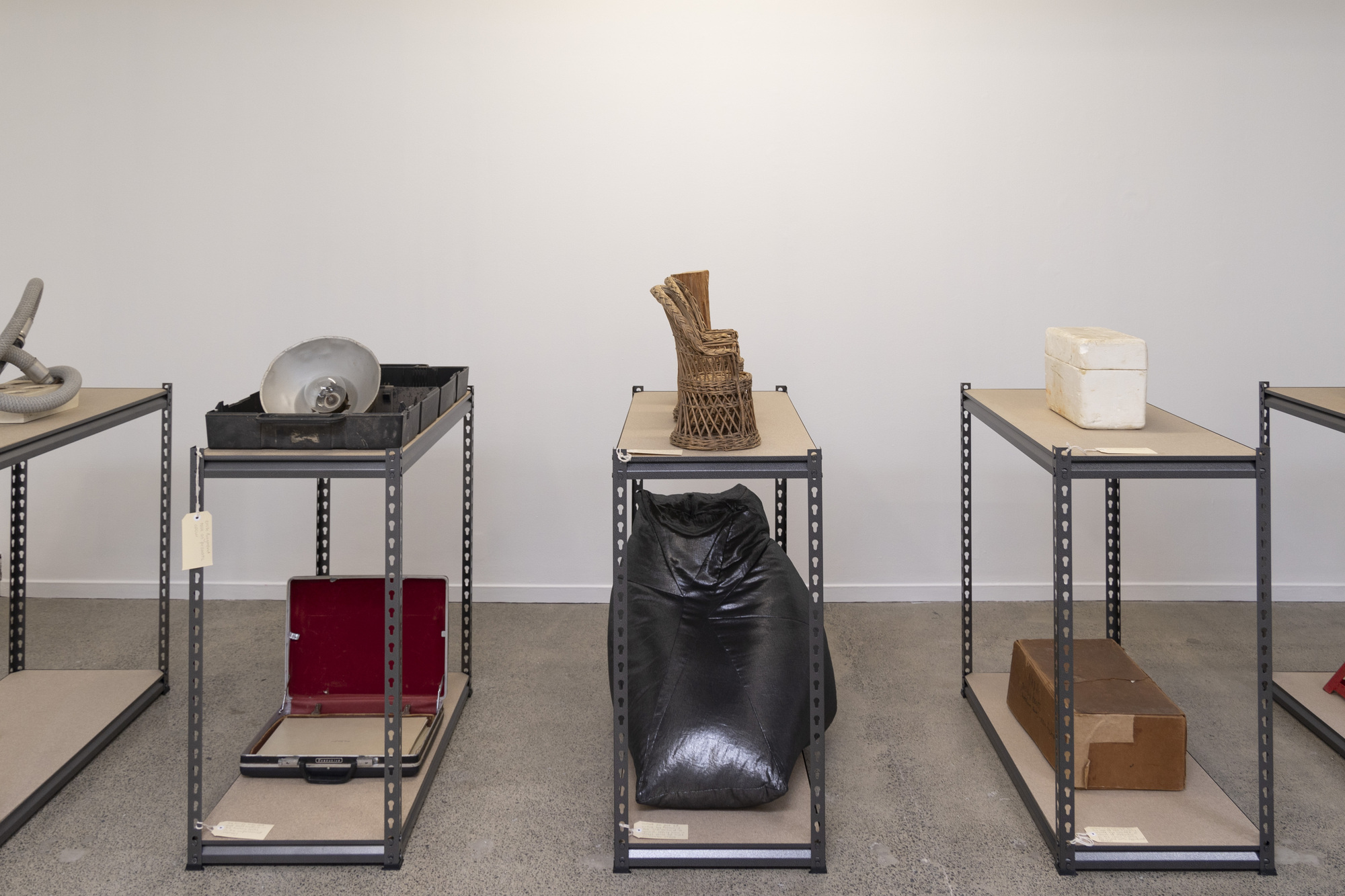
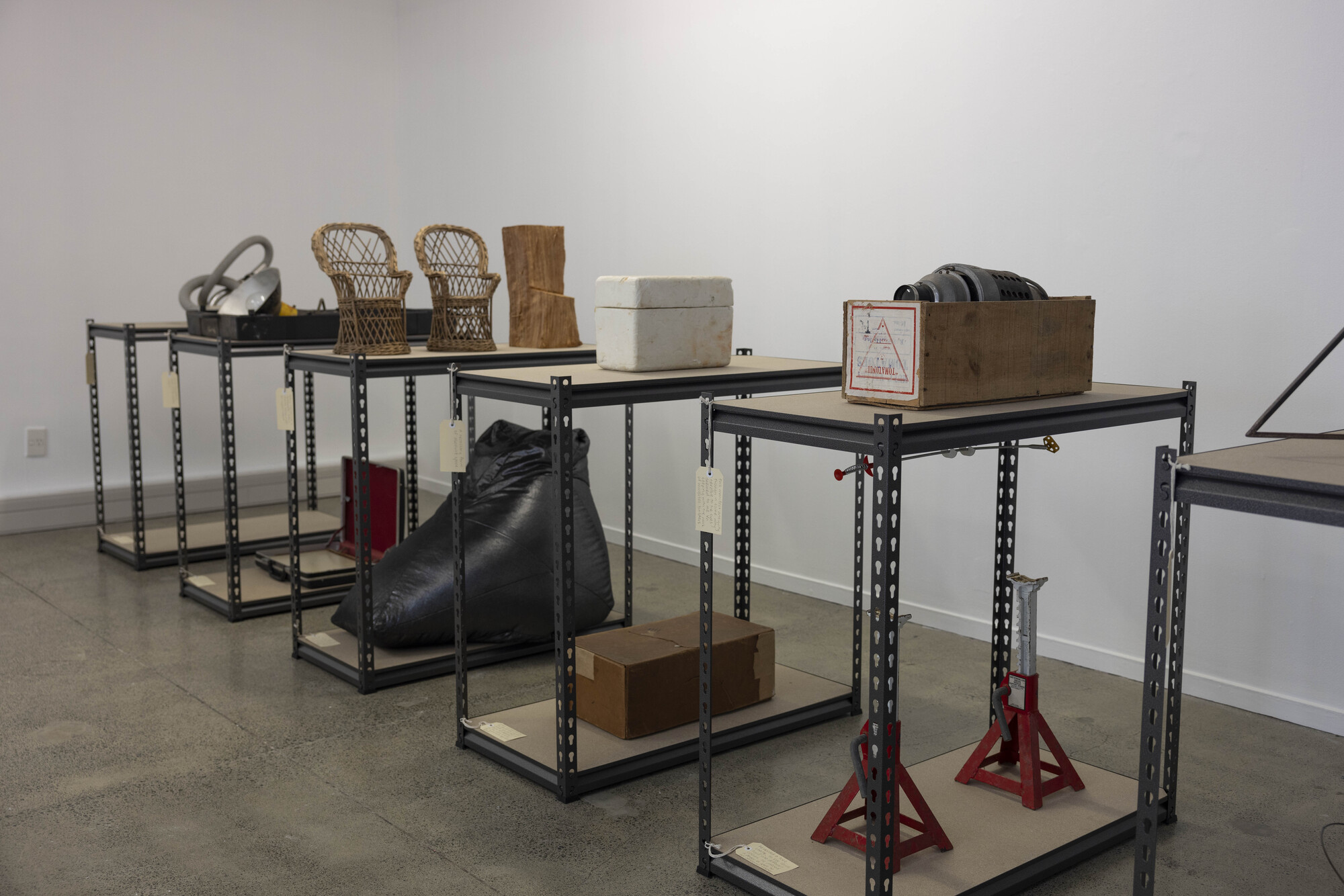
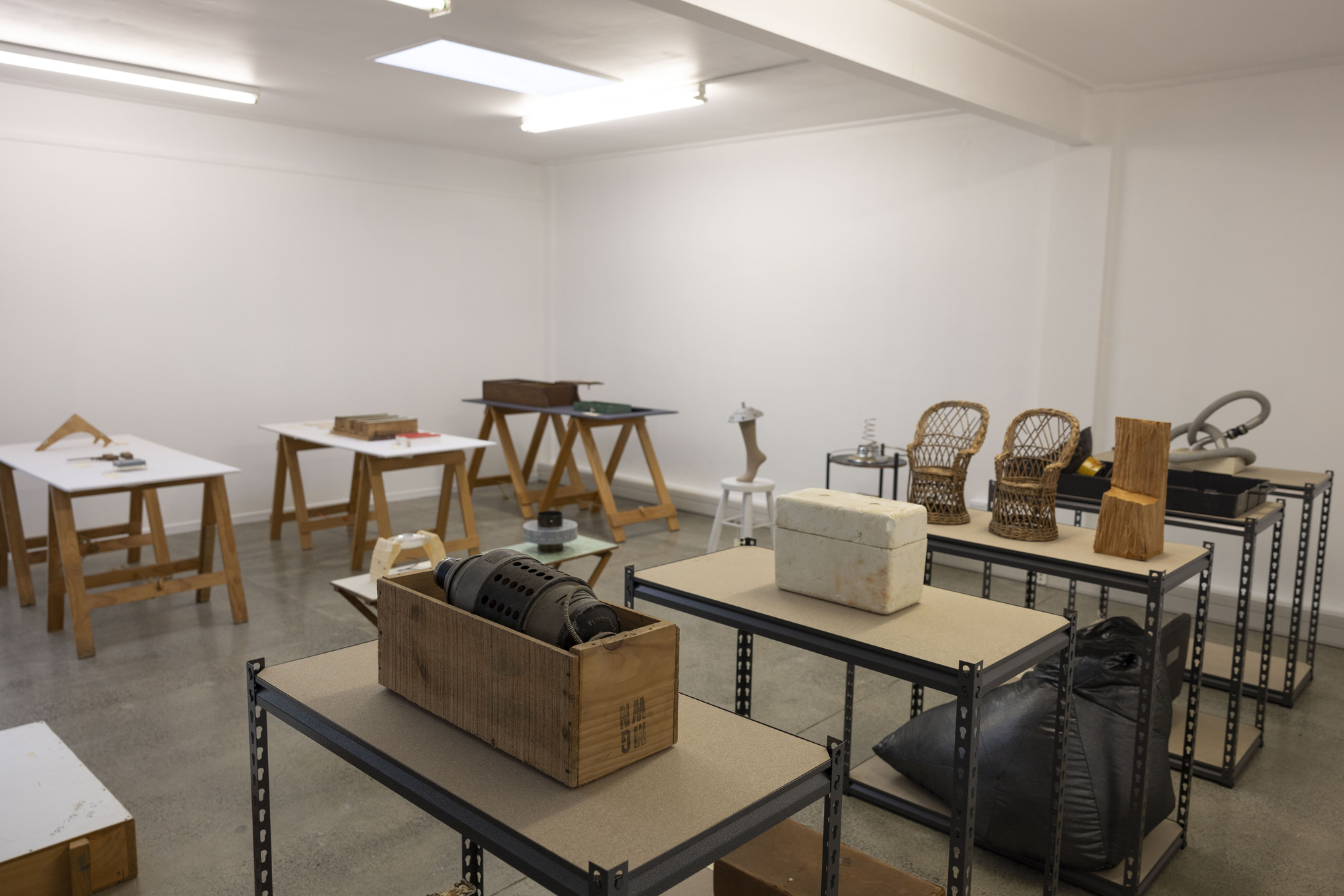
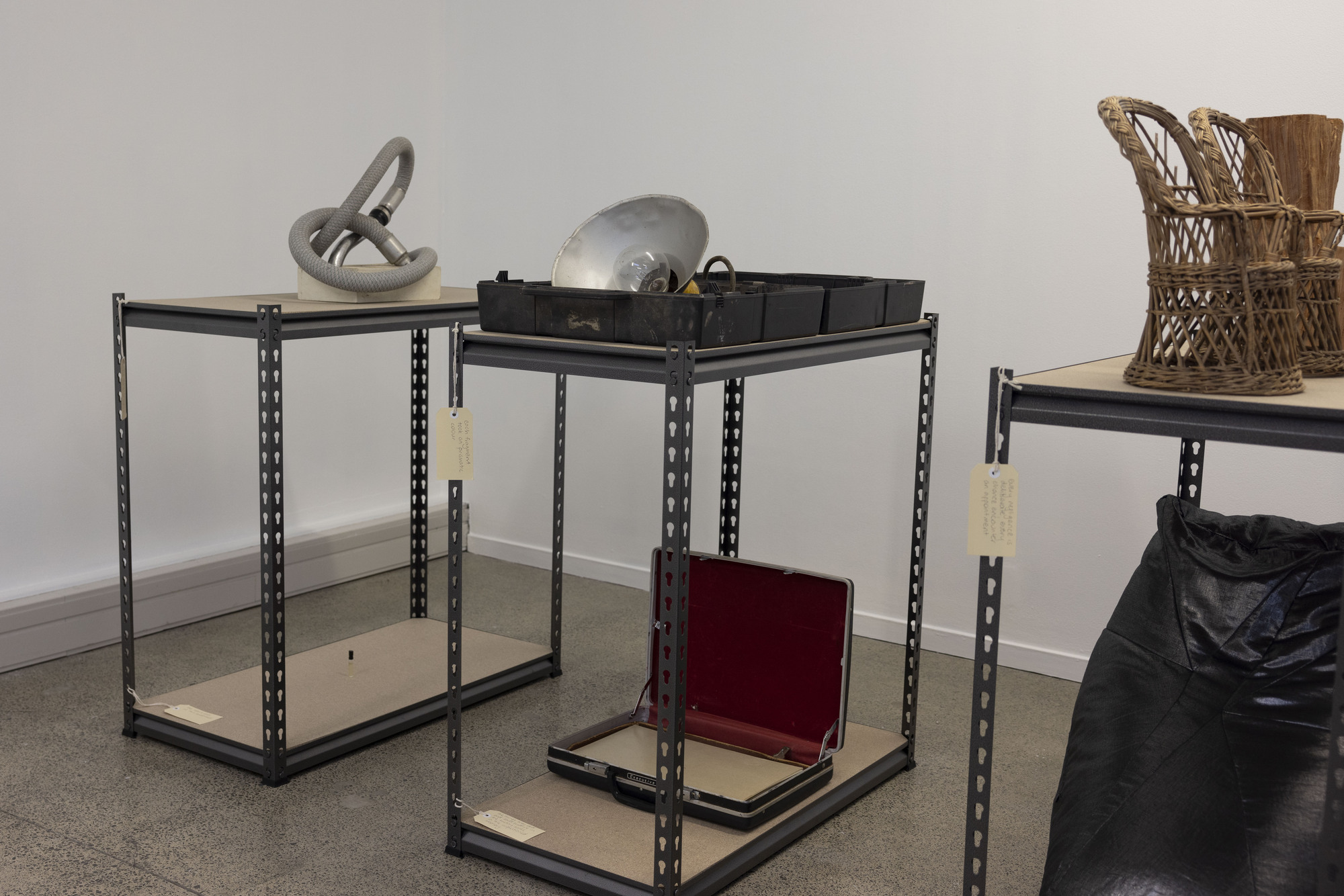
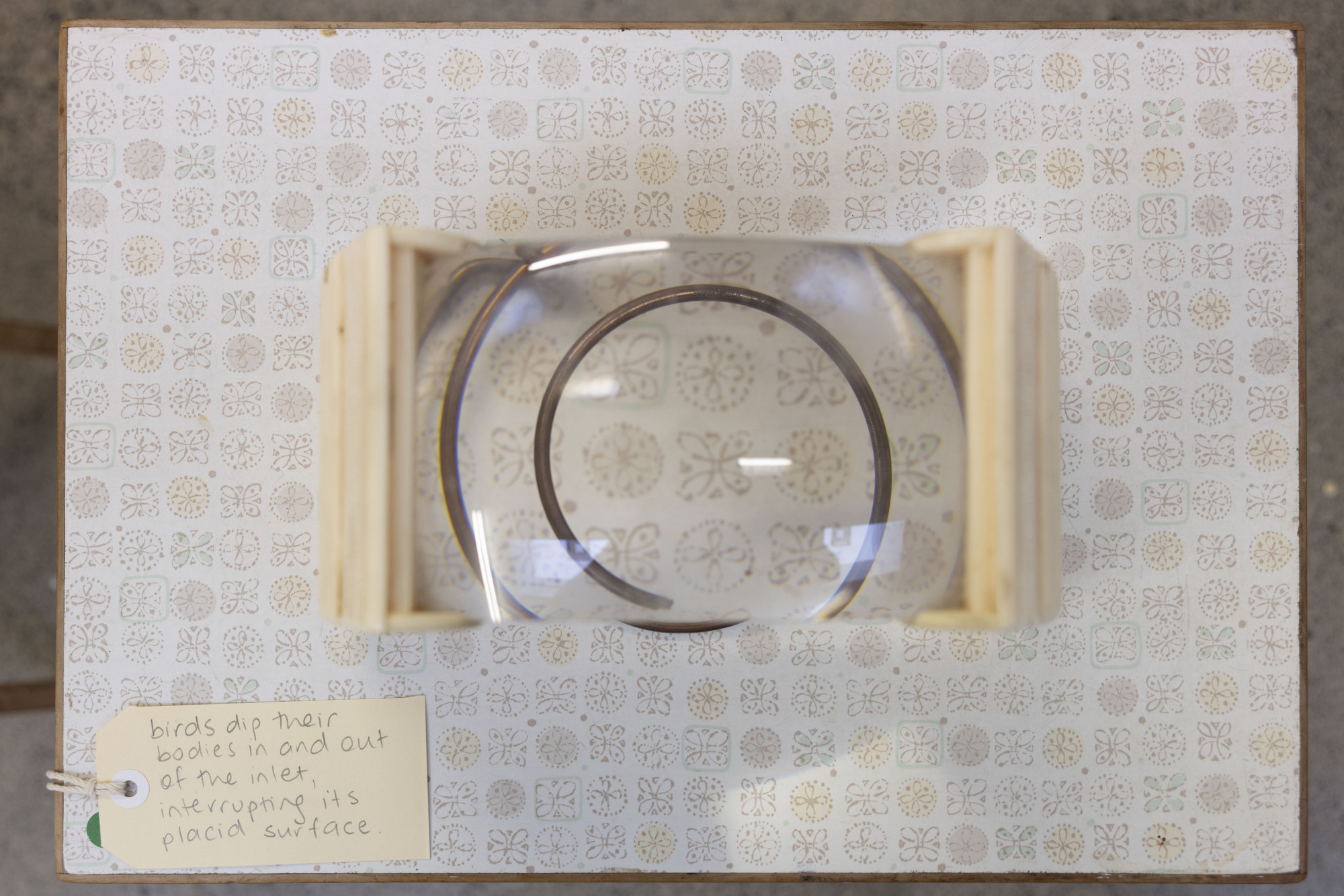
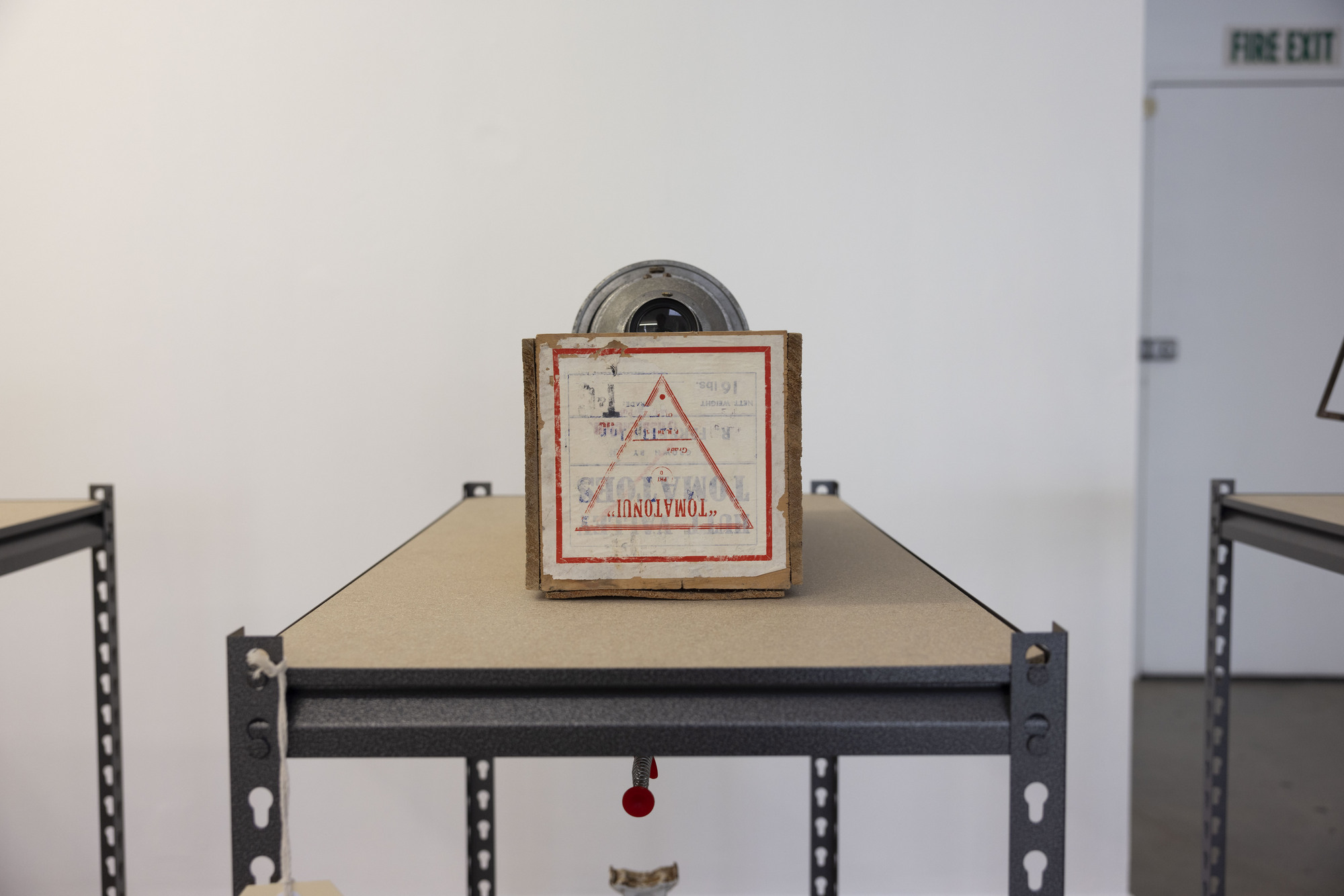
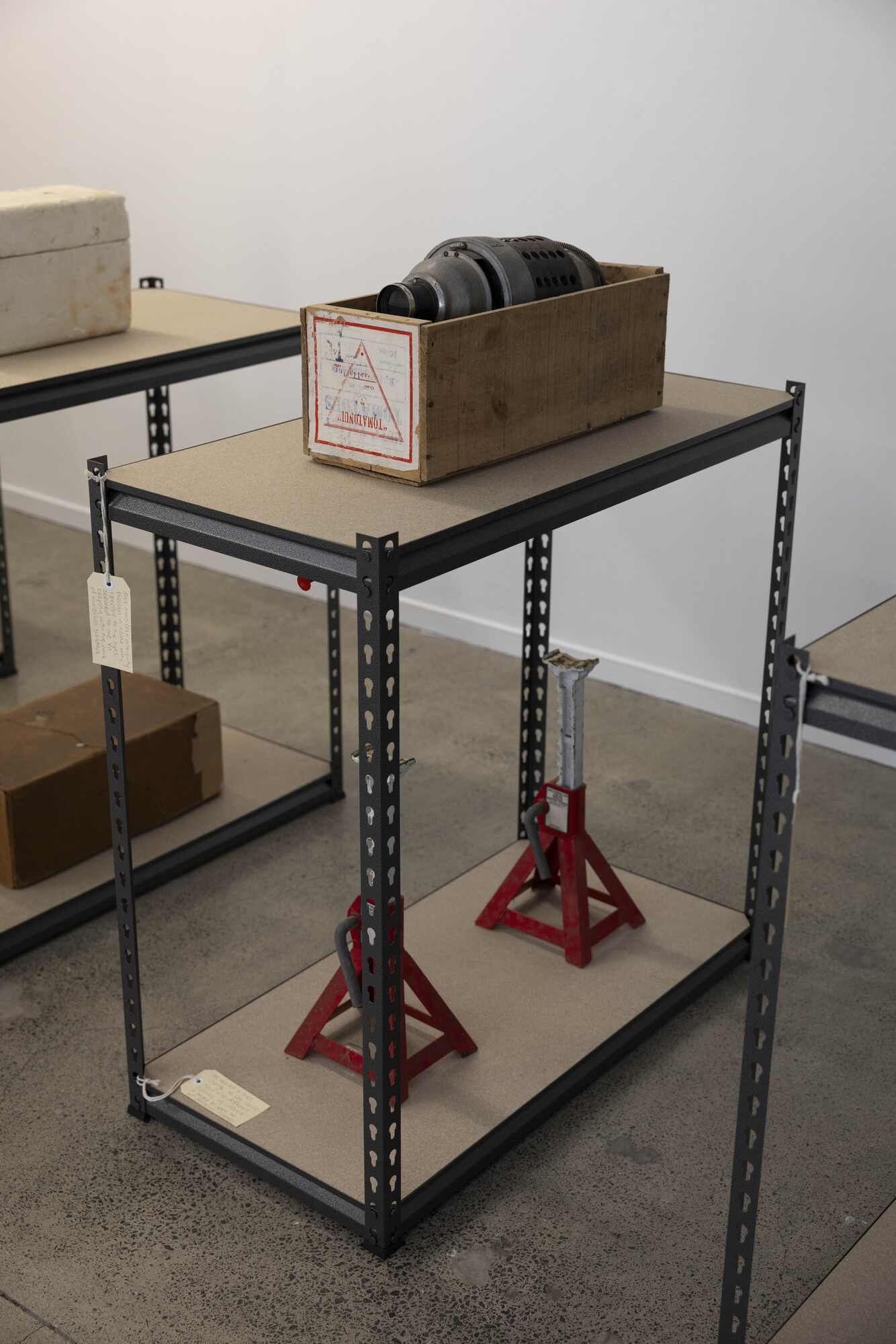
A “Stack Rat” is librarian slang for the worker that answers the request of a patron by retrieving their desired book (or “item”) from one of the many shelves (or “stacks”) in a library. This exhibition consists of the items and detritus brought forth from a great archive by the figure of the Stack Rat. RM Gallery becomes a site where this information is gathered and organised. 

Another way to think of a library could be as a human brain, where thinking and remembering is the action of searching a vast catalogue of memory. Memory and its loss are central concerns of ours. What happens to an archive when parts of it disappear? What does the Stack Rat do when a patron’s request cannot be fulfilled? A classification system might begin to lose its meaning, falling further and further from the reasonable grounds of logic as it deteriorates.

Images by Anton Maurer

Theo Macdonald : The Oshima Gang

Theo Macdonald
The Oshima Gang

3 September – 11 October 2025

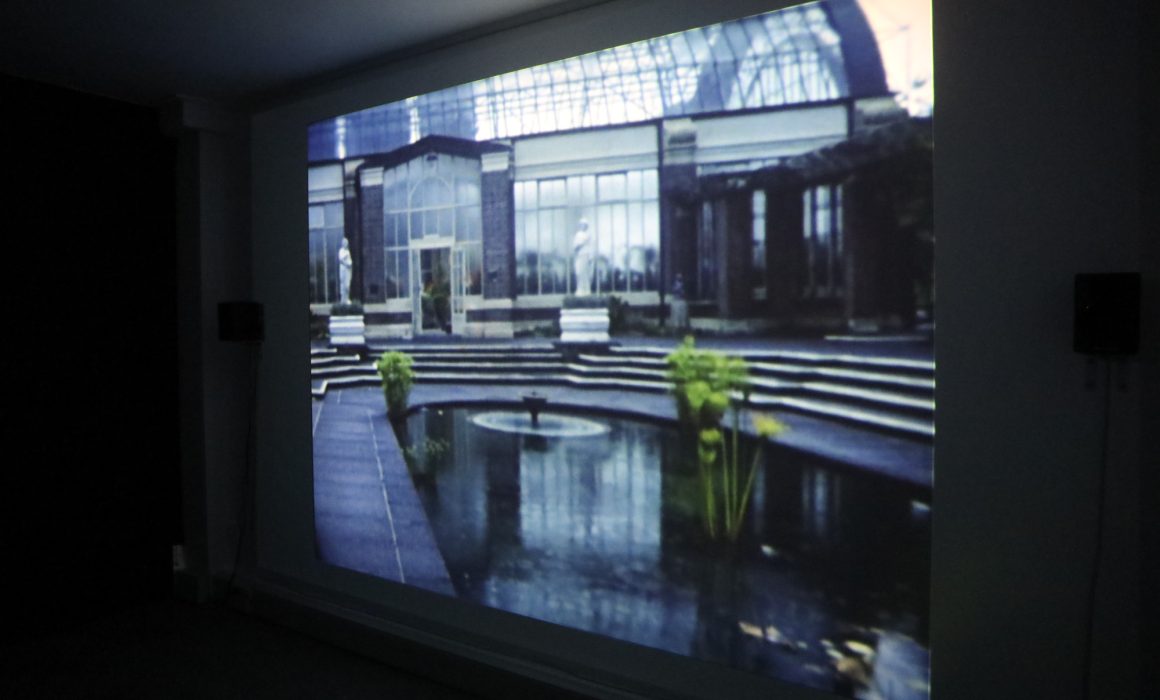
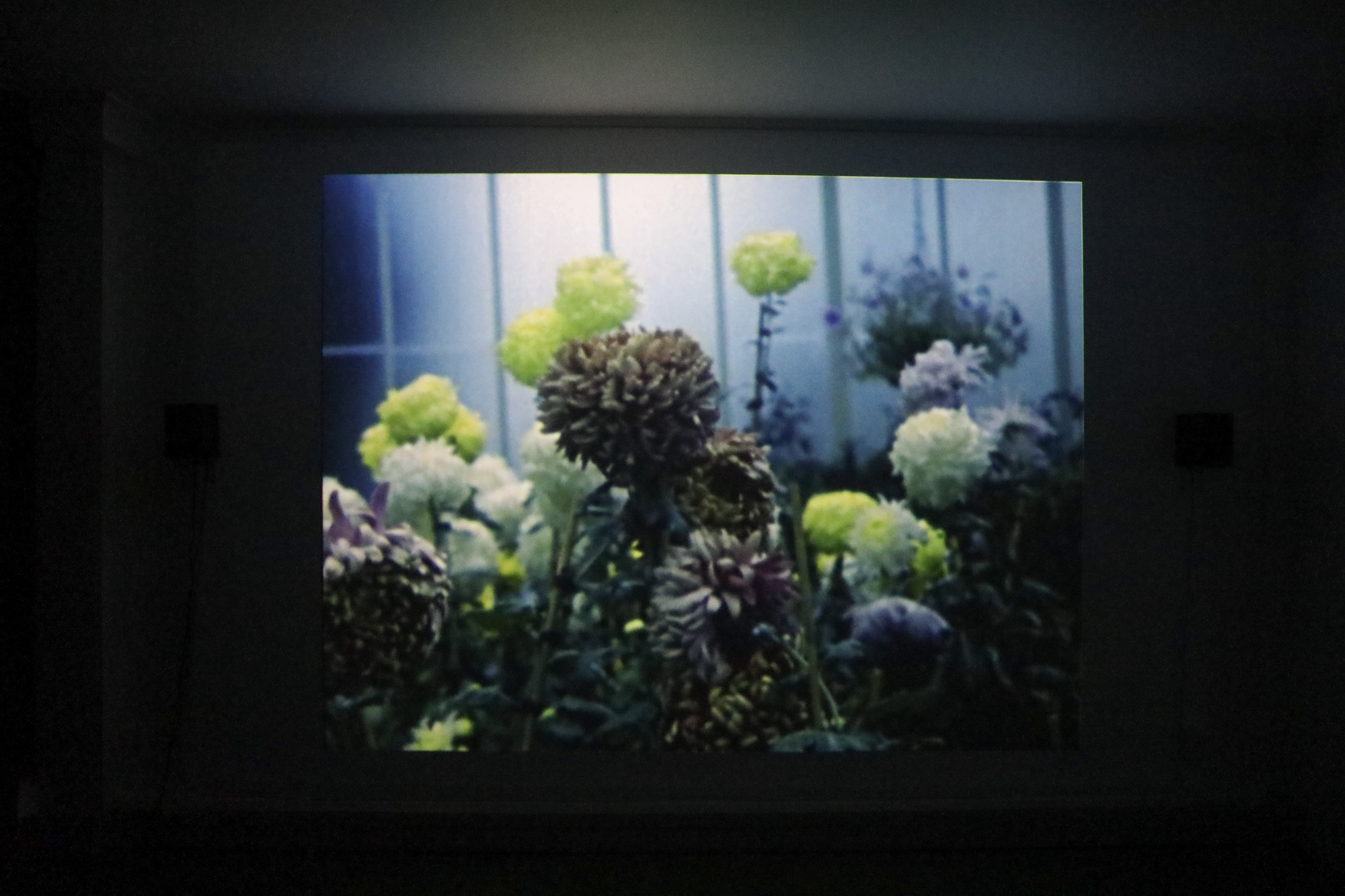
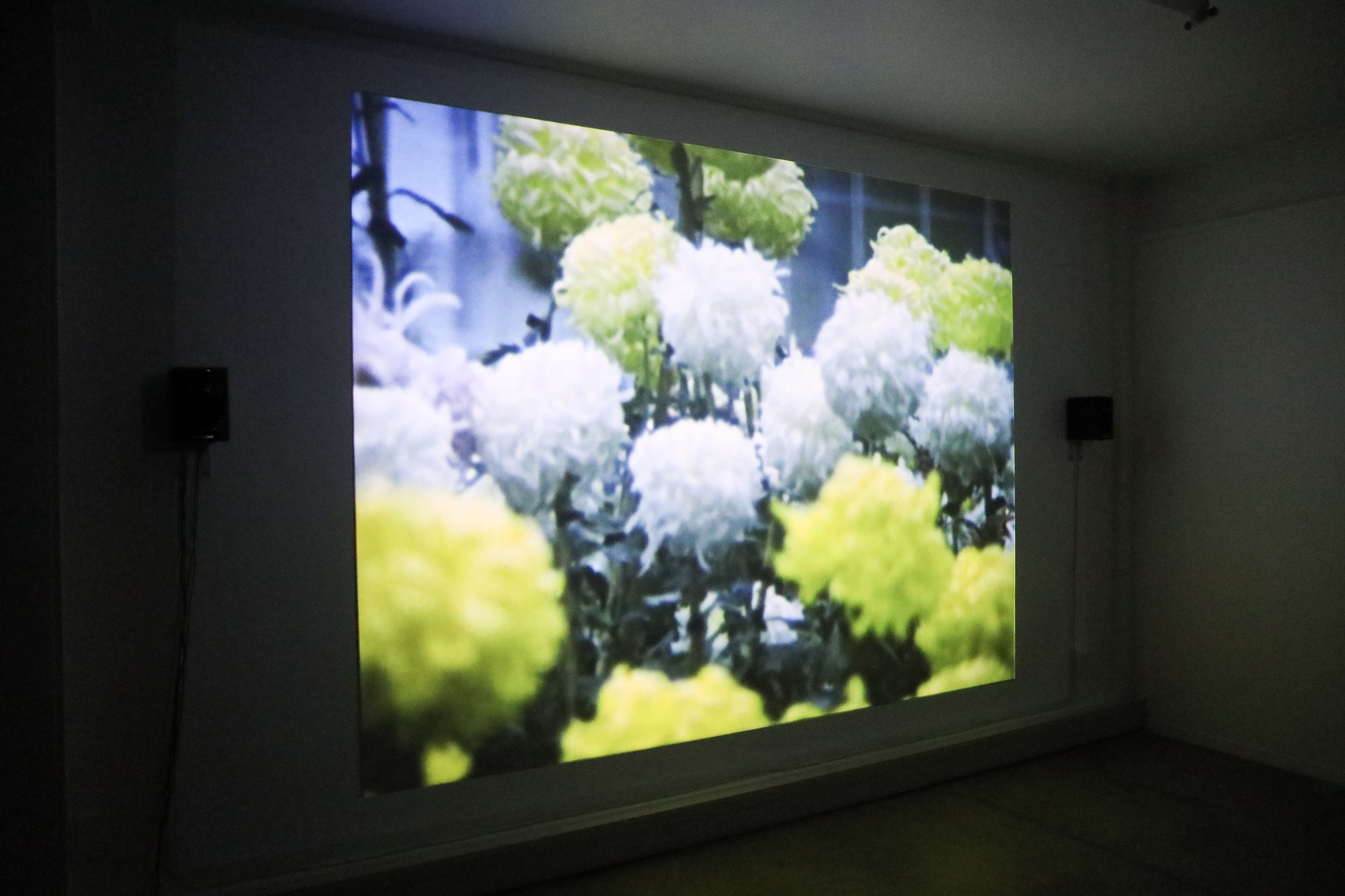
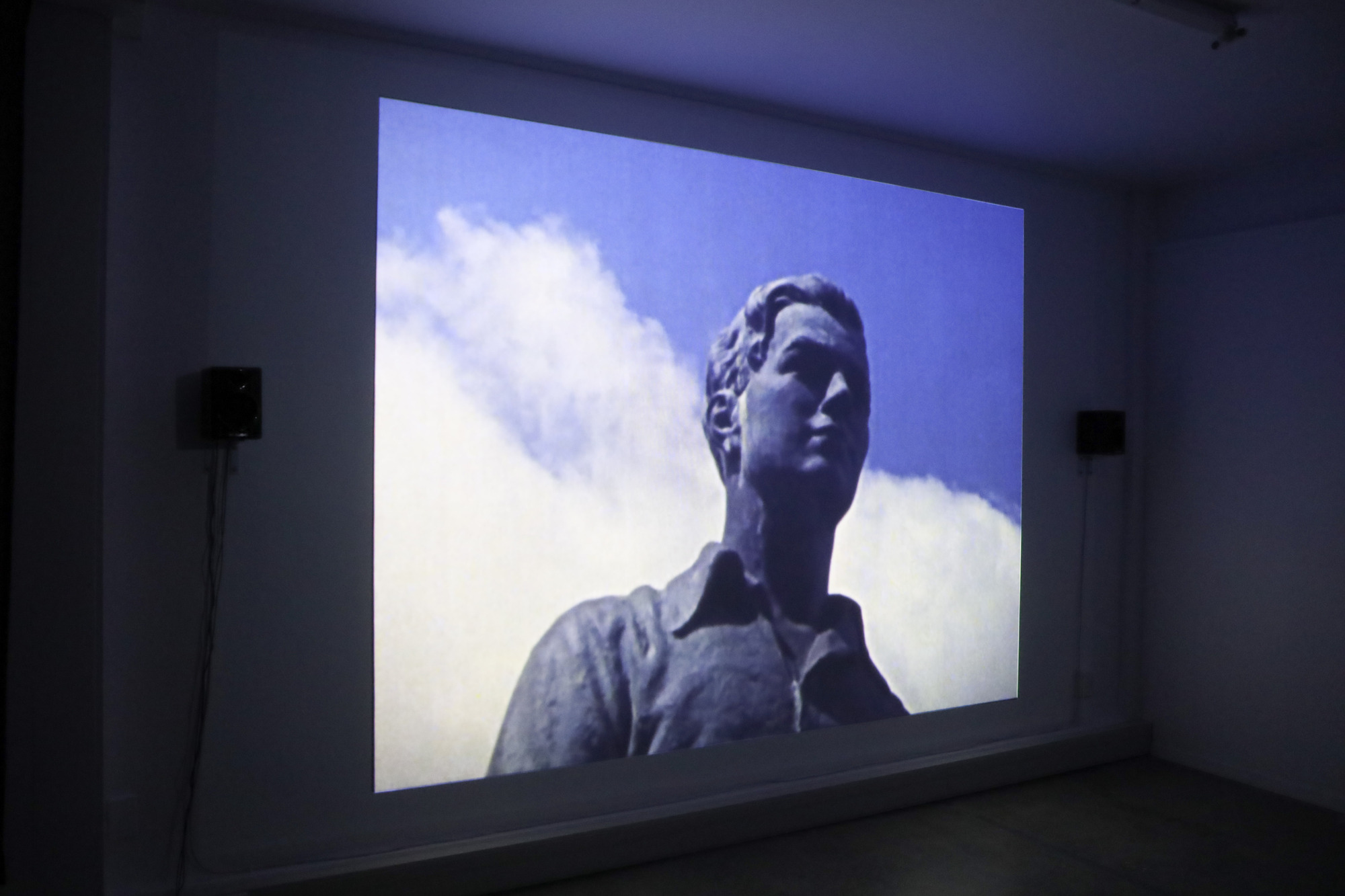
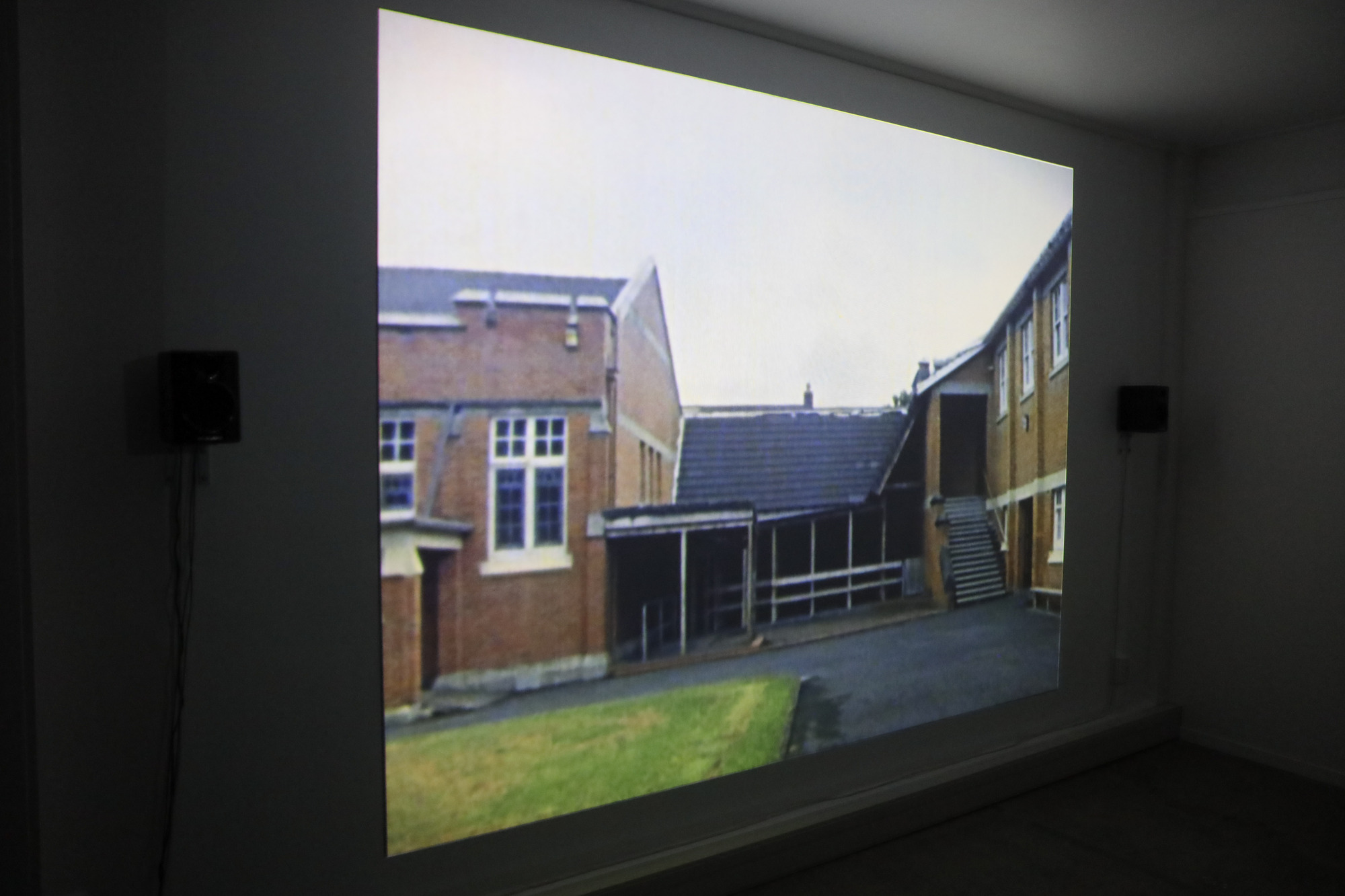
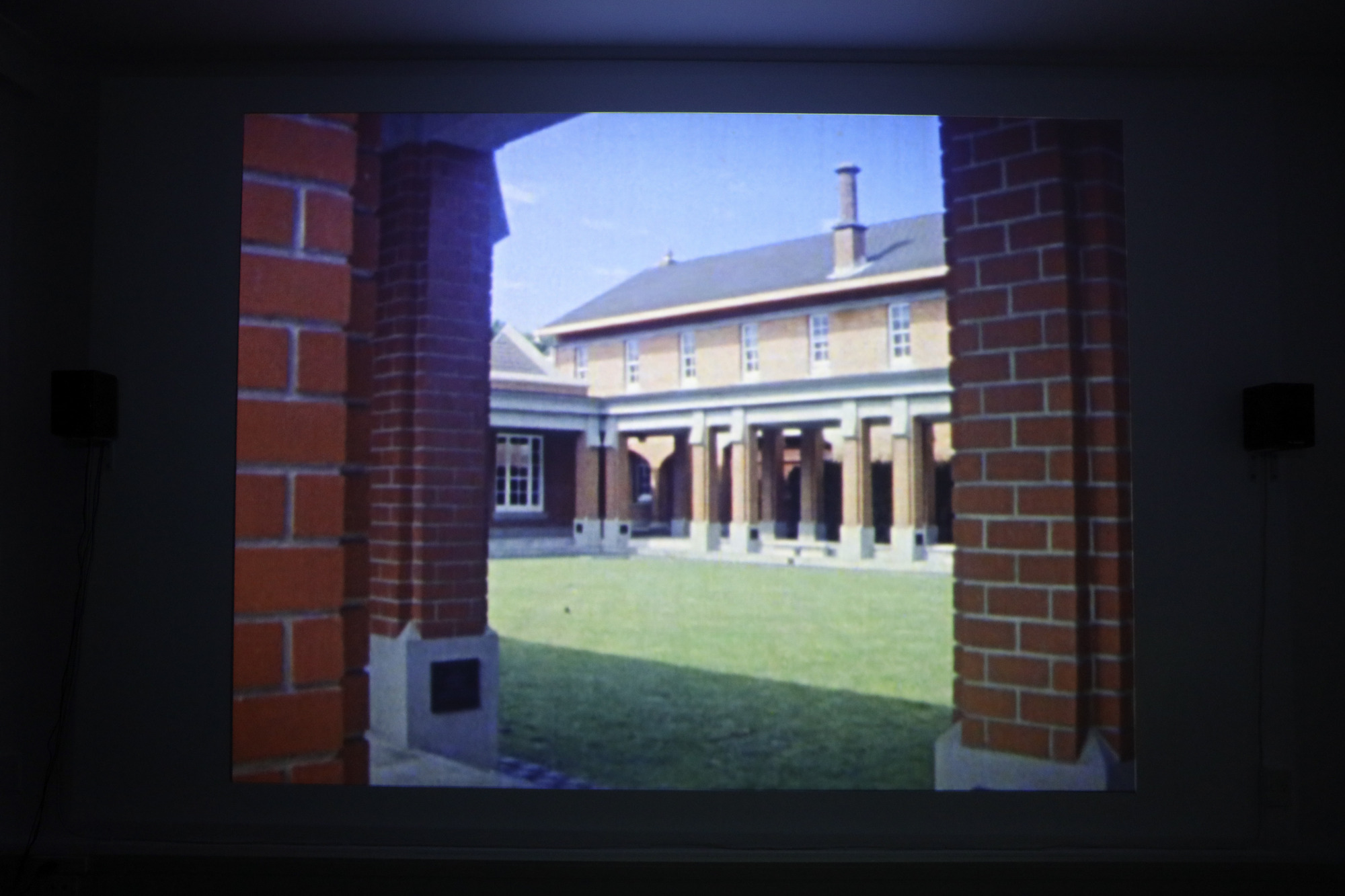
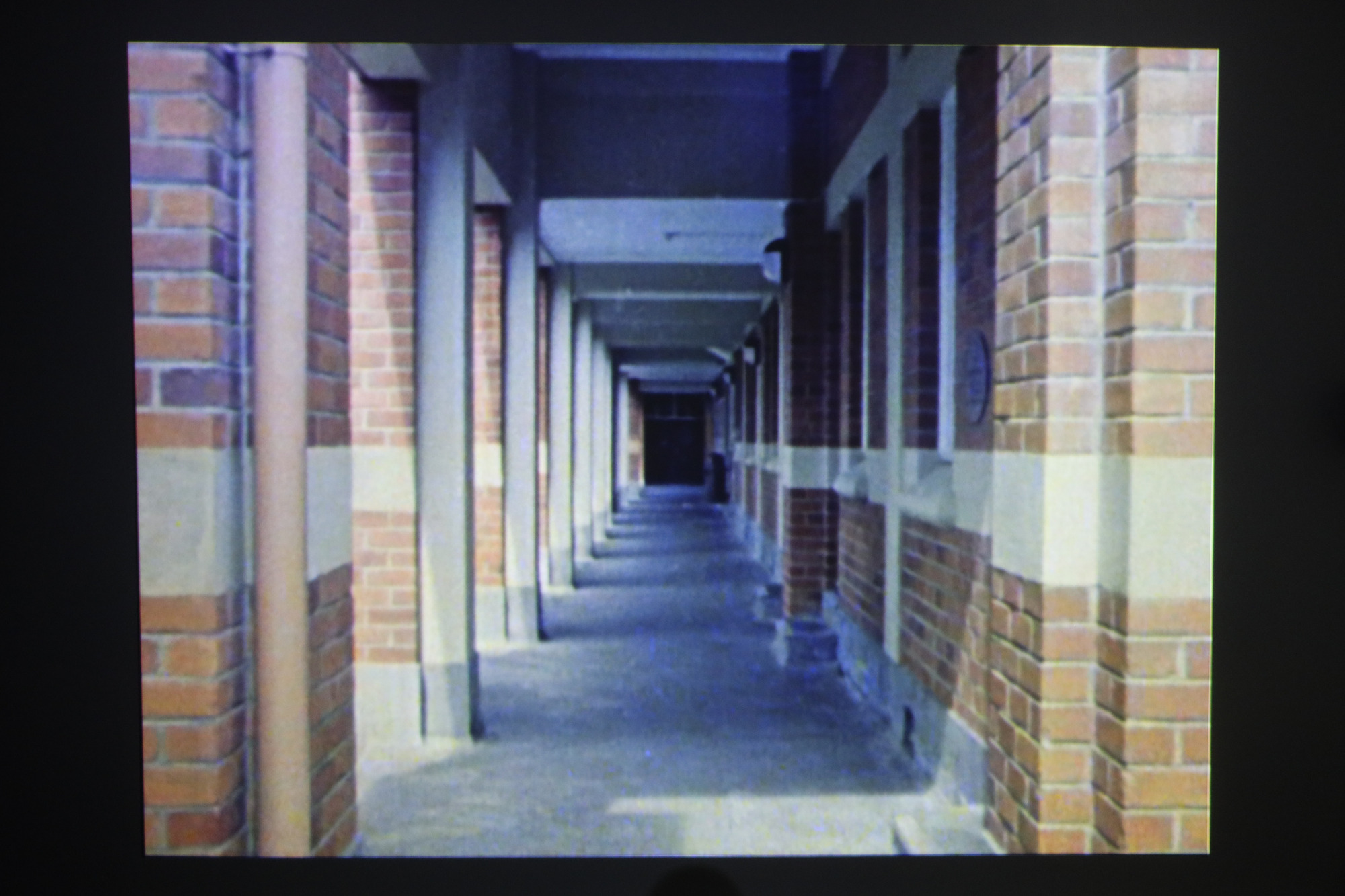
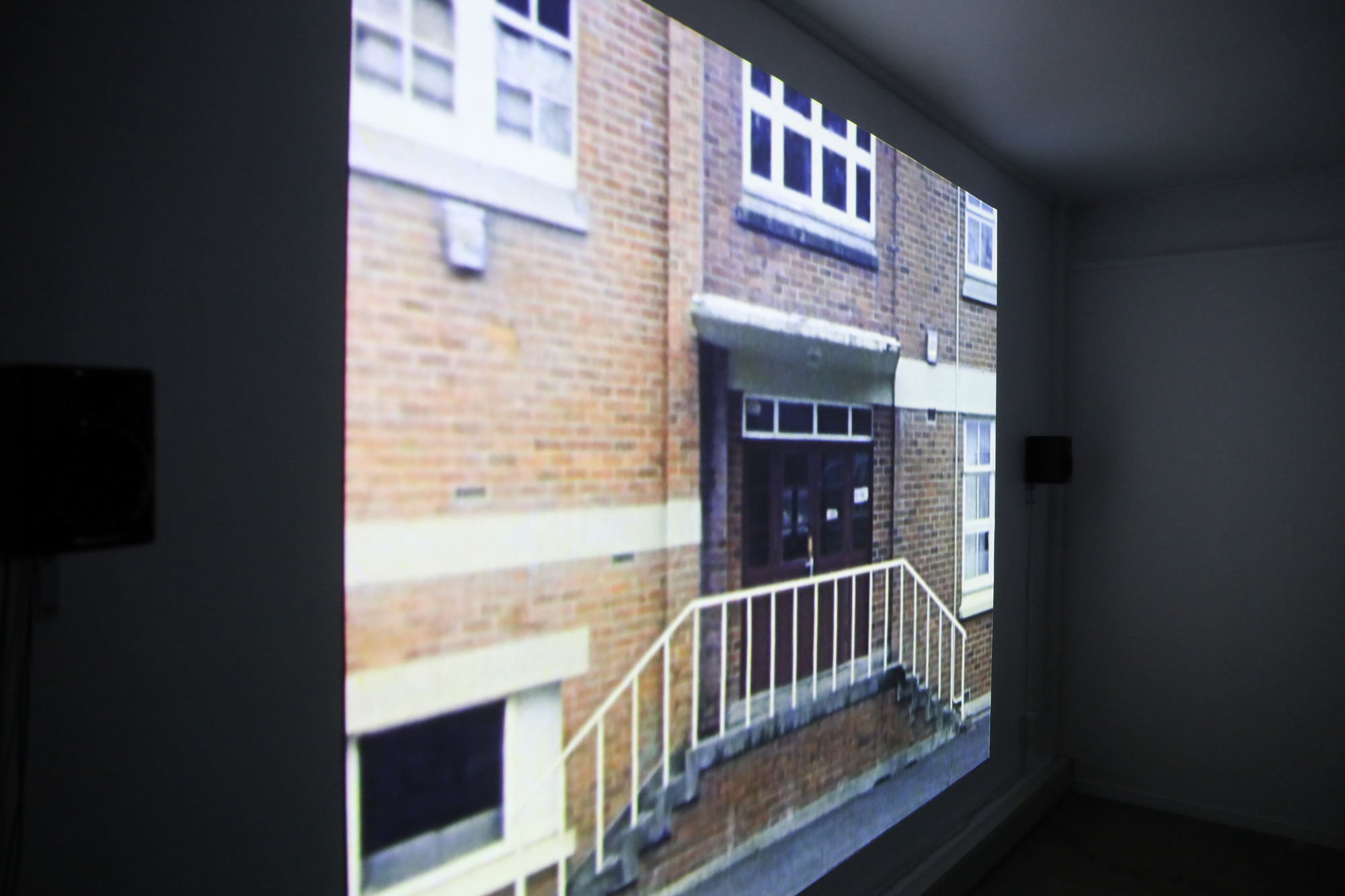
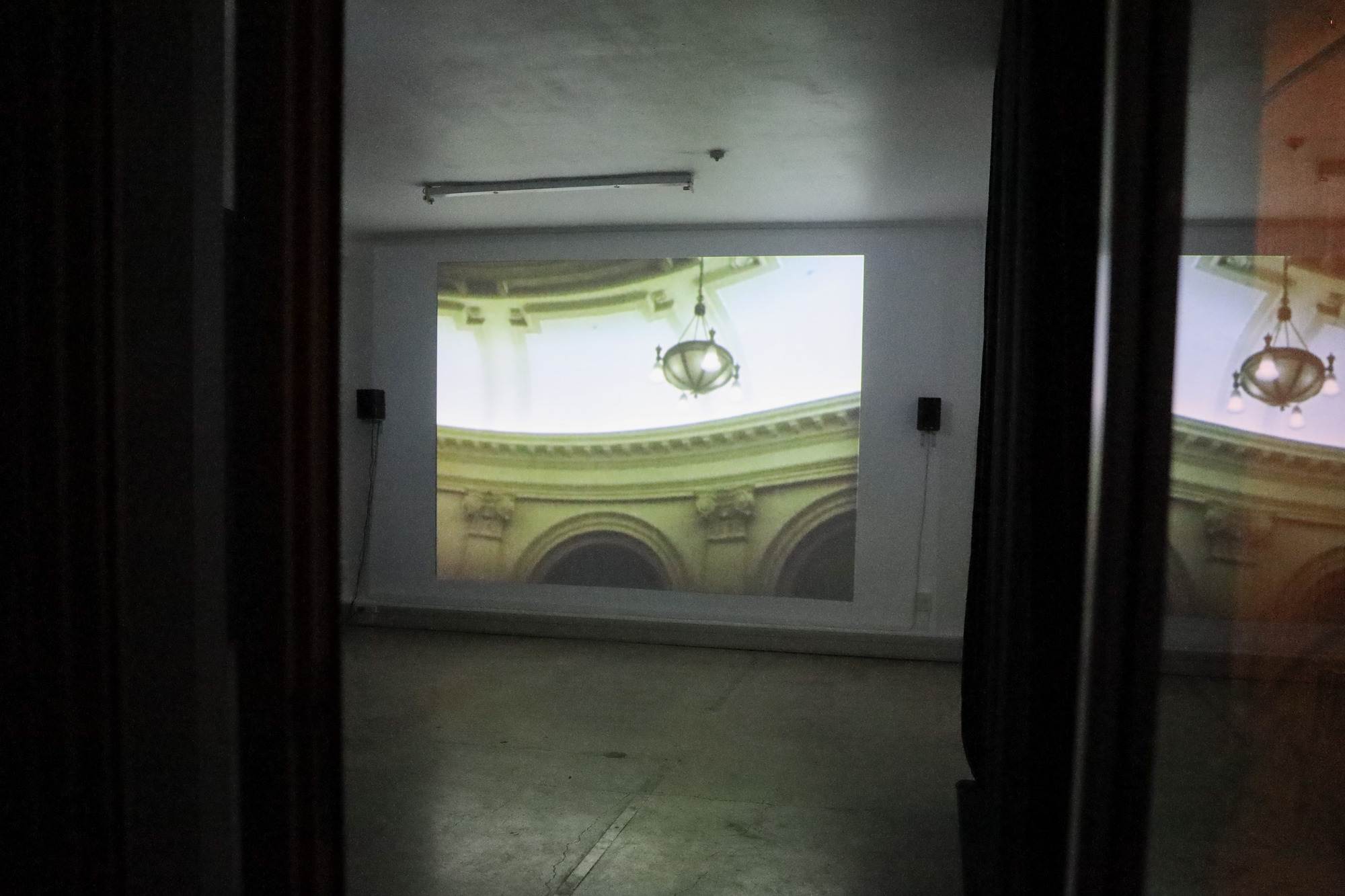
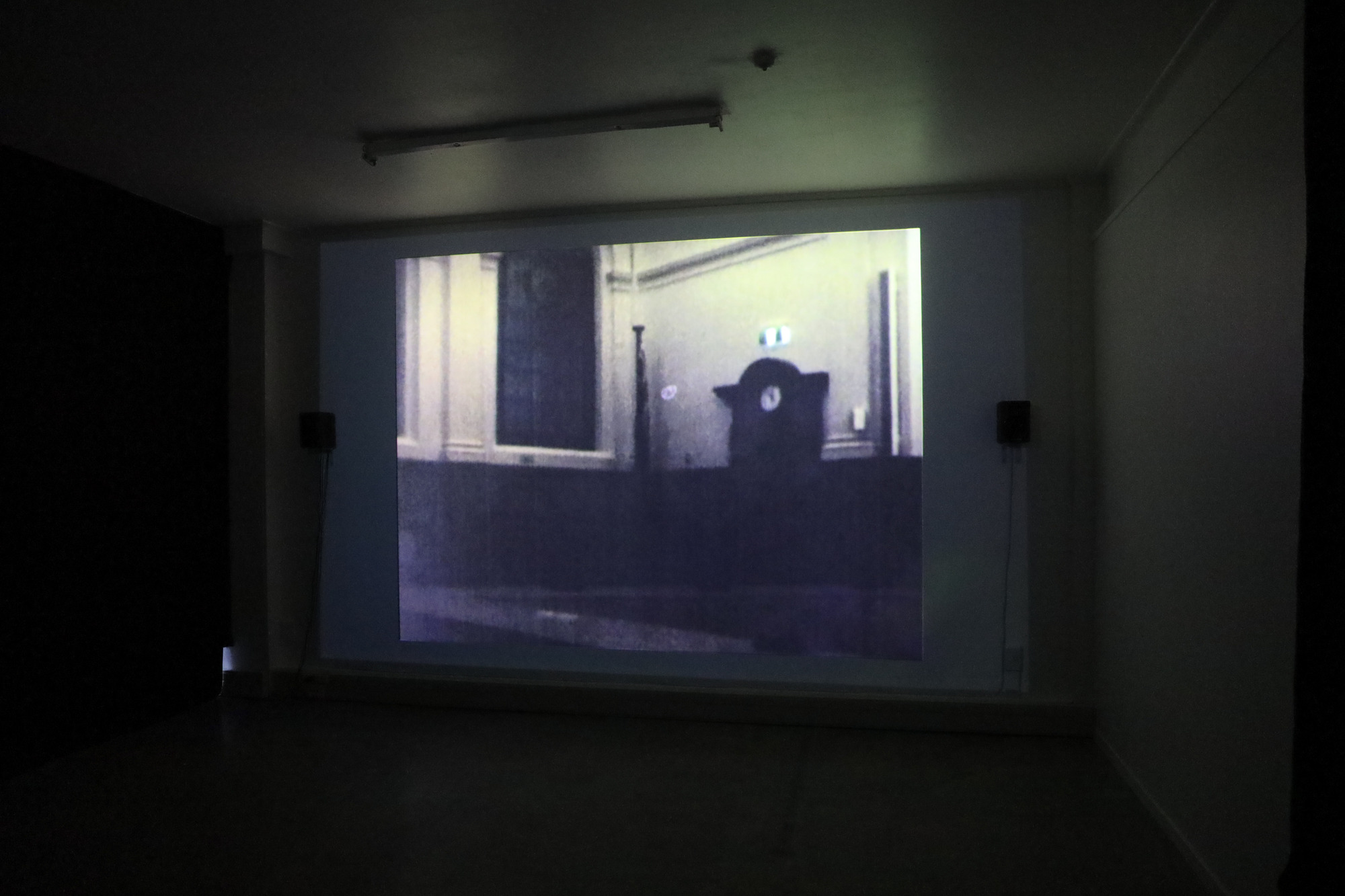
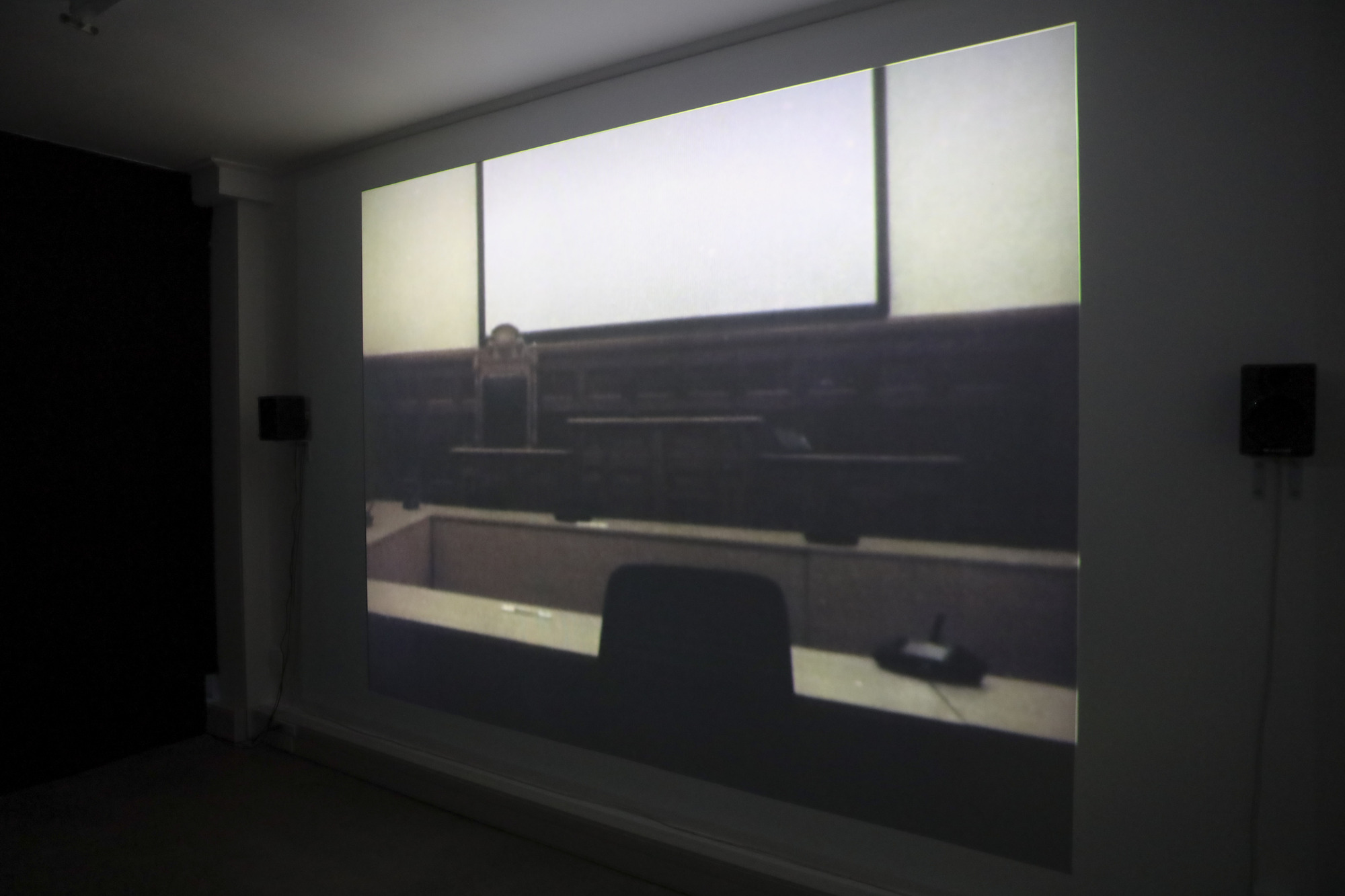
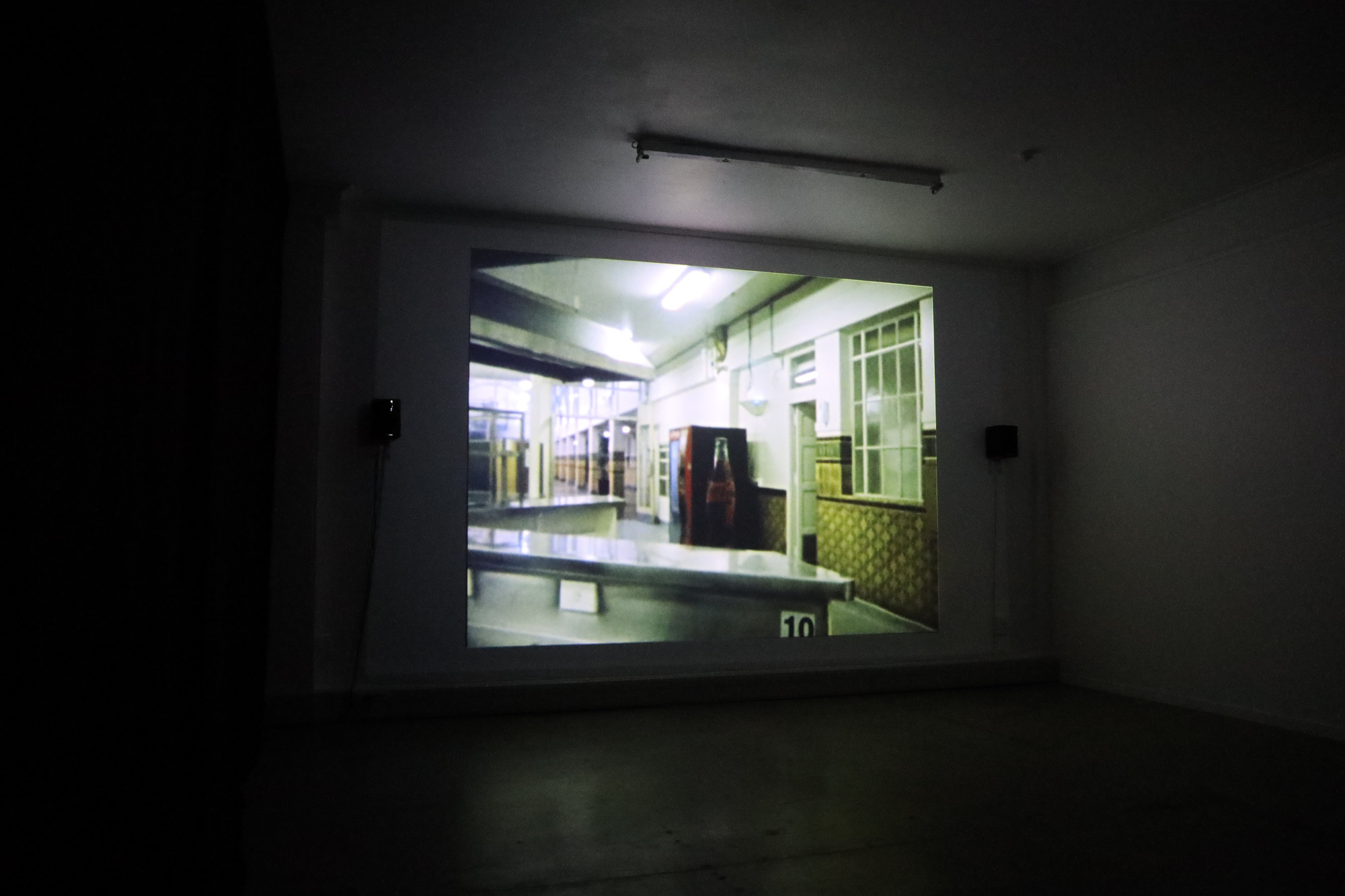
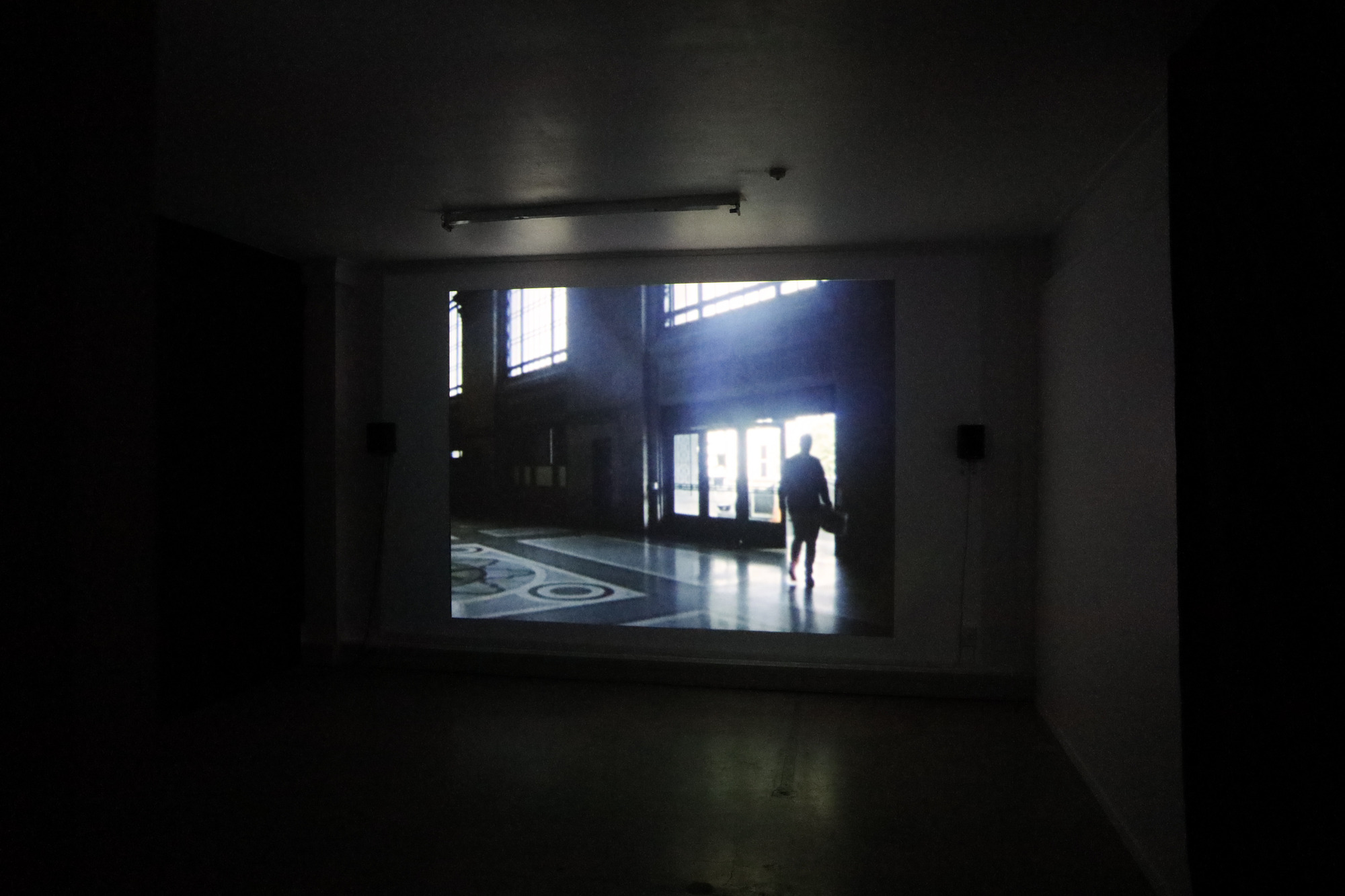
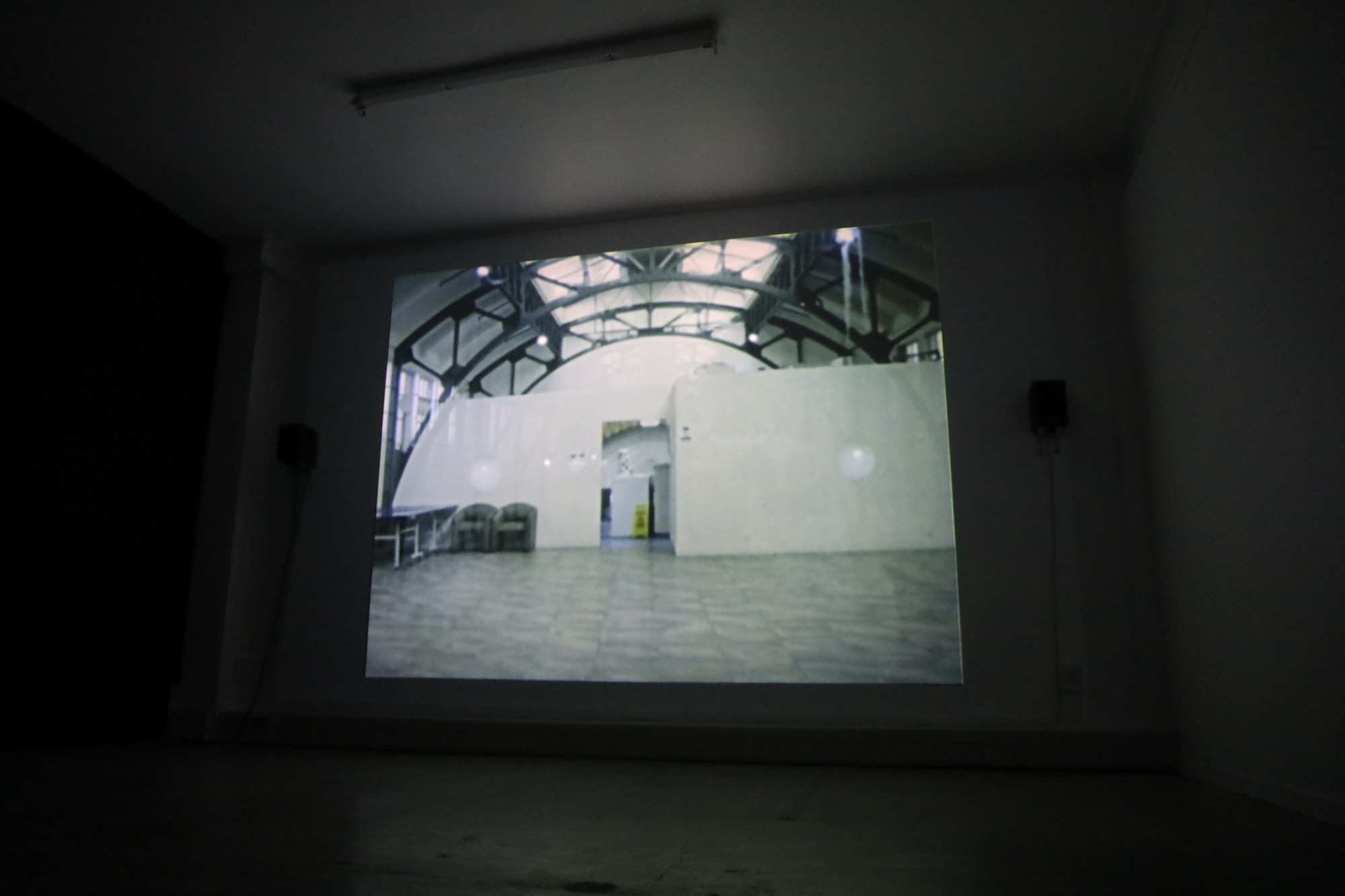
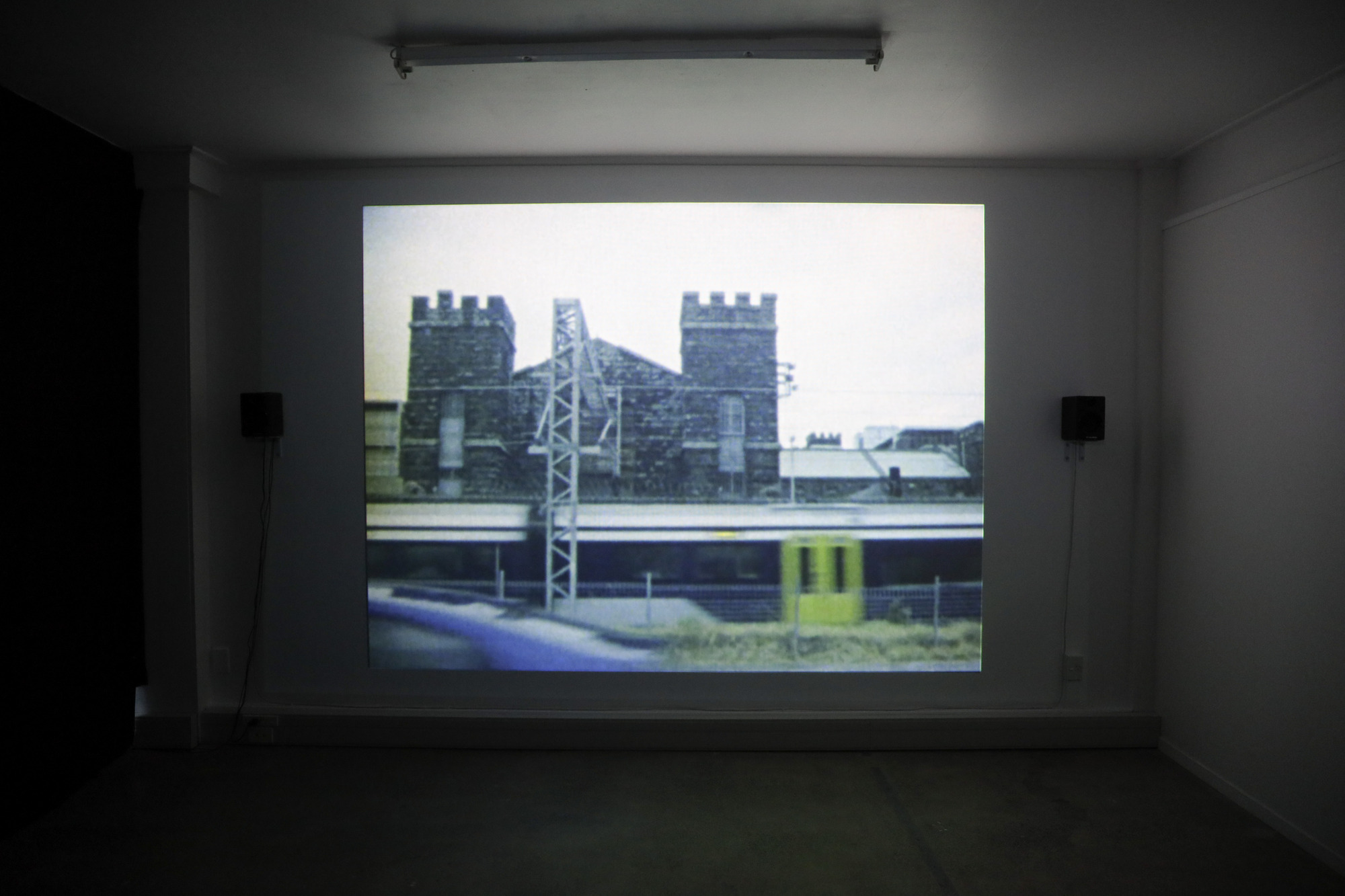
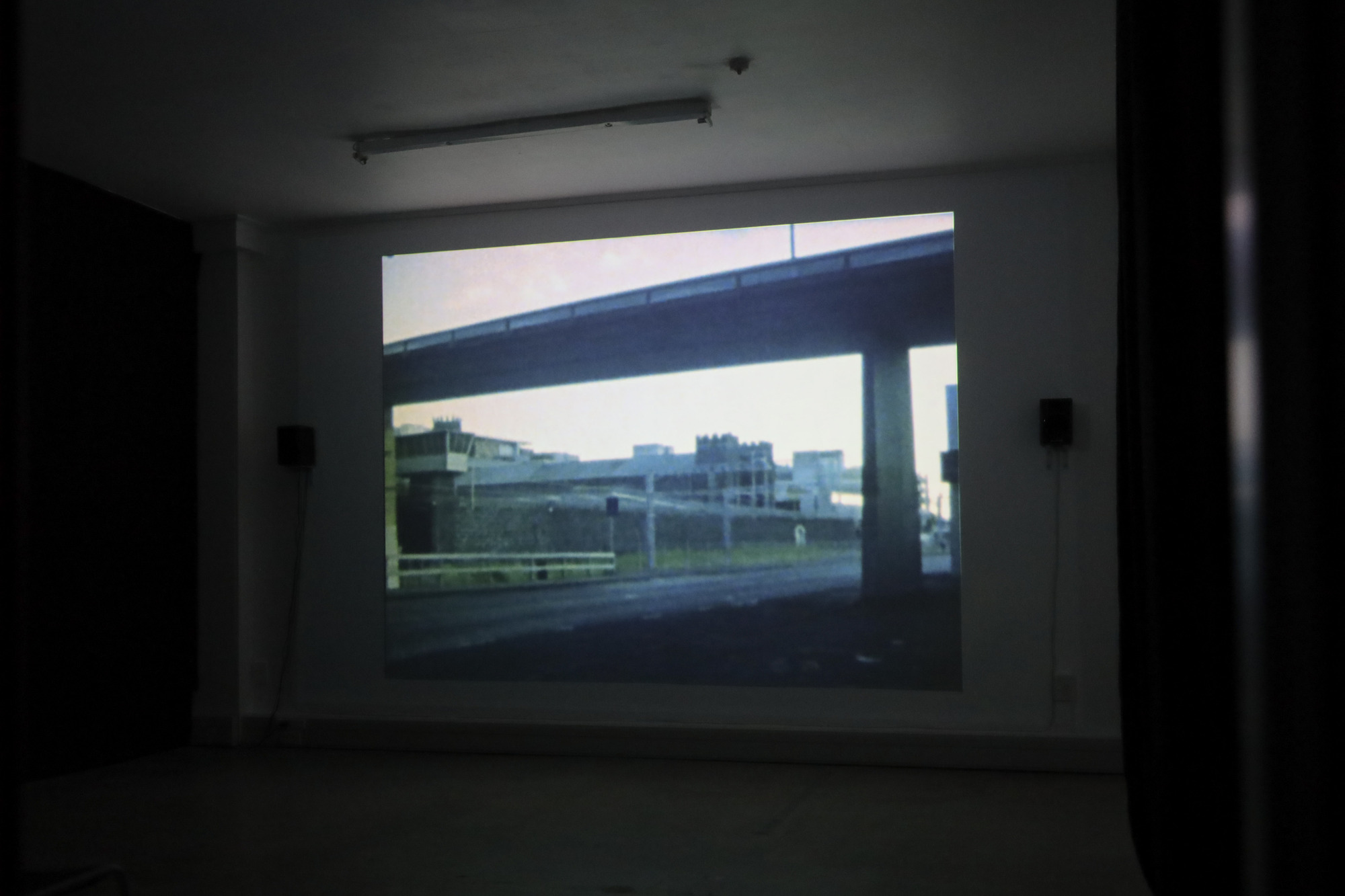
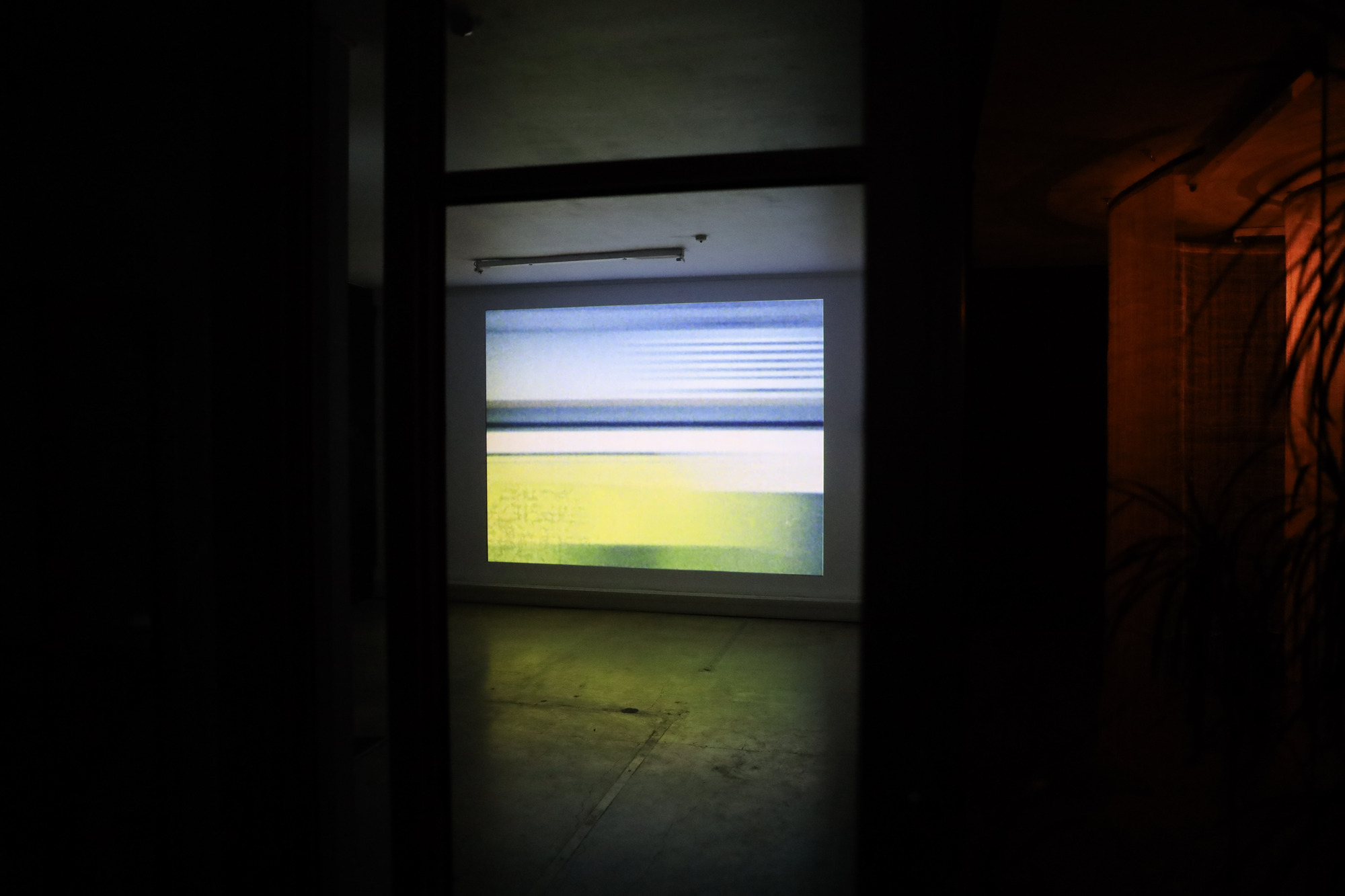
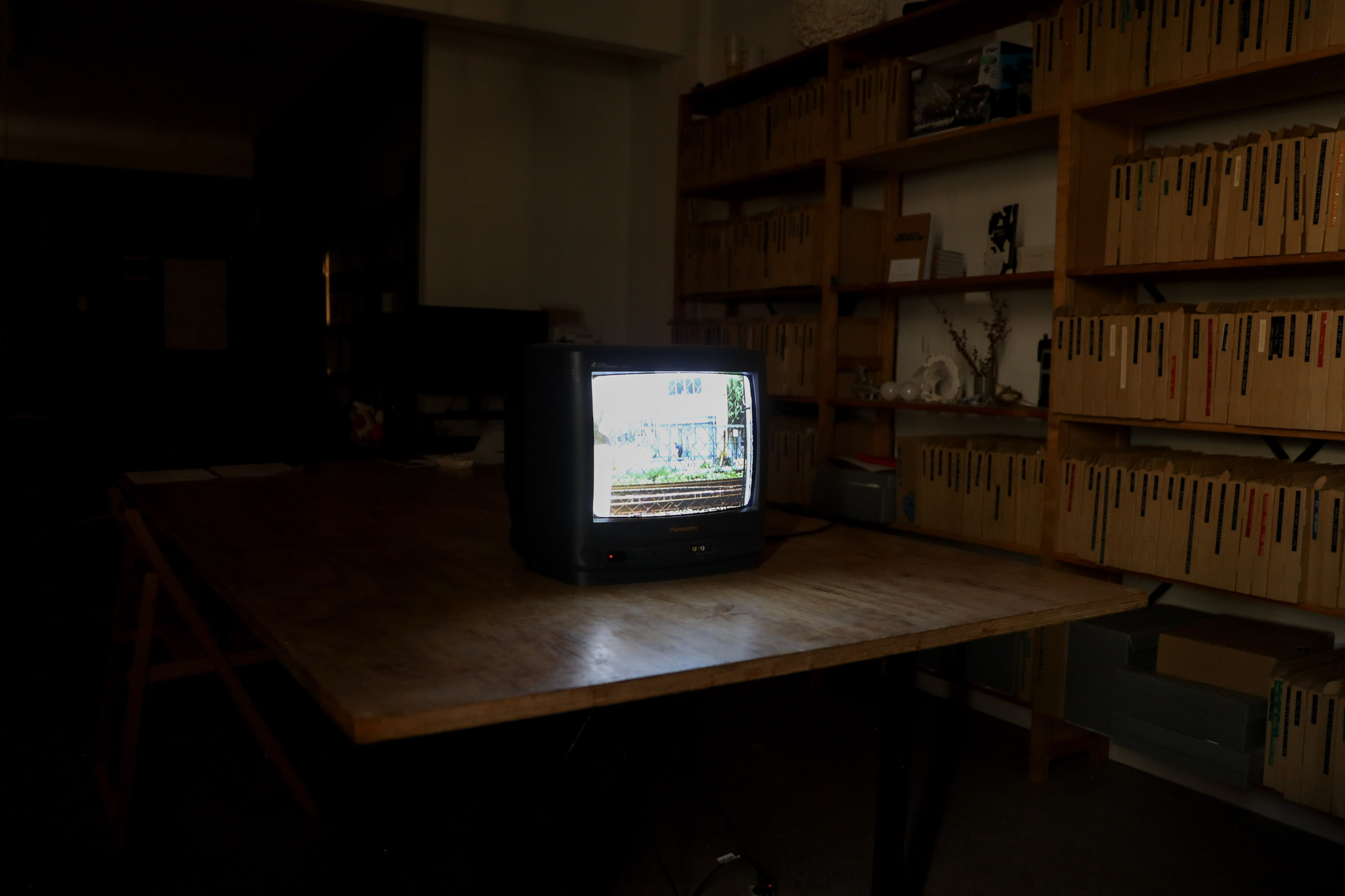
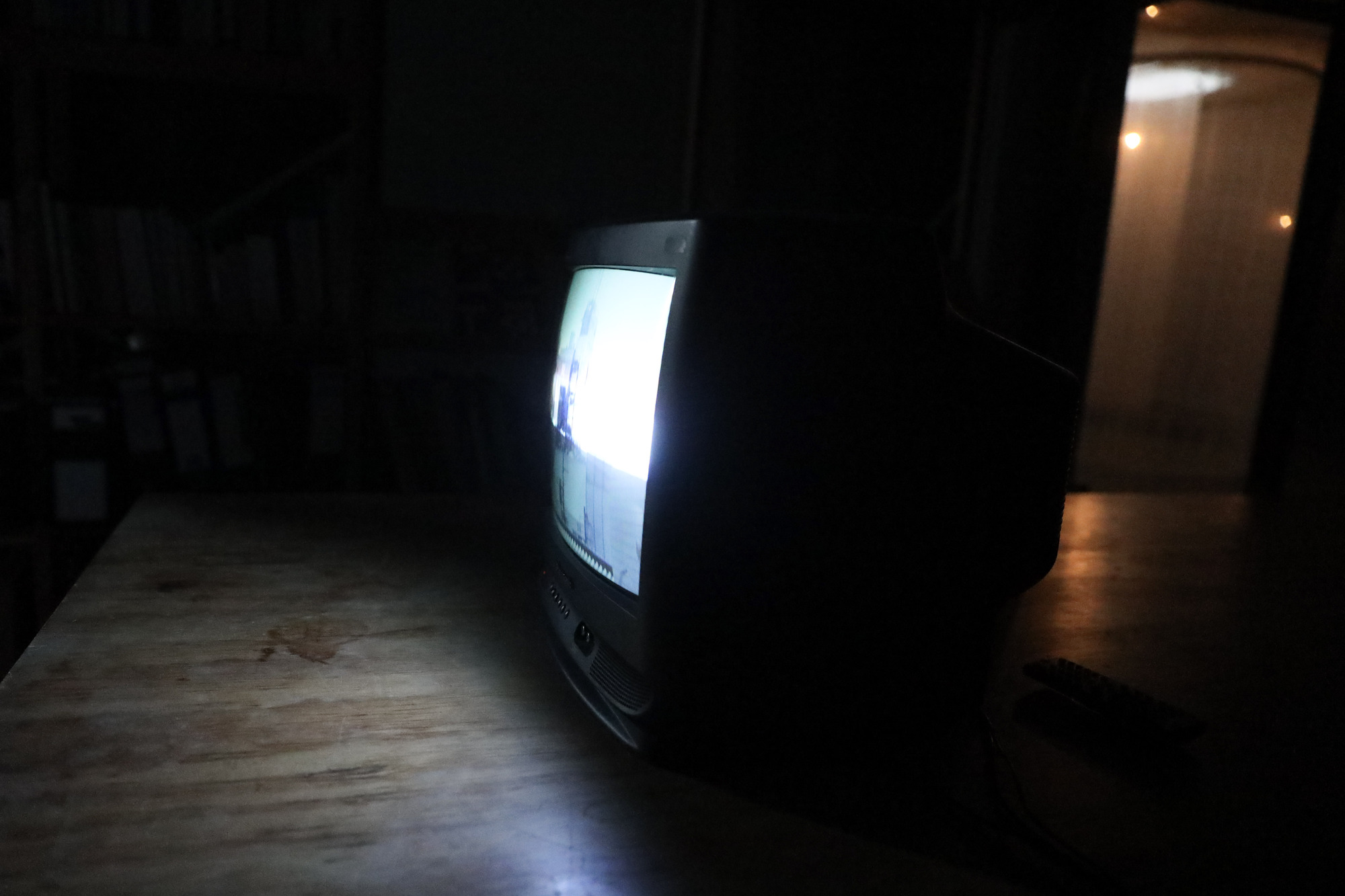
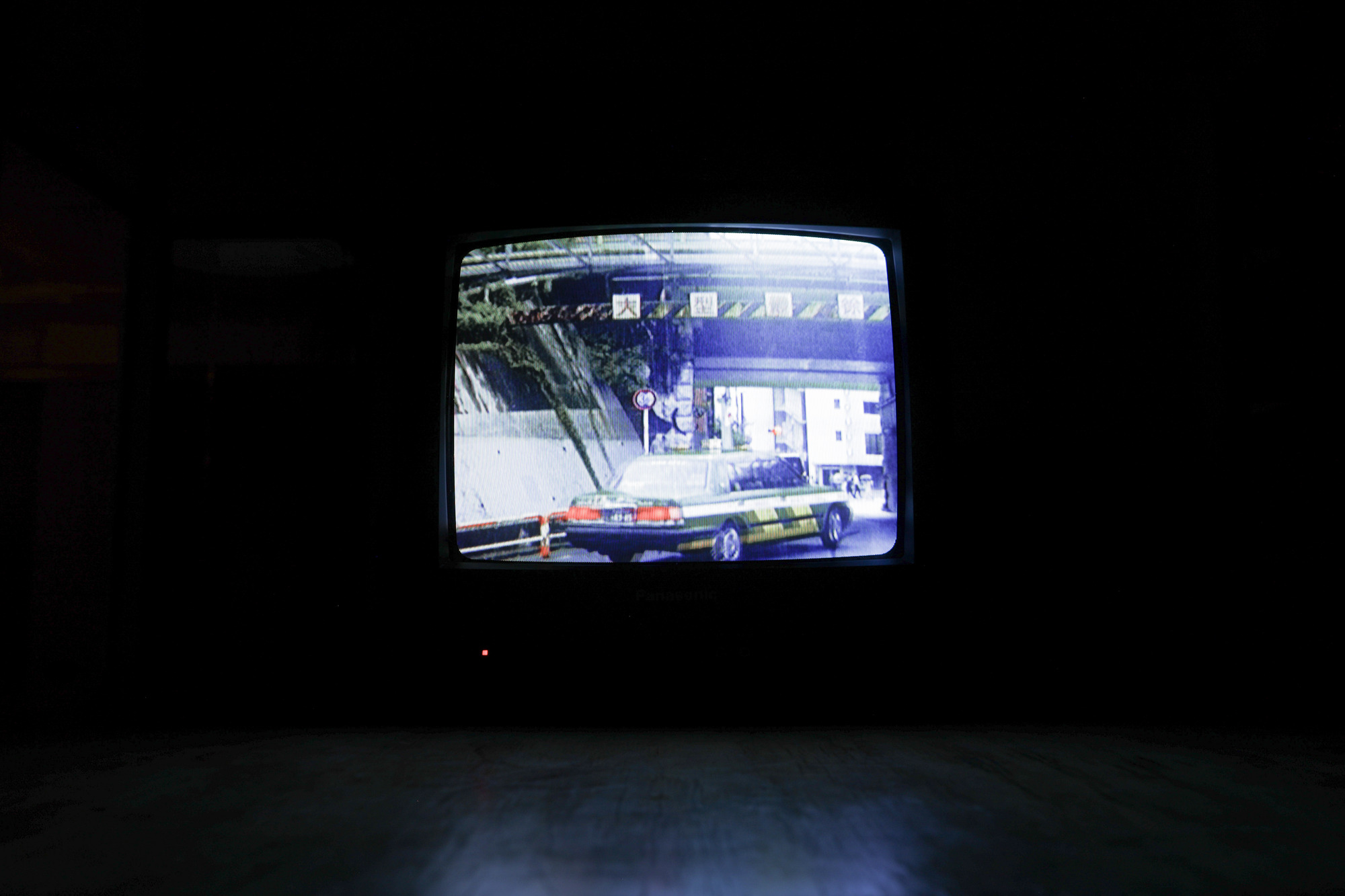
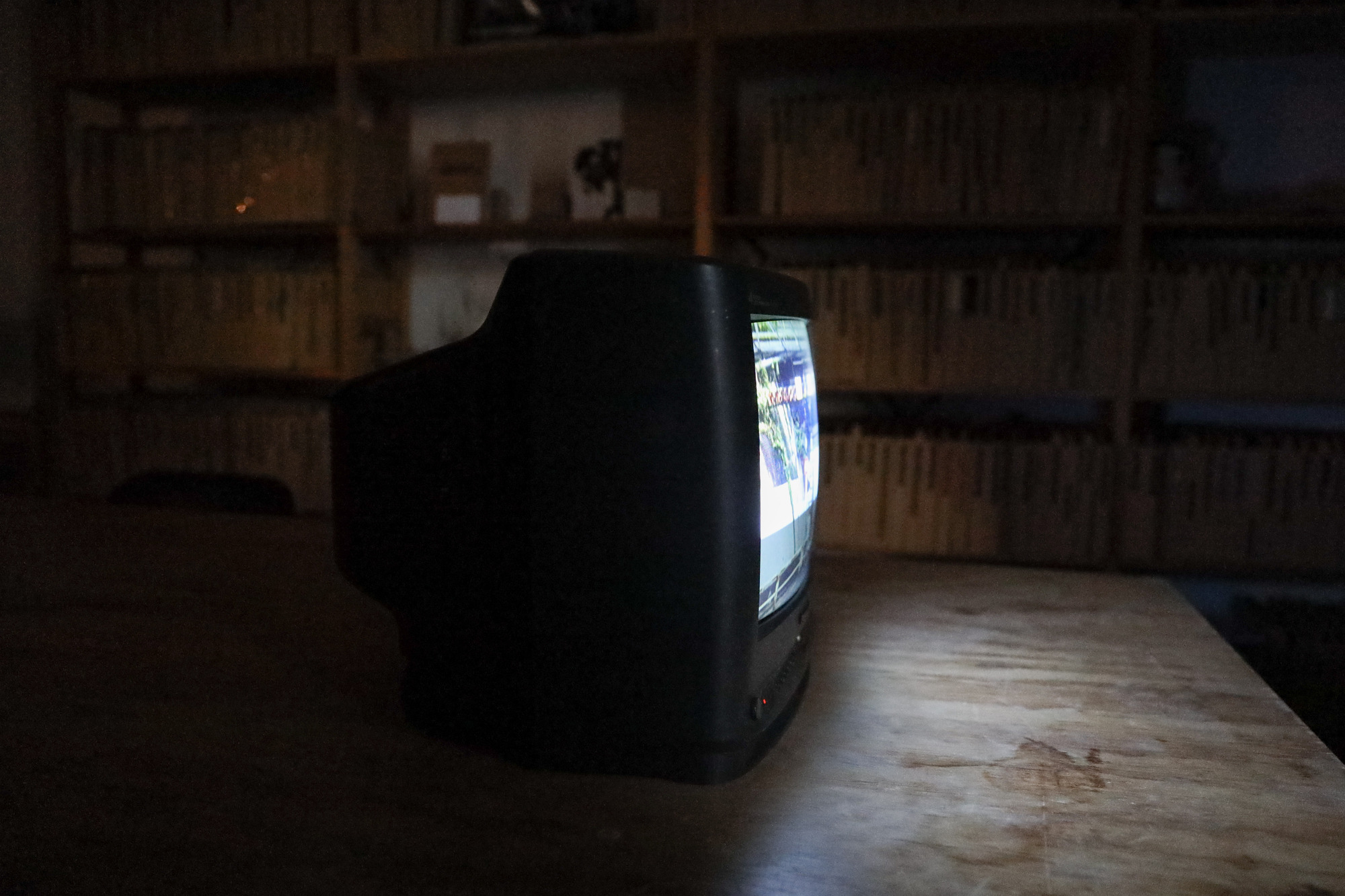
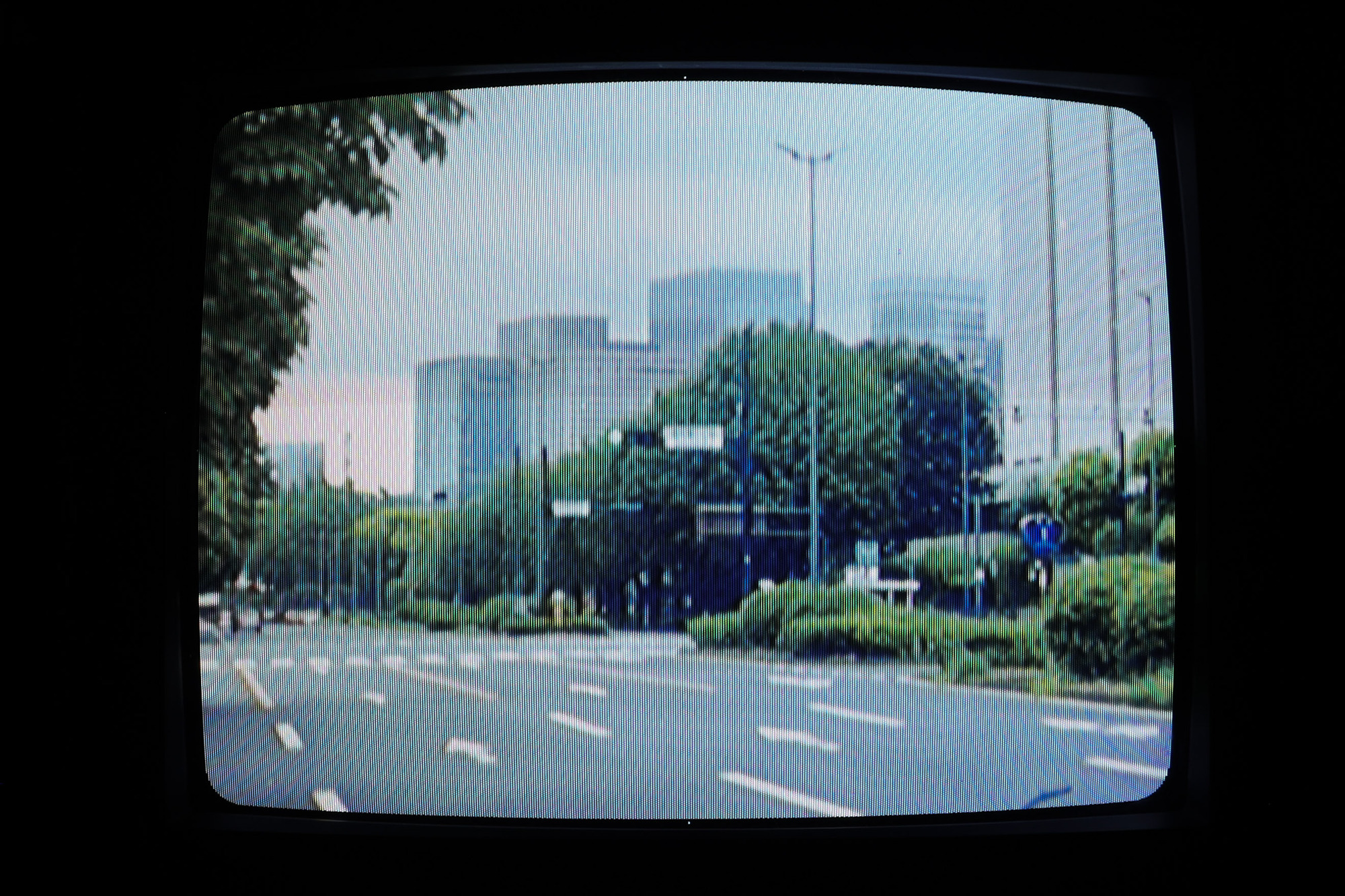
The Oshima Gang is an experimental documentary that revisits five colonial-era institutions featured in the 1983 World War II film Merry Christmas, Mr. Lawrence: Auckland Railway Station, King’s College, Auckland Council Chambers, Mount Eden Prison, and the Auckland Domain Wintergardens.
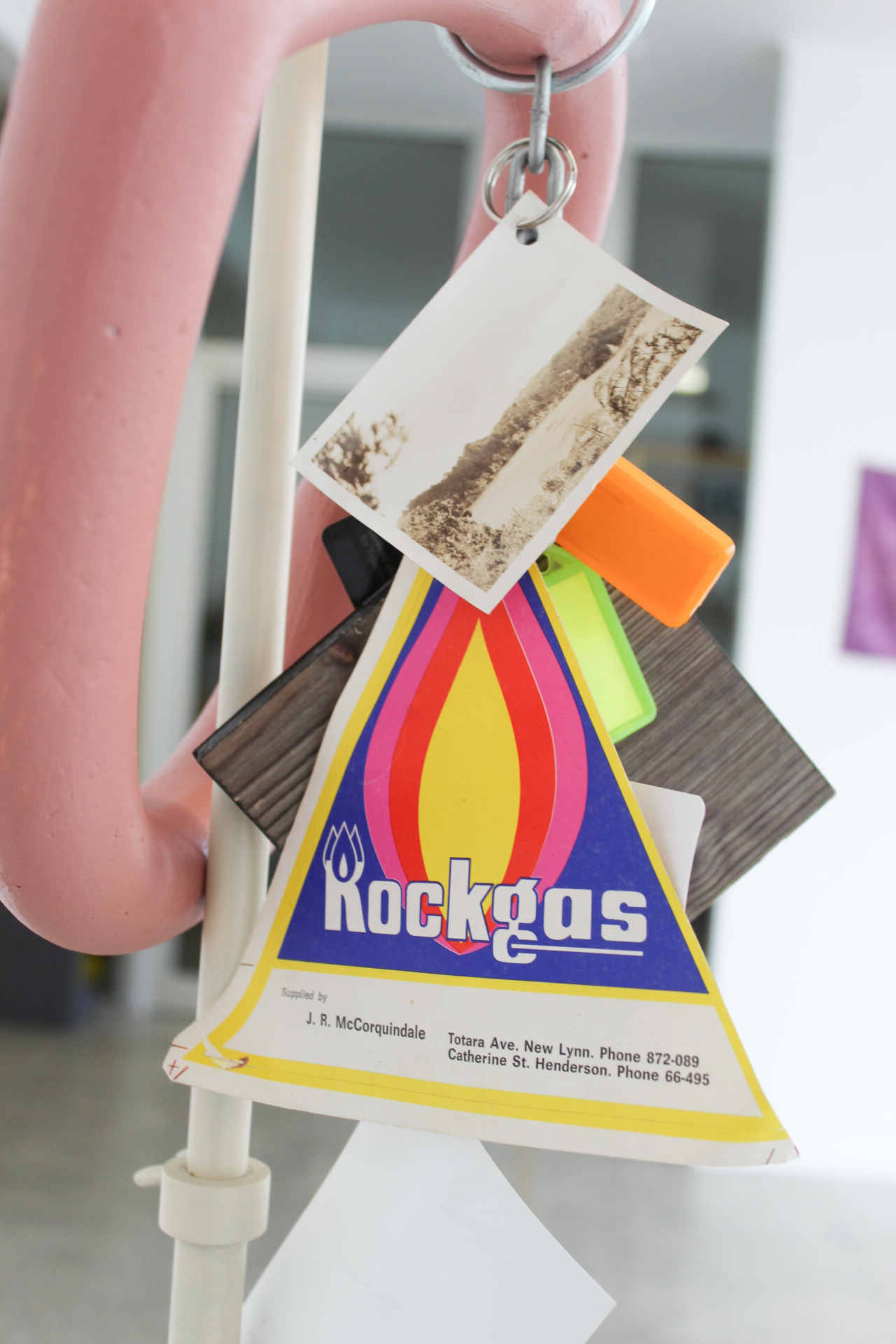
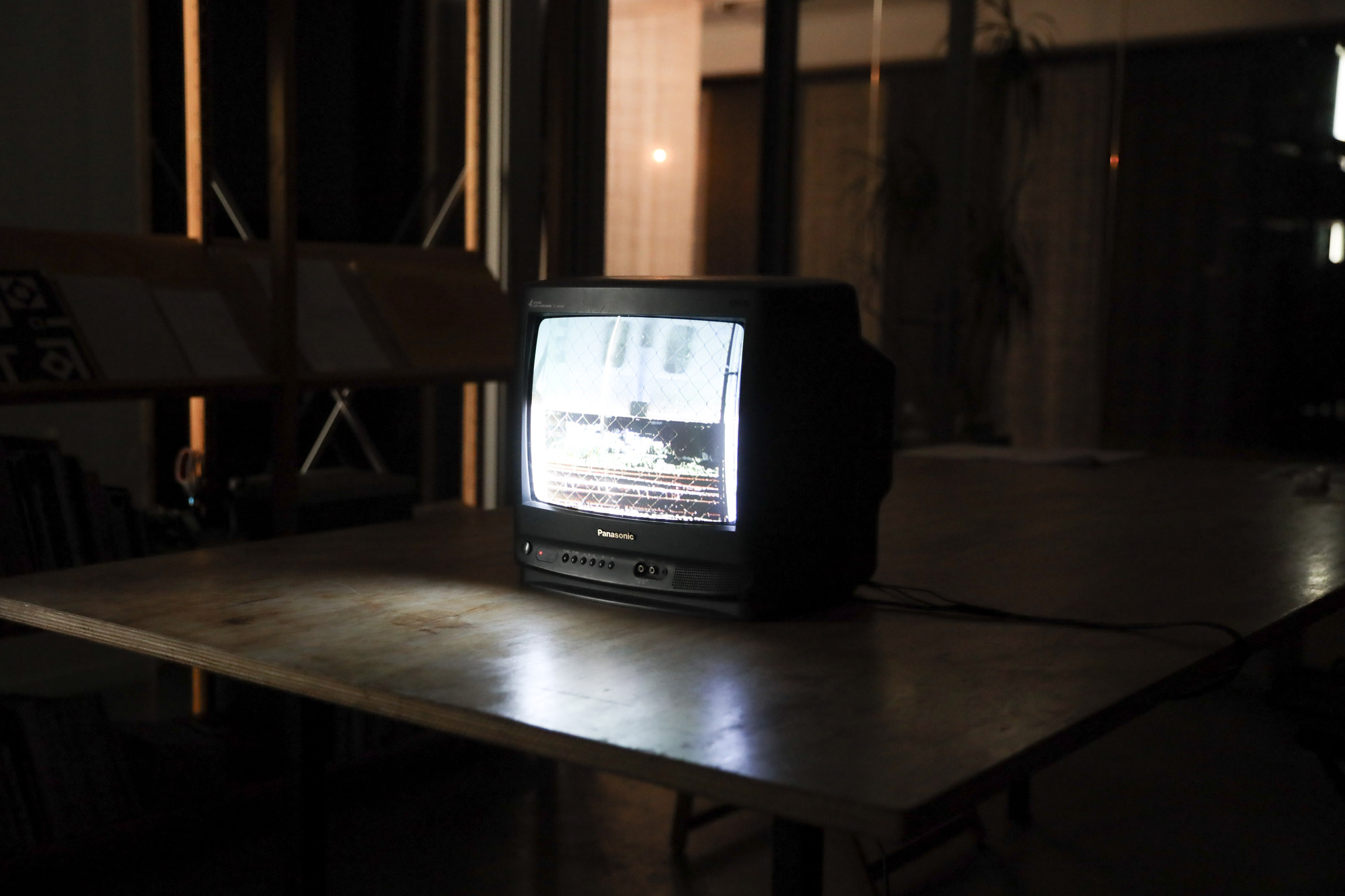
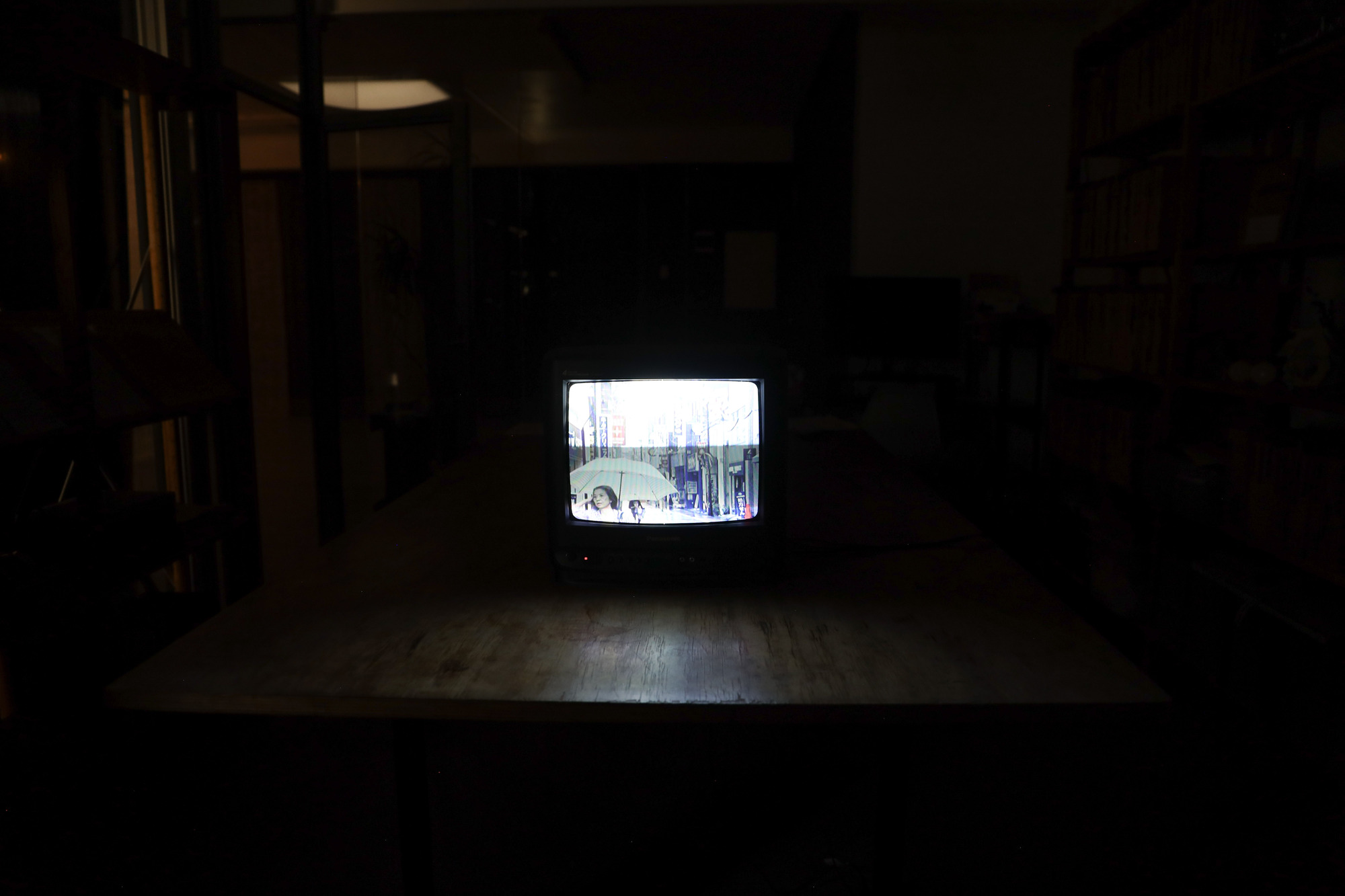
Layering contemporary Super 8 footage of these sites with archival text and raw production sound from the original 1982 shoot, The Oshima Gang invites viewers to consider postcolonial identity in Tāmaki Makaurau Auckland; to reflect on how outsiders perceive this landscape, and how locals, too, might be made to feel like outsiders within it. The film treats Auckland’s preserved, decaying, and repurposed colonial architecture as a malleable text, open to interpretation and critique.
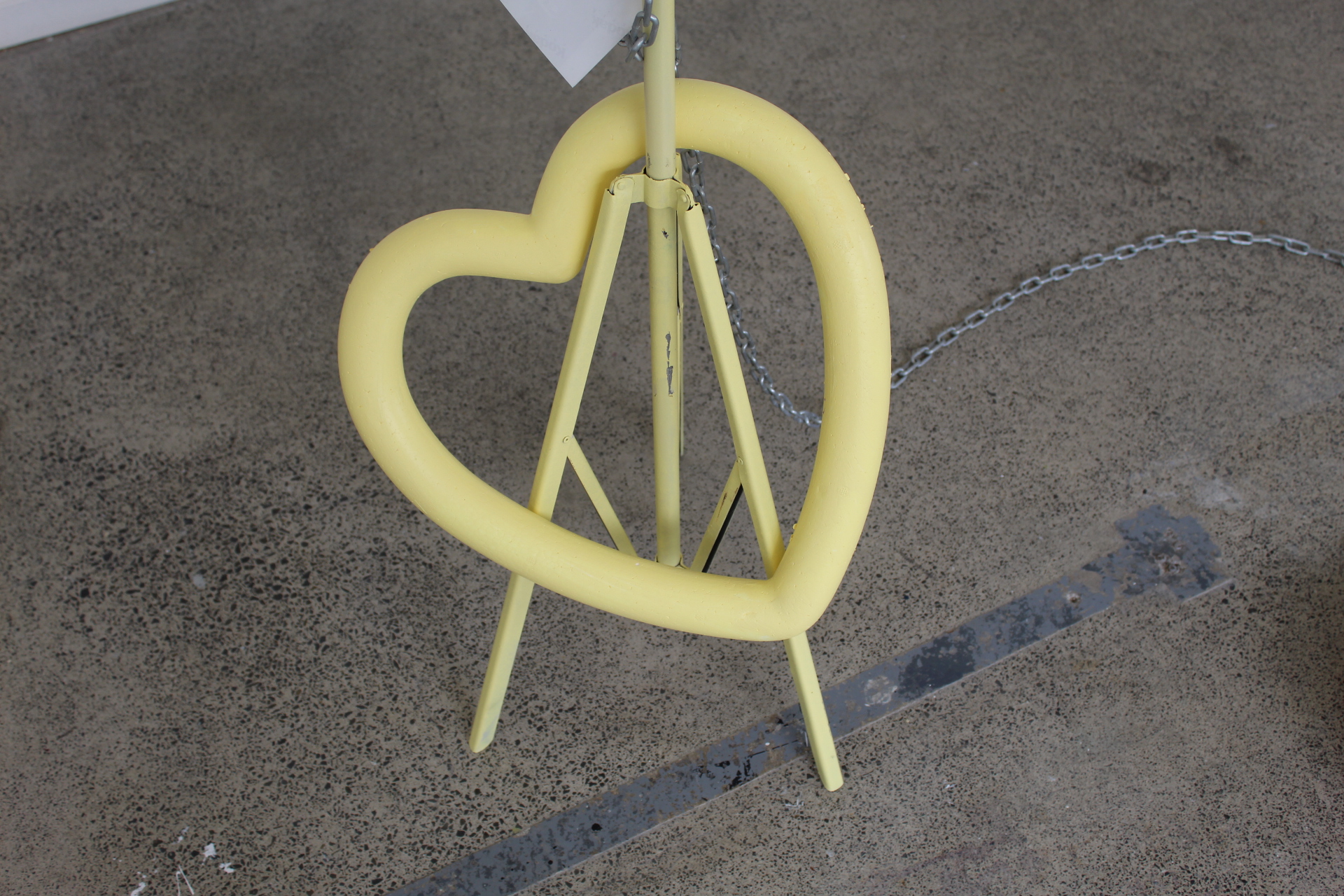
The project’s methods are informed by Fûkeiron (“Landscape Theory”), a short-lived radical film movement that emerged in Japan following the collapse of the 1960s student protests. Rejecting human subjects entirely, Fûkeiron proposed that the oppressive structures of the urban environment best reveal the political and psychological conditions of contemporary life.

Accompanying The Oshima Gang is Tokyo Landscape War Memorial, a shot-for-shot remake of a pivotal sequence from the 1970 film The Man Who Left His Will on Film – the principal contribution to Fûkeiron by Nagisa Oshima, director of Merry Christmas, Mr. Lawrence.

By placing these historical ideas and documents in dialogue with the present, this exhibition looks to the lessons of the late 1960s to examine how we might represent and record this current moment in New Zealand history, a time defined by rising militarism, Western bloc violence, urban neglect, and widespread institutional failure.

Special thanks to:
Auckland Festival of Photography
Auckland Council & Mandi Gamley
King’s College & Cara McCarthy
Grand Central Serviced Apartments
Screen Auckland & Karen Ngawhika
Lindsay Shelton
Mike Westgate and Justin Westgate
Naofumi Higuchi
Roger Pulvers

Images by Jude Stevens

Paige Jansen : a box for all the things i’ll never learn

Paige Jansen
a box for all the things i’ll never learn

3 September – 11 October 2025

I saw the tree with the metal leaves once more and anxiously tried to pluck one. Confused by the tension, I pulled harder and when the leaf severed the metal turned to glass, fracturing into infinite diaphanous shards scattering on the ground beneath. Down there they caught the twilight that had settled on the day and mirrored back the moon’s evening face with a primeval gleam. Whispers began sneaking around the room, emerging from the edges of the broken glass echoing back the contents of my mind. A swarm of questions slipped their way into the atmosphere, dancing around each other in a labyrinthine way. I reached out to catch them and they slid through my fingers, impossible to grasp, they found their comfort doing lengths around my ankles. I picked up a glass fragment and began to wonder what else remained amongst the hidden things.

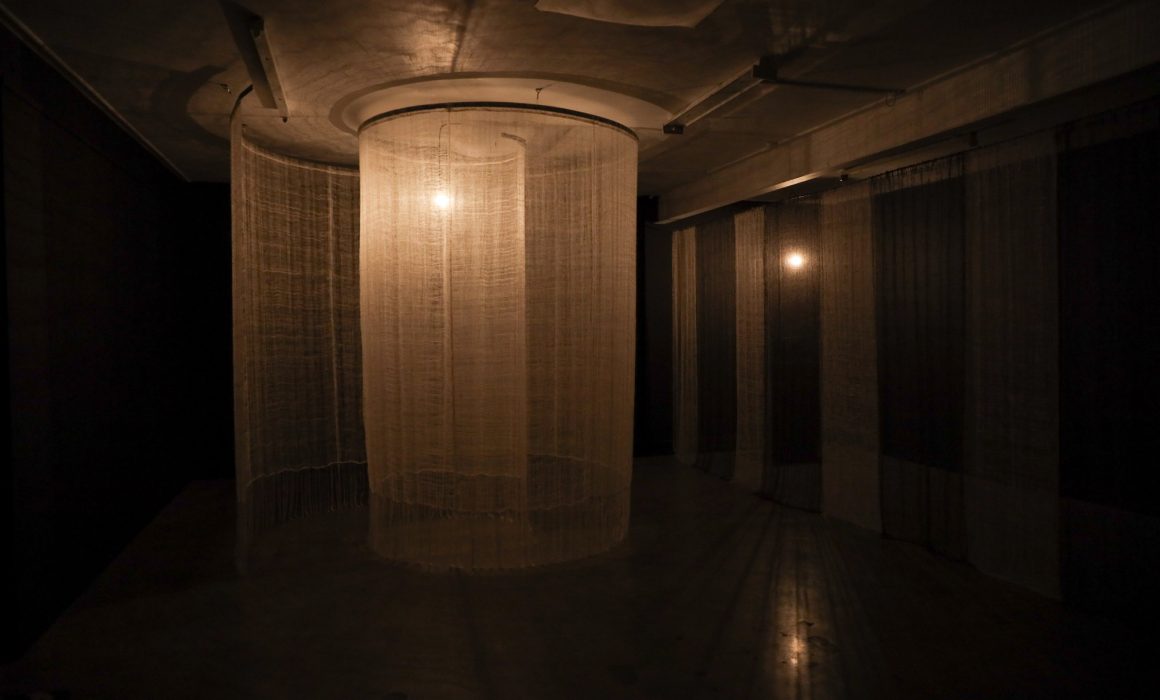
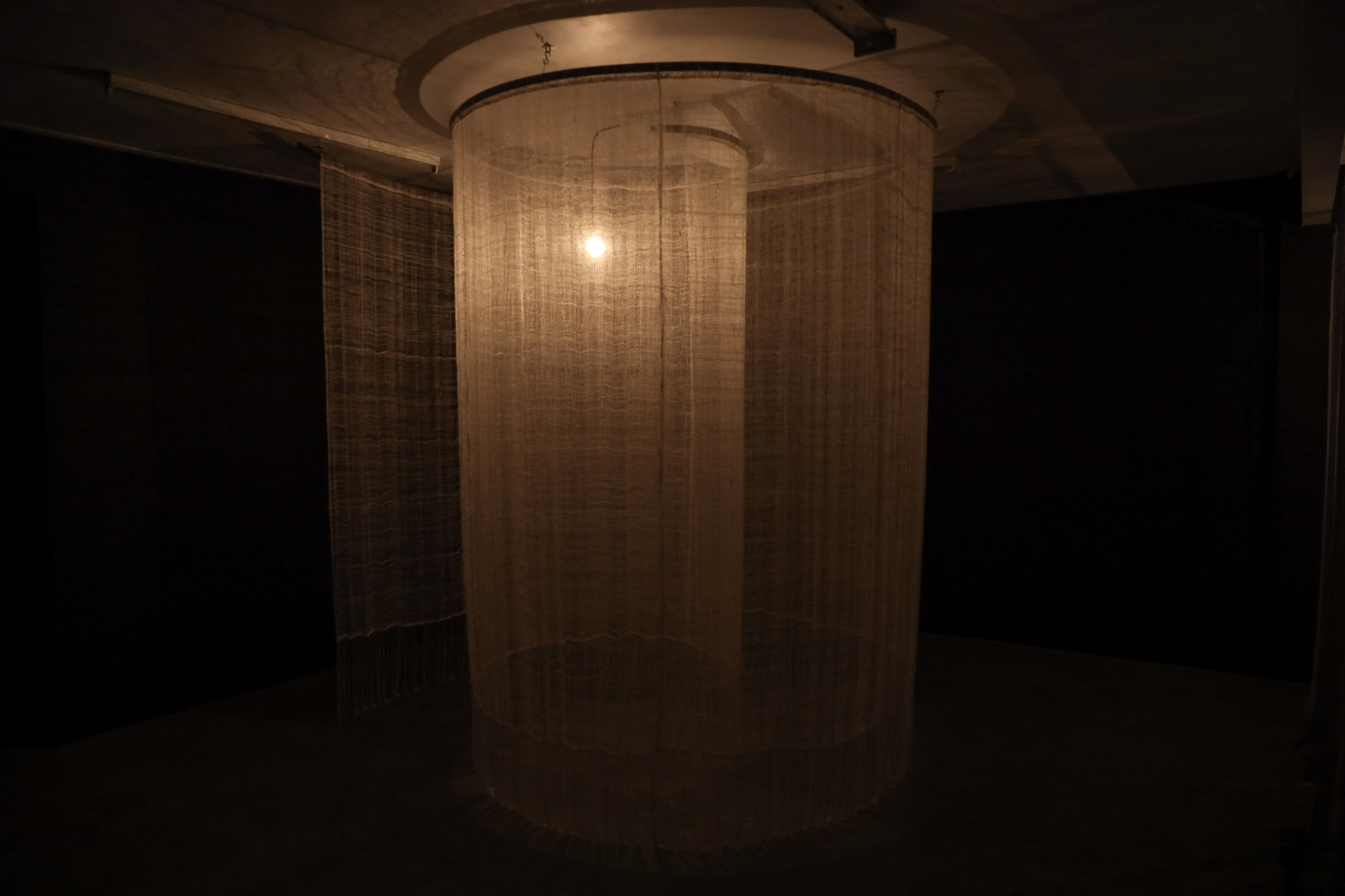
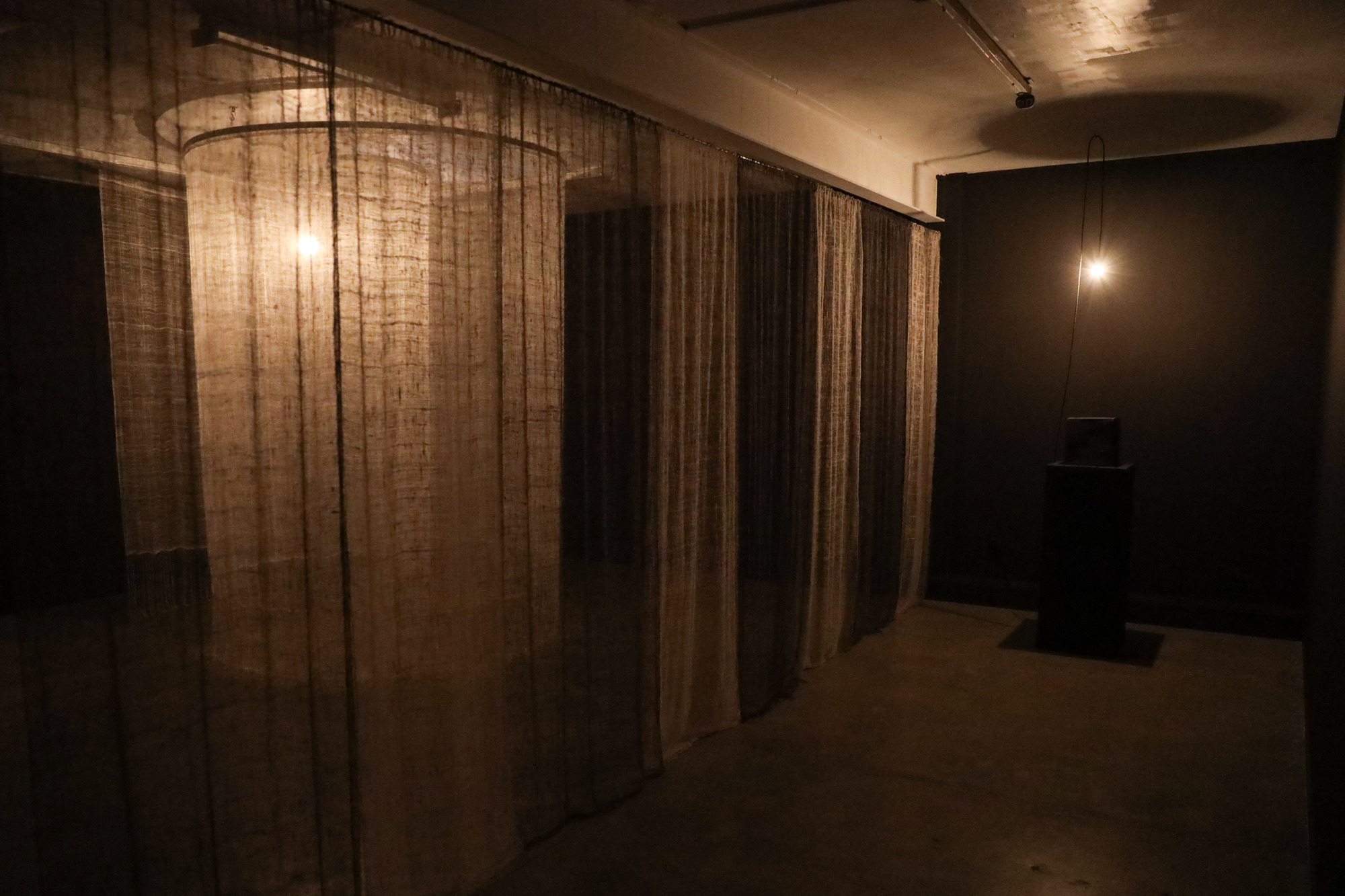
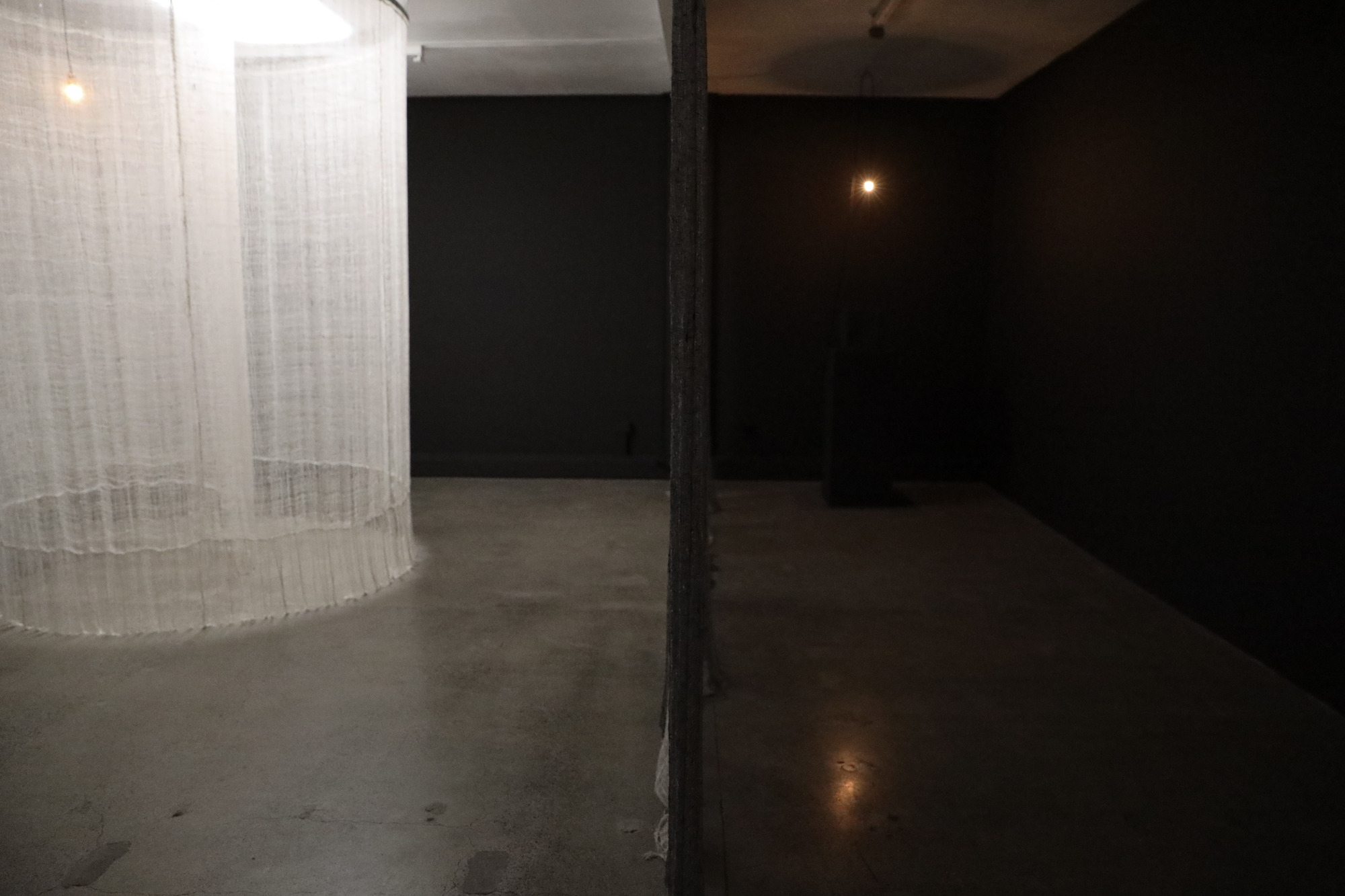
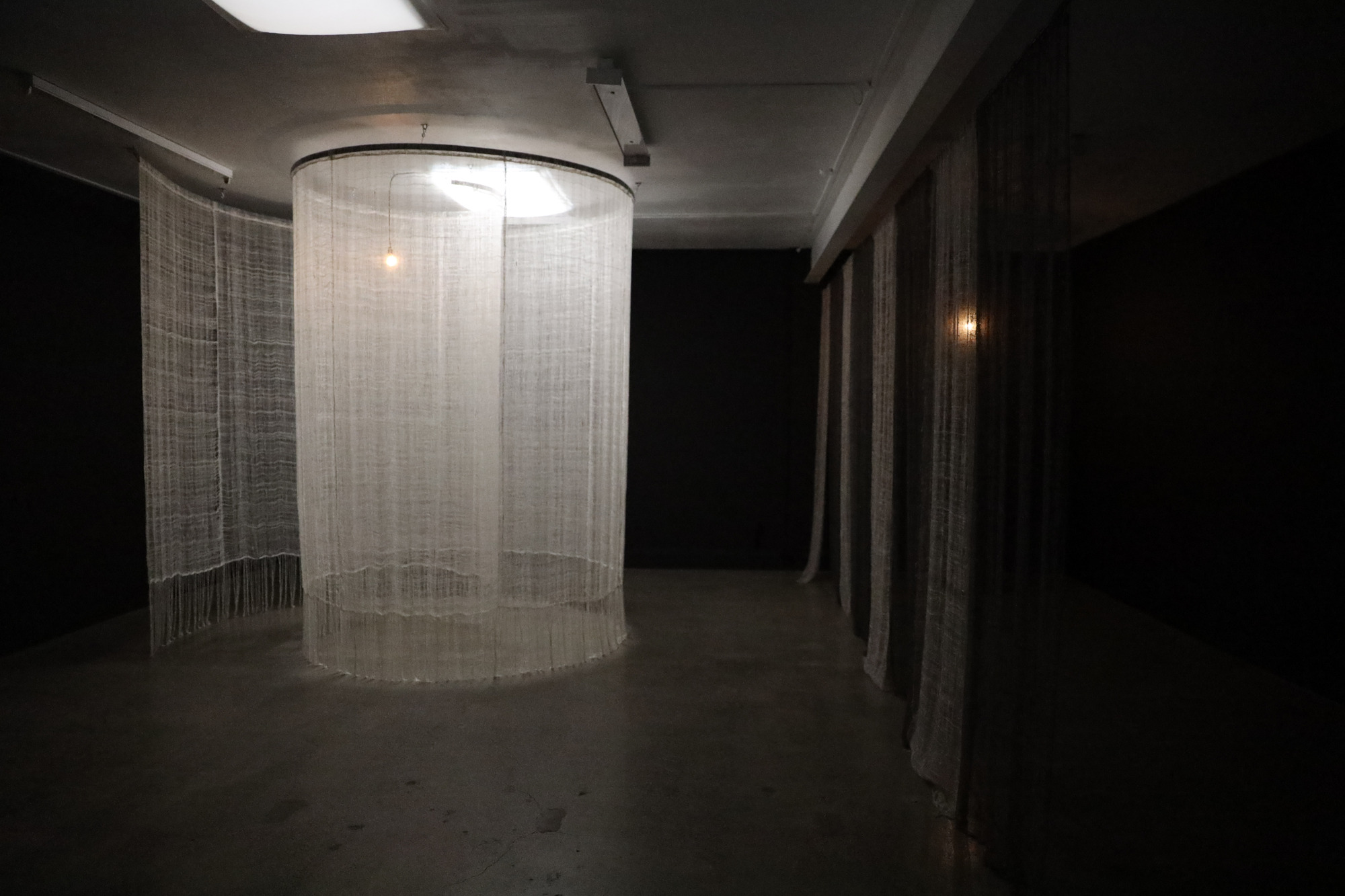
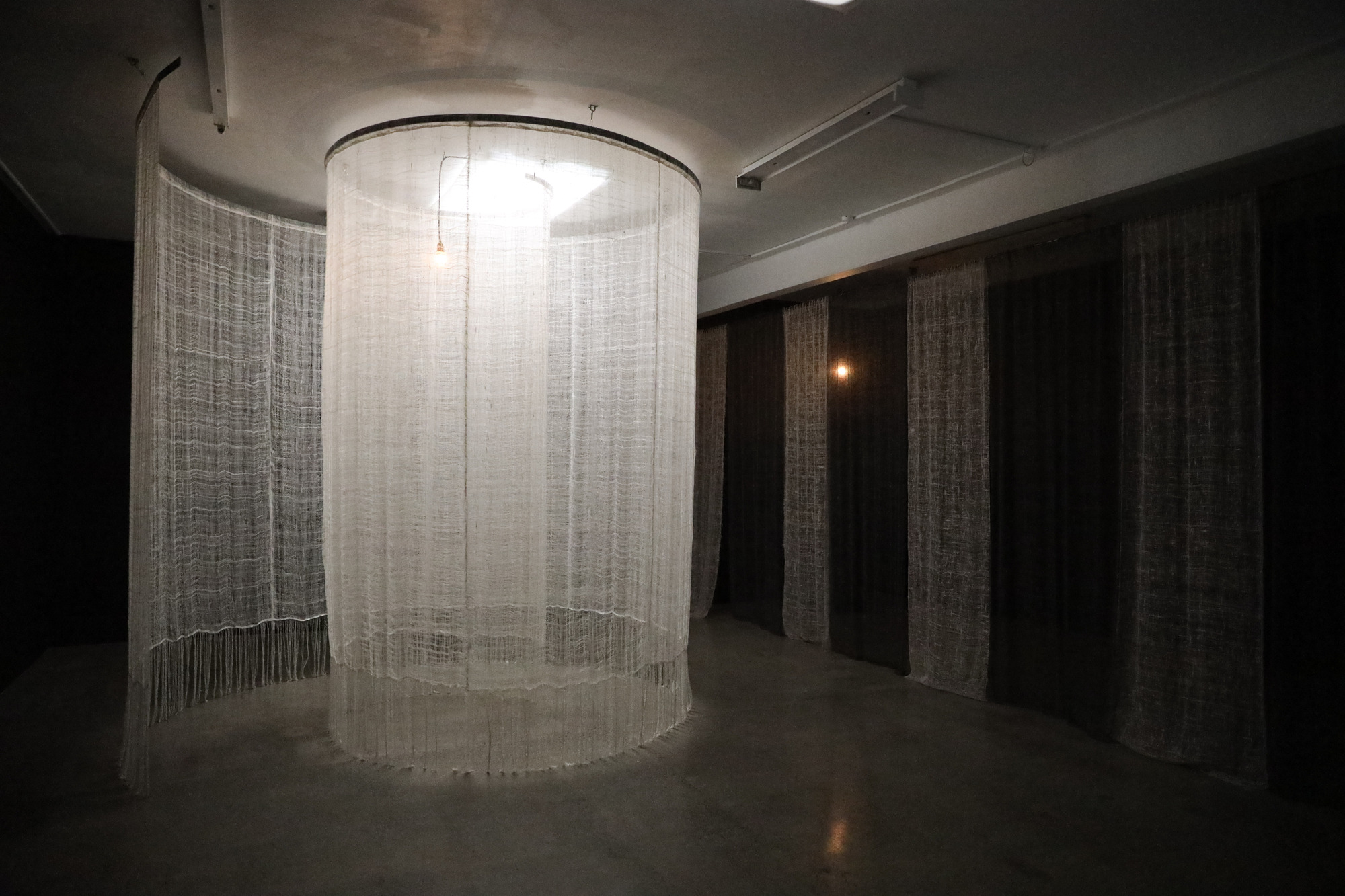
In the form of an allegorical triptych, a box for all the things i’ll never learn is a cyclical body of work exploring psychological tensions the inner labyrinth and epiphany. The work invites you to walk into the spiral, pass the threshold and end with the box.

Paige Jansen is an Ōhinehou, Lyttelton–based artist who, through handwoven textiles and movement, composes work that sets out to explore the intimate texture of experience. Formed through intuitive, embodied modes of inquiry, Jansen’s work blends a poetic interest of materiality with the intangible aspects of being.

a box for all the things i’ll never learn is Paige Jansen’s first solo exhibition.

Images by Jude Stevens

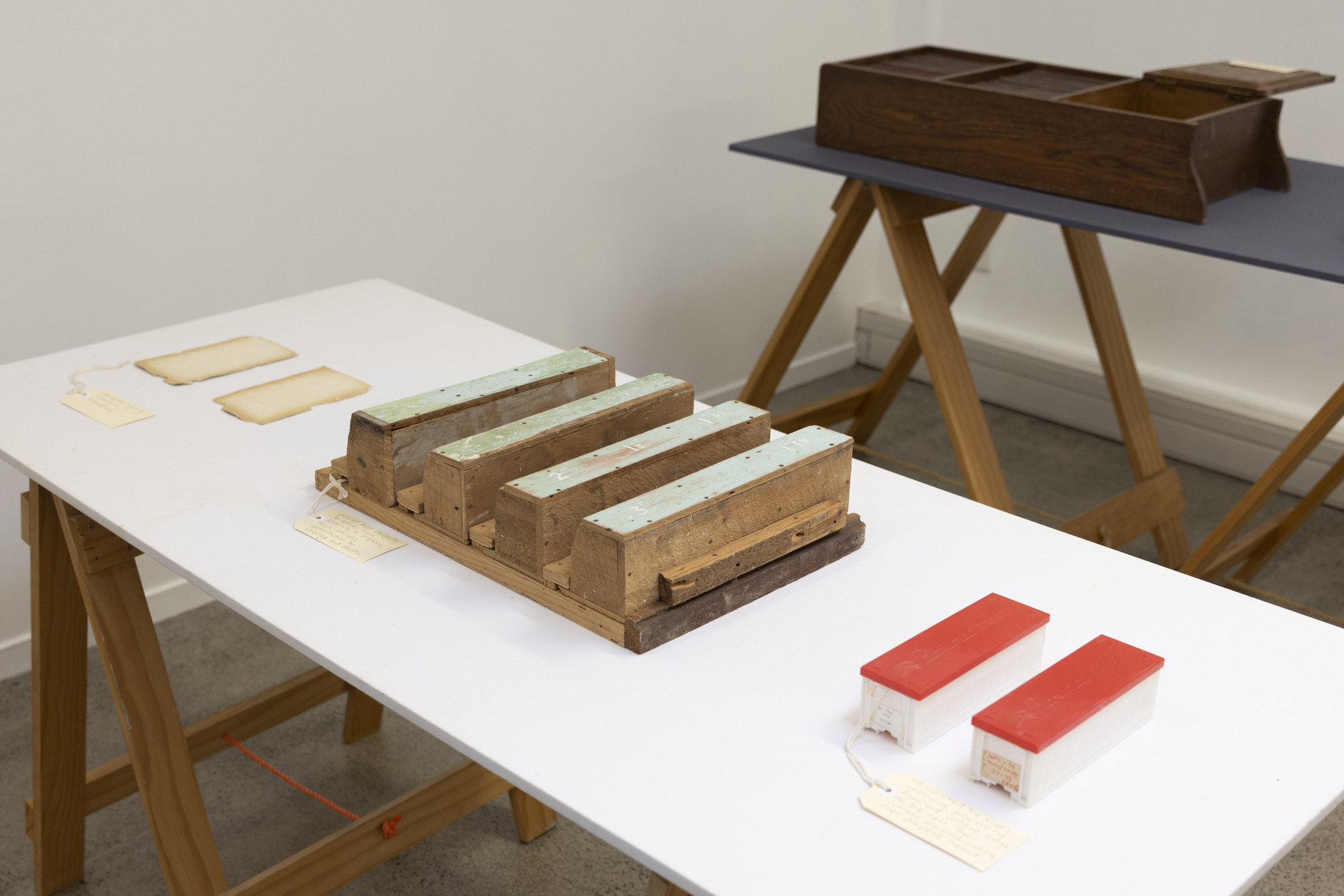
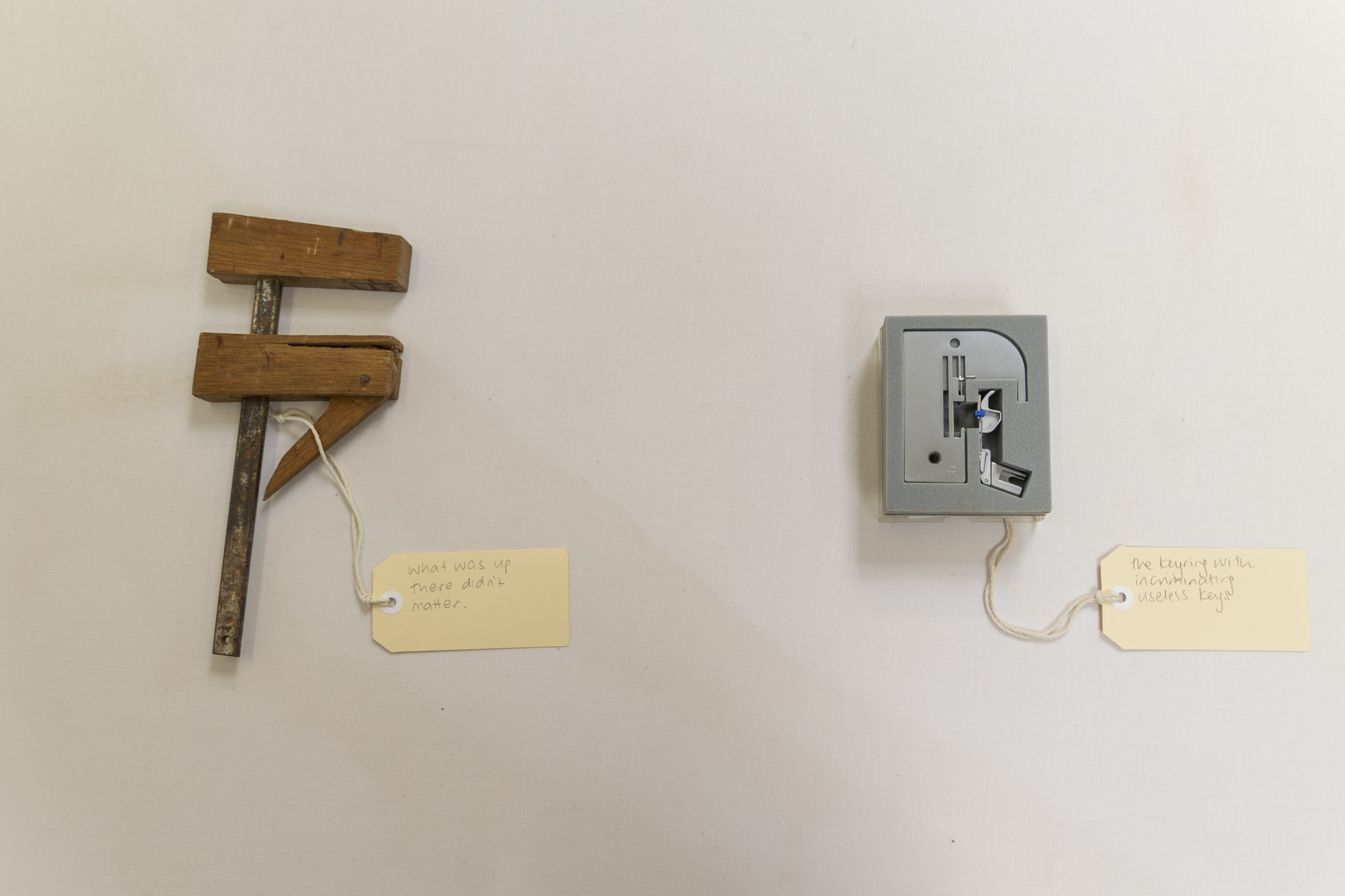
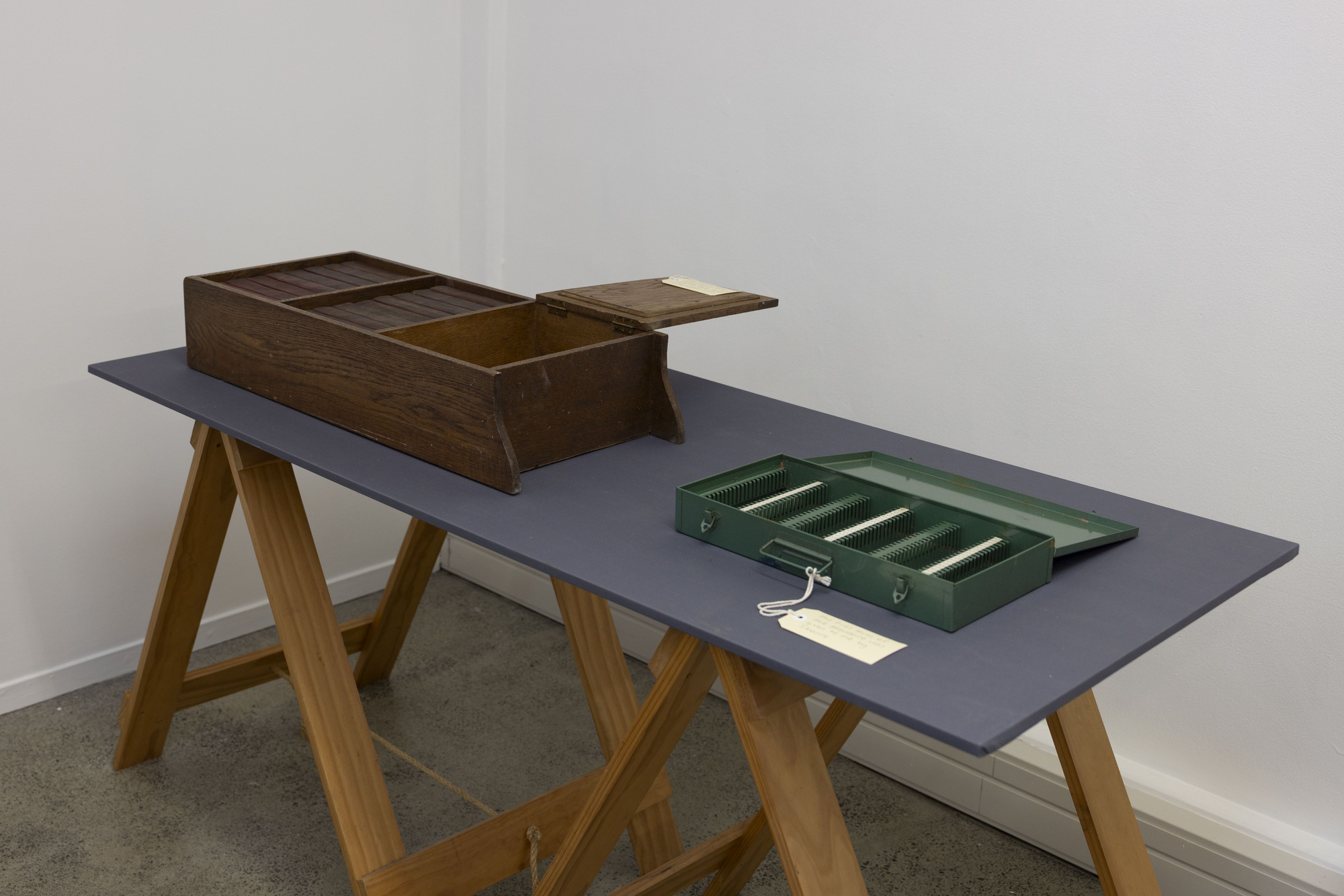
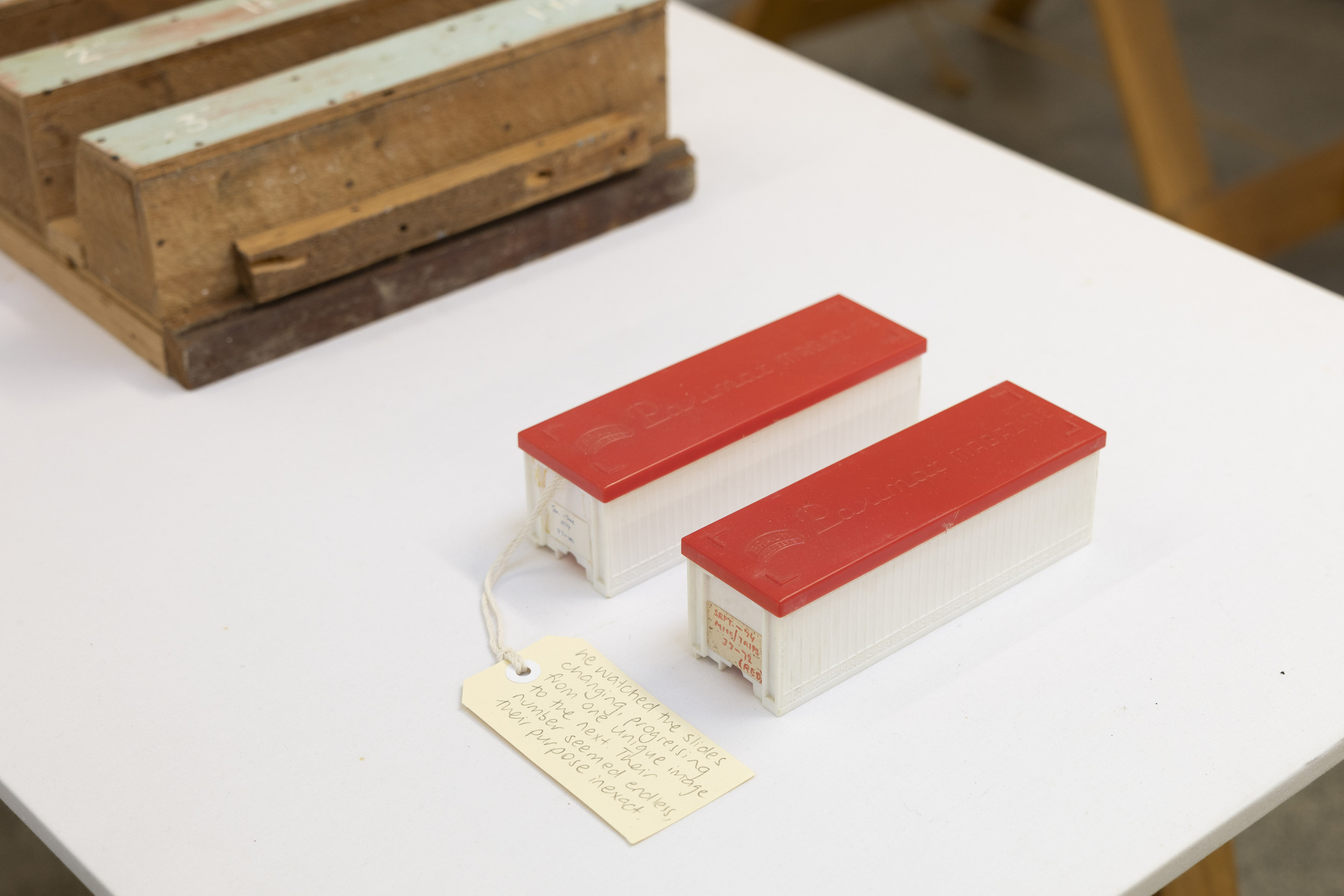
Shannon Conacher : The Archive Room

Shannon Conacher
The Archive Room

16 July – 23 August 2025

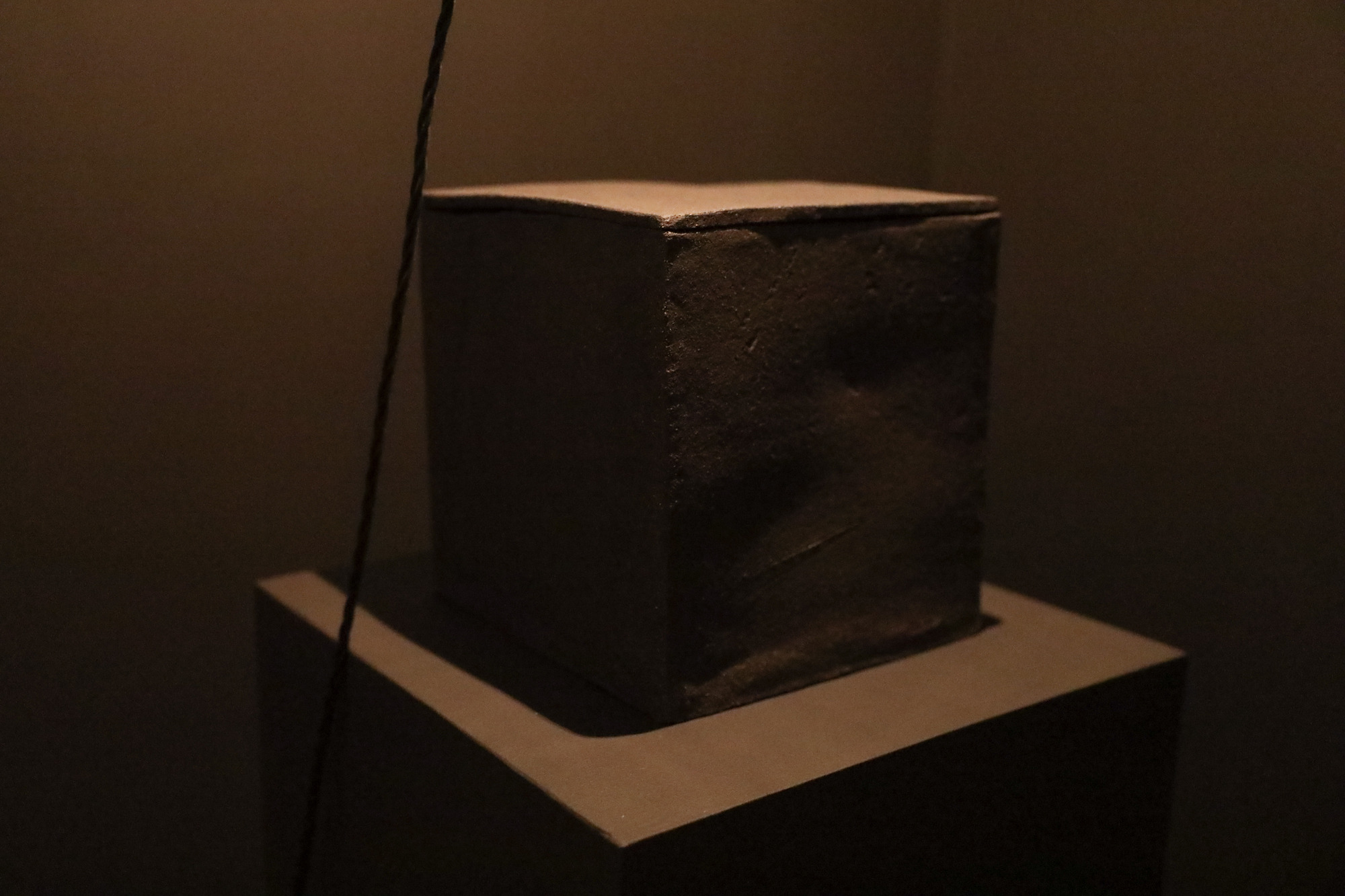
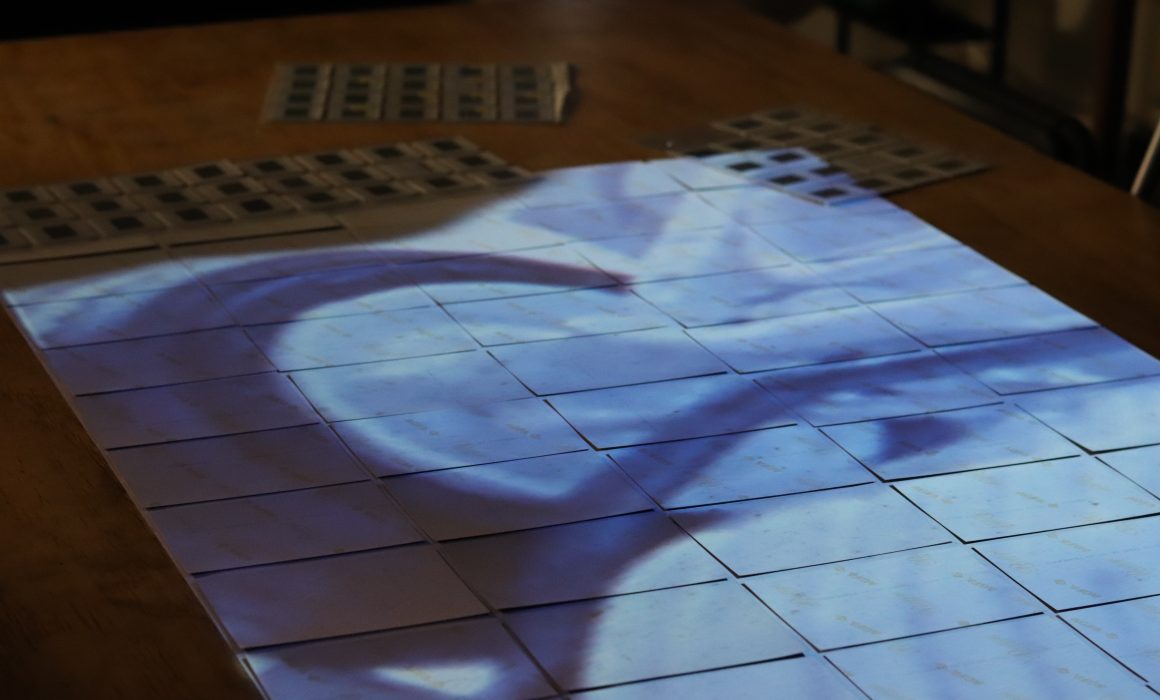
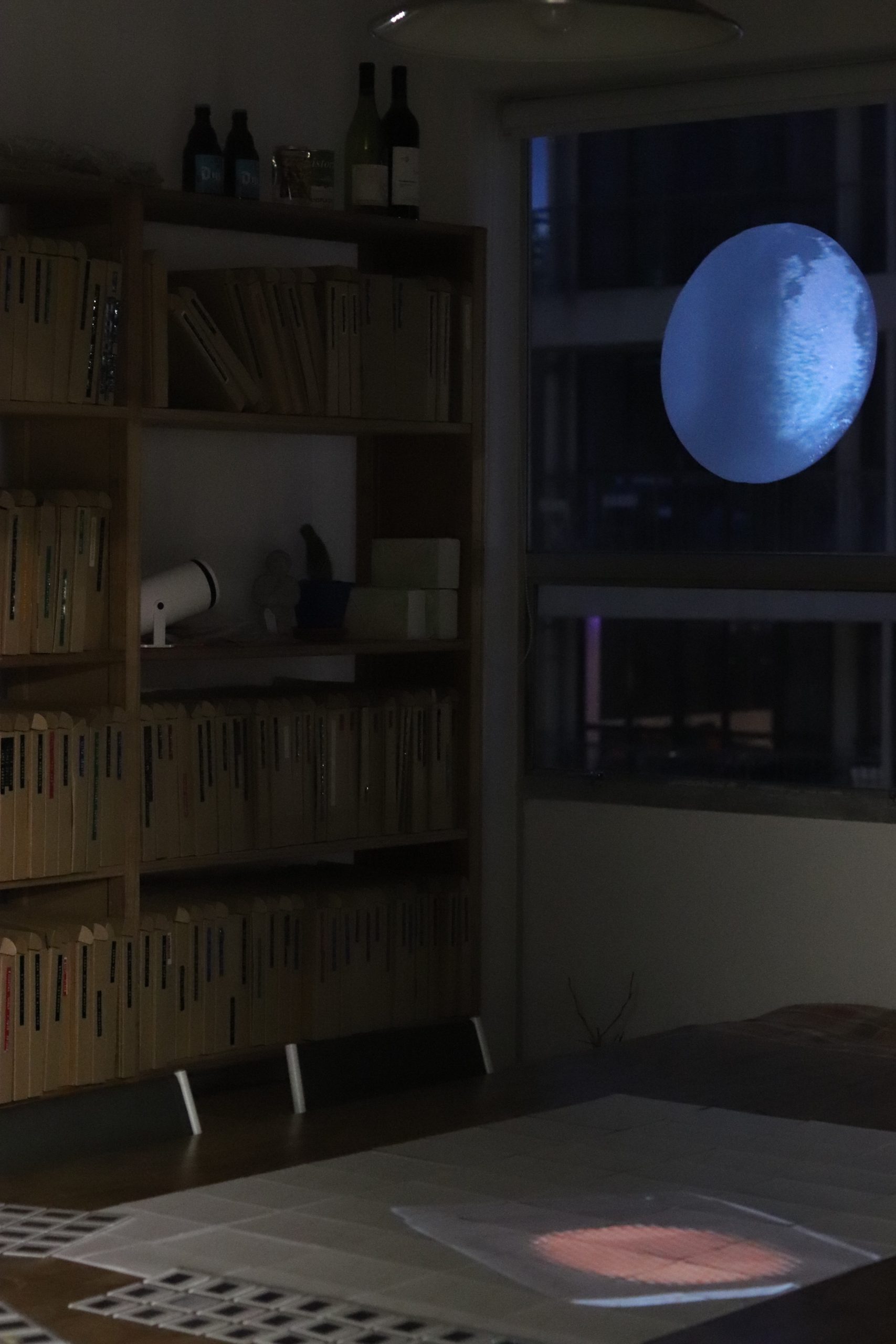
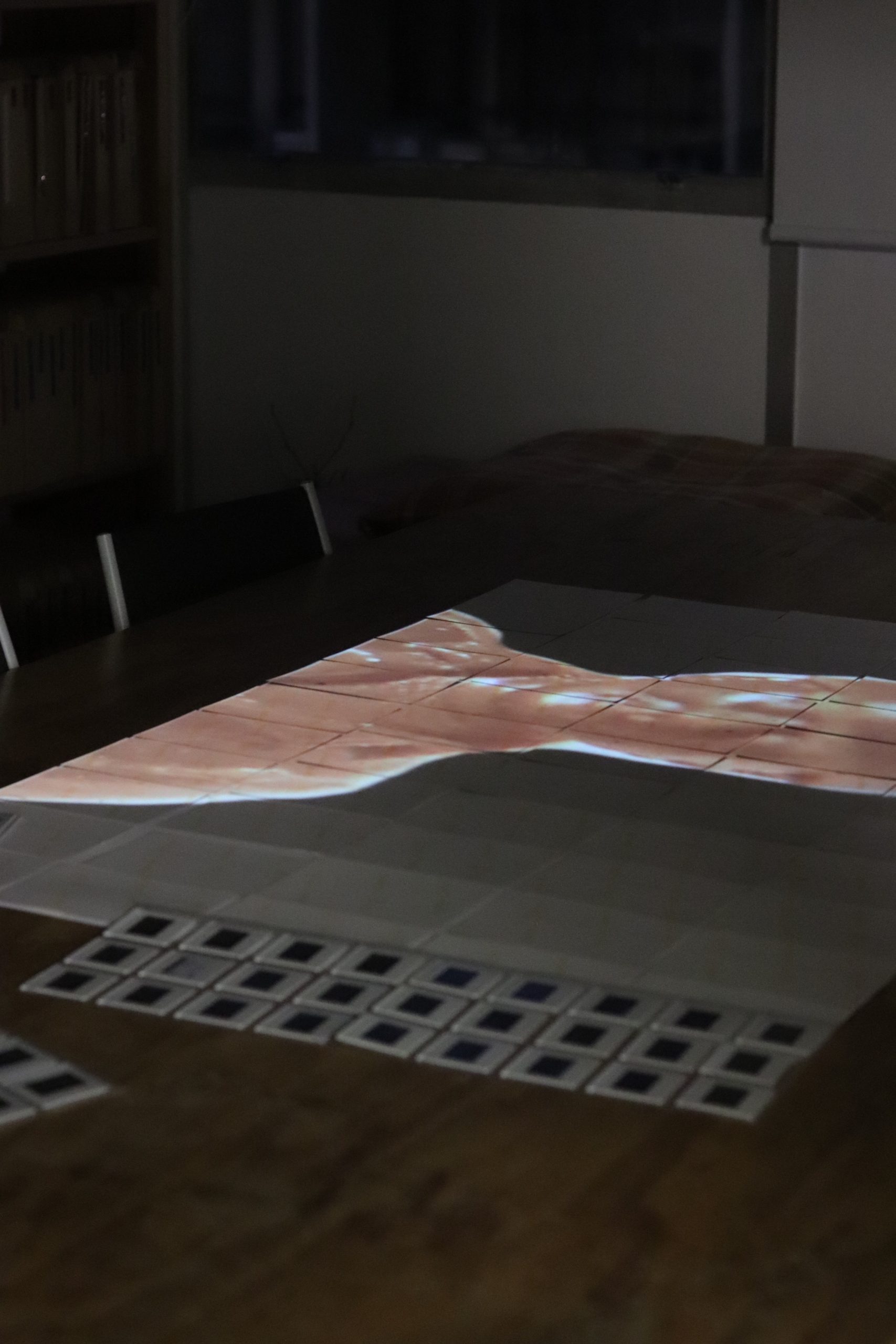
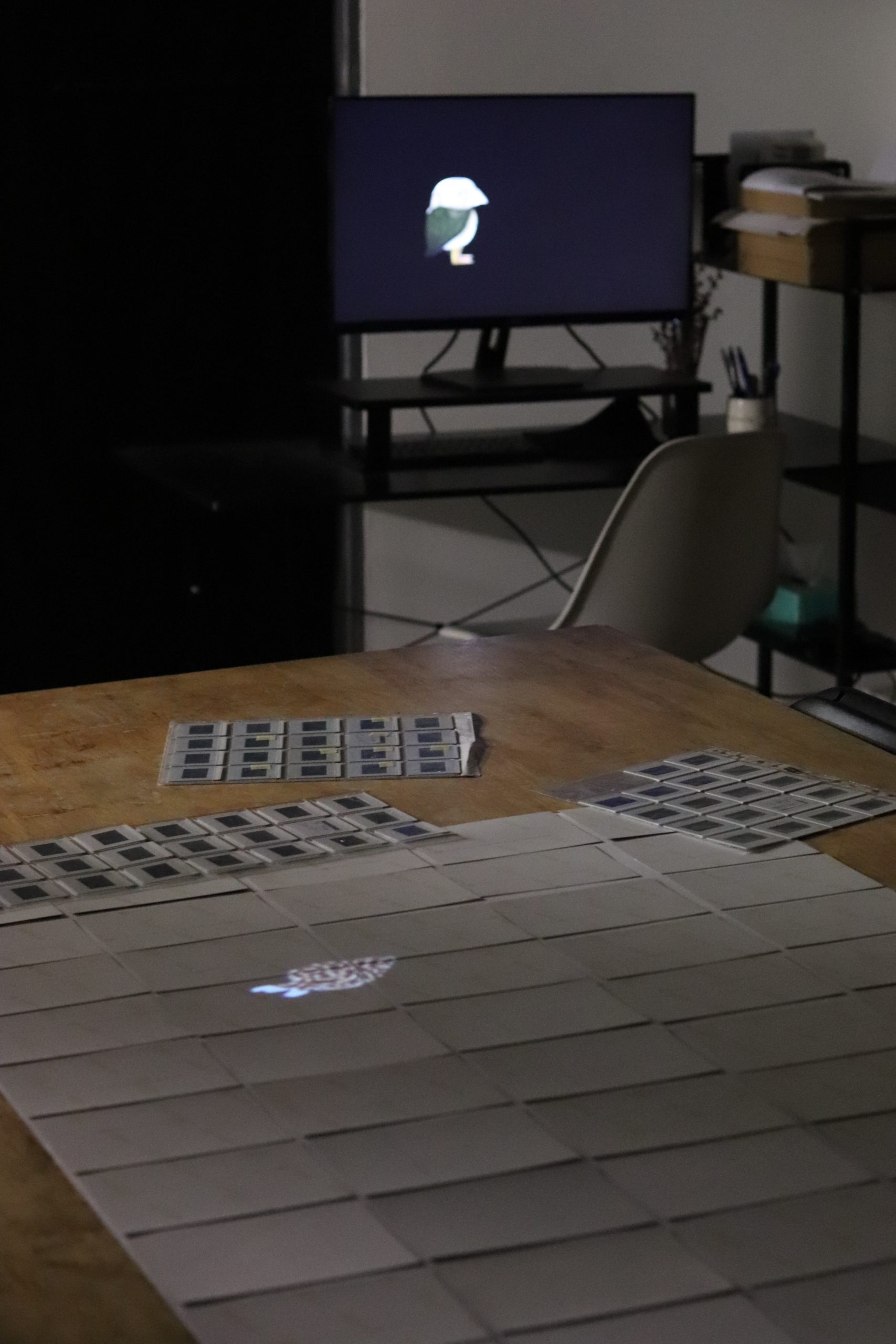
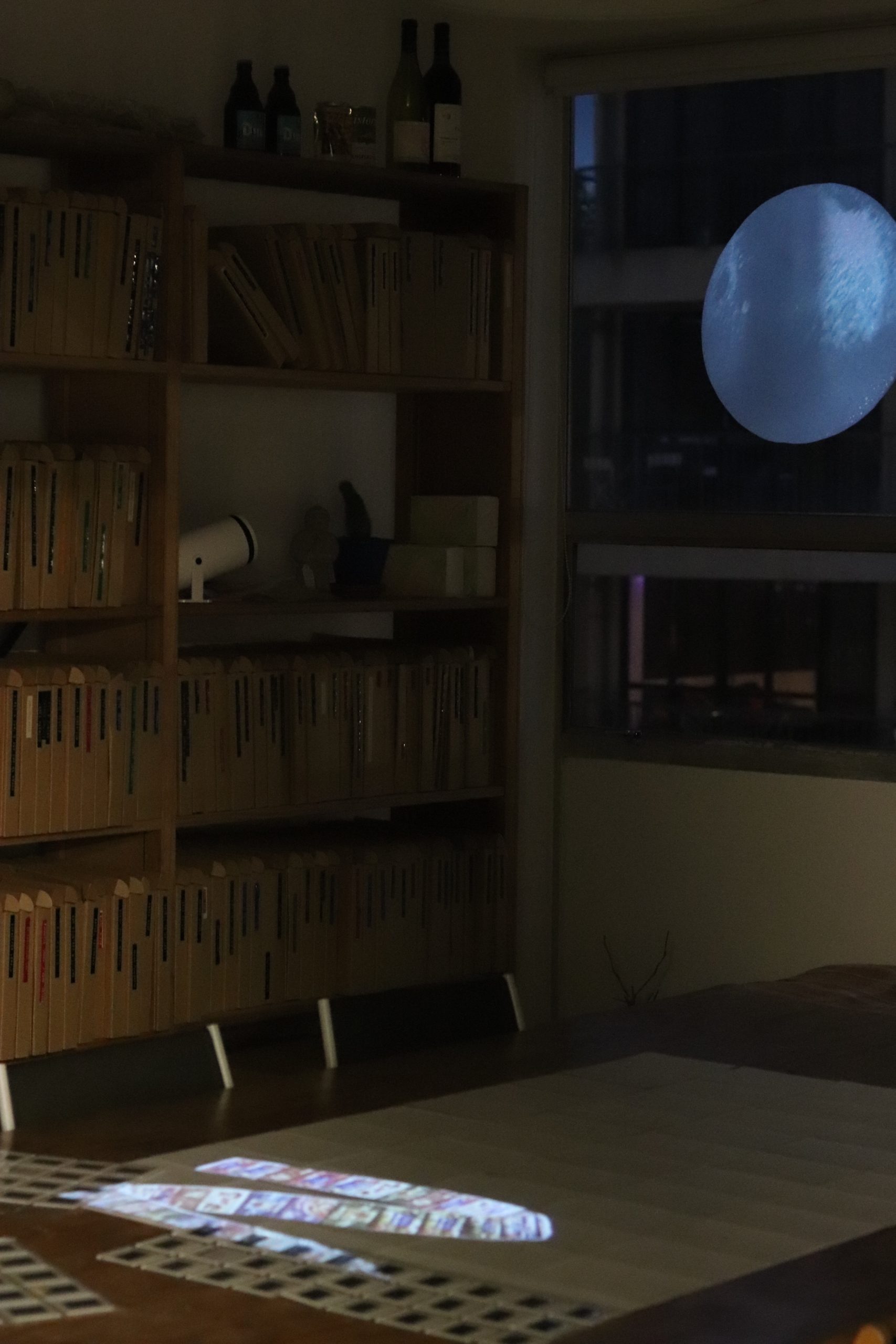
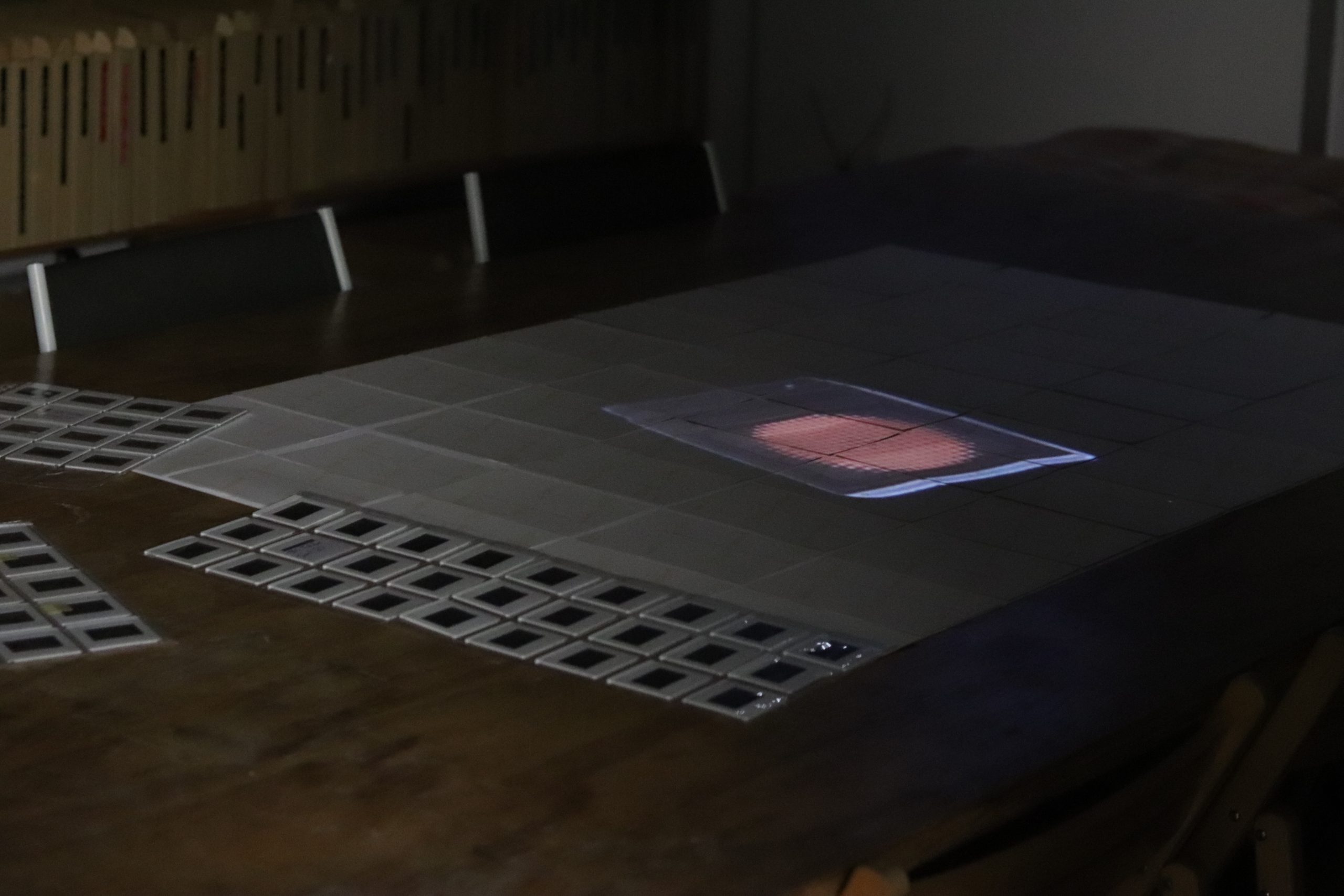
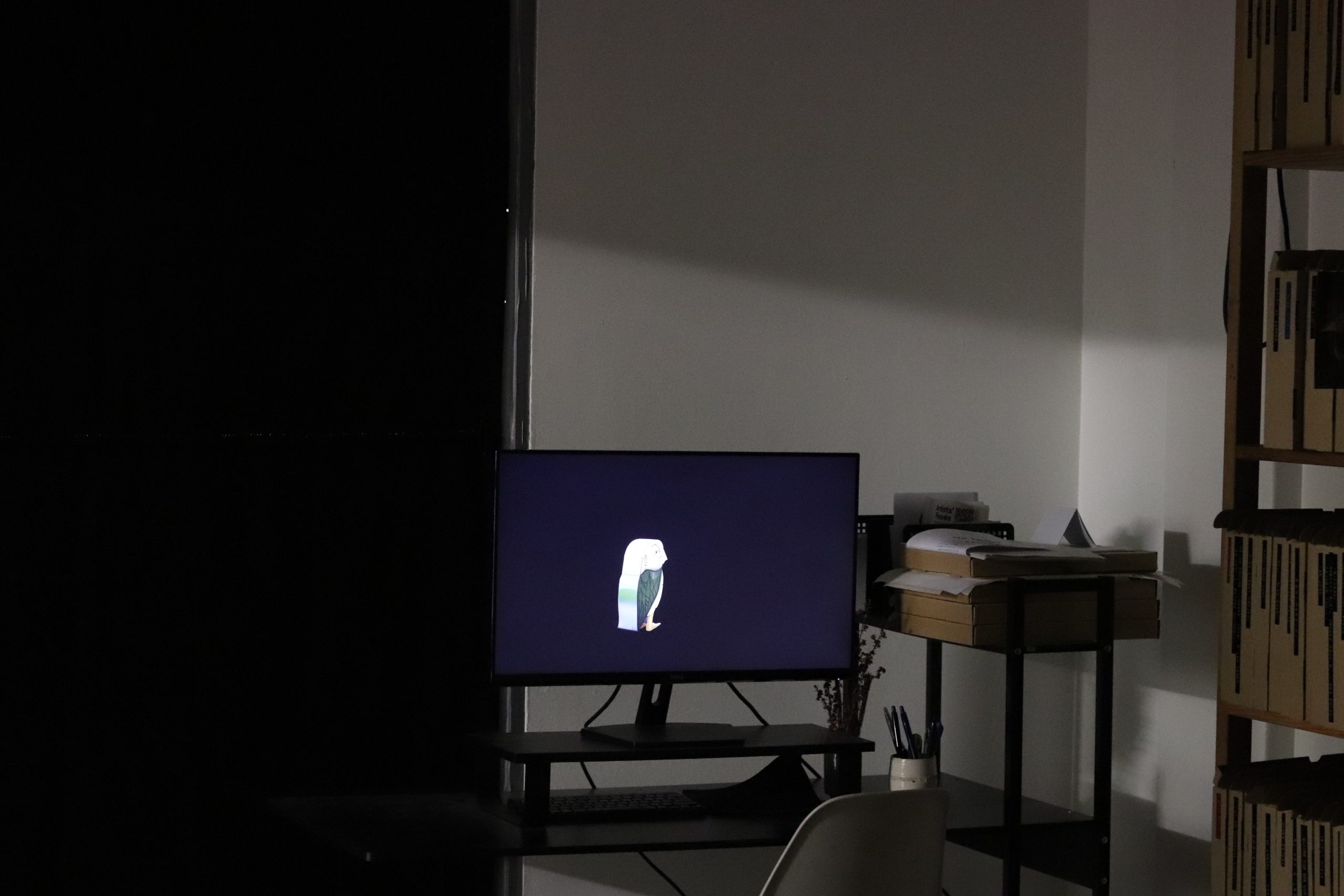
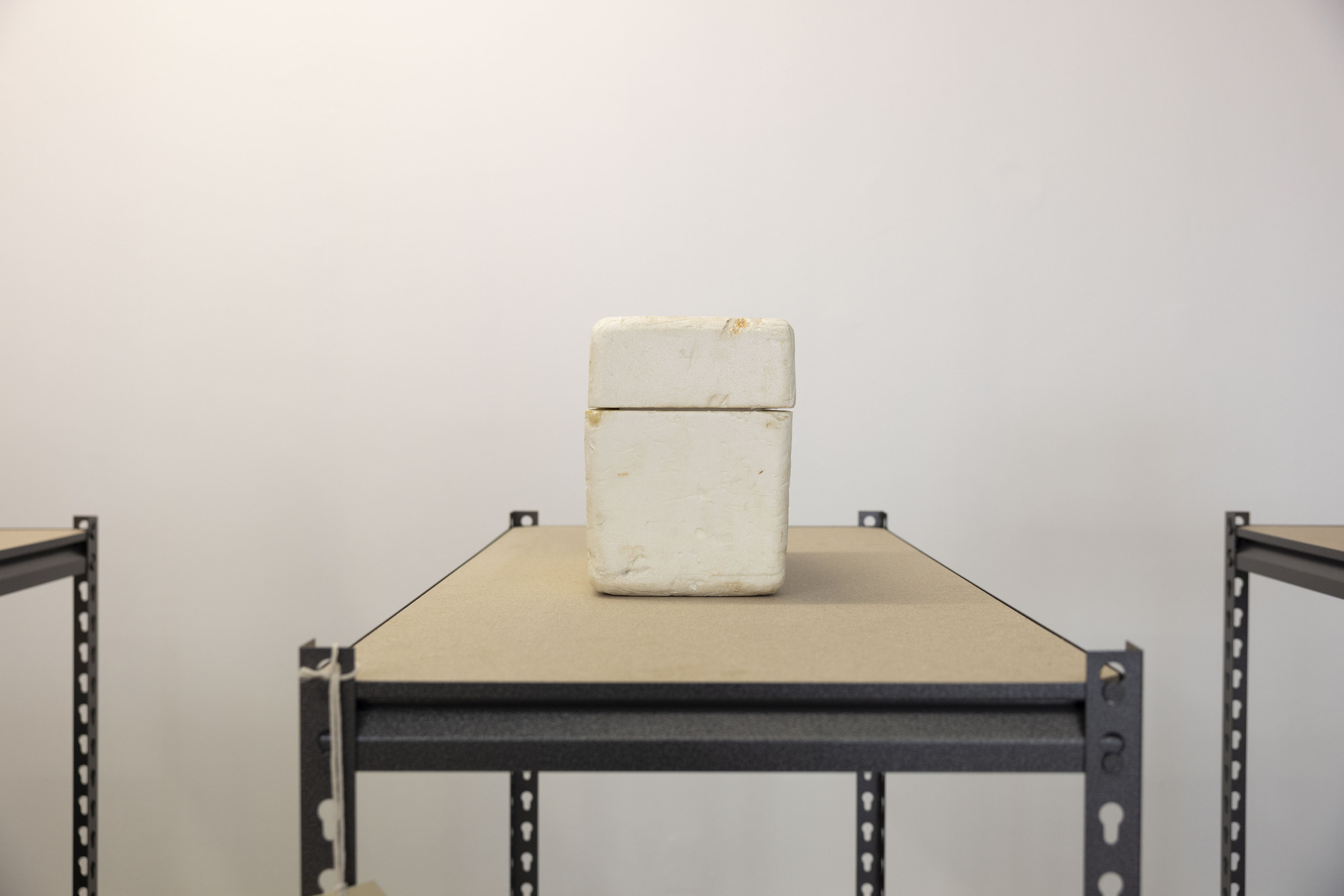
At RM, the archive room is most often overlooked during an exhibition opening — contents boxed away and unseen. Within this archive is a collection of ephemera from exhibitions at the long-running artist-run space dating back to its opening in 1997.

In developing this work, I looked back to the gallery that initially inspired RM to set up this collection. It is modelled on Seoul’s Insa Art Space, where archived materials are described as “waiting to come alive again with the touch and breath of the users, so that they can again be a part of their works and memories”.¹

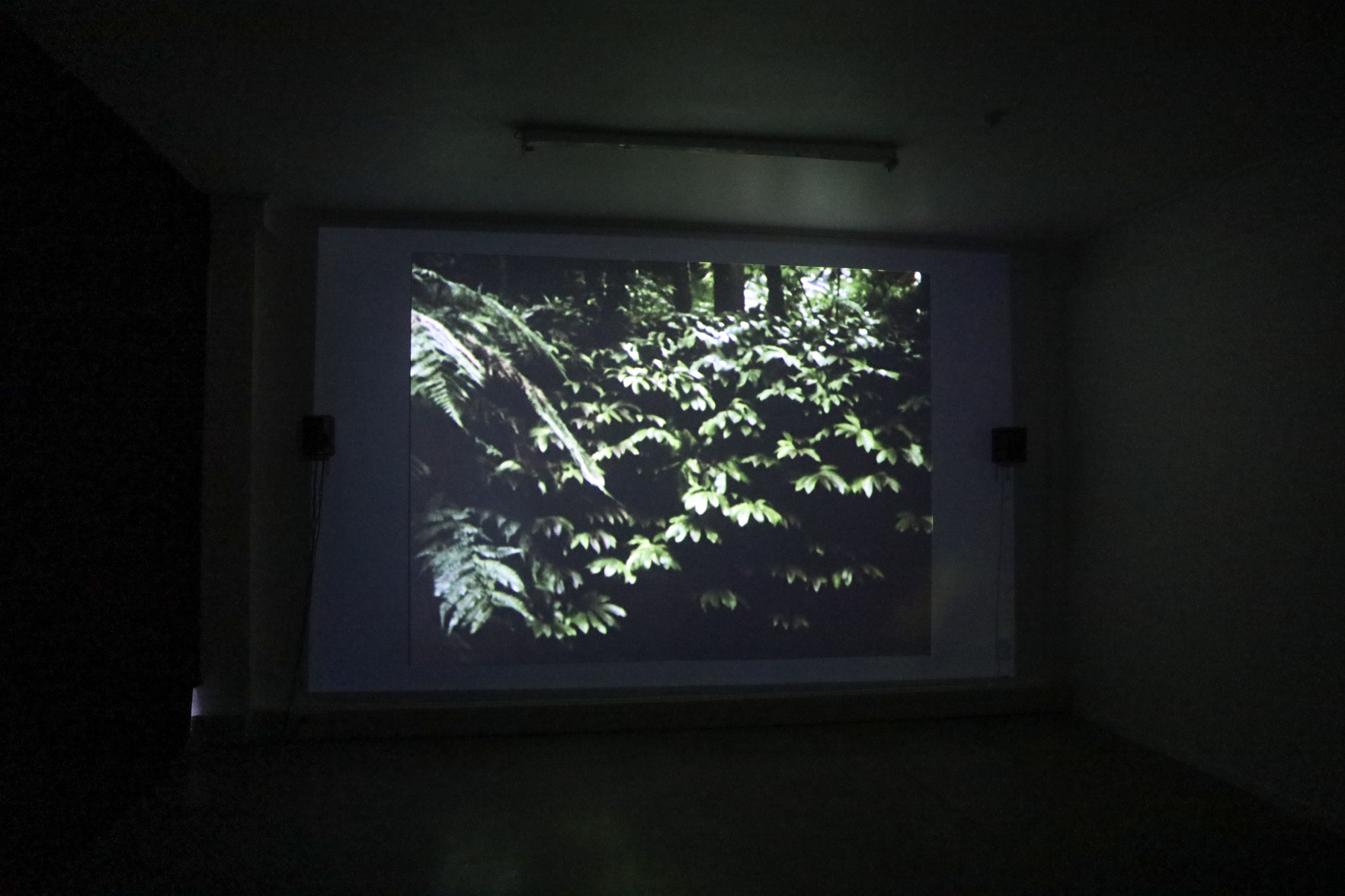
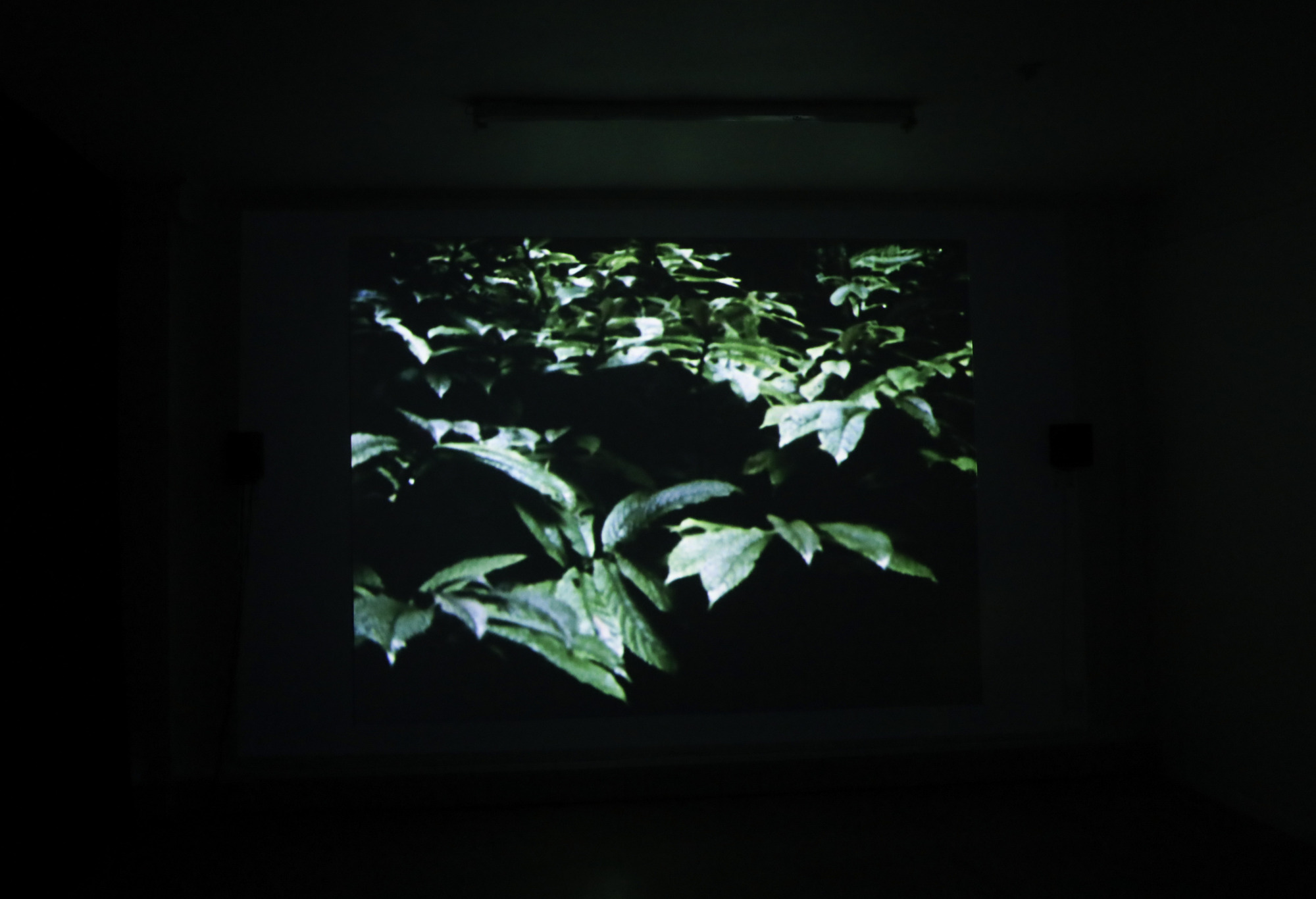
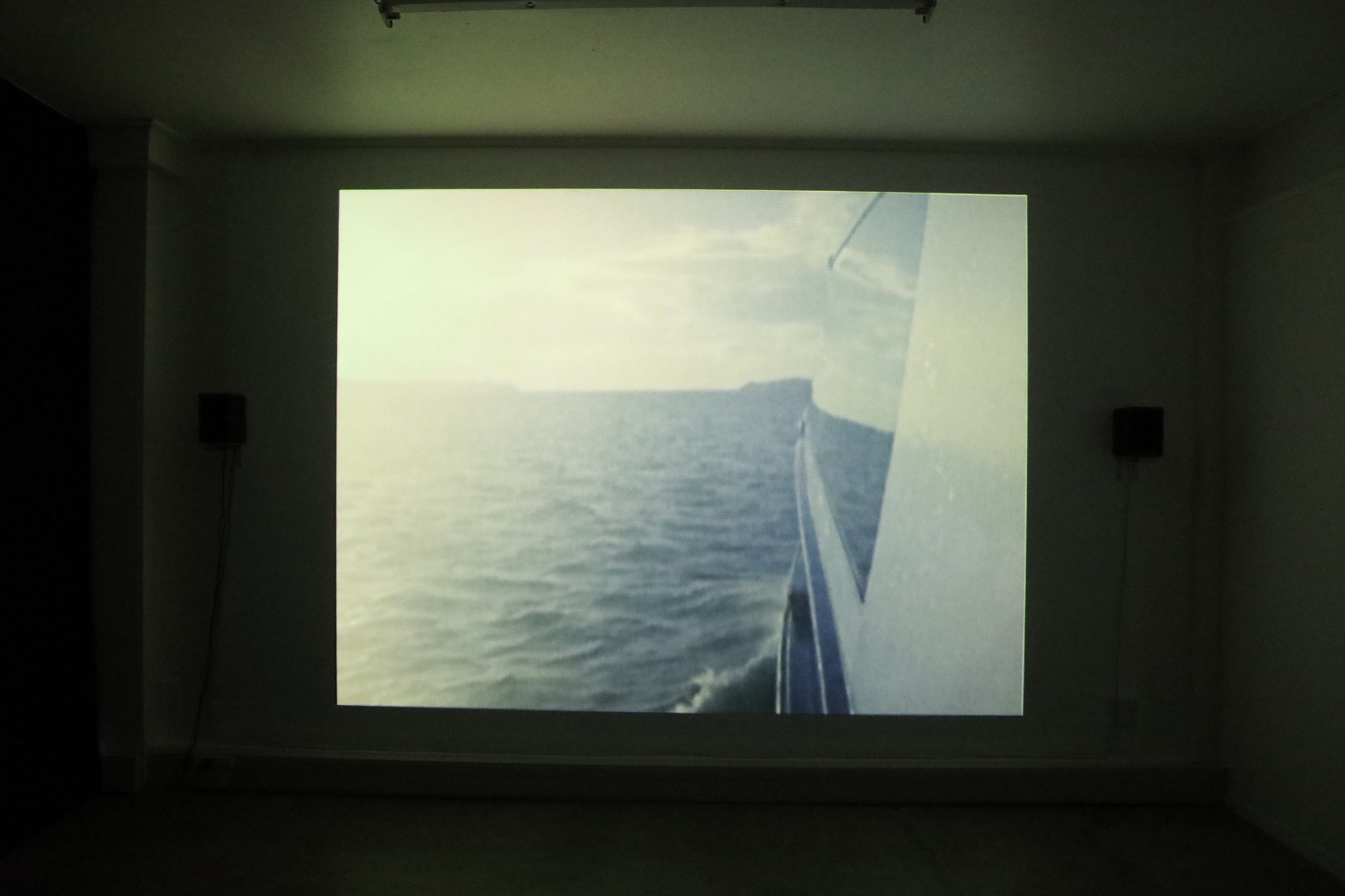
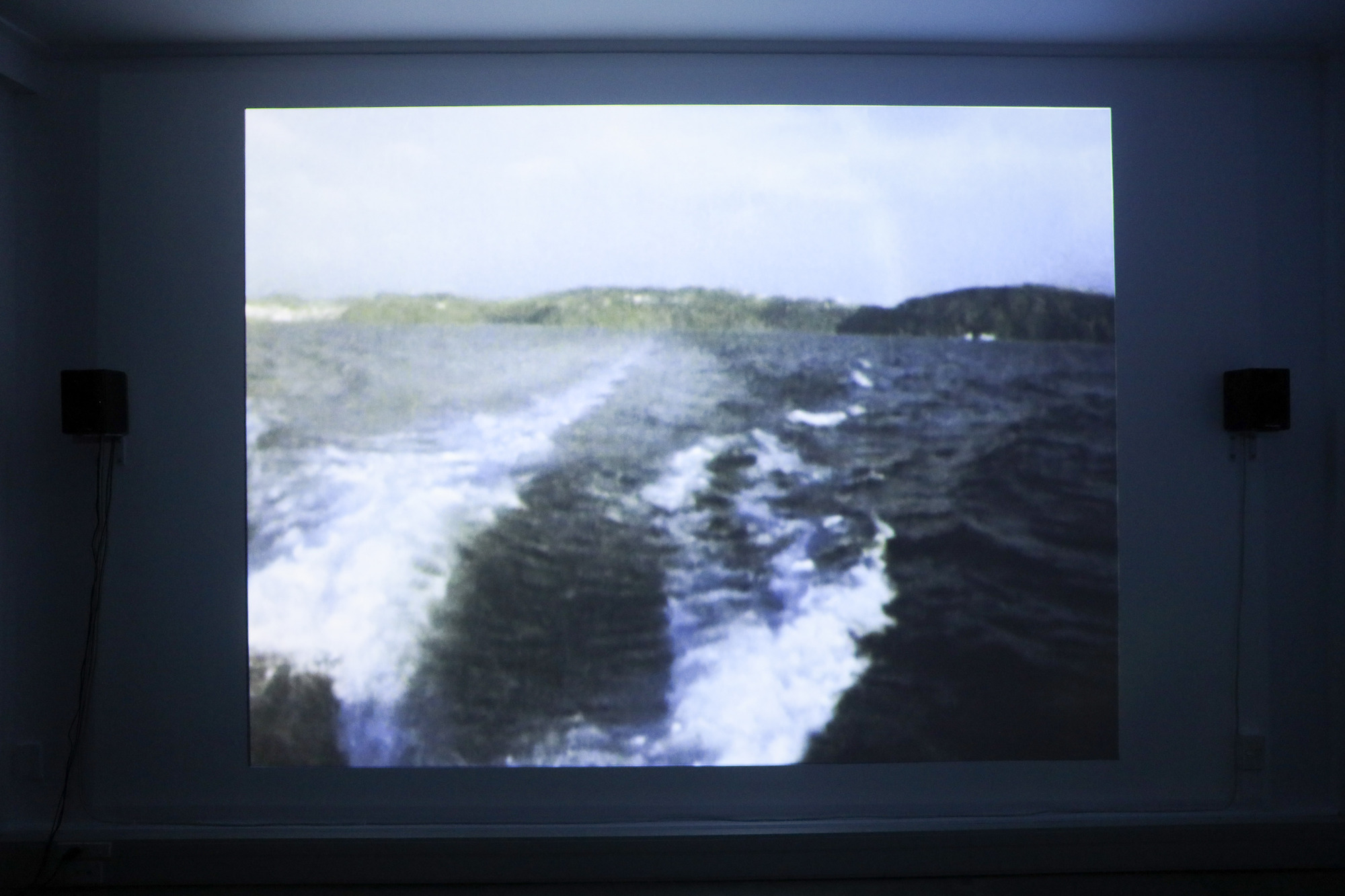
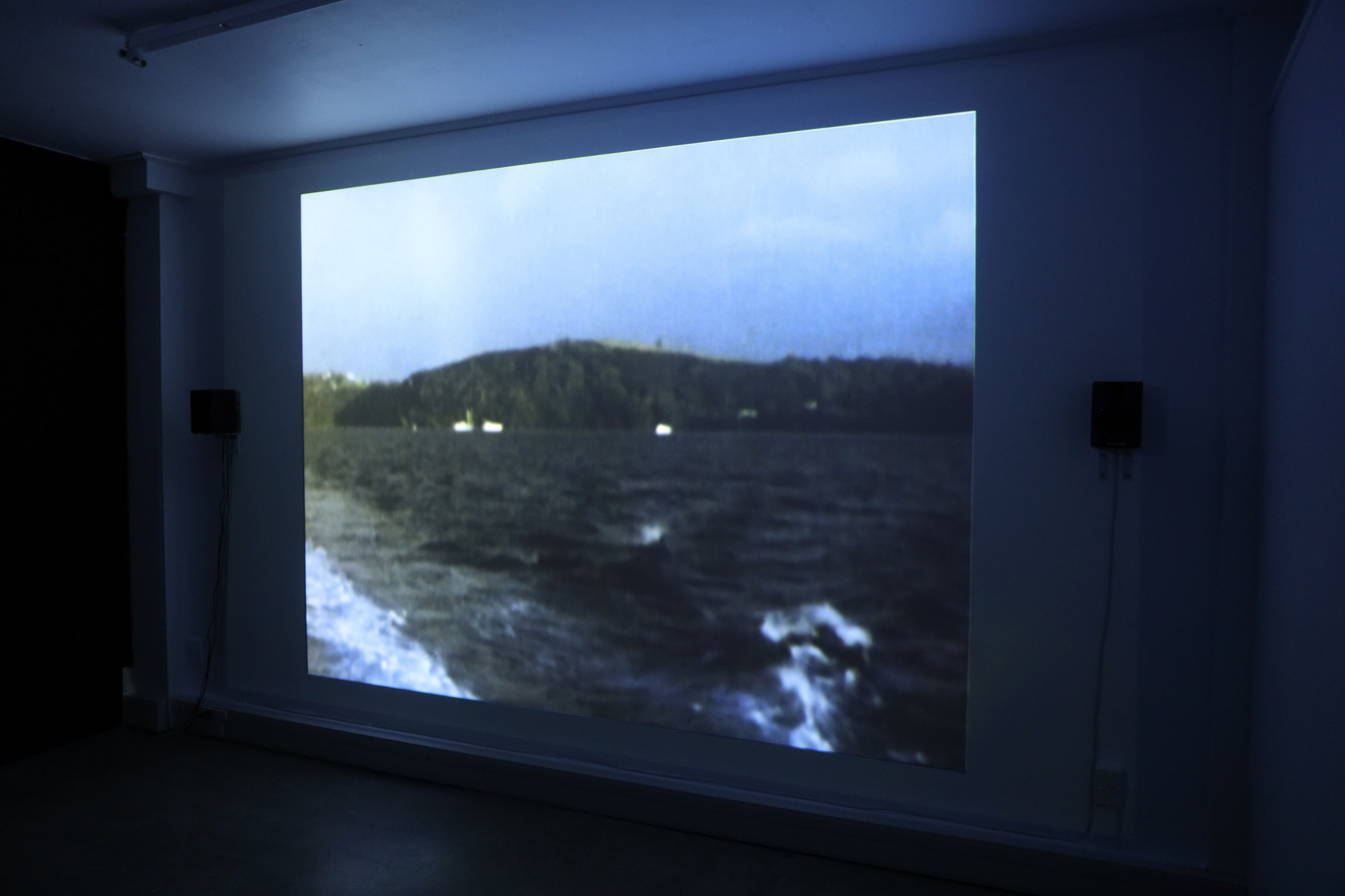
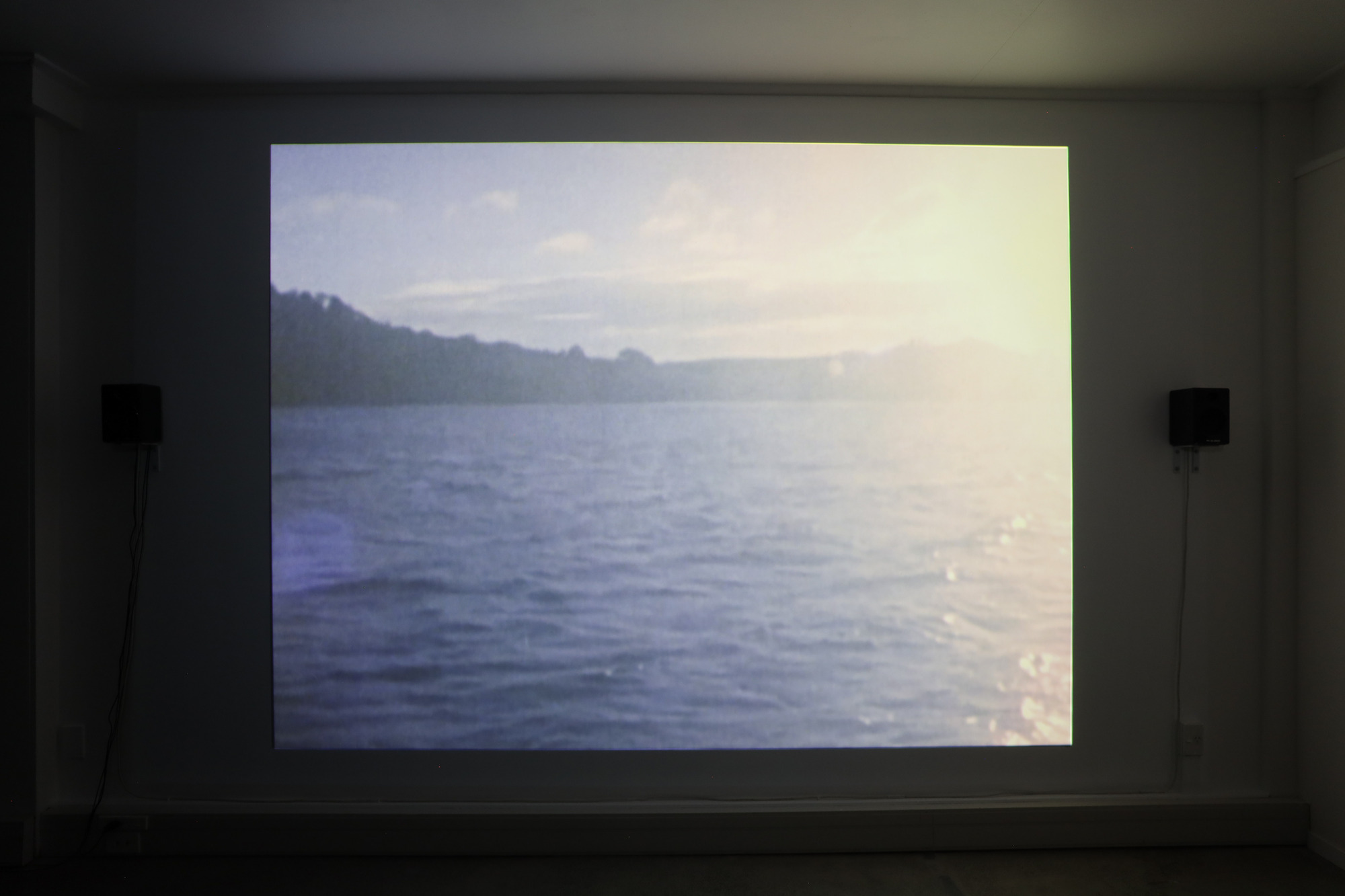
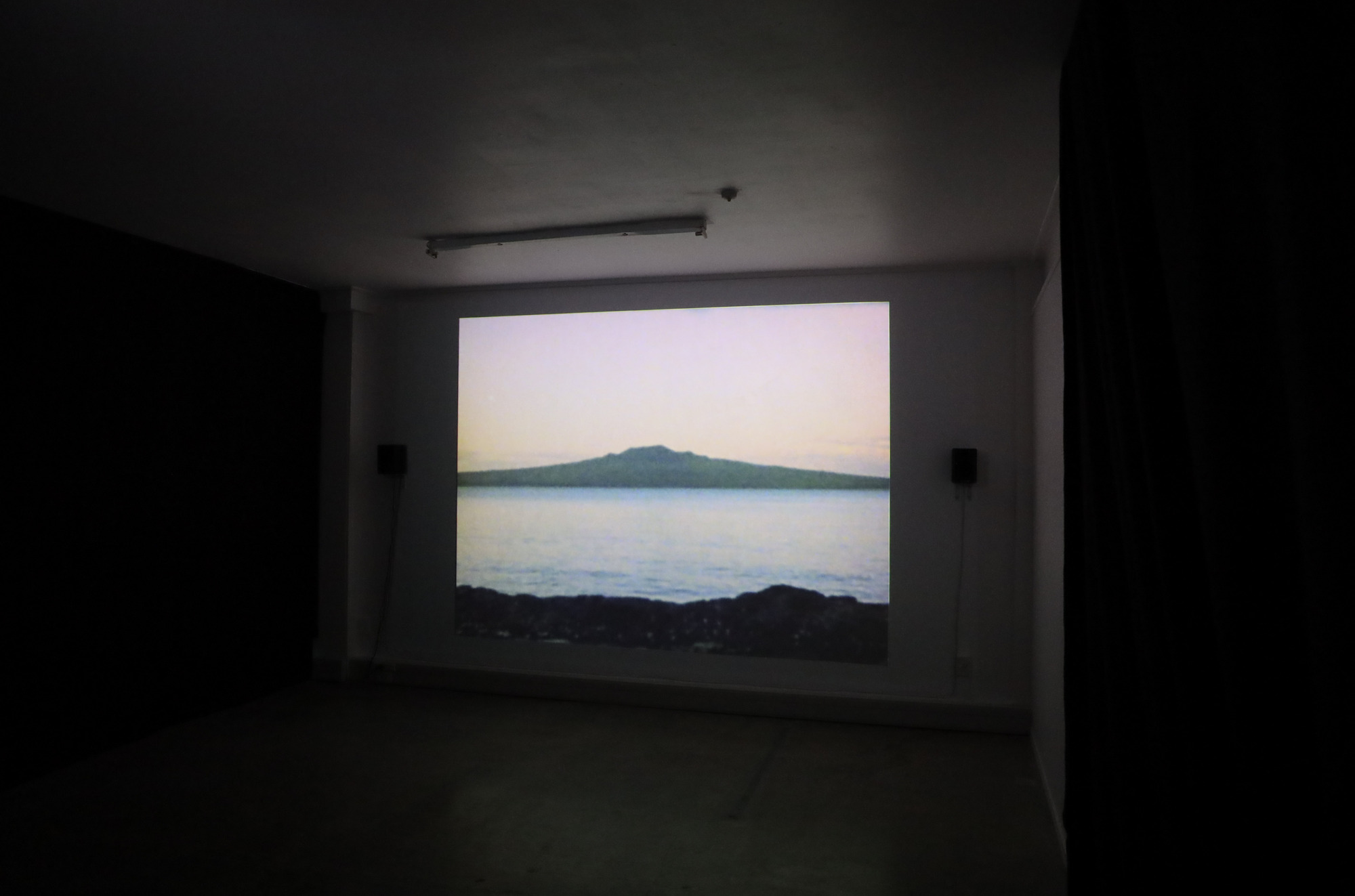
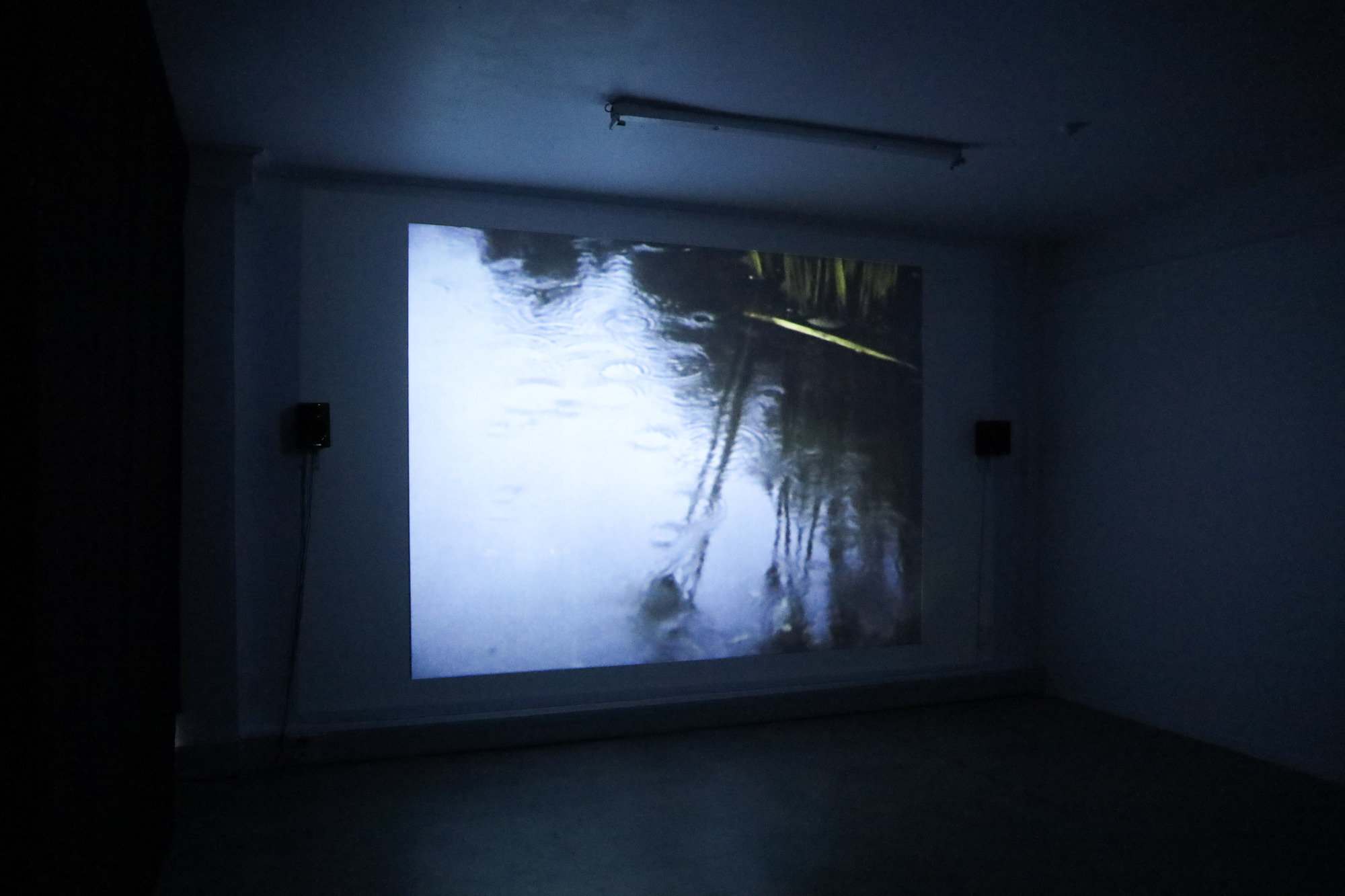
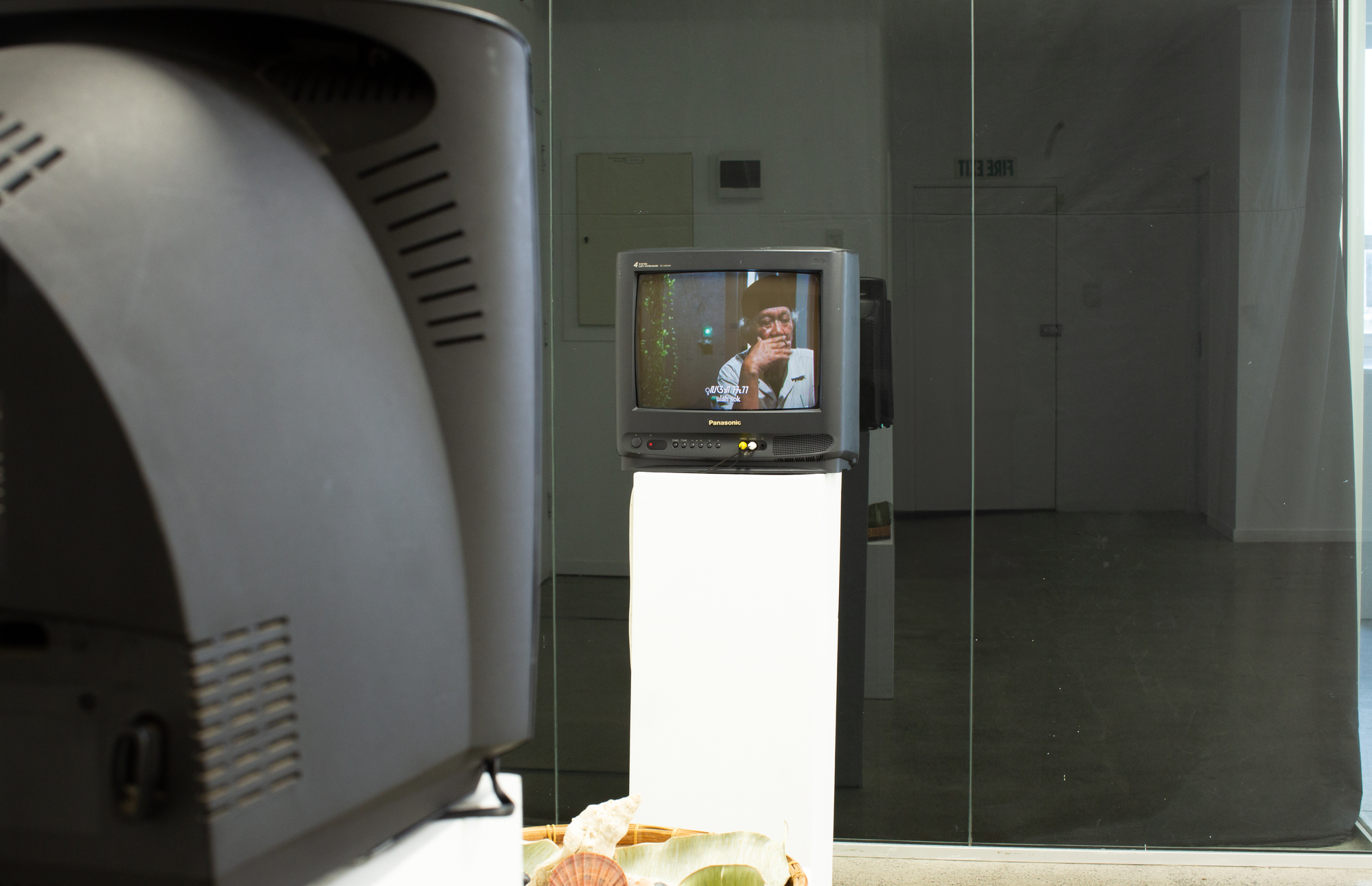
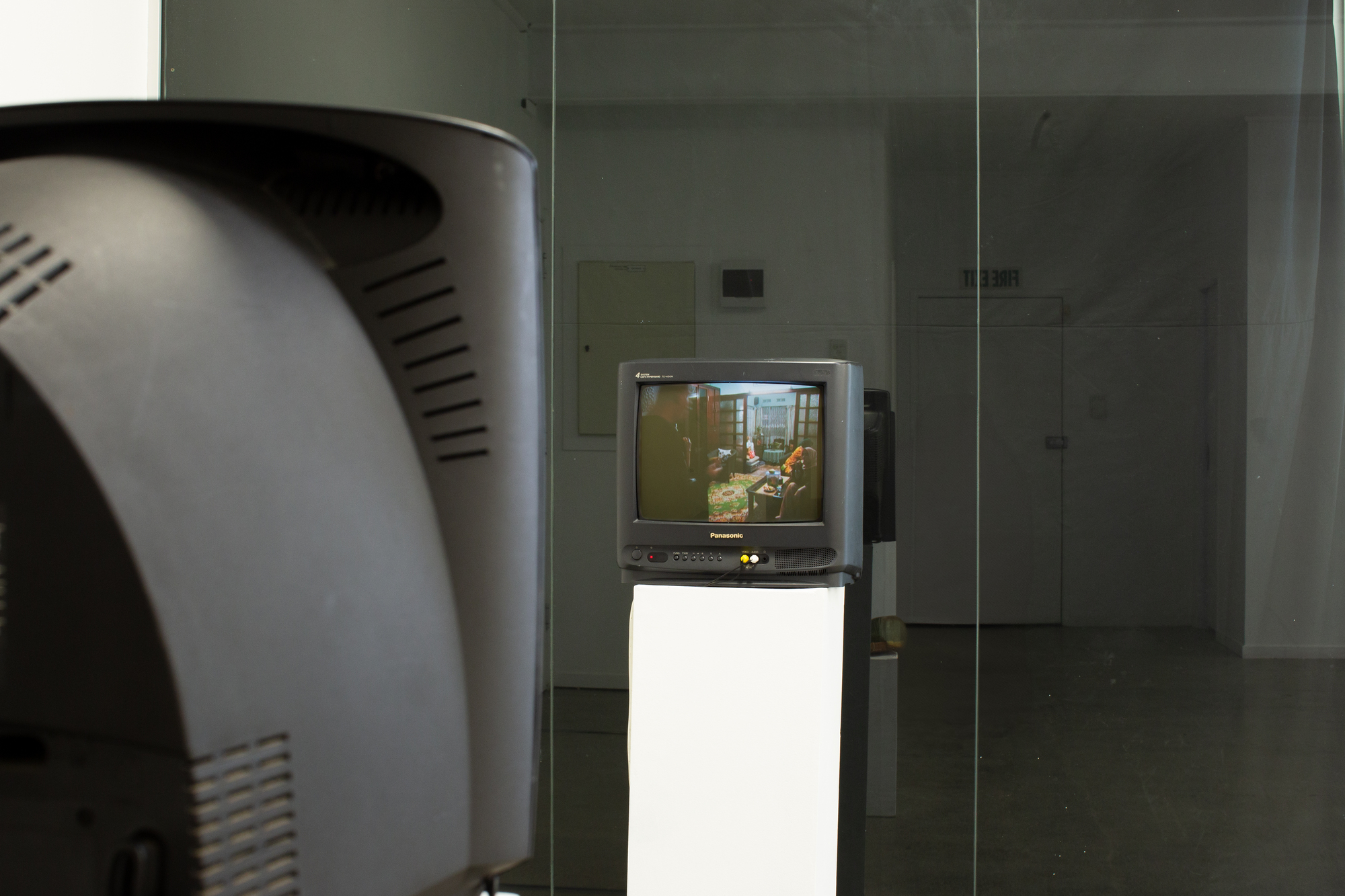
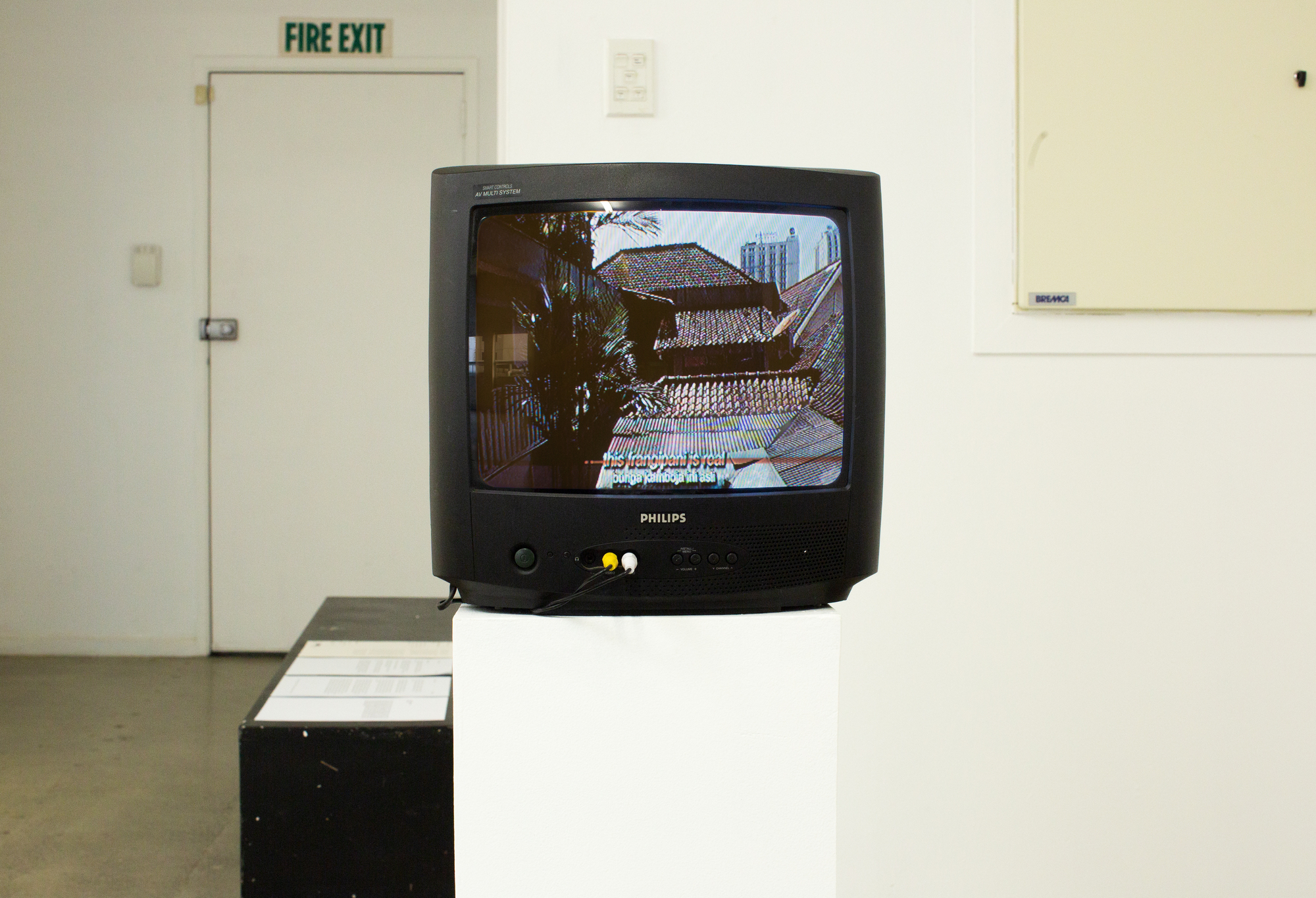
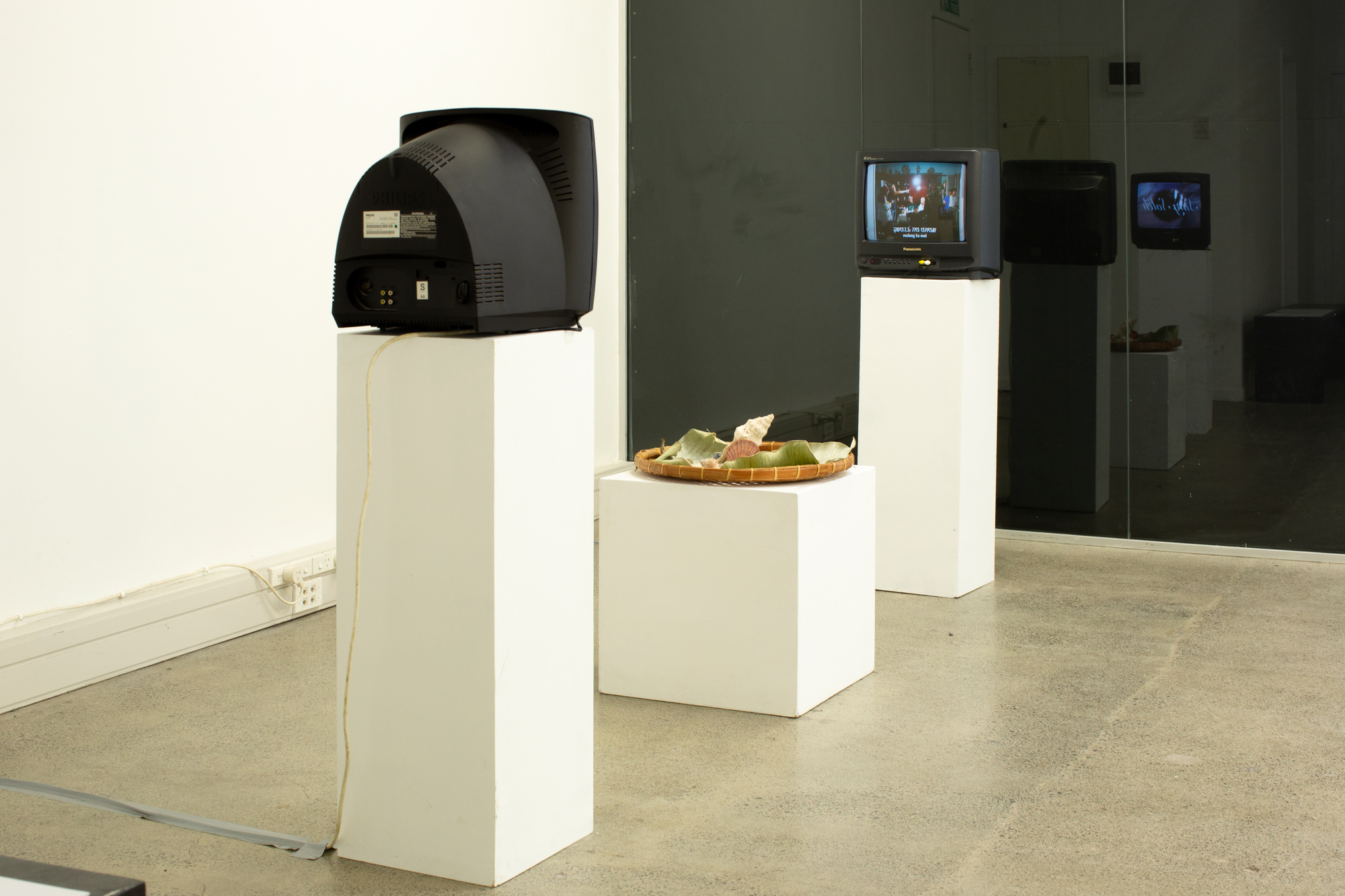
The Archive Room is a multi-channel video installation that reawakens artworks lost to the 22-year old archive, repositioning the collection as a living, breathing site.

¹Insa Art Space, Seoul, South Korea, 2007. RM Gallery, accessed 28 September 2024.

Images by Shannon Conacher

Shaday Moore, Thanh-Phong Ngô, Zoia Azzura and Christian Turner : Beyond the Familiar

Shaday Moore, Thanh-Phong Ngô, Zoia Azzura and Christian Turner
Beyond the Familiar

16 July – 23 August 2025

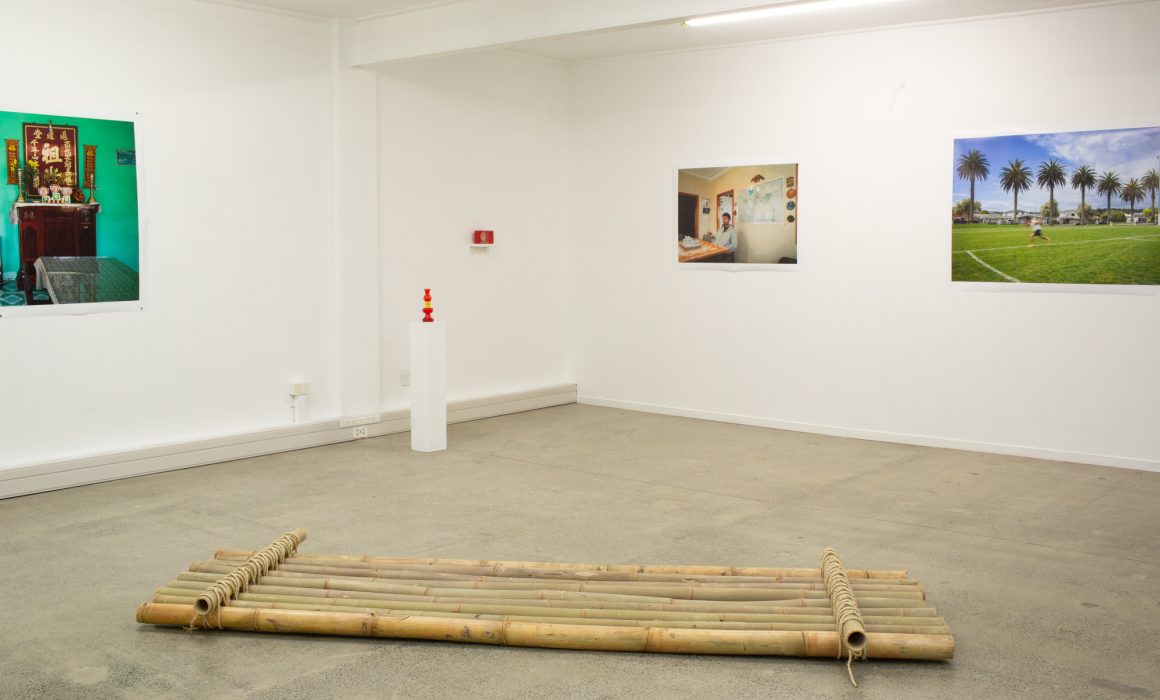
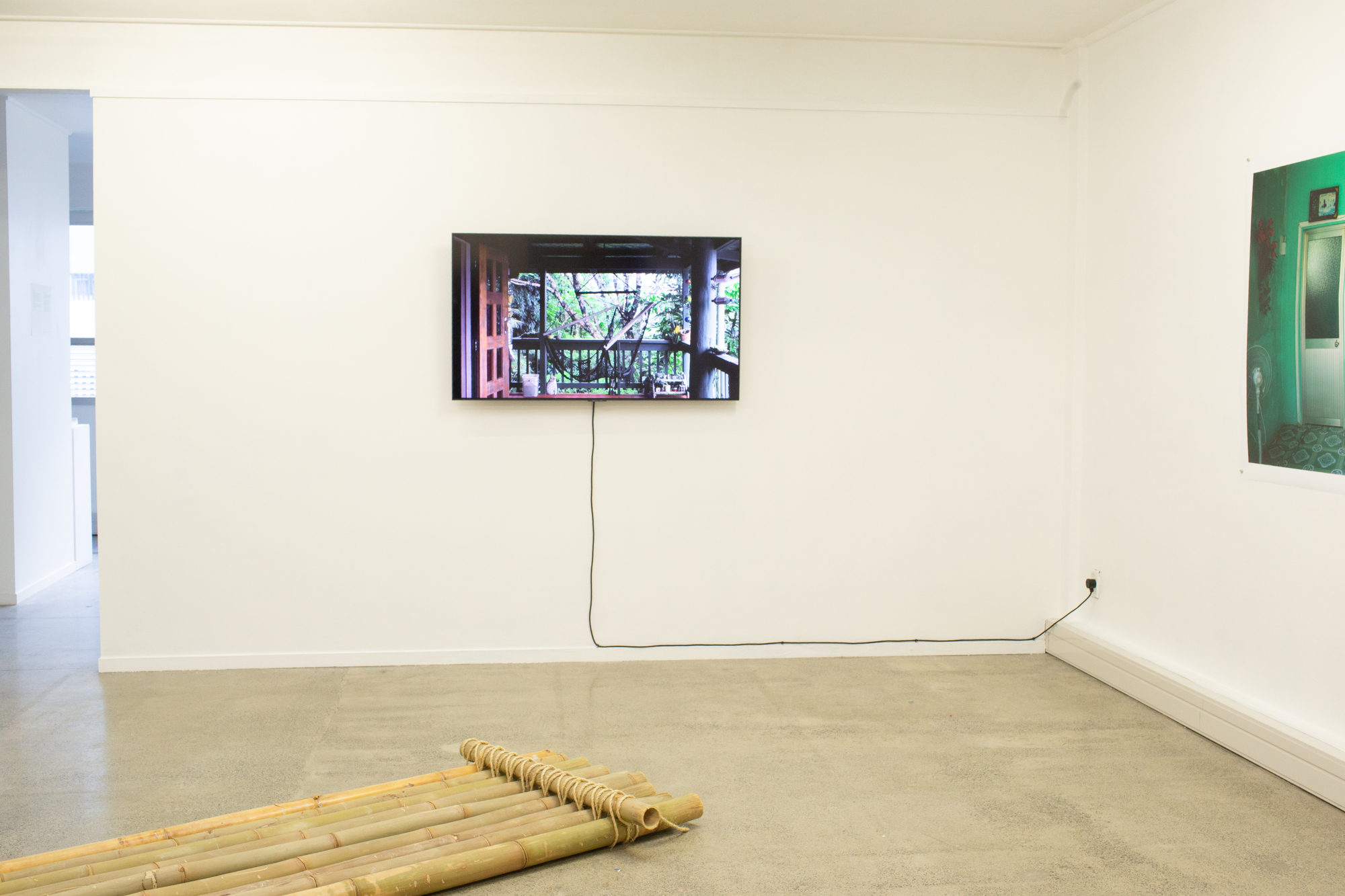
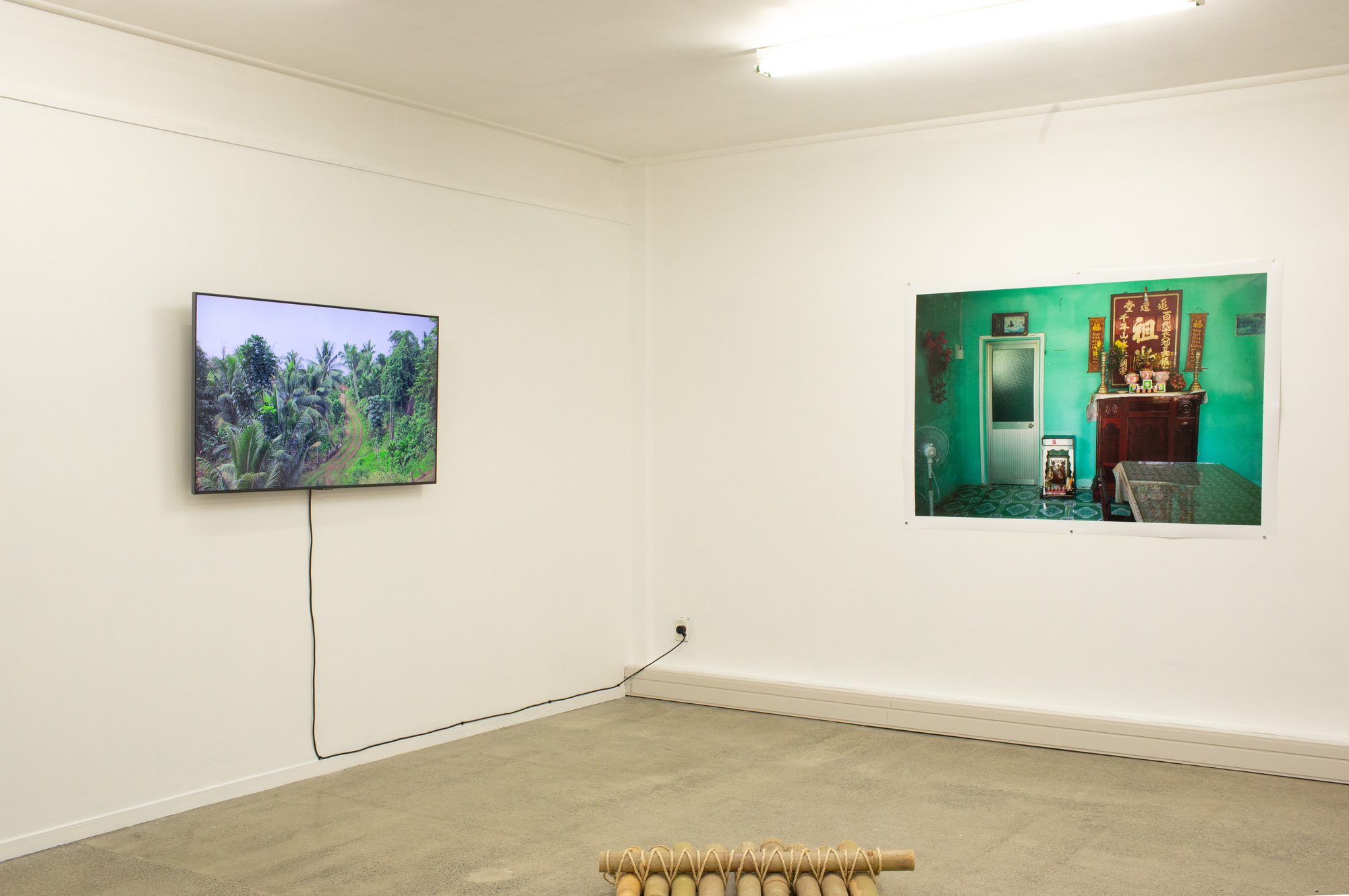
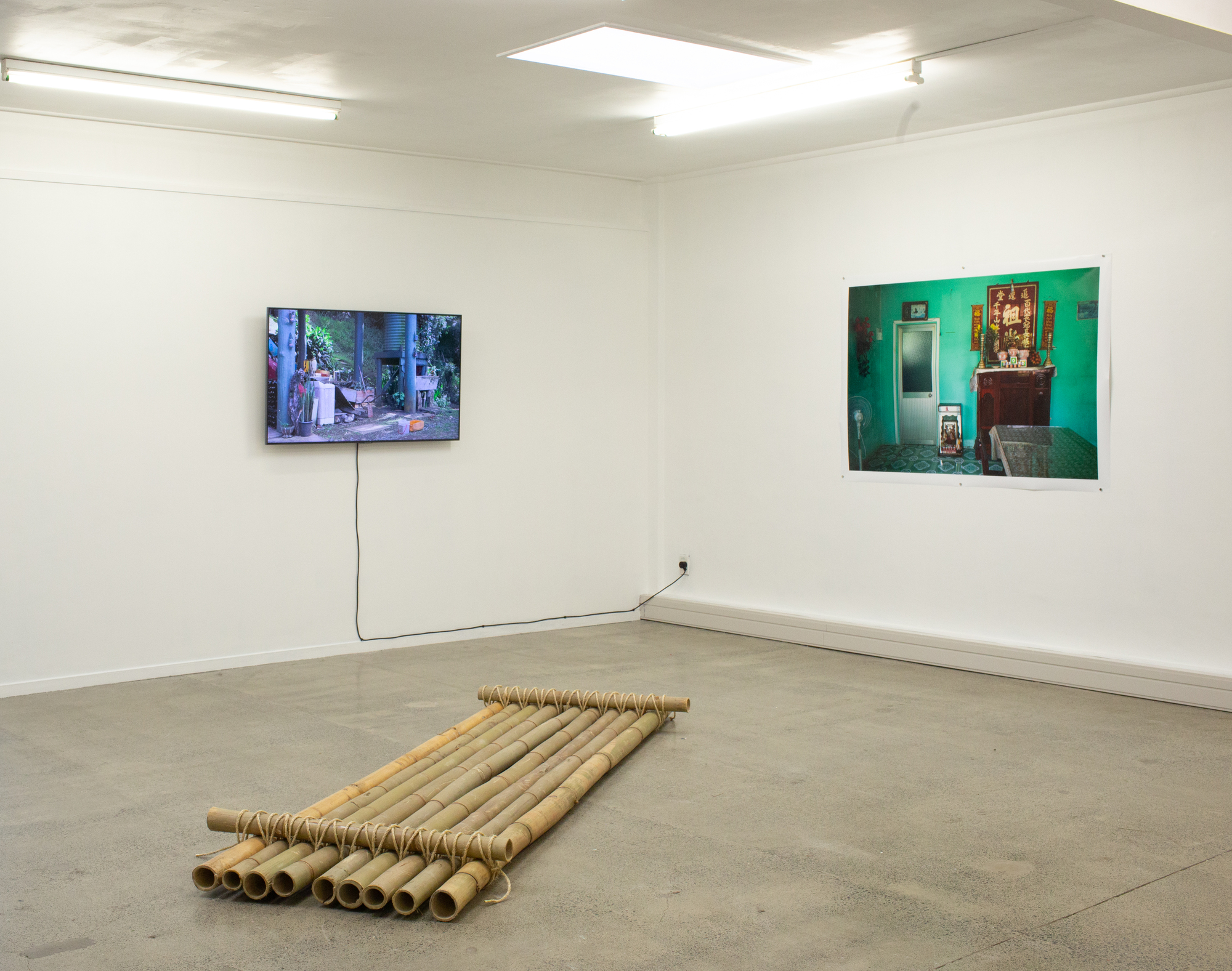
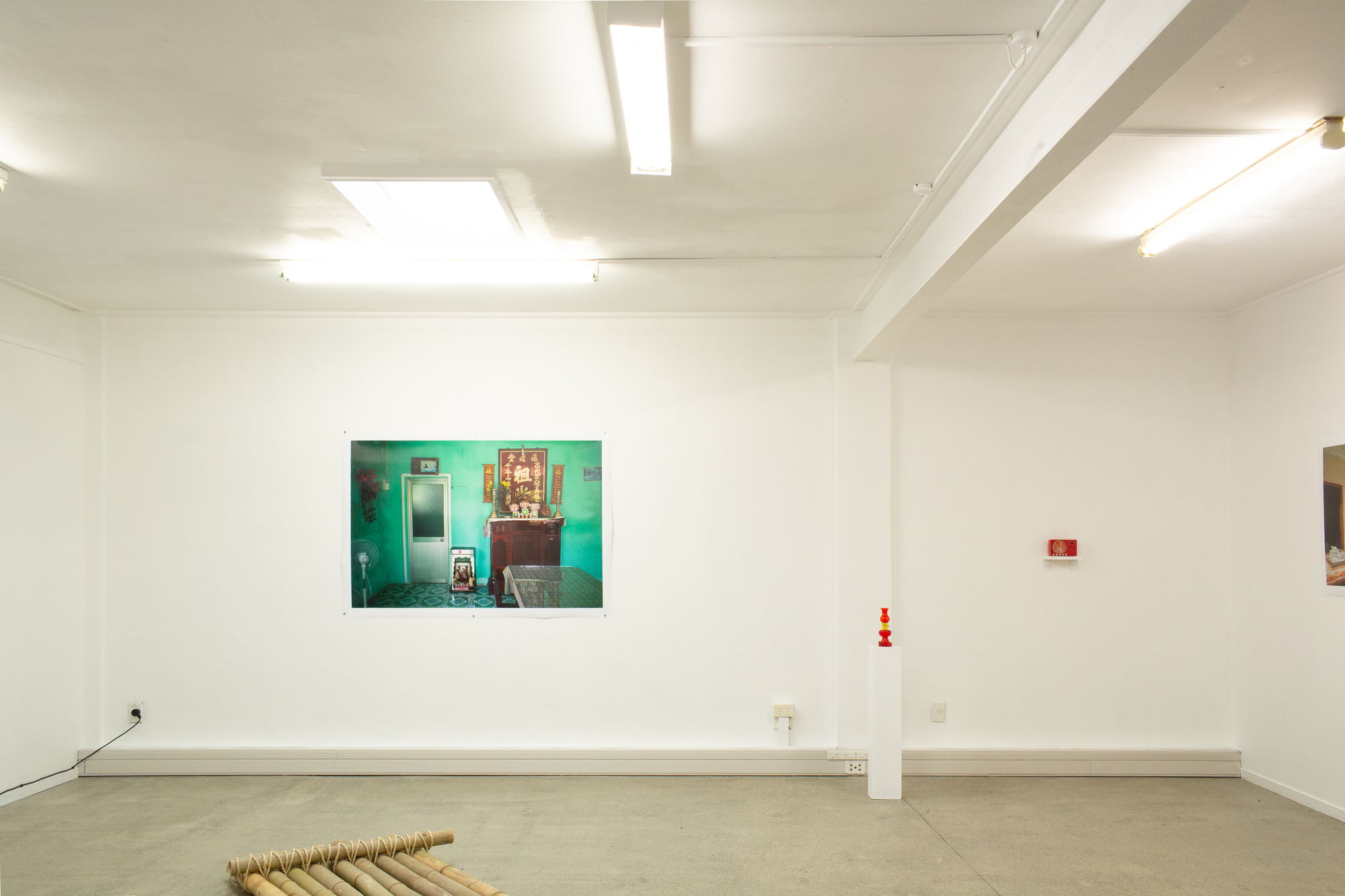
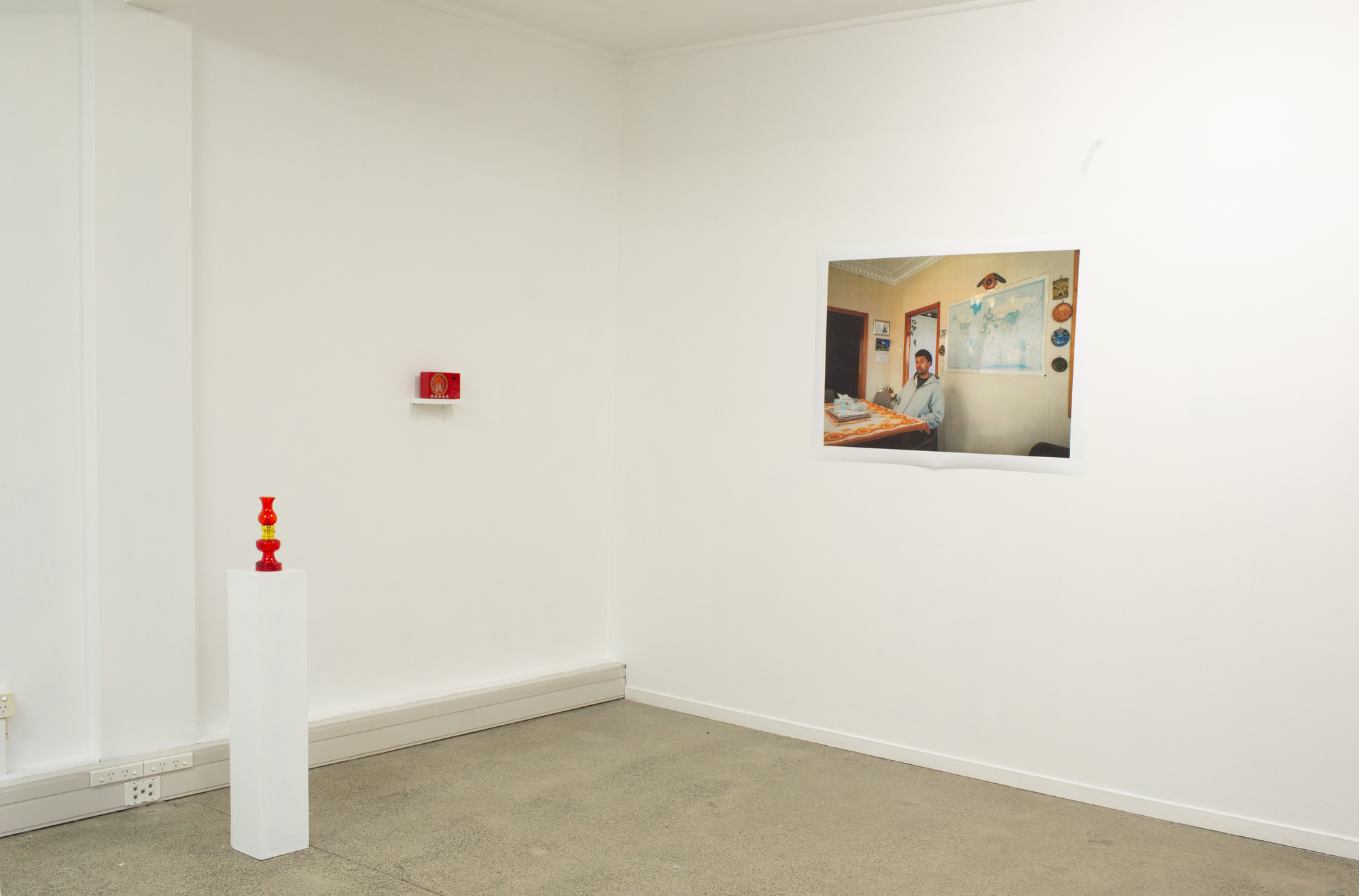
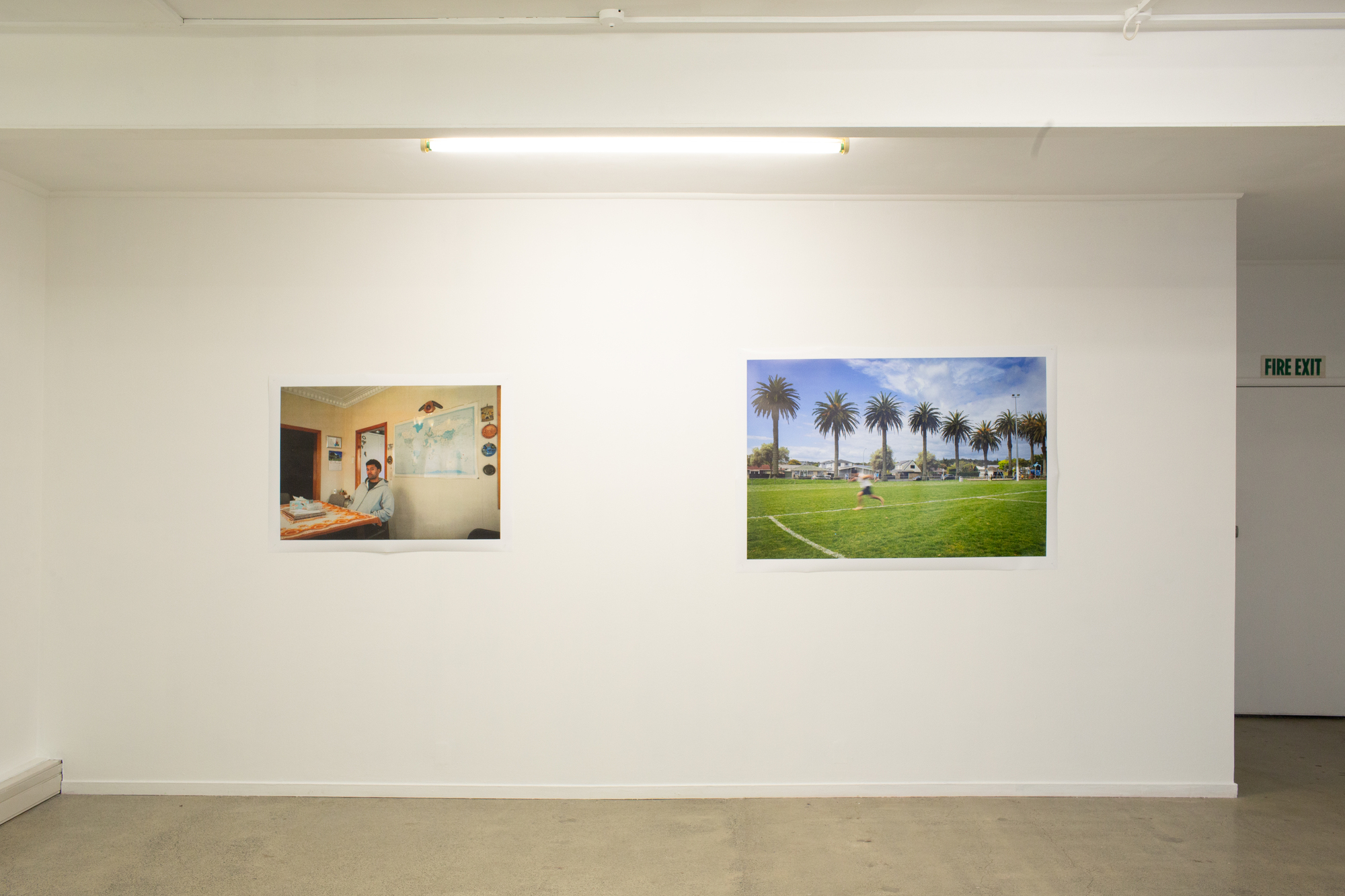
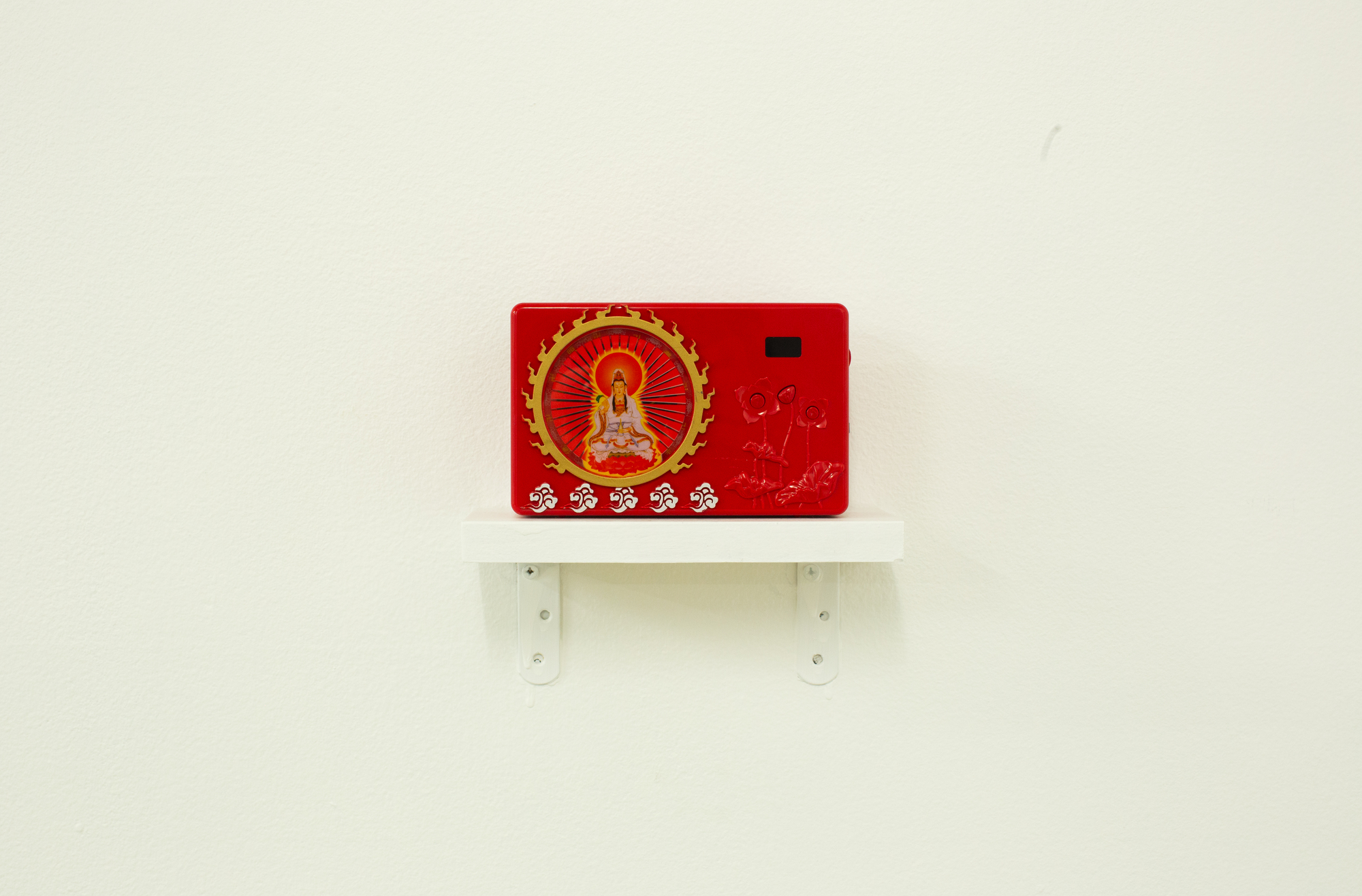
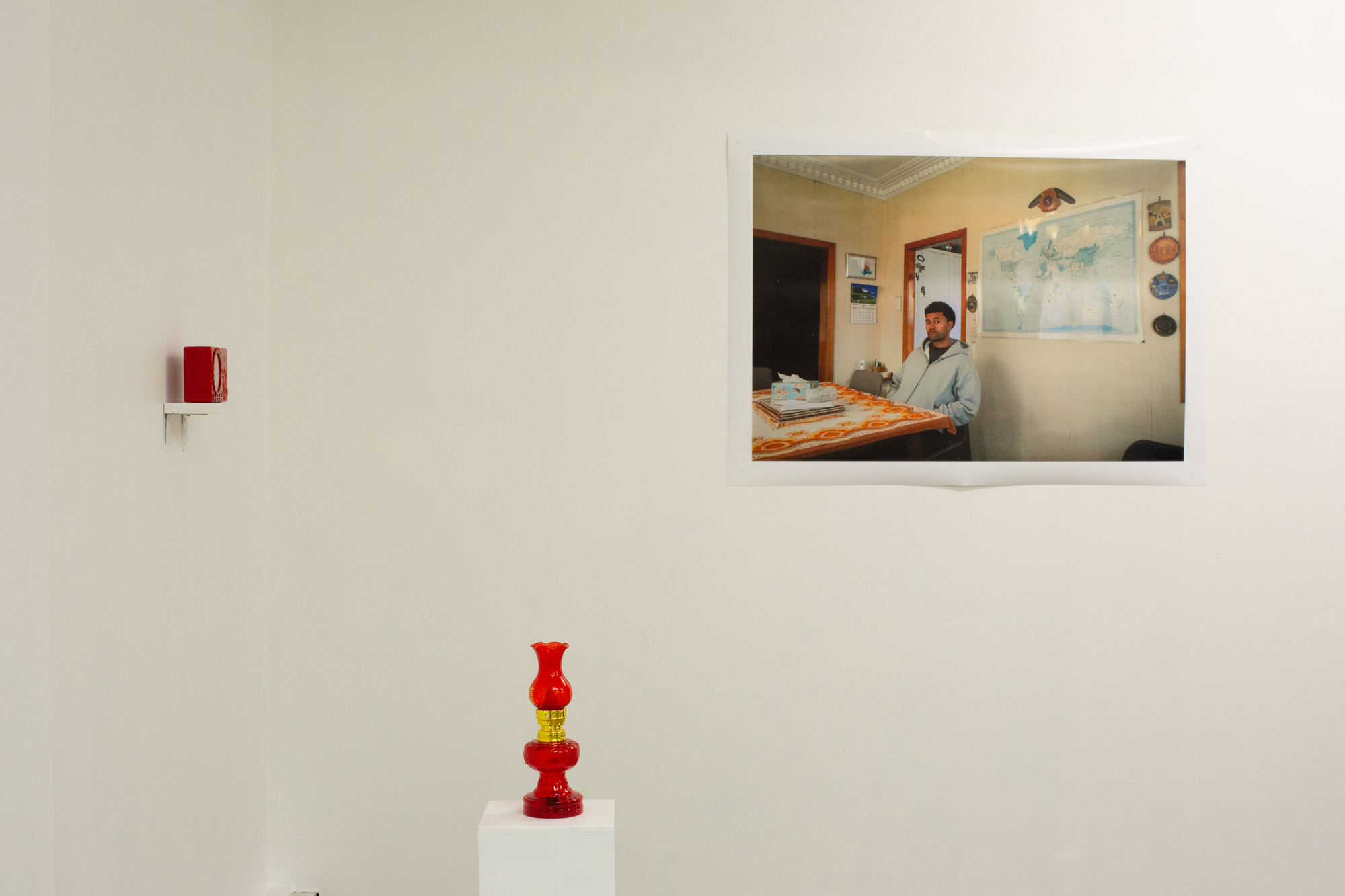
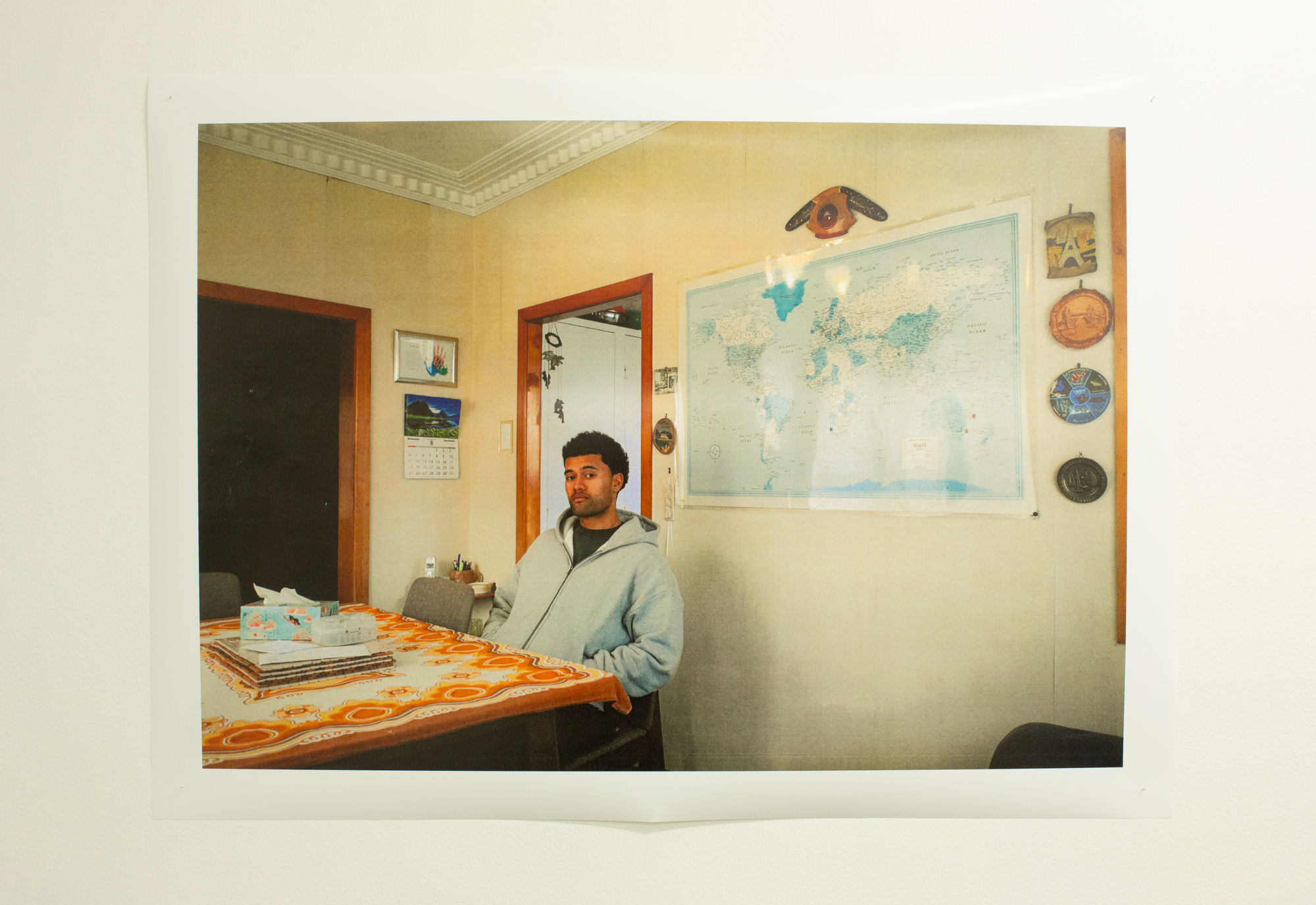
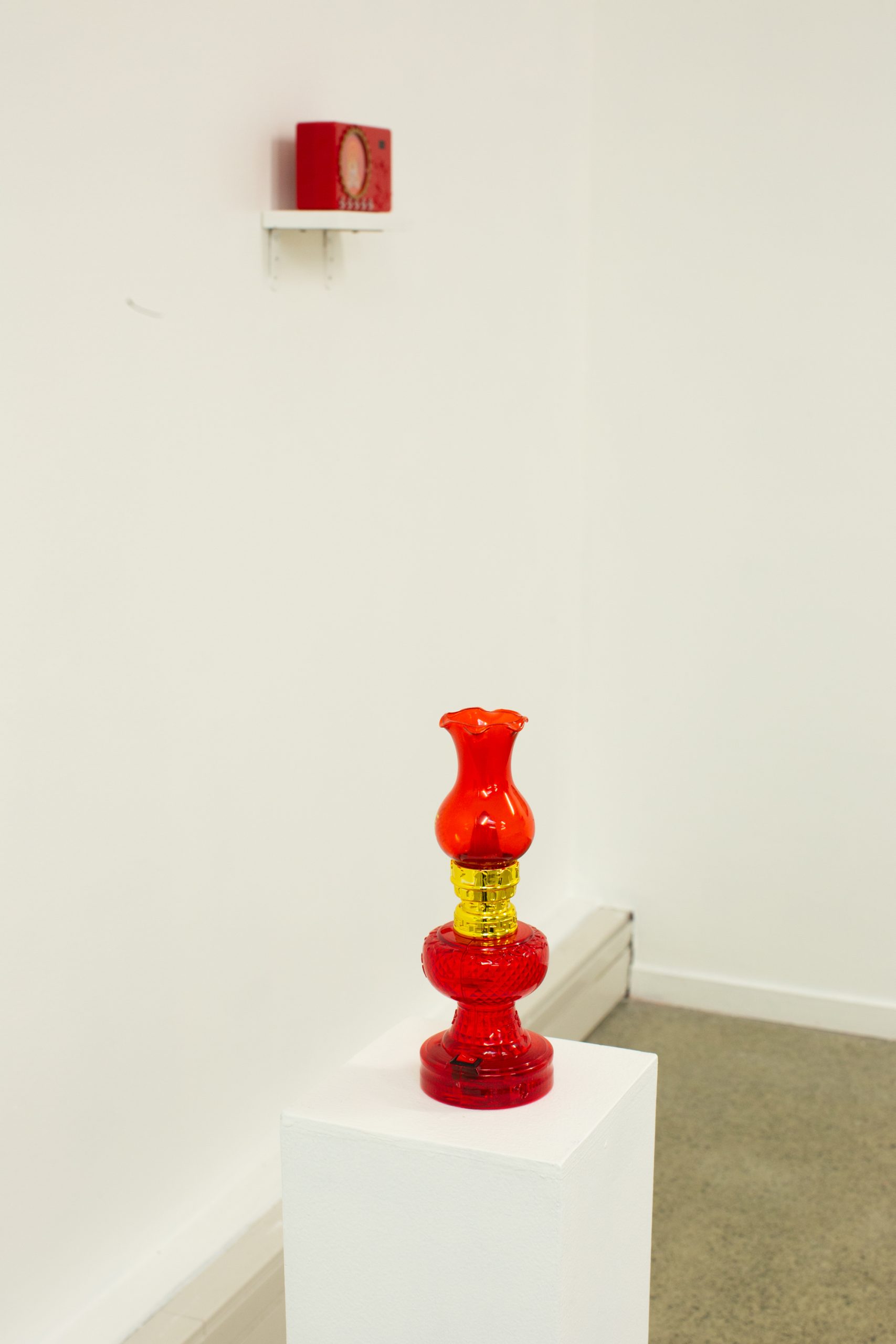
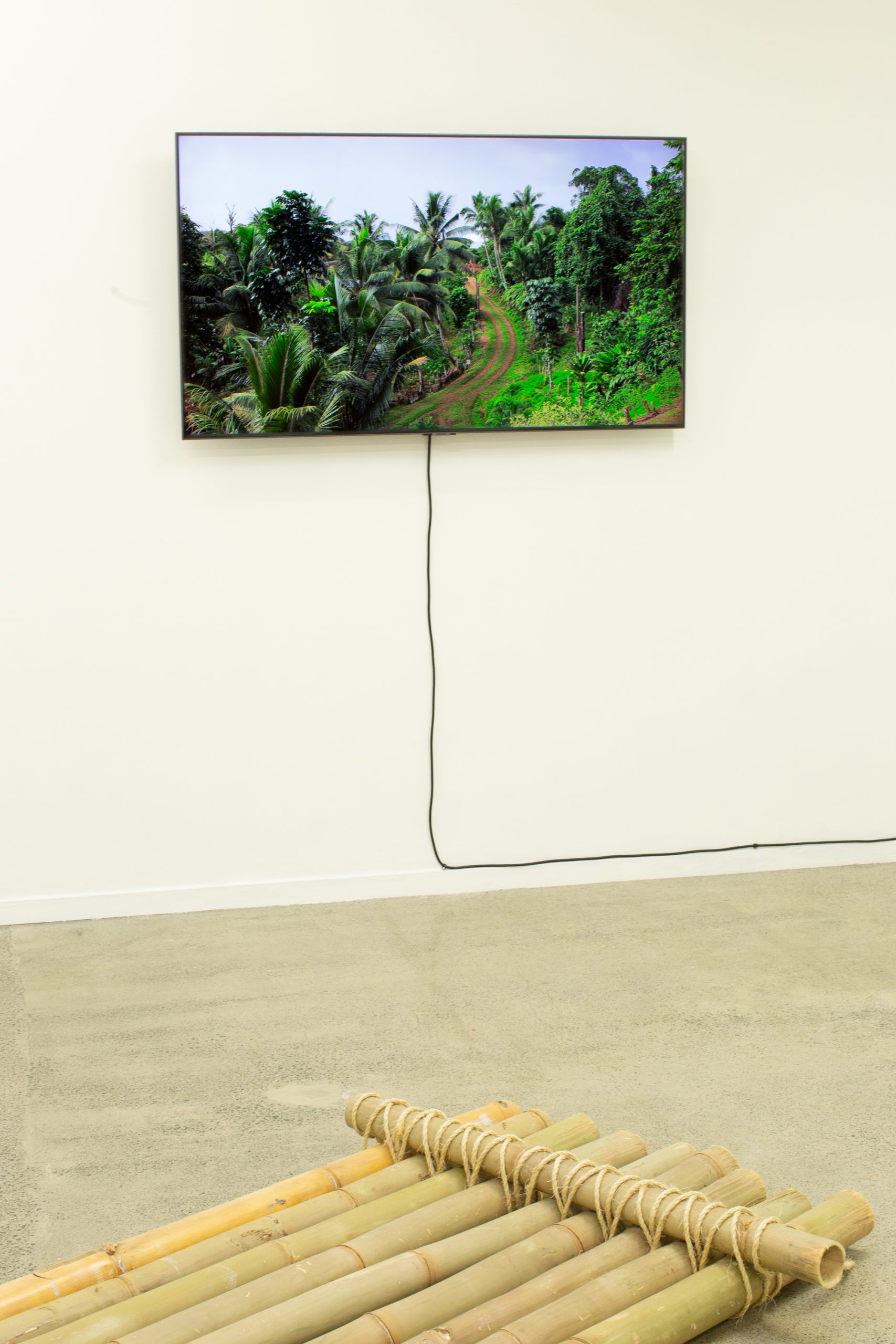
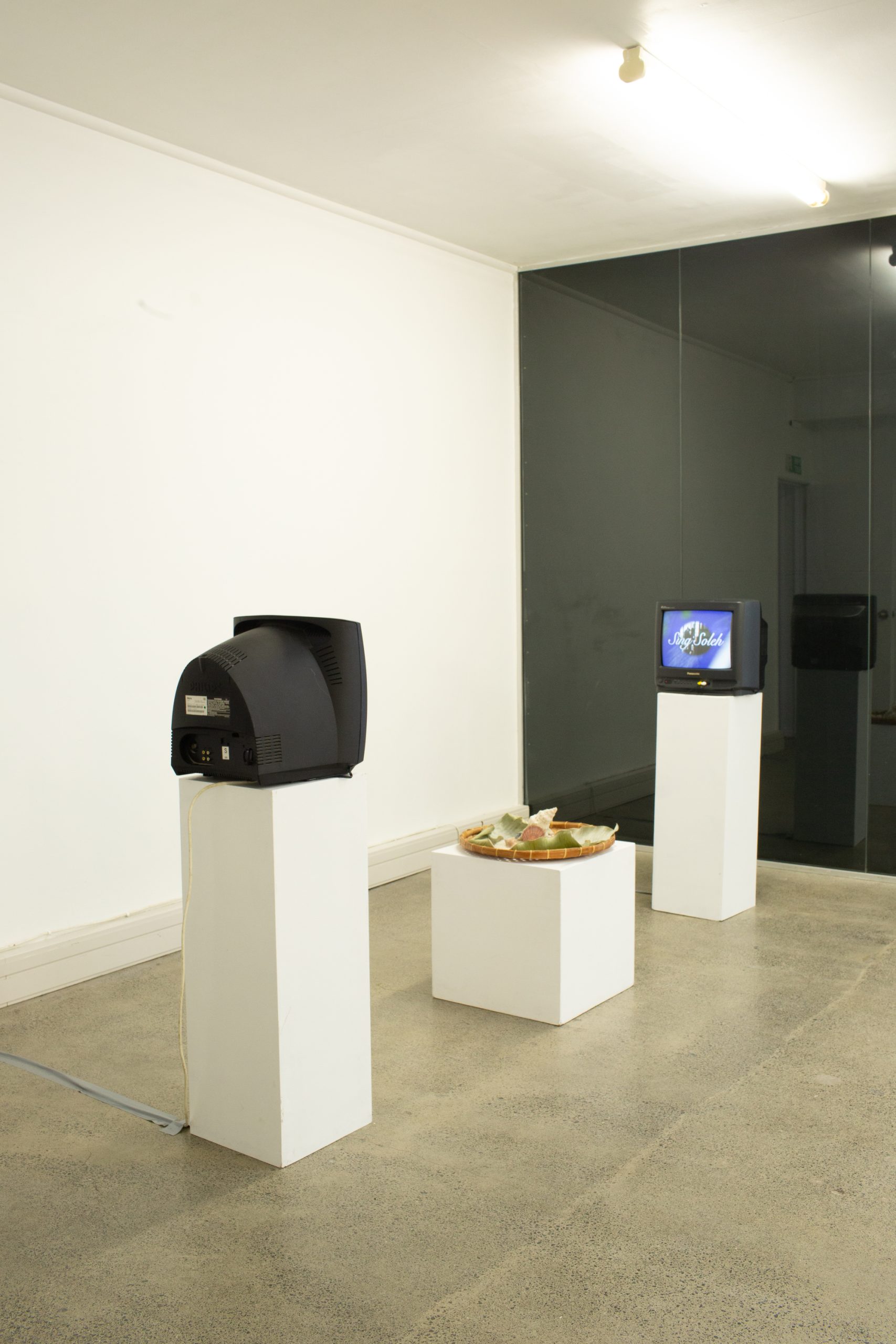
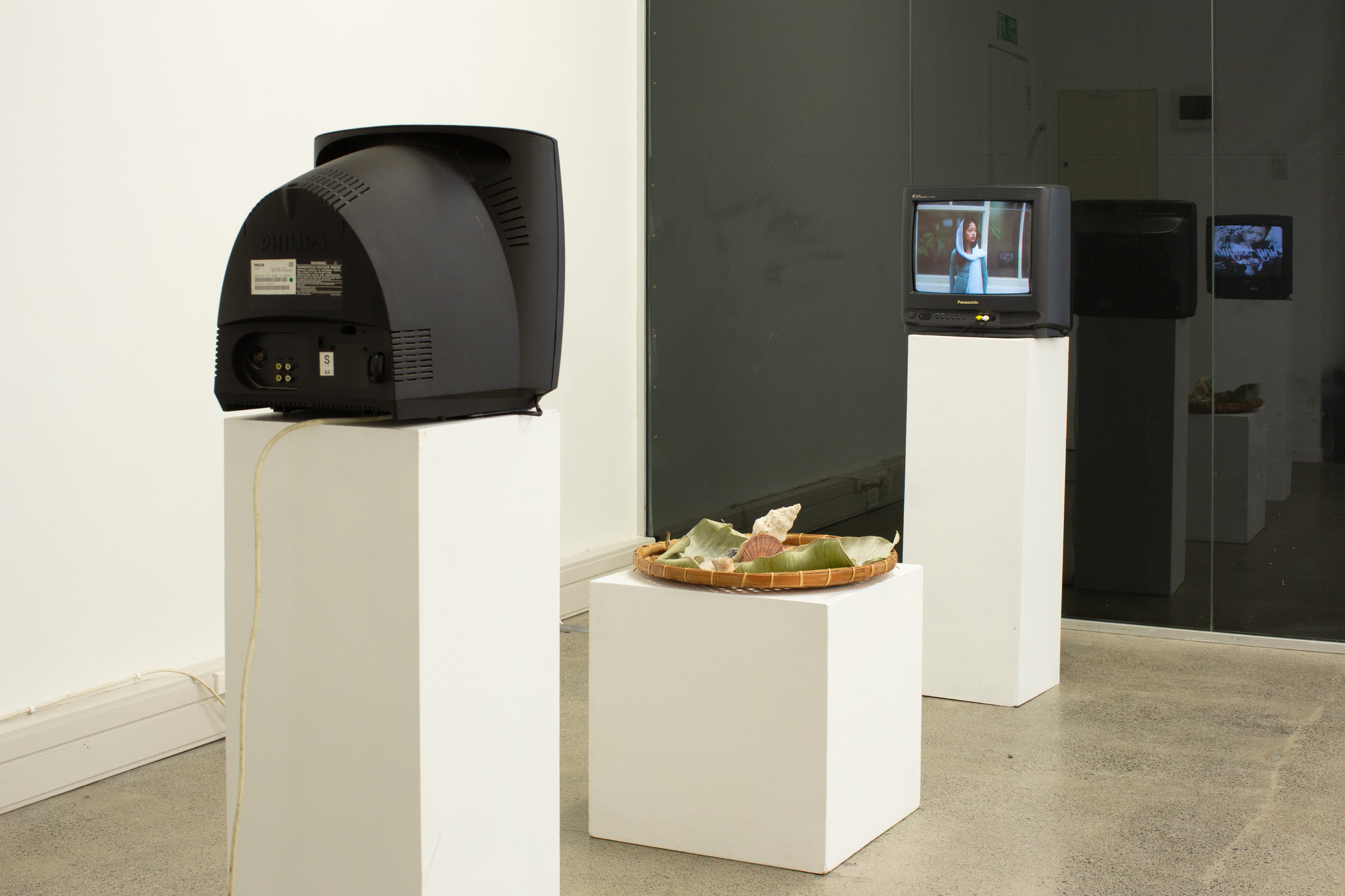
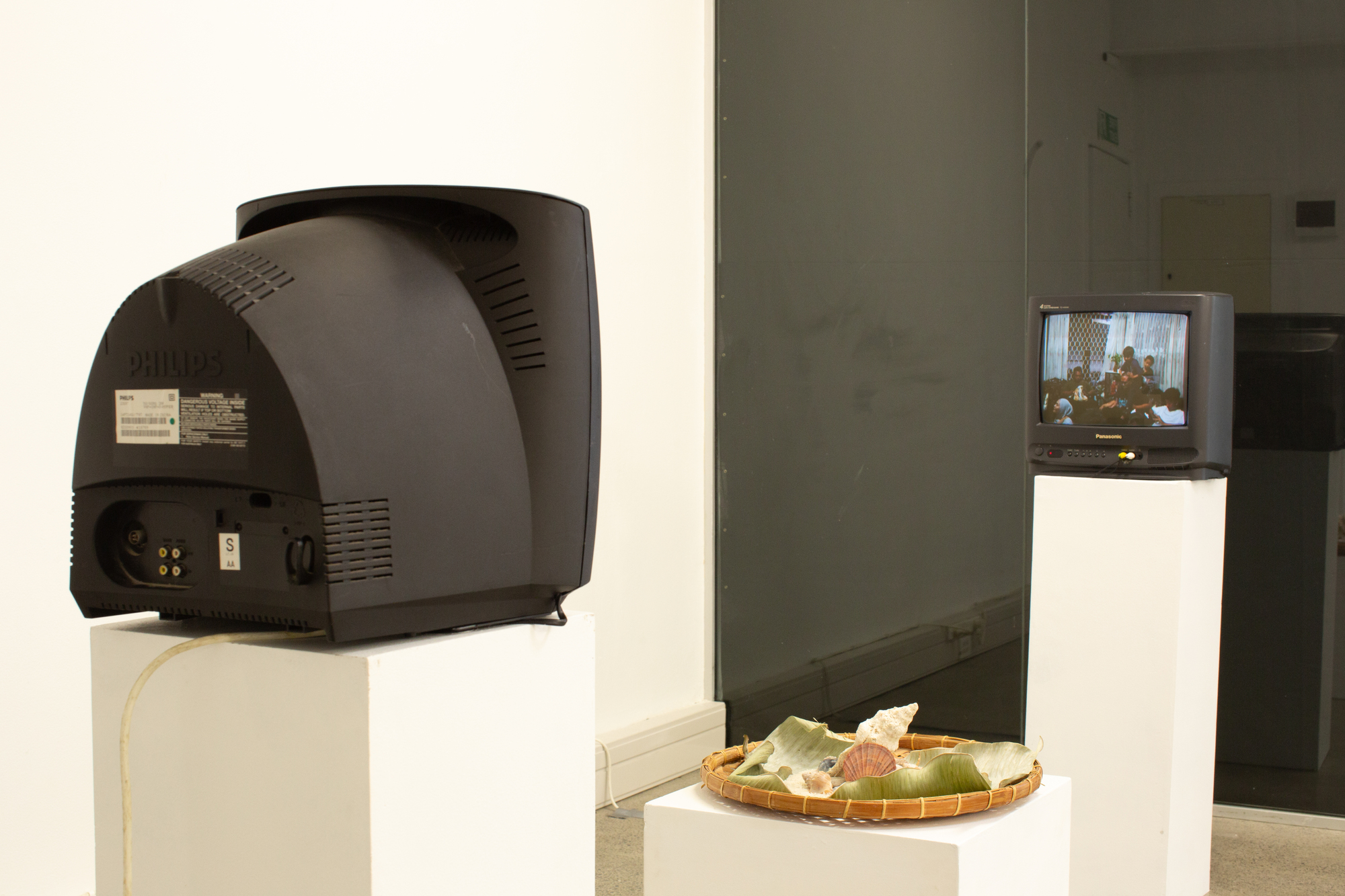
Beyond the Familiar is a portrayal of an in-between world, shaped by the movements of migration.

Featuring Tāmaki Makaurau-based artists from South-East Asian and Pasifika backgrounds, the exhibition reflects on their diasporic experiences, where identity, belonging, and memory intersect across shifting cultural landscapes. Ritual and familial connection serve as guiding forces, helping navigate new environments while holding close the places left behind.

Together, the works explore the concept of home, which becomes layered and no longer singular – stretched across geographies, shaped by both origin and arrival. It acknowledges the emotional weight of displacement while celebrating cultural continuity; speaking to the complexities of identity and the ongoing challenge of staying connected to cultural roots – whether navigating life in a new country or growing up in a land that is not the origin of one’s ancestral or family heritage.

Beyond the Familiar showcases the vibrant colours of South-East Asian and Pacific communities in Aotearoa, honouring the lived realities of those who carry more than one home within them.

Images by Antje Barke

RM Gallery and Project Space
Hours
Thursday and Friday 1pm - 5pm
Saturday 12pm - 4pm

Samoa House Lane
Auckland Central 1010

We are located in the centre of Auckland, off of Karangahape Road, on Samoa House Lane, just off of Beresford Street -- look out for the incredible fale of Samoa House and you're nearly there. We are 2 minutes walk from Artspace and Michael Lett.

The RM Archive Project

Help us identify what is in our Archive! We have digitised many slides in our archive and invite participation to identify them. Please click here to access the collection.
https://www.rm.org.nz/thearchiverm

Our Boxed Archive
Since 2009 RM has been building an archive of material related to our exhibition and event programme. An index to the collection is available here.
https://www.rm.org.nz/thearchiverm/artist-boxes-index/

Safe Space Alliance

RM is a member of Safe Space Alliance

A safe space is a space where the LGBTQI+ community can freely express themselves without fear. It is a space that does not tolerate violence, bullying, or hate speech towards the LGBTQI+ community.

A safe space does not guarantee 100% safety, rather, it’s a space that has your back if an incident (violence, bullying, or hate speech) were to occur.

Click here to find out more about Safe Space Alliance

Subscribe to the RM mailing list