Category: 2026 Exhibition

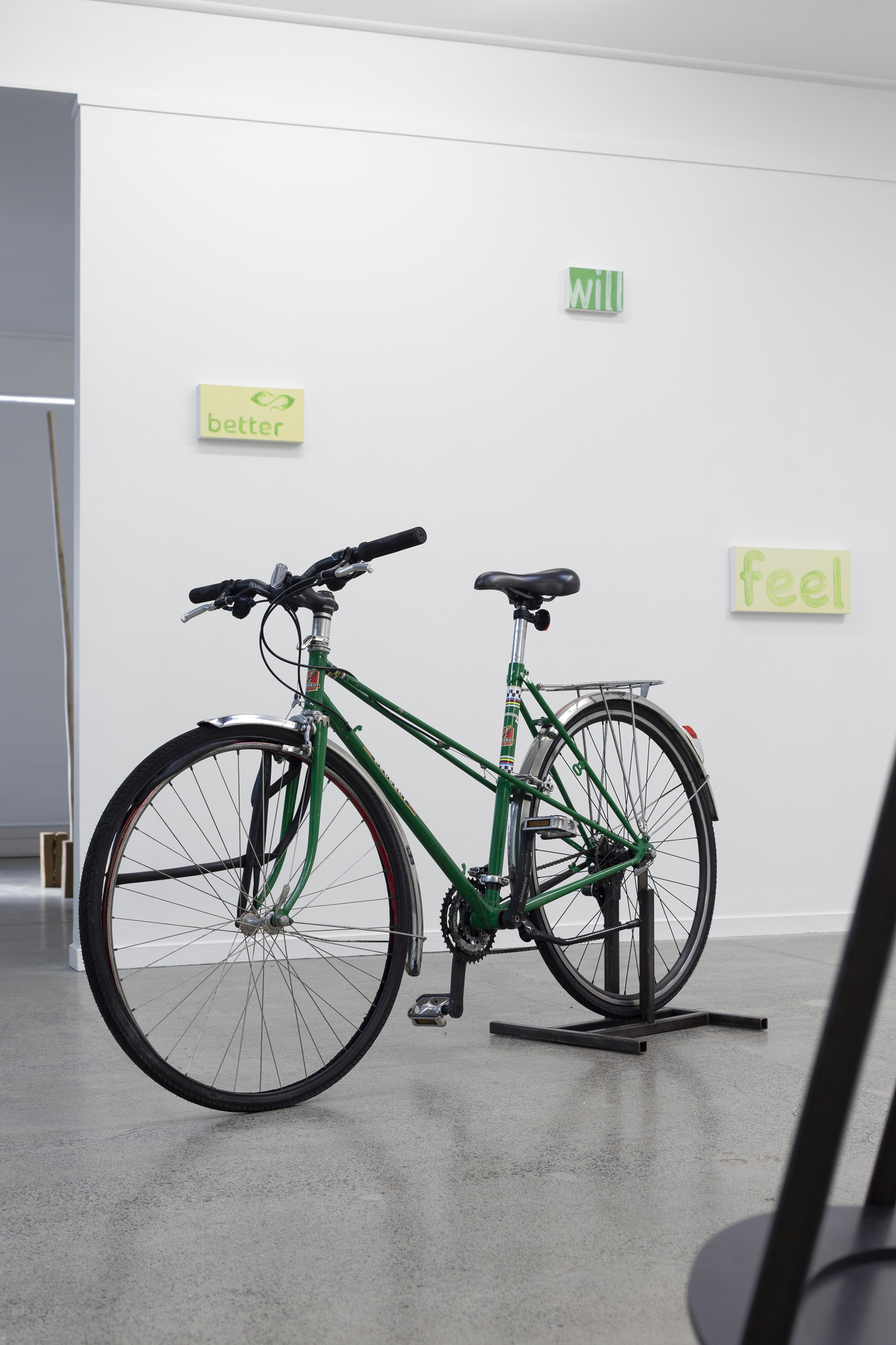
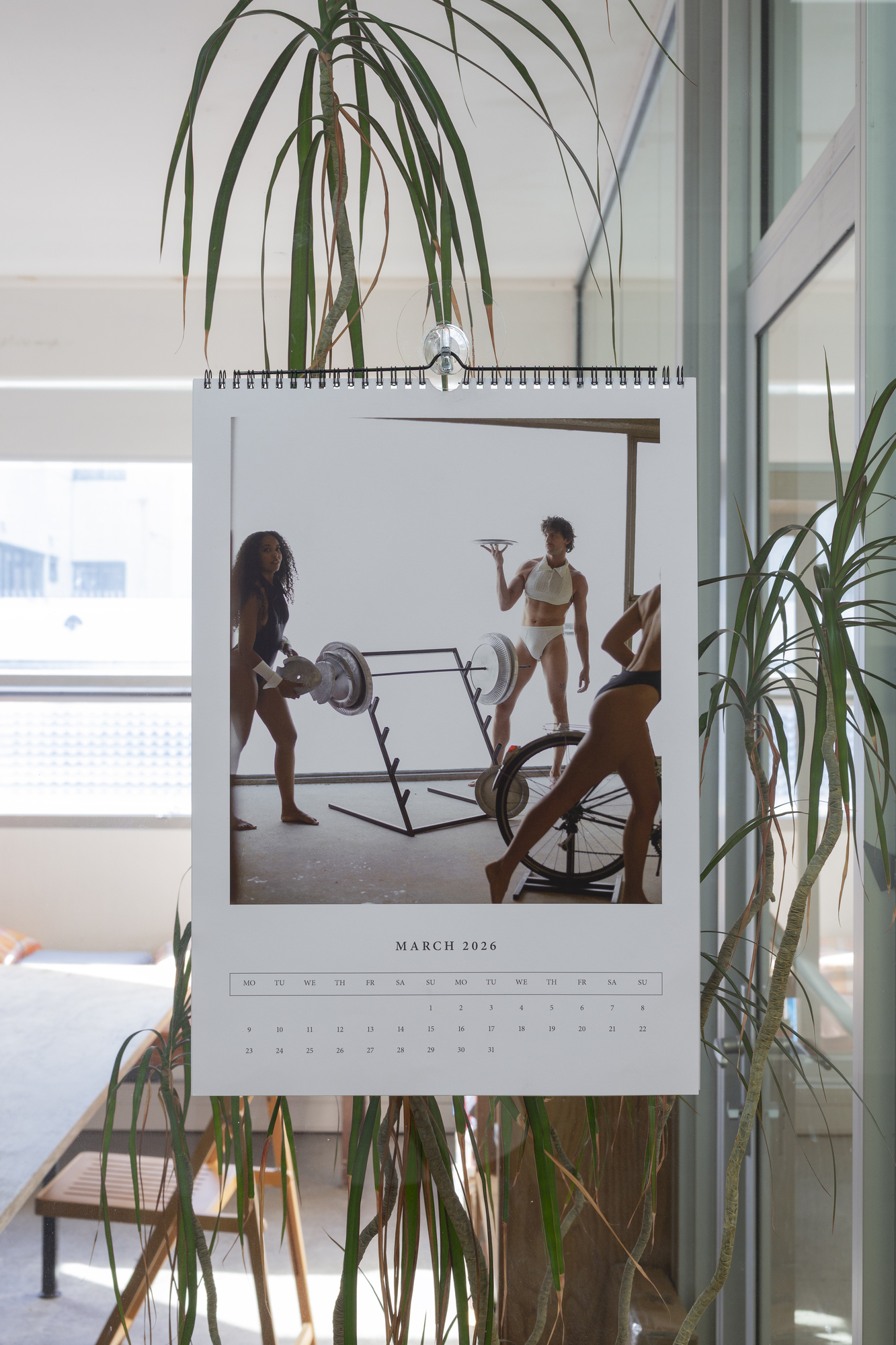
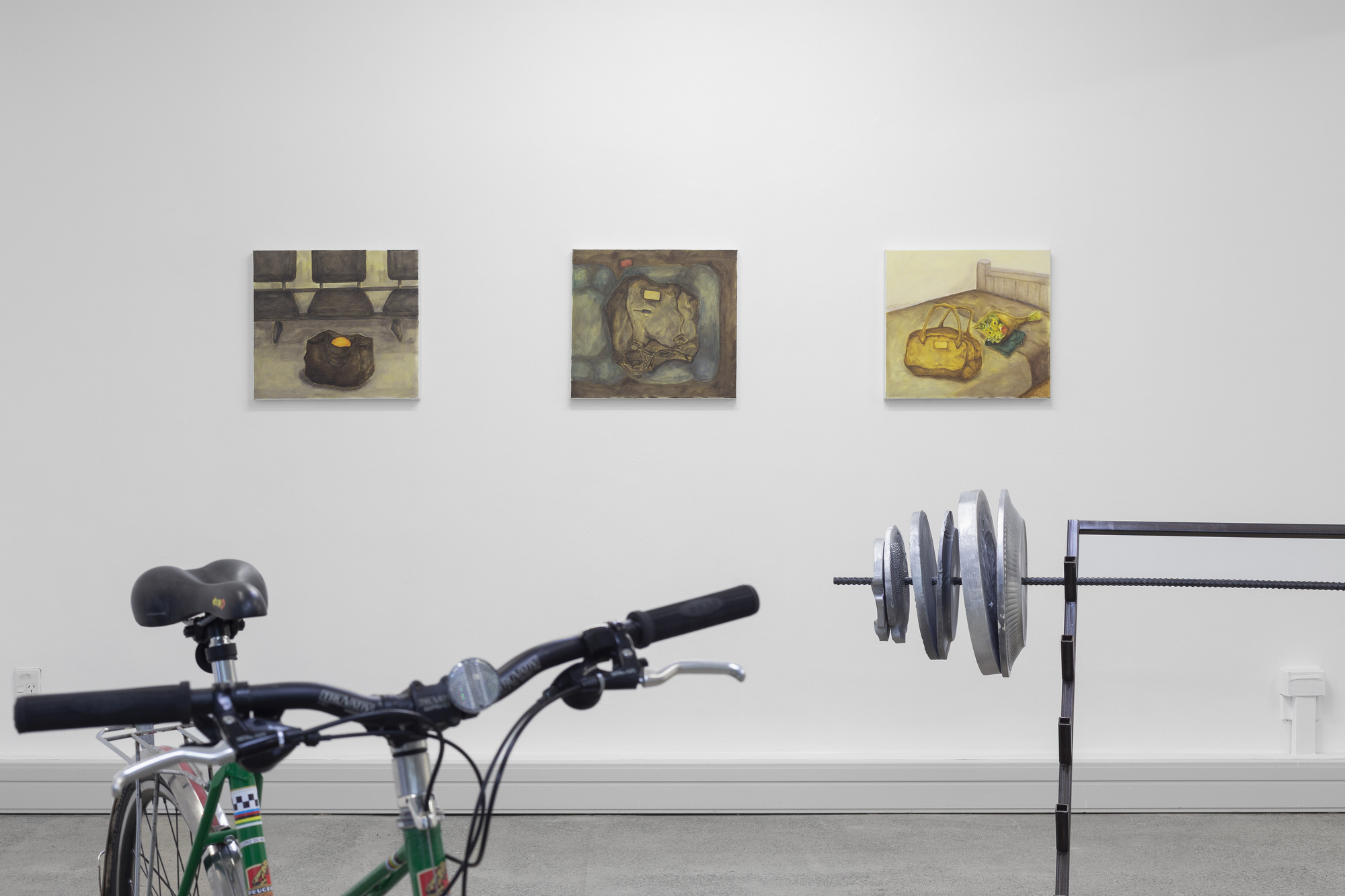
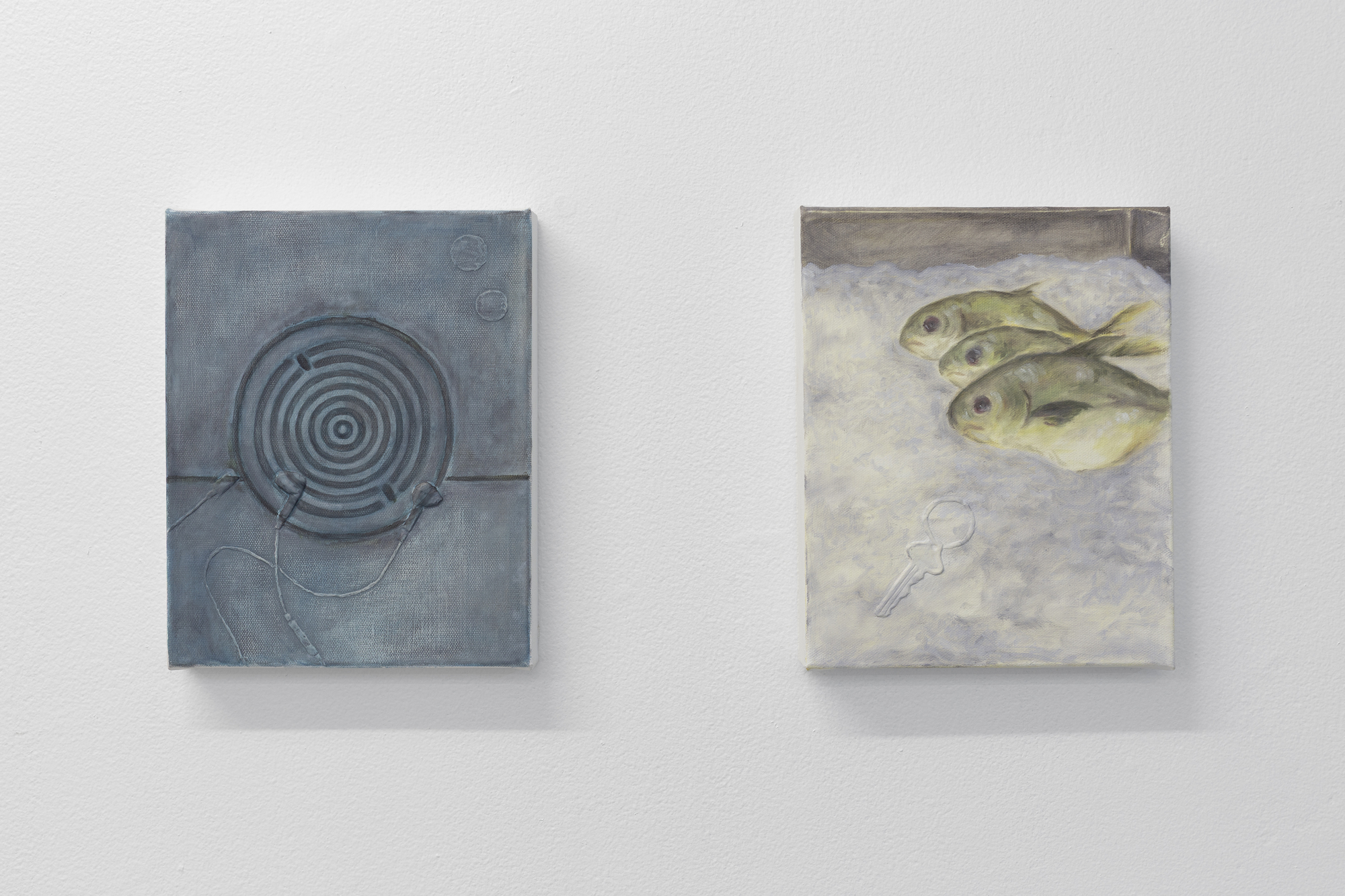
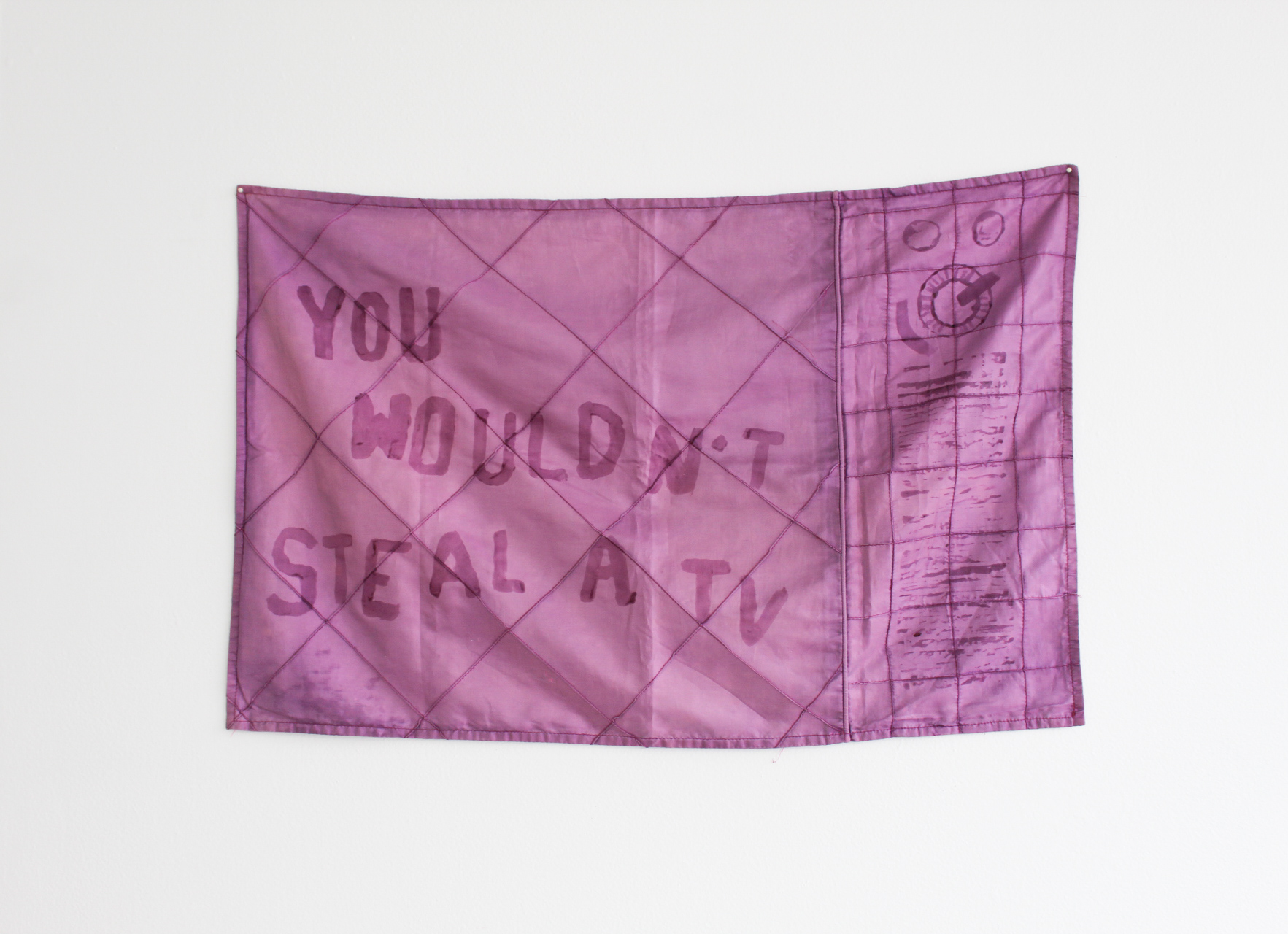
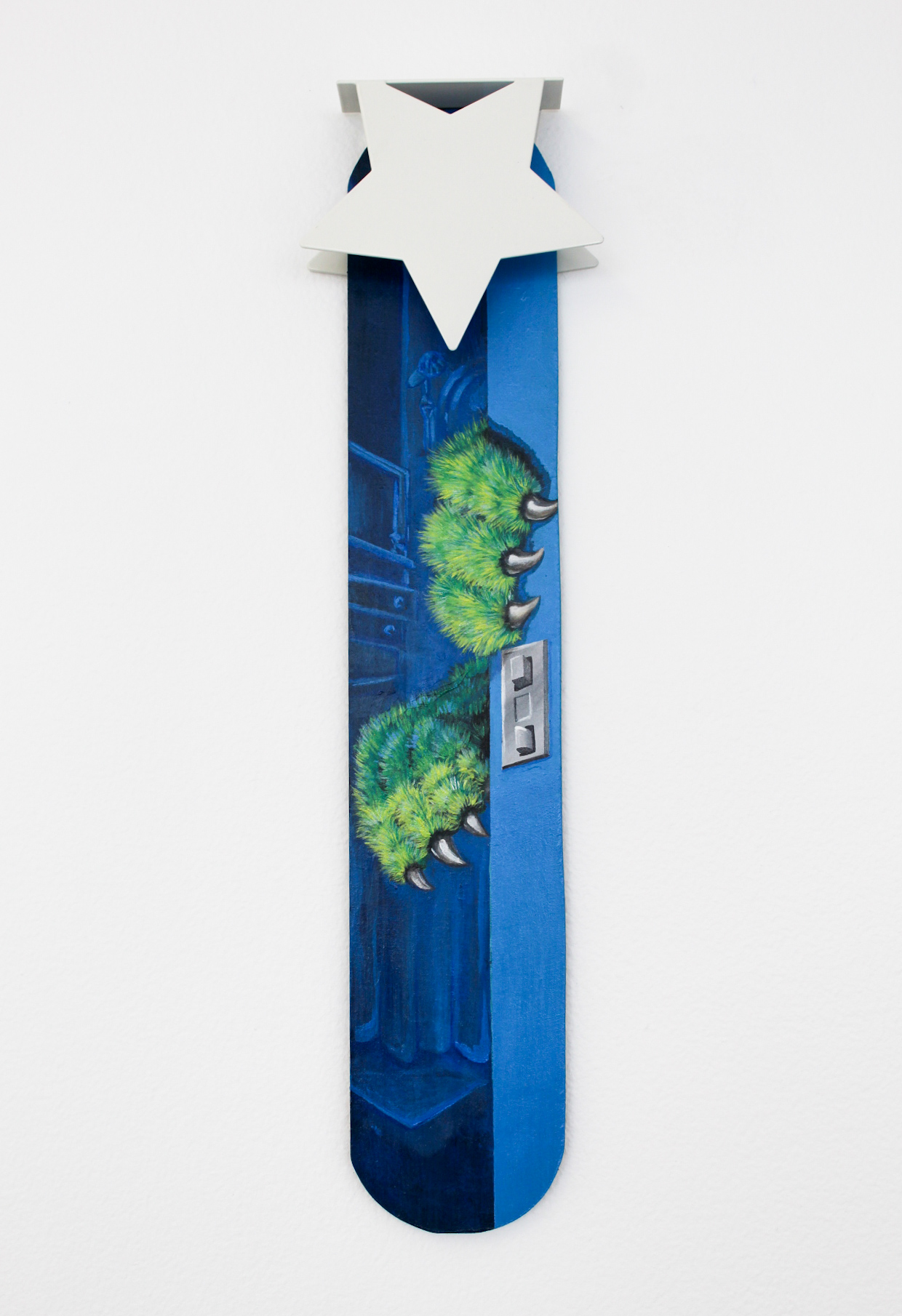
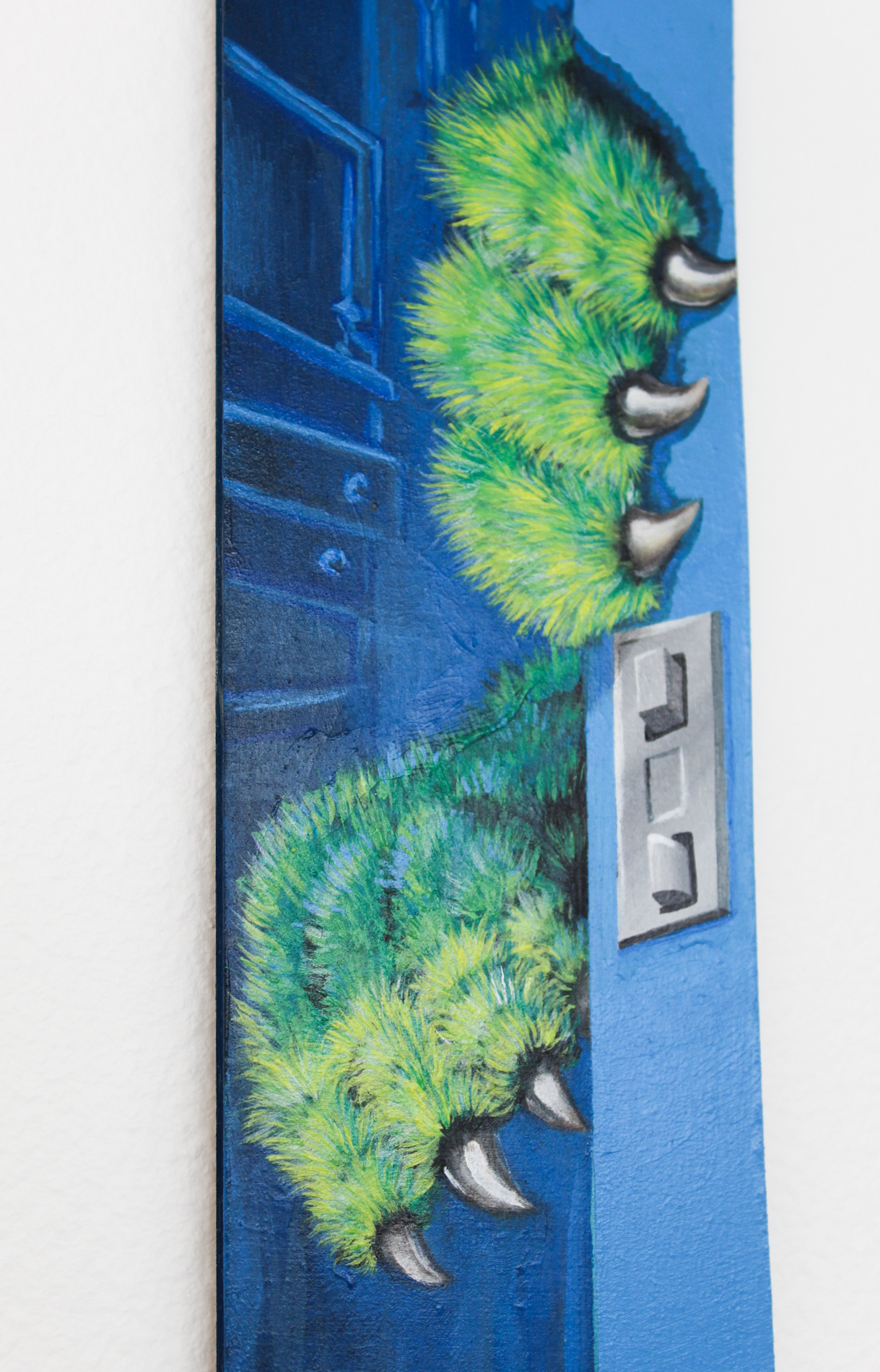
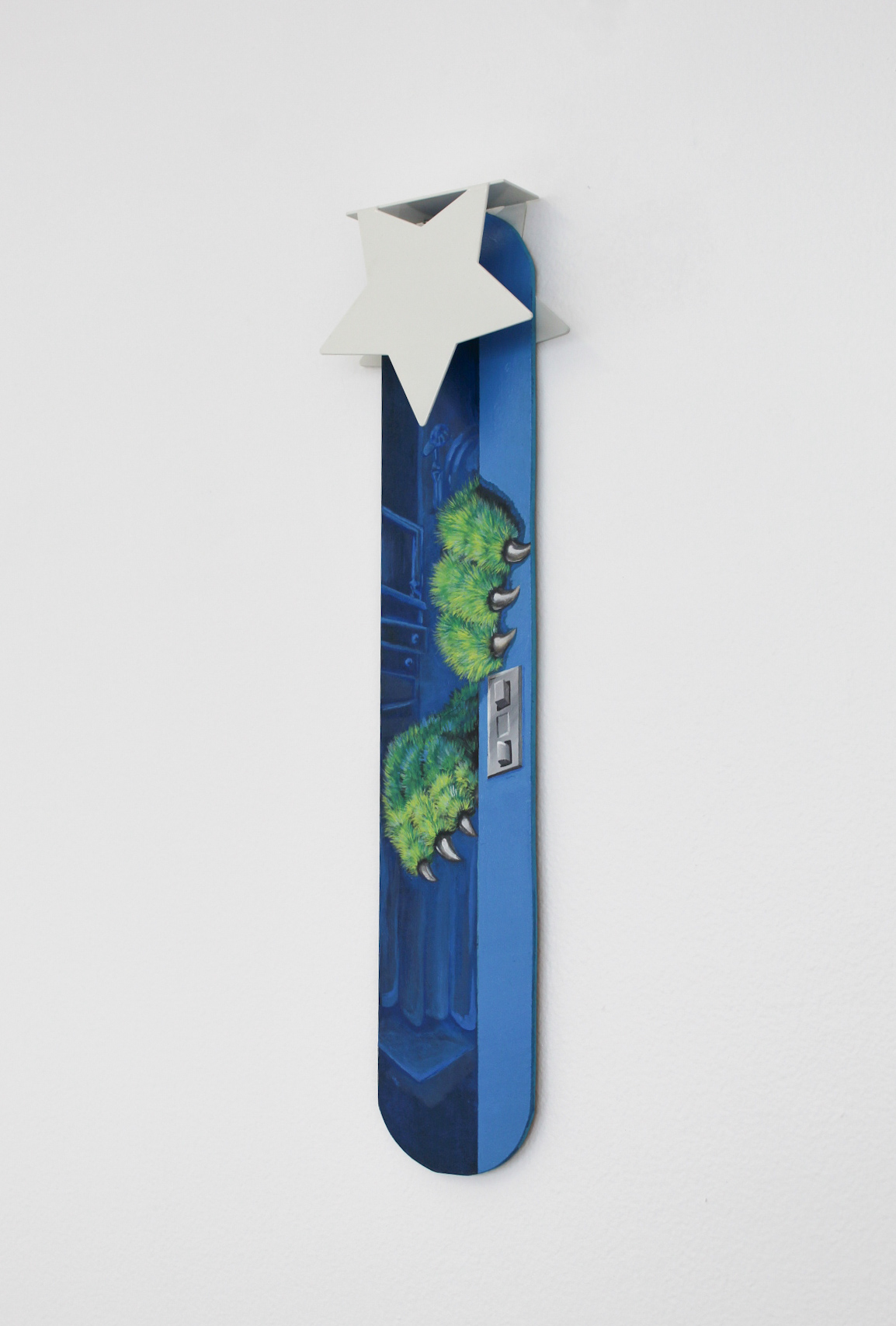
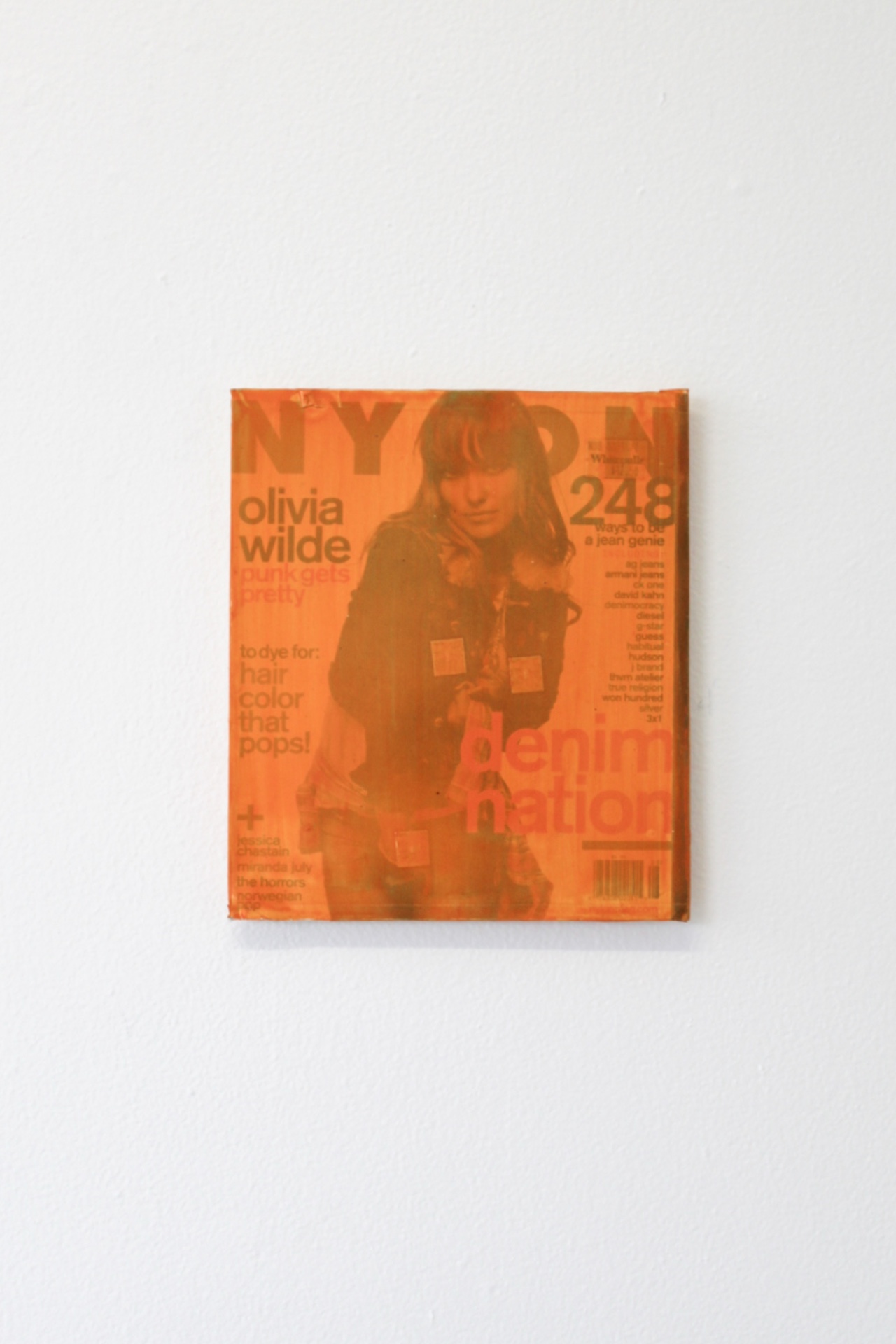
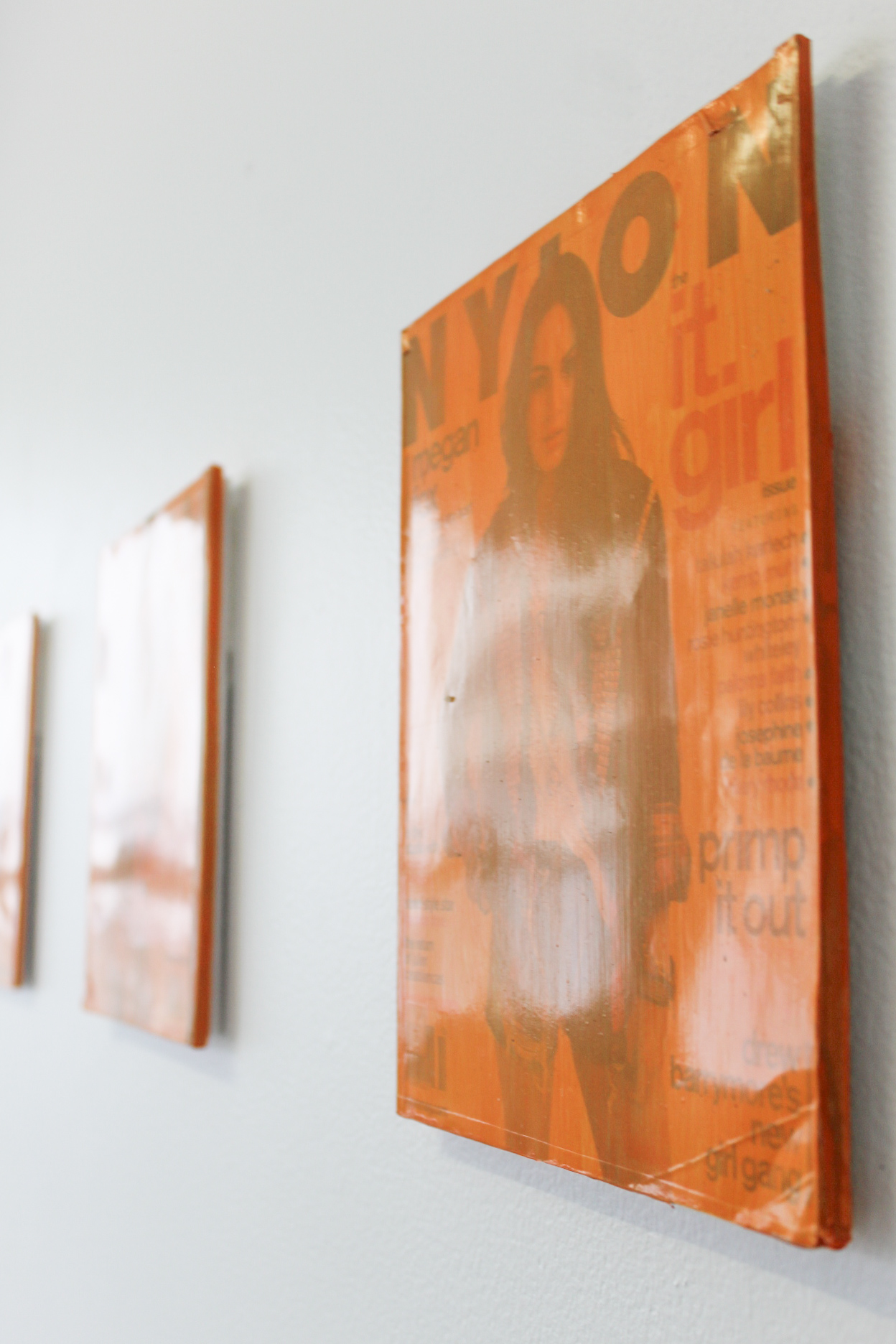
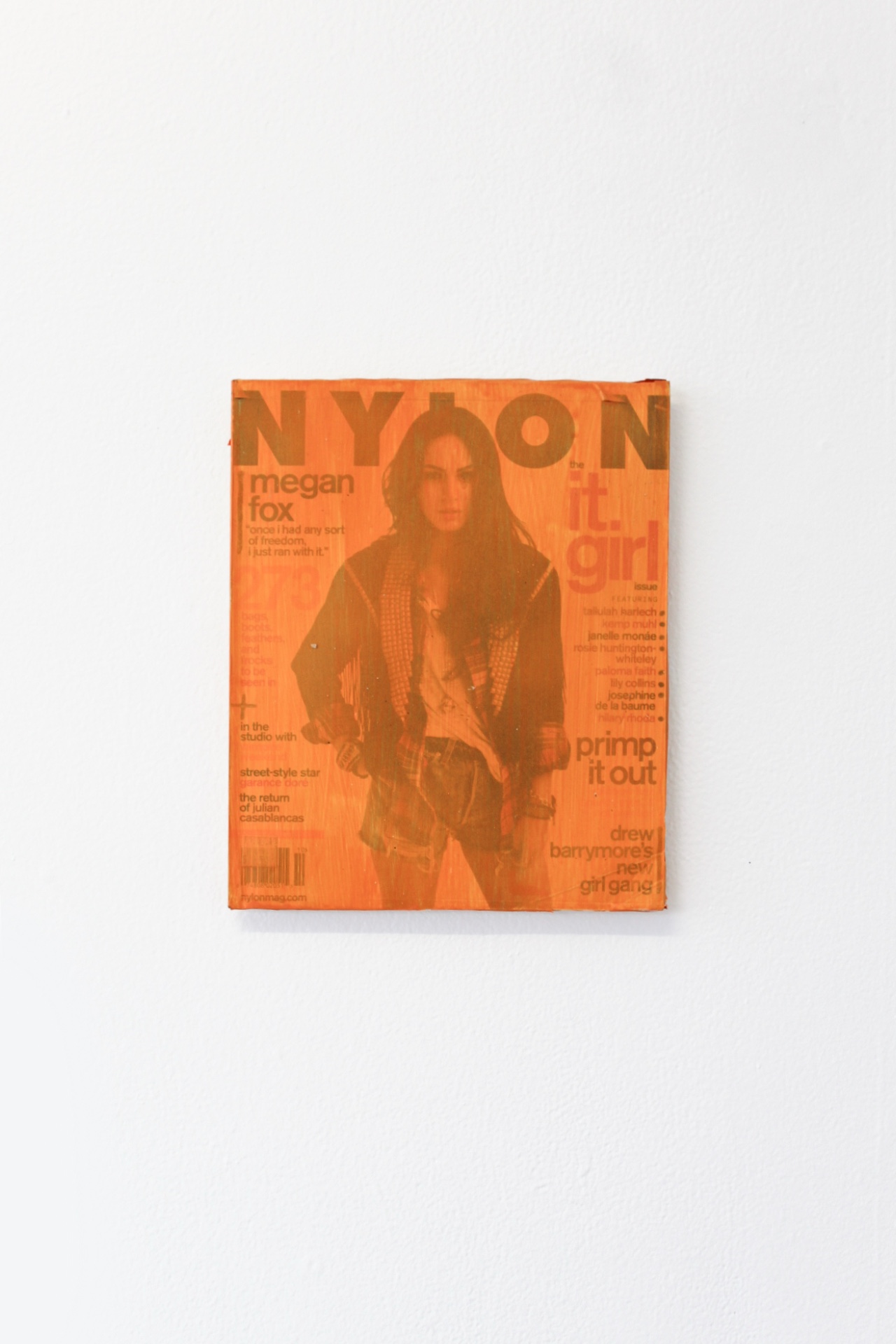
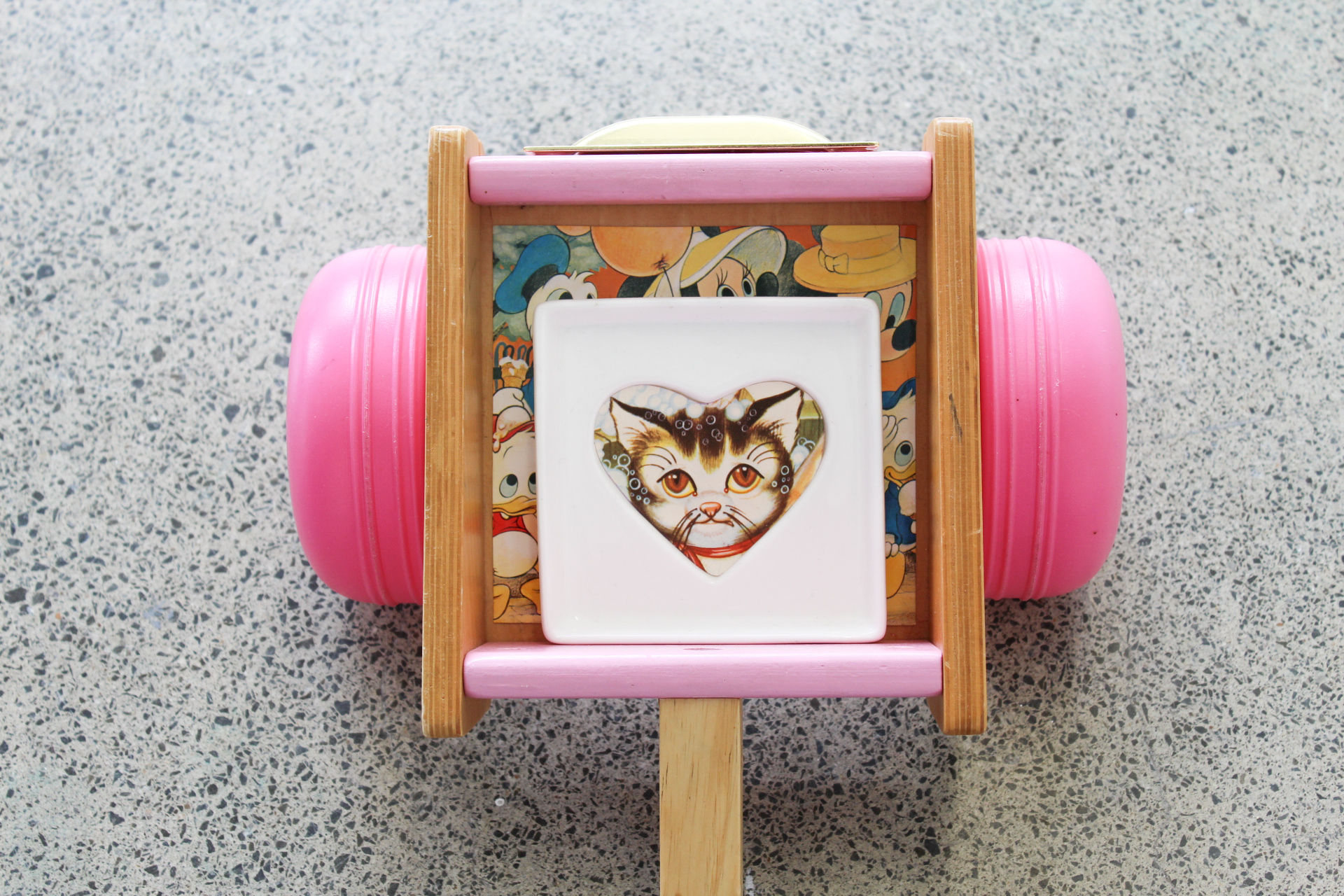
Aria McInnes, Keani Rewha, Rita Takeuchi : GRWM

Aria McInnes, Keani Rewha, Rita Takeuchi
GRWM

4 March – 11 April 2026

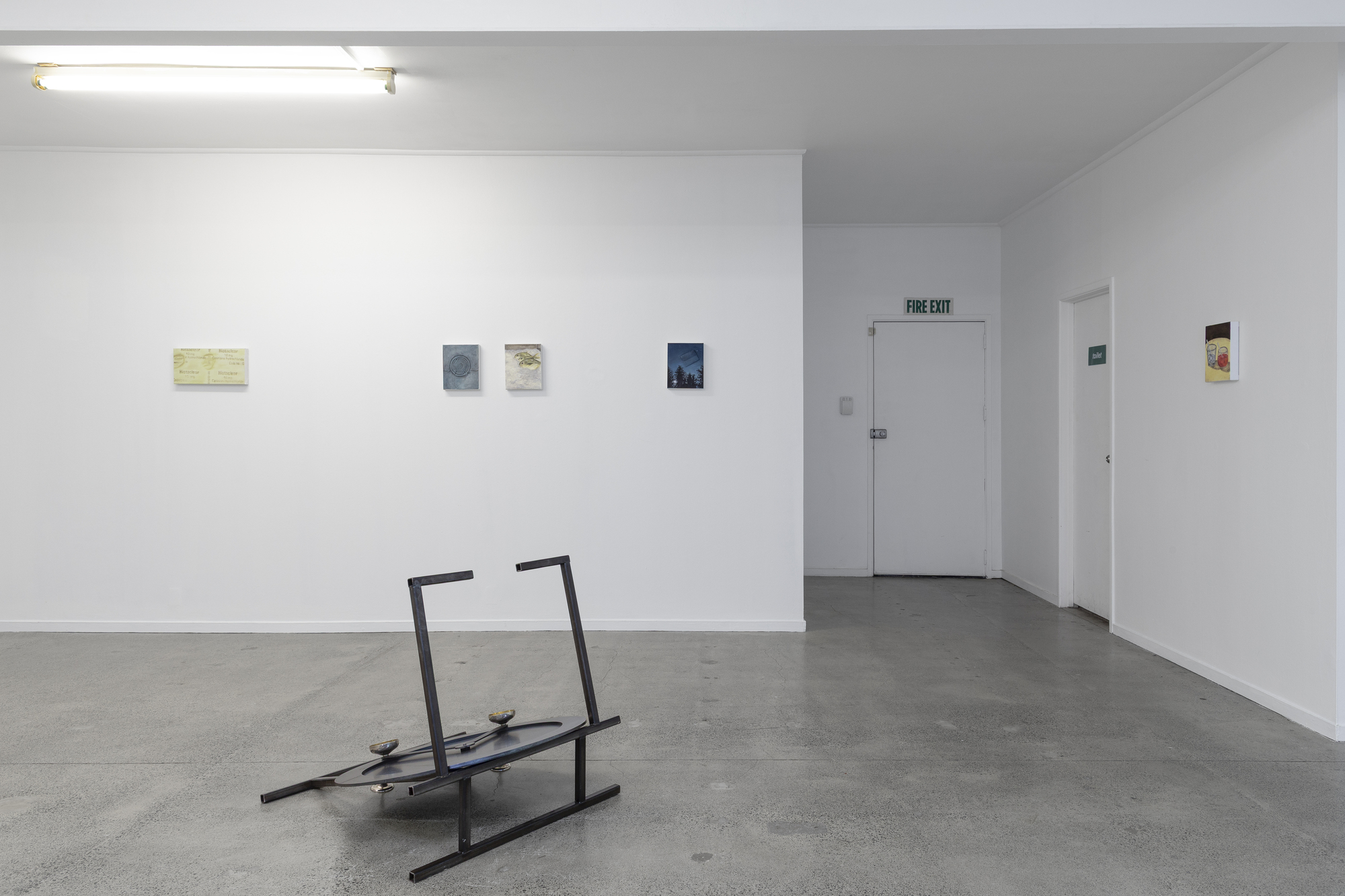
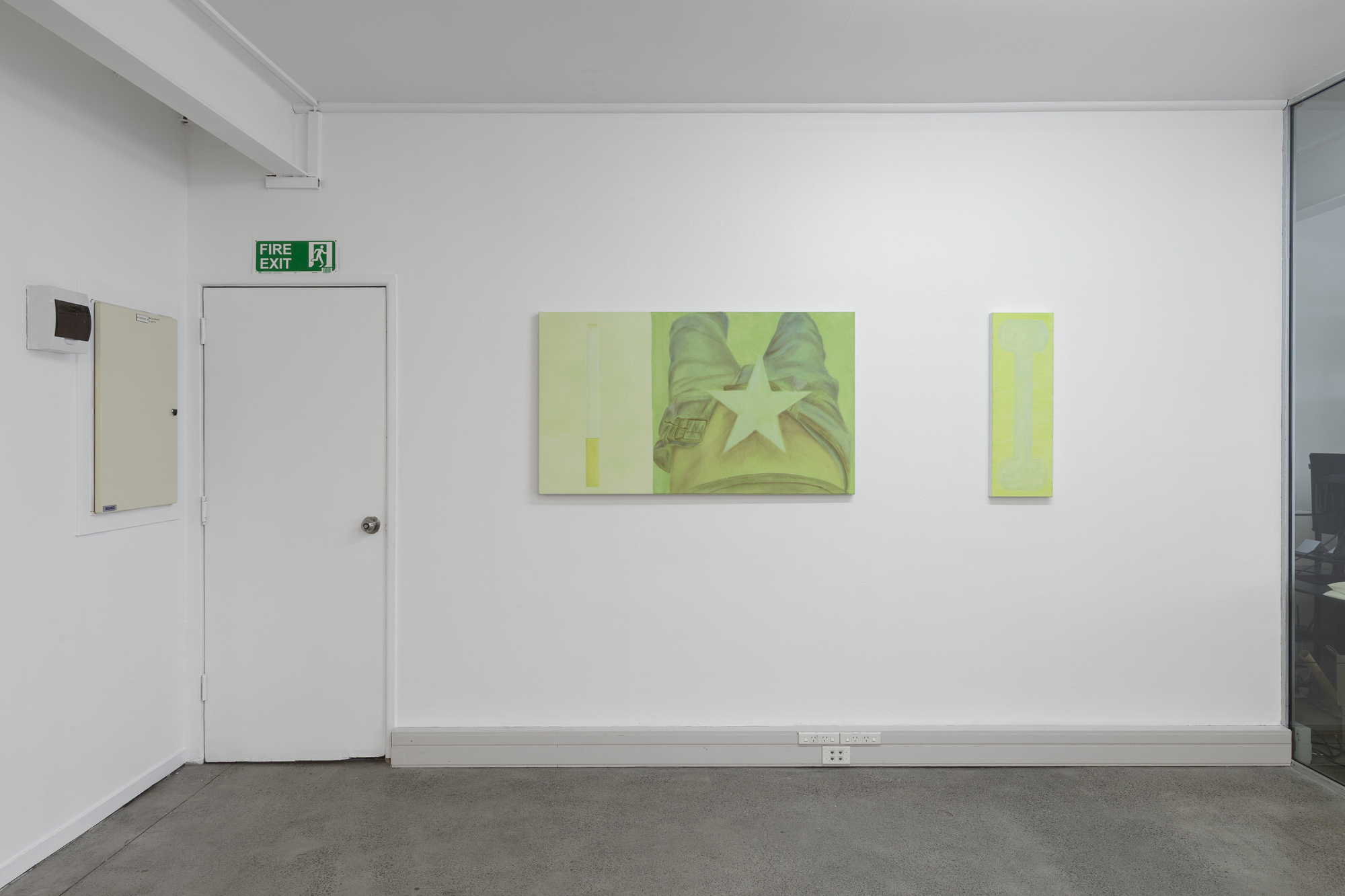
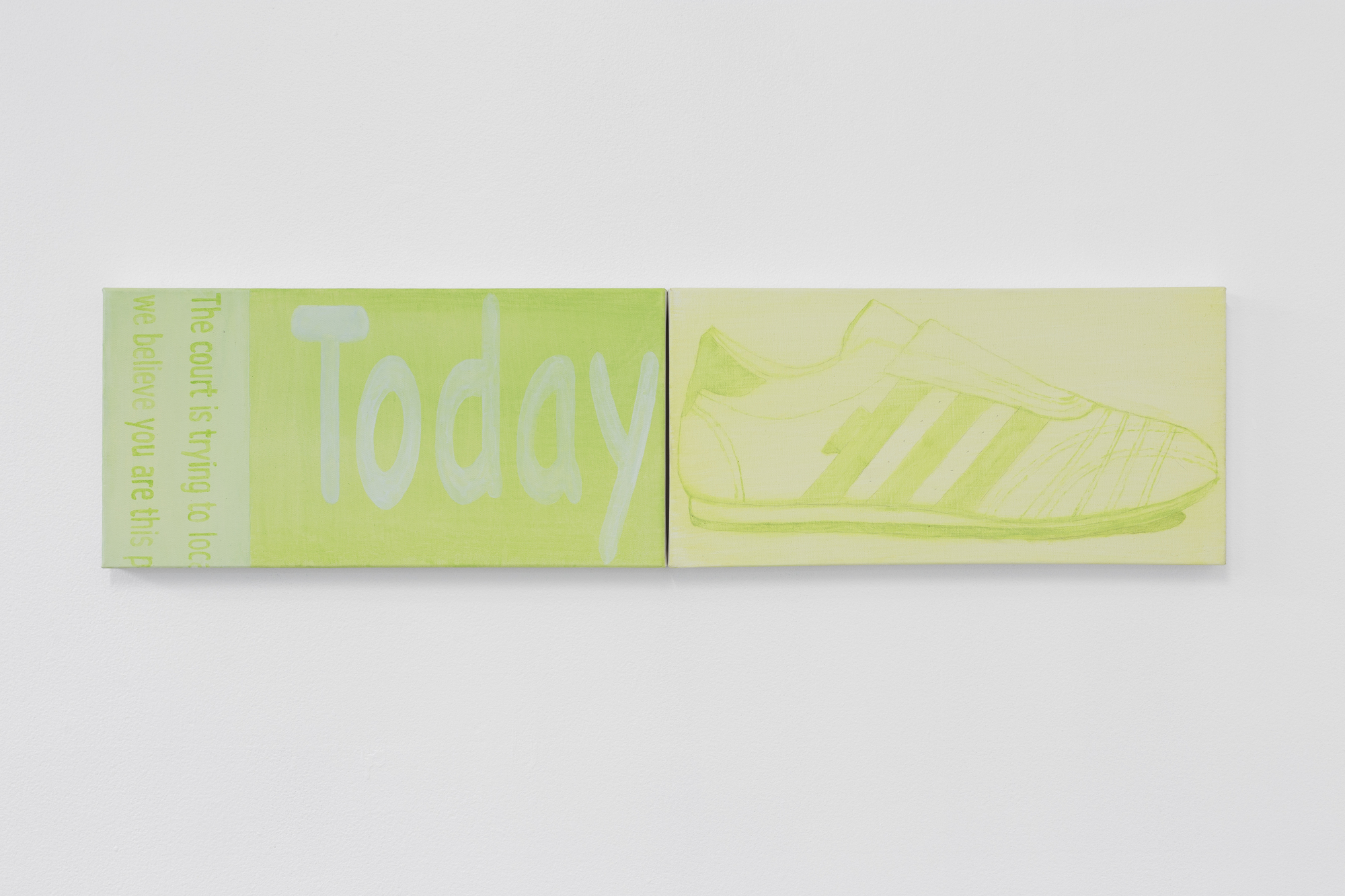
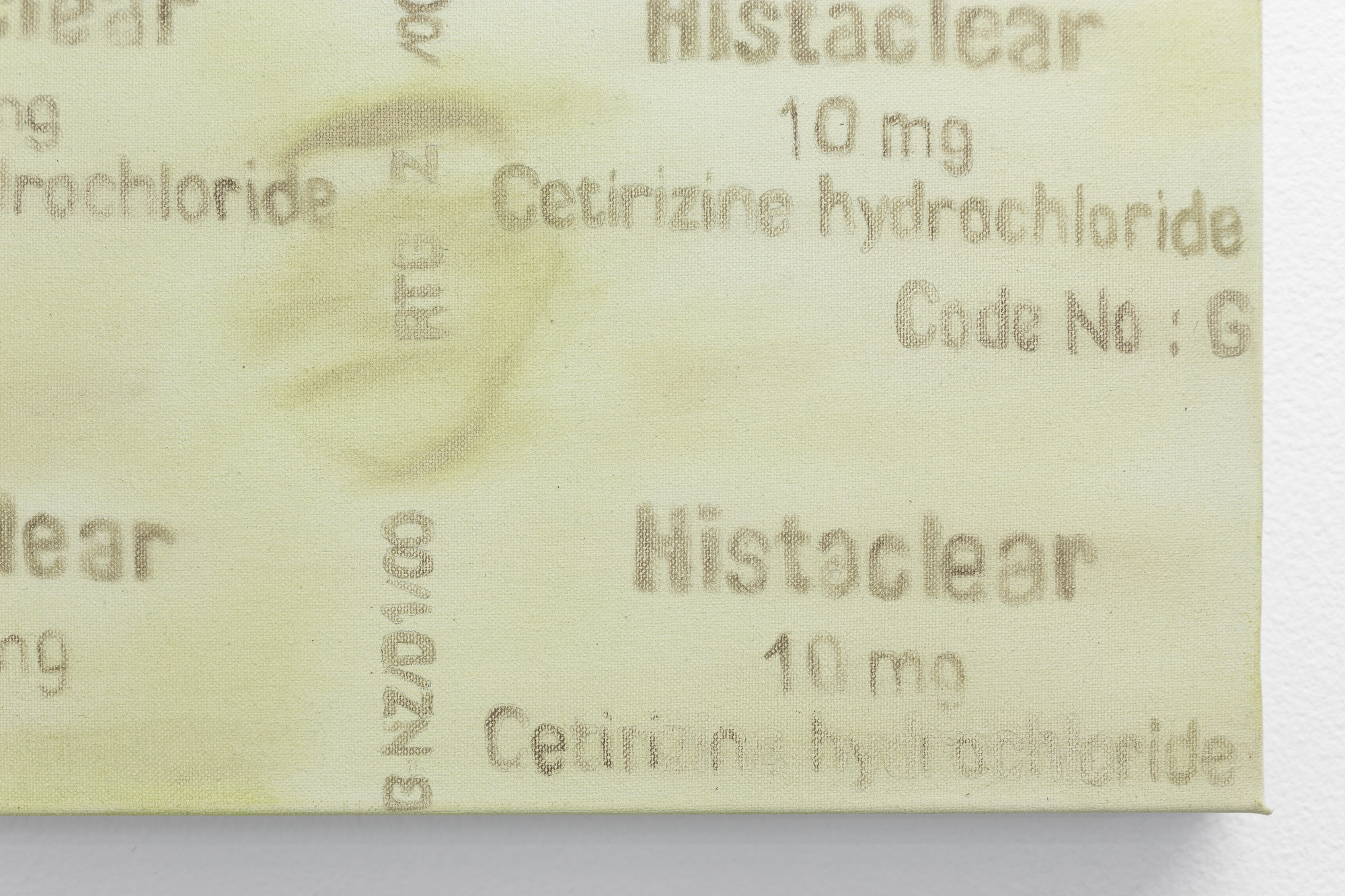
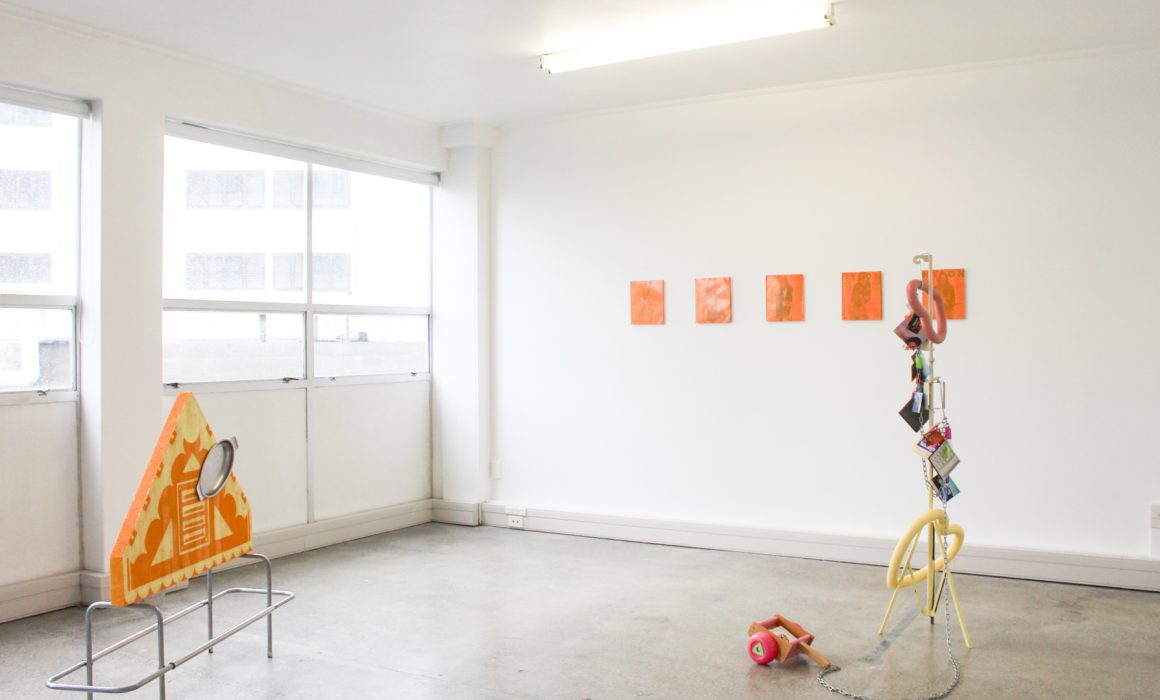
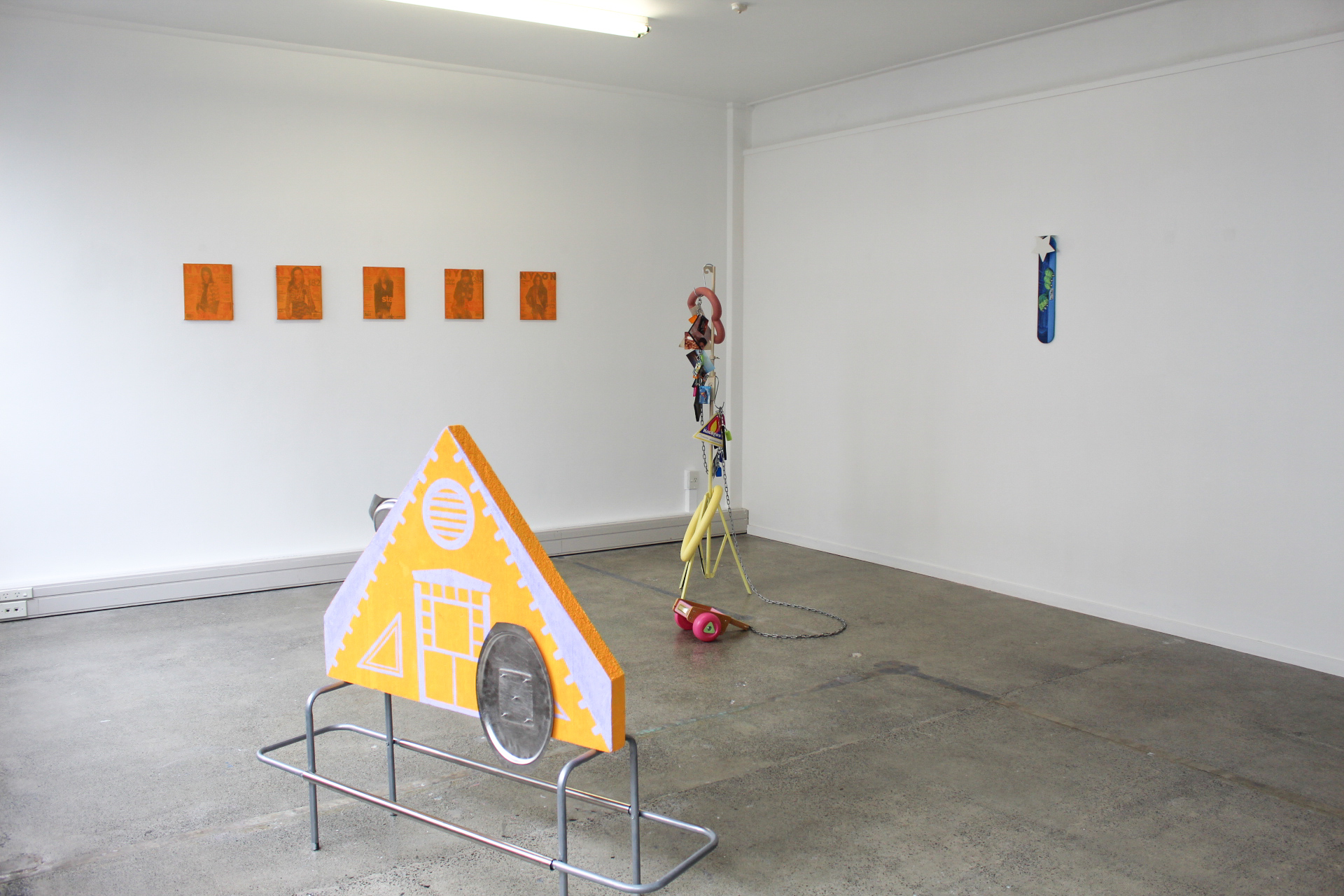
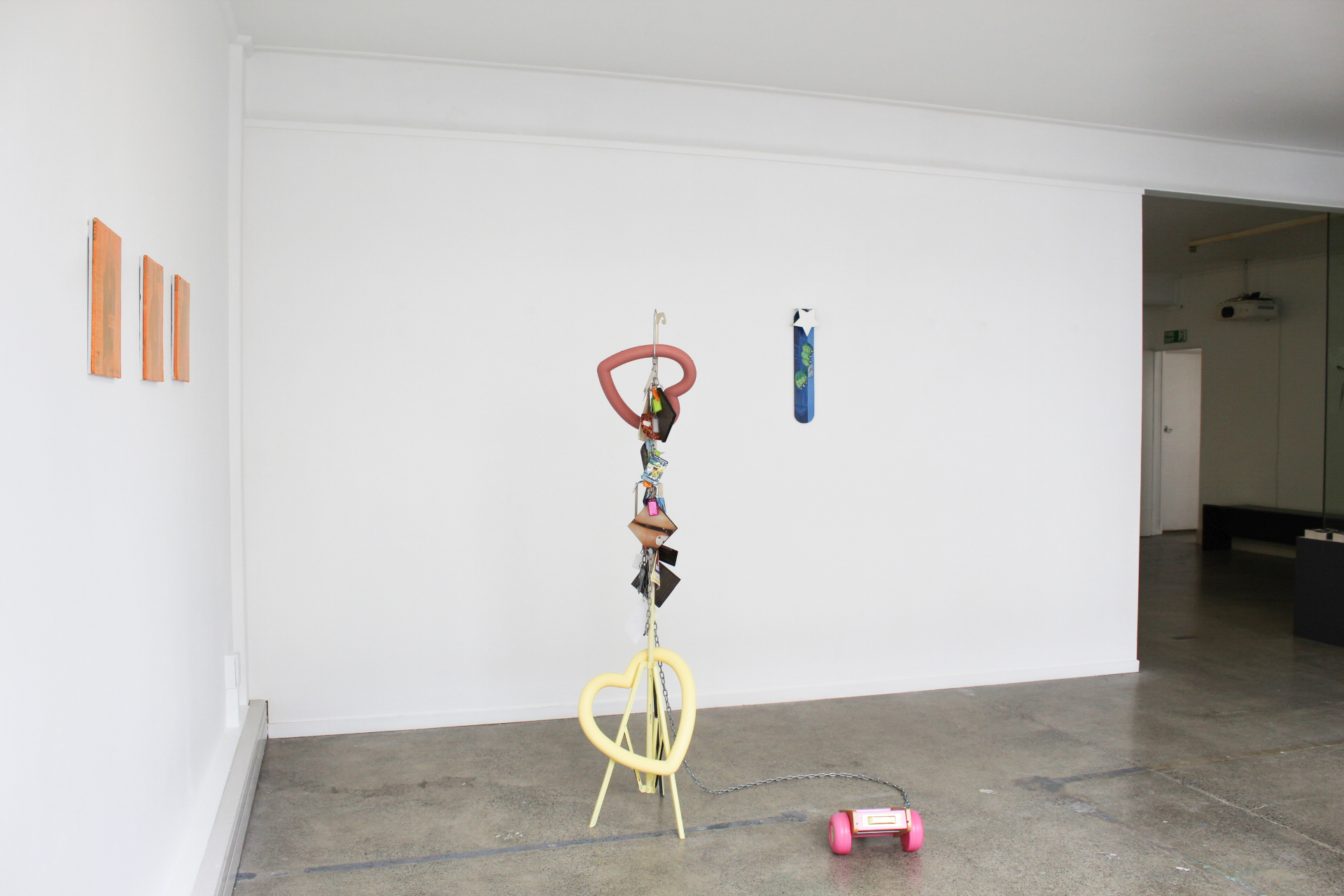
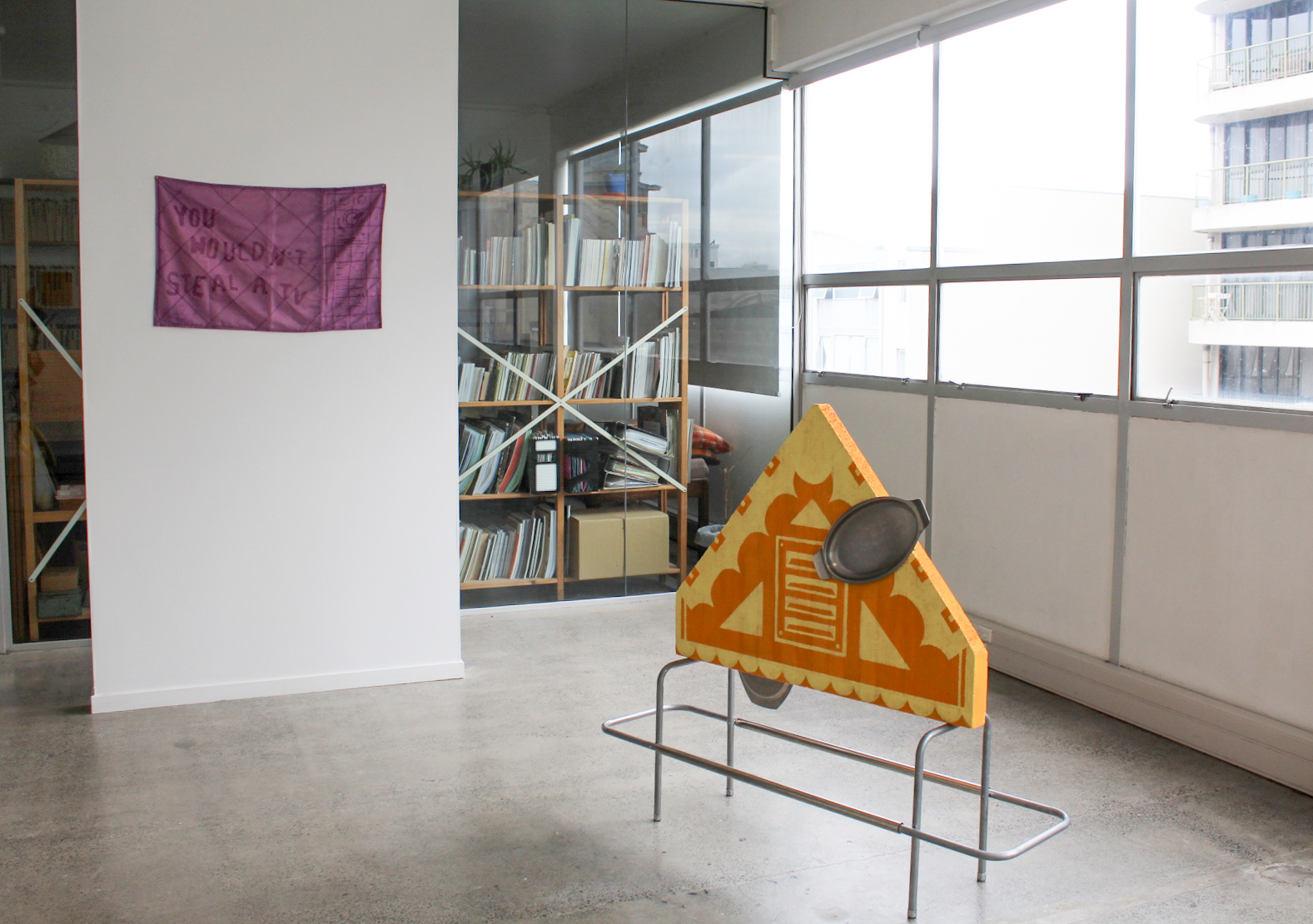
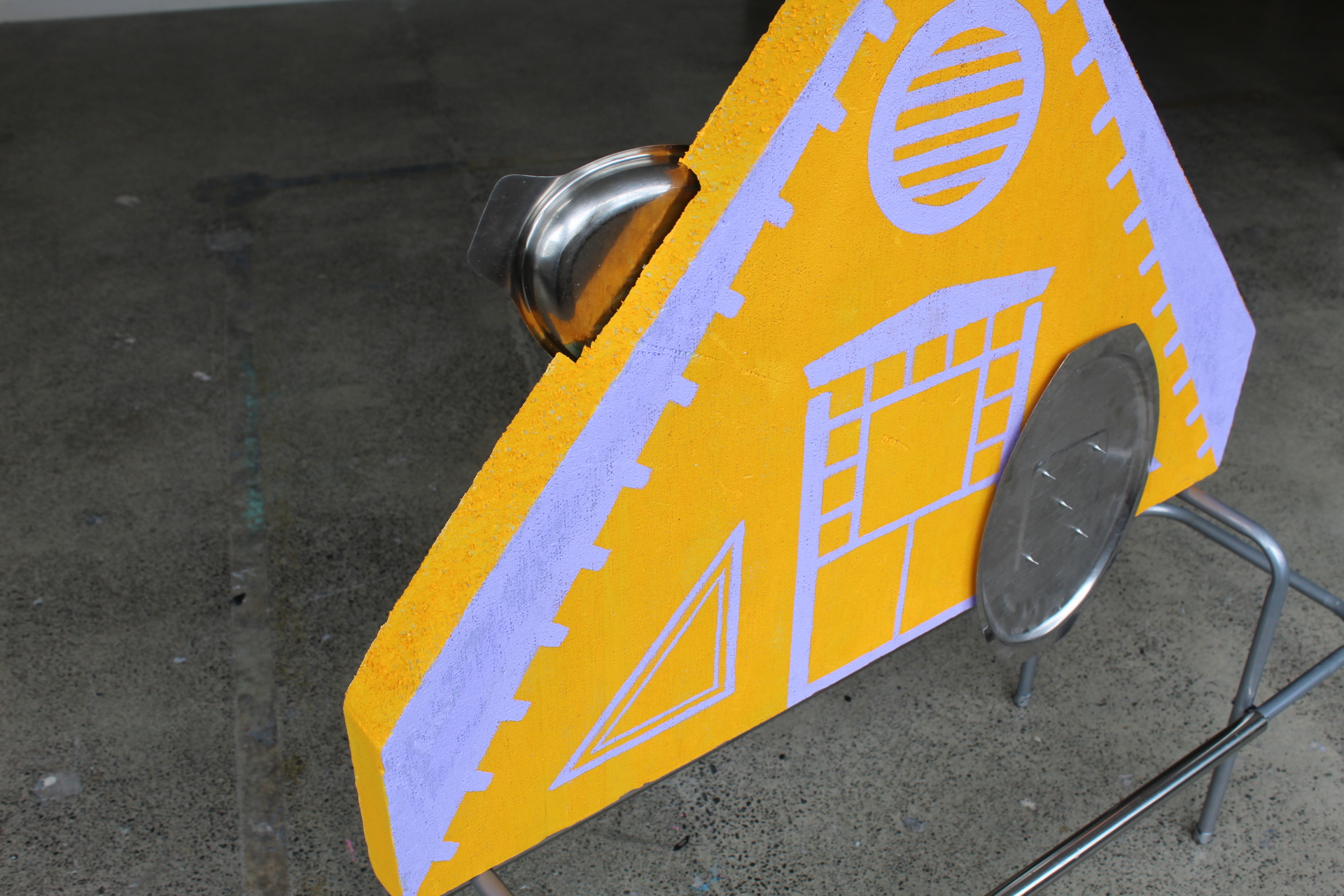
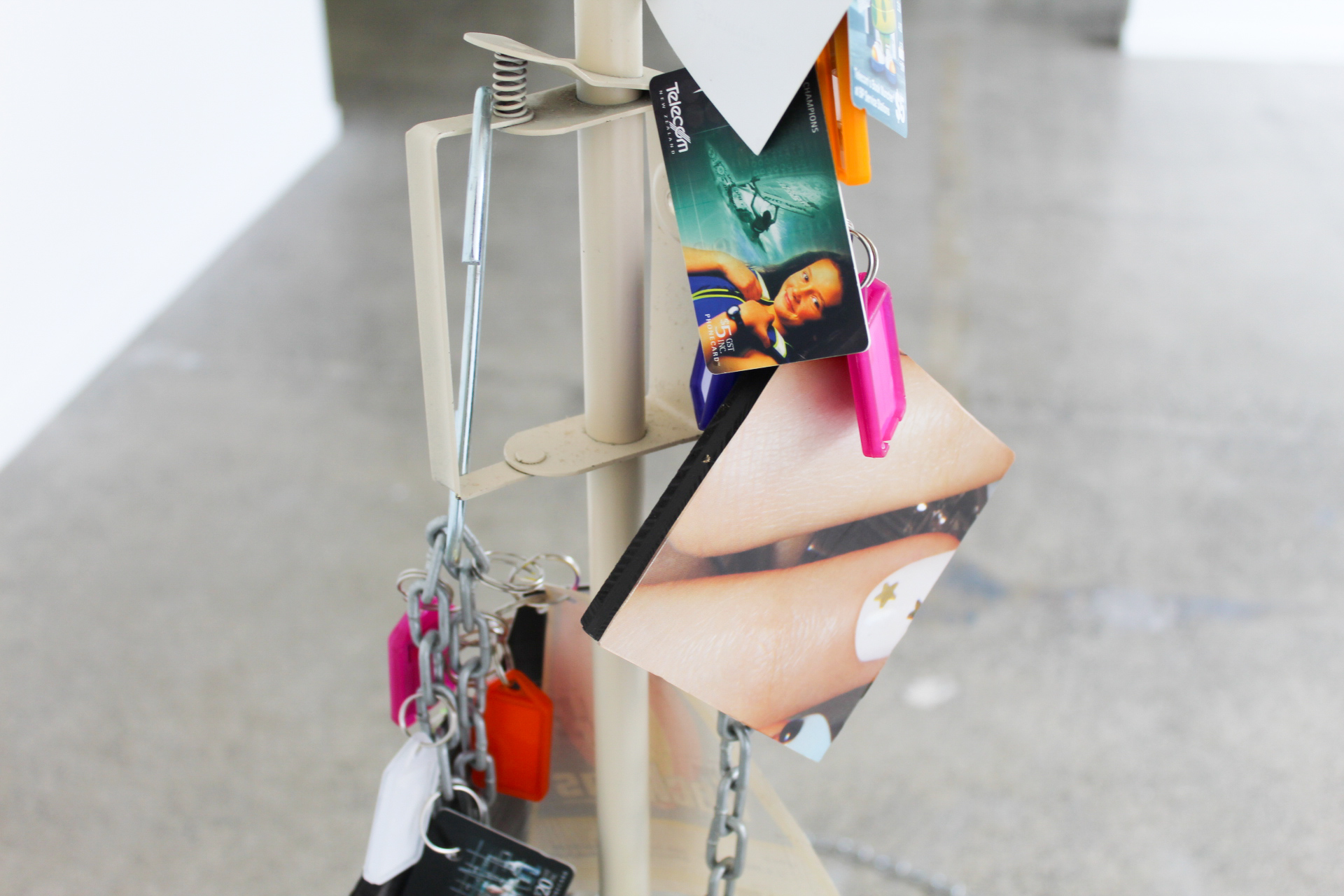
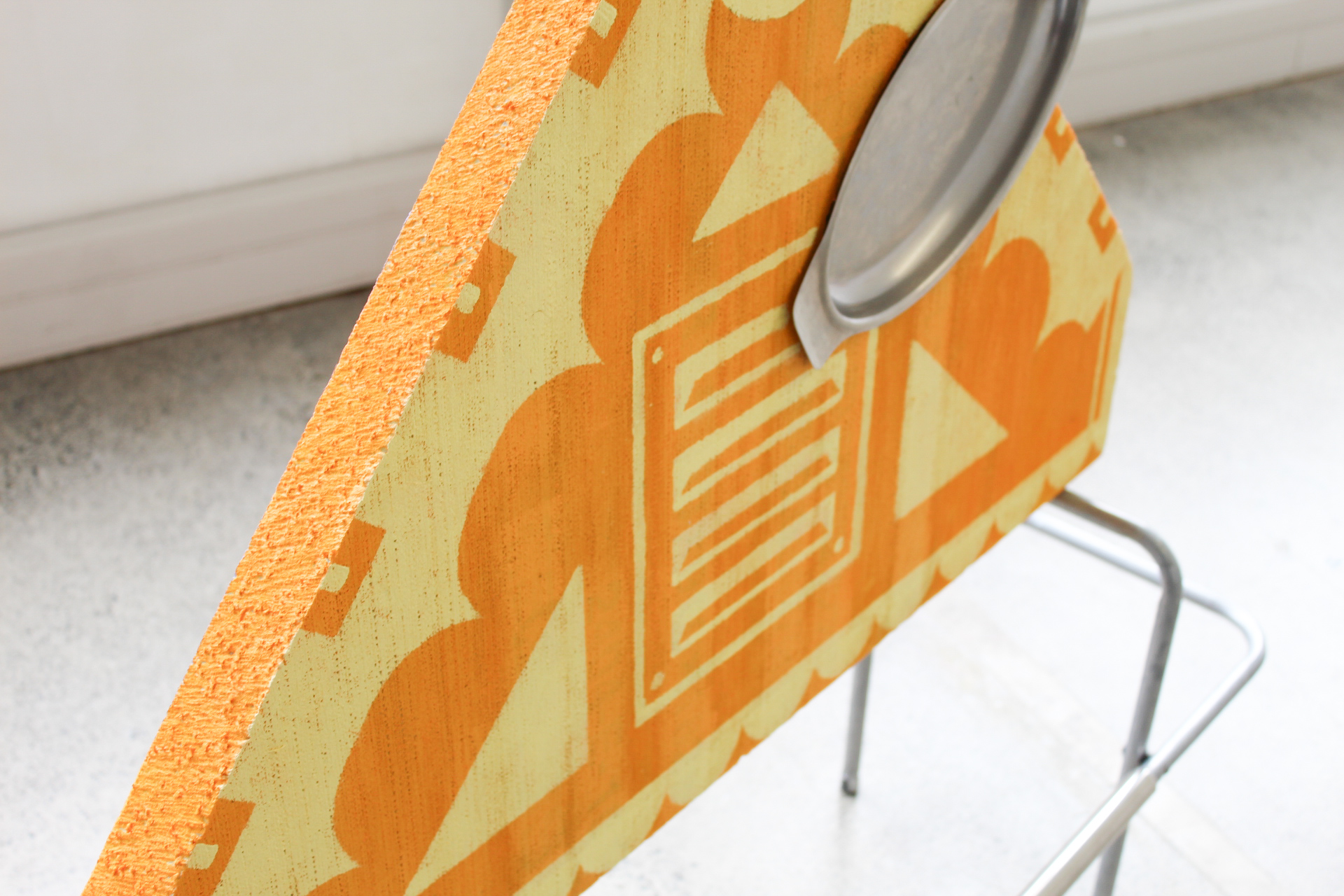
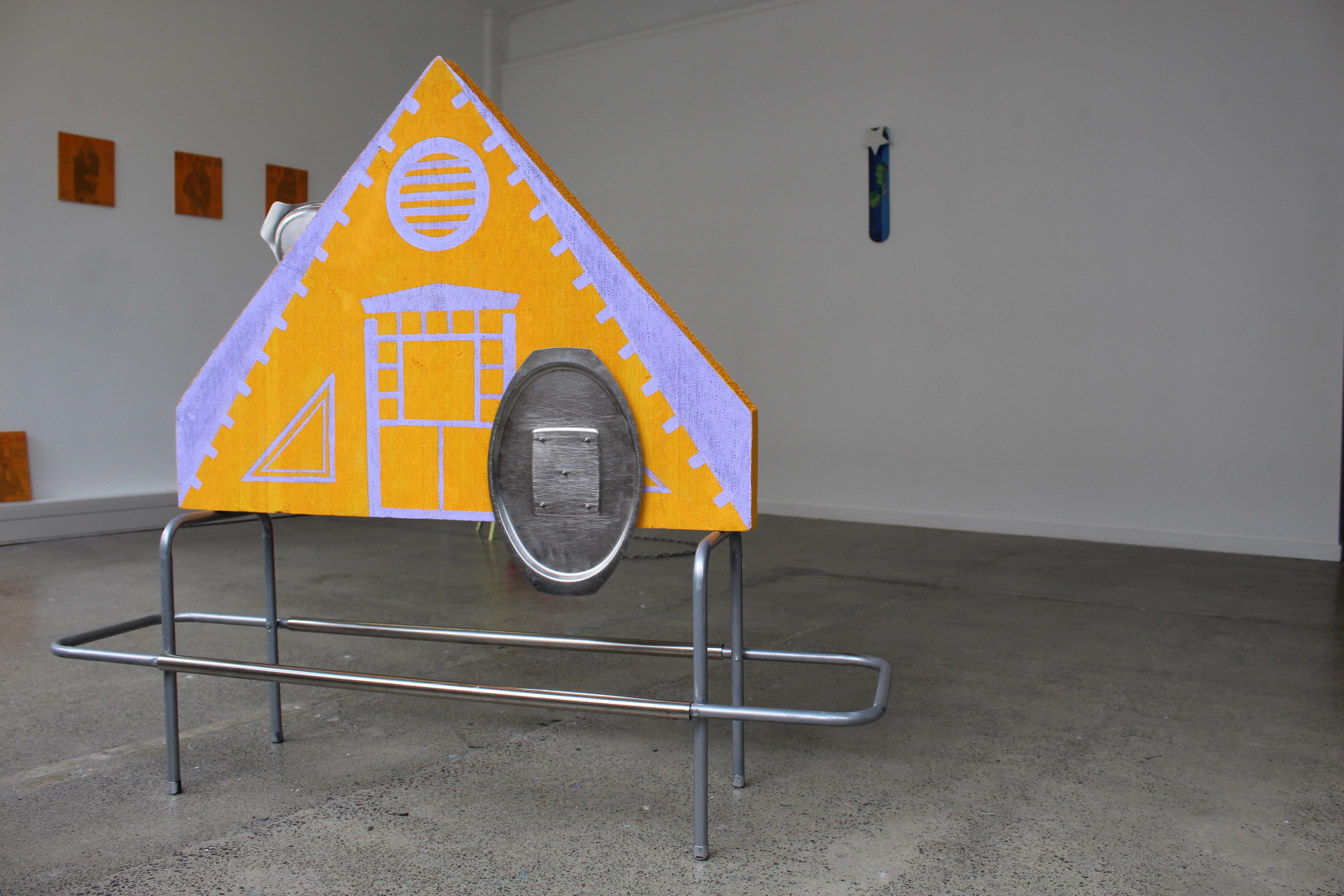
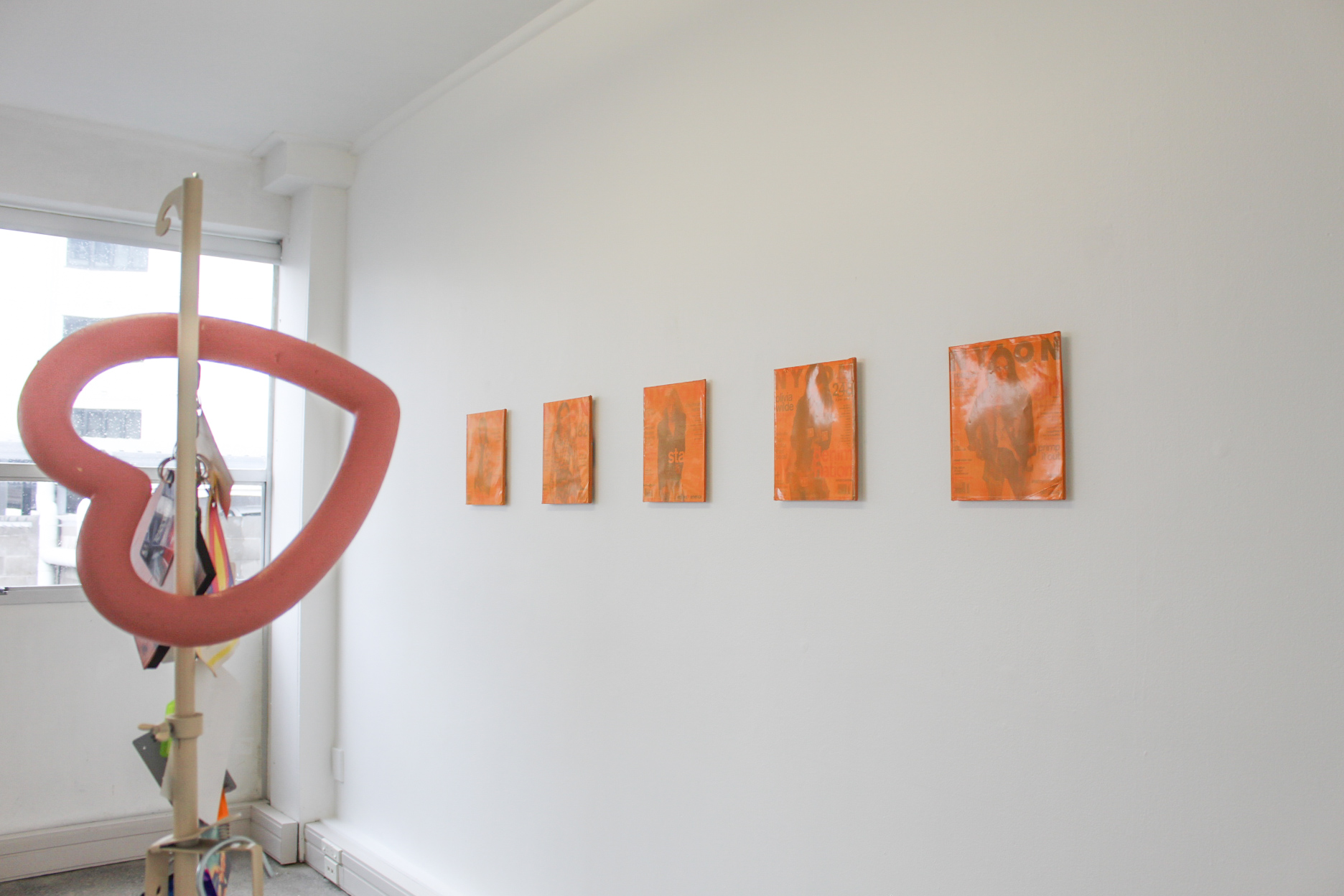
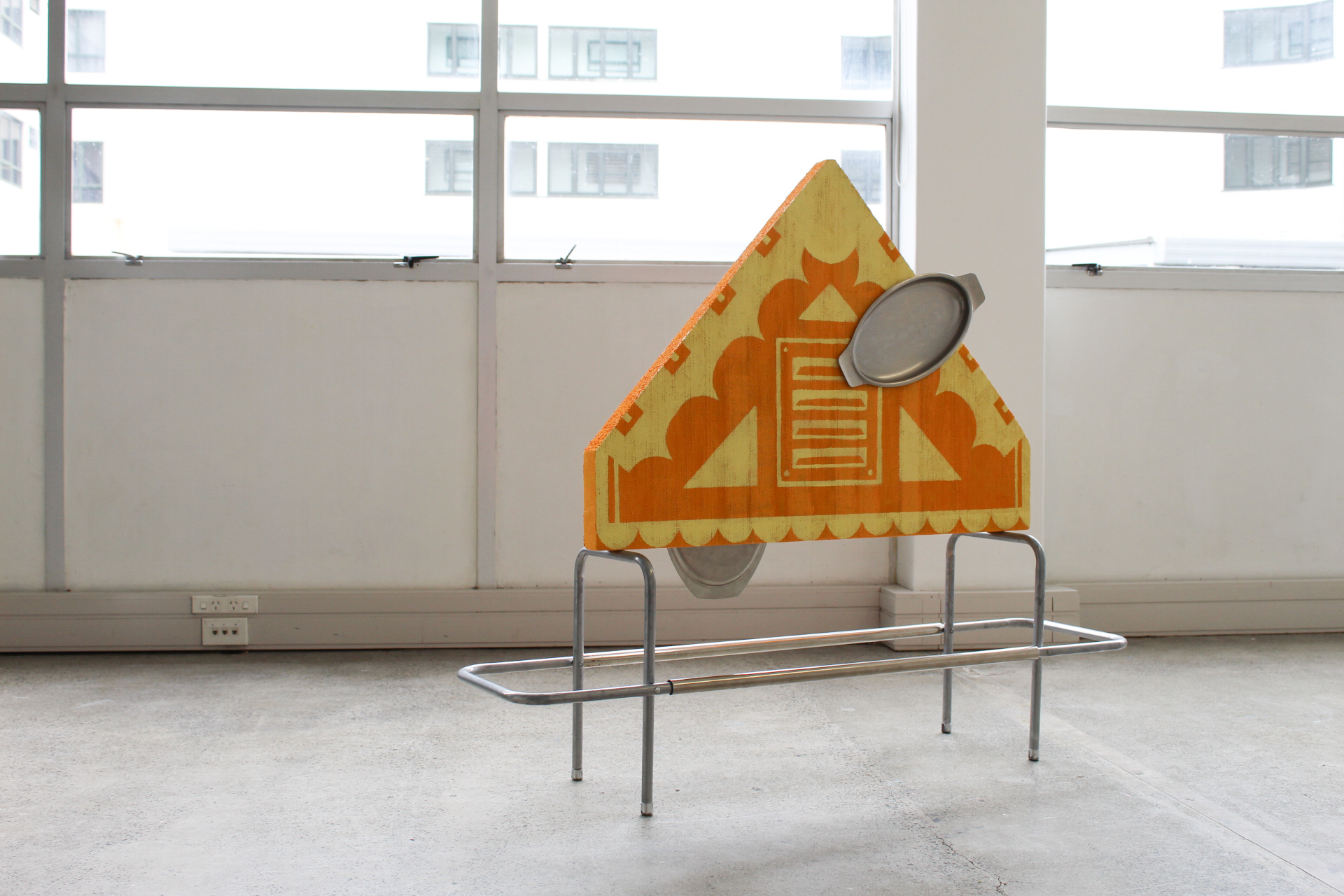
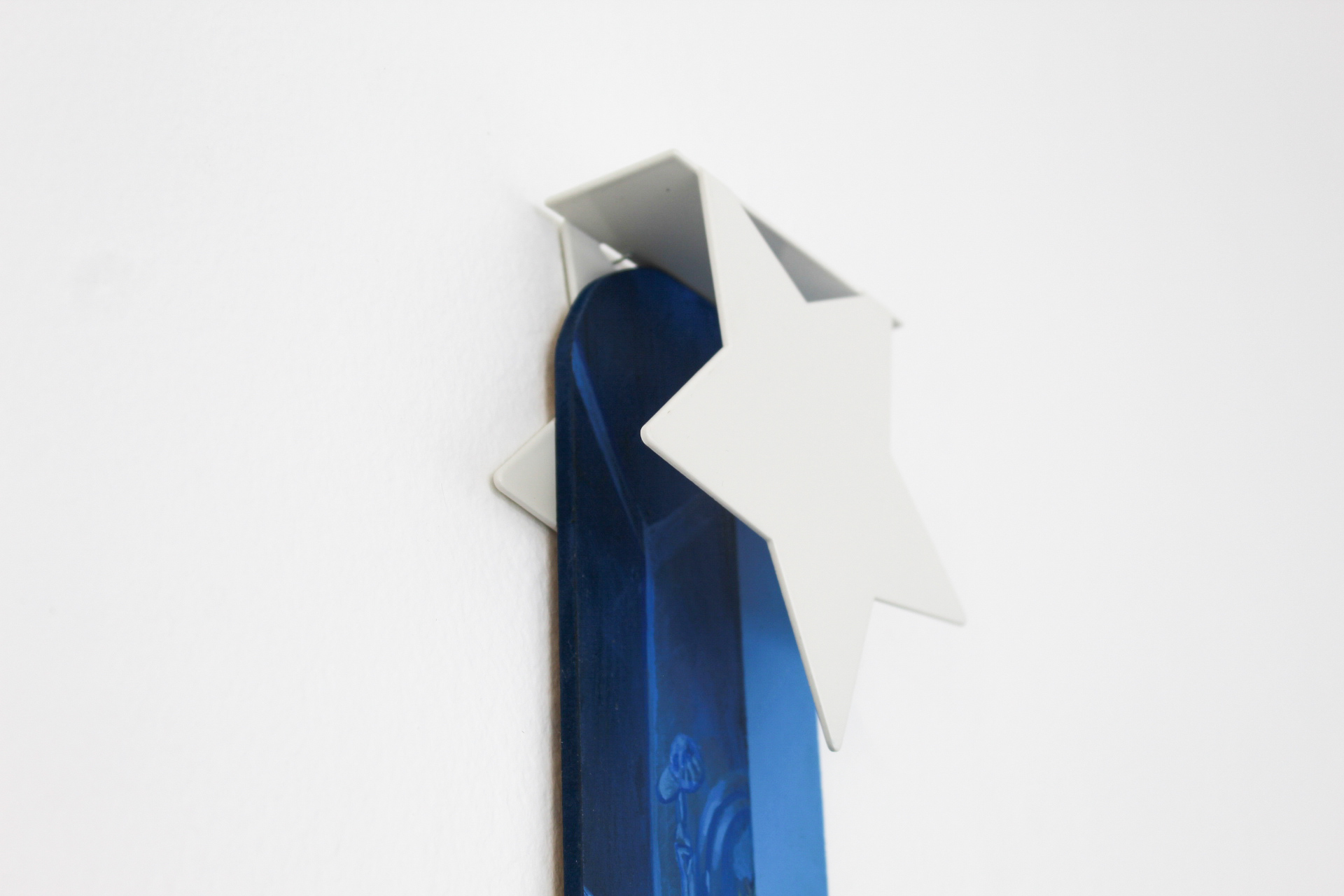
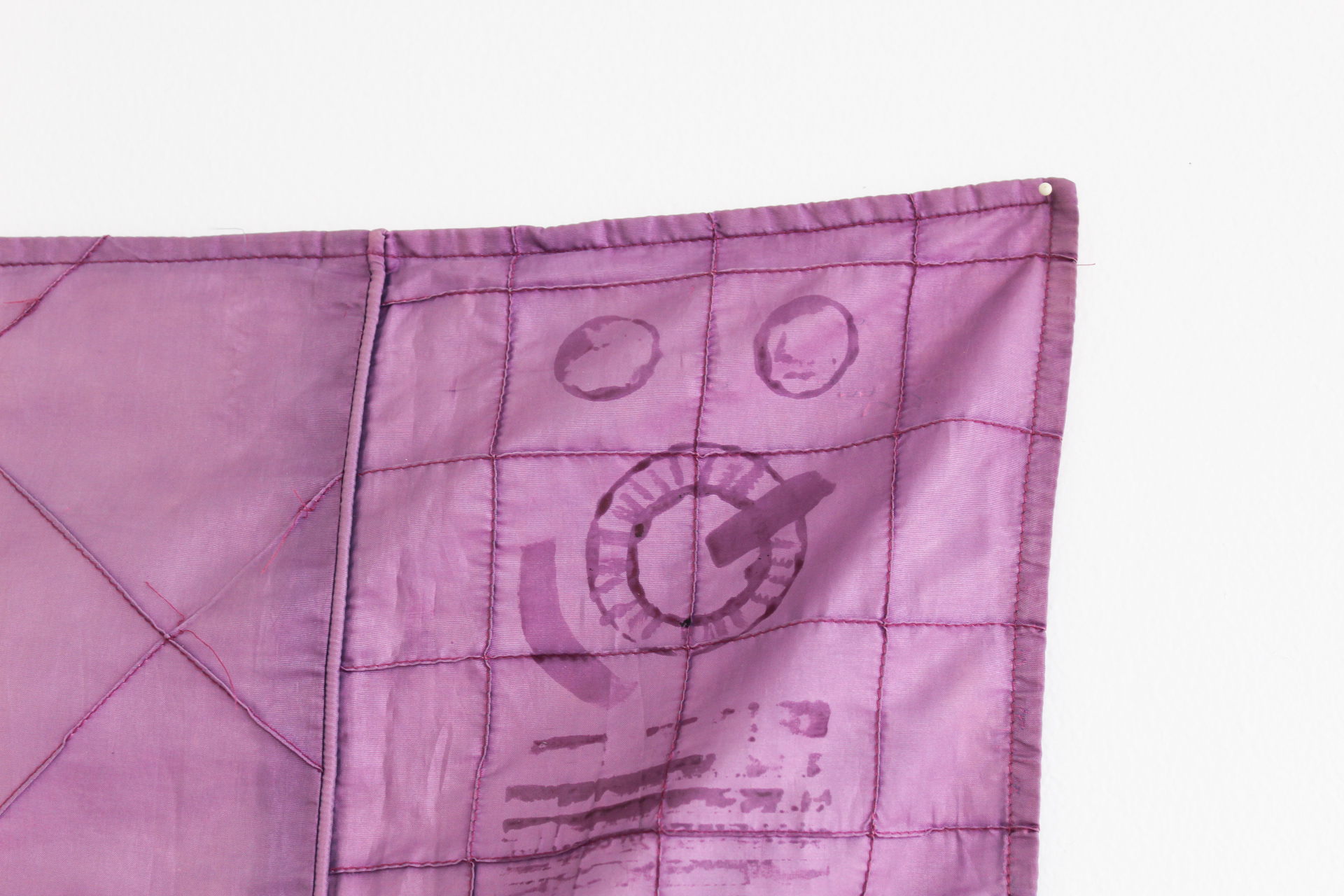
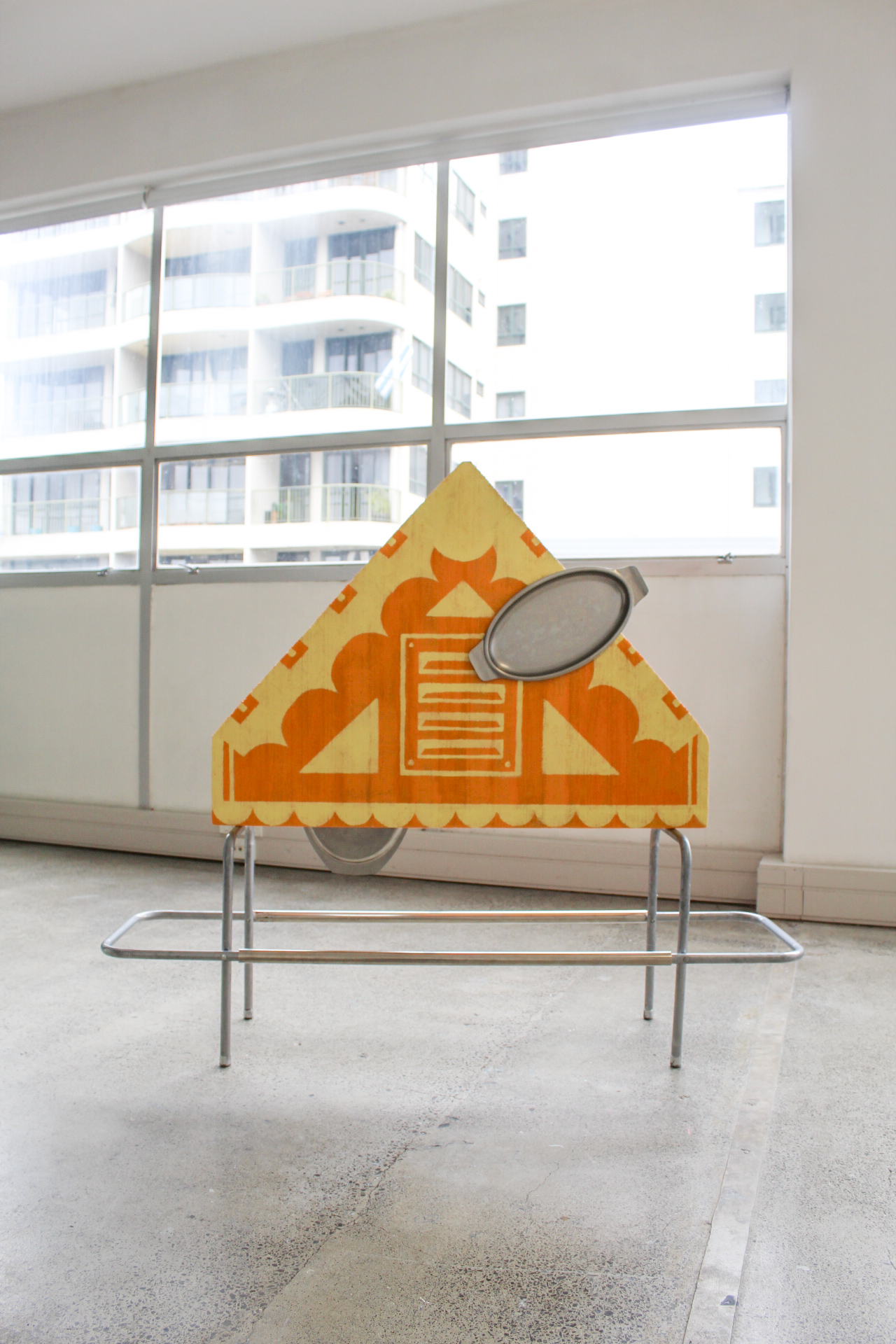
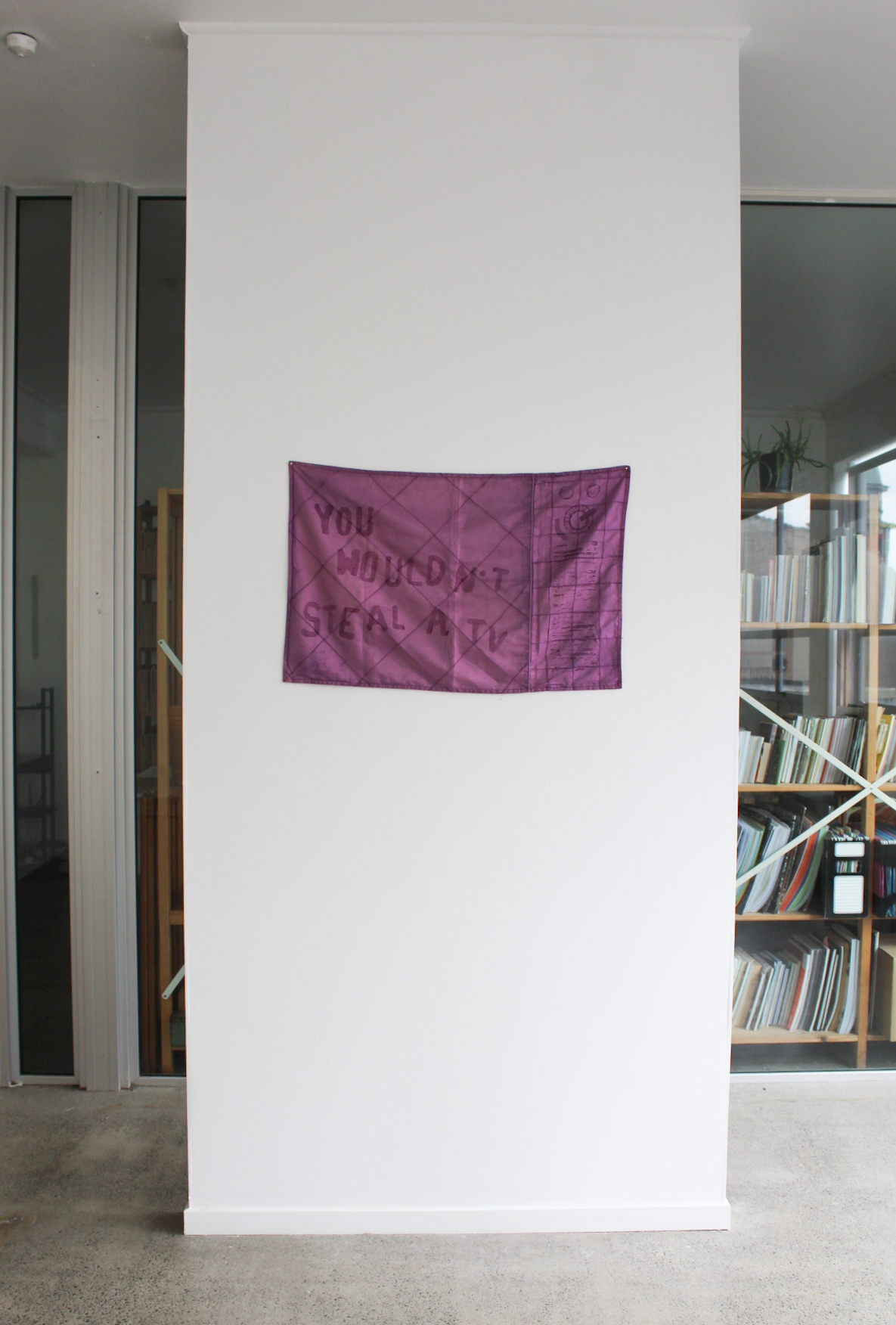
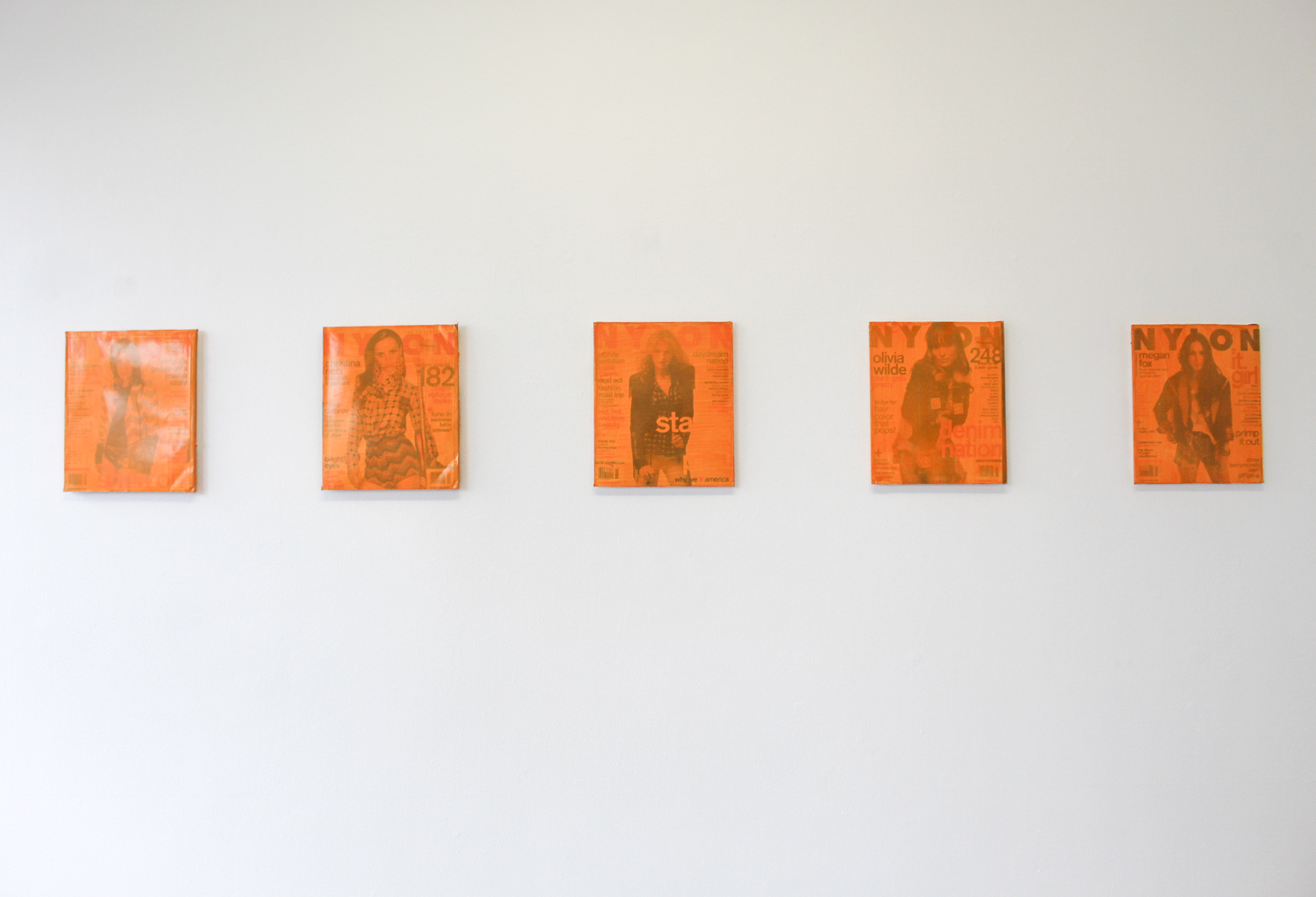
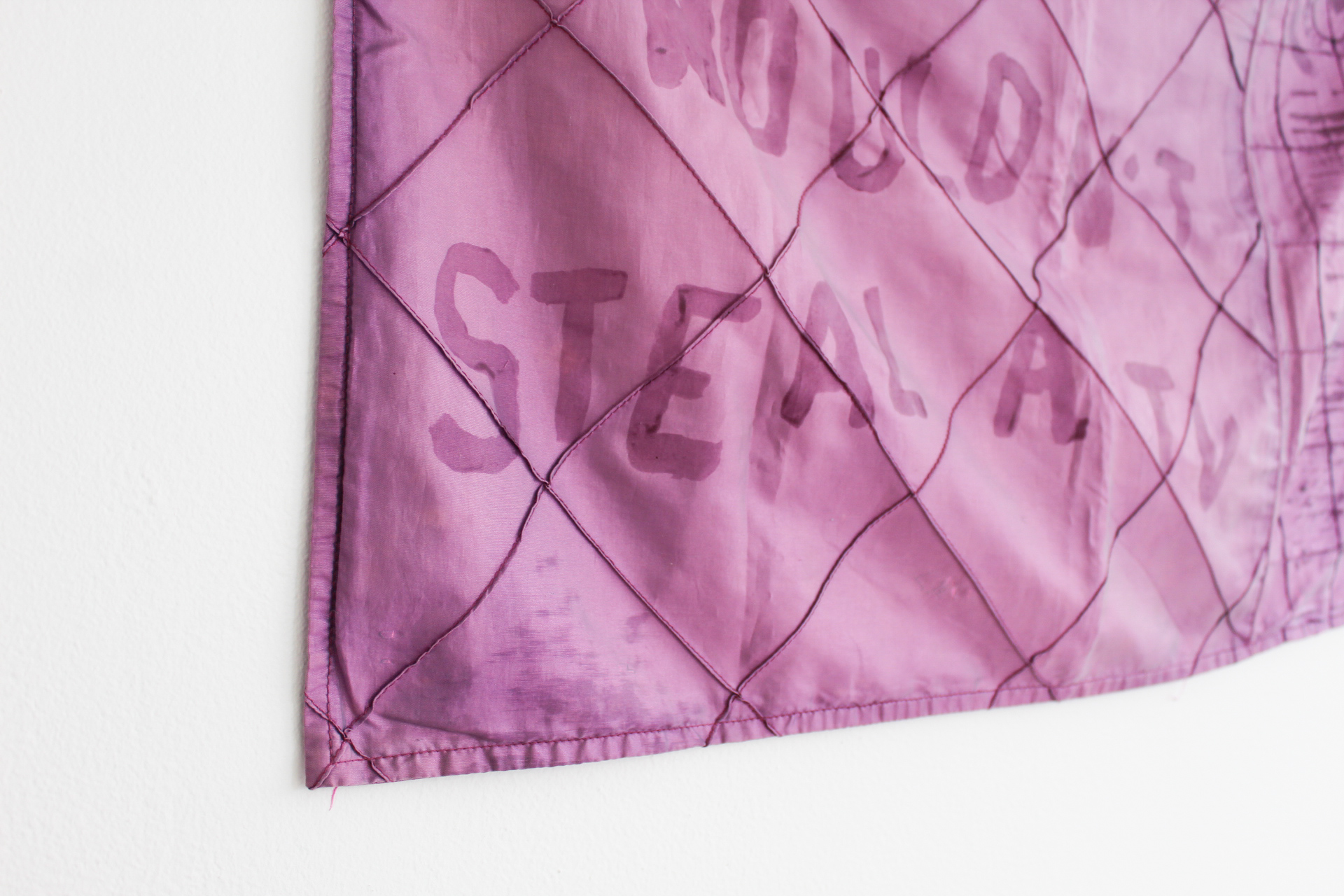
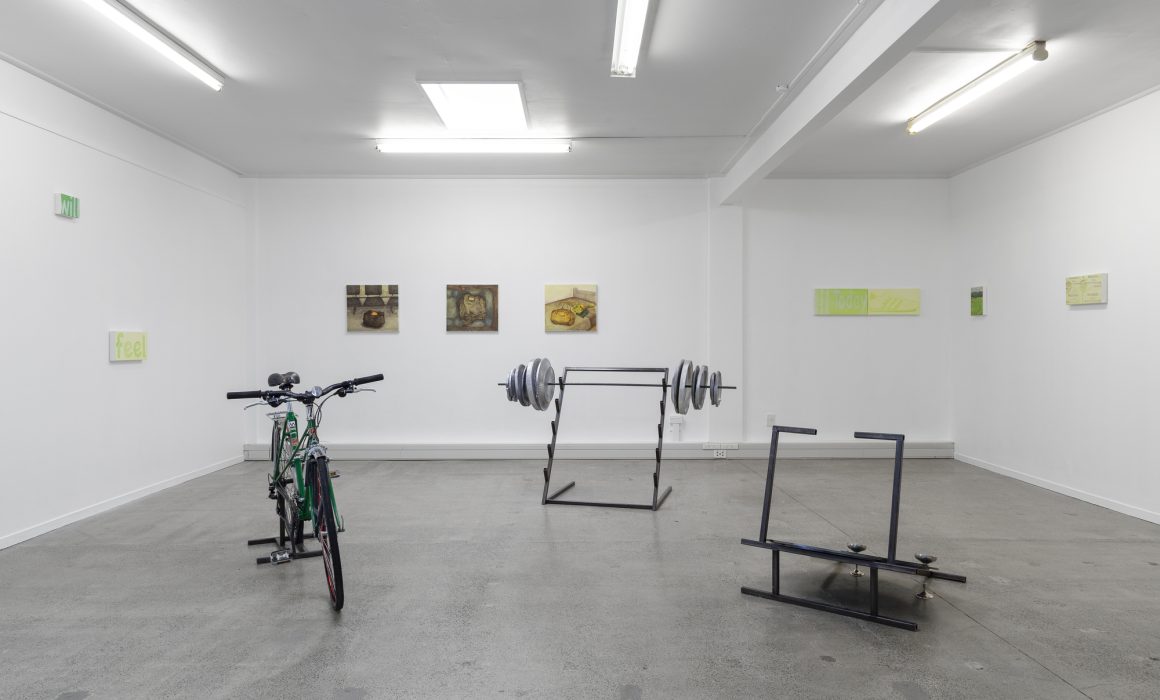
GRWM brings together the practices of Aria McInnes, Keani Rewha, and Rita Takeuchi, drawing from the online video genre “Get Ready With Me,” where personal, everyday rituals are performed for a public audience. Through painting and installation, the exhibition translates the reflections that arise from analysing contemporary online behaviour and its influence on how we navigate daily life. The works consider how contemporary identity is shaped by cycles of performance, reinvention, and the commercialisation of the personal.

Converging three distinct practices, GRWM examines how authenticity is constructed, staged, and circulated. It navigates the increasingly blurred boundary between private and public spheres, where acts of preparation become content and vulnerability becomes an aesthetic strategy. By translating digital rituals into material and physical space, the artists recontextualise online behaviour, inviting viewers to reflect on how the self is continuously assembled, performed, packaged, and consumed.
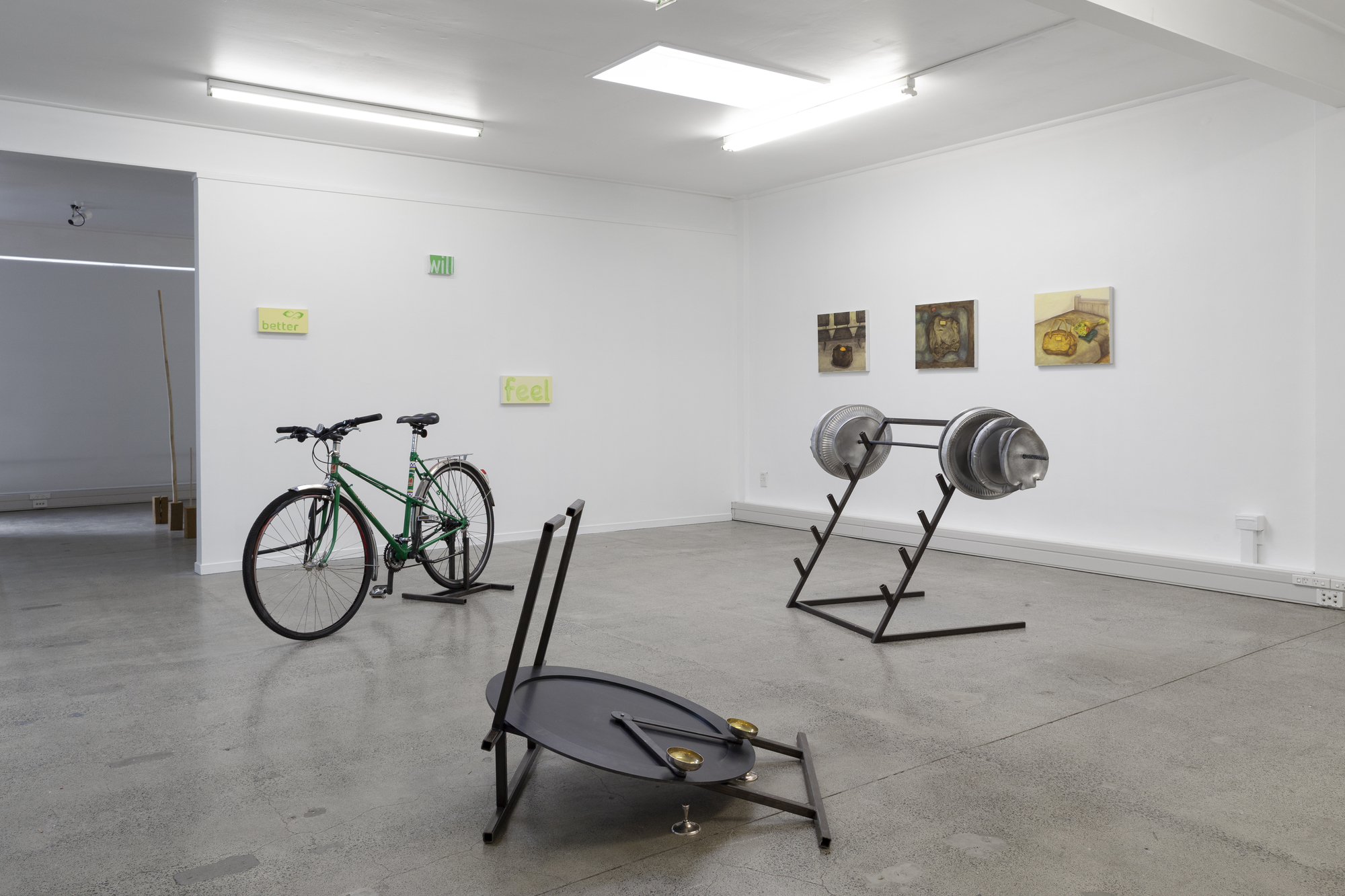
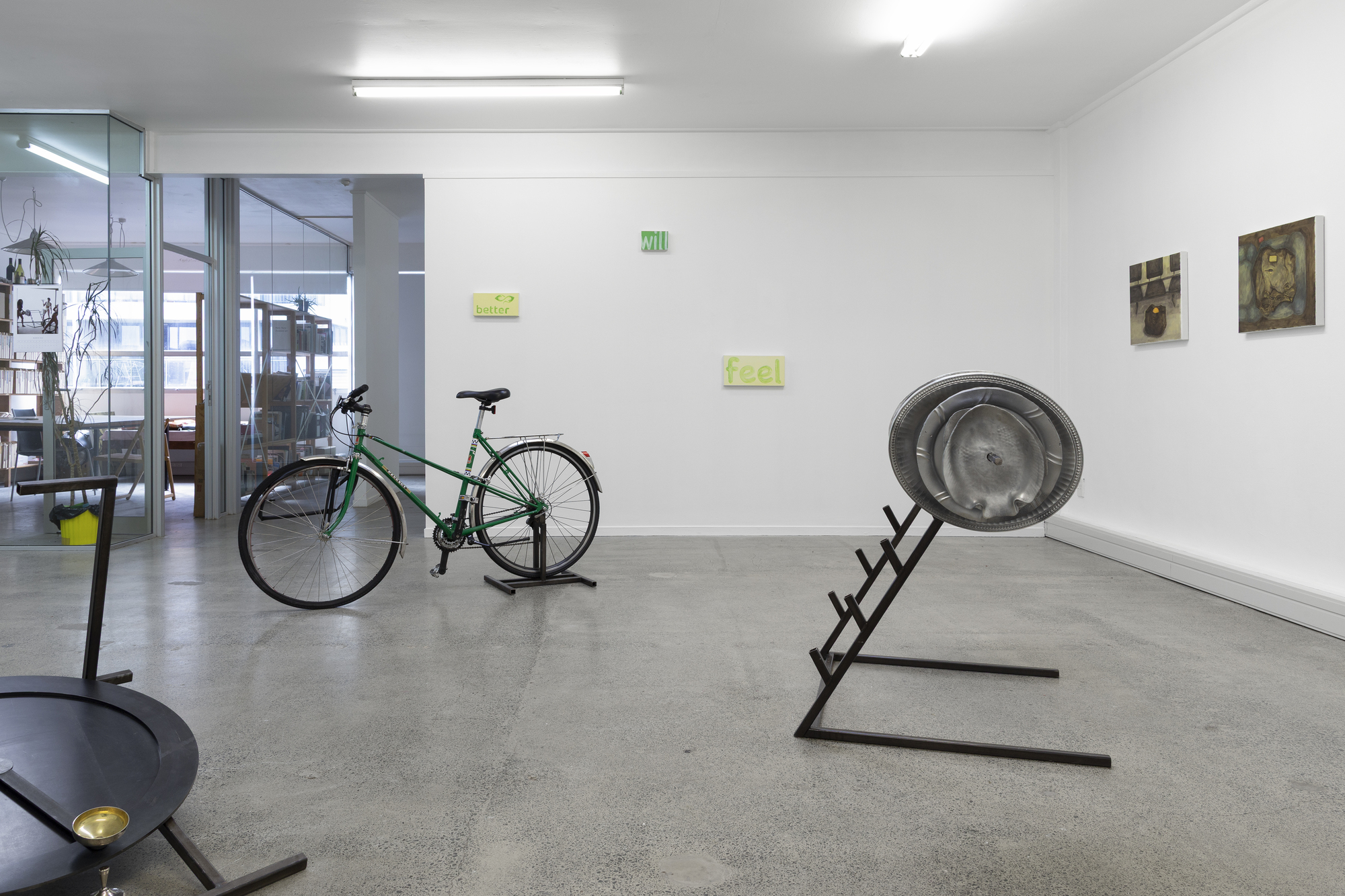
Images by Cheska Brown
Jude Stevens : Goldies Grove

Jude Stevens
Goldies Grove

4 March – 11 April 2026

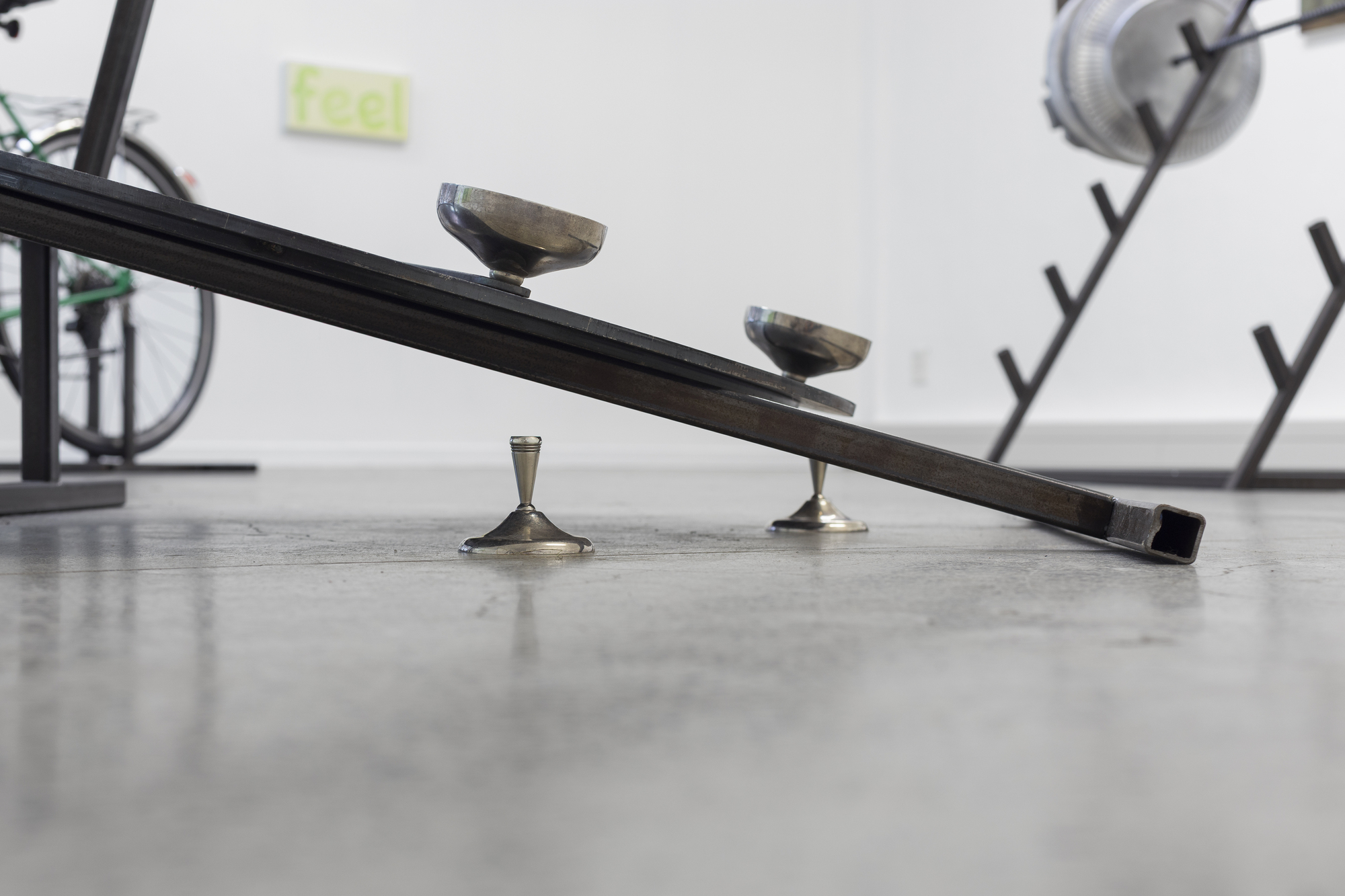
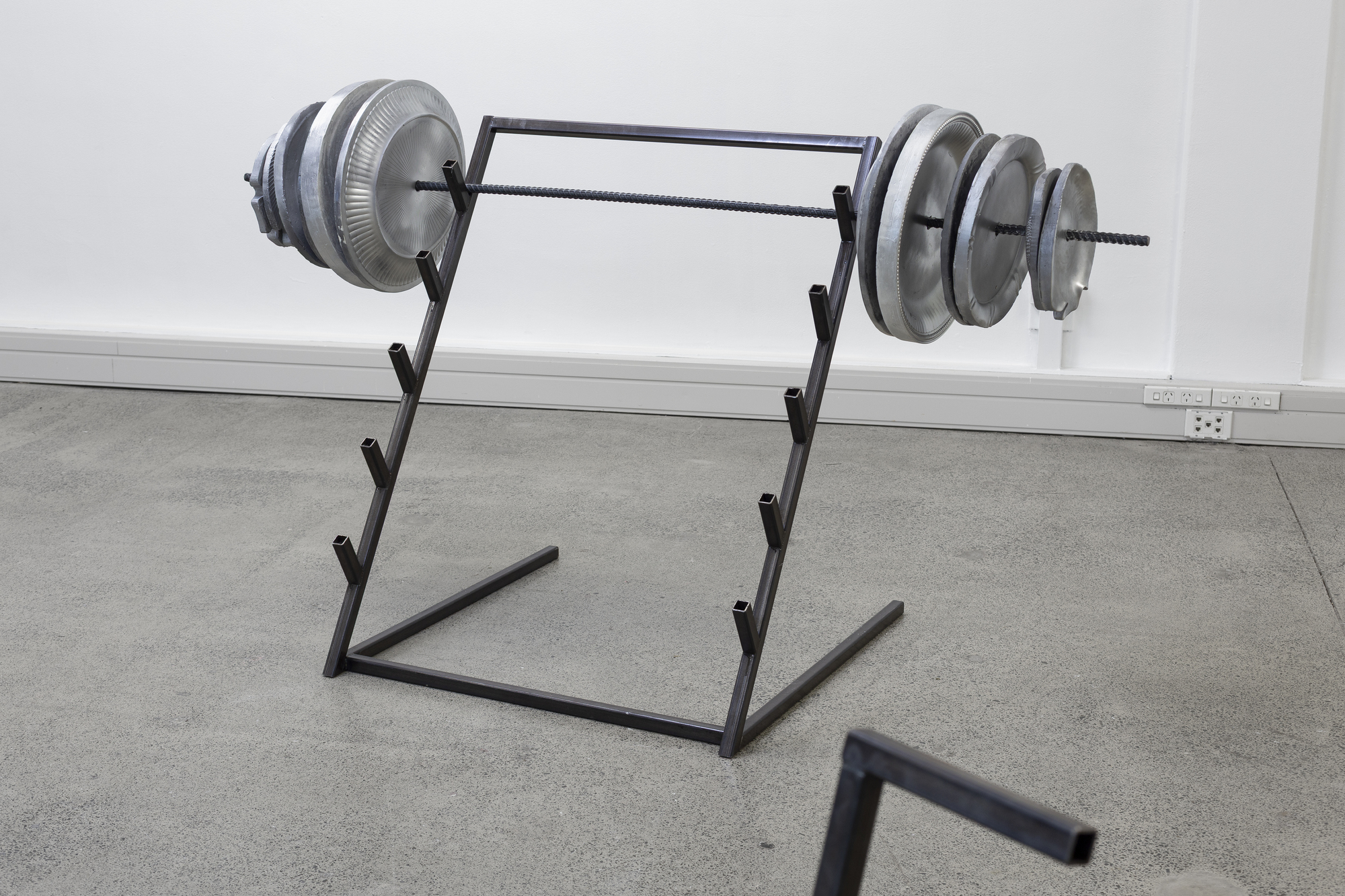
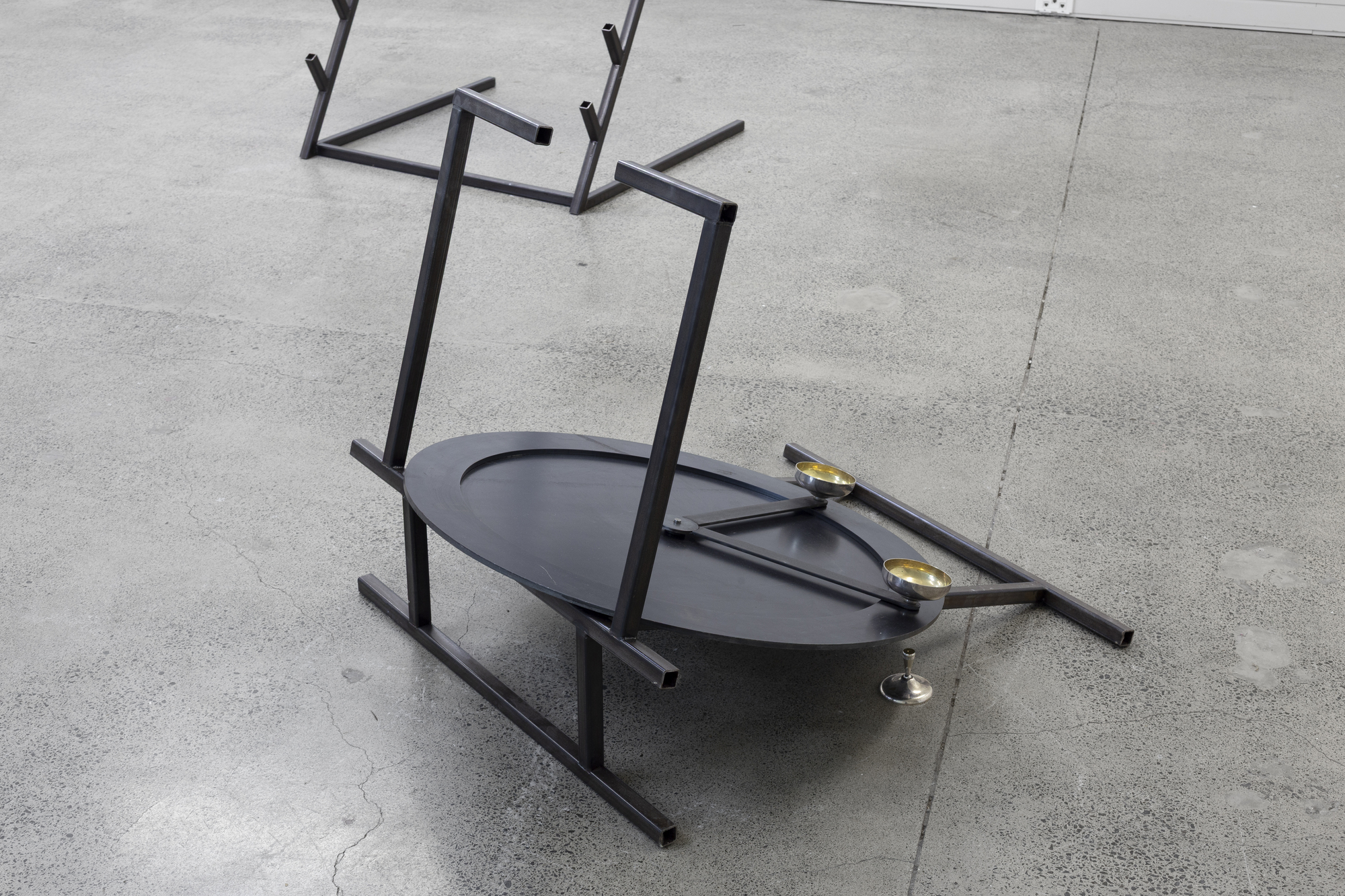
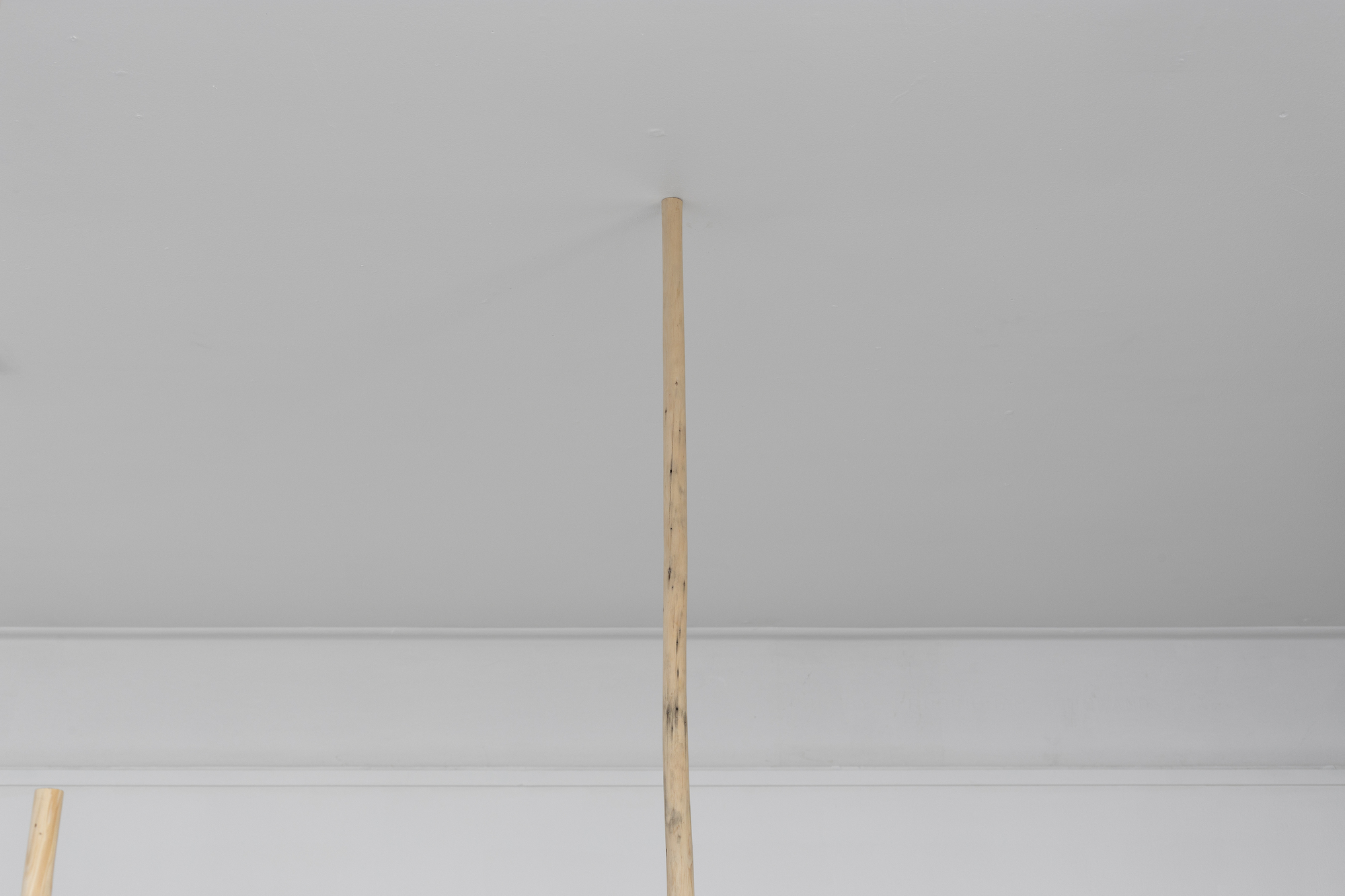
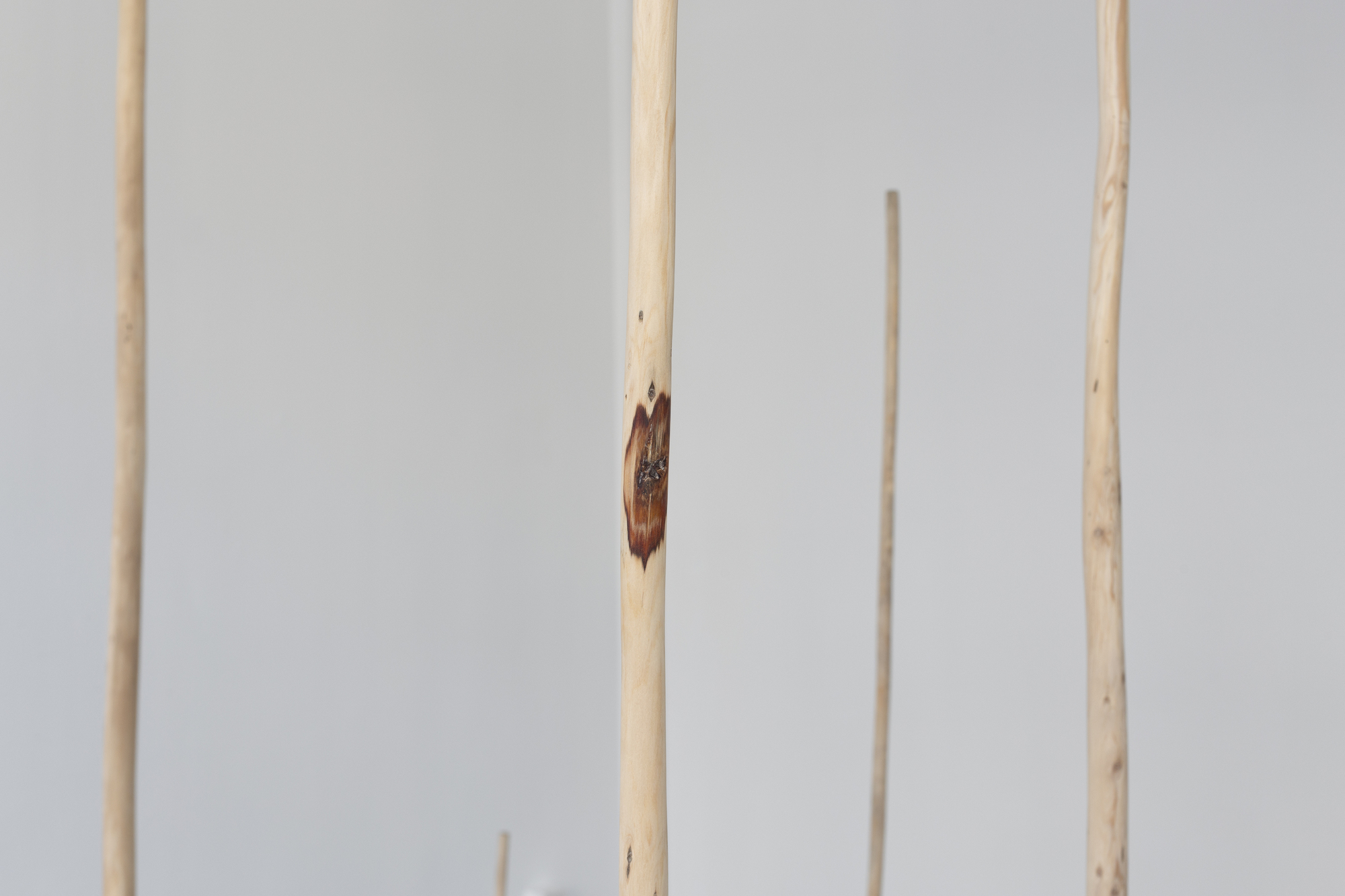
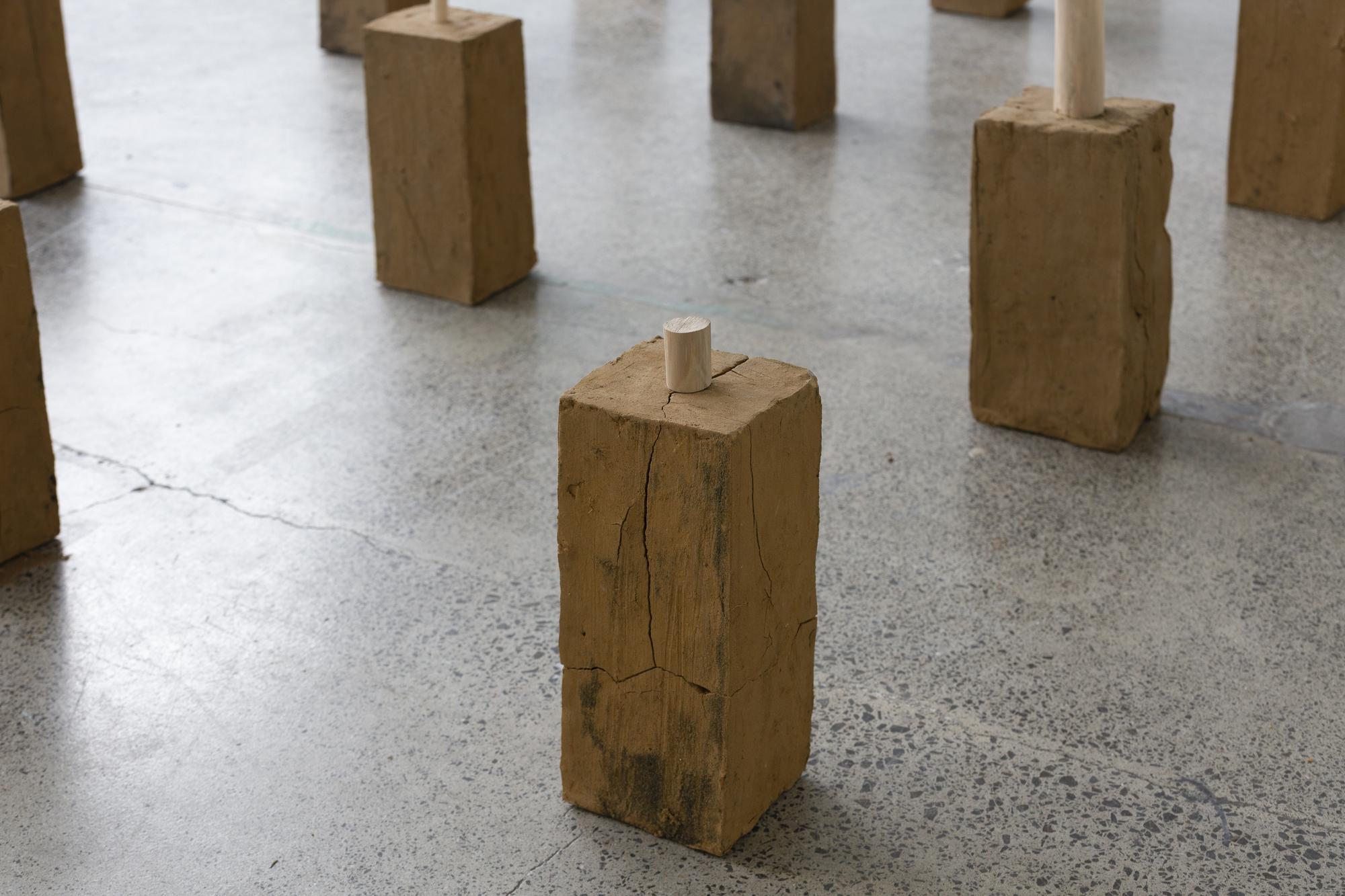
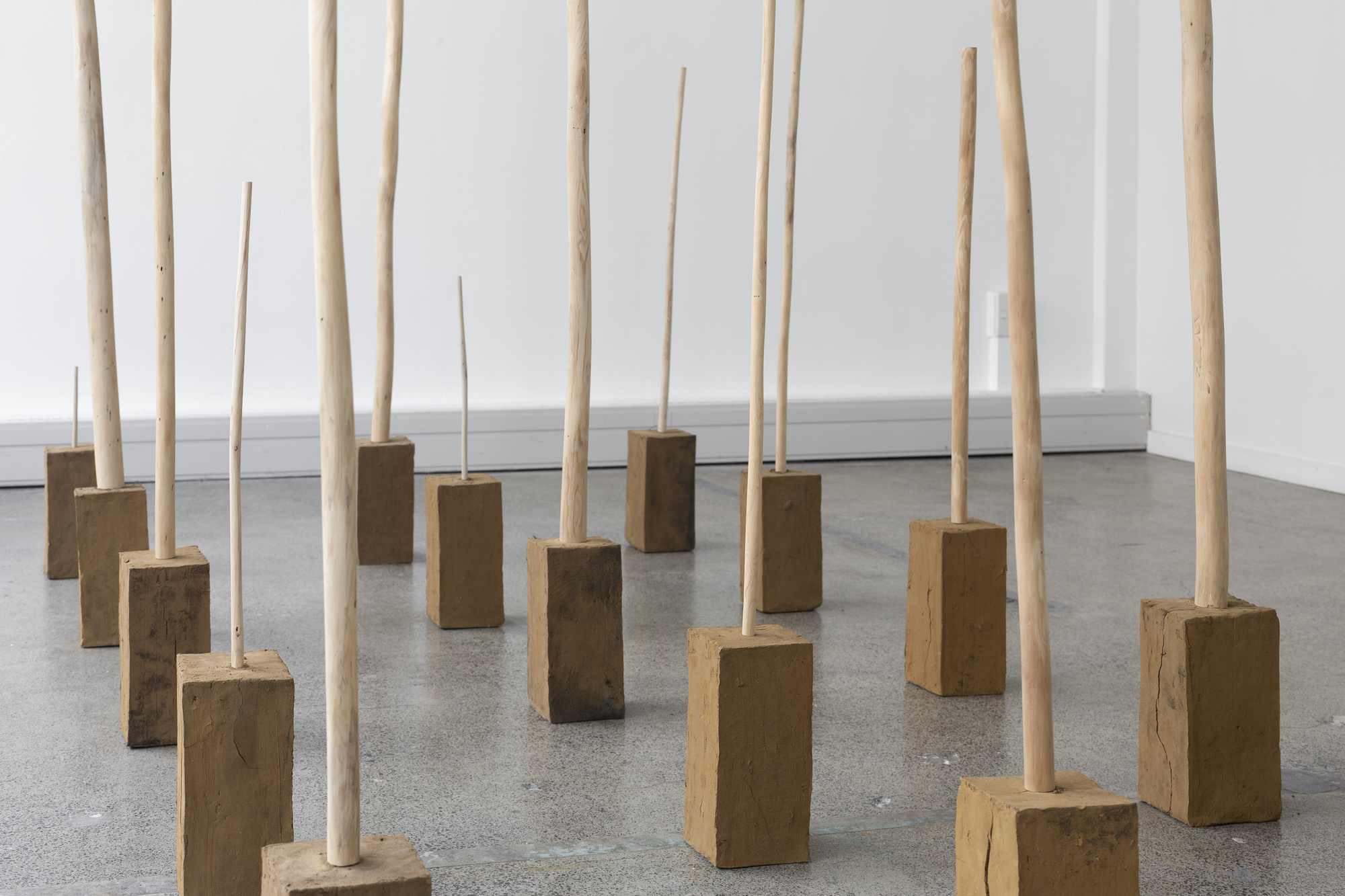
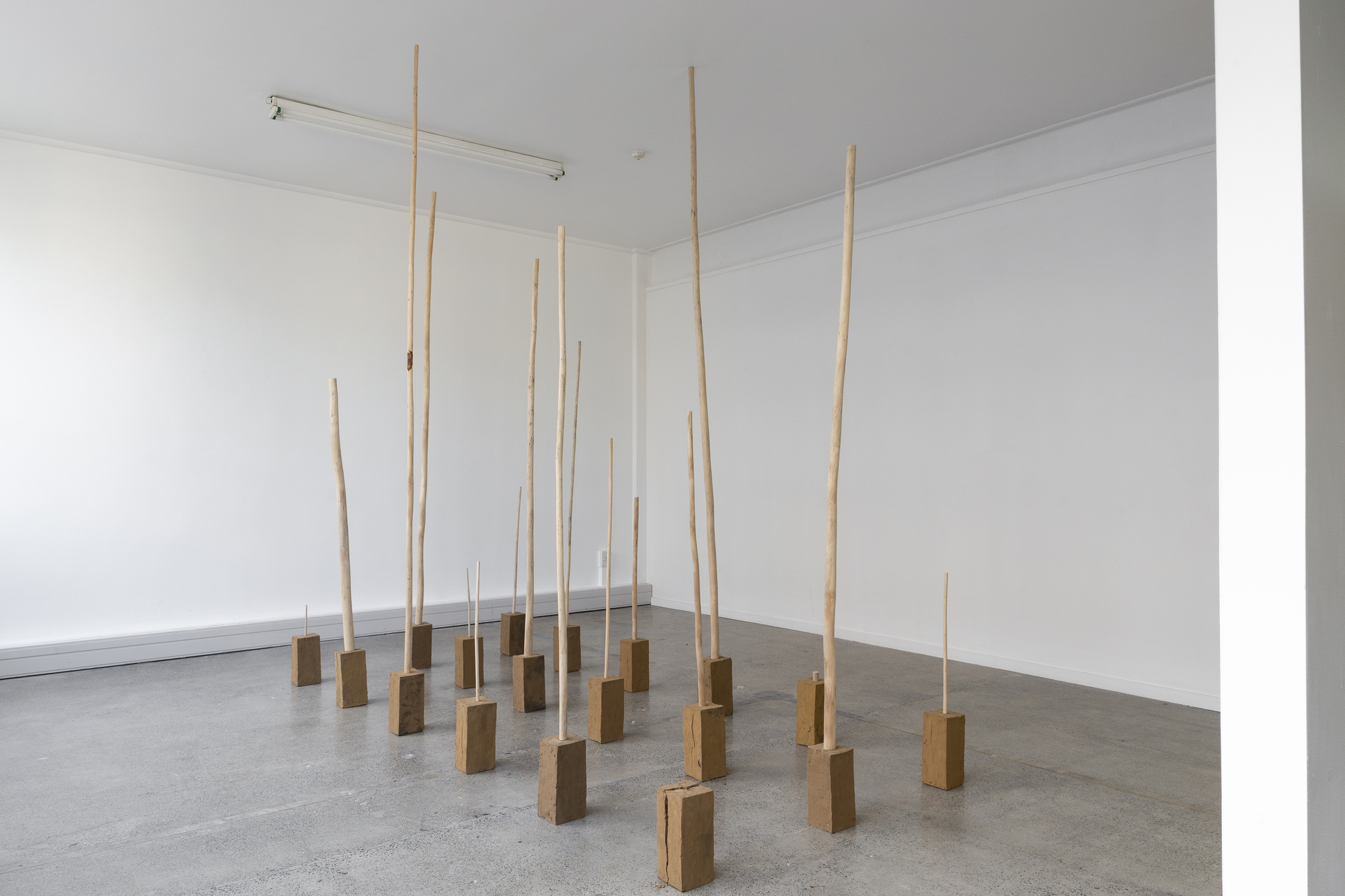
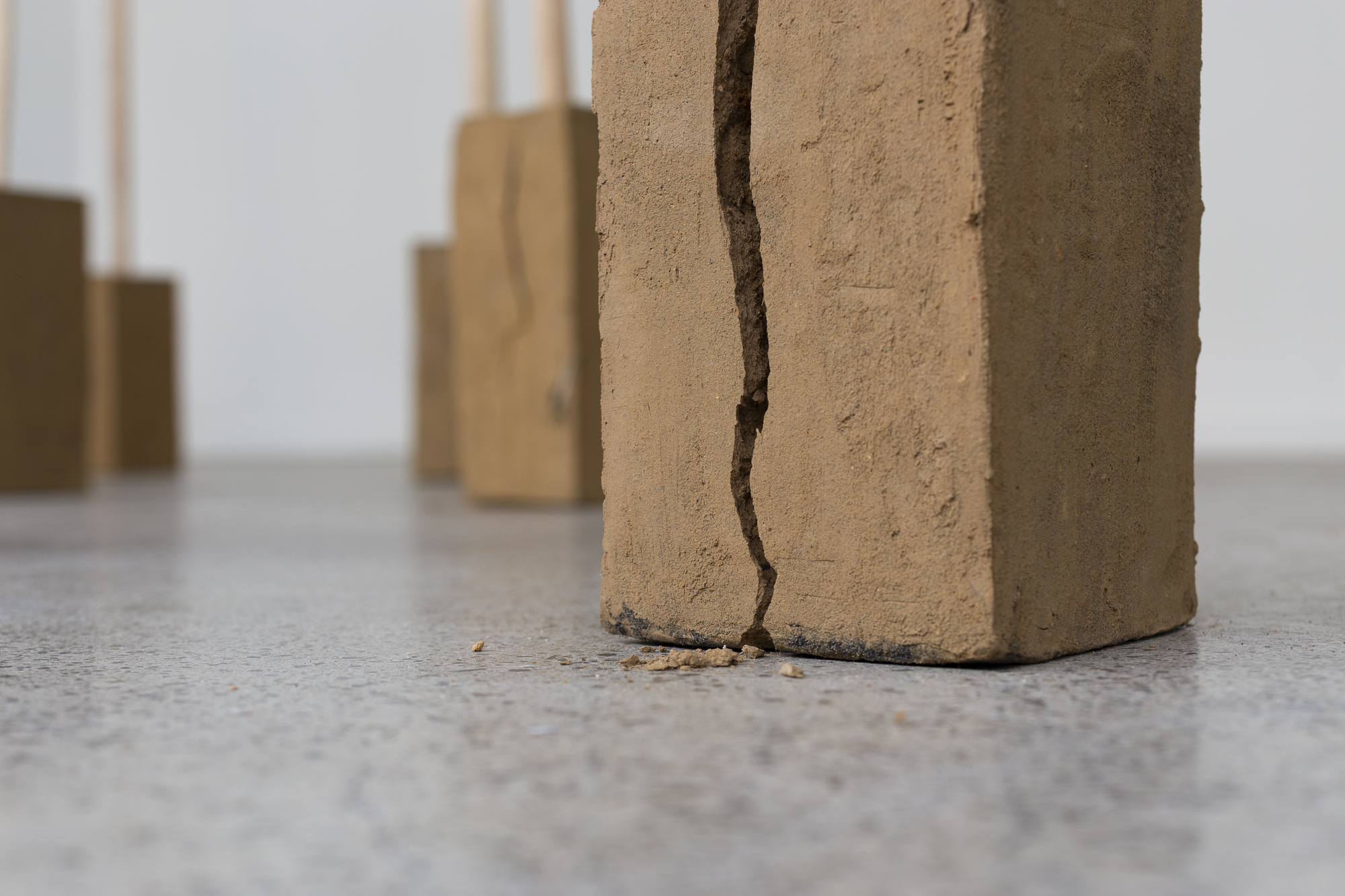
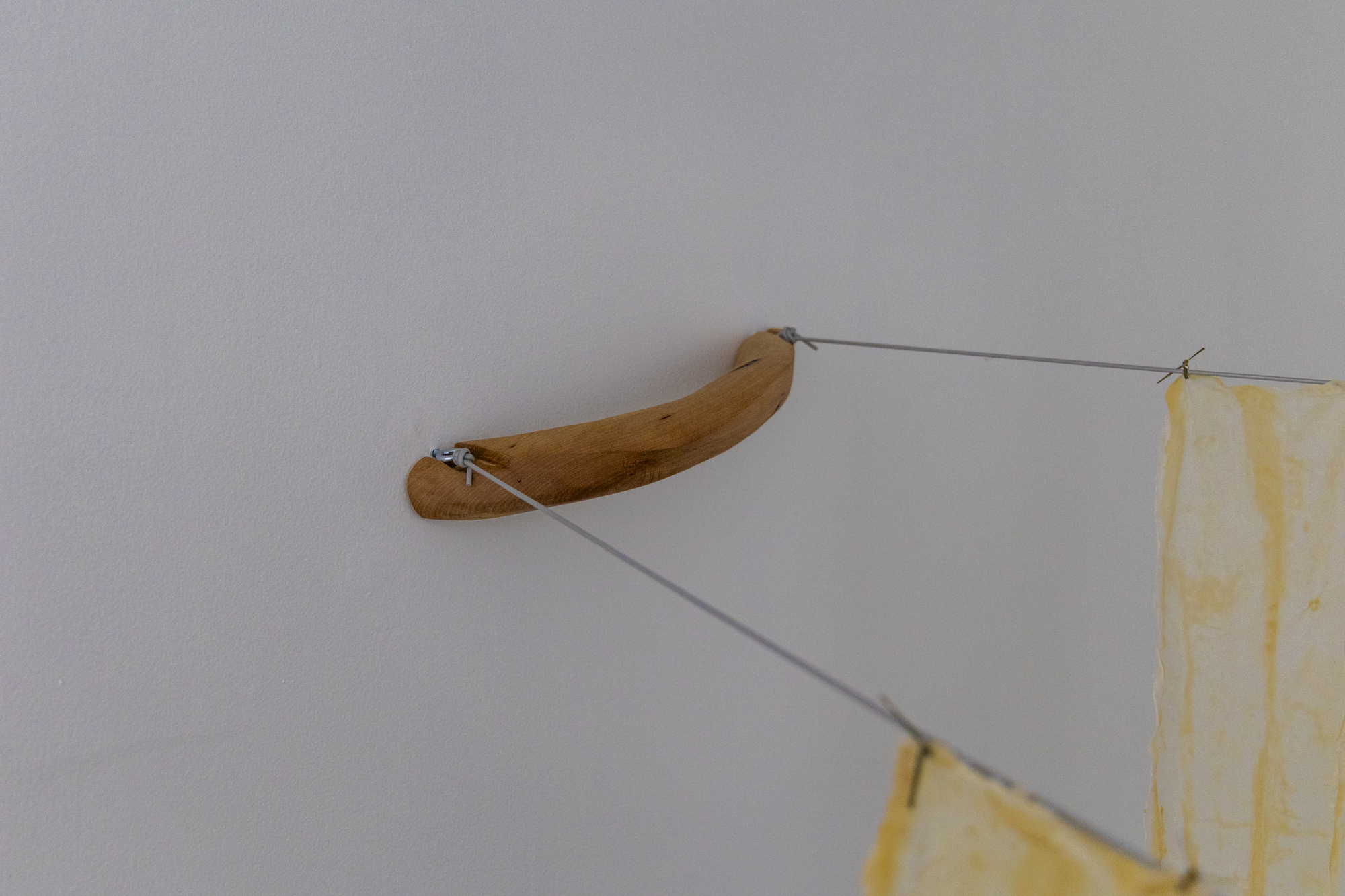
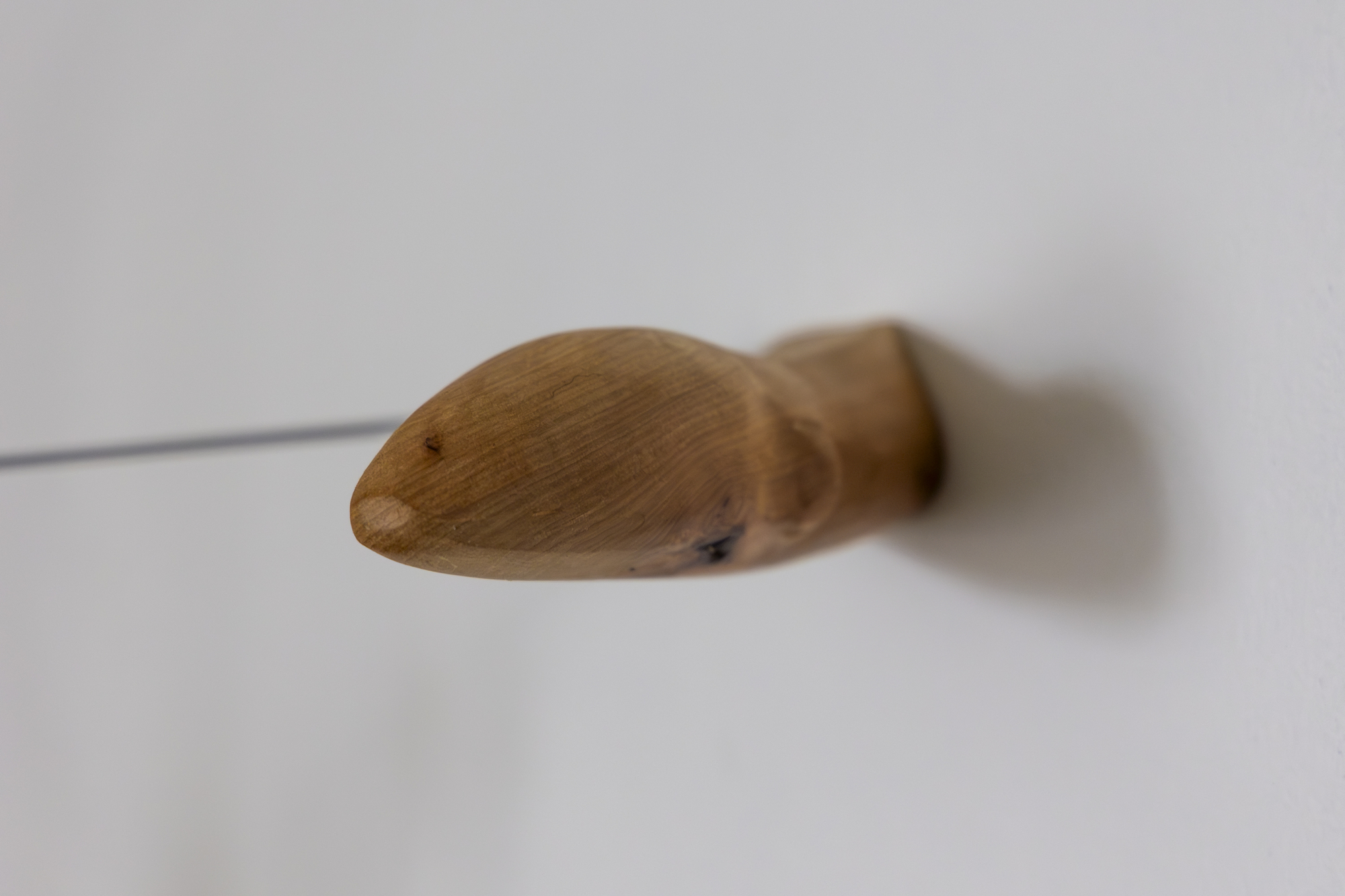
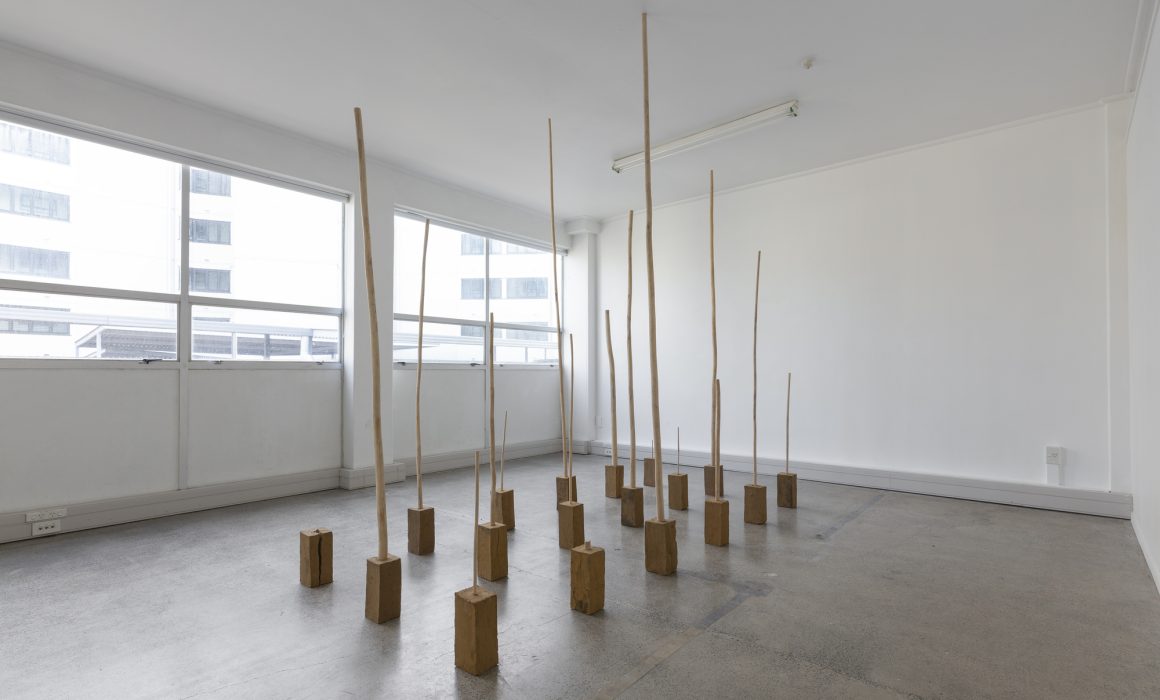
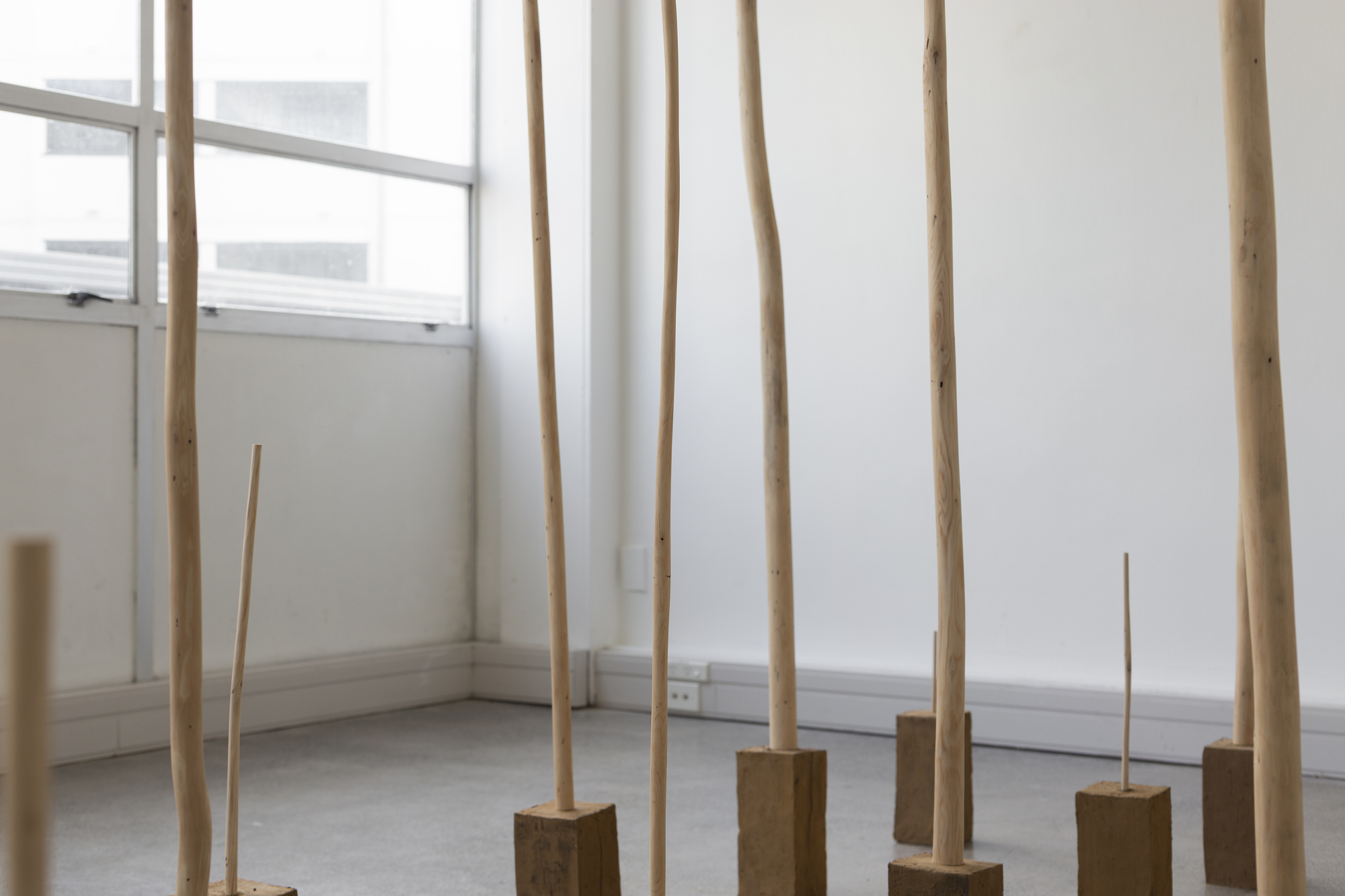
Goldies Grove reflects on the colonial implications of Goldies Bush, with its history of mass kauri deforestation and the ongoing effects of the soil-borne pathogen, kauri dieback. The installation is made from found uku and fallen kauri. These treasured raw materials were collected and processed on the land Jude Stevens grew up on, located in Muriwai, bordering Goldies Bush. Acknowledging Te Kawerau ā Maki, the tangata whenua of Goldies Bush and Auckland’s west coast, the materials of this installation will return to the land.

Images by Cheska Brown
Tia Barrett : Pātaka Wā

Tia Barrett
Pātaka Wā

14 January – 21 February 2026

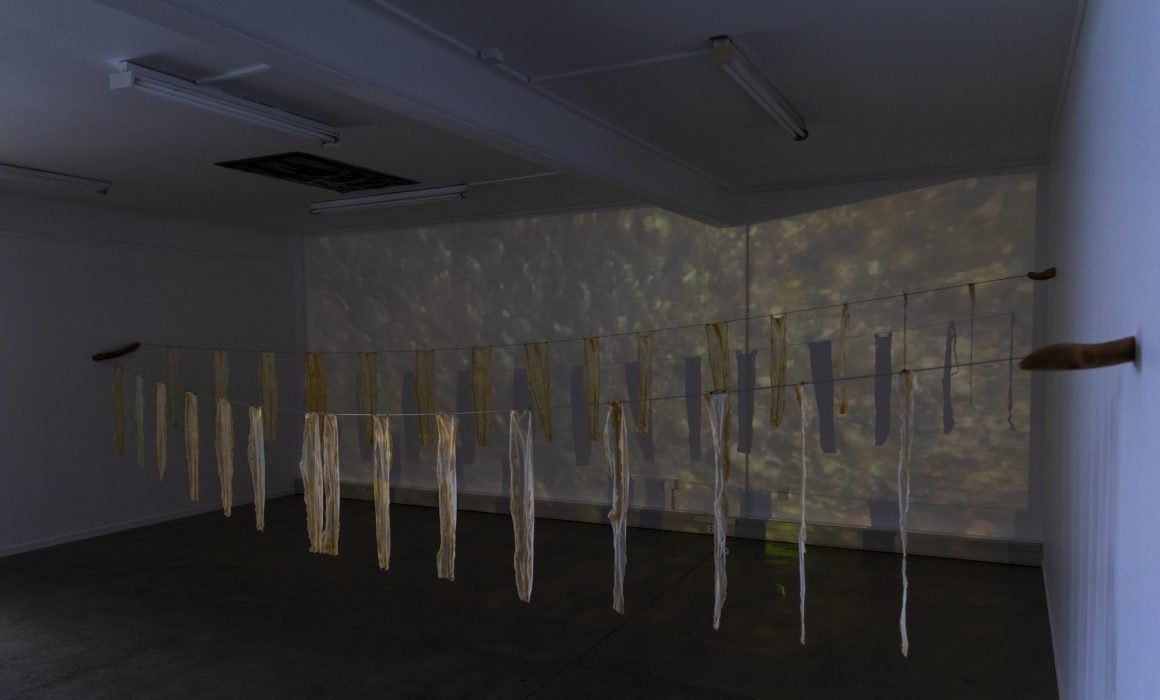
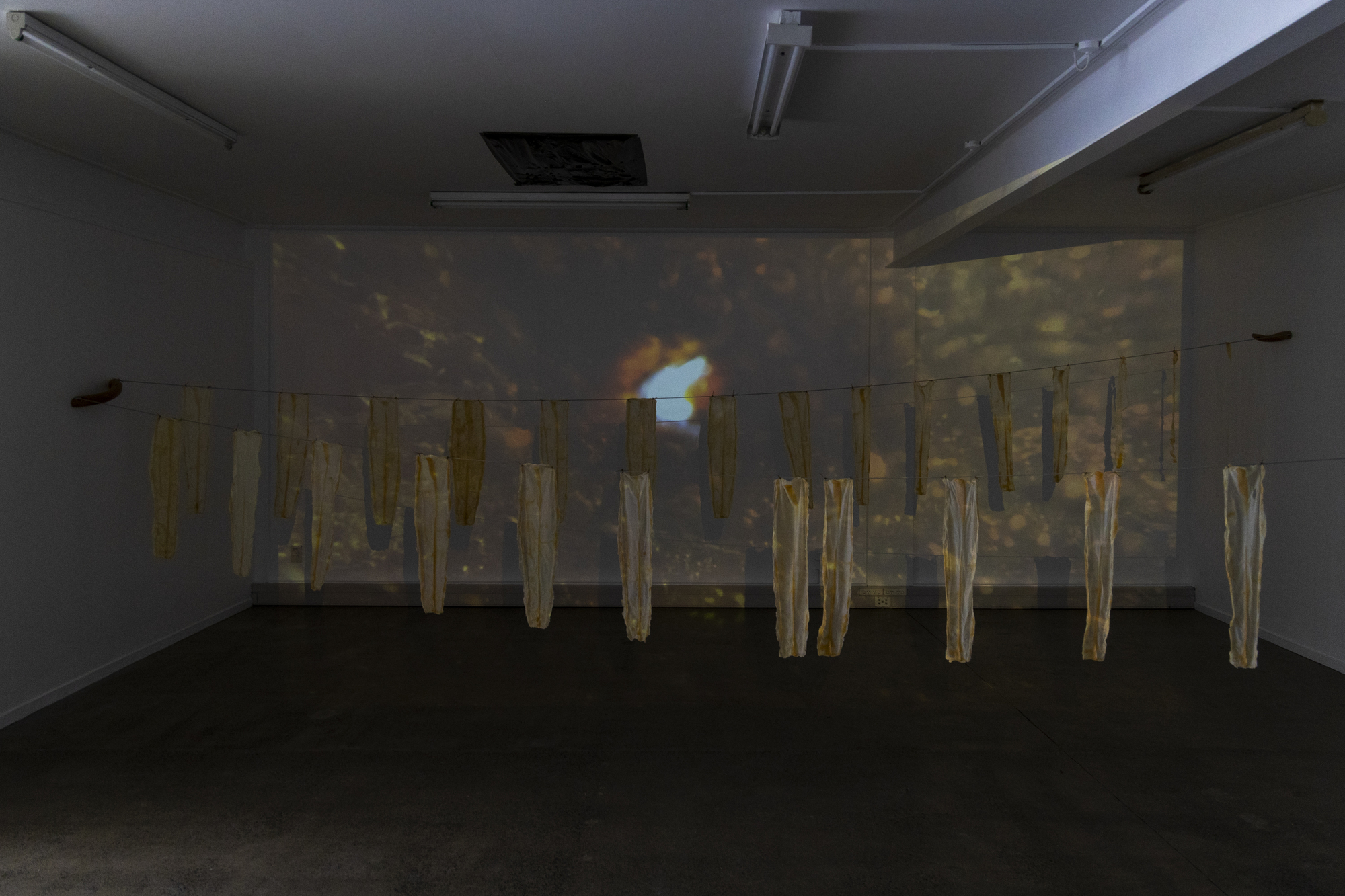
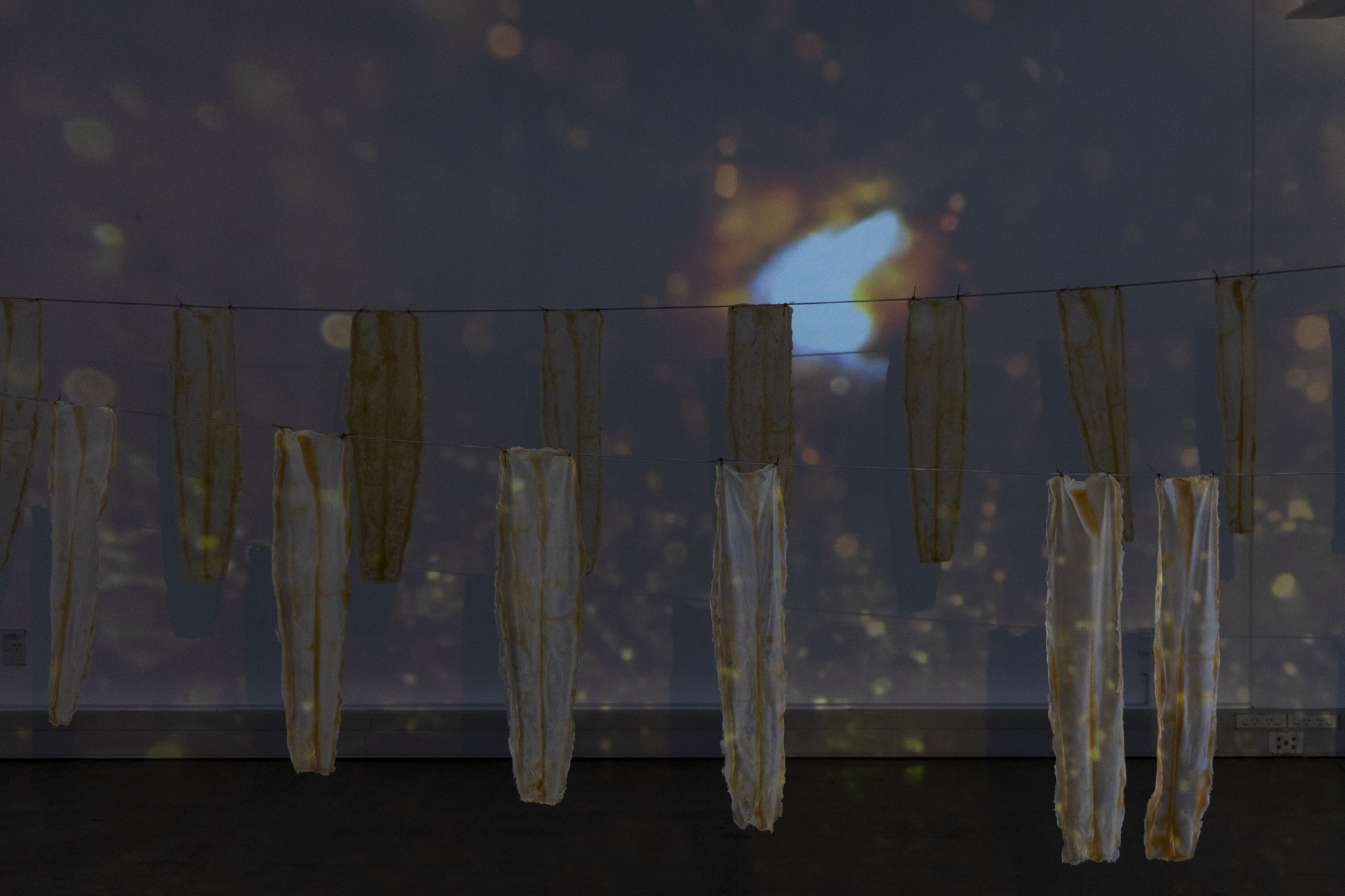
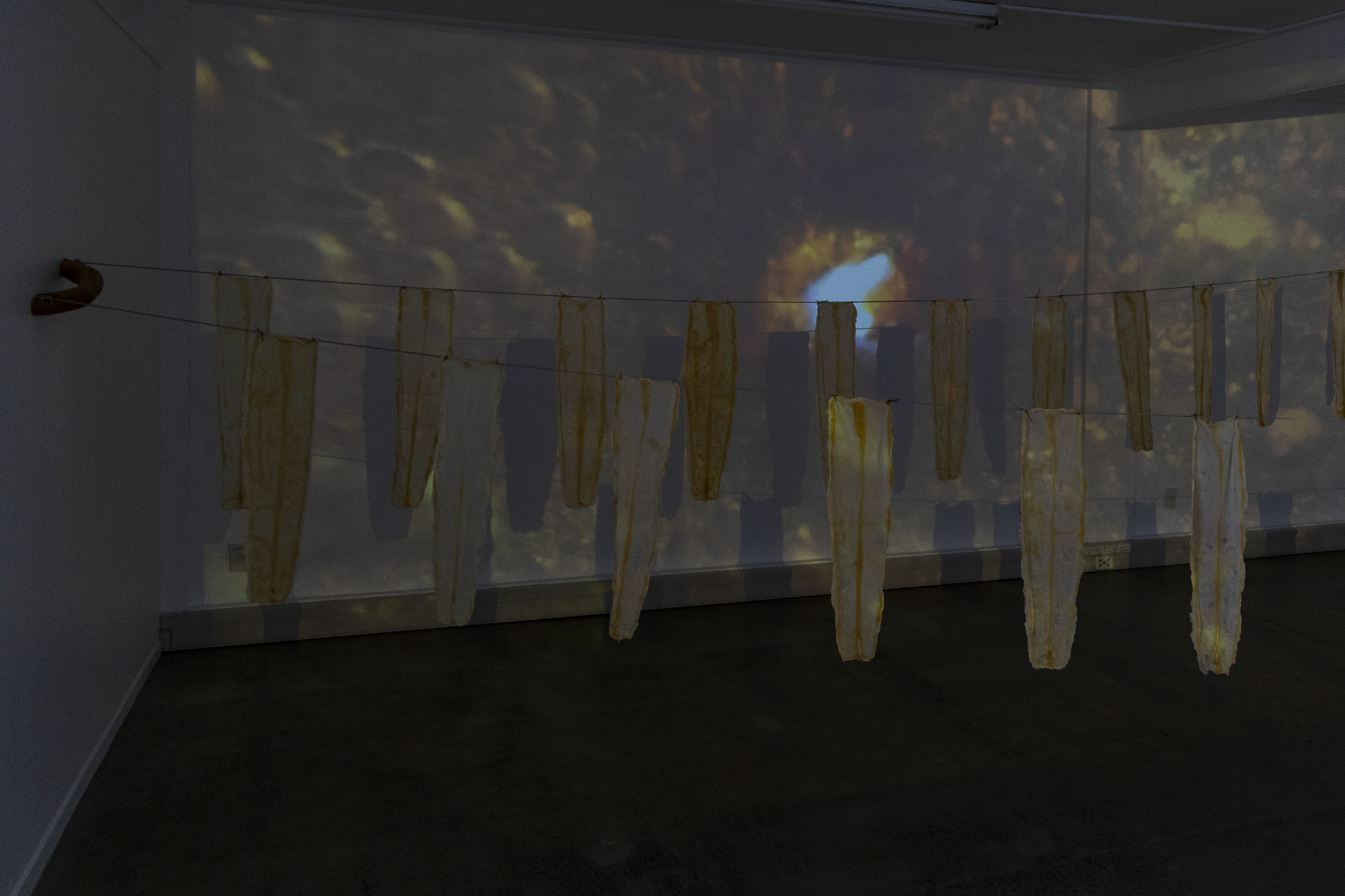
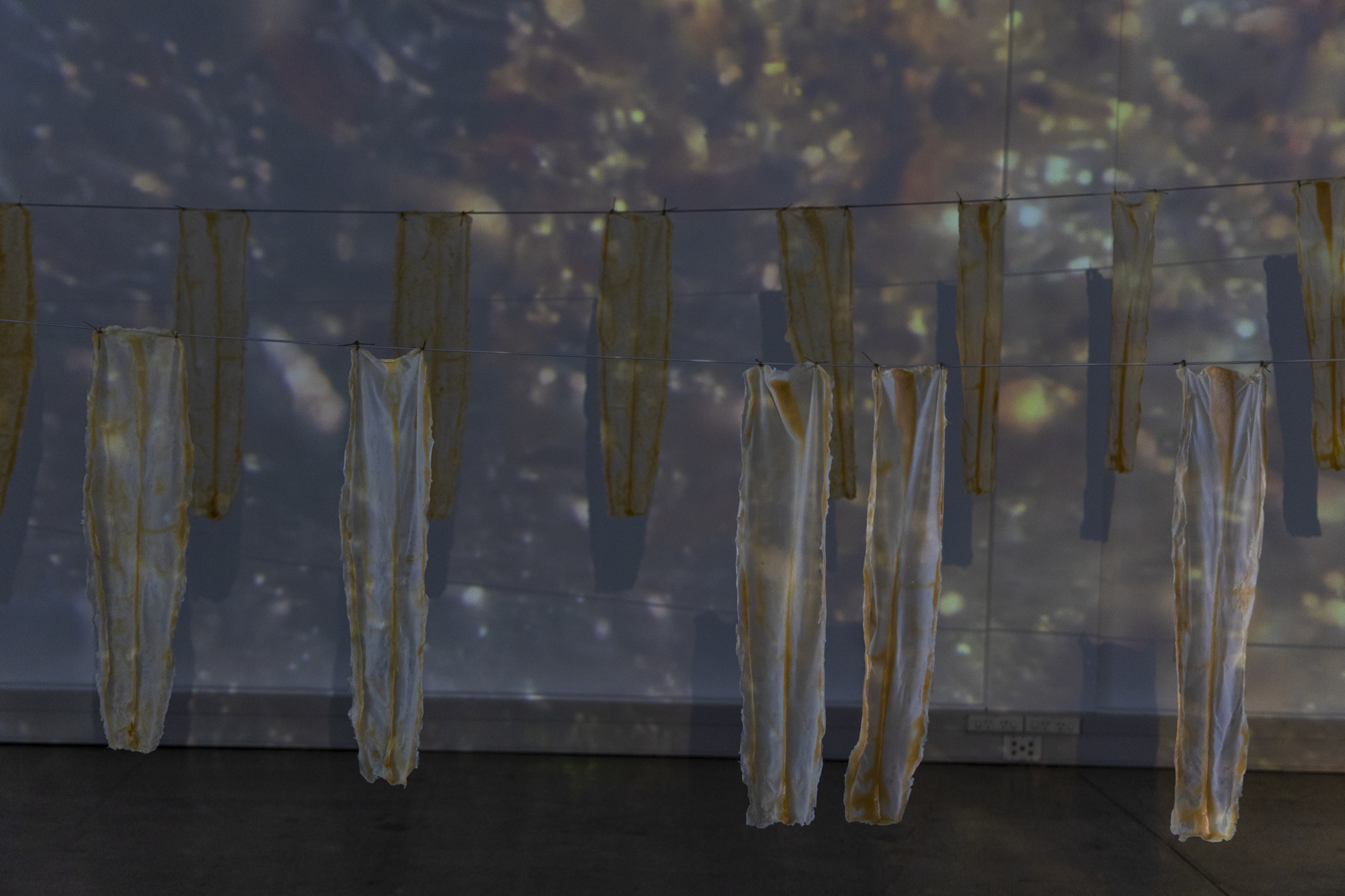
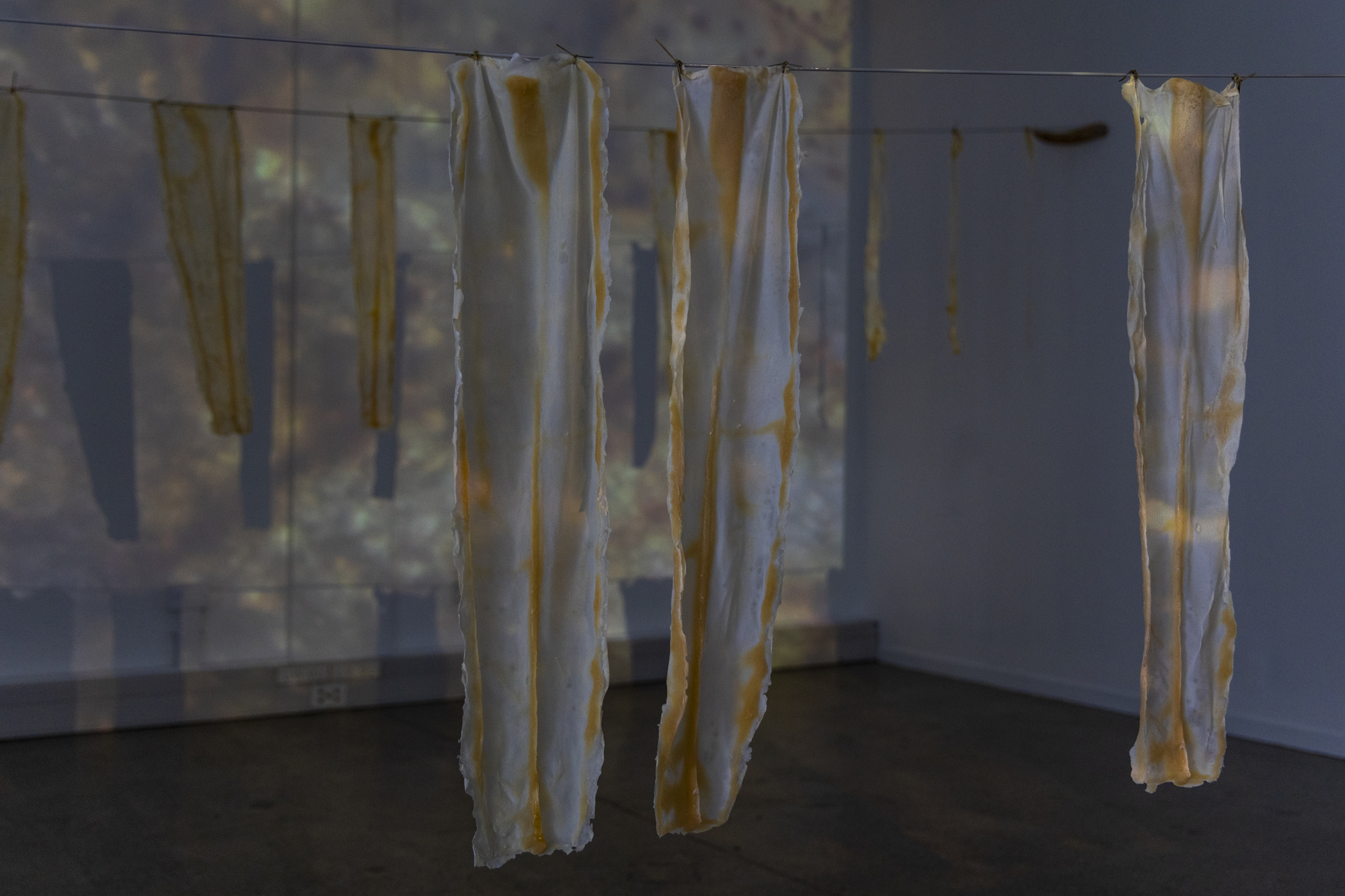
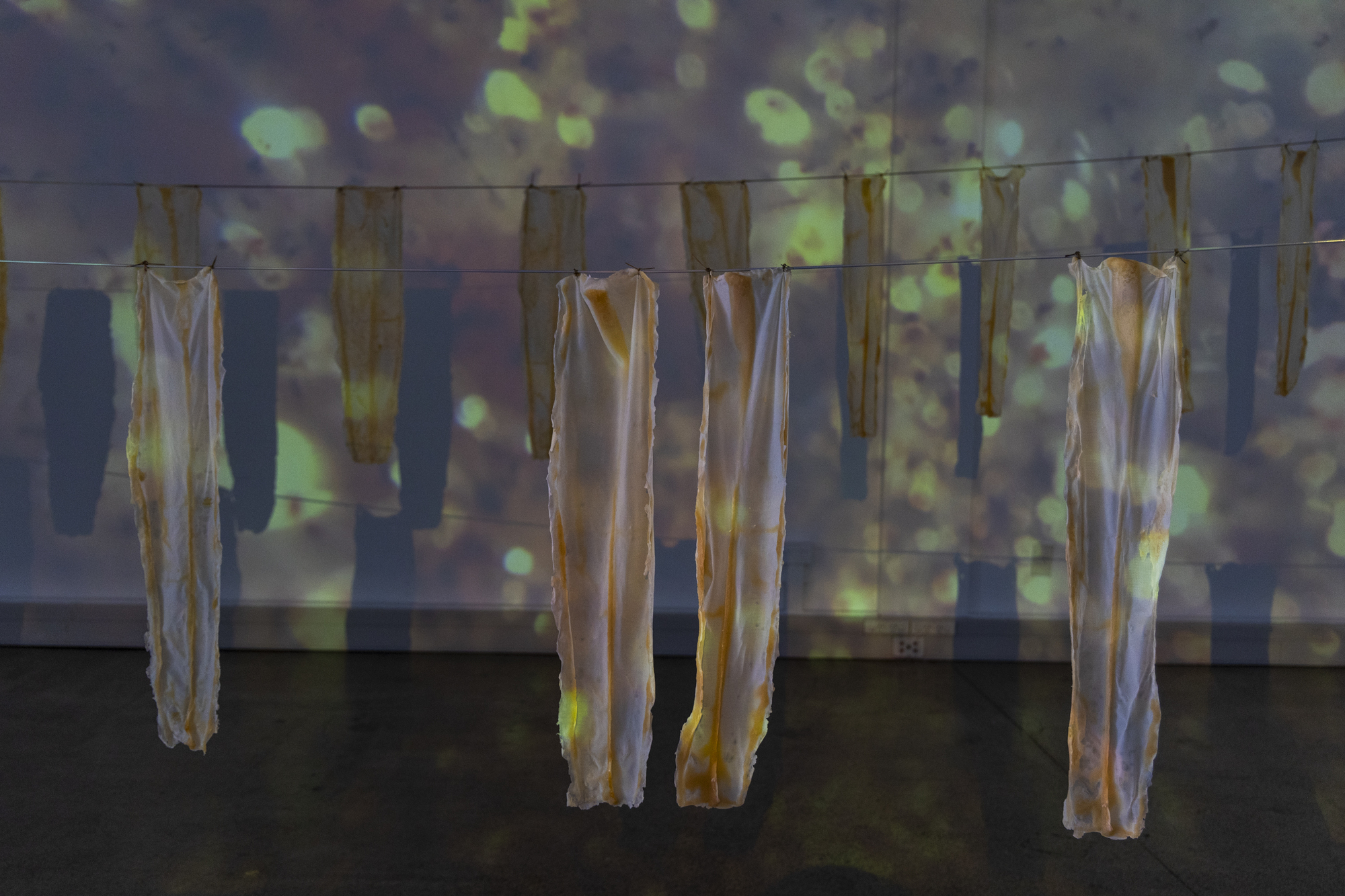
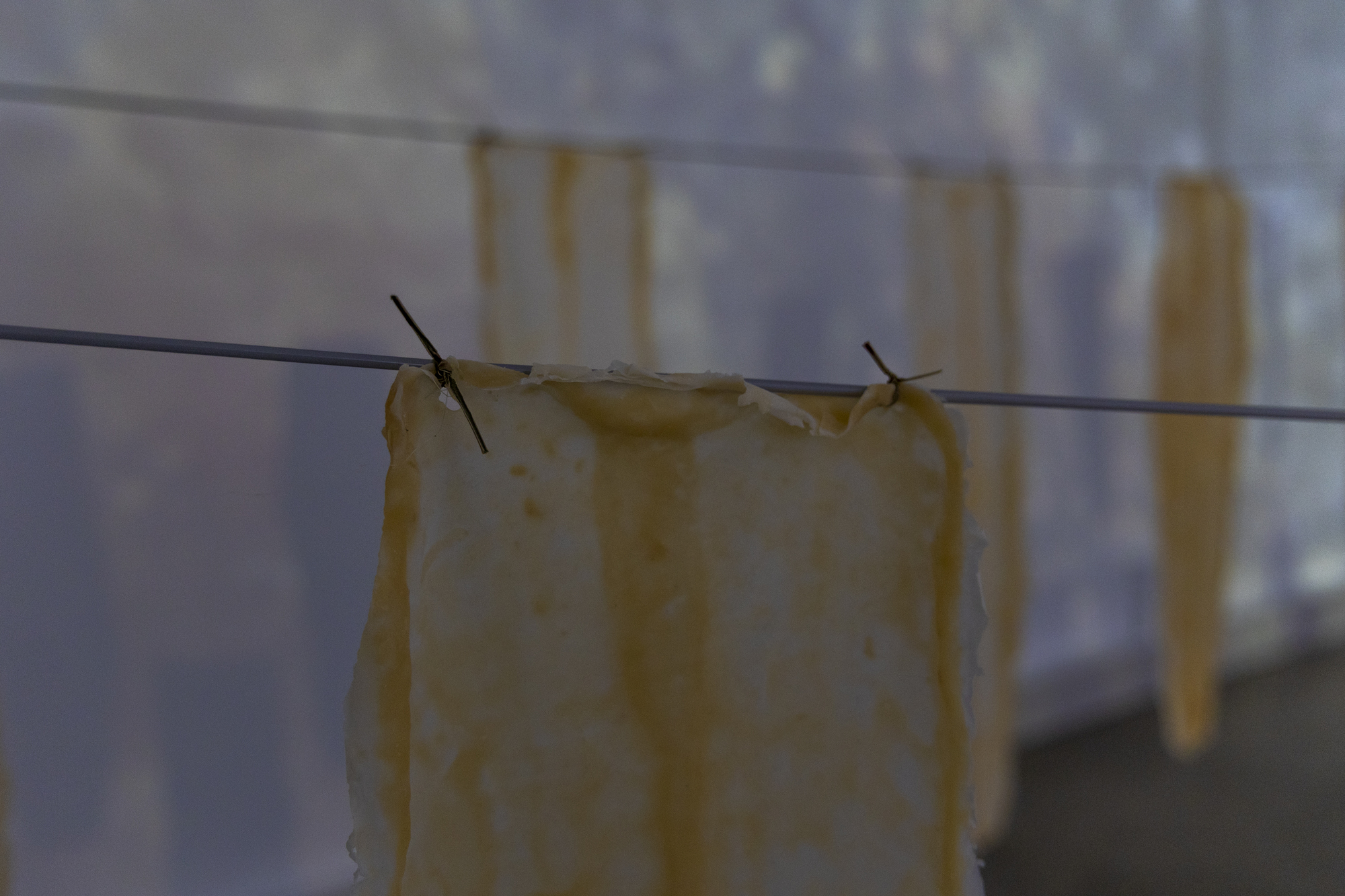
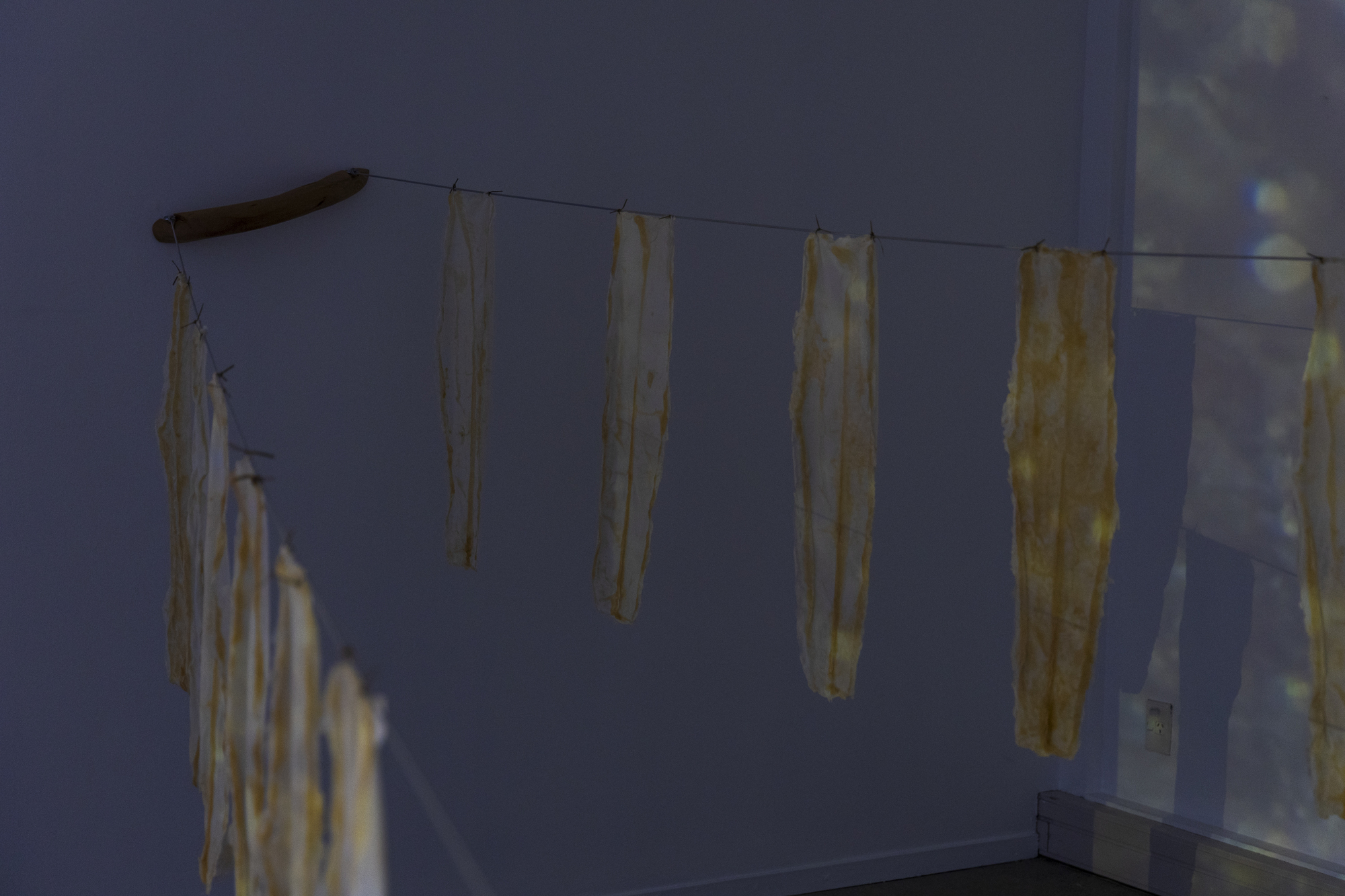
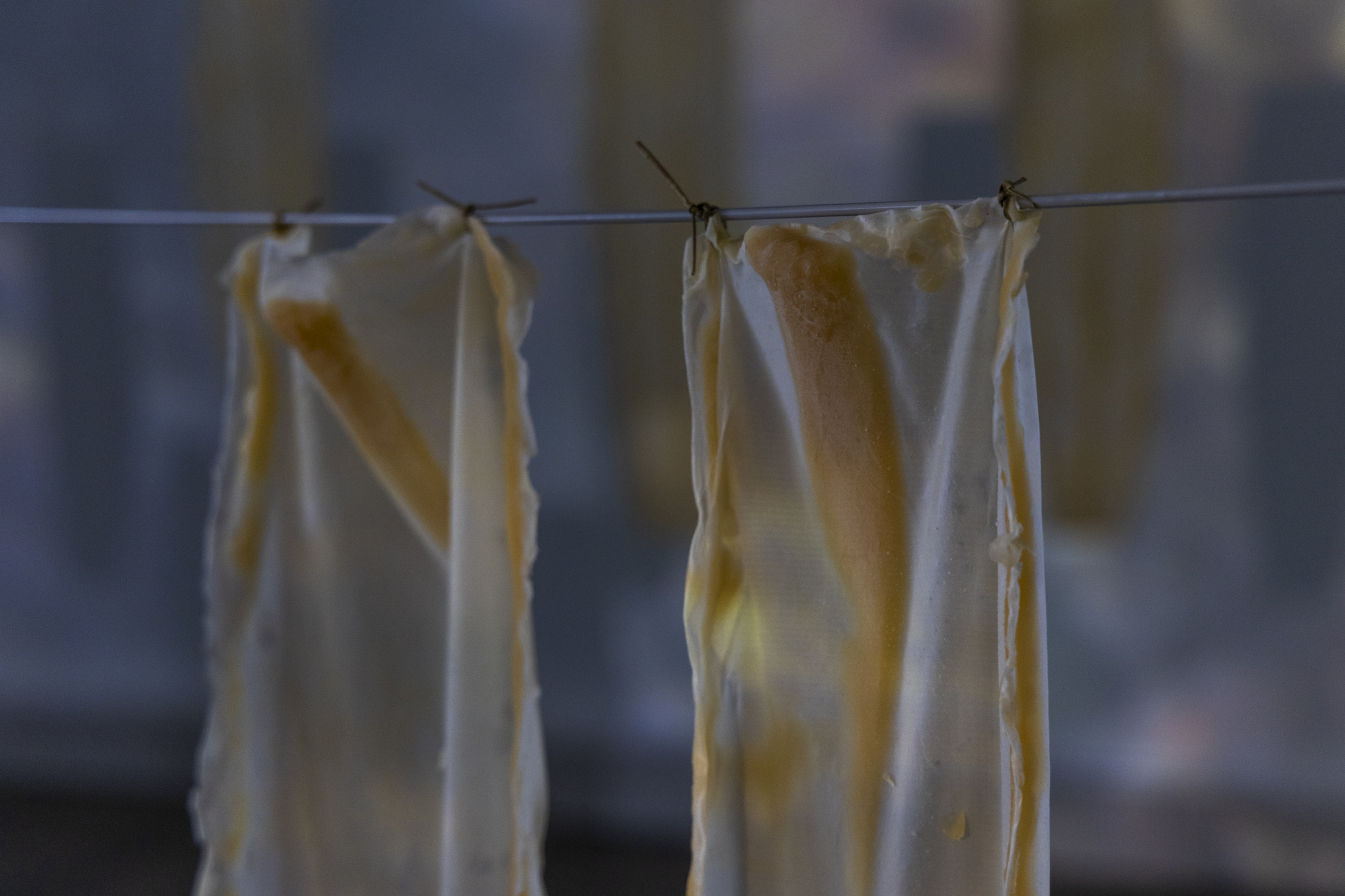
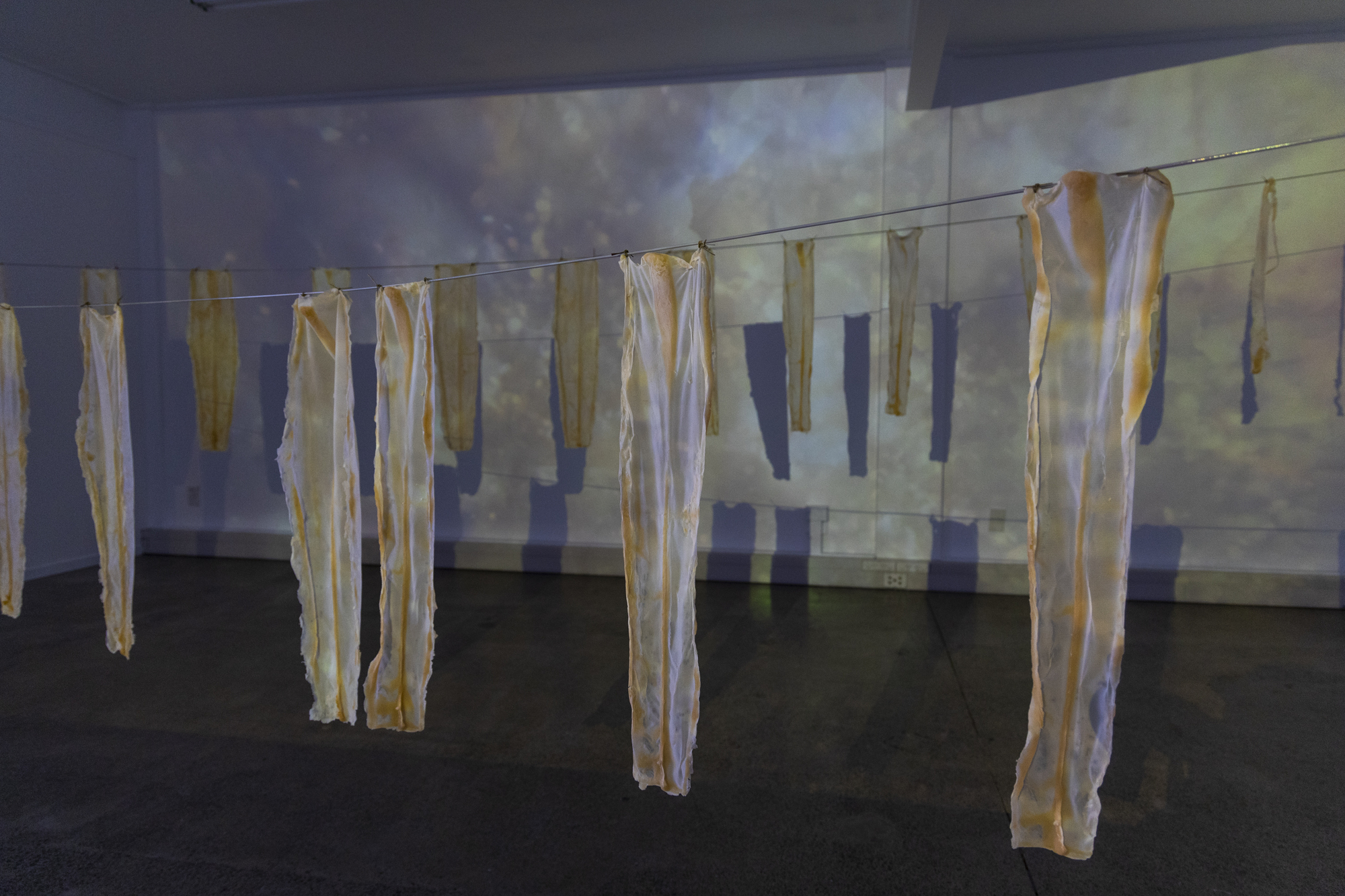
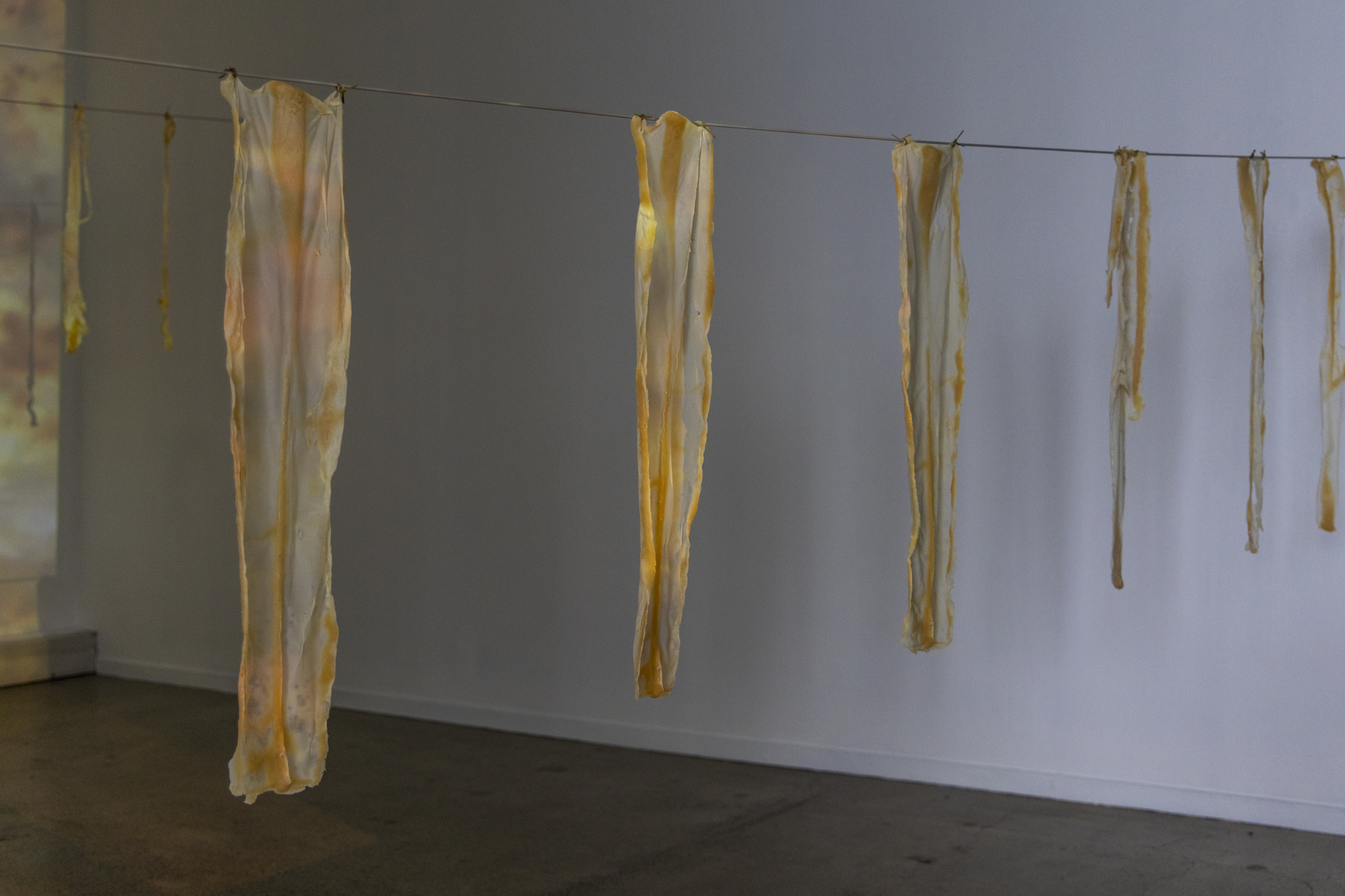
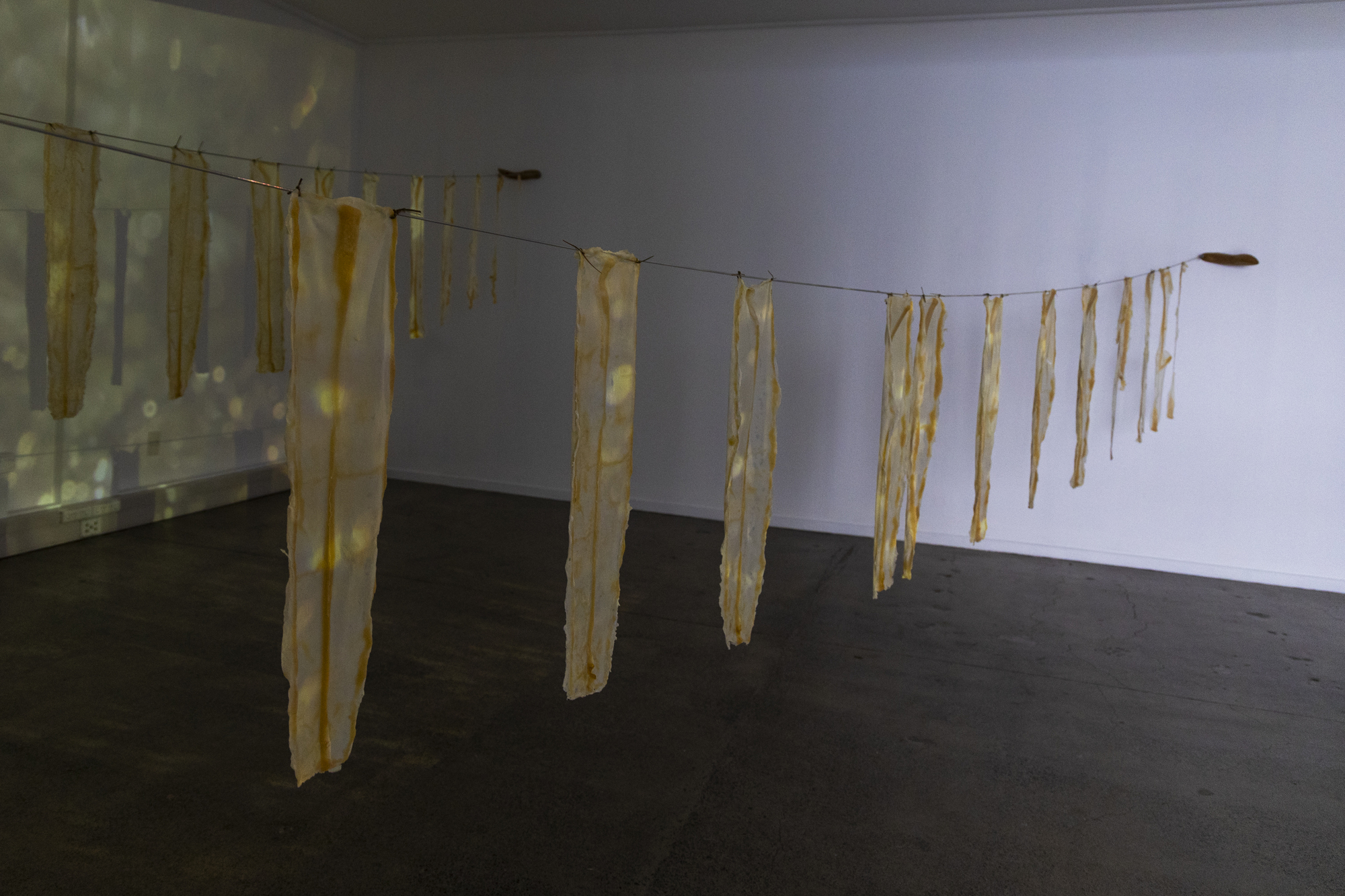
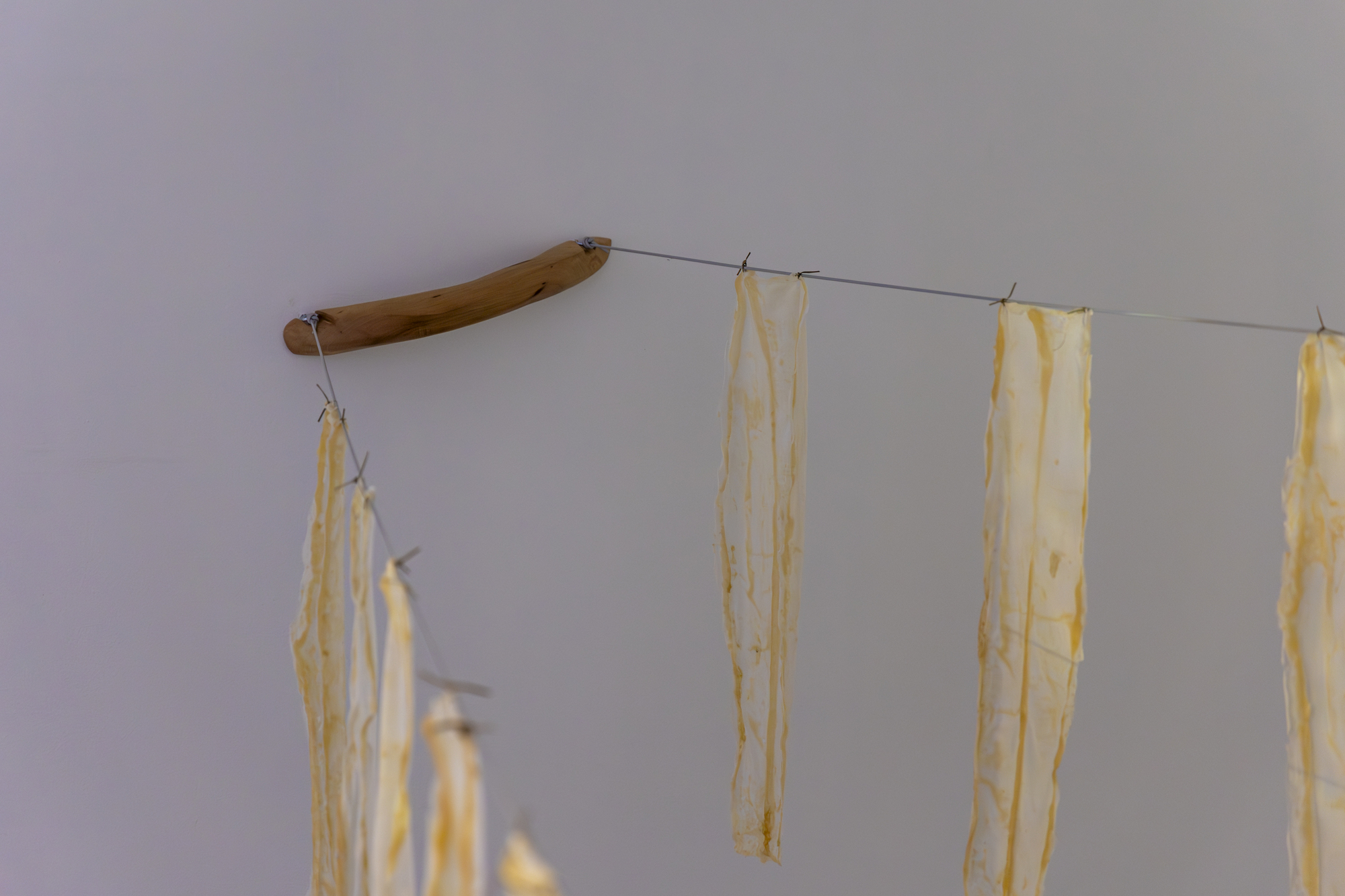
Pātaka Wā centres on the lifecycle of tuna by bringing a consciousness to the biology of time. Static latex tuna skins embody time in this installation by locking it in, tying it up, and hanging it on a line, represented through 30 lunar phases and speaking to the tension between decay and the transformation of flesh. As human skin wrinkles and thins with age, tuna skin changes colour and tone, as reflected in the maramataka.
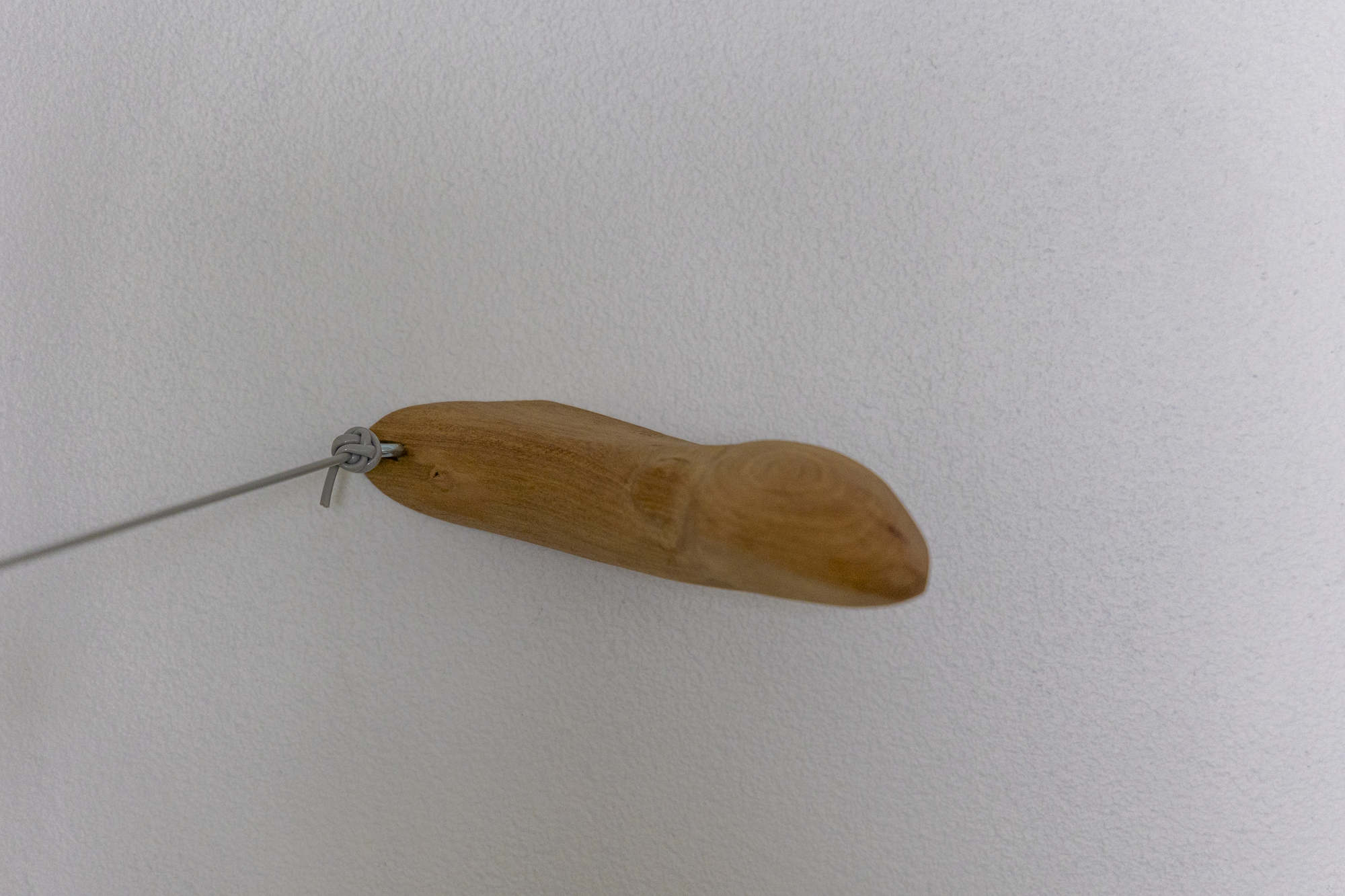
In contrast, the moving image becomes the pulse of the installation; it is the animating breath. Flowing water and drifting air bubbles are making mauri present within the space. The clotheslines become the spines of the installation, temporal lines that reach across the site, intersecting with the movements of tuna as they emerge and disappear through the wall.

These tuna, who seamlessly break through the walls of the gallery, challenge fixed notions within Māori temporal ontology, revealing approaches to dynamic interdependence. Tuna are a juxtaposition to what it is to be ‘fixed’. Their fluid nature prompts the loosening of fixed ideas and systems. Yet, structured with freedom, they embody an inner knowing of when to migrate and return home.

Pātaka Wā is part of an ongoing research project exploring the elusive life cycle of tuna in relation to human connection and time-based art practice. Inviting the viewer into this repository of time to reflect on whakapapa, kaitiakitanga and ngā taiao, the work seeks to honour the mauri of tuna and the waters they inhabit.

The artist gratefully acknowledges and thanks Ngā Pae o Te Māramatanga for providing the Whakaaweawe Impact and Transformation Grant, which supports the exhibition and ongoing research of this work.

Glossary
Pātaka Wā: Time Repository 
Tuna: Eel 
Maramataka: Māori Lunar Calendar
Mauri: Life Force
Whakapapa: Genealogy 
Kaitiakitanga: Guardianship, protection, and stewardship
Ngā taiao: Environments

Images by Anton Maurer

Video by Zak McNeil

Elise McDermott : Pop Sediment

Elise McDermott
Pop Sediment

14 January – 21 February 2026

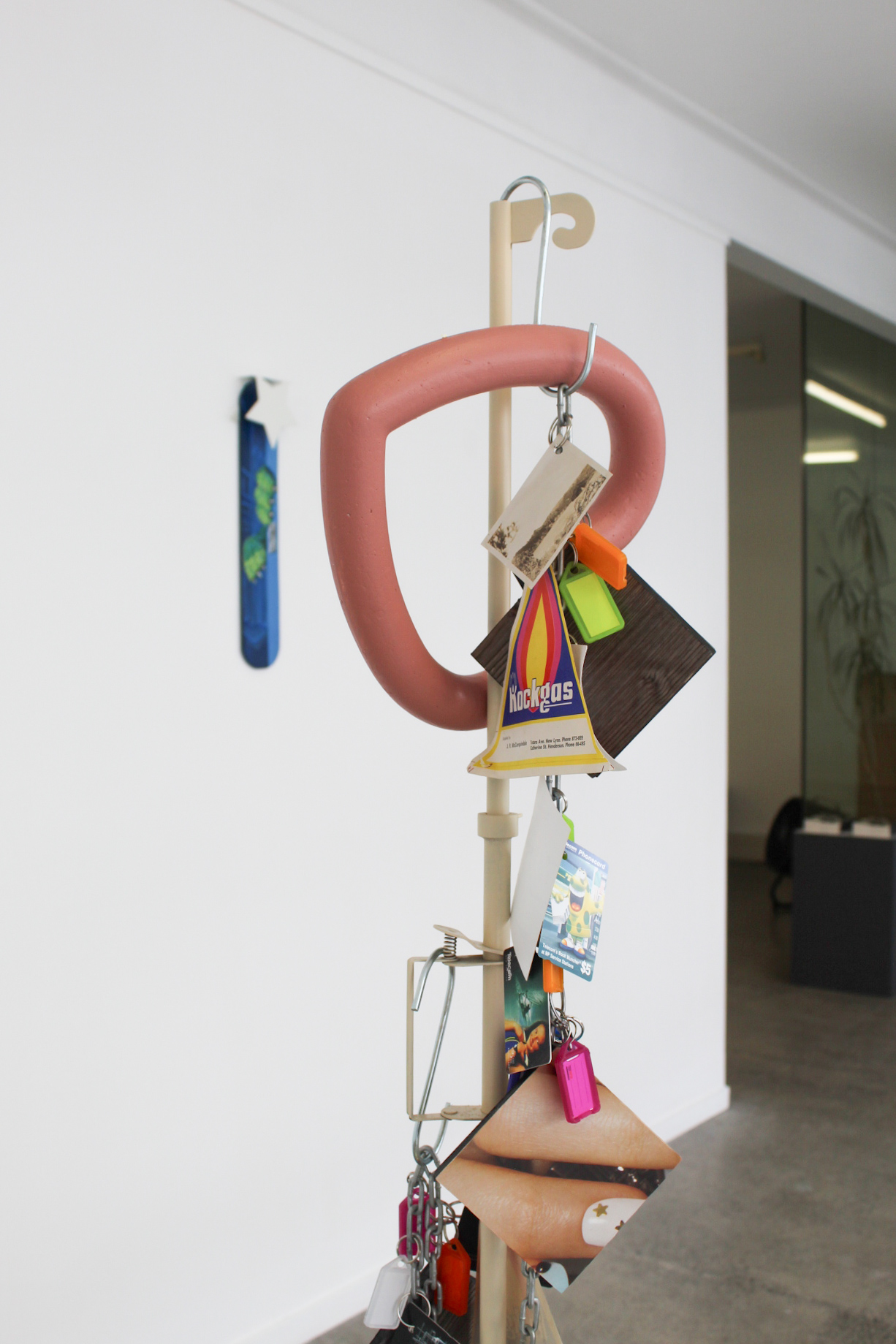
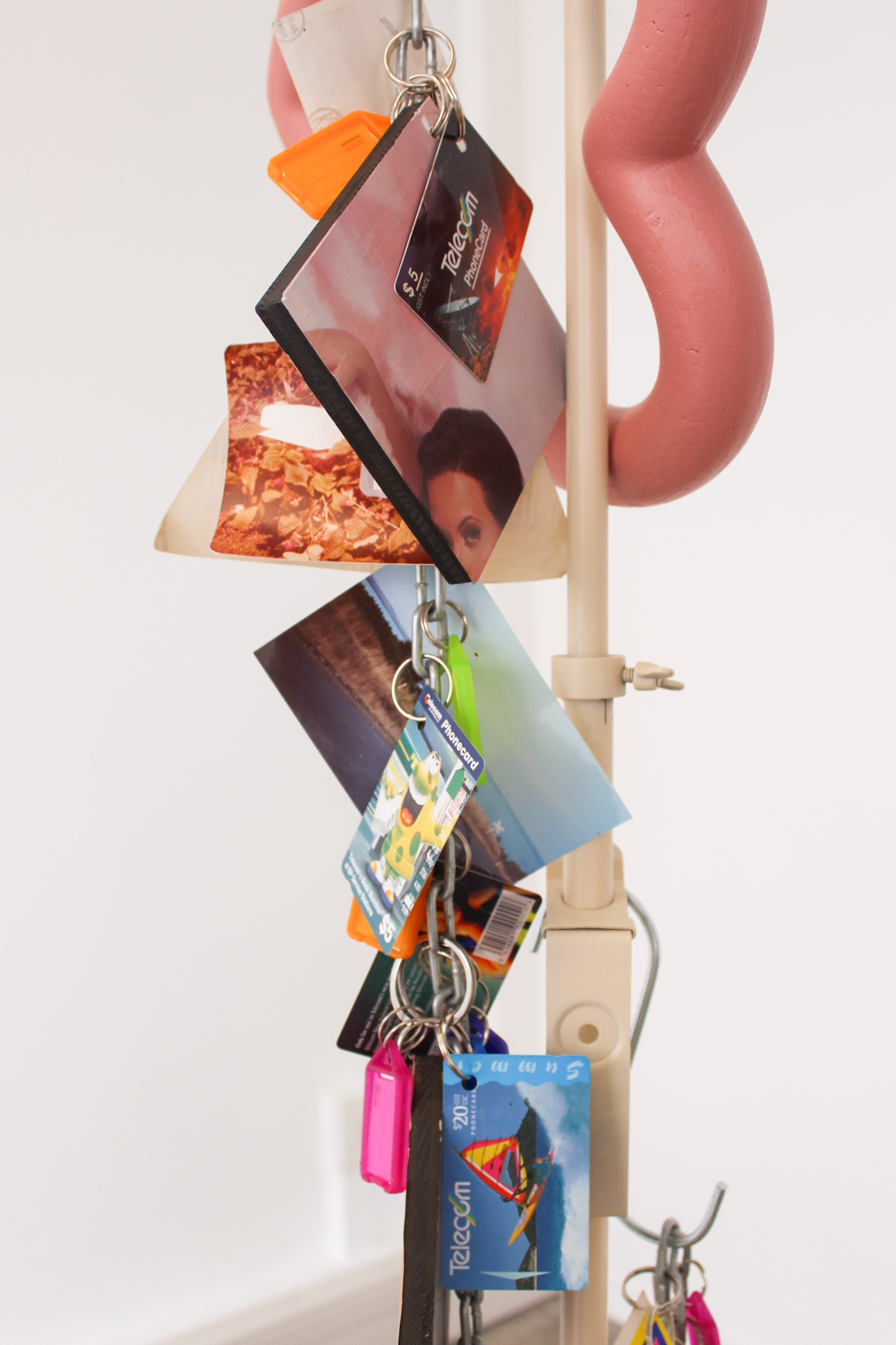
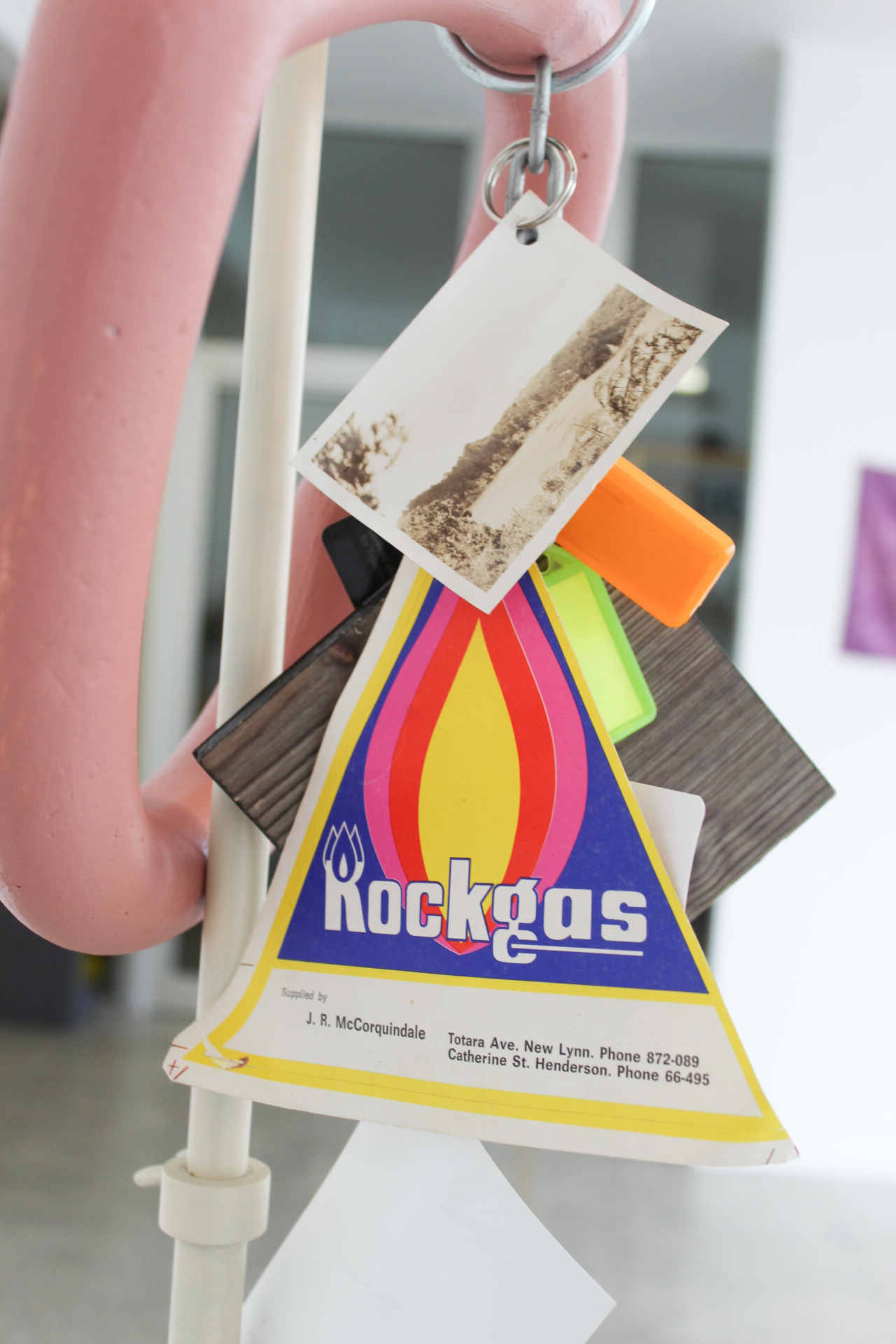
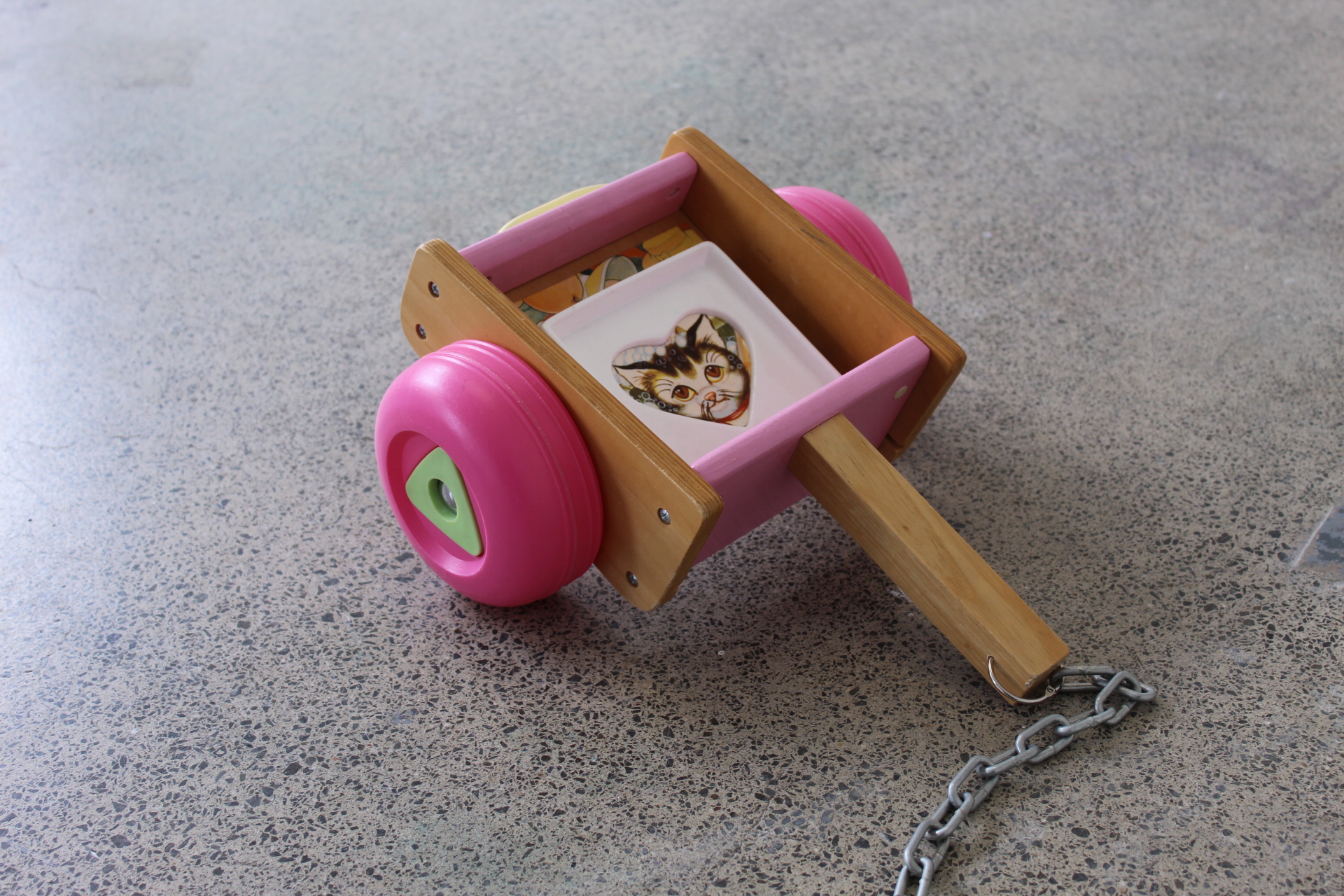
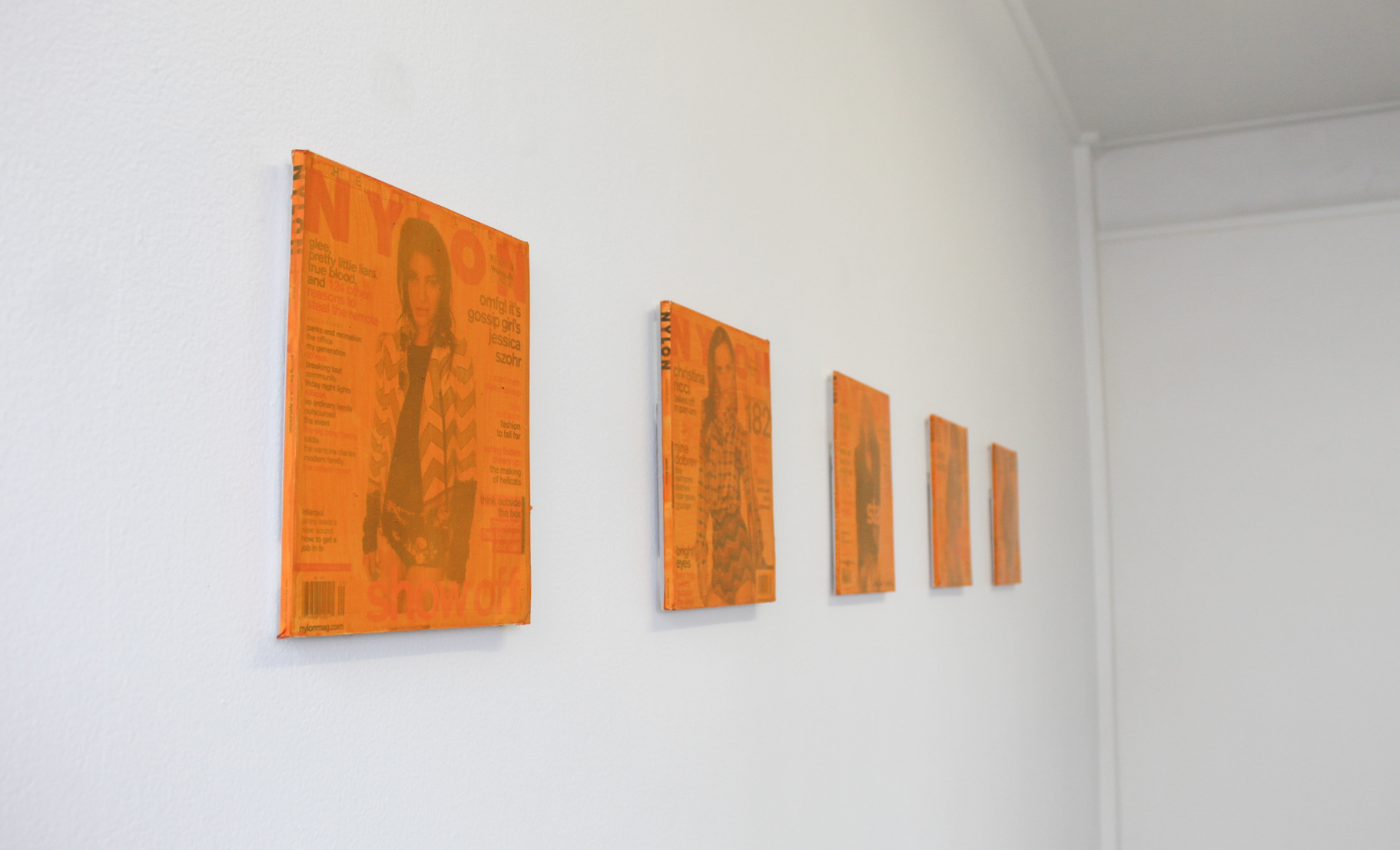
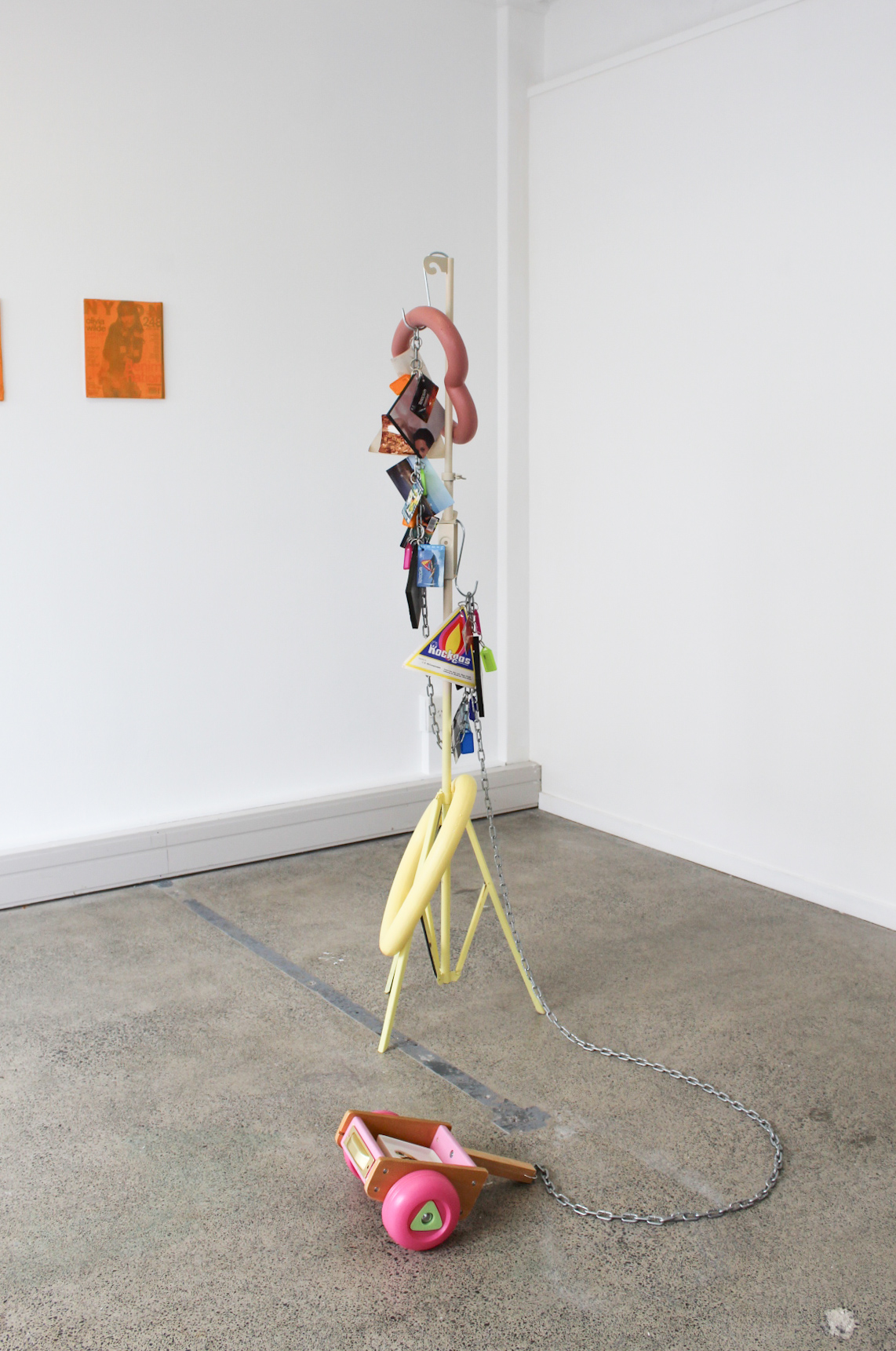
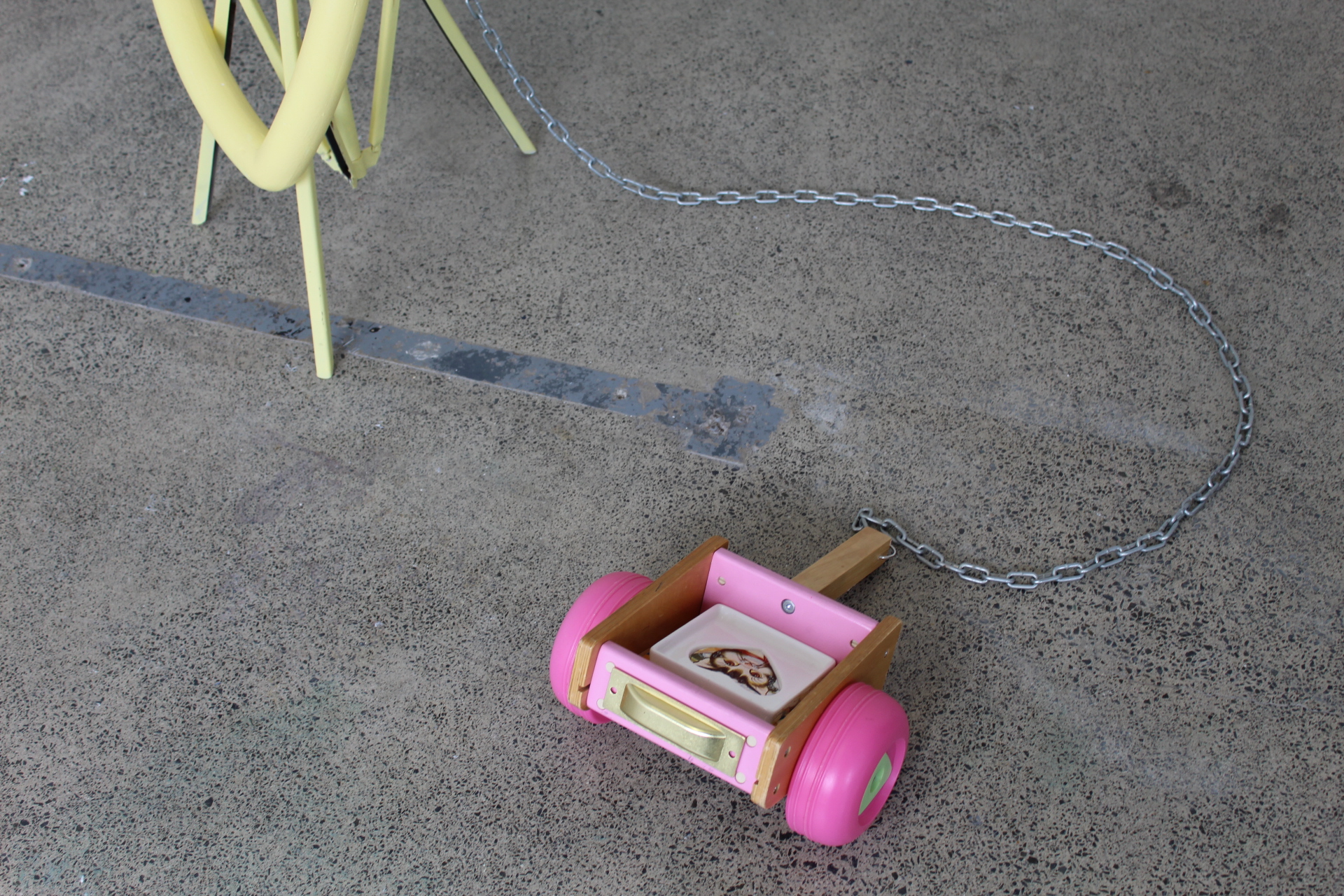
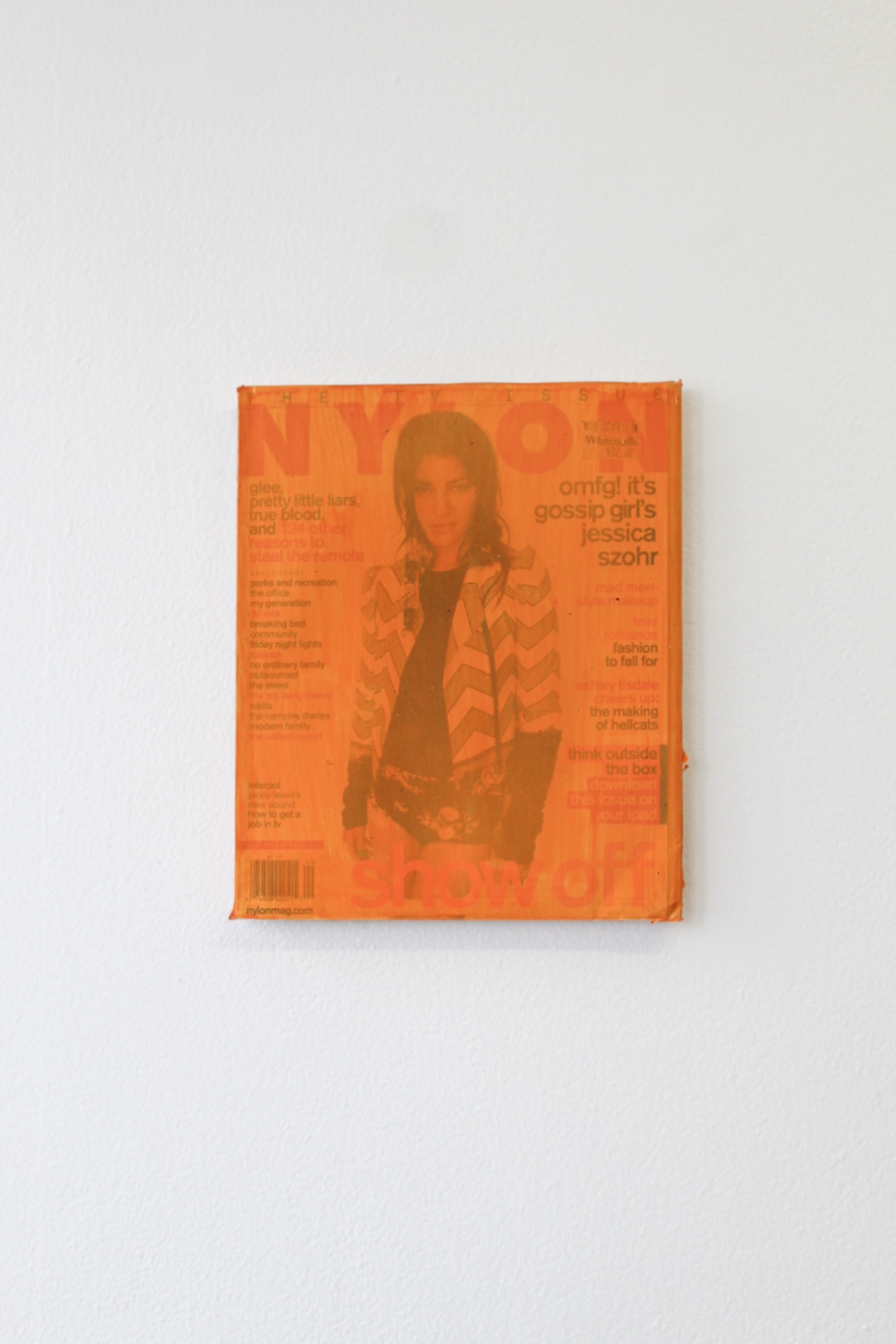
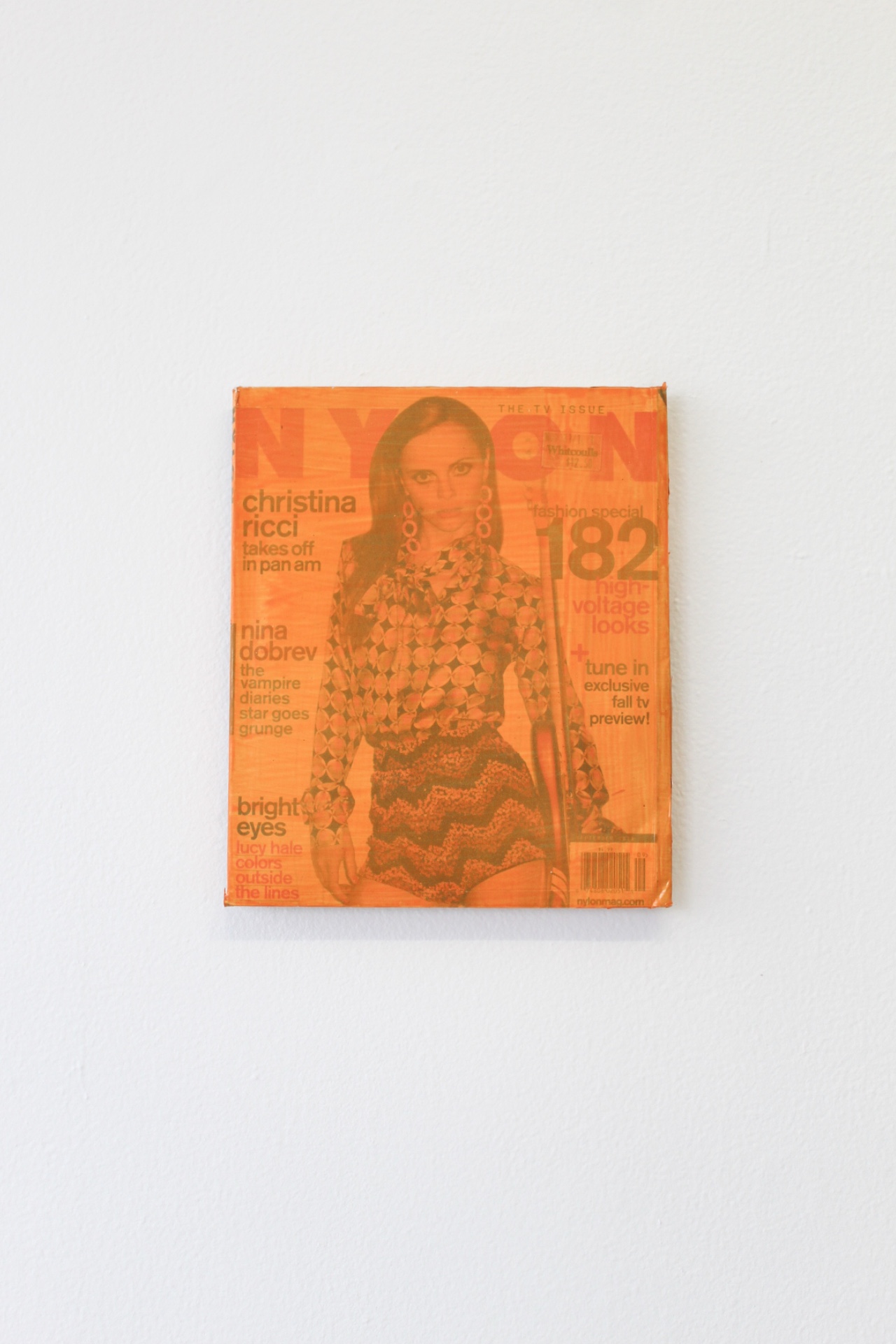
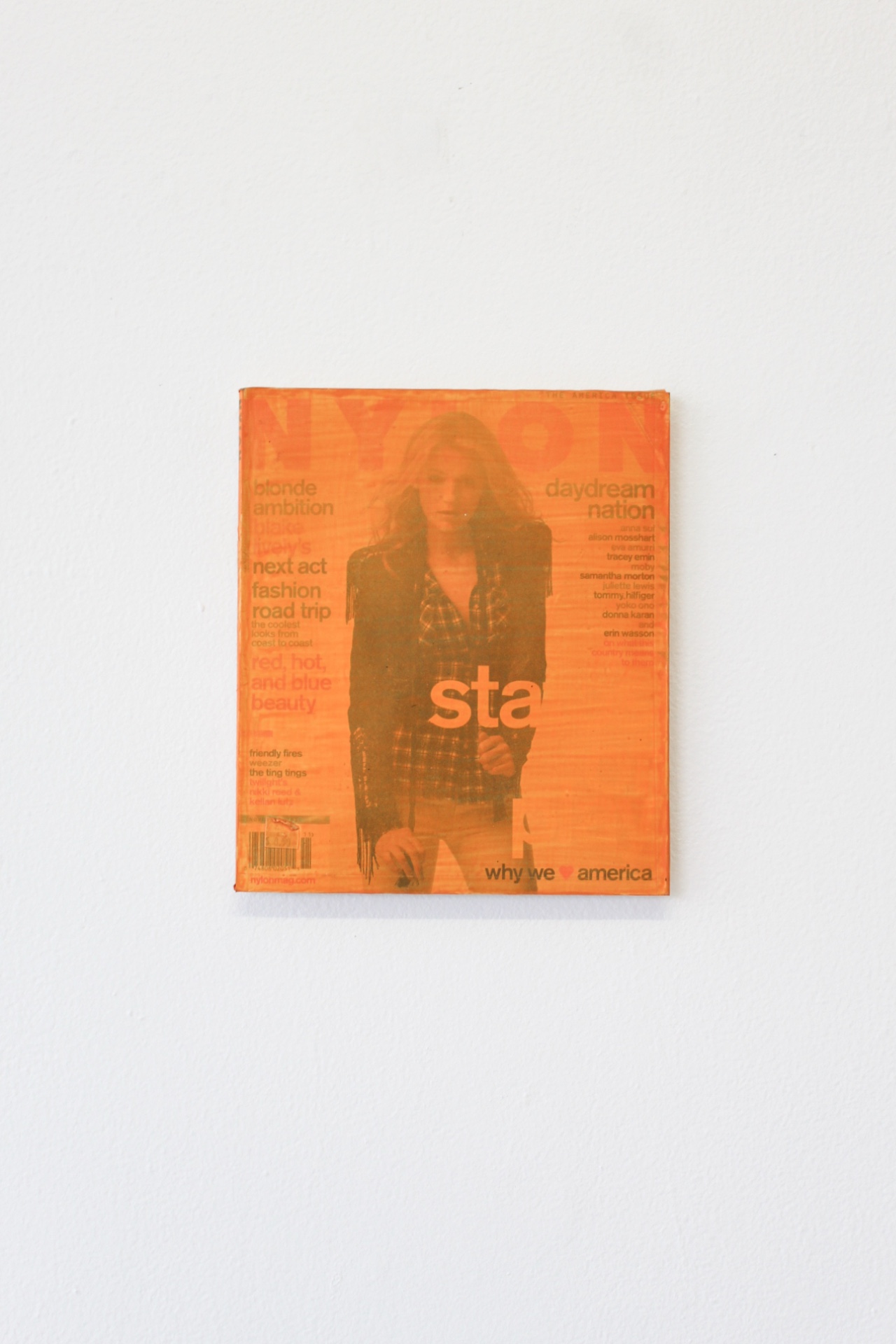
A kicked-up corner rug splattered with spots of acetone and nail polish. Piles of paper-cutting glossy teen mags and bowls of leftover spaghetti forks. Ticket stubs and polaroids and a full laundry basket, sticky and saturated, these abysmal bedroom plains are chunky and stocked of beaded necklaces, porcelain figurines and dog-eared novels. A pop-fanatic in a fantastical realm of party bliss and blues.

Like sediment, this collection of found parts and assemblages accumulate meaning and value through complex layers. Reminiscent of teenage and adolescent interiors, media and pop-culture materials converge and saturate, emerging as fragments of an expanded material language. Photographs, magazines and pieces of clothing carry signifiers of memories, experiences and desires. By deconstructing, de-functioning and recontextualising these theatrical forms, a strata of fictional identity and affect grows densely with fragile and fleeting attachment. Where material and memory intersect, curated arrangements of items provide structure to unexplainable and inconsistent narratives. While traces of use and degradation builds an archive of adolescence, one that is dramatic and sentimental; a temporal intersection of past and future.

Here, sentimentality operates as a suggestion. Collected and curated objects are assumably sentimental, unconfirmed in function, origin or classification. A domestic detritus as a narrative offers plausible values, forming as props with communicative agents that leave meaning unstable and unresolved. Meaning is built indirectly in the post-encounter, where comparison and relation is interrogated and understanding is created through shared experiences without being anchored to autobiography.

Nostalgia is increasingly packaged, aestheticised, and sold back to us. On a broader societal level, nostalgia has become a shared cultural condition. In contemporary life, it is consistently circulated through algorithms, trend revivals and economies, encouraging consumption and materially constructed moments. The youth bedroom mirrors this condition and reflects on how collective memory is assembled from fragments of second-hand images and inherited aesthetics.

Images by Elise McDermott

Video by Zak McNeil

RM Gallery and Project Space
Hours
Thursday and Friday 1pm - 5pm
Saturday 12pm - 4pm

Samoa House Lane
Auckland Central 1010

We are located in the centre of Auckland, off of Karangahape Road, on Samoa House Lane, just off of Beresford Street -- look out for the incredible fale of Samoa House and you're nearly there. We are 2 minutes walk from Artspace and Michael Lett.

The RM Archive Project

Help us identify what is in our Archive! We have digitised many slides in our archive and invite participation to identify them. Please click here to access the collection.
https://www.rm.org.nz/thearchiverm

Our Boxed Archive
Since 2009 RM has been building an archive of material related to our exhibition and event programme. An index to the collection is available here.
https://www.rm.org.nz/thearchiverm/artist-boxes-index/

Safe Space Alliance

RM is a member of Safe Space Alliance

A safe space is a space where the LGBTQI+ community can freely express themselves without fear. It is a space that does not tolerate violence, bullying, or hate speech towards the LGBTQI+ community.

A safe space does not guarantee 100% safety, rather, it’s a space that has your back if an incident (violence, bullying, or hate speech) were to occur.

Click here to find out more about Safe Space Alliance

Subscribe to the RM mailing list