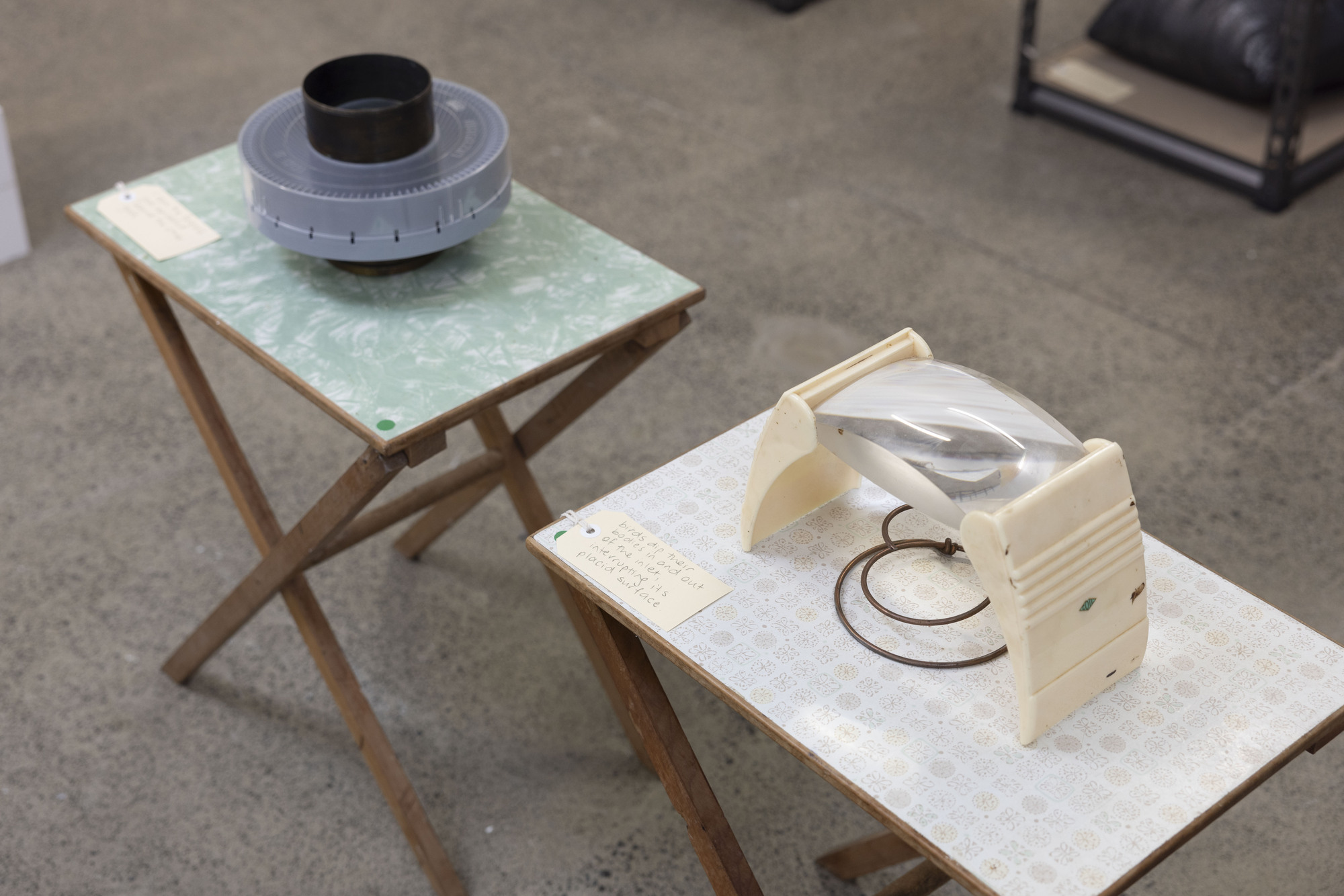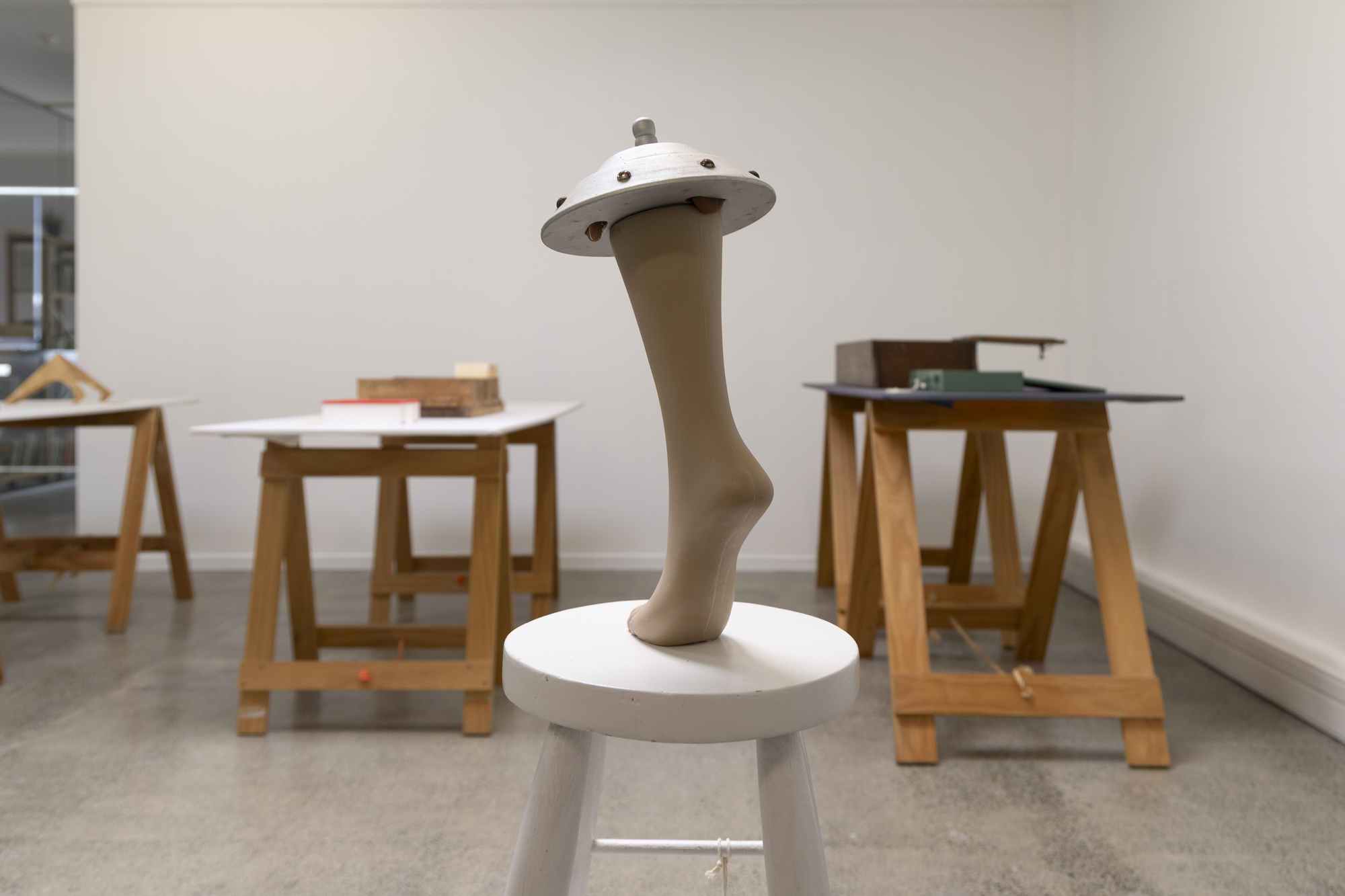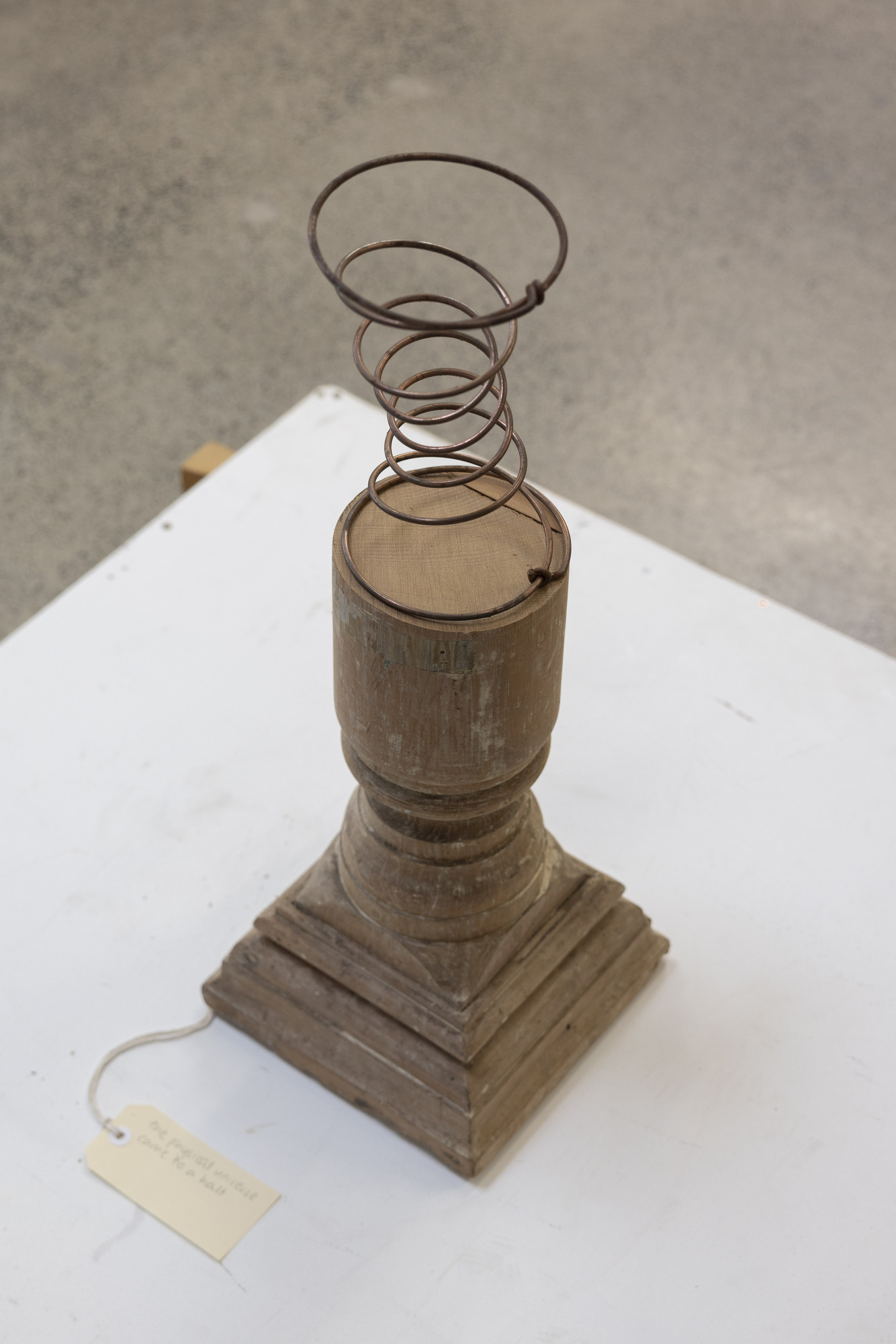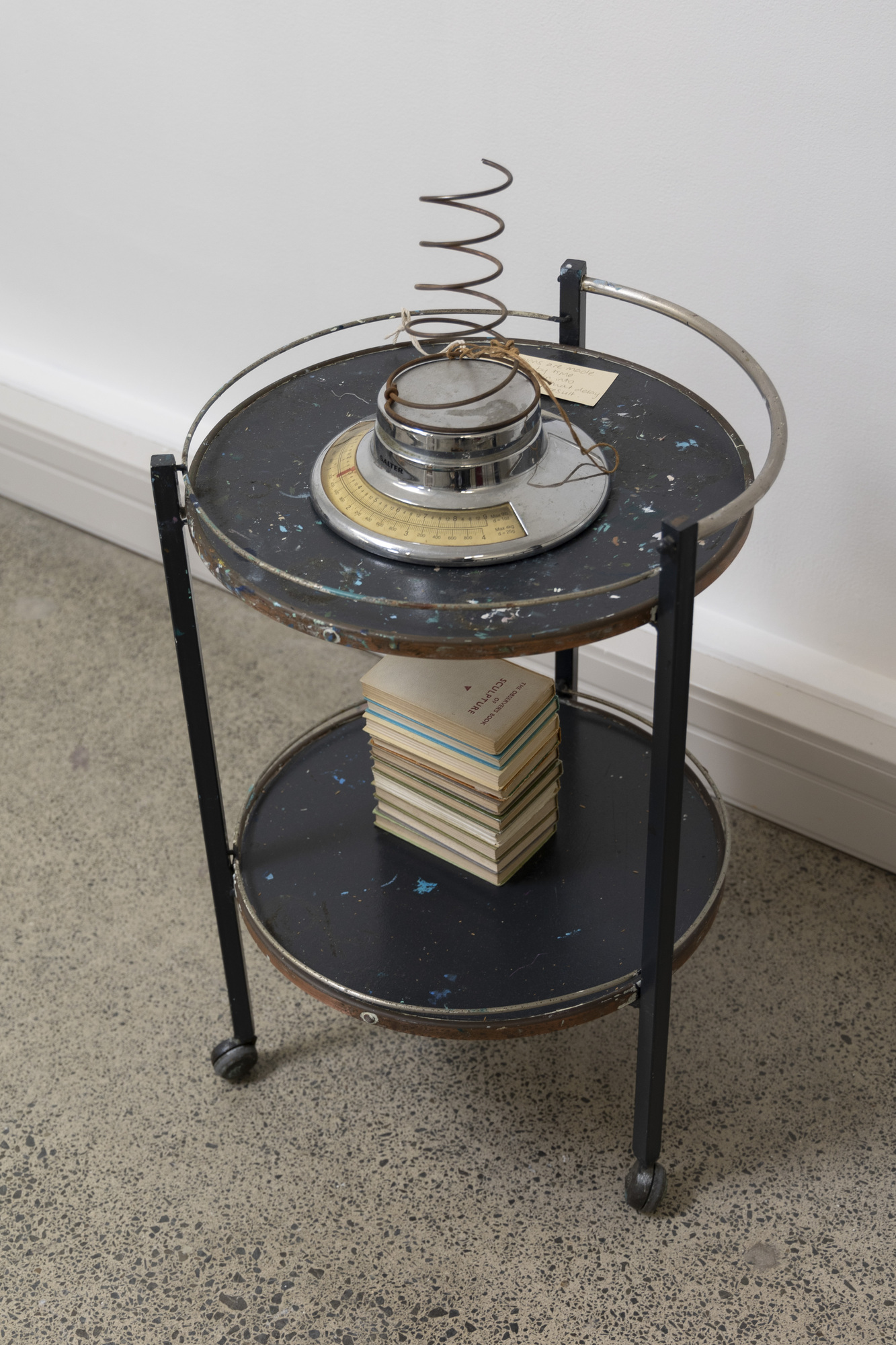
Category: 2025 Exhibition

Tess Walker Elliott : Prelude

Tess Walker Elliott
Prelude

22 October – 29 November 2025

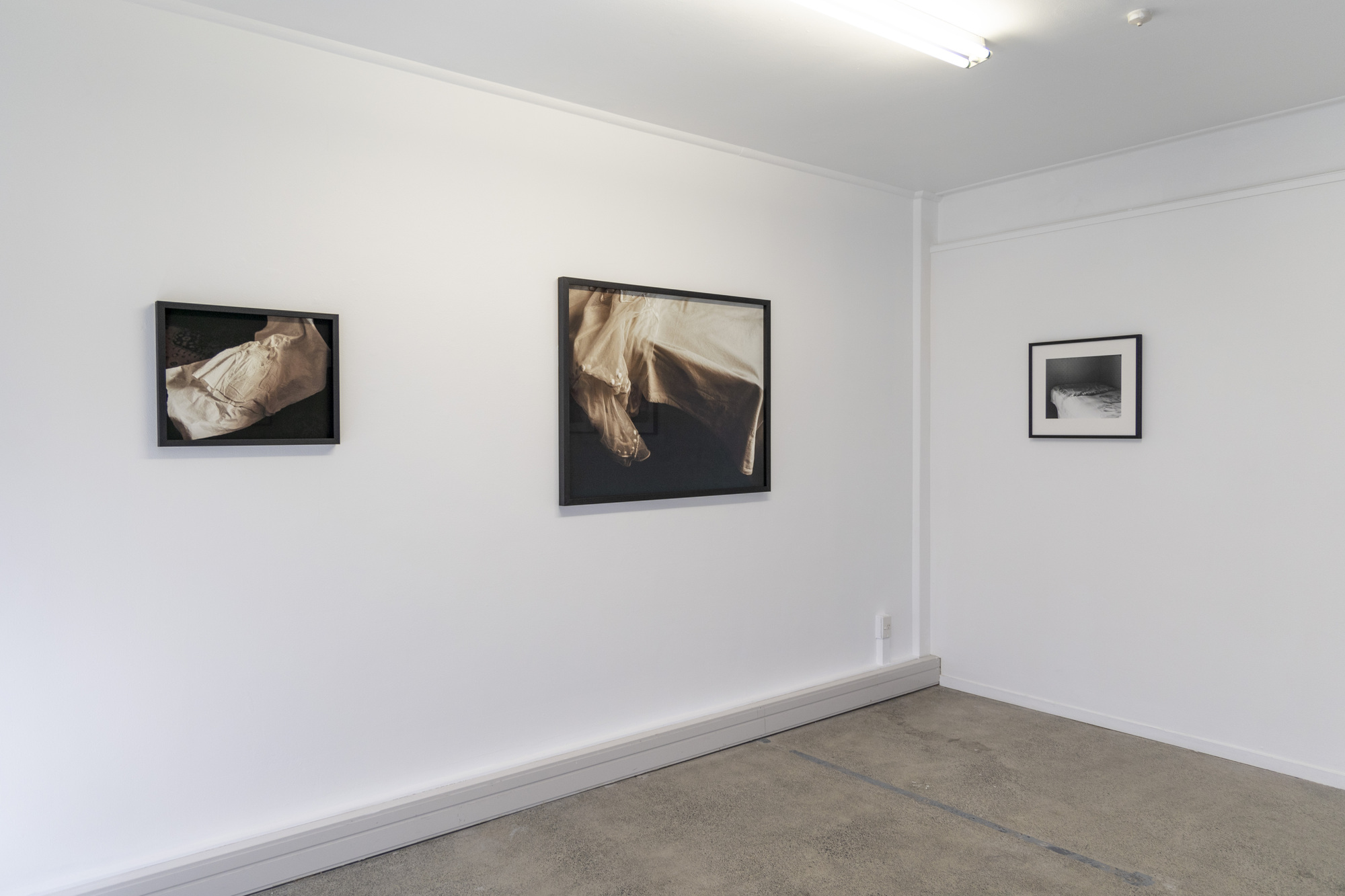
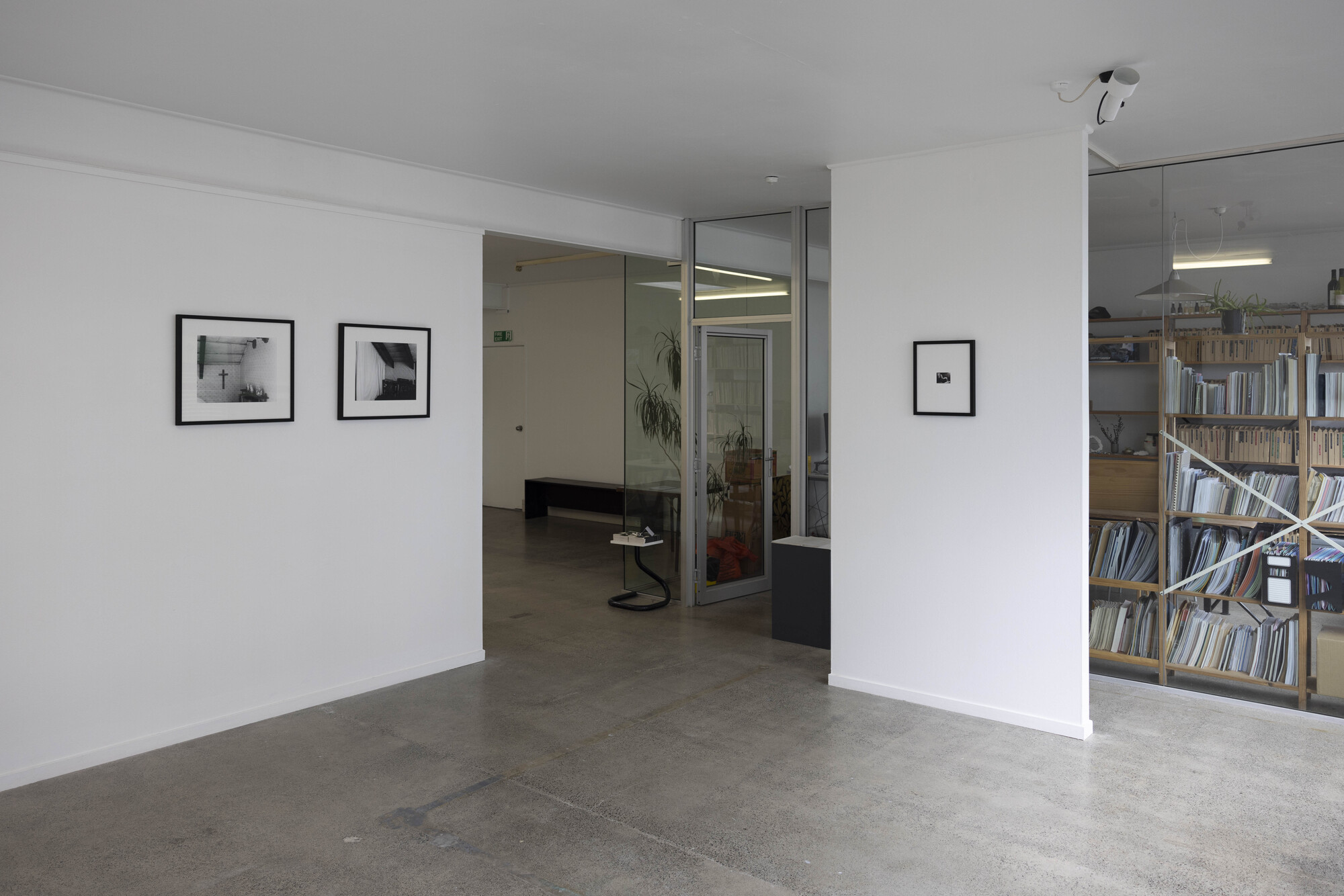
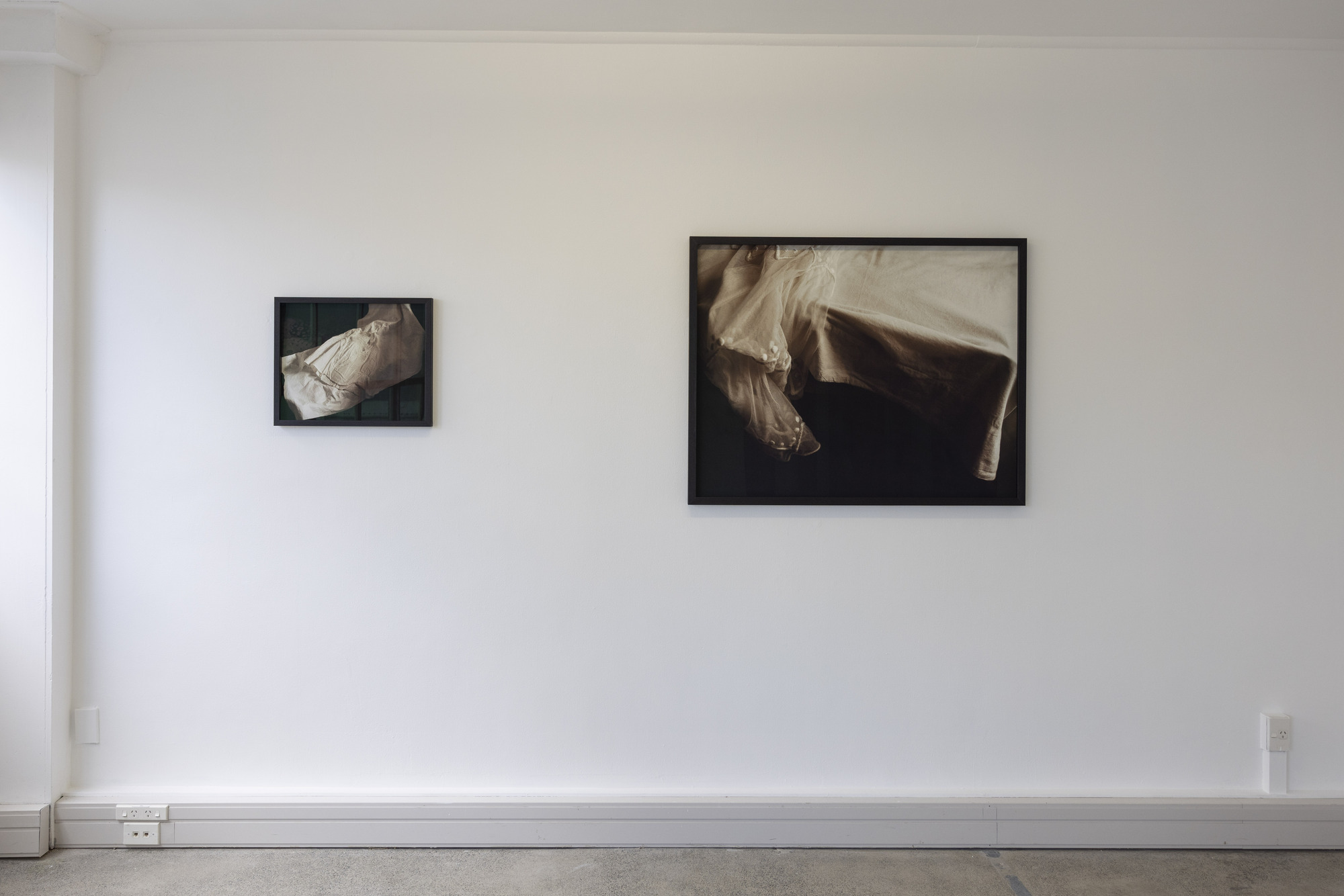
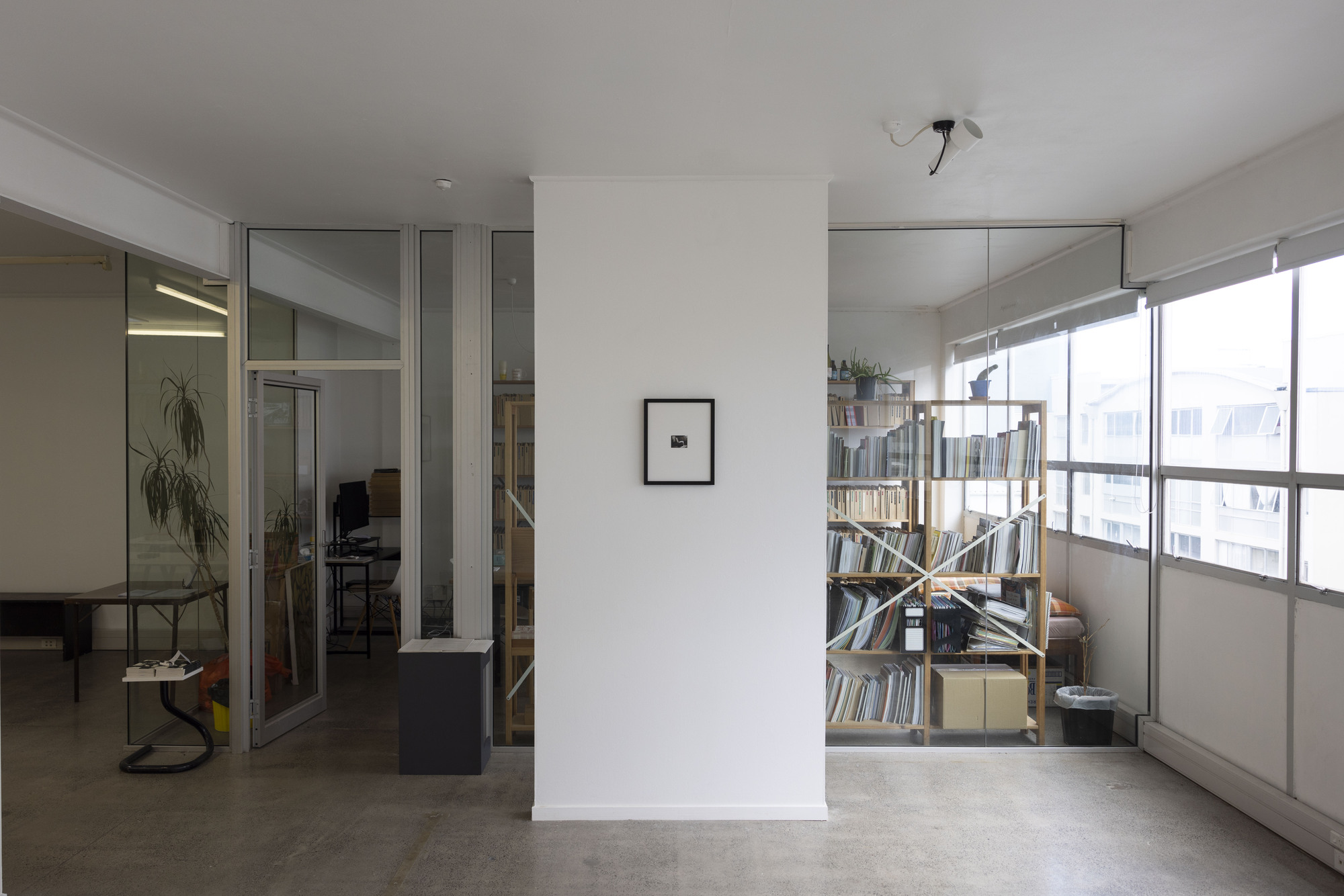
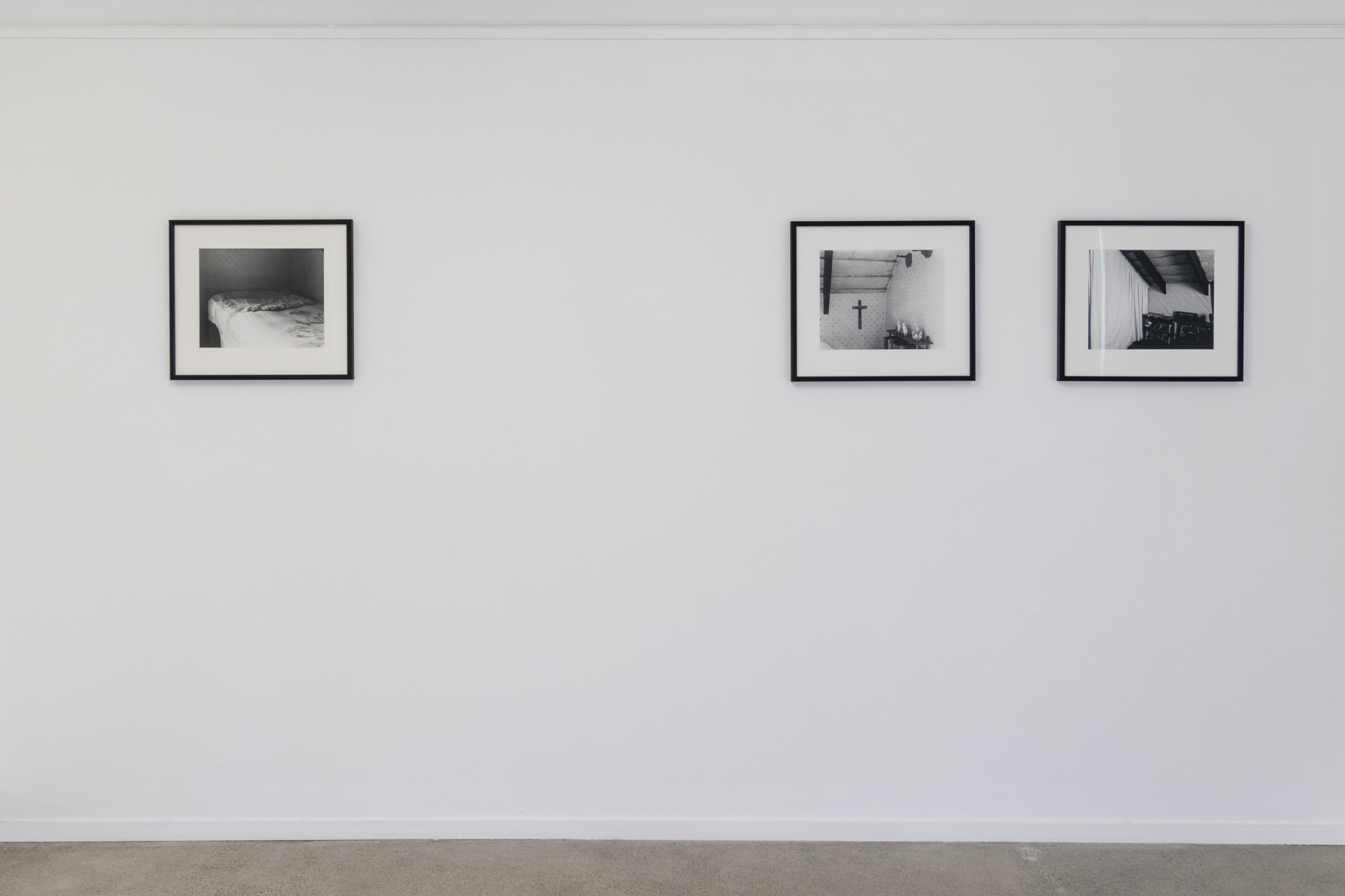
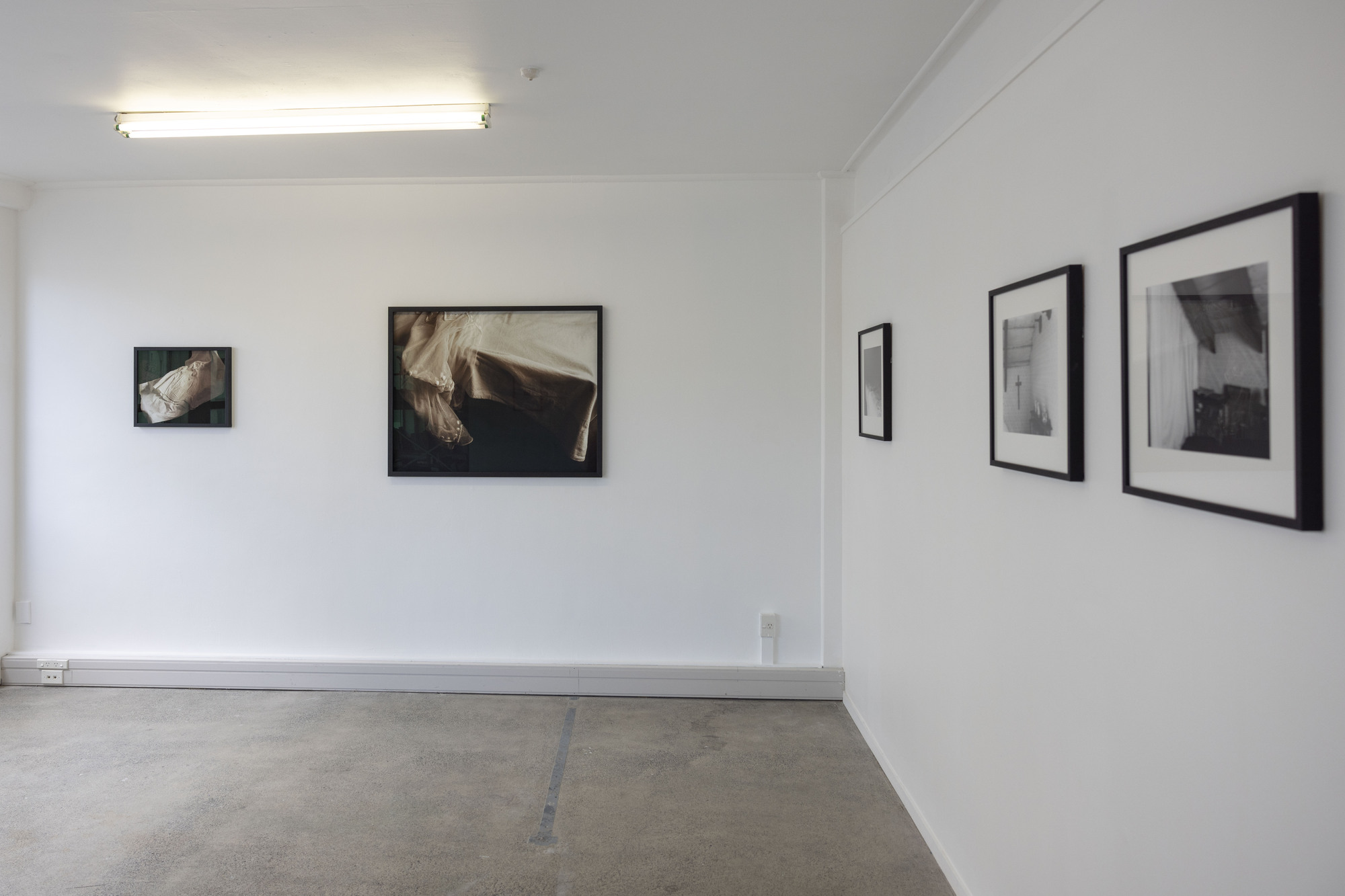
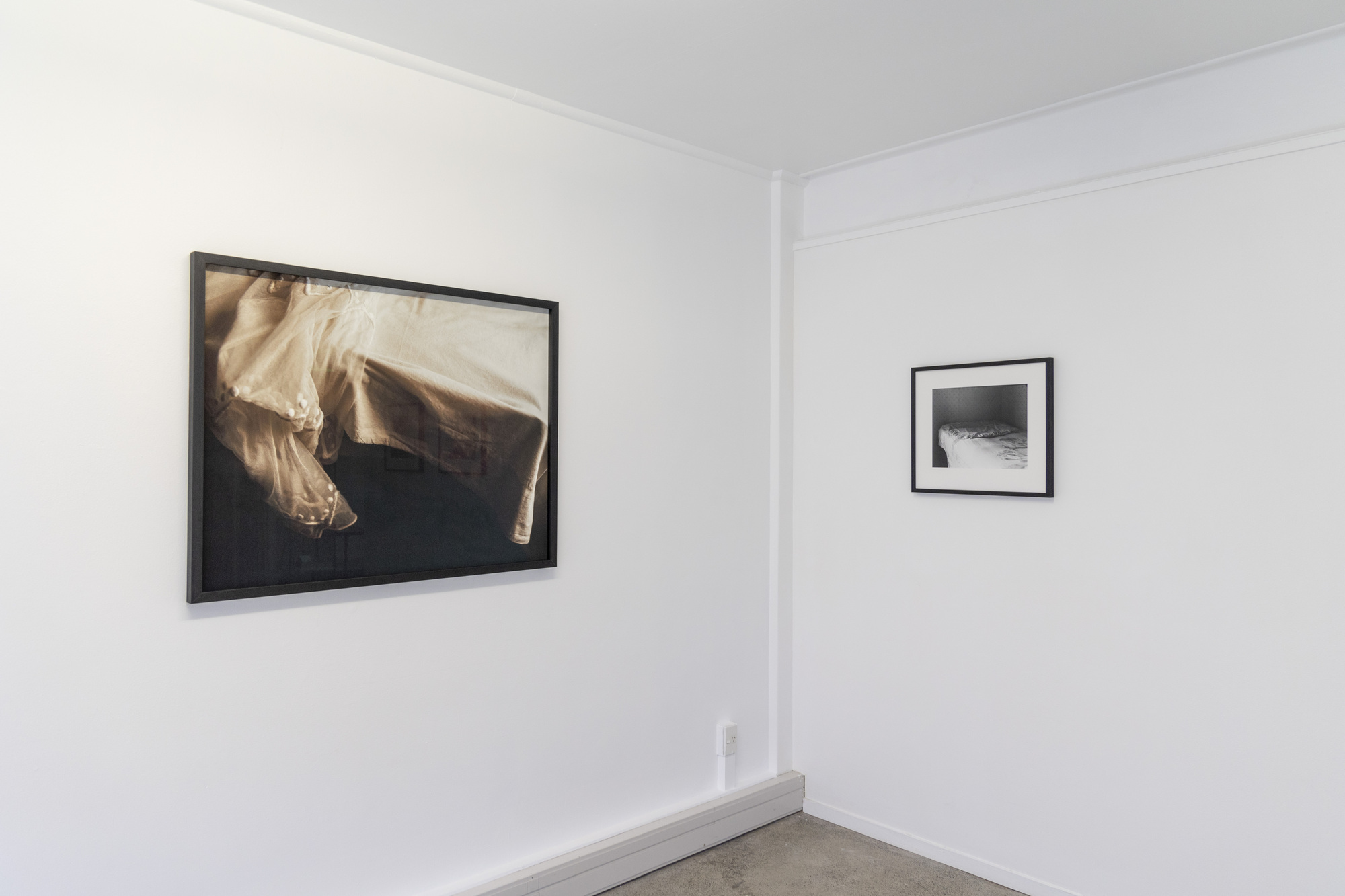
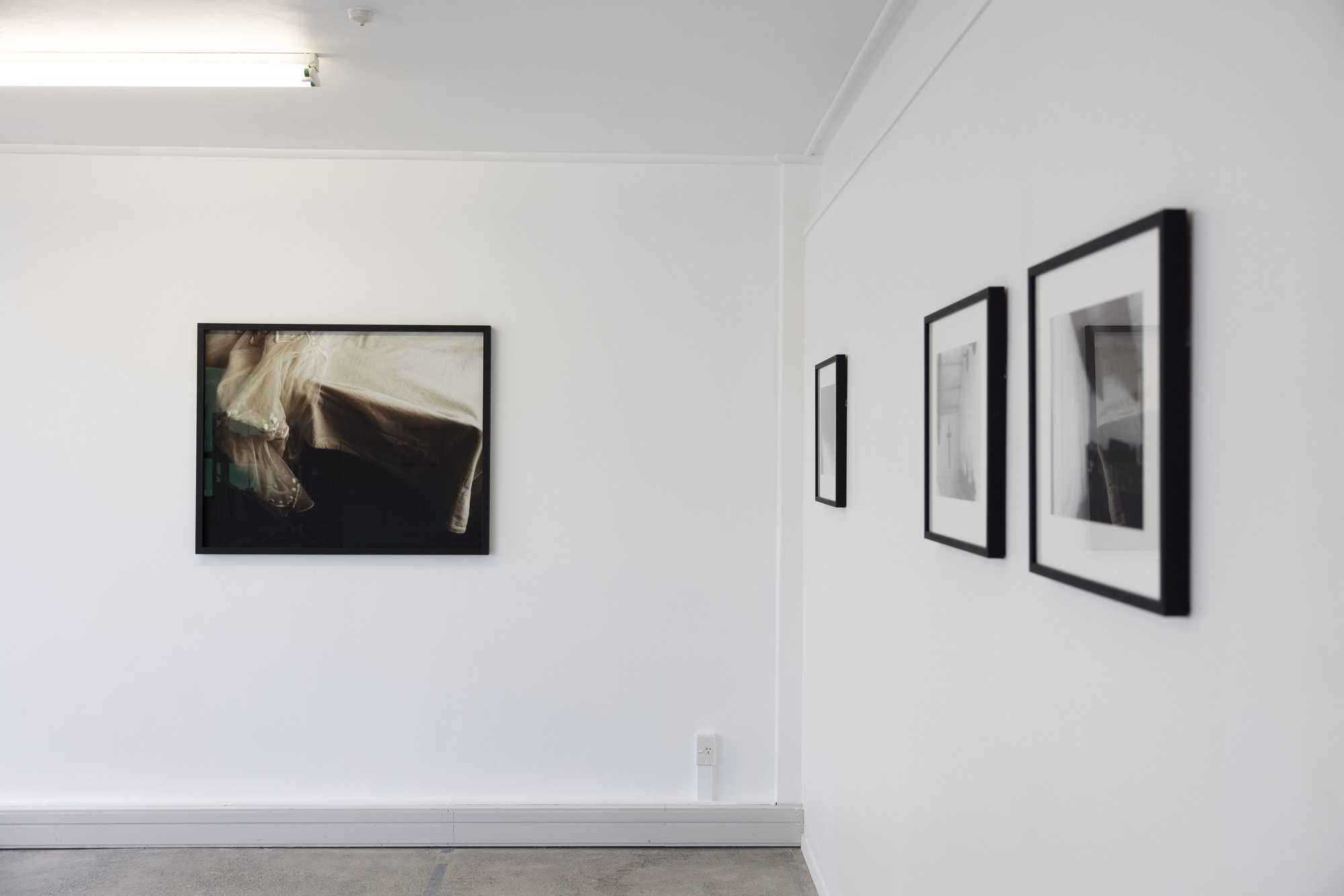
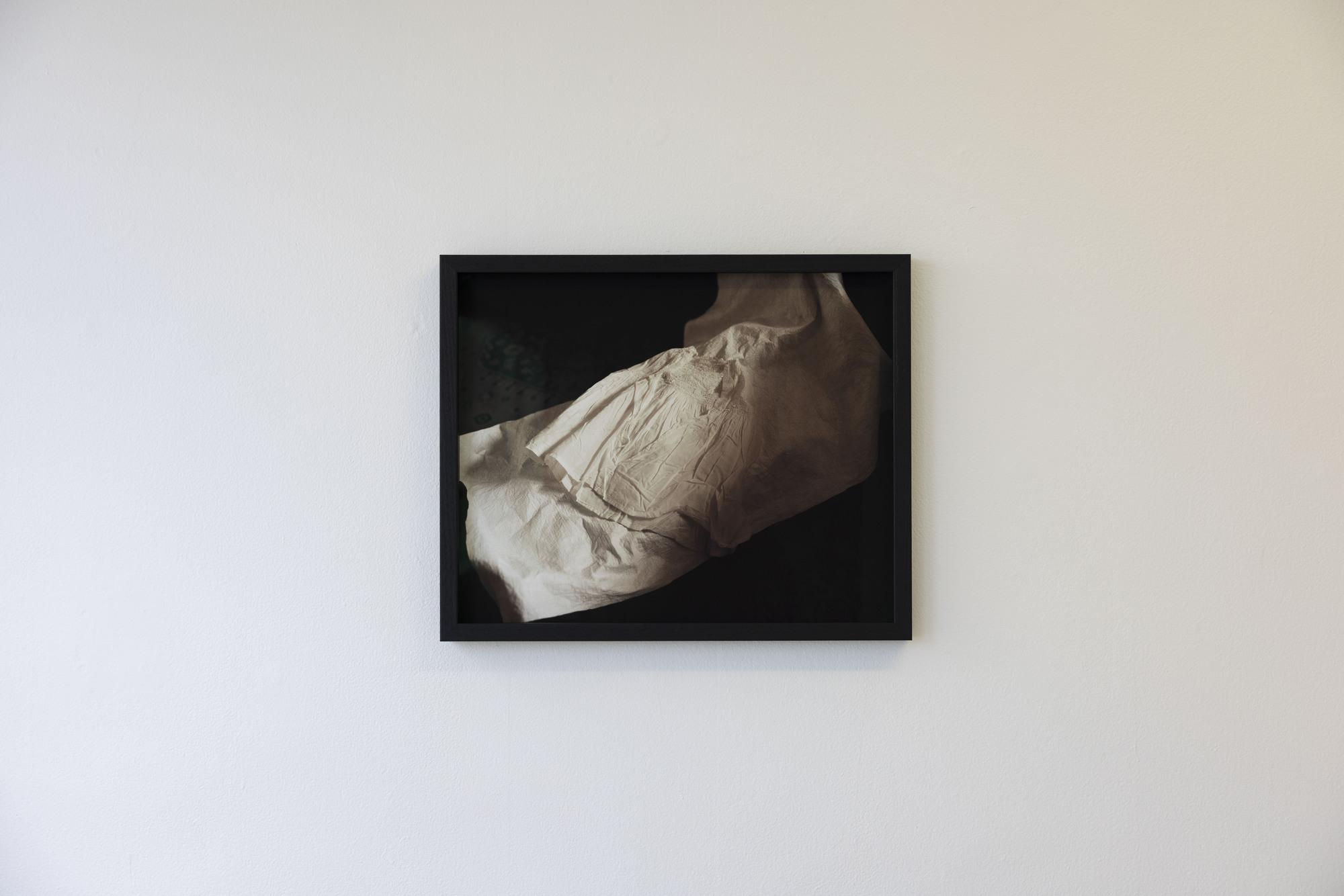
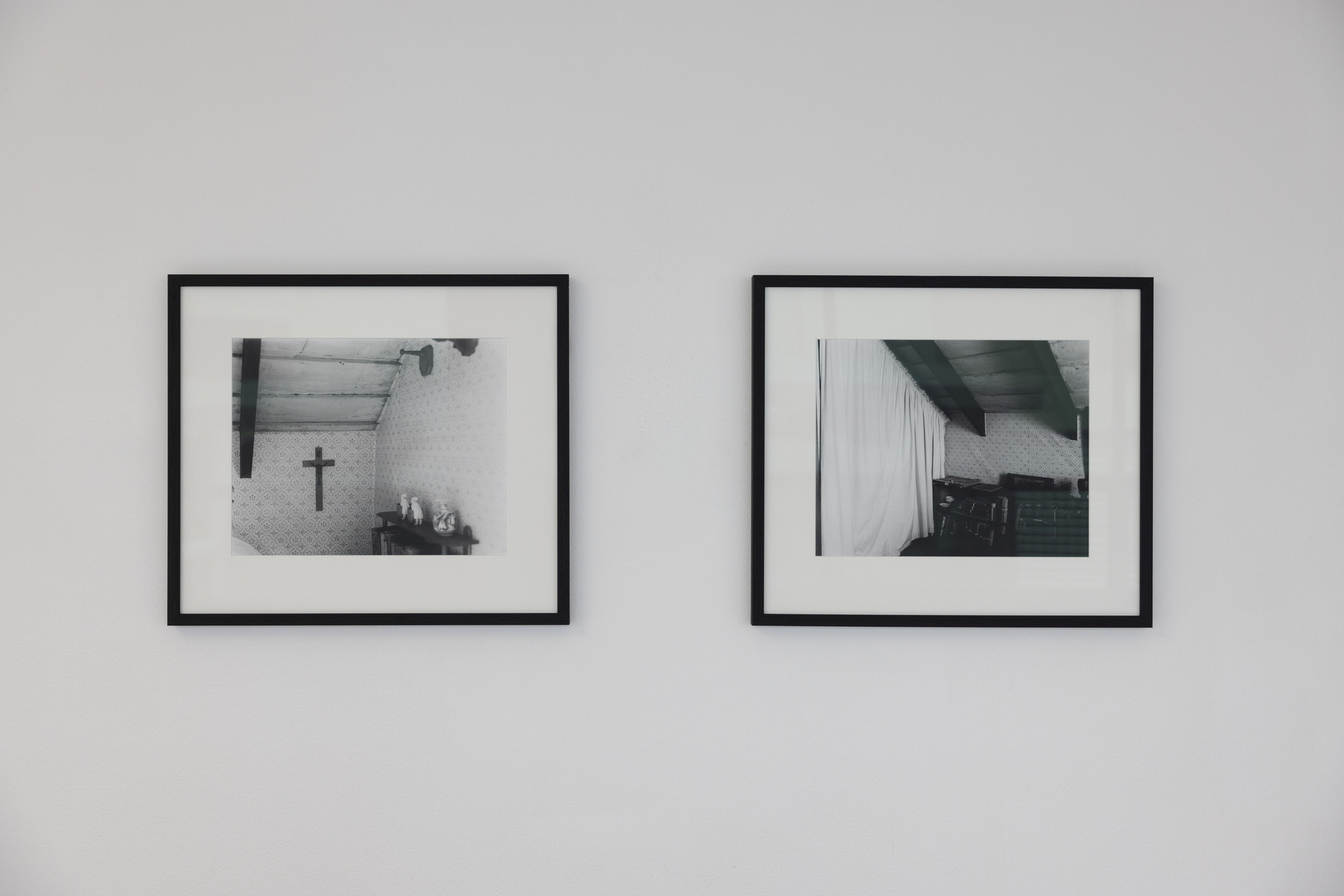
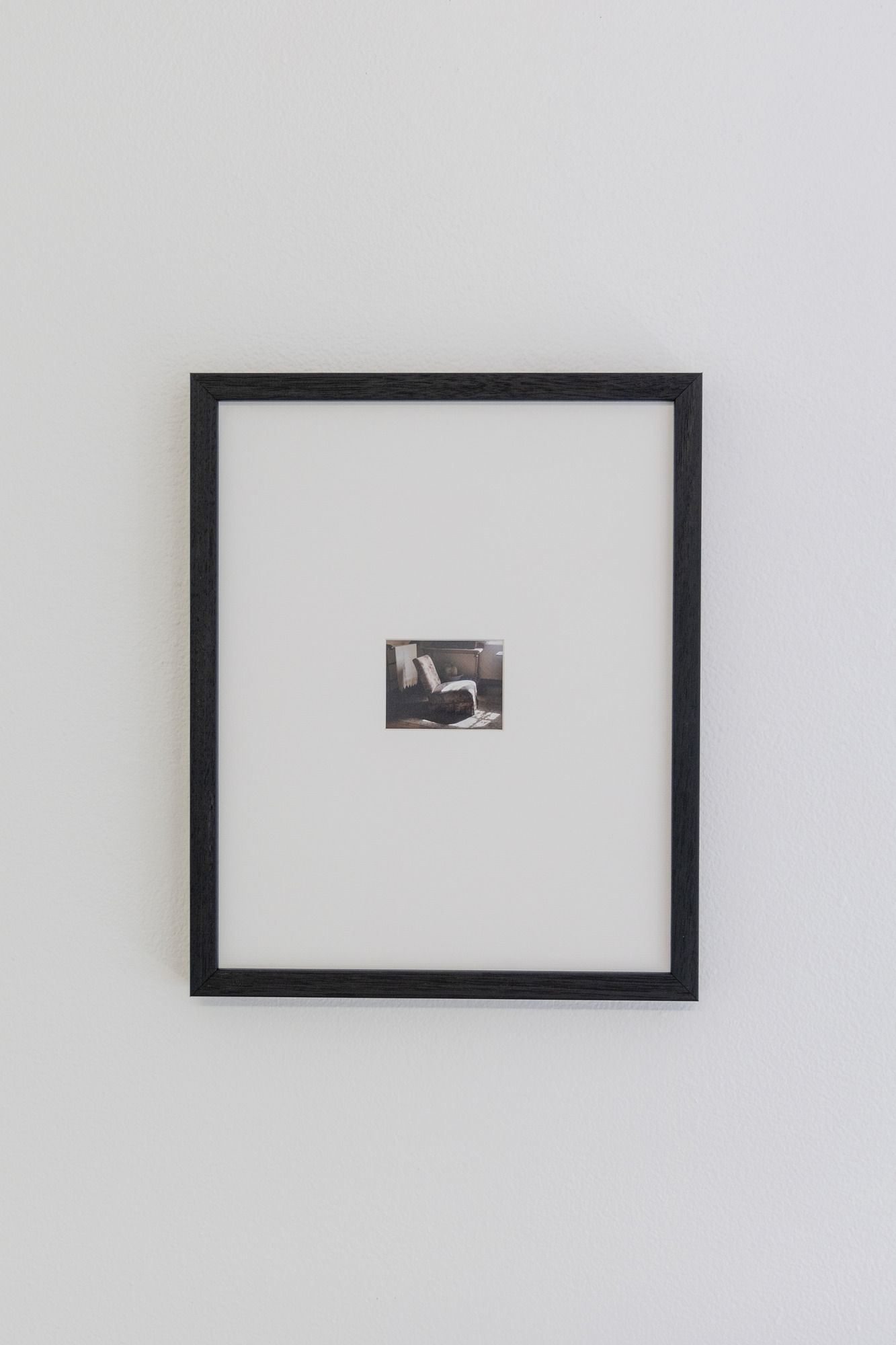
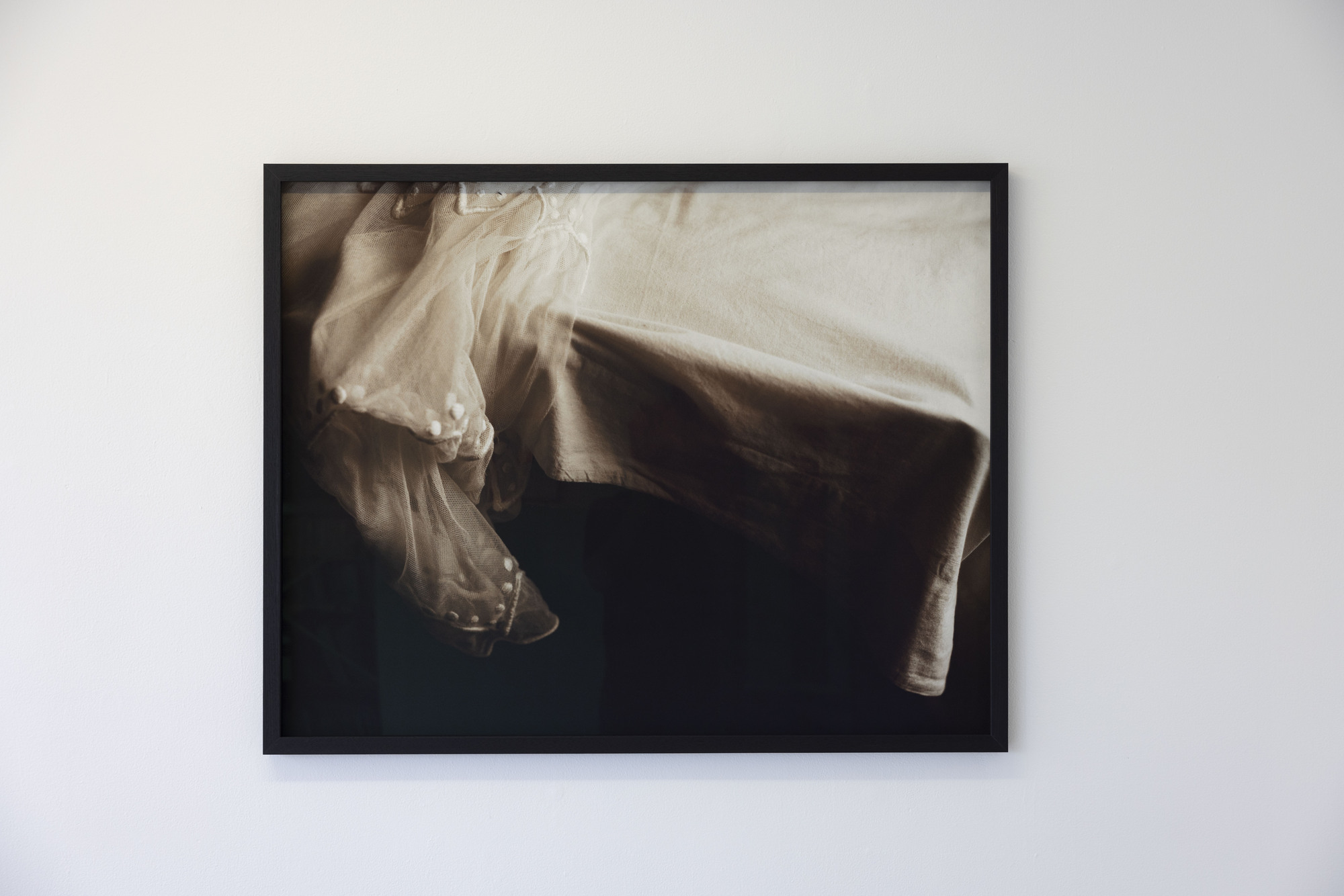
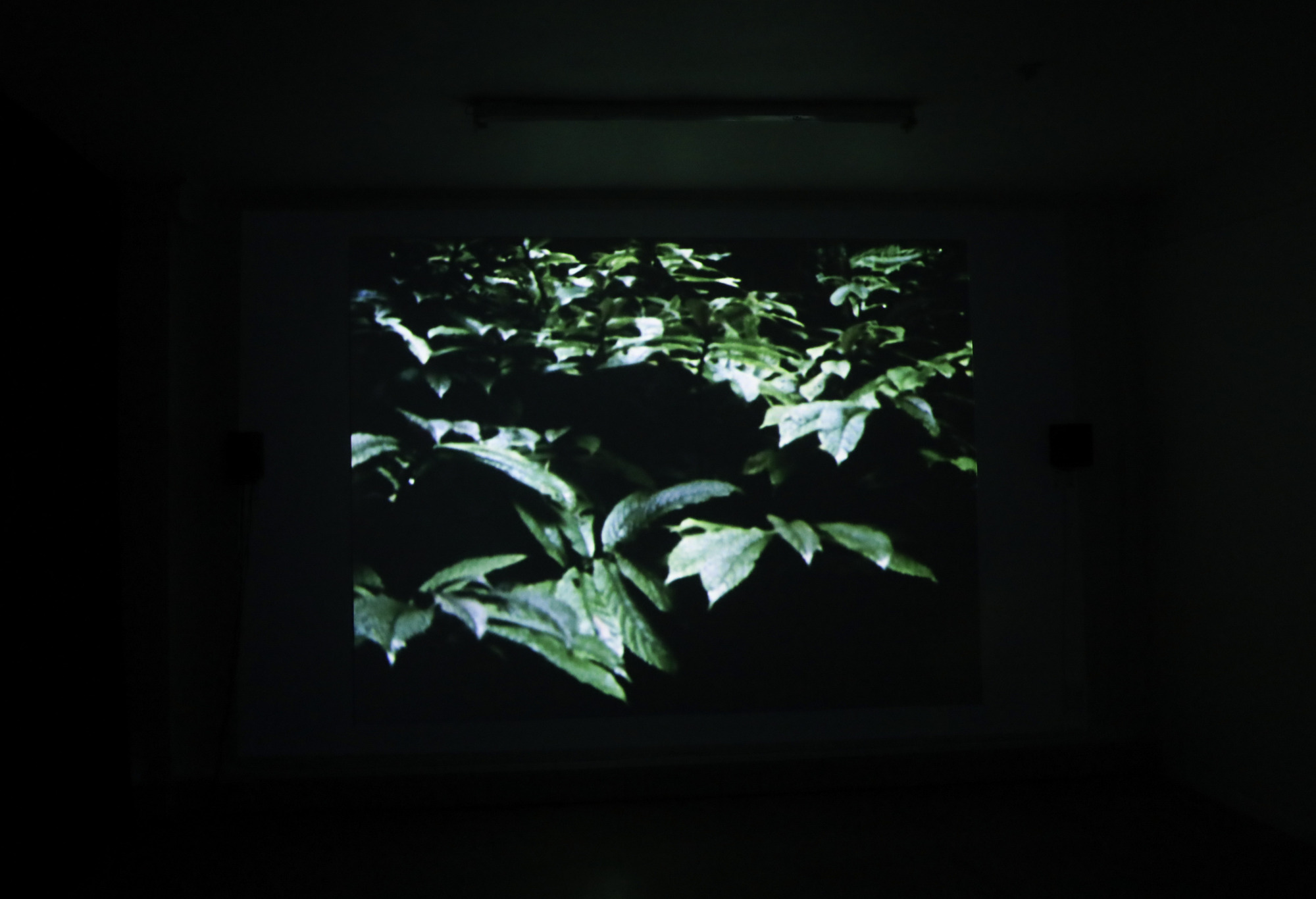
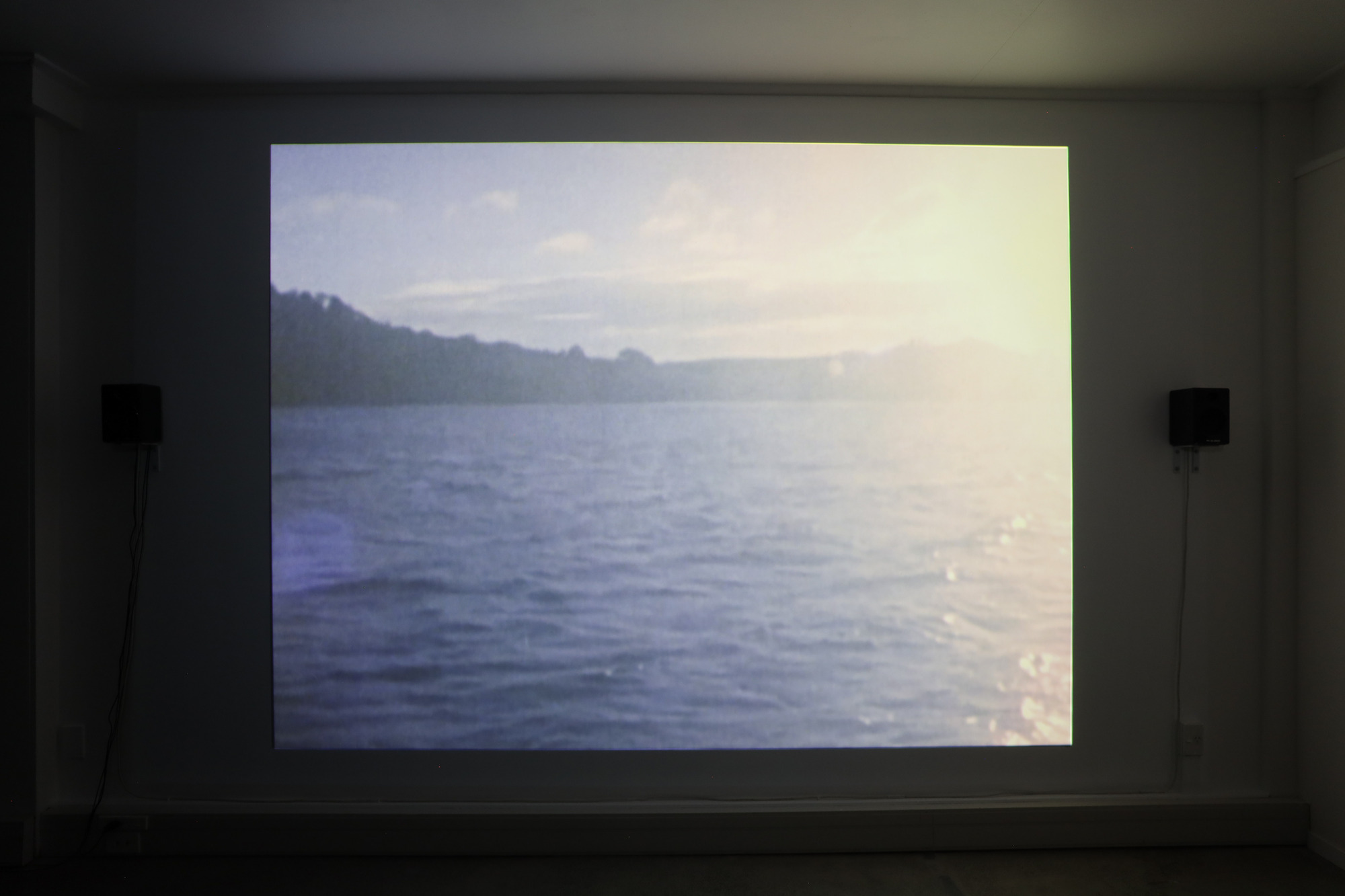
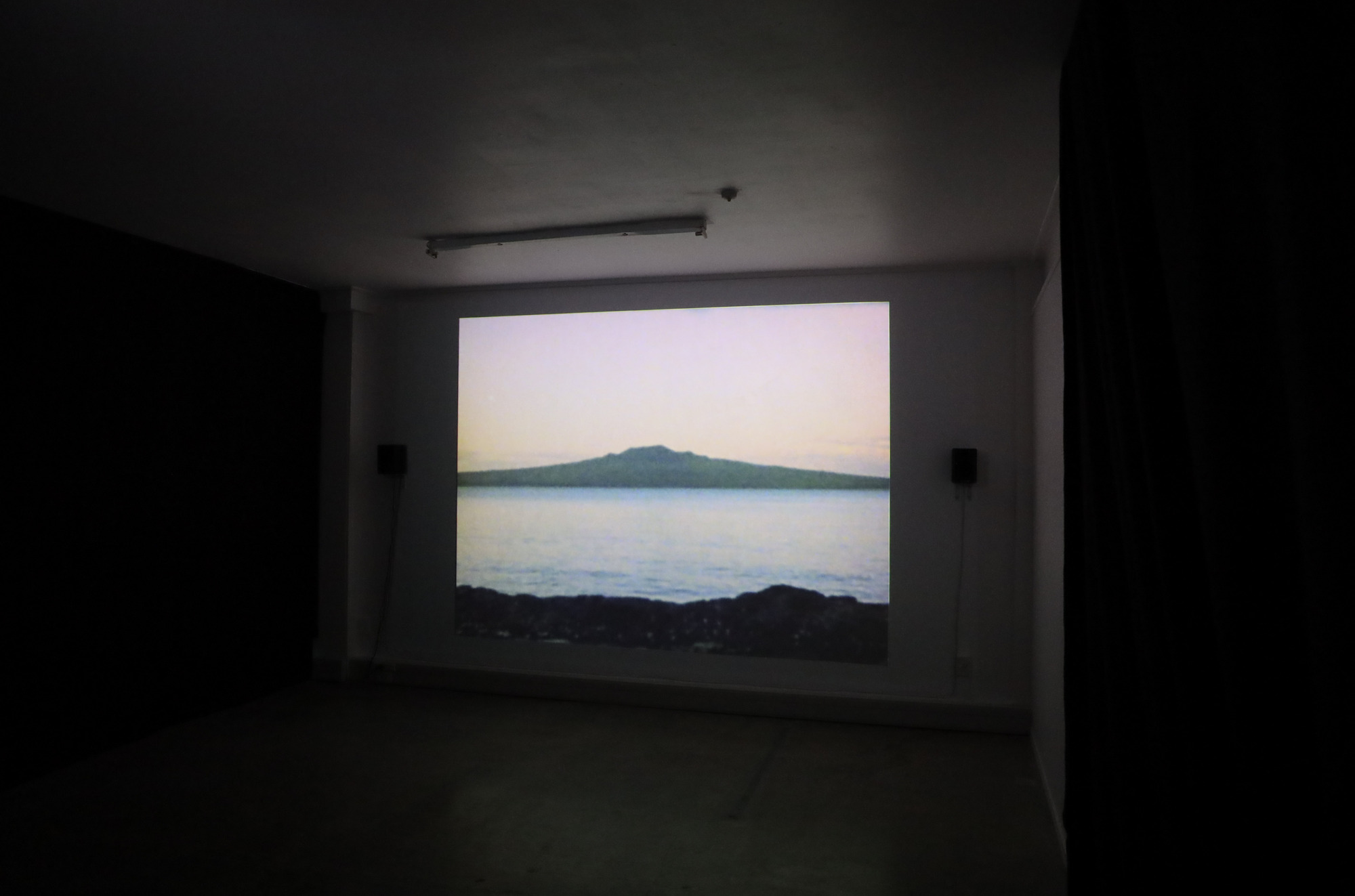
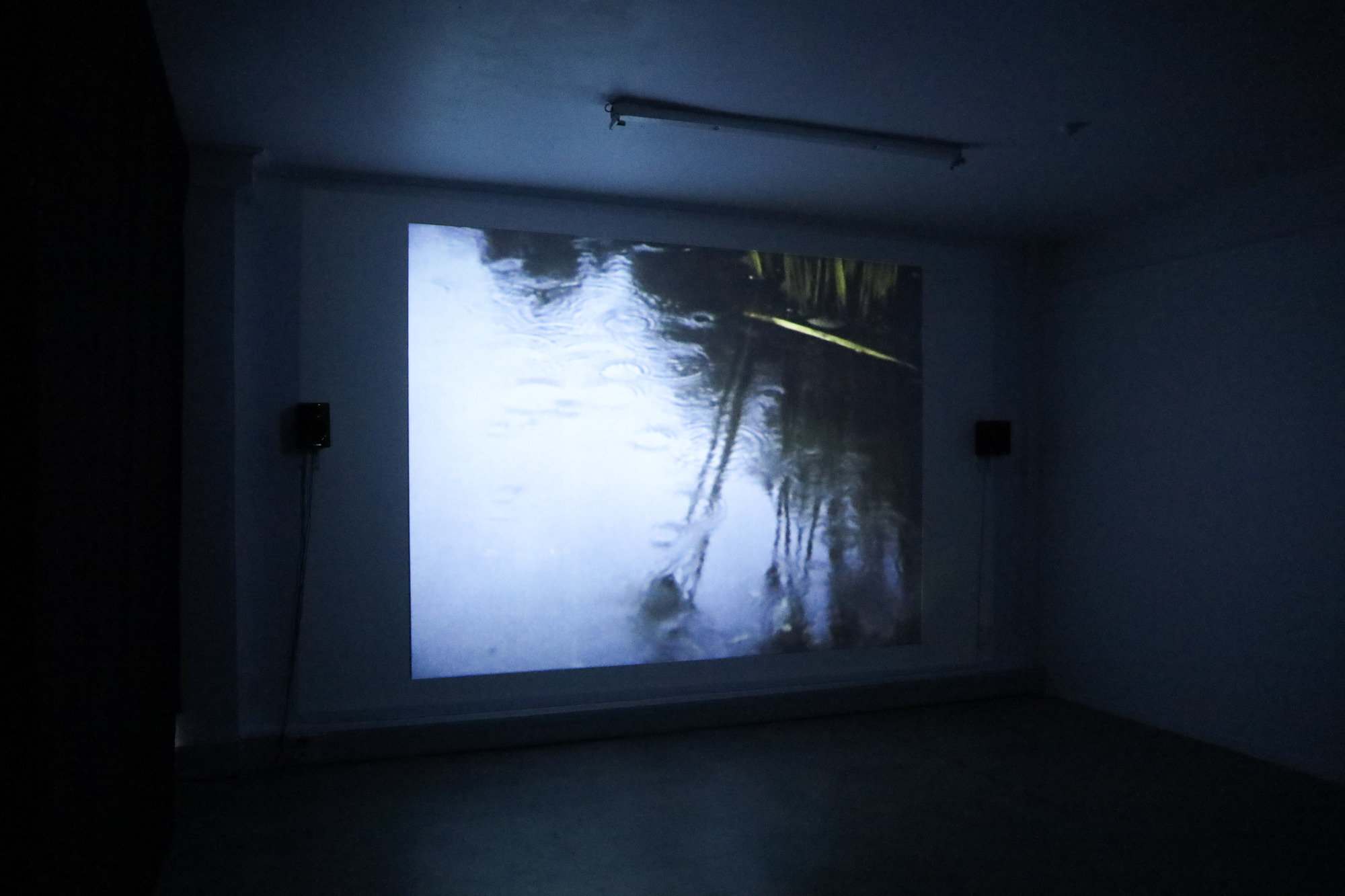
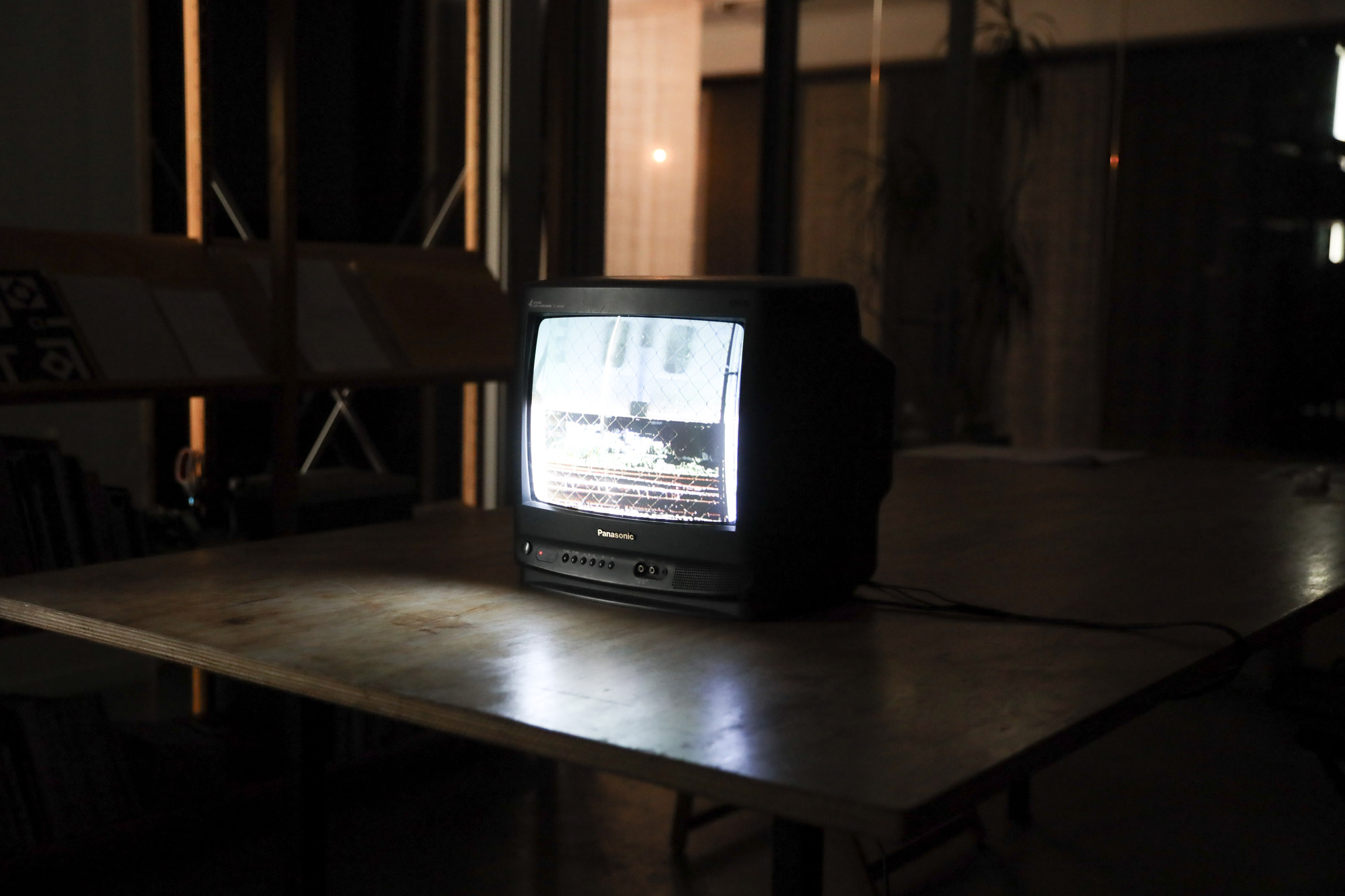
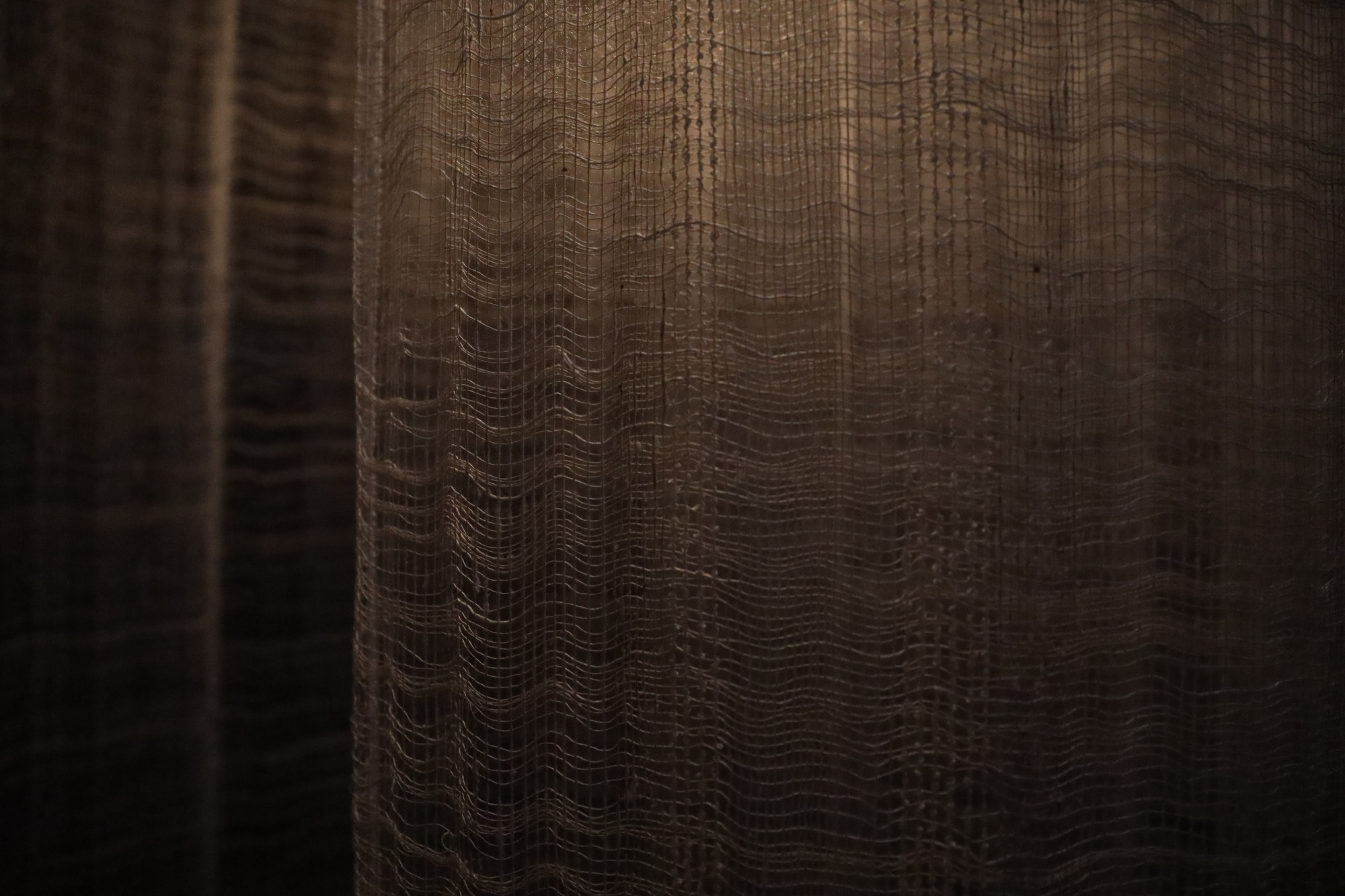
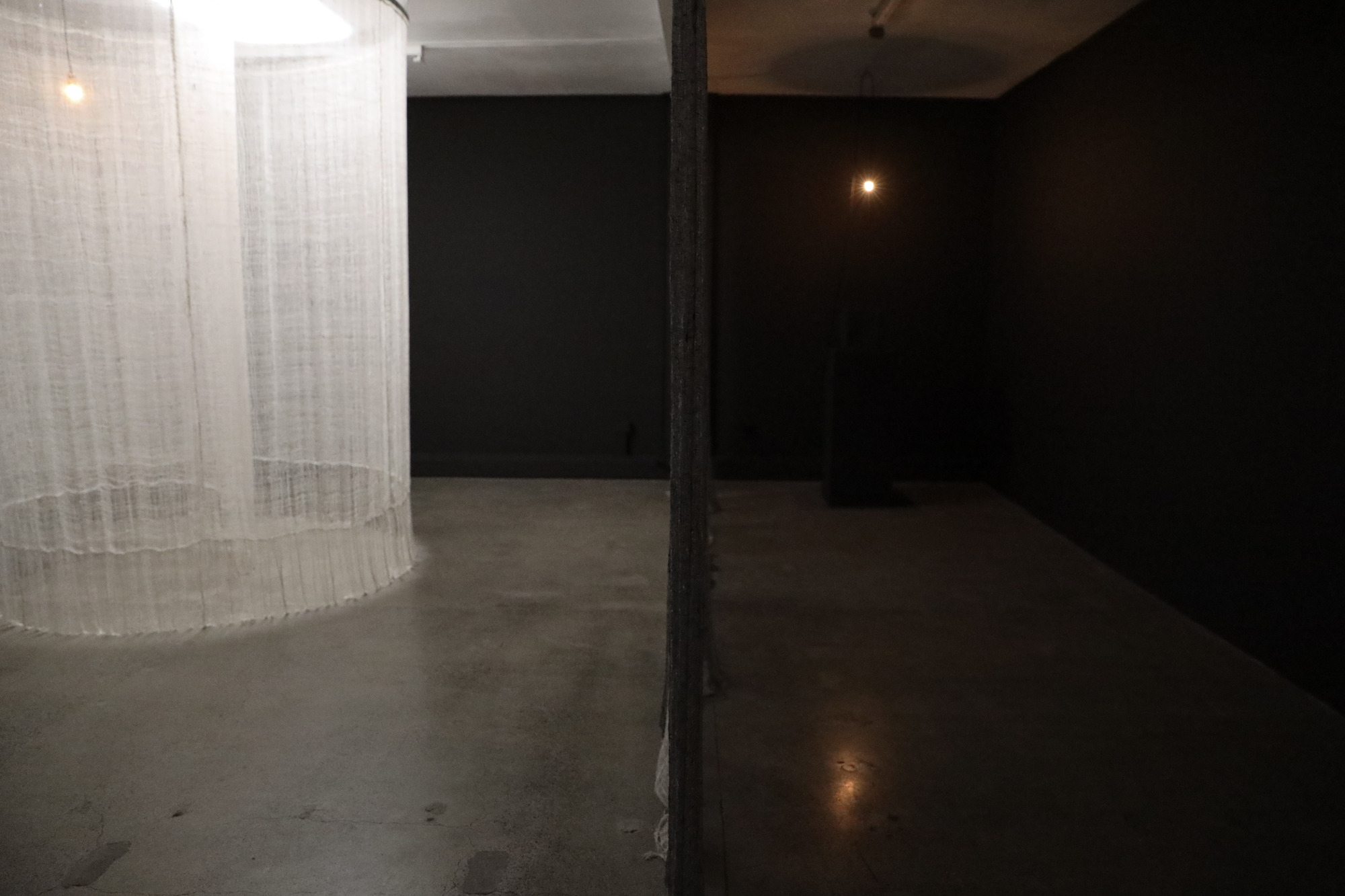
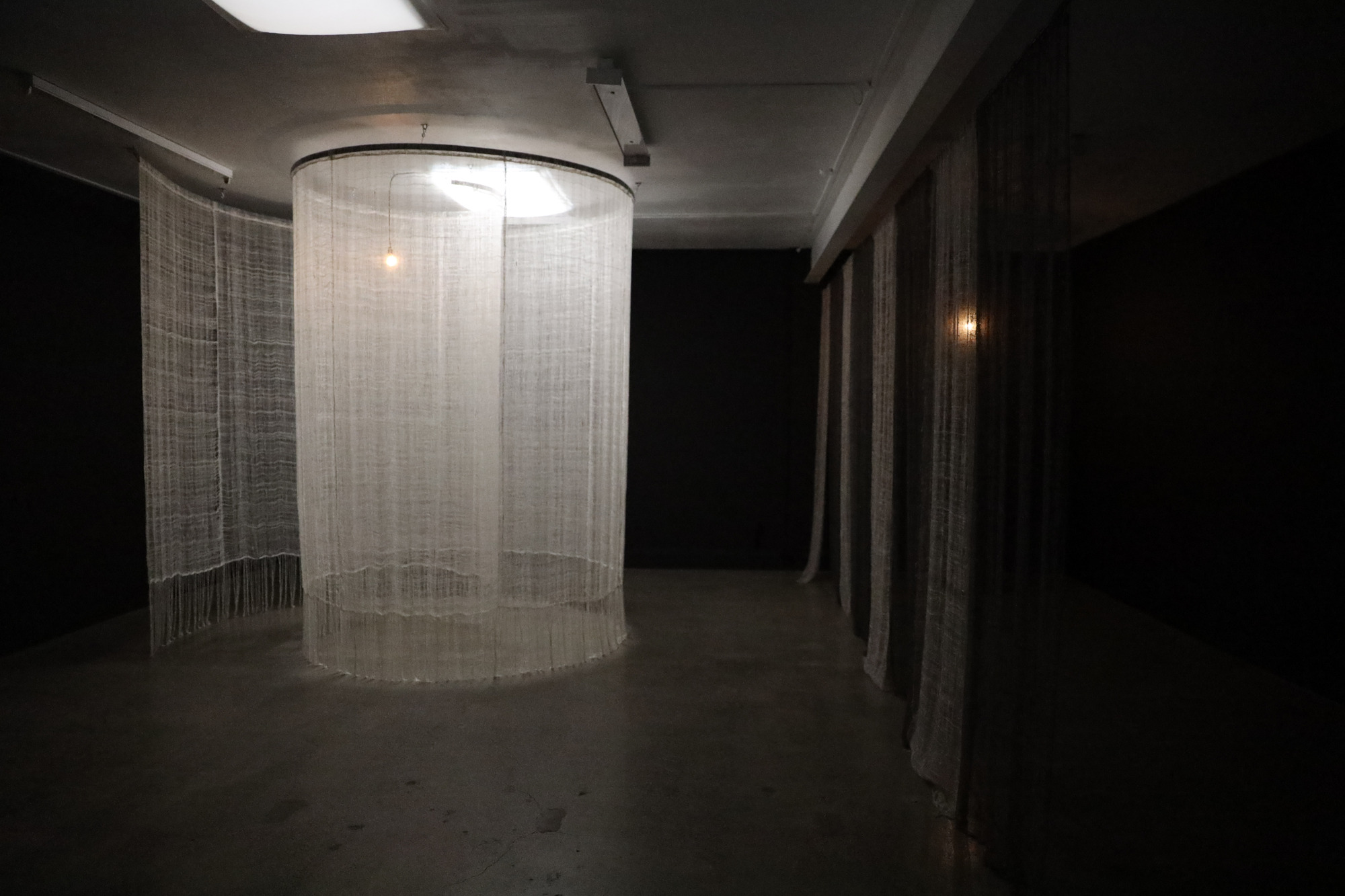
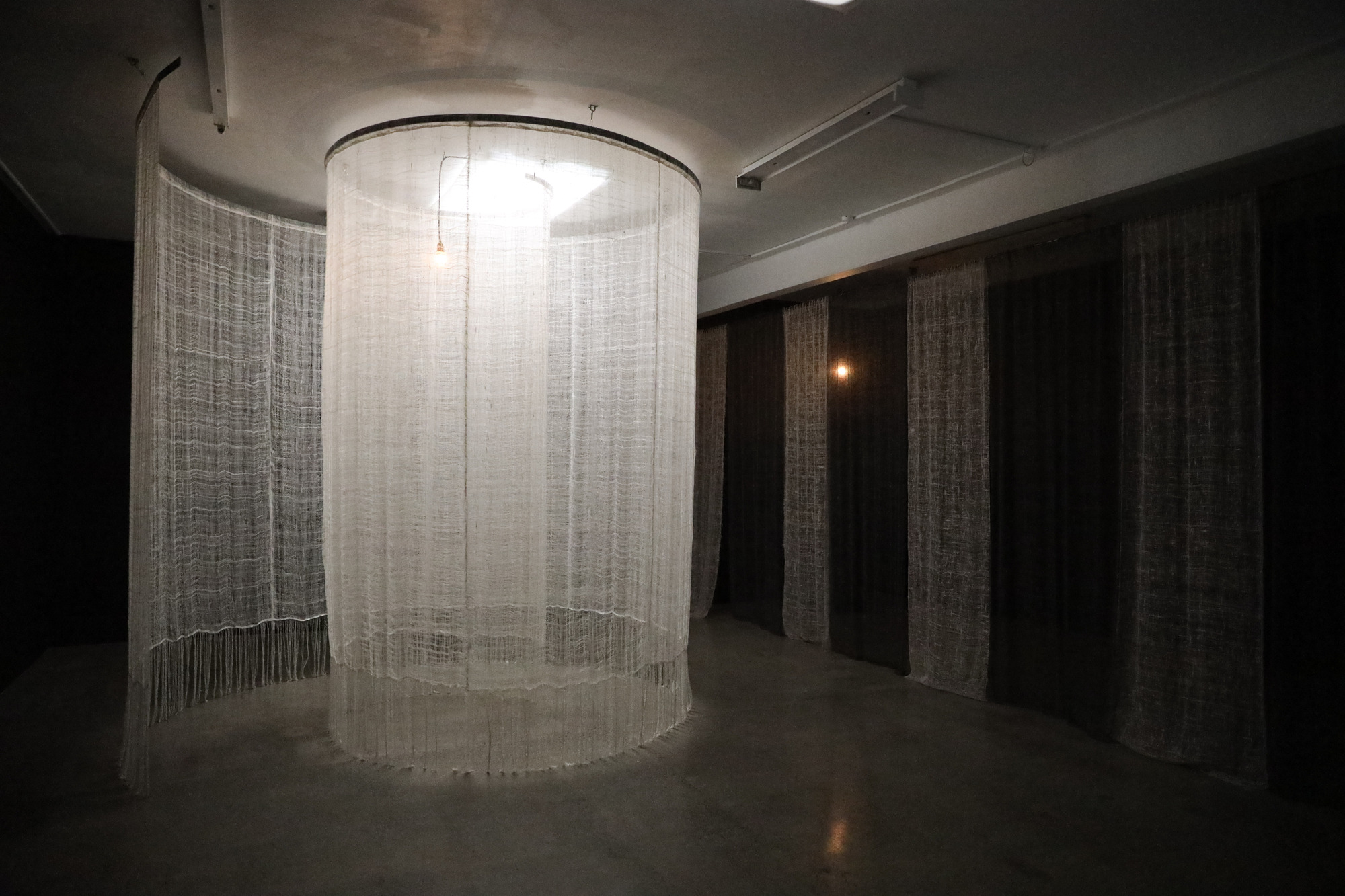
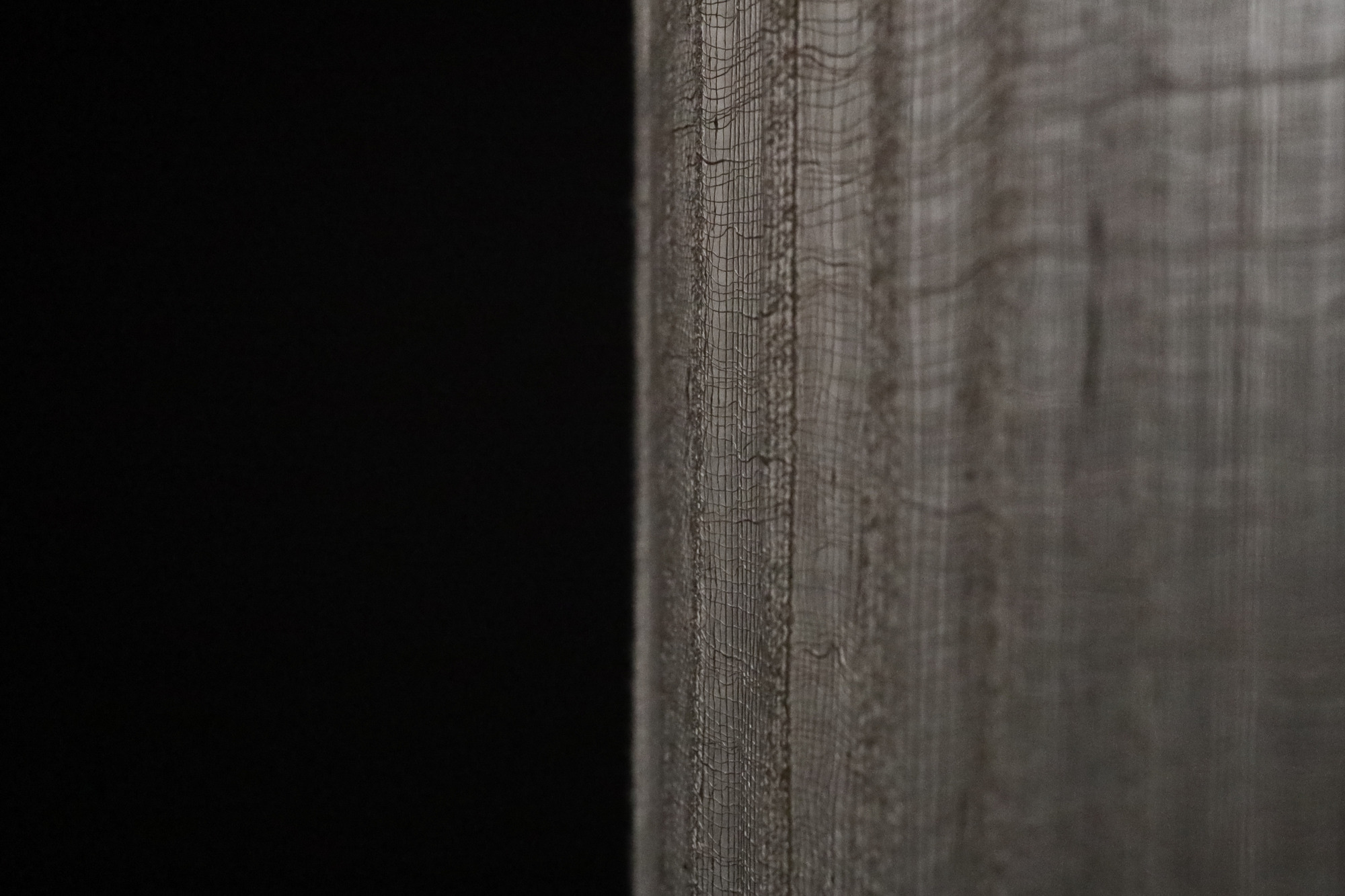
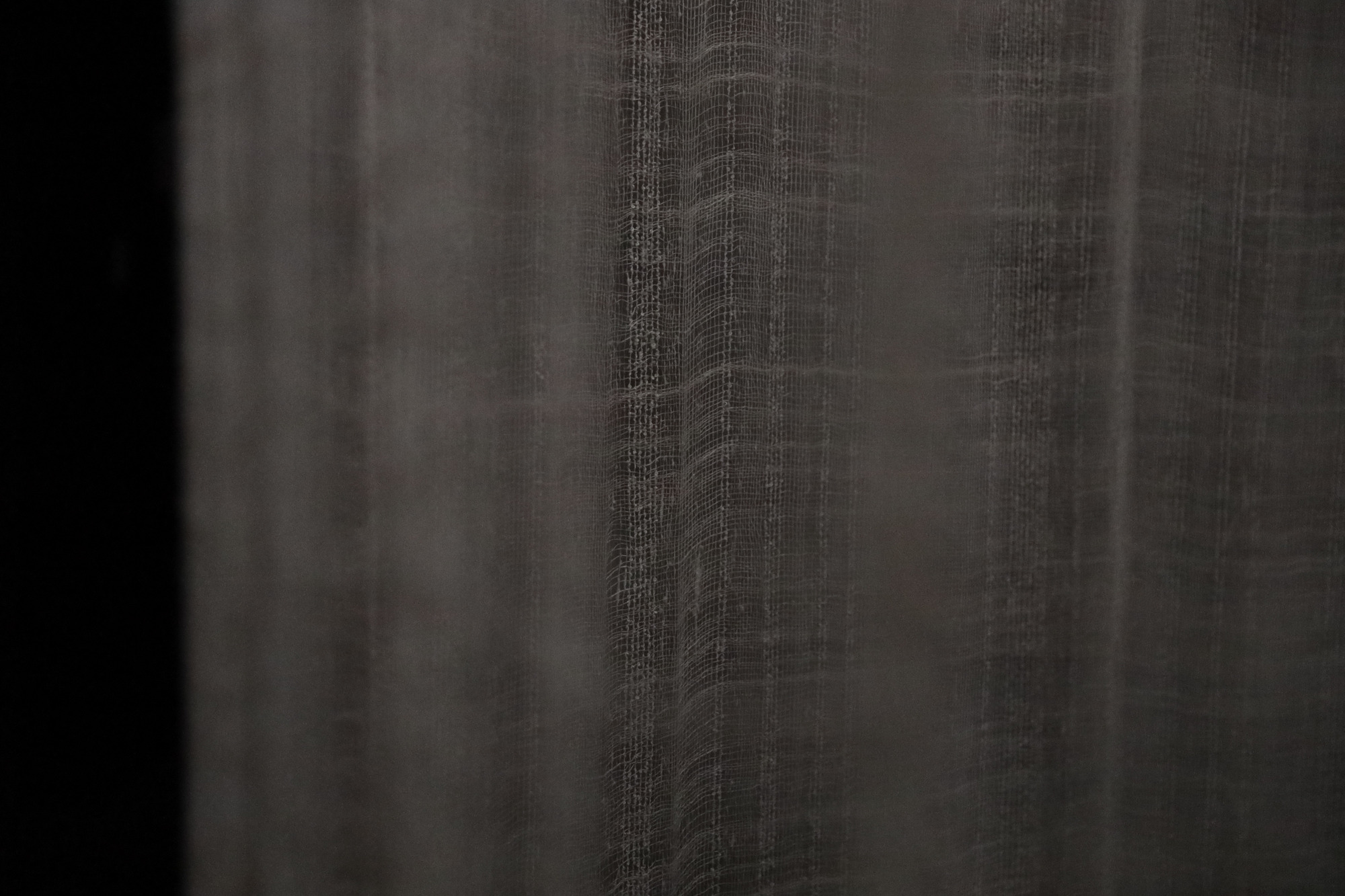
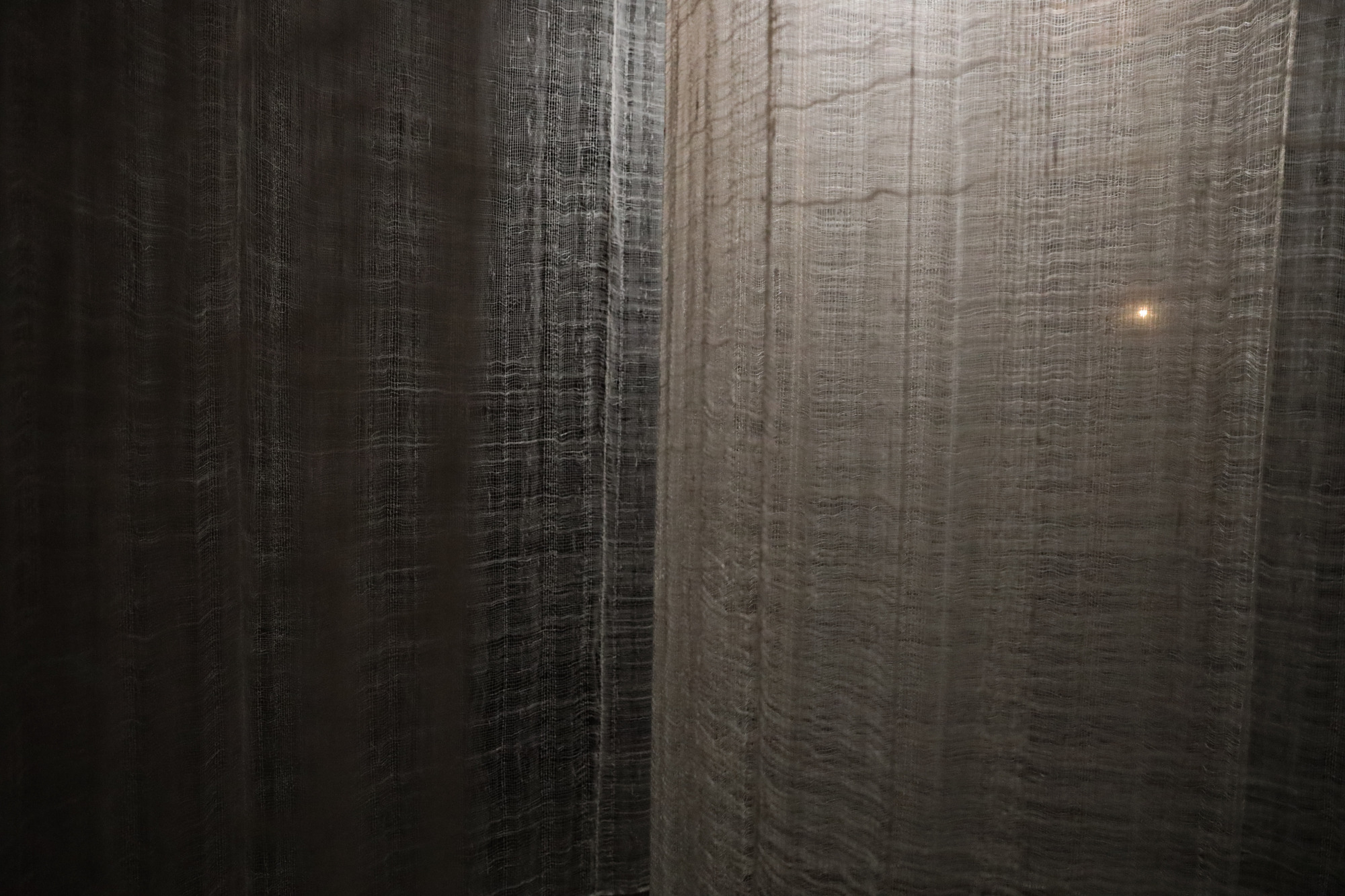
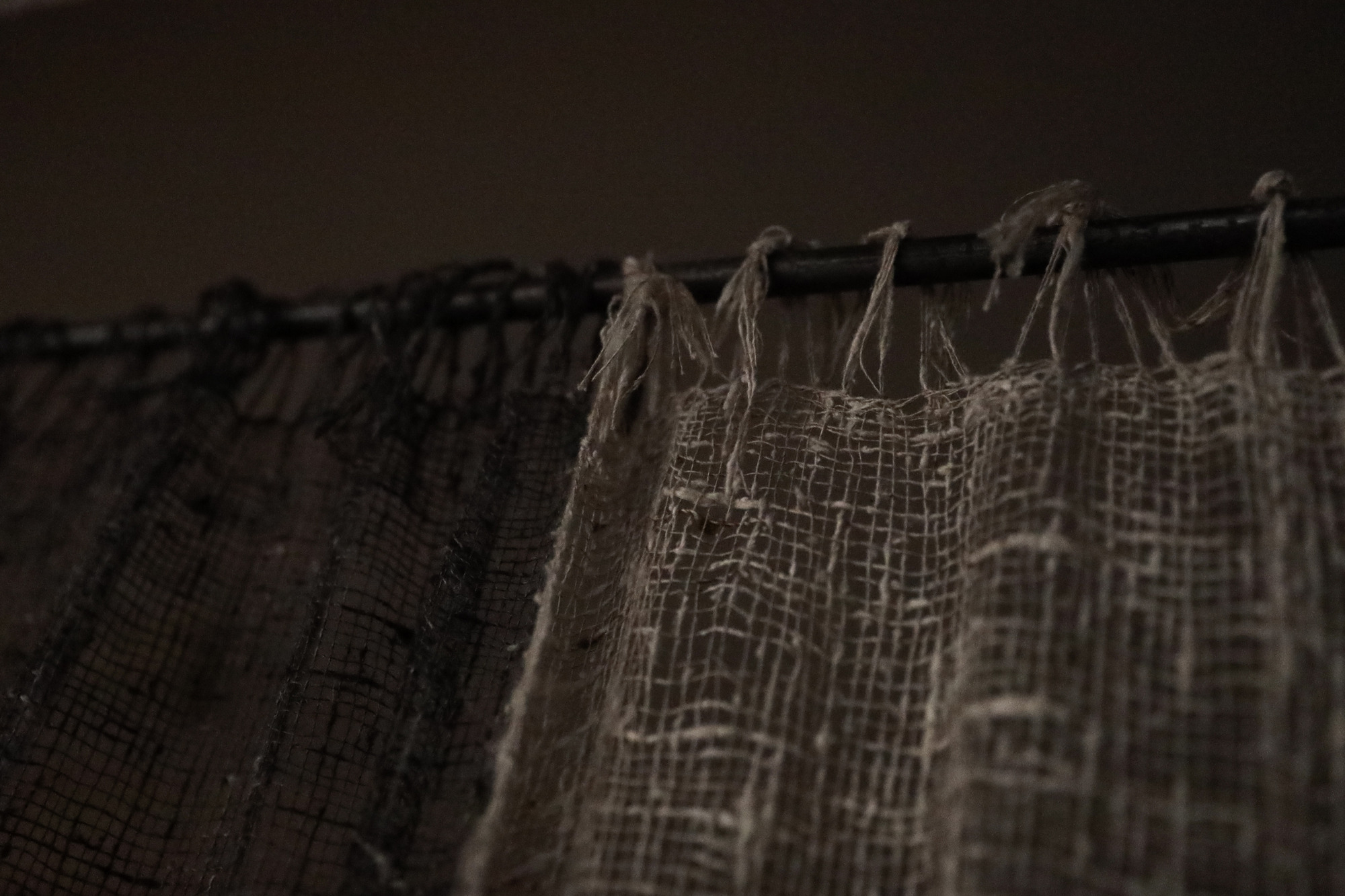
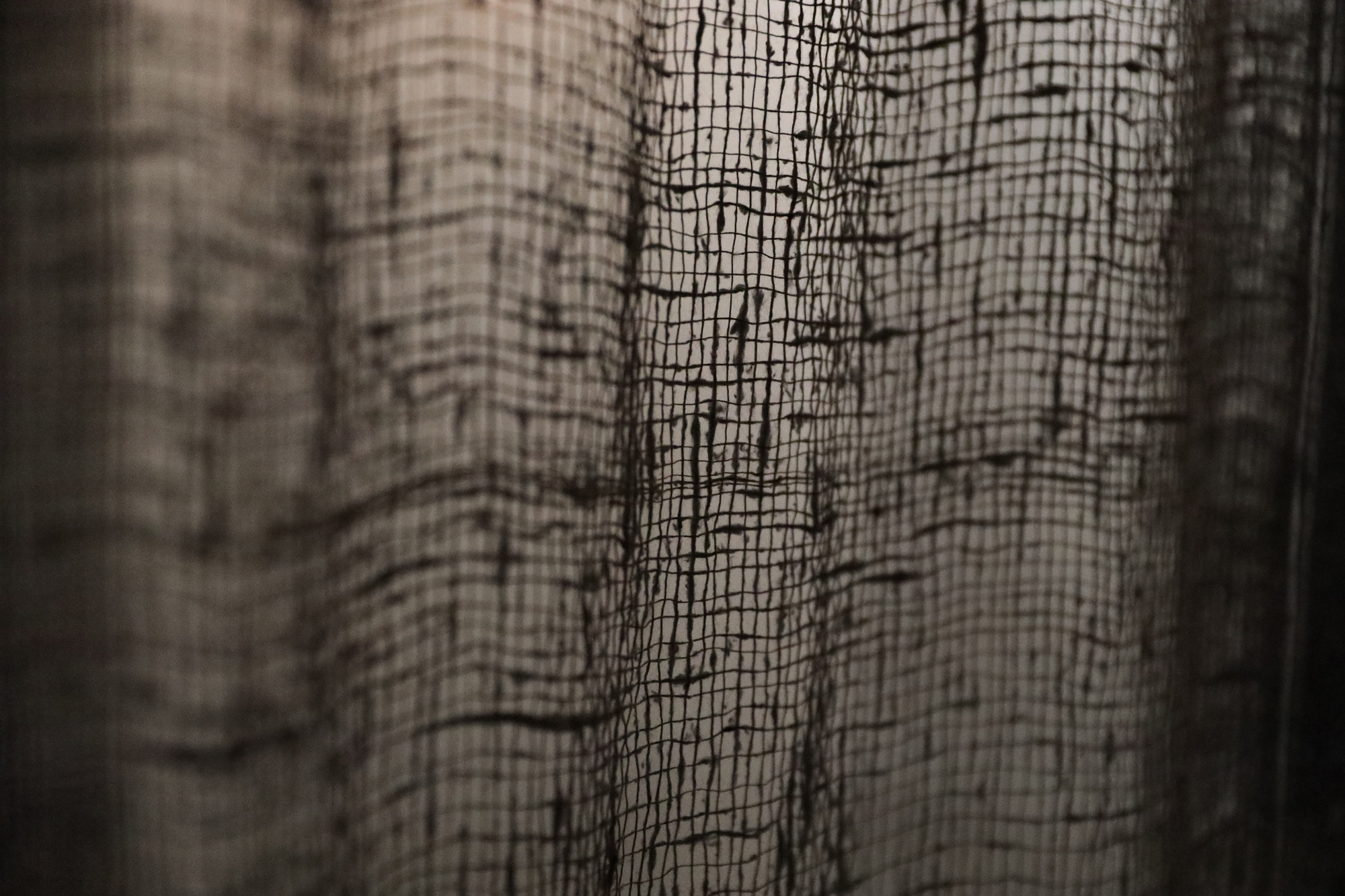
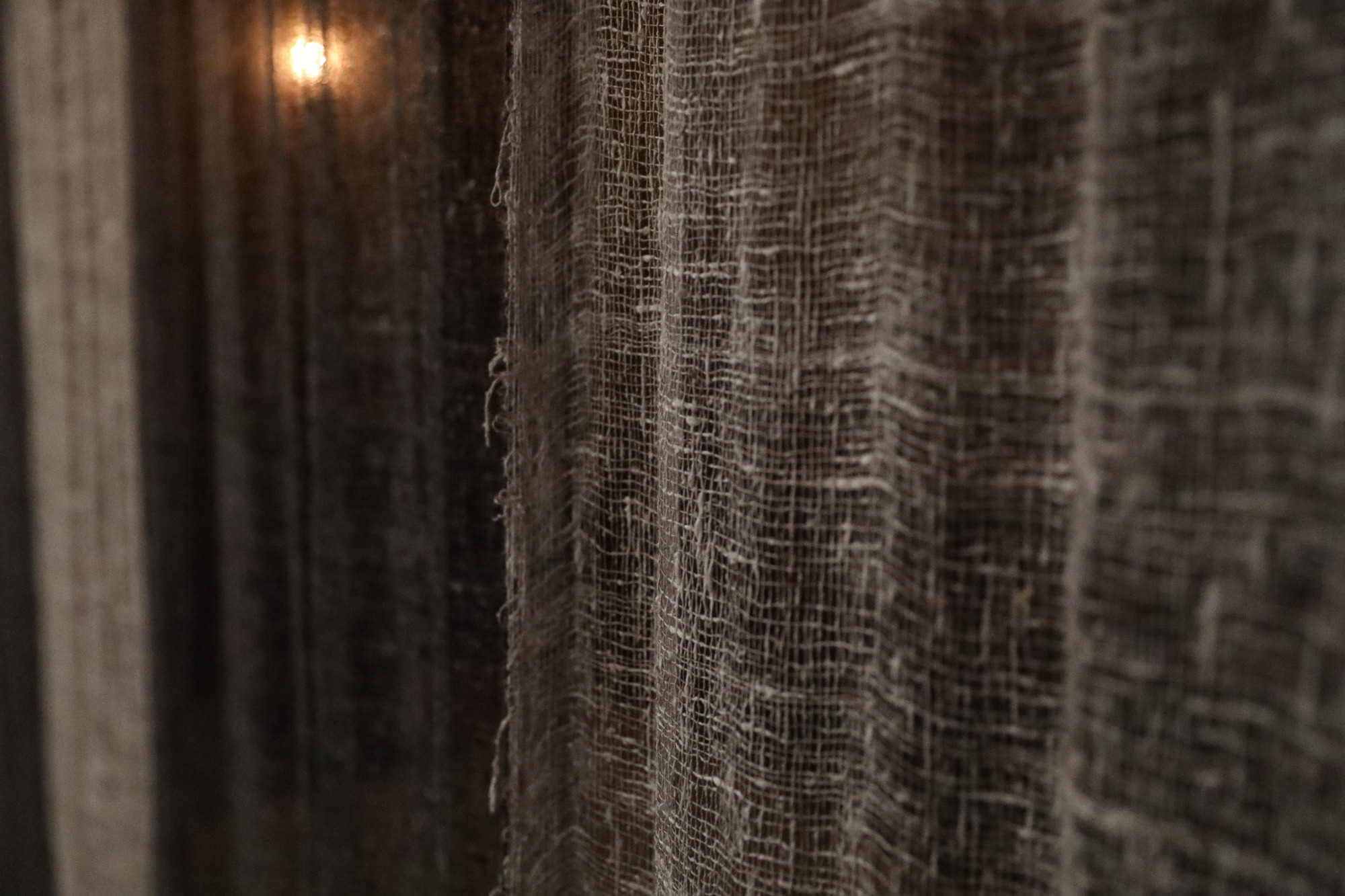
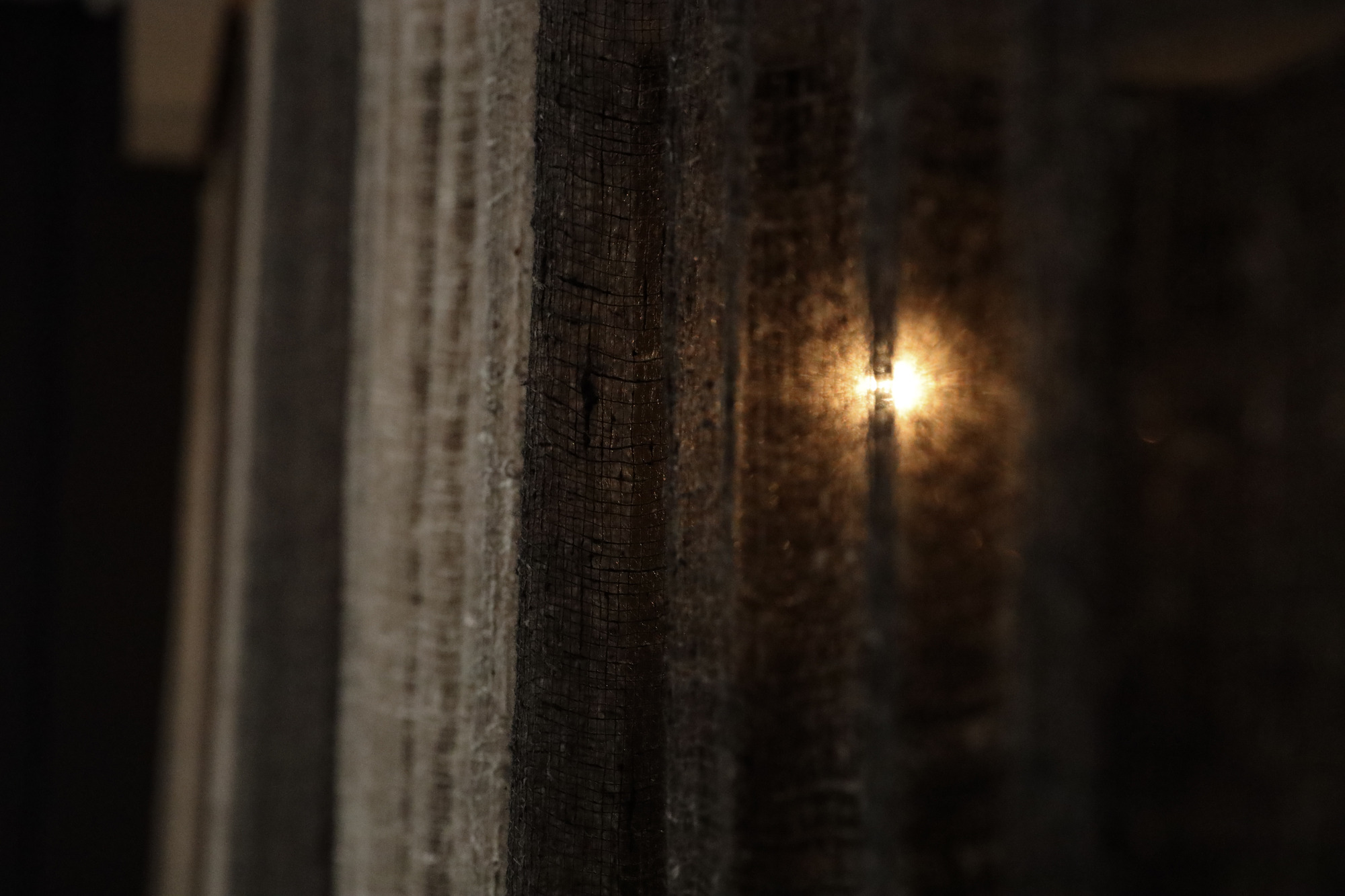
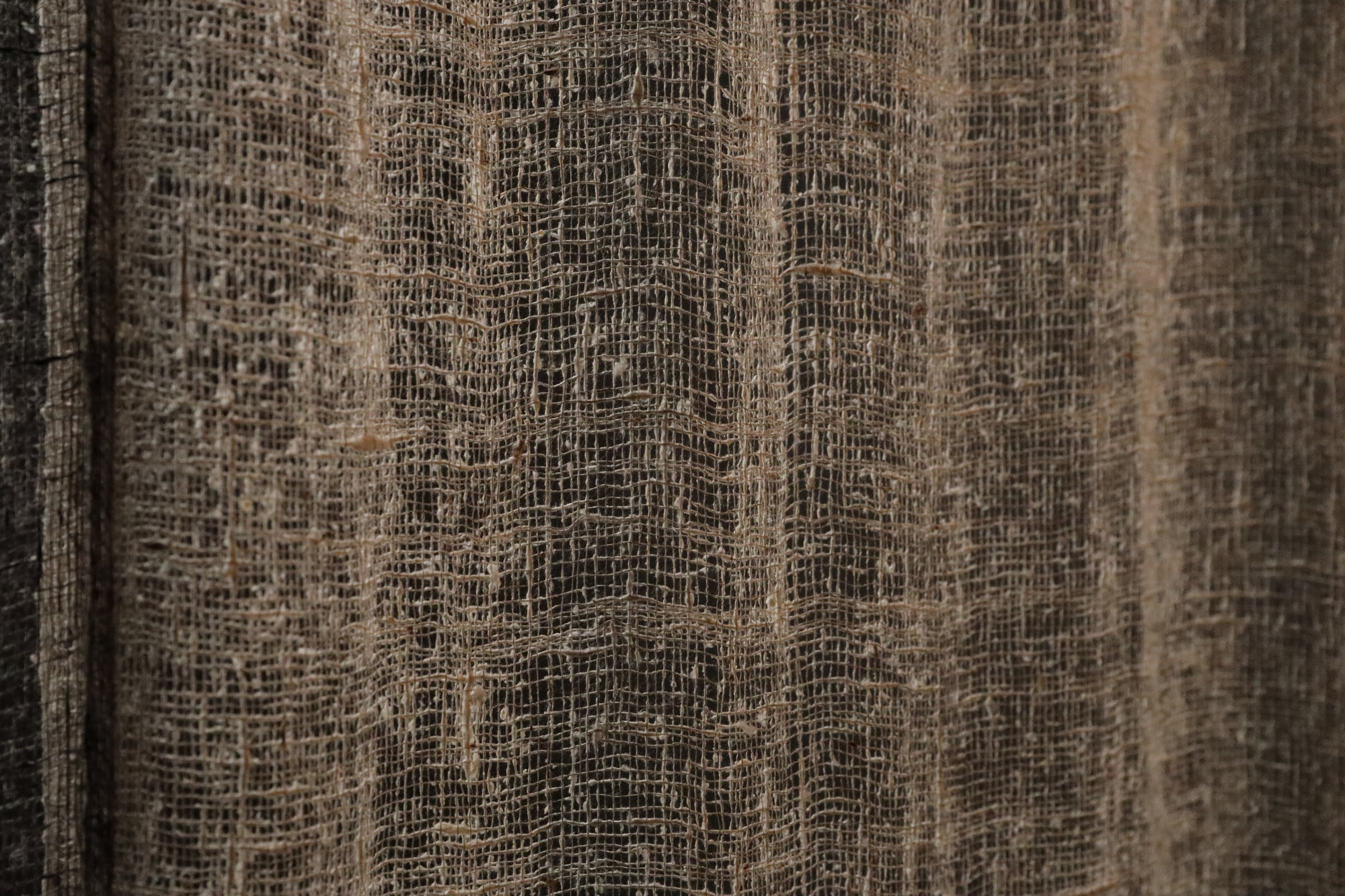
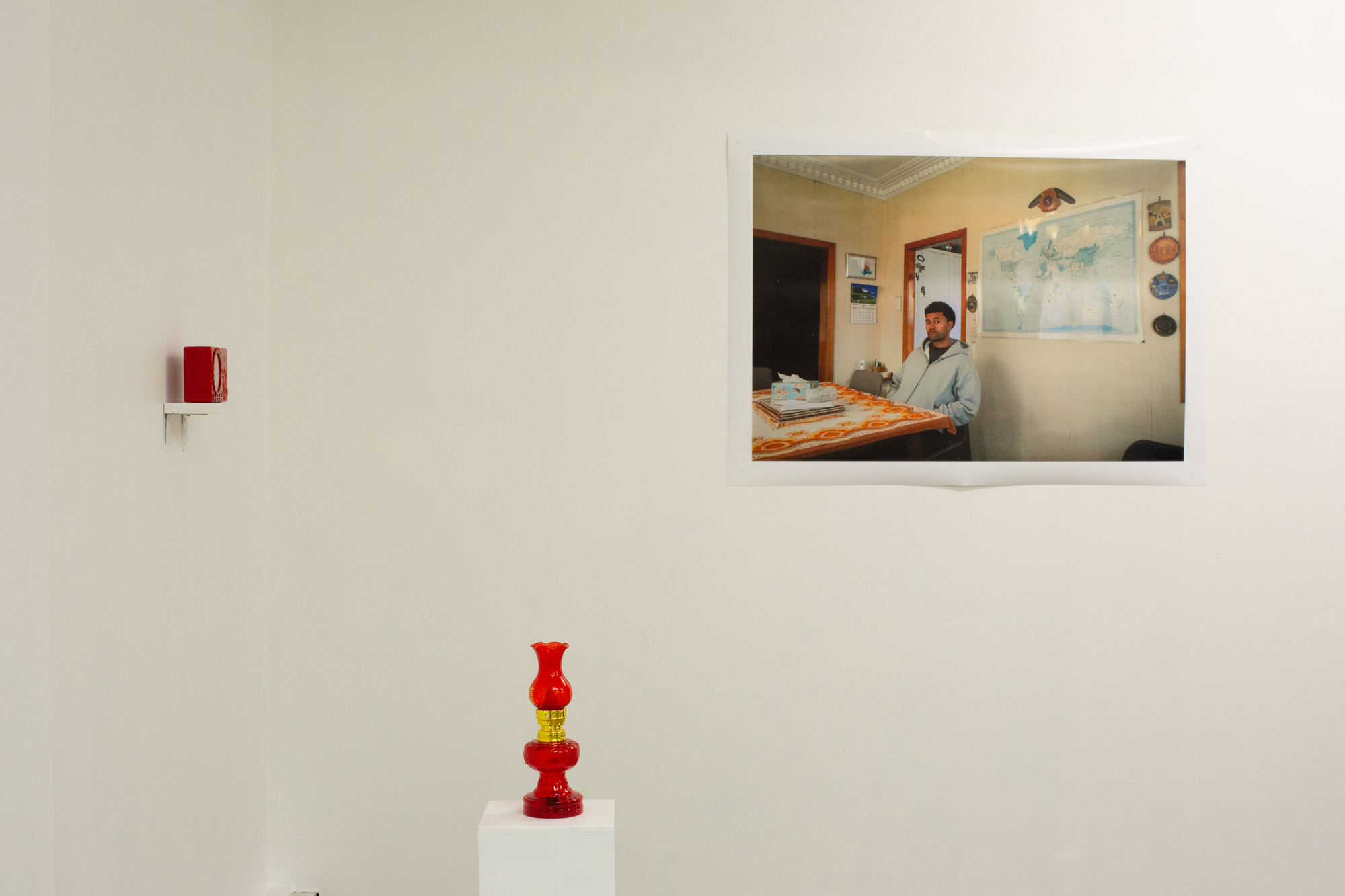
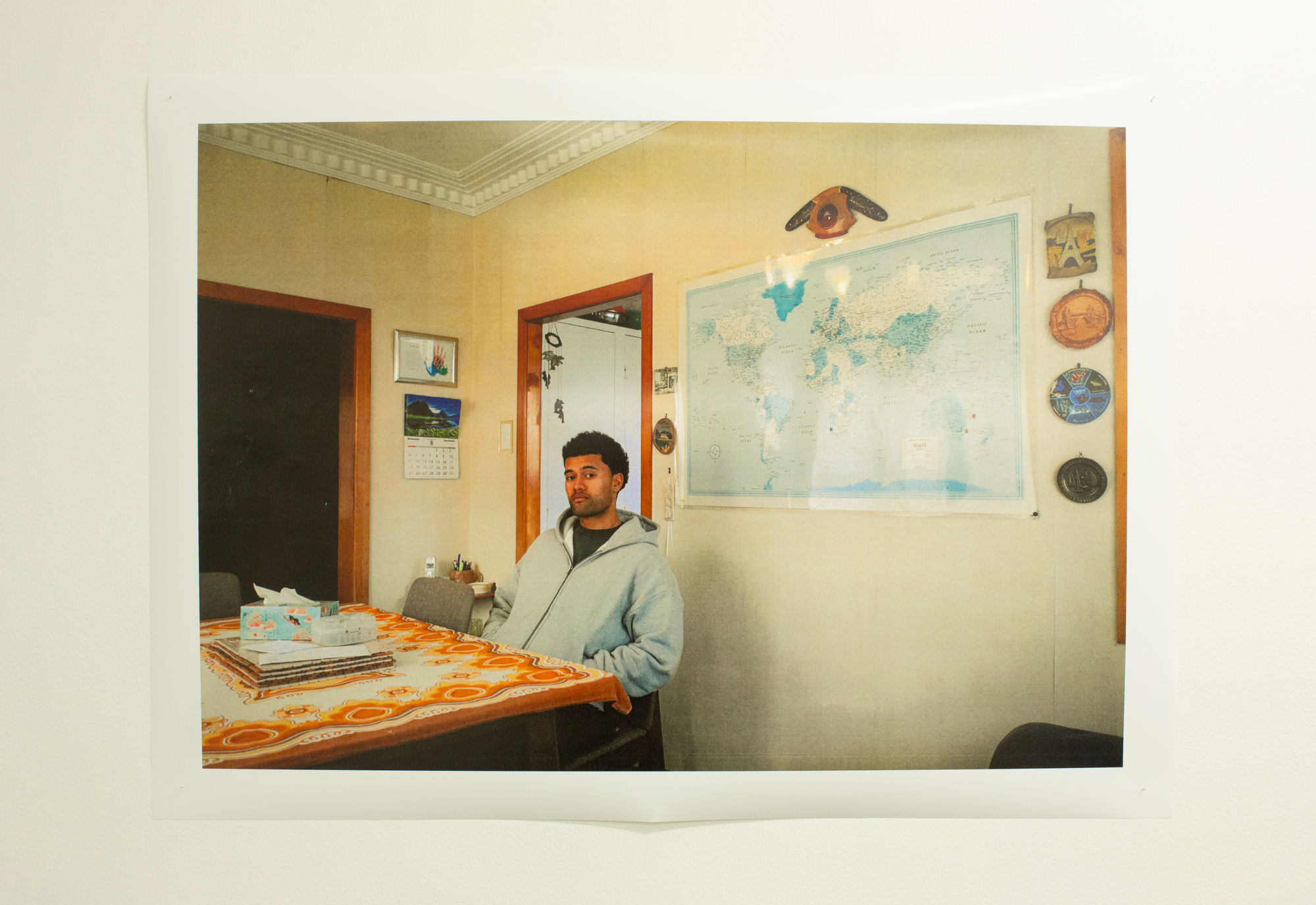
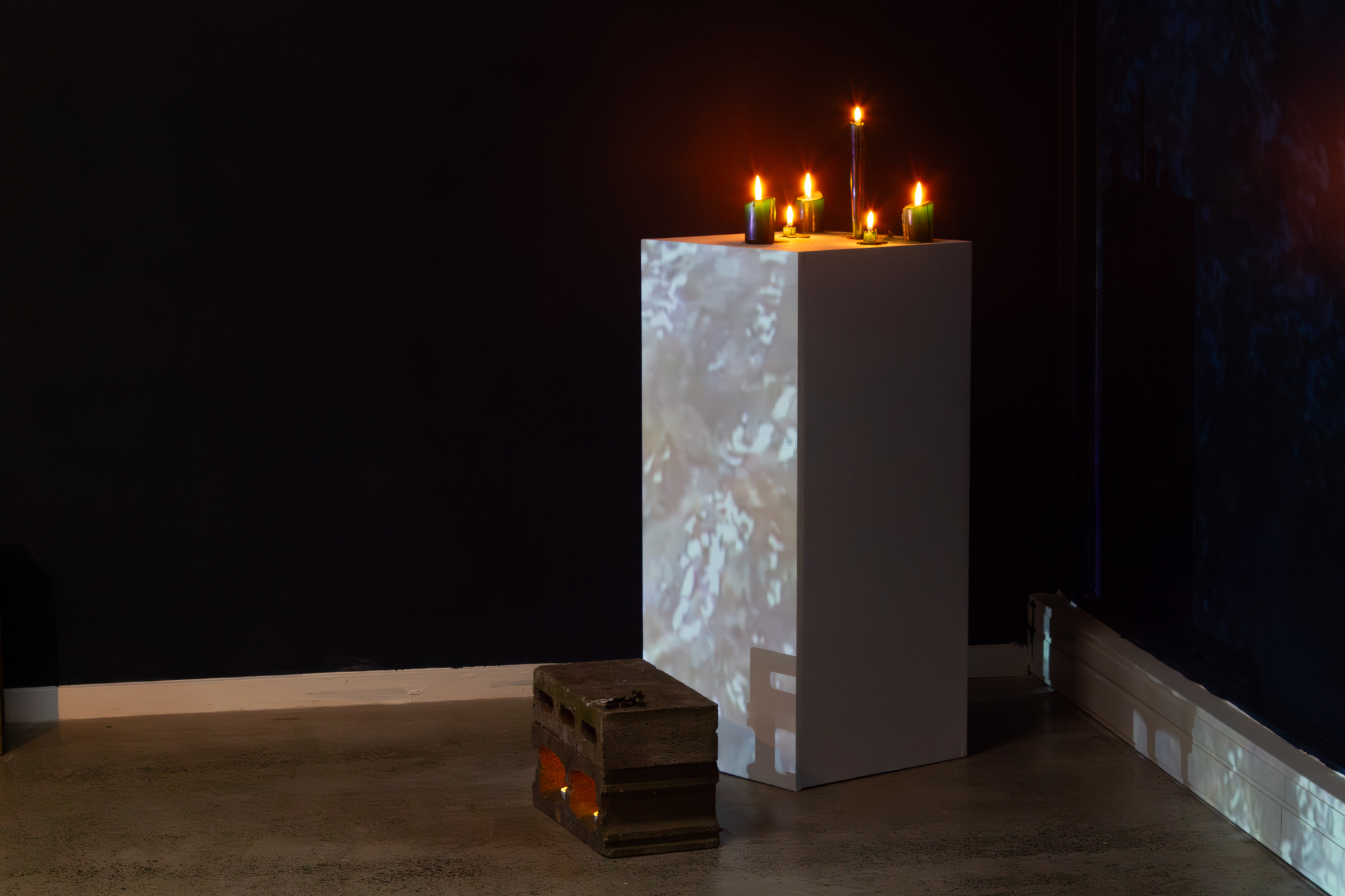
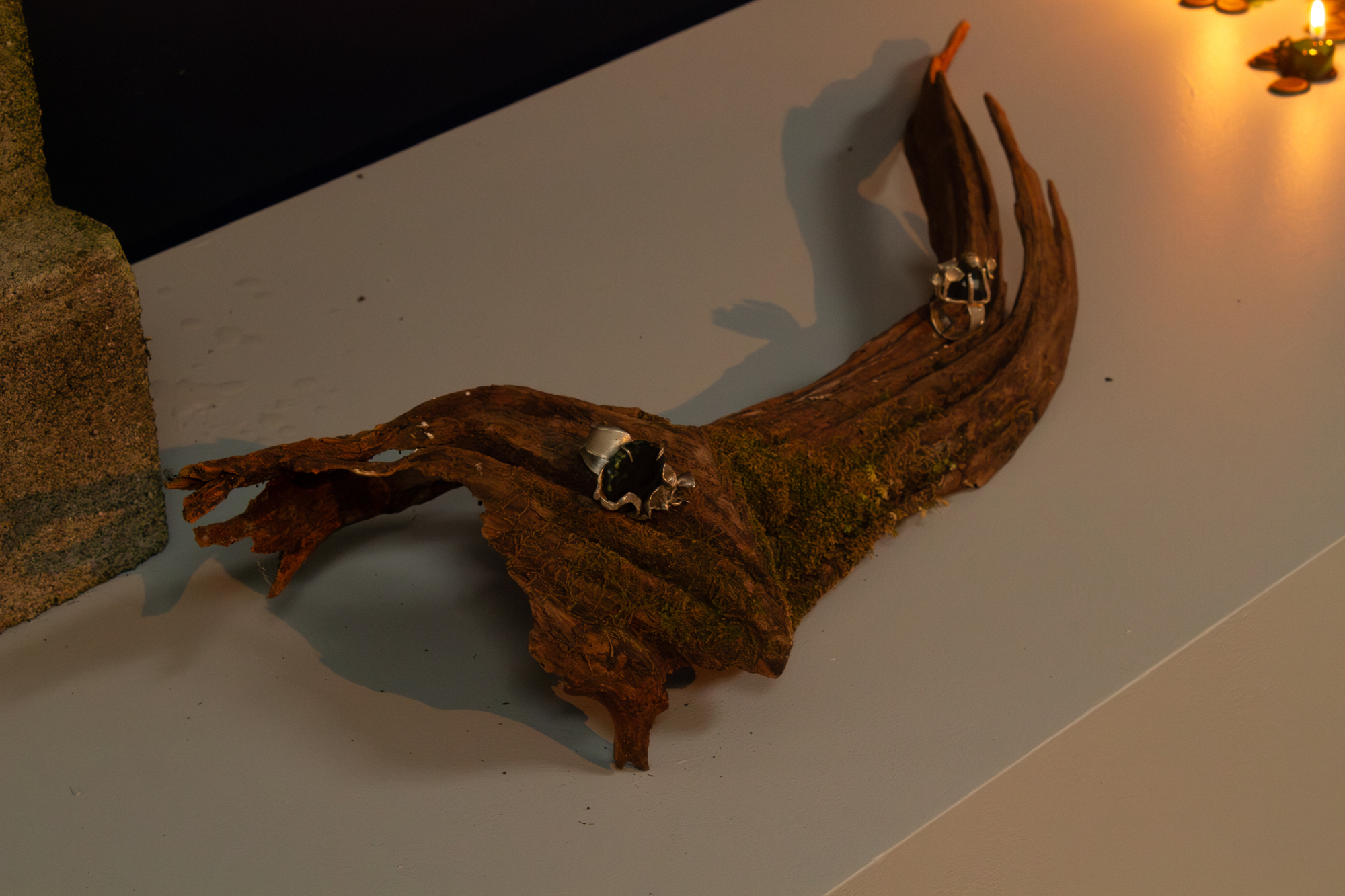
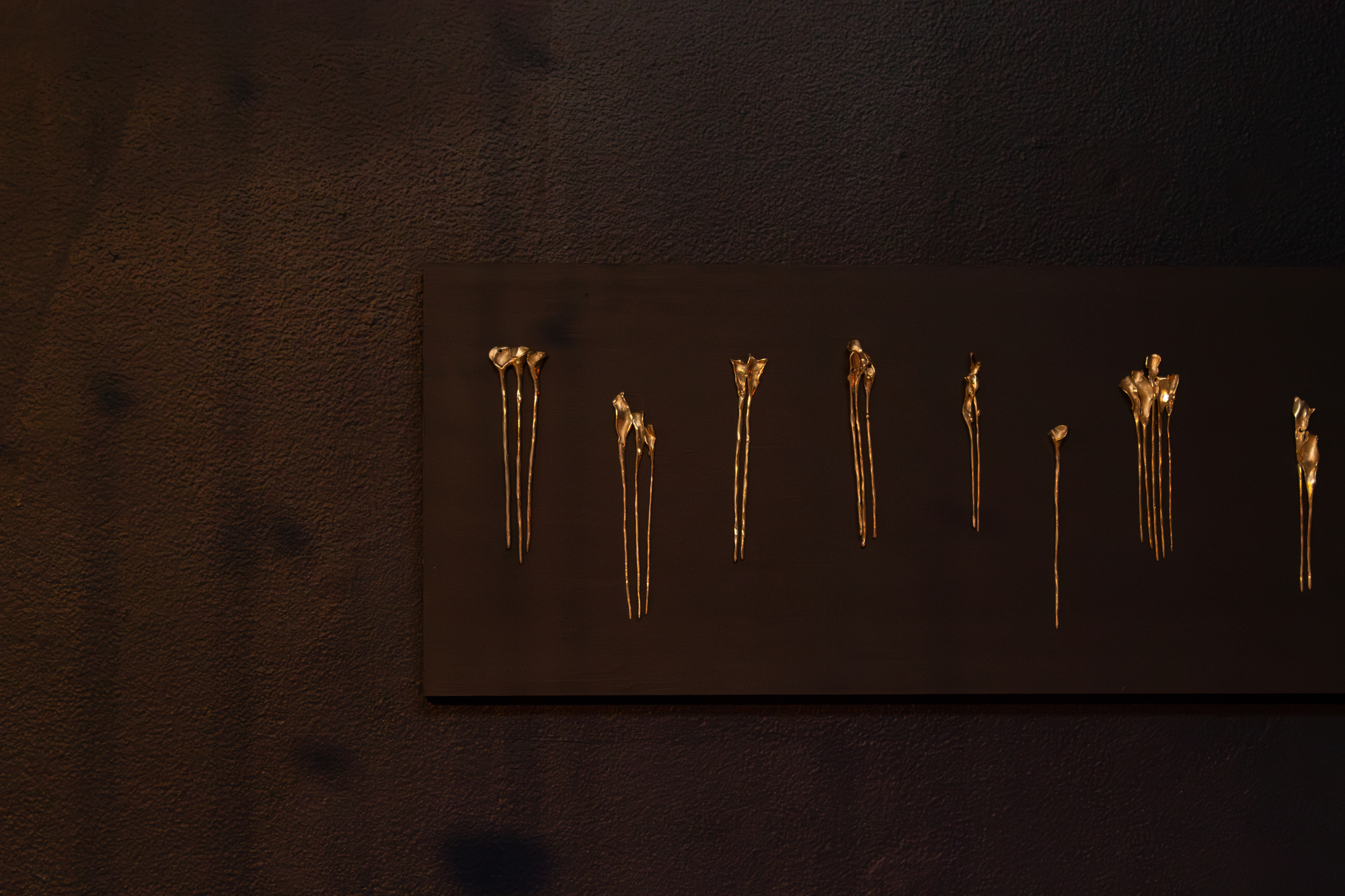
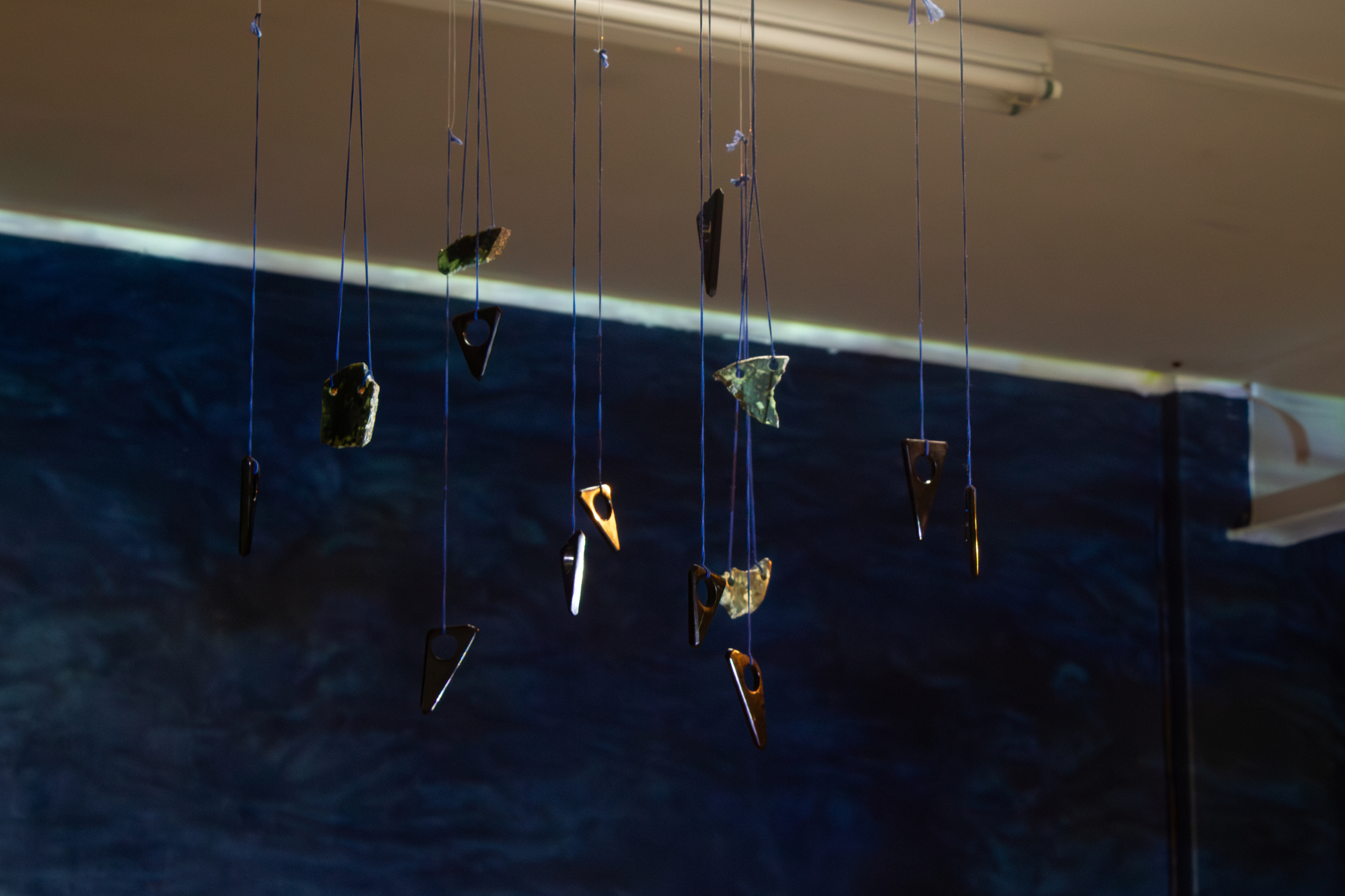
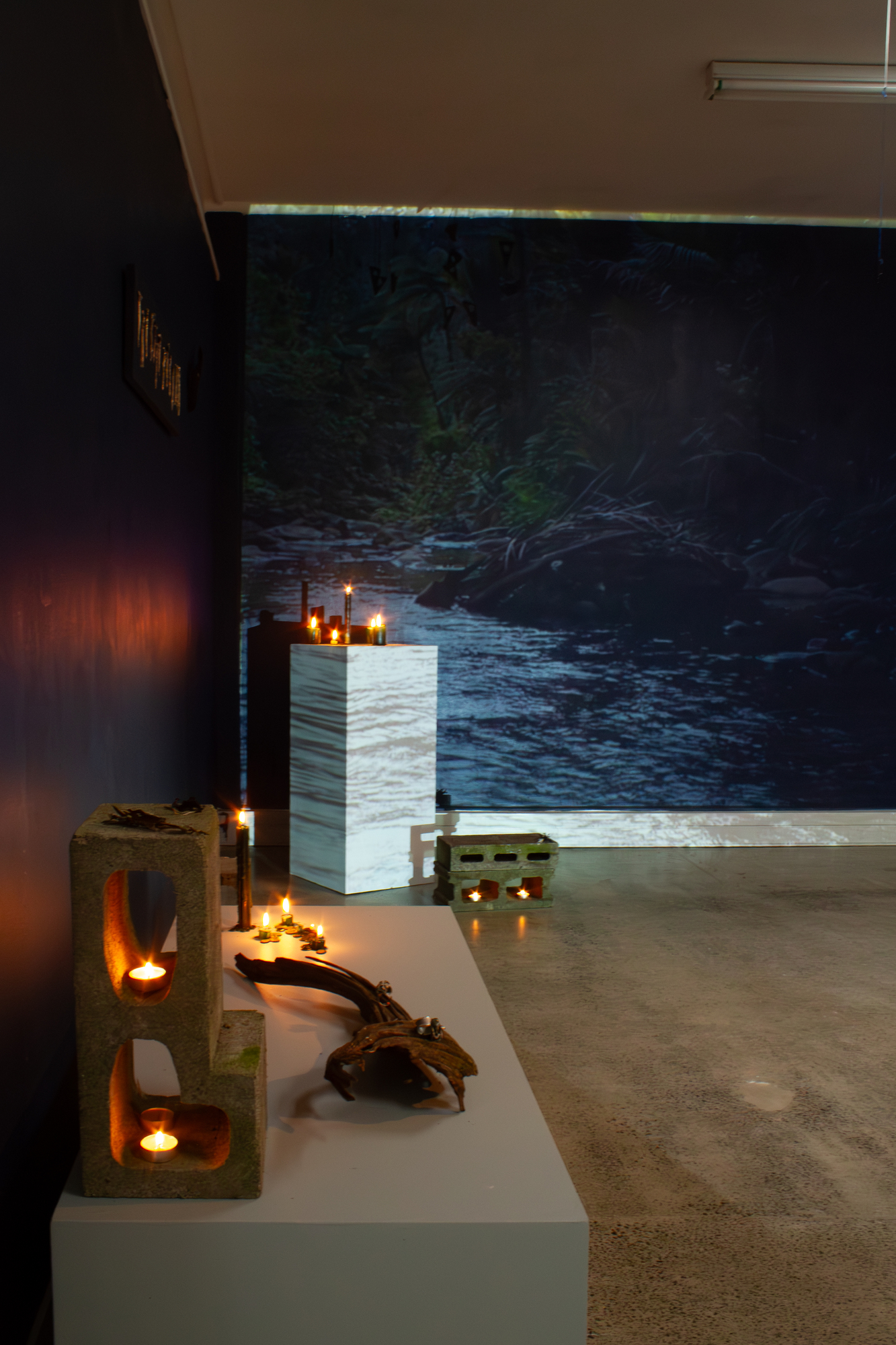
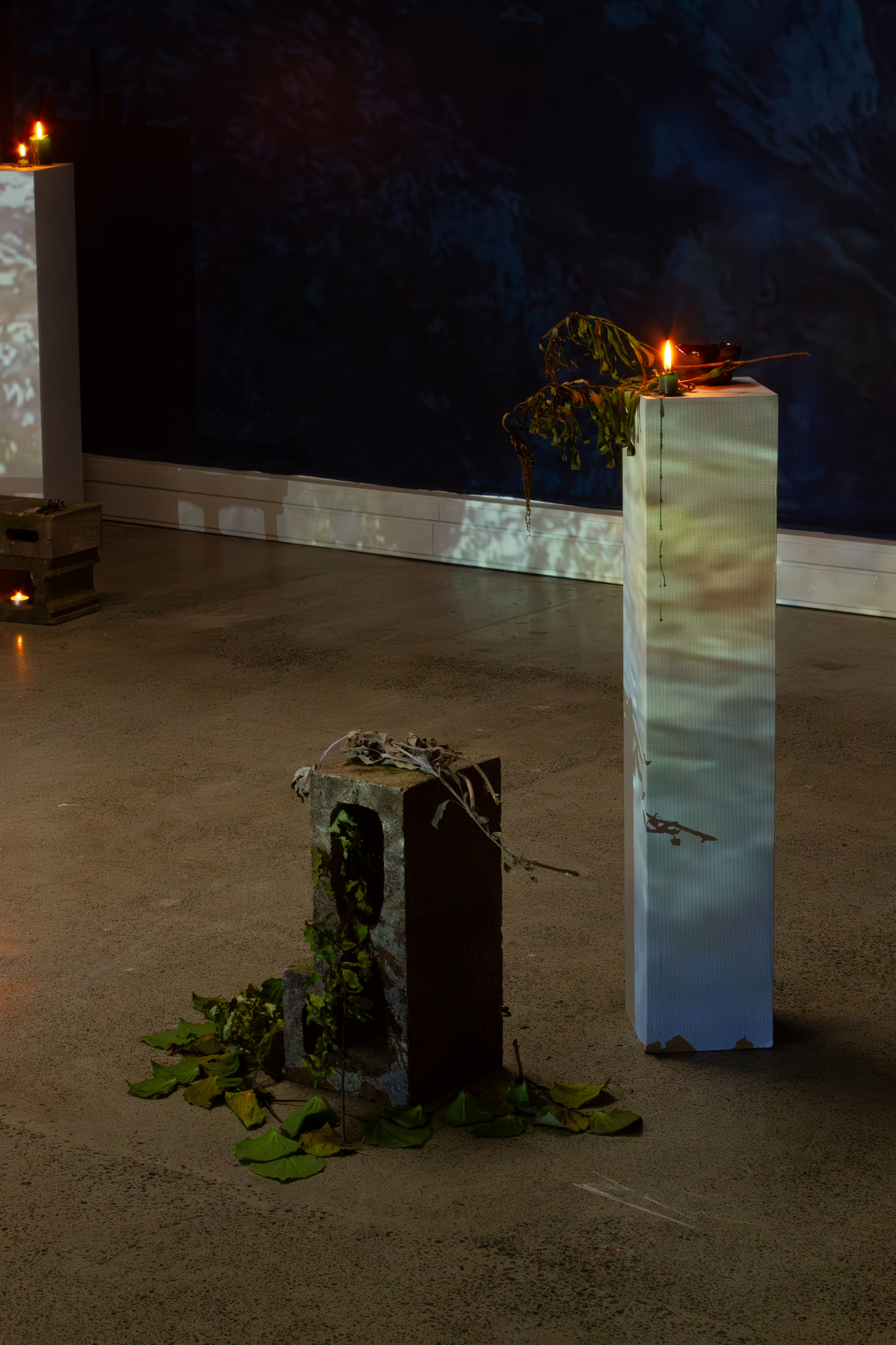
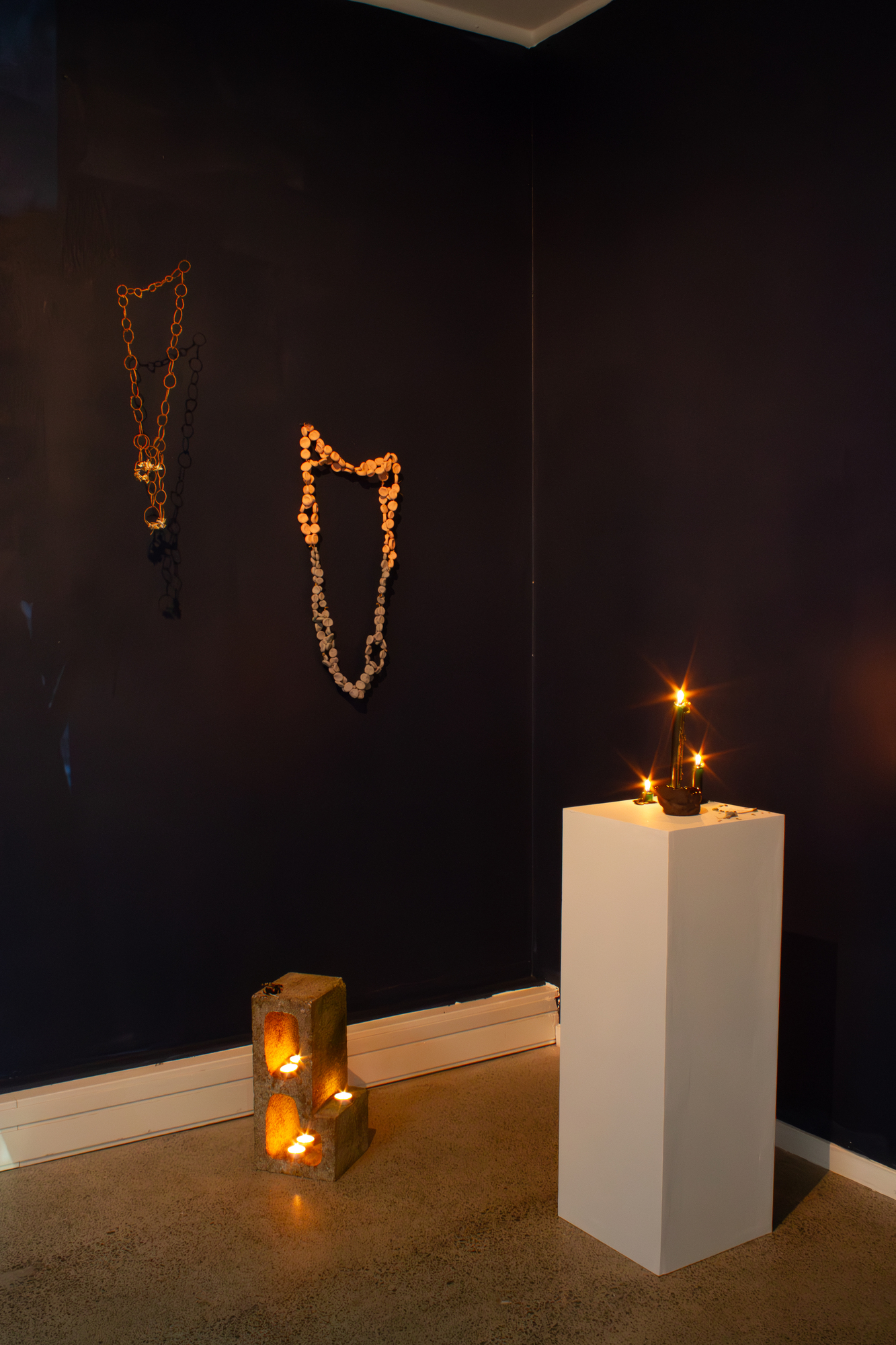
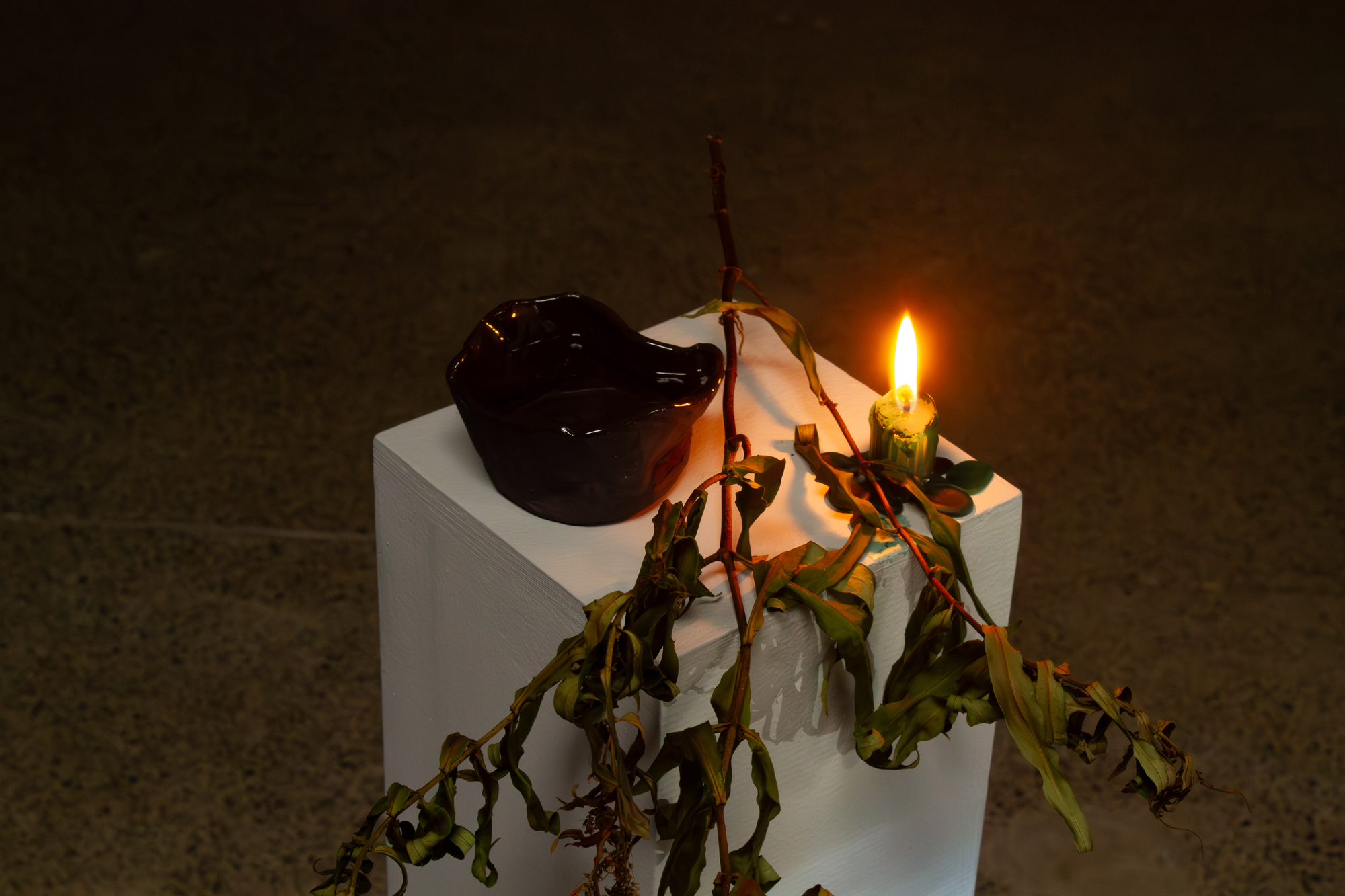
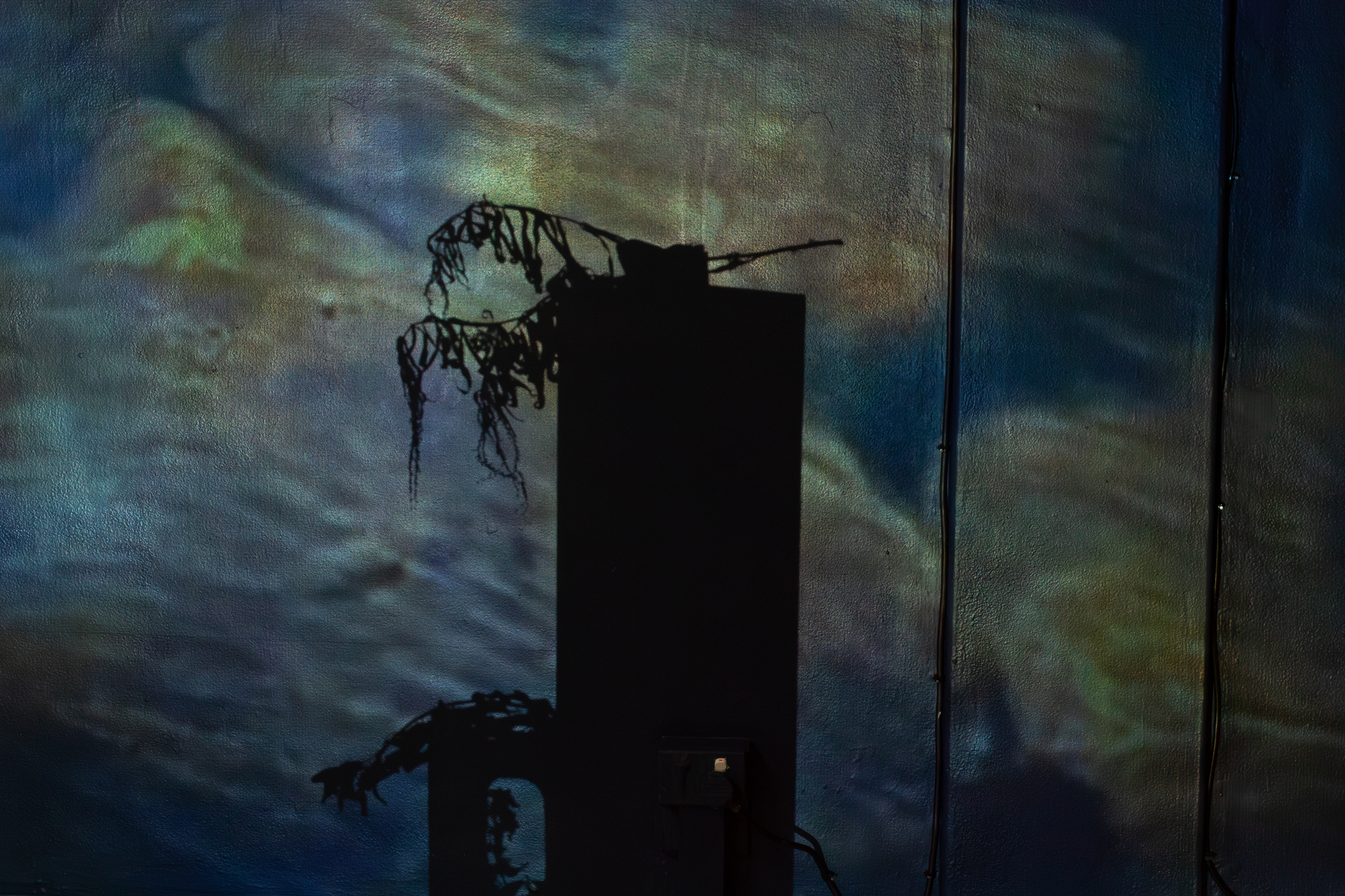
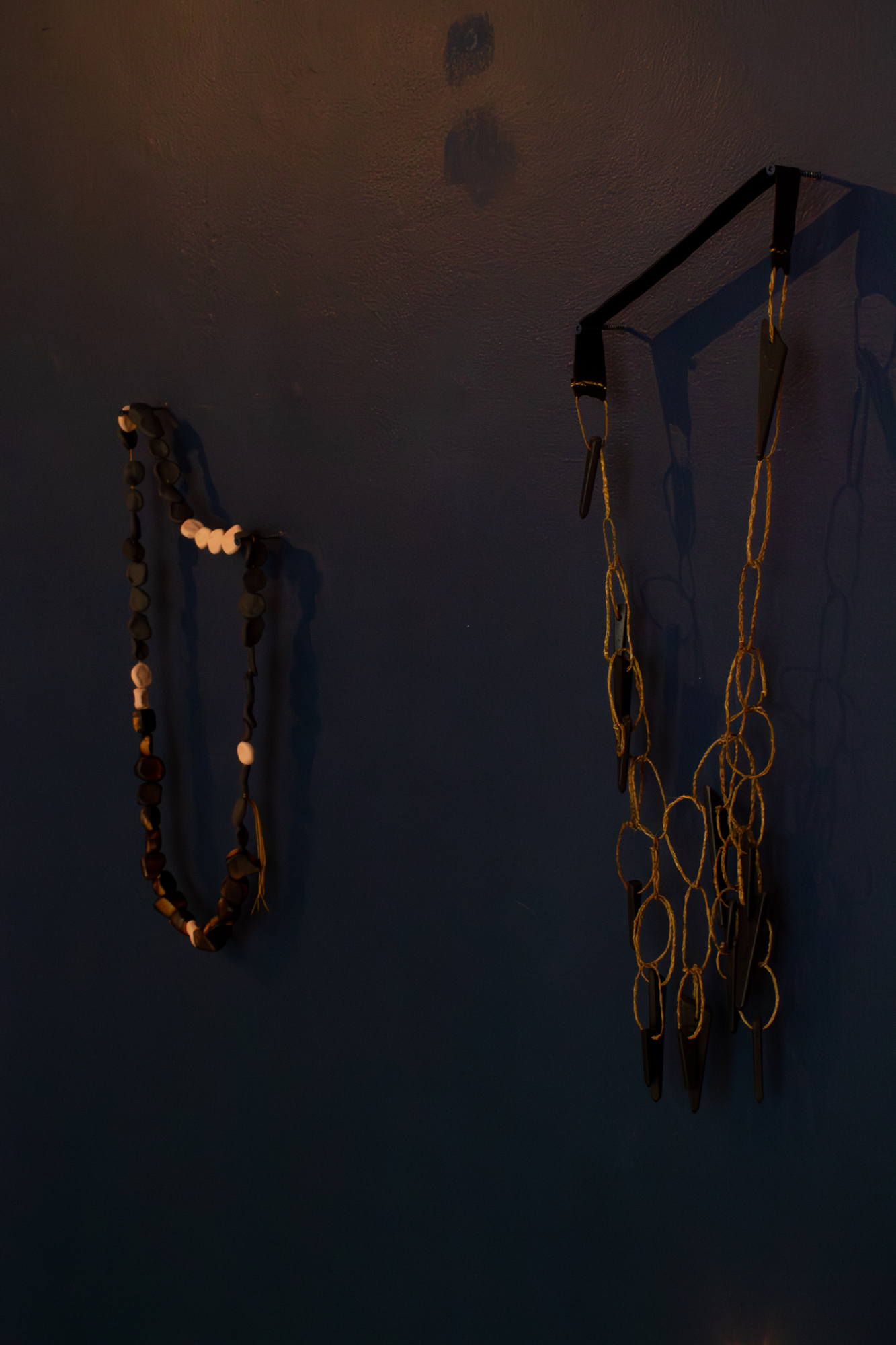
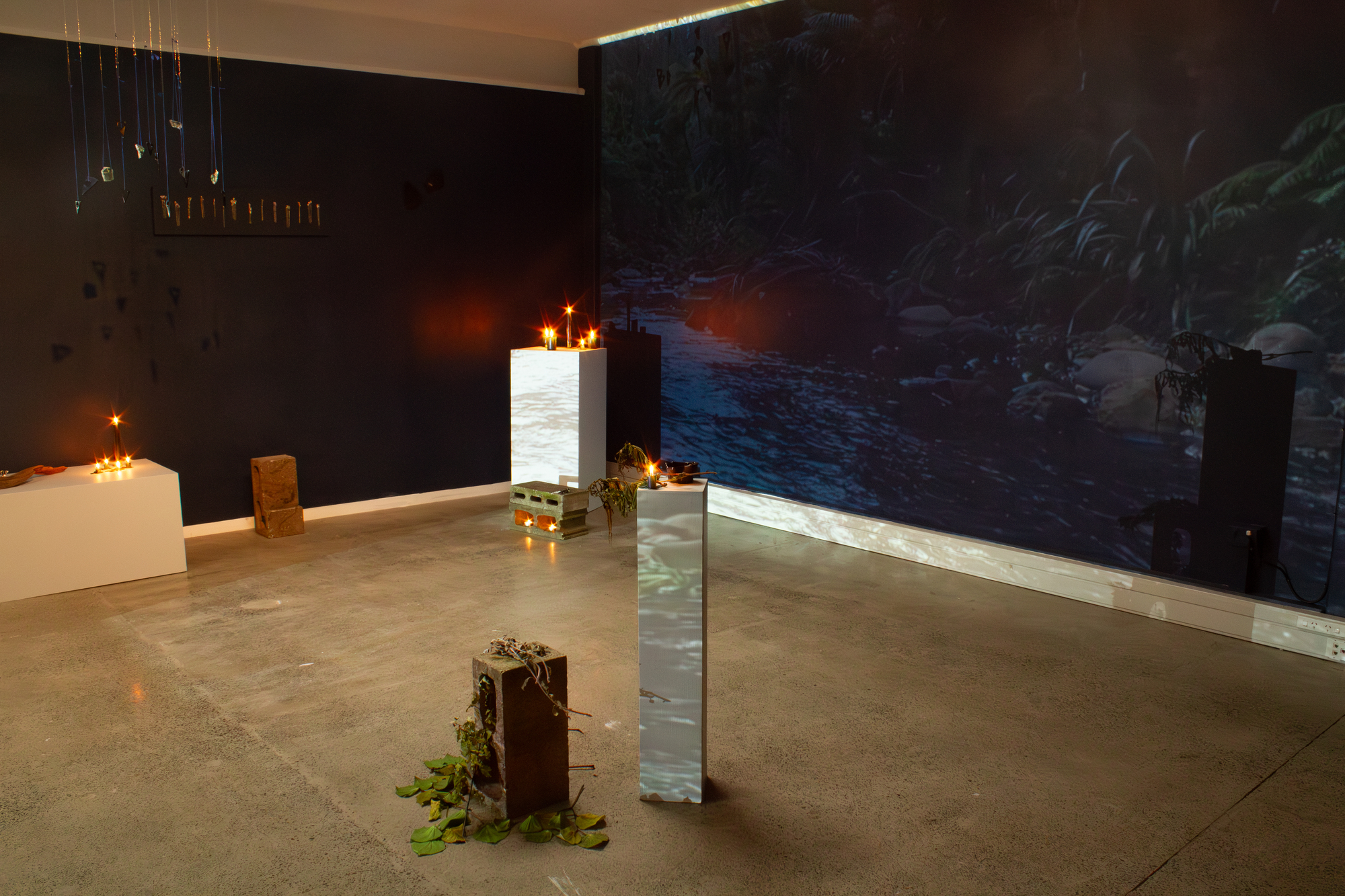
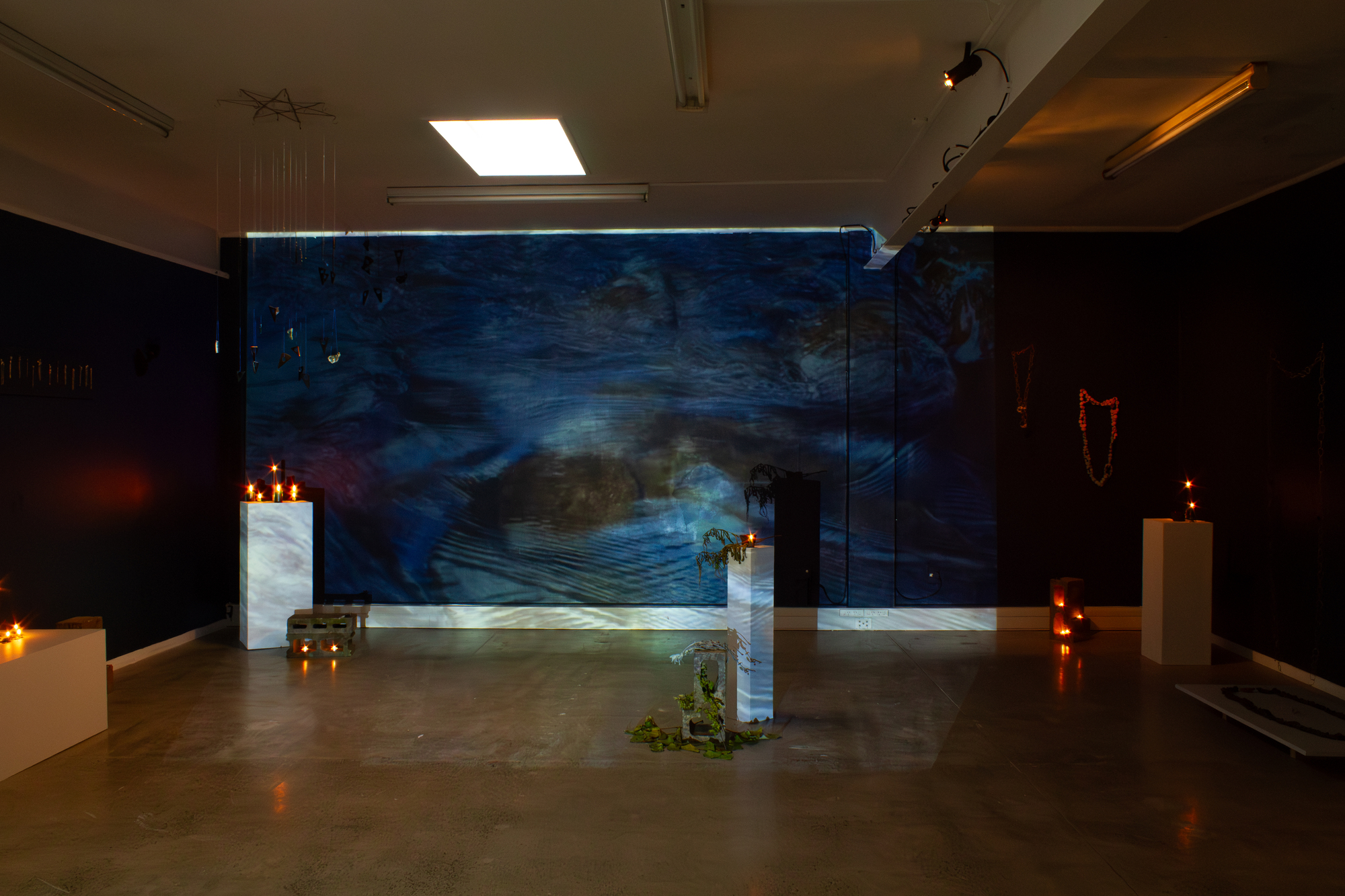
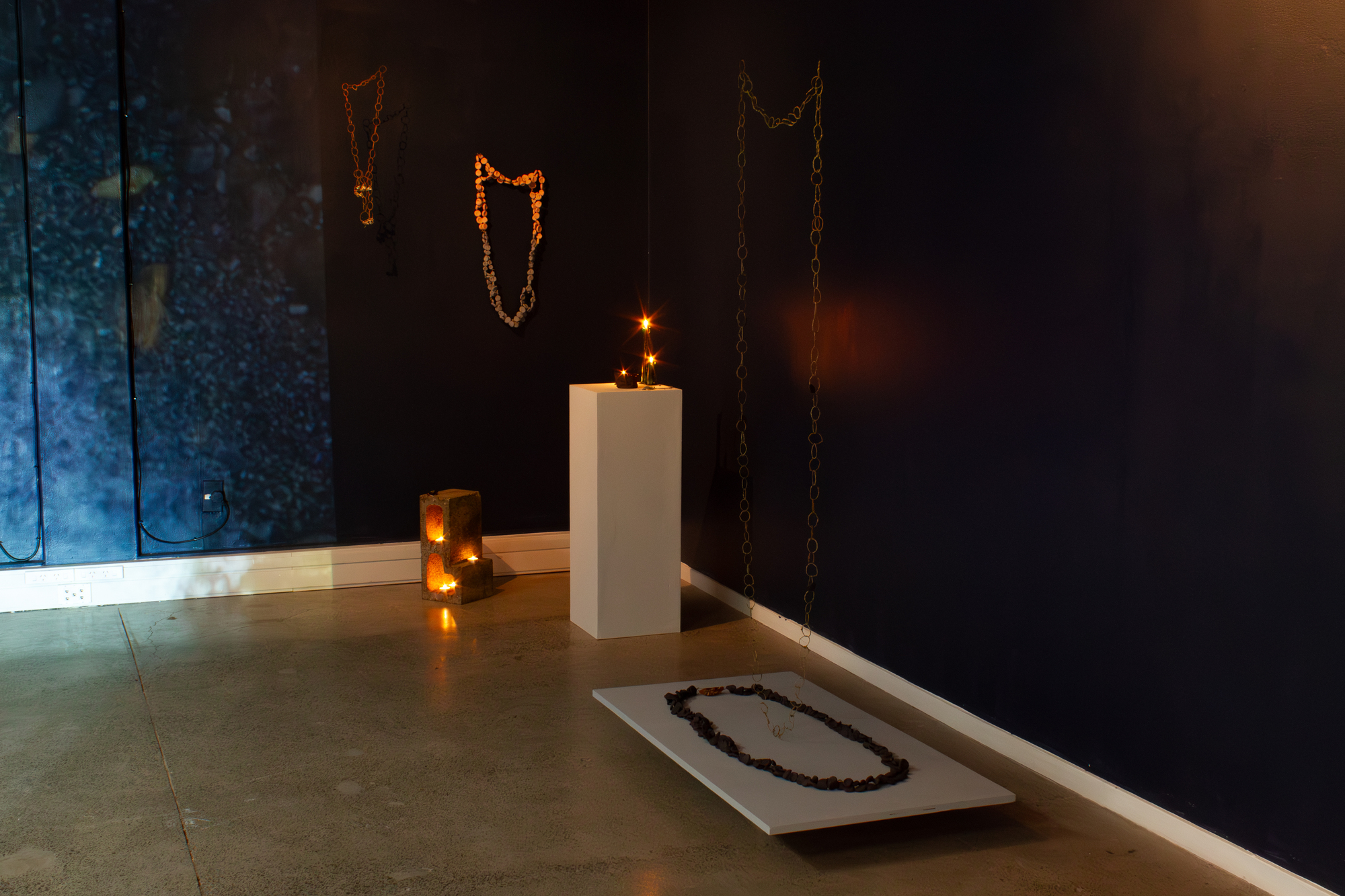
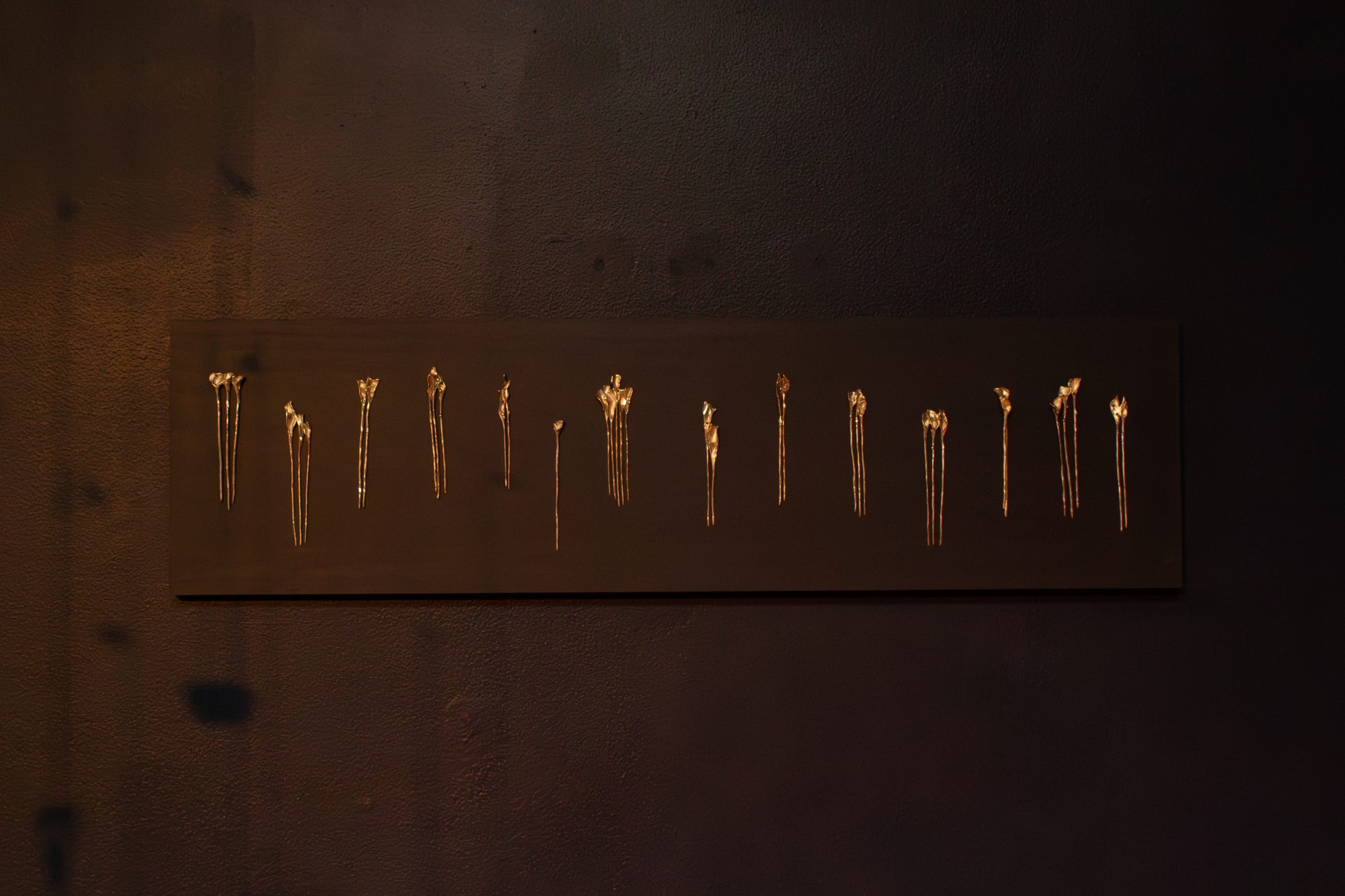
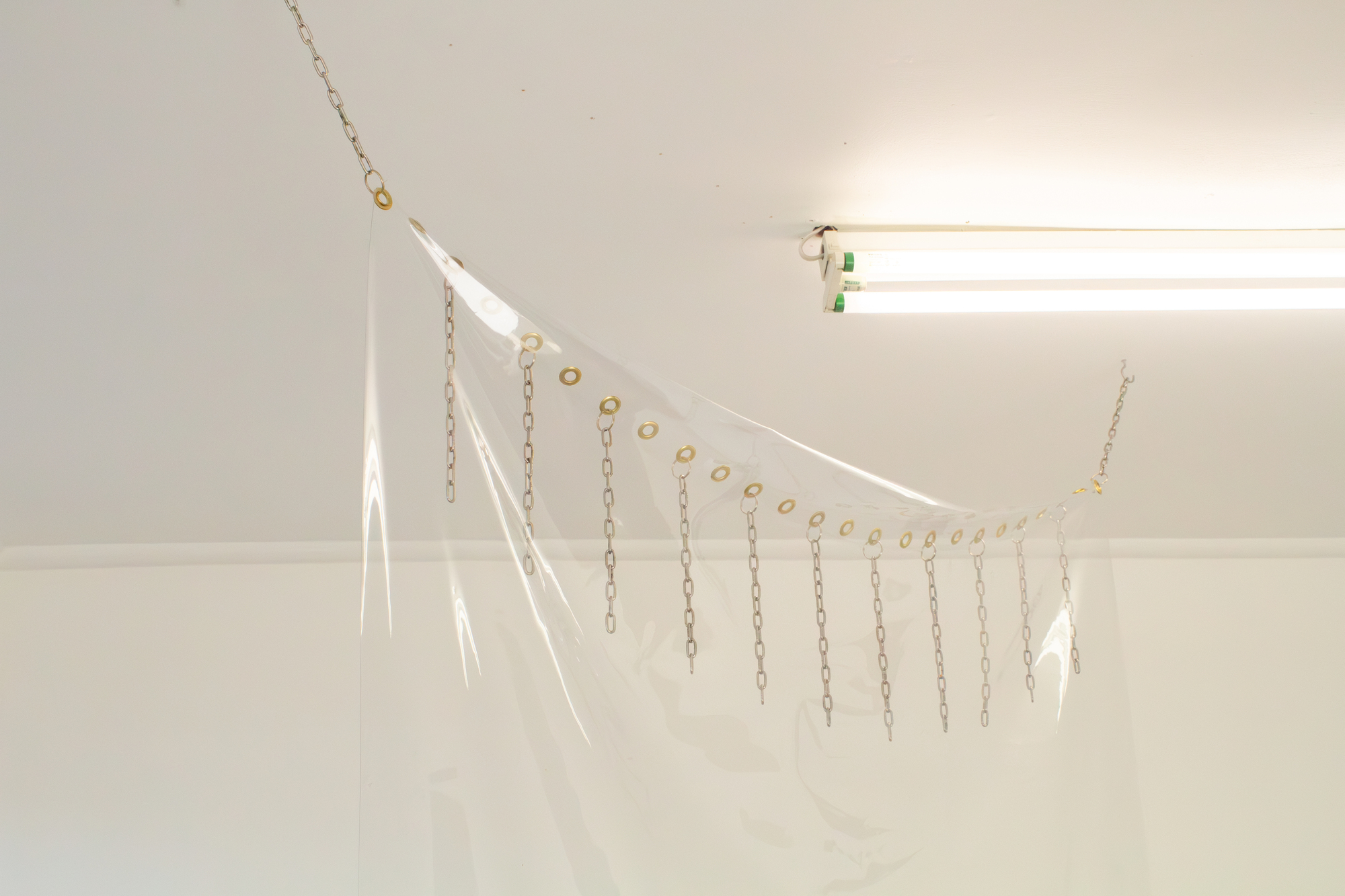
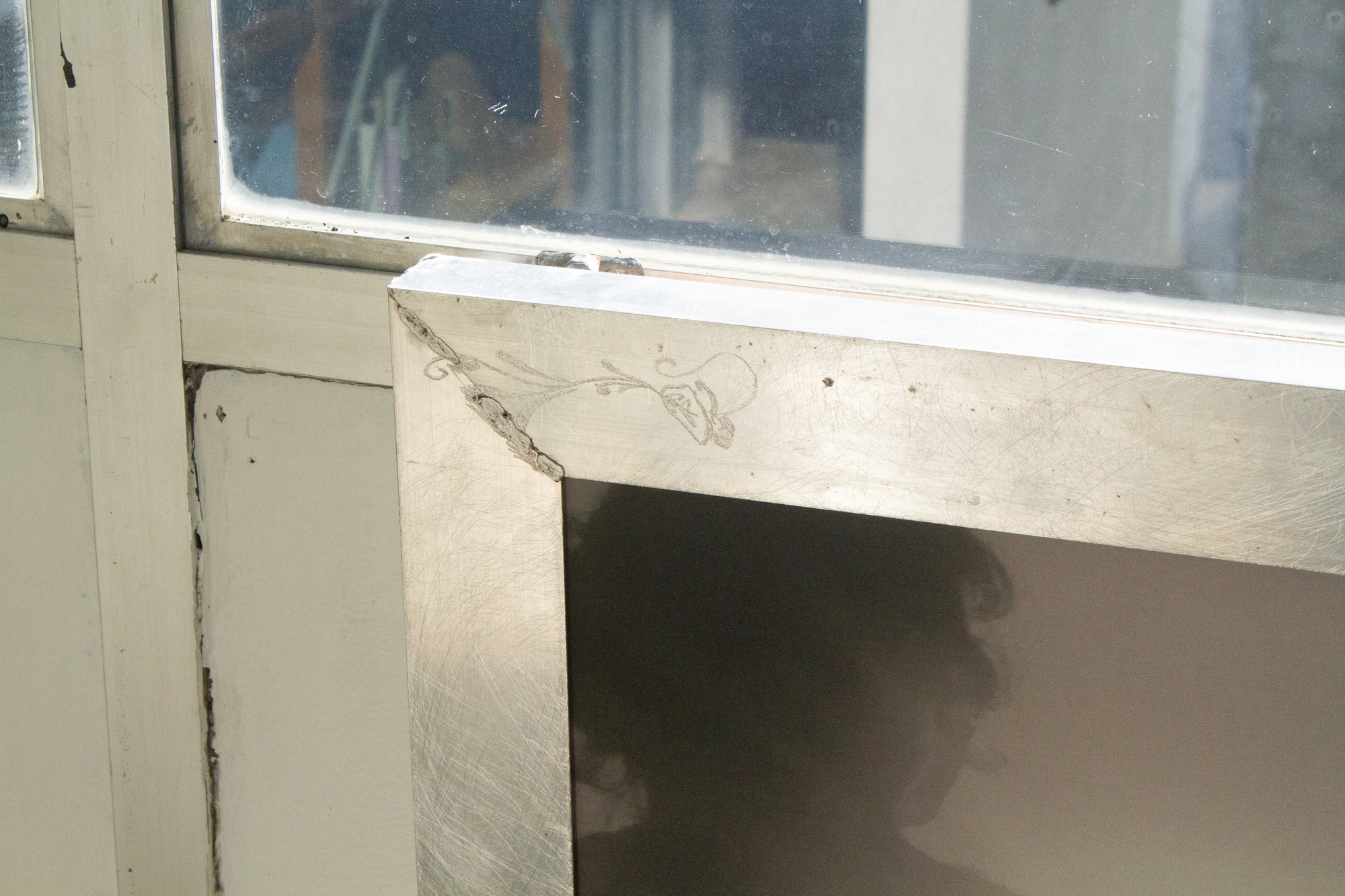
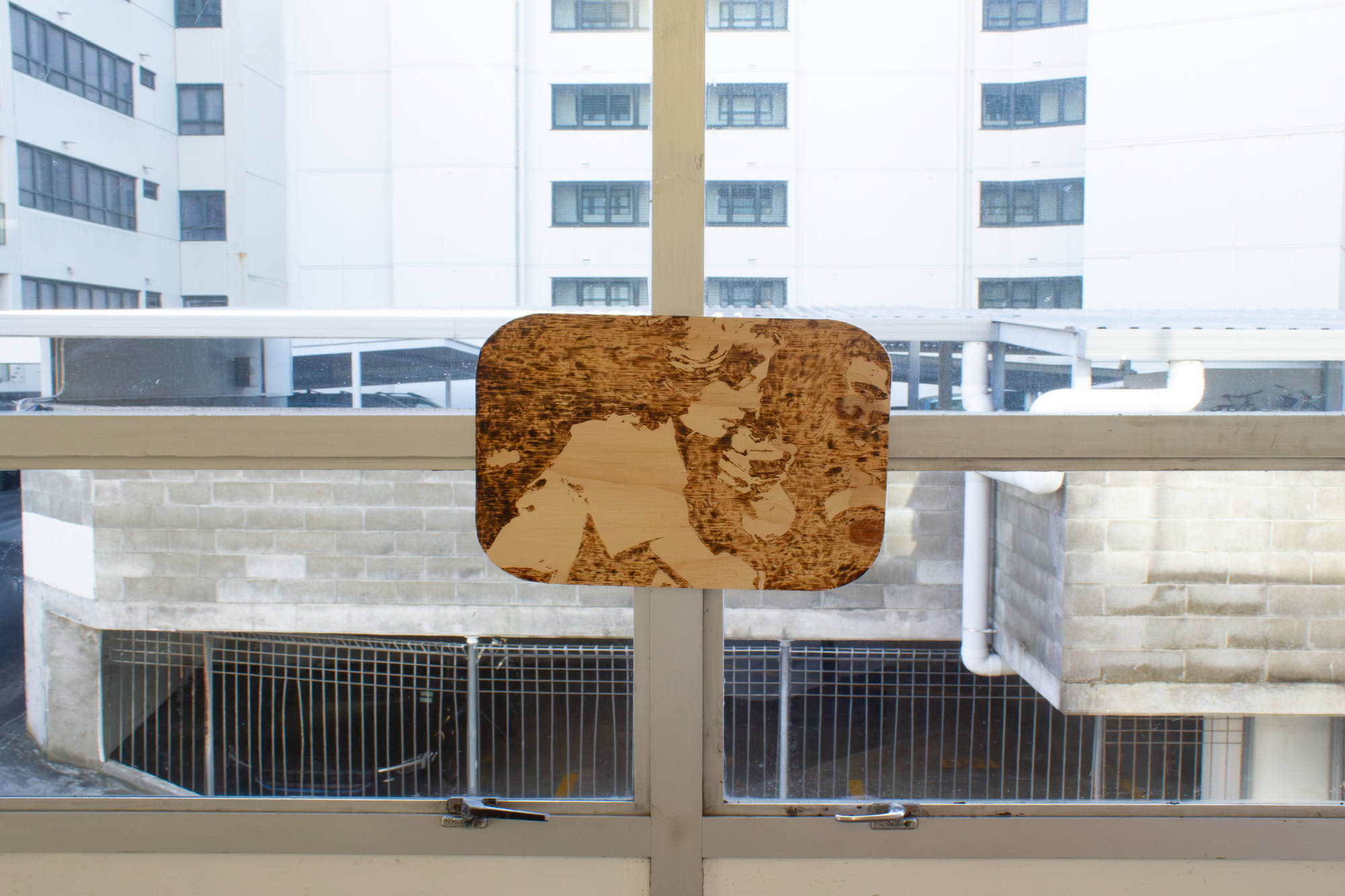
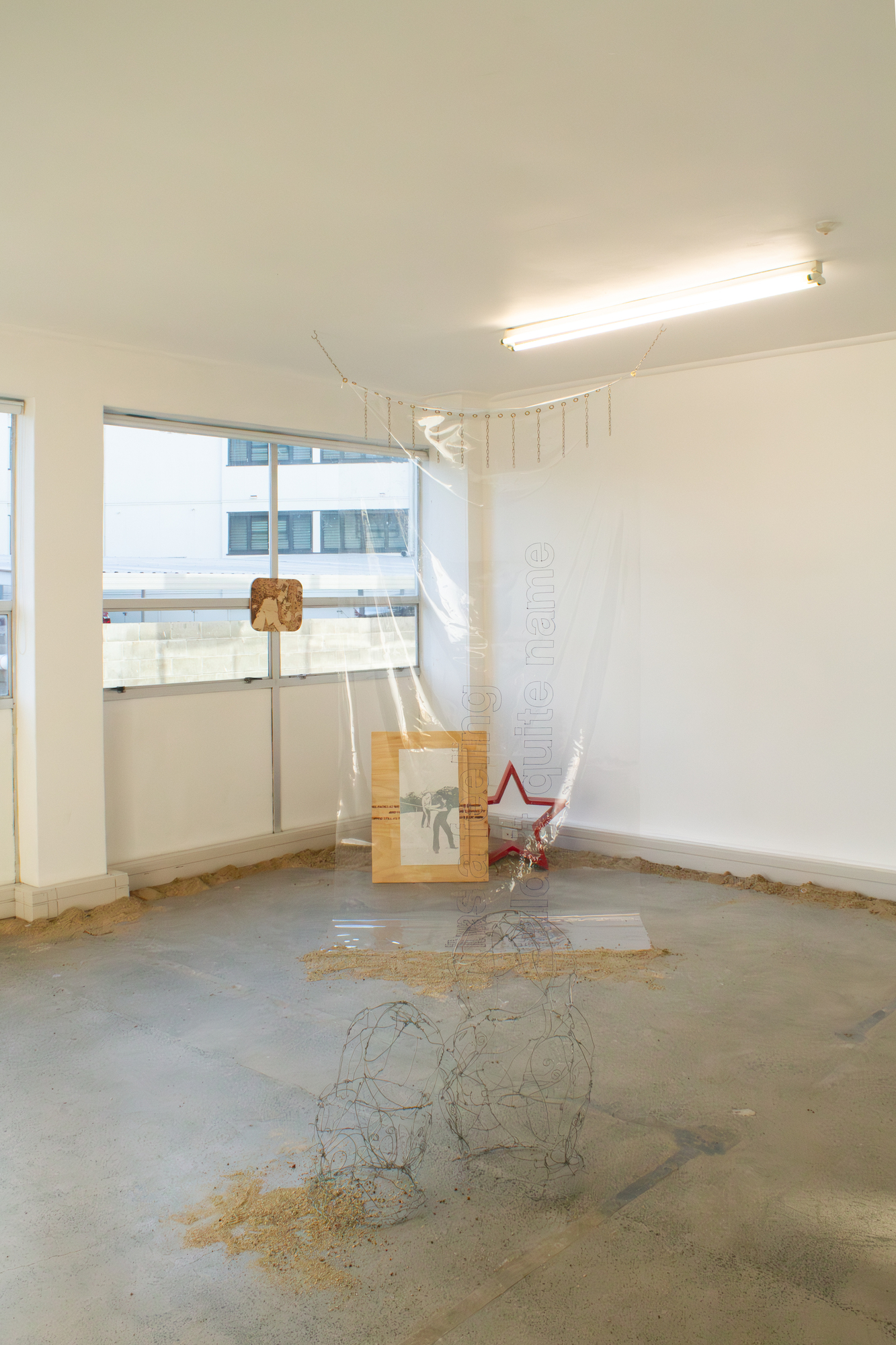
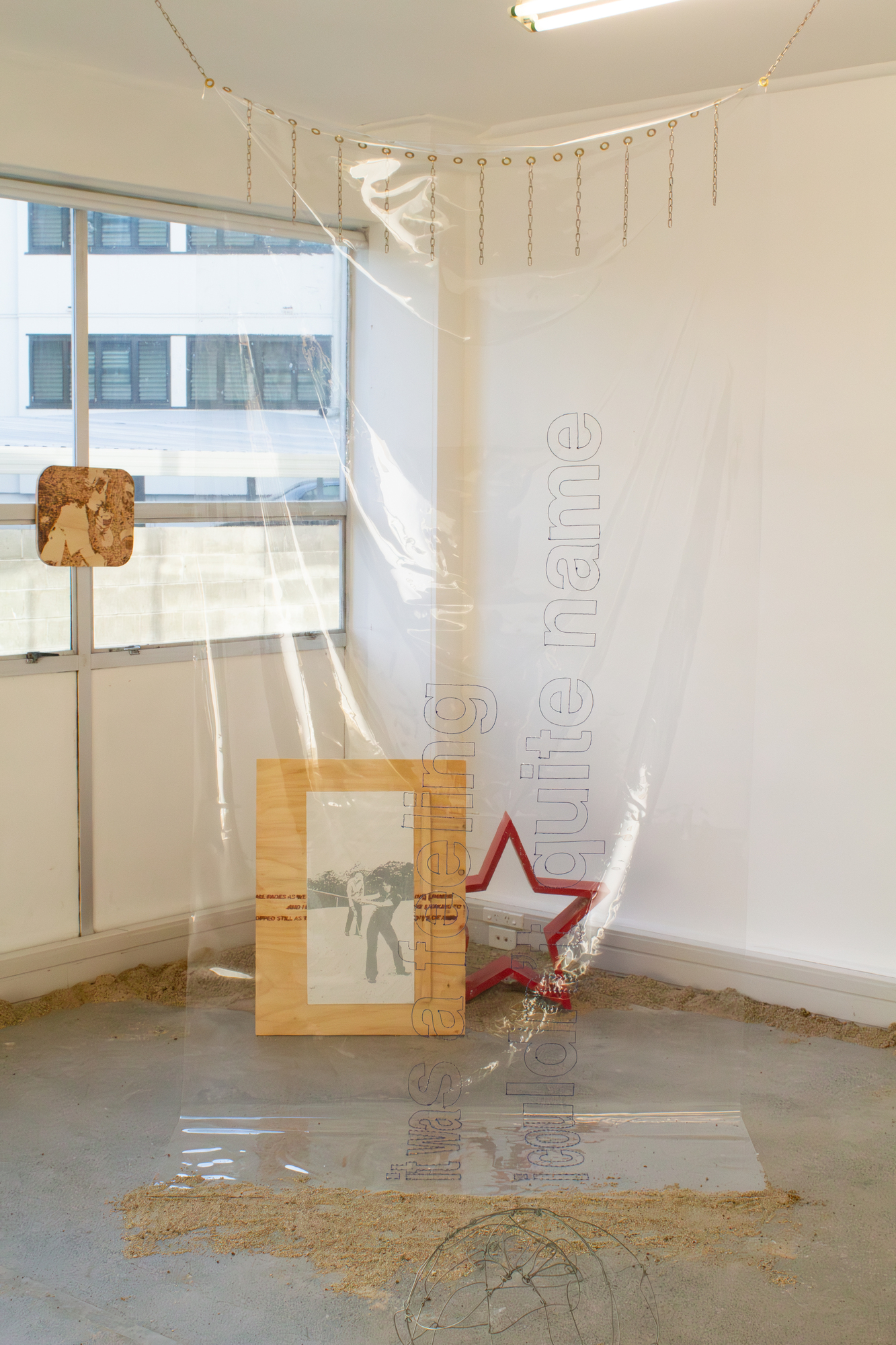
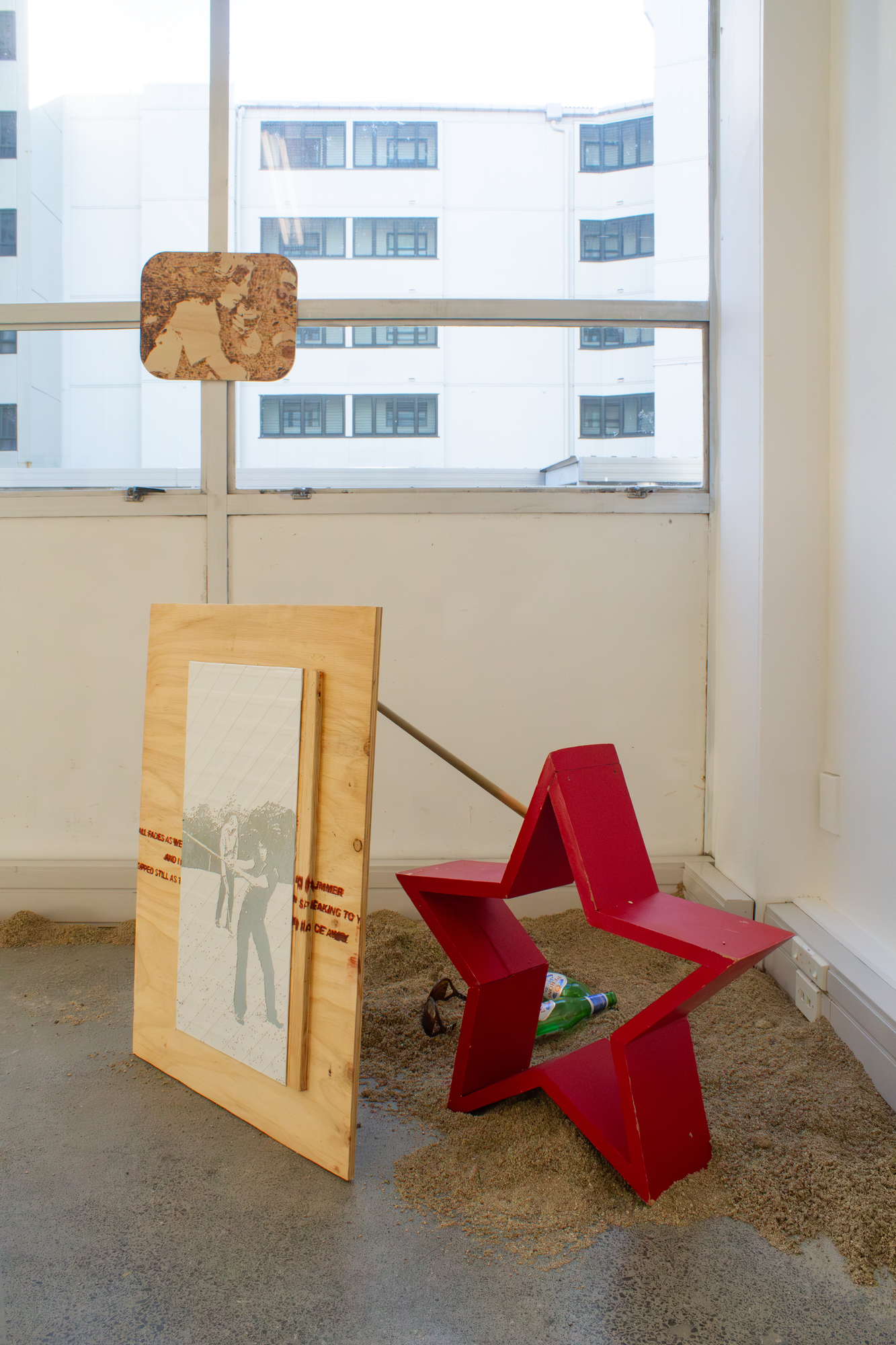
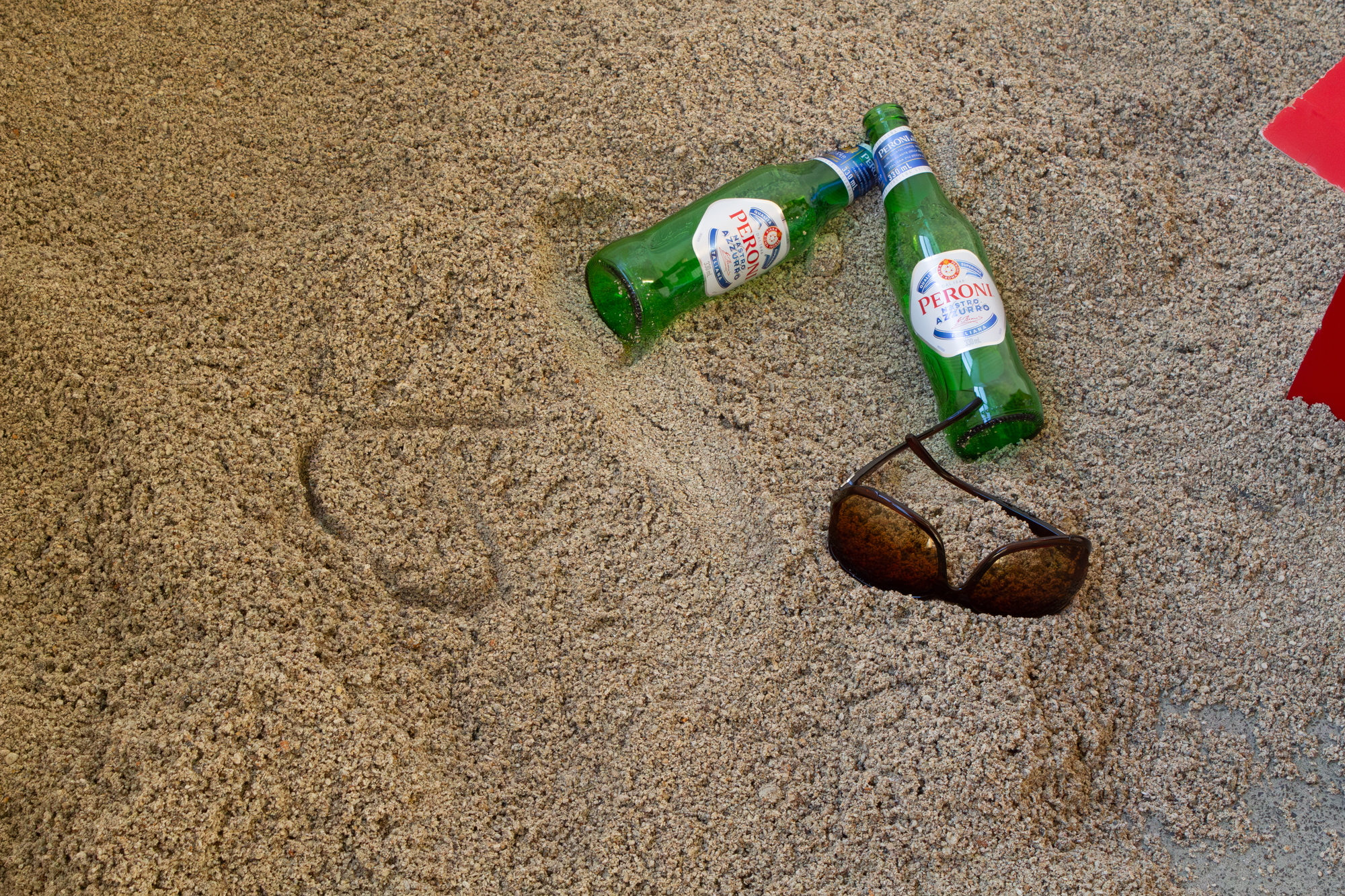
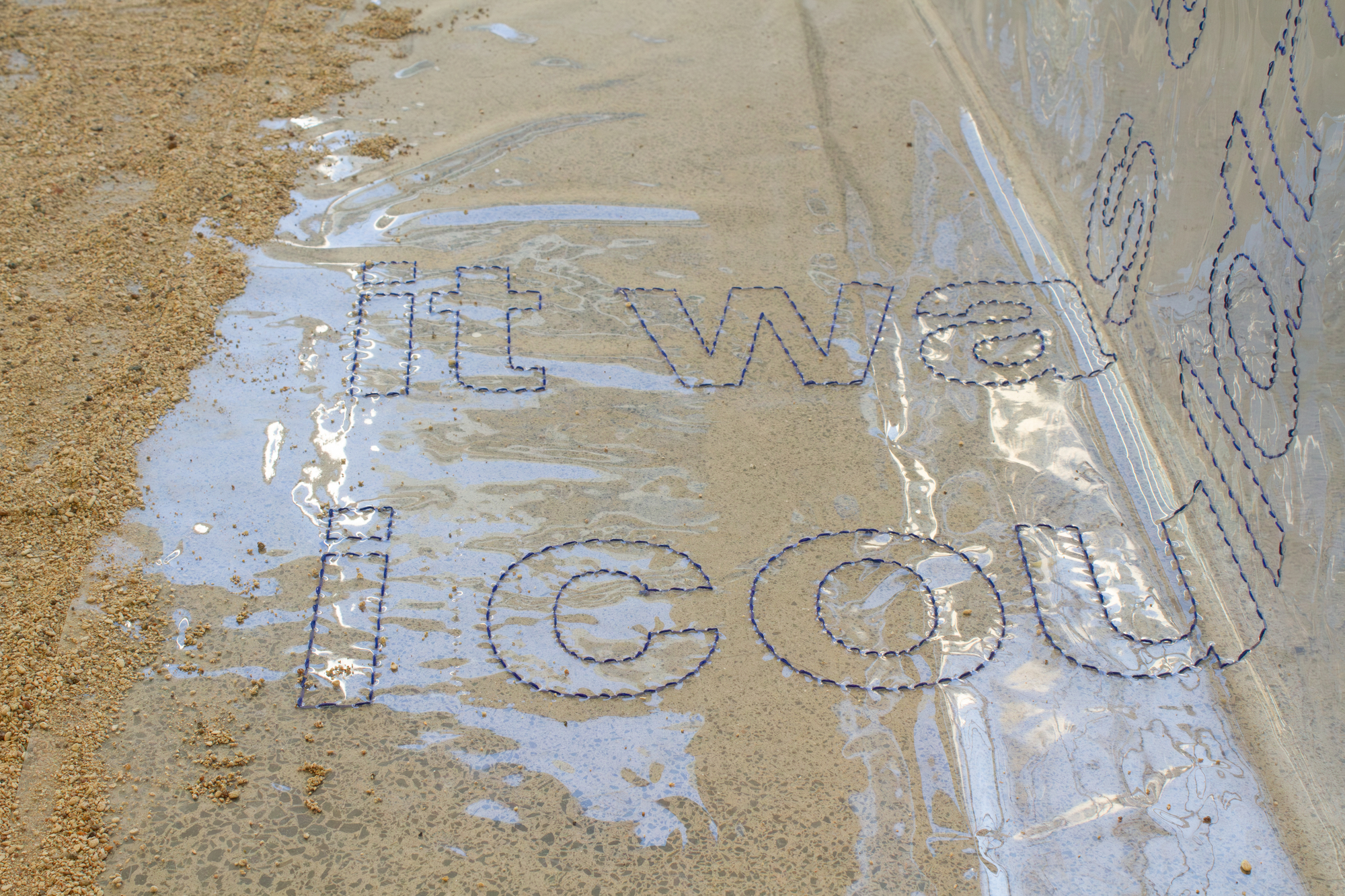
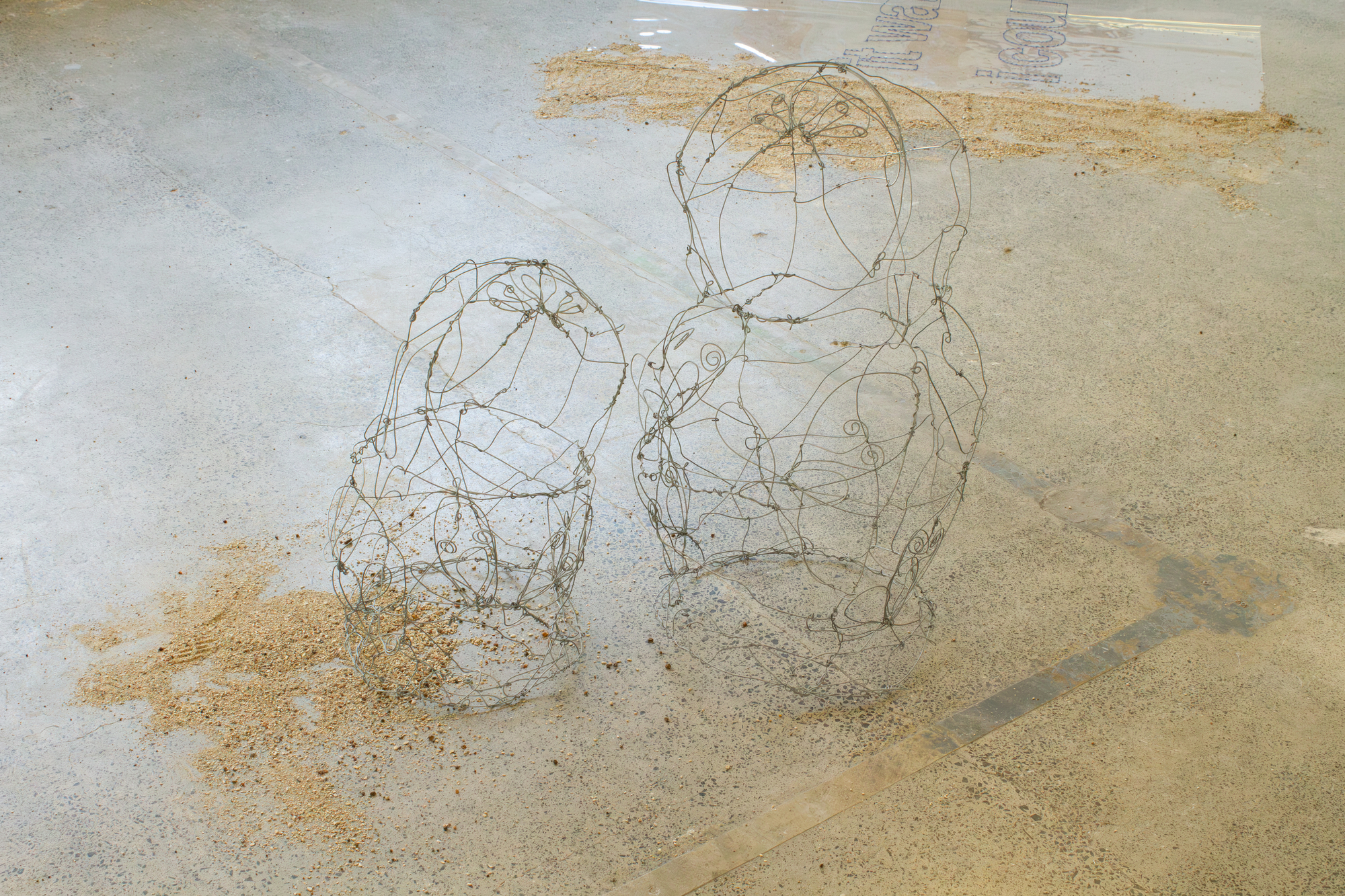
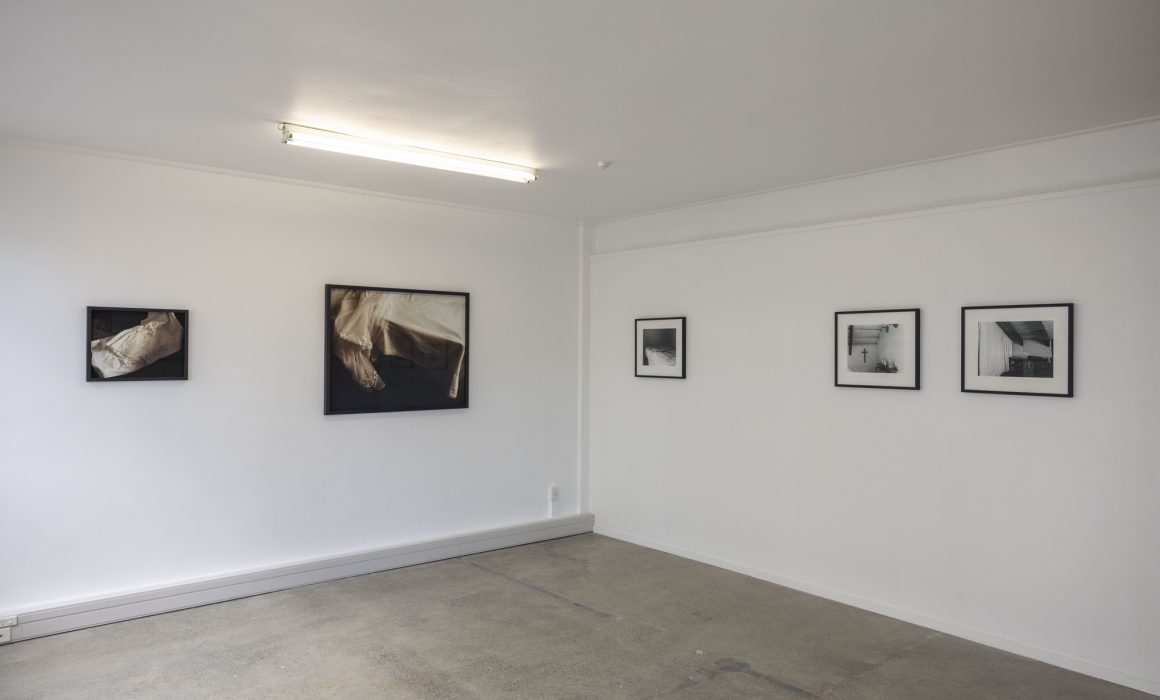
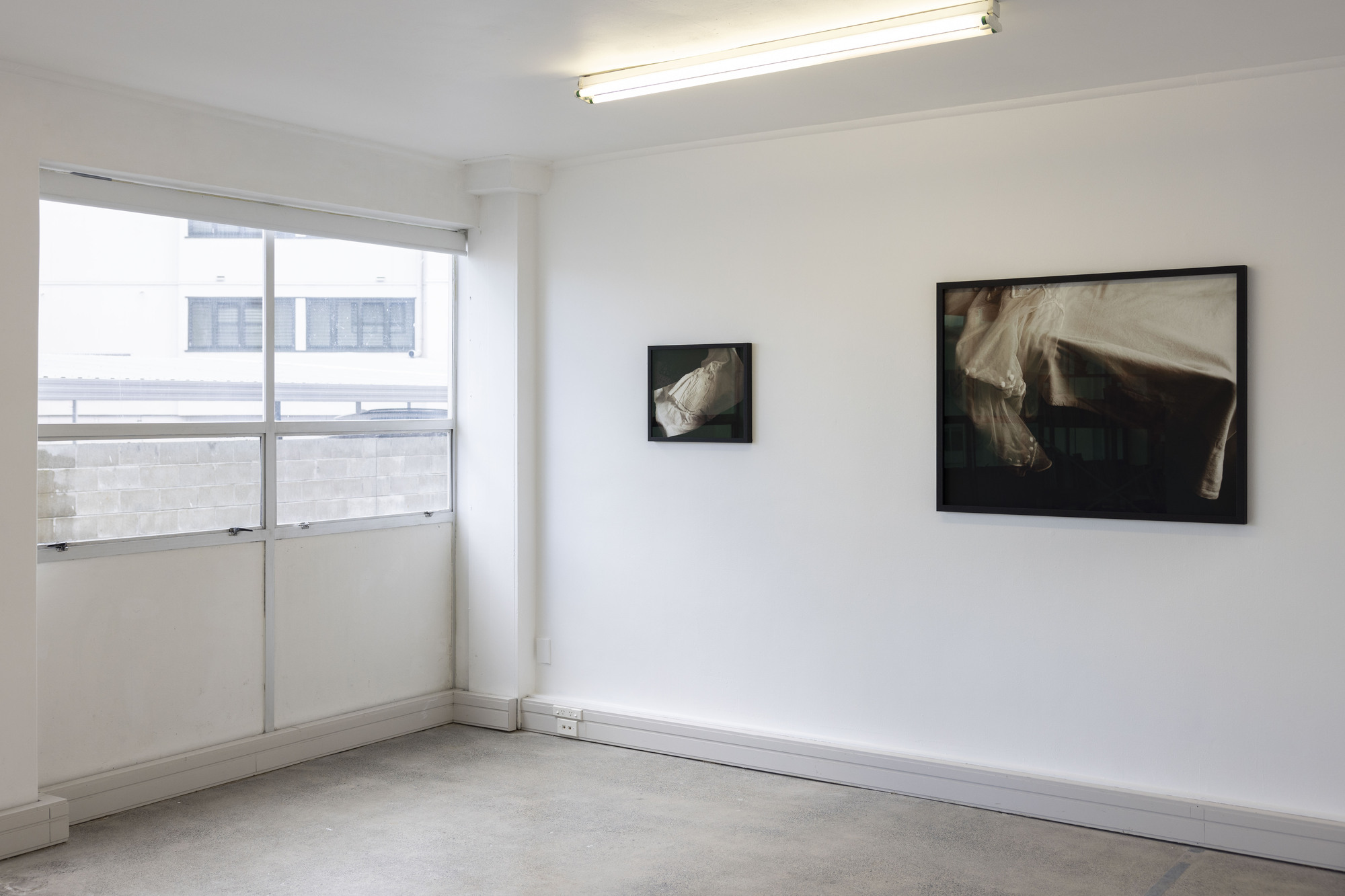
Prelude documents imagined projections of a settler woman’s life informed by the site and archives of Ewelme cottage in Pānera (Parnell) and the short stories of Katherine Mansfield.

In Mansfield’s Prelude, the mother, Linda, is frightened by the objects and furnishings around her ‘THEY were not deceived. THEY knew how frightened she was; THEY saw how she turned her head away as she passed the mirror.’

Haunted by the coming alive of these colonial objects, Linda sensed that ‘THEY wanted something from her and she knew that if she gave herself up and was quiet, more than quiet, silent, motionless, something would really happen’. These uprooted objects are not only a reminder of her own separation from and consequent longing for her homeland but represent the illusory belief in New Zealand as a new utopian home and her role within it – ‘watching for something to happen that just did not happen’.

Aware of this inbetweenness, the objects’ haunting reflects Linda’s own unsettled disillusionment. Her motionlessness and her silence emblematic of the general settler women’s complicity in the colonial project.

These photographs taken at Ewelme are concerned with the ‘home-maker’ who is both non-self-governing and culpable, who dutifully fills a land which has been surveyed, carved and hollowed with homes, objects and children. Prelude is an attempt at a kind of anamnesis – a recollection of a supposed previous existence – in the search for descent.

With thanks to Heritage New Zealand Pouhere Taonga.
Images by Anton Maurer
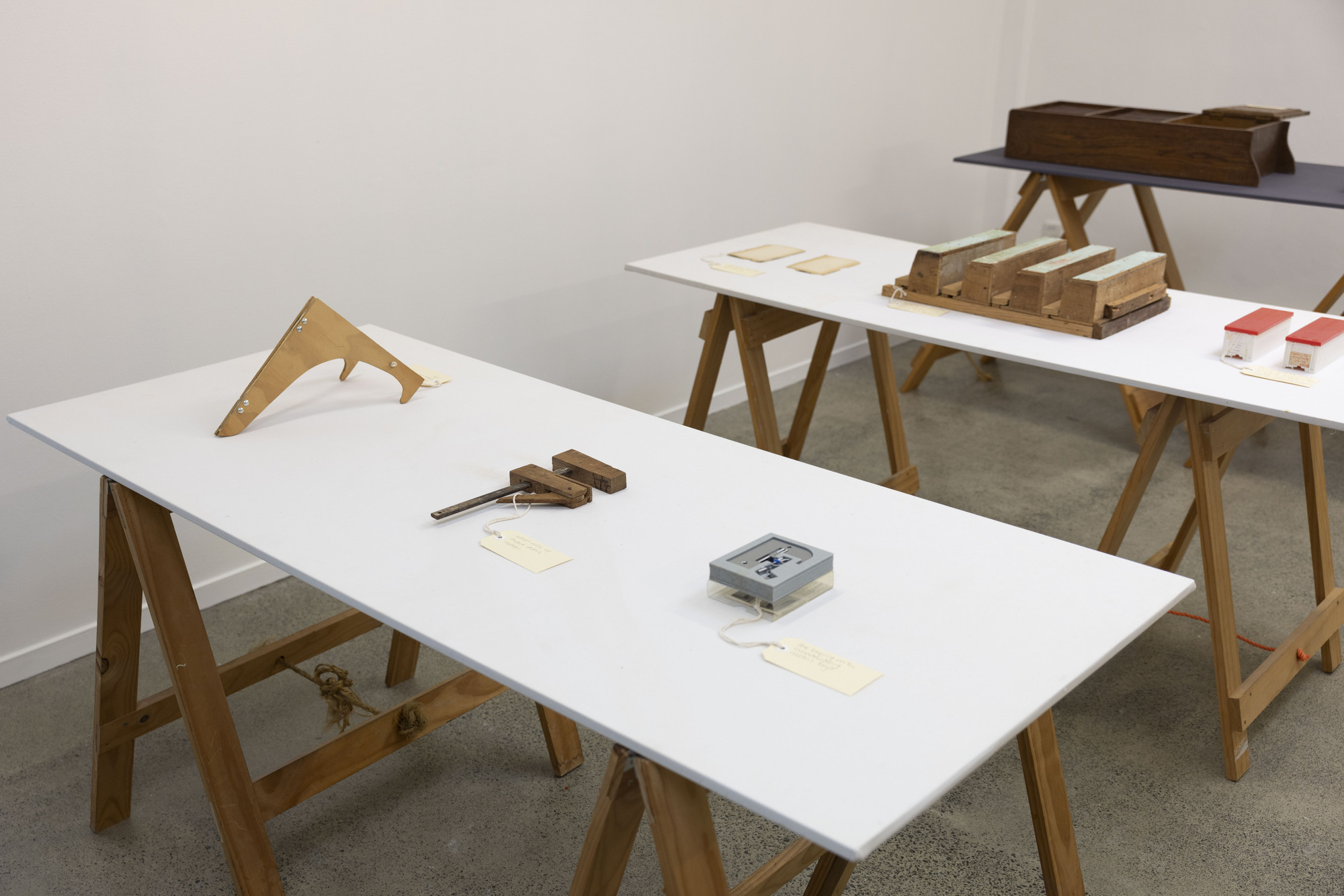
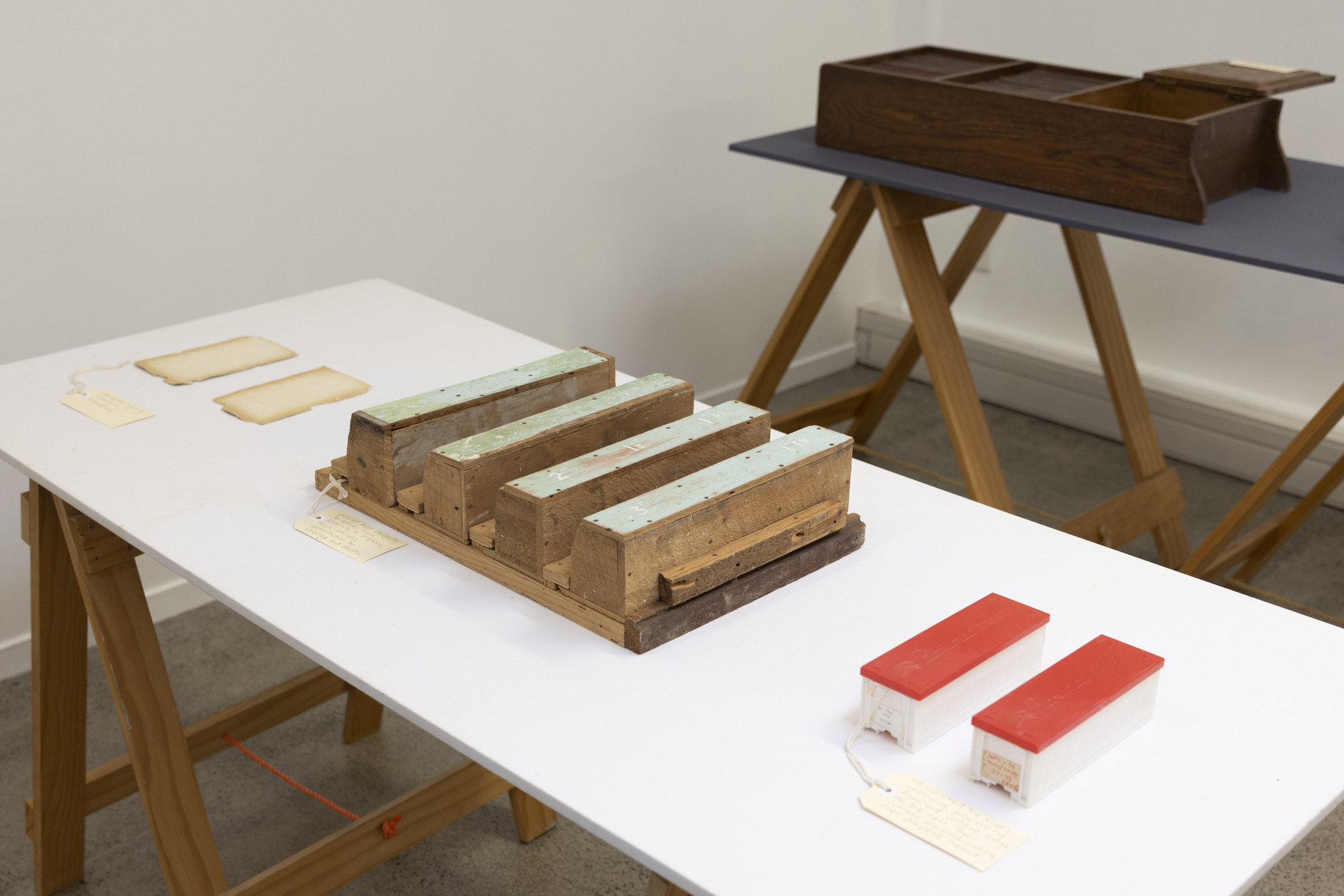
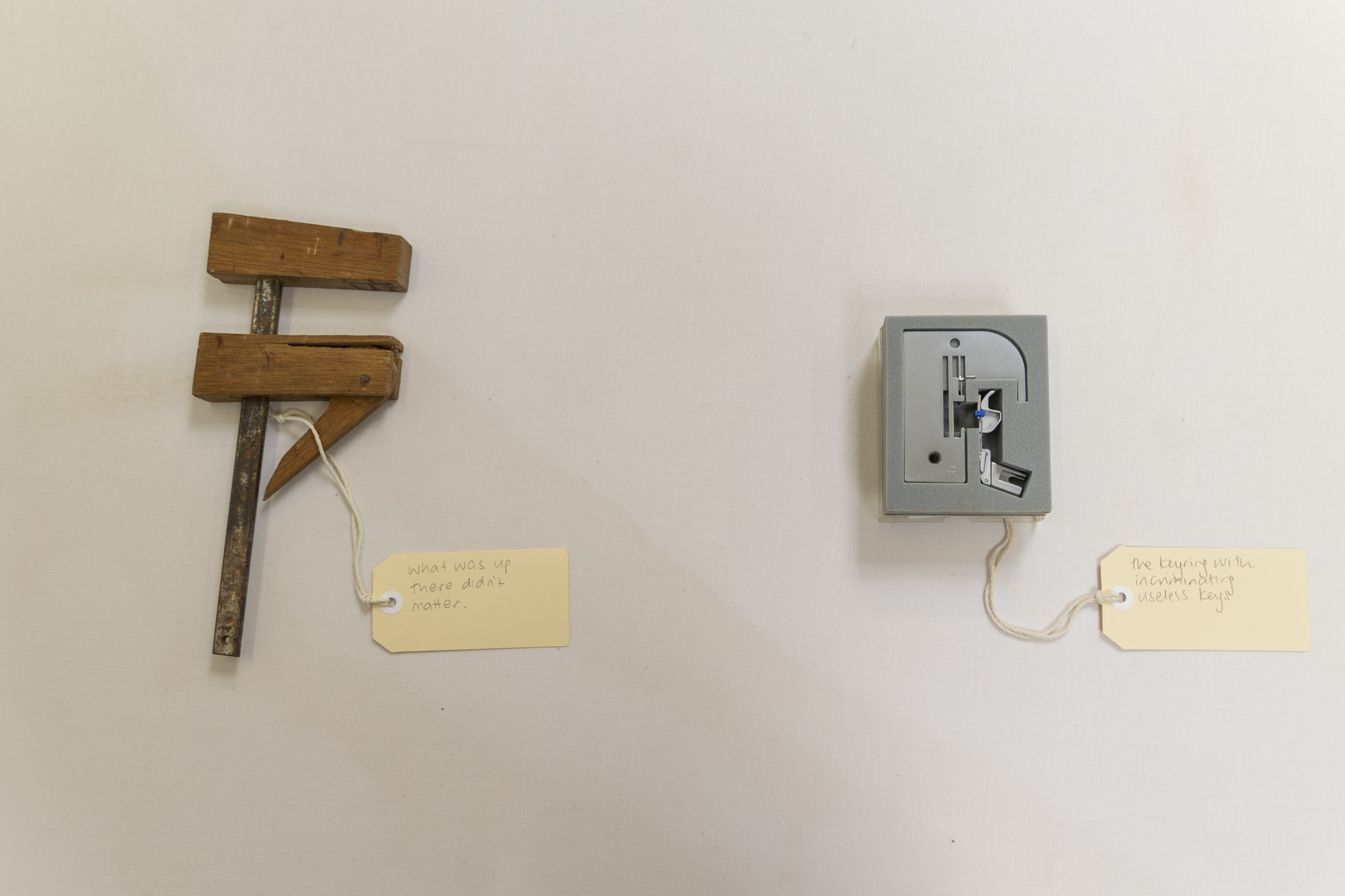
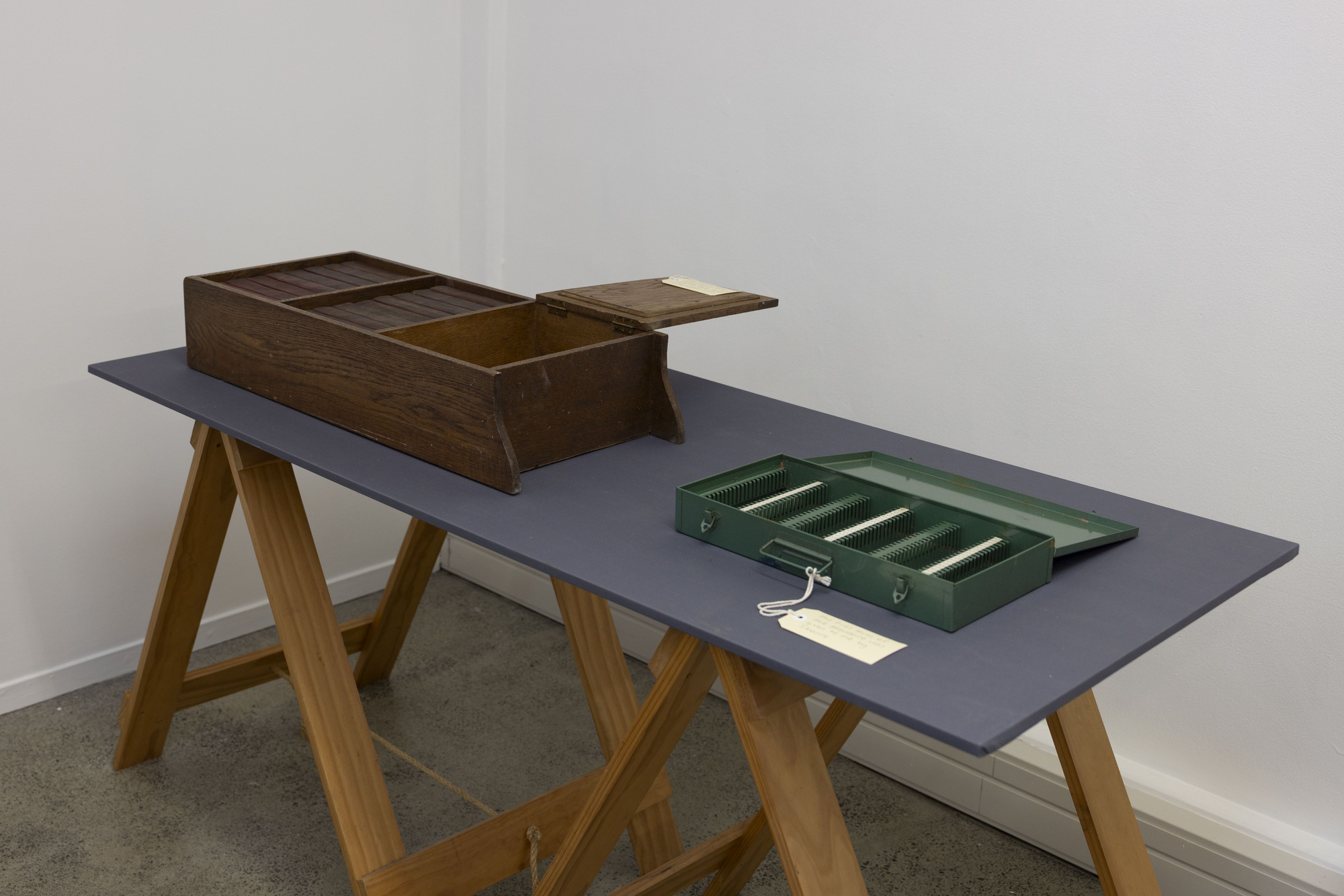
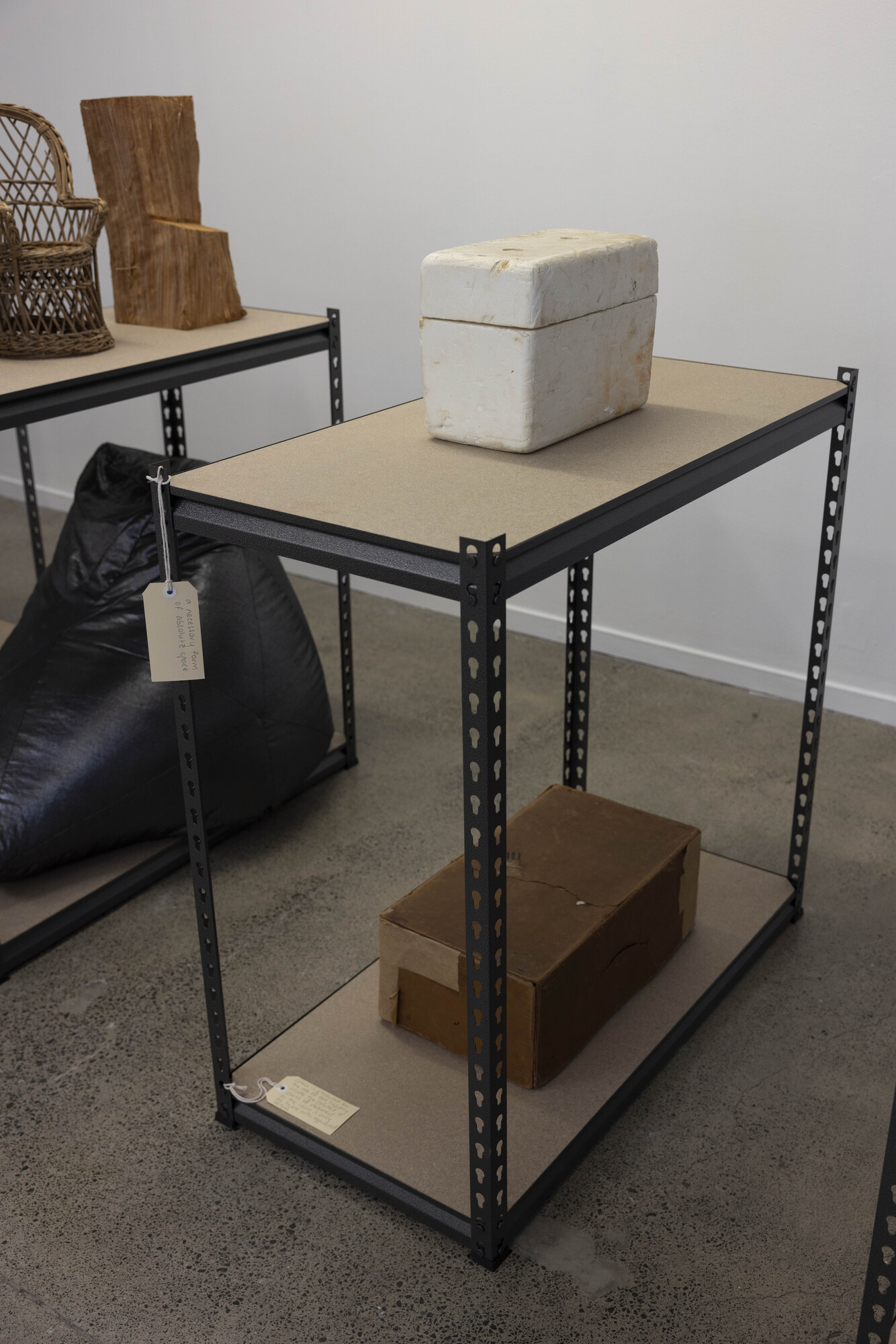
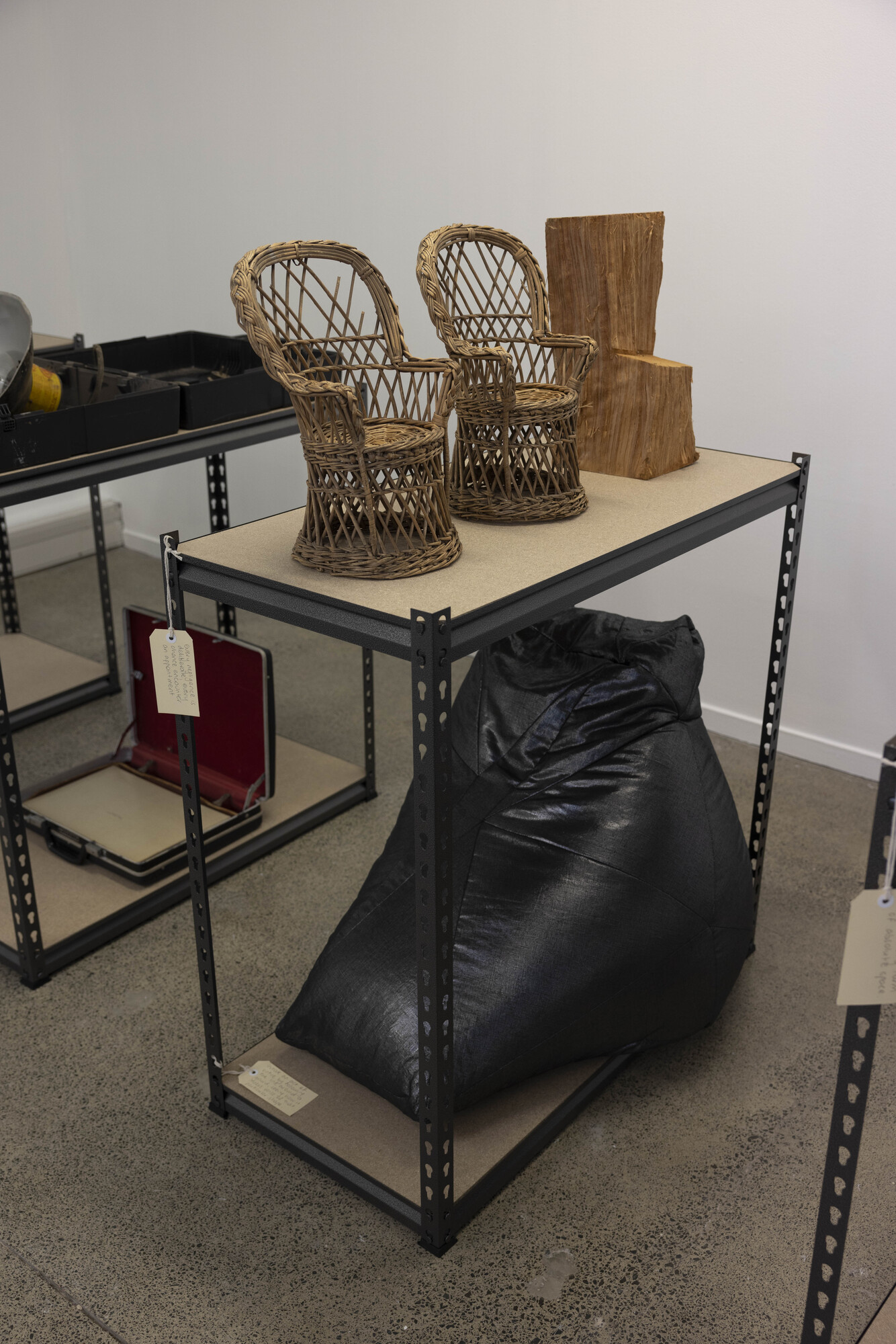
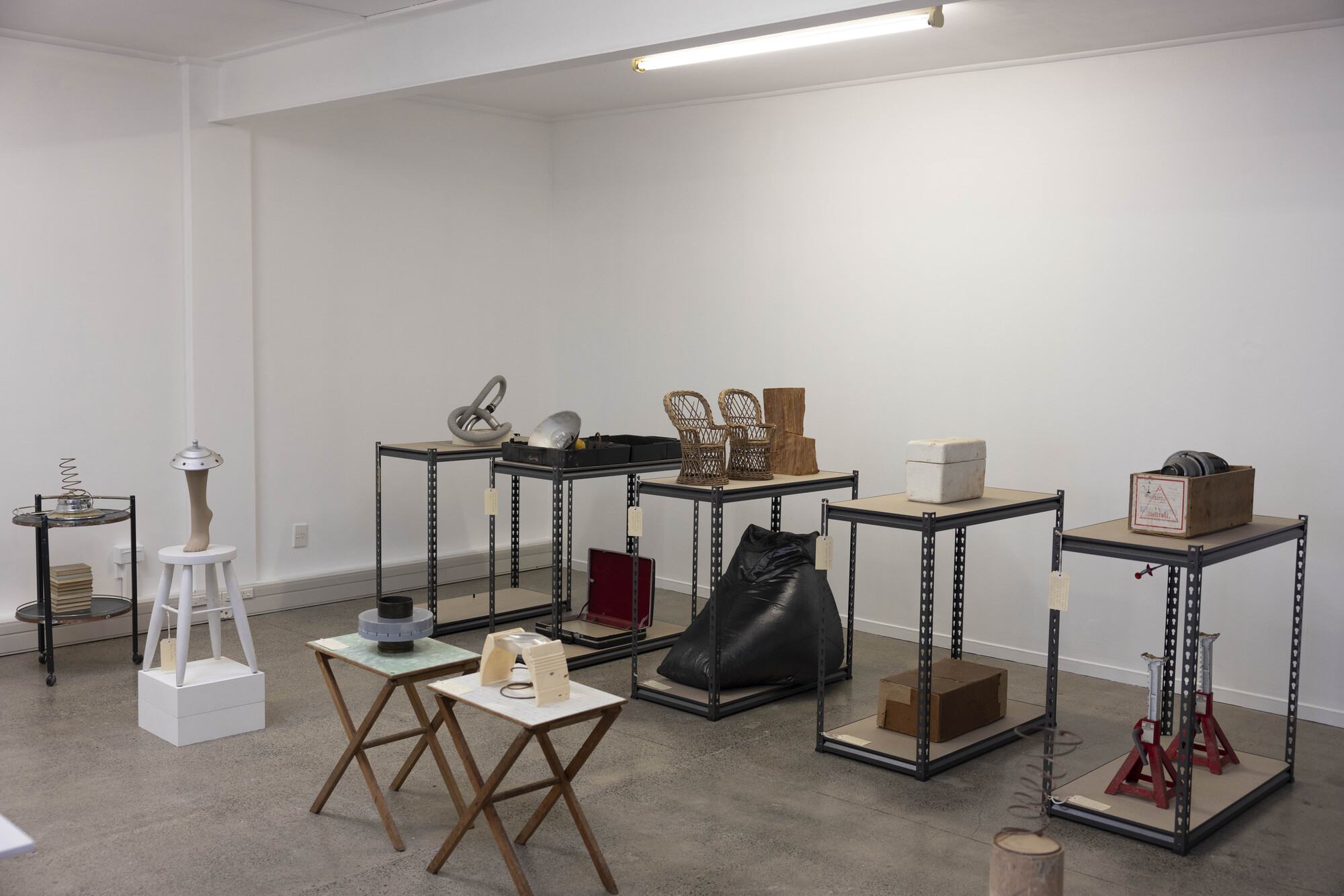
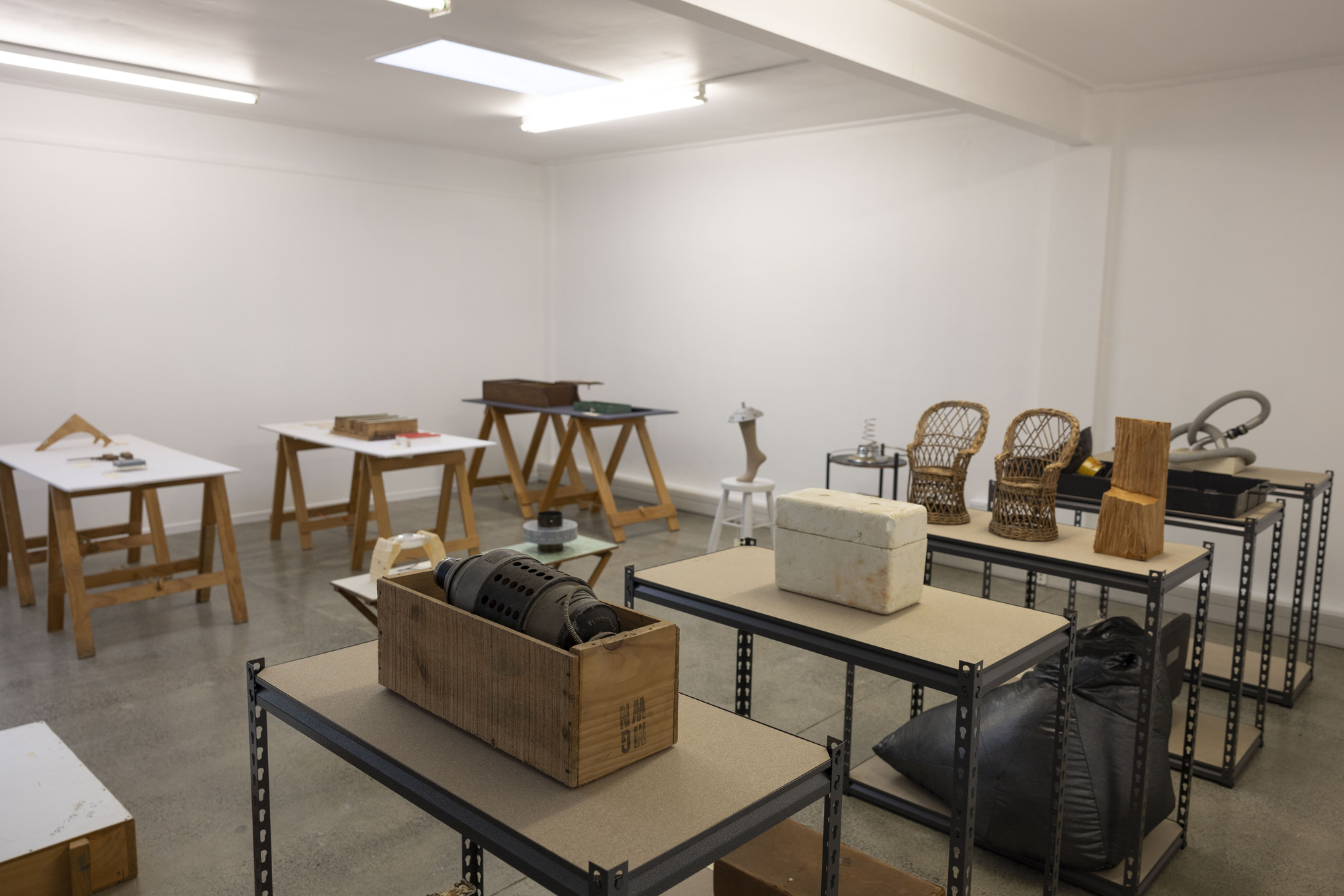
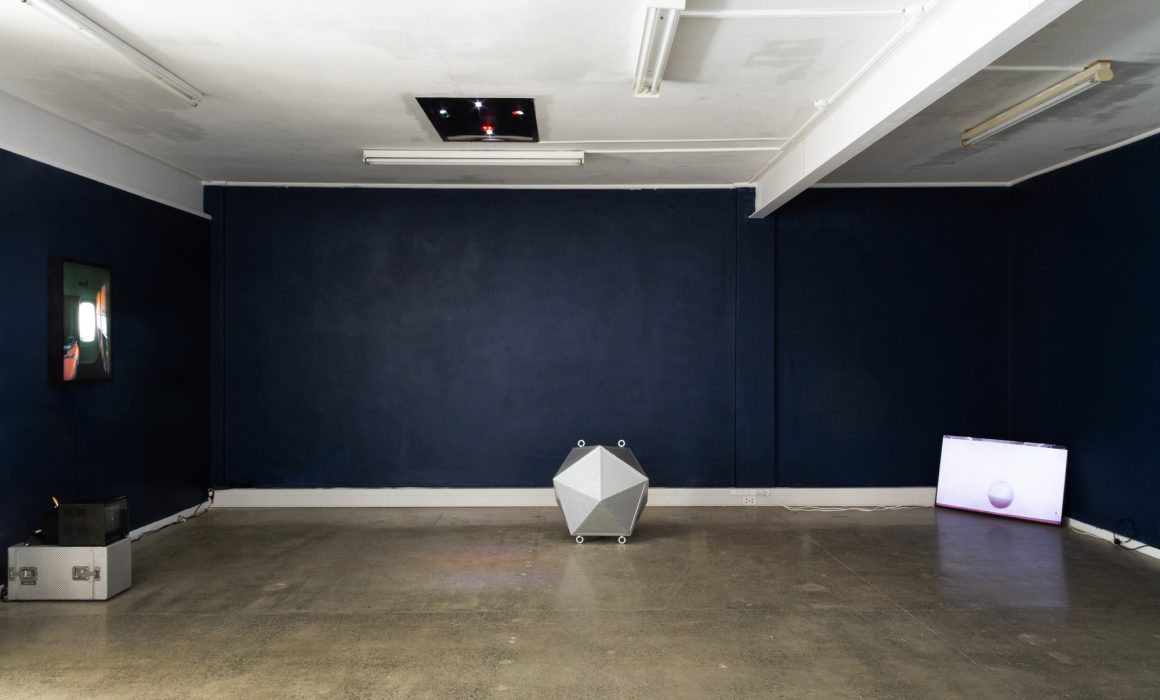
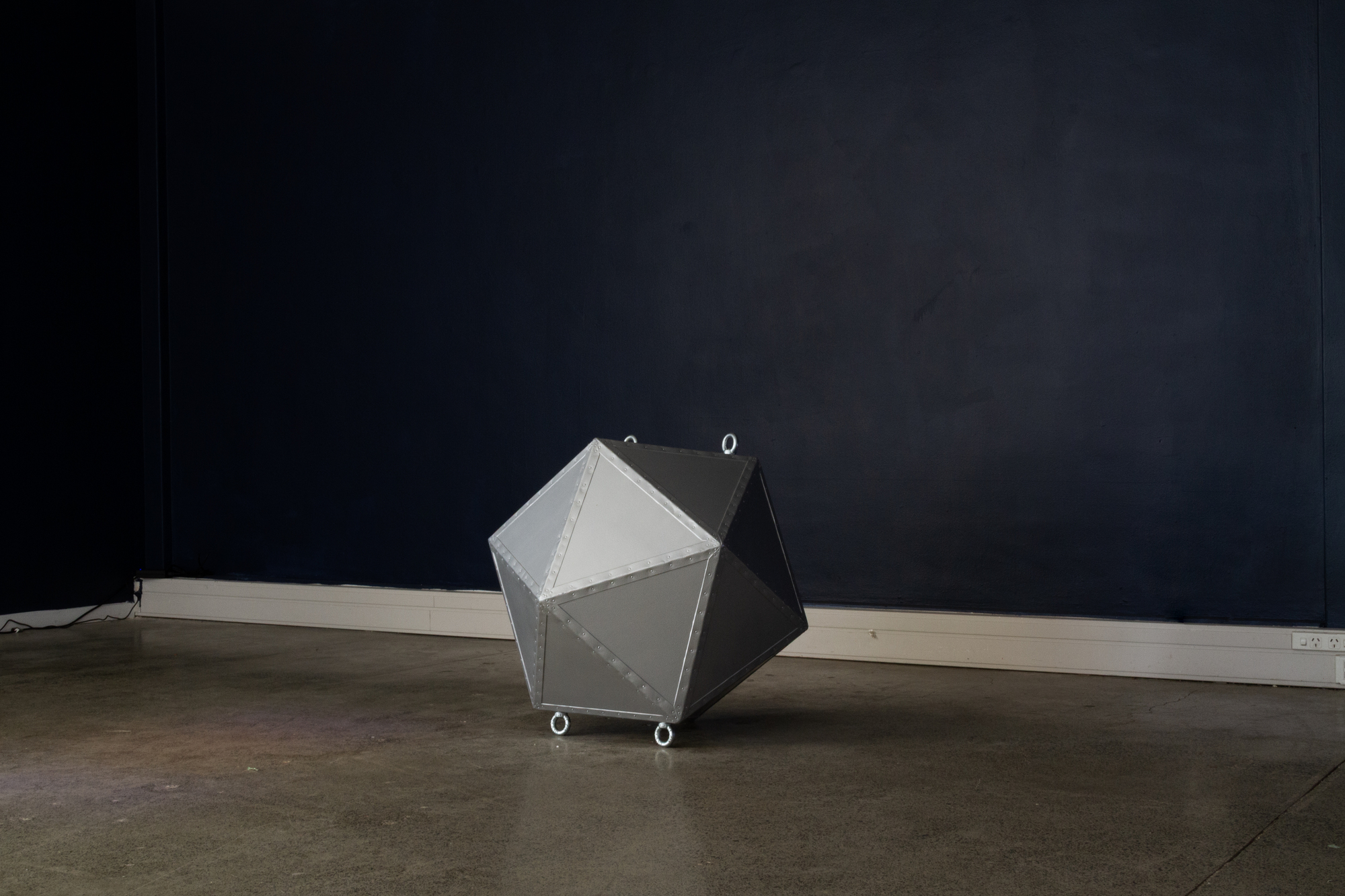
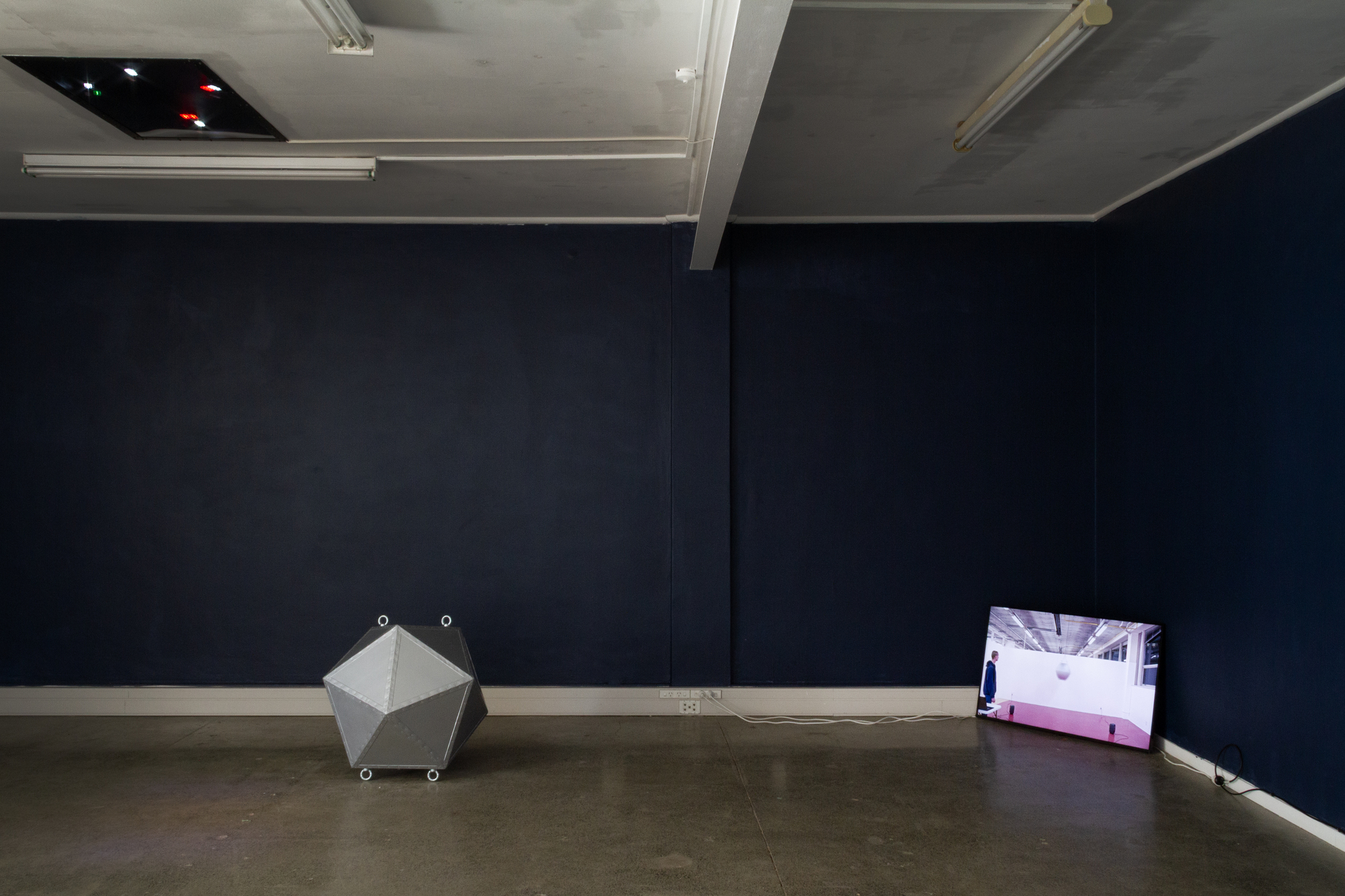
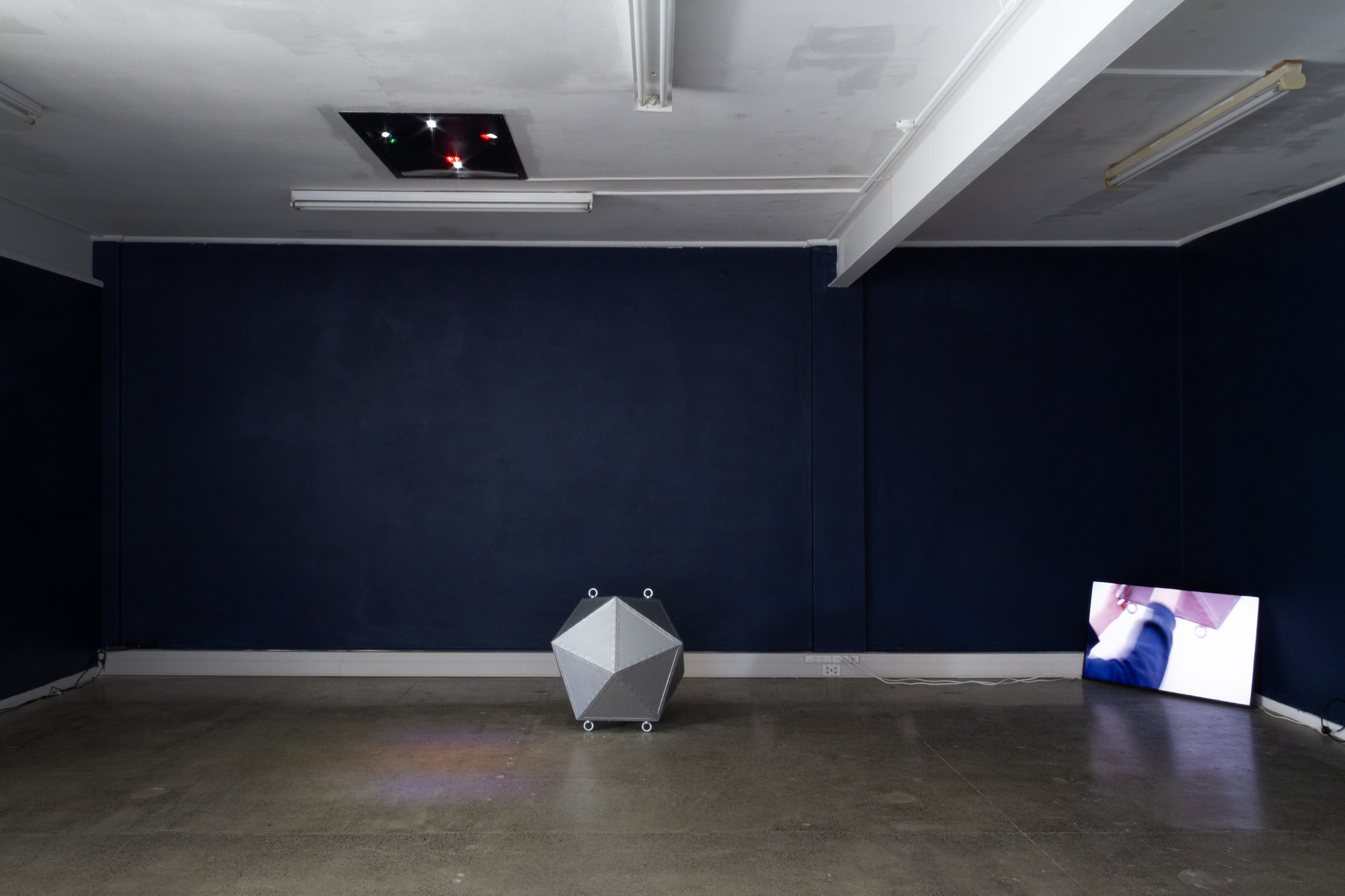
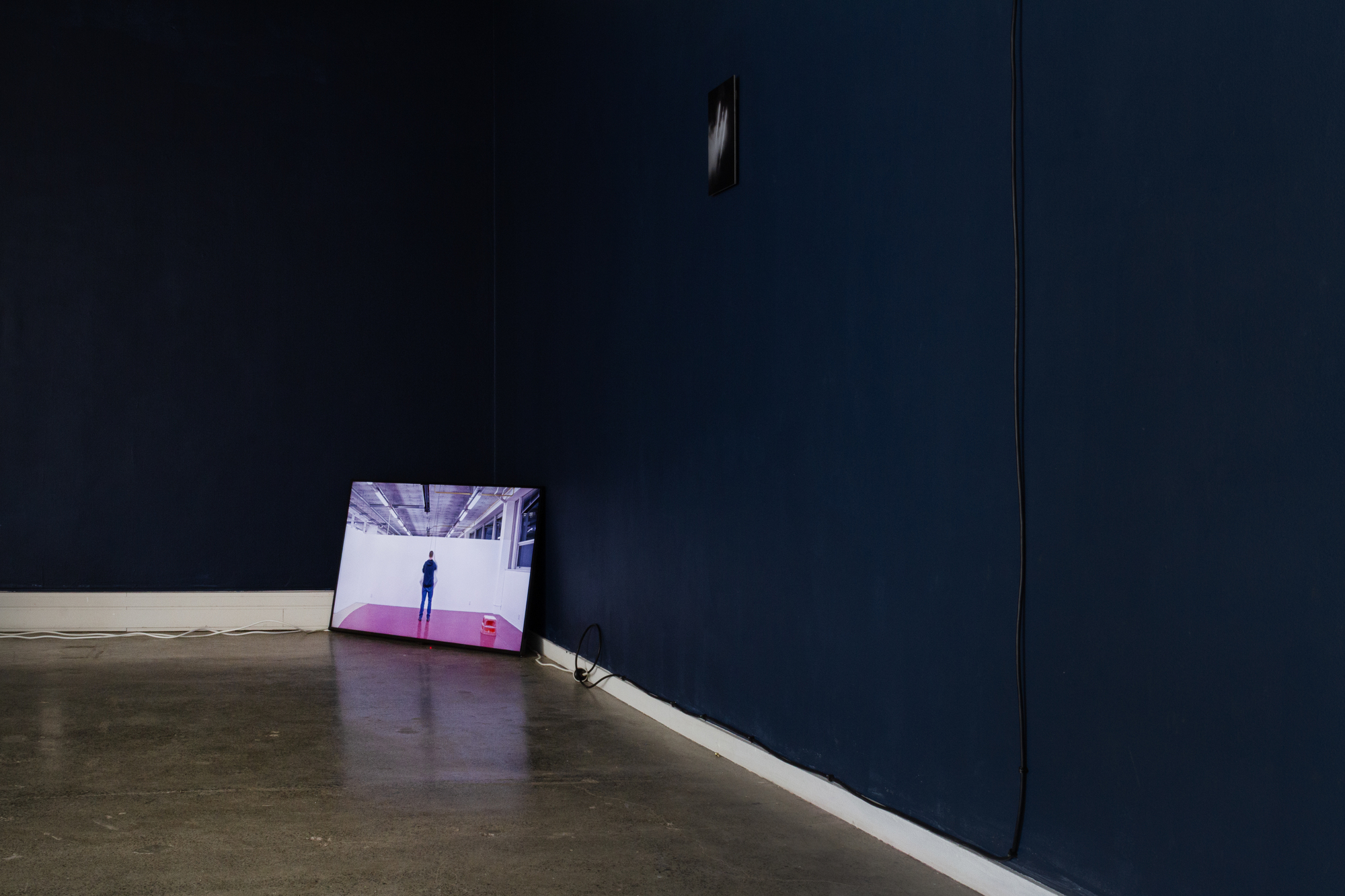
Bronte Heron, Finn Chadwick, Marilyn Jones : Stack Rat

Bronte Heron, Finn Chadwick, Marilyn Jones
Stack Rat

22 October – 29 November 2025

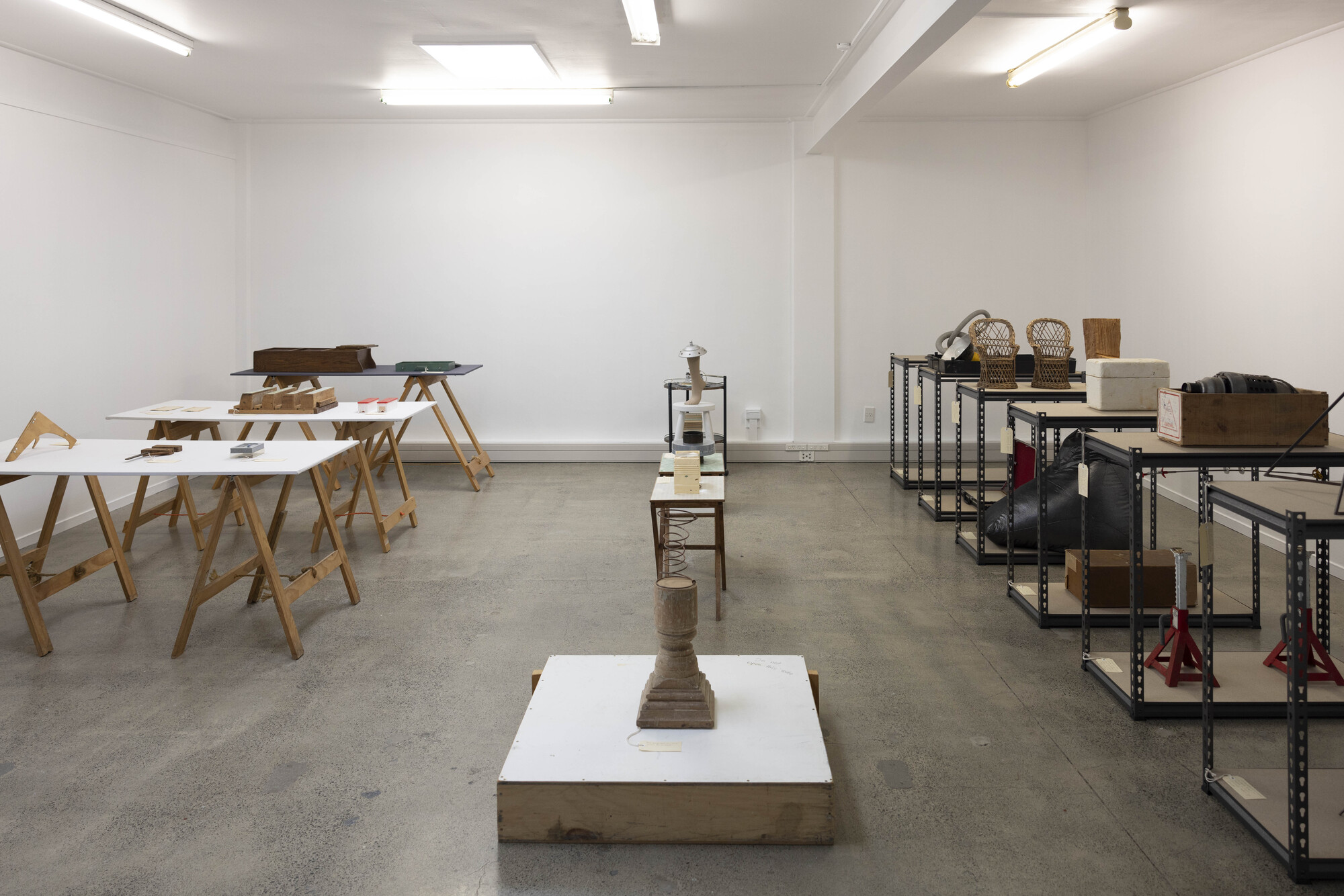
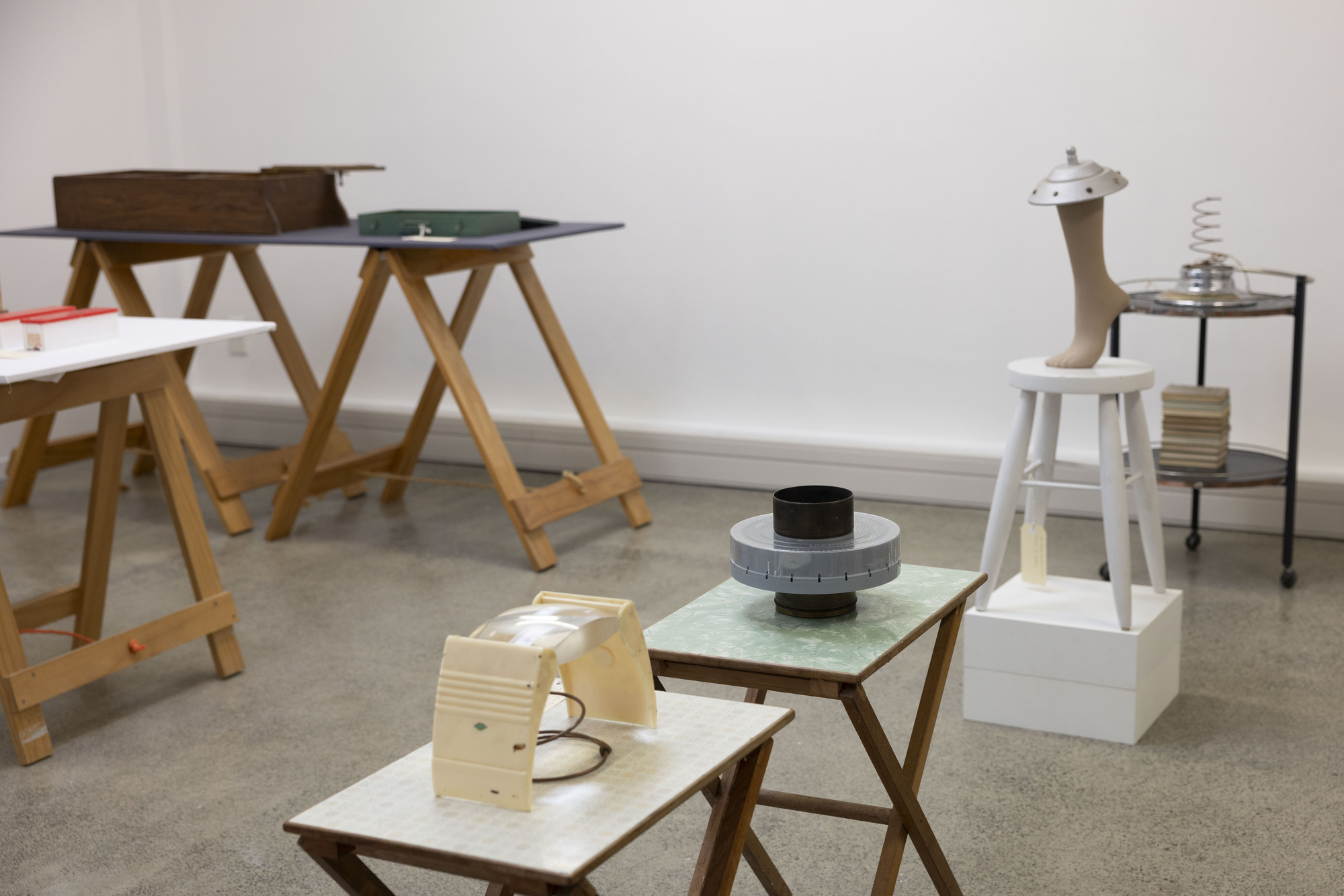
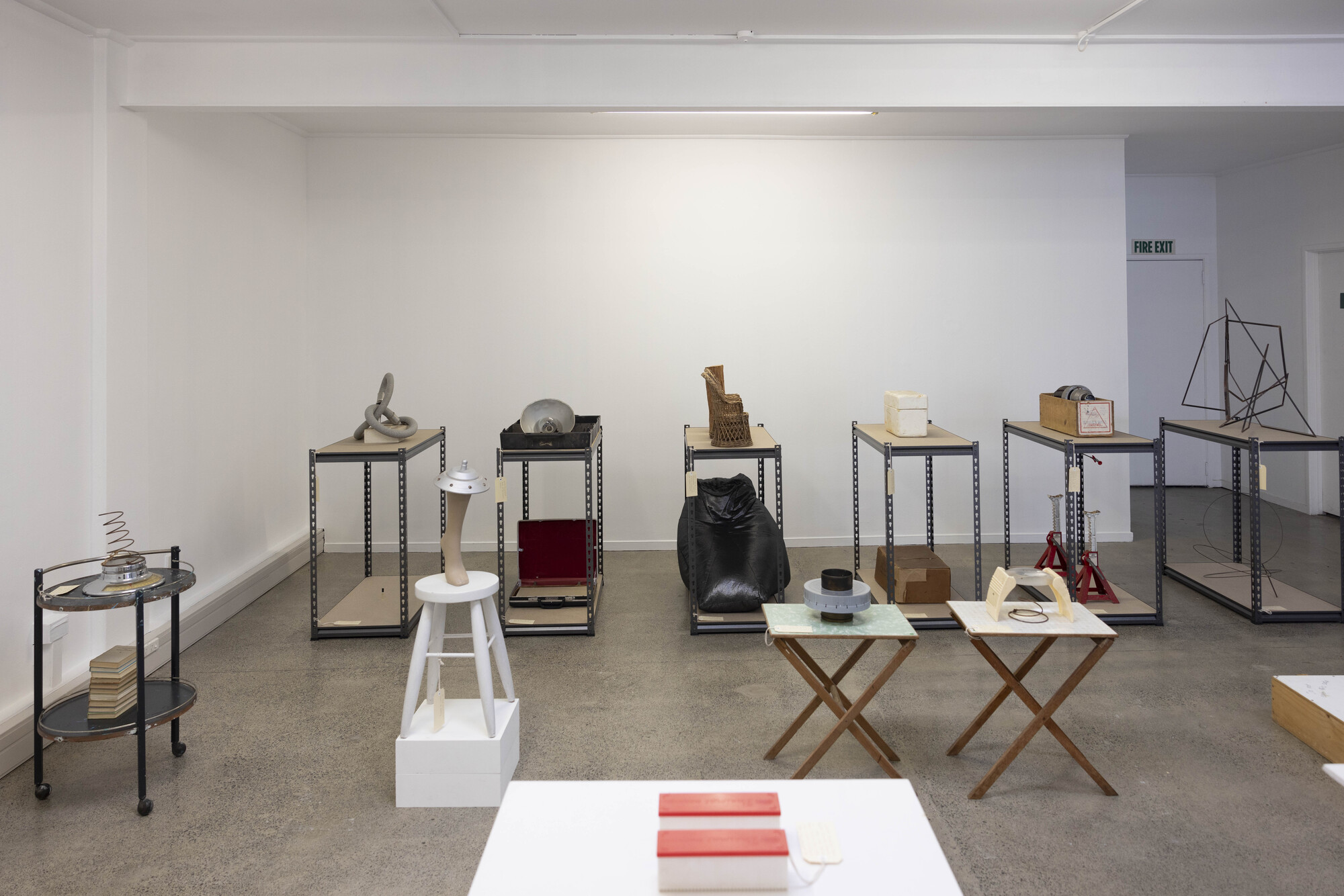
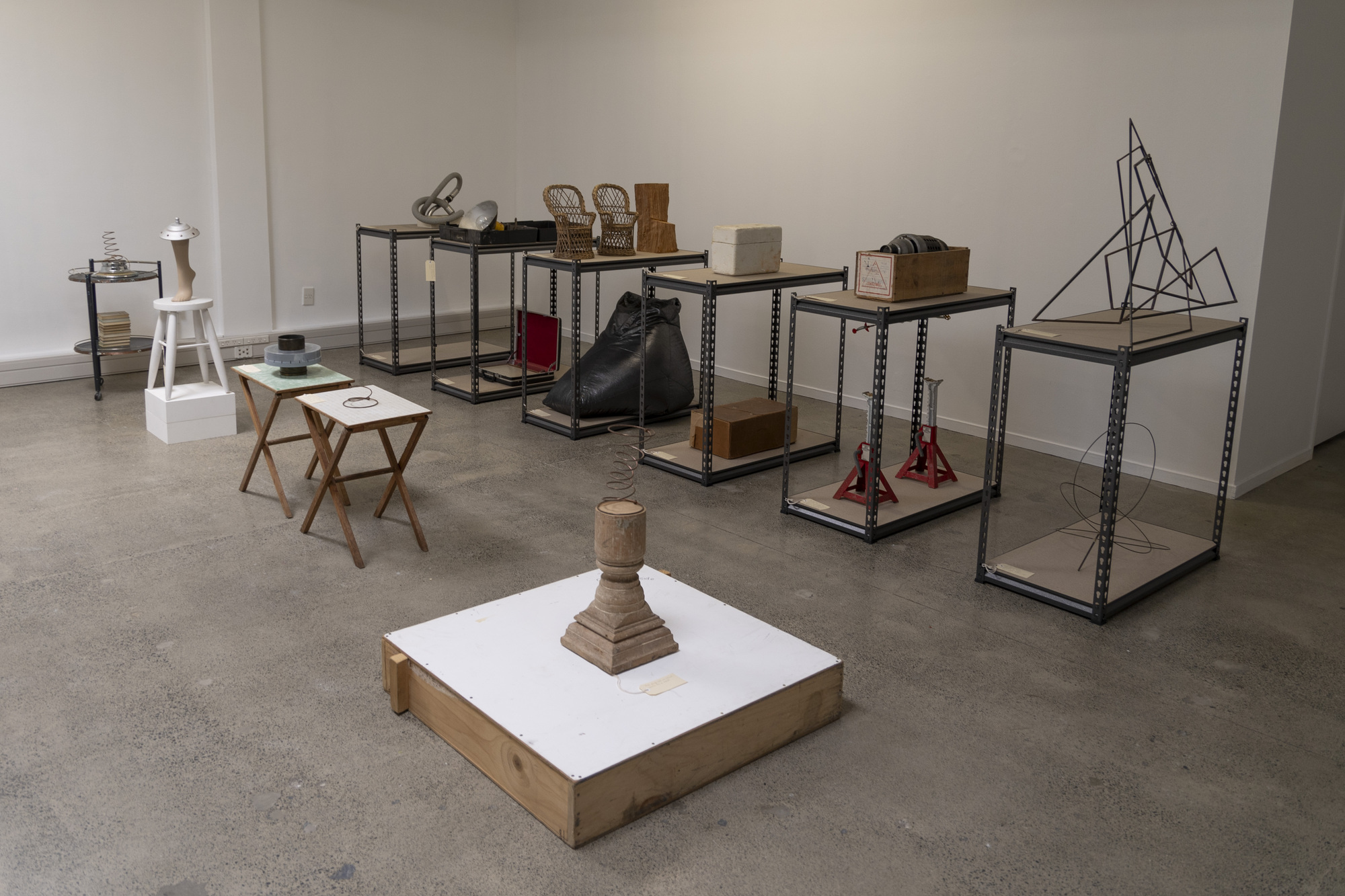
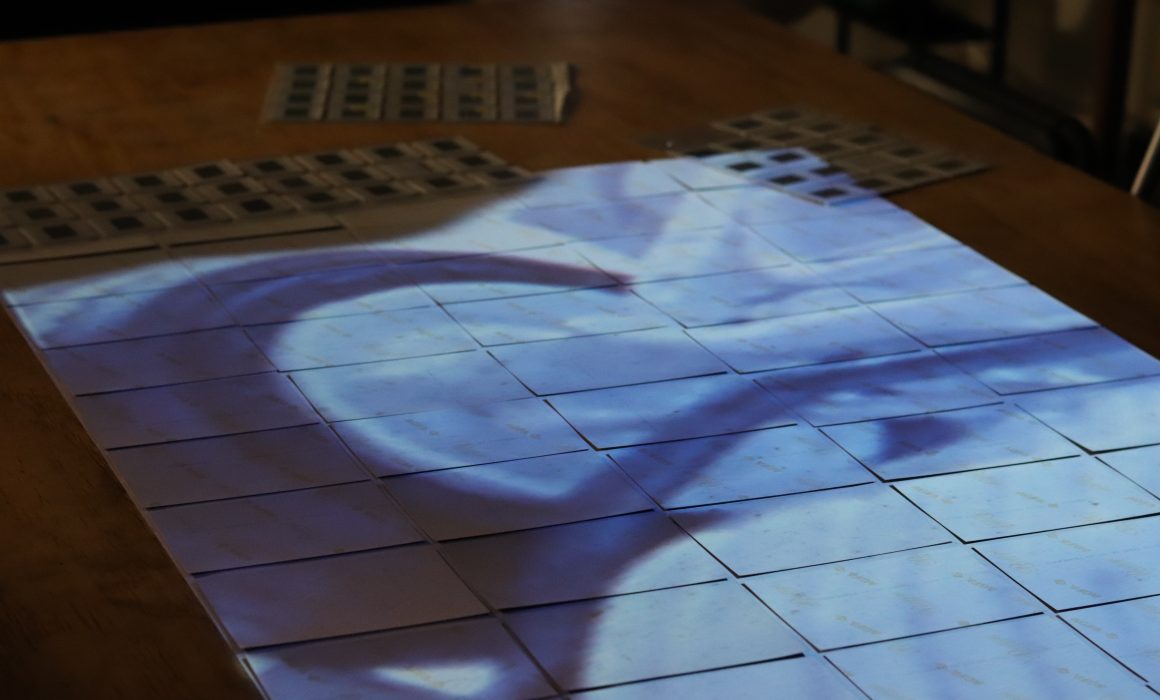
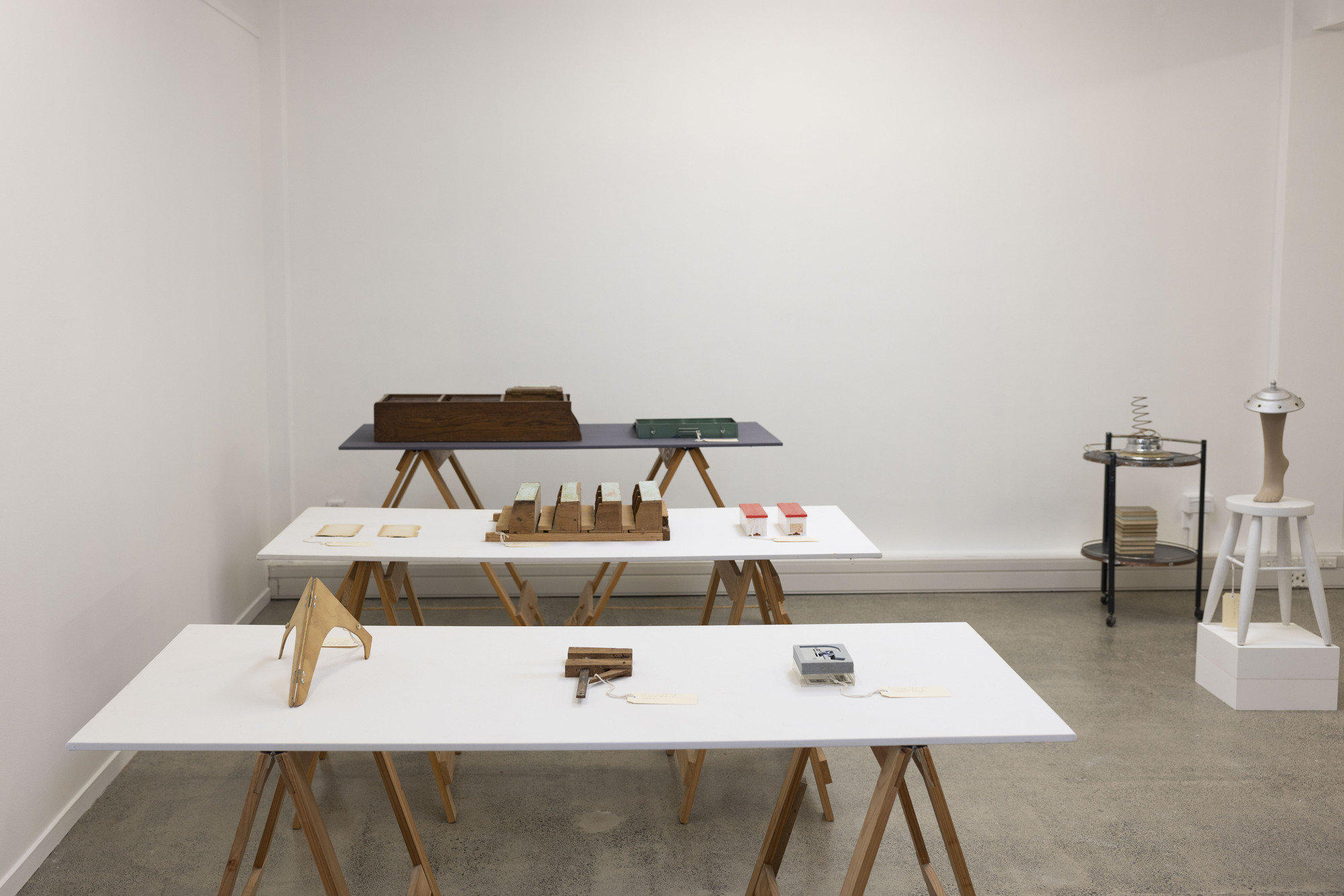
There is a hotel somewhere in France built around a double helix staircase. Constructed in the centre of the building, it is designed for the hotel staff to be able to carry out their duties discreetly. Two doors on each floor allow access to one of two staircases that twirl around each other like strands of DNA. 

A staircase like this also exists at the centre of Jorge Luis Borges’ seminal short story, The Library of Babel, in the form of the spine of a book. The circular book this strange staircase is wrapped around can be described as the core of the Library, a conceit used by Borges to visualise a universe. The humble librarian exists within and because of the Library, a complex system of information organised idiosyncratically. In other words, the librarian’s world is conceived of as an archive.

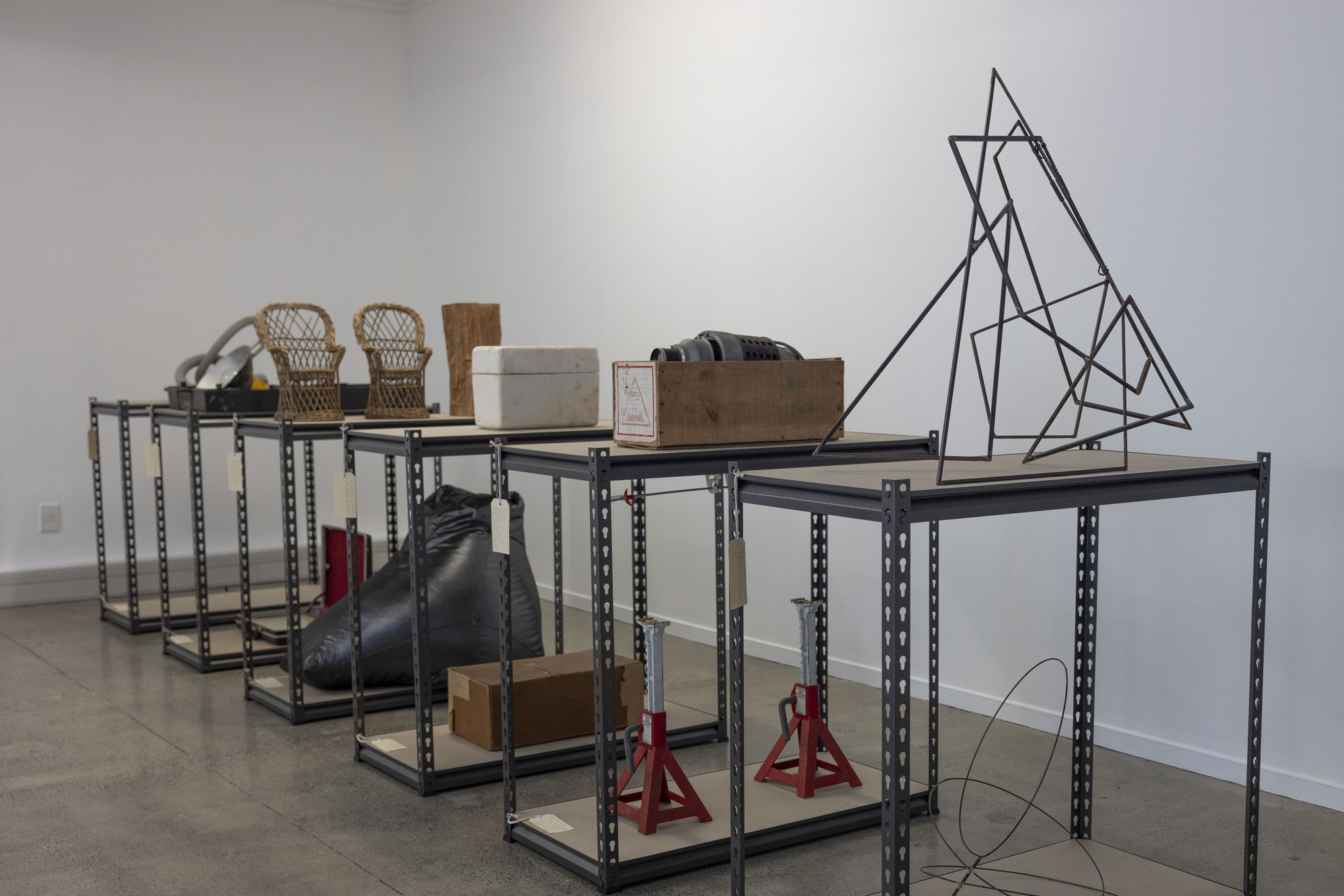
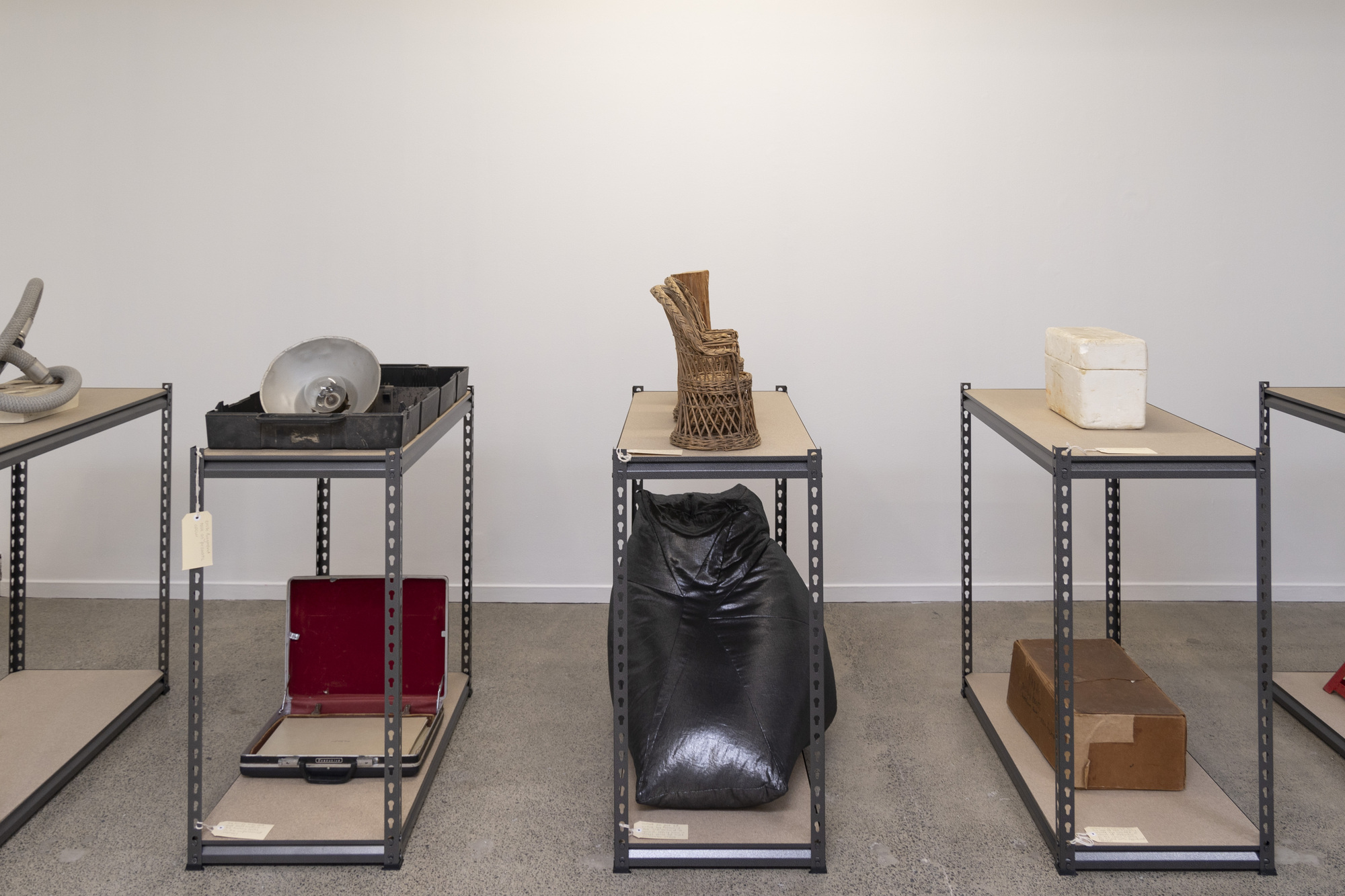
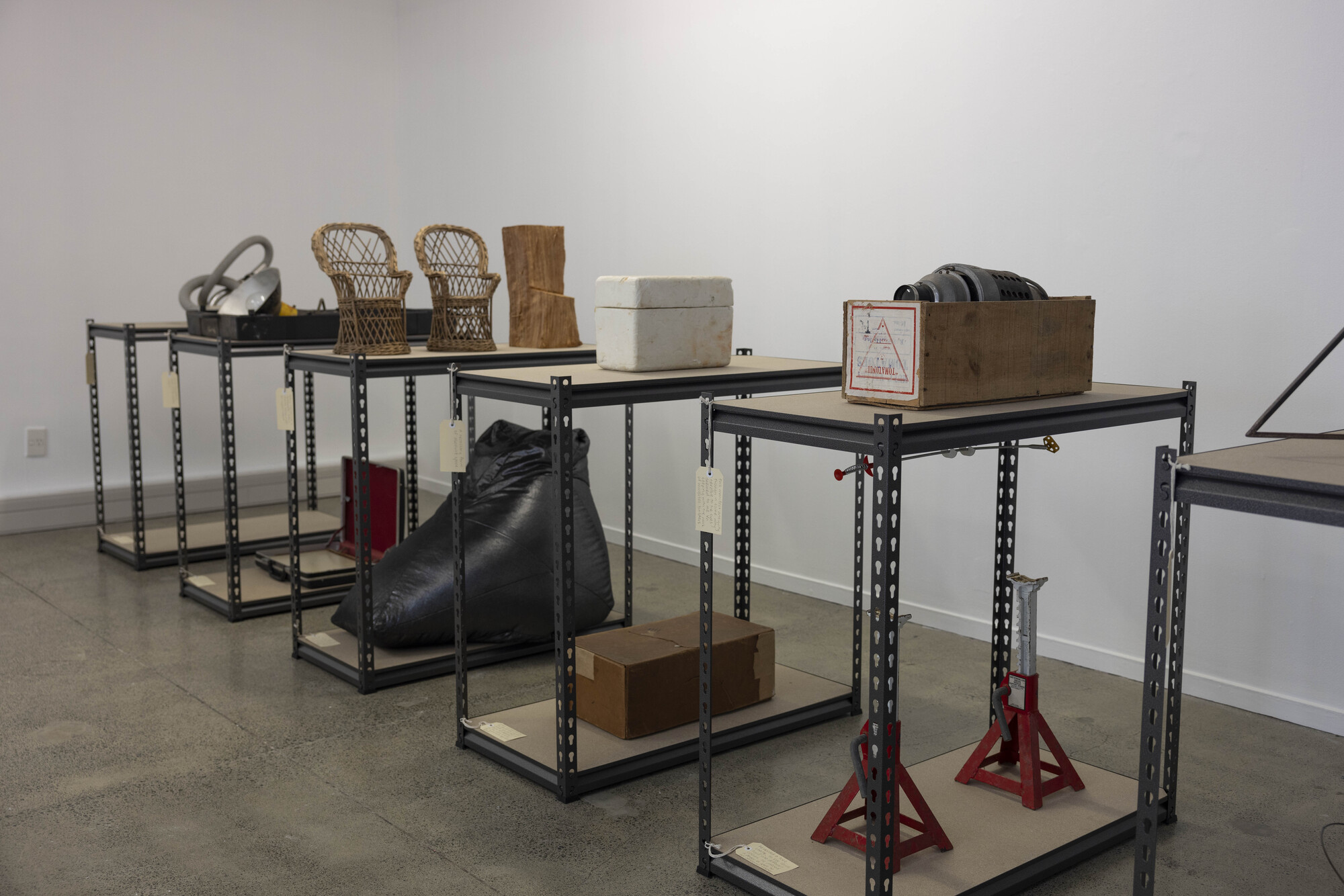
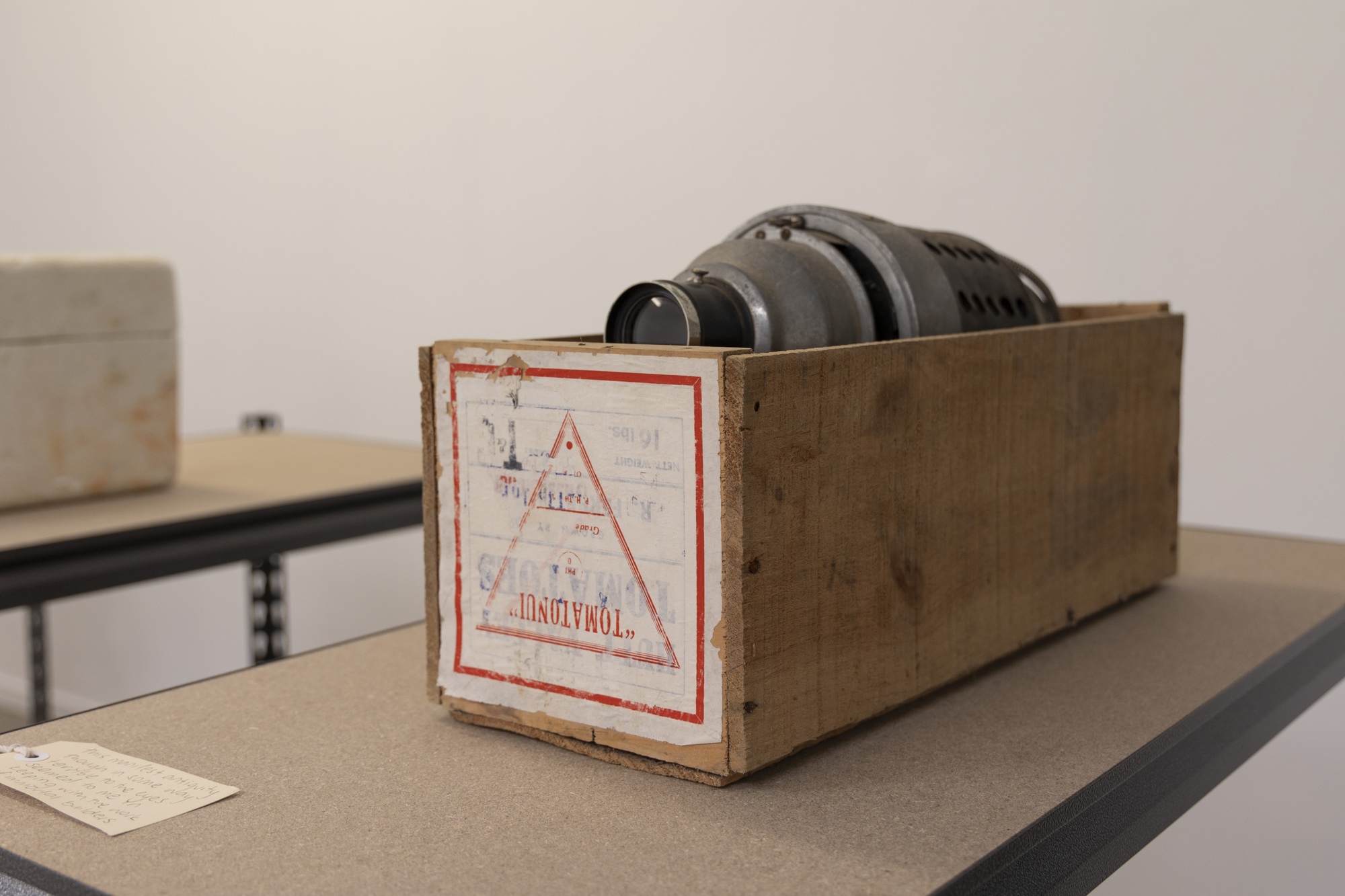
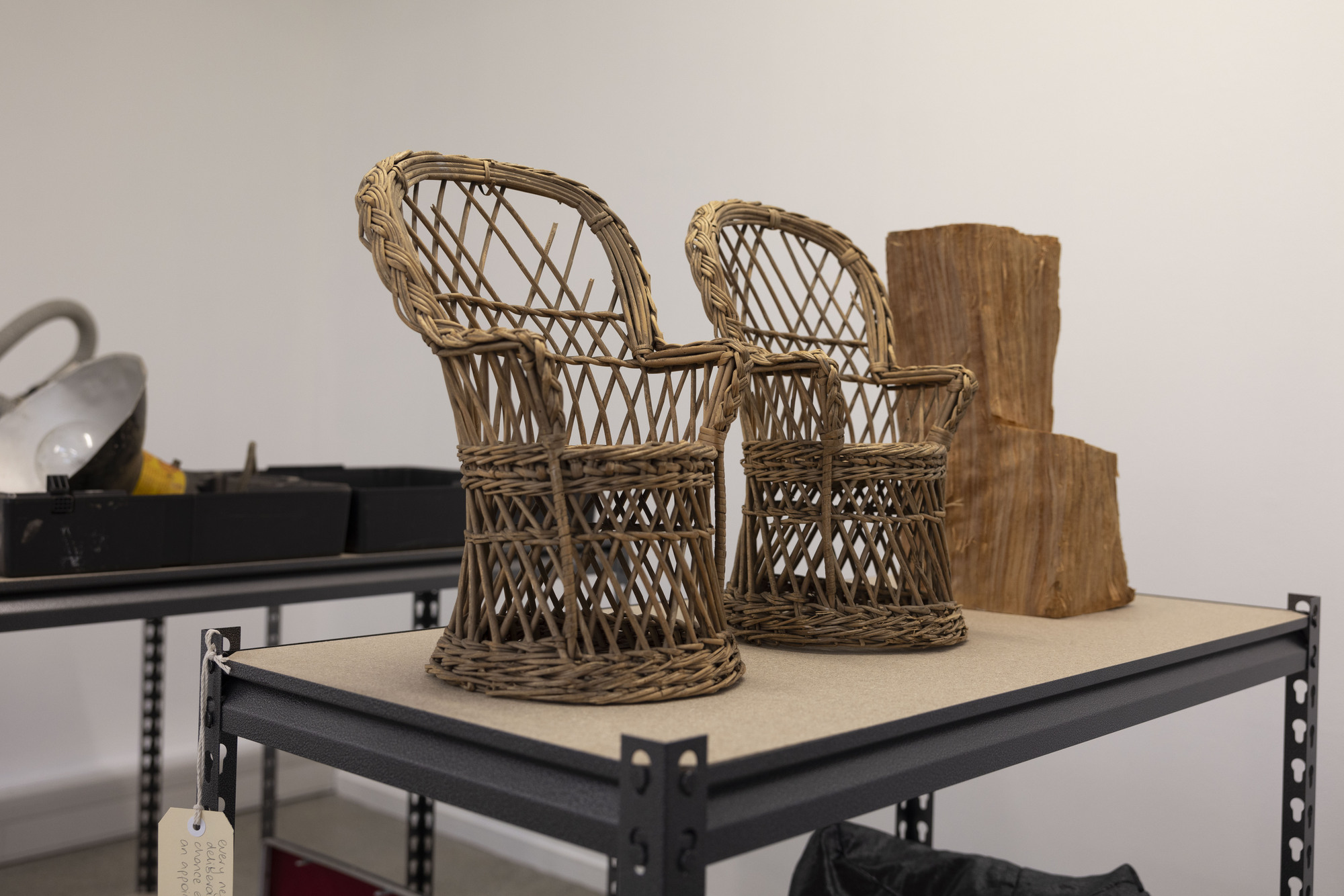
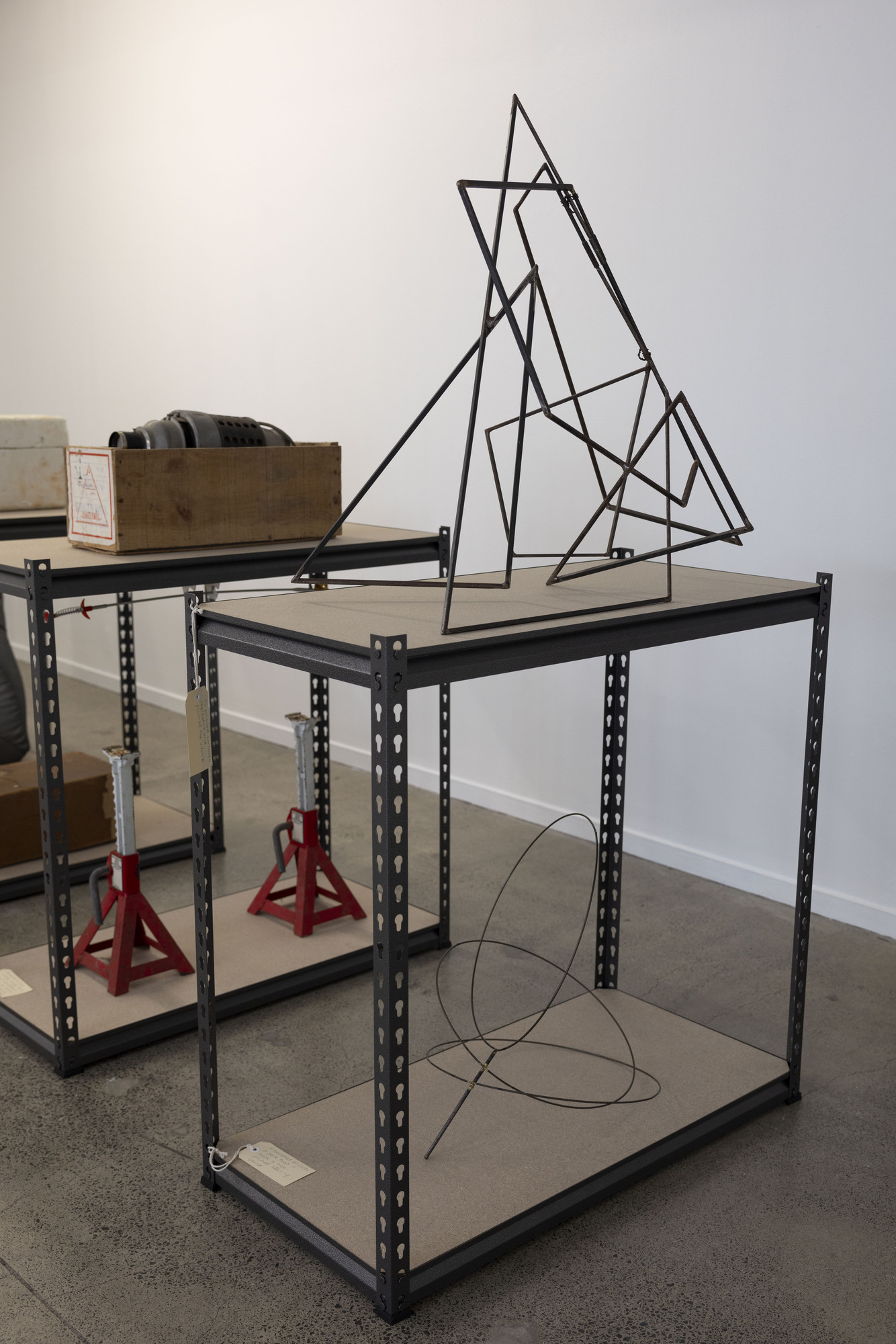
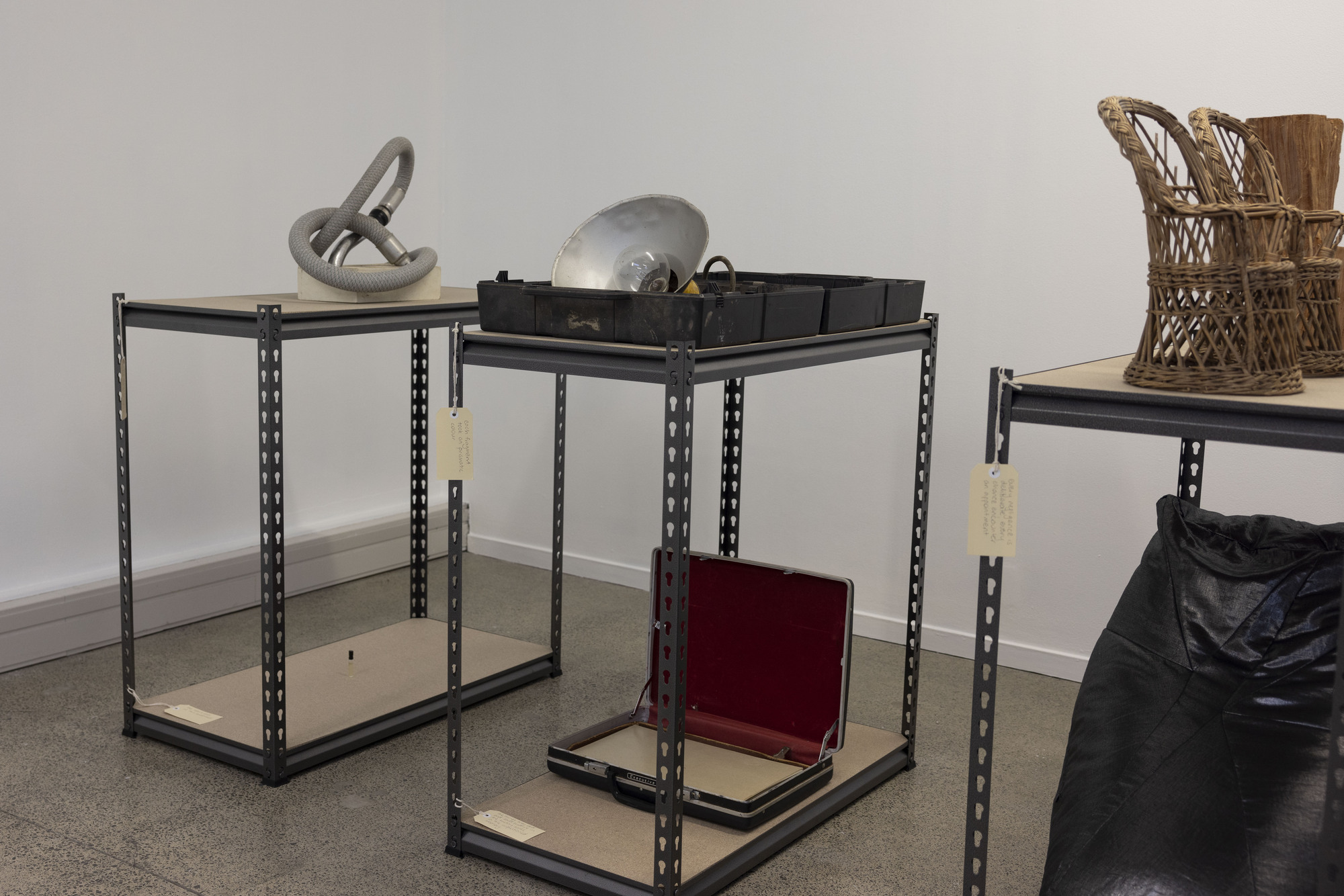
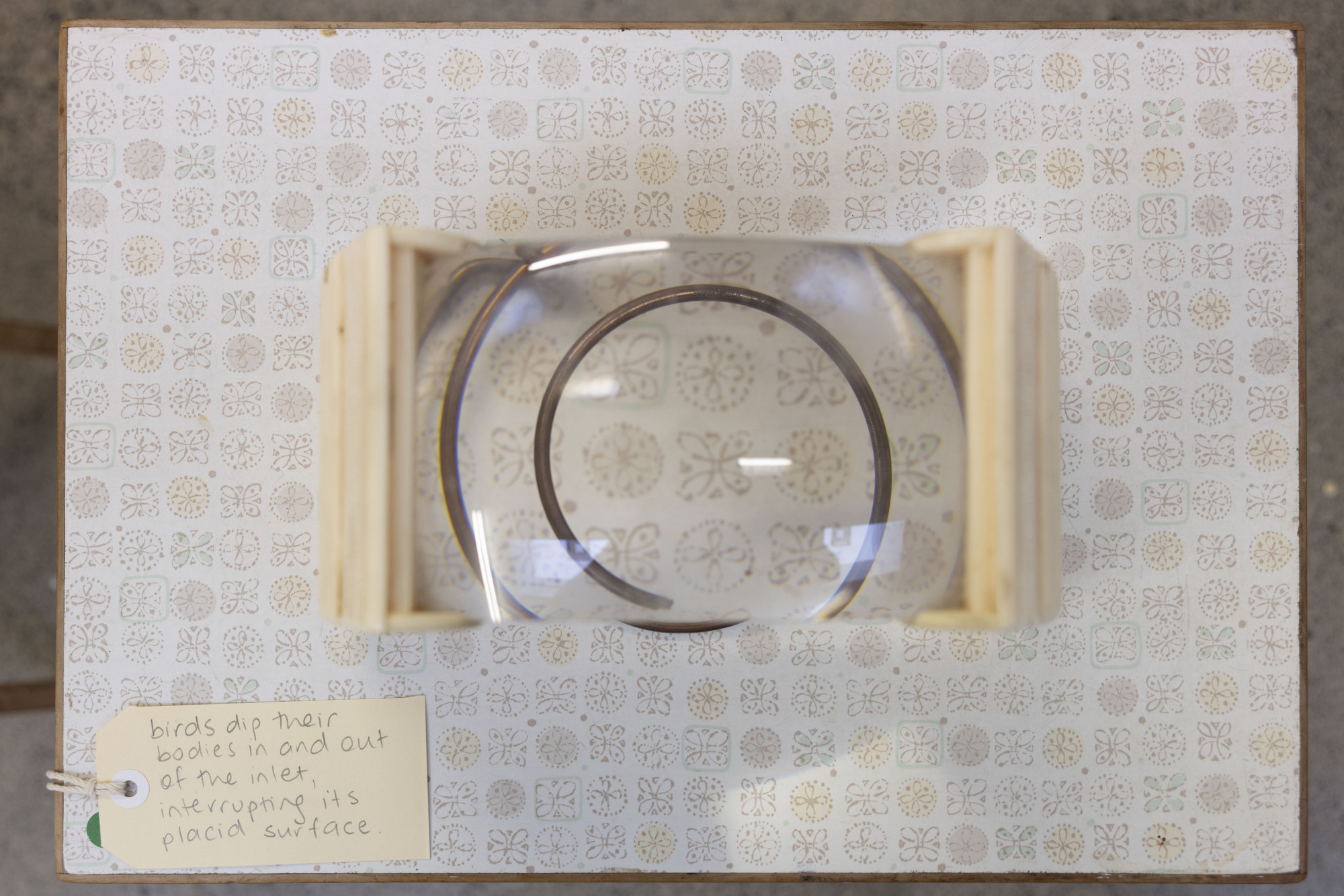
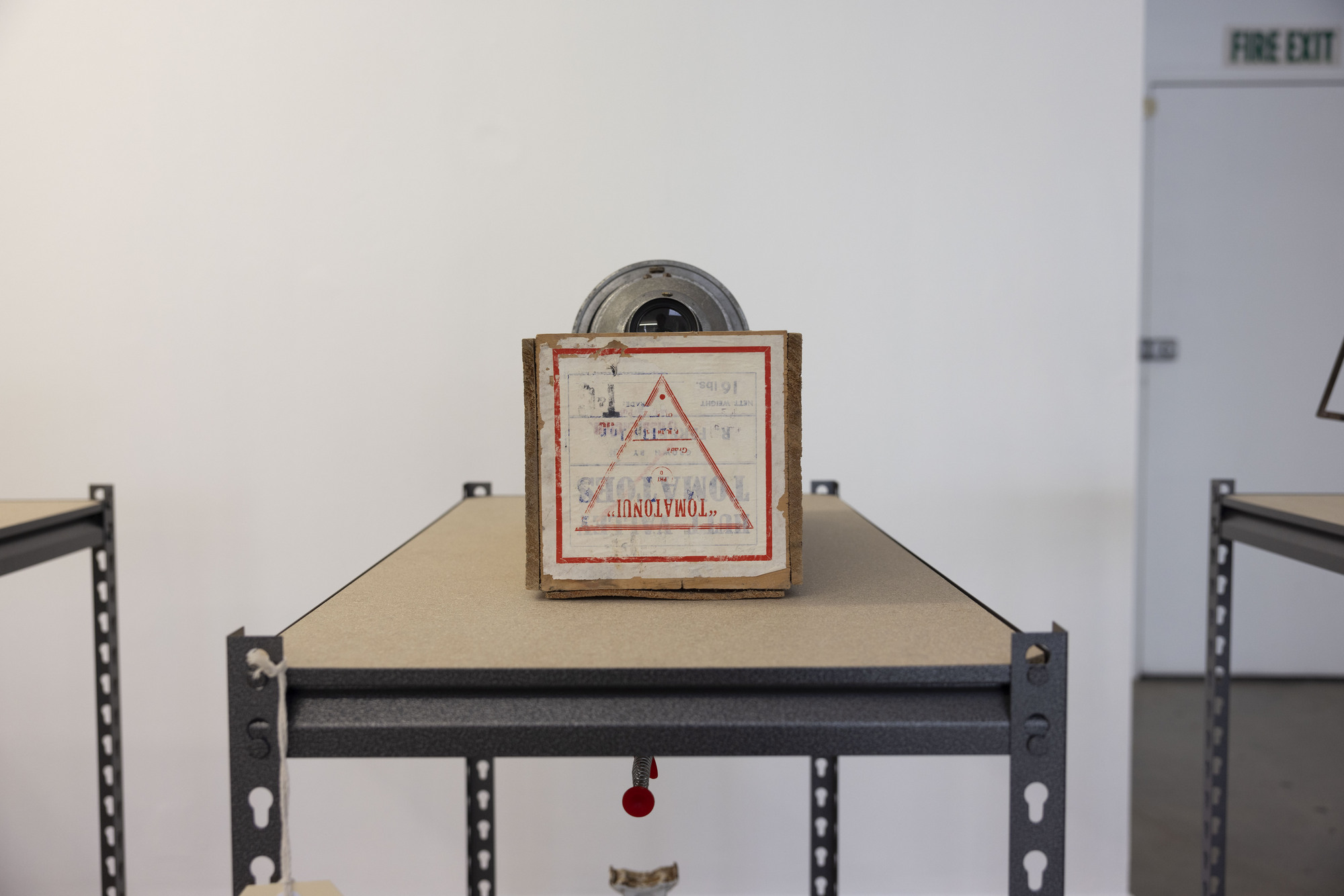
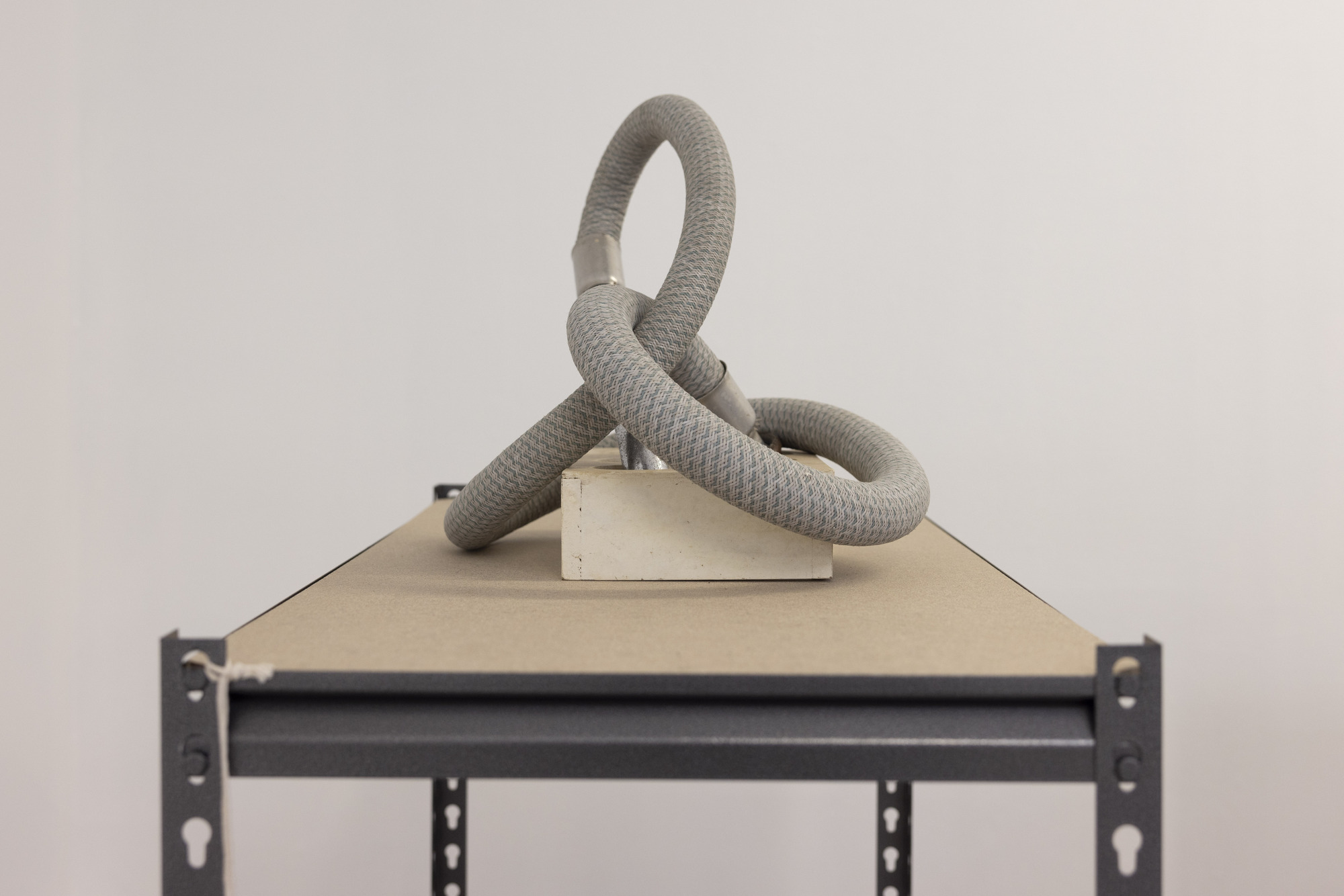
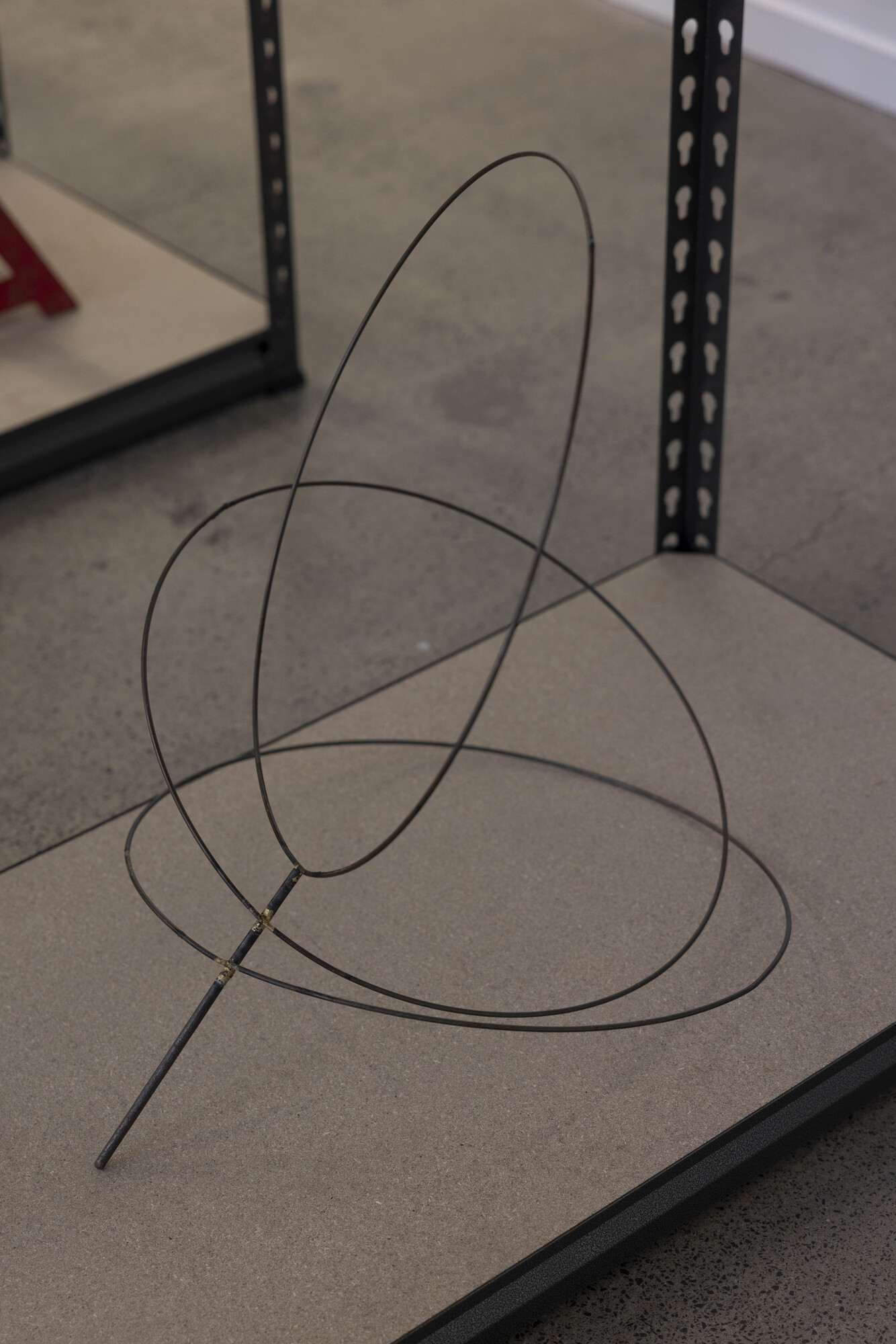
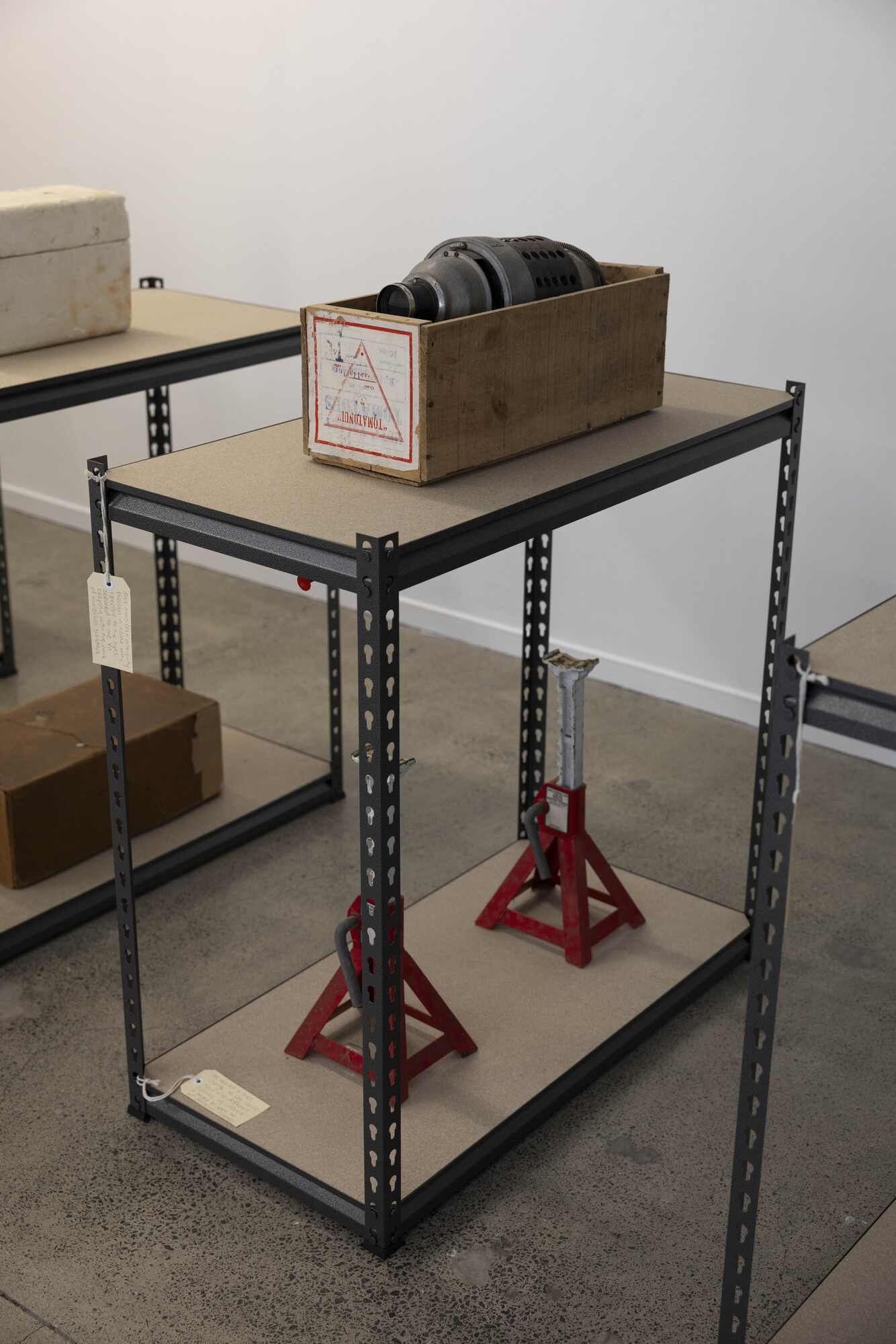
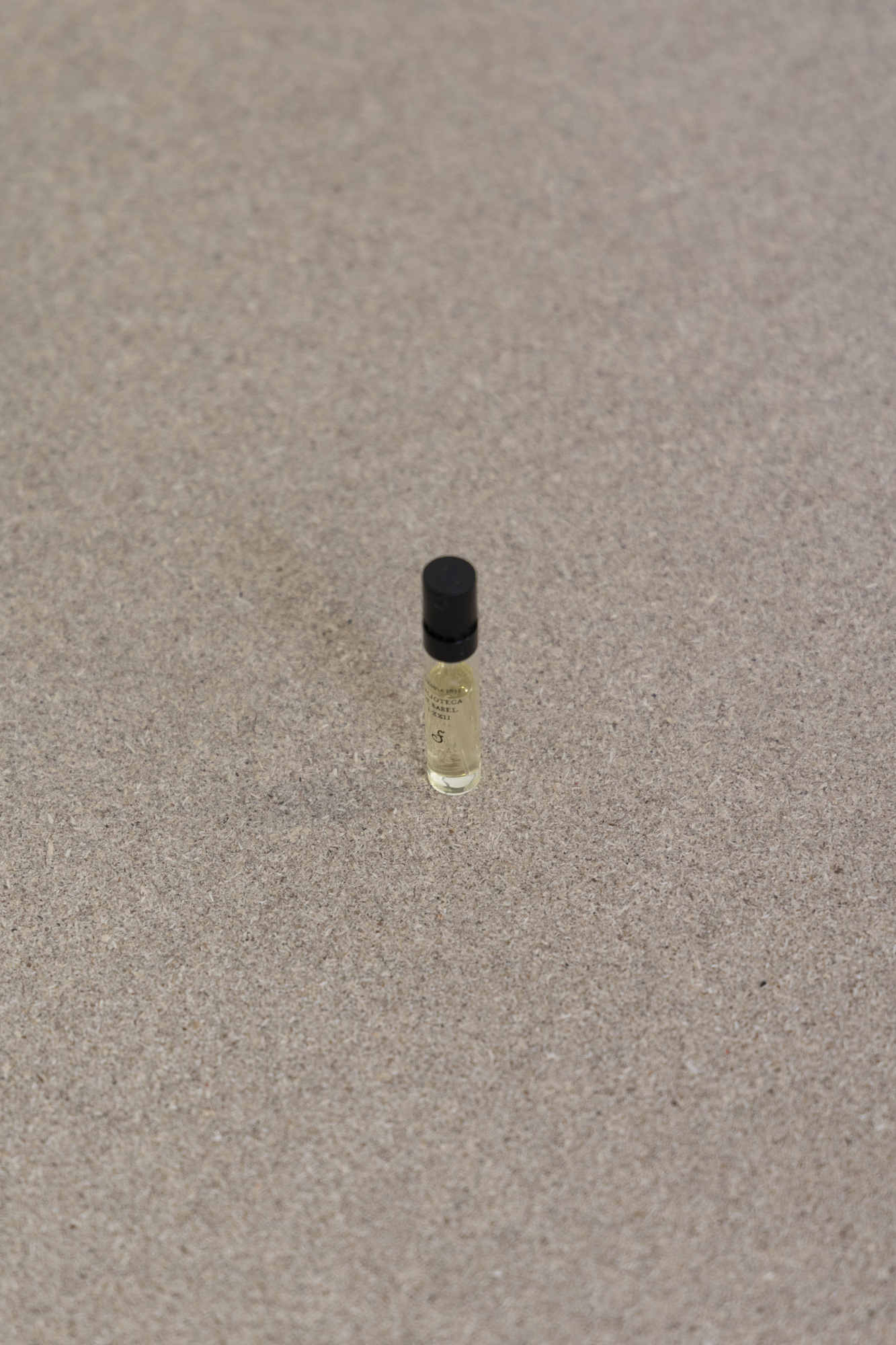
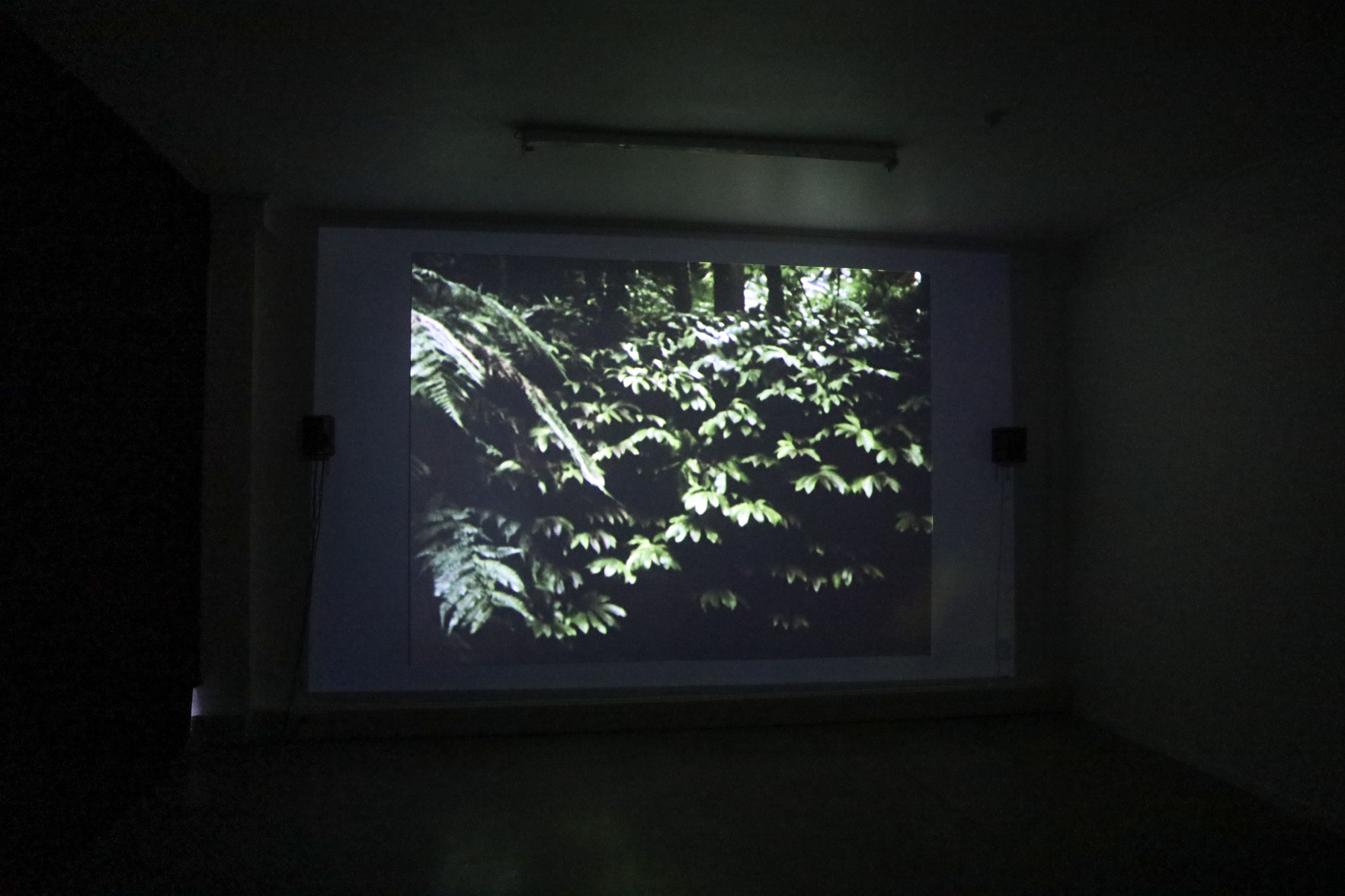
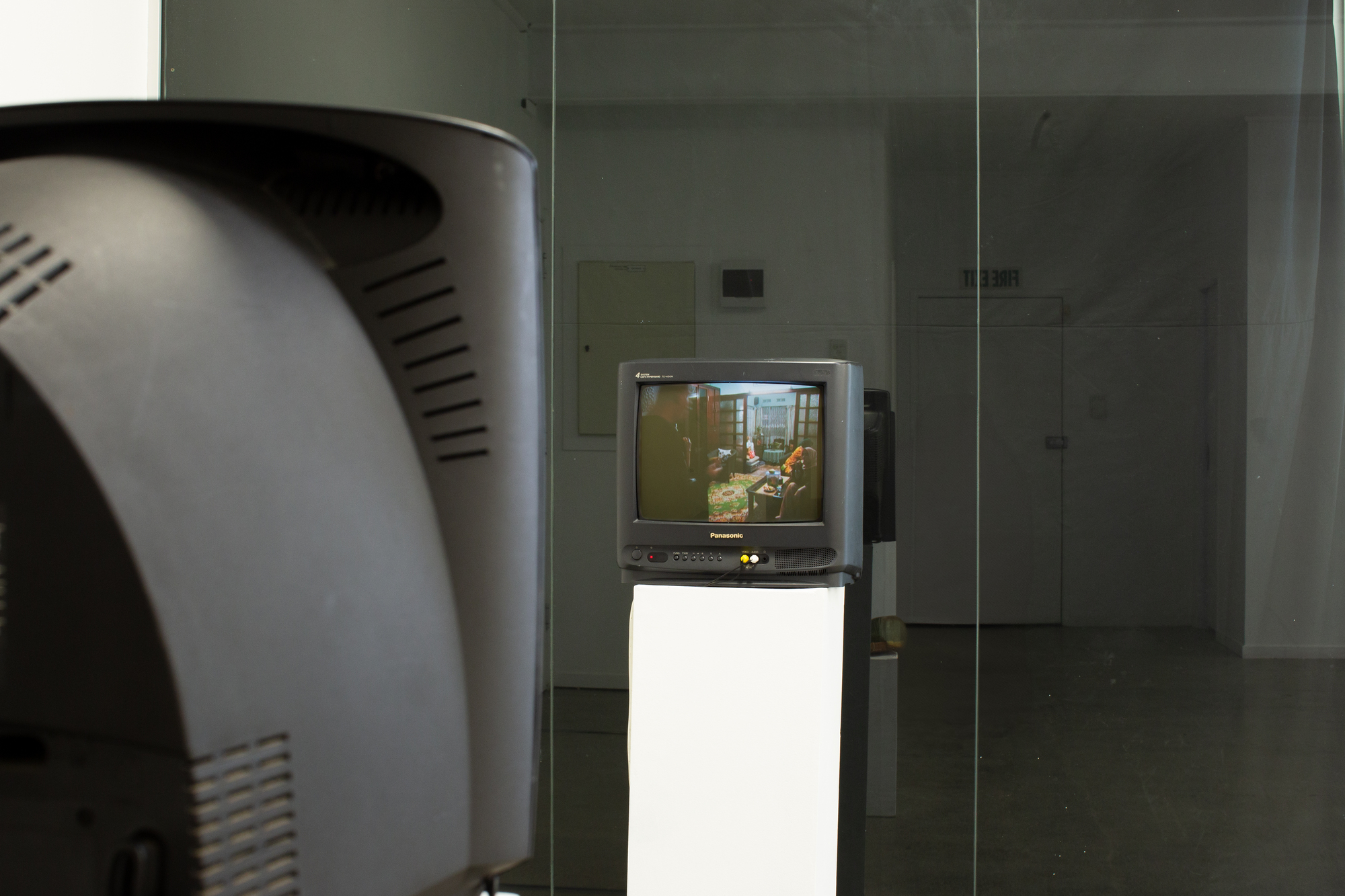
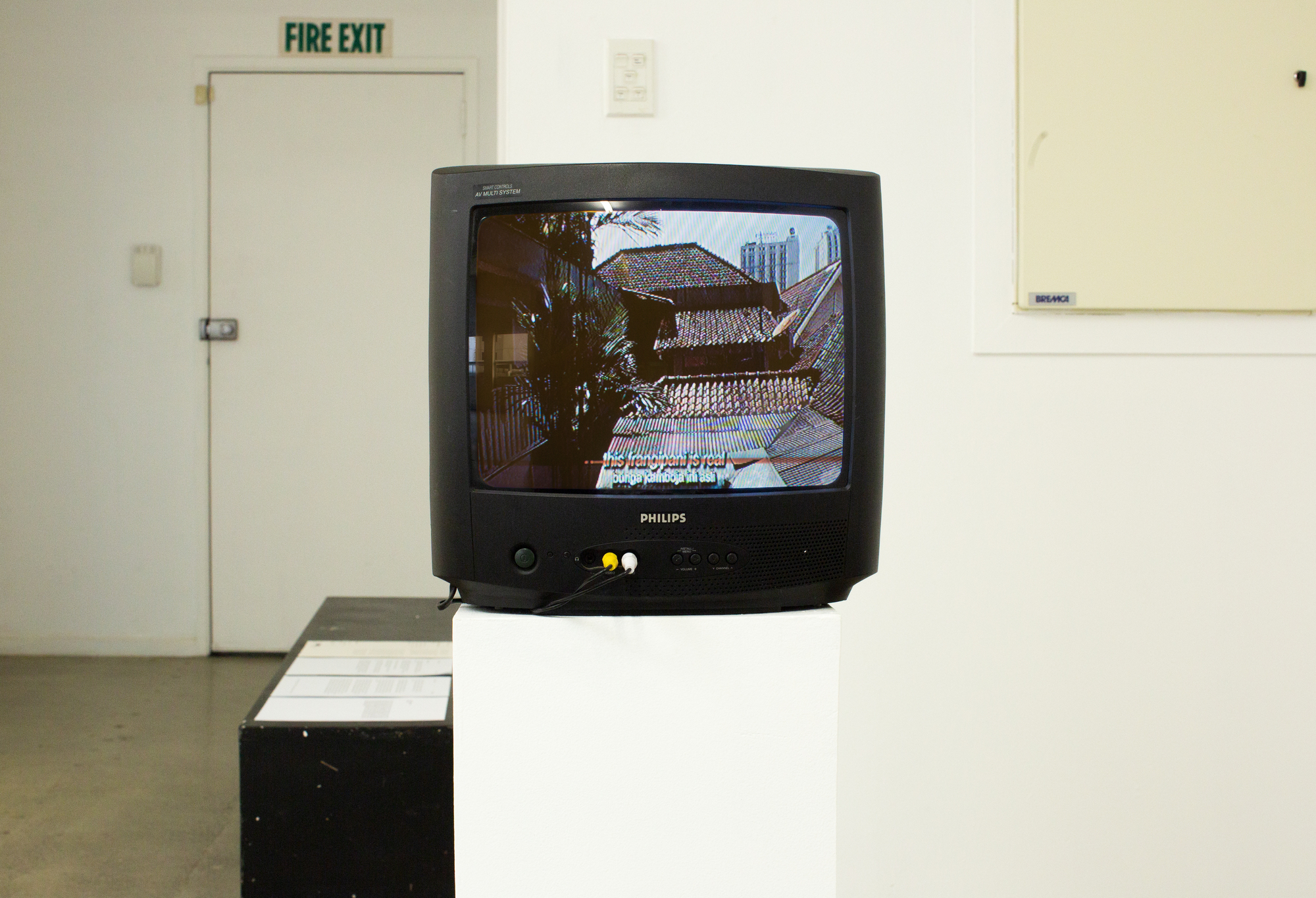
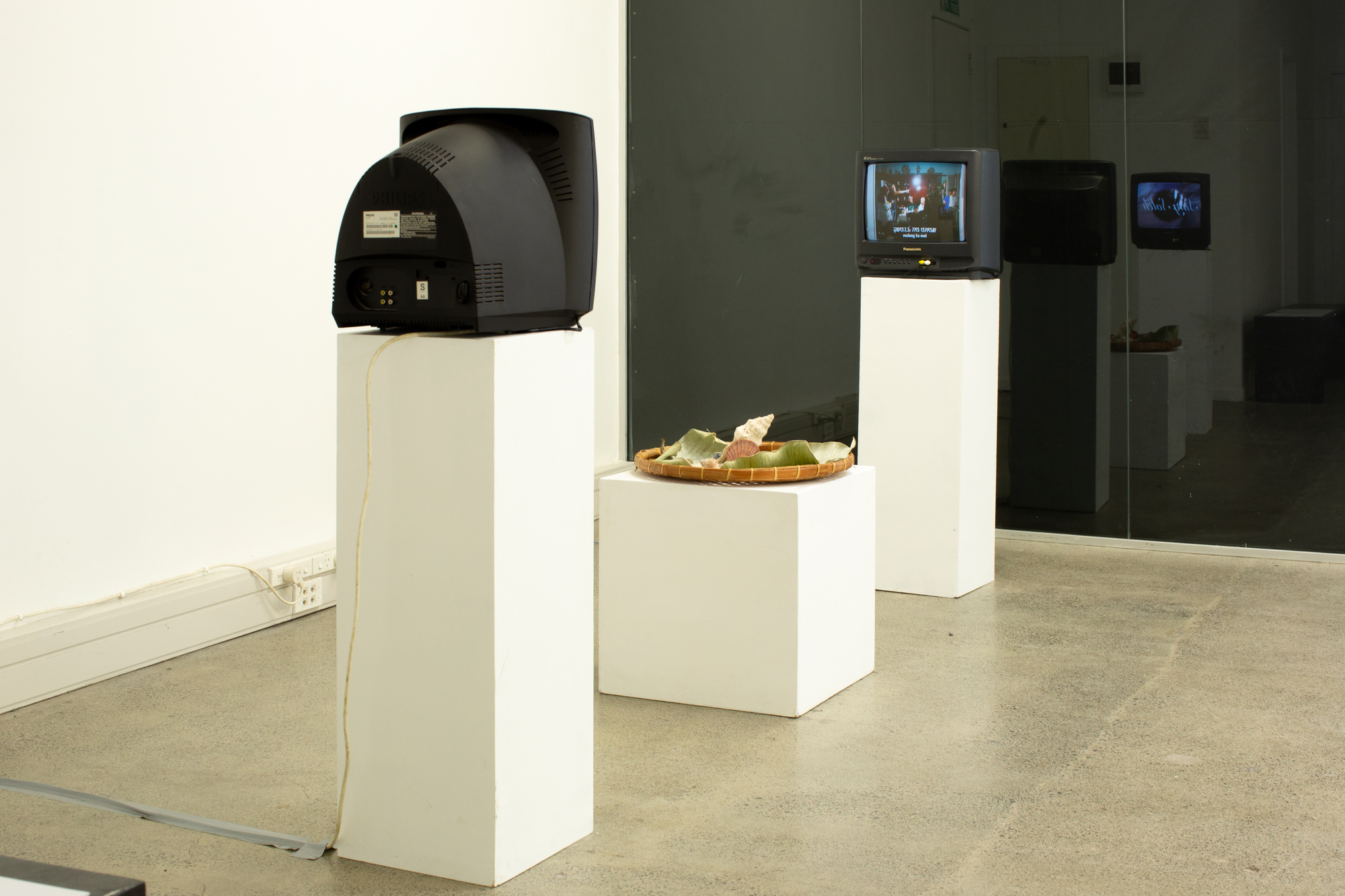
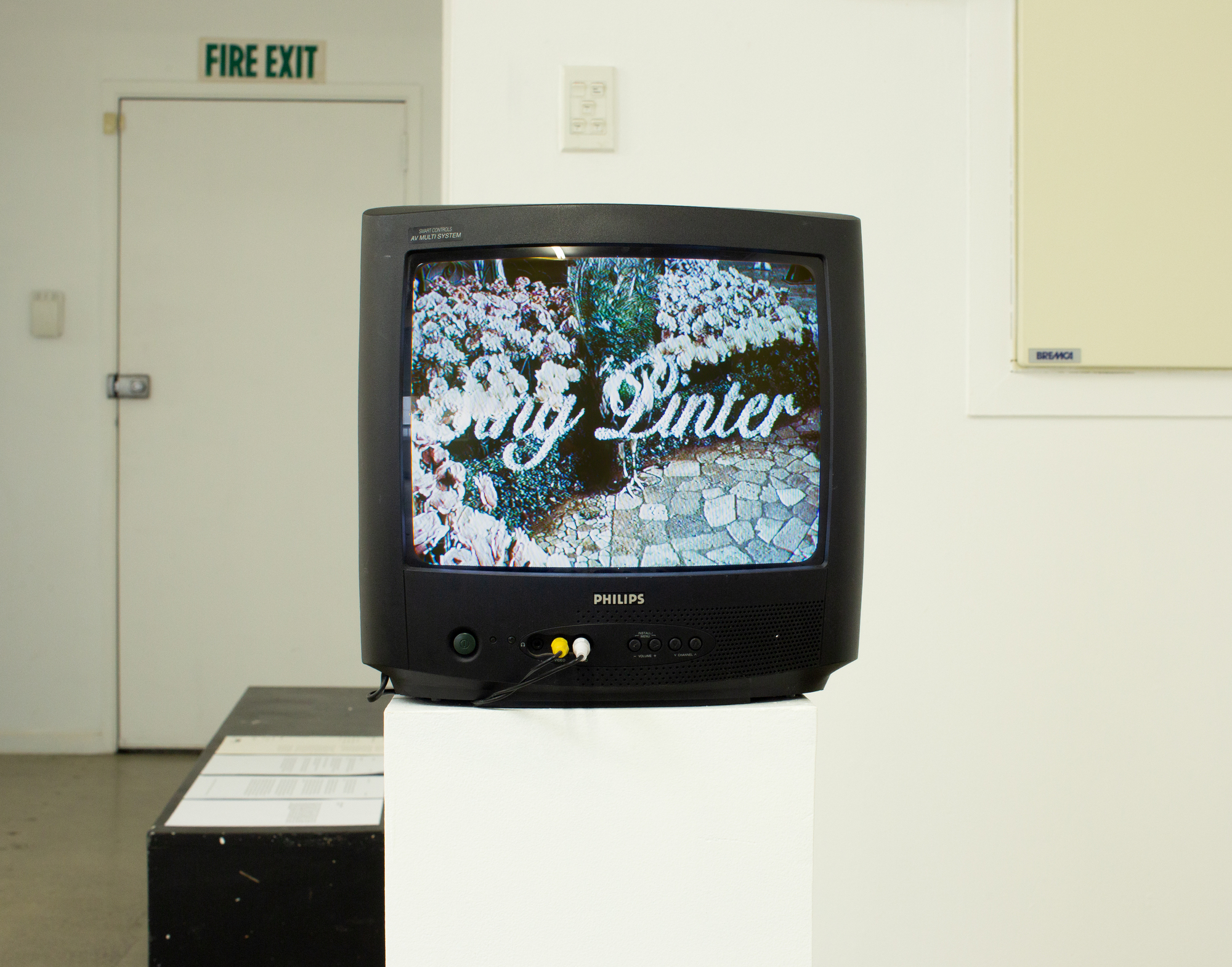
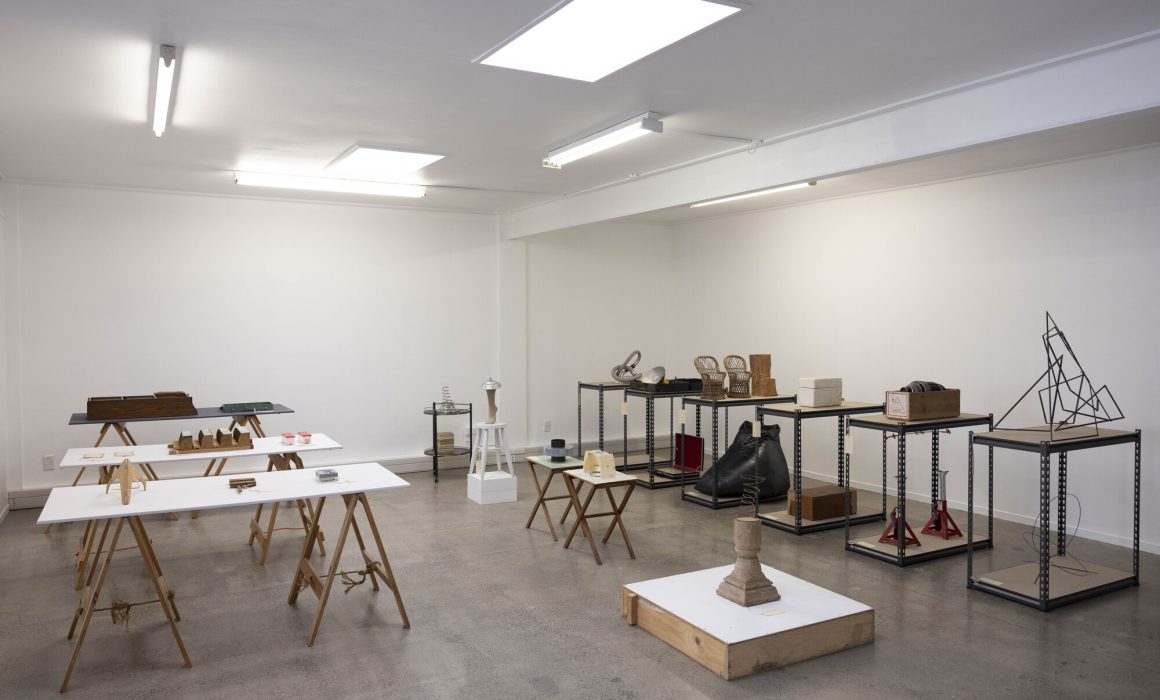
A “Stack Rat” is librarian slang for the worker that answers the request of a patron by retrieving their desired book (or “item”) from one of the many shelves (or “stacks”) in a library. This exhibition consists of the items and detritus brought forth from a great archive by the figure of the Stack Rat. RM Gallery becomes a site where this information is gathered and organised. 

Another way to think of a library could be as a human brain, where thinking and remembering is the action of searching a vast catalogue of memory. Memory and its loss are central concerns of ours. What happens to an archive when parts of it disappear? What does the Stack Rat do when a patron’s request cannot be fulfilled? A classification system might begin to lose its meaning, falling further and further from the reasonable grounds of logic as it deteriorates.

Images by Anton Maurer
Theo Macdonald : The Oshima Gang

Theo Macdonald
The Oshima Gang

3 September – 11 October 2025
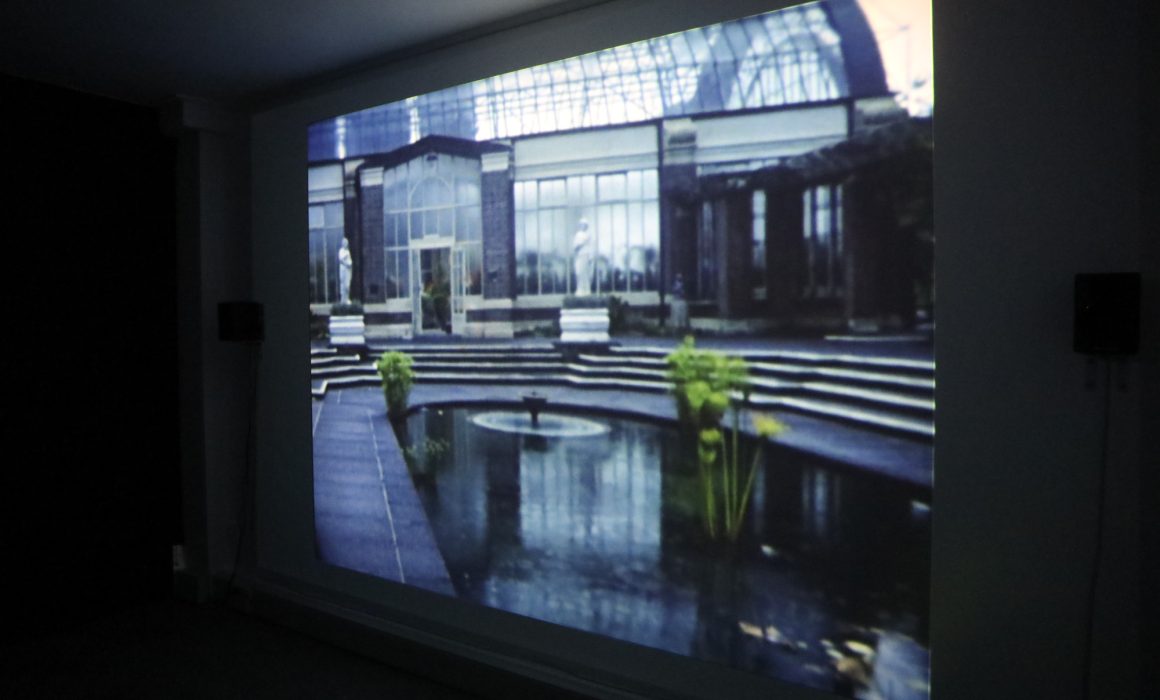
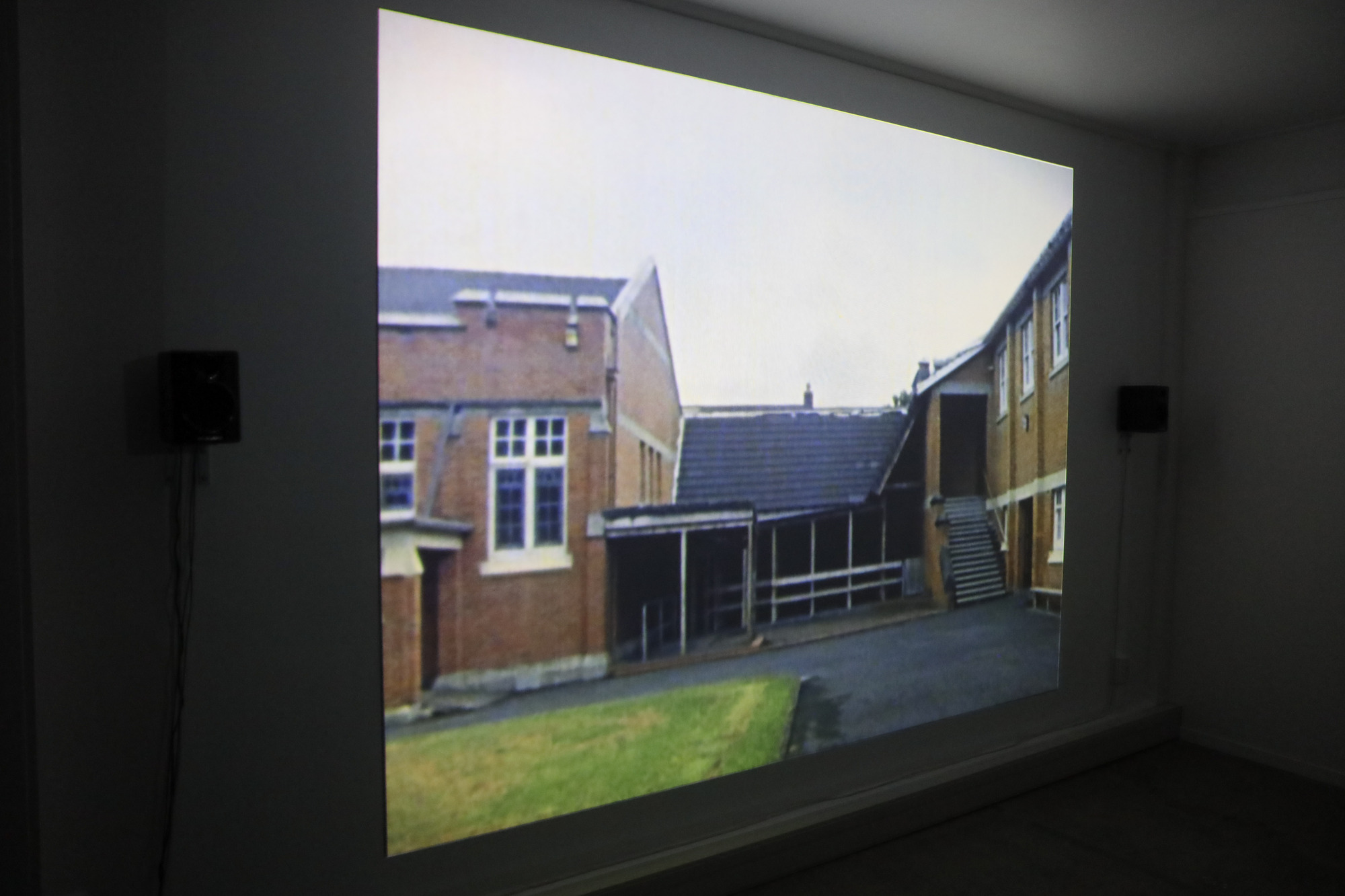
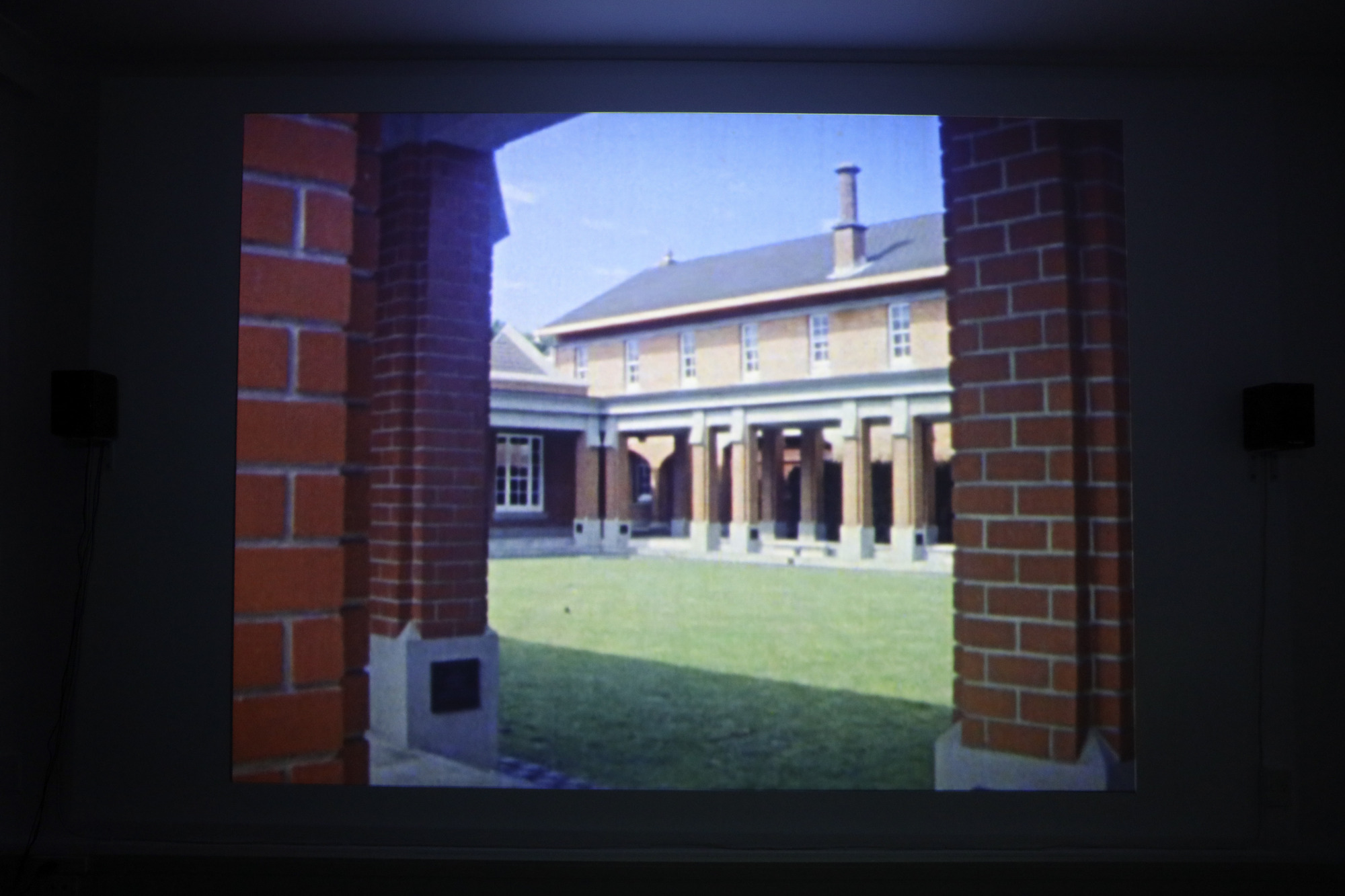
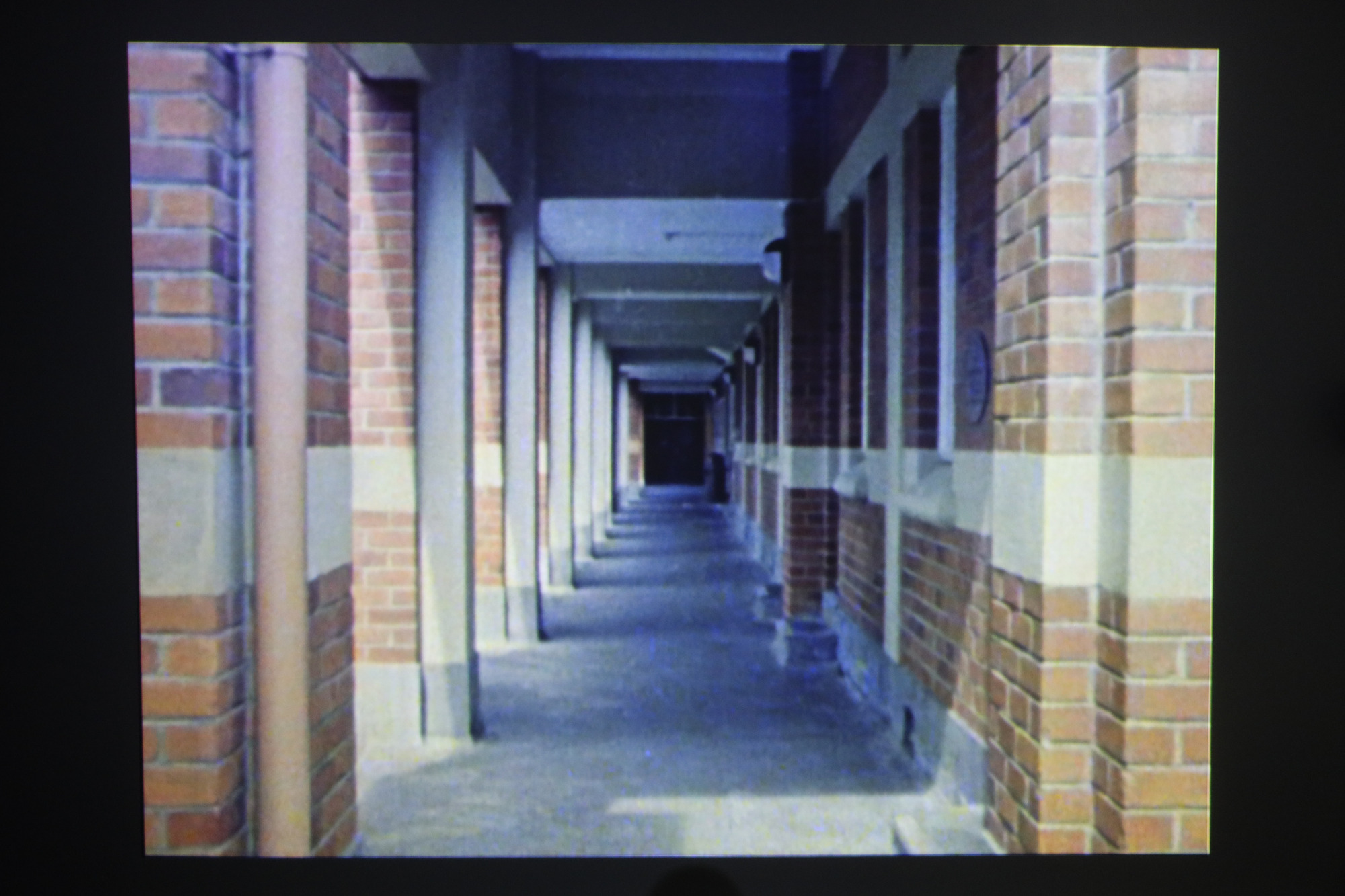
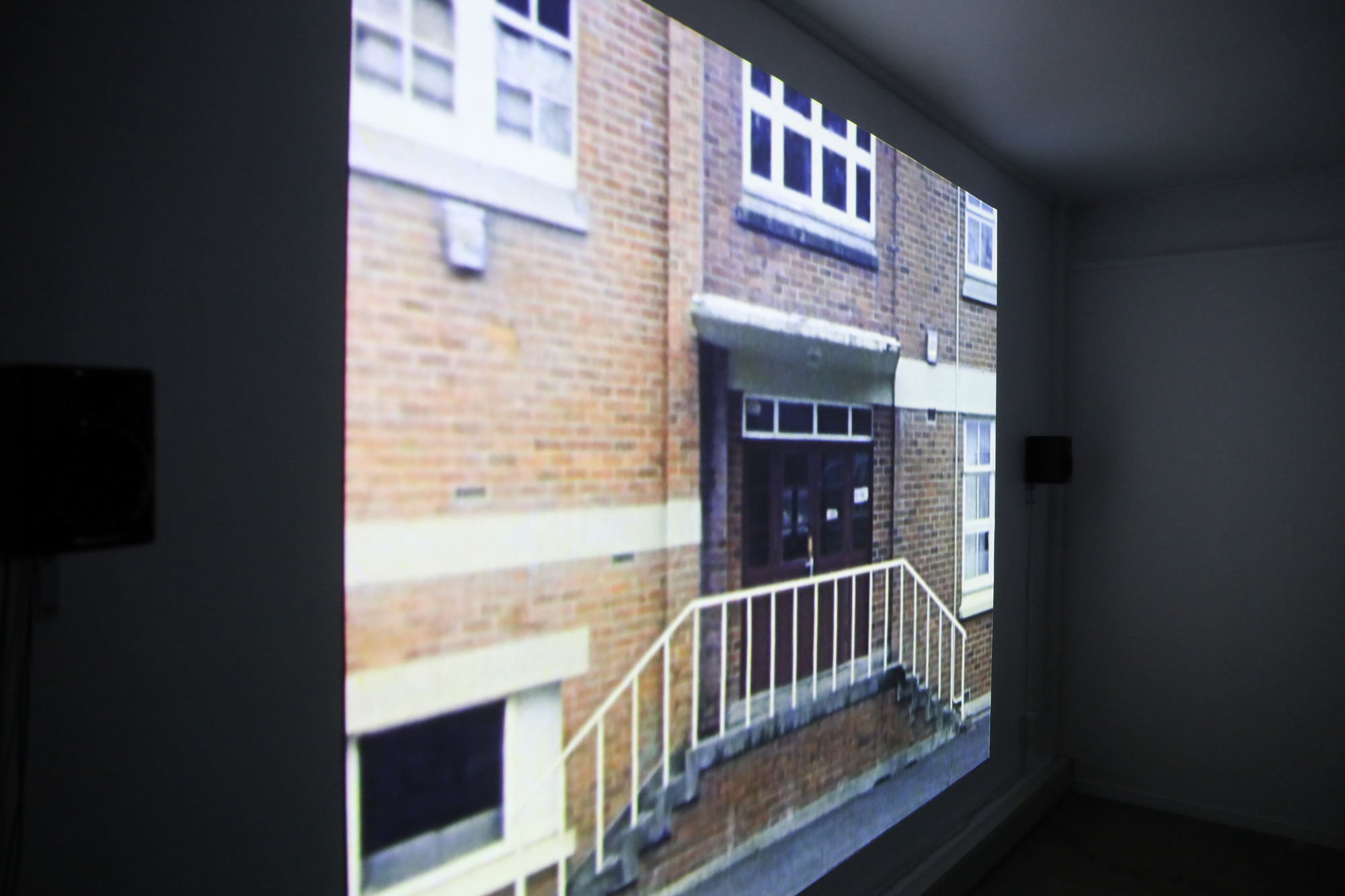
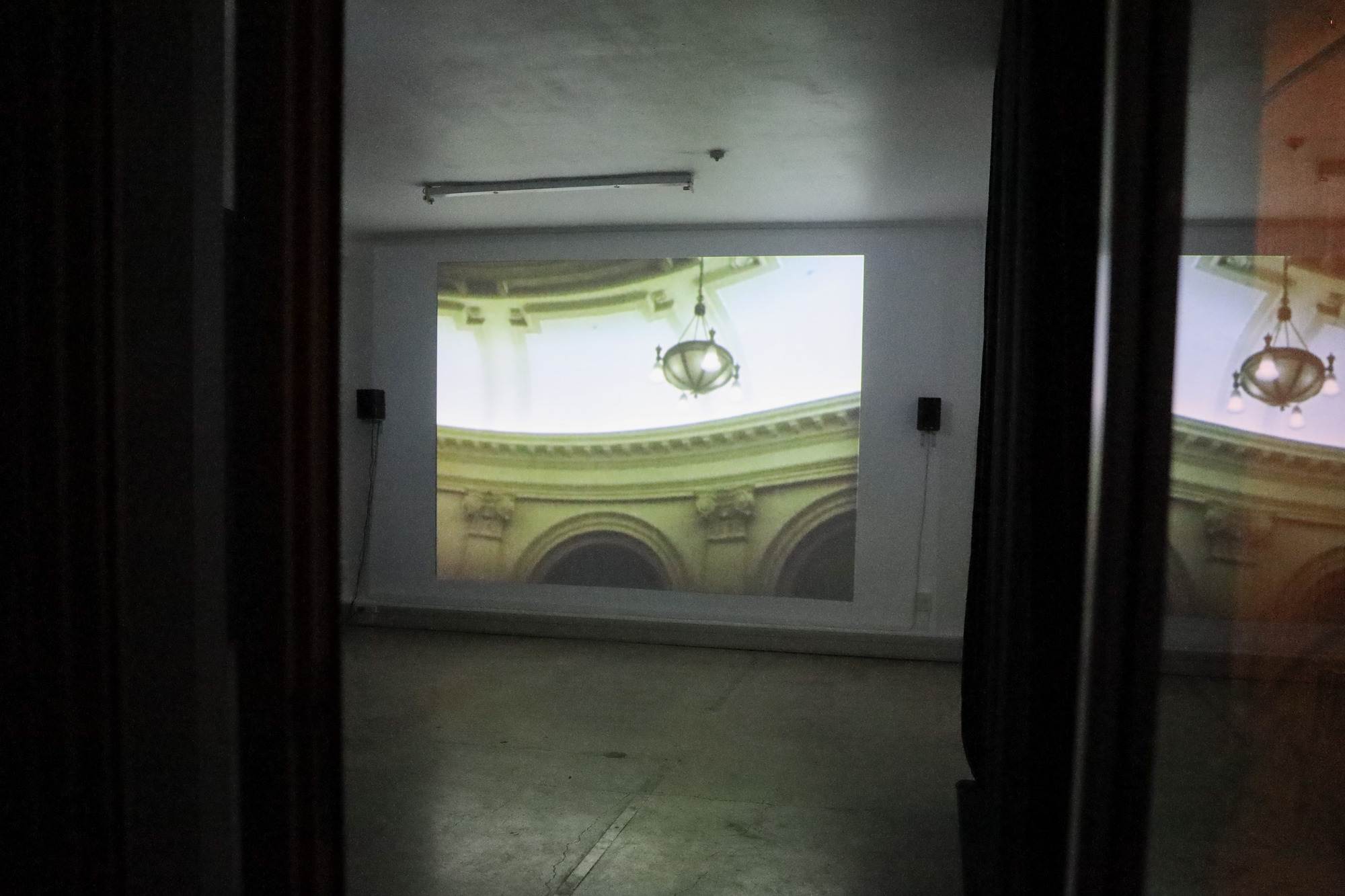
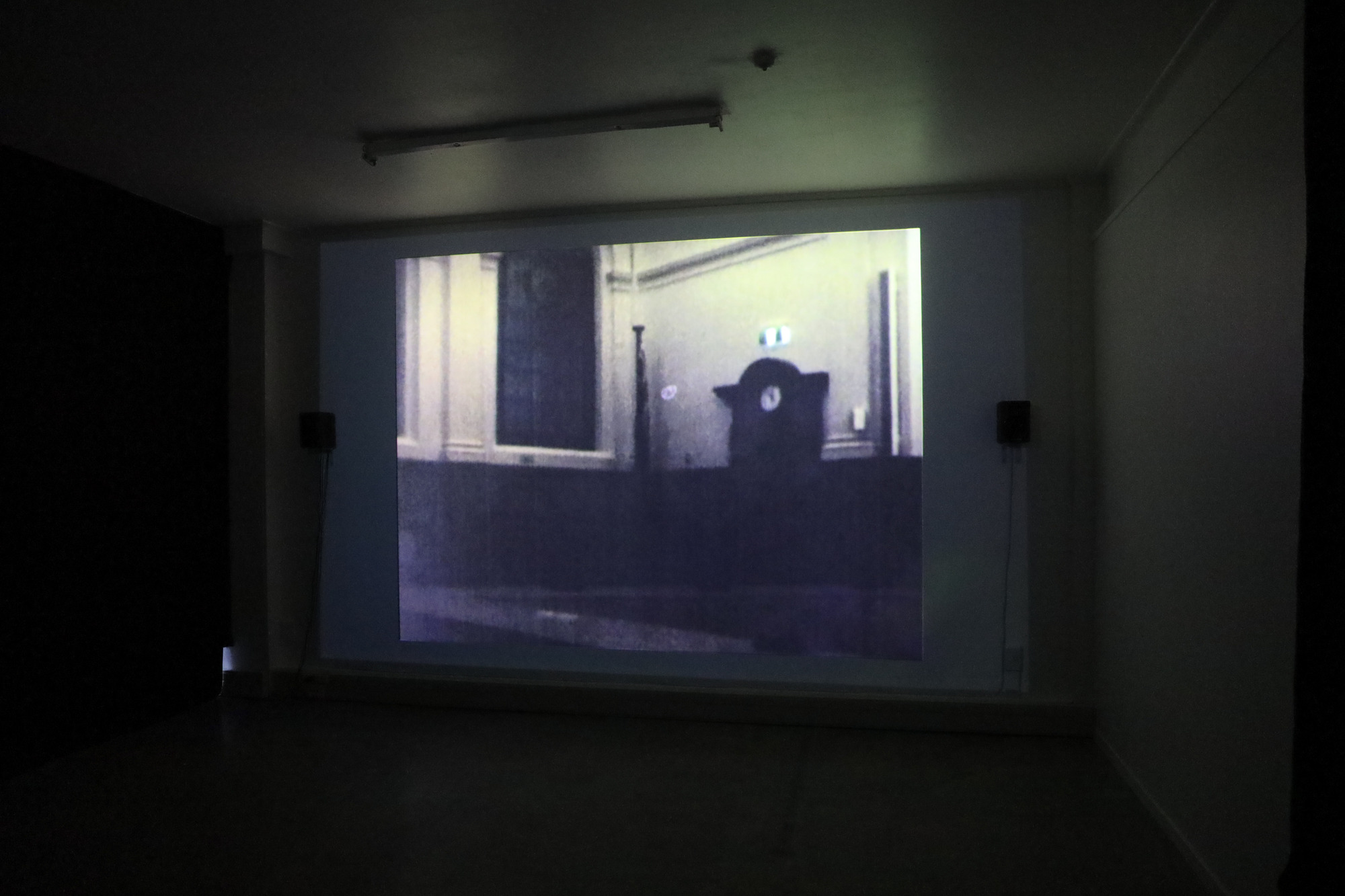
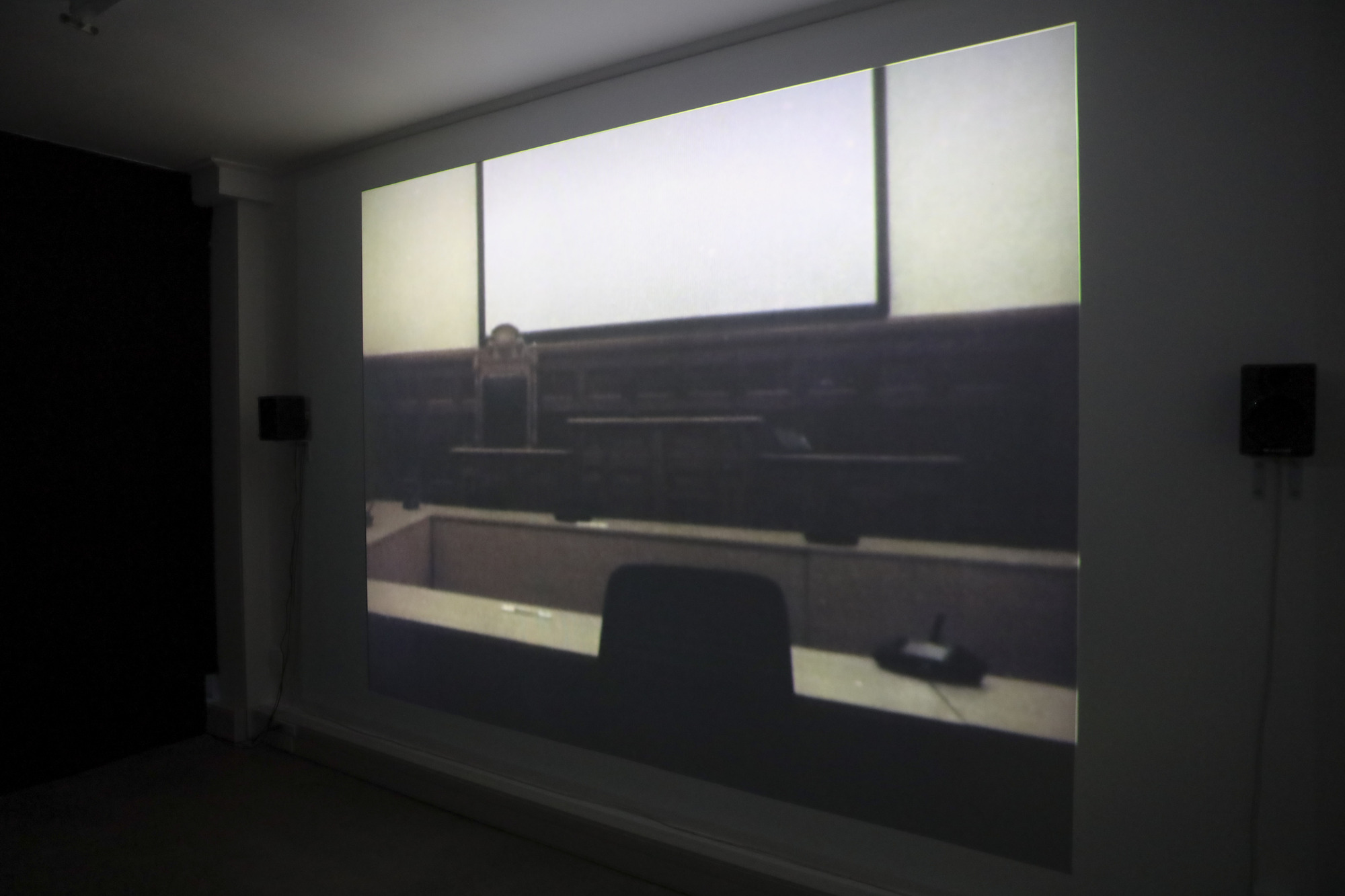
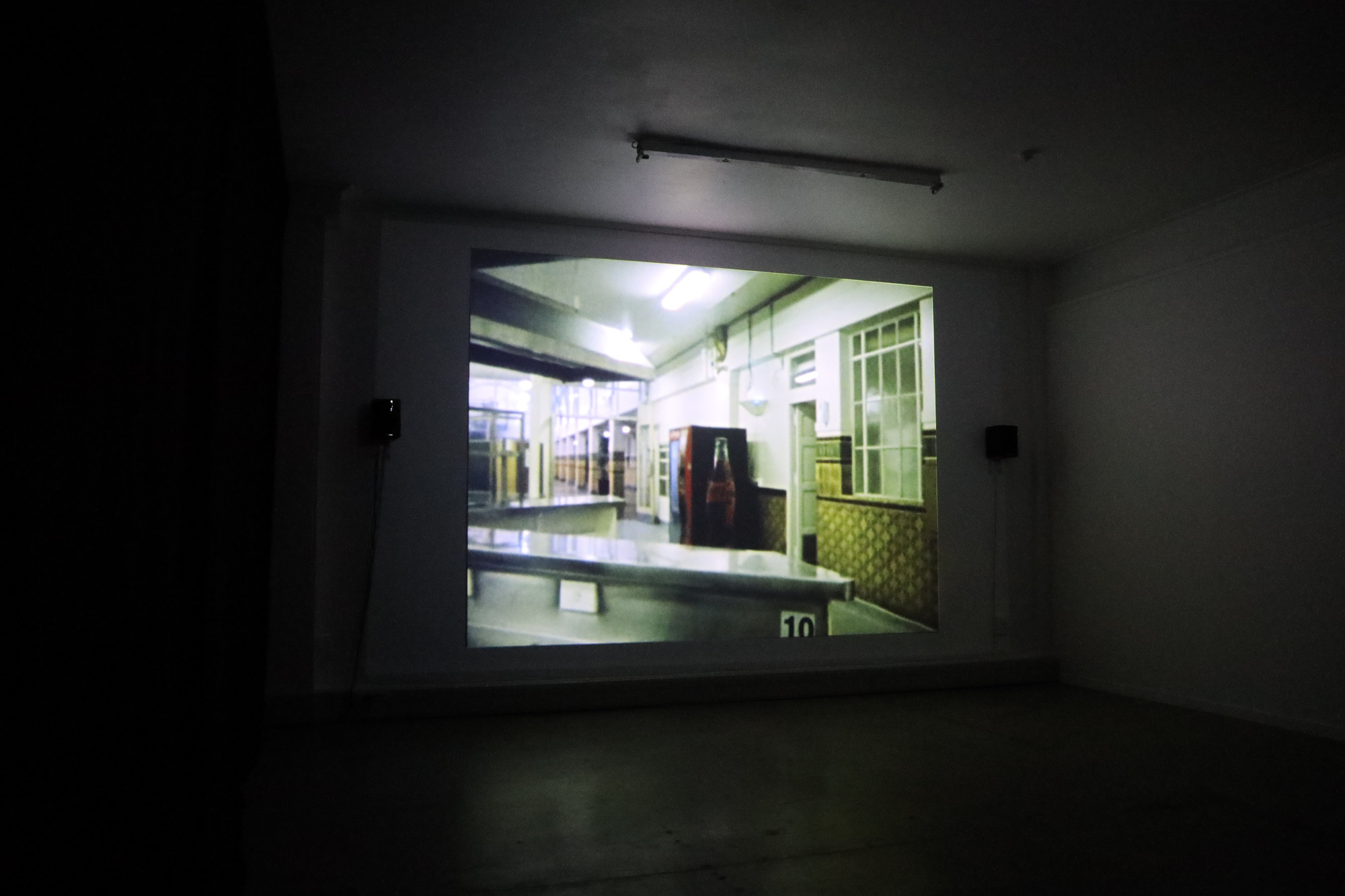
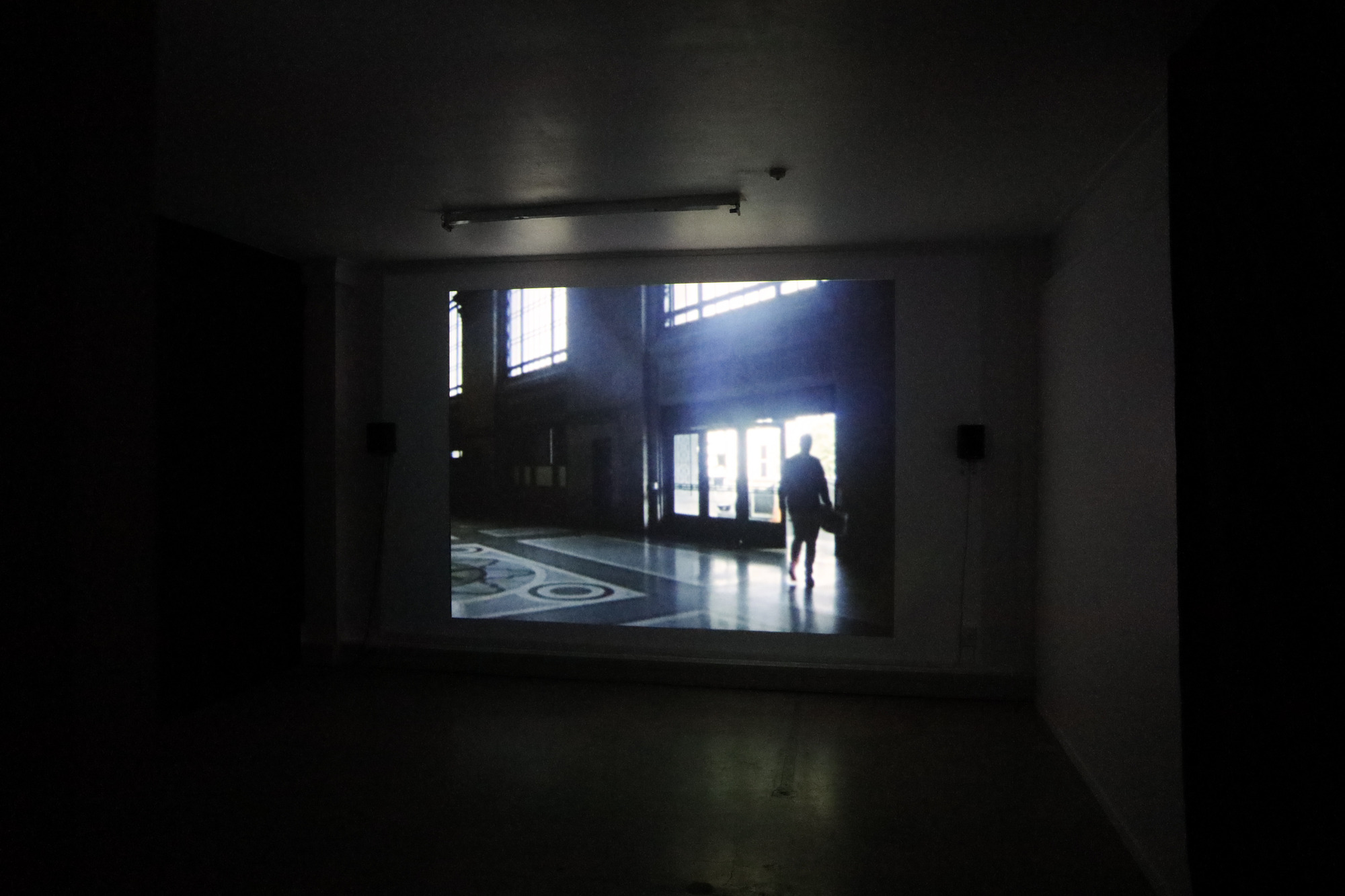
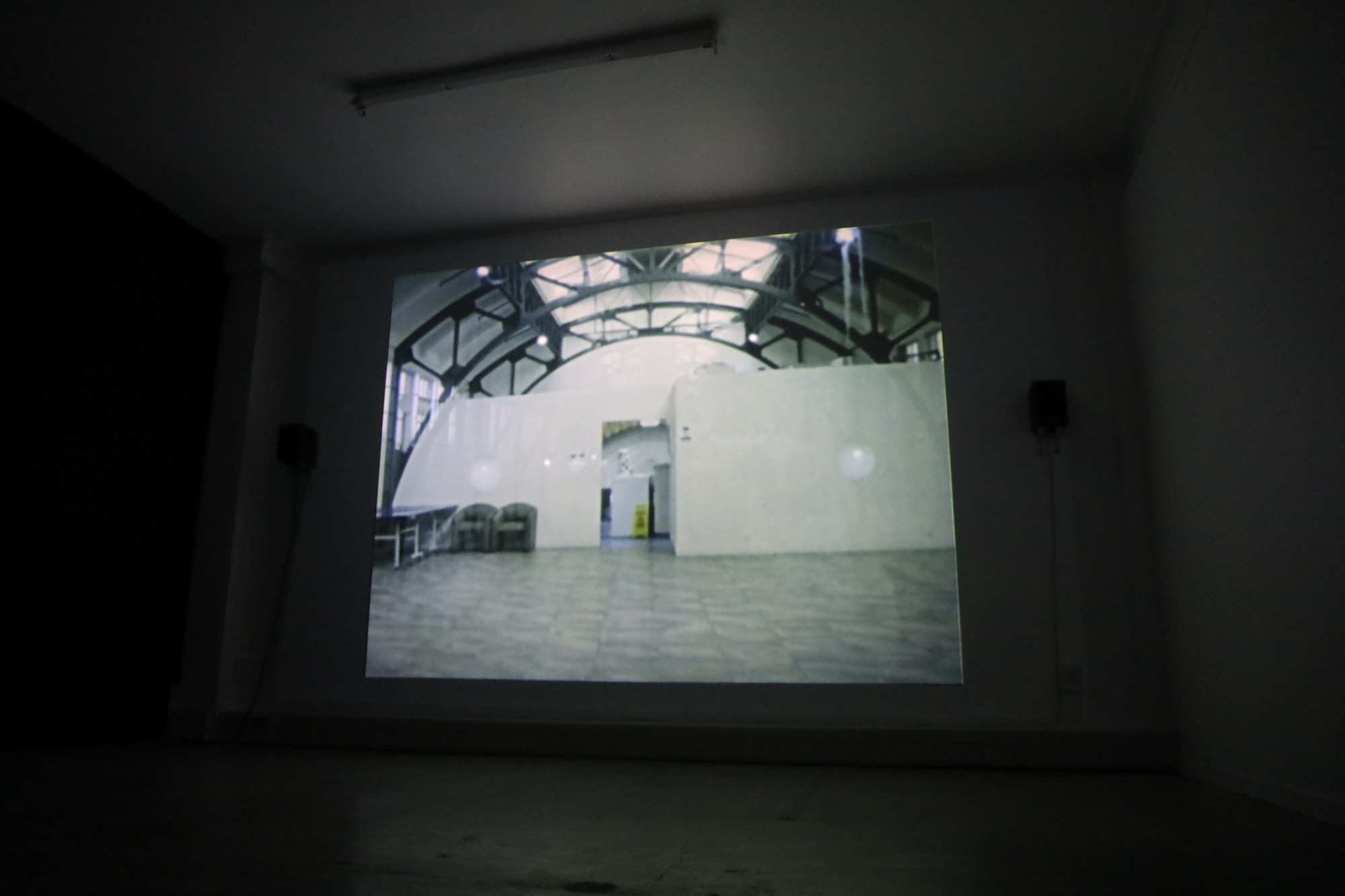
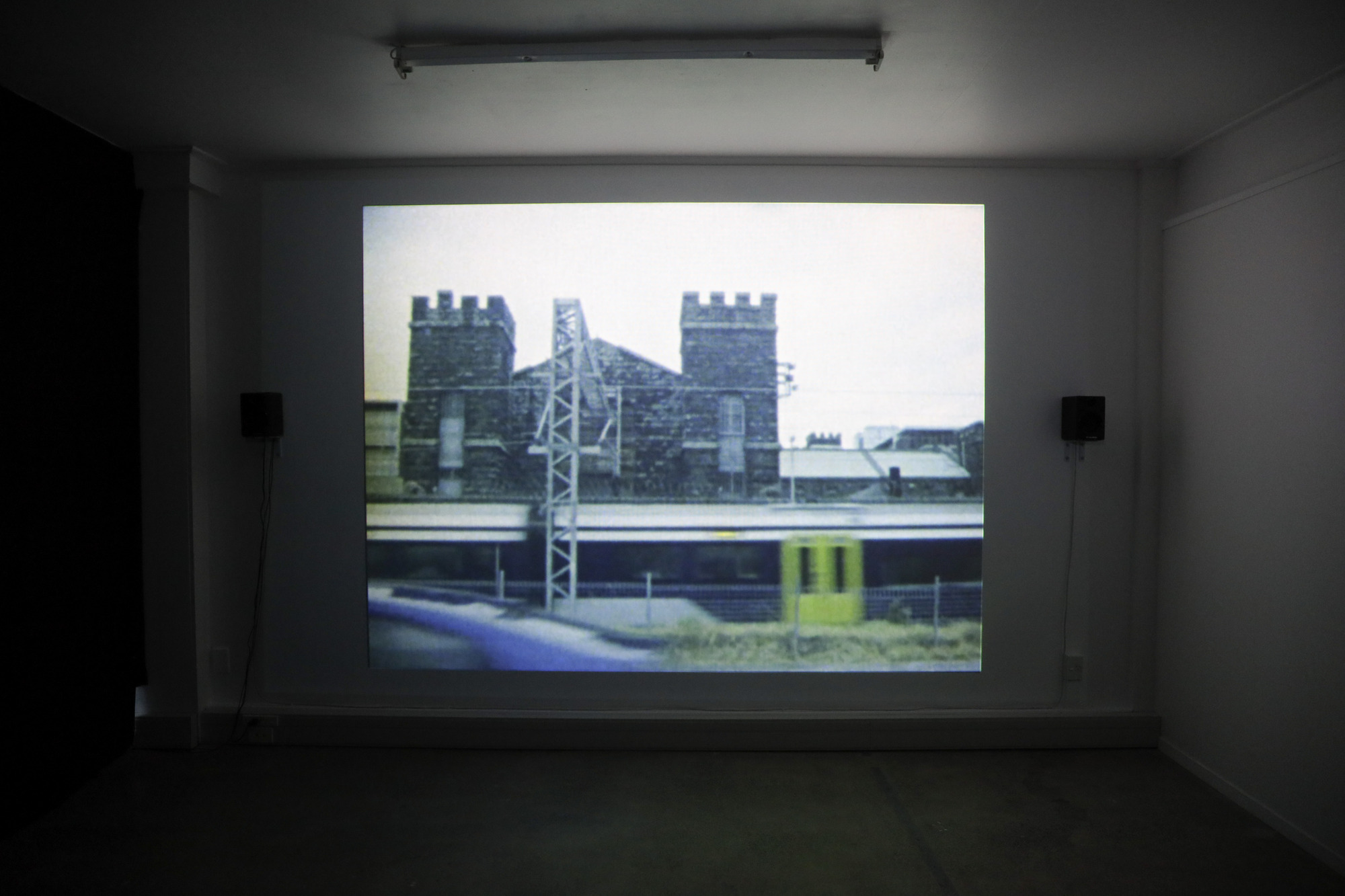
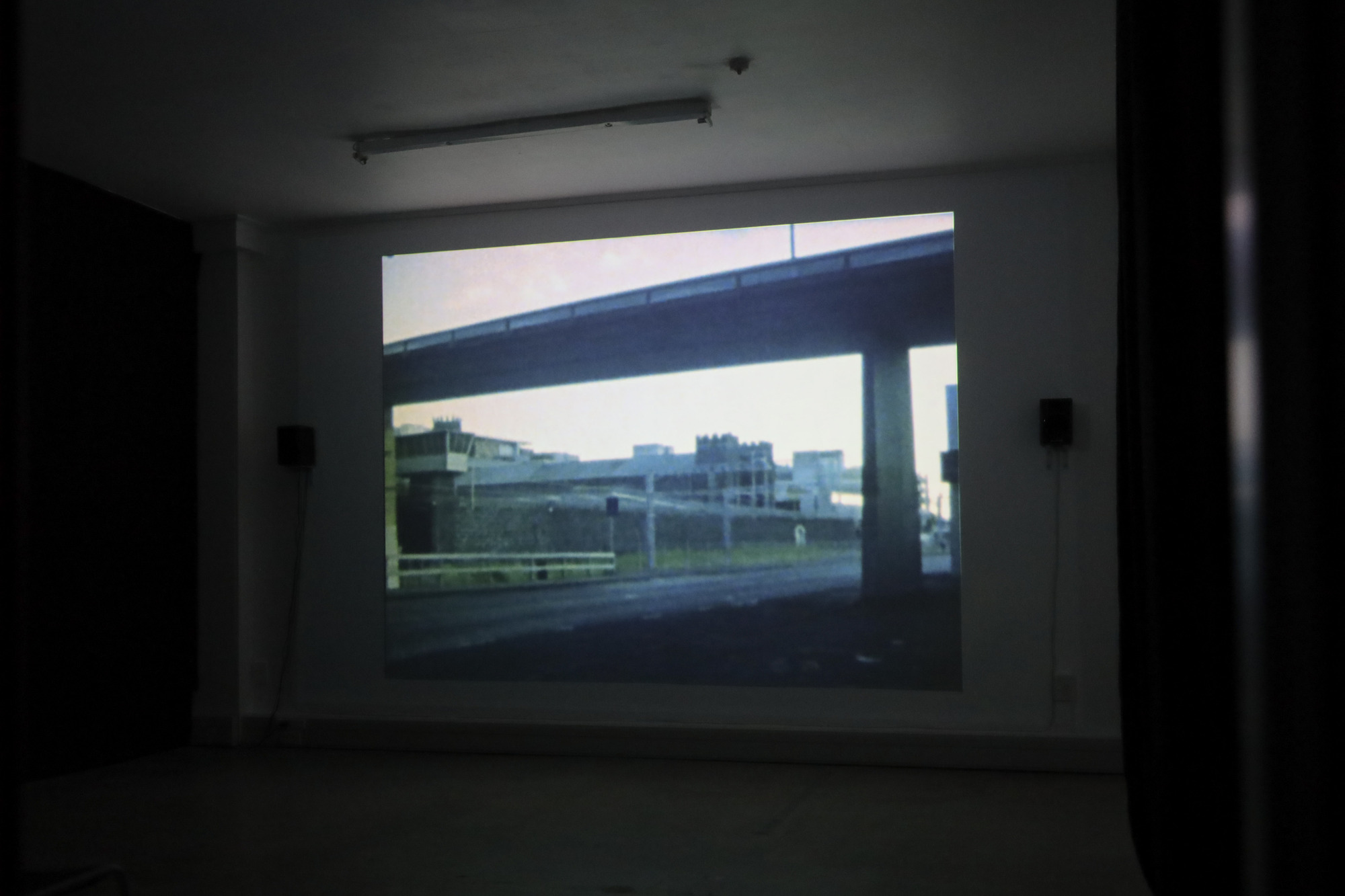
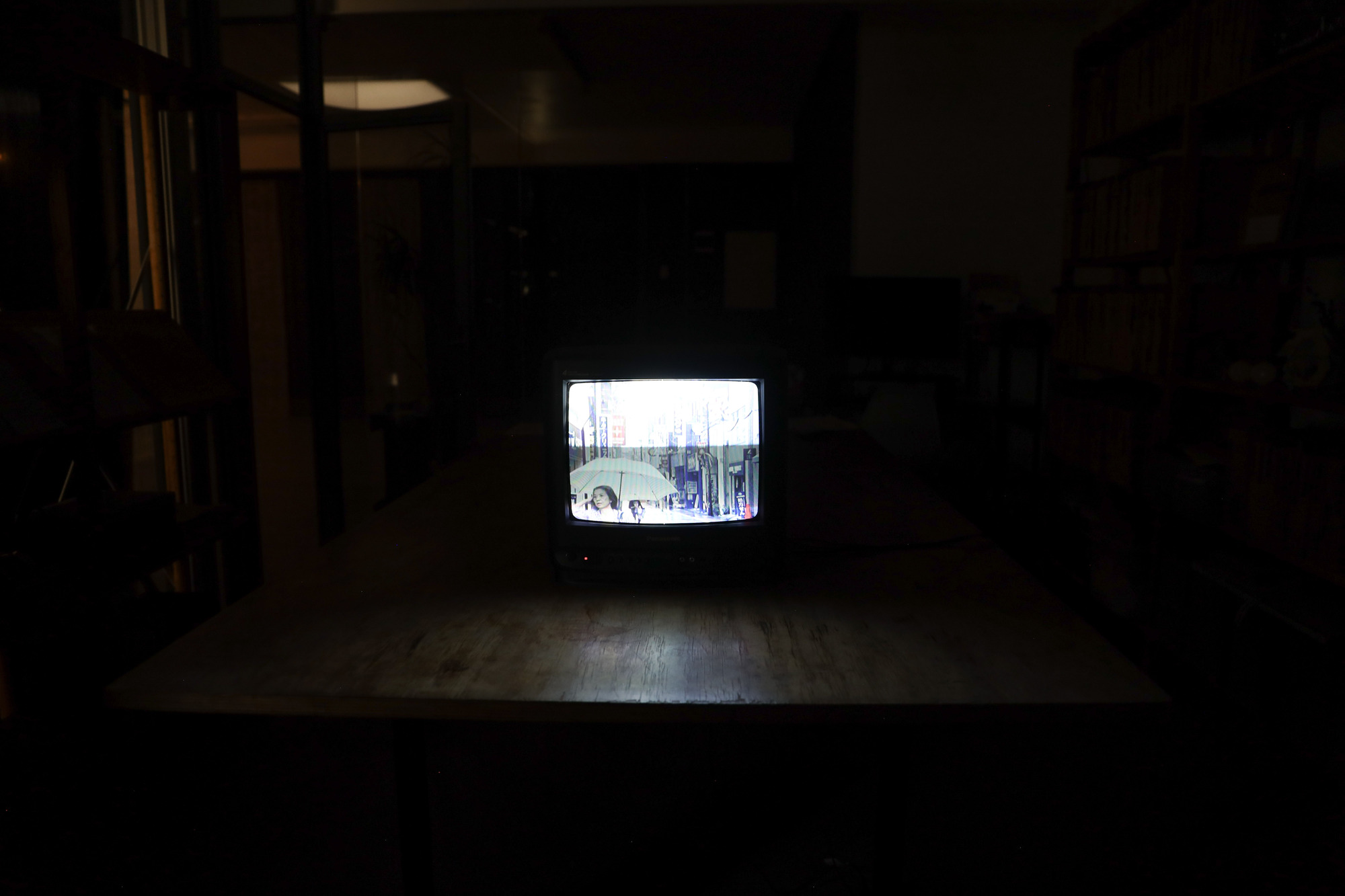
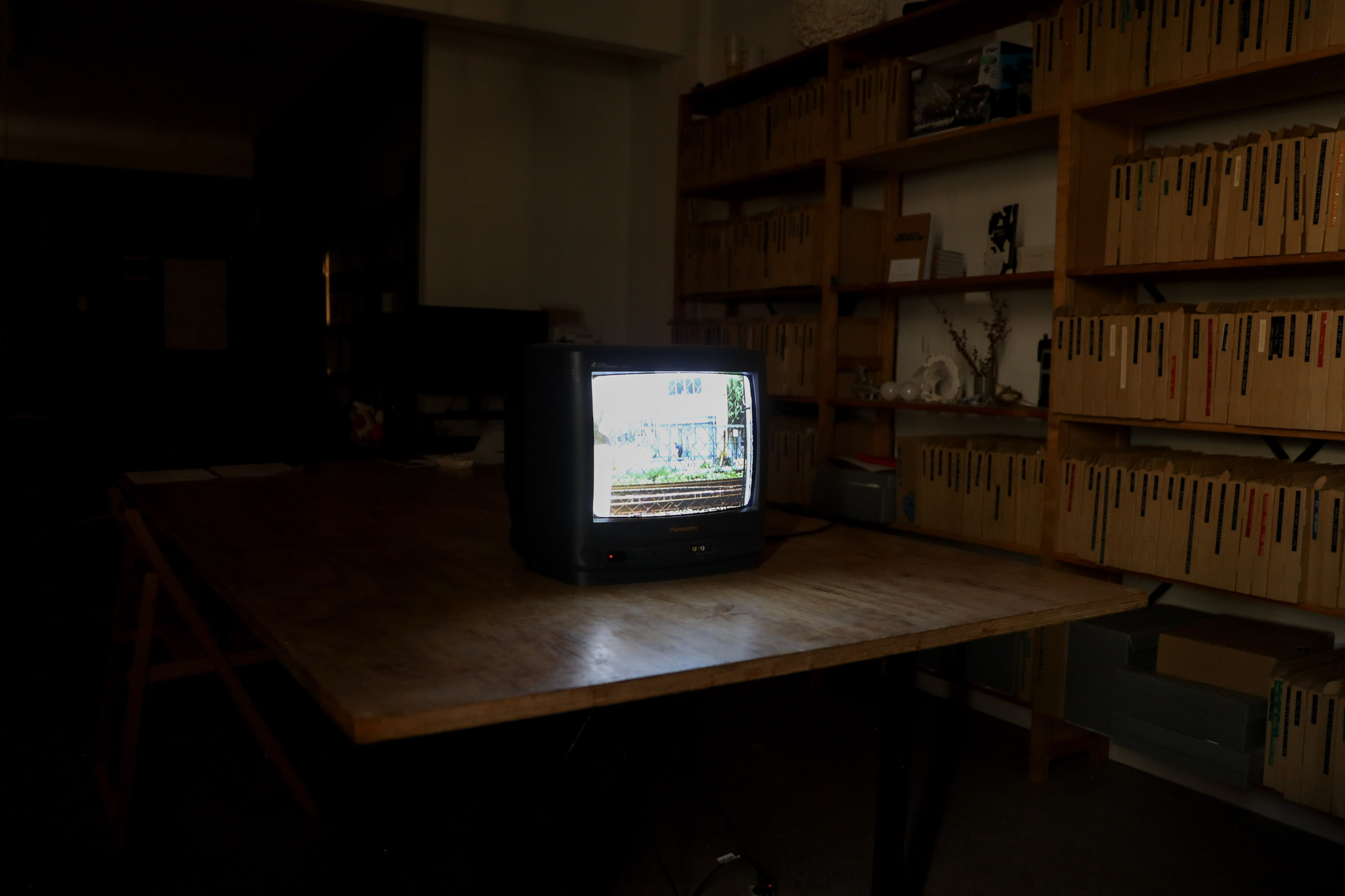
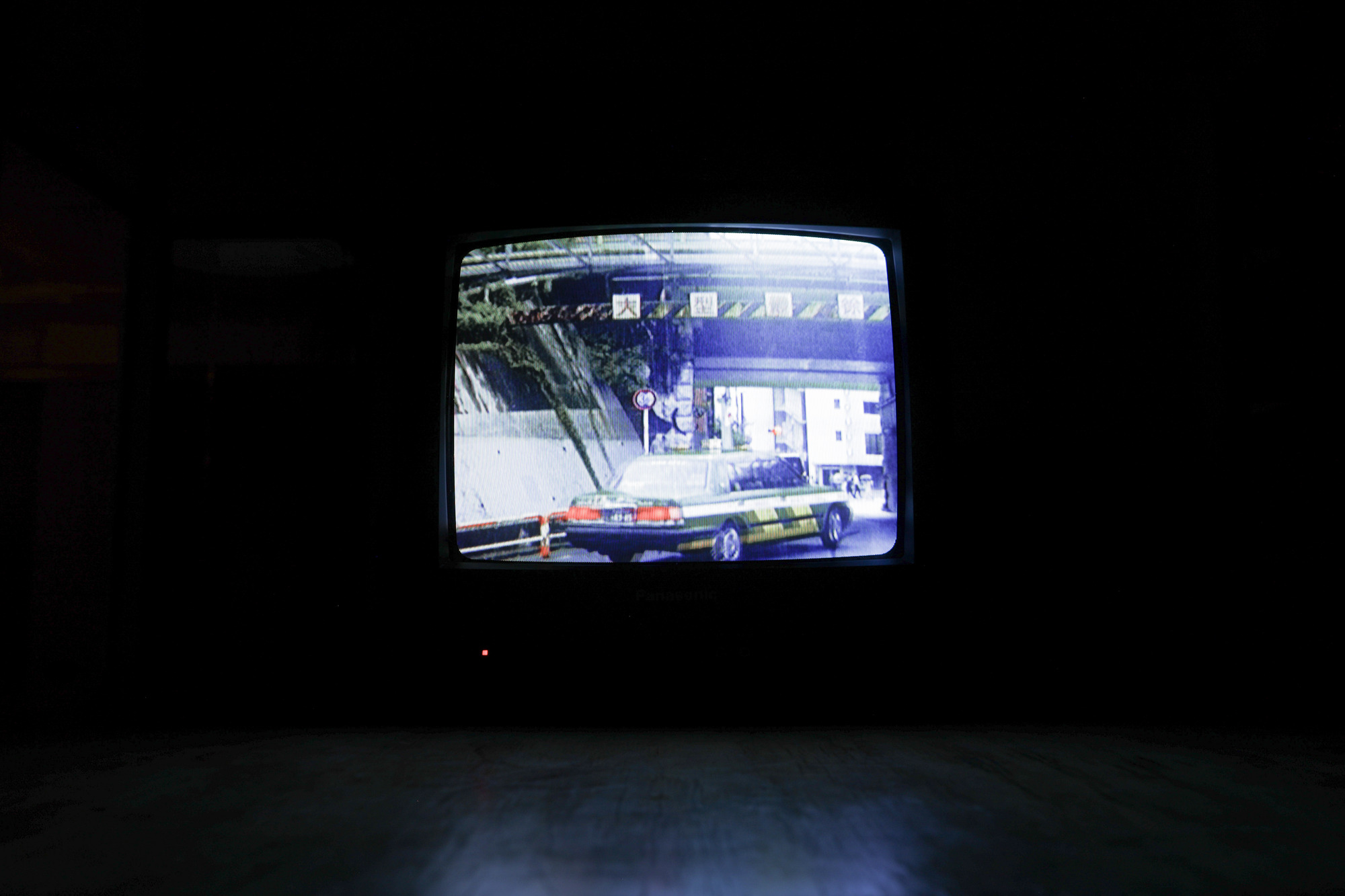
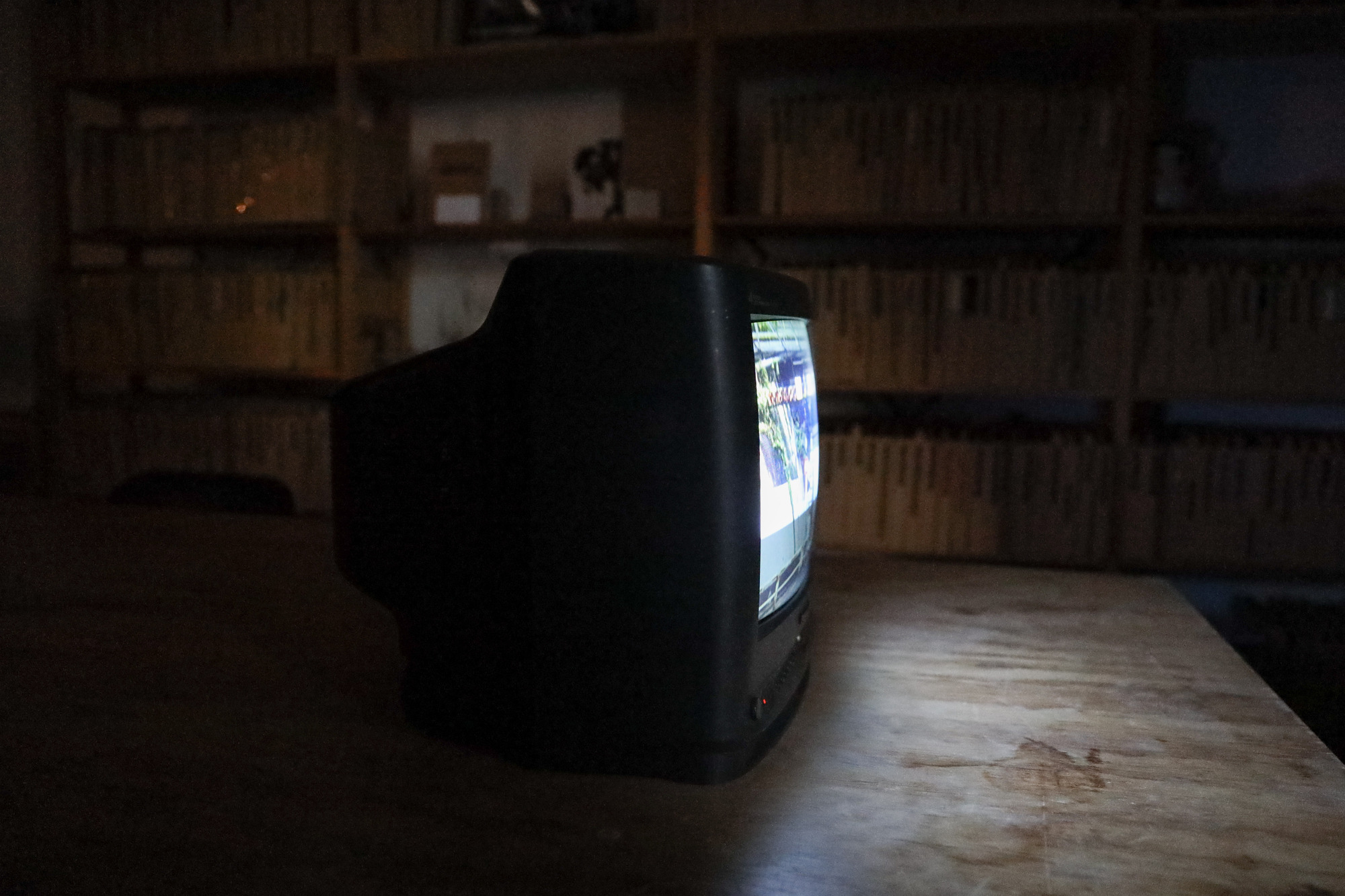
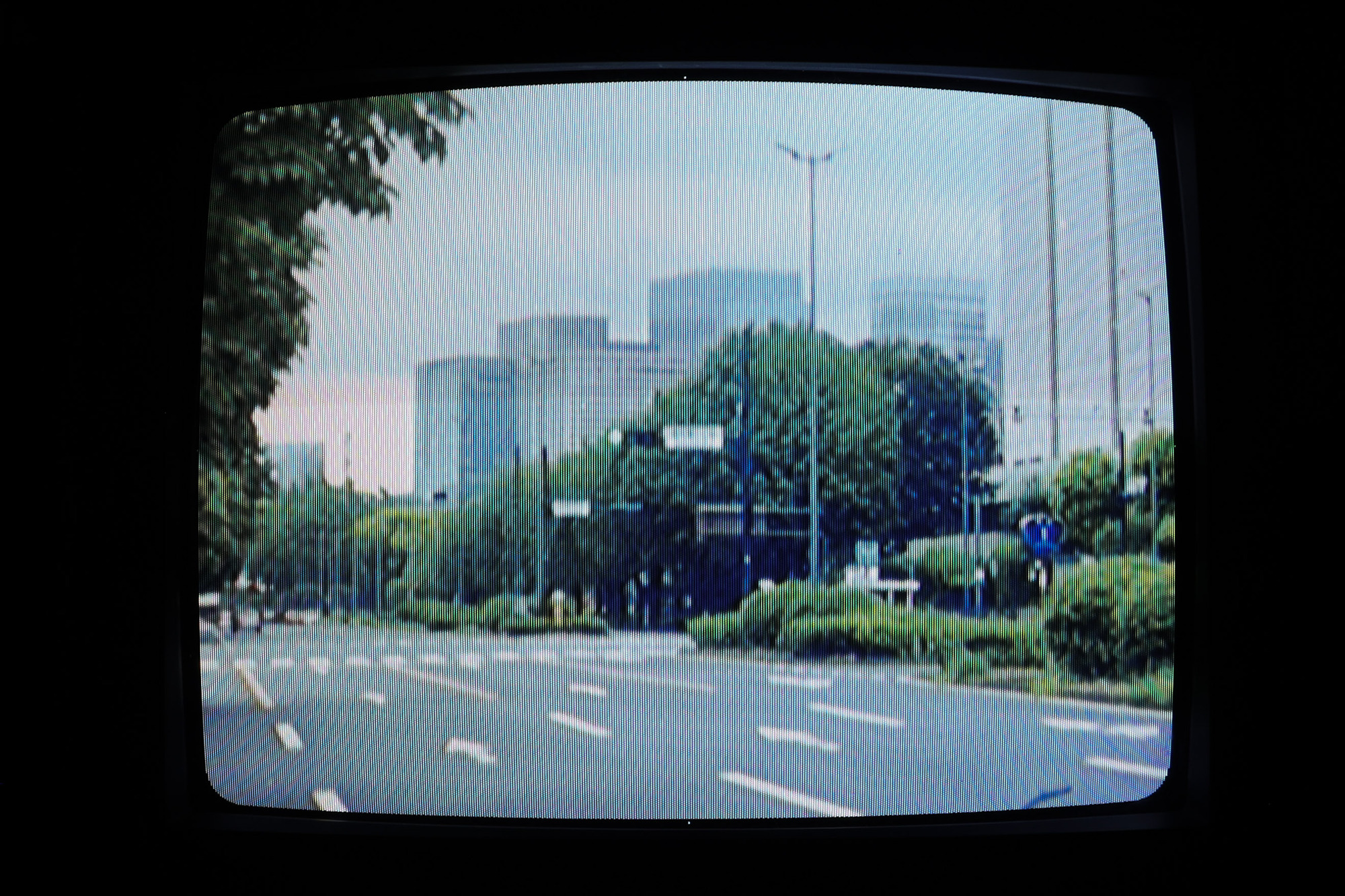
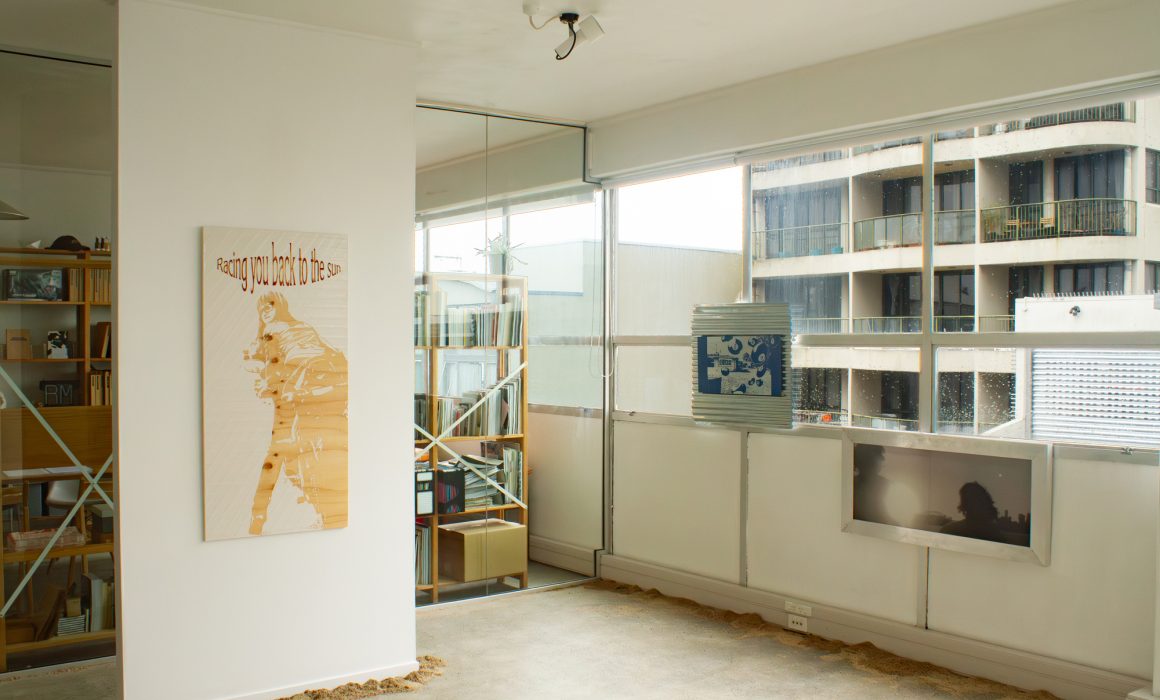
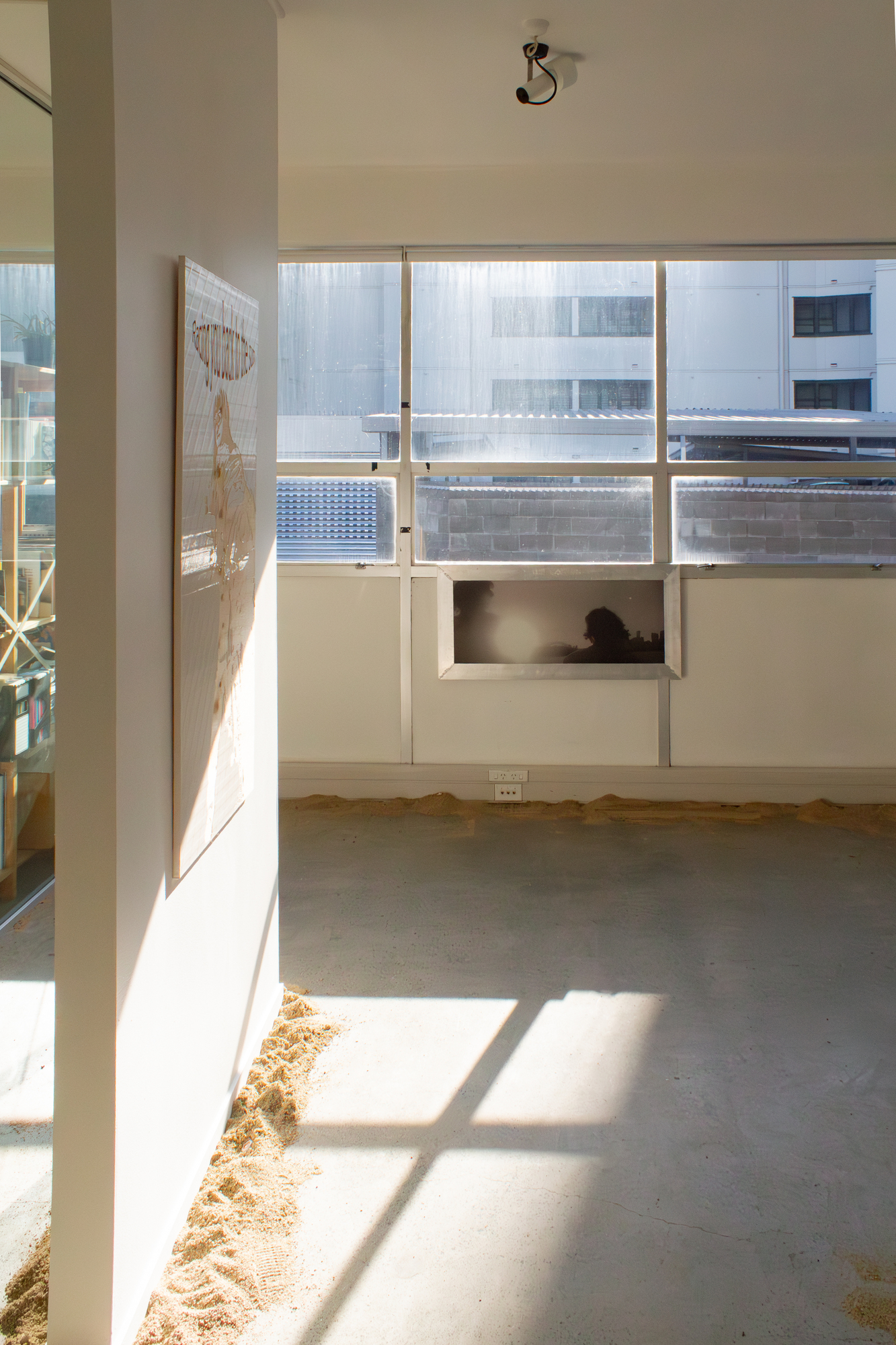
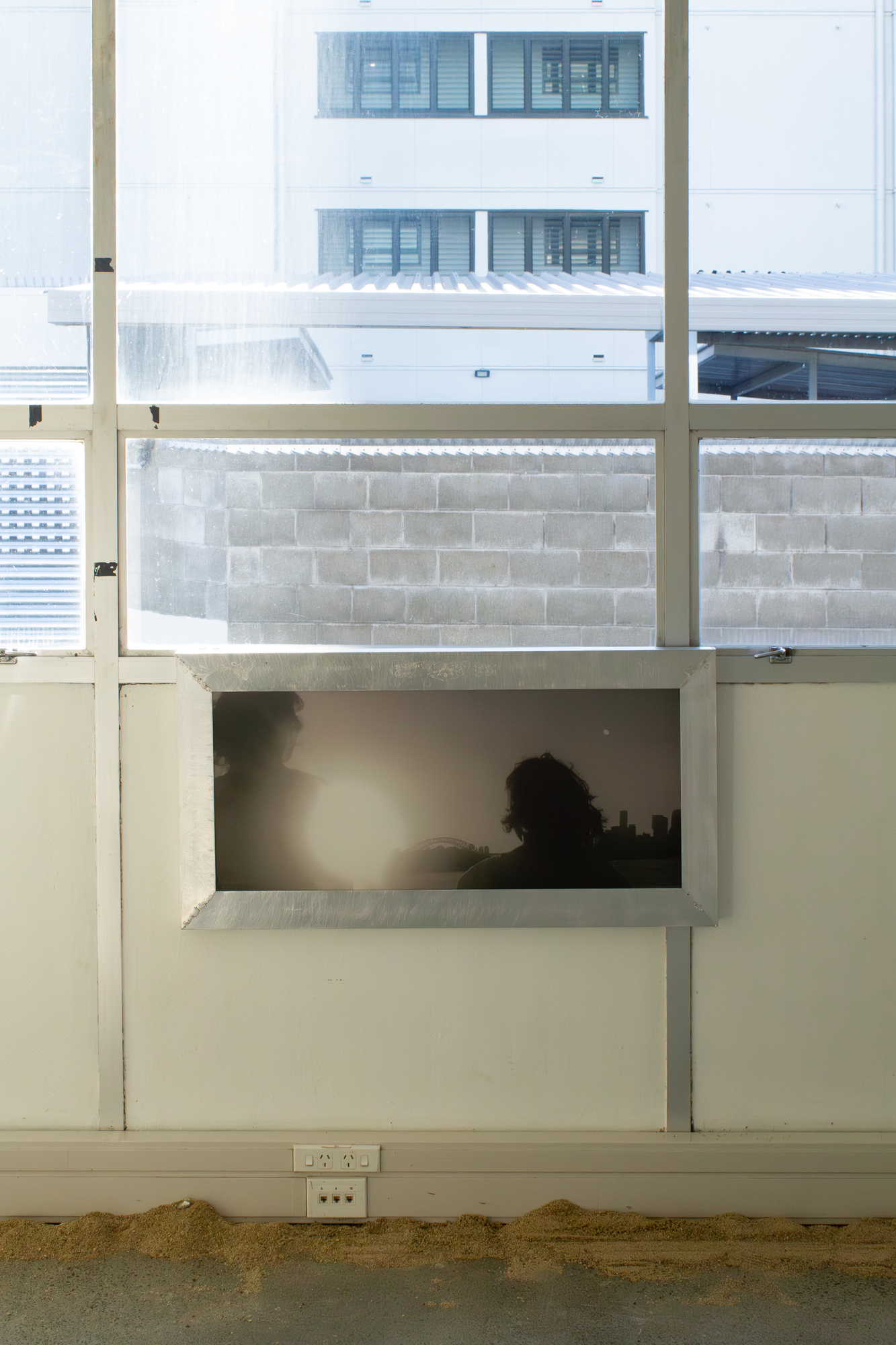
The Oshima Gang is an experimental documentary that revisits five colonial-era institutions featured in the 1983 World War II film Merry Christmas, Mr. Lawrence: Auckland Railway Station, King’s College, Auckland Council Chambers, Mount Eden Prison, and the Auckland Domain Wintergardens.

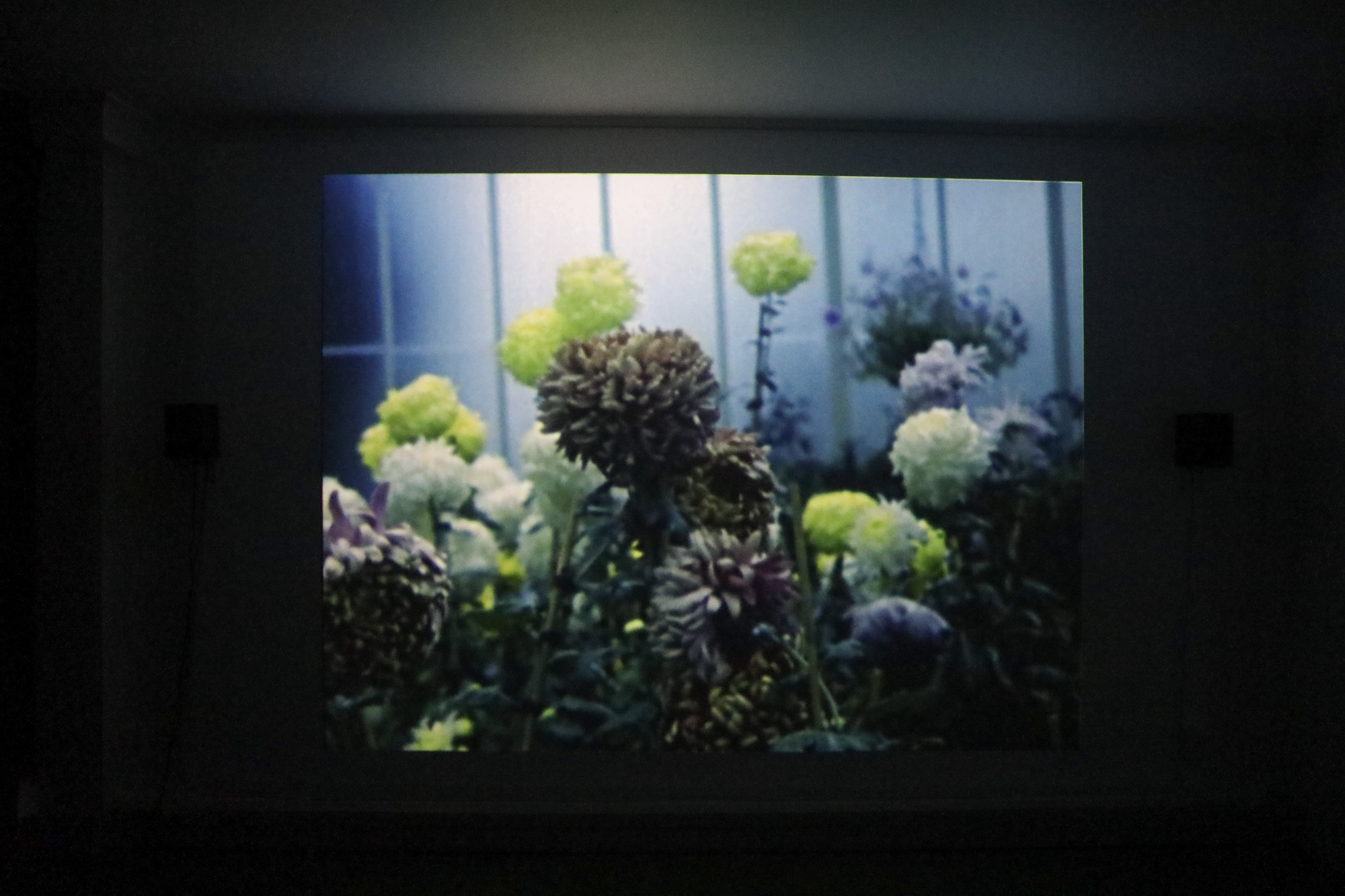
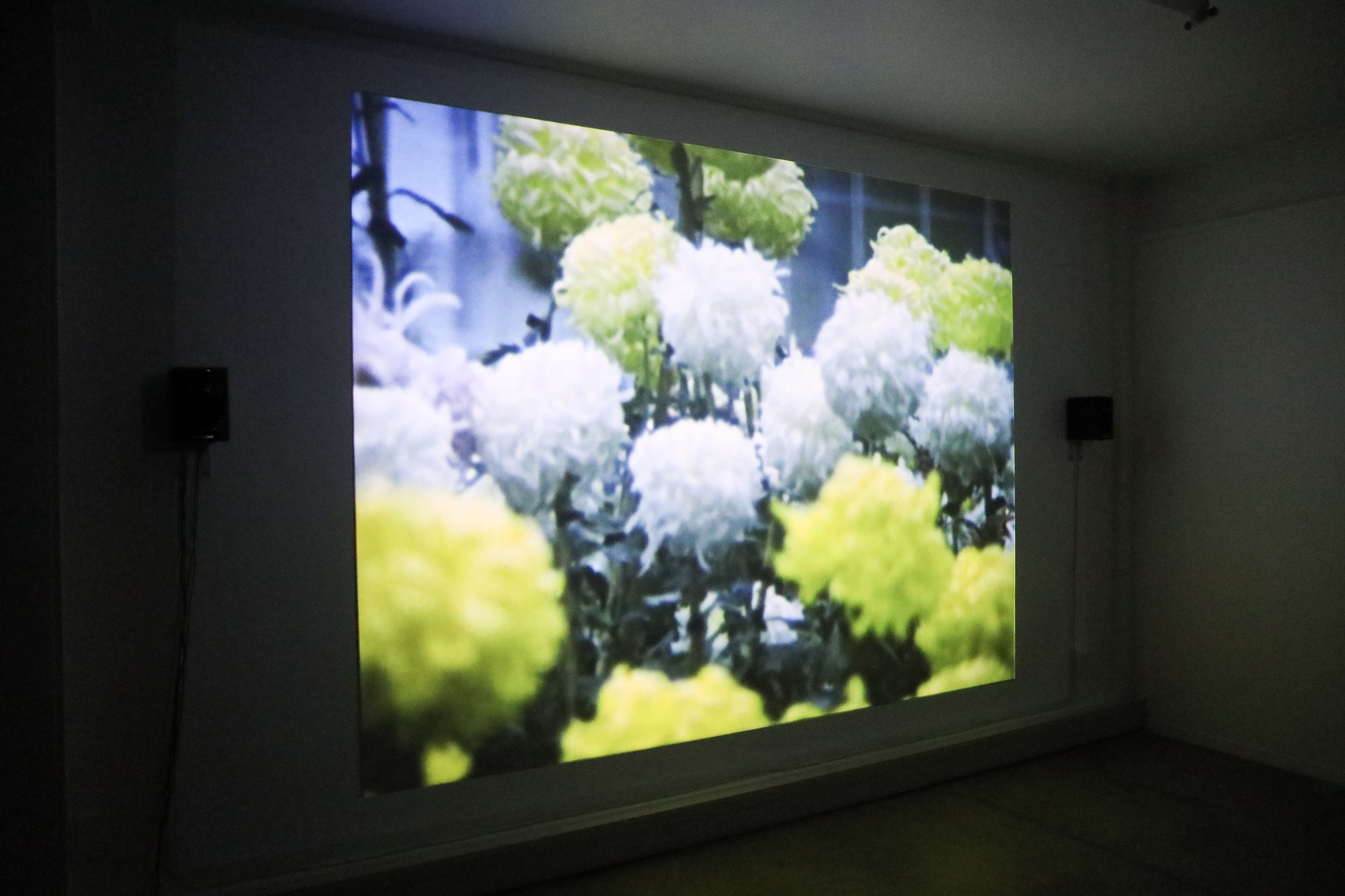
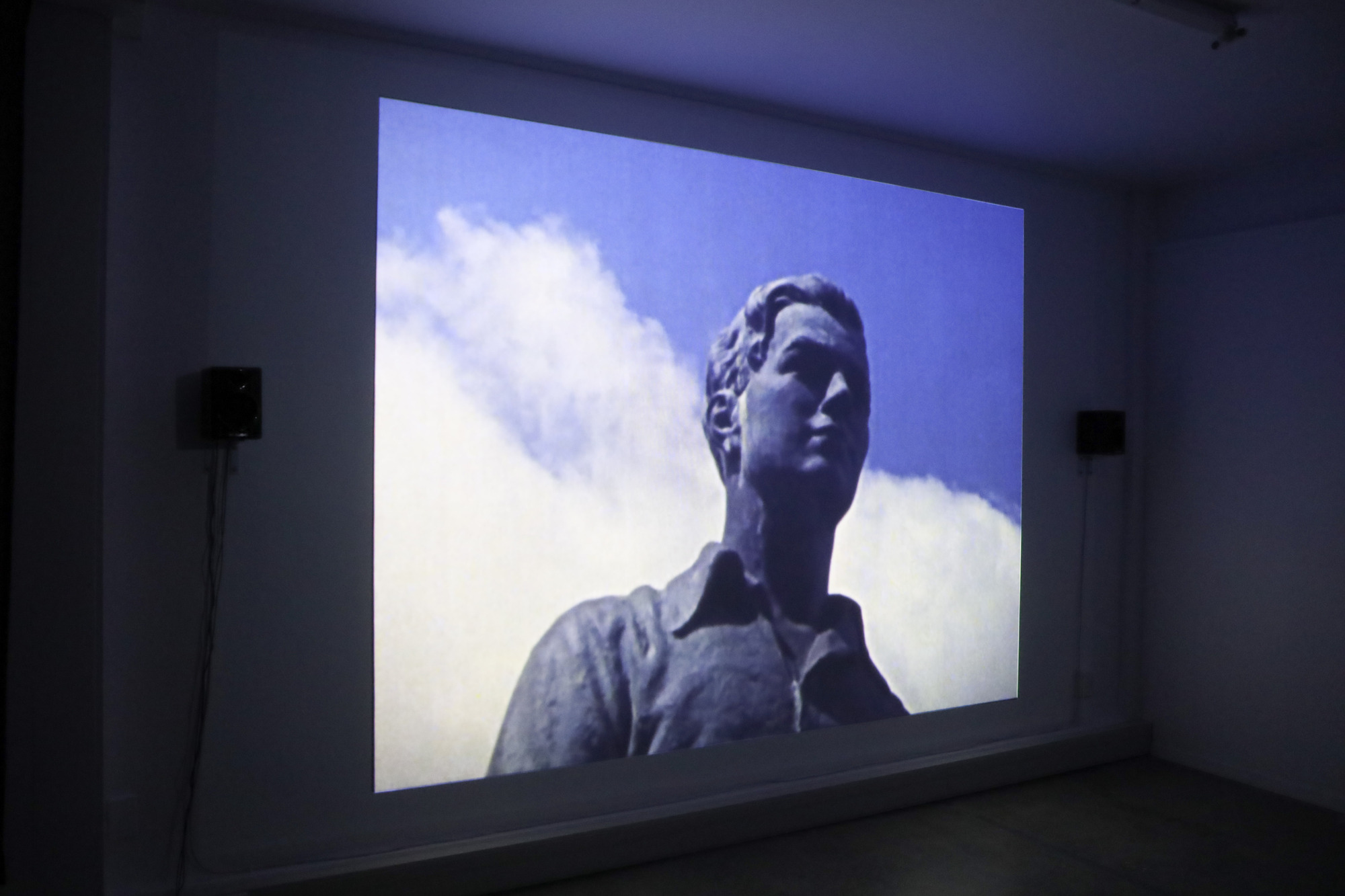
Layering contemporary Super 8 footage of these sites with archival text and raw production sound from the original 1982 shoot, The Oshima Gang invites viewers to consider postcolonial identity in Tāmaki Makaurau Auckland; to reflect on how outsiders perceive this landscape, and how locals, too, might be made to feel like outsiders within it. The film treats Auckland’s preserved, decaying, and repurposed colonial architecture as a malleable text, open to interpretation and critique.
The project’s methods are informed by Fûkeiron (“Landscape Theory”), a short-lived radical film movement that emerged in Japan following the collapse of the 1960s student protests. Rejecting human subjects entirely, Fûkeiron proposed that the oppressive structures of the urban environment best reveal the political and psychological conditions of contemporary life.

Accompanying The Oshima Gang is Tokyo Landscape War Memorial, a shot-for-shot remake of a pivotal sequence from the 1970 film The Man Who Left His Will on Film – the principal contribution to Fûkeiron by Nagisa Oshima, director of Merry Christmas, Mr. Lawrence.

By placing these historical ideas and documents in dialogue with the present, this exhibition looks to the lessons of the late 1960s to examine how we might represent and record this current moment in New Zealand history, a time defined by rising militarism, Western bloc violence, urban neglect, and widespread institutional failure.

Special thanks to:
Auckland Festival of Photography
Auckland Council & Mandi Gamley
King’s College & Cara McCarthy
Grand Central Serviced Apartments
Screen Auckland & Karen Ngawhika
Lindsay Shelton
Mike Westgate and Justin Westgate
Naofumi Higuchi
Roger Pulvers

Images by Jude Stevens

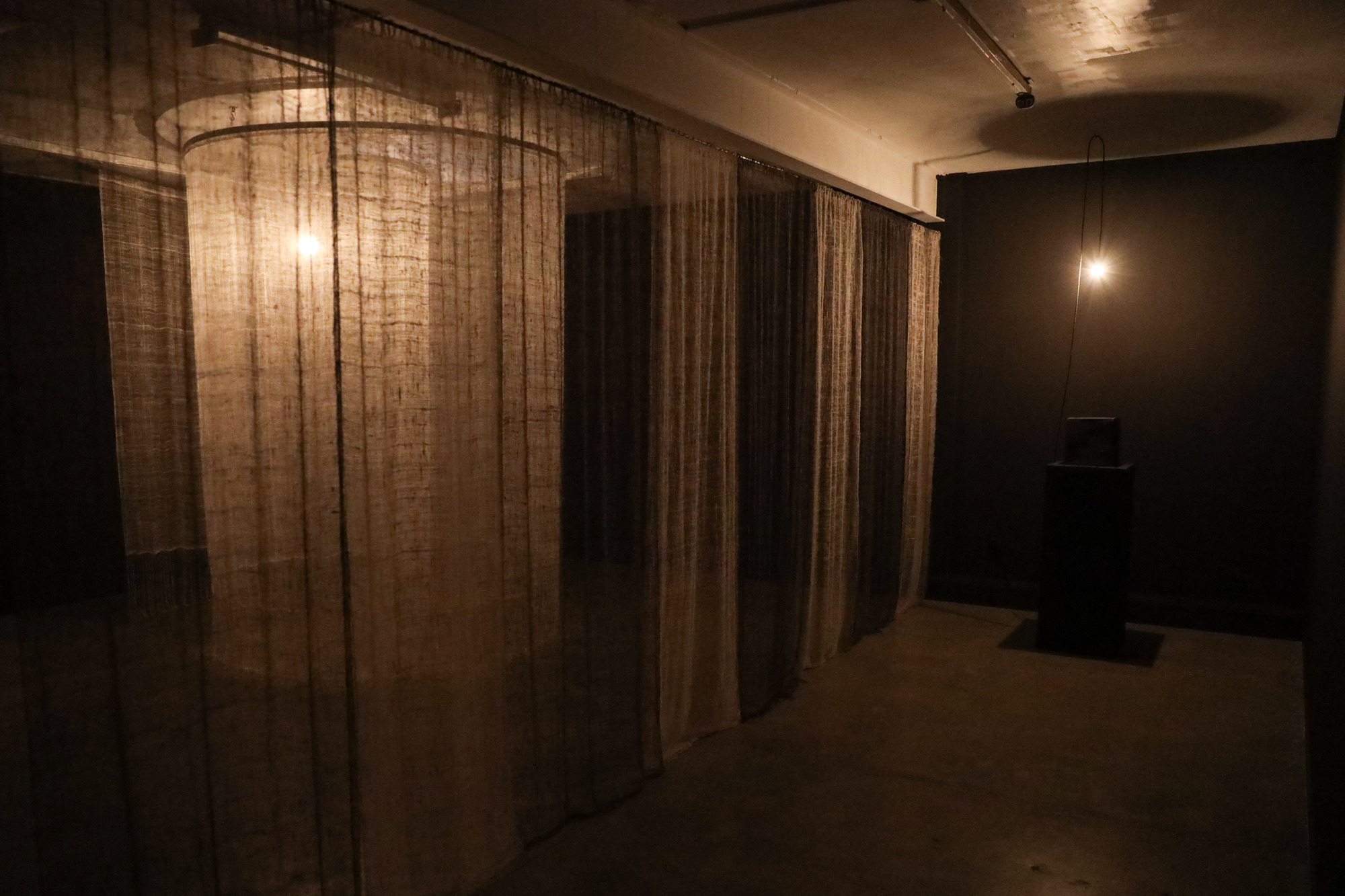
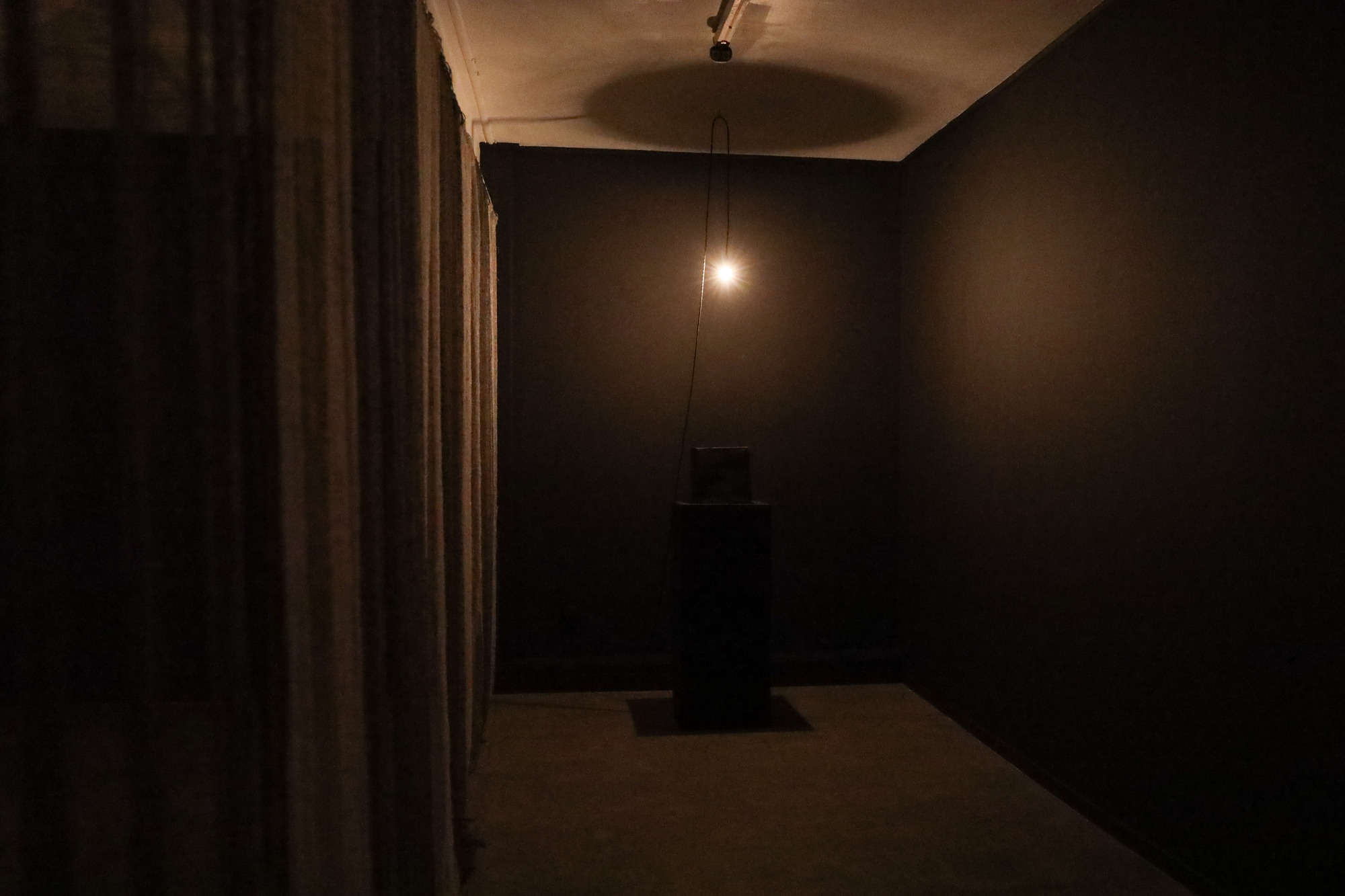
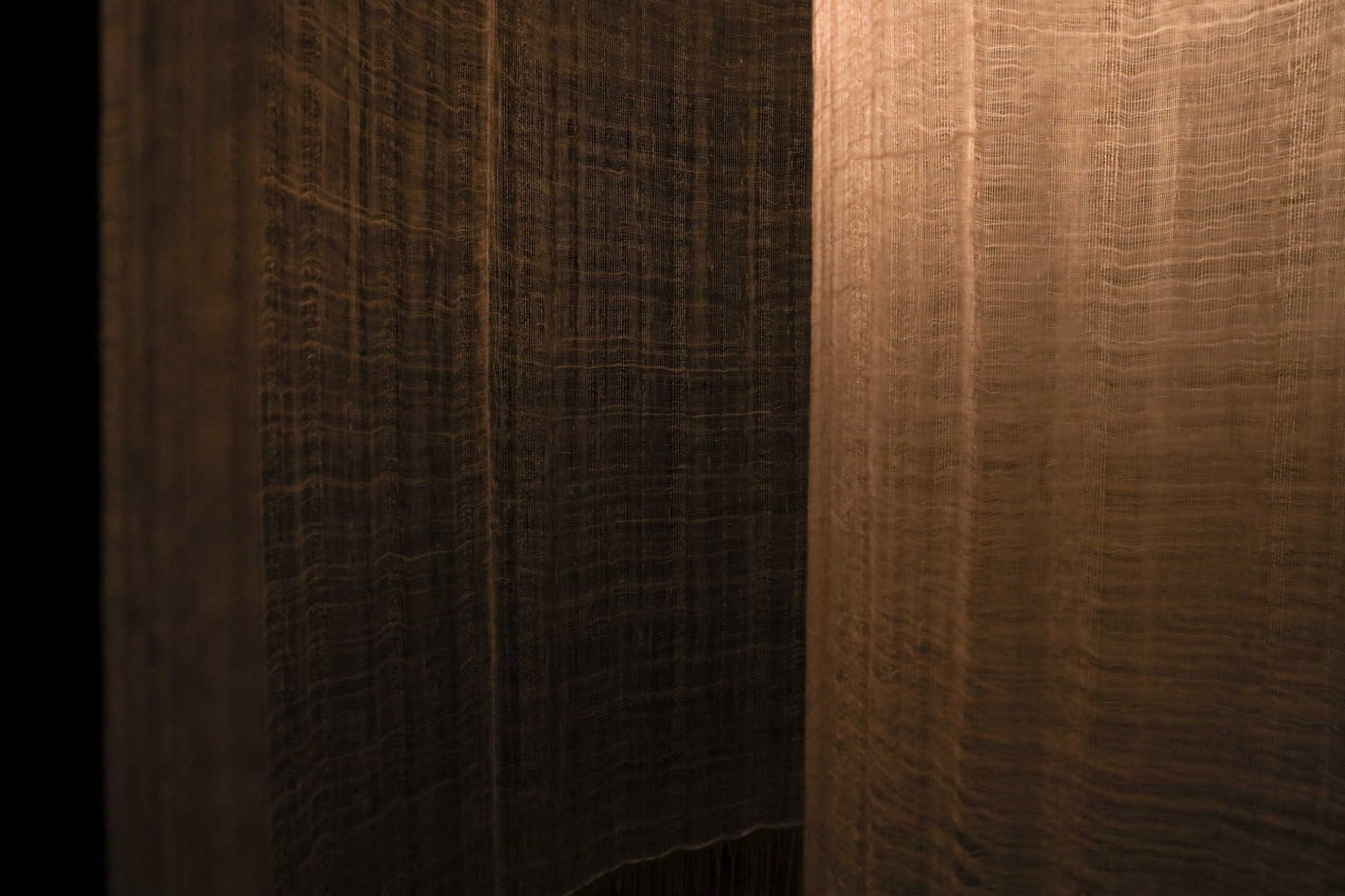
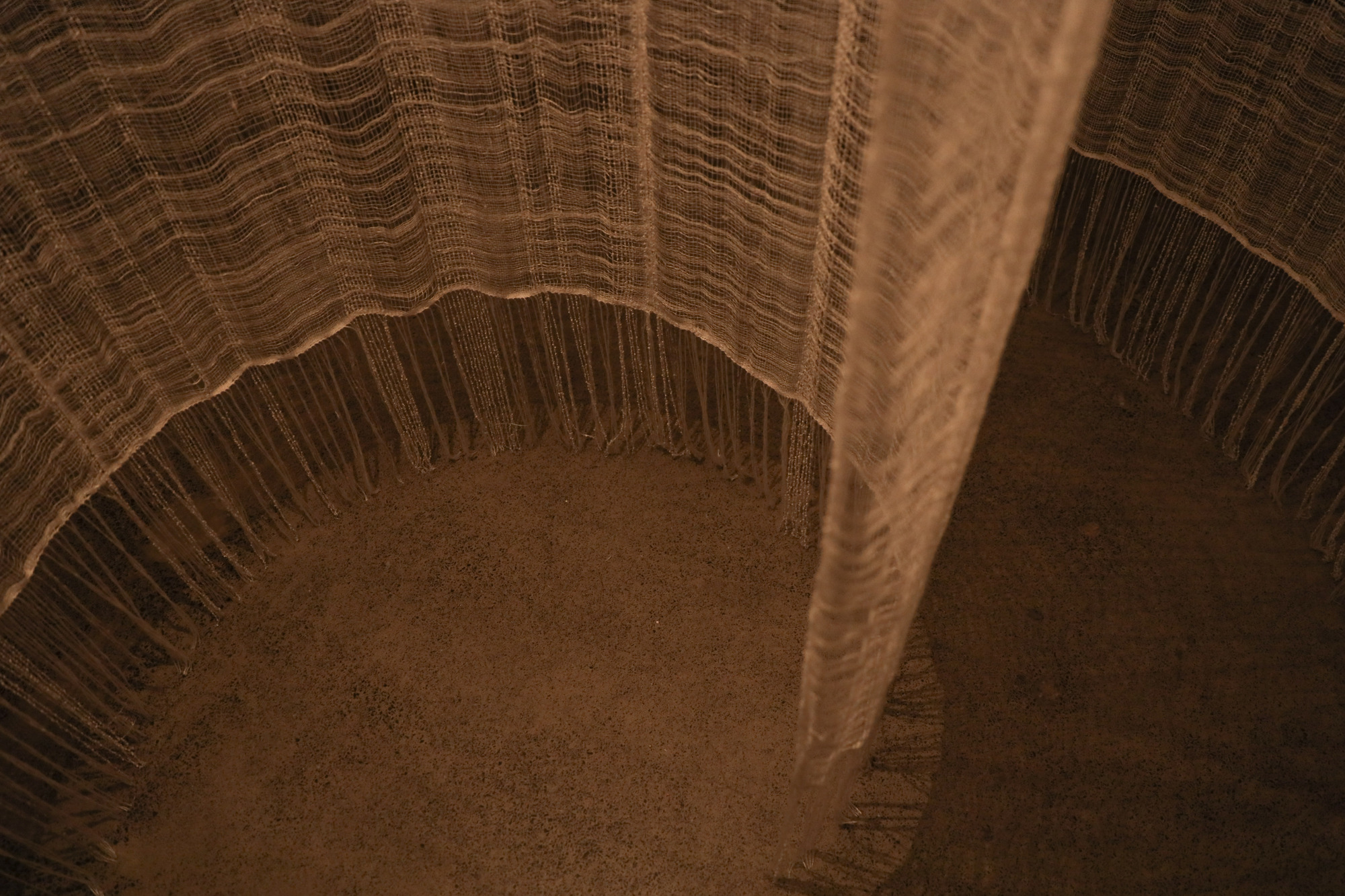
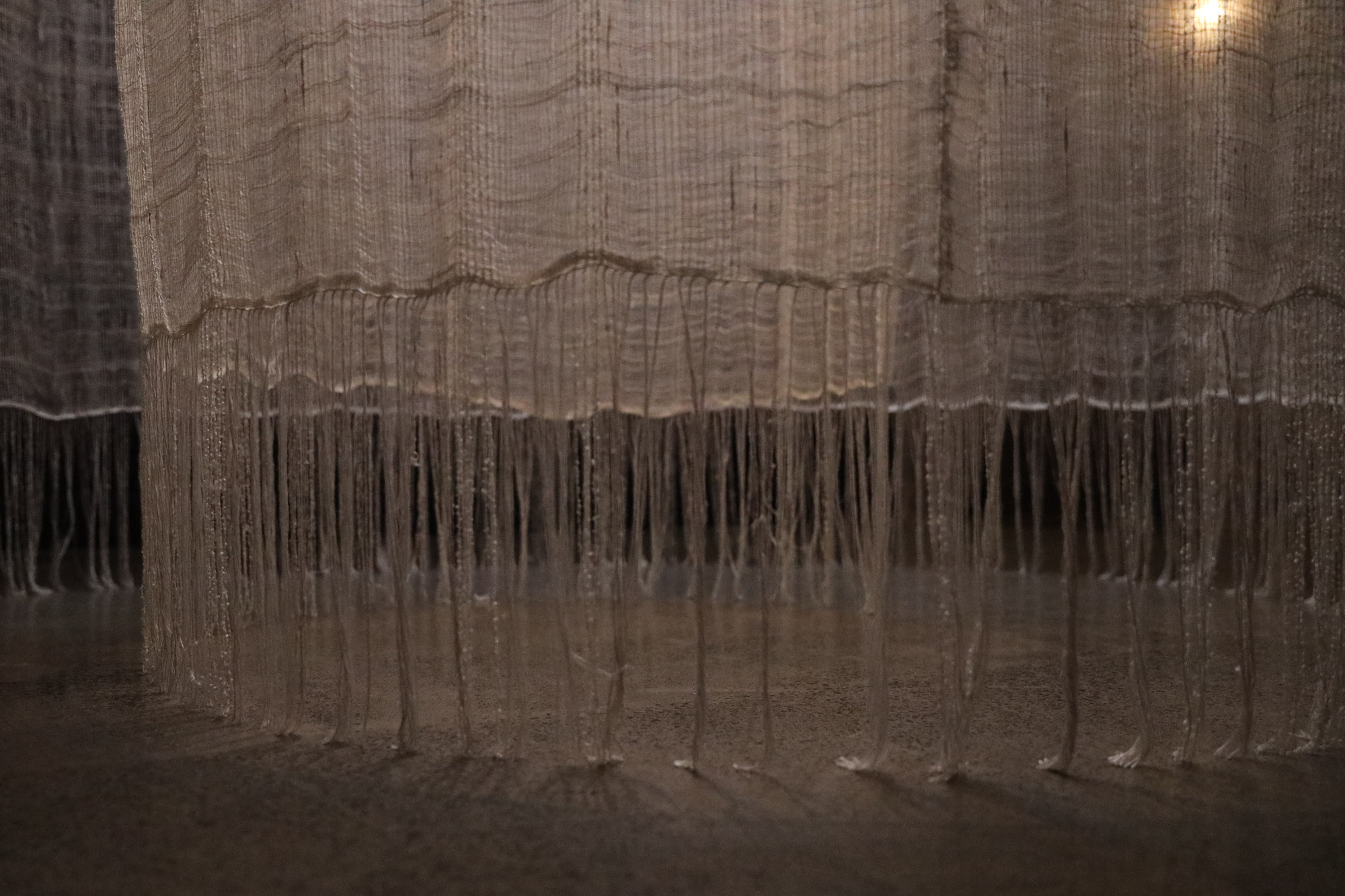
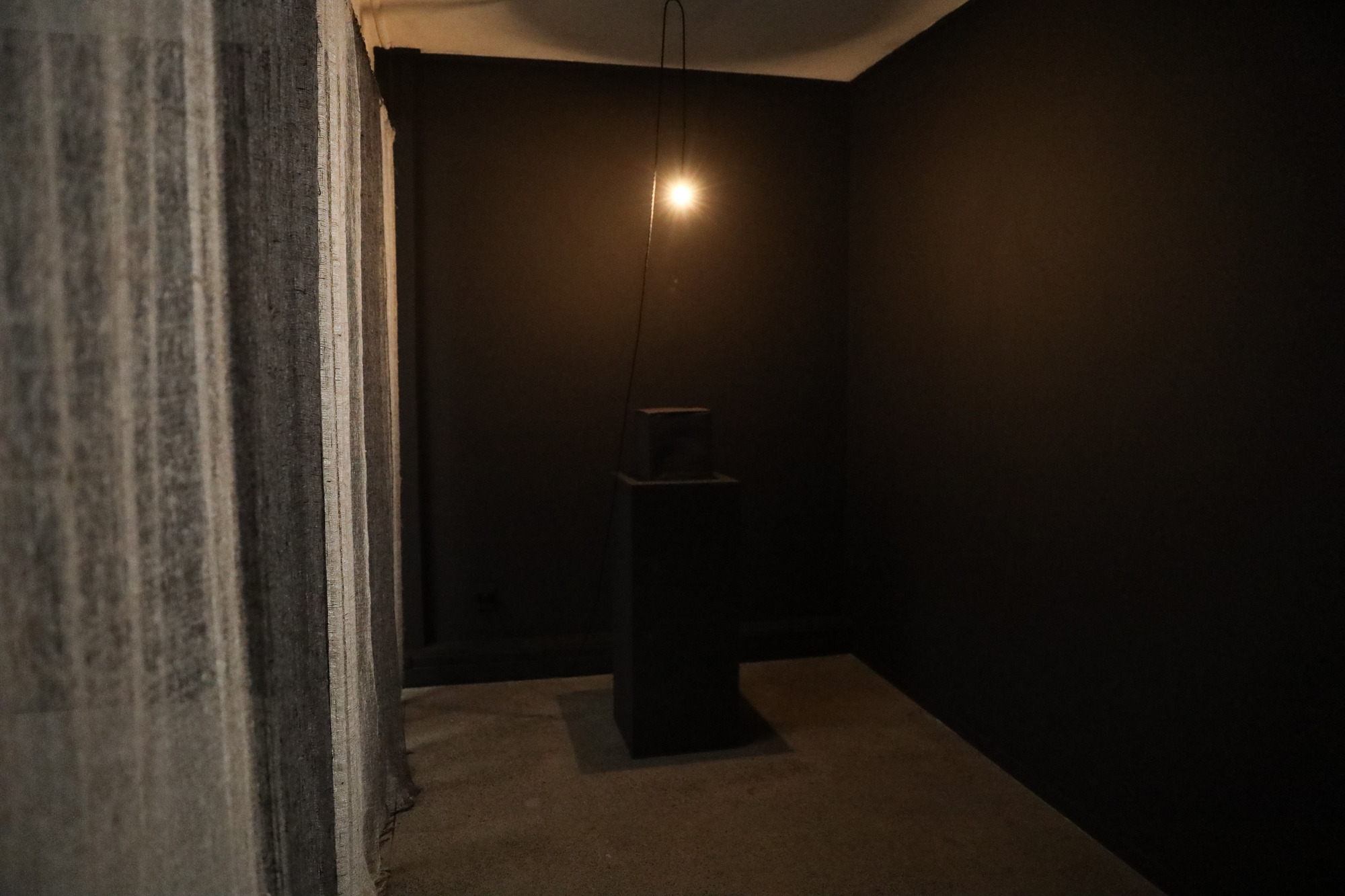
Paige Jansen : a box for all the things i’ll never learn

Paige Jansen
a box for all the things i’ll never learn

3 September – 11 October 2025

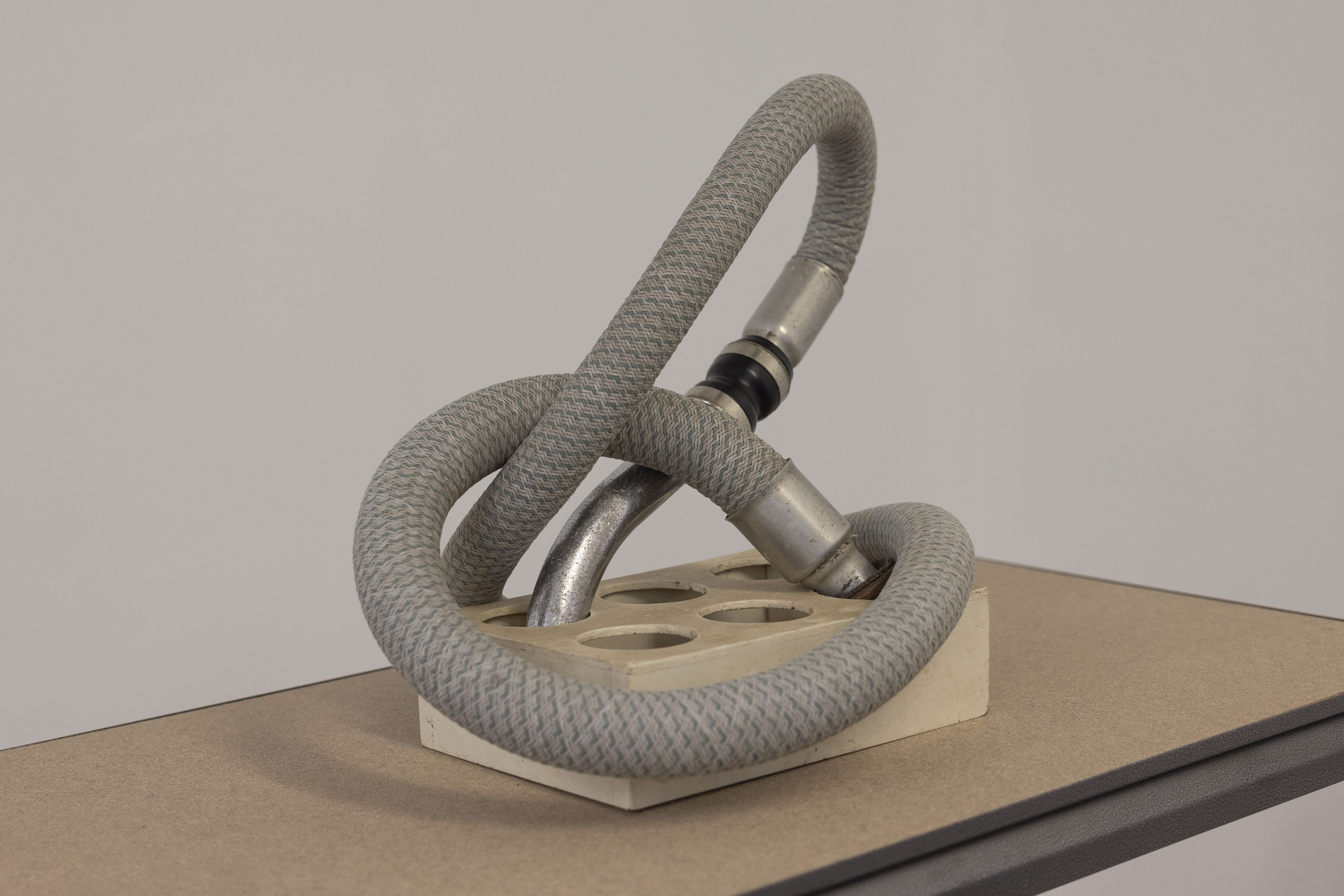
I saw the tree with the metal leaves once more and anxiously tried to pluck one. Confused by the tension, I pulled harder and when the leaf severed the metal turned to glass, fracturing into infinite diaphanous shards scattering on the ground beneath. Down there they caught the twilight that had settled on the day and mirrored back the moon’s evening face with a primeval gleam. Whispers began sneaking around the room, emerging from the edges of the broken glass echoing back the contents of my mind. A swarm of questions slipped their way into the atmosphere, dancing around each other in a labyrinthine way. I reached out to catch them and they slid through my fingers, impossible to grasp, they found their comfort doing lengths around my ankles. I picked up a glass fragment and began to wonder what else remained amongst the hidden things.

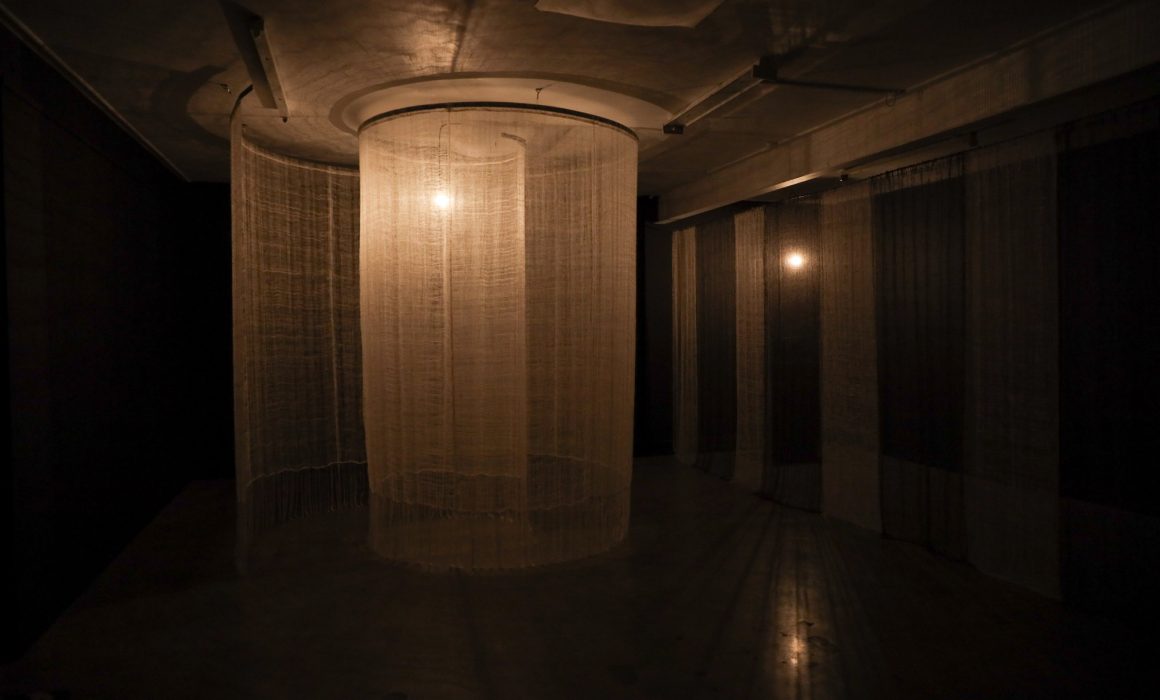
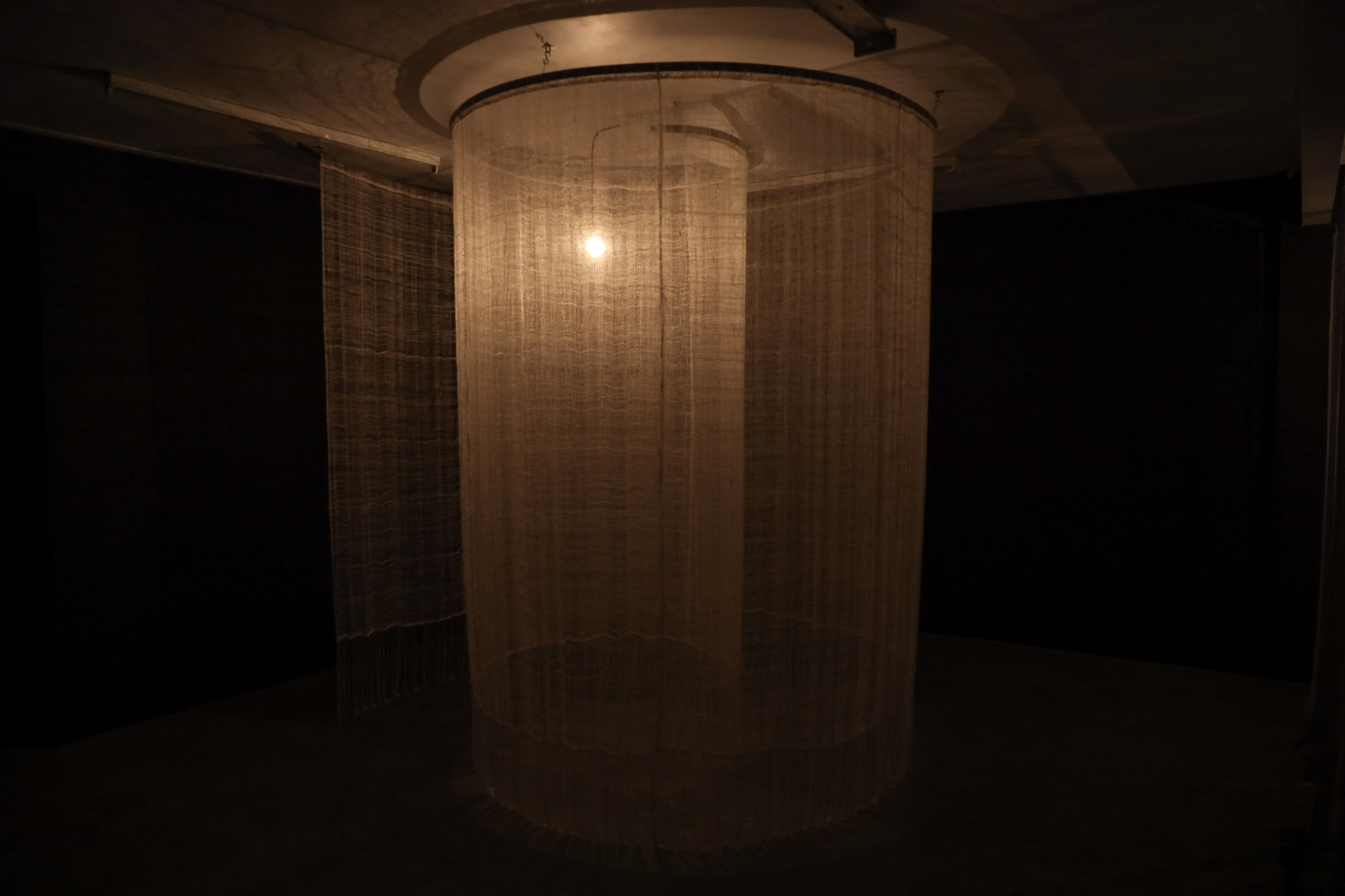
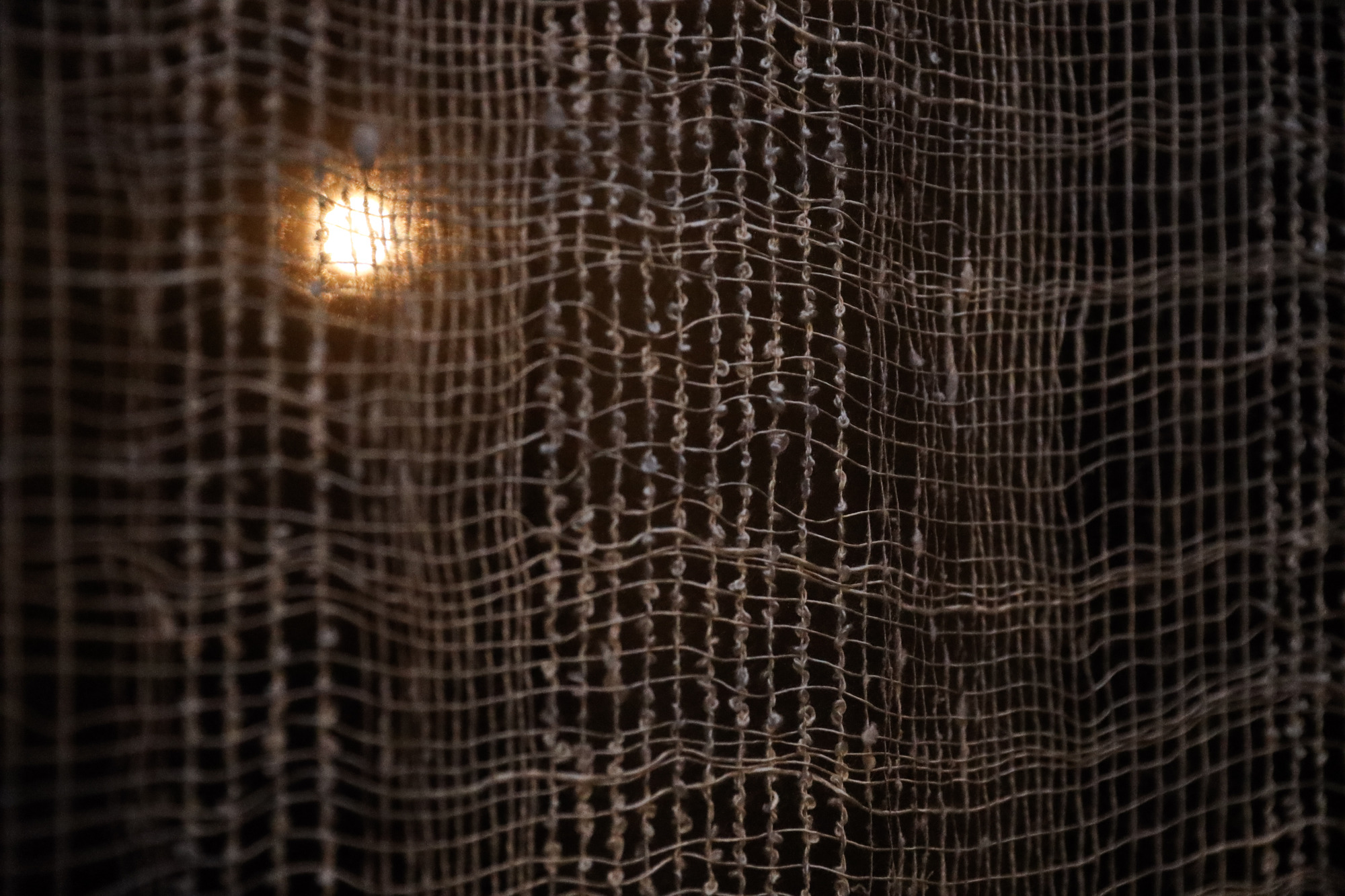
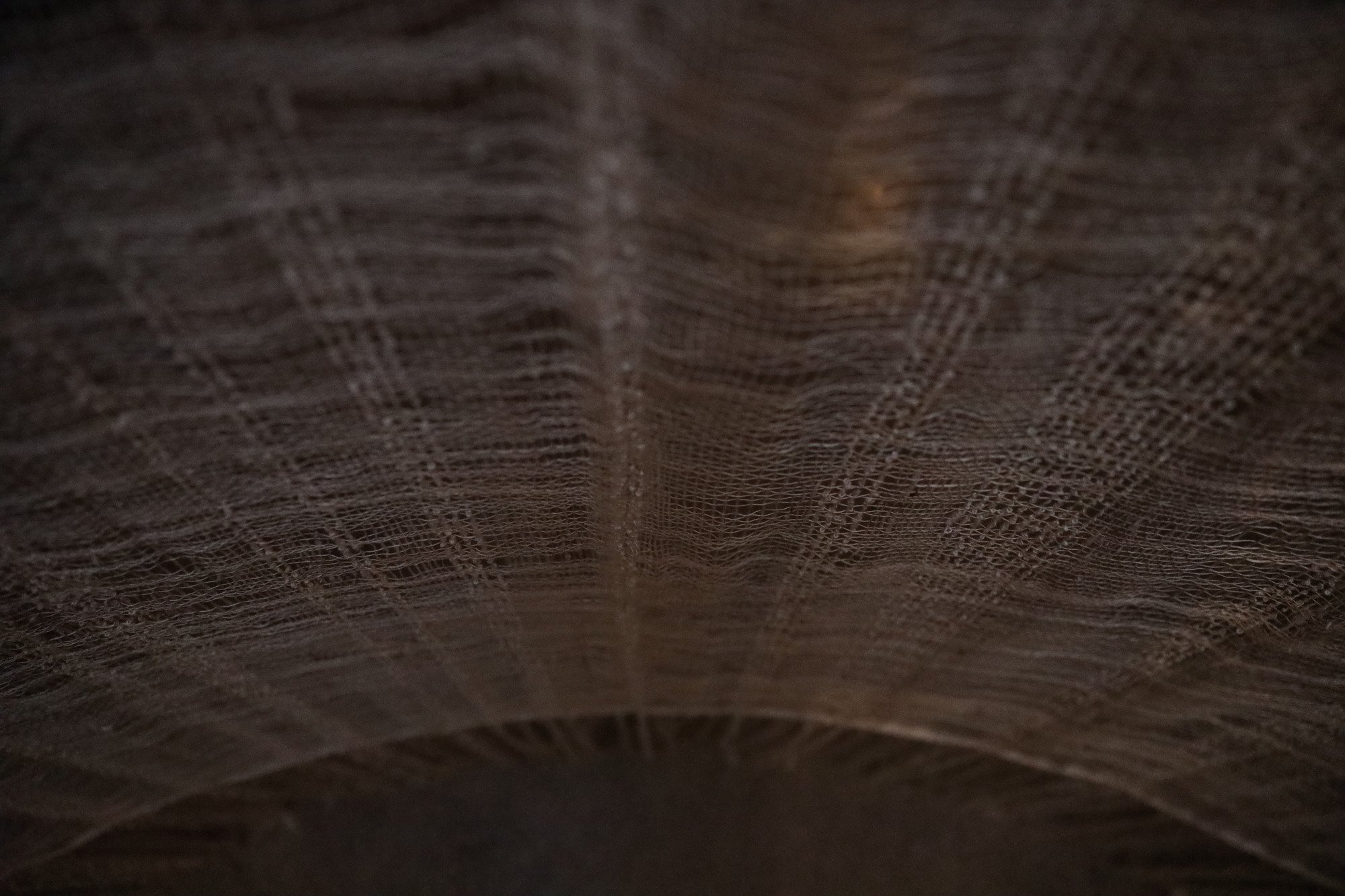
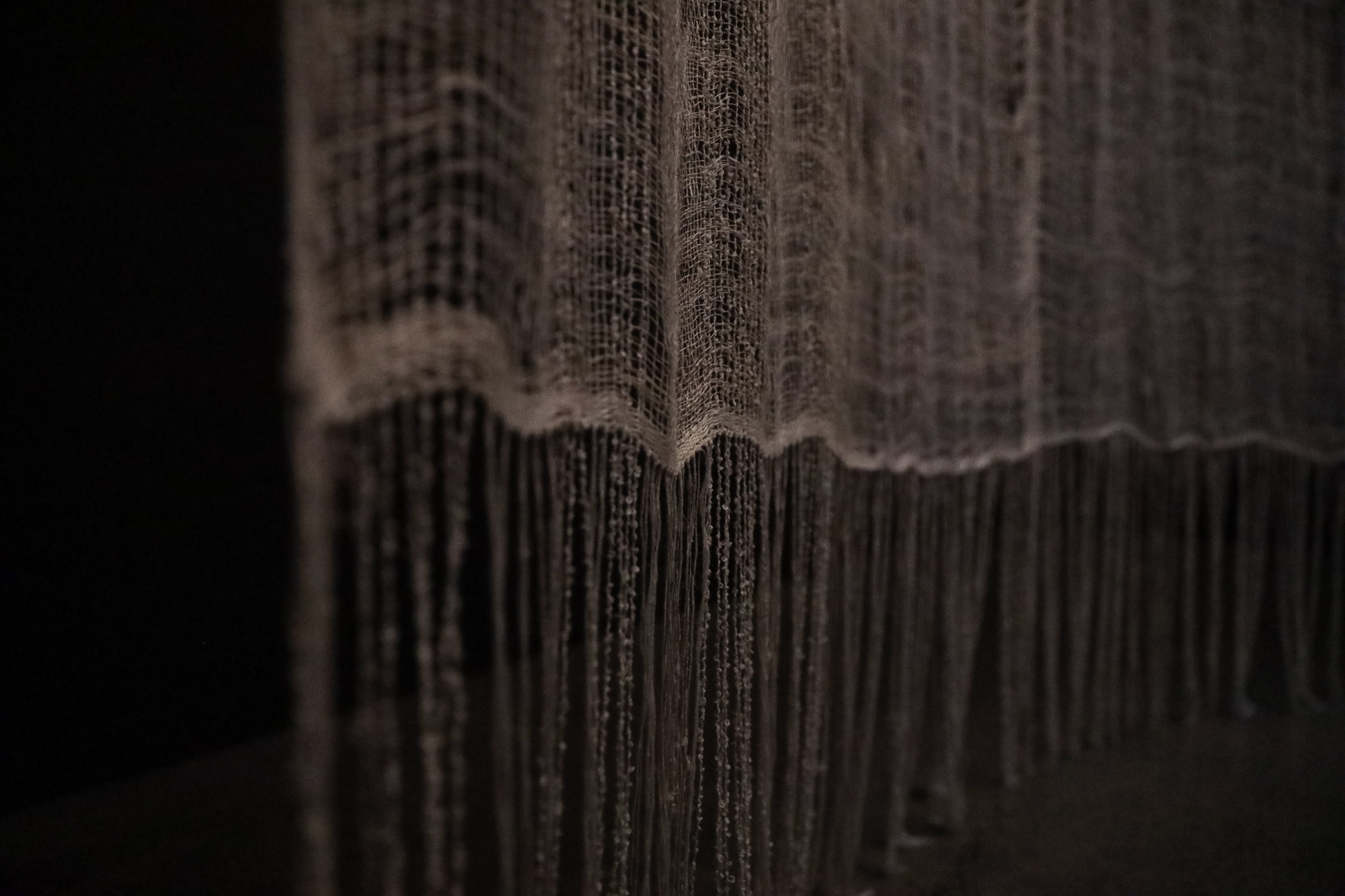
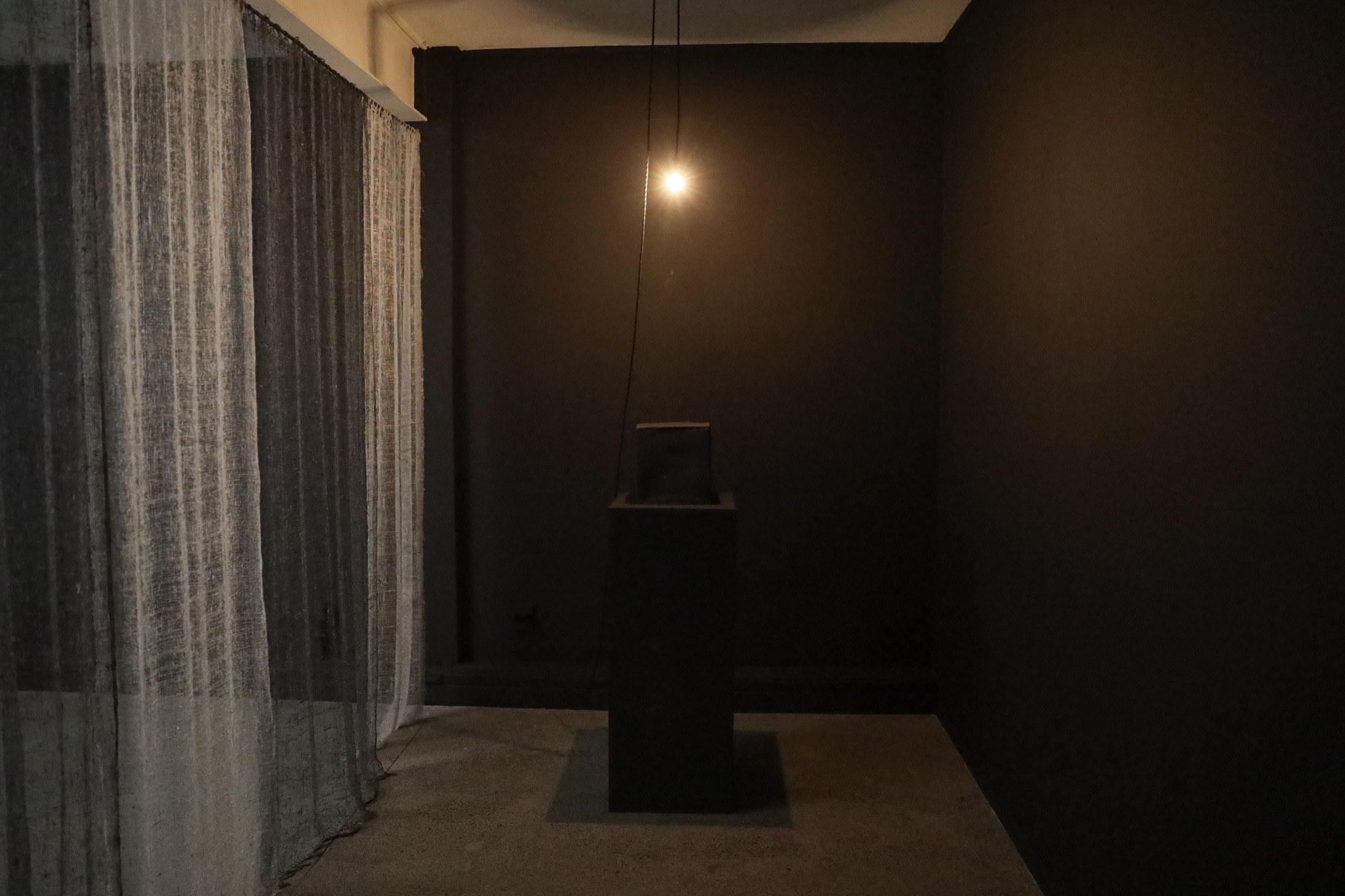
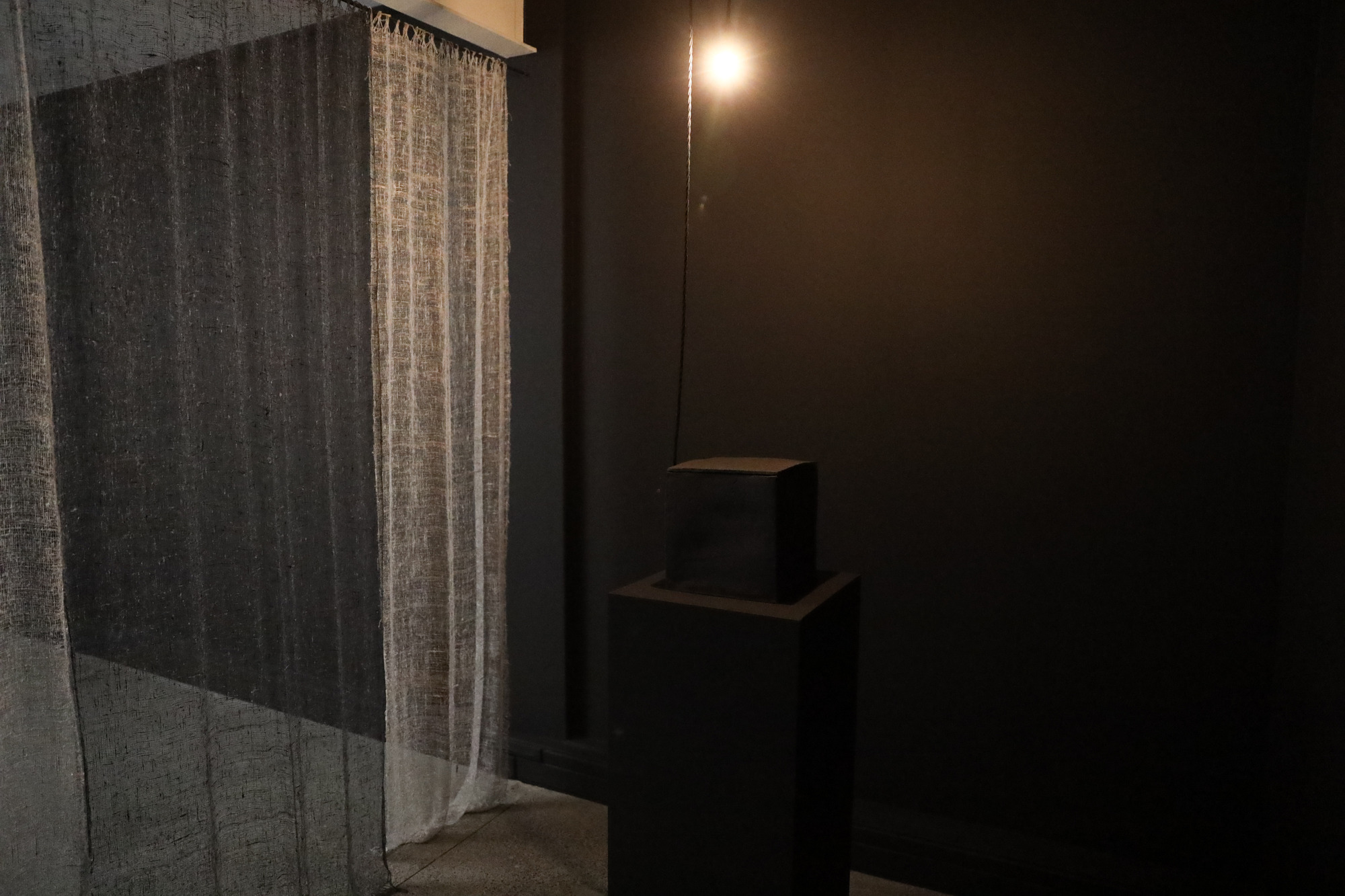
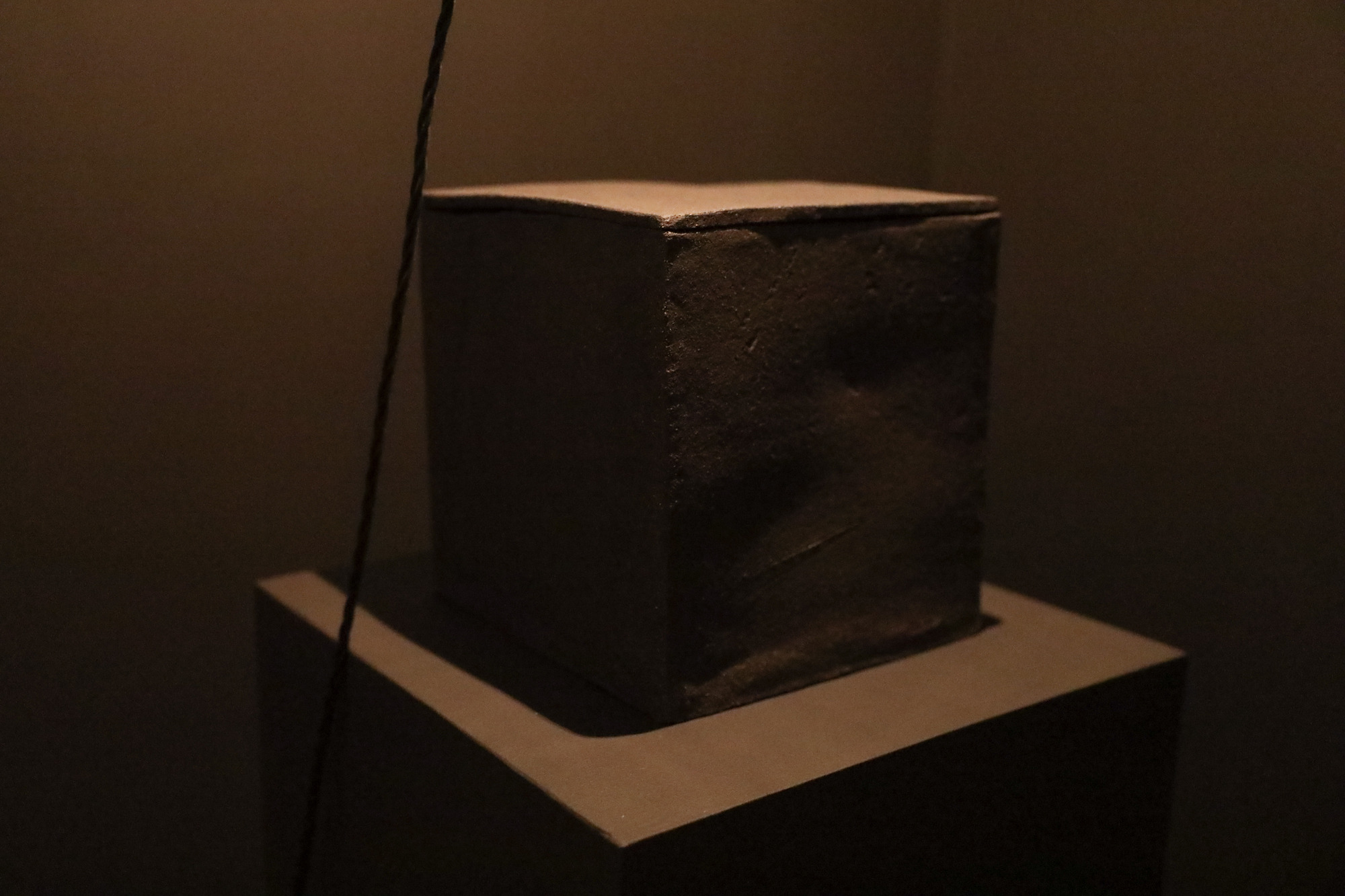
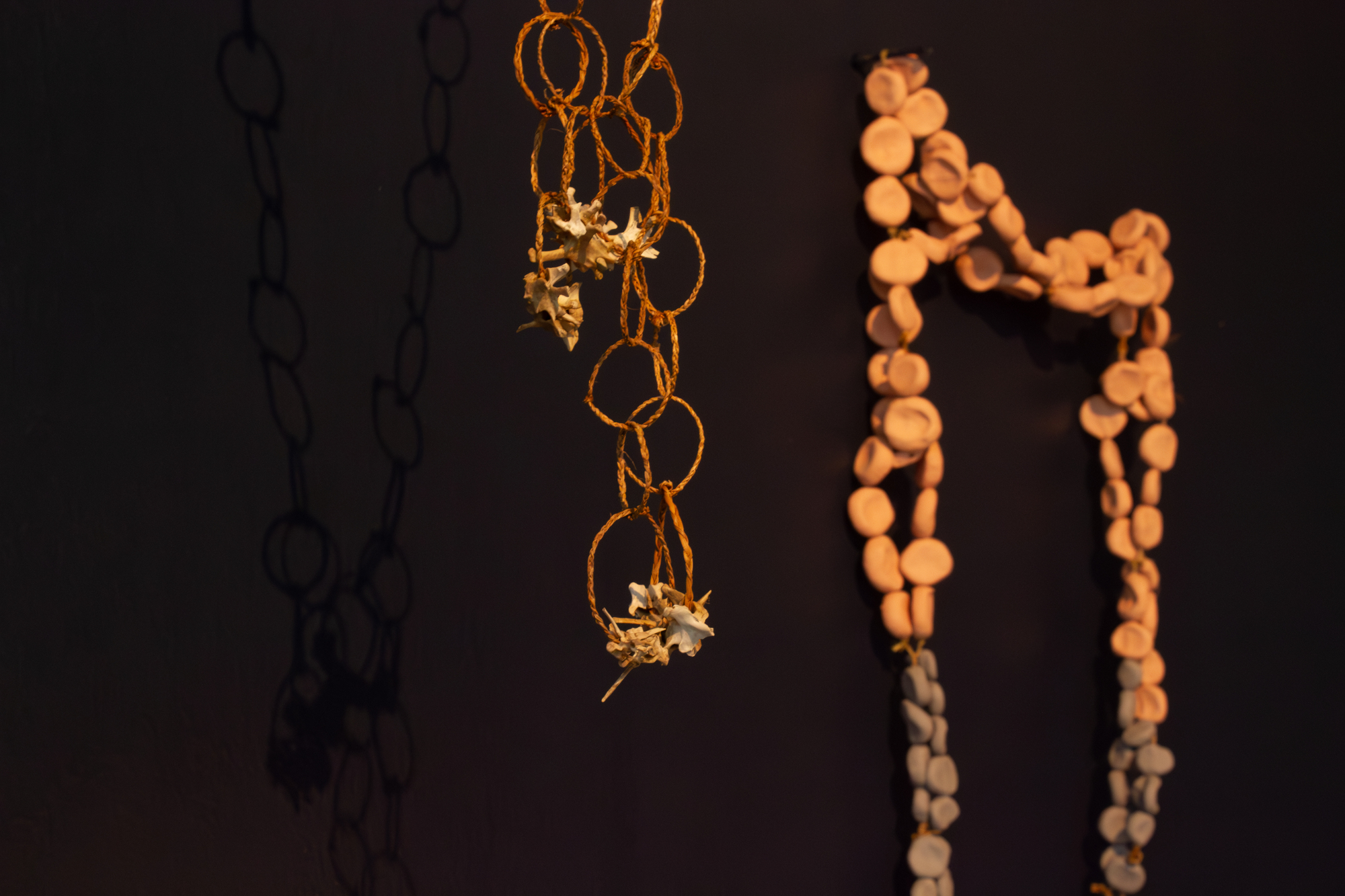
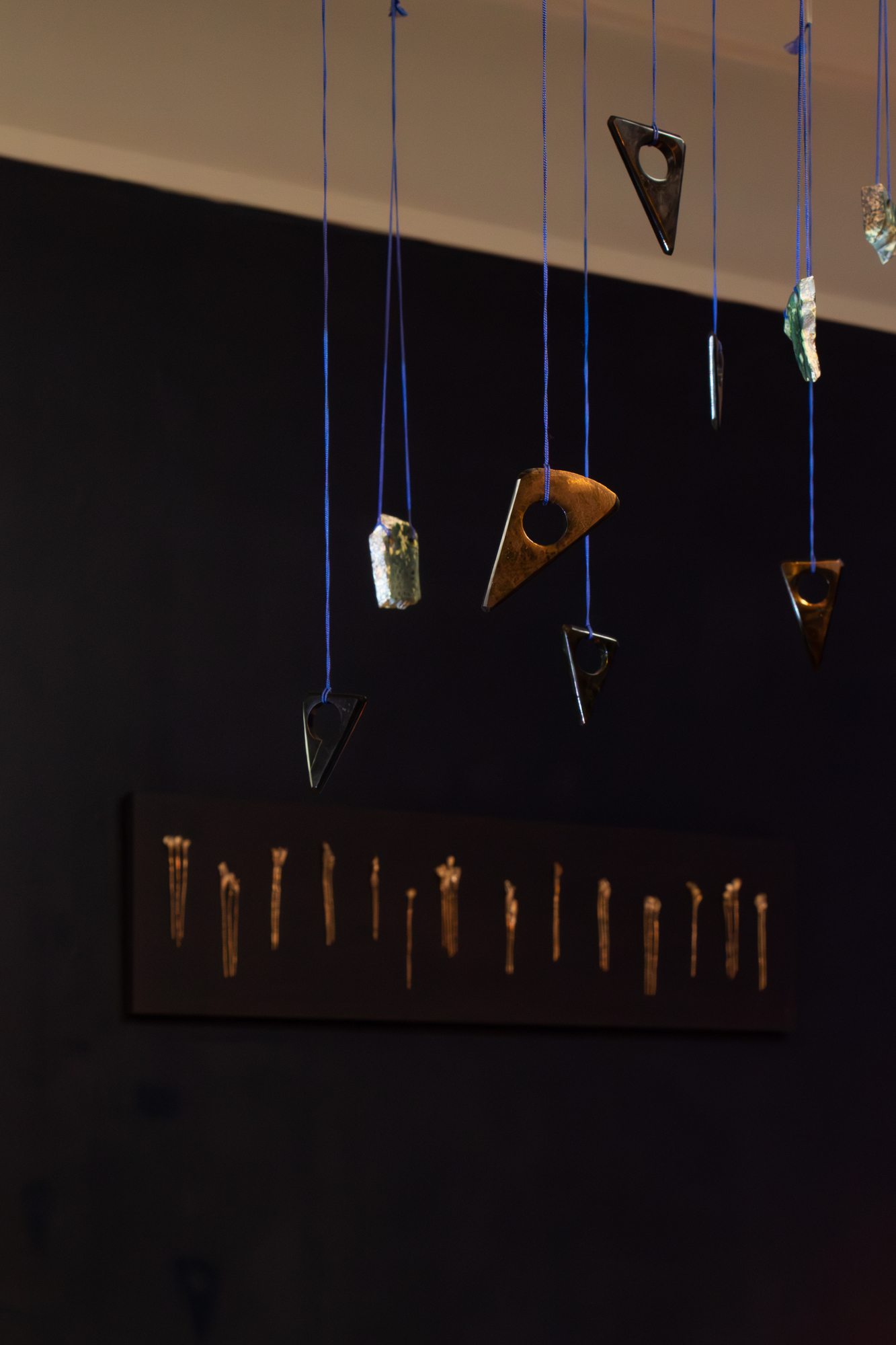
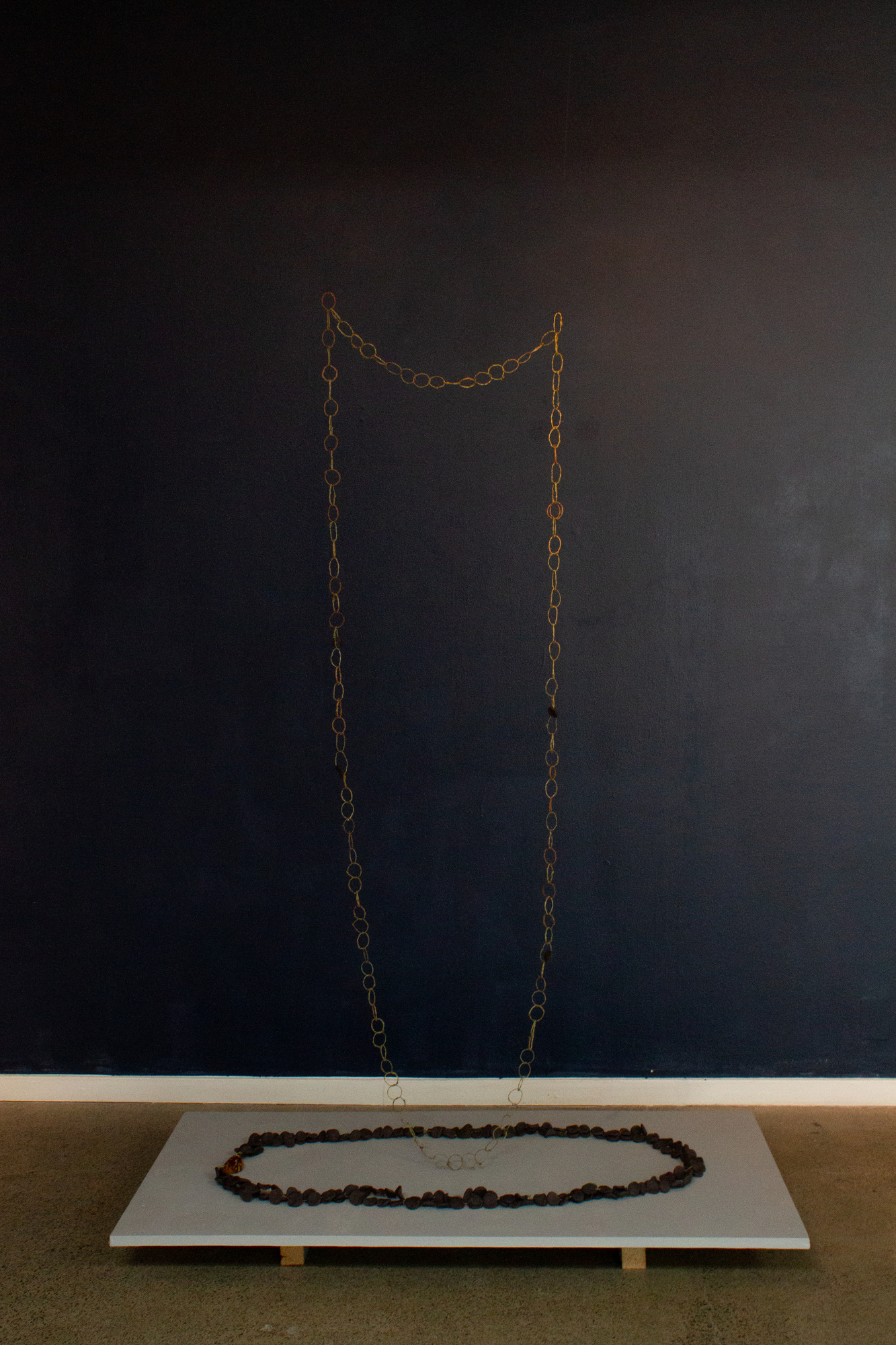
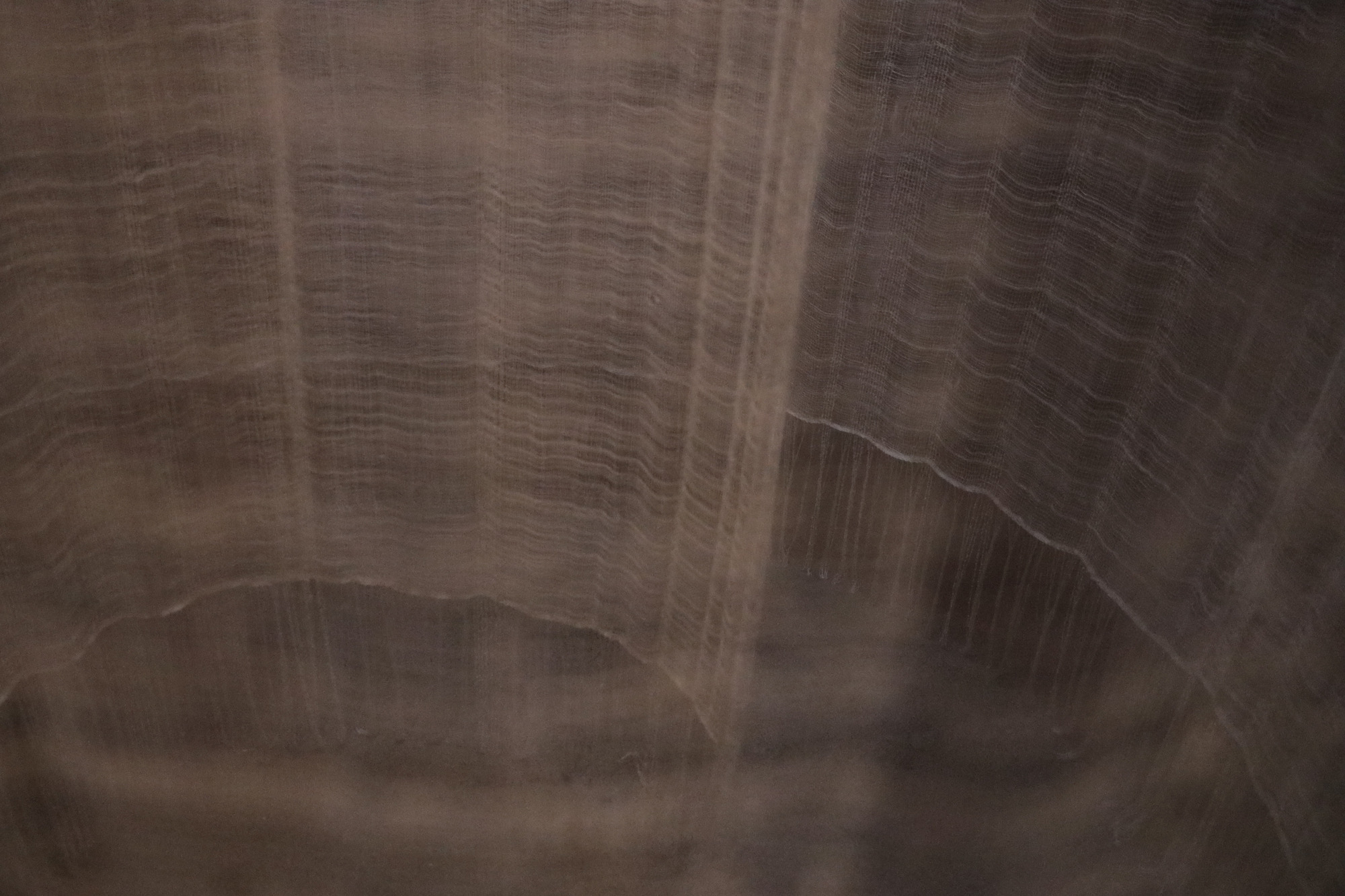
In the form of an allegorical triptych, a box for all the things i’ll never learn is a cyclical body of work exploring psychological tensions the inner labyrinth and epiphany. The work invites you to walk into the spiral, pass the threshold and end with the box.

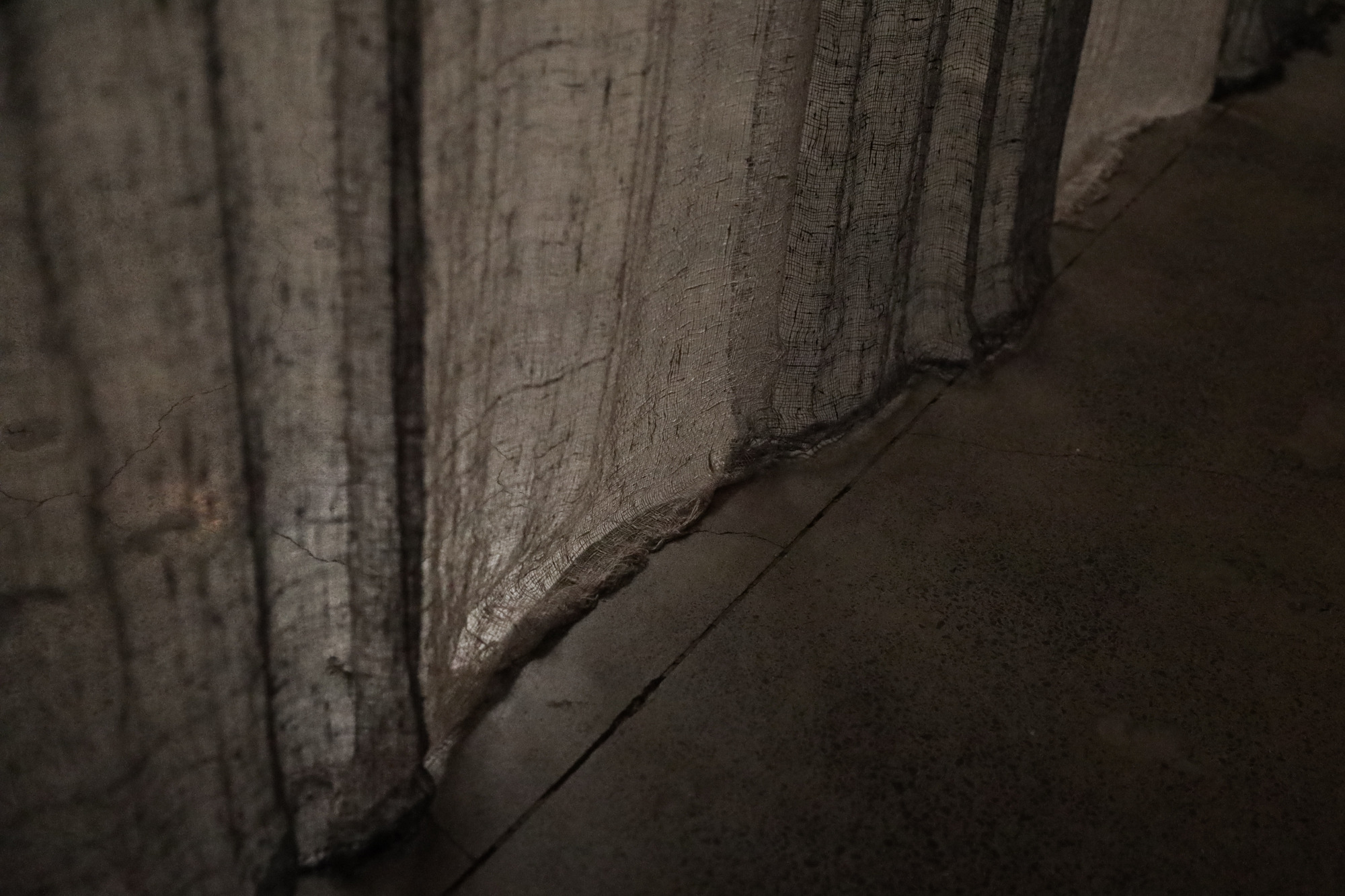
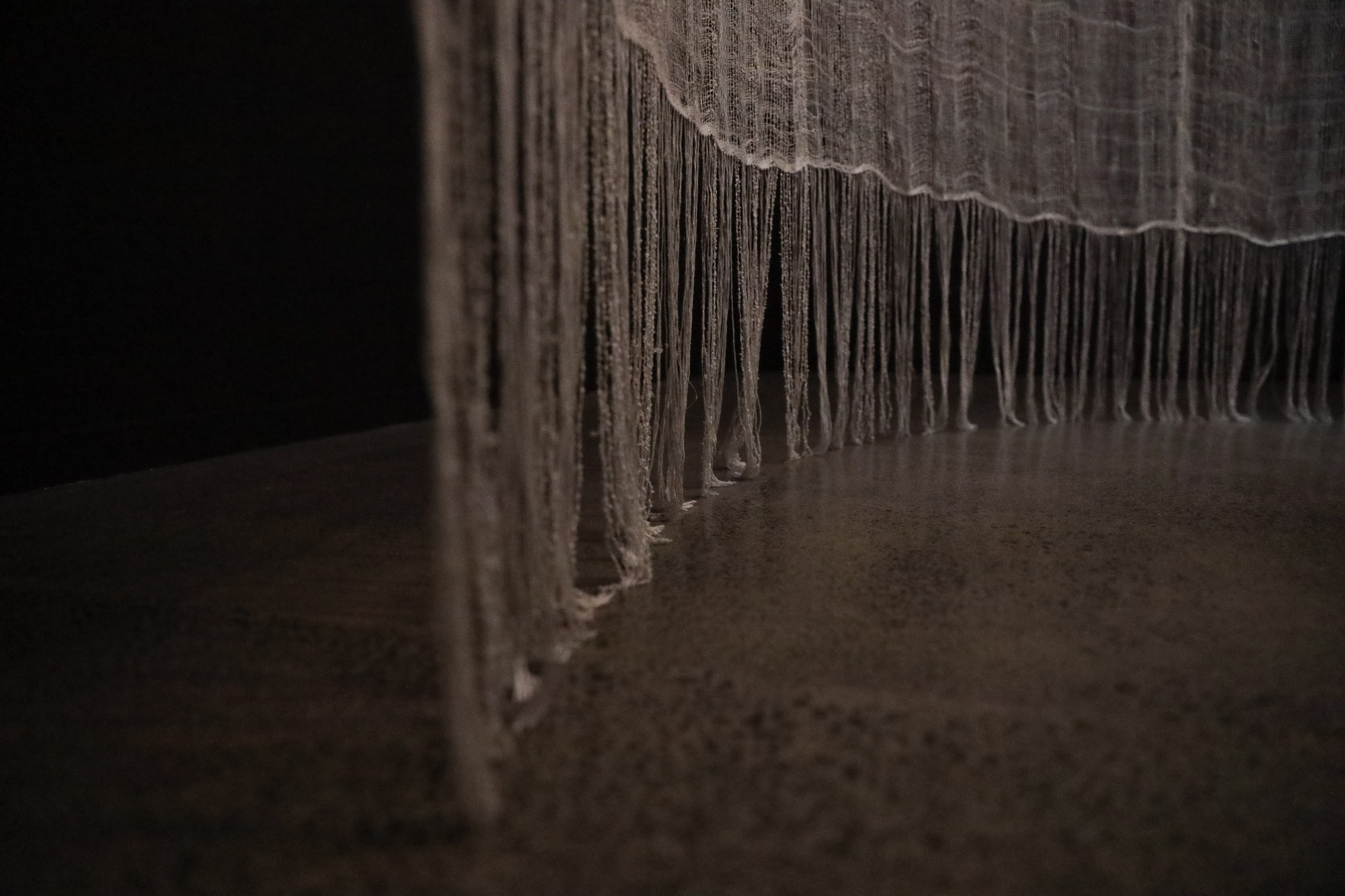
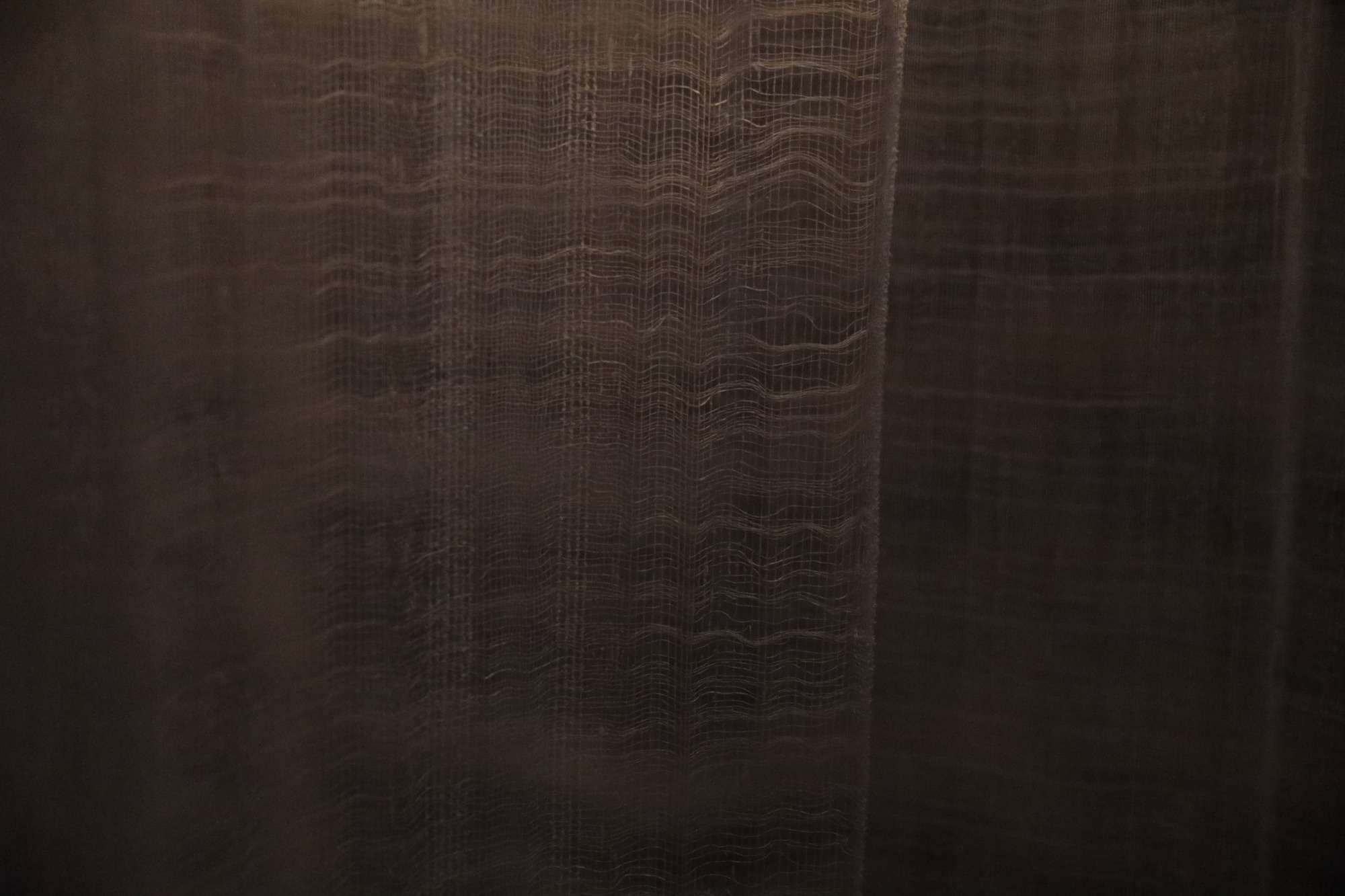
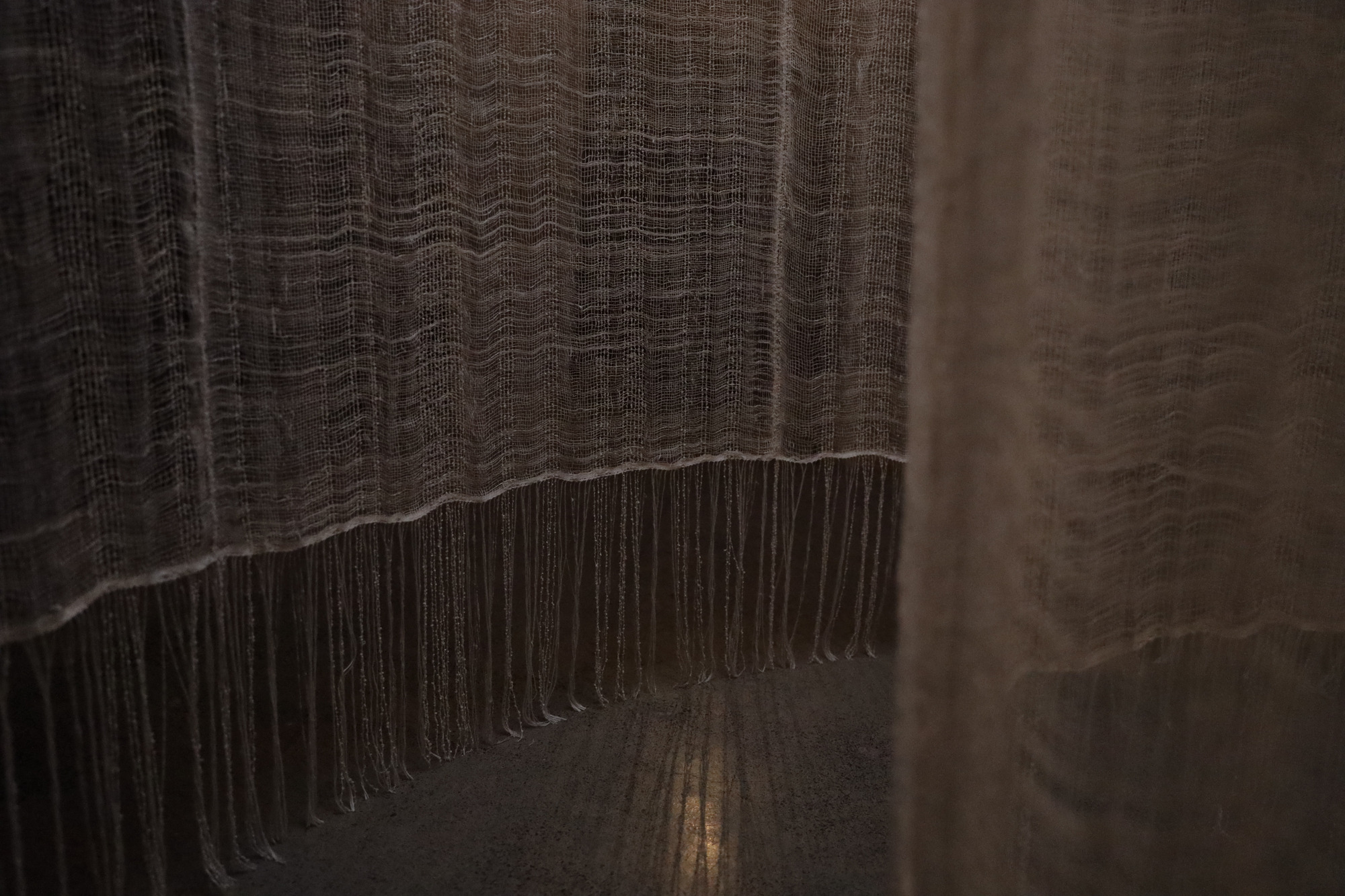
Paige Jansen is an Ōhinehou, Lyttelton–based artist who, through handwoven textiles and movement, composes work that sets out to explore the intimate texture of experience. Formed through intuitive, embodied modes of inquiry, Jansen’s work blends a poetic interest of materiality with the intangible aspects of being.

a box for all the things i’ll never learn is Paige Jansen’s first solo exhibition.

Images by Jude Stevens

Shannon Conacher : The Archive Room

Shannon Conacher
The Archive Room

16 July – 23 August 2025

At RM, the archive room is most often overlooked during an exhibition opening — contents boxed away and unseen. Within this archive is a collection of ephemera from exhibitions at the long-running artist-run space dating back to its opening in 1997.

In developing this work, I looked back to the gallery that initially inspired RM to set up this collection. It is modelled on Seoul’s Insa Art Space, where archived materials are described as “waiting to come alive again with the touch and breath of the users, so that they can again be a part of their works and memories”.¹

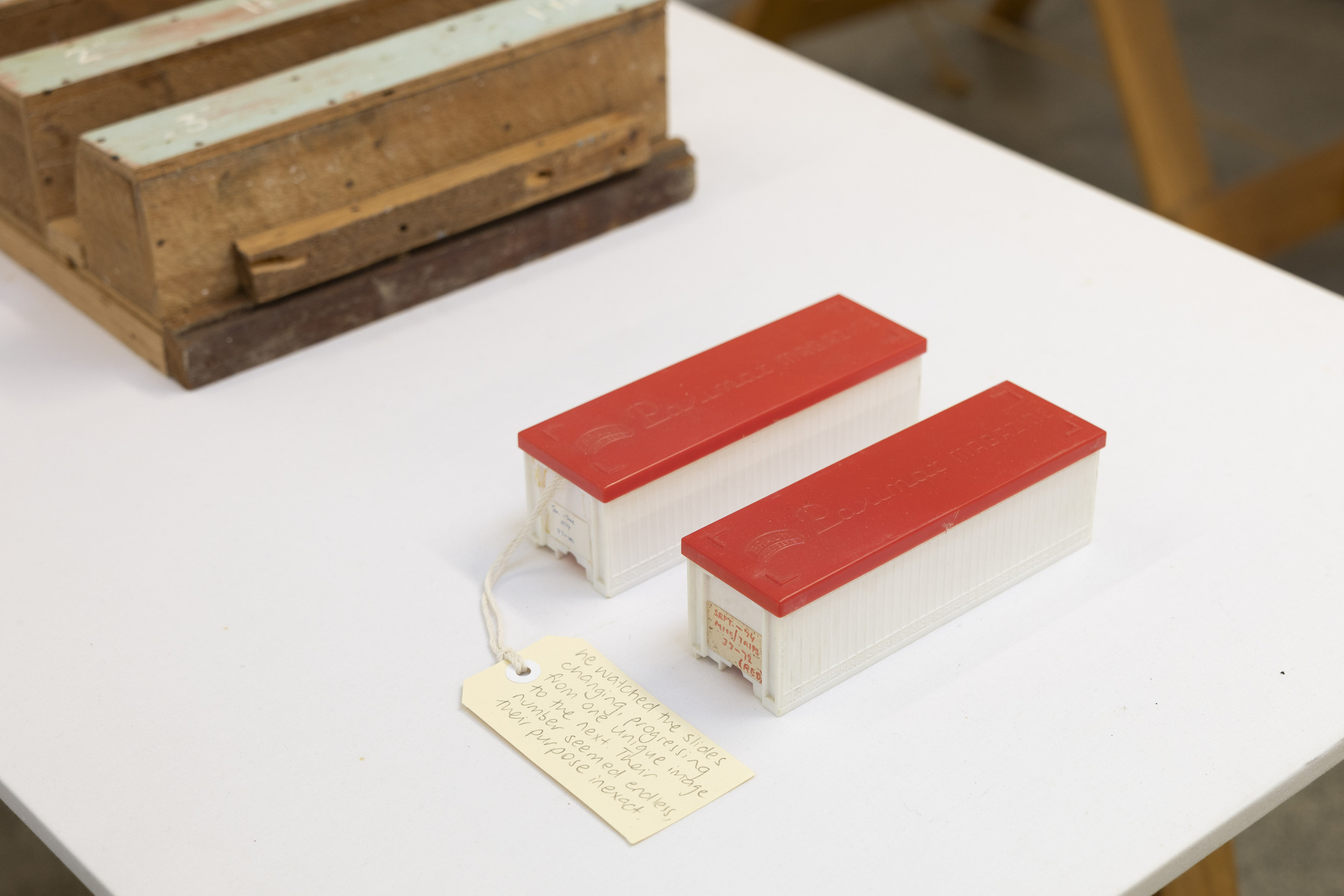
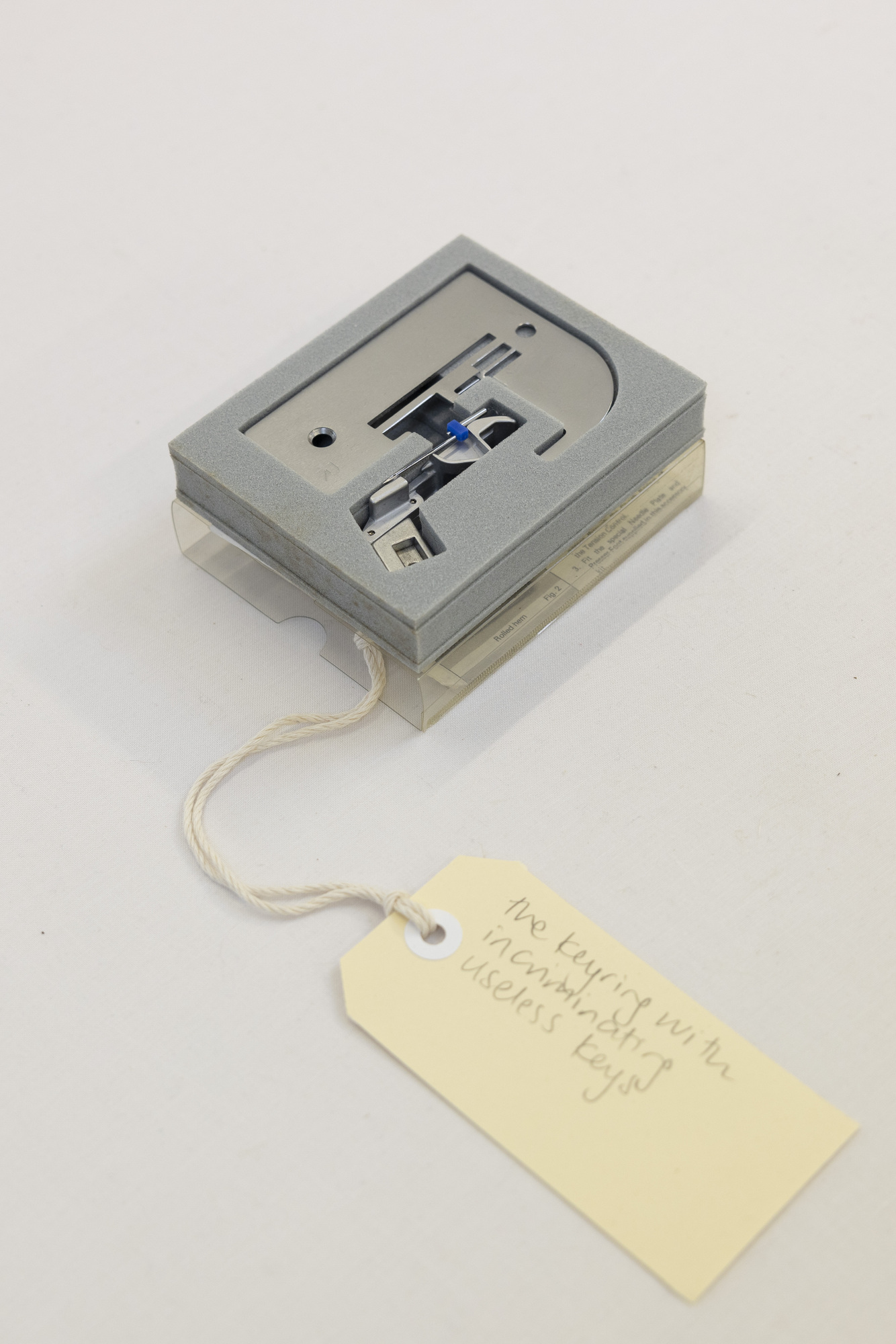
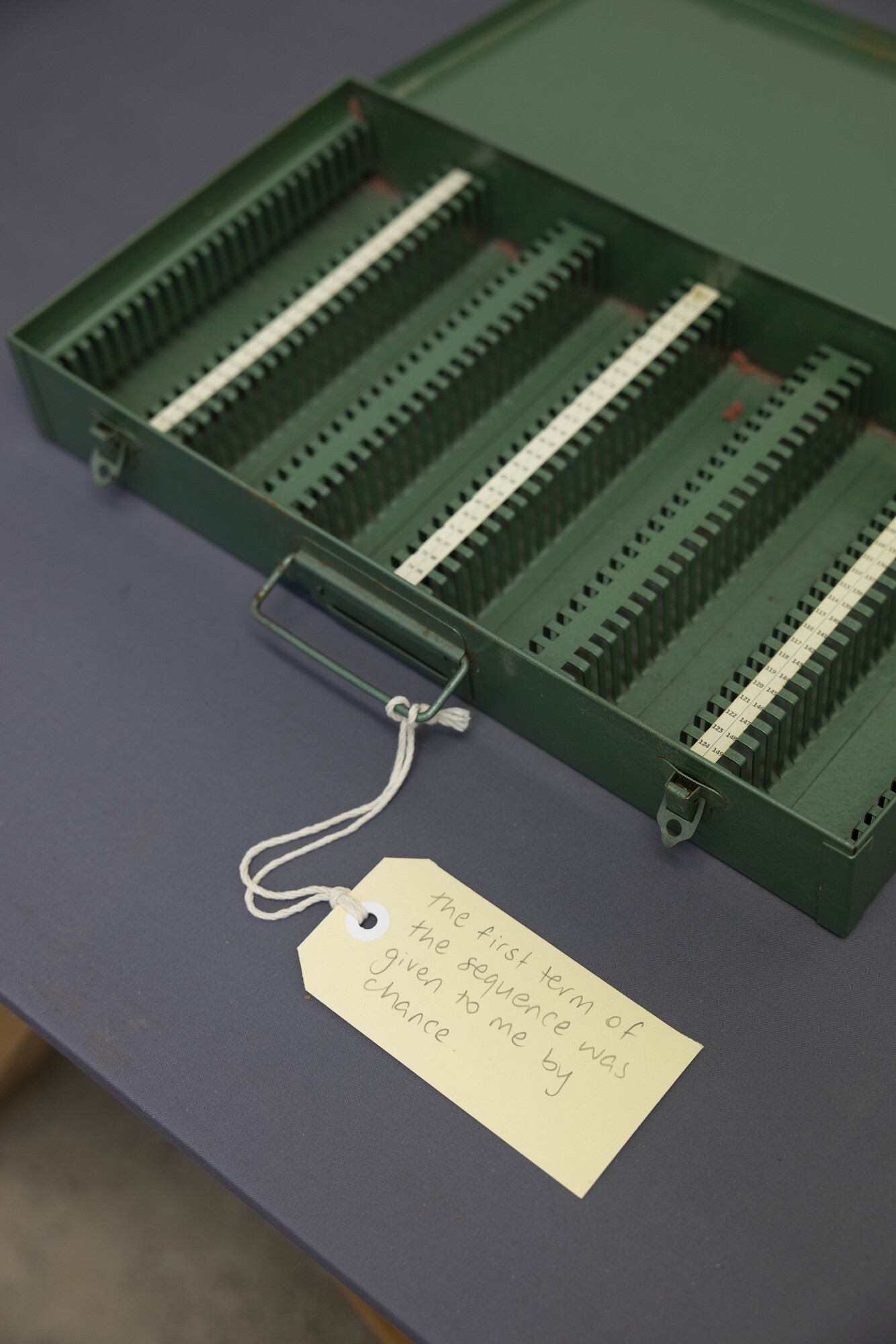
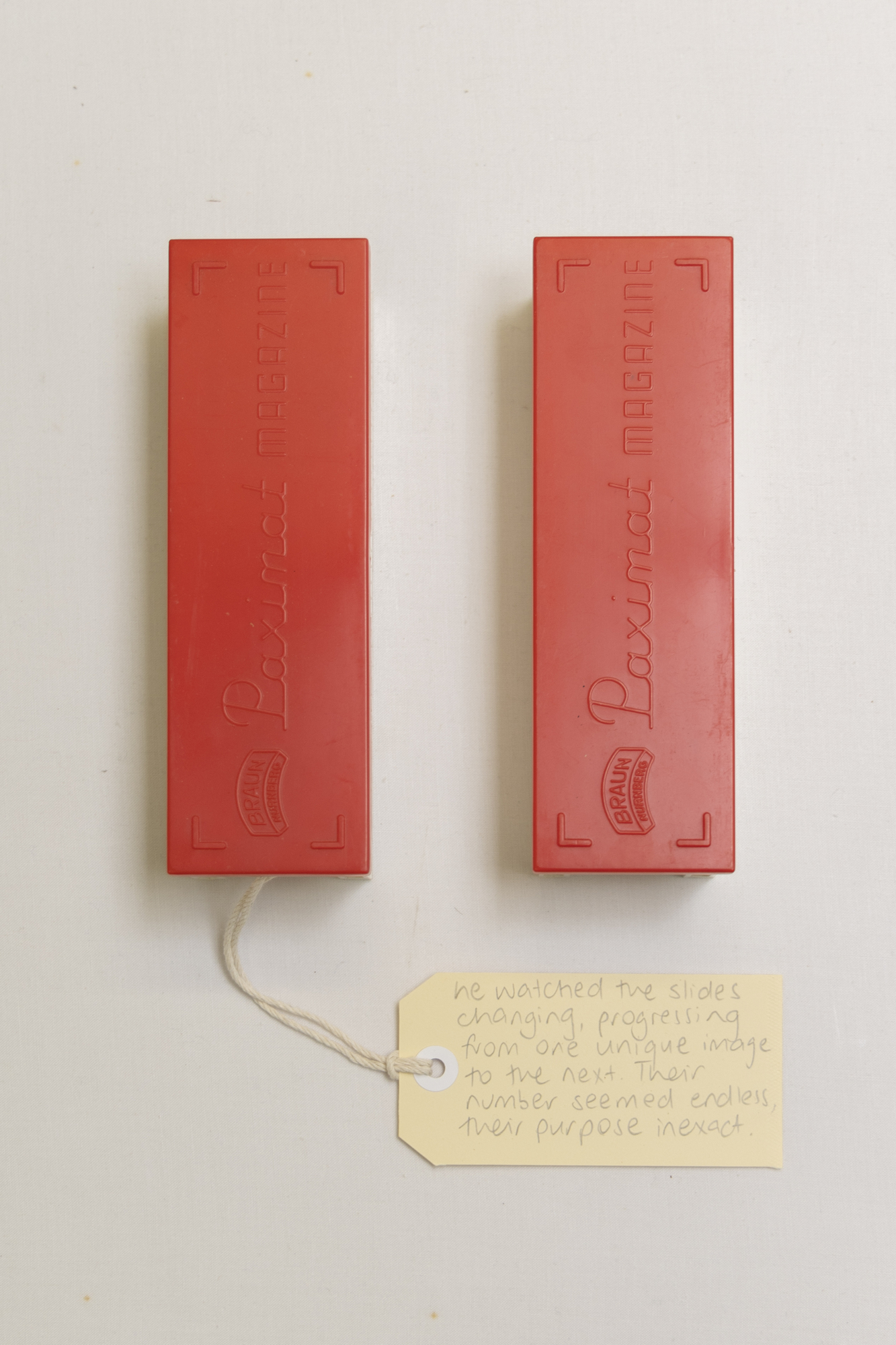
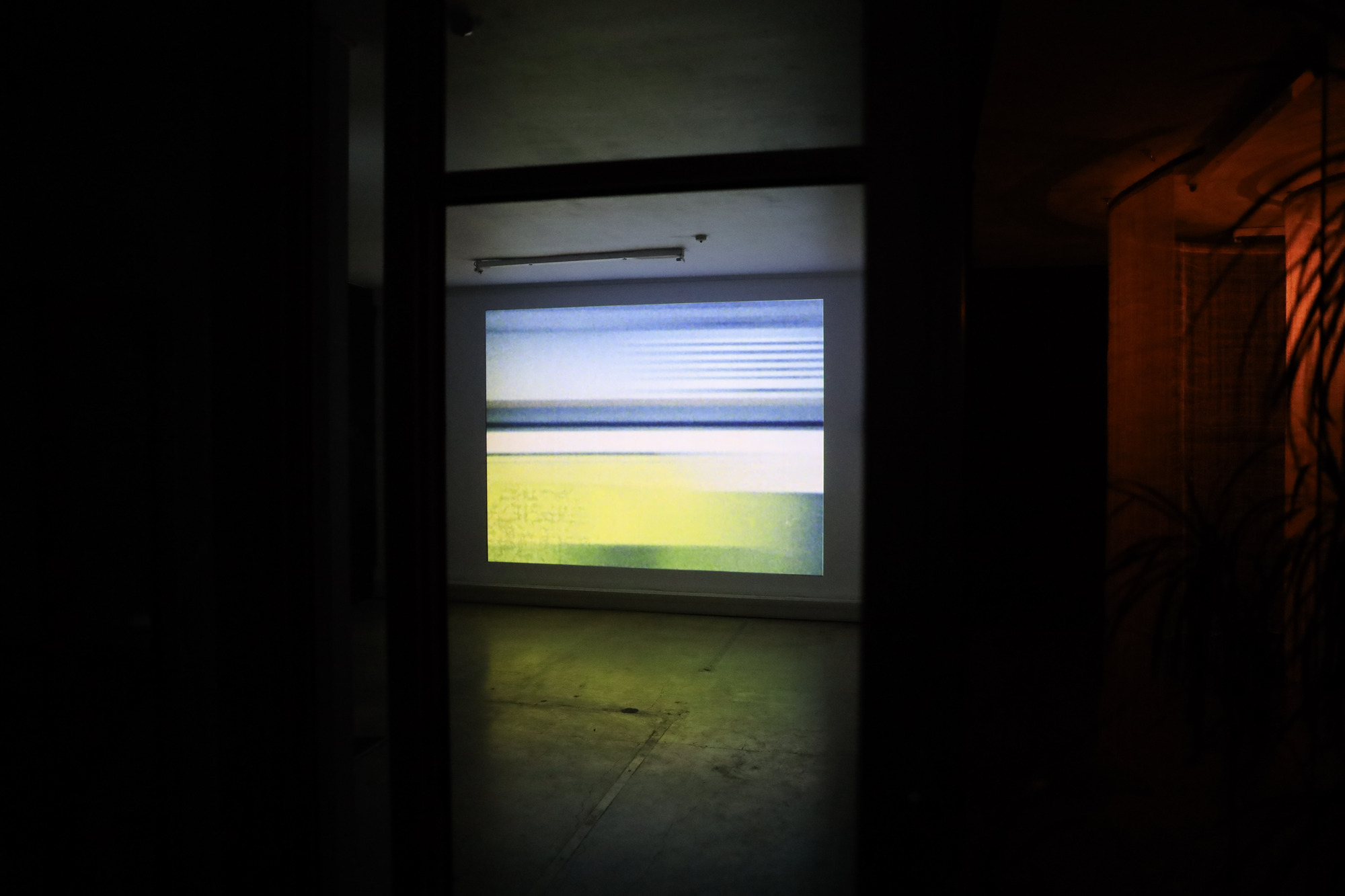
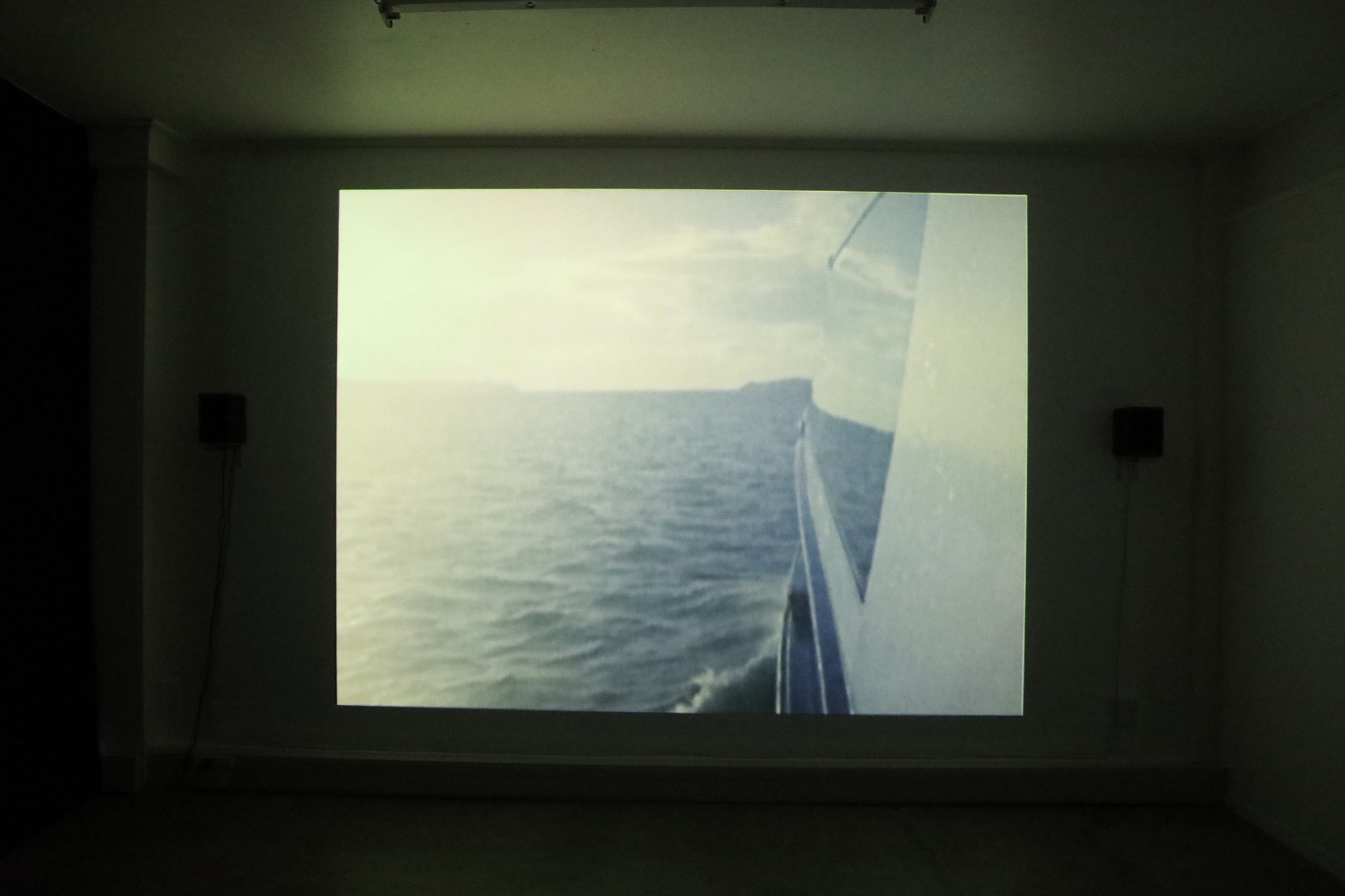
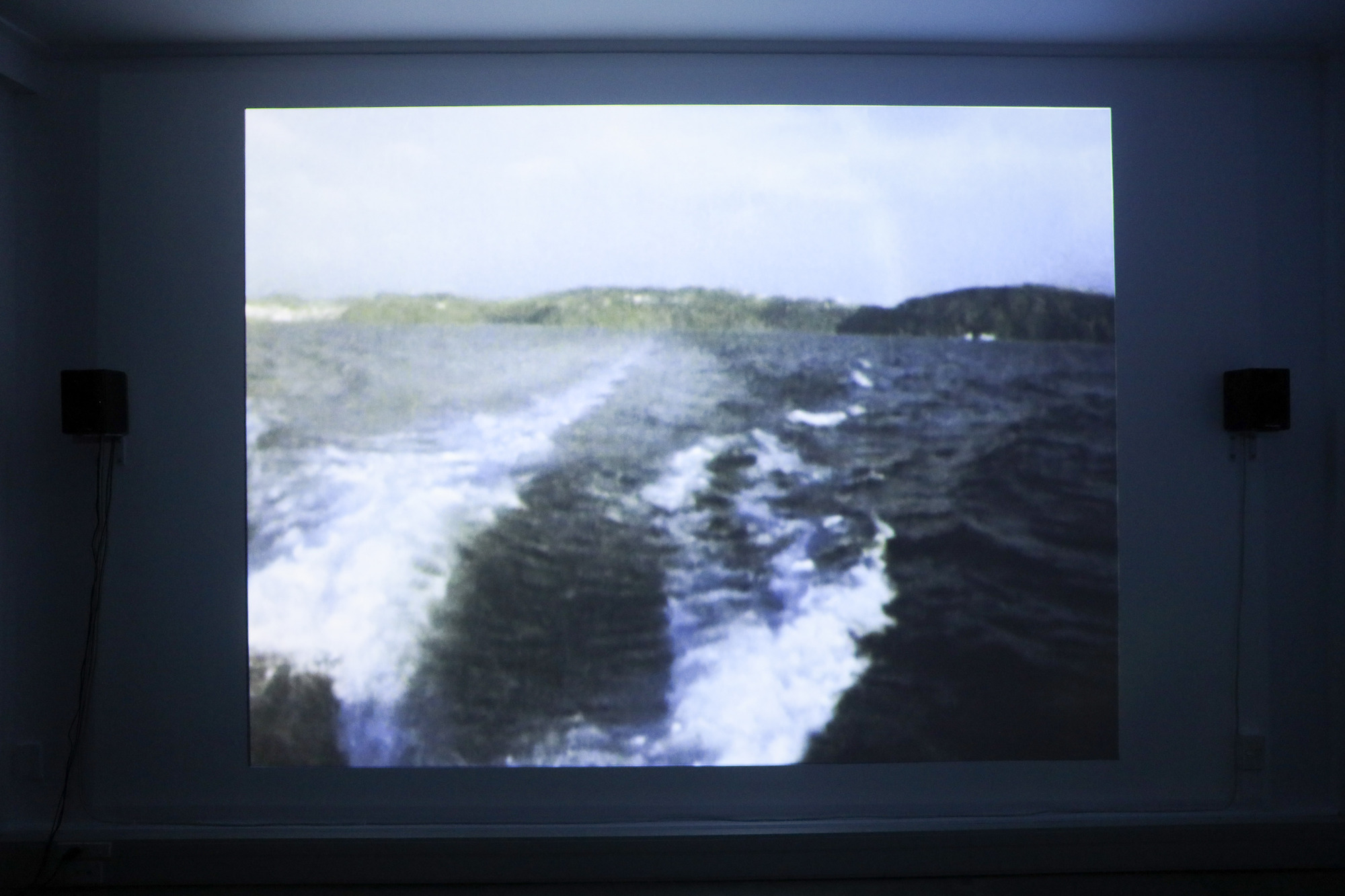
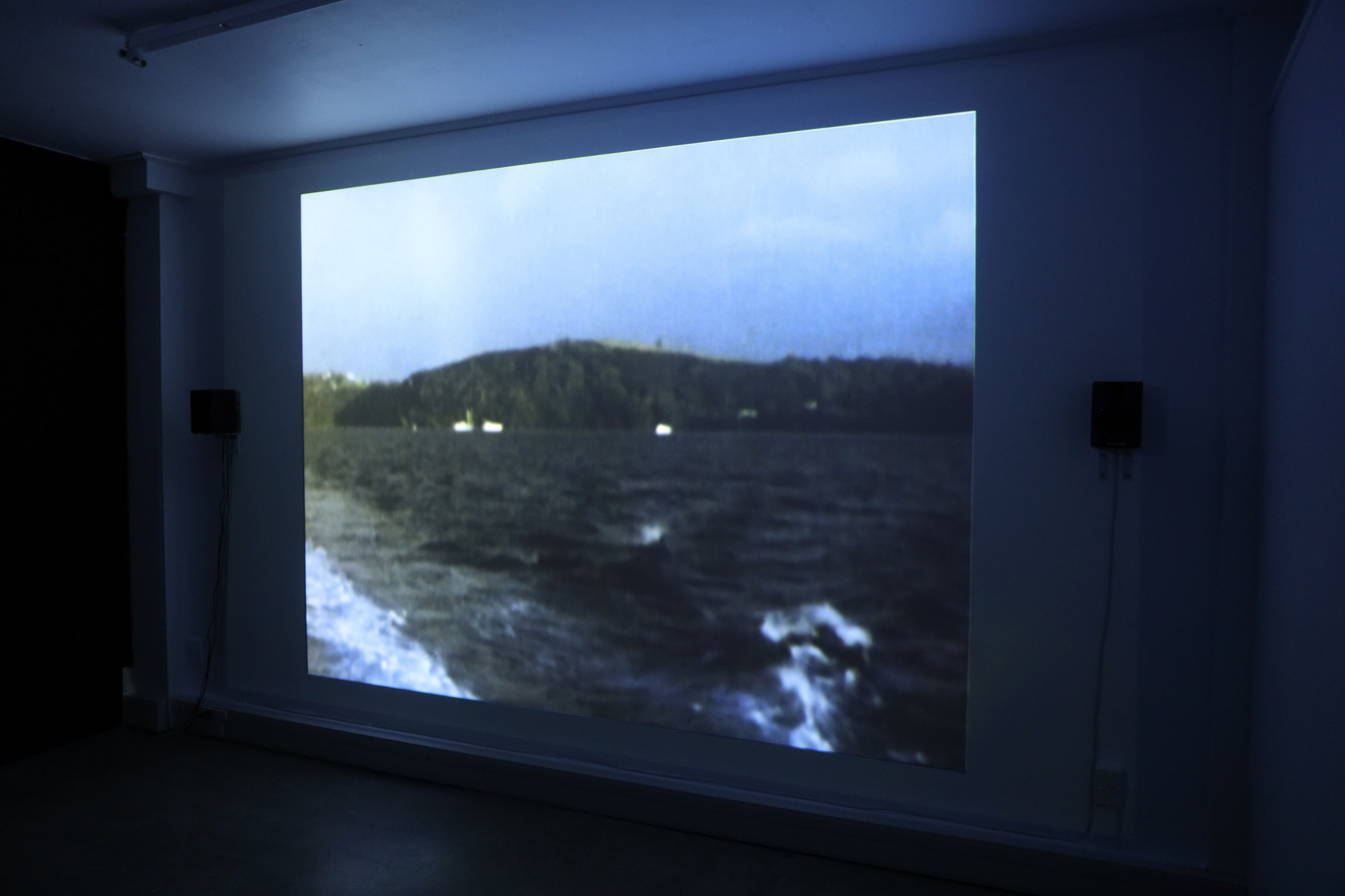
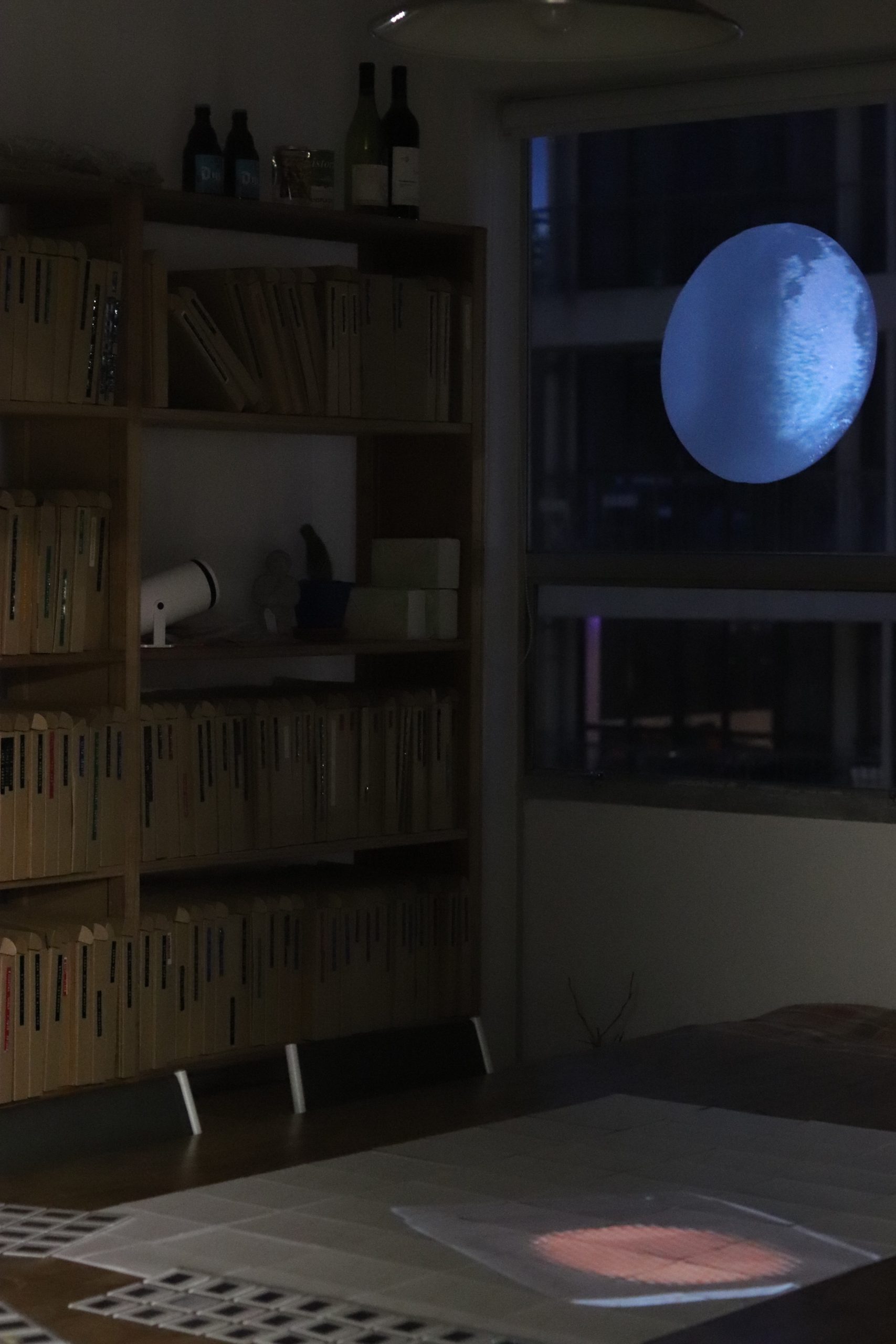
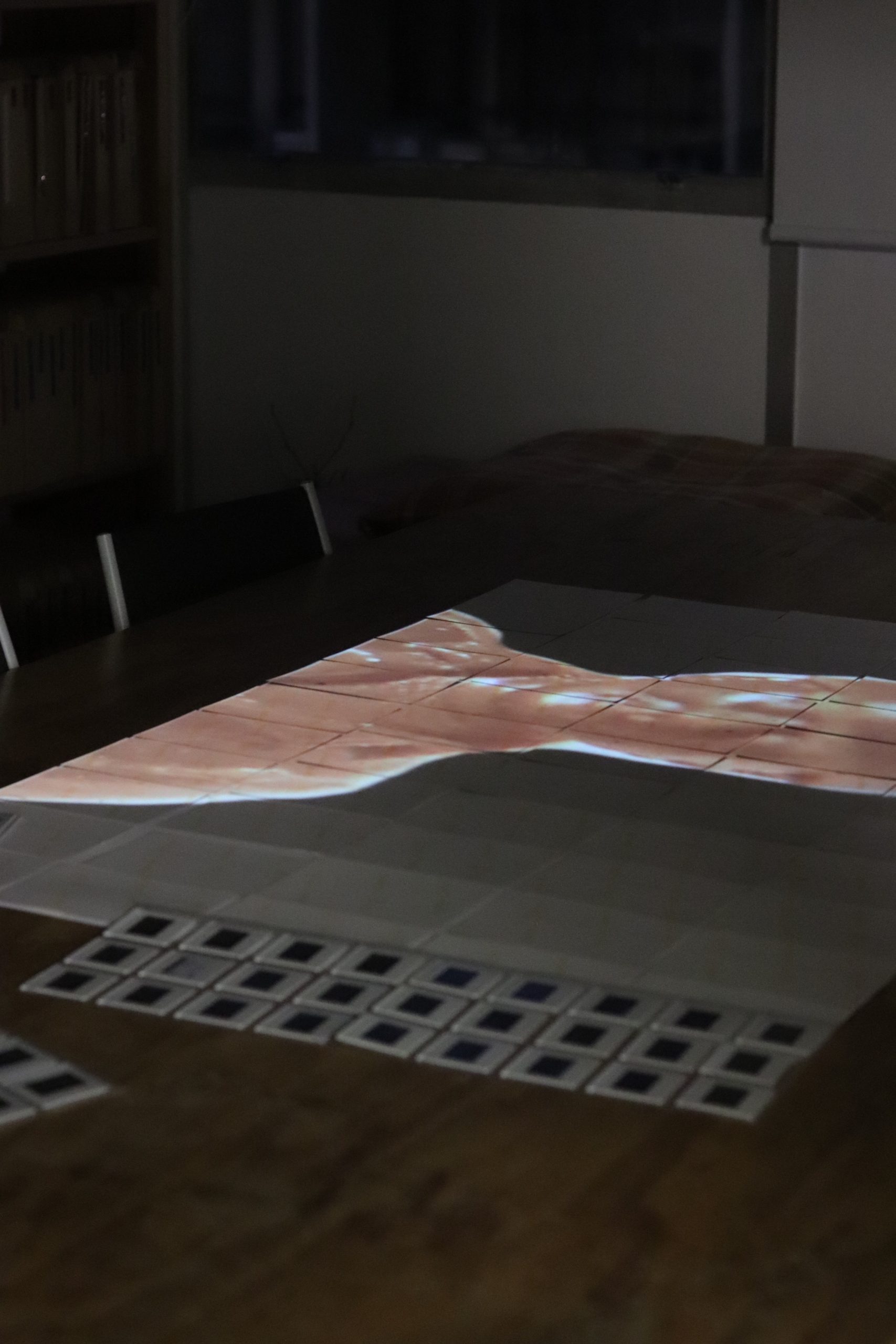
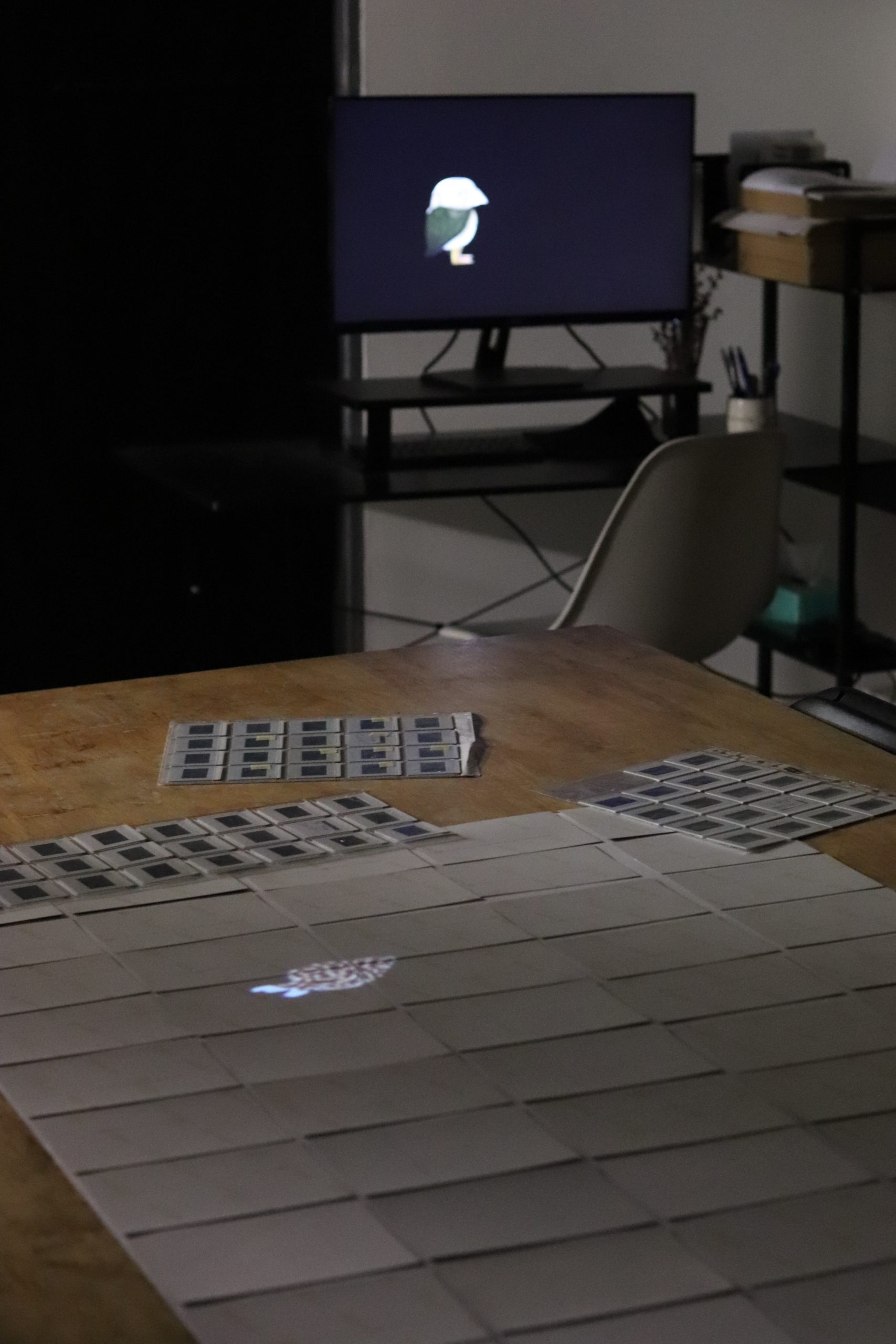
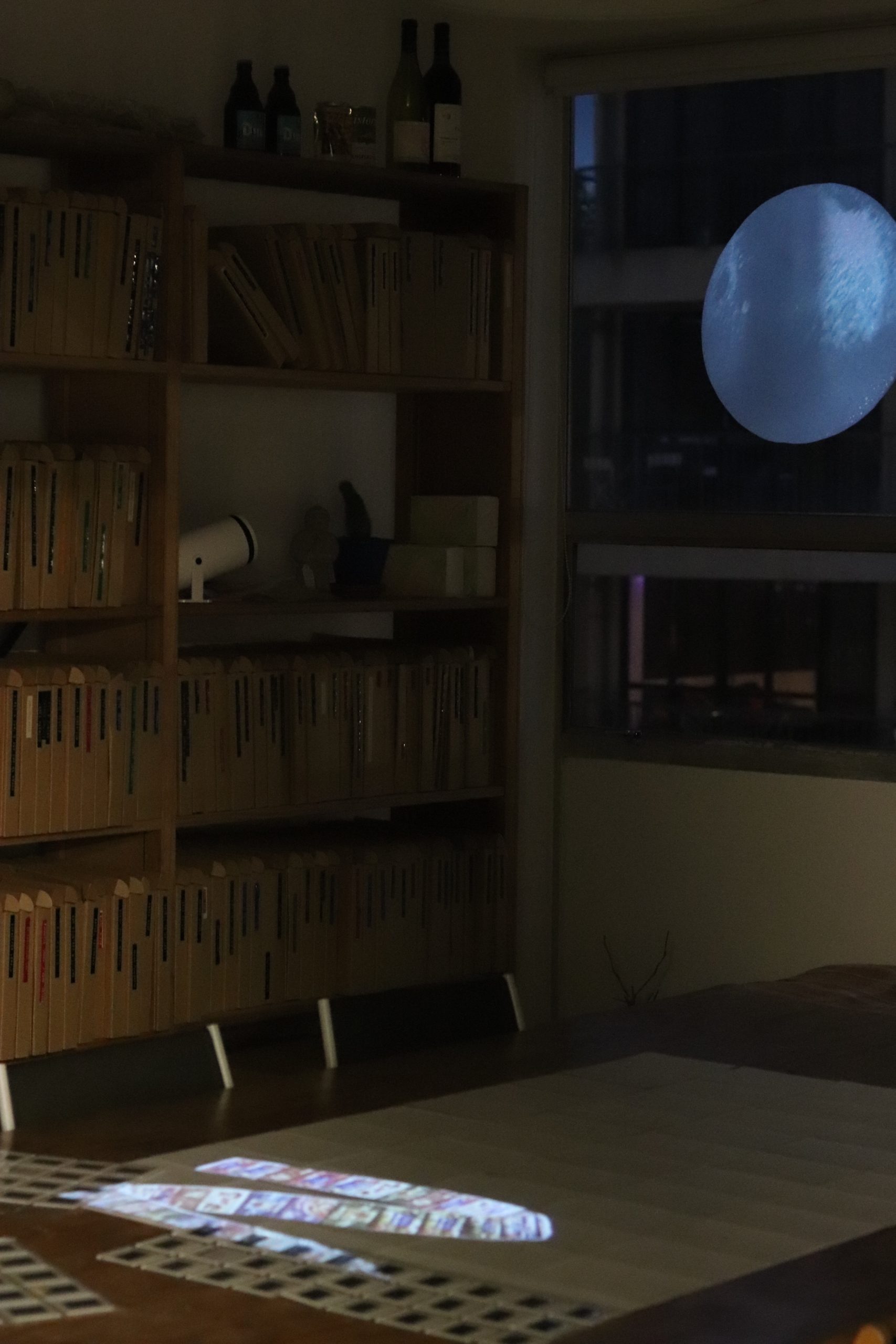
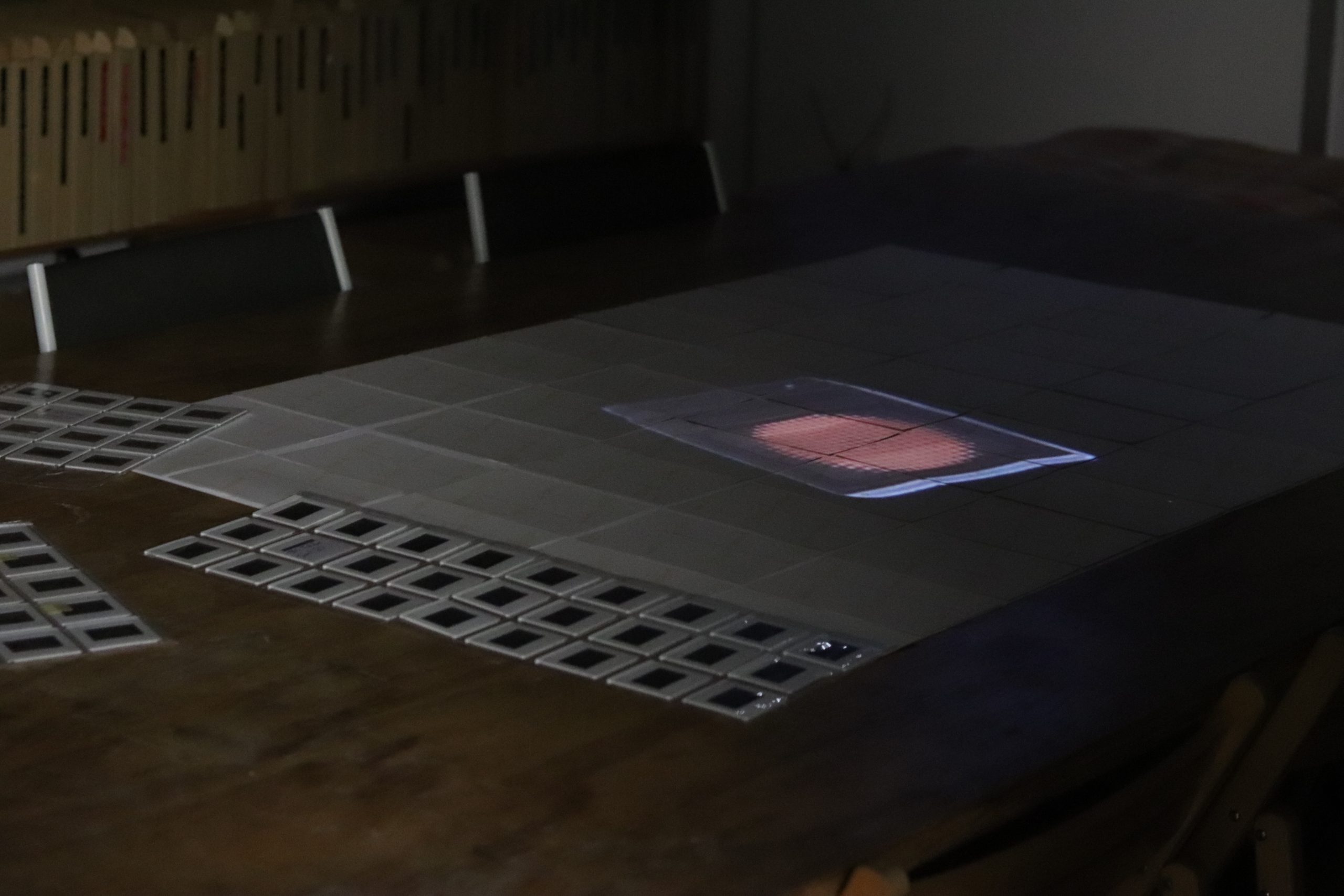
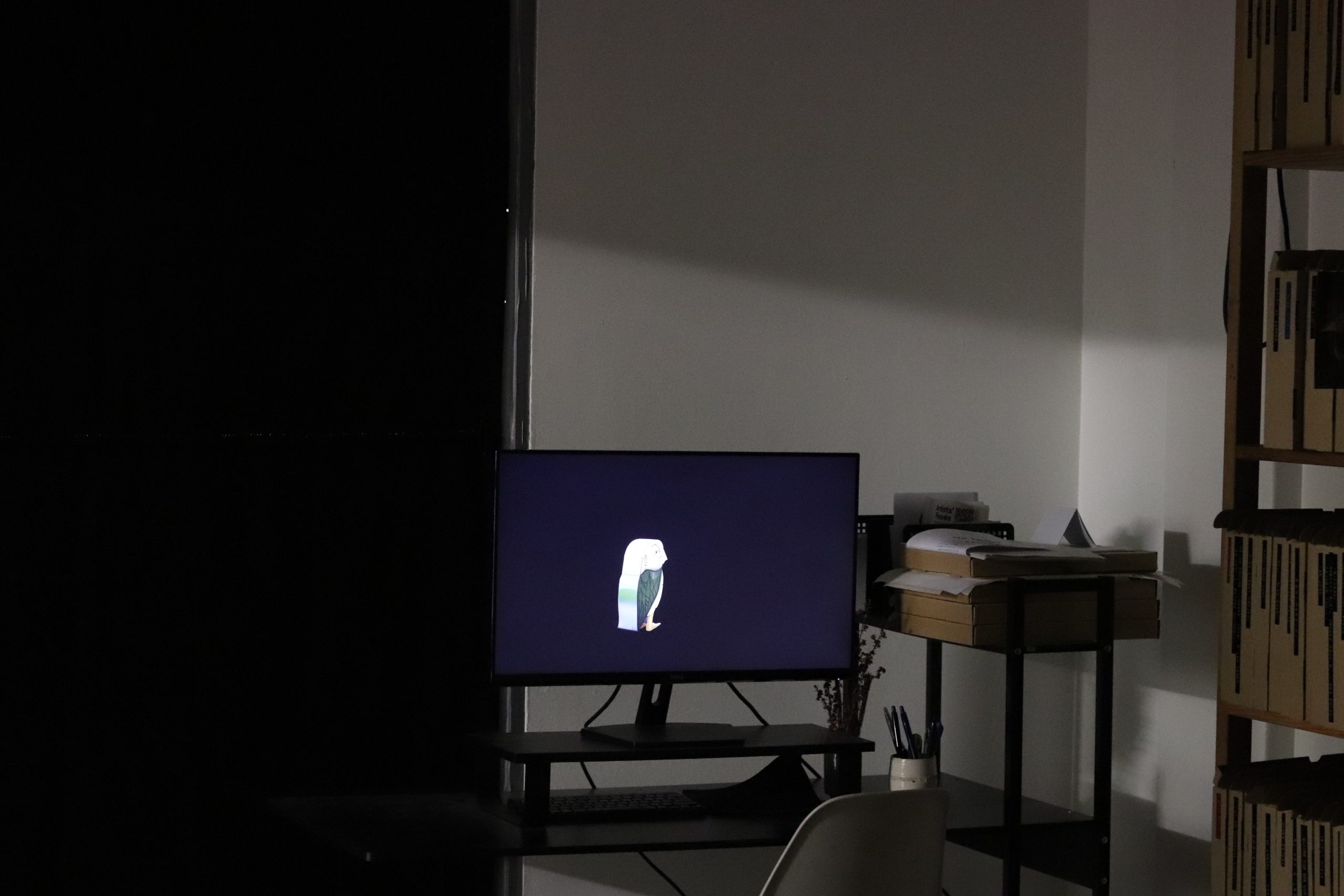
The Archive Room is a multi-channel video installation that reawakens artworks lost to the 22-year old archive, repositioning the collection as a living, breathing site.

¹Insa Art Space, Seoul, South Korea, 2007. RM Gallery, accessed 28 September 2024.

Images by Shannon Conacher

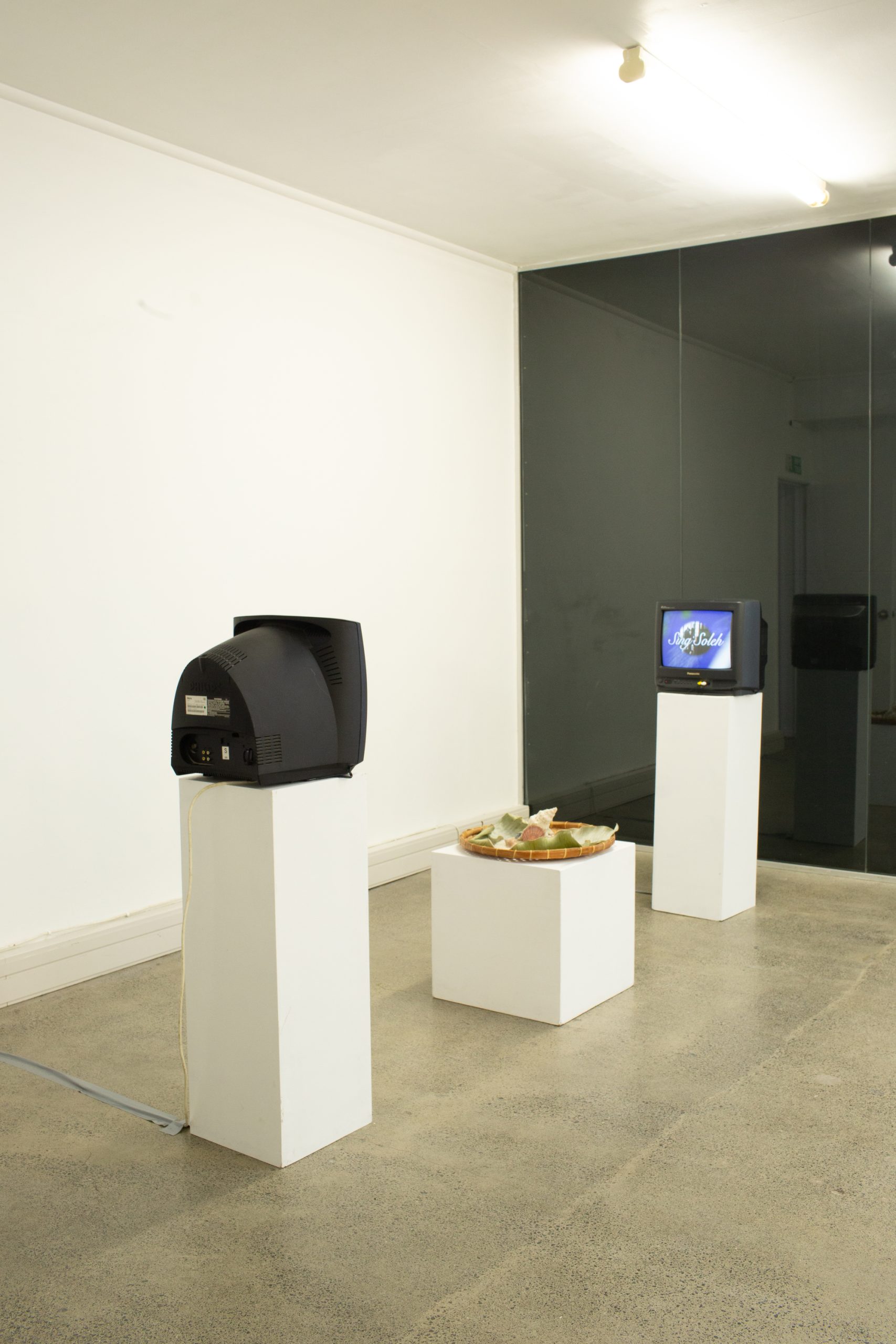
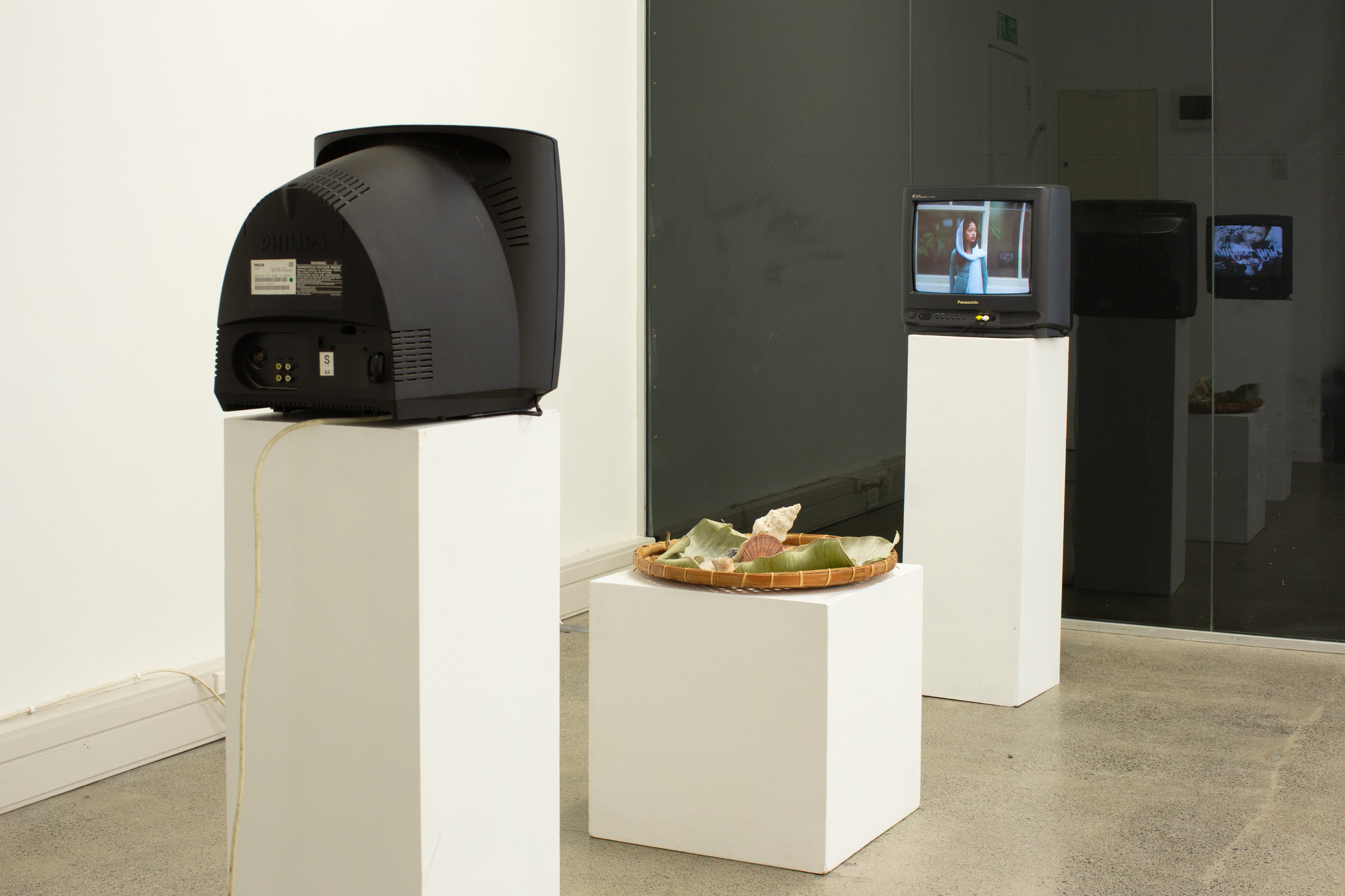
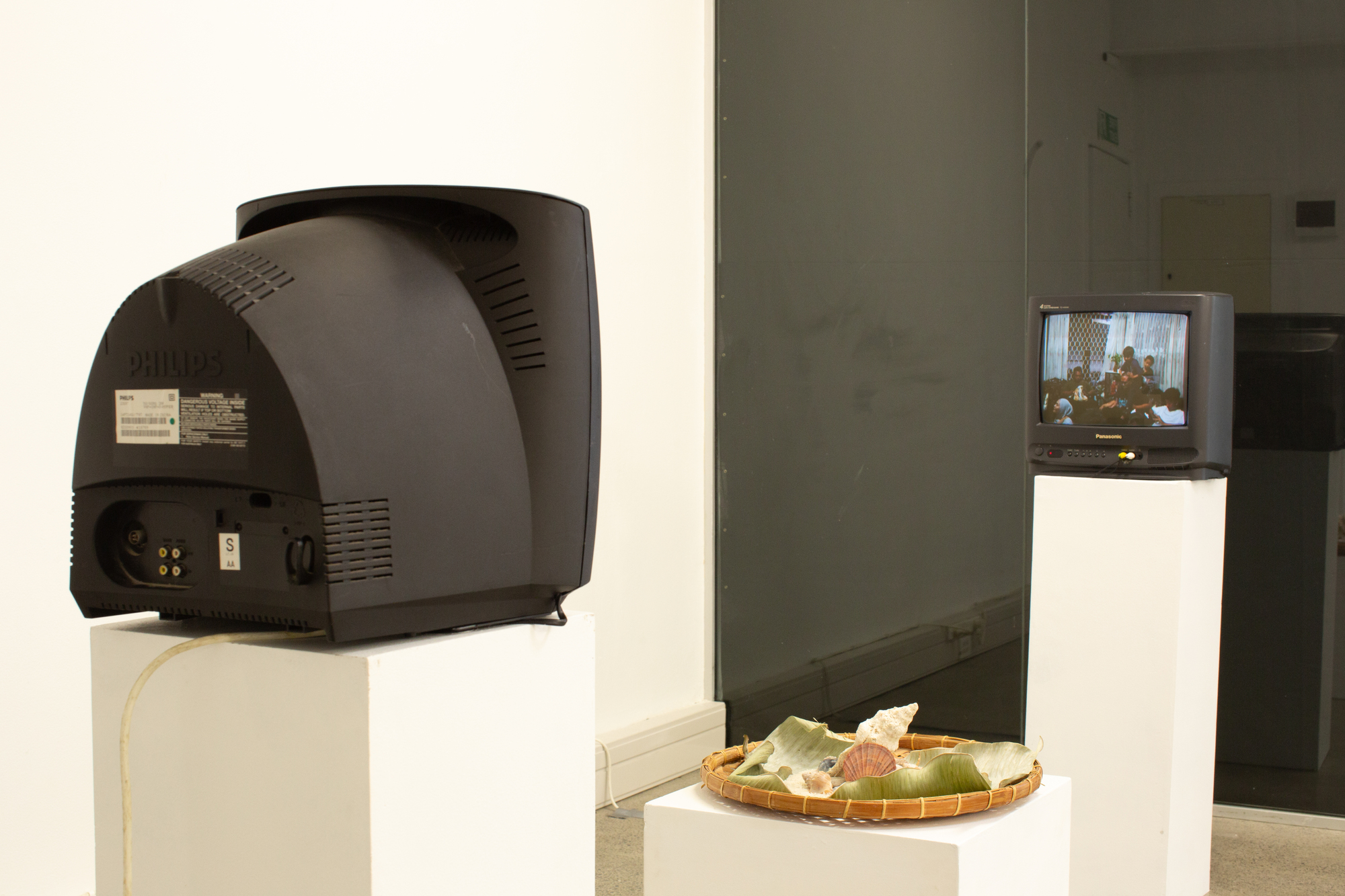
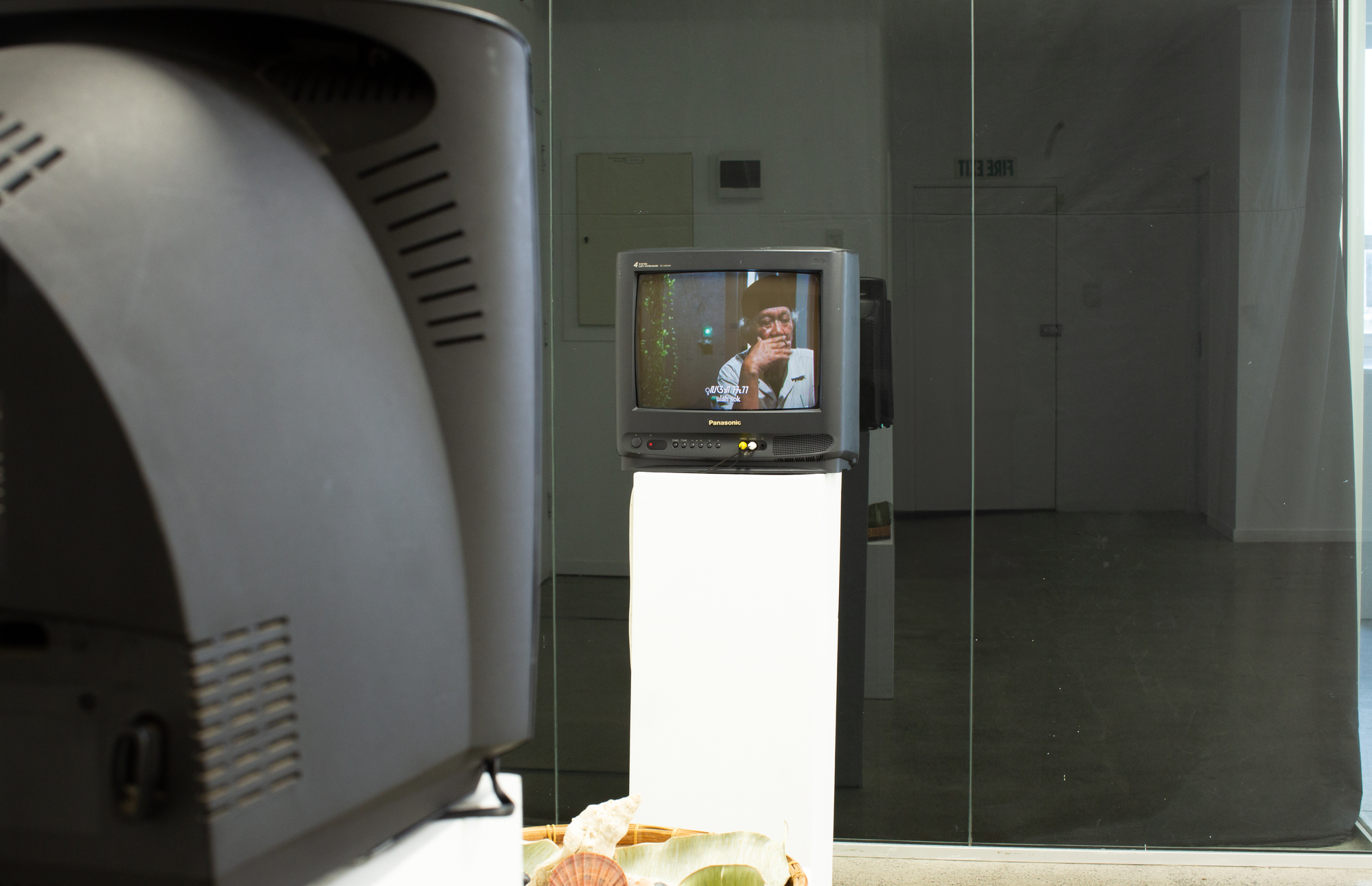
Shaday Moore, Thanh-Phong Ngô, Zoia Azzura and Christian Turner : Beyond the Familiar

Shaday Moore, Thanh-Phong Ngô, Zoia Azzura and Christian Turner
Beyond the Familiar

16 July – 23 August 2025

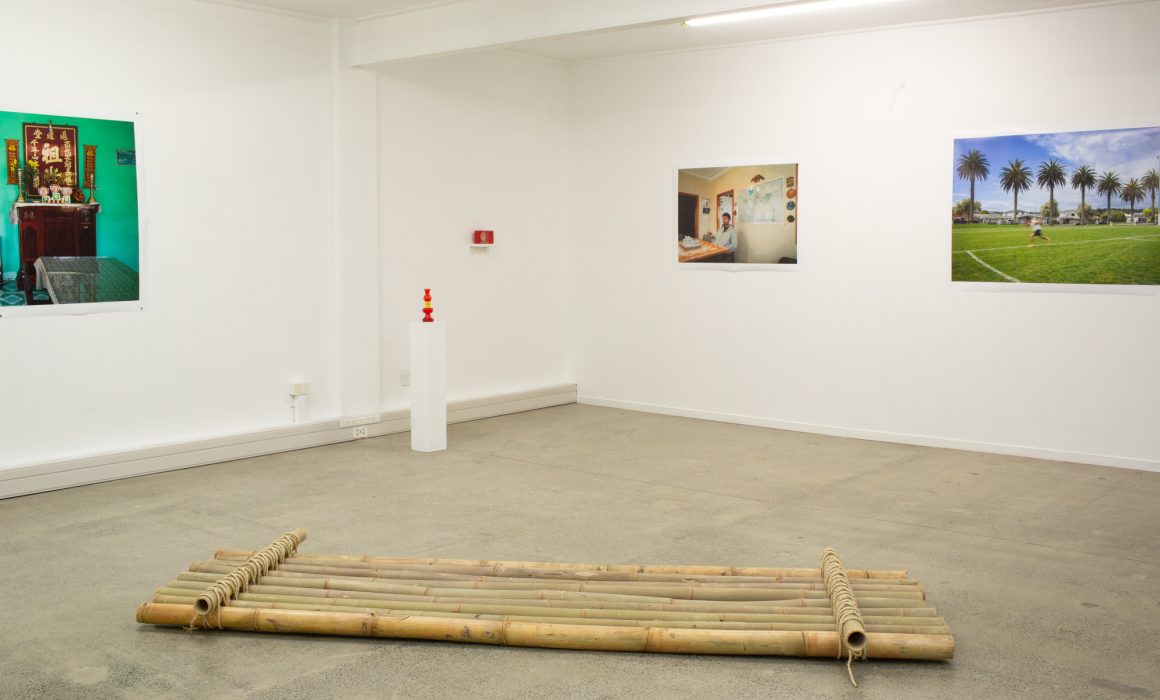
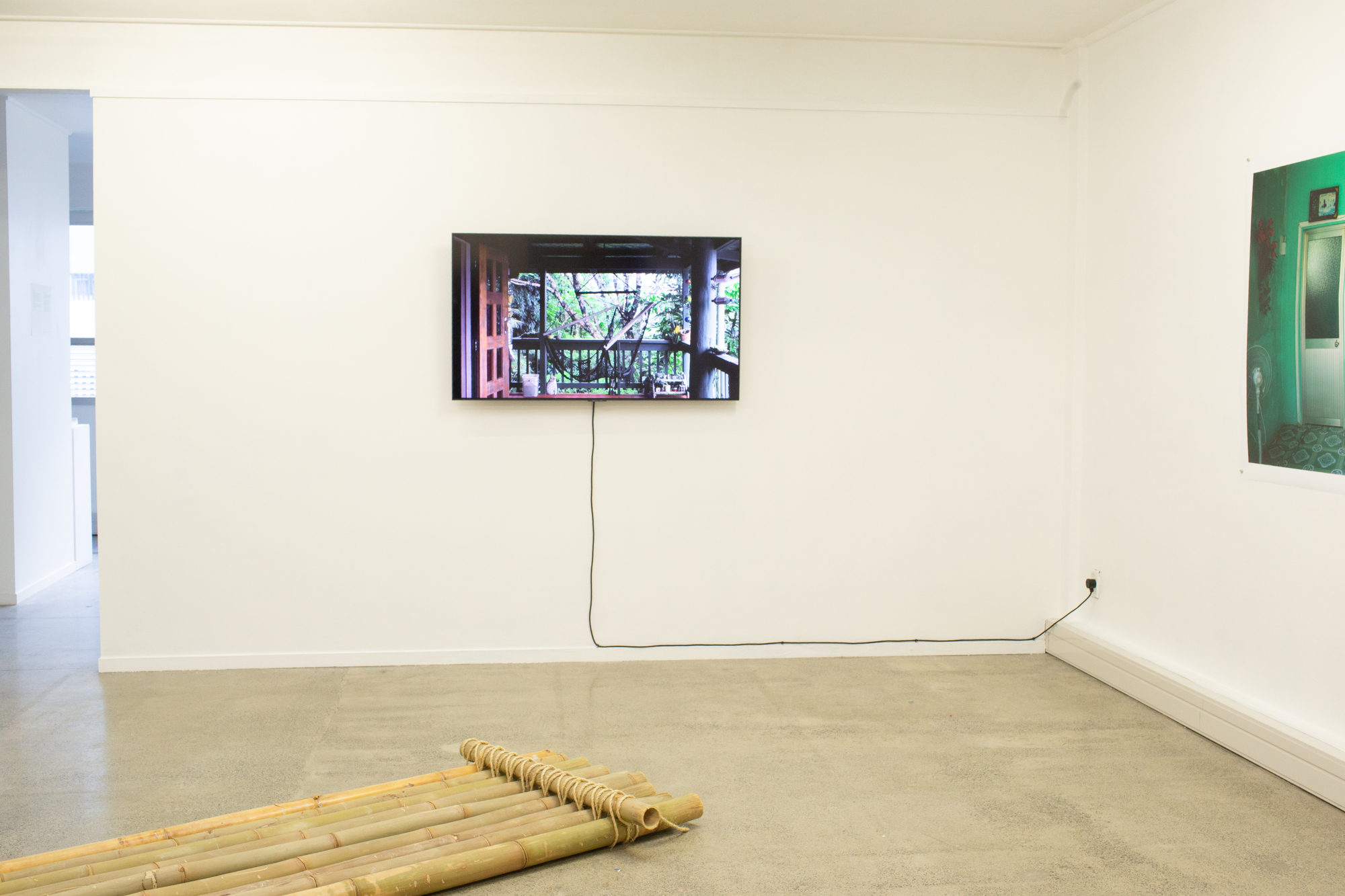
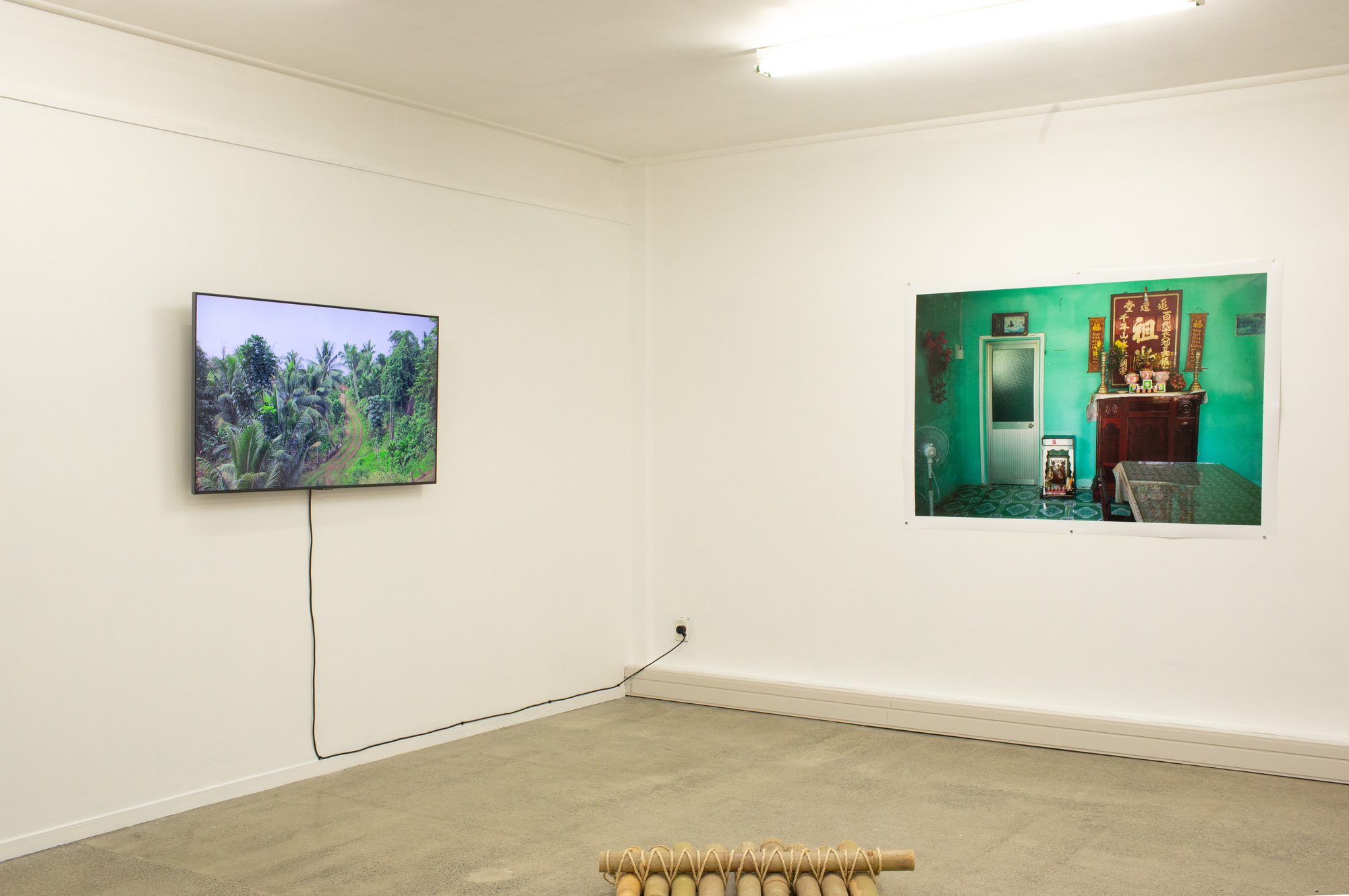
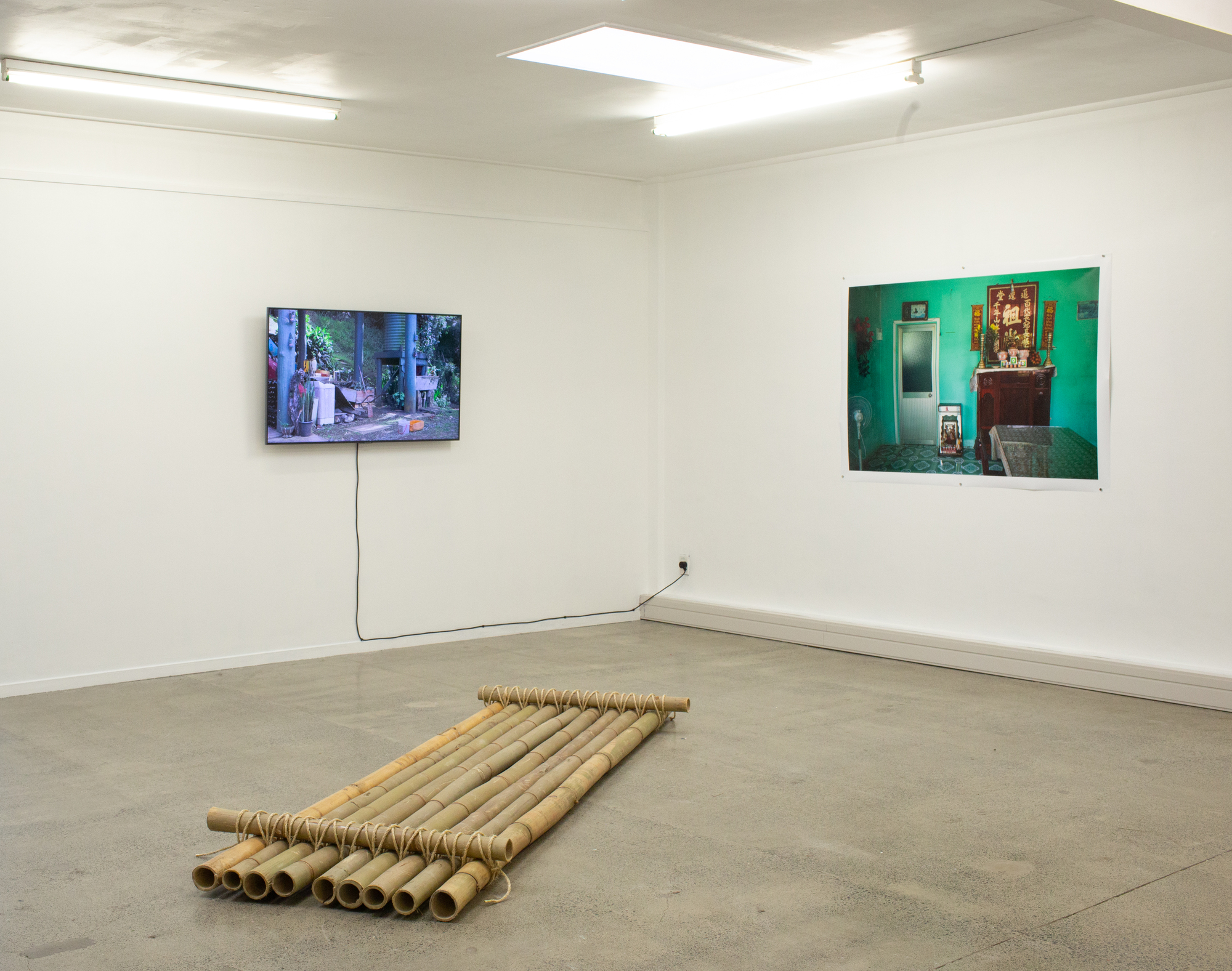
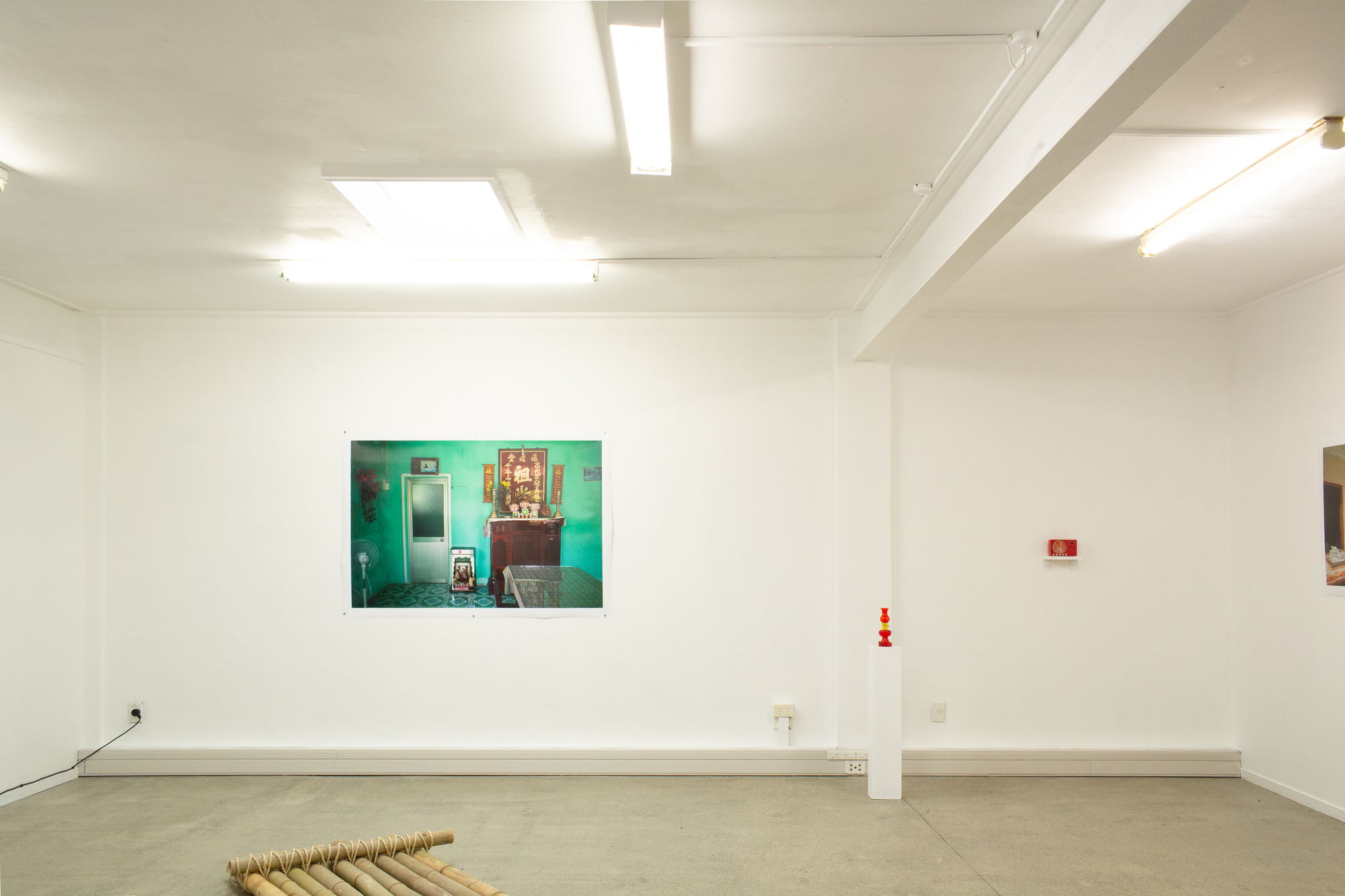
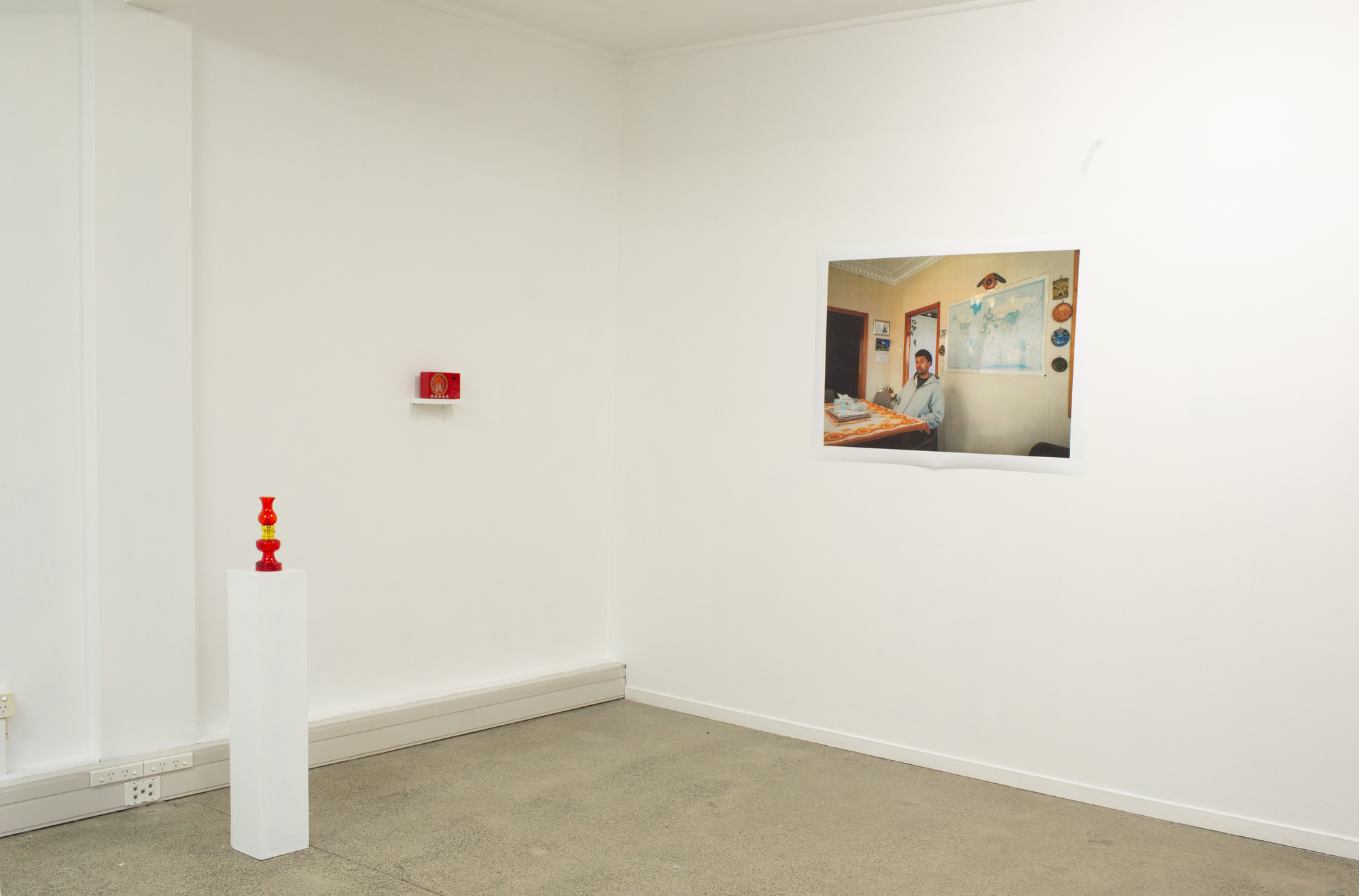
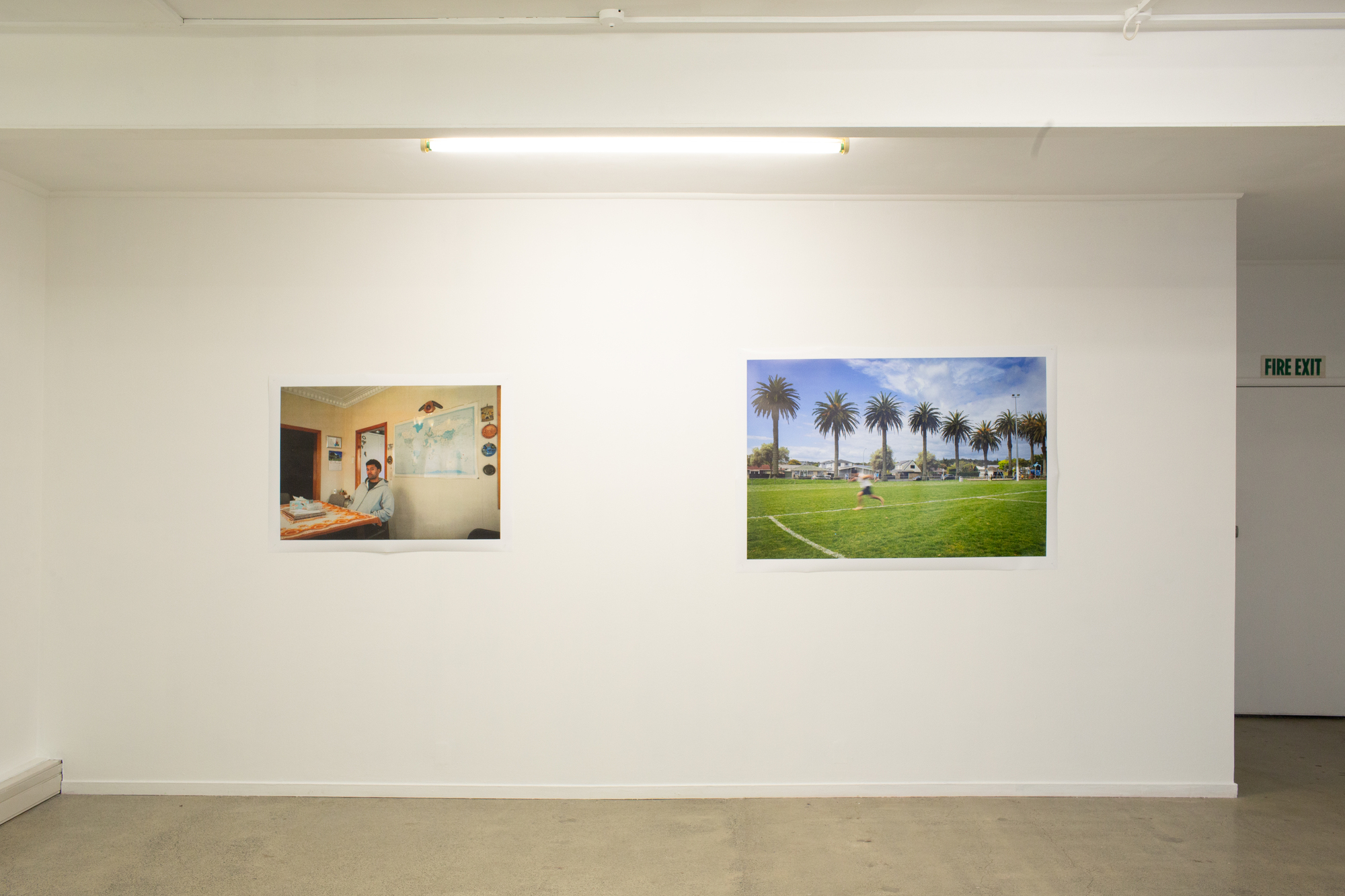
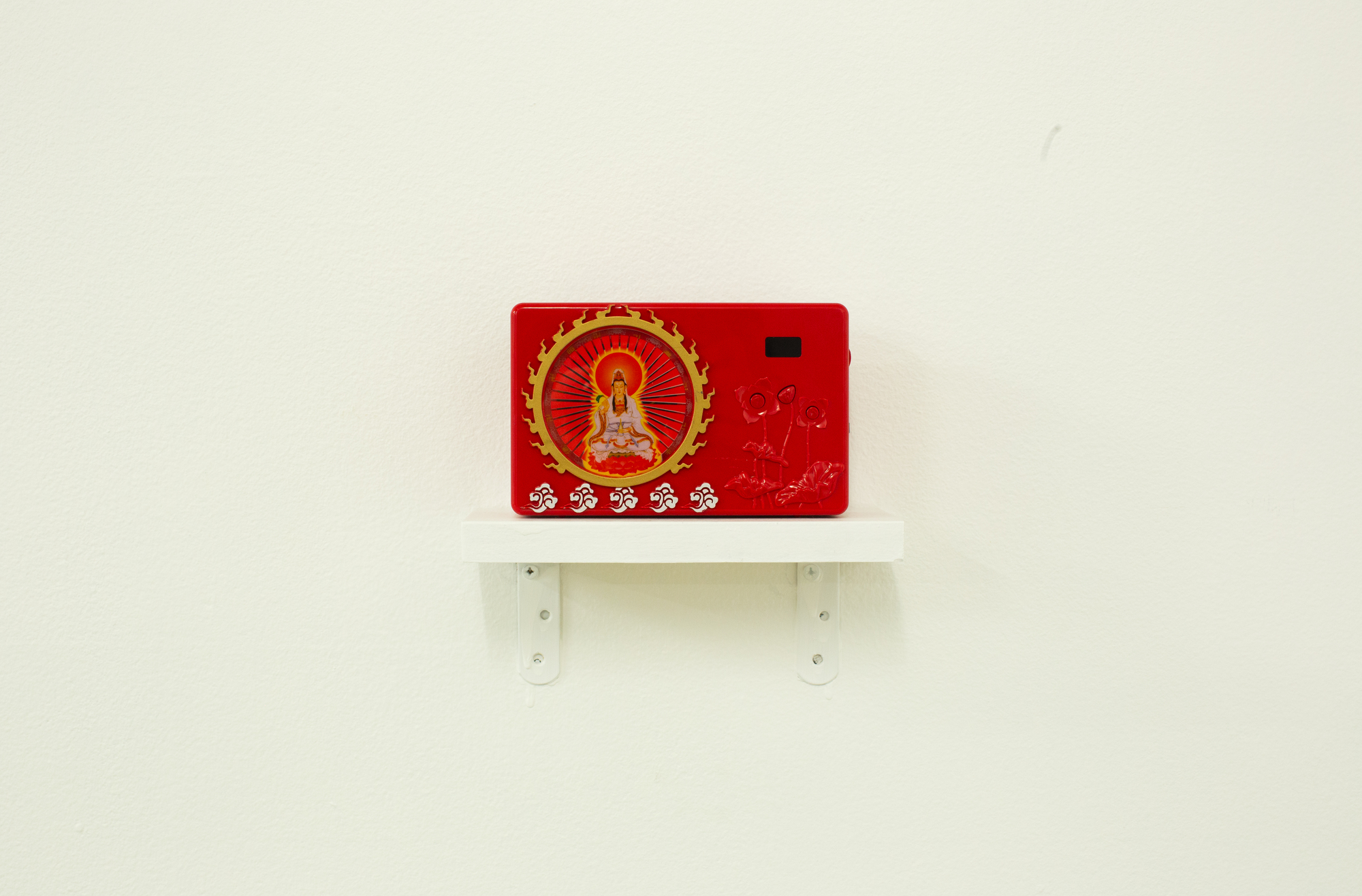
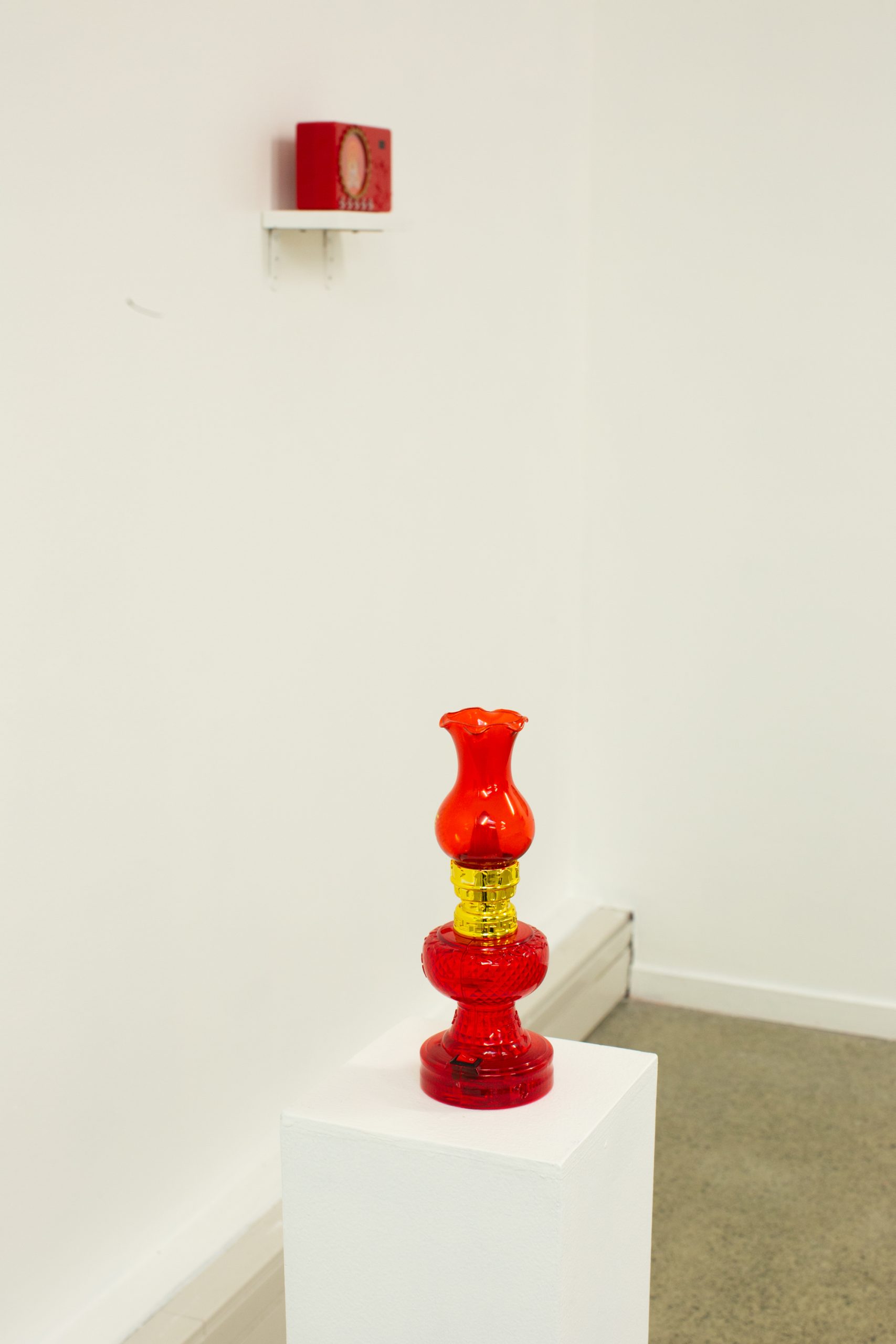
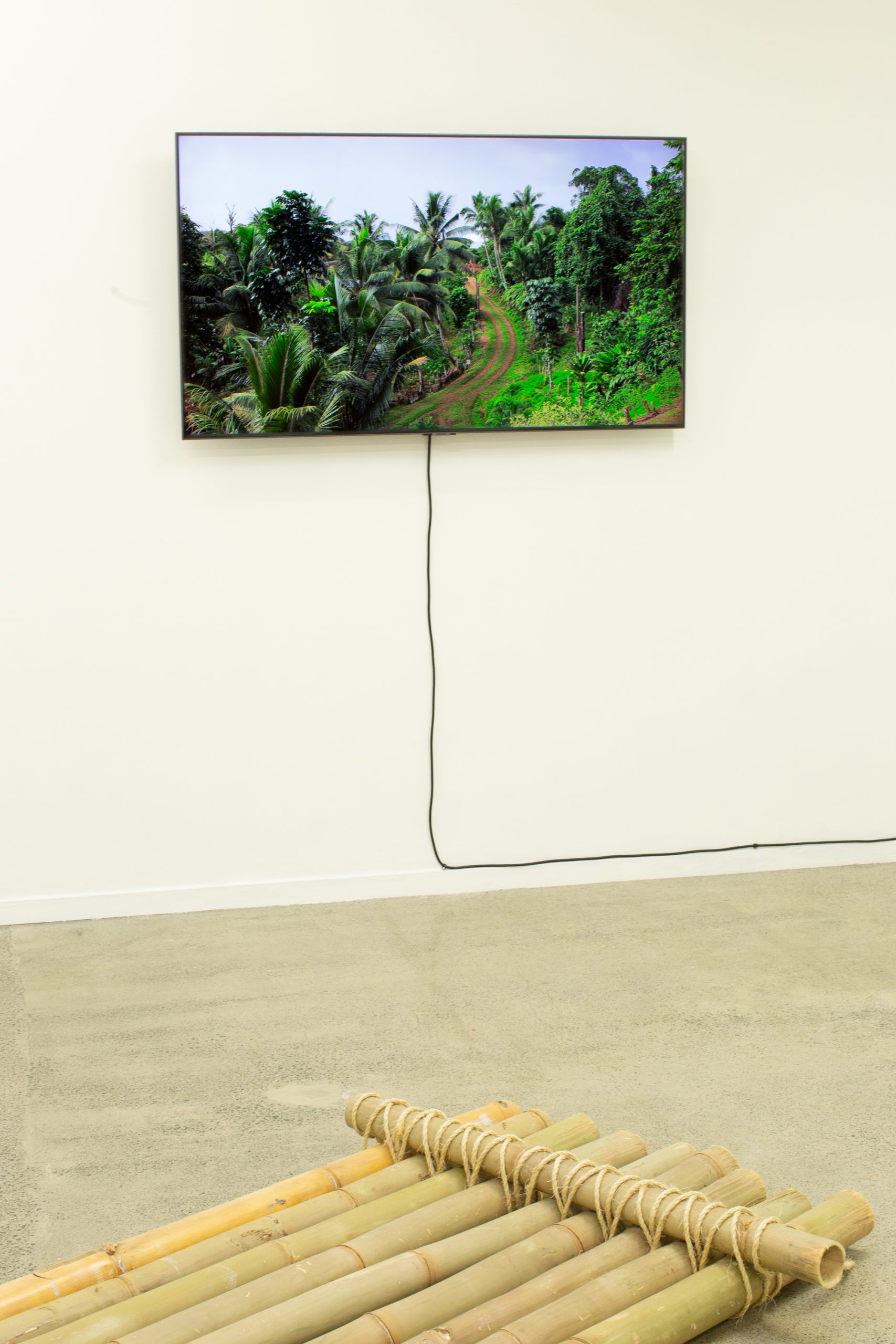
Beyond the Familiar is a portrayal of an in-between world, shaped by the movements of migration.

Featuring Tāmaki Makaurau-based artists from South-East Asian and Pasifika backgrounds, the exhibition reflects on their diasporic experiences, where identity, belonging, and memory intersect across shifting cultural landscapes. Ritual and familial connection serve as guiding forces, helping navigate new environments while holding close the places left behind.

Together, the works explore the concept of home, which becomes layered and no longer singular – stretched across geographies, shaped by both origin and arrival. It acknowledges the emotional weight of displacement while celebrating cultural continuity; speaking to the complexities of identity and the ongoing challenge of staying connected to cultural roots – whether navigating life in a new country or growing up in a land that is not the origin of one’s ancestral or family heritage.

Beyond the Familiar showcases the vibrant colours of South-East Asian and Pacific communities in Aotearoa, honouring the lived realities of those who carry more than one home within them.

Images by Antje Barke

Kalpana Pandaram and Lisa Crowley : aao, batt karo (come, talk to me) the aperture of the moon

Kalpana Pandaram and Lisa Crowley
aao, batt karo (come, talk to me)
the aperture of the moon

16 July – 23 August 2025

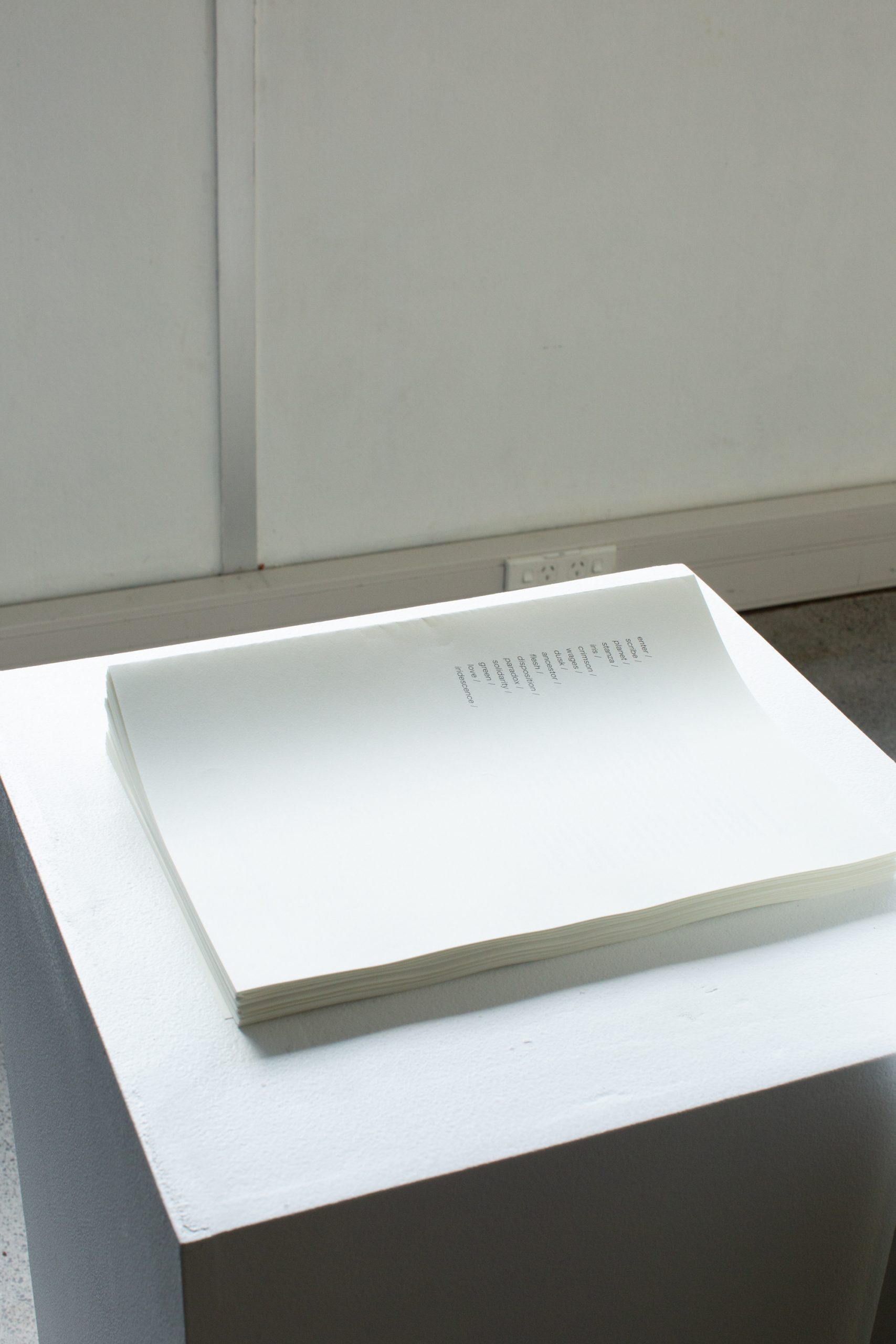
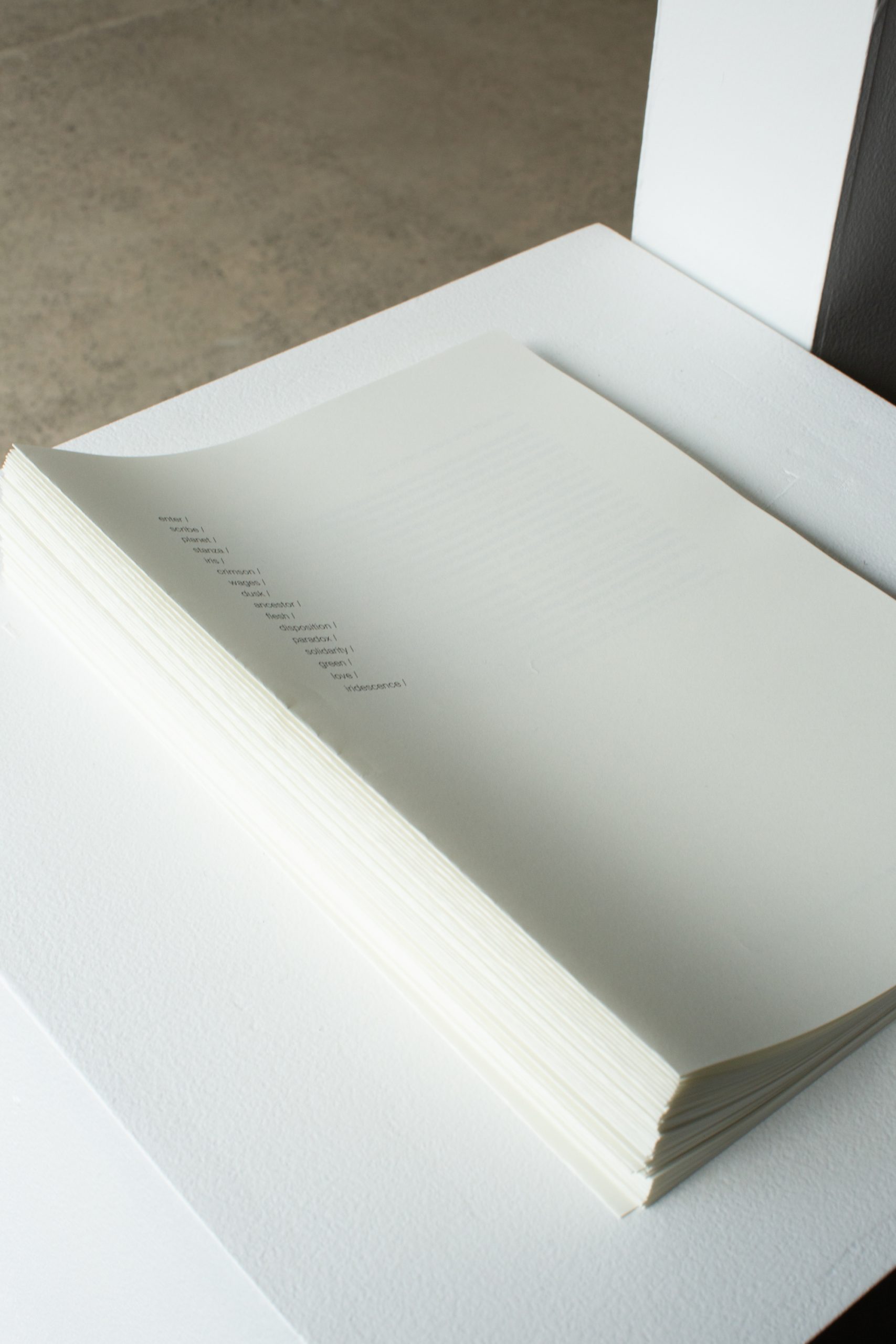
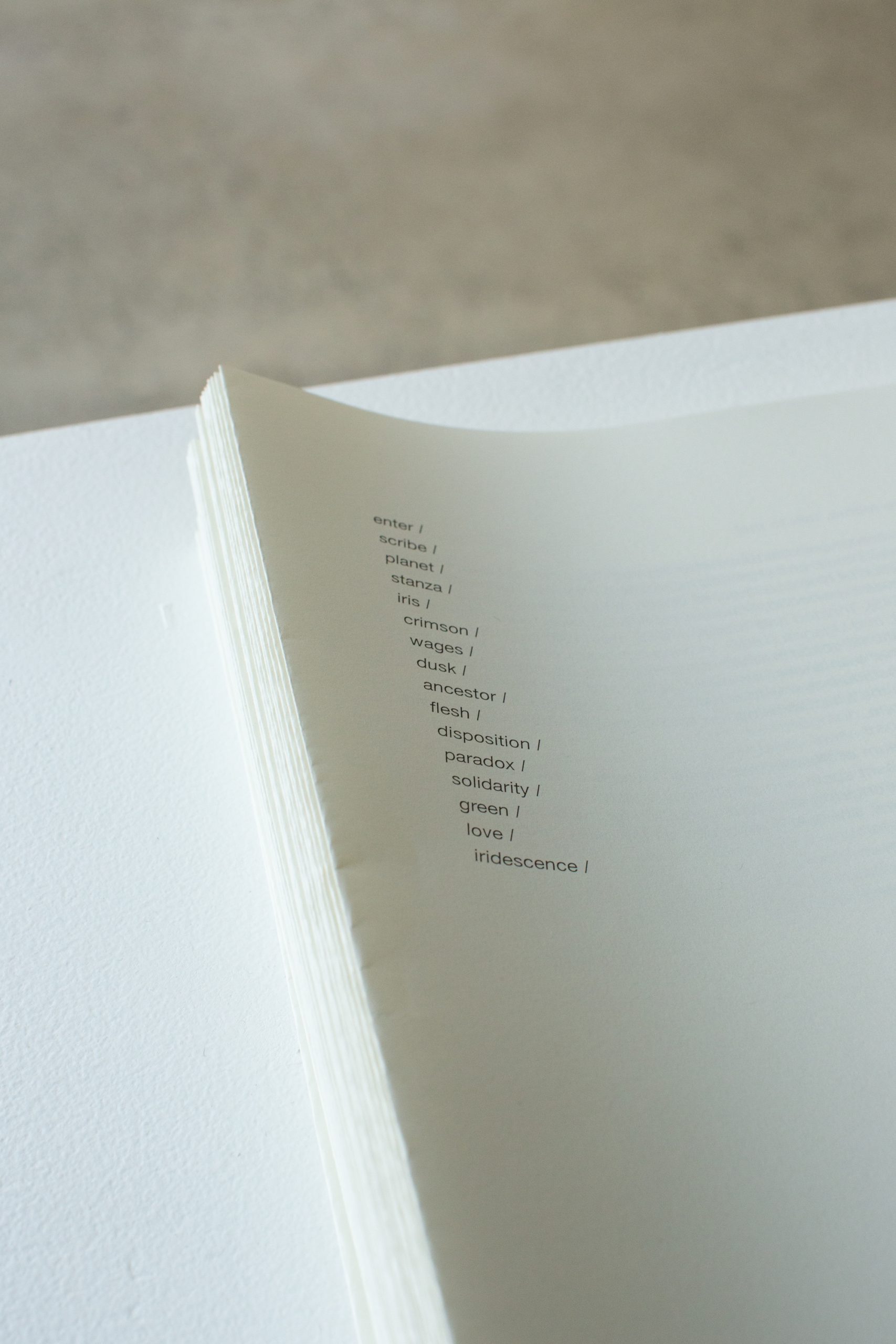
enter /
scribe /
planet /
stanza /
iris /
crimson /
wages /
dusk /
ancestor /
flesh /
disposition /
paradox /
solidarity /
green /
love /
iridescence /

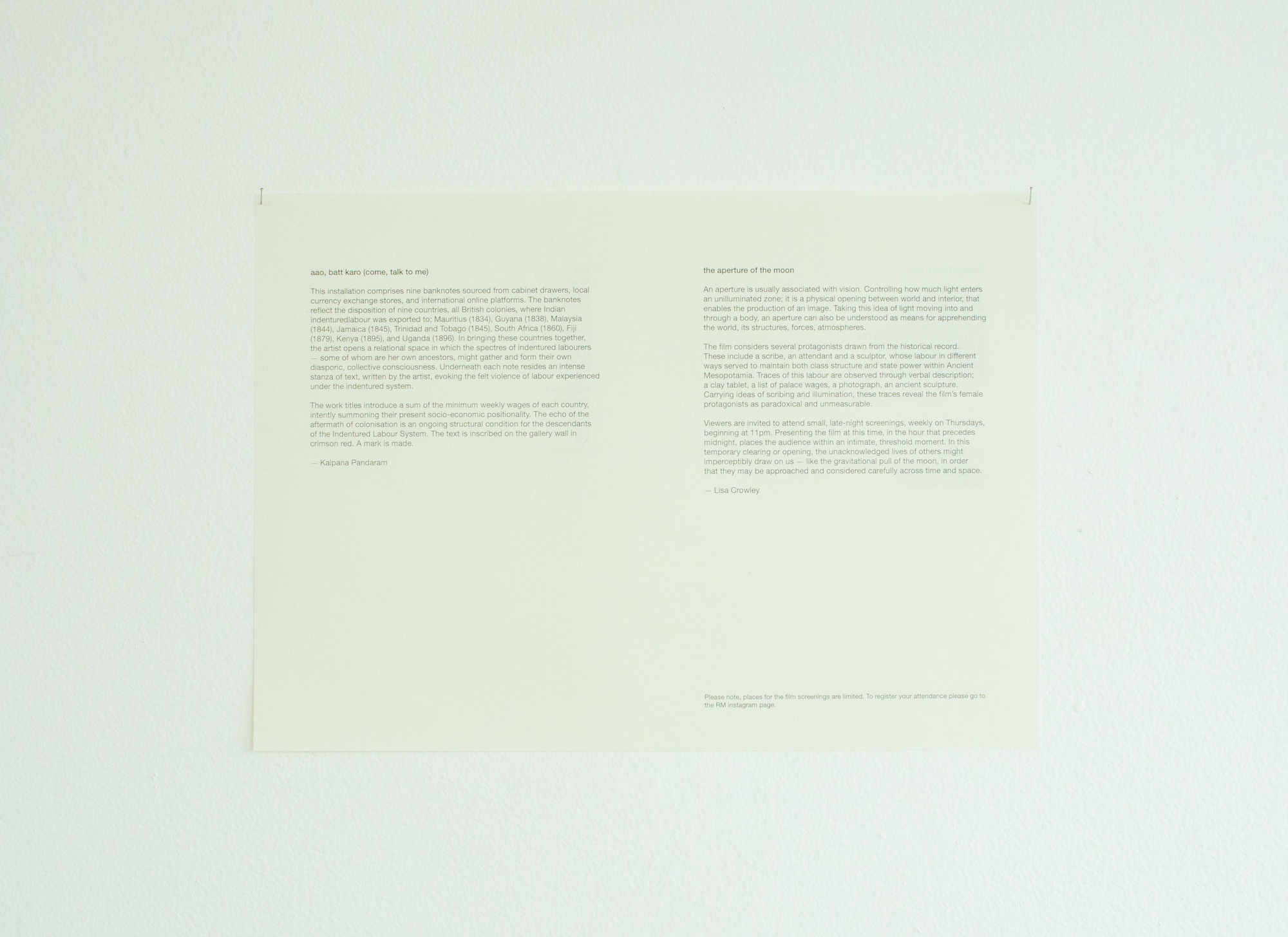
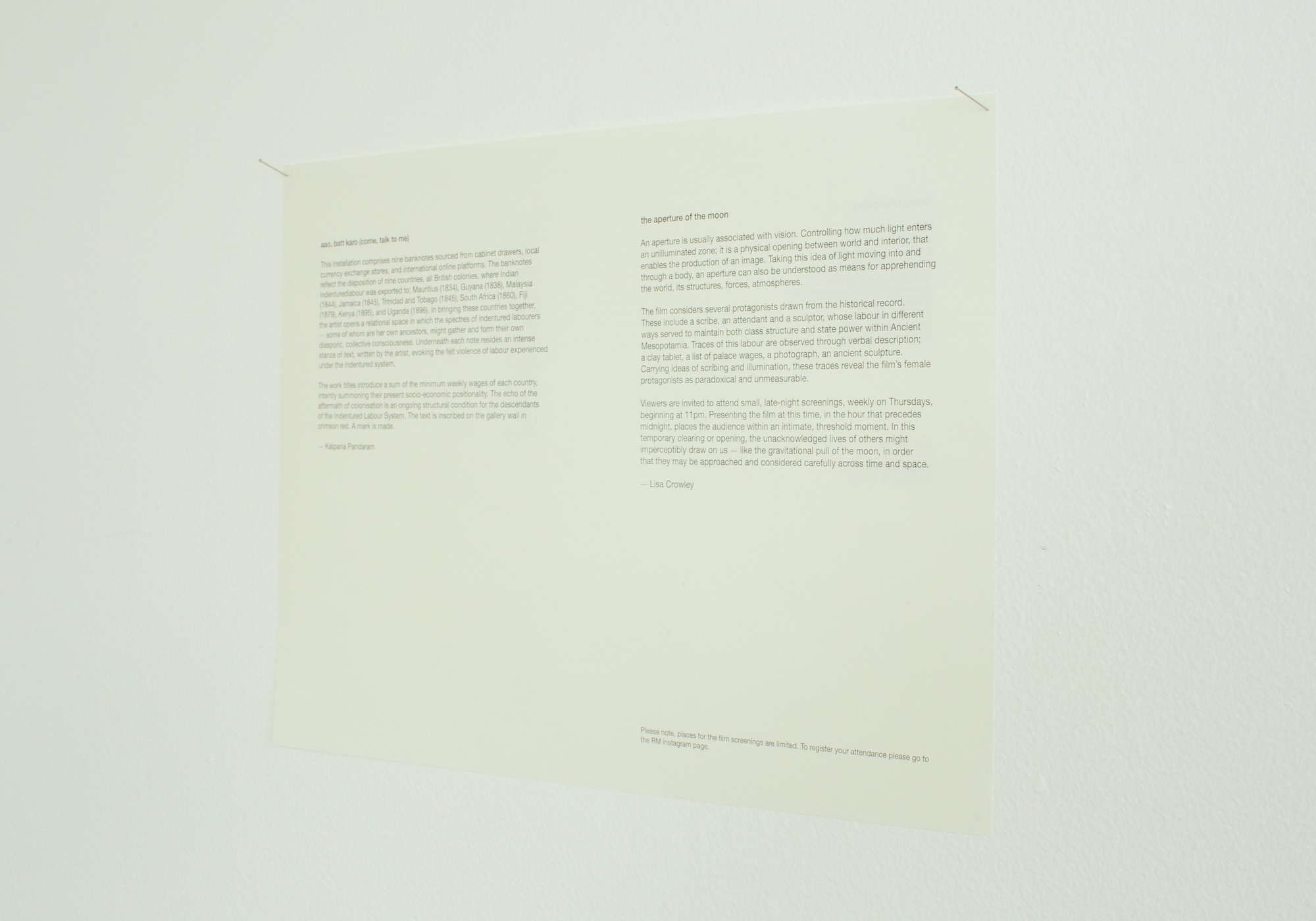
aao, batt karo (come, talk to me)
Kalpana Pandaram

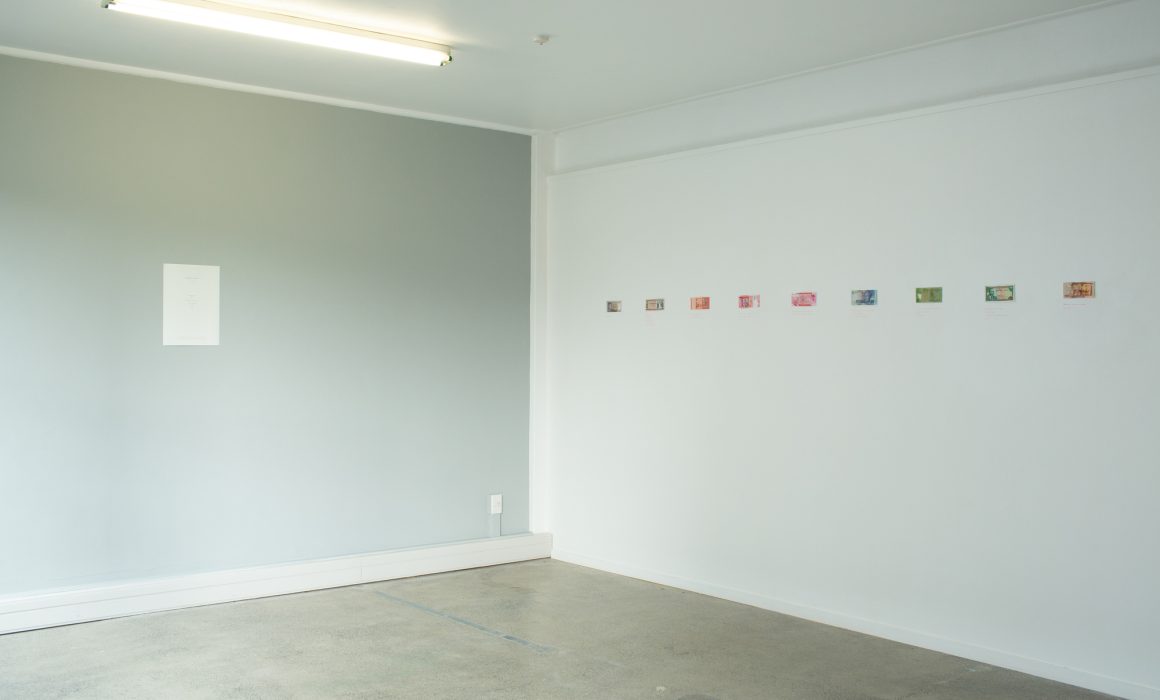
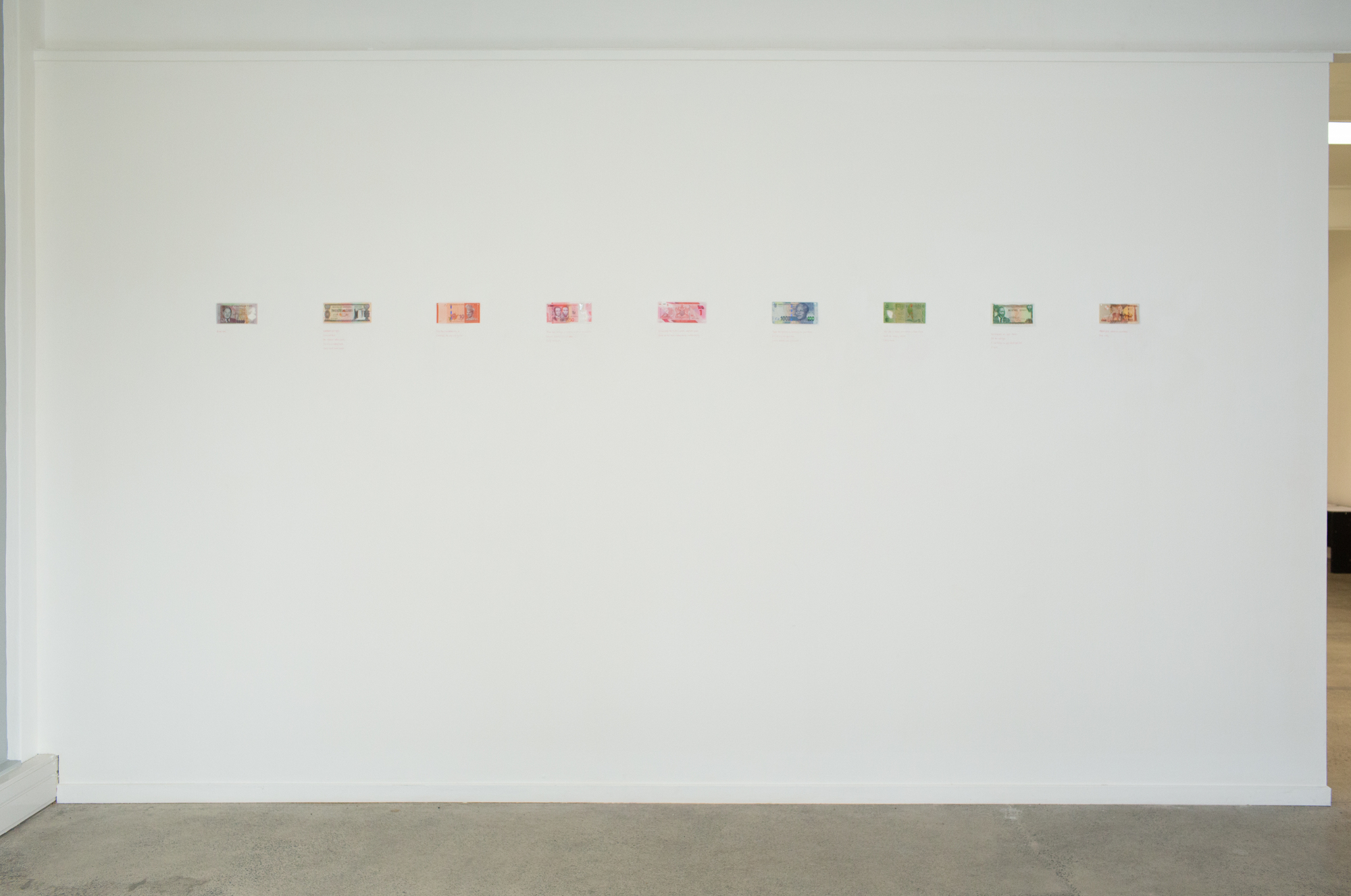
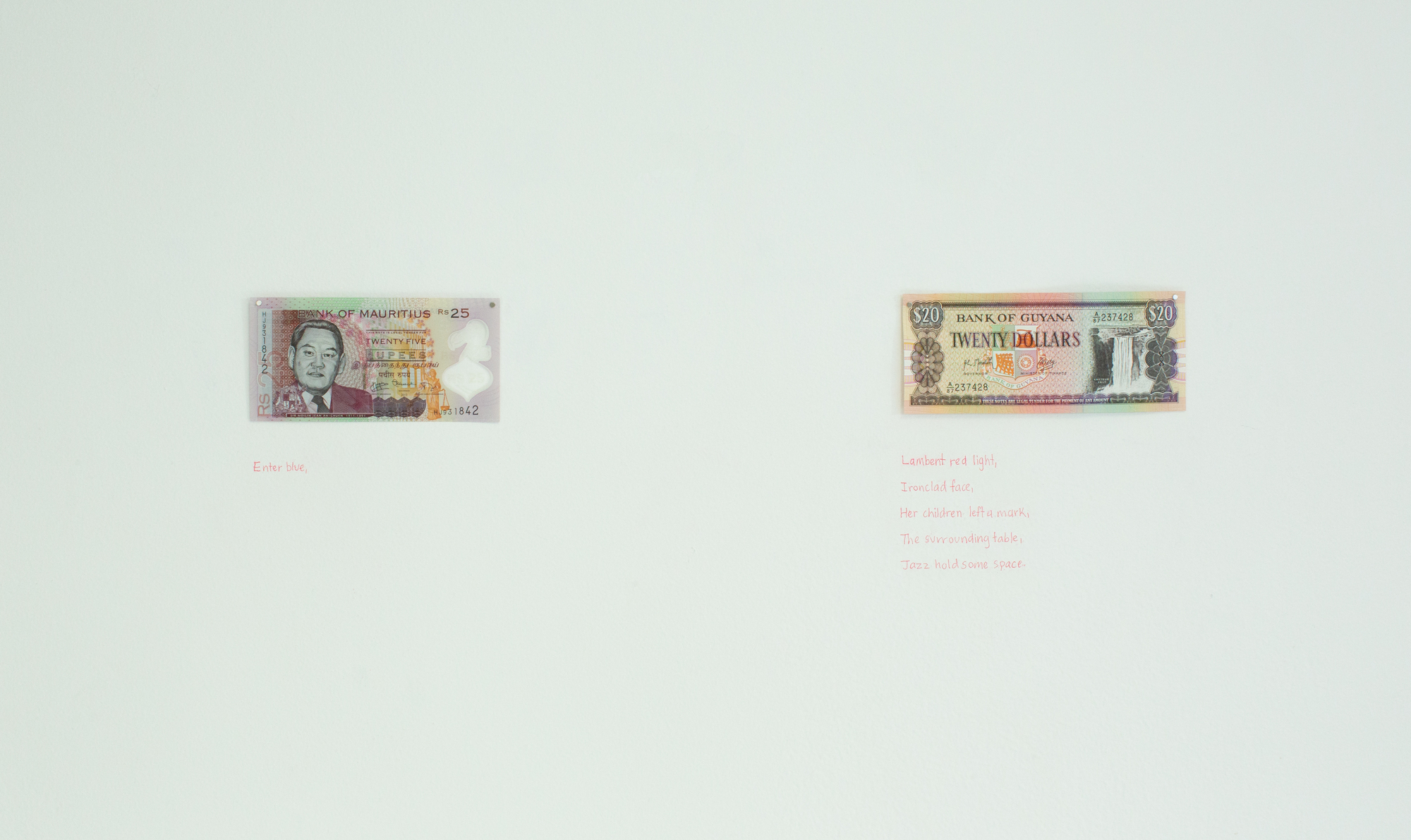
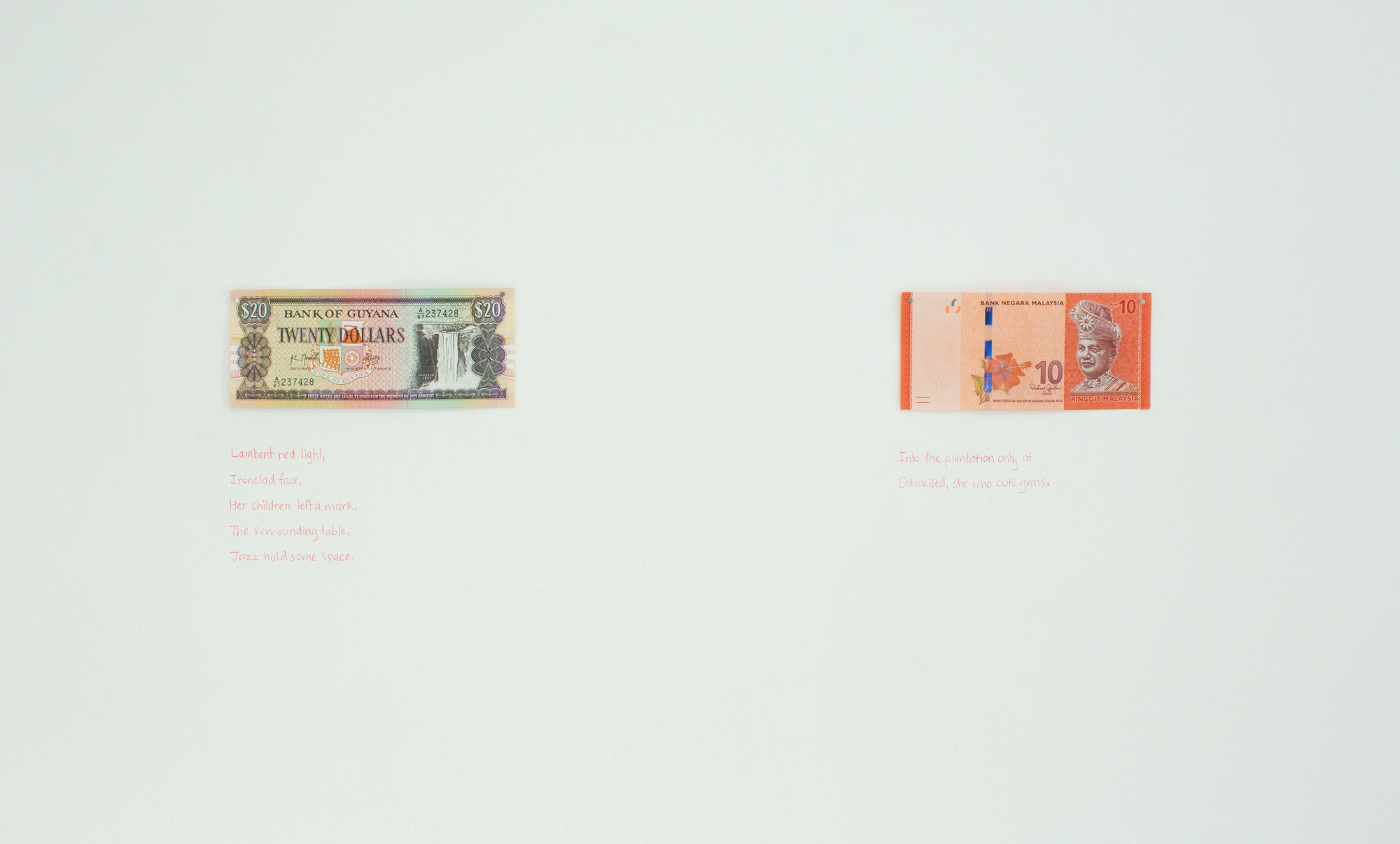
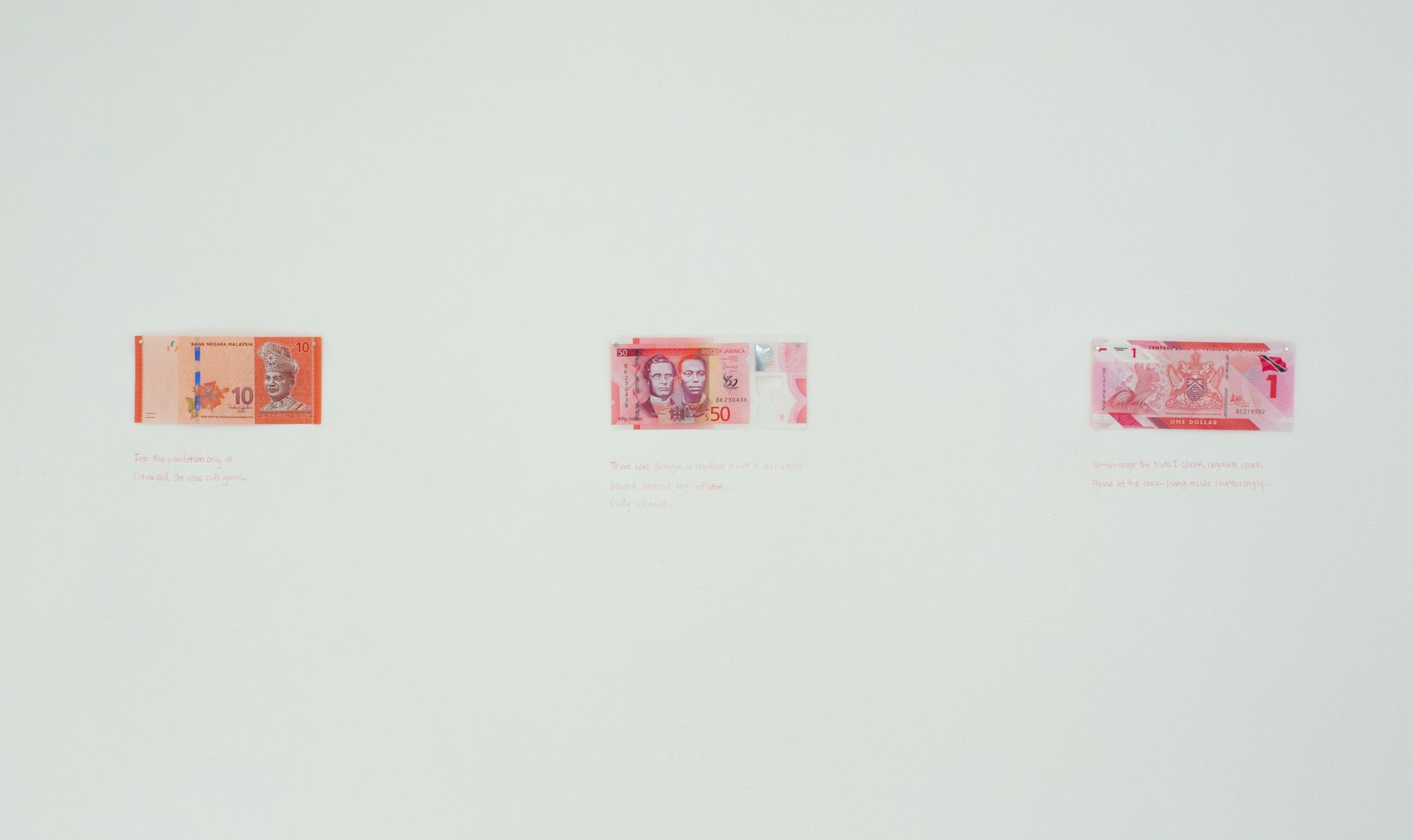
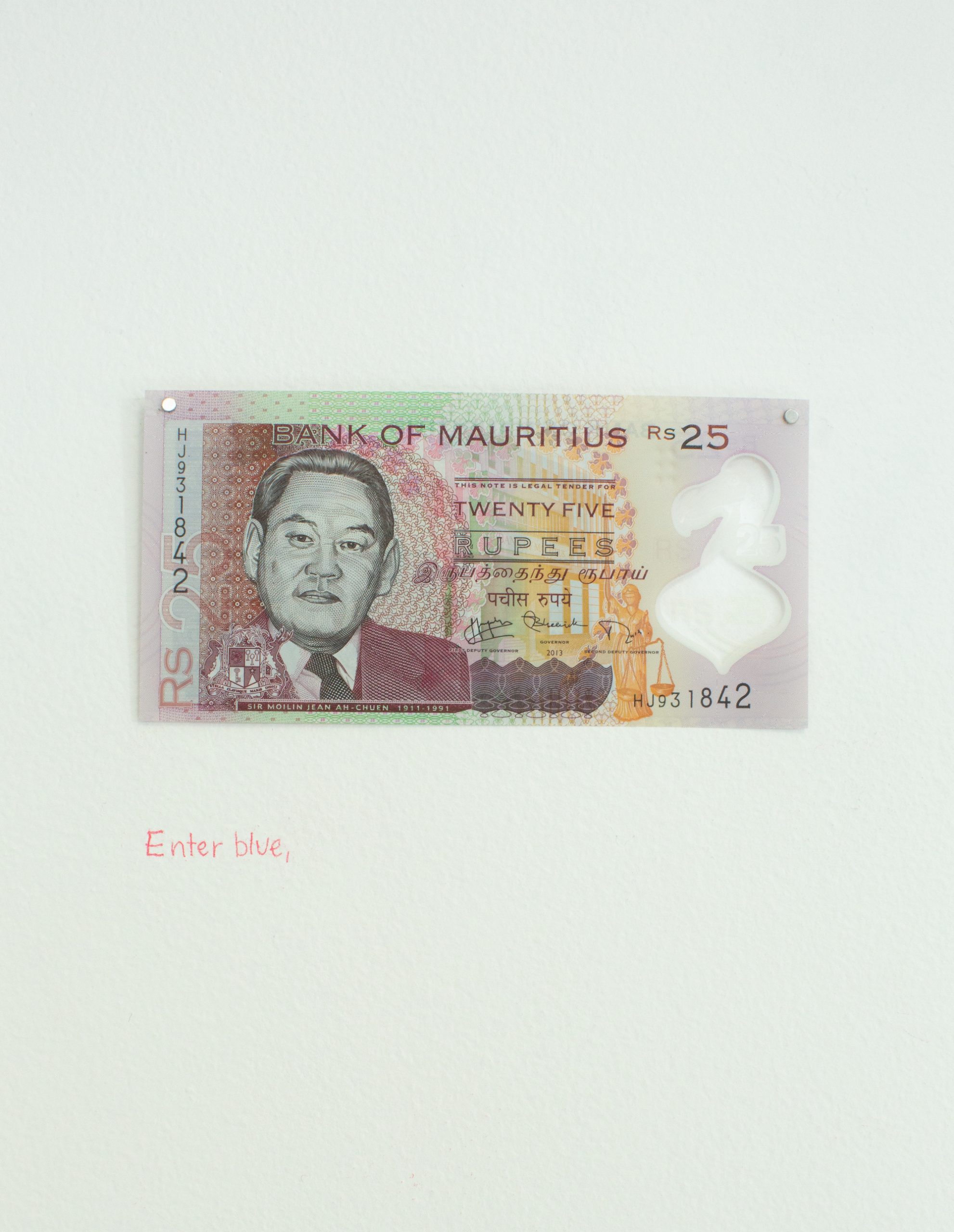
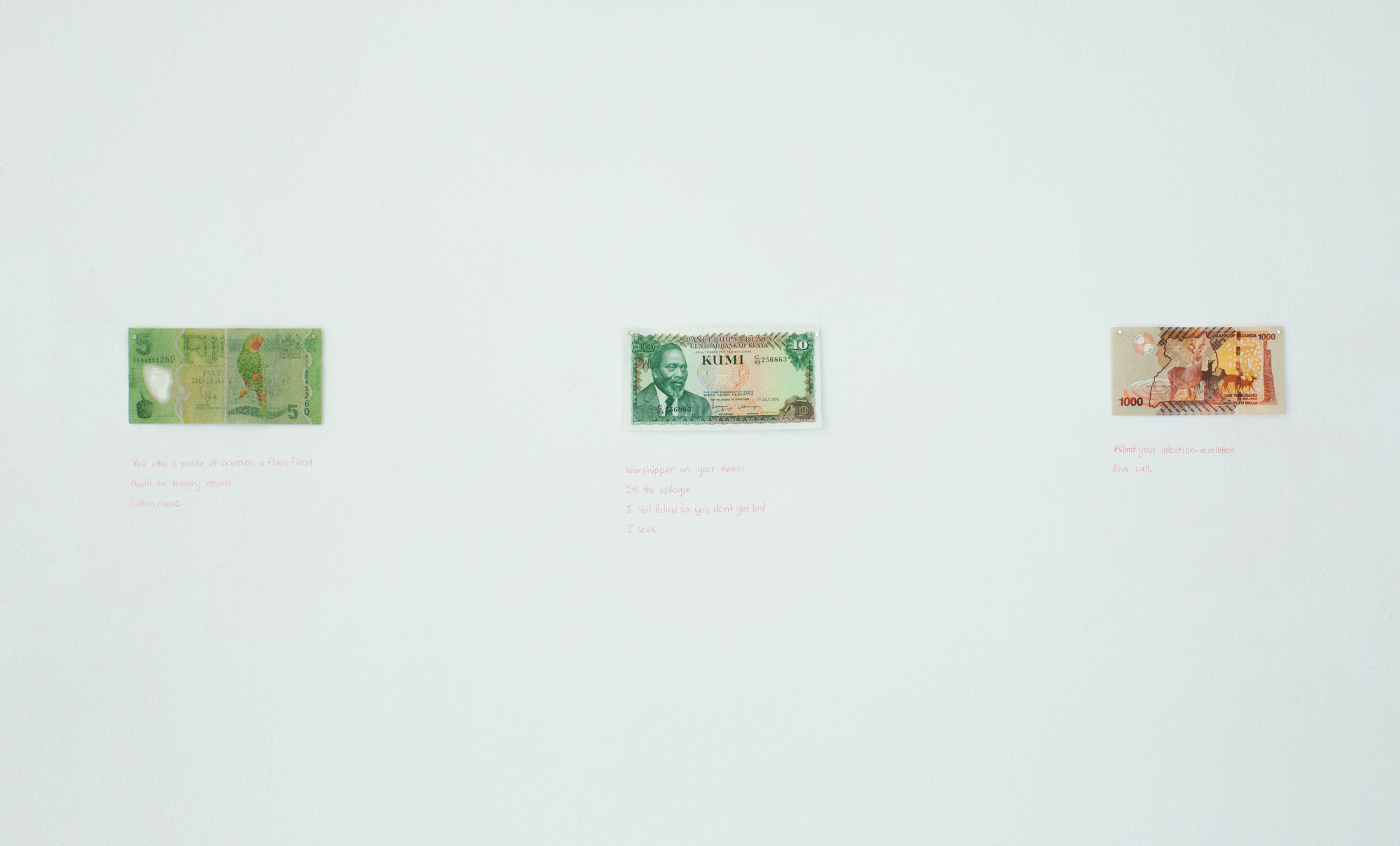
This installation comprises nine banknotes sourced from cabinet drawers, local
currency exchange stores, and international online platforms. The banknotes
reflect the disposition of nine countries, all British colonies, where Indian
indentured labour was exported to; Mauritius (1834), Guyana (1838), Malaysia
(1844), Jamaica (1845), Trinidad and Tobago (1845), South Africa (1860), Fiji
(1879), Kenya (1895), and Uganda (1896). In bringing these countries together,
the artist opens a relational space in which the spectres of indentured labourers
— some of whom are her own ancestors, might gather and form their own
diasporic, collective consciousness. Underneath each note resides an intense
stanza of text, written by the artist, evoking the felt violence of labour experienced
under the indentured system.

The work titles introduce a sum of the minimum weekly wages of each country,
intently summoning their present socio-economic positionality. The echo of the
aftermath of colonisation is an ongoing structural condition for the descendants
of the Indentured Labour System. The text is inscribed on the gallery wall in
crimson red. A mark is made.

the aperture of the moon
Lisa Crowley

An aperture is usually associated with vision. Controlling how much light enters
an unilluminated zone; it is a physical opening between world and interior, that
enables the production of an image. Taking this idea of light moving into and
through a body, an aperture can also be understood as means for apprehending
the world, its structures, forces, atmospheres.

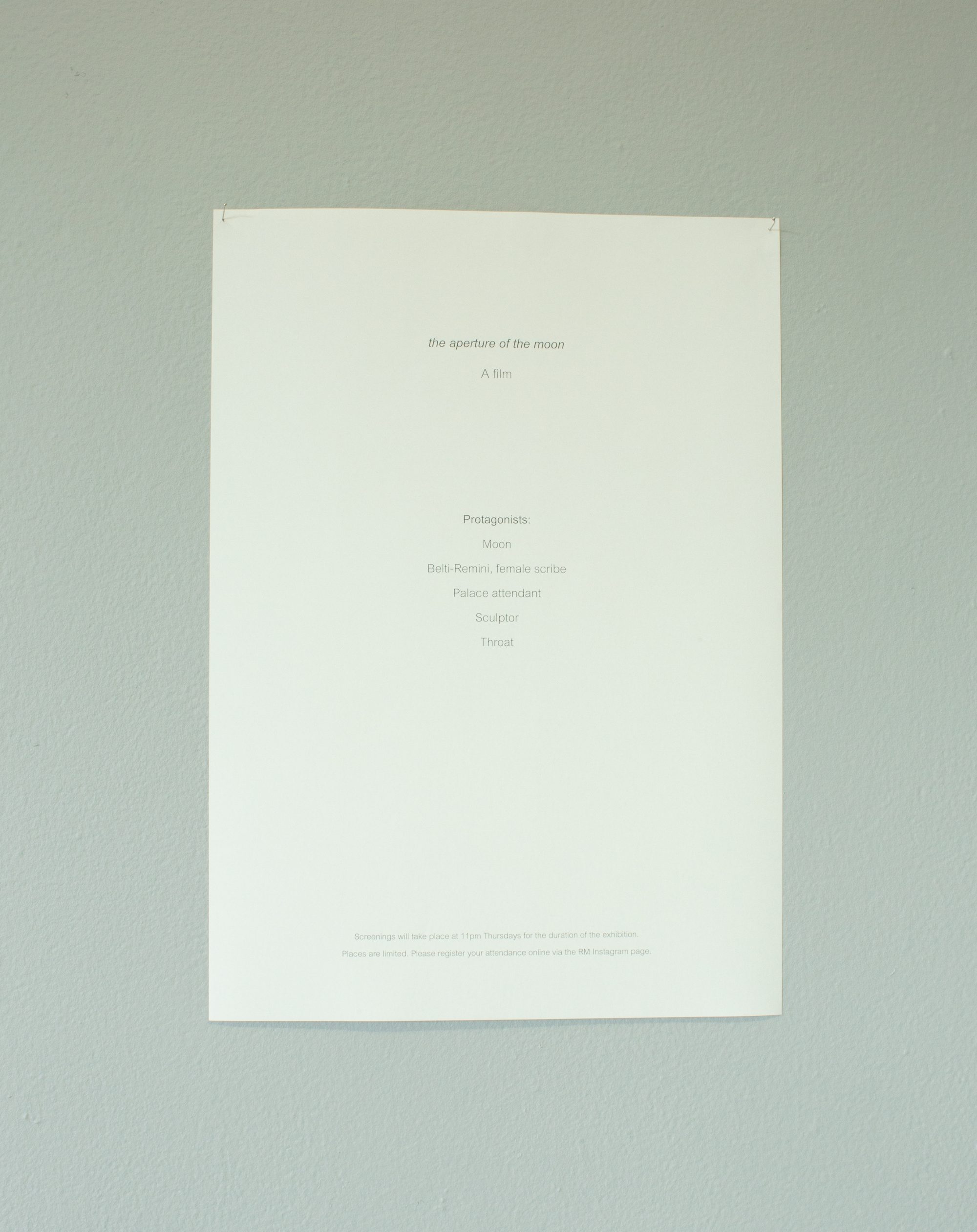
The film considers several protagonists drawn from the historical record.
These include a scribe, an attendant and a sculptor, whose labour in different
ways served to maintain both class structure and state power within Ancient
Mesopotamia. Traces of this labour are observed through verbal description;
a clay tablet, a list of palace wages, a photograph, an ancient sculpture.
Carrying ideas of scribing and illumination, these traces reveal the film’s female
protagonists as paradoxical and unmeasurable.

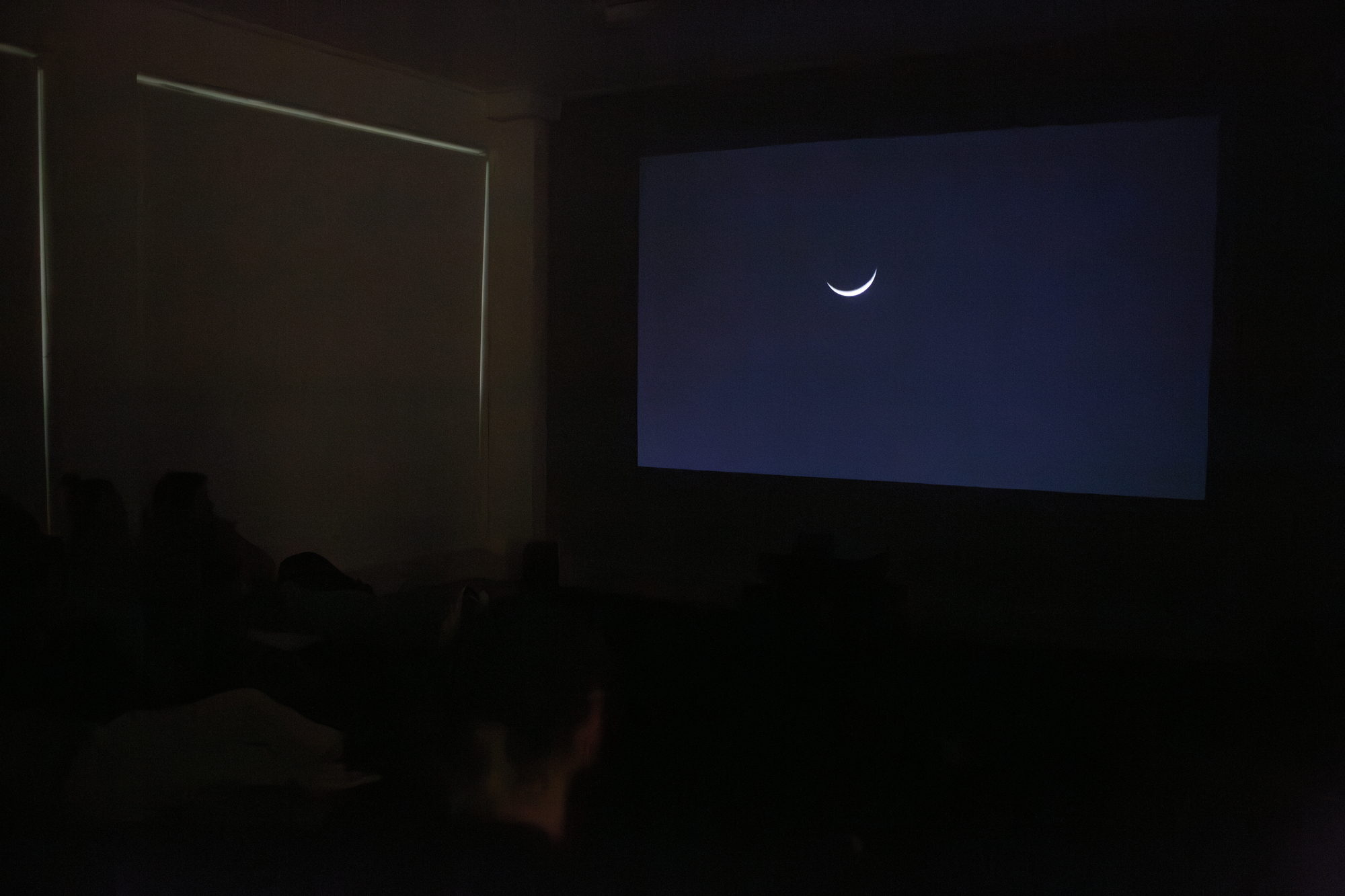
Viewers were invited to attend small, late-night screenings, weekly on Thursdays,
beginning at 11pm. Presenting the film at this time, in the hour that precedes
midnight, places the audience within an intimate, threshold moment. In this
temporary clearing or opening, the unacknowledged lives of others might
imperceptibly draw on us — like the gravitational pull of the moon, in order
that they may be approached and considered carefully across time and space.

Images by Antje Barke

Tūī Diprose : Rituals

Tūī Diprose
Rituals

28 May – 5 July 2025

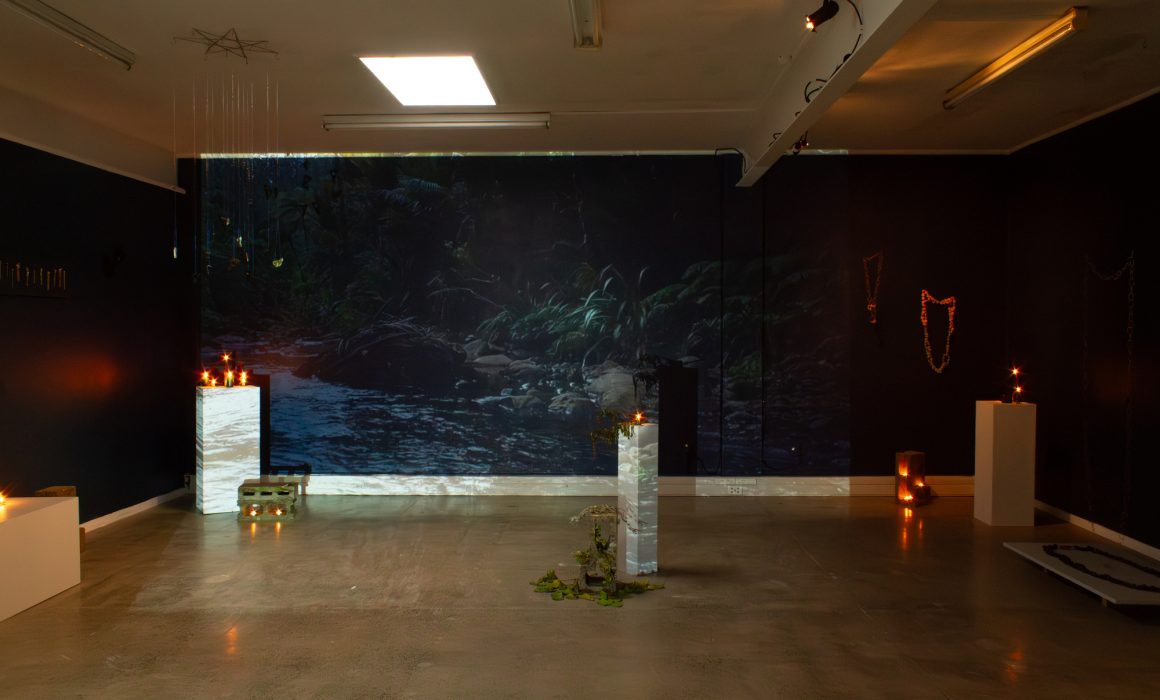
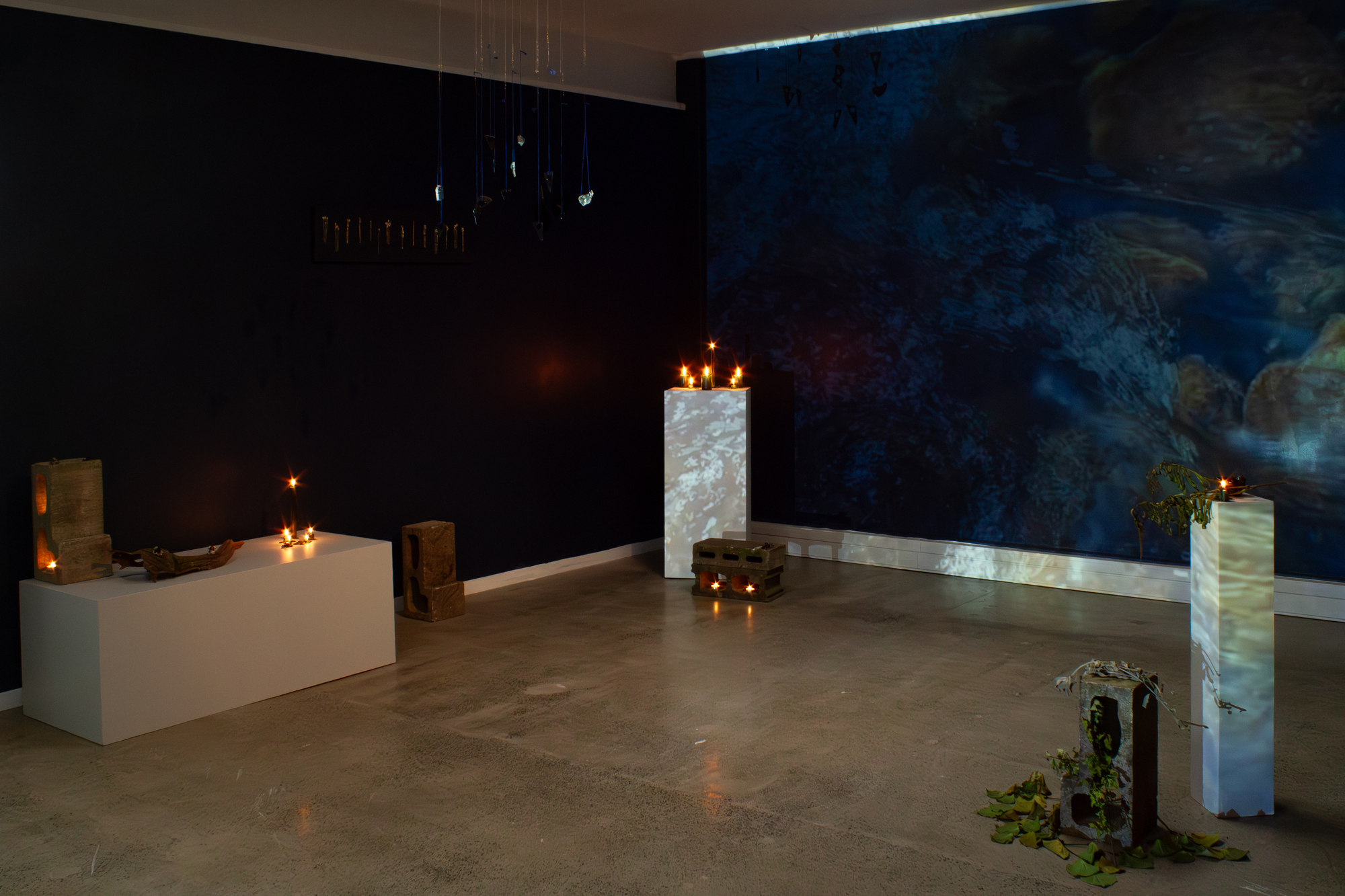
The river is relentless, timeless, ancient. A spirit unto itself. The river comes to us in dreams, meditations, it moves through timelines and dimensions. The river is both earthly and divine.

The river contains secrets, treasures, messages and signs. Read the omens, listen, feel, remember your origins. We are of this earth, and far beyond.

Find your rhythm, be as the river. Snakes slither over rocks, carving out their serpentine path, setting themselves into the land.

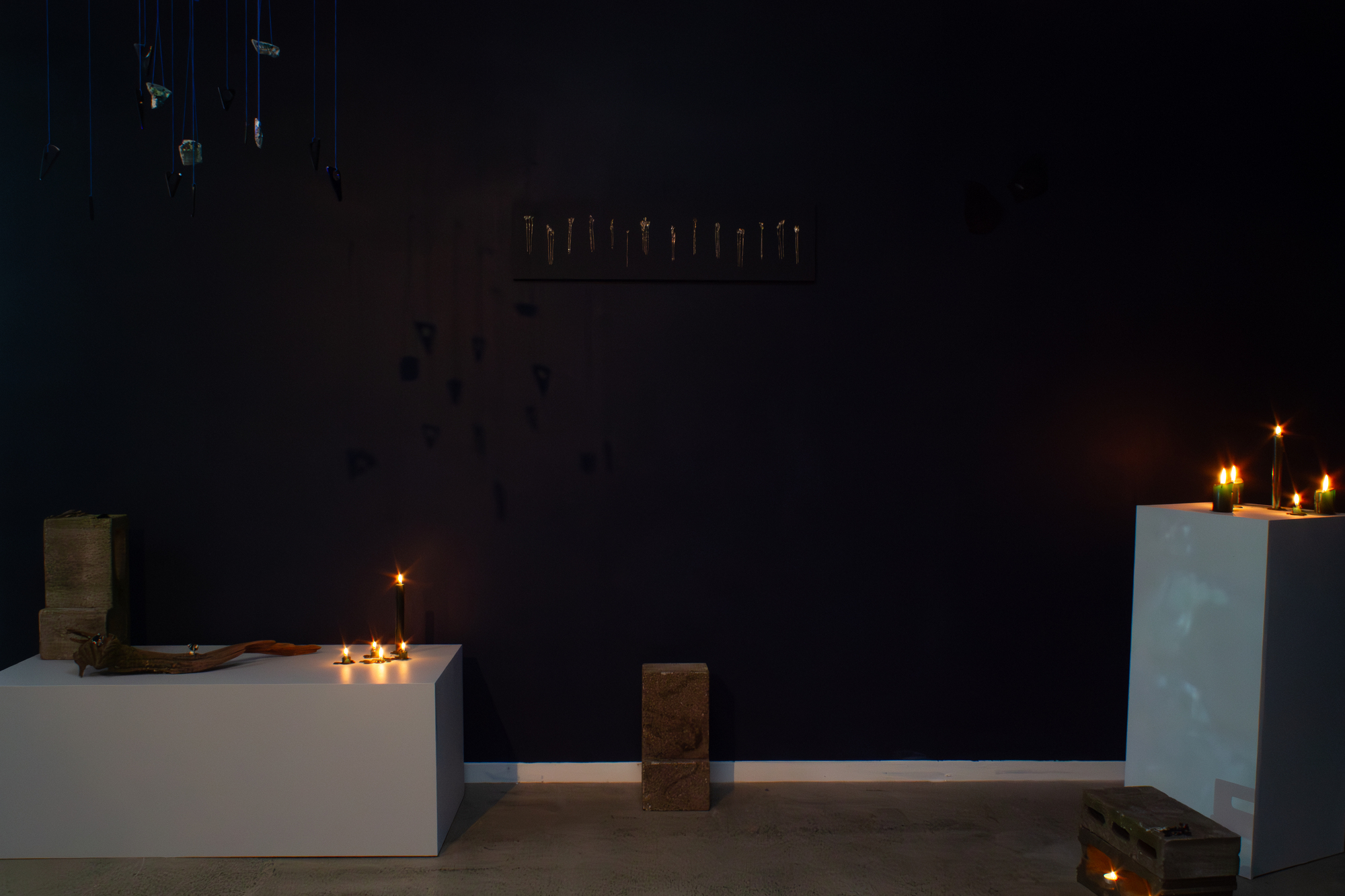
Tūī Diprose creates within ritual, allowing intuitive rivers to call through realms beyond this reality. Bridging worlds both physical and metaphysical; the spirit world alive and anchored through material form.

Images by Antje Barke

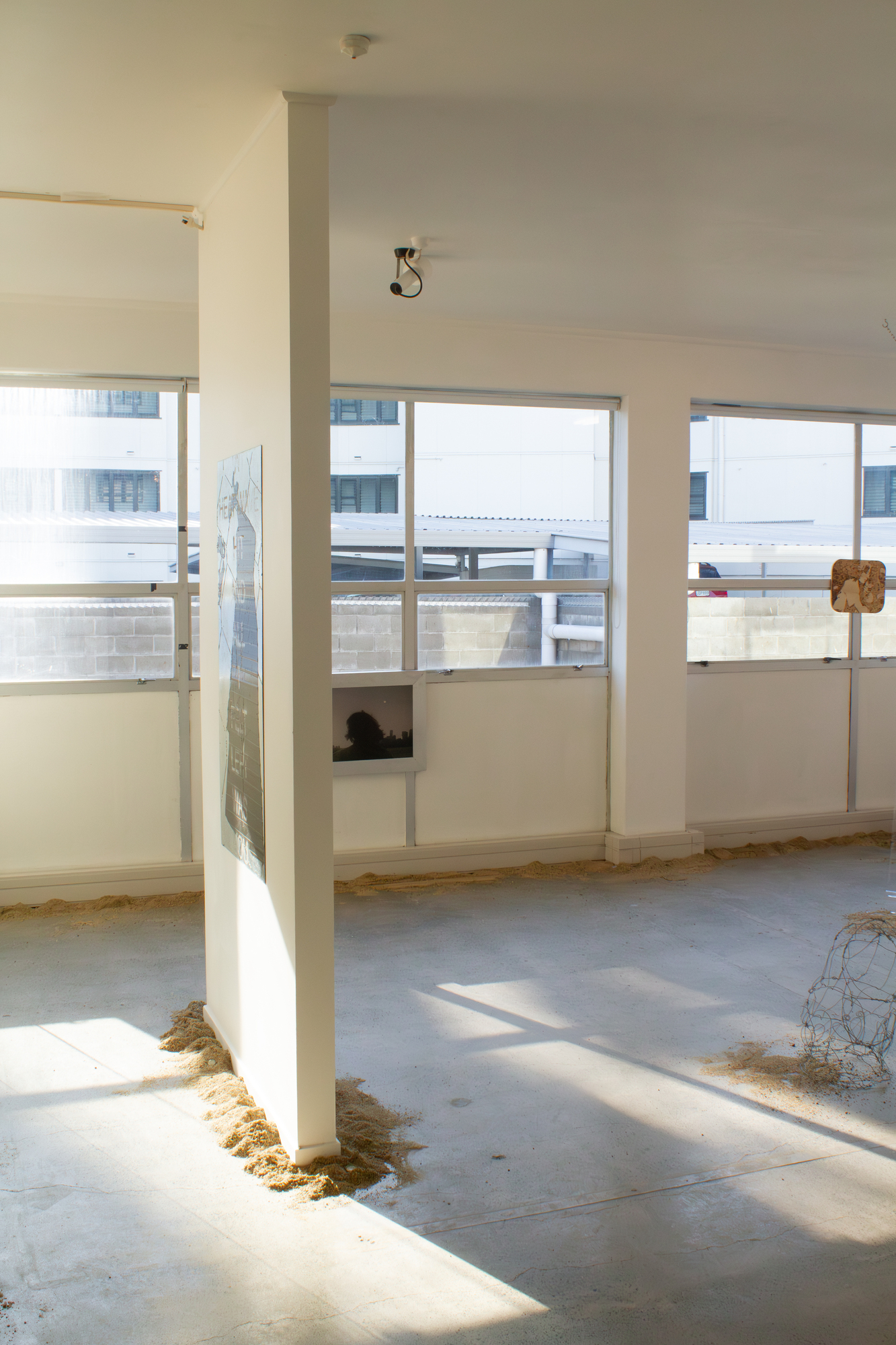
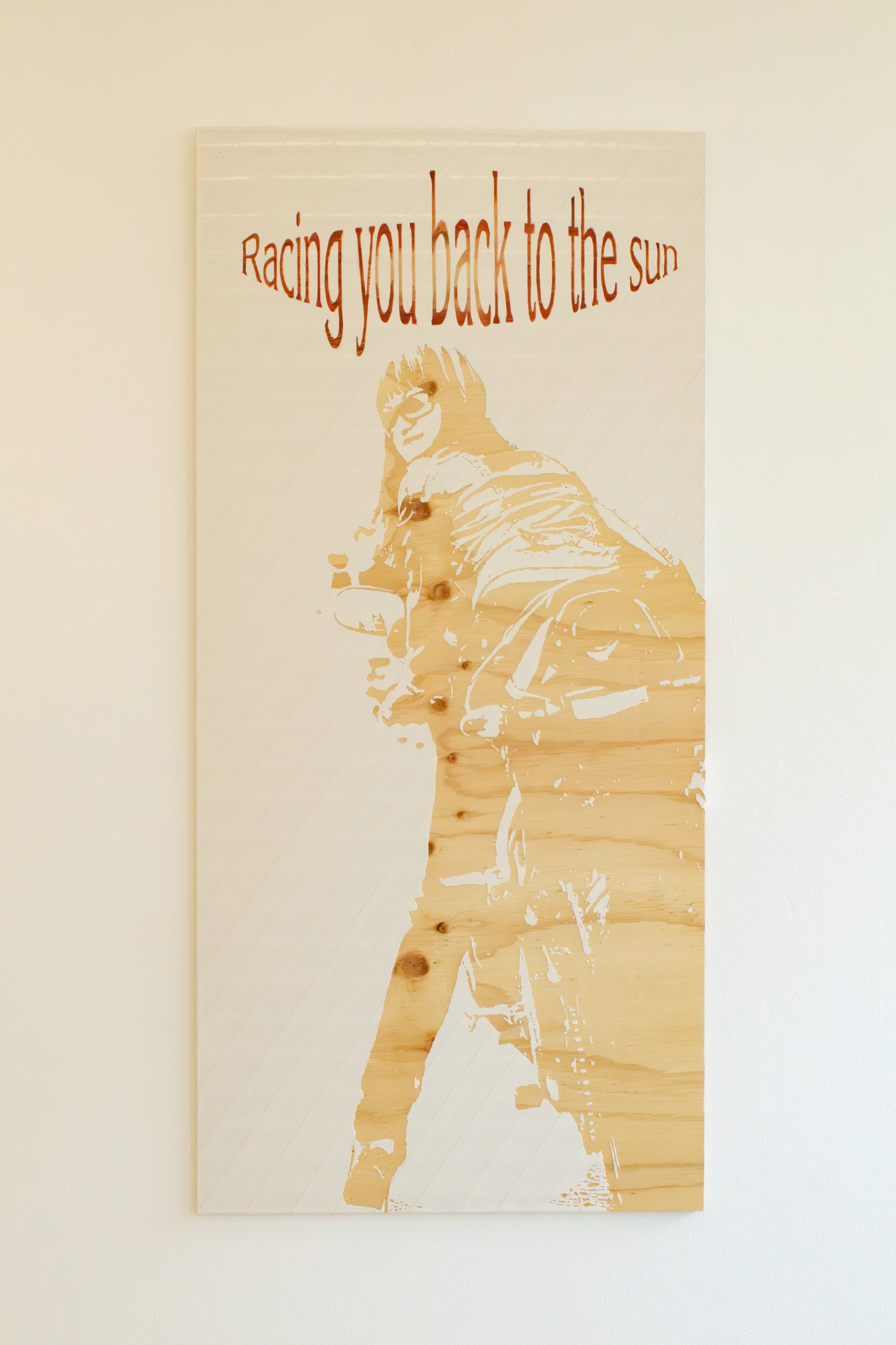
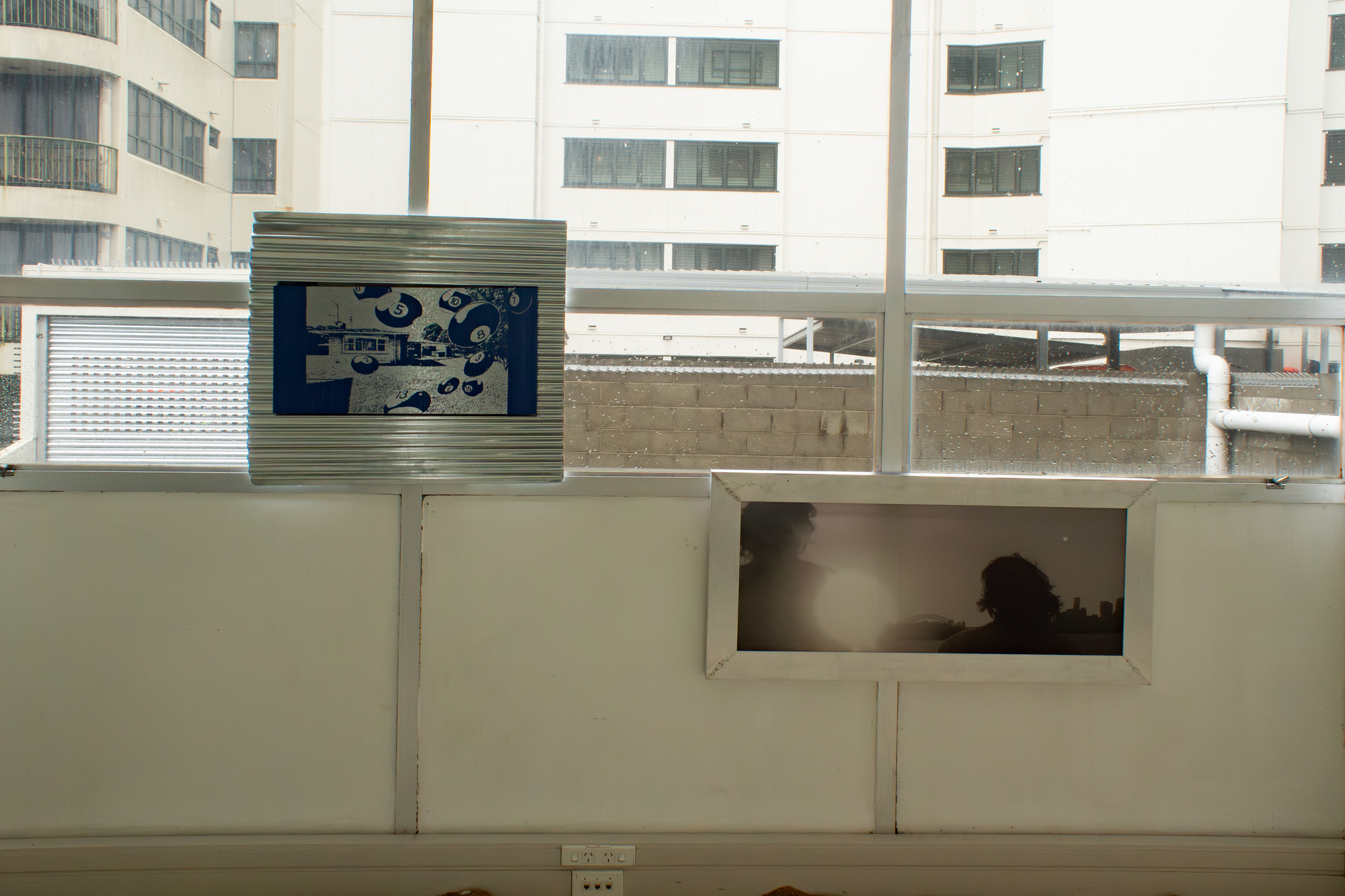
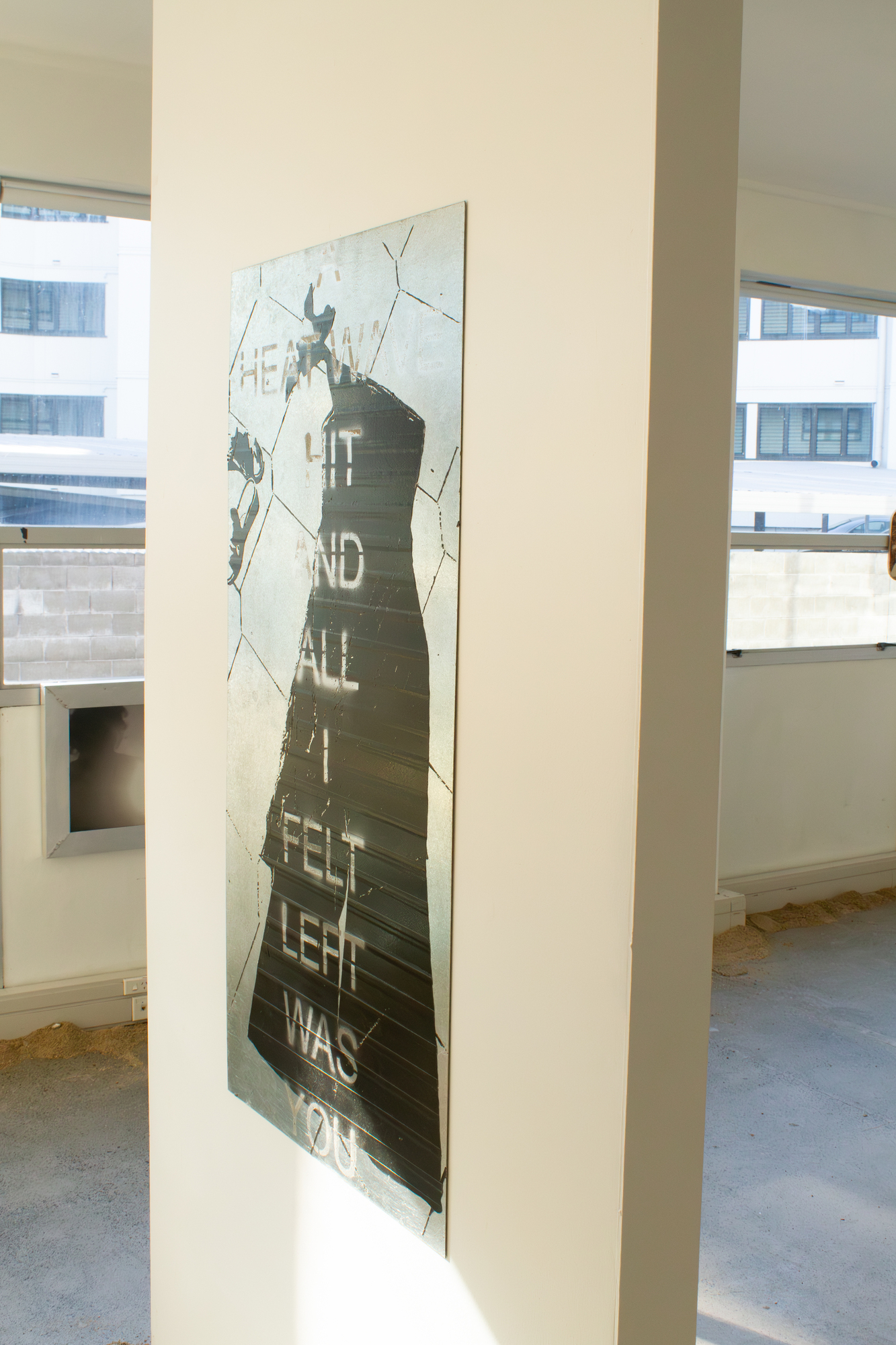
Raisa Mclean : Heatwave

Raisa Mclean
Heatwave

28 May – 5 July 2025

Summer’s sting is sharp when the sun dips out of our reach. It falls through me like sand in a sieve. In the sticky heat of January, I tried to gather it, holding it lightly with my fingers splayed. Wavering on a tightrope, I spilled the itchy grains over everything. We cried and cried as I tried to sweep them up, gathering pieces until all the trees dried up and turned red. Before it could be caught, summertime drifted off and we never spoke again. My room was so hot that night, it was a feeling I couldn’t quite name.

The ephemerality of summer is inadvertently spoken about year after year. We yearn for its arrival, then question whether it lived up to the last. It’s reflected on, mourned, and then yearned for until the season rolls around again, each iteration replacing the years prior.

I think there’s no better way to depict temporariness than through a body of works set in the summer. Looking to hauntology and other Derridean ideas of deconstruction as a conceptual framework for artmaking, I often feel things start to disappear as soon as they’re made solid – as though giving form to memory also begins its erosion.

Both solid and spectral, this collection of works offers a lament of the contradiction of memory. Heatwave presents figures and scenes of season’s past – some collaged into each other, further obfuscating any chance at clear narrative recollection. They are the product of many years, across many summers, each haunted by the last.

Images by Antje Barke

Caryline Boreham and Oleg Polounine : Close Encounters

Caryline Boreham and Oleg Polounine
Close Encounters

9 April – 17 May 2025

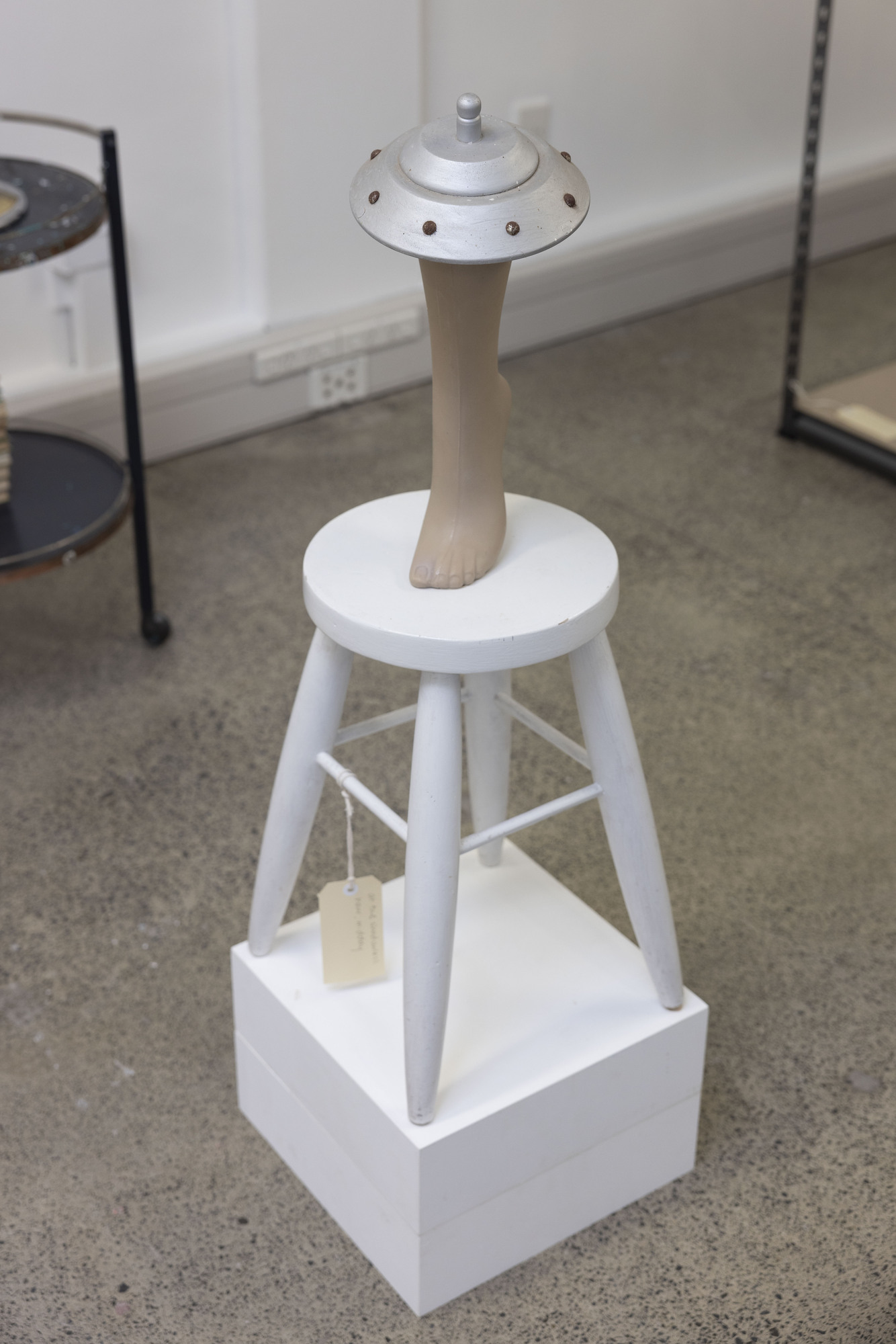
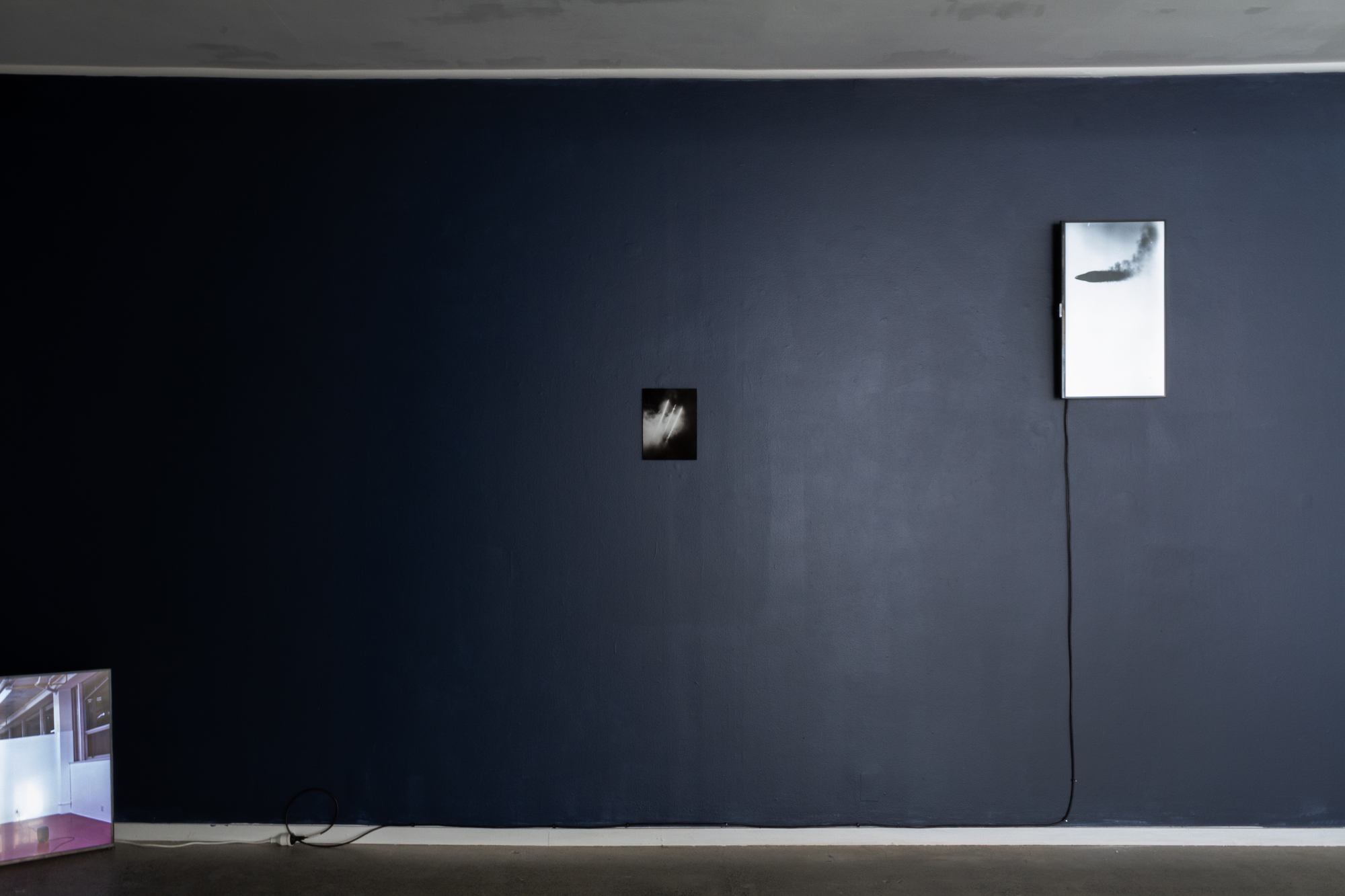
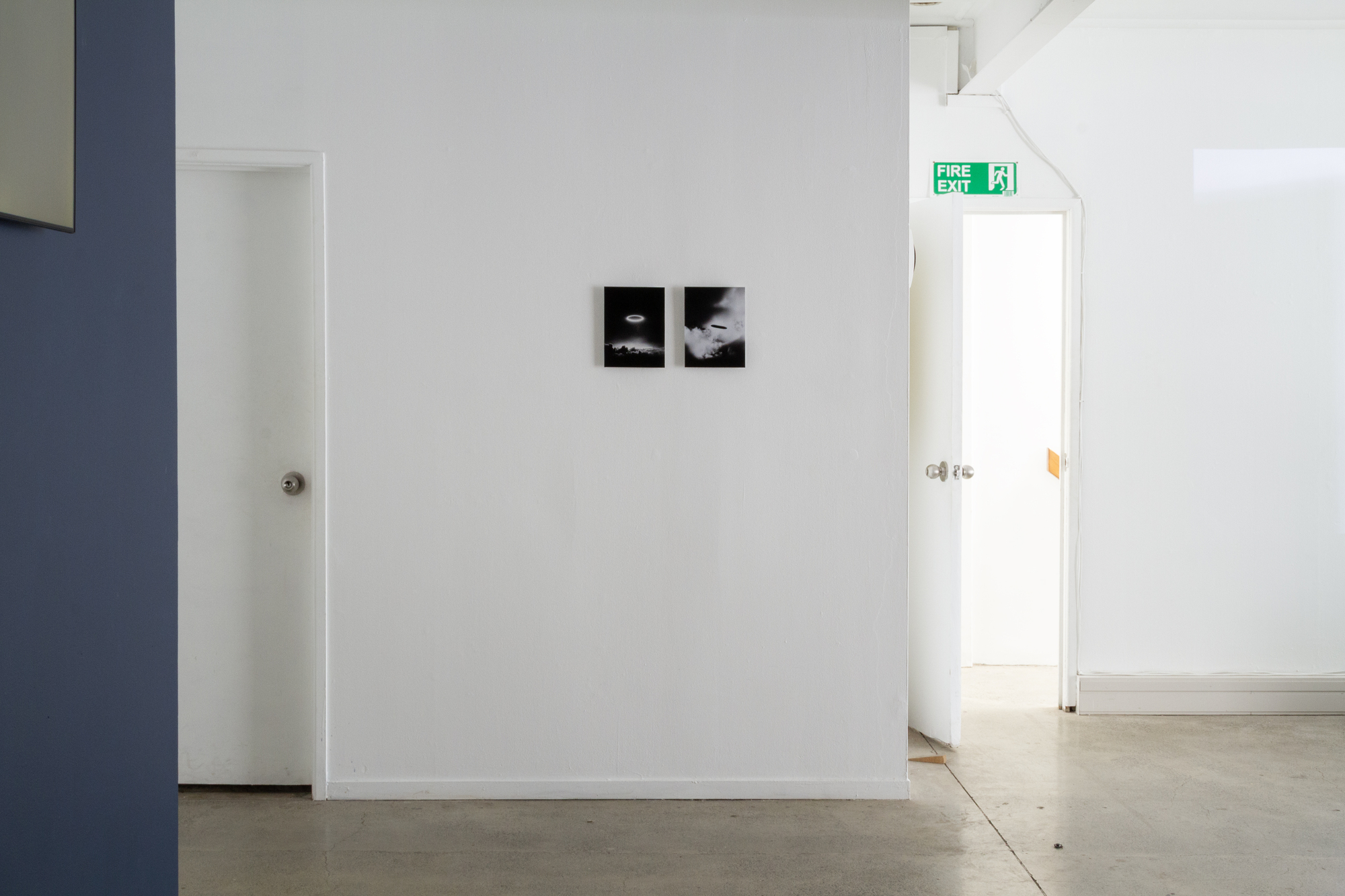
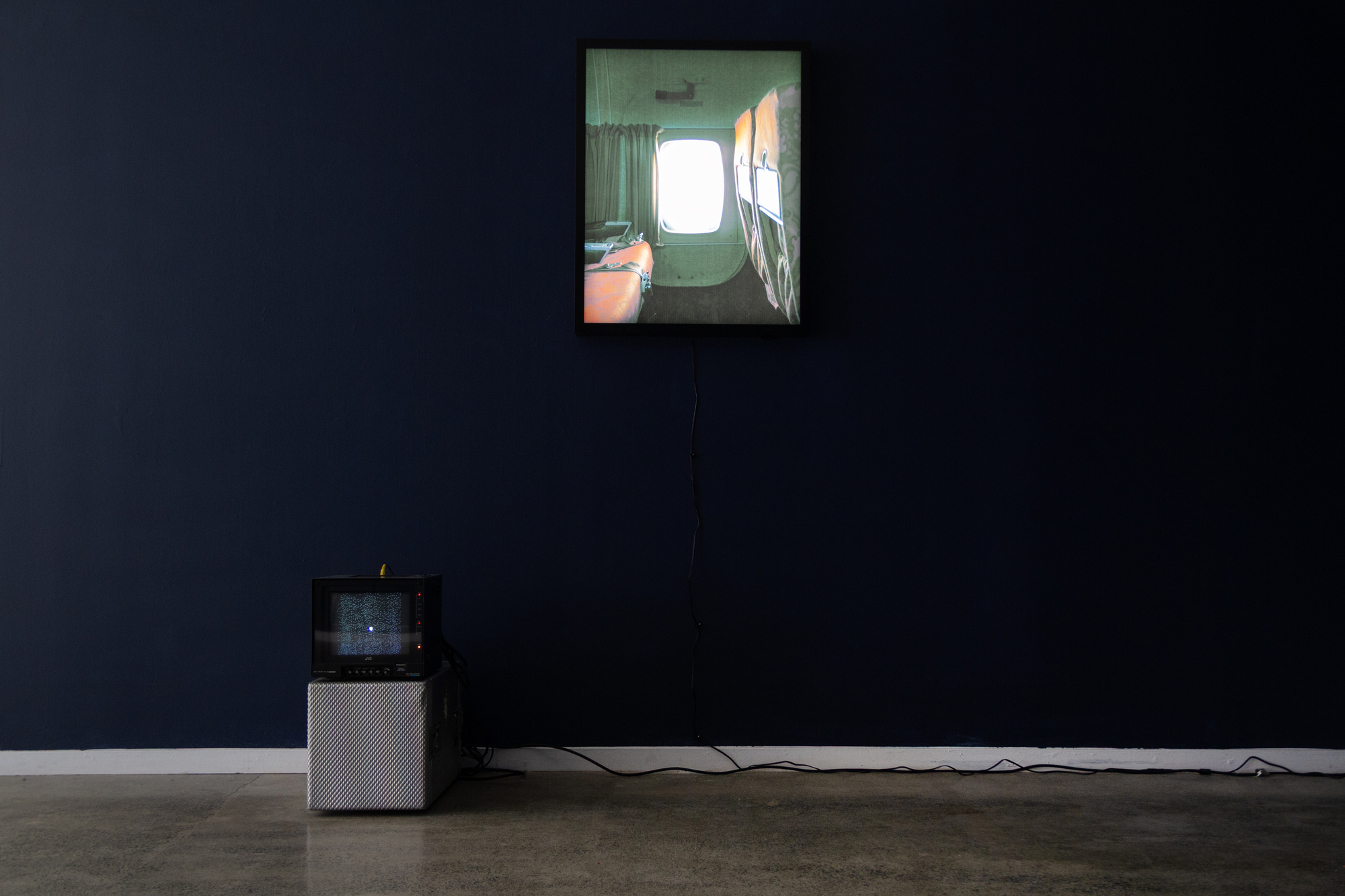
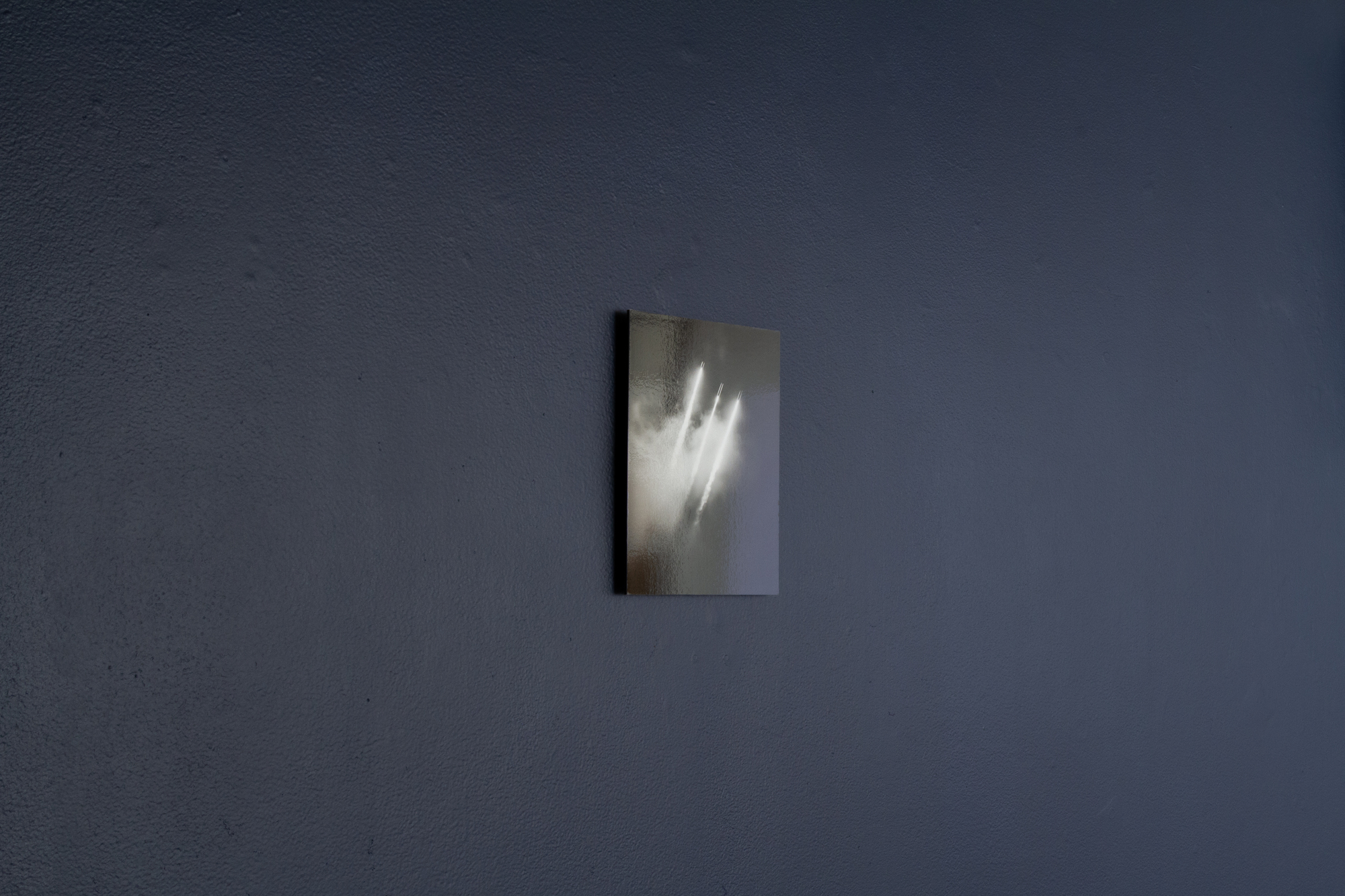
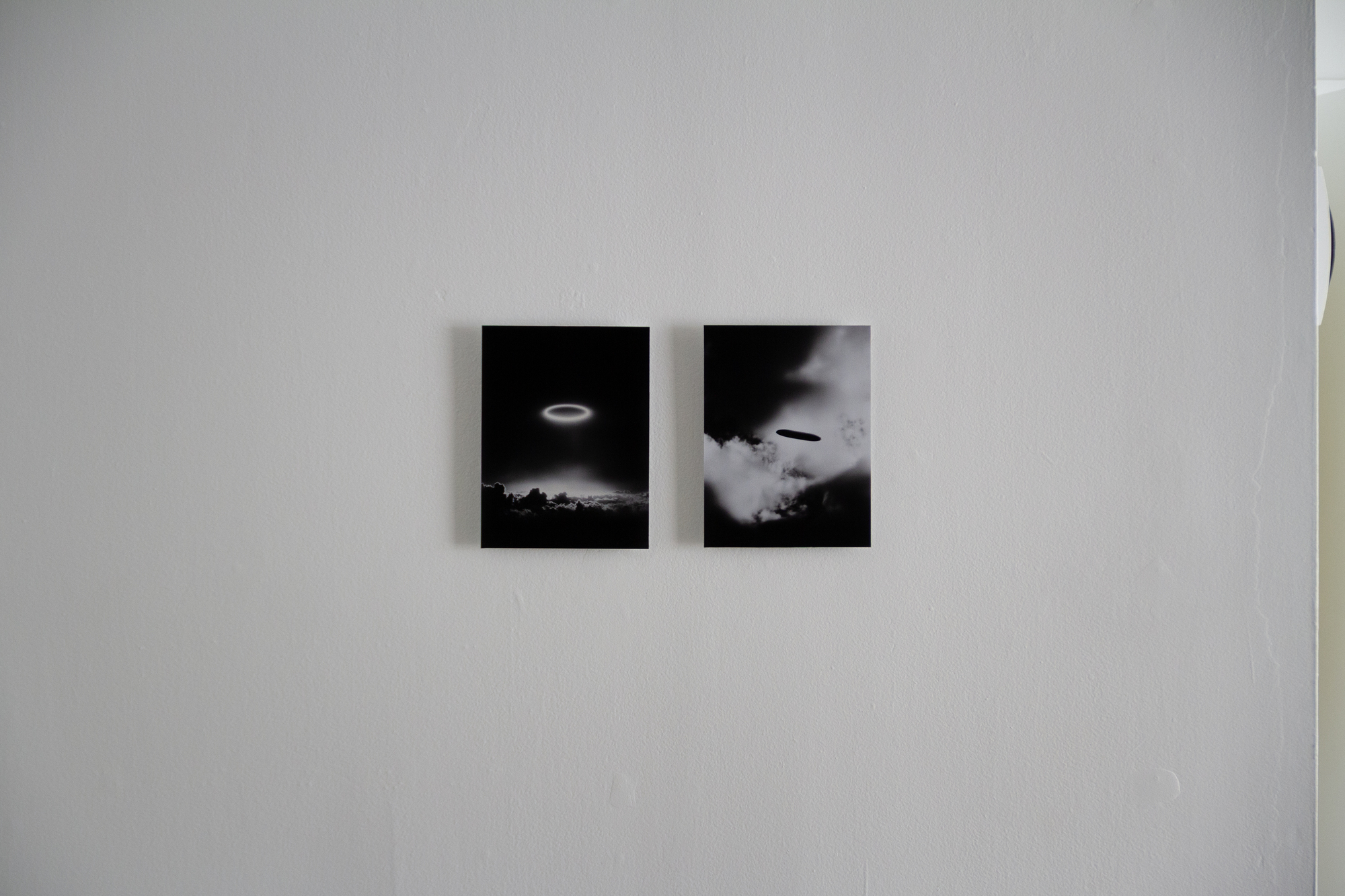
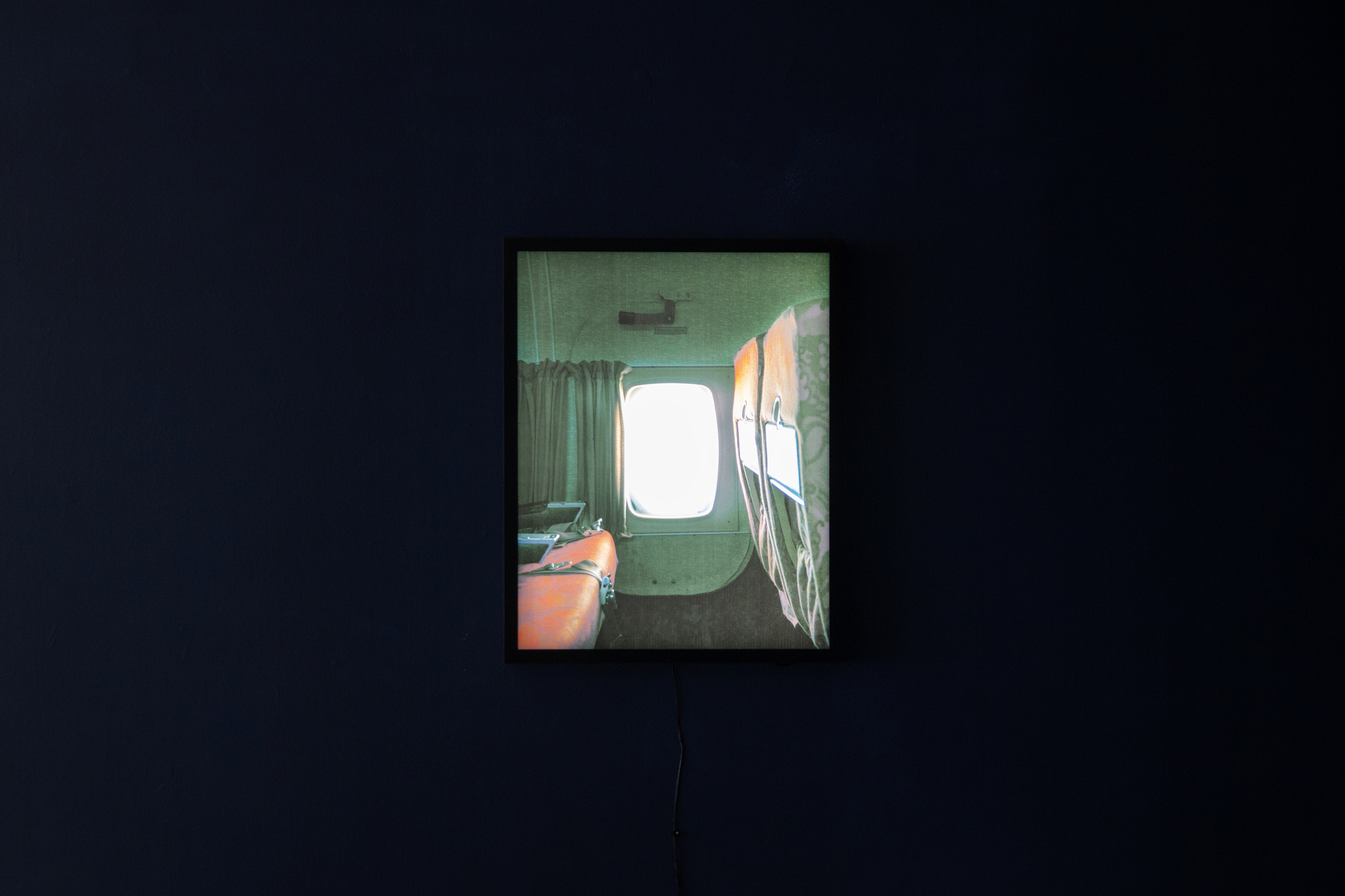
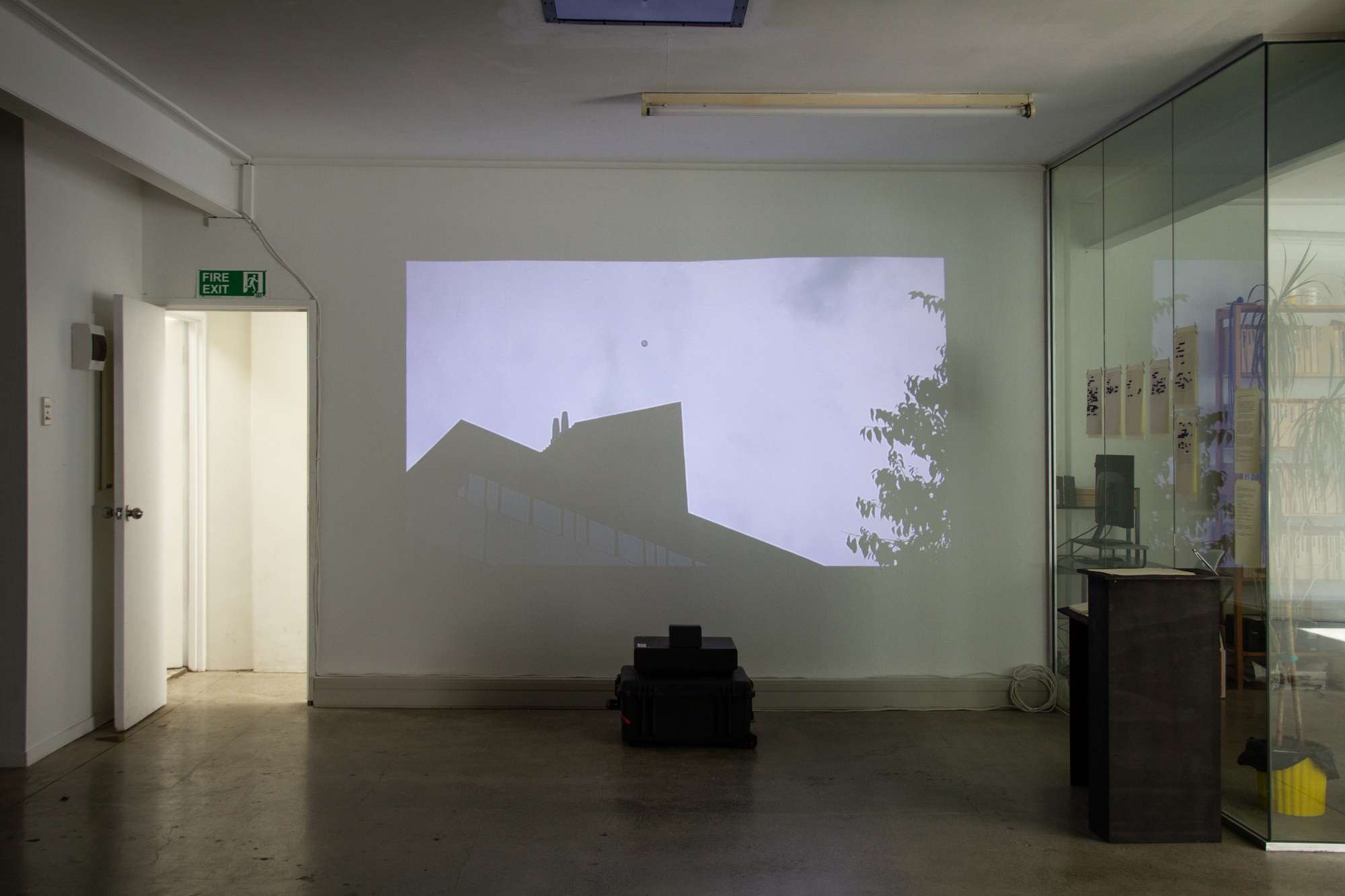
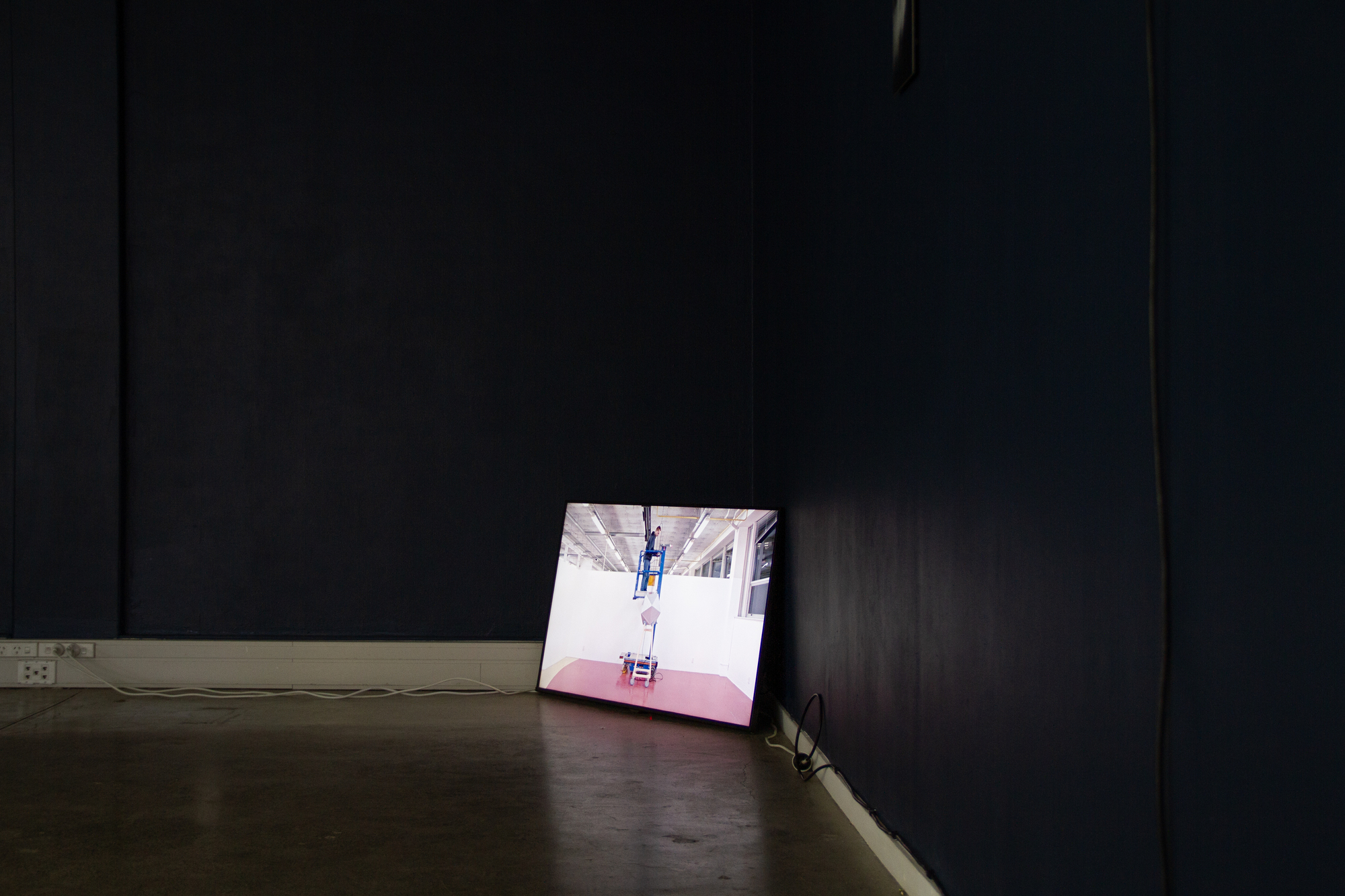
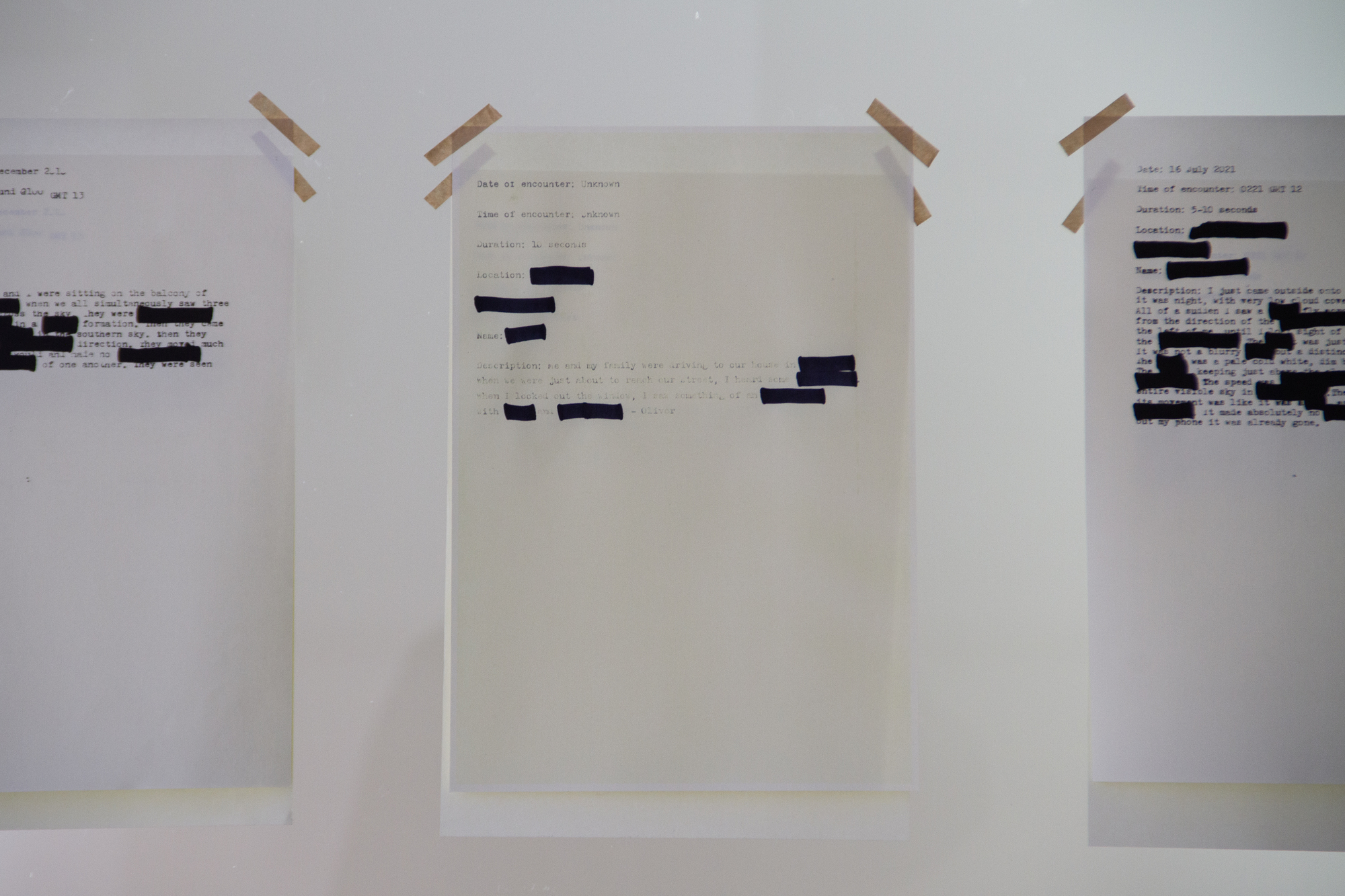
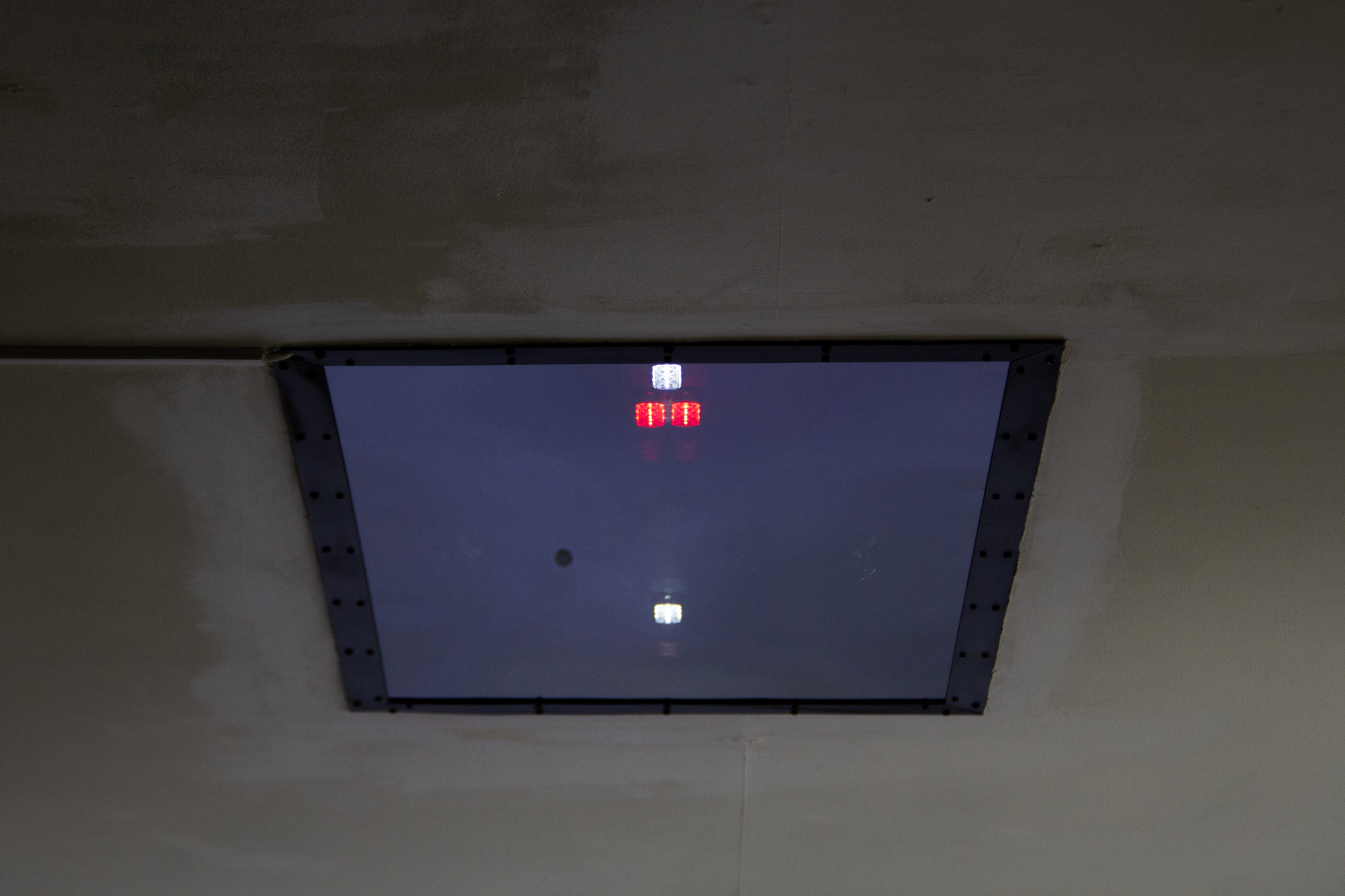
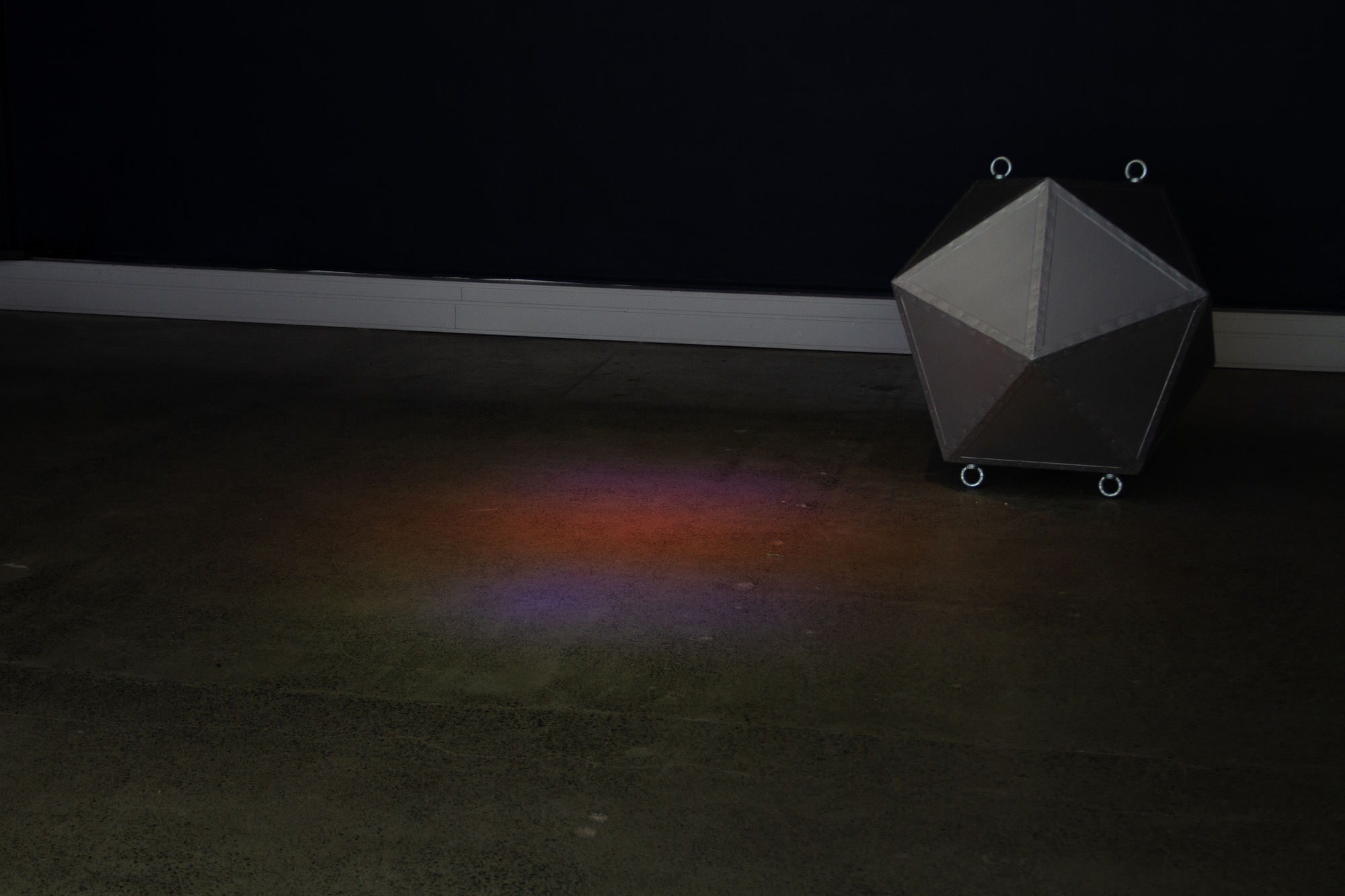
Recognising a shared interest in each other’s art practice has led to the development of this exhibition which explores the UFO phenomenon.

UFO sightings are often fleeting and poorly recorded, at the same time, a UFO is visually mesmerising and ontologically shocking. Oleg Polounine’s practice has always been about what you see and how you perceive and in this show he sets up visual experiments as a means of attaining better understanding of the subject matter.

Since ‘the great airship flap’ in 1909, reported sightings of flying objects in New Zealand have been constant. Caryline Boreham has worked with Defence Force and other UFO archival records from Aotearoa since 2016, using the accounts, visual descriptions and correspondence as a foundation for her photographic and moving image works. In working with these artefacts, Boreham plays with a space between the event and its recounting, where the actual UFO sighting becomes secondary to the conviction of its truth.

Images by Ardit Hoxha

RM Gallery and Project Space
Hours
Thursday and Friday 1pm - 5pm
Saturday 12pm - 4pm

Samoa House Lane
Auckland Central 1010

We are located in the centre of Auckland, off of Karangahape Road, on Samoa House Lane, just off of Beresford Street -- look out for the incredible fale of Samoa House and you're nearly there. We are 2 minutes walk from Artspace and Michael Lett.

The RM Archive Project

Help us identify what is in our Archive! We have digitised many slides in our archive and invite participation to identify them. Please click here to access the collection.
https://www.rm.org.nz/thearchiverm

Our Boxed Archive
Since 2009 RM has been building an archive of material related to our exhibition and event programme. An index to the collection is available here.
https://www.rm.org.nz/thearchiverm/artist-boxes-index/

Safe Space Alliance

RM is a member of Safe Space Alliance

A safe space is a space where the LGBTQI+ community can freely express themselves without fear. It is a space that does not tolerate violence, bullying, or hate speech towards the LGBTQI+ community.

A safe space does not guarantee 100% safety, rather, it’s a space that has your back if an incident (violence, bullying, or hate speech) were to occur.

Click here to find out more about Safe Space Alliance

Subscribe to the RM mailing list