Category: 2024 Exhibition

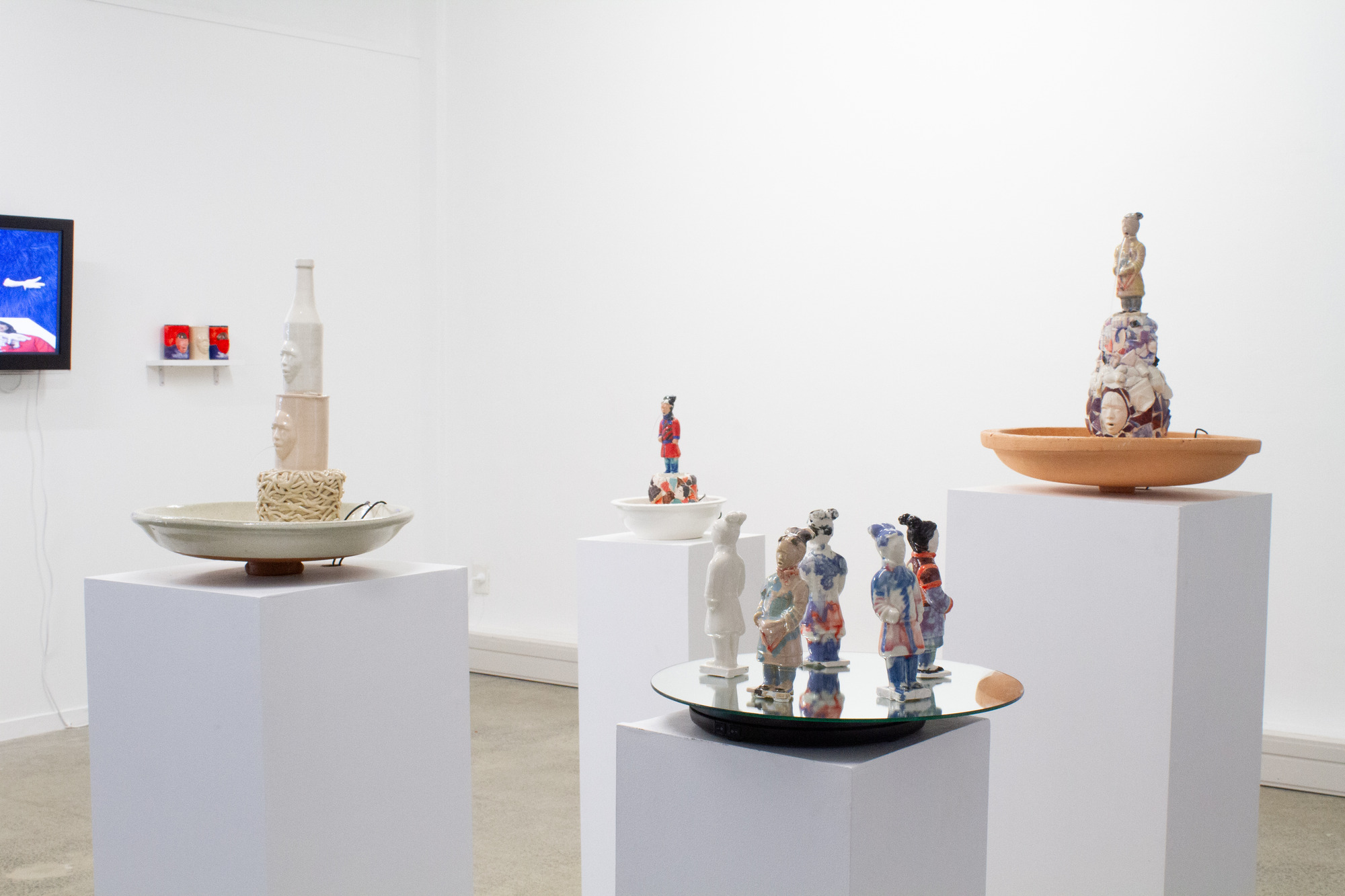
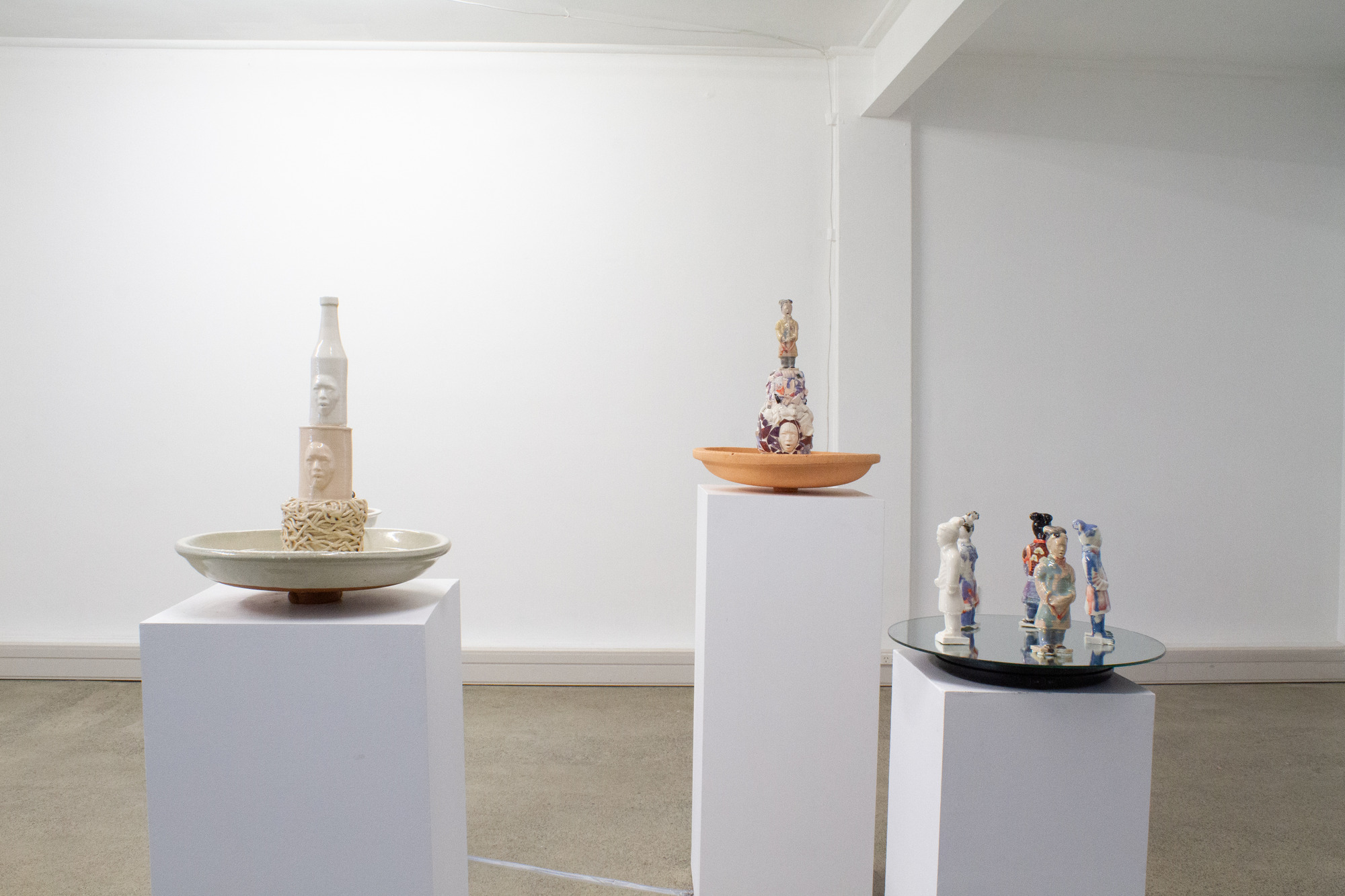
Li-Ming Hu : Deliciously Authentic

Li-Ming Hu
Deliciously Authentic

6 November – 30 November 2024

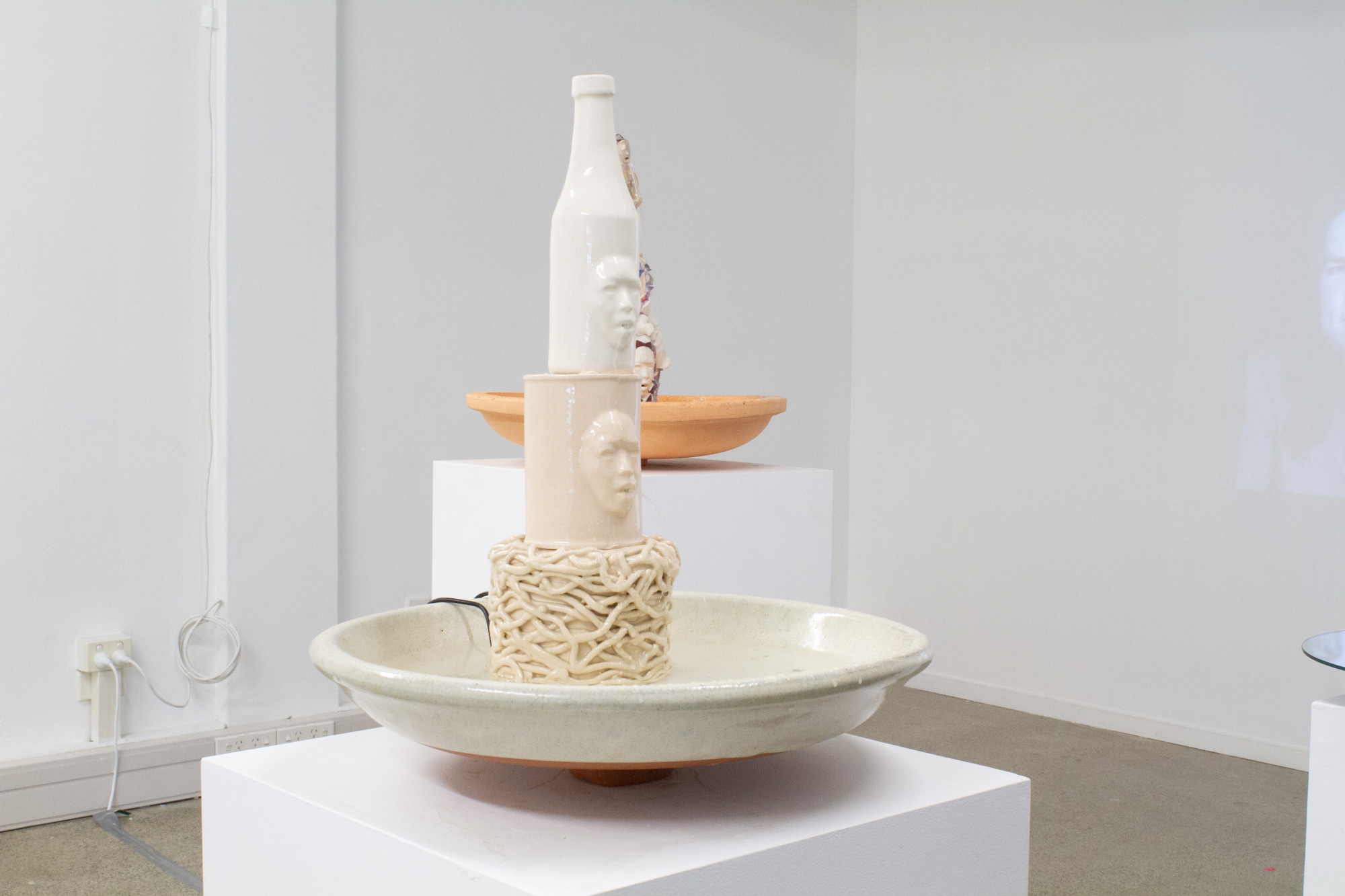
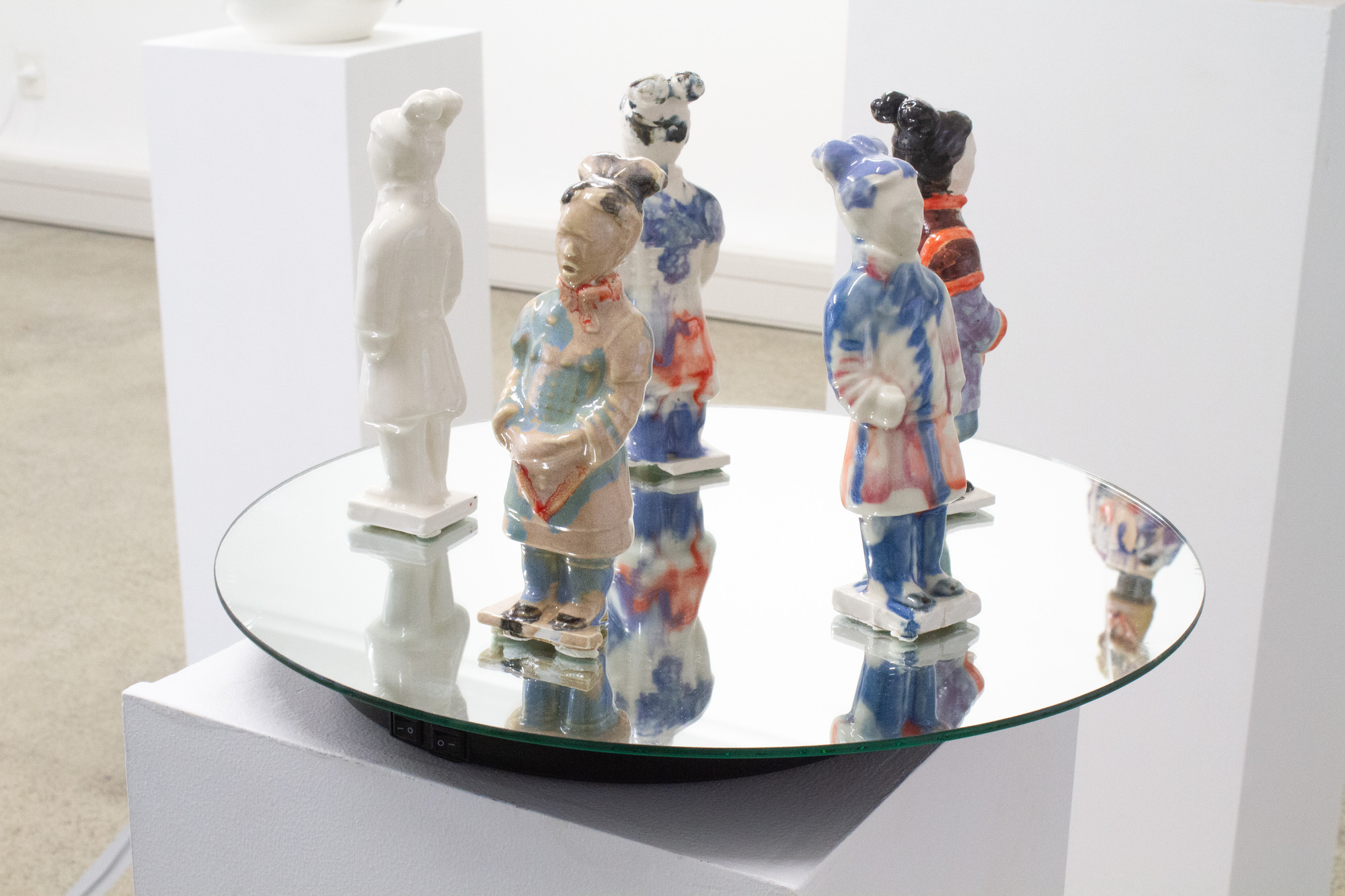
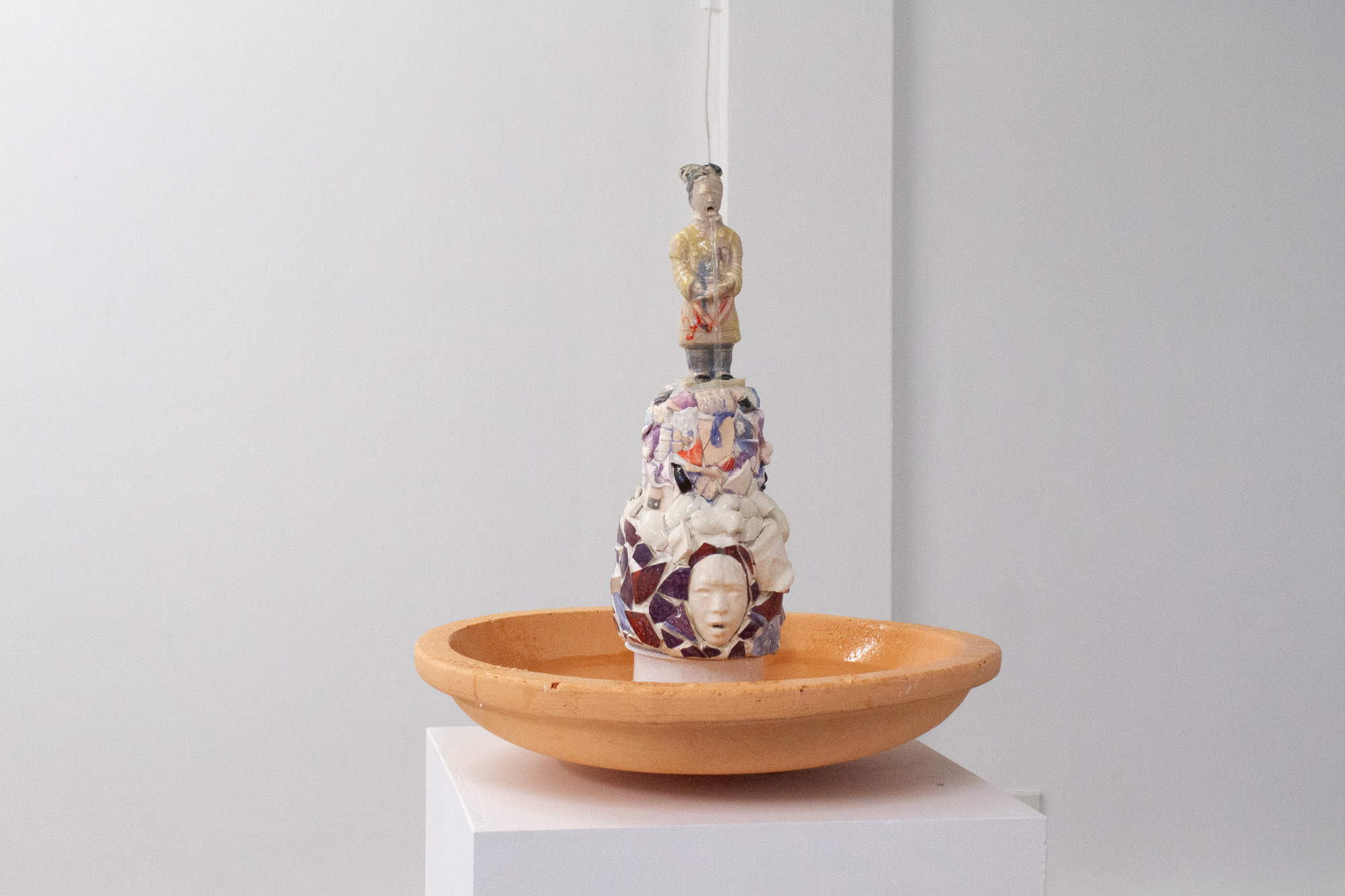
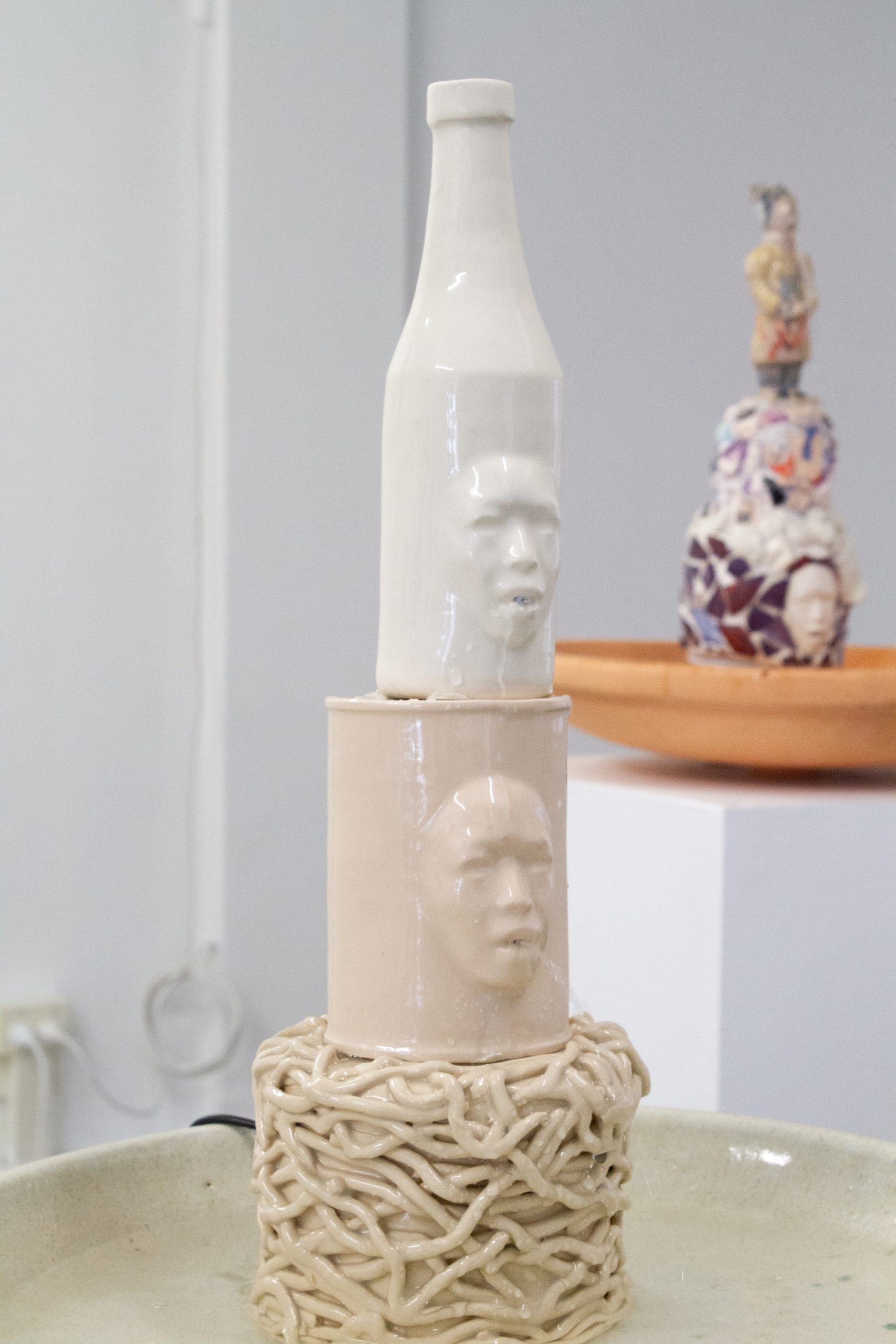
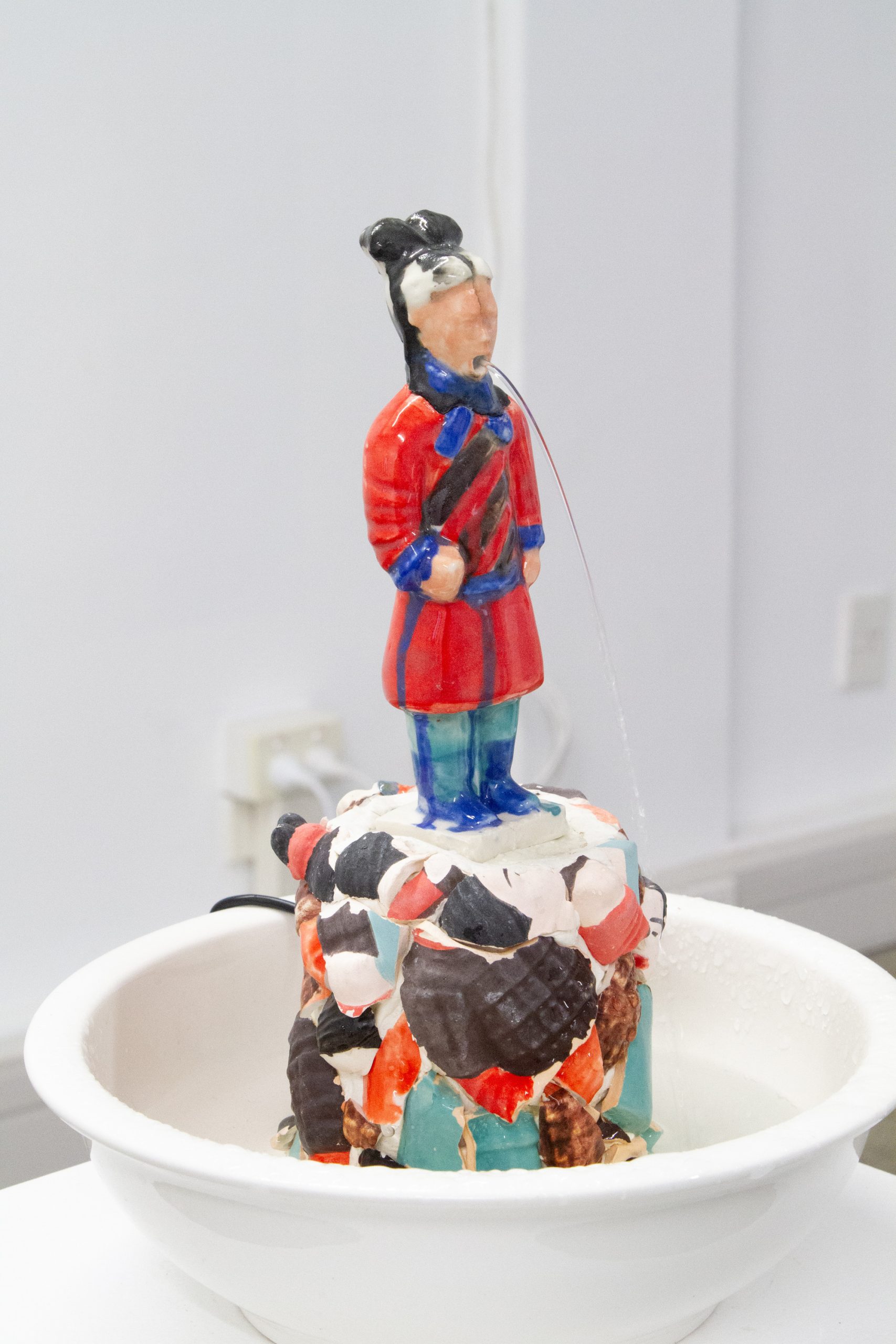
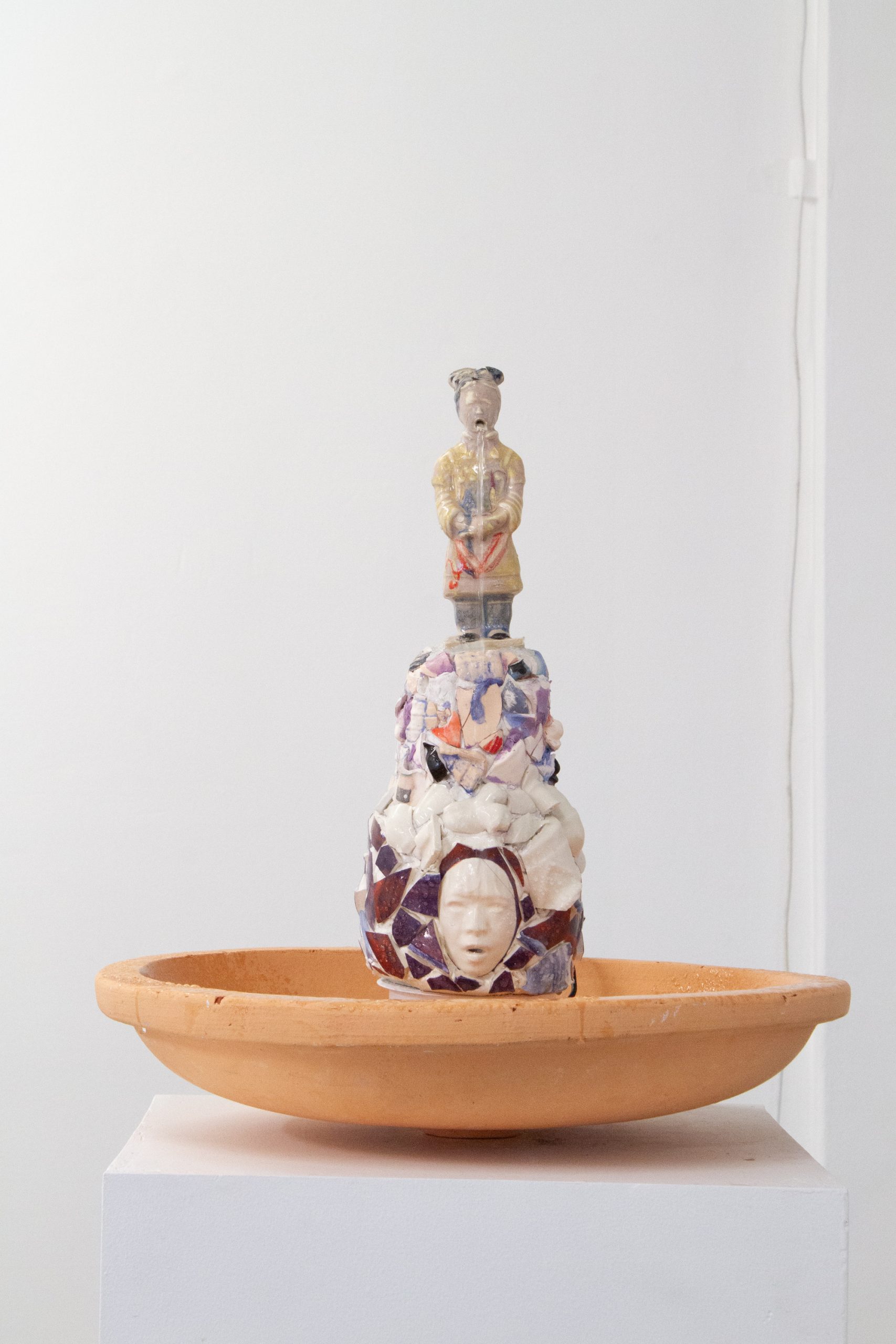
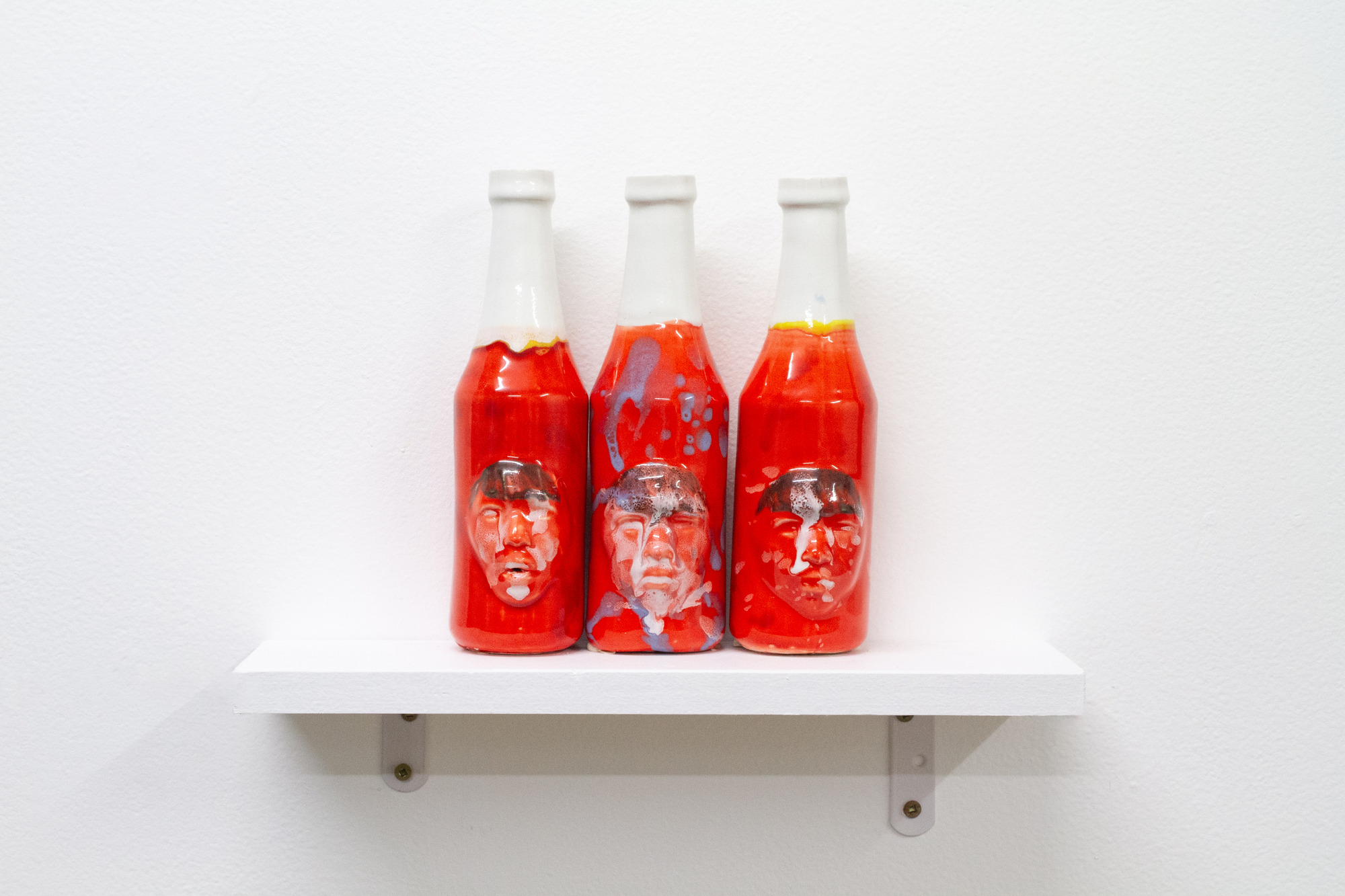
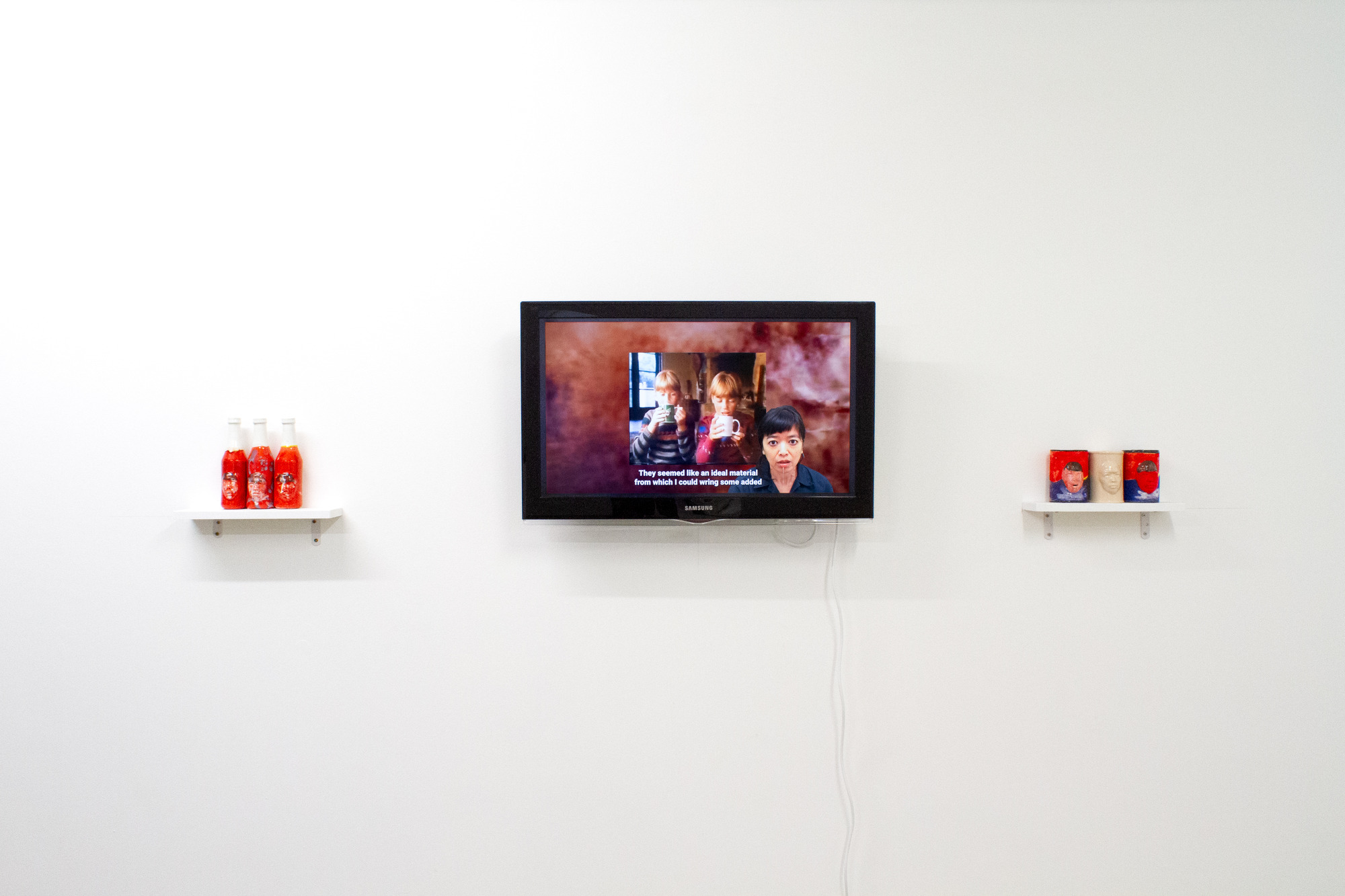
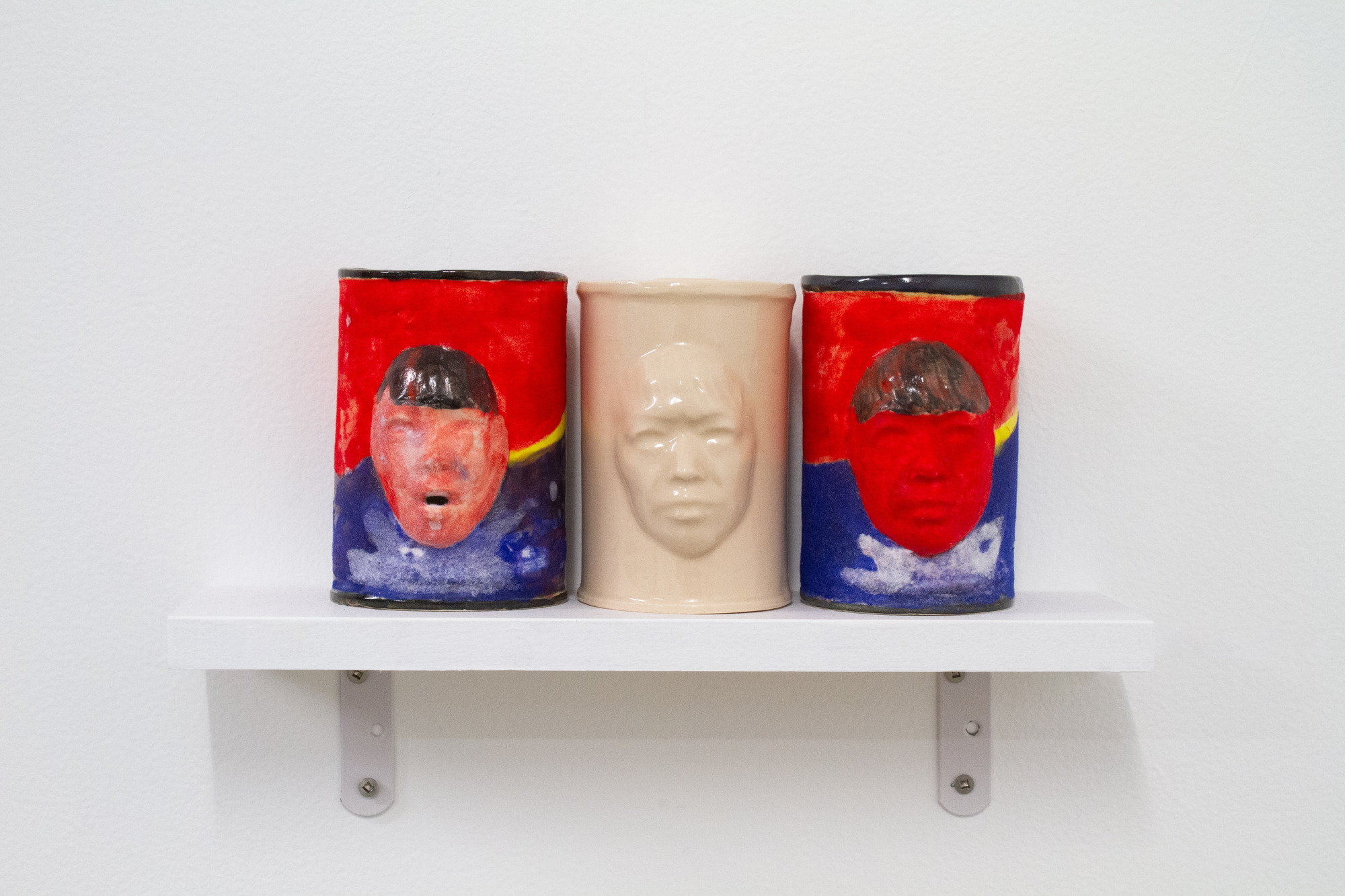
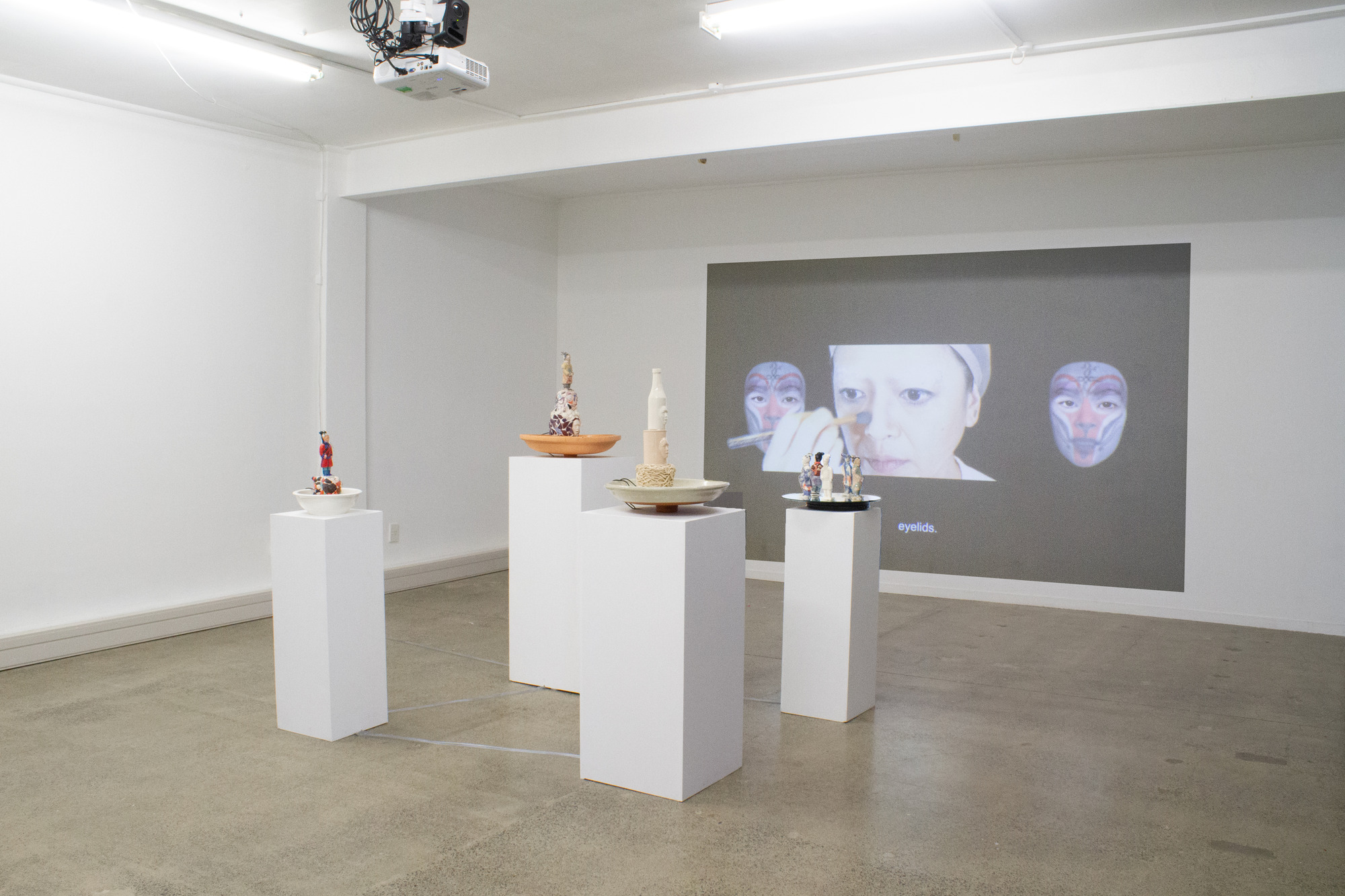
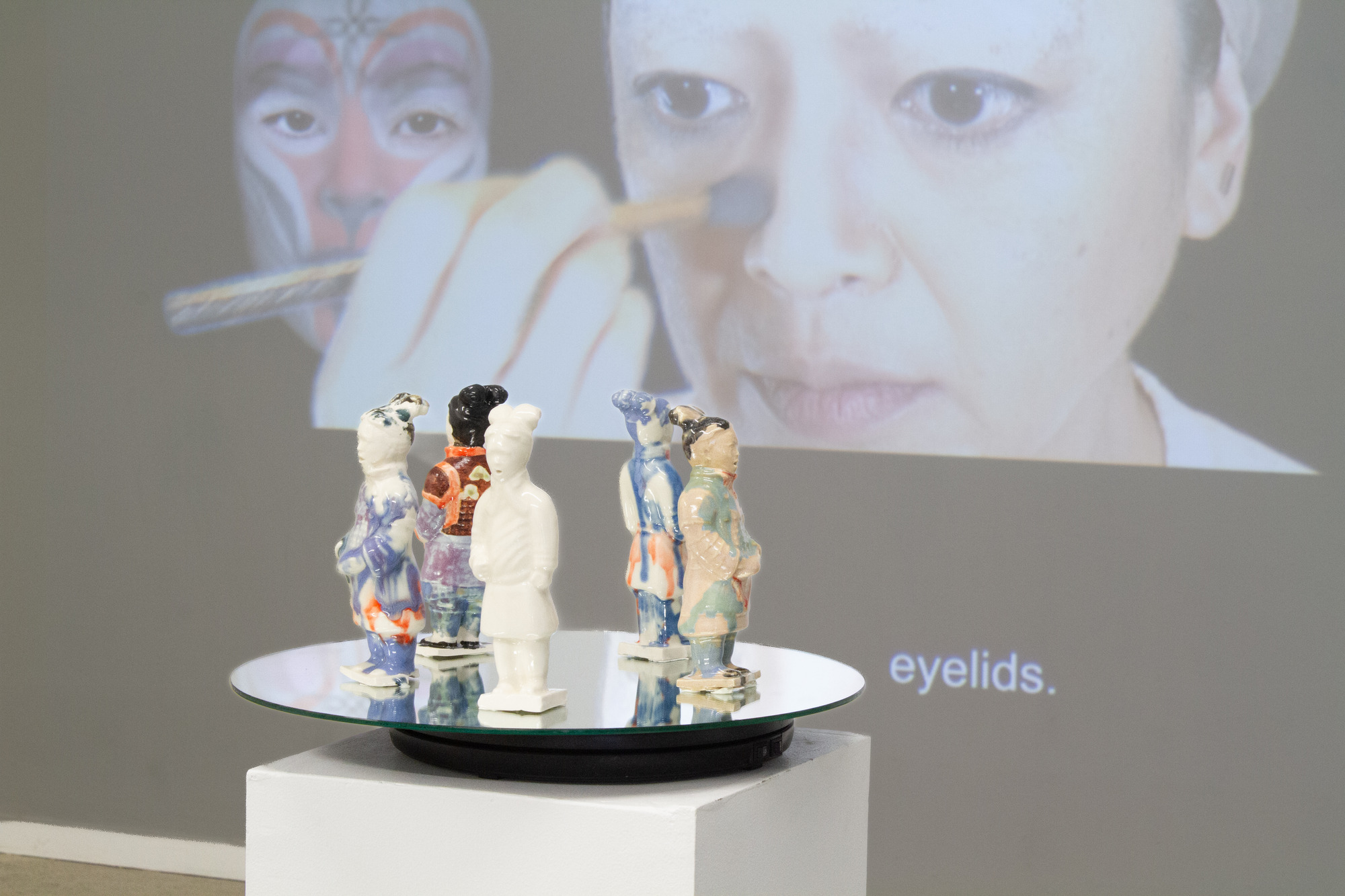
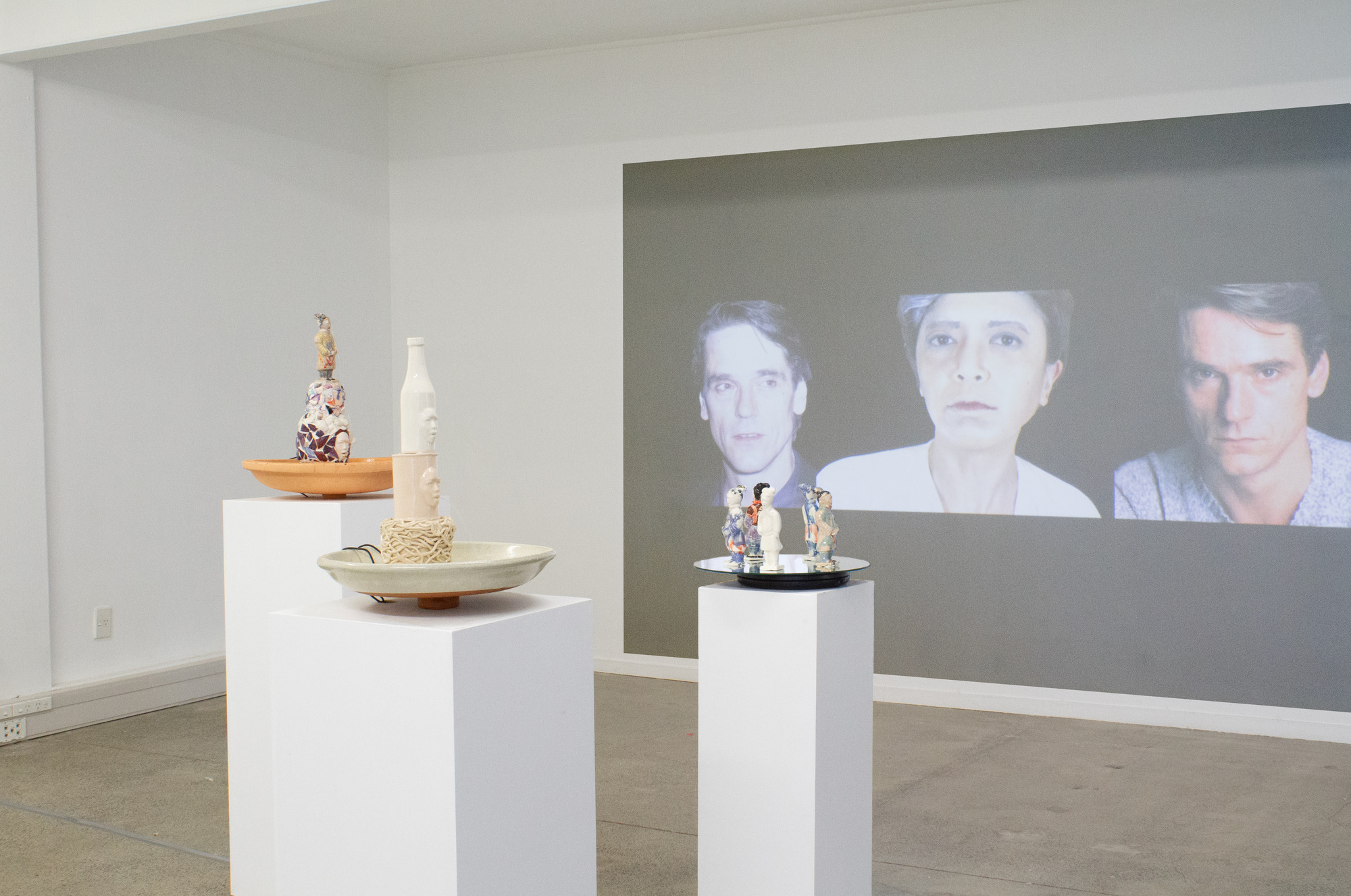
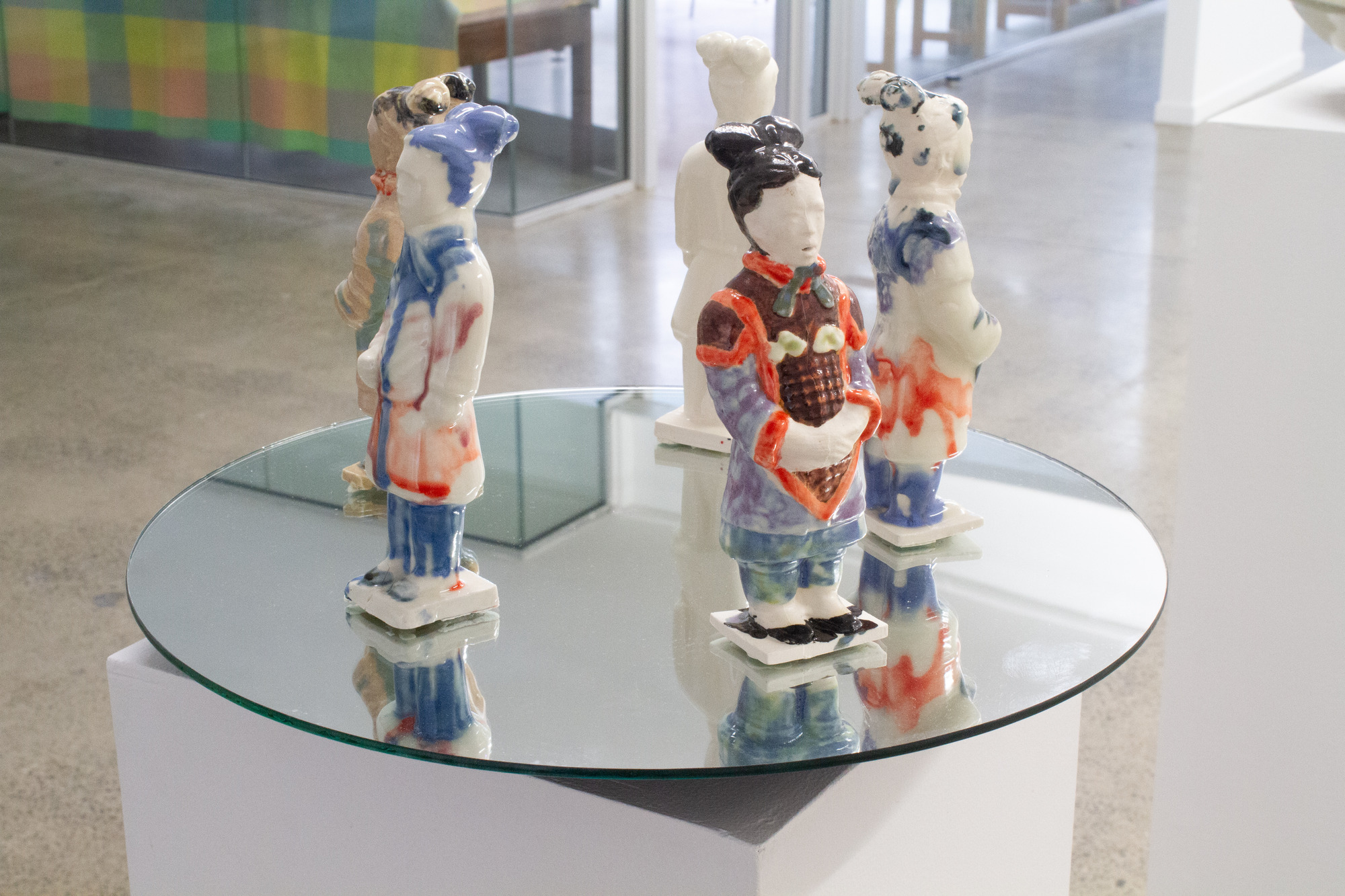
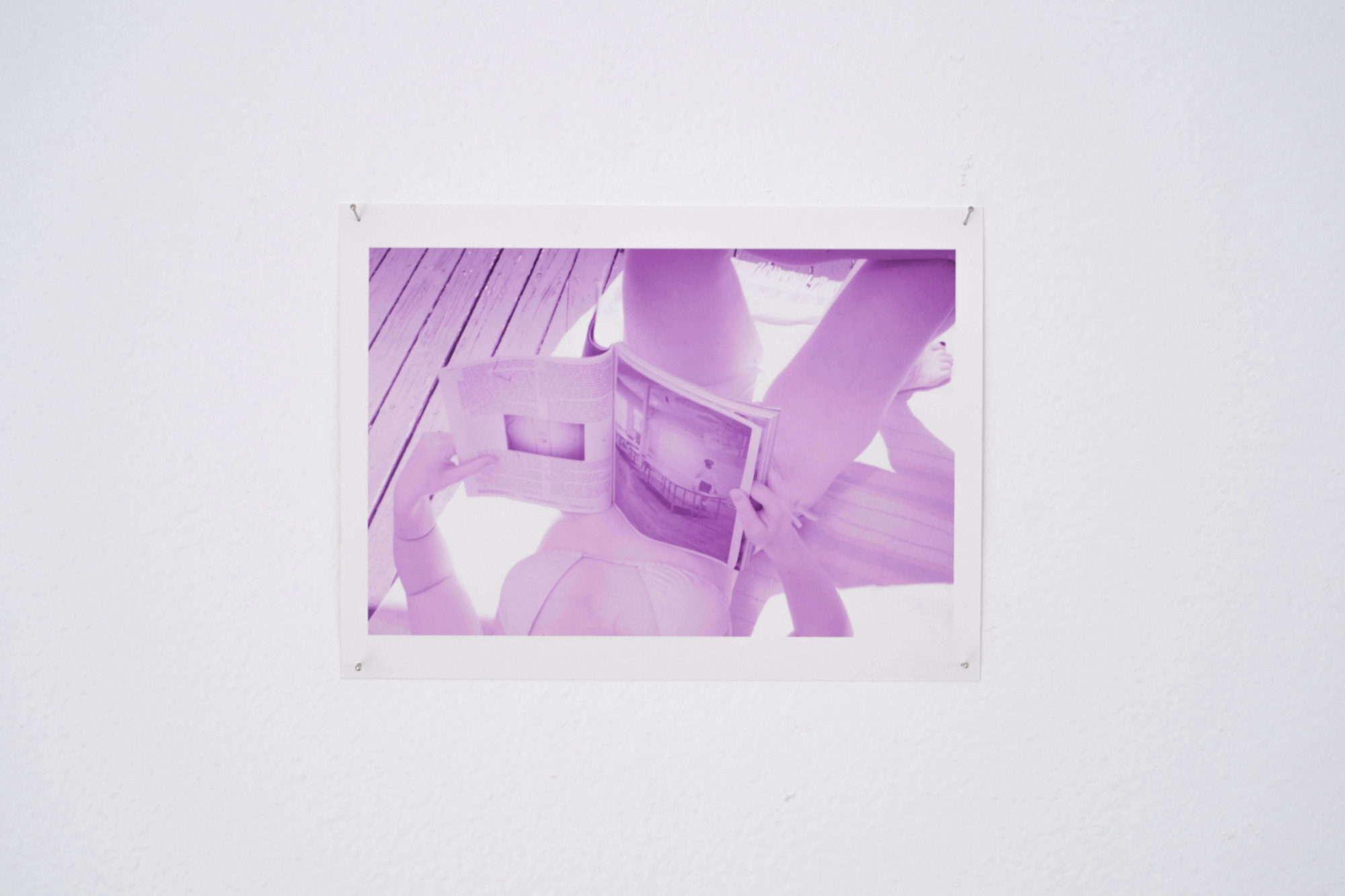
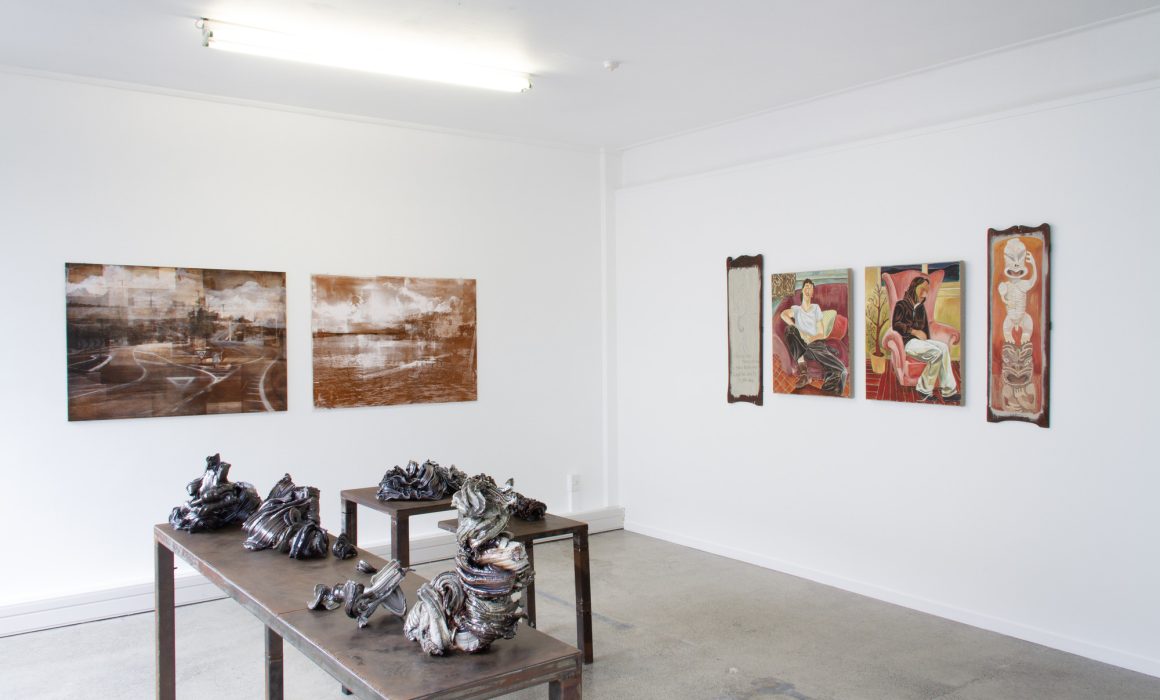
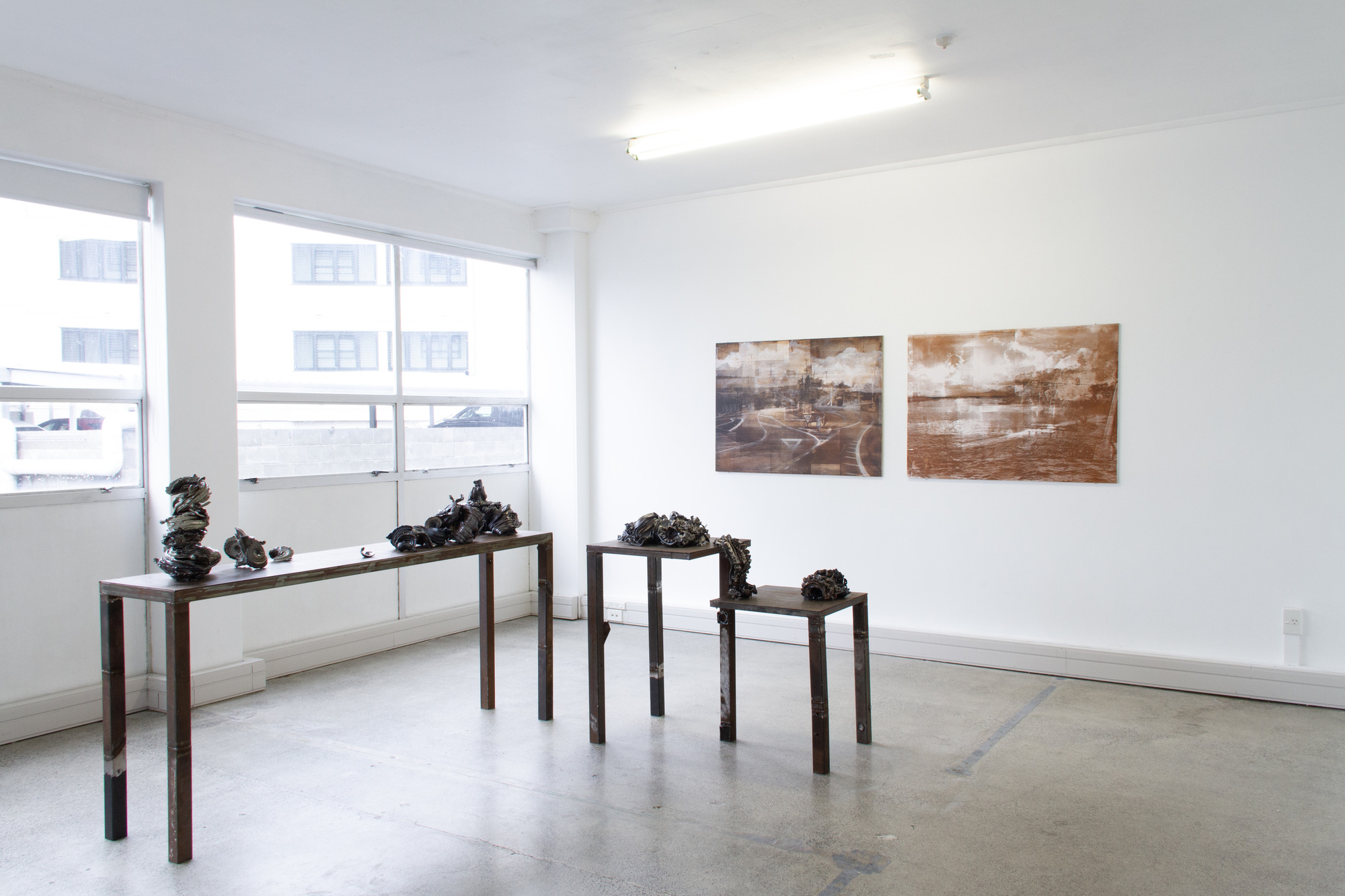
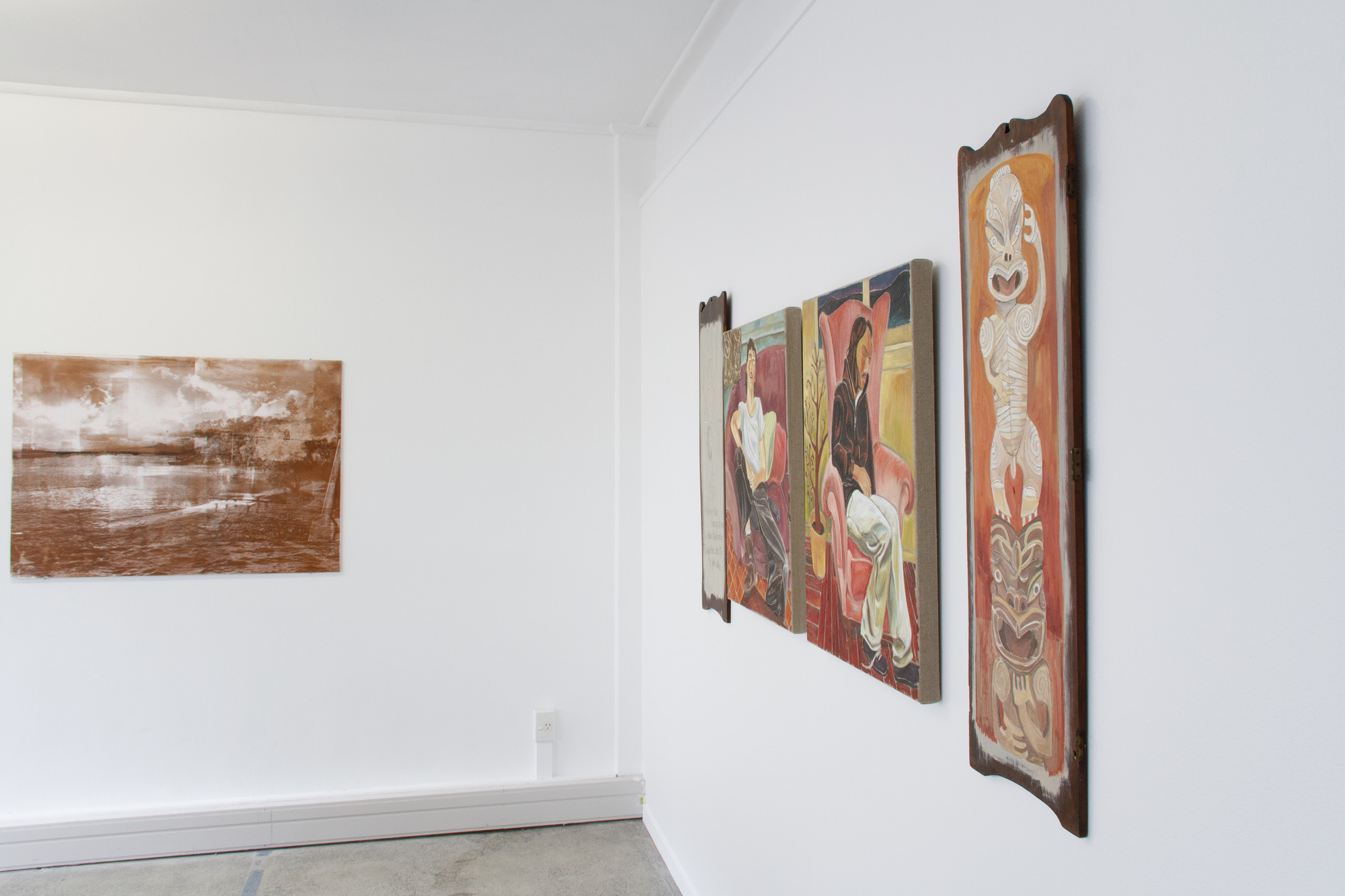
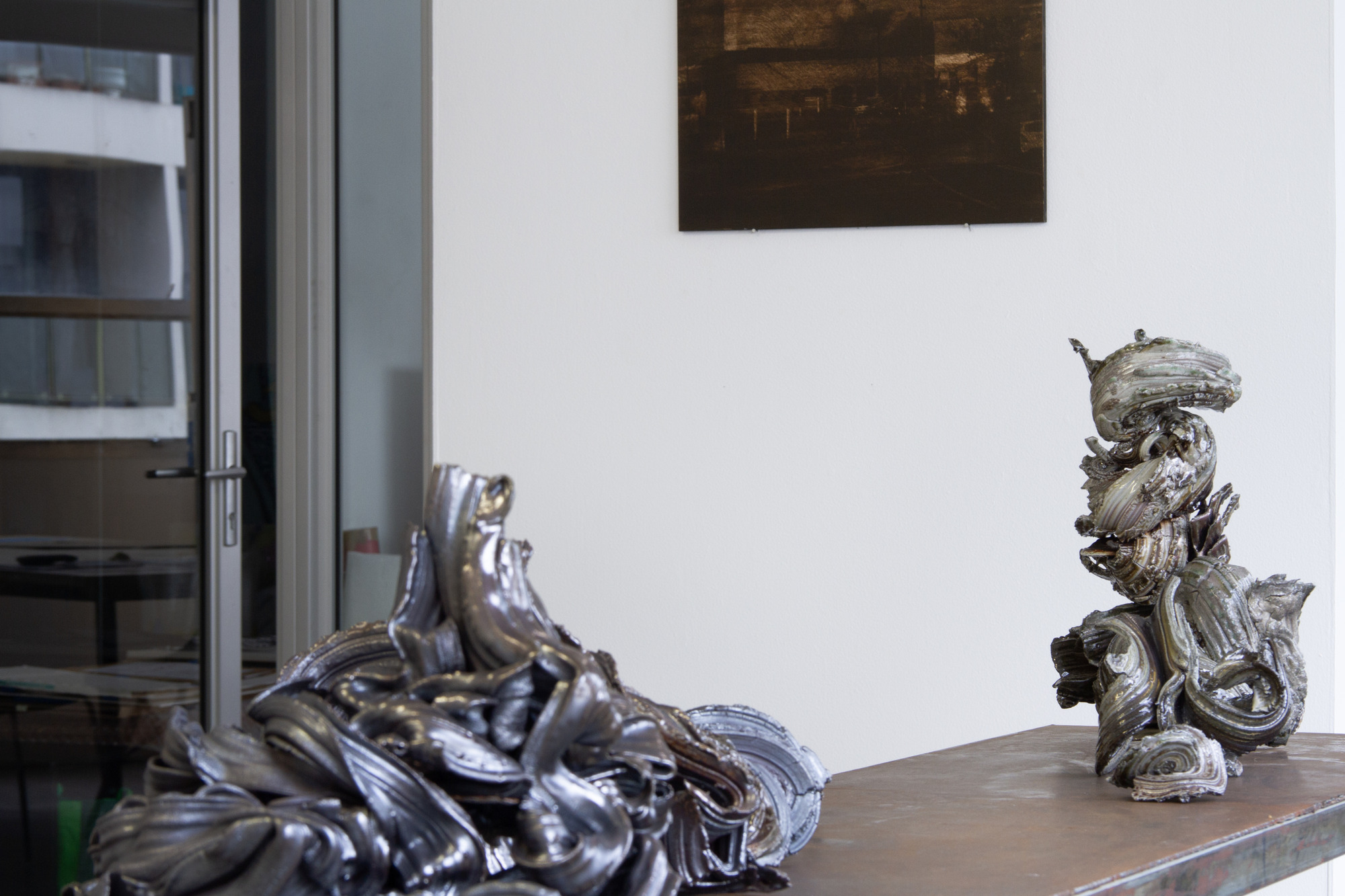
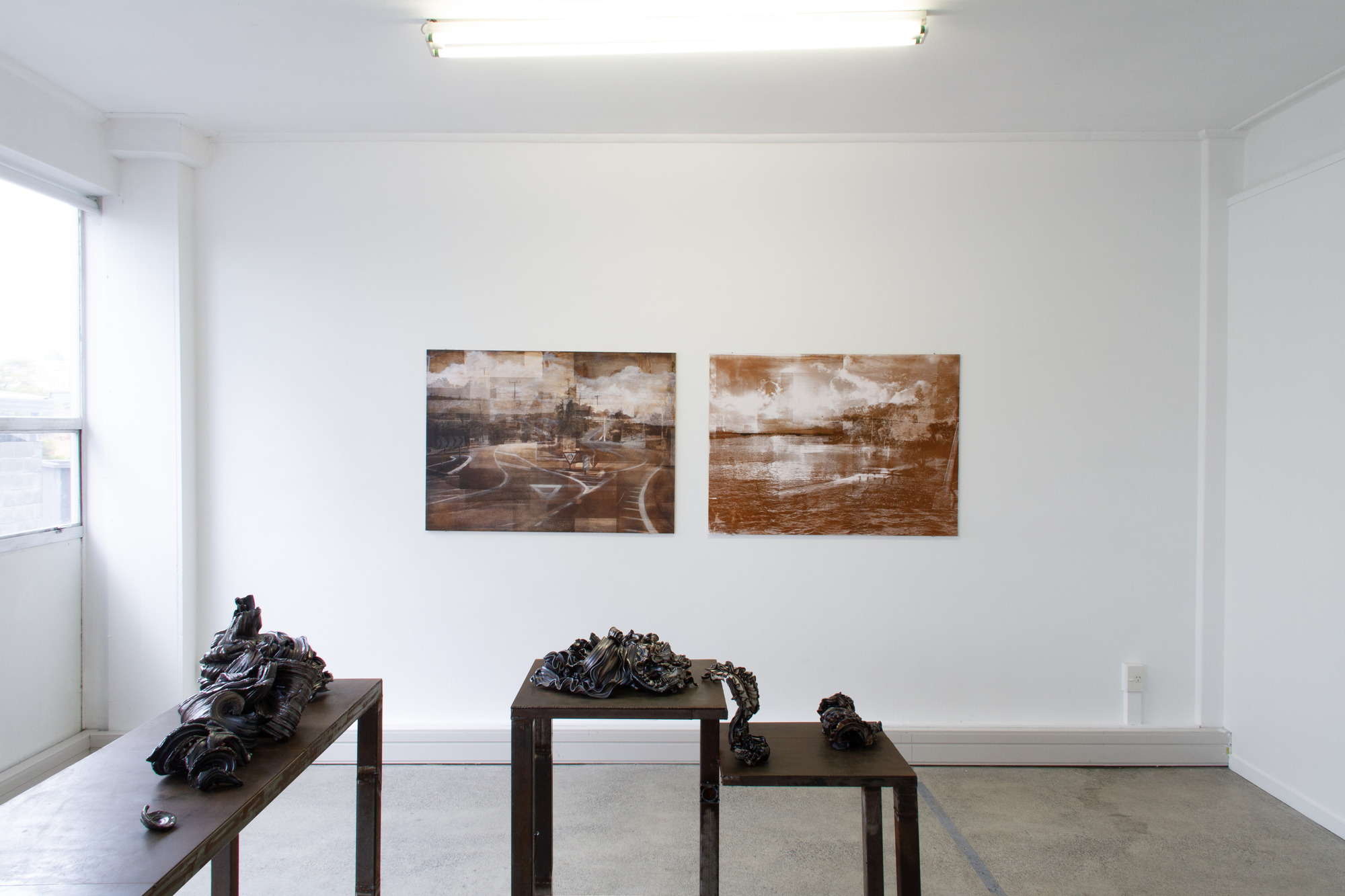
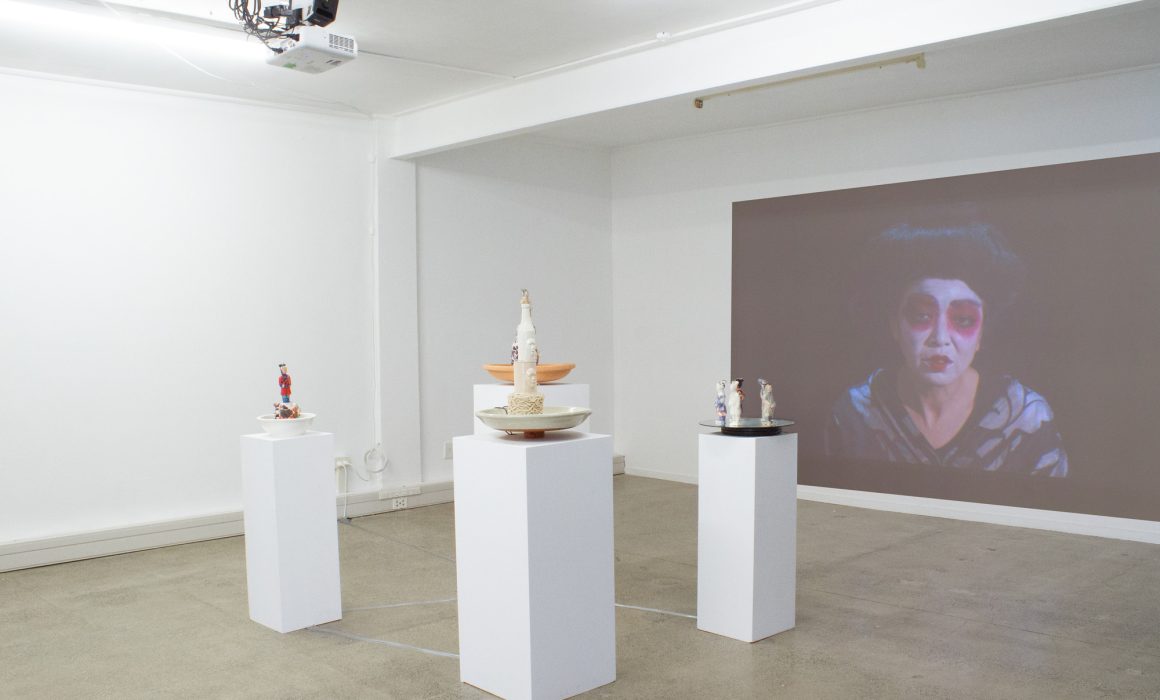
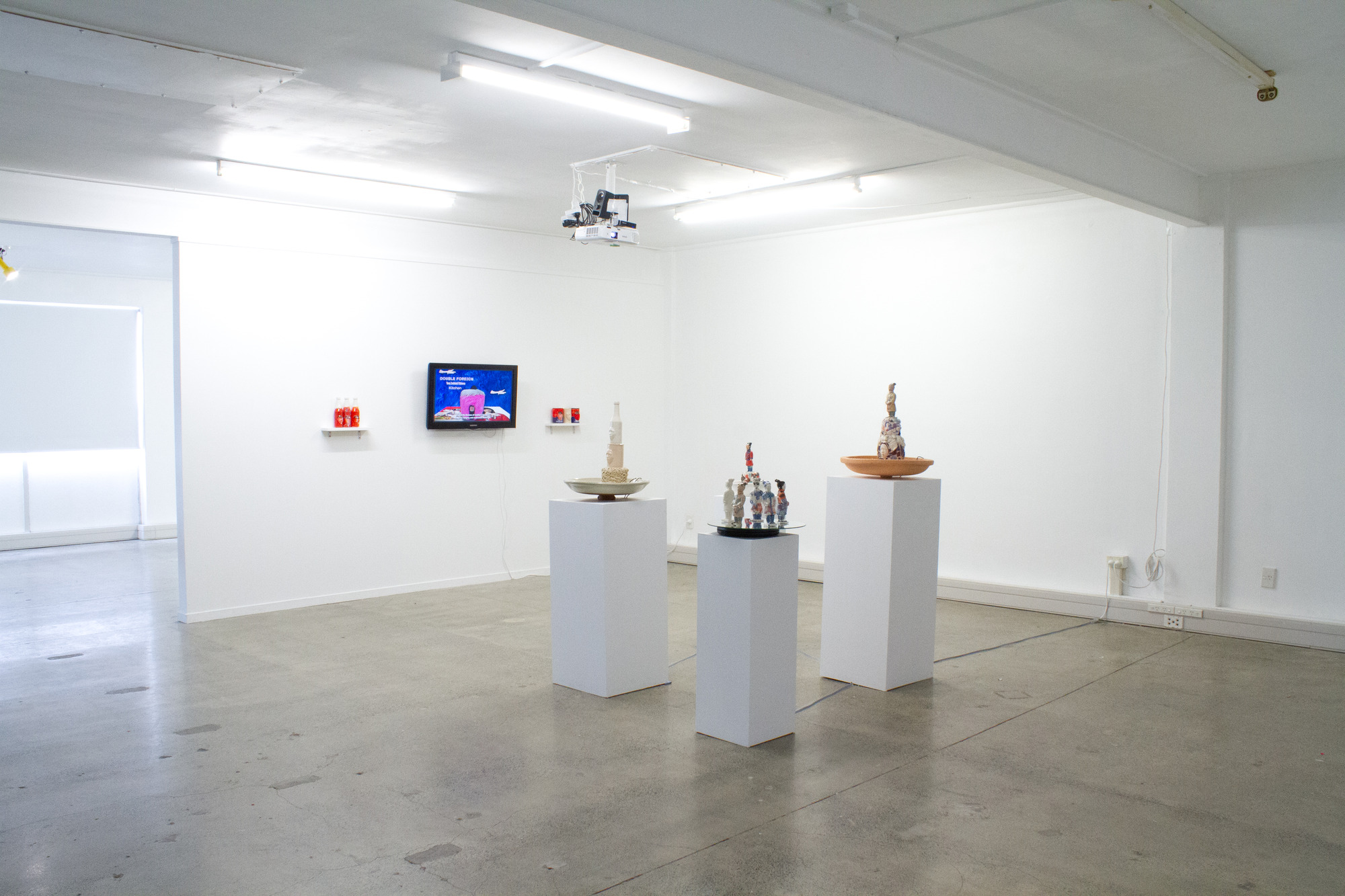
When I was showing art in NZ before I went to grad school, the word race was never mentioned, nor foregrounded in my art. In the US, it was dropped in my first class crit and kept buzzing around ready to bite me in the ass if I fucked up. In the many open call/residency and grant applications that followed, it seemed increasingly expedient to drop the terms ‘Asian’, ‘diaspora’ and’ ‘subjectivity’ in the make believe projects for those applications. As often happens, the make-believe leaks into the actual, and here are some of the results.

When I was showing art in NZ, I never mentioned my 3-year stint on Shortland Street or the one series I spent as a Power Ranger. While my teachers were quick to make links with my ‘background’ I was slower on the uptake, worried perhaps, that this association with the murky world of B-grade entertainment might tarnish any art world credibility I might develop. In the US however, people thought this was REALLY COOL and perhaps the most interesting thing about me. No surprise then, that I turned to this experience with scripts, set and cameras as ‘a useful methodology with which to explore ideas and practices of performance while being in dialogue with a history of performance art that has often taken pains to distance itself from the theater and ideas of the spectacle that the entertainment industry embodies’¹.

¹From an application essay for a program for which I was not accepted.
Images by Antje Barke
Eiko Olykan : Models

Eiko Olykan
Models

6 November – 30 November 2024

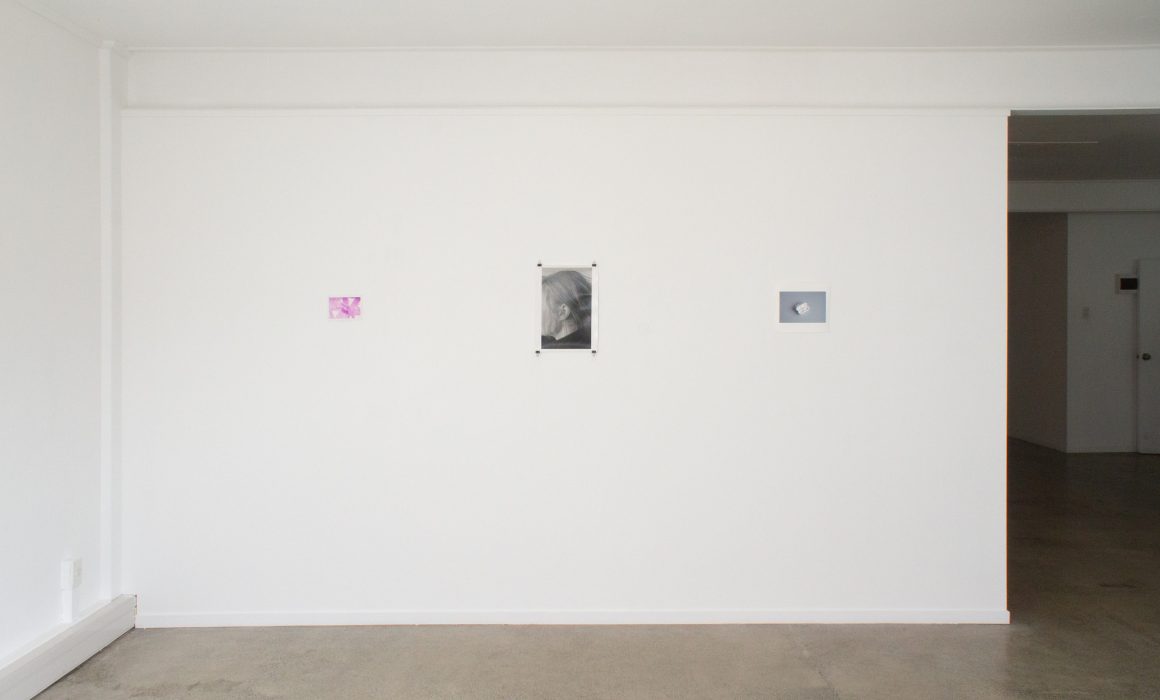
Models is Olykan’s first solo presentation since completing his Bachelor’s Degree in Fine
Arts at Elam.

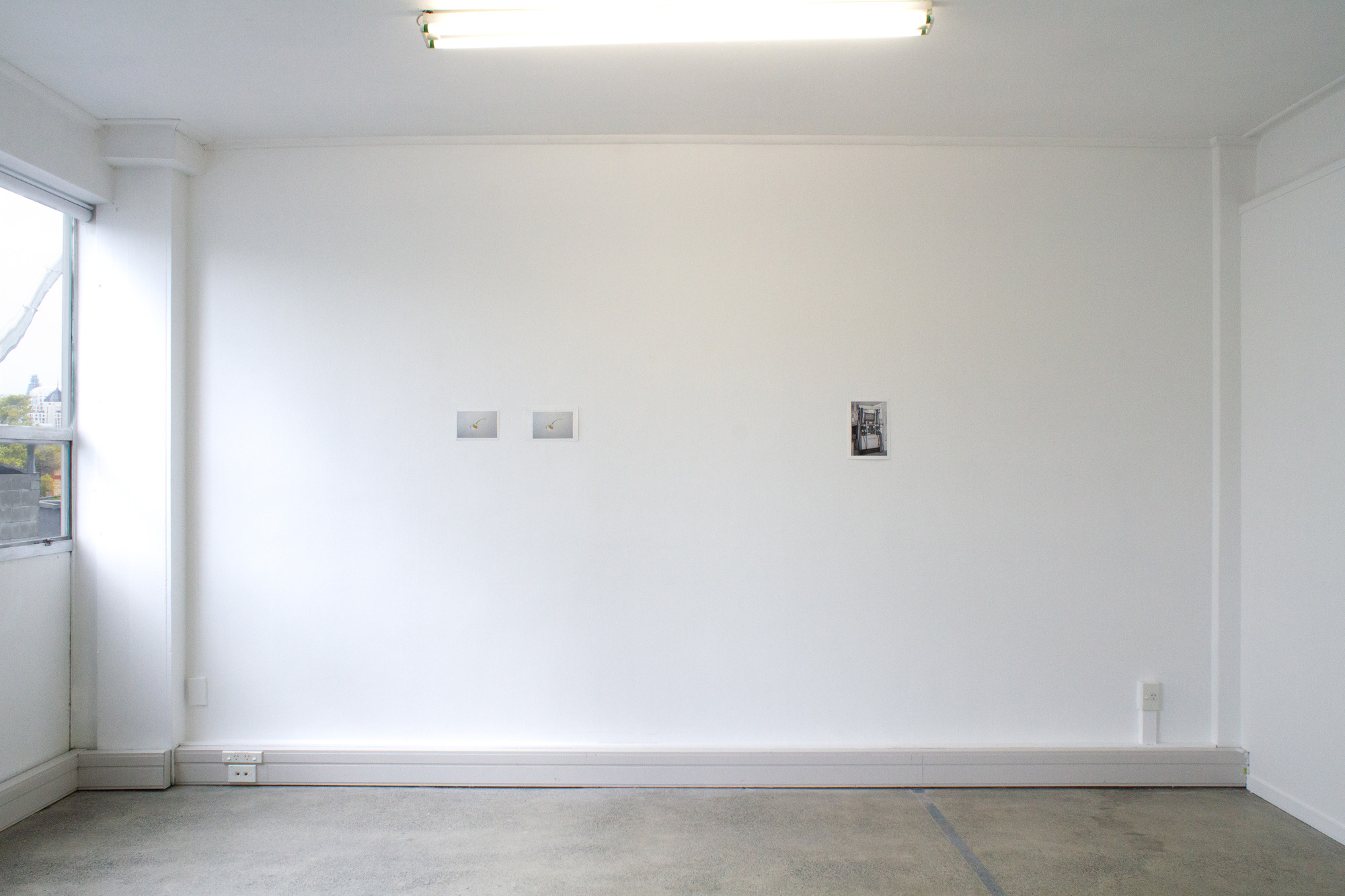
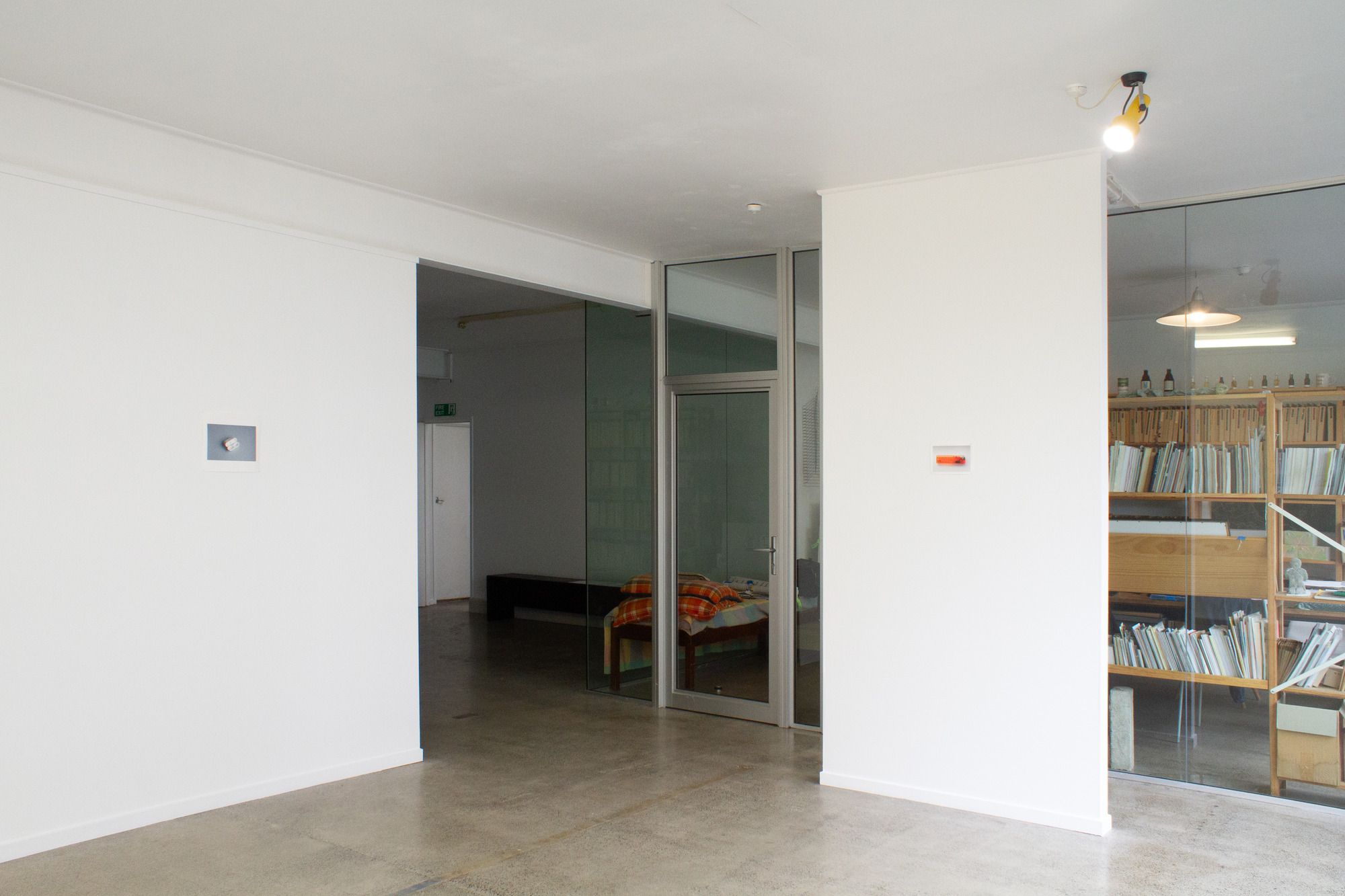
Clockwise from left:

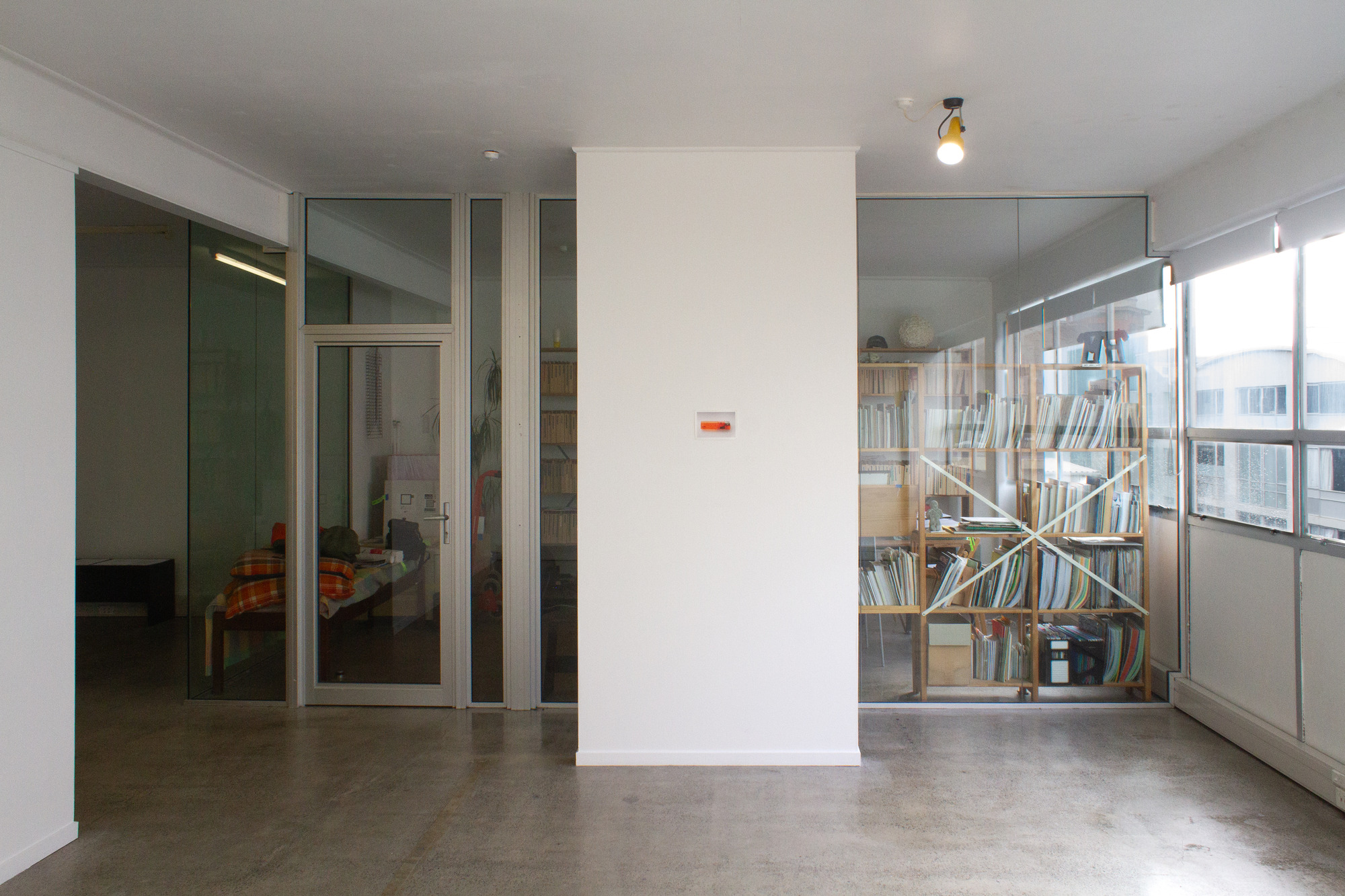
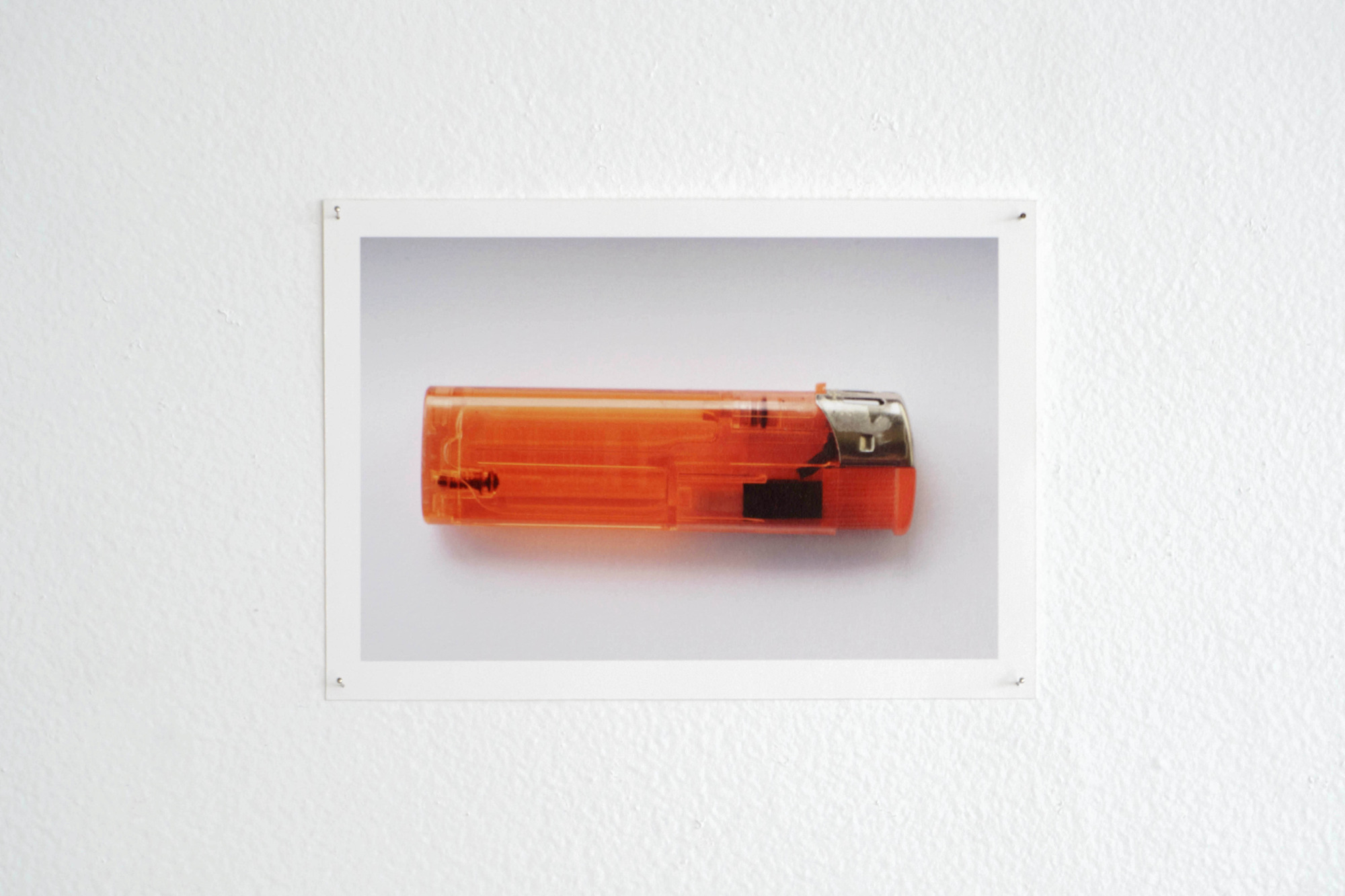
Lighter, 2024
Inkjet on paper from mixed spectrum infrared/visual digital photograph.
133 x 189mm.

Daisies (one with headstrike), 2024
Inkjet on paper from colour digital photograph.
Dimensions variable.

Untitled, 2024
Inkjet on paper from infrared digital photograph.
258 x 183 mm.

Untitled, 2024
Inkjet on paper from infrared digital photograph.
121 x 165 mm.

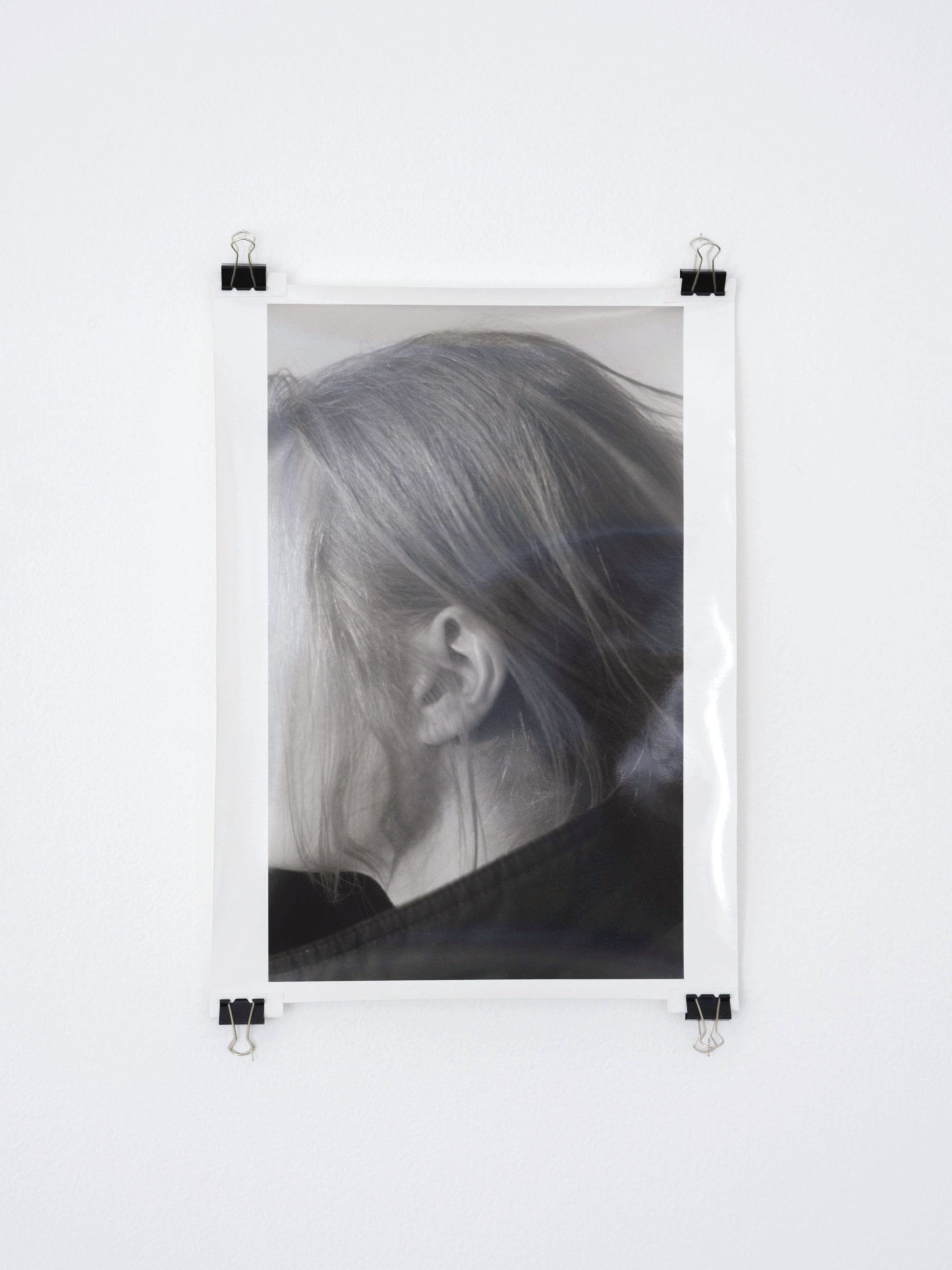
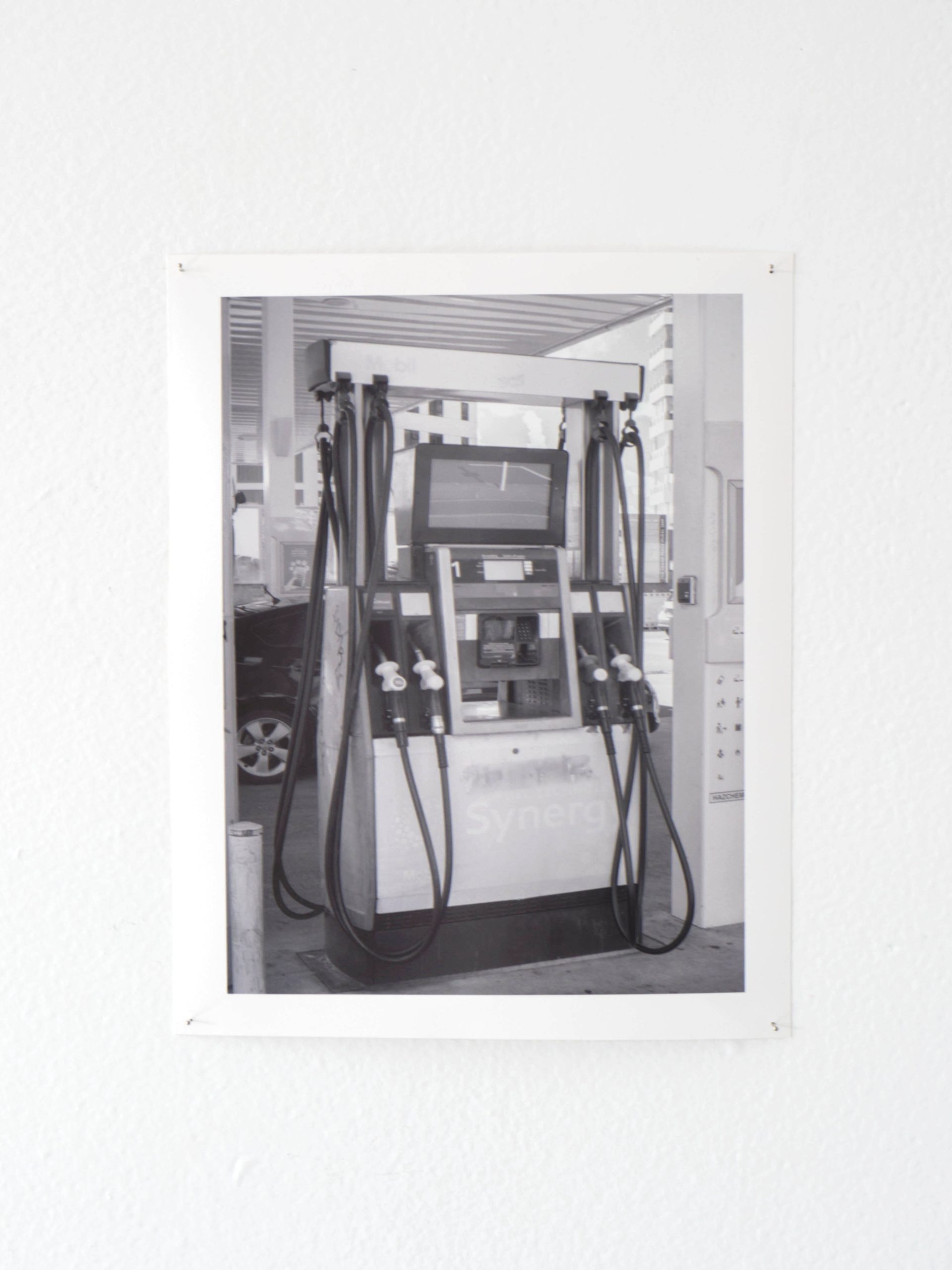
Ear model, 2024
Silver gelatin print.
404 x 299 mm.

Untitled, 2023
Inkjet on paper from colour digital photograph.
239 x 262 mm.

Images by Eiko Olykan & Antje Barke

Frances Libeau : My cruel enemy grazes on my pain and feeds herself

Frances Libeau
My cruel enemy grazes on my pain and feeds herself

2 October – 26 October 2024

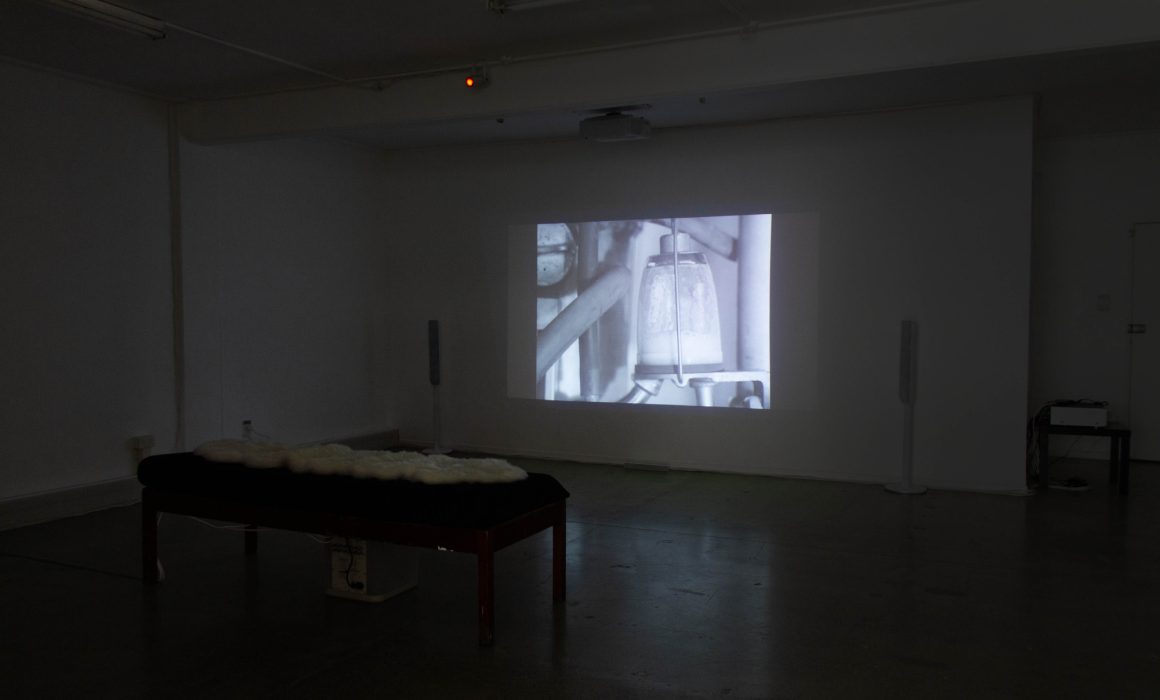
My cruel enemy grazes on my pain and feeds herself is a multimedia inquiry into biopolitical relations that course through Aotearoa’s agricultural history and one of its knowledge-producing organs: the archive. Bringing a scavenger methodology, Libeau submits various media to remediatory processes that seek to highlight and upset normative notions of animacy and reproductive flow. Notably featured are film and audio from the National Film Unit (documenting agricultural processes in the early/mid twentieth century) along with other, “minor” sculptural materials. Archival offcuts and debris are read (as Ann Laura Stoler implores) against the grain, while possibilities for their fragmented refiguration are conceived from the angled view/s of the inverse/queer body.

Technical errors, material decay and ephemeral detritus (the sound of the projector whirring; an unexpected VHS soap opera taped over by an officially-archived item) yoked to found sound and image lend a hauntological cast to the audiovisual registers. This is amplified by an idiosyncratic disjunct between the aural and ocular, calling to Michel Chion’s en creux (phantom sound; translating directly as ‘in the gap’).

The voice of Alessandro Moreschi, the last known castrato singer (and the only to ever be recorded) — captured on wax cylinder in 1902 singing with the Sistine Chapel choir — cuts through mid-frequency sonic snow of the phonograph with a bitterly mournful madrigal lamenting a vampiric relationship. Through multimedia interferences, My cruel enemy grazes on my pain and feeds herself probes at notions of capture, reproduction and biopolitical inscription, as well as possible gestures towards refuge and intimacy.

Frances Libeau is an artist and writer from Tāmaki Makaurau. Their sonic compositions, sound designs, and writing feature across diverse platforms of music, art, film and theatre, often exploring material and semantic possibilities of queering sonic compositional and archival practices. They have previously collaborated on works with Sriwhana Spong, Owen Connors, Selina Ershadi and George Watson. My cruel enemy grazes on my pain and feeds herself is their first solo exhibition.

My cruel enemy grazes on my pain and feeds herself features excerpts from Come With Us (dir. Garth Maxwell & Simon Marler, 1981) courtesy of the filmmakers and supplied by Ngā Taonga Sound & Vision. La cruda mia nemica (Giovanni Pierluigi da Palestrina, 1586), performed by Alessandro Moreschi with the Cantori della Cappella Sistina (Sistine Chapel Choir) in 1904, is now in the public domain. All other visual material and most sonic material is drawn from Te Rua Mahara o te Kāwanatanga Archives New Zealand open access collection, and adapted under a Creative Commons Attribution 2.0 Generic License. For a full list of featured items, contact the artist at franceslibeau.net.

This work was made with the support of Creative New Zealand and the Karekare House Artists’ Residency. Installed with thanks to Sam Longmore and the Audio Foundation.

This work contains images and sounds of hunting and animal processing.

Images by Ardit Hoxha

Gryffin Cook, Peter Derksen and Levi Kereama : I Dream of Roads

Gryffin Cook, Peter Derksen and Levi Kereama
I
Dream of Roads

2 October – 26 October 2024

Aotearoa
is a long road of many bends, breezes, and towns, where our roots thread through the land, tangling us in shared histories.

I
Dream of Roads
is an exploration of longing, movement, and the call of the horizon. Featuring a selection of paintings, prints, and woodfired ceramics, the exhibition considers our deep yearning for the road — both literal and not.

Gryffin Cook, Peter Derksen and Levi Kereama bring together works that reflect this journey; teasing apart the knots of lineage, carving out a place to call home, and capturing the tension between a need to leave and longing to return. The dream of the road also holds space for rest and contemplation, before and after the journey. Through these varied mediums, the works evoke both the opportunity and isolation of the road, inviting reflection on our own paths — travelled or untaken.

Images by Ardit Hoxha

Gareth Brighton : This Is Exactly What You Deserve

Gareth Brighton
This Is Exactly What You Deserve

28 August – 21 September 2024

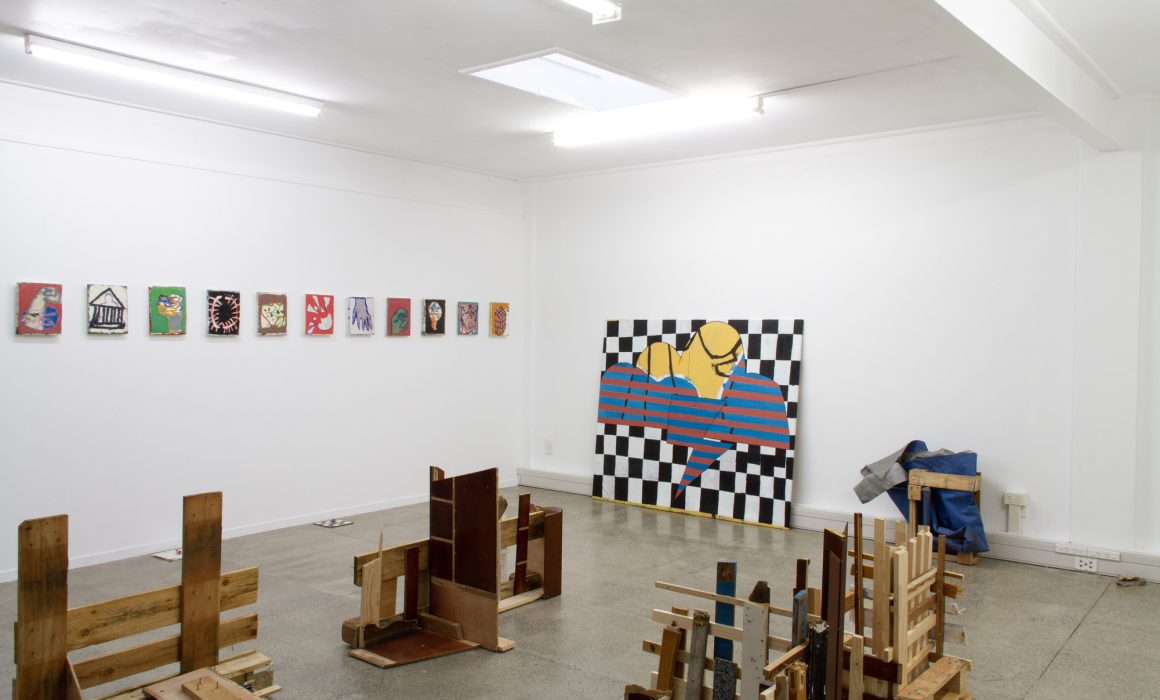
This Is Exactly What You Deserve will examine the visual language that is implied ubiquitously for us to navigate the accelerating nature of our daily modern life. The installation will juxtapose this modern iconography with materials found directly out our front door and on our streetsides. The pictorial objects for this exhibition are based upon the raw forms of our daily non-linguistic communication. The three-dimensional works – like the image objects, which are scraped from the internet, media, streets and workplaces – are also created from the bric-a-brac of everyday life. Salvaging streetside detritus to be cannibalised and reconstructed into rustic reverence: take the form of asymmetrical shrines and clumsy barricades.

Images by Ardit Hoxha

Steph Arrowsmith and Millie Dunstall : ‘You’ve been here before, Bitch!’, ‘How to Glow Up?’, ‘On the Topic Of Milestones’, ‘ :- ( :- ( :- ( :- ( ‘, ‘Smaller Woman Eating A Big Apple’, ‘A Very Brave Choice’

Steph Arrowsmith and Millie Dunstall
‘You’ve been here before, Bitch!’, ‘How to Glow Up?’, ‘On the Topic Of Milestones’, ‘ :- ( :- ( :- ( :- ( ‘, ‘Smaller Woman Eating A Big Apple’, ‘A Very Brave Choice’

28 August – 21 September 2024

‘You’ve been here before, Bitch!’, ‘How to Glow Up?’, ‘On the Topic Of Milestones’,‘ :- ( :- ( :- ( :- ( ‘, ‘Smaller Woman Eating A Big Apple’, ‘A Very Brave Choice’, is a collaborative show imagined by Steph and Millie to celebrate their experience as best friends and studio partners. Their practices have grown with their friendship over the course of their four year Fine Arts (Hons) degrees and post- graduate life. They connect in many ways: through experience, conversation, trauma, love, loss and longing. They are both obsessive people in life and practice, and share a deep sadness. They have shared two studios, a home, clothes, secrets, opinions, holidays, cigarettes. They’ve both been independently recognised by strangers as ‘special’ people, who have ‘been here before’ – this being one of their many bizarre commonalities. Because of this, they both believe in their own psychic ability…

‘There’s a madness in her, there’s a madness in me, and together it forms some kind of sanity.’
Nick Cave, Shattered Ground

Steph is drawn technicolour musicals, pictures in old children’s books, prayer cards, stories of holy apparitions, and holiday photos. Fabricated sets glittering with studio lighting. Beams of coloured sun falling from puffy clouds. Saints radiating light in the sky. Marine animals performing in aquariums. These seemingly disconnected forms of imagery all somehow offer a heavenly picture of the world that is comforting, but eerie and suggestive of something hiding out of the frame – tears leaking through idyllic visions. Working with oil paints, Steph scrubs pigment into fine, transparent cotton, allowing light to pass through and creating paintings with a ghostly presence. Steph is a Fine Arts graduate from Toi Rauwhārangi, Massey University College of Creative Arts (BFA (Hons), 2021) and lives in Tāmaki Makaurau – a recent move with her best friend Millie Dunstall. Recent exhibitions include New Paintings at Sully’s, and Turn, turn, turn at Jhana Millers Gallery.

Millie Dunstall, b. 2000, is an artist from Waihī. Currently based in Tāmaki Makaurau, she is interested in transient spaces, pop culture, social media and the urban environment. Branding, tagging, and promotions that cover living cityscapes – as well as online forums – inspire her processes, informing the symbols and mediums she uses. She has recently become obsessed with the idea of celebrity status and the potentiality of using viral content in her practice. Millie completed a BFA (Hons) in 2021, graduating from Massey University Toi Rauwharangi. Recent exhibitions include Yeah-yeah, oh-woah-oh. Baby, I need to know-oh II at play_station artist run space, and Can there be a second Eden? (For the Trolls) at Meanwhile gallery.

Images by Ardit Hoxha

Li Si Rong and Jay Juhye Kang : Unfinished Intersection

Li Si Rong and Jay Juhye Kang
Unfinished Intersection

24 July – 17 August 2024

Unfinished Intersection is a duo solo exhibition presented by Jay Juhye Kang and Li Si Rong exploring the intersections and unfinished aspects of various situations in everyday life through their respective perspectives. 

The exhibition displays the delicate surreal style of Si Rong and Juhye’s rugged realism, creating a strong sense of contrast within the same space. This juxtaposition is intended to echo the unpredictable and temporary nature of these processes, which are characterised by the rapid interplay of roughness, fragility, and chaos. It also evokes delicate emotions and sensations from our subconscious. 

In the exhibition, Jay explores the aesthetic of ‘imperfection and unfinishedness’ through her installations and paintings. The installation questions the very essence of whether ‘completion’ is defined by achieving a “flawless and perfect” state or by fully realising the artist’s intention. Jay aims to intertwine these concepts in a relatable and everyday manner. She seeks to convey the tension and intimacy between individuals, as well as the obscurity and clarity found in everyday lives through the object-making process. 

Imperfection is closely tied to the human condition, as people make mistakes, are full of flaws, and are vulnerable. 

Messy and overlapped lines, unidentifiable figures, and blank spaces convey the ephemeral, fragile, and vulnerable moments of everyday life. These flaws are stitched and stacked with various materials through a repetitive and continual act to ‘undo’ mistakes, which, although creating more crevices, also form new narratives and perspectives. This process, while inherently fragile and ephemeral, authentically represents our existence and what sustains us in this life. 

The narratives that imperfect crevices and flaws bring, the existence of undefined potential for further stories, and varied paths open to interpretation rather than seeking a clear answer, convey her perception of imperfection.

Si Rong draws from the fundamental theory of fractal proposed by the French-American mathematician Benoit Mandelbrot to organise and interpret various chaotic intersections in daily life. Fractals typically exhibit dimensions that are called “Fractal Dimension”, which aren’t whole numbers, determined by the ruggedness, irregularity, and fracturing of objects. Fractals are everywhere: from the human body—where major arteries branch into smaller ones and small arteries branch into capillaries—to natural phenomena such as coastlines, tree trunks and branches, snowflakes, and lightning. 

We are fractals, we exist within fractals. 

Si Rong endeavours to incorporate these concepts of fractals simplified into integer dimensions of one, two, and three into their exhibition, using an sim-pler perspective to organise everyday life. She begins by organising daily chaos from a linear, one-dimensional perspective. Threading torn calendar pages back together with fine lines in reverse as a retrospective of daily life. The two-dimensional exploration revolves around triangles in planar paintings. It features fractal imagery with mountainous triangles and organic shapes, abstractly simplifying and rearranging similar scenes through repetition. In the three-dimensional space, leveraging the self-similarity and self-imitating characteristics of fractals, everyday objects are simplified and recreated, presenting a state of complexity characterised by variability.

Images by Ardit Hoxha

Florence Wild : Droopy time

Florence Wild
Droopy time

24 July – 17 August 2024

‘The tides never wash the sand or make it firm. When I tried to make a sandcastle, the sand would just run away through my fingers. It was too dry to hold together. And even if I poured sea water over it, the sun would dry it up at once.’
Iris Murdoch, The Sandcastle

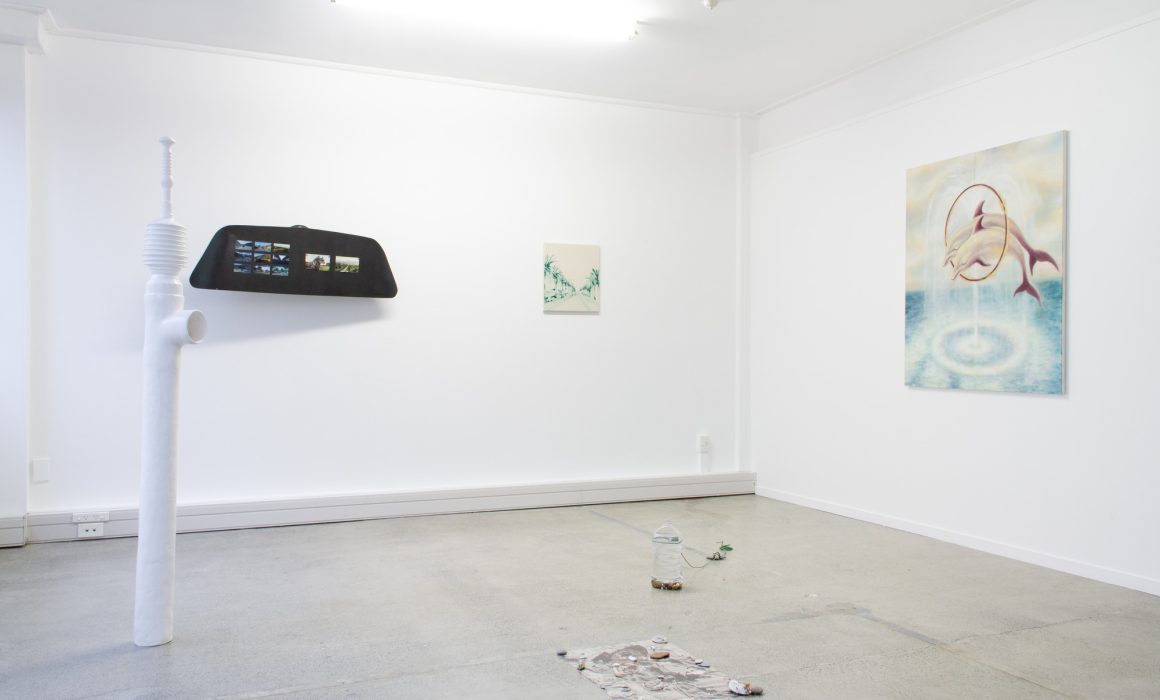
Droopy time brings together recent sculptures that explore forms of time, distance, and acts of leaving and returning.

The sculptures are made from a curious assortment of materials: flamboyant vintage ties filled with rice, tissue paper forms found inside new shoes, volcanic sand small rodents bathe in, guitar strings played by a partner, discarded piano keys and architectural drawing tubes.

In another act of returning, Droopy time is accompanied with a text by Ash Kilmartin, found here.
In 2008, Florence and Ash presented Modern Love, a duo show at then Rm 103.

Florence Wild left Auckland in 2010 and is living in Stockholm, Sweden. Recent exhibitions include At Sea, Alta Art Space, Malmö, Temporary Secretary with Milli Jannides, Temporary Secretary, Stockholm, Local Haunts, Galleri ID:I, Stockholm. She runs the exhibition space Temporary Secretary in Stockholm and regularly writes texts for other artists.

With support from the Swedish Arts Grants Committee.

Images by Ardit Hoxha

Darryl Chin, Kristin Li, Kyung Ho Min, Ford Jones and Qianye Lin : Digital Garden

Darryl Chin, Kristin Li, Kyung Ho Min, Ford Jones and Qianye Lin
Digital Garden

19 June – 13 July 2024

Digital Garden is a multimedia installation that examines our relationship with technology, considering its potential for both creativity and conservation. The installation operates through a web-based platform that encourages participants to share memories with the garden. In response, the garden reimagines these memories, creating a unique interactive experience.

The installation’s physical component is built from repurposed electronic waste and technology acquired through end-of-life streams. As visitors traverse the fabricated landscape, they encounter a mix of old and new, organic and artificial elements. This juxtaposition prompts reflections on our consumption patterns, the pace of technological change, and the transient nature of technological innovations. Through this exploration, Digital Garden addresses themes of globalisation, obsolescence, and the intersection of past and future technologies.

Digital Garden is a collaborative effort involving a team of artists and technologists. The creative team includes Darryl Chin, Kristin Li, and Kyung Ho Min, with development by Ford Jones and Qianye Lin.

Images by Antje Barke
Nicholas Males : End User

Nicholas Males
End User

19 June – 13 July 2024

Please wait patiently for the system to fail.

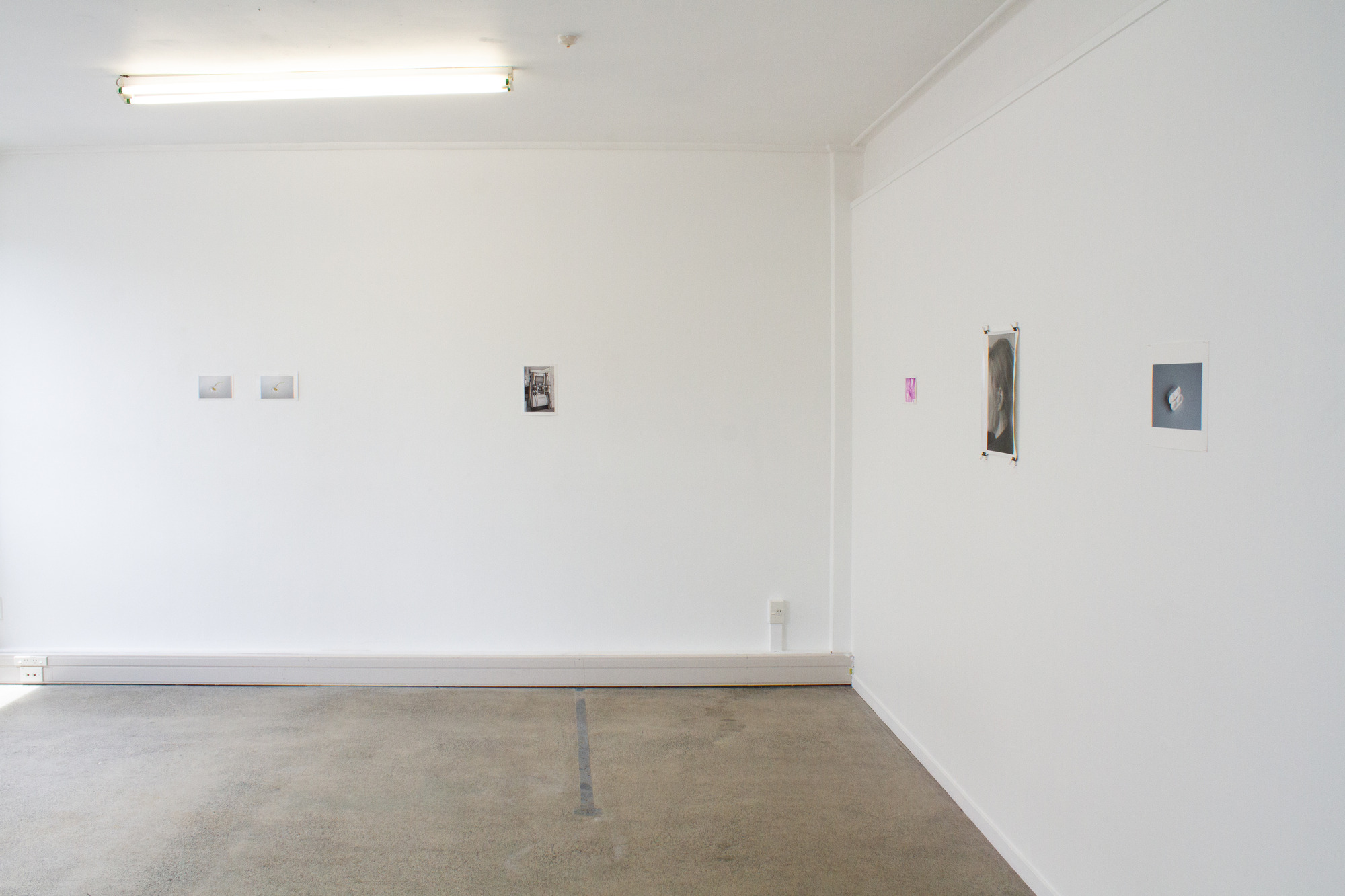
End User is an amalgamation of the crude and seemingly obsolete infrastructure that our IT¹ departments have become familiar with and are built upon. This unknown, patchwork structure merges lines between that of server closets, back rooms, and the corporate desk, bringing them together in a seemingly erroneous arrangement. However, unlike those locations, there exists a general acknowledgment of the purpose those spaces fulfill, even if we find ourselves puzzled by what that purpose might be.

End User refers to the people who will ultimately use the product but are not necessarily the customers of the company buying said product. They are, however, typically employees of the customer. These users often come to understand how defunct their IT¹ systems are through its usage alone; this work discusses the relationship between that of the end user and these systems, or lack thereof.

Anticipation is often a large factor within IT¹ organizations and consequently within this work there is a tangible sense of foreboding. This ominous tone is veiled by the use of deceptively playful GUI’s², and a multitude of presumably defunct corded phones repeating continuously overlapping “hold” music. Colourful GUI’s² are displayed adjacent to those of the terminal scripts that may run them, unveiling their inner workings, or possibly something else entirely. There is a pessimistic expectation that this will all come to a screaming halt; that the systems and the ancient hardware that runs them will fail.

Nicholas Males is an installation artist born and raised in Te Waiharakeke, now working and living in Tāmaki Makaurau. In 2021, Nicholas completed a Masters in Fine Arts at Elam School of Fine Arts. Males’ installations merge the line between the domestic and corporate worlds, turning both upside down and creating familiar spaces that seemingly lack any real purpose. His practice is an ongoing observation and contemplation of the objects in the world around us, as well as his own attempts to extract meaning and understanding in the dynamic coexistence between object, dweller/viewer and space.

Males enjoys using seemingly outdated or defunct technology in his work, as often these found objects have built-in preconceptions relating to their function. Through recontextualisation, there is a sense of salvation created for these once purpose-built objects. The space and viewer form a different narrative with previously mundane things, through Males’ unusual combinations. Recent exhibitions include ‘Risk of Bliss’ at MEANWHILE Gallery (2023), ‘Mimicry’ at Depot Artspace (2023), ‘You May Rest Here’ at Satchi&Satchi&Satchi (2022) and ‘Downside Up’ at Studio One Toi Tū (2021)

Special thanks to Theolonius Kelly for the Instrumental Hold Music and Ryan Brown for the various scripts.

1. IT – Information Technology
2. GUI – Graphical User Interface

Images by Antje Barke

RM Gallery and Project Space
Hours
Thursday and Friday 1pm - 5pm
Saturday 12pm - 4pm

Samoa House Lane
Auckland Central 1010

We are located in the centre of Auckland, off of Karangahape Road, on Samoa House Lane, just off of Beresford Street -- look out for the incredible fale of Samoa House and you're nearly there. We are 2 minutes walk from Artspace and Michael Lett.

The RM Archive Project

Help us identify what is in our Archive! We have digitised many slides in our archive and invite participation to identify them. Please click here to access the collection.
https://www.rm.org.nz/thearchiverm

Our Boxed Archive
Since 2009 RM has been building an archive of material related to our exhibition and event programme. An index to the collection is available here.
https://www.rm.org.nz/thearchiverm/artist-boxes-index/

Safe Space Alliance

RM is a member of Safe Space Alliance

A safe space is a space where the LGBTQI+ community can freely express themselves without fear. It is a space that does not tolerate violence, bullying, or hate speech towards the LGBTQI+ community.

A safe space does not guarantee 100% safety, rather, it’s a space that has your back if an incident (violence, bullying, or hate speech) were to occur.

Click here to find out more about Safe Space Alliance

Subscribe to the RM mailing list