

Elise McDermott
Pop Sediment
14 January – 21 February 2026
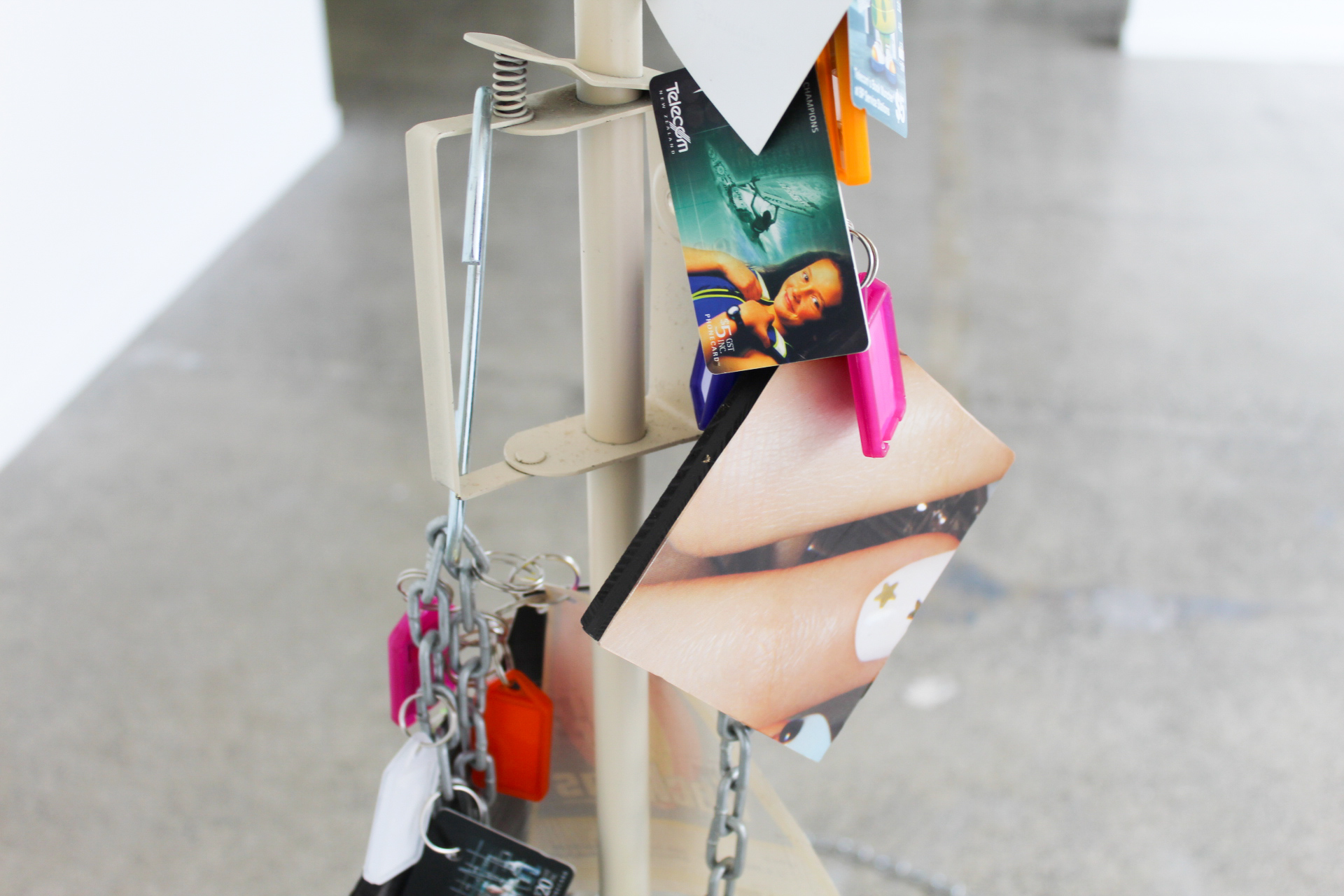
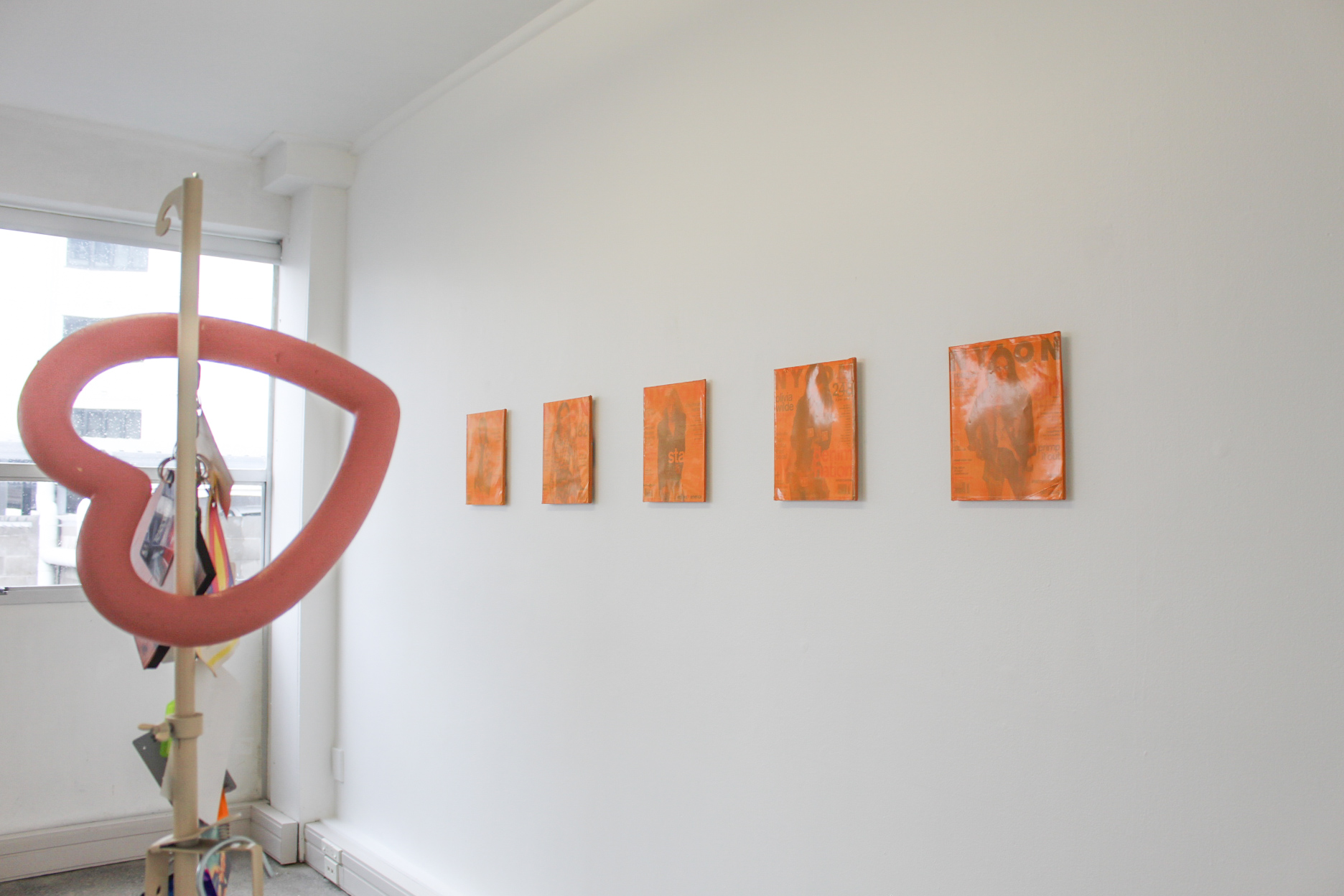
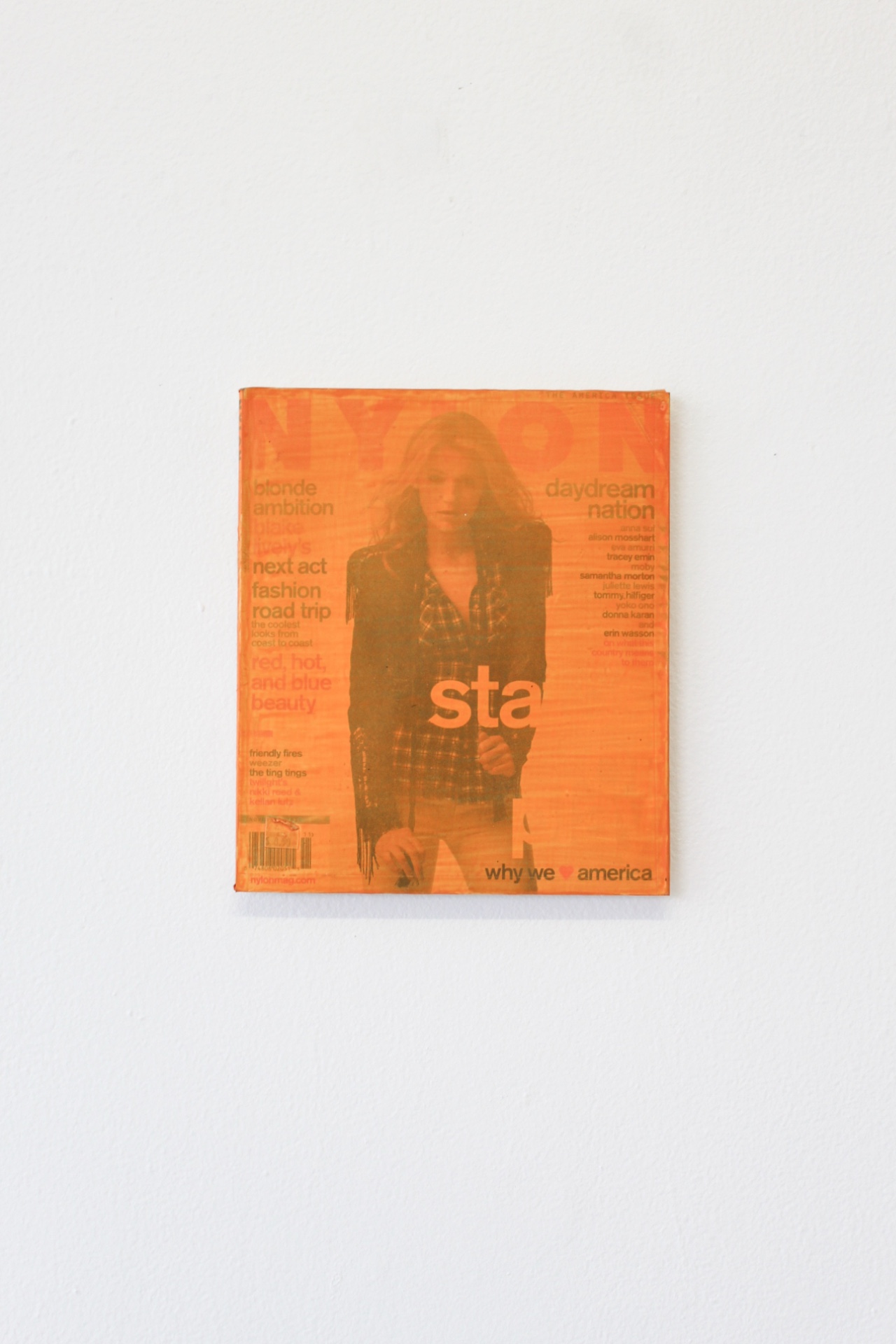
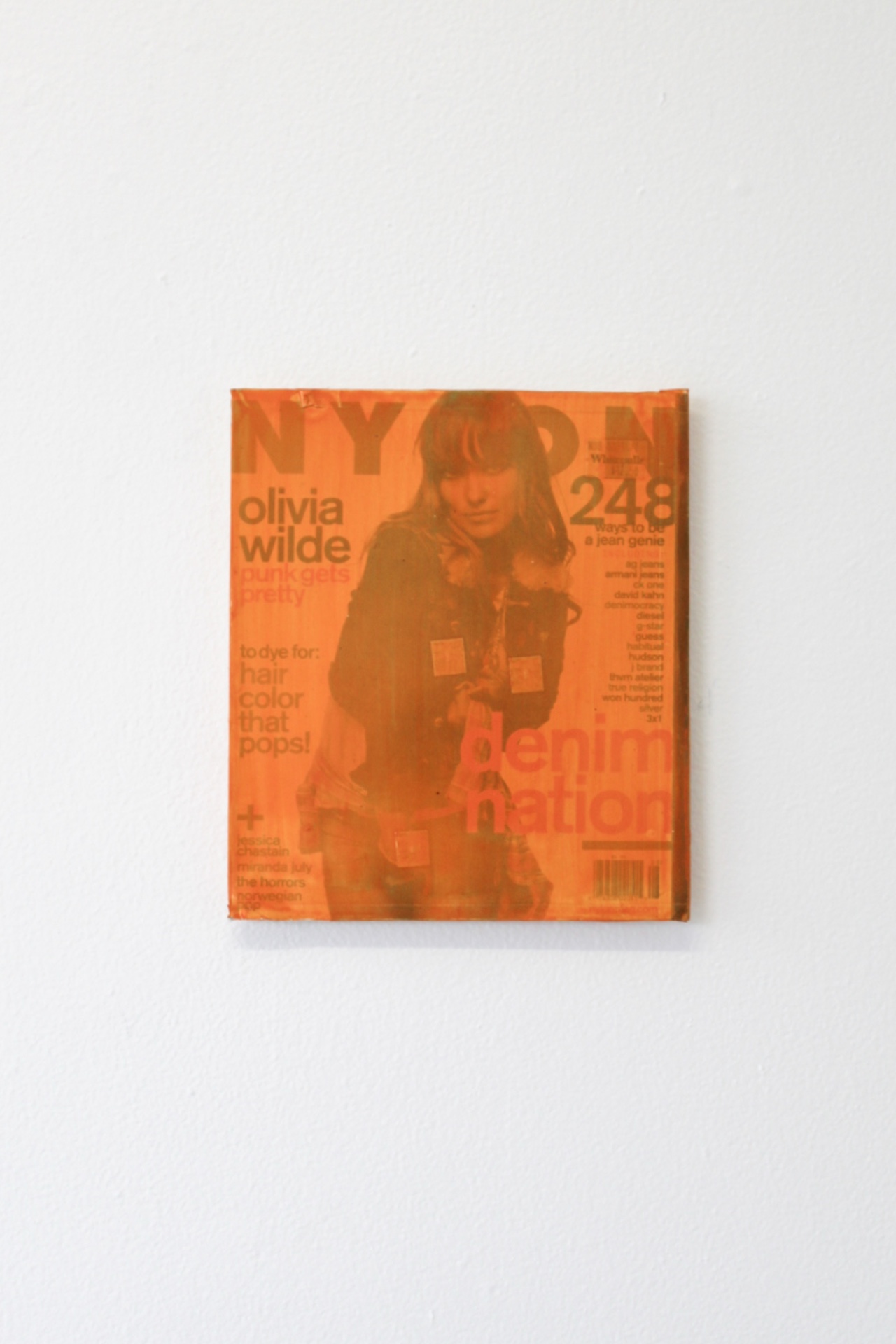
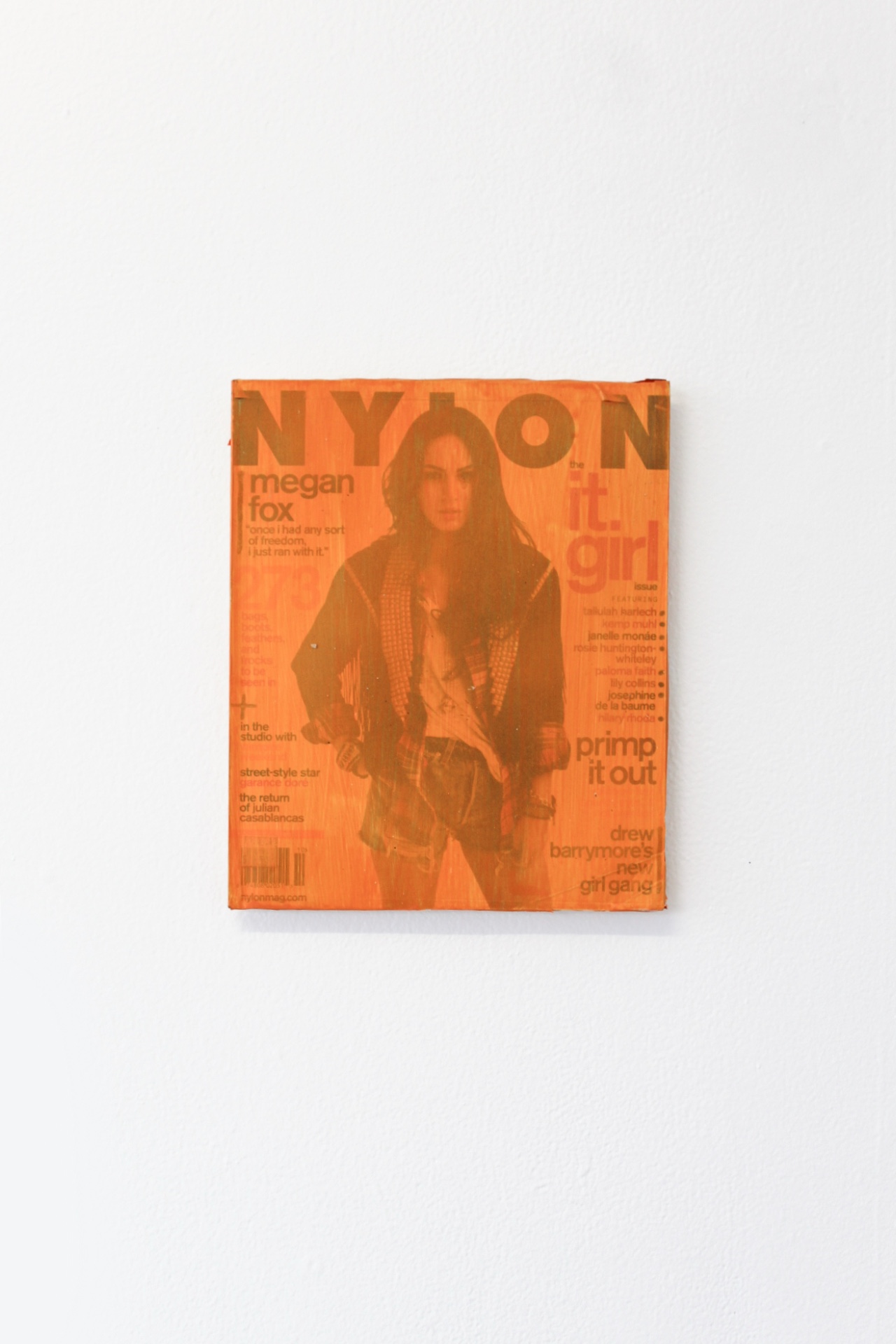
A kicked-up corner rug splattered with spots of acetone and nail polish. Piles of paper-cutting glossy teen mags and bowls of leftover spaghetti forks. Ticket stubs and polaroids and a full laundry basket, sticky and saturated, these abysmal bedroom plains are chunky and stocked of beaded necklaces, porcelain figurines and dog-eared novels. A pop-fanatic in a fantastical realm of party bliss and blues.
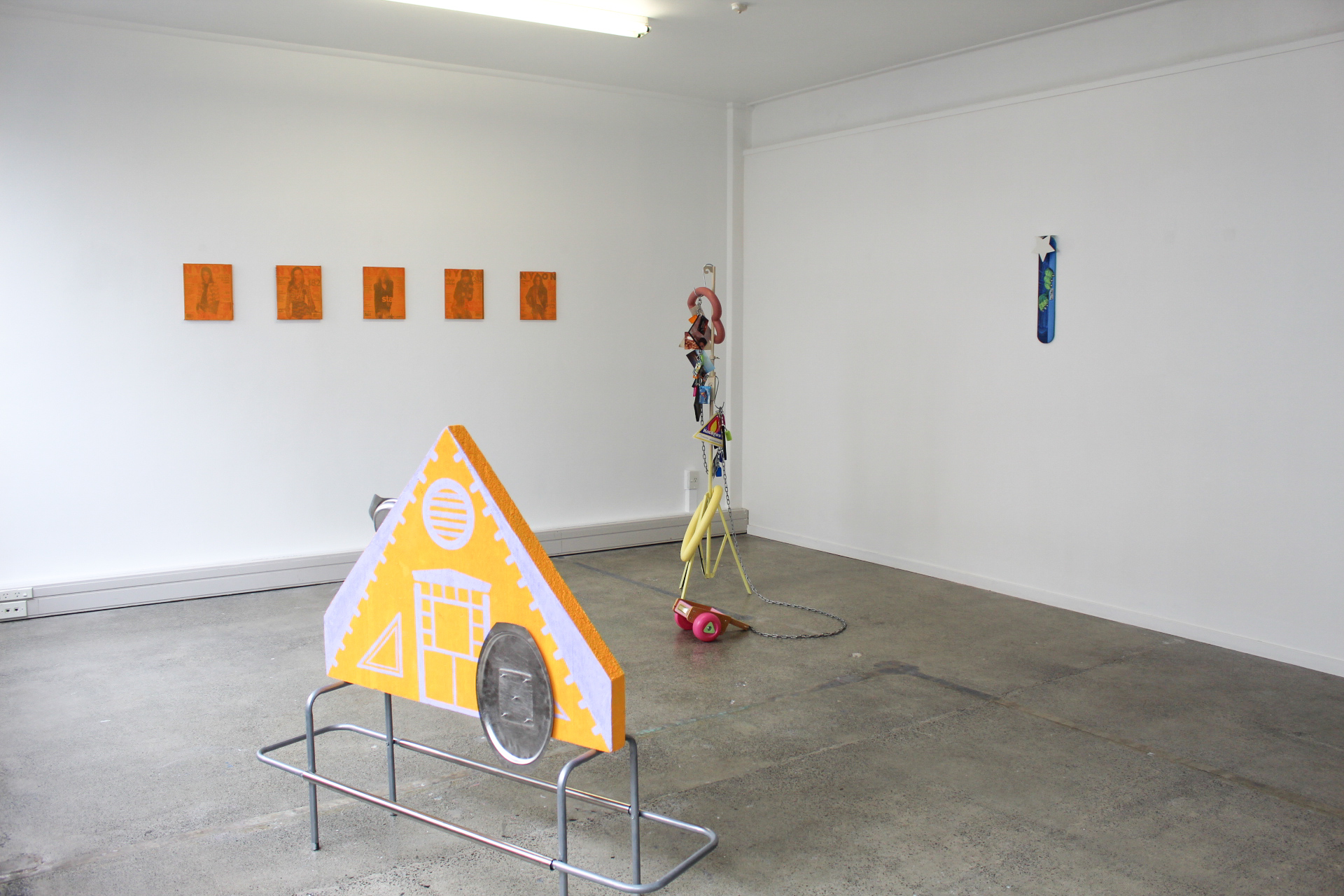
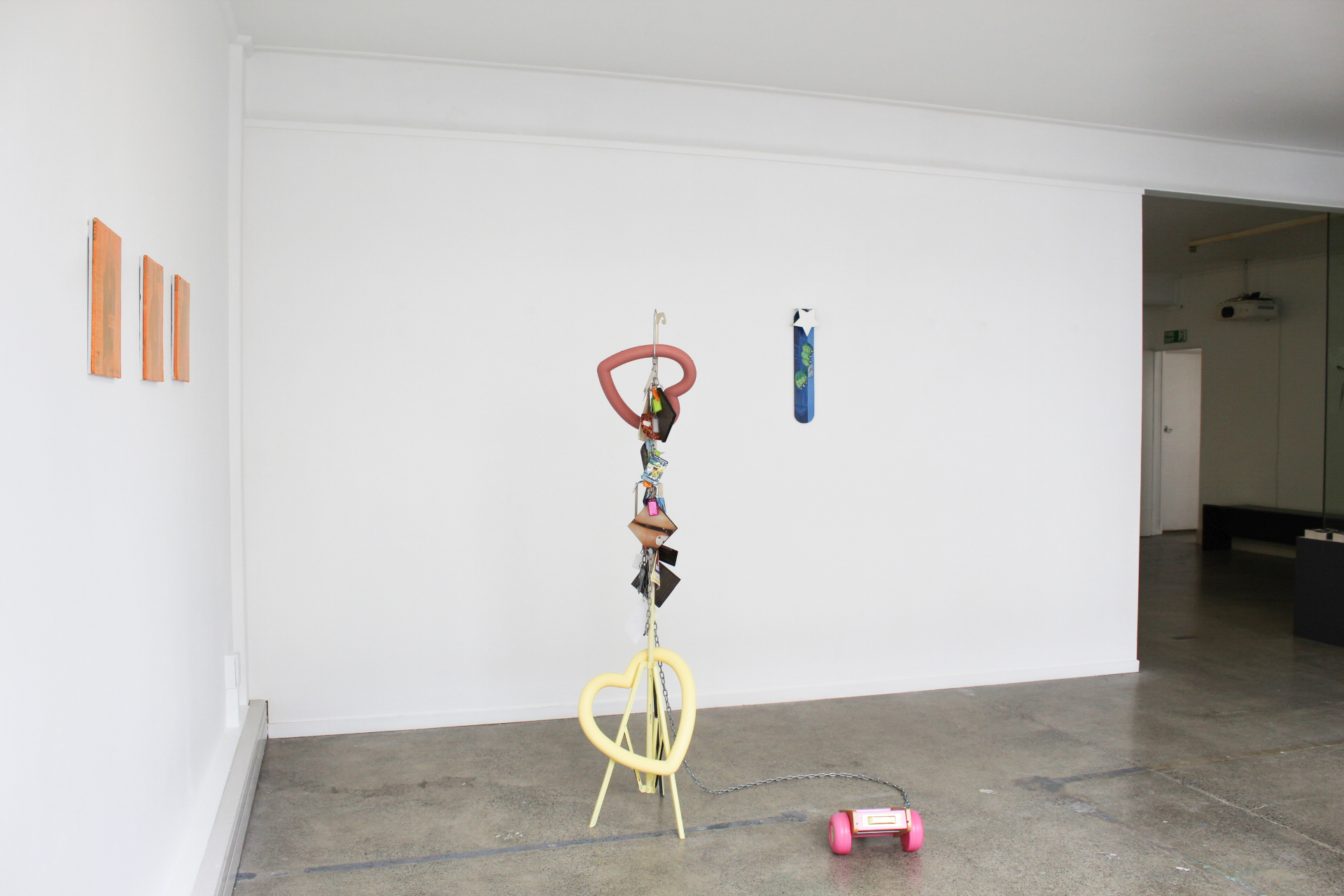
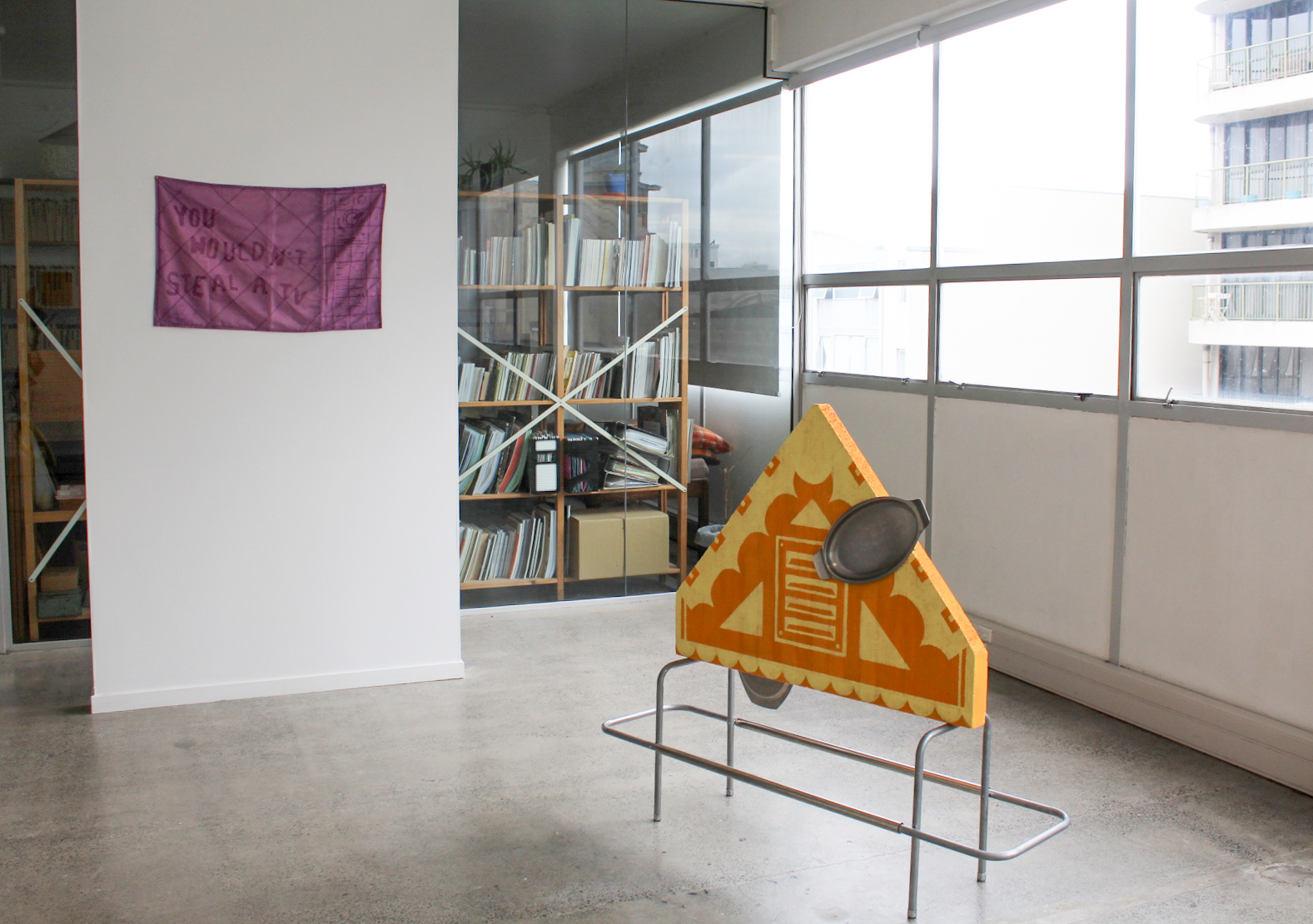
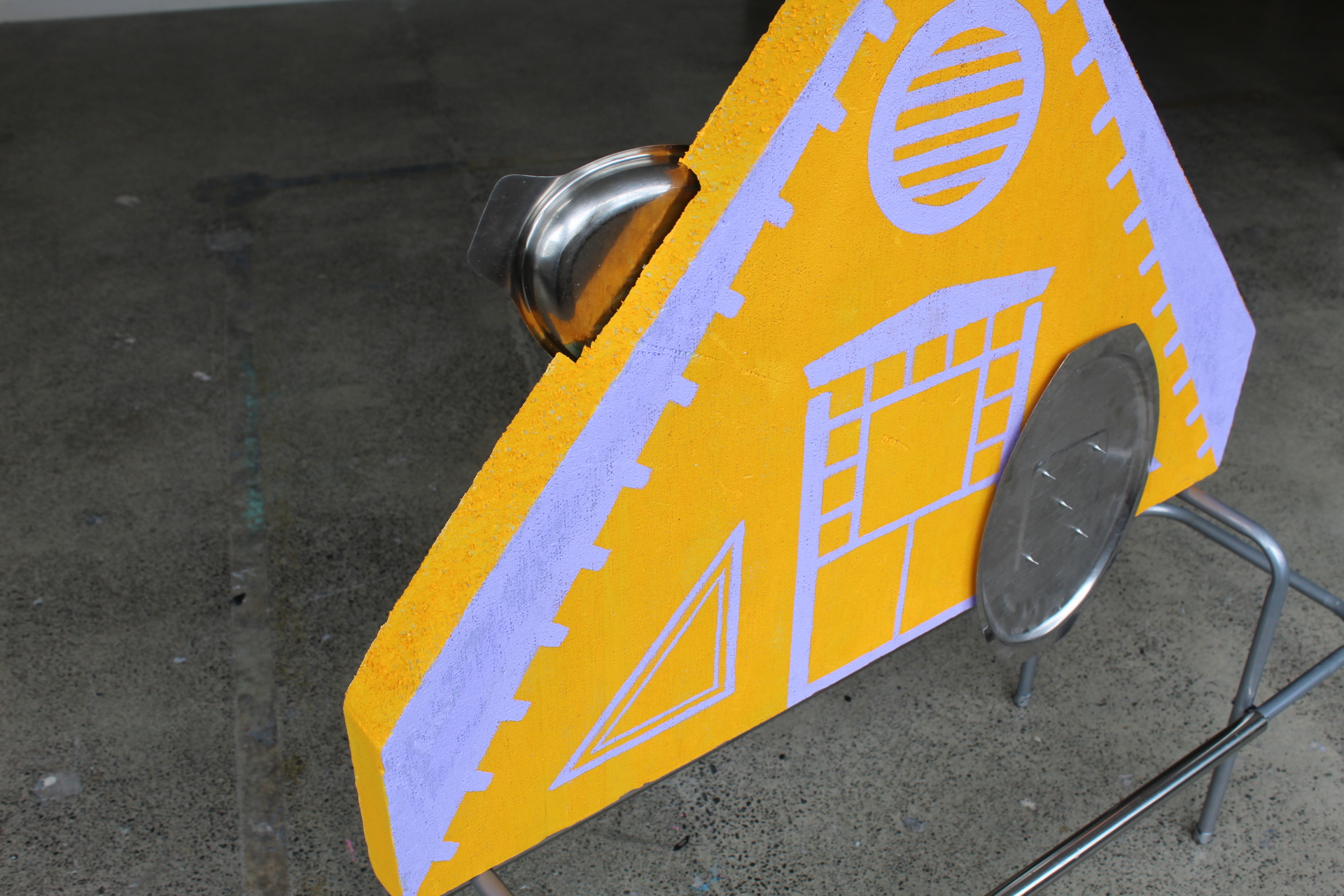
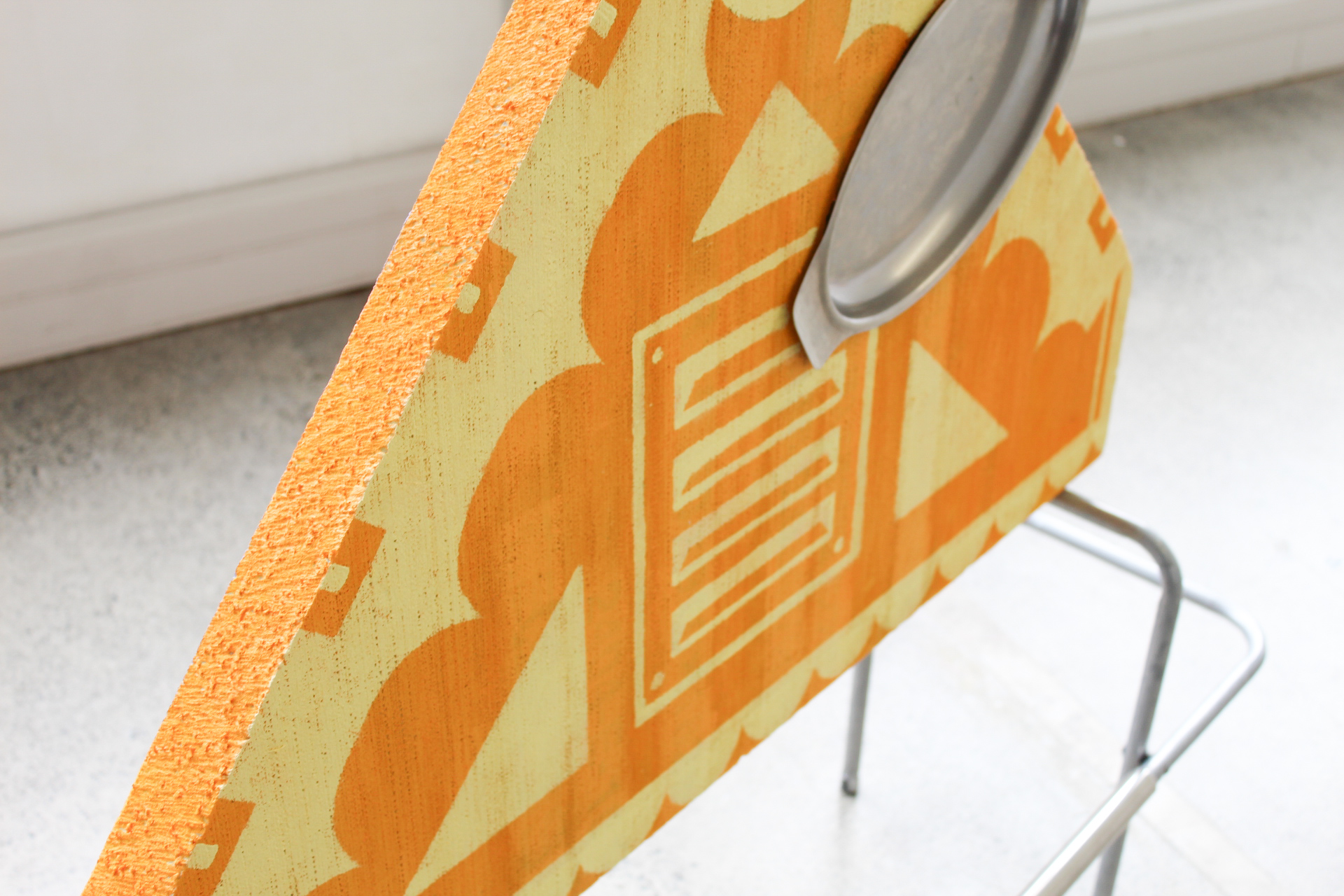
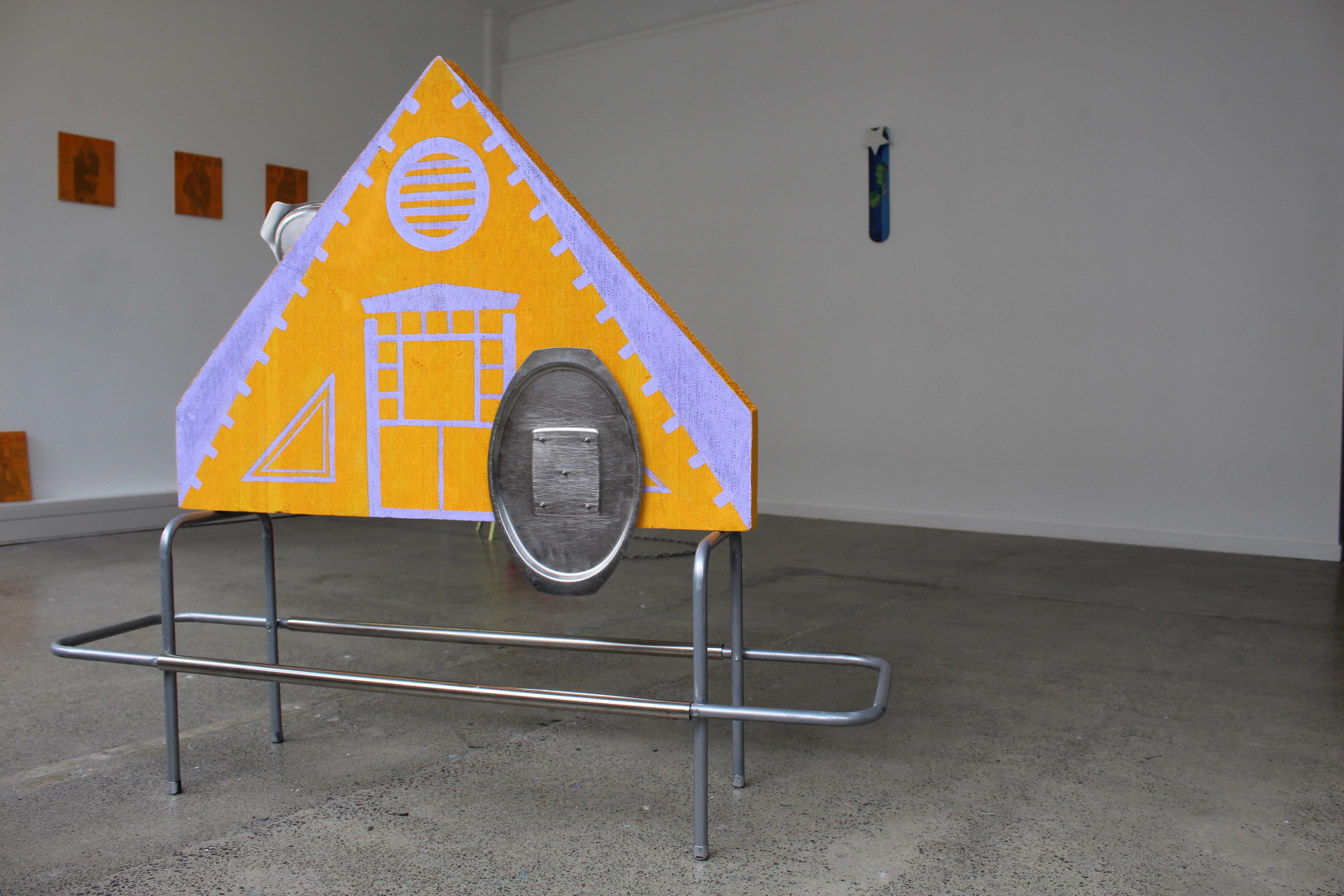
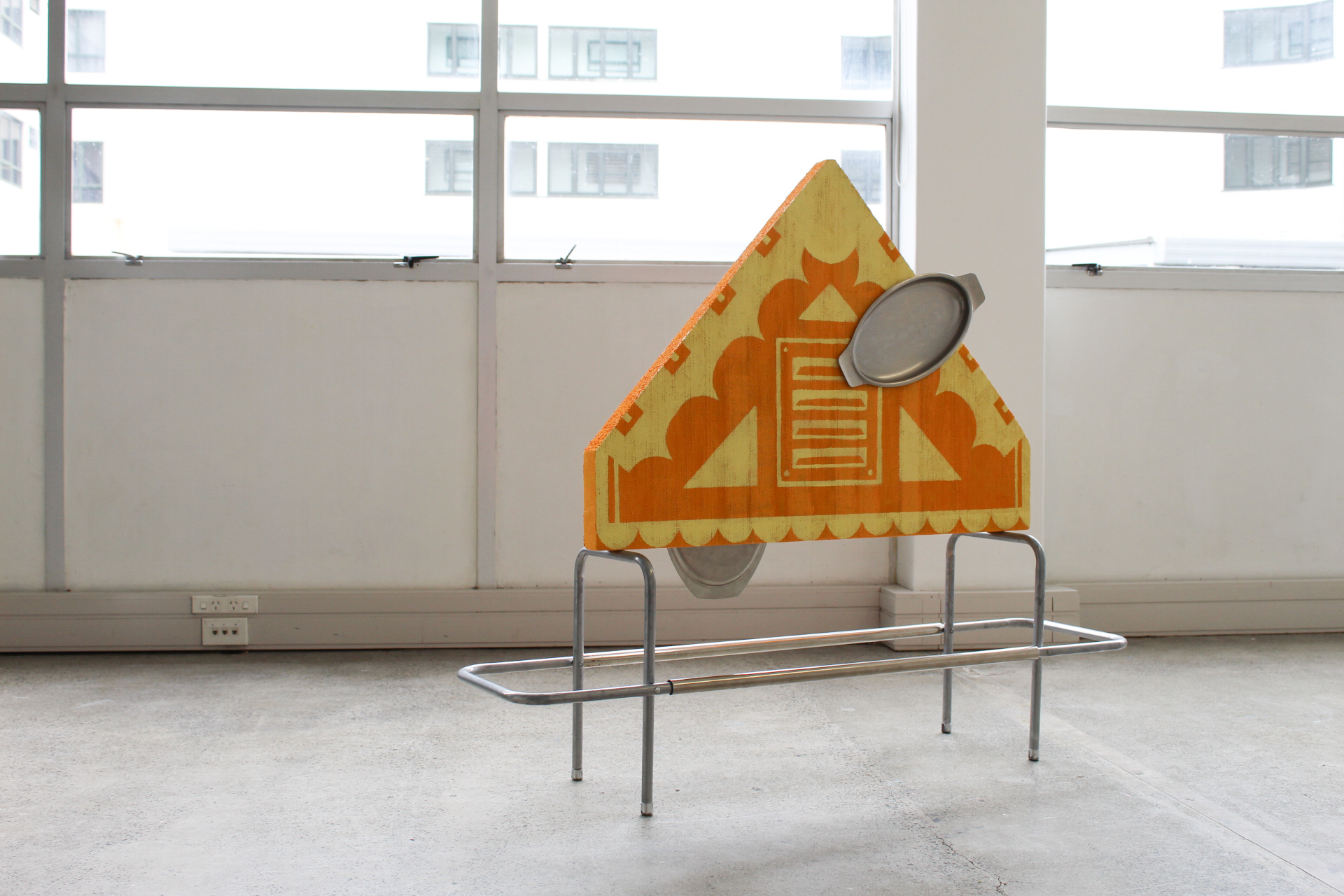
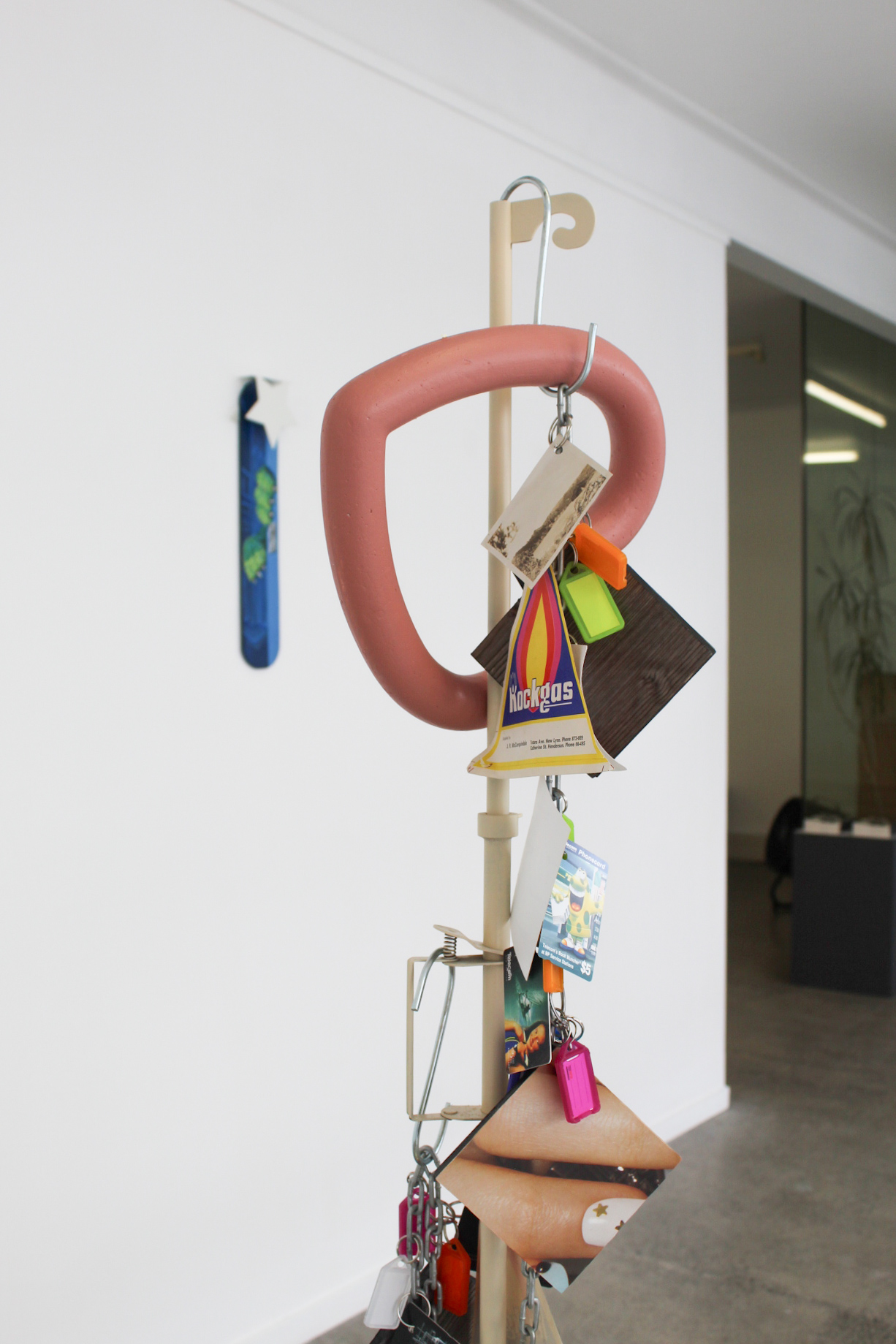
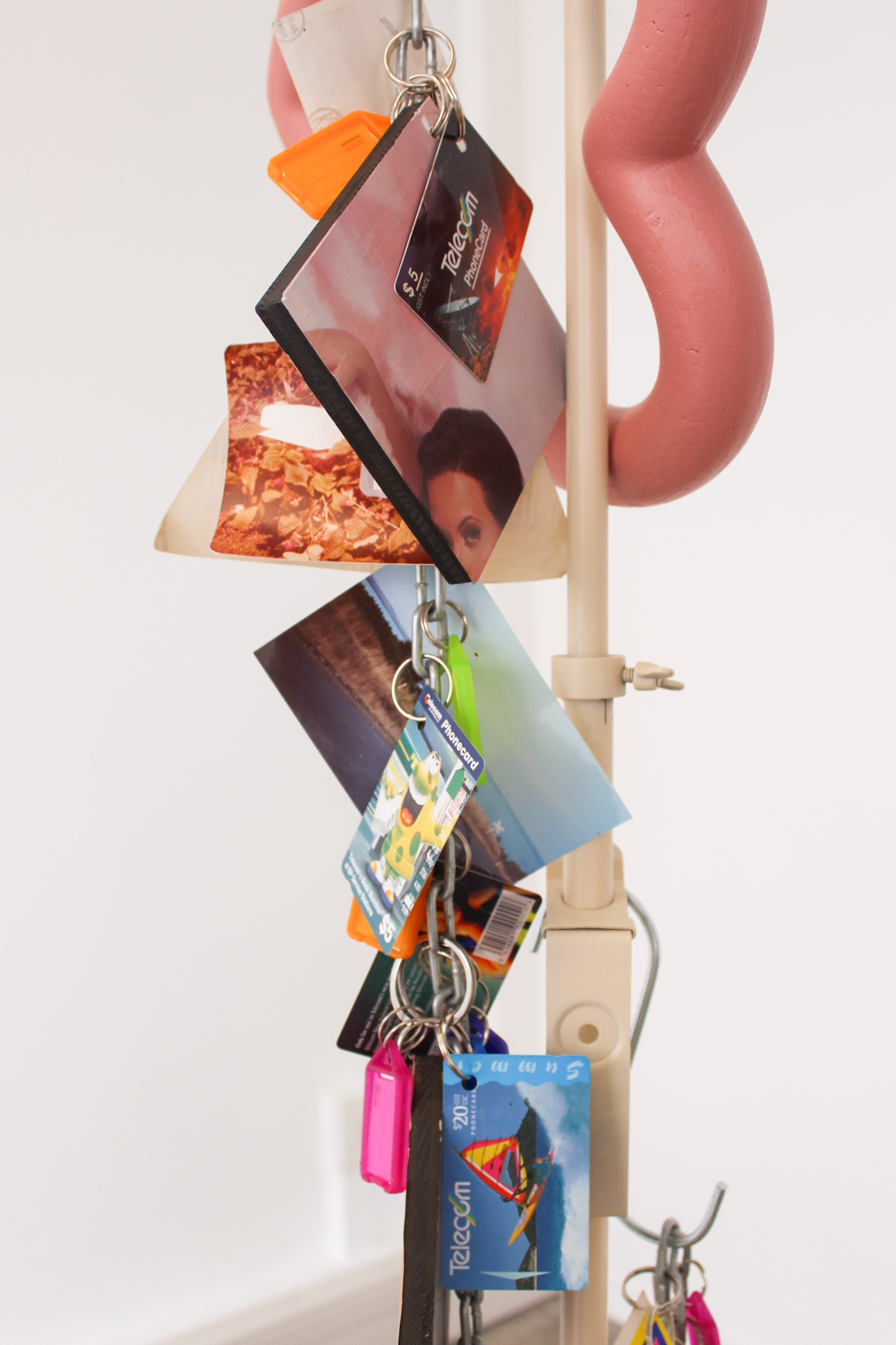
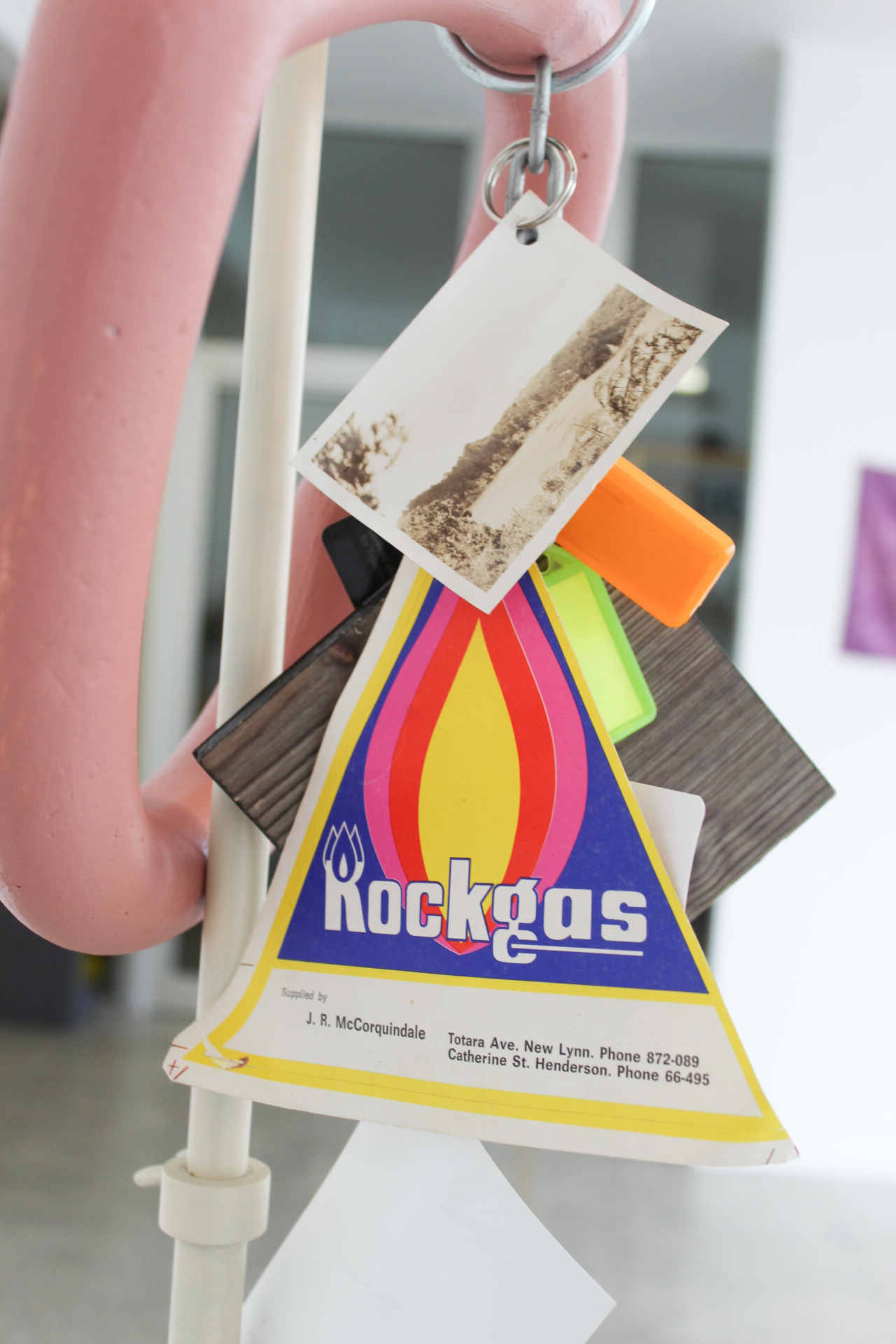
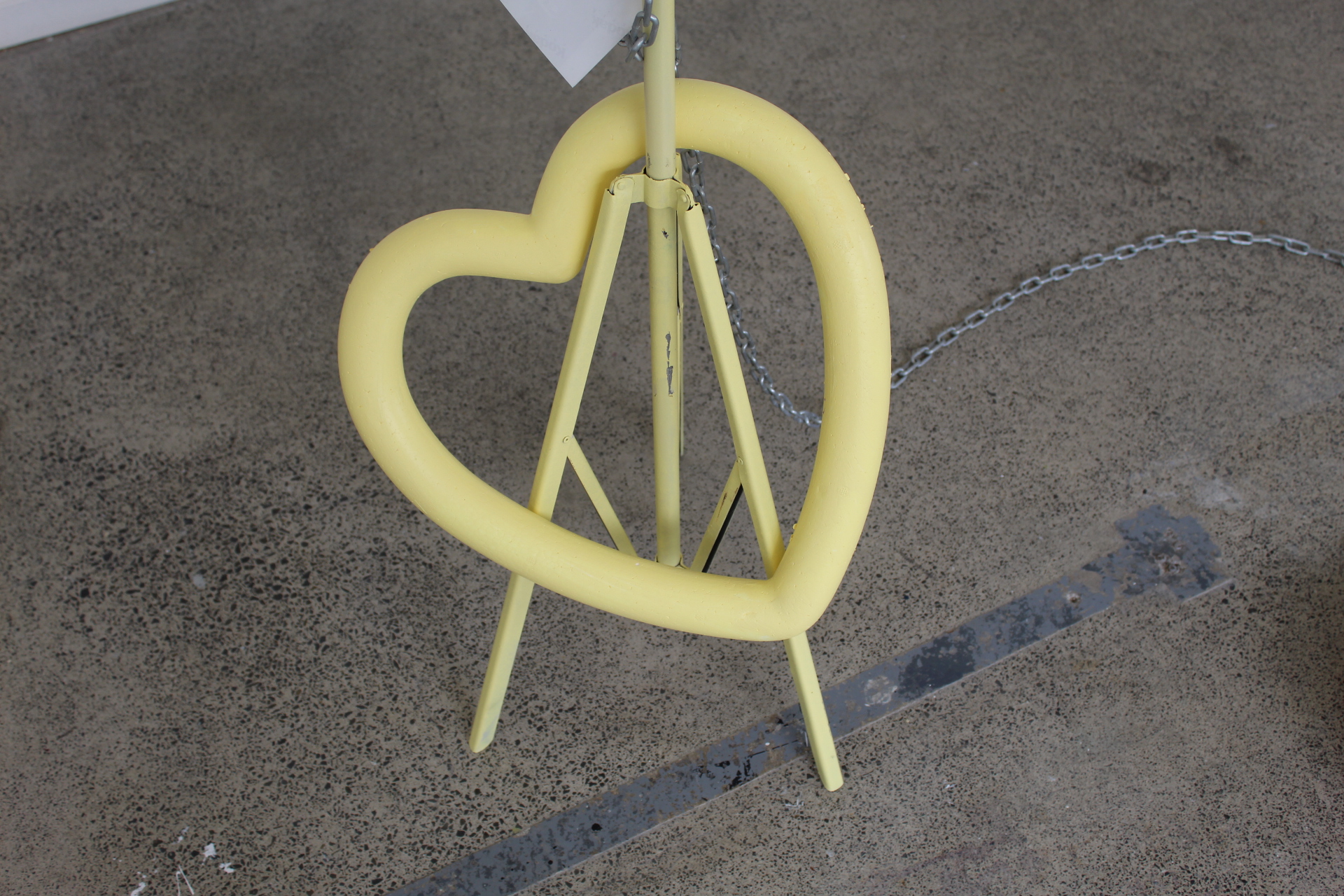
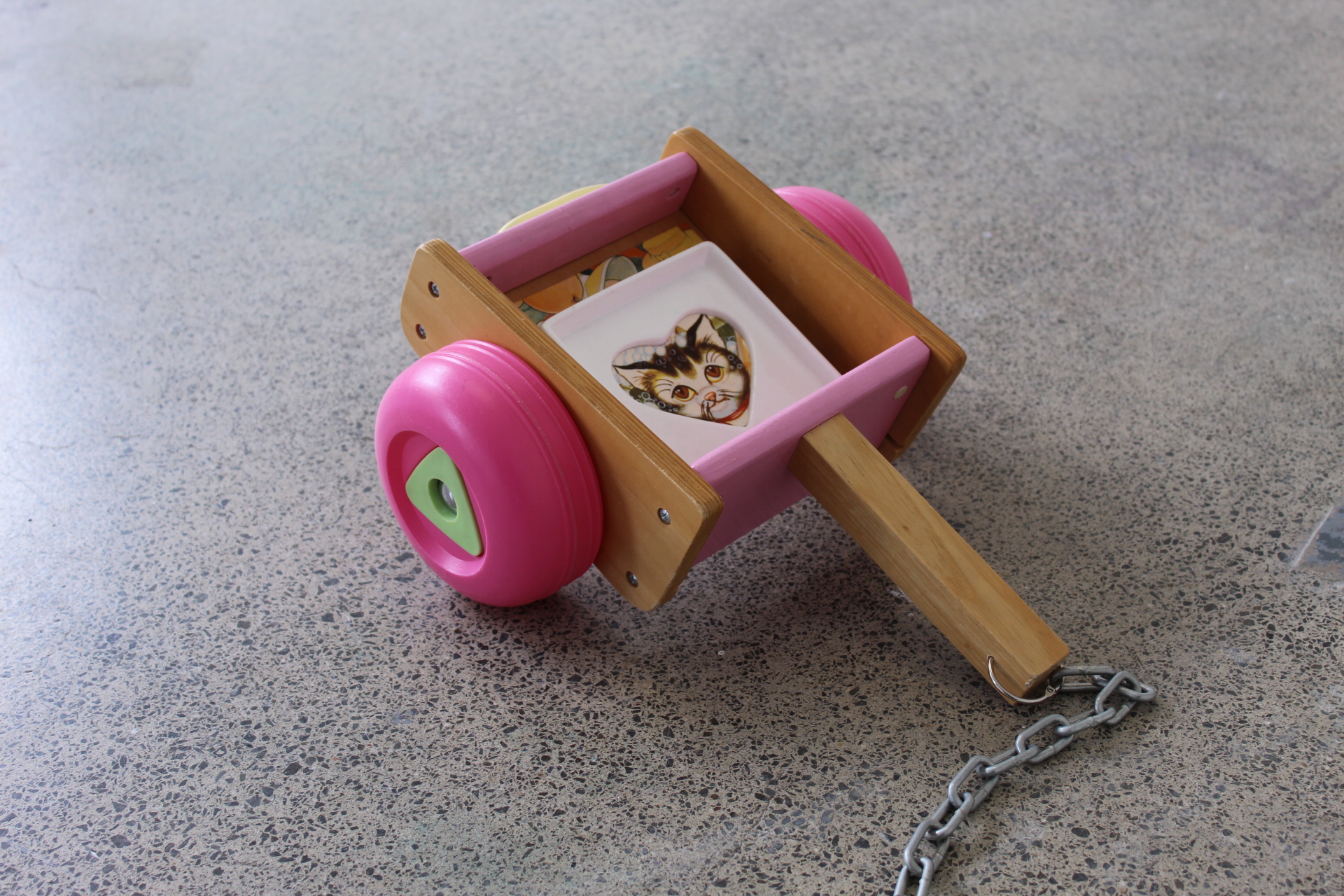
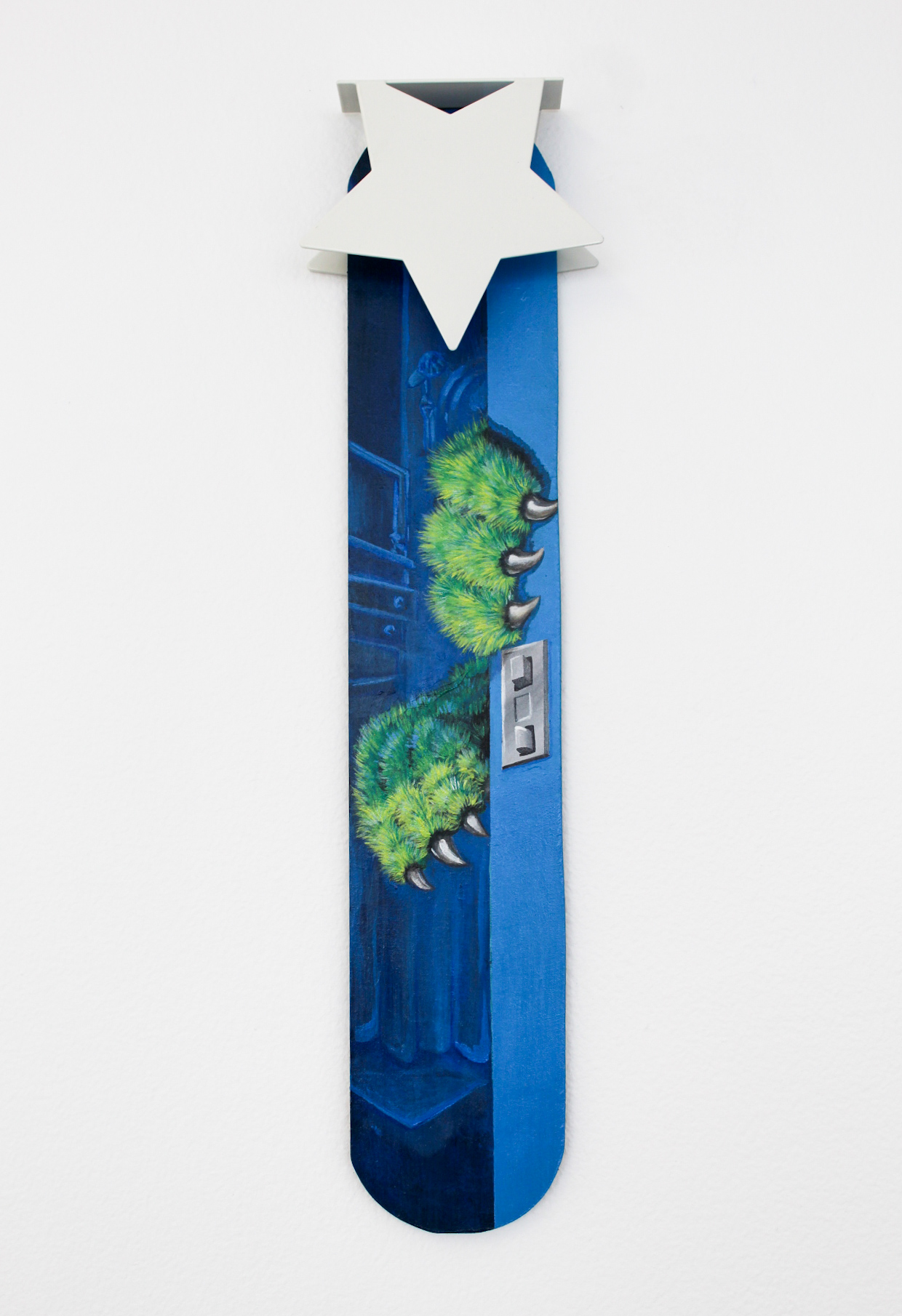
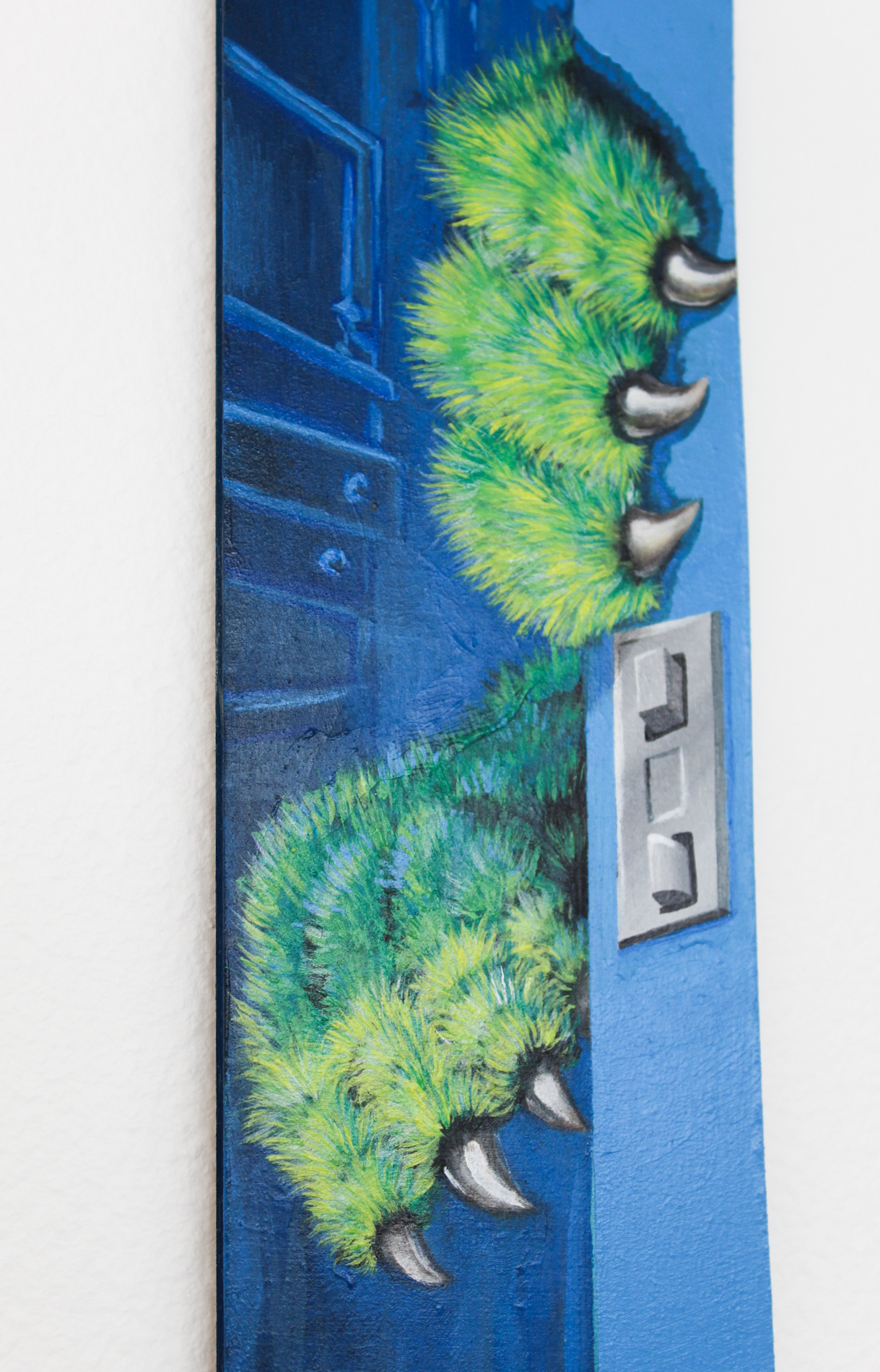
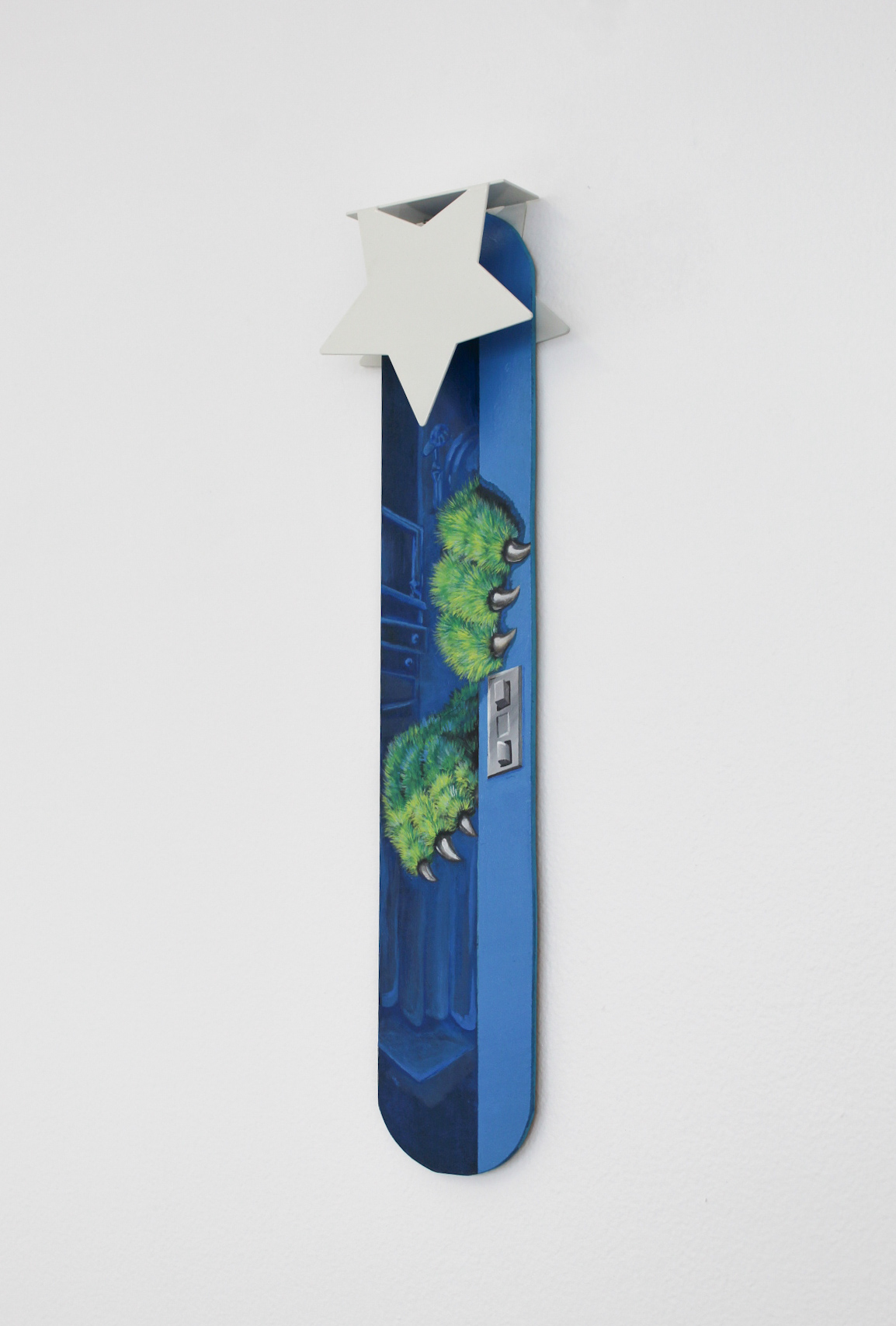
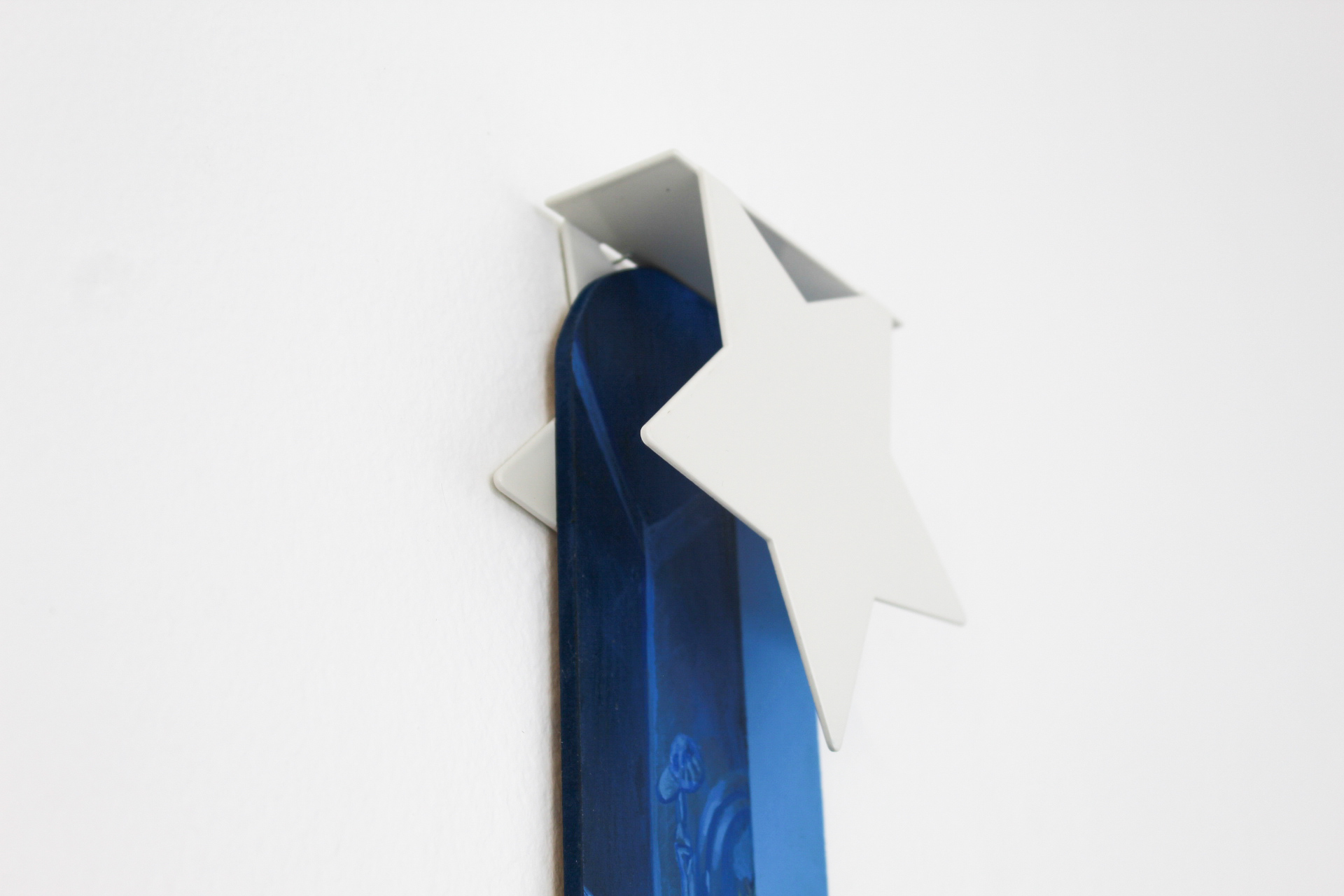
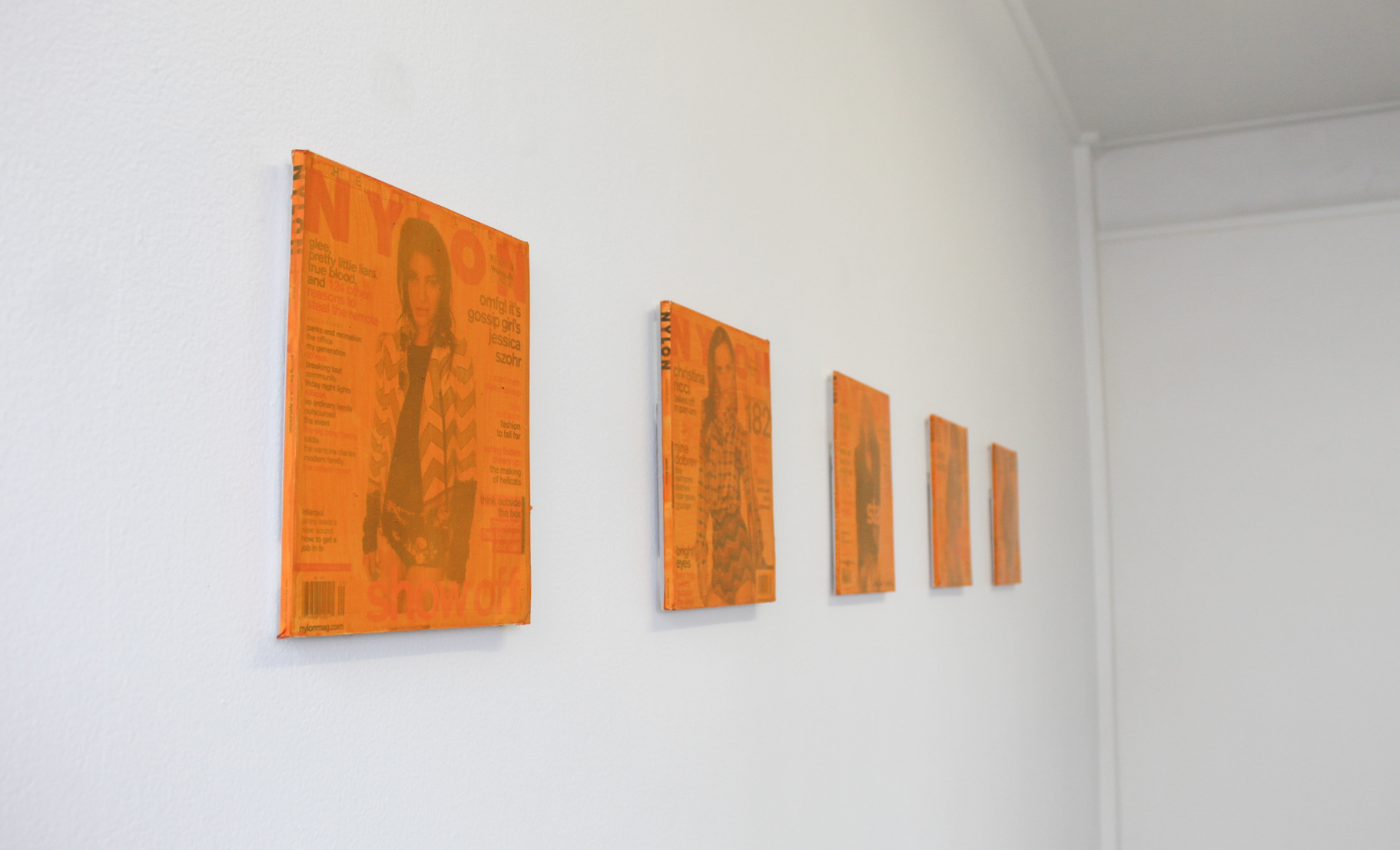
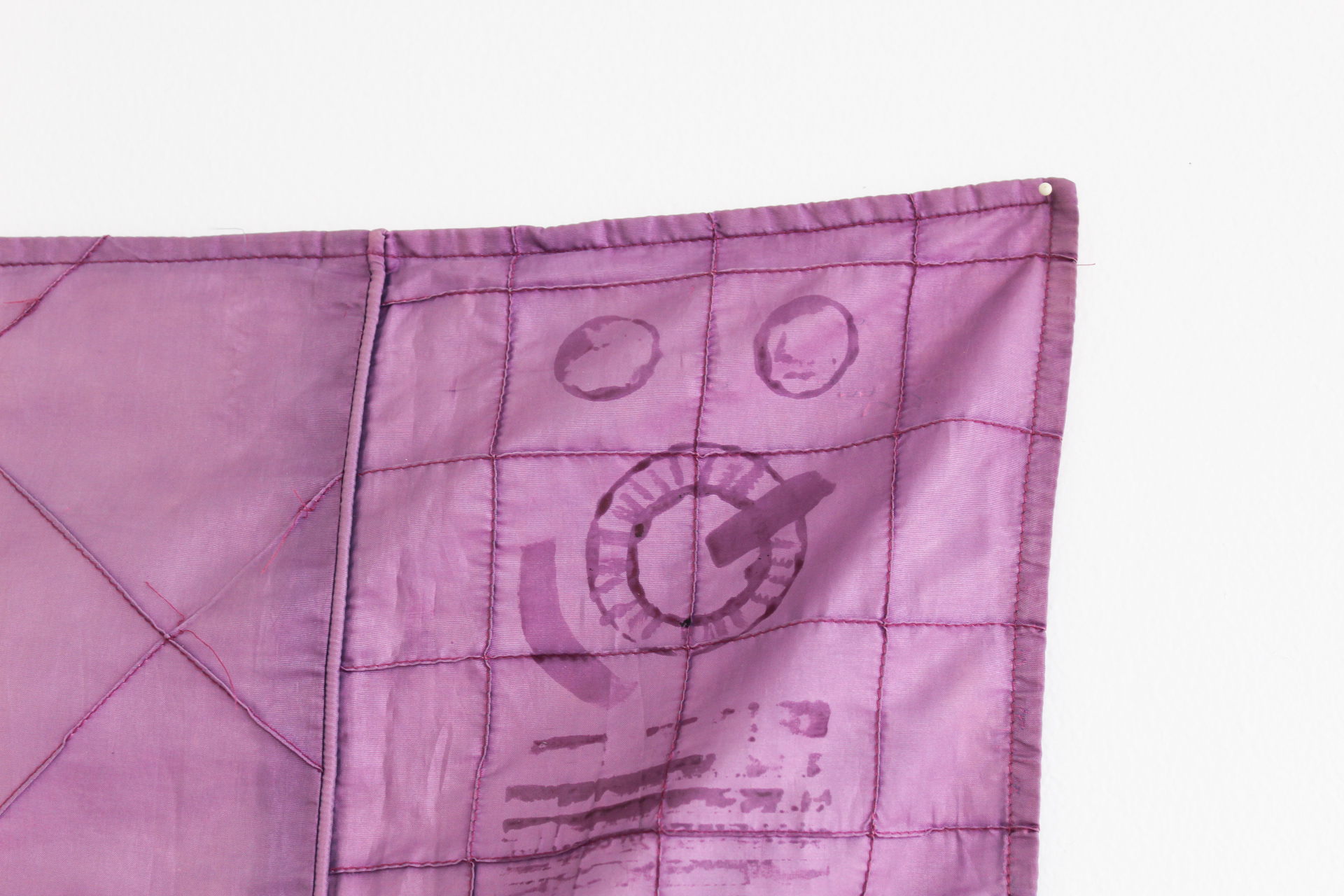
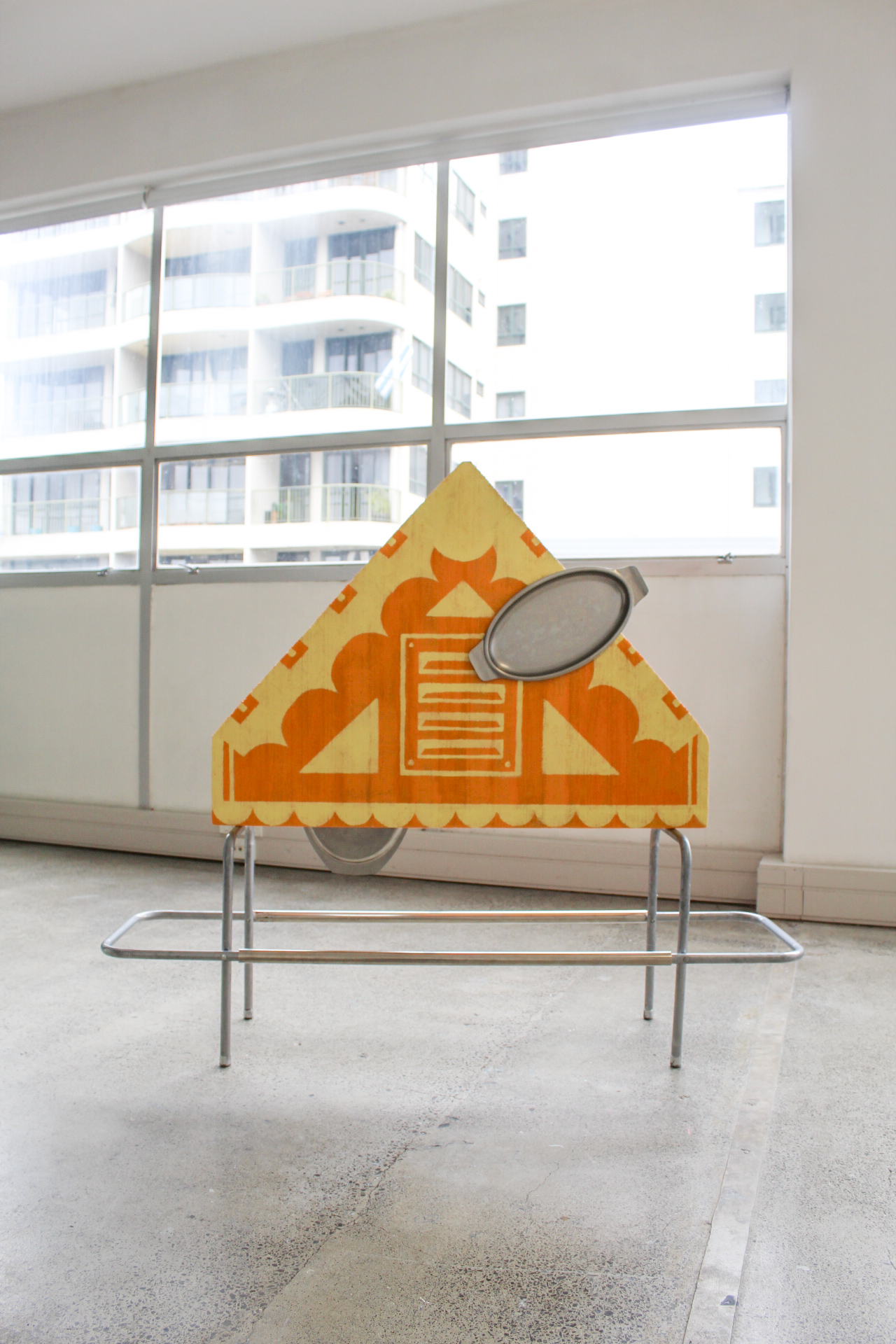
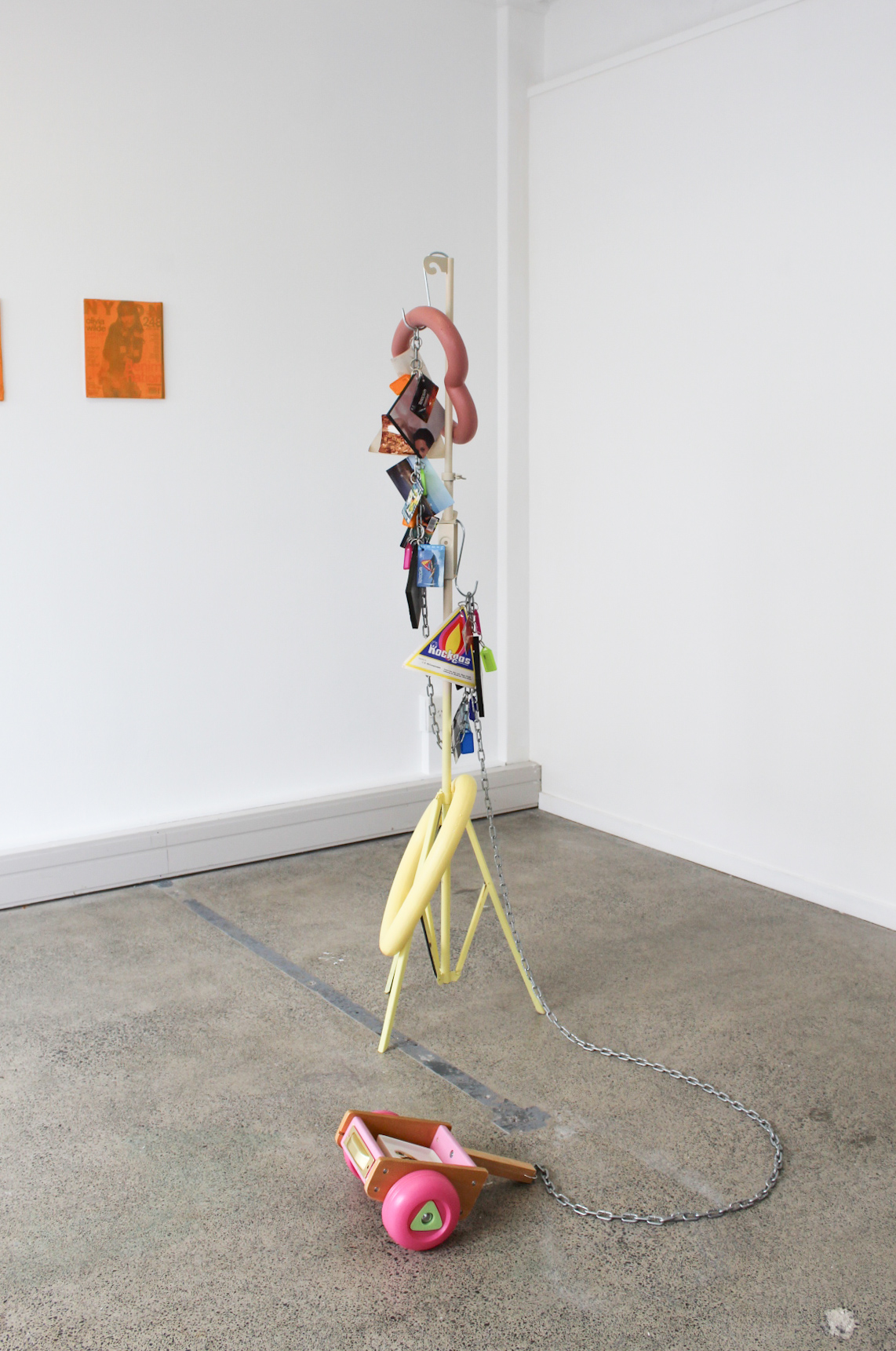
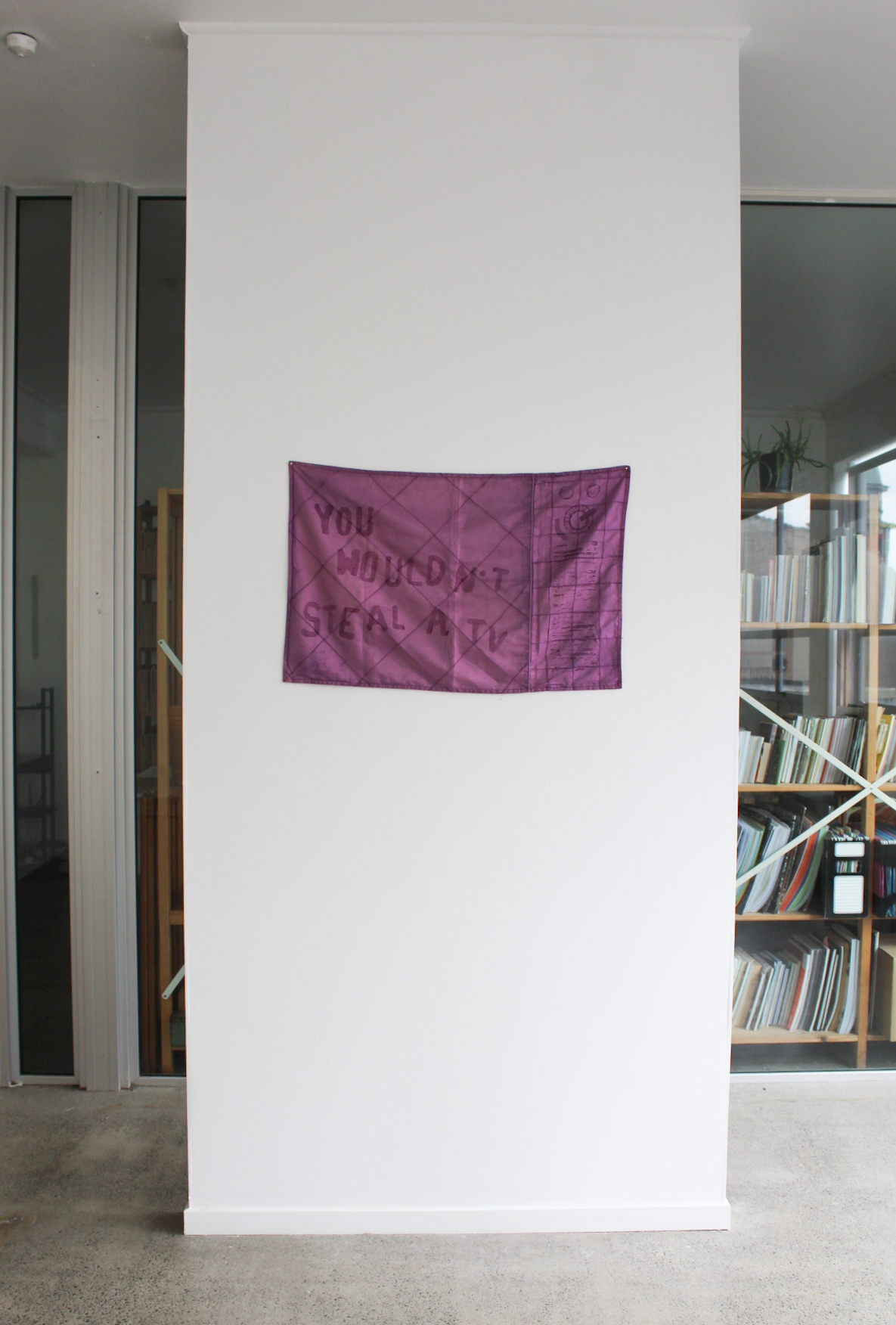
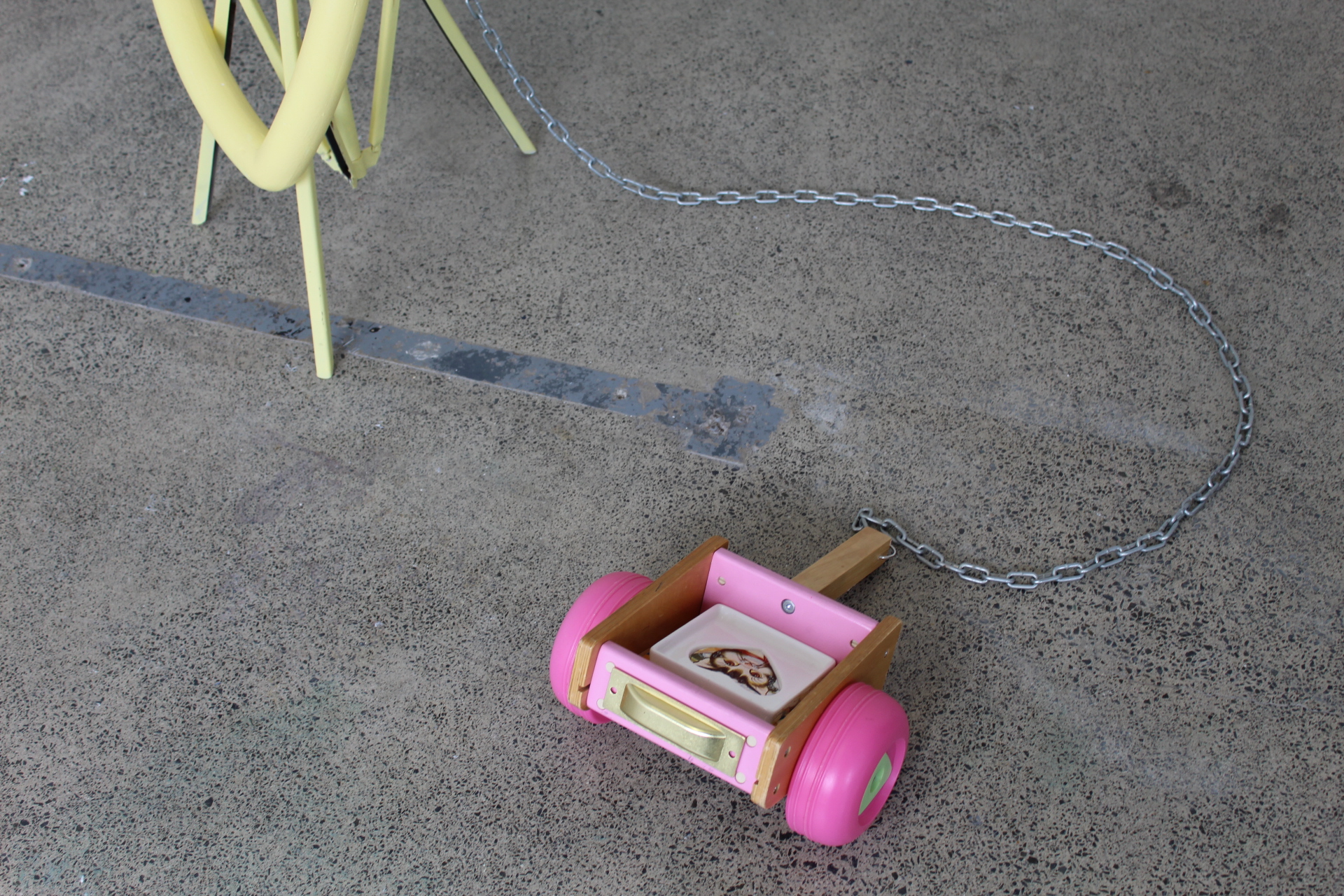
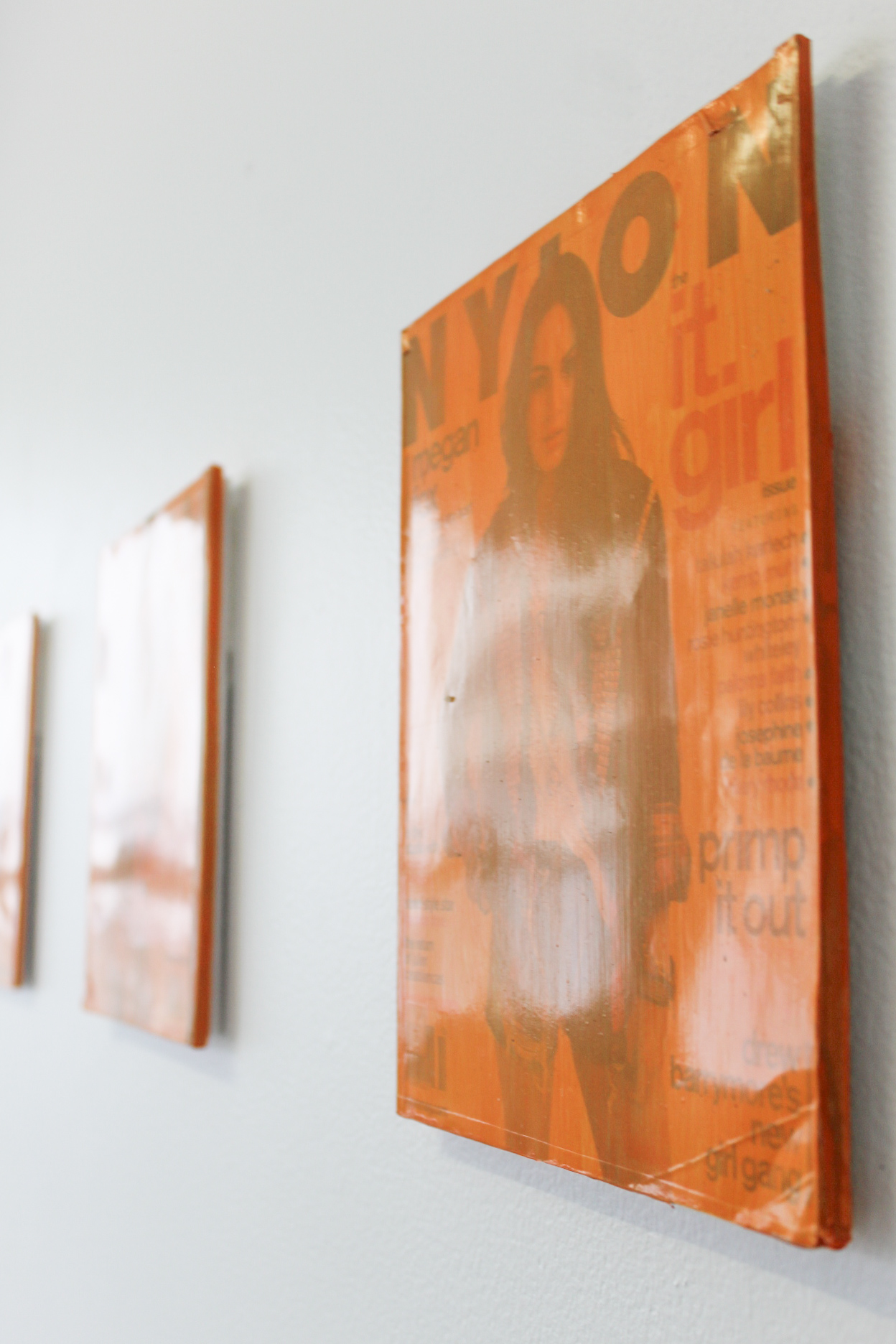
Like sediment, this collection of found parts and assemblages accumulate meaning and value through complex layers. Reminiscent of teenage and adolescent interiors, media and pop-culture materials converge and saturate, emerging as fragments of an expanded material language. Photographs, magazines and pieces of clothing carry signifiers of memories, experiences and desires. By deconstructing, de-functioning and recontextualising these theatrical forms, a strata of fictional identity and affect grows densely with fragile and fleeting attachment. Where material and memory intersect, curated arrangements of items provide structure to unexplainable and inconsistent narratives. While traces of use and degradation builds an archive of adolescence, one that is dramatic and sentimental; a temporal intersection of past and future.
Here, sentimentality operates as a suggestion. Collected and curated objects are assumably sentimental, unconfirmed in function, origin or classification. A domestic detritus as a narrative offers plausible values, forming as props with communicative agents that leave meaning unstable and unresolved. Meaning is built indirectly in the post-encounter, where comparison and relation is interrogated and understanding is created through shared experiences without being anchored to autobiography.
Nostalgia is increasingly packaged, aestheticised, and sold back to us. On a broader societal level, nostalgia has become a shared cultural condition. In contemporary life, it is consistently circulated through algorithms, trend revivals and economies, encouraging consumption and materially constructed moments. The youth bedroom mirrors this condition and reflects on how collective memory is assembled from fragments of second-hand images and inherited aesthetics.

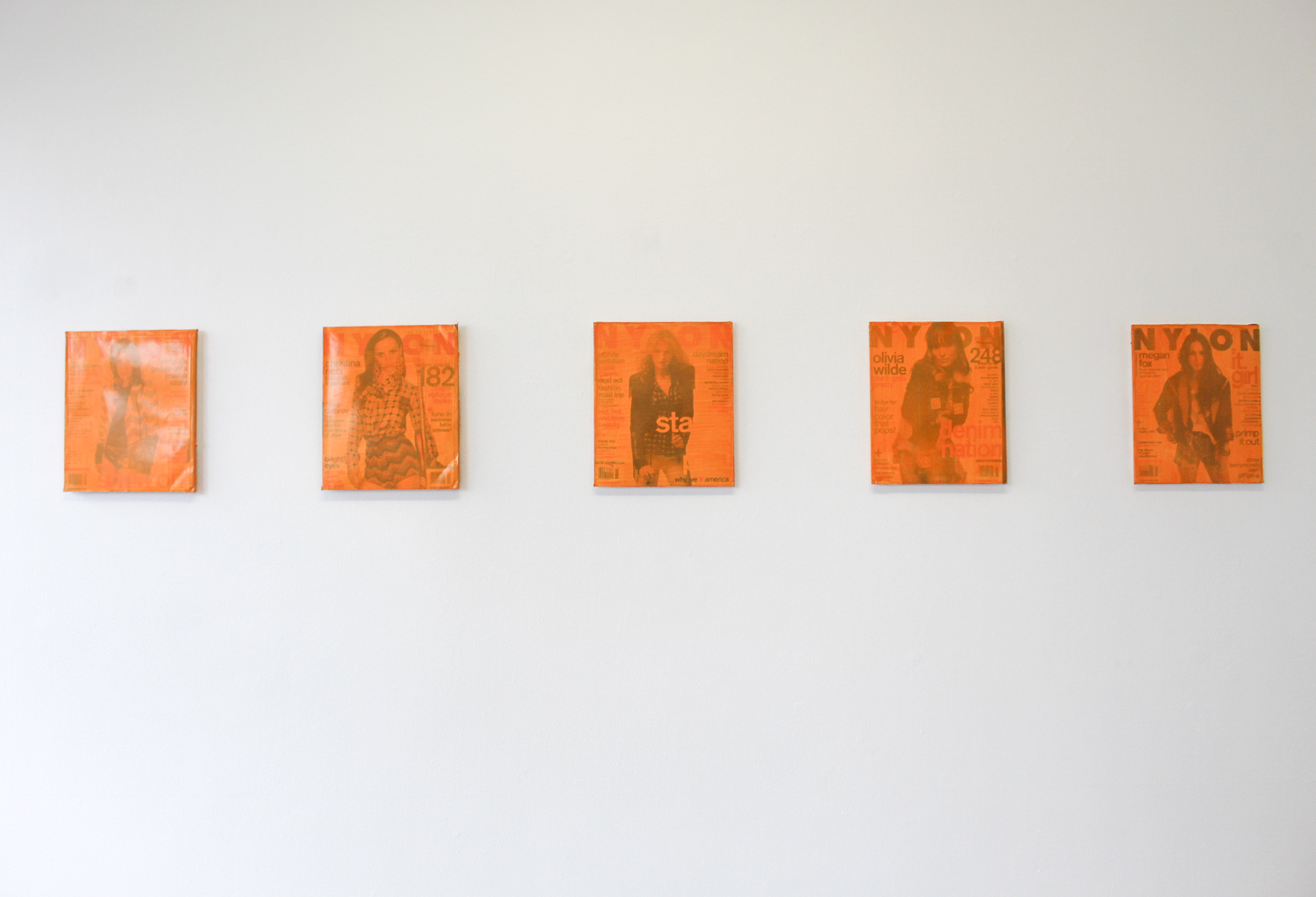
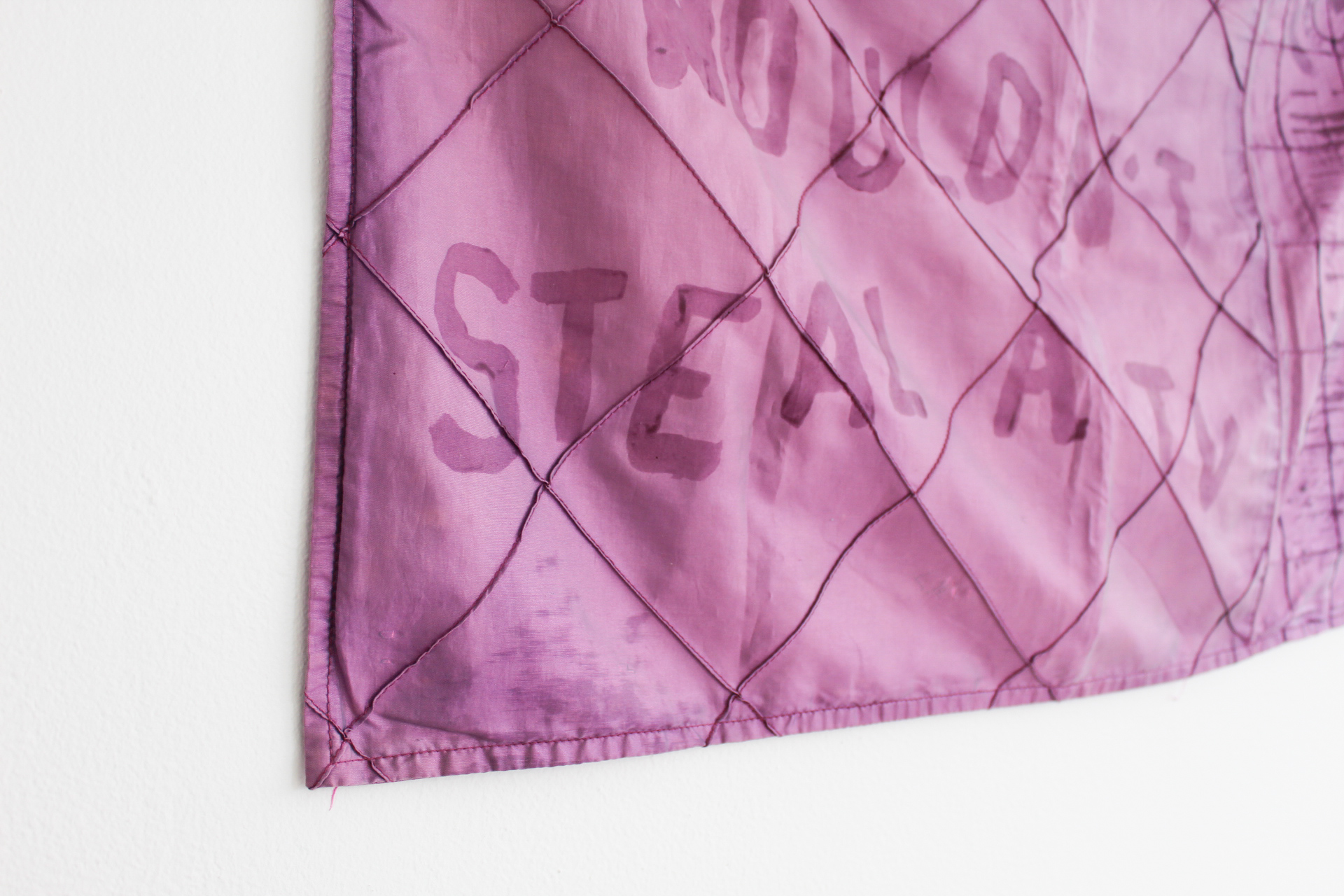
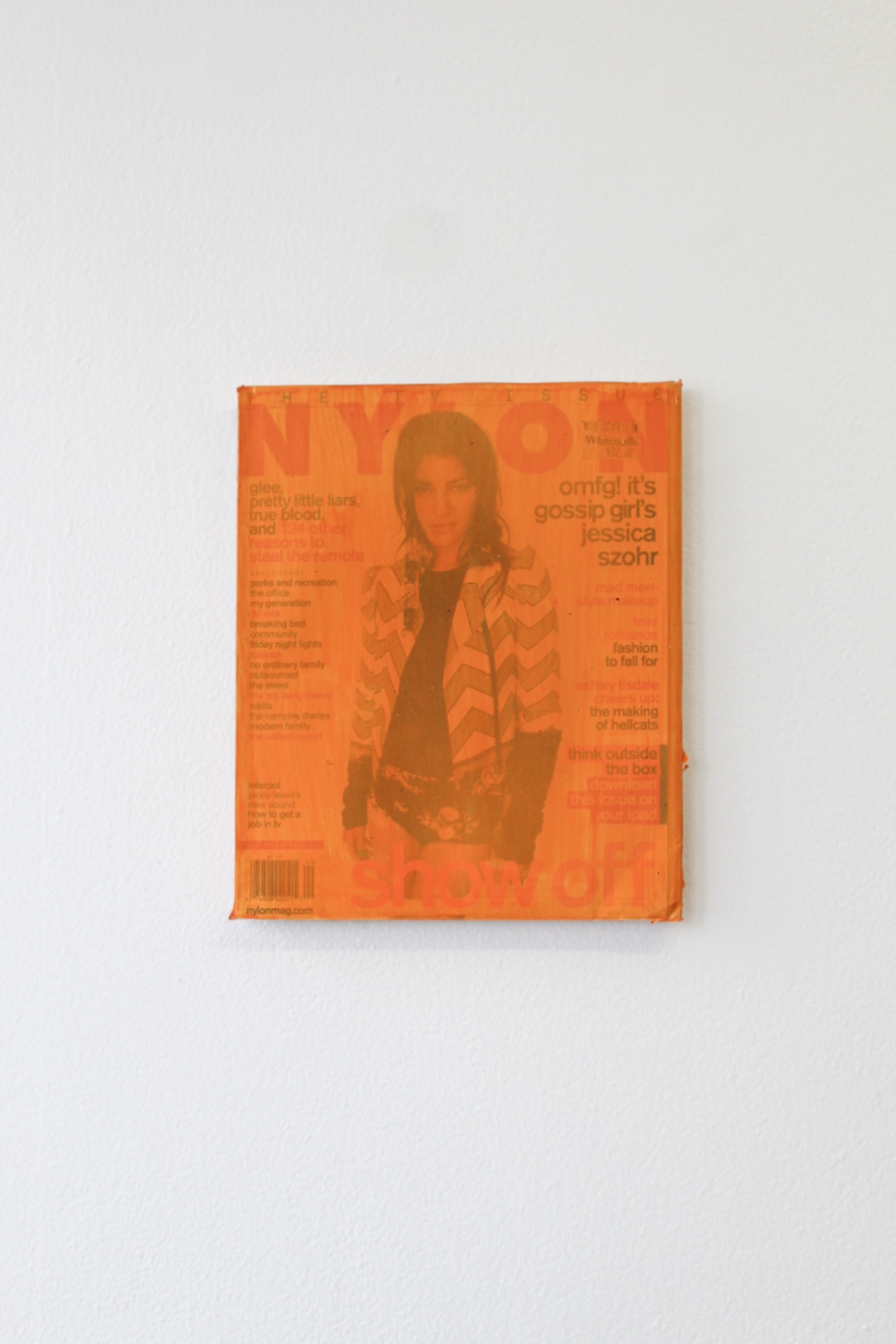
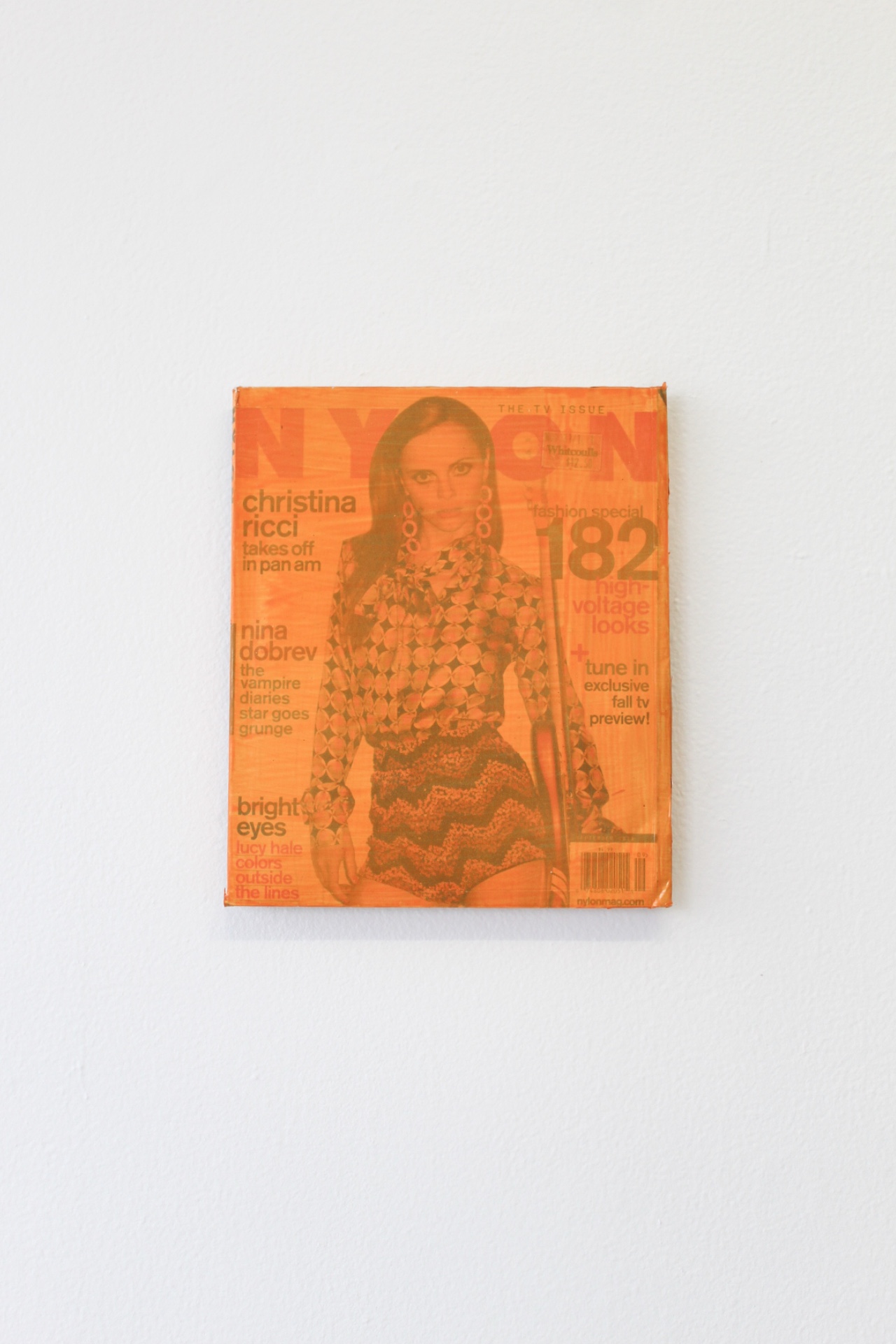
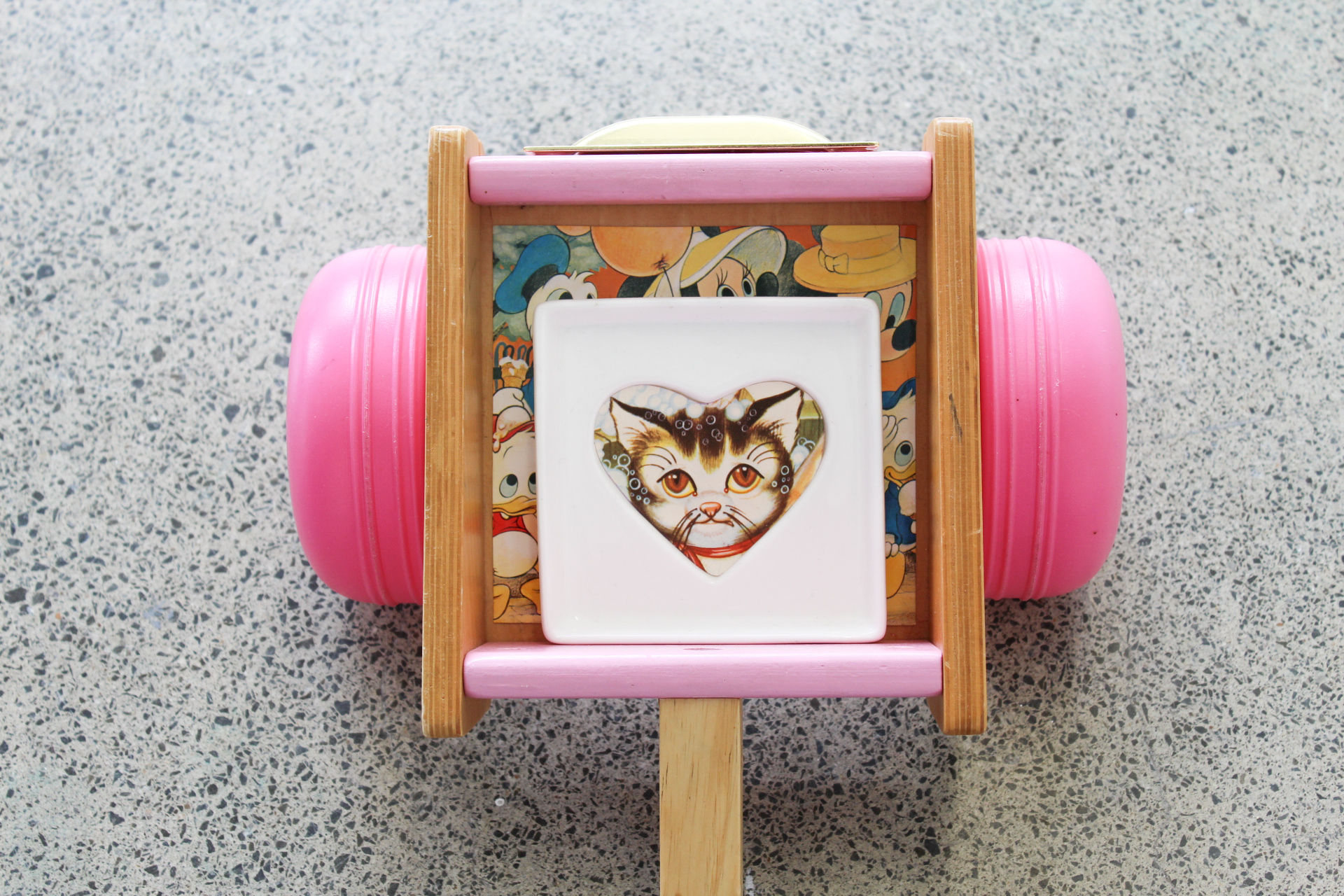
Images by Elise McDermott
Video by Zak McNeil